Exploring the Spanish side of the Basque Country
Charlie had by now seen quite a lot of the French Basque country from Bayonne to Hossegor, St. Jean de Luz and Hendaye. It was time to cross the border to Spain and see a bit of that side too. It was only 20 minutes by coach from Hendaye to get to San Sebastián and Charlie still had a few more days left of her stay that she had originally planned for the Quiksilver Pro in Hossegor until that was cancelled in 2022.
Rebuilt from the ashes
Donostia-San Sebastián is a city in the north of Spain, capital of the region Gipuzkoa in the Basque country, and only 20km from the French border. The name of the city is partly Basque and partly Spanish, both official languages of the region. The locals simply refer to it as “Donosti”, “Donos” or “Sanse”.
The old town was originally built as a port in the 12th century when it belonged to the kingdom of Navarra. The castle on top of Mount Urgull was built to protect the town against attacks from France. The modern Boulevard, “El Boule”, was once the place of the city walls. Despite all these defensive measures, the city was 1813 under siege by French and Portuguese troops and was burnt to the ground. Only a few of the original buildings survived. The rest of the city was rebuilt and is therefore only 200 years old. In Europe, this is very young for an old town.
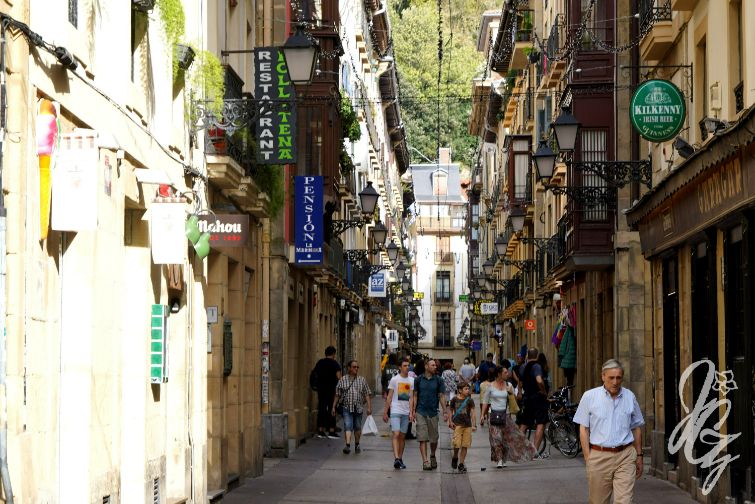
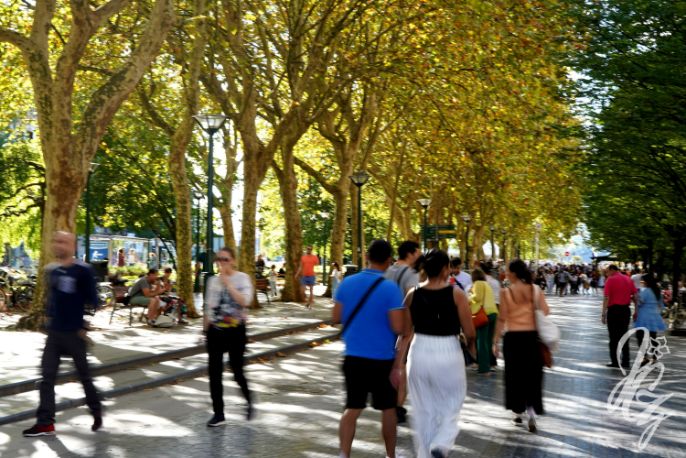
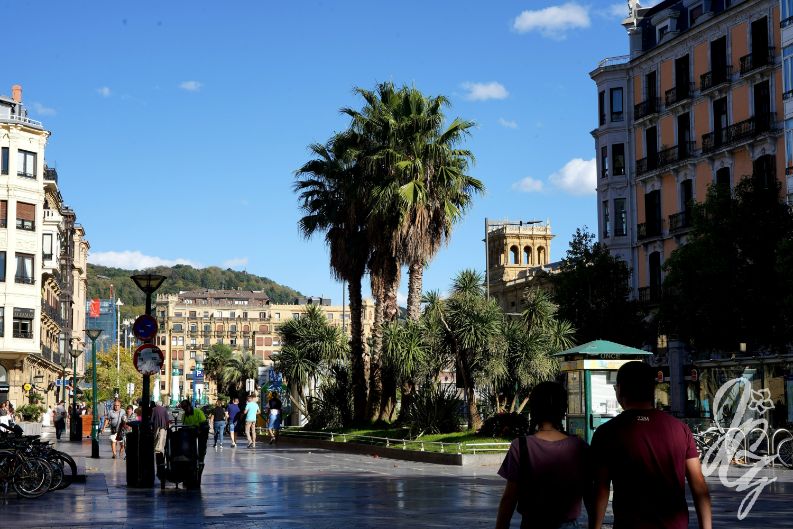
Today, it is the best place to get some Pintxos (the equivalent of the Spanish tapas) in the Basque country.
Eclectic architecture
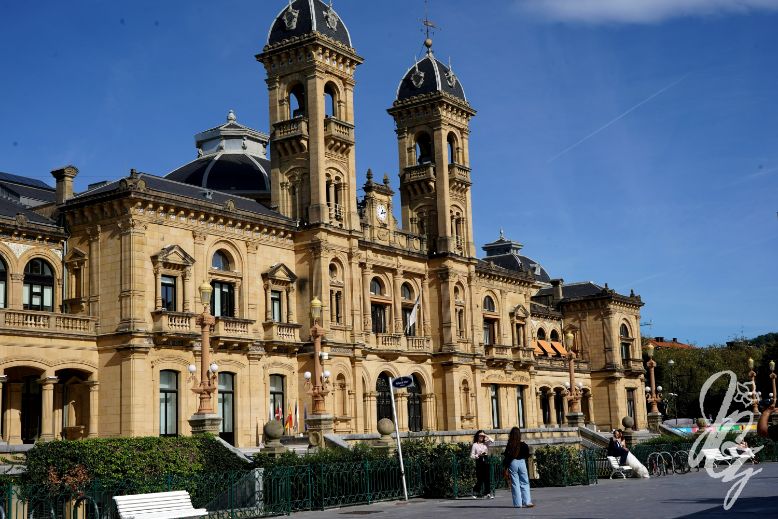
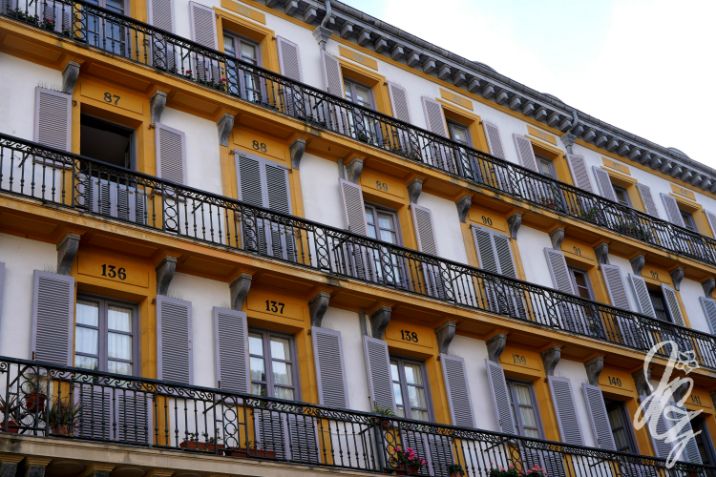
The permission to built outside the ancient city walls was granted in 1863. Everything south of the Boulevard is therefore not even 200 years old and a lot of the architecture was inspired by the Paris style, and you can indeed see many buildings in the centre that remind of the Haussmann architecture of the French capital.
There are very few houses in the typical style of the Basque country. You can see some of them at the bottom of Monte Igueldo in the Western part of the city.
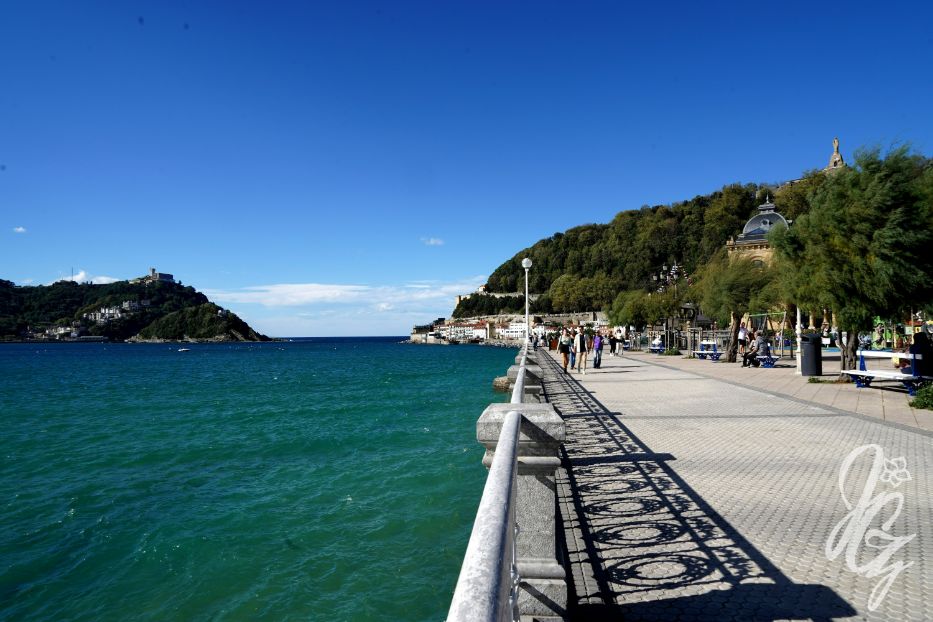
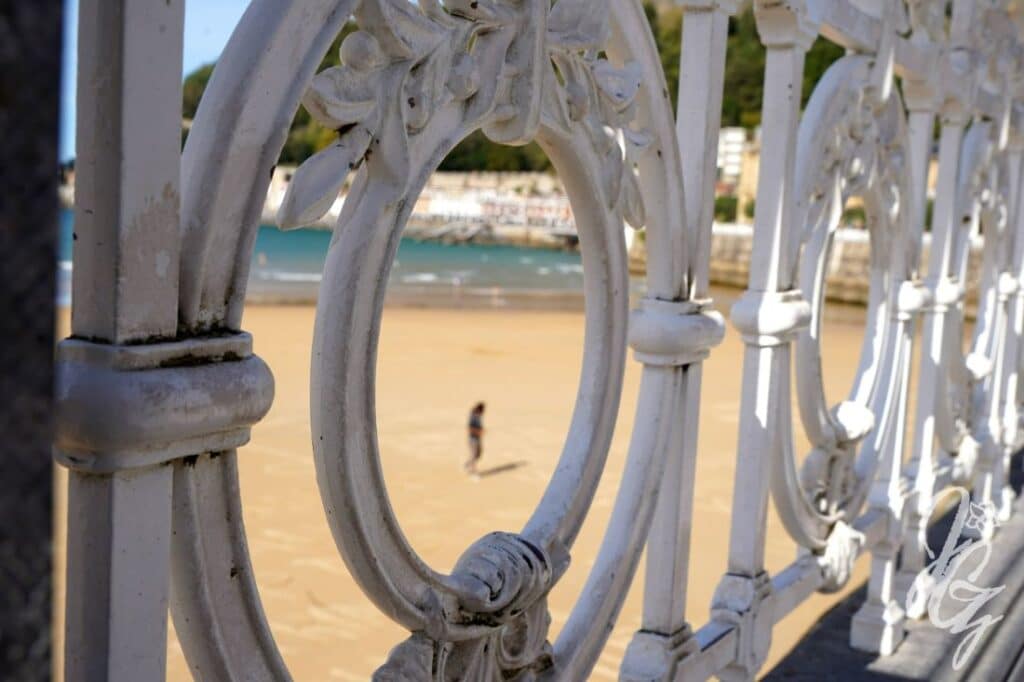
There have been some royal influences in the city too. Queen Isabella II was recommended regular swims in the sea and set up a base in San Sebastián that gave the promenade around the beach La Concha a royal look. Some buildings along the sea front and the white flowery fence still remind of that time.
San Sebastián doesn’t have anything of the picturesque images of the French Basque country and shows a variety of architectural styles that have a little bit of several European cities.
Beaches in Donostia-San Sebastián
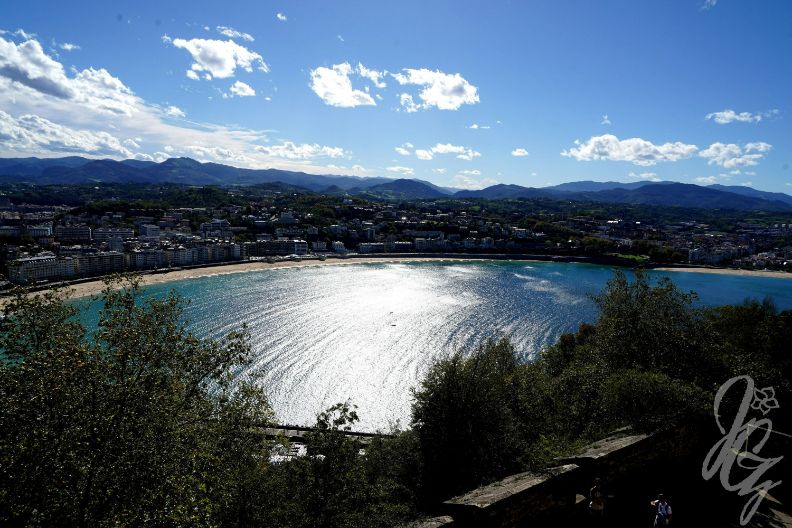
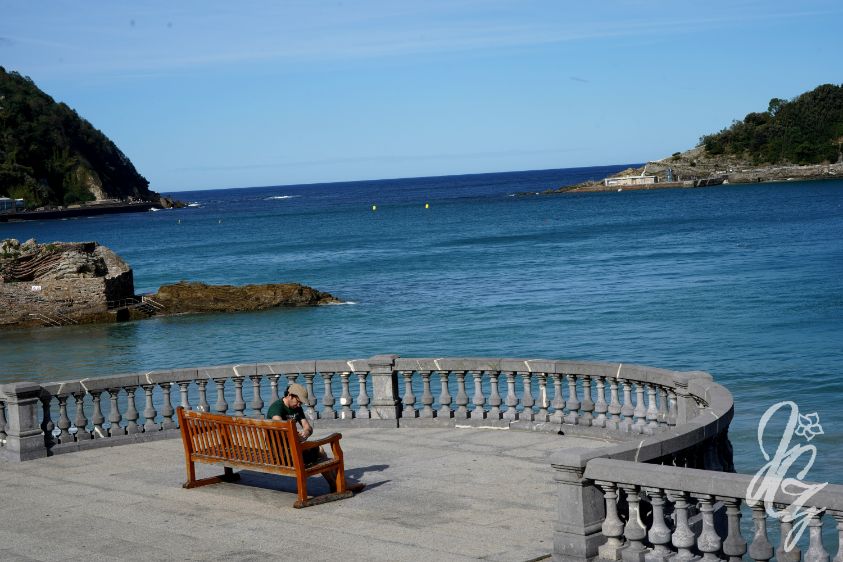
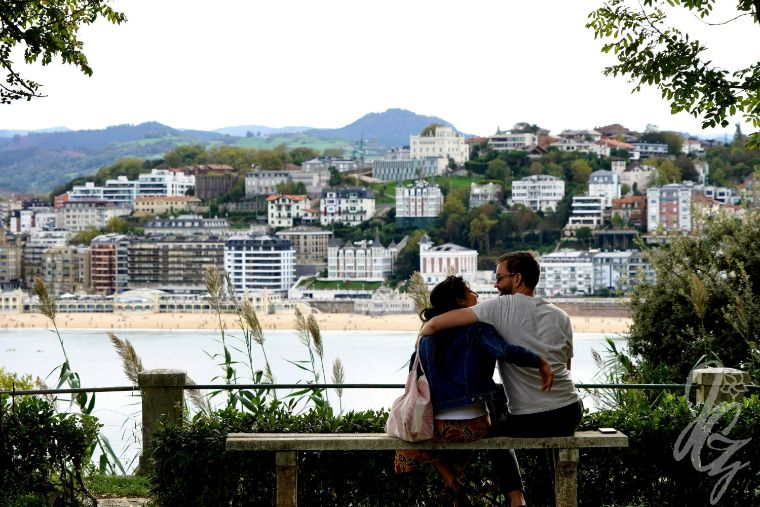
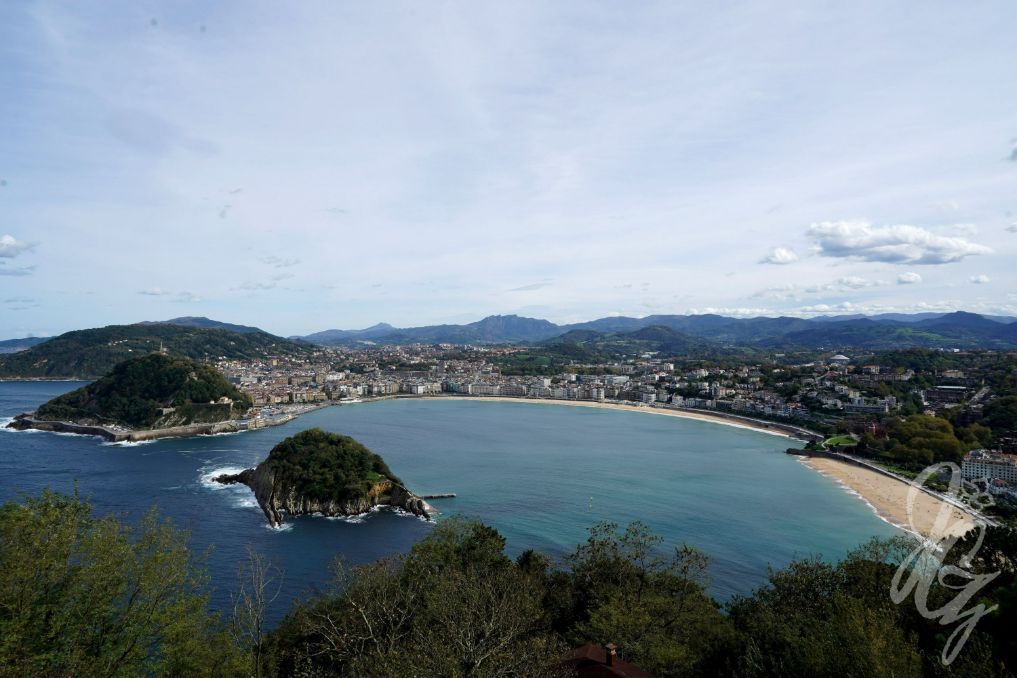
The old town was built at the bottom of the peninsula Mount Urgull and there are beaches to either side. Towards west is La Concha (Basque: Kontxa) which means “shell” as it has exactly that shape. It then leads into the beach Ondarreta towards the other end of the bay.
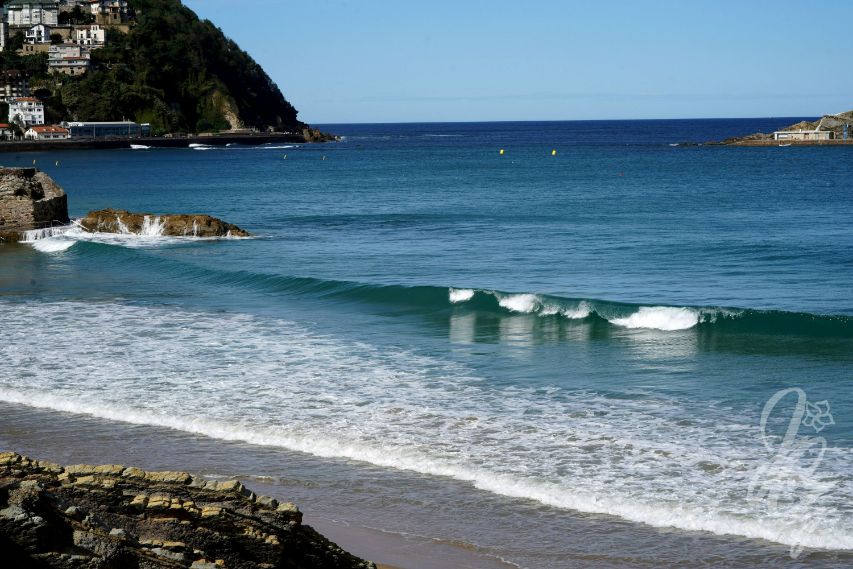
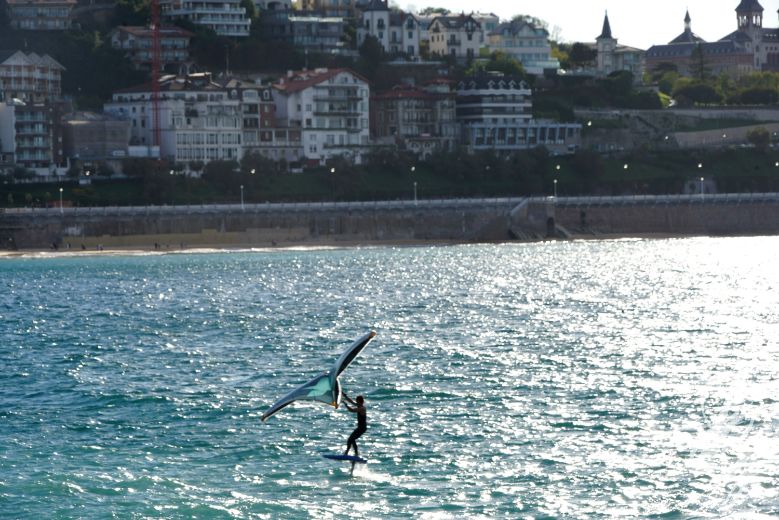
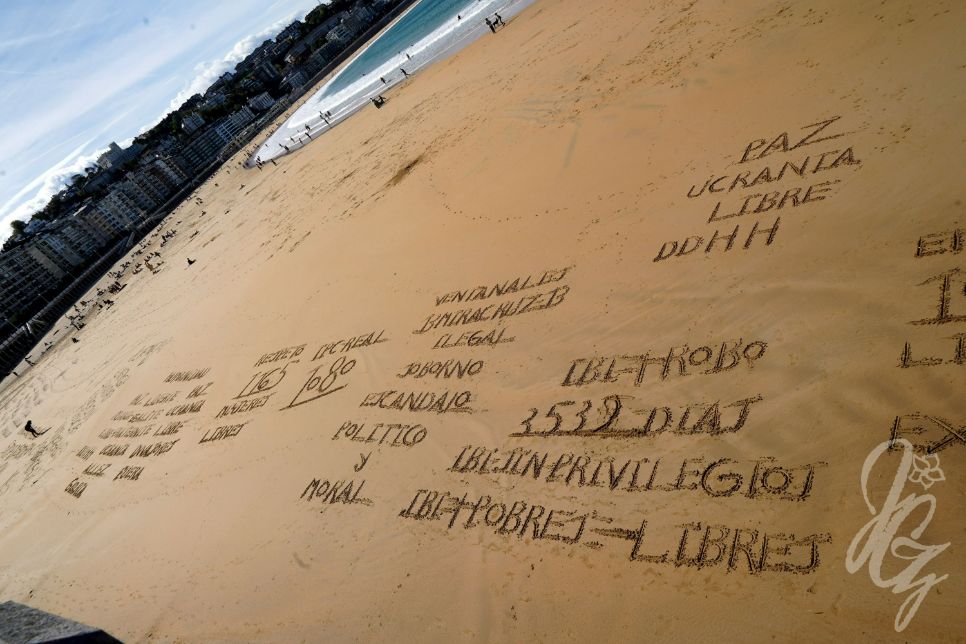
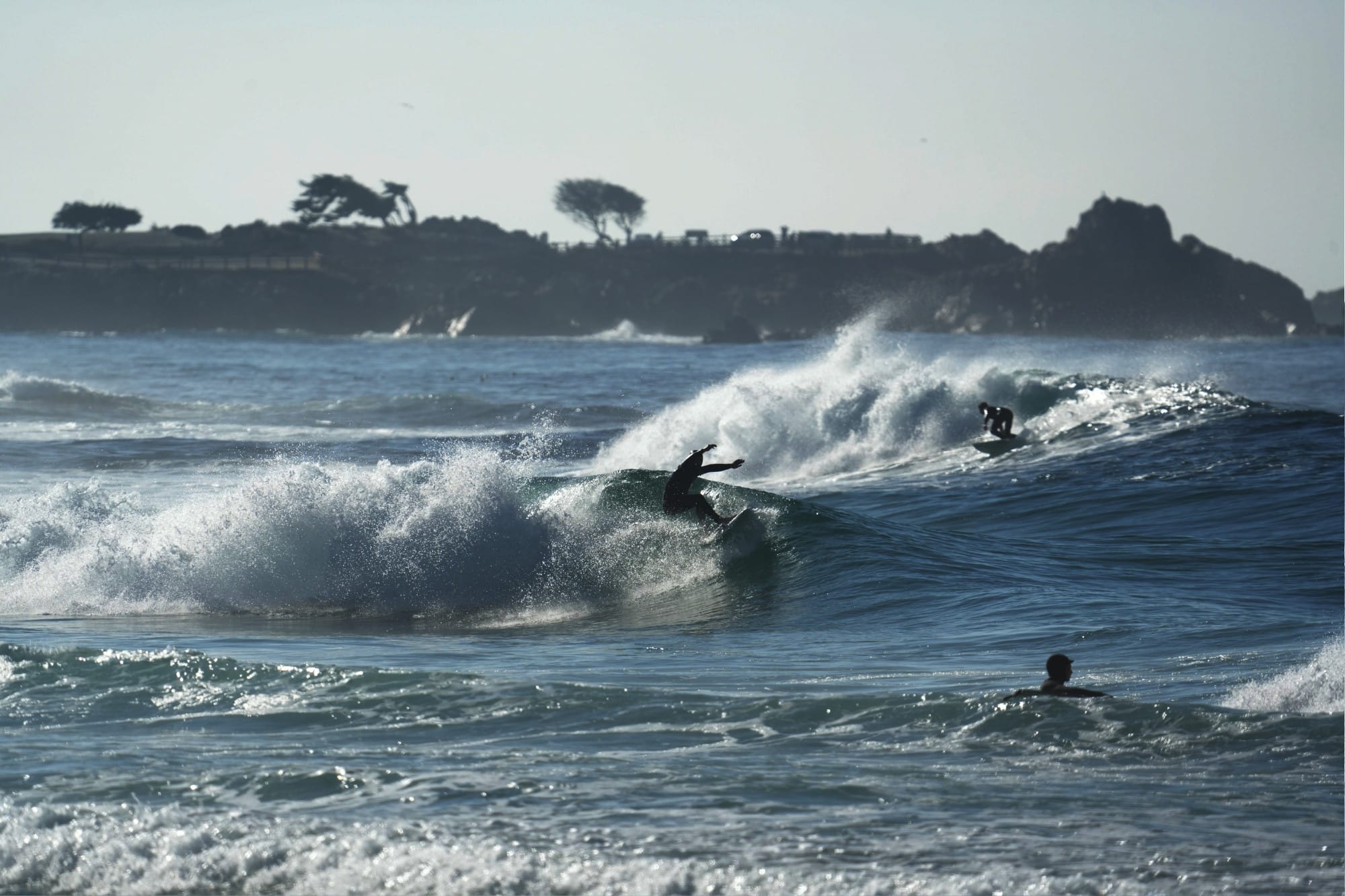
Towards East of Mount Urgull is the beach La Zurriola which is the surf beach in town. It is a beach break with multiple points. The waves are usually a bit smaller in front of the Kursaal and on big days, they are barrelling at the Eastern end in front of the wall.
Zurriola beach is a lot smaller than La Concha and it can get very busy in the line-up. You have to be confident and should not hesitate if you want to enjoy the surf there.
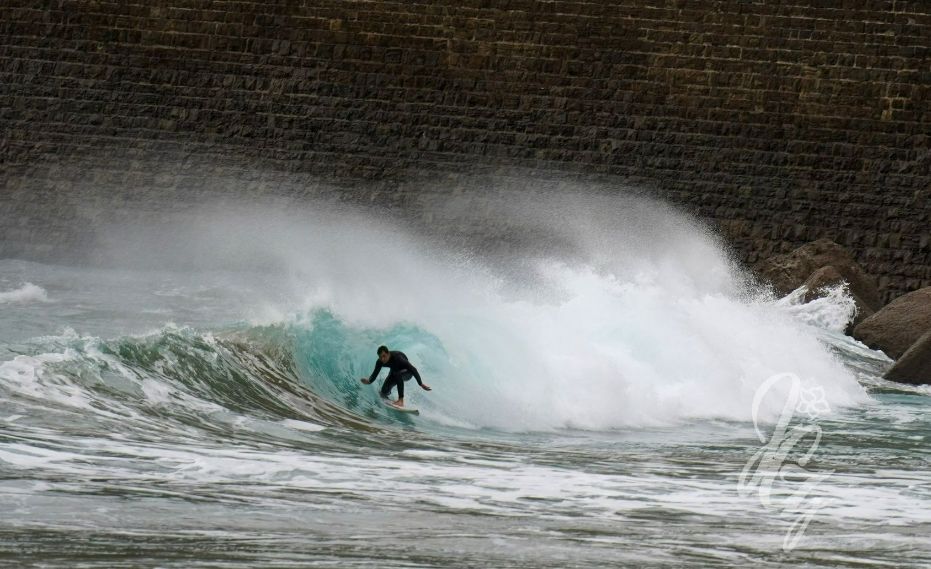
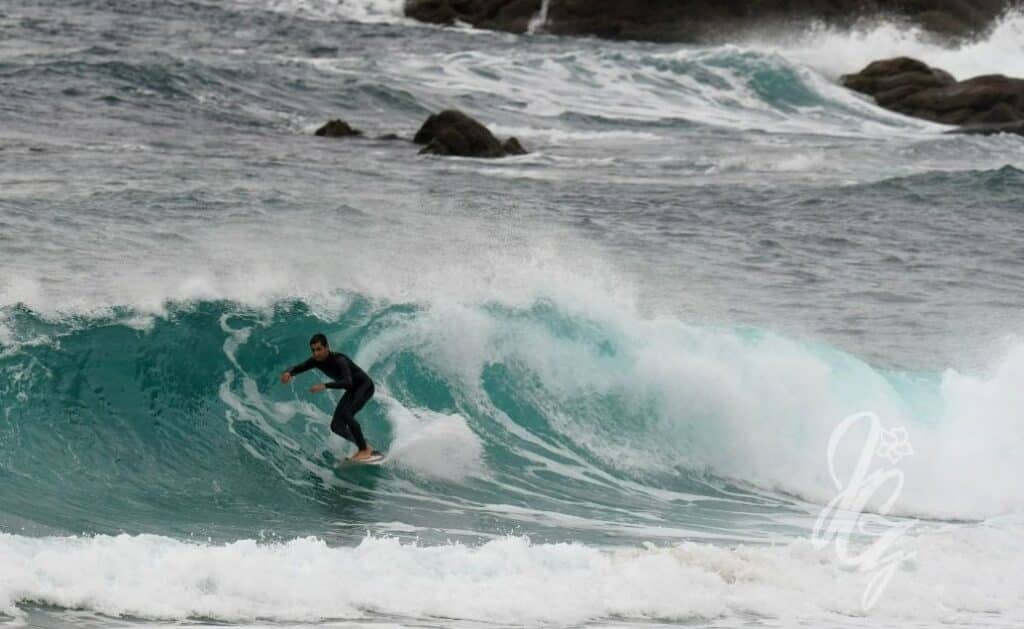
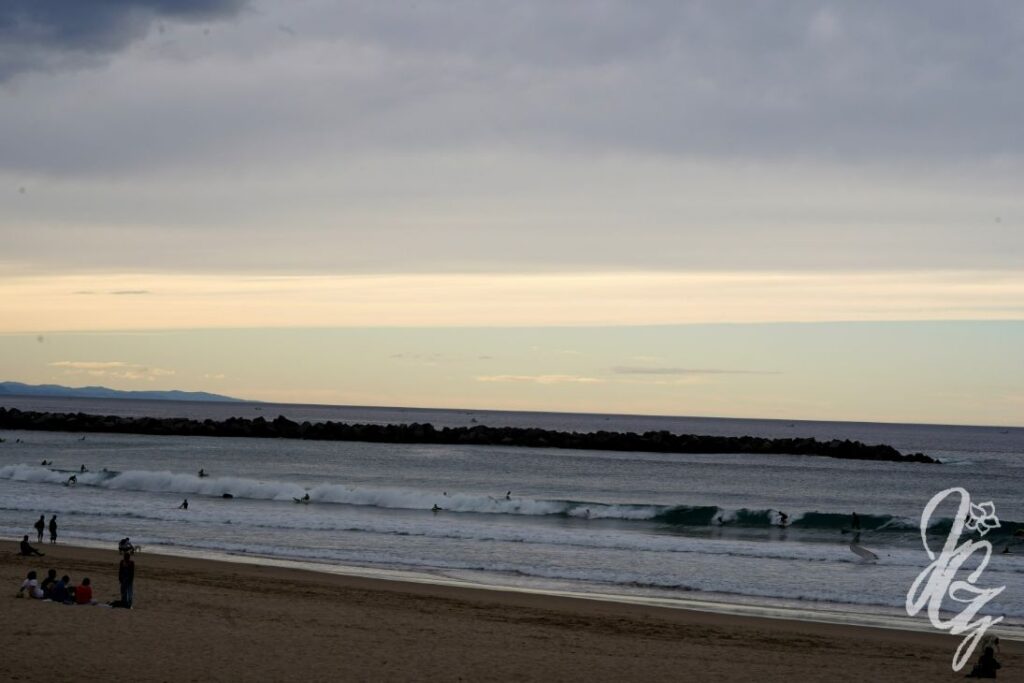
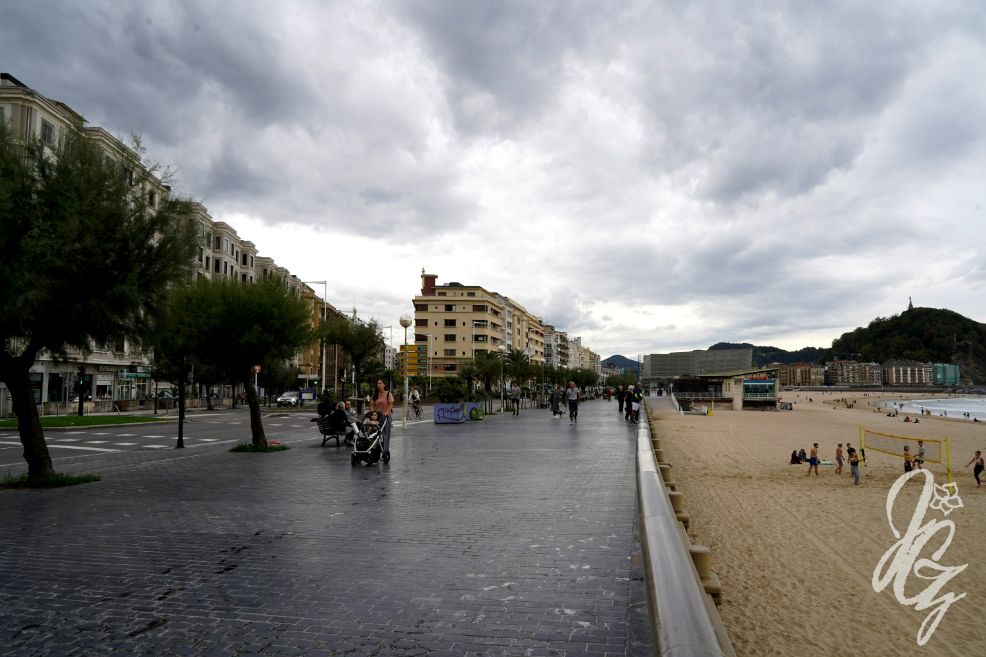
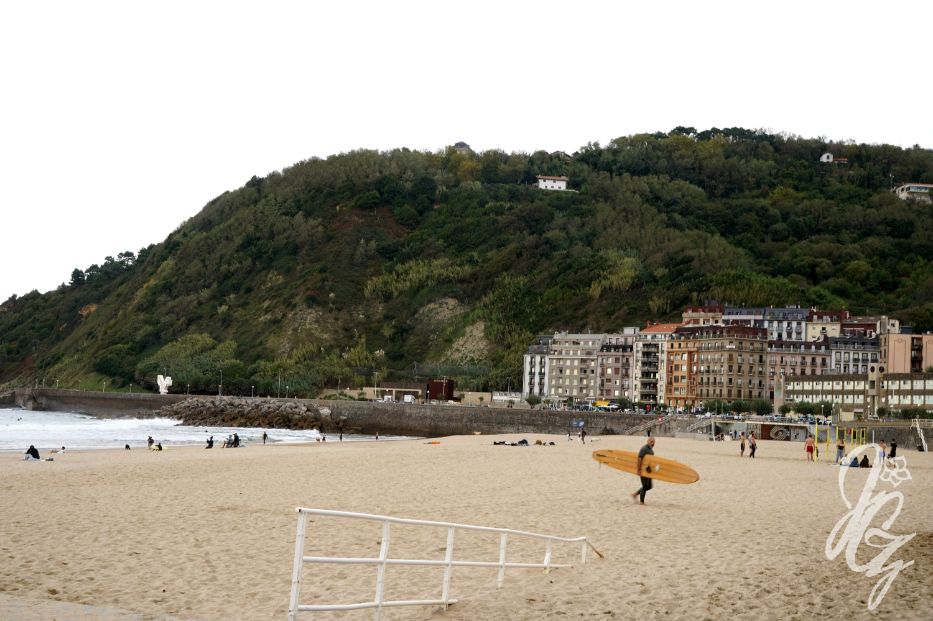
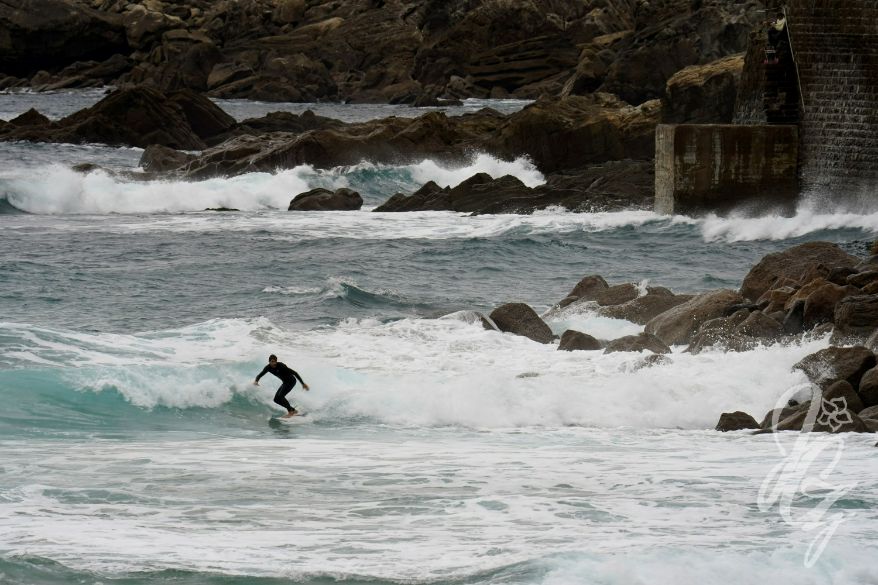
Charlie stayed in a guesthouse in the quarter Gros which is right by Zurriola beach. It was only a 2-minute walk to the beach, and you can walk barefoot through the streets. There are showers on the beach to wash of the sand off your feet before returning to the accommodation. There are also lots of surf hire shops and surf schools around.
Nature and views over the city
As any city, Donostia-San Sebastián has a varied cultural offer with museums and theatres. Charlie was also recommended the Tabakalera but didn’t have time to check it out. The city is surrounded by nature that is worth exploring as it offers great views over the town and the bay.
Mount Urgull
There is one place that you can see from anywhere in the city: Mount Urgull with the Christ statue on top. There are multiple ways leading up the hill to the ancient castle. The quickest and steepest way is between the harbour and the old town. The more scenic route starts behind the Aquarium of Donostia-San Sebastián.
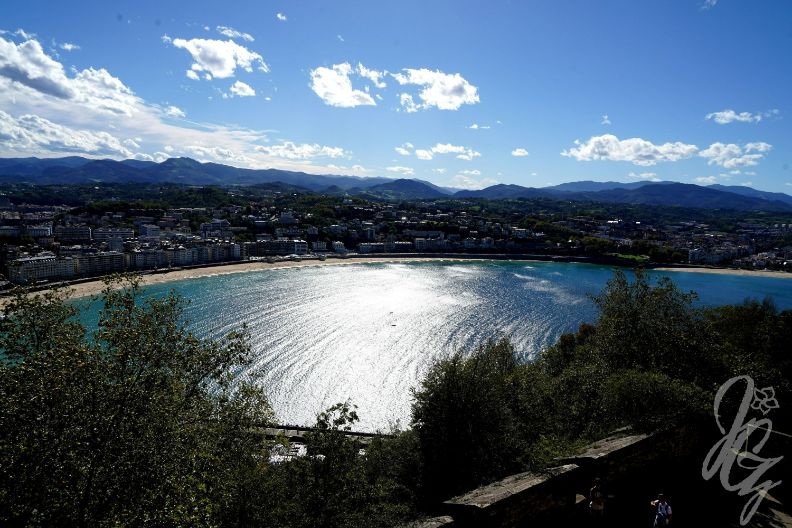
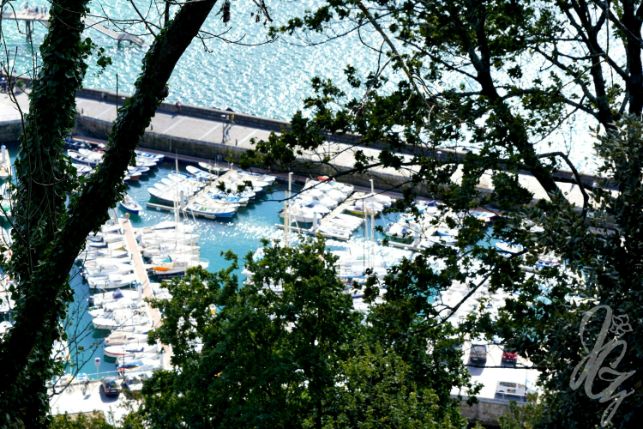
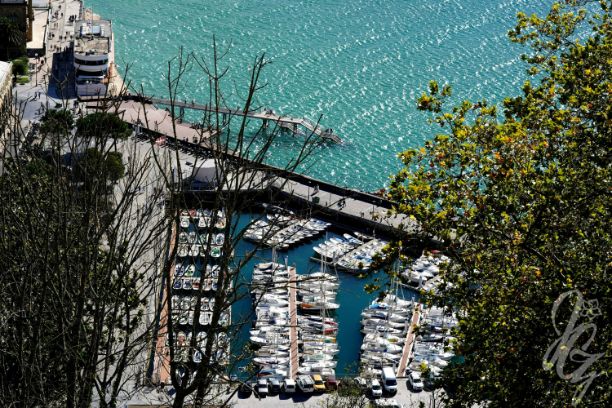
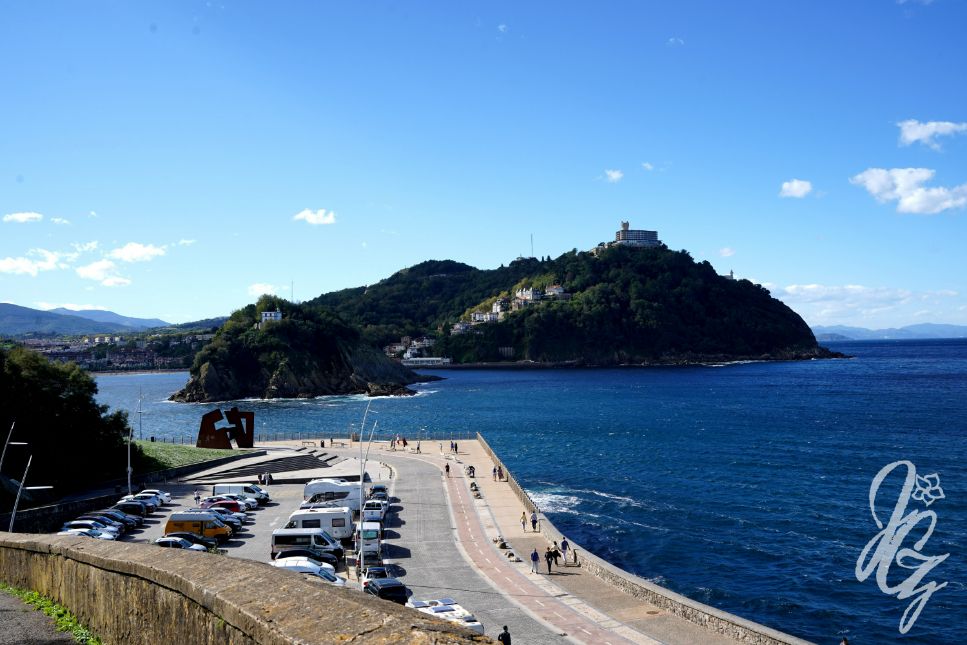
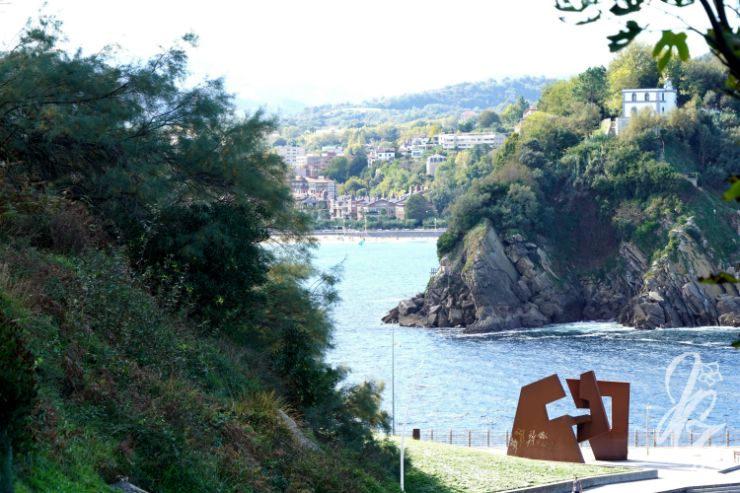
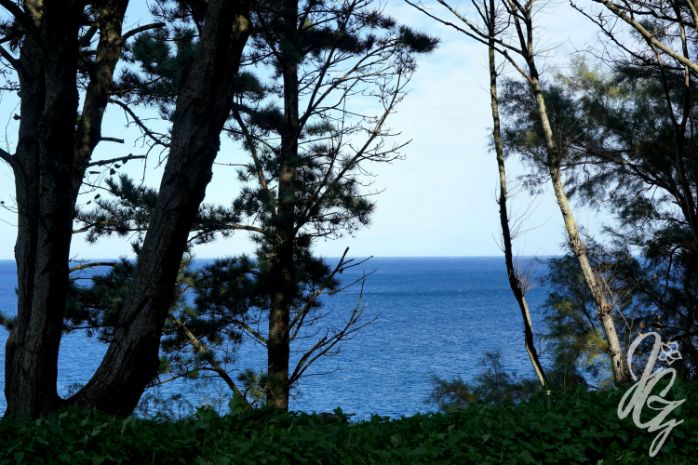
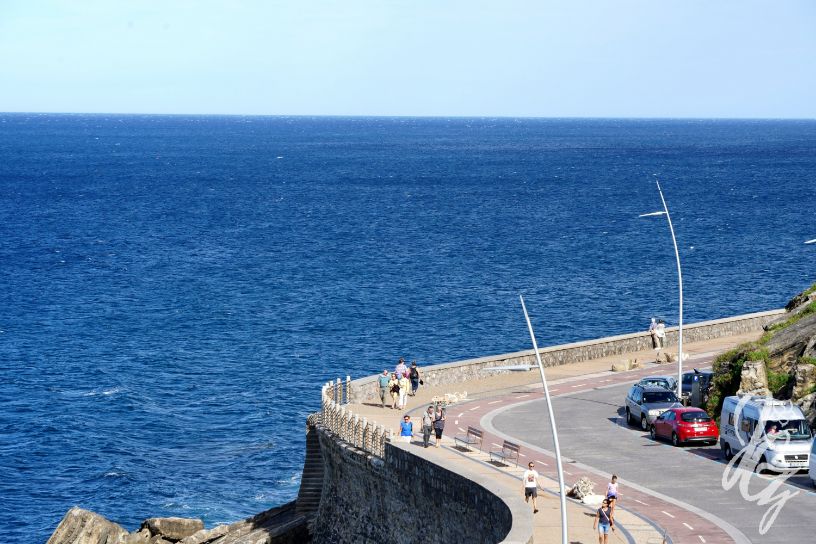
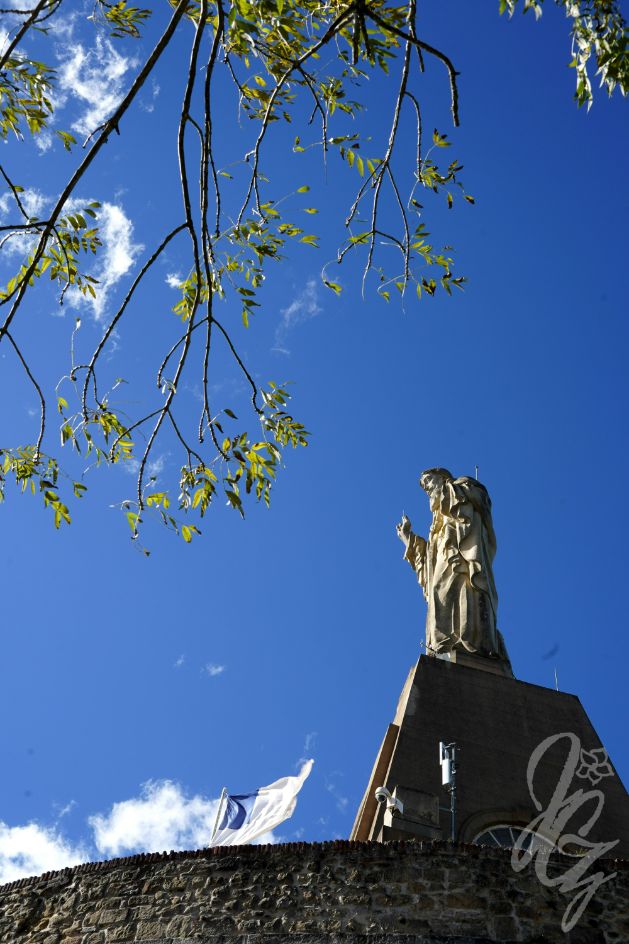
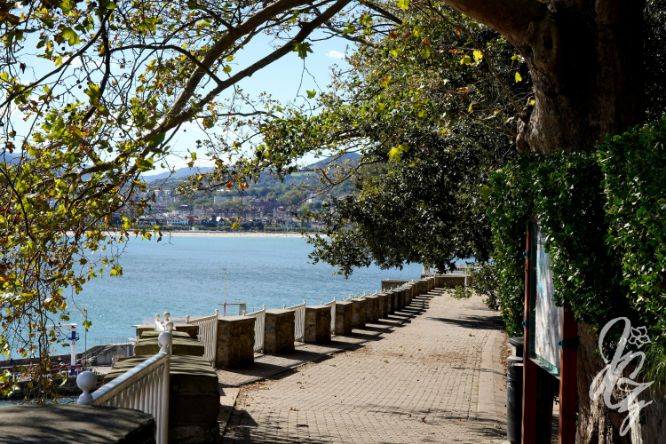
Once you reach the castle on the top, you can see the whole bay of La Concha. There is a museum inside that shows the history of the city and provides access to the Christ statue. The view only gets better the higher up you go. The entrance to the museum and the statue is free, but it is closed on Mondays.
Santa Clara Island
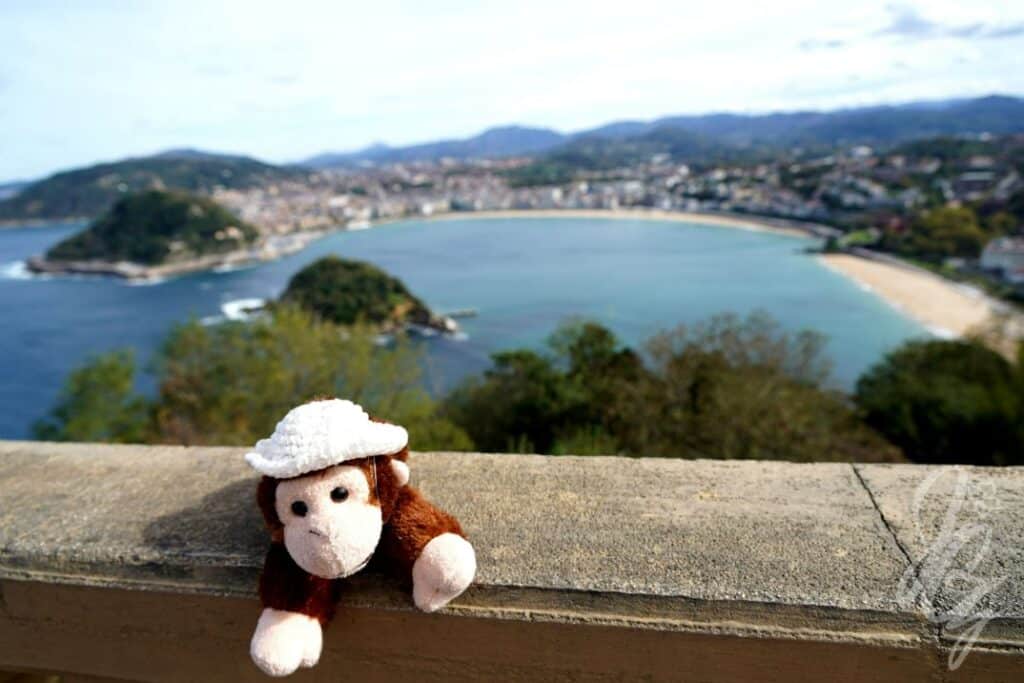
There is a small island in the middle of the bay of La Concha beach: Santa Clara Island. You can get a boat from the harbour to the island. There is a direct route which leaves every 30 minutes and costs €4,00 per person and there is a more scenic route that goes around the bay for 30 minutes and then anchors at the island. It leaves every hour and costs €7,00 per person. More information is available directly with Motoras de la Isla.
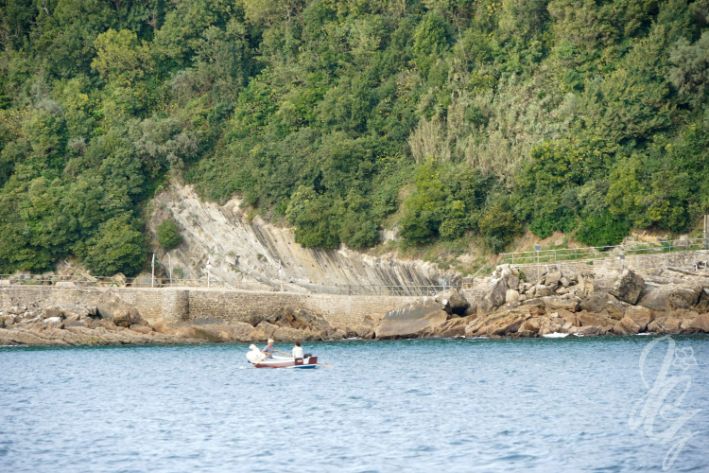
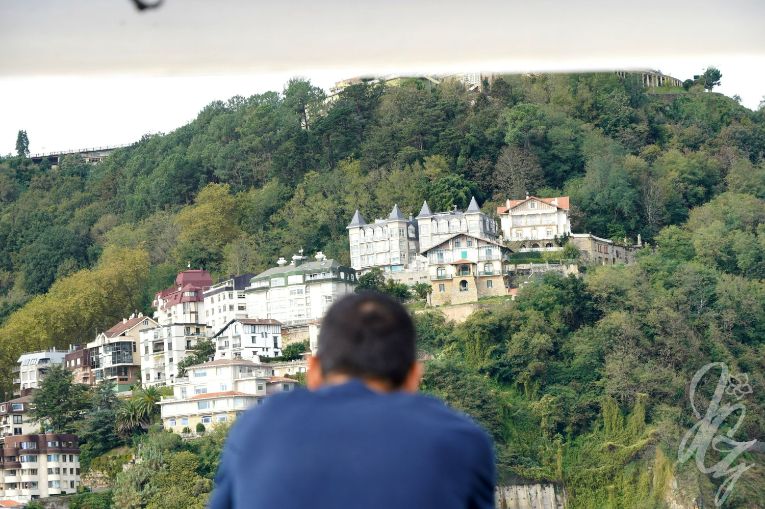
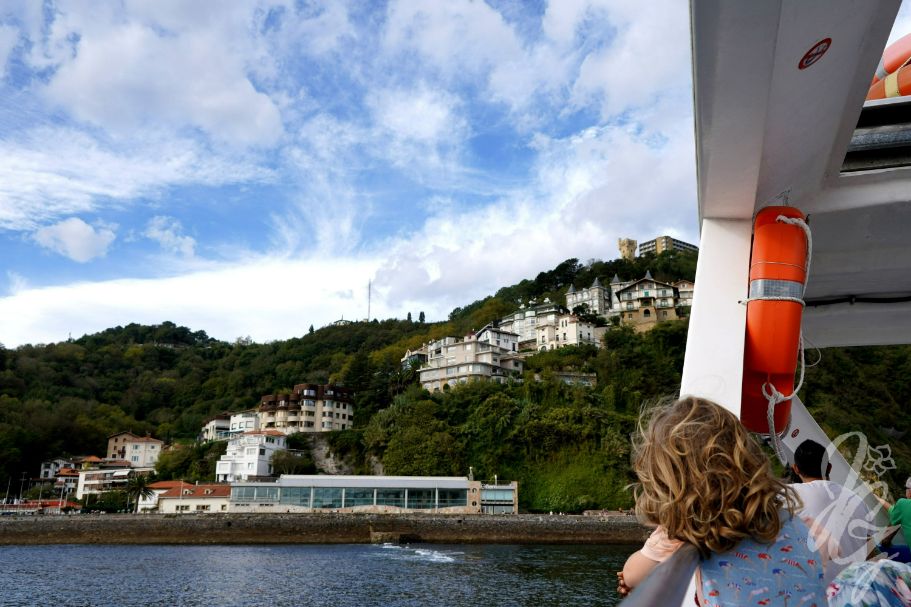
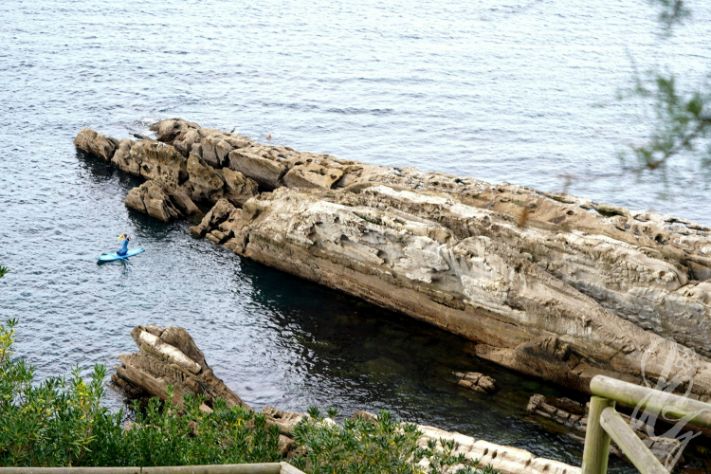
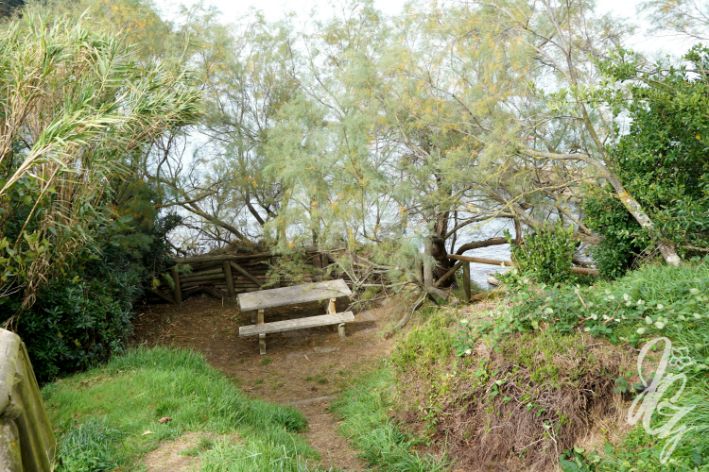
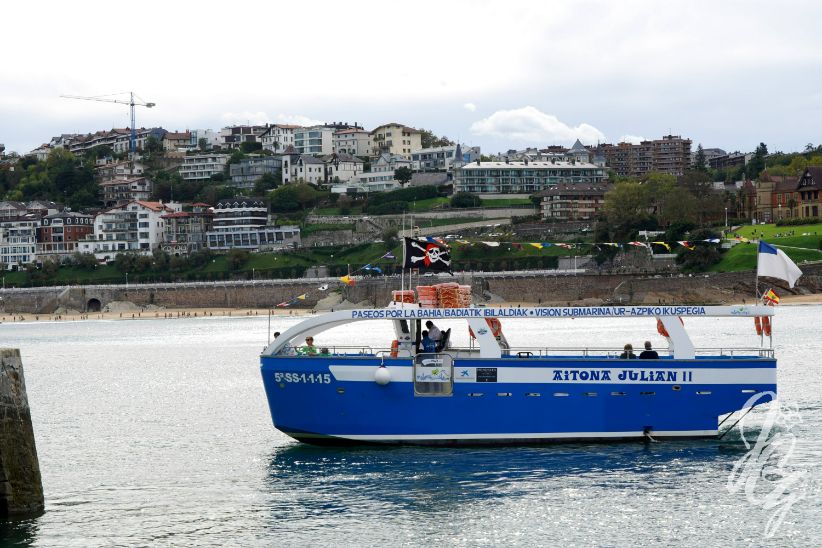
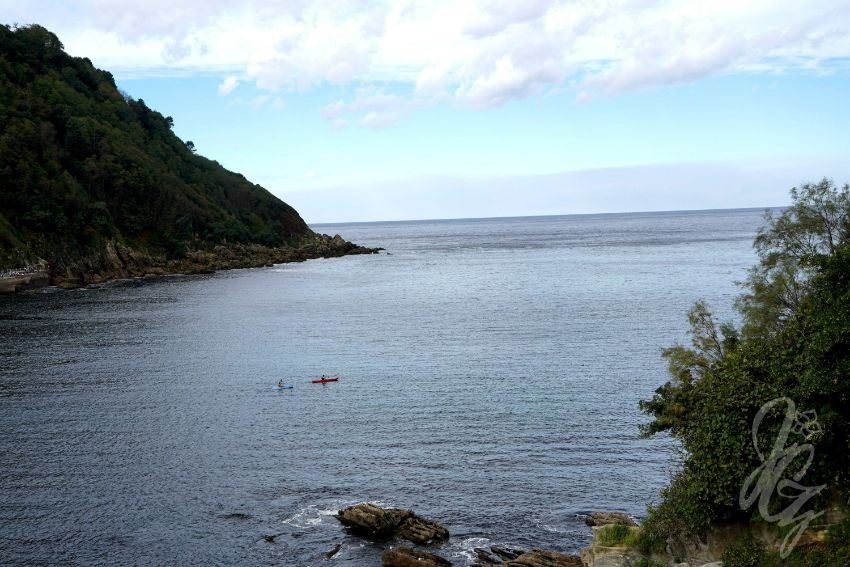
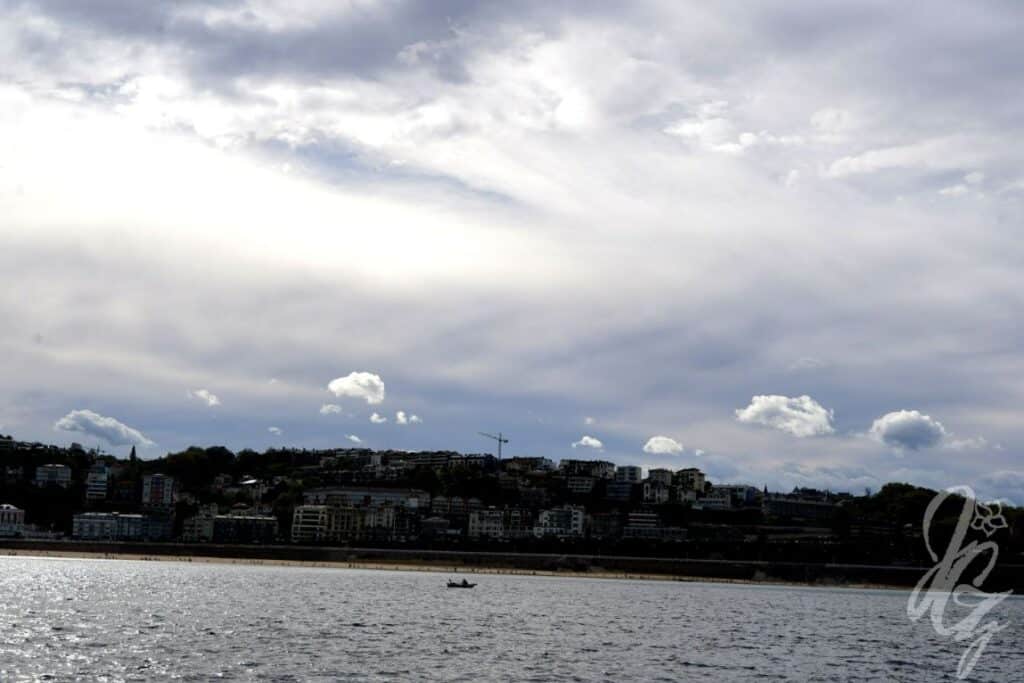
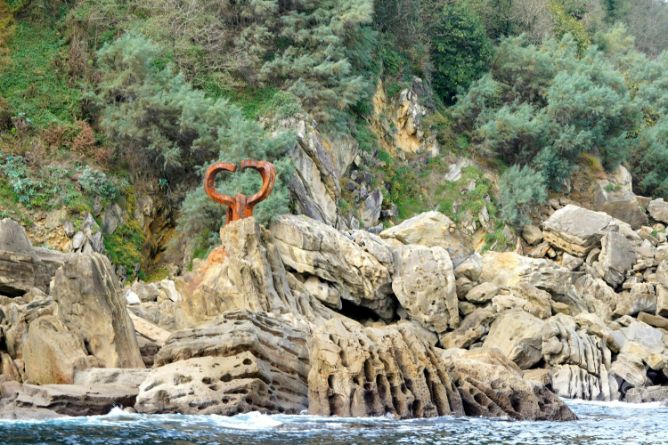
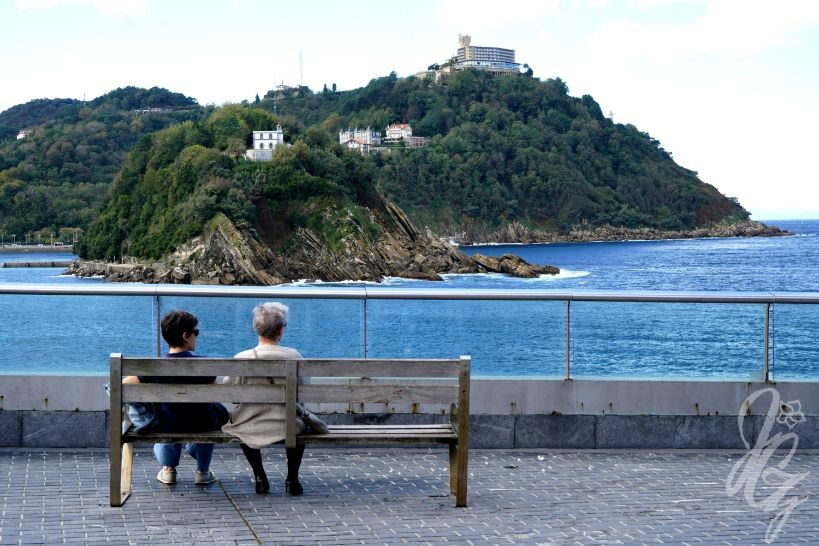
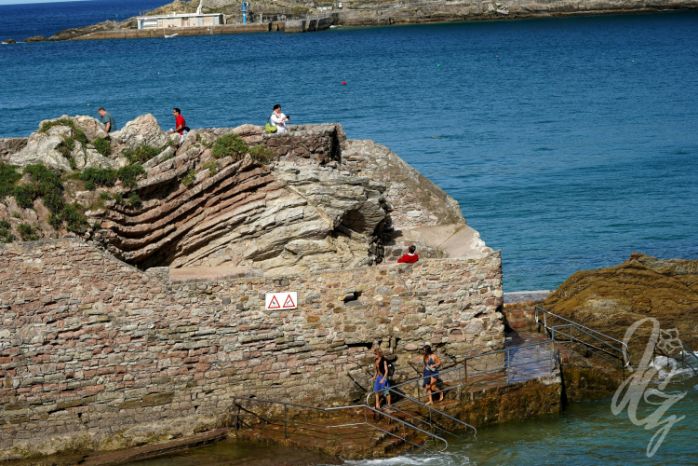
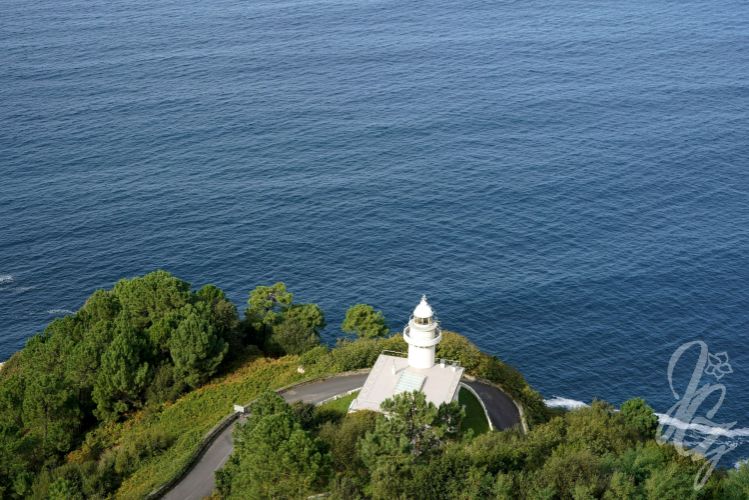
There is a small beach at the bottom of the island where the locals like to set up for a picknick, go for a swim or snorkel. You can also see kayakers and paddleboarders in the water. There is a path that leads around the island, and you can easily reach the lighthouse on the opposite side. As you’re walking along the northern side, you can easily forget that you are just a stone’s throw away from the city.
Mount Igueldo
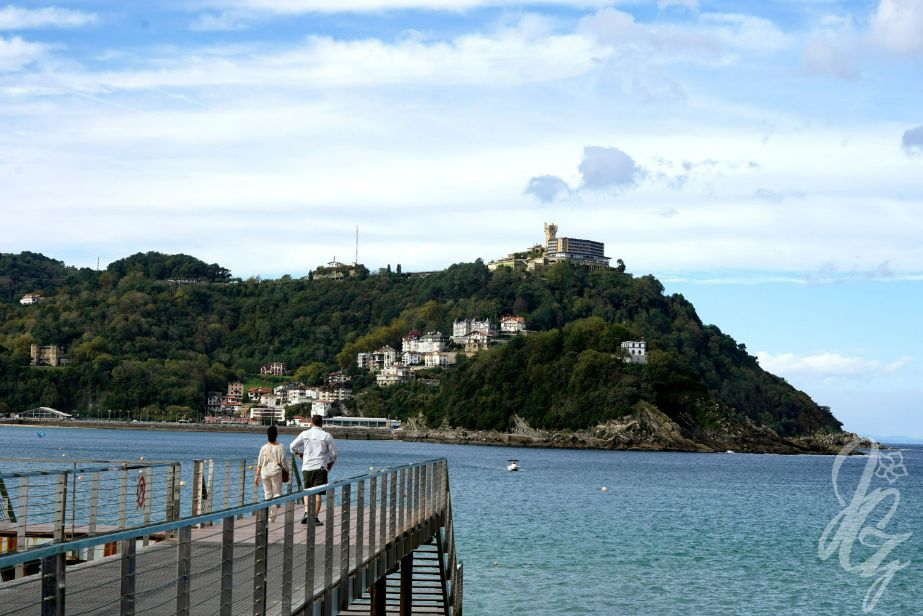
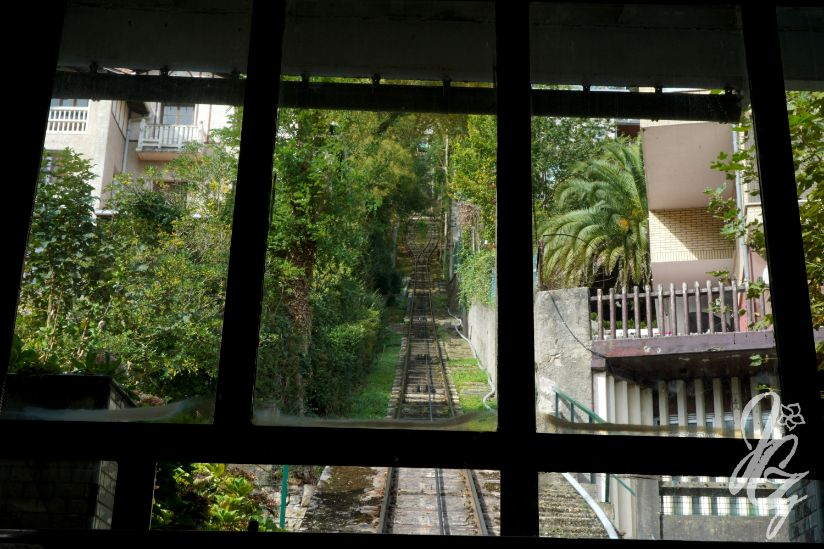
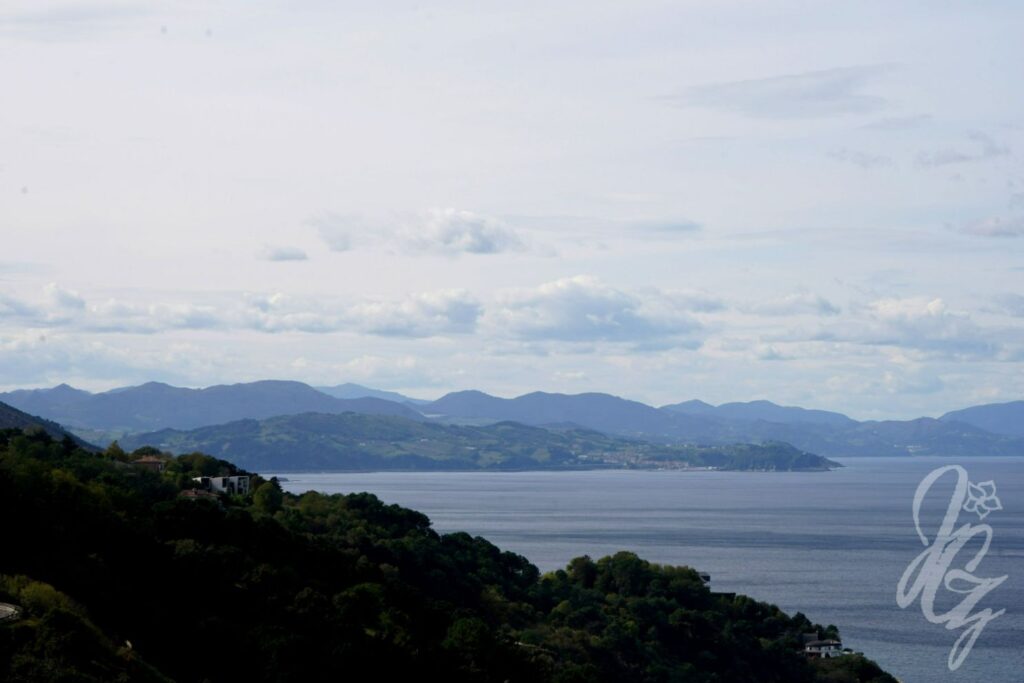
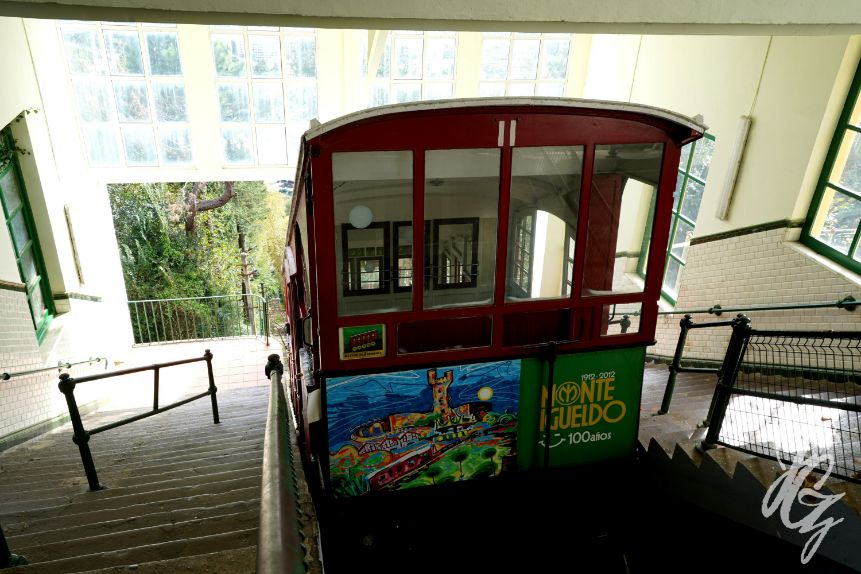
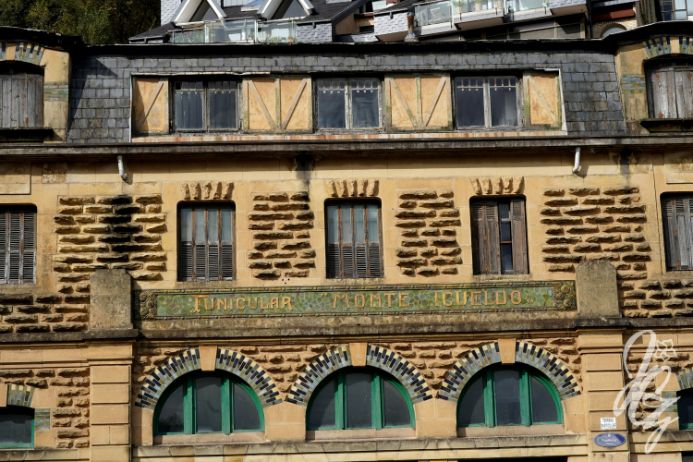
At the opposite end of the bay is Mount Igueldo which is even higher than Mount Urgull and certainly provides the best view over the whole city because you can also see the Christ statue from there. You can take a walk along the bay to the very end of Ondarreta beach and you will see signs that lead to the Funikular, a small cable car that goes to the top of the hill every 15 minutes. The price for a return ticket is € 4,00. Once you reach the top, you have access to multiple viewing platforms, an amusement park and the tower Torreon del Monte Igueldo. For €2,50 you can climb up to the roof terrace of the tower and get a view over the whole coastline of the North of Spain. If you only do one thing in Donostia-San Sebastián, that should be it!
All in all, two days is enough to see the town and you can easily reach other places in France and Spain as it is well connected by coach and train. There is an airport in San Sebastián and you can also get to Biarritz airport within only one hour.
If you would like to surf in a less-crowded place or in gentler waves, you can easily get by train to places like Zarautz or Hendaye.