Street Art in Berlin
Exploring the artsy side of the German capital
Street Art can tell the story of a city in a way that nothing else can. It also says a lot about the general vibes and the administrative side of a city. In Berlin, the story of the urban art is the story of a city in a decade-long fight against a housing crisis. Street art events and beautiful murals are in Berlin often organised by real estate companies as part of their gentrification efforts, and graffiti on the walls of private houses can’t be legally prosecuted unless the owner presses charges. Real estate in Berlin though is in many cases owned by corporations or investors abroad, not by the people that live in them. If those owners don’t see a financial gain in the matter, street art vandalism is not prosecuted.
Whilst street art in cities like Cologne, Lisbon or New York is partly encouraged to change the image of certain areas or to support the scene, in Berlin street art is mostly a form of protest and getting too involved can become dangerous. Street art and graffiti writing originated in poor areas in New York and gave kids from disadvantaged backgrounds a voice. A stroll through Berlin almost gives the same impression. Somebody wants to express: “I am here.”
Street Art in Berlin Friedrichshain: RAW area
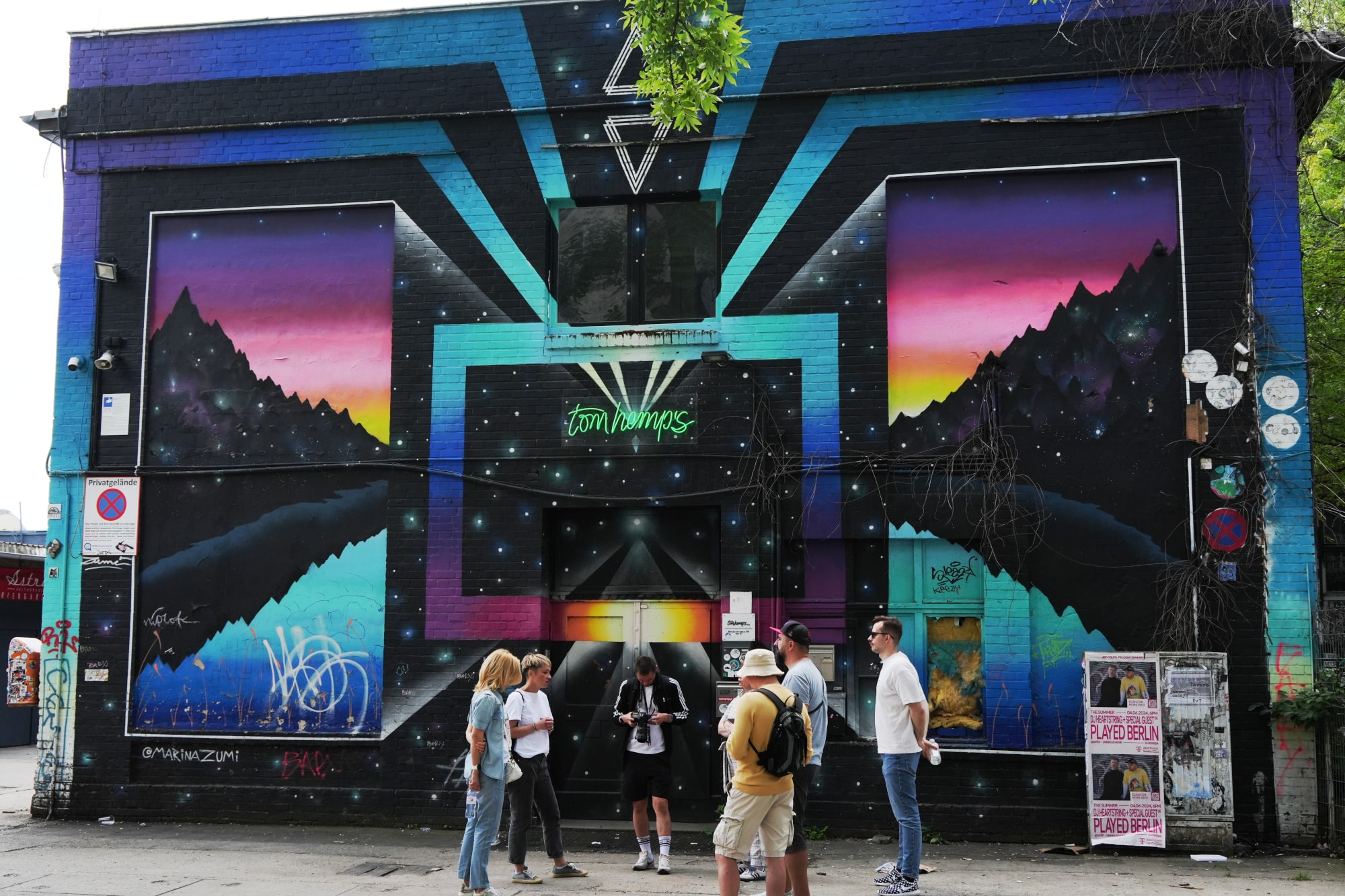
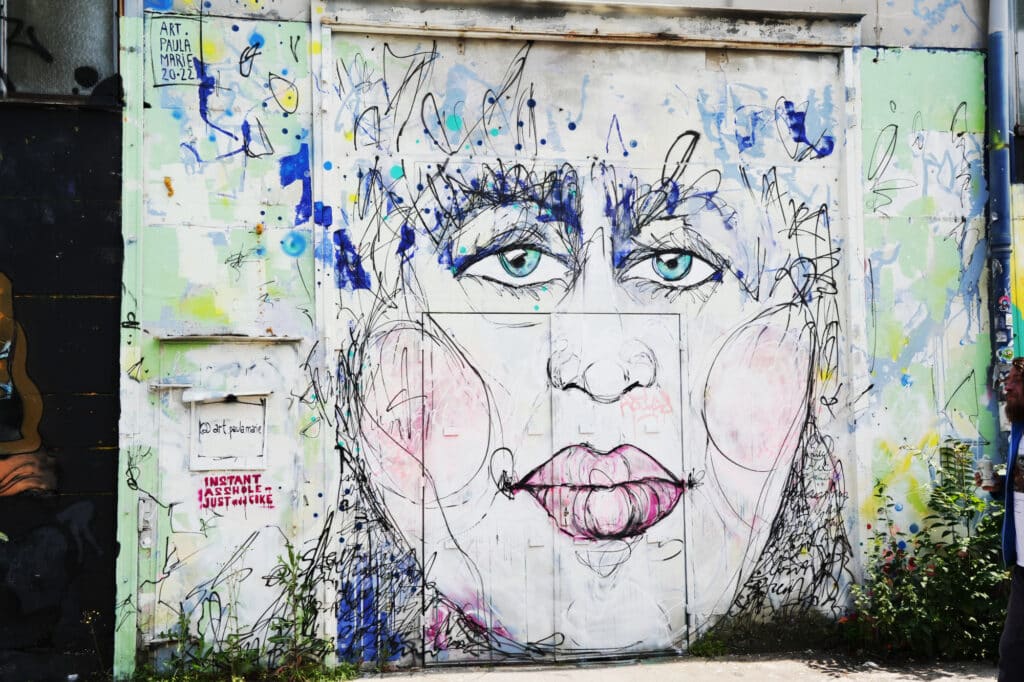
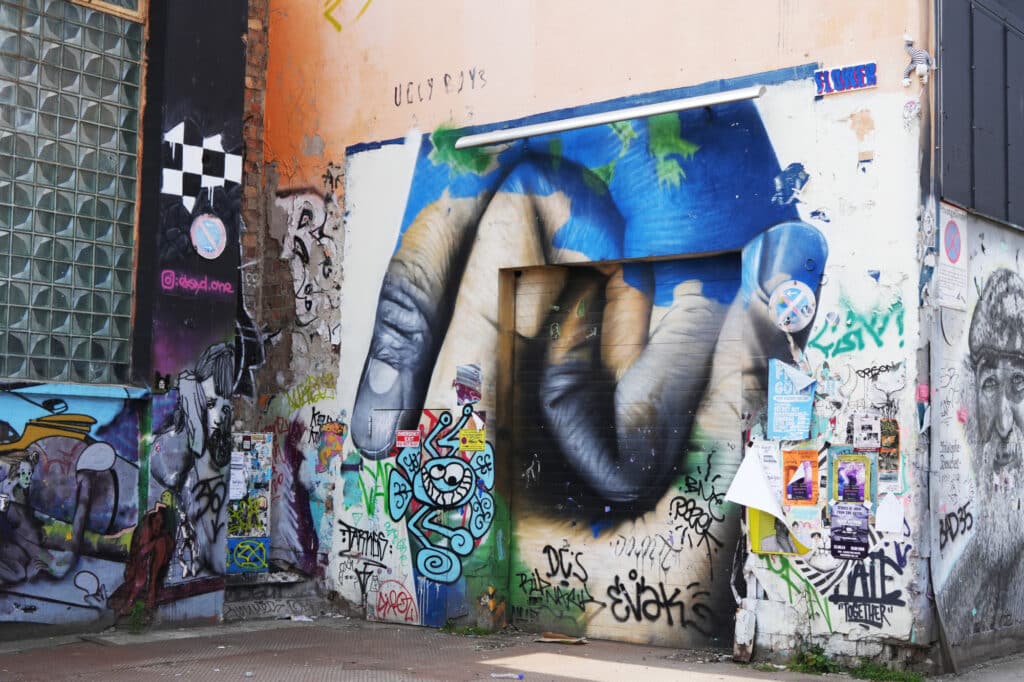
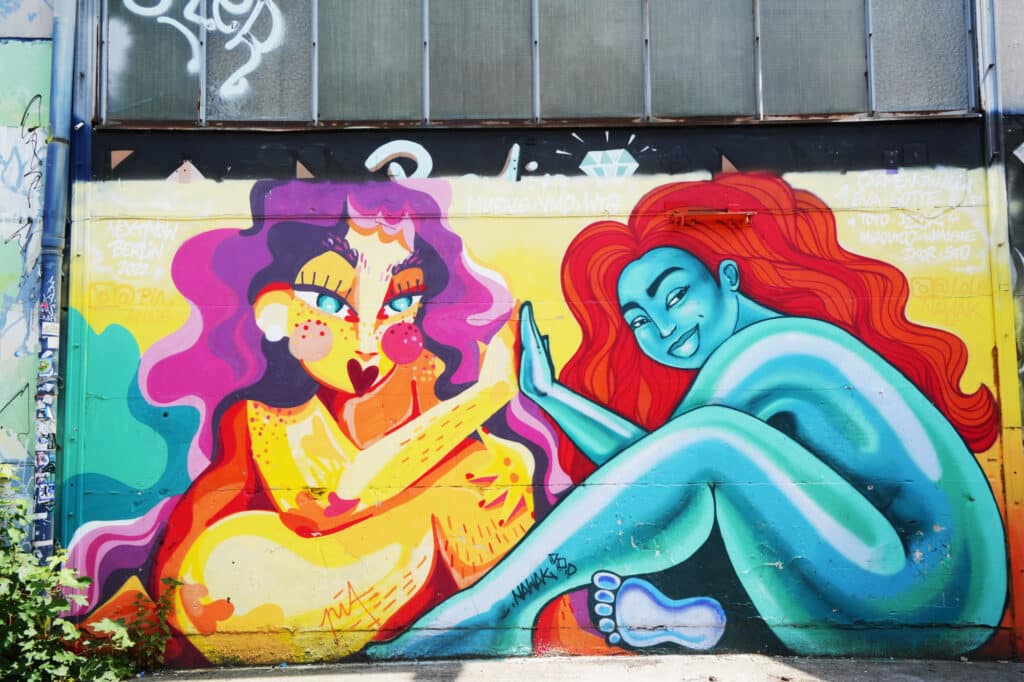
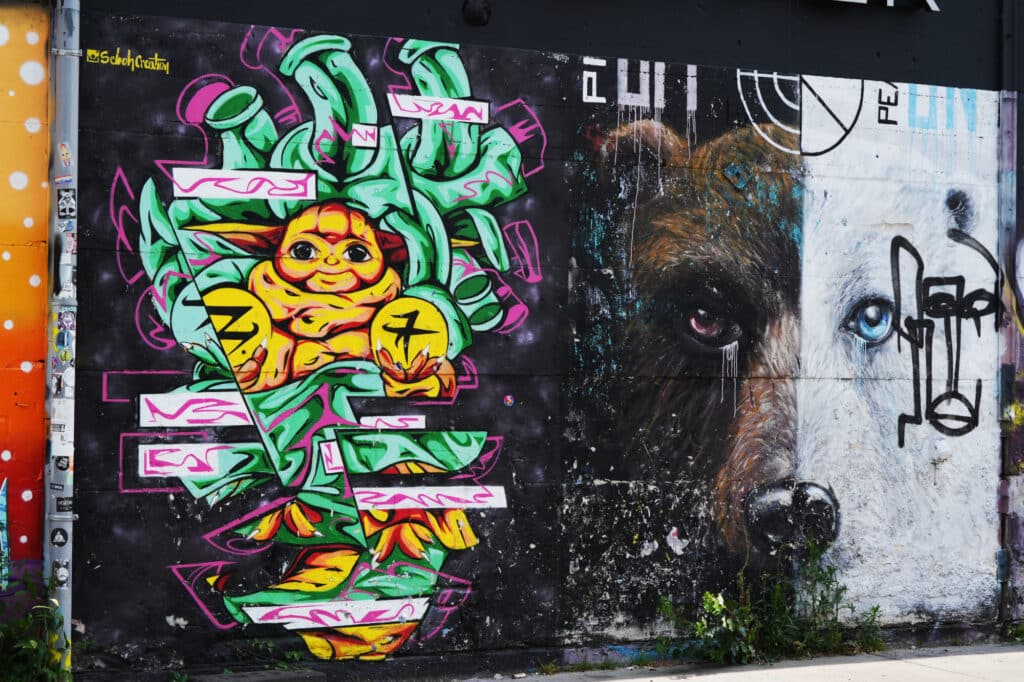
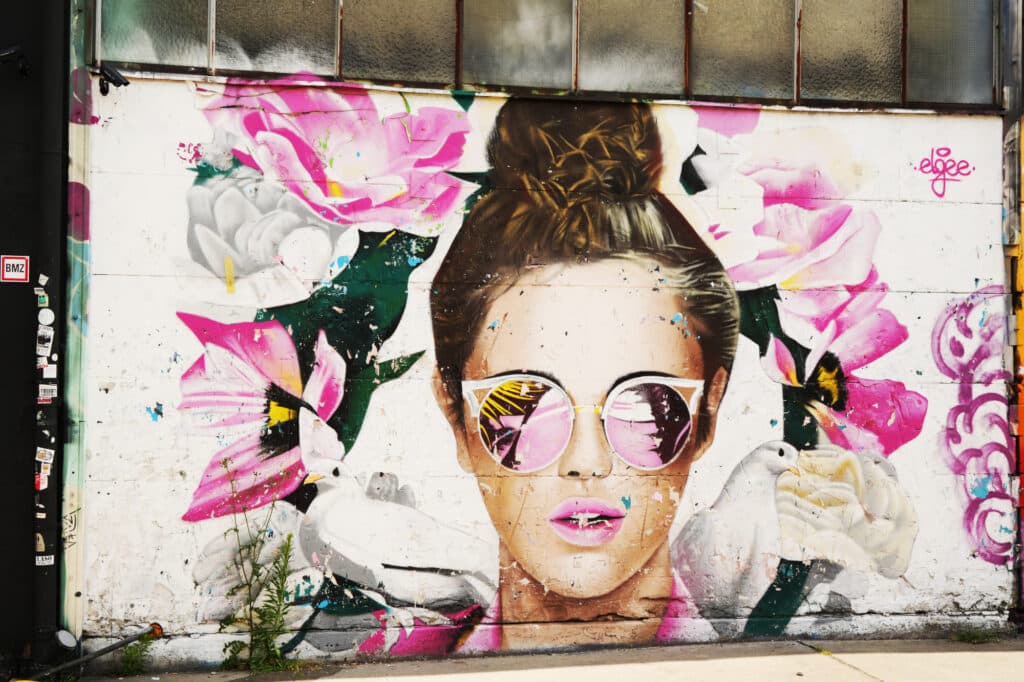
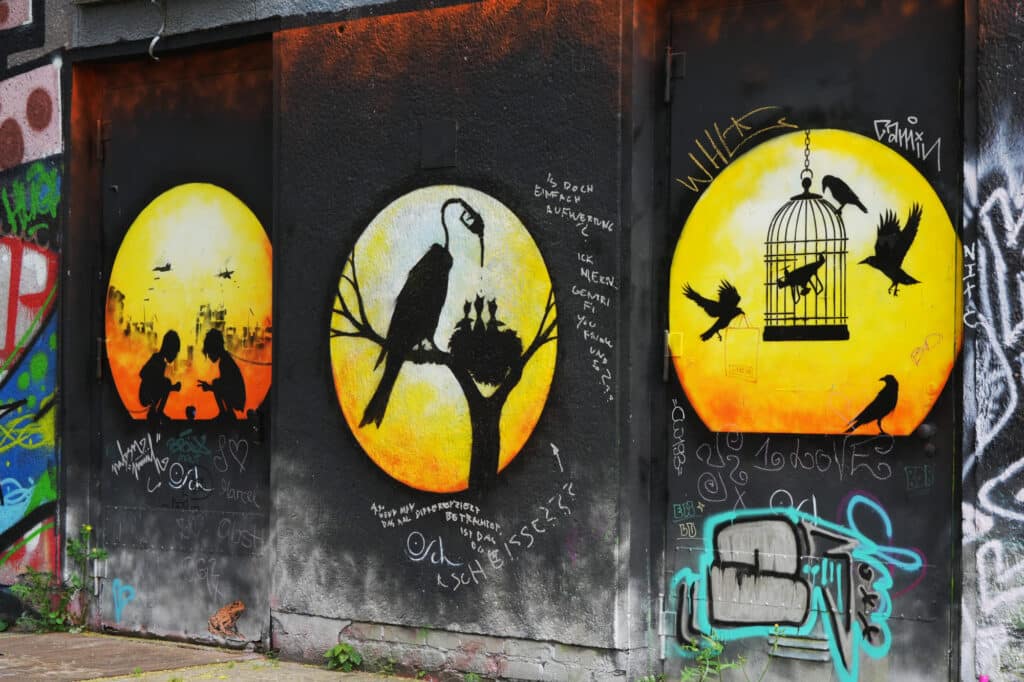
In order to learn more about the street art scene of the German capital, Charlie took a tour with Alternative Berlin. It started close to the station Warschauer Straße and the first stop was at the RAW area, a former train depot turned cultural area with bars, clubs and exhibitions as well as an indoor skate park. It is the place in Berlin with the highest density of street art and murals.
In 2022, the street art festival Next Now was held at the RAW area and it resulted in a beautiful collection of murals that are still there to be admired.
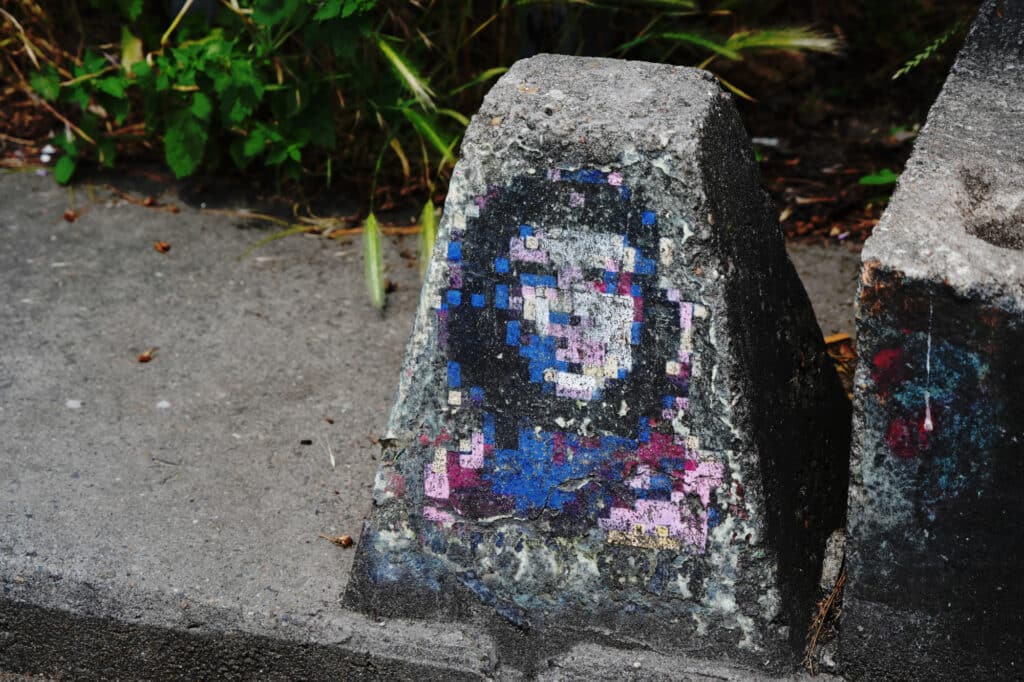
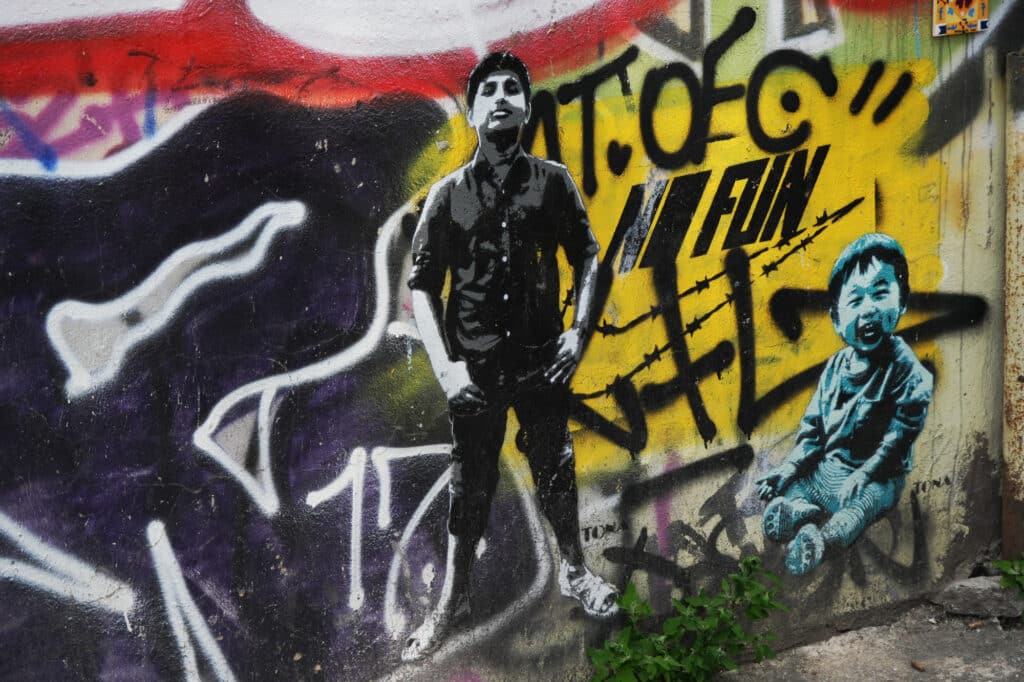
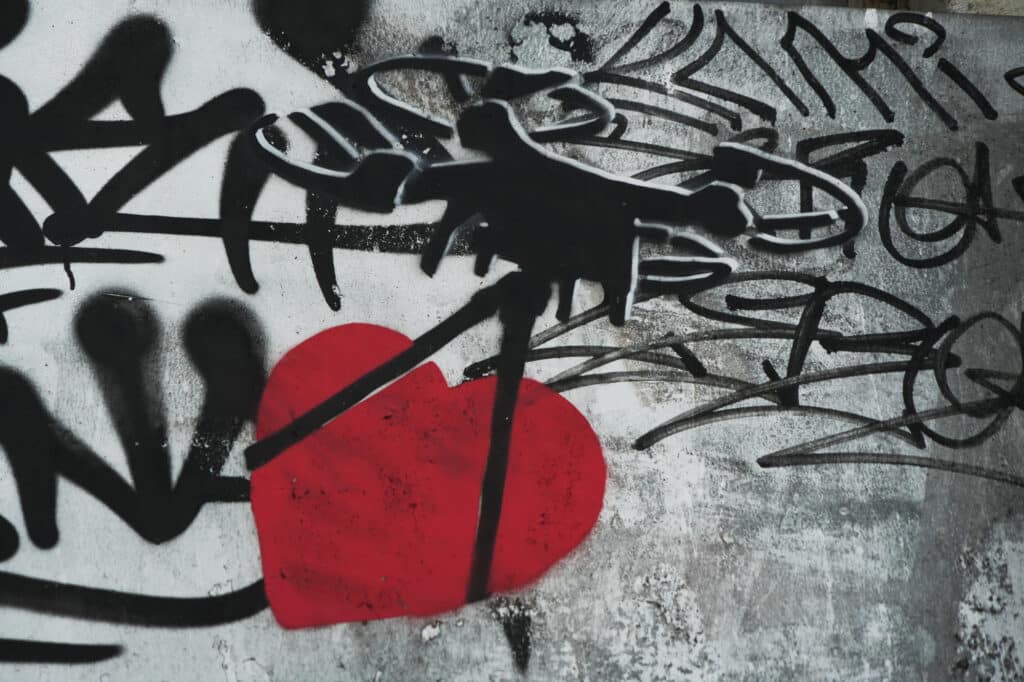
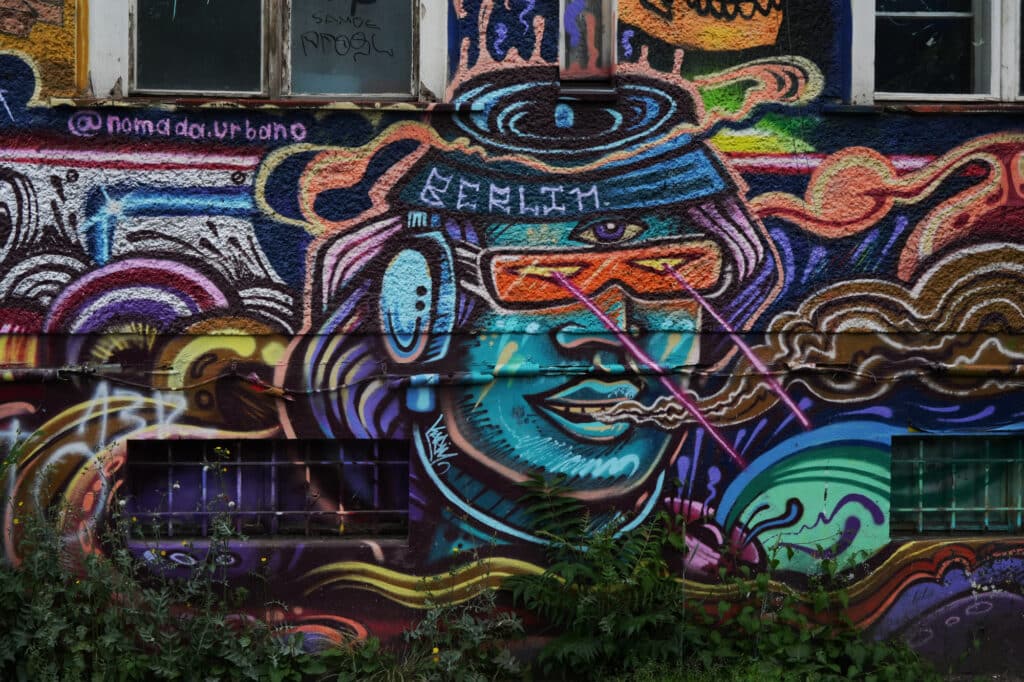
Different types of urban art
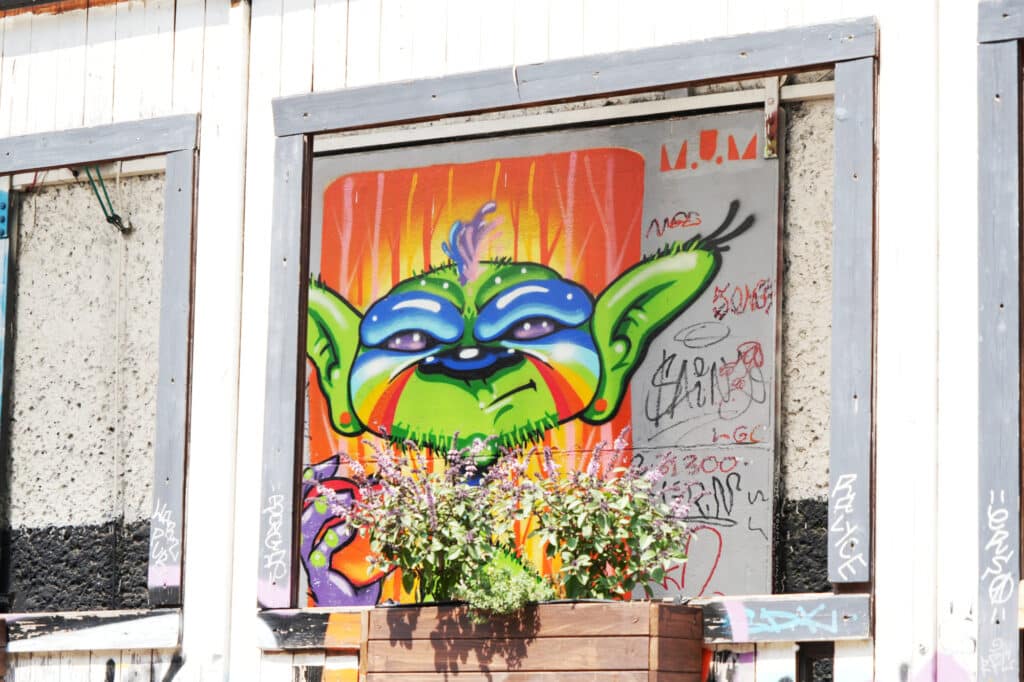
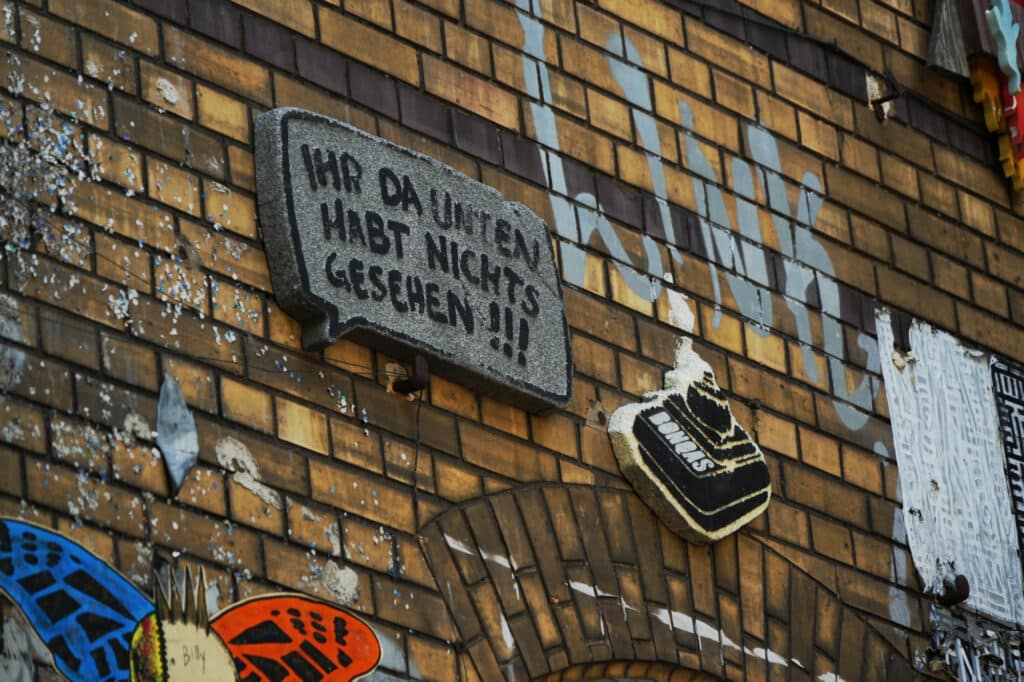
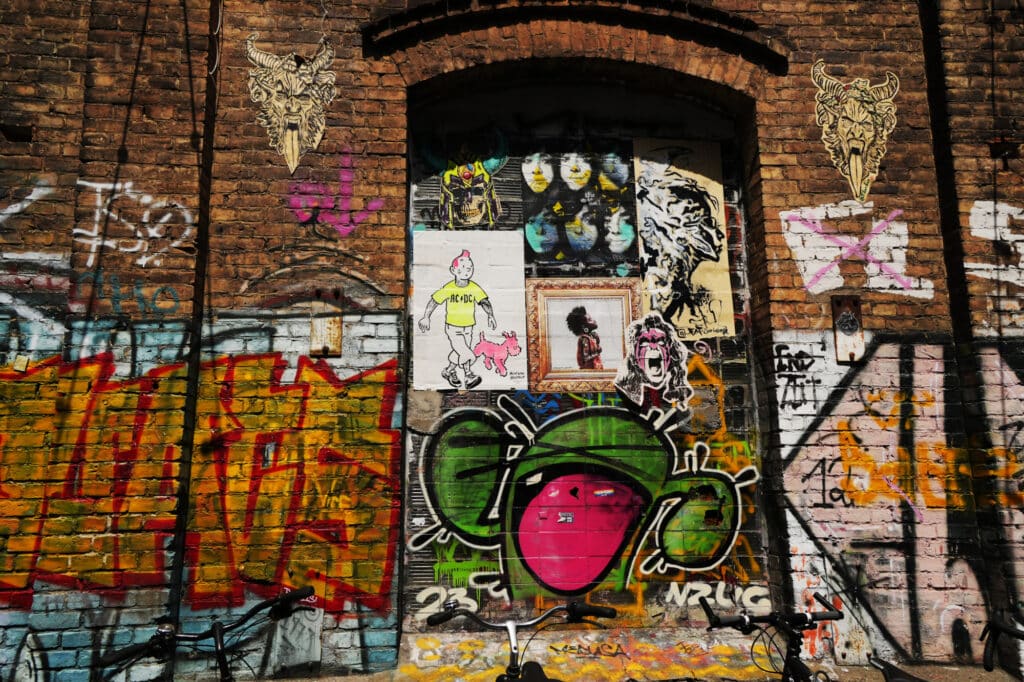
Apart from those murals, there are other types of street art to be found in that area: multi-layered stencils, paste ups and tape art. Each of them comes with pros and cons for the artist. A layer of spray paint needs at least five minutes to dry. For a multi-layered stencil, the artist therefore needs to take longer breaks in between the layers. Paste-ups on the other hand are quickly applied to a wall and the artist can prepare them quietly at home and refine the quality.
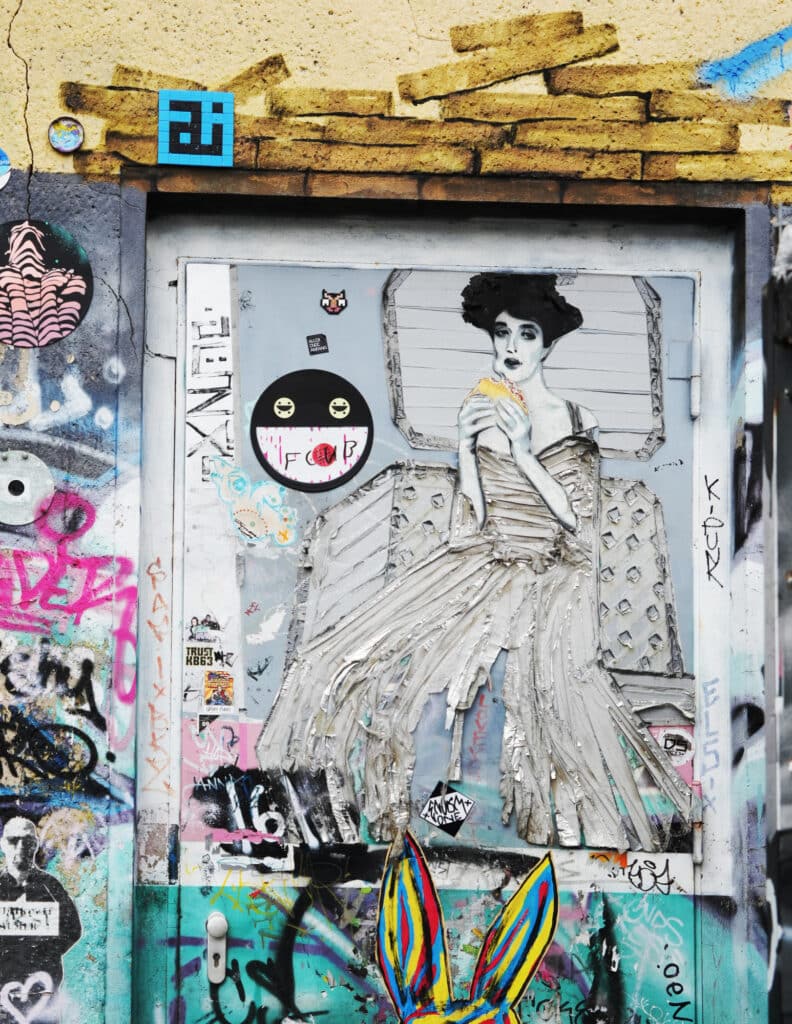
Tape art comes with the great advantage of the tape already containing the glue. The artist doesn’t need to bring this additional piece of material and tape is applied quickly to a wall. The best example of this type of urban art is the so-called “Lady in Cement” that was inspired by the Gustav Klimt painting of the lady in gold. In typical Berlin-style, she is eating a Döner.
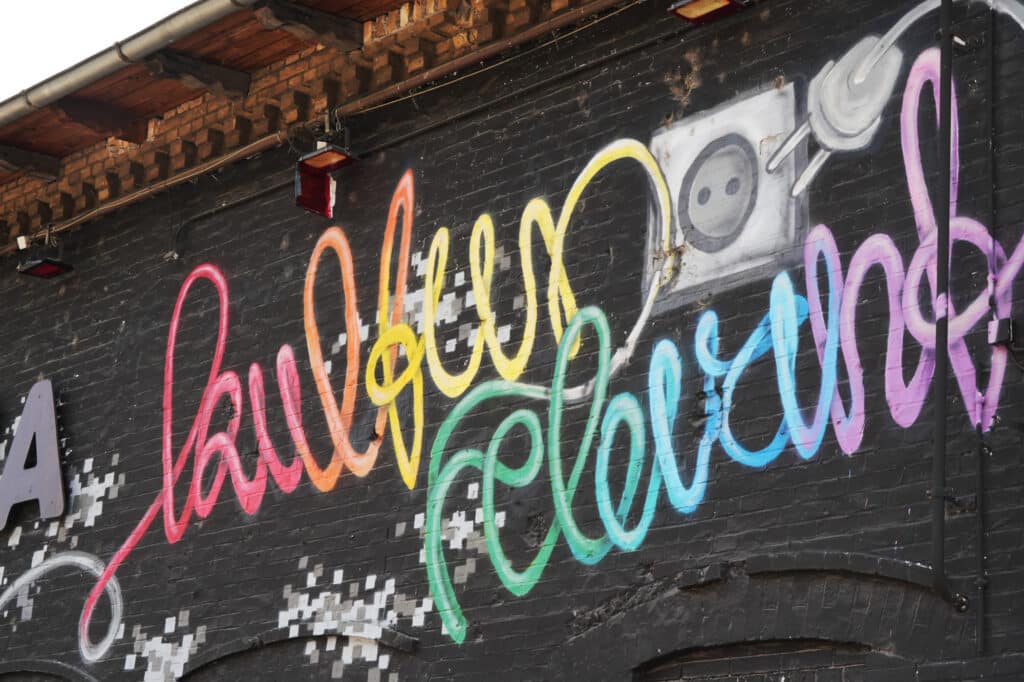
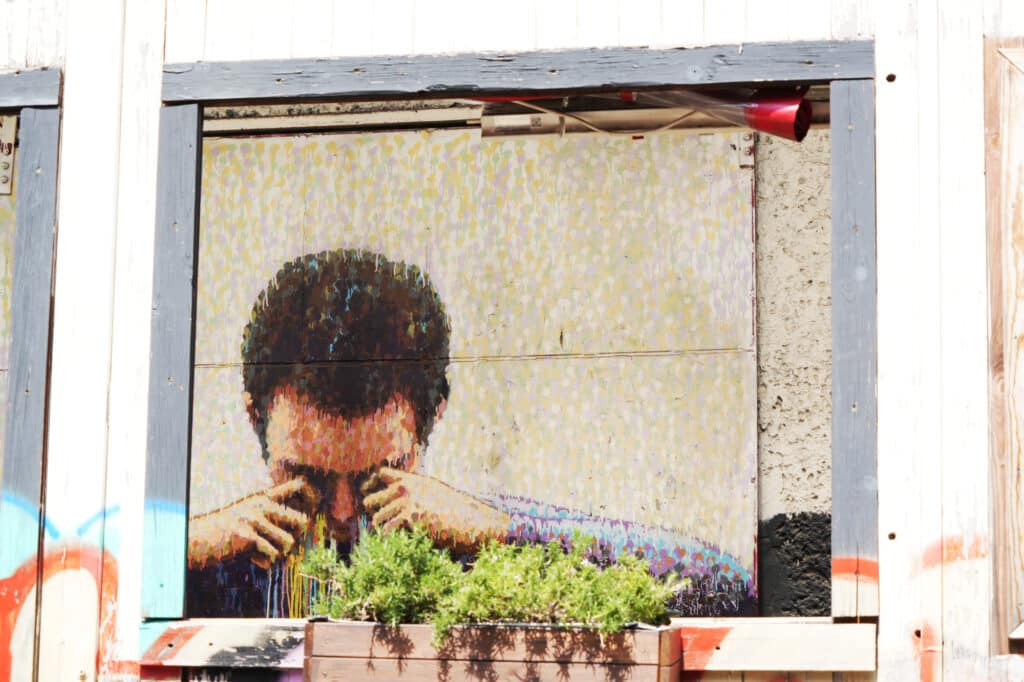
In front of a painting by street artist Jimmy C, Rob, the tour guide, pointed out a technique that has been borrowed from Impressionism. If you take a closer look at the painting with the rainbow tears, you might see similarities to a Monet.
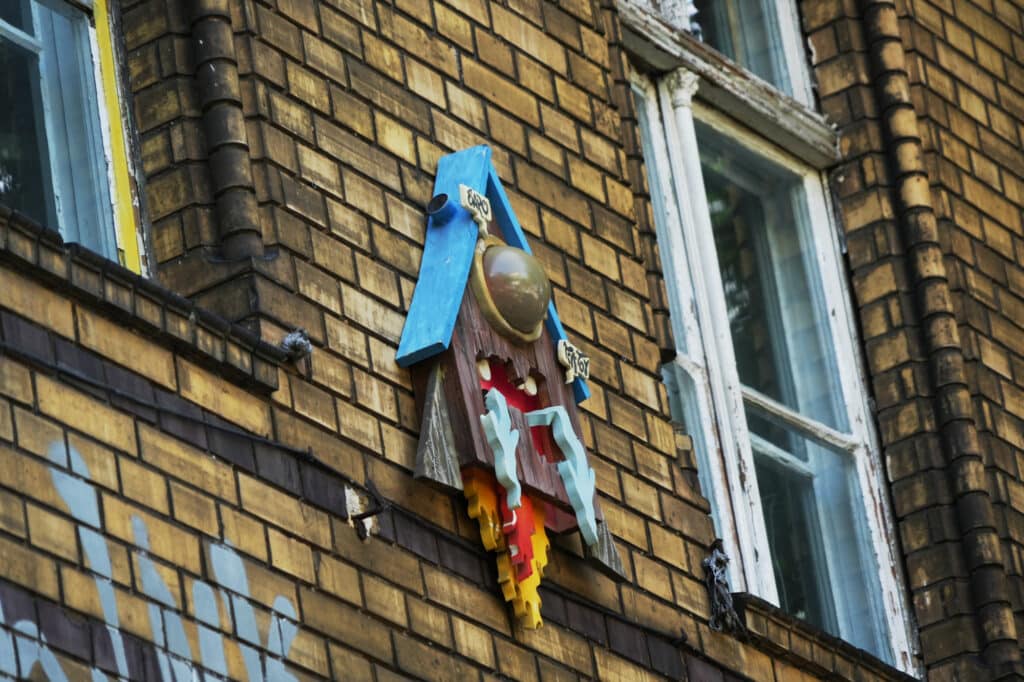
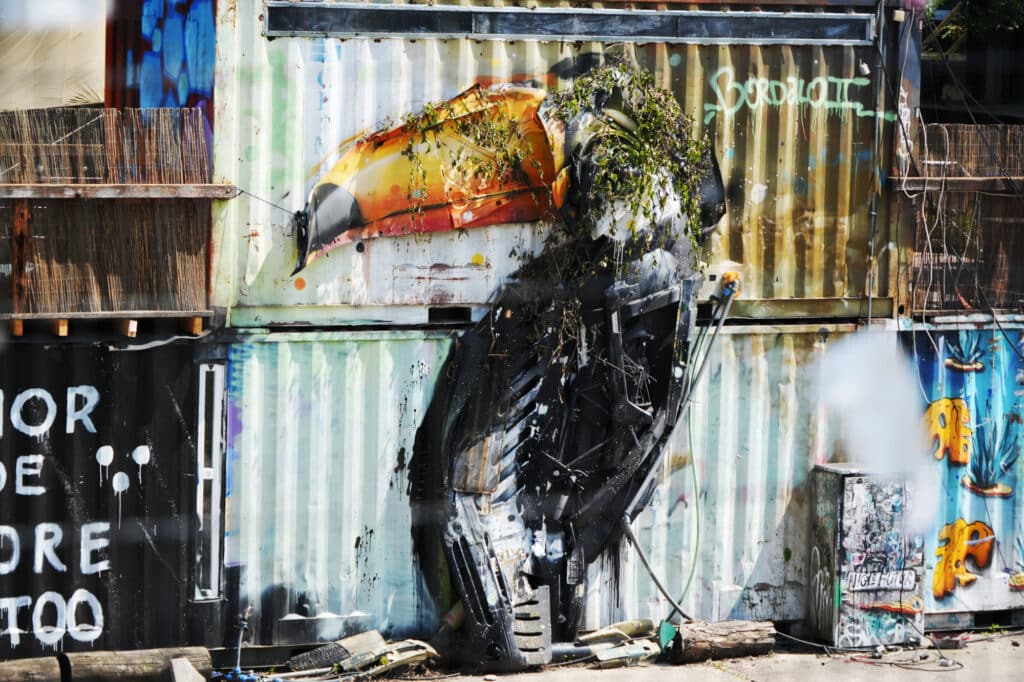
On the outer edge to the RAW area, there is another type of street art that is typical for the artist Bordalo. The trash animal he applied in Berlin is a Toucan. All of his works are made of garbage and form an animal. Charlie had seen a bee installation by the same artist at LX factory in Lisbon.
Street Art in Kreuzberg
Once the group had explored the street art at the RAW area, they hopped on the train to the neighbouring area of Berlin-Kreuzberg. The first pieces of urban art they spotted were little sculptures by an artist called Styro. Those are figurines of prisoners climbing up or down the walls of buildings. You have to look up to see them. They are made of Styrofoam because this material is durable and light at the same time.
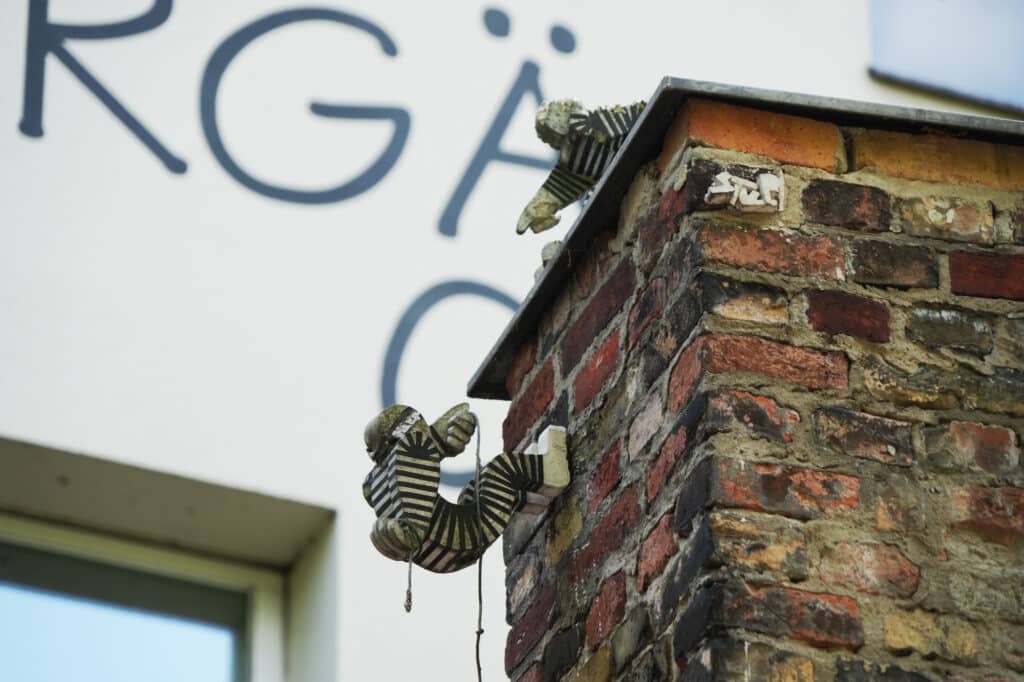
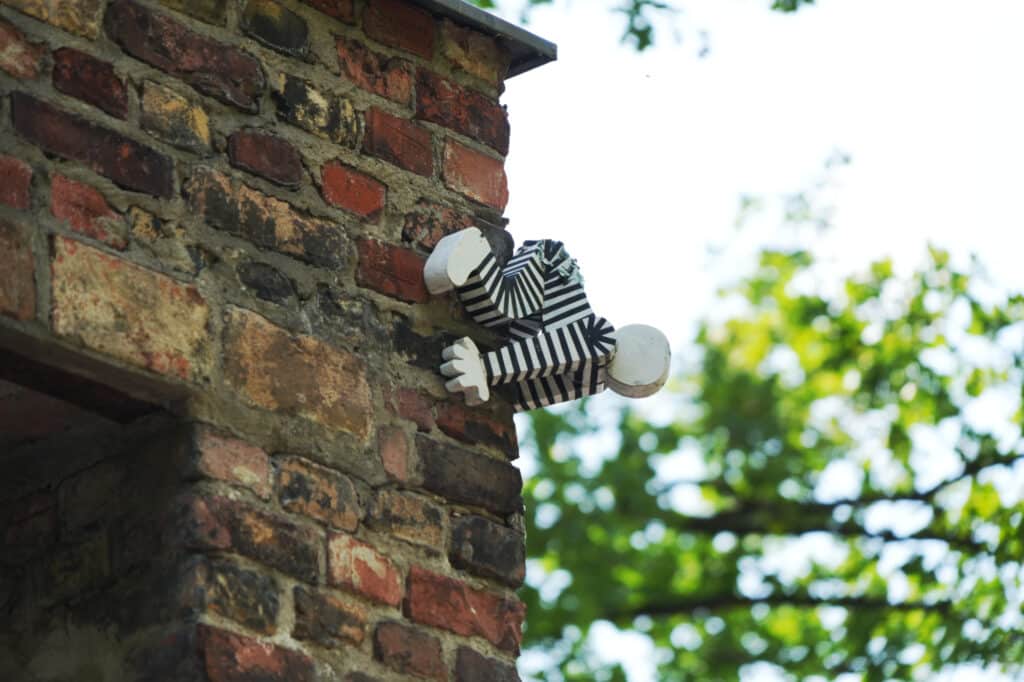
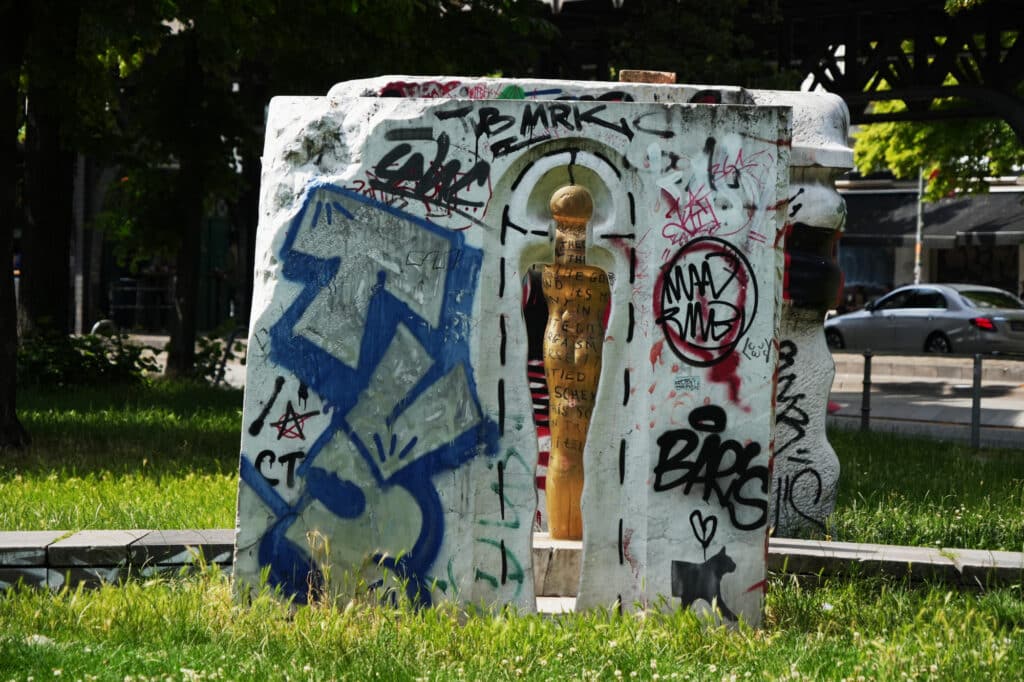
This was a good opportunity for the guide Rob to explain how street artists can paint areas above head height: One of those techniques involves the artist hanging from a roof, the other involves a fire extinguisher. Rob added the anecdote of this being messy and difficult to control. On that occasion, he also shared a warning when one of the tour guest suggested throwing a paint filled water balloon against the wall to reach the higher places. Apparently, a water balloon is more likely to bounce of the wall than to explode. It can become messy too! (The chances of success are higher if you fill a blown-out egg with paint instead and throw that against the wall.)
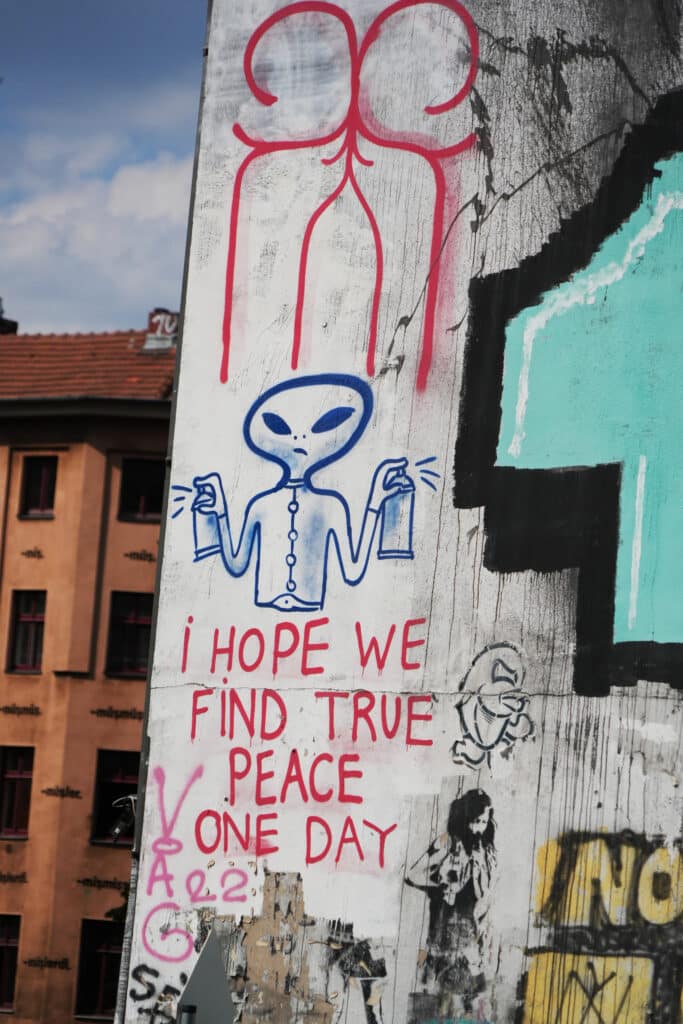
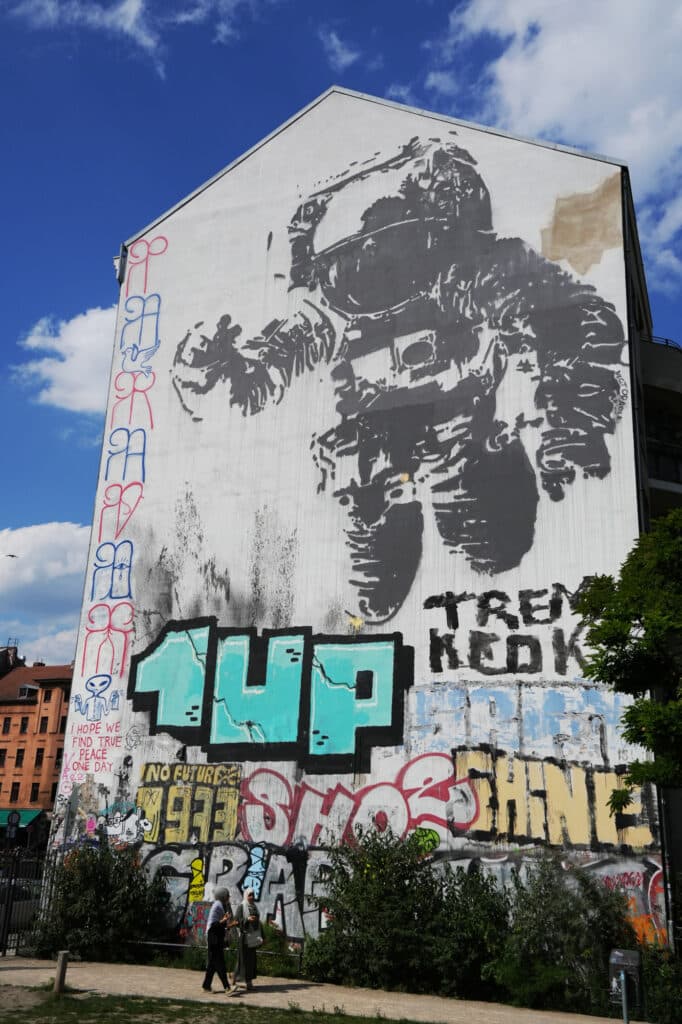
The street art tour in Berlin finished near the train station Kottbusser Tor in Kreuzberg in front of a wall that contains three significant pieces of urban art: a tag by the 1up-crew, a piece by Paradox that is a symbol of peace and a giant astronaut by Victor Ash. The latter also shows signs of a sowjet kosmonaut and hence is associated to the cold war and the space race. What better place than Berlin for this type of symbolism?
Mauerpark
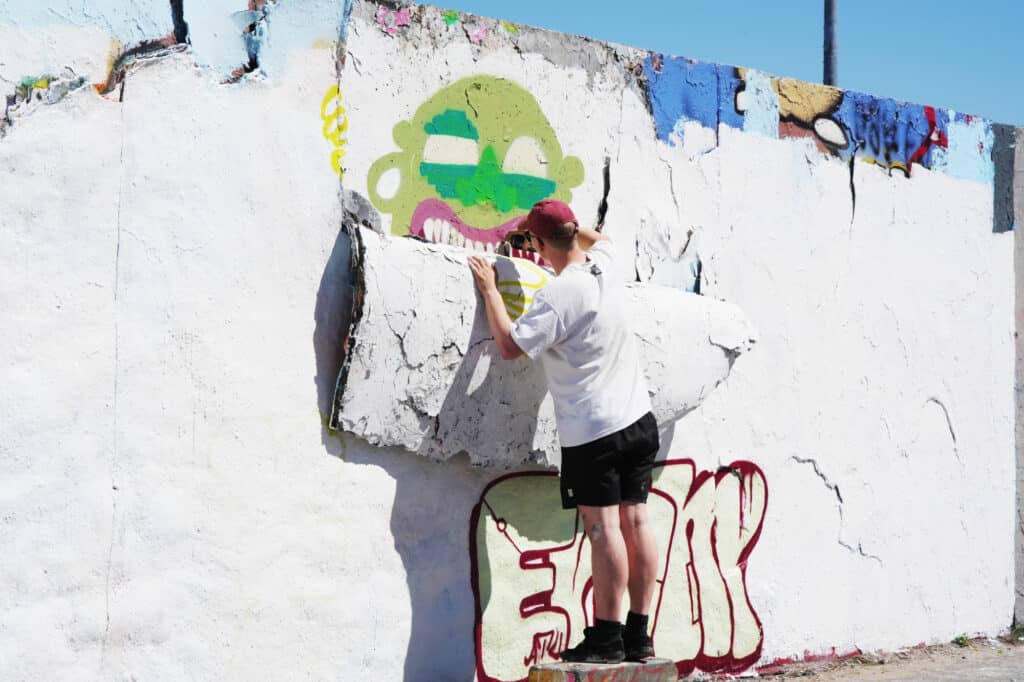
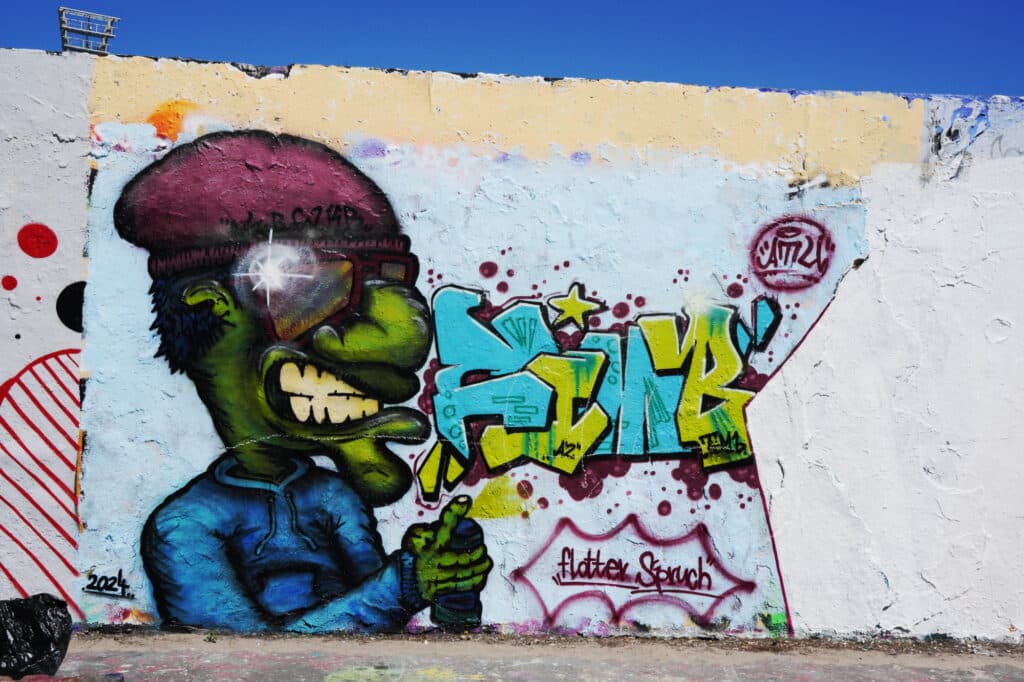
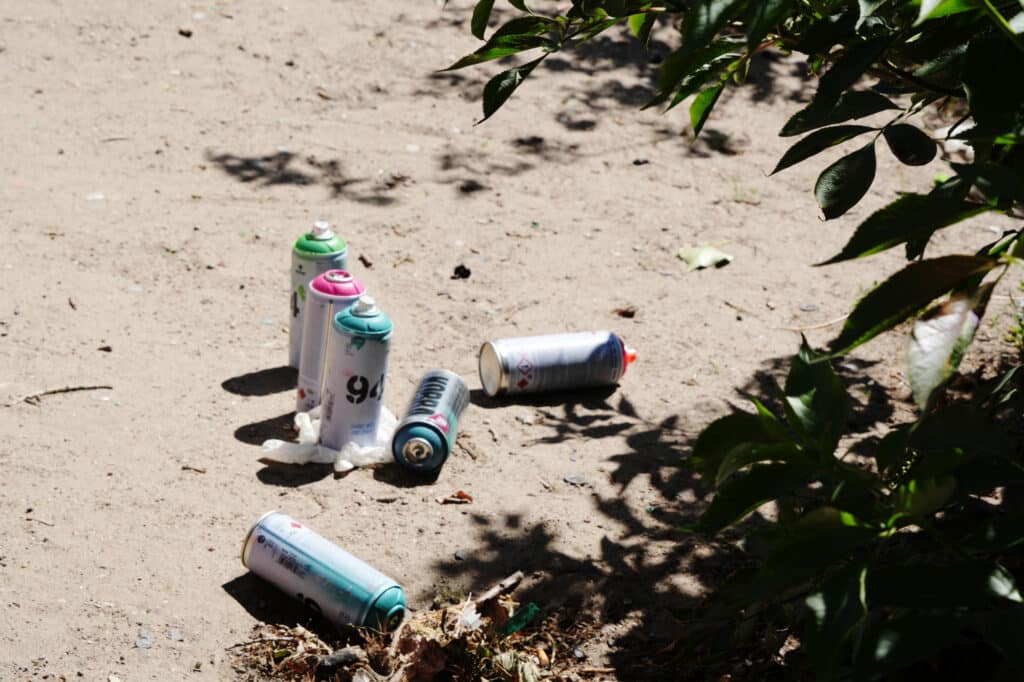
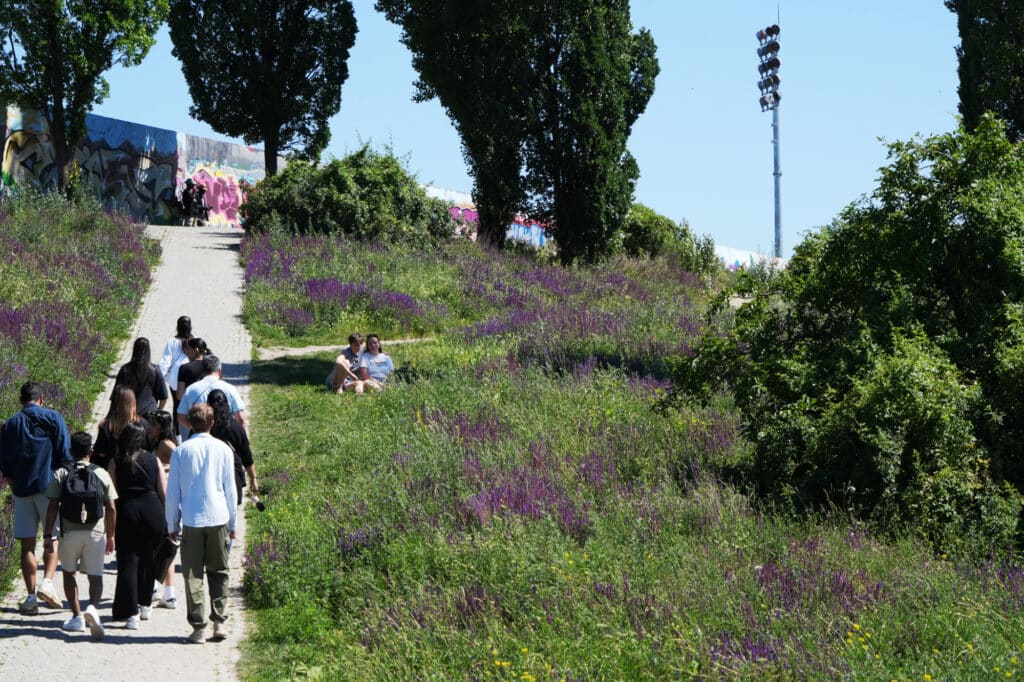
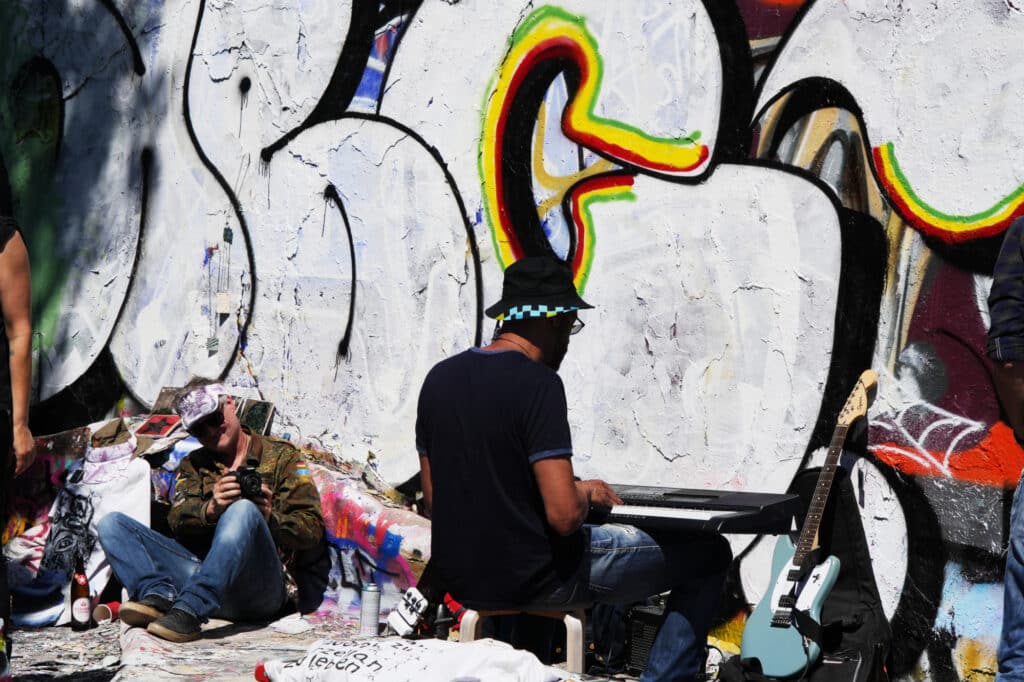
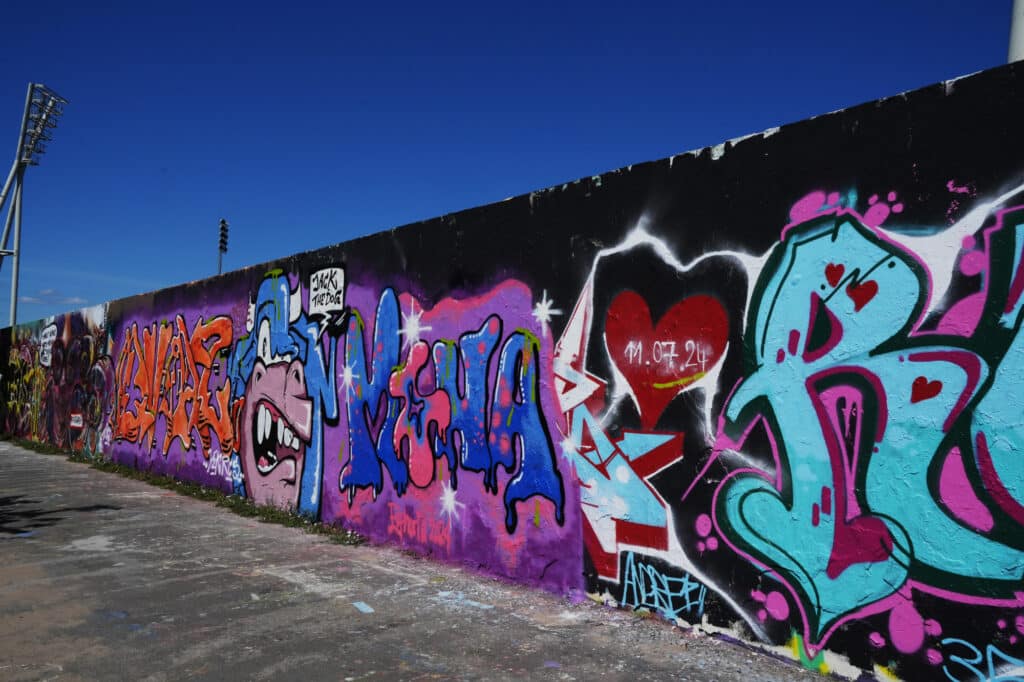
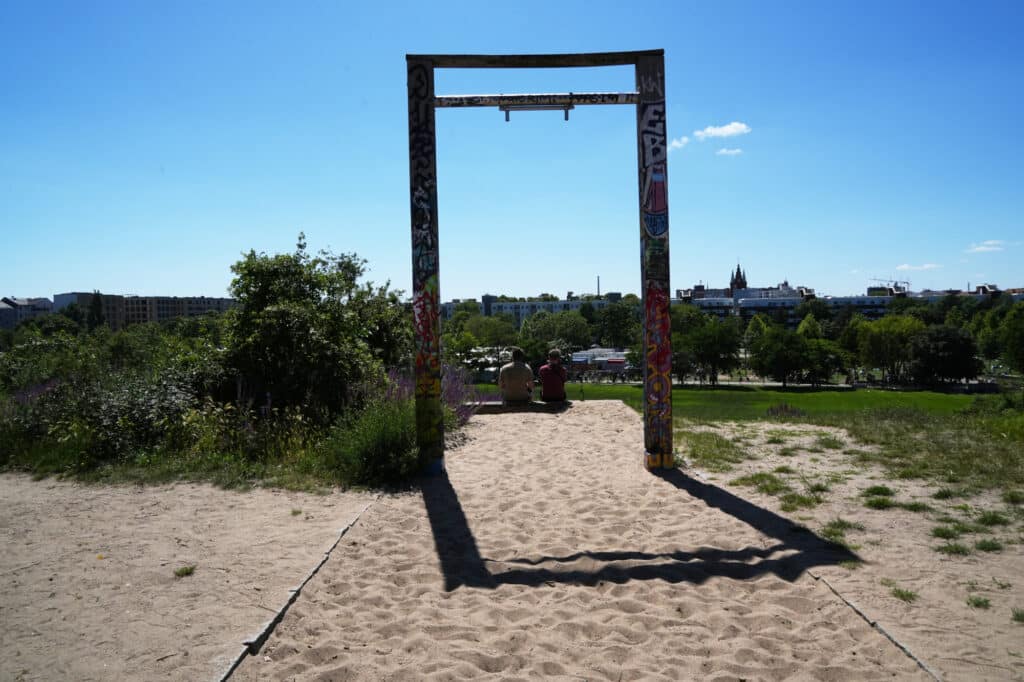
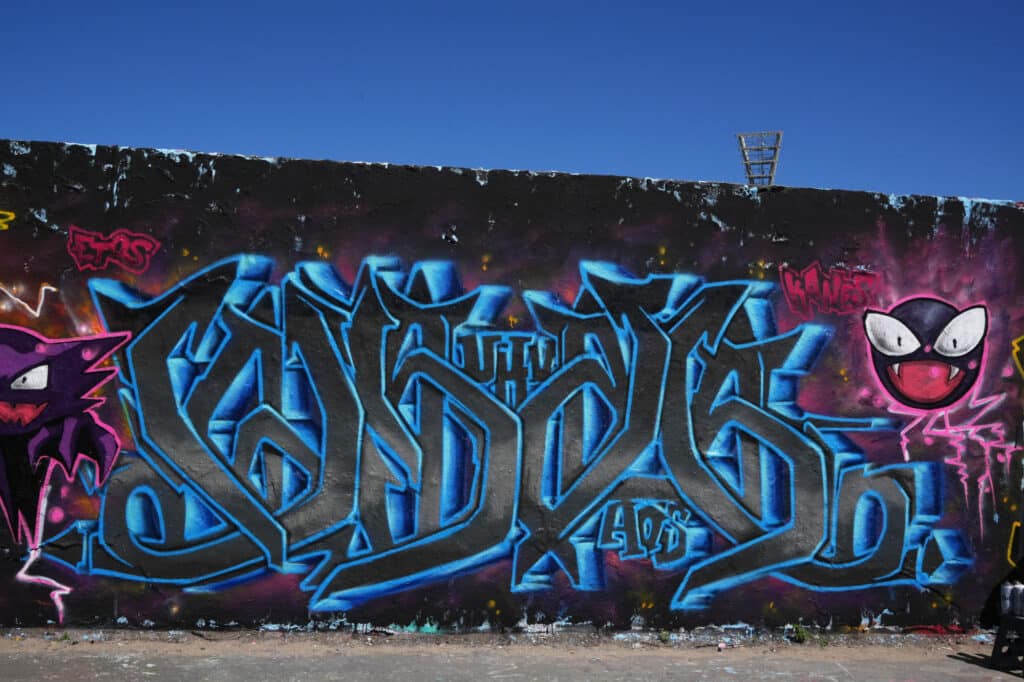
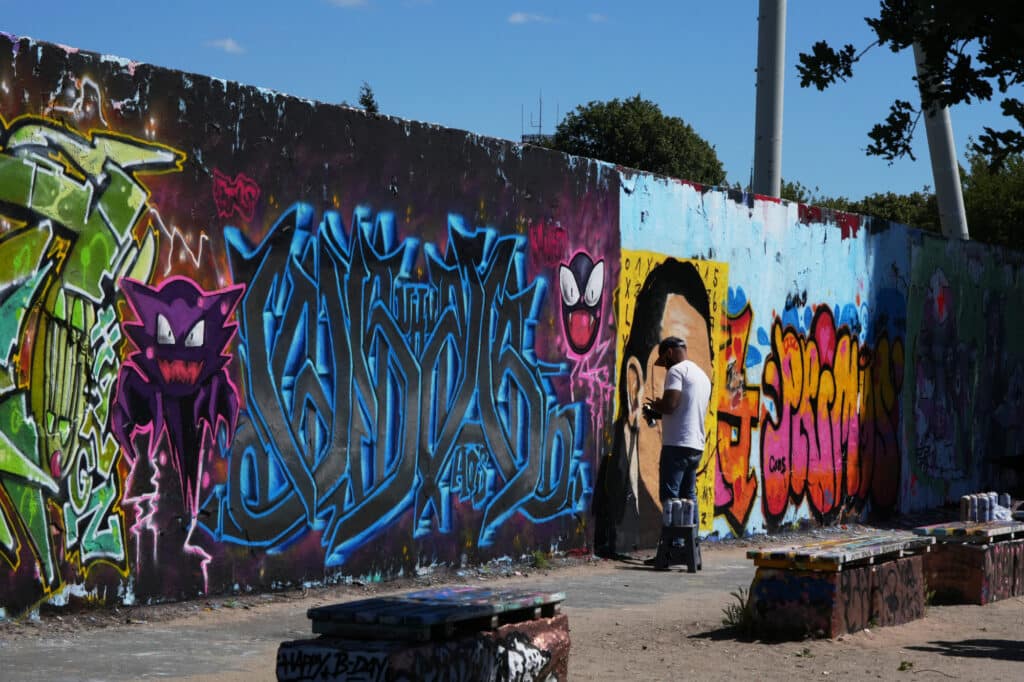
There is one place in Berlin where street art is 100% legal: Mauerpark. Near the station Gesundbrunnen is a park and a sports stadium where parts of the Berlin Wall remained and have been given to the community for street art. It invites for a stroll and if you’re lucky you can see some artists live at work.
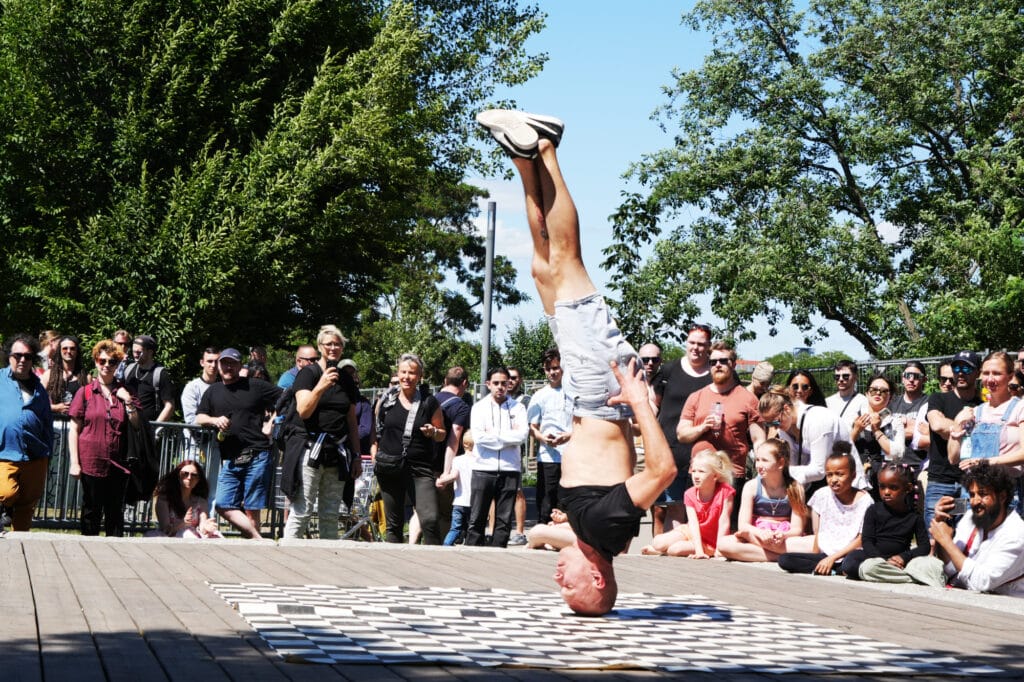
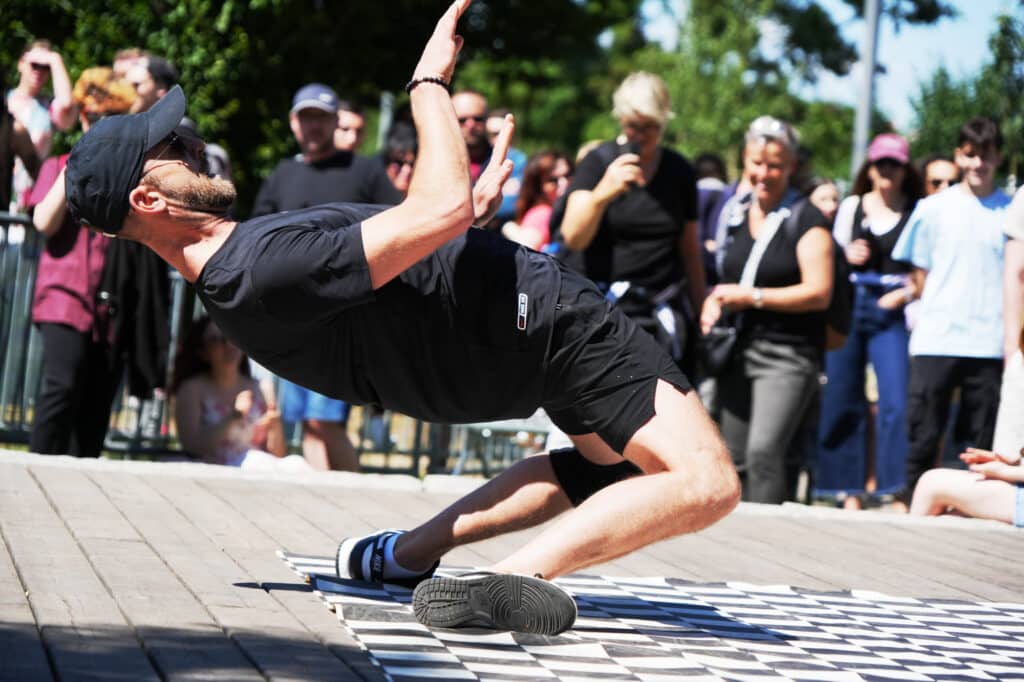
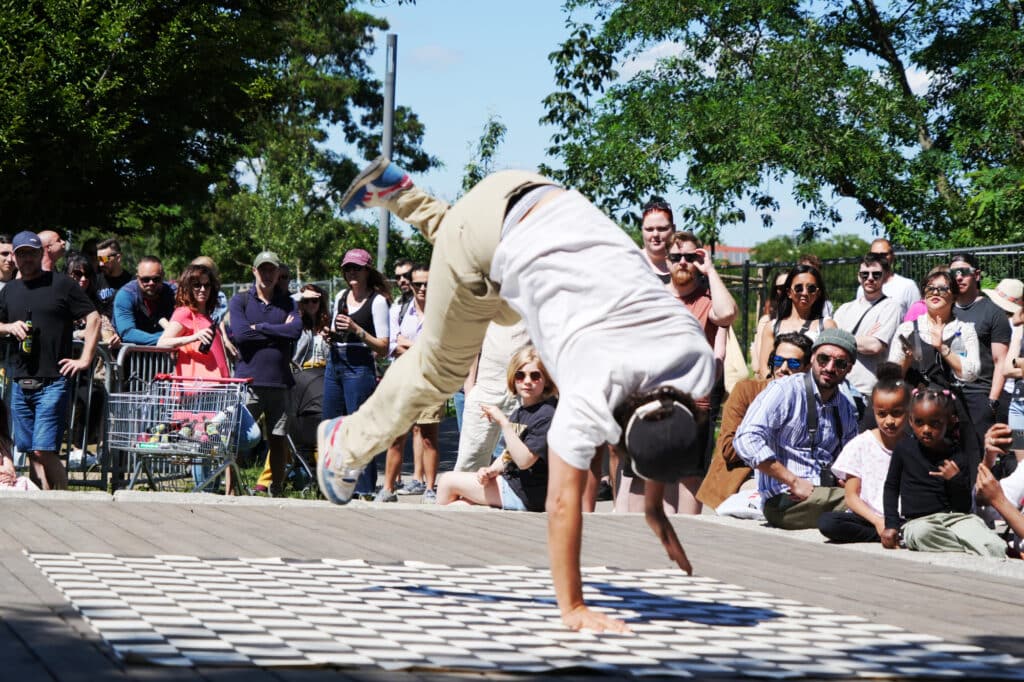
In the same place is every Sunday a flea market which is loved amongst tourists and locals alike. Apart from the typical items of a flea market, you find artwork and handmade jewellery and clothing. It is the perfect place to source your Berlin souvenirs. There is live music and of course Currywurst stands and a beer garden.
East Side Gallery
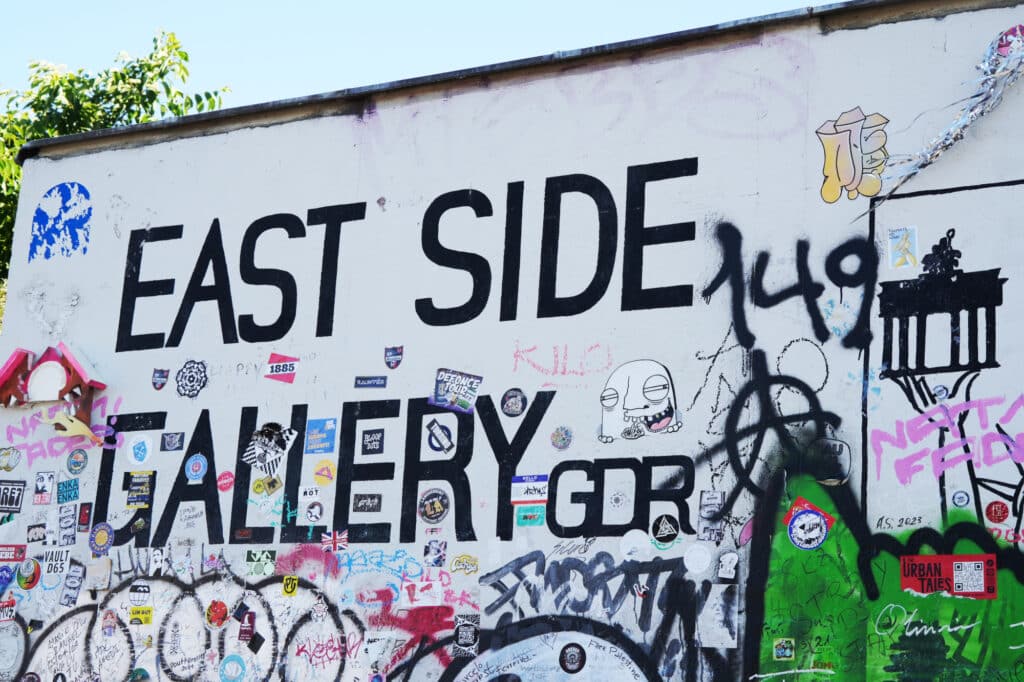
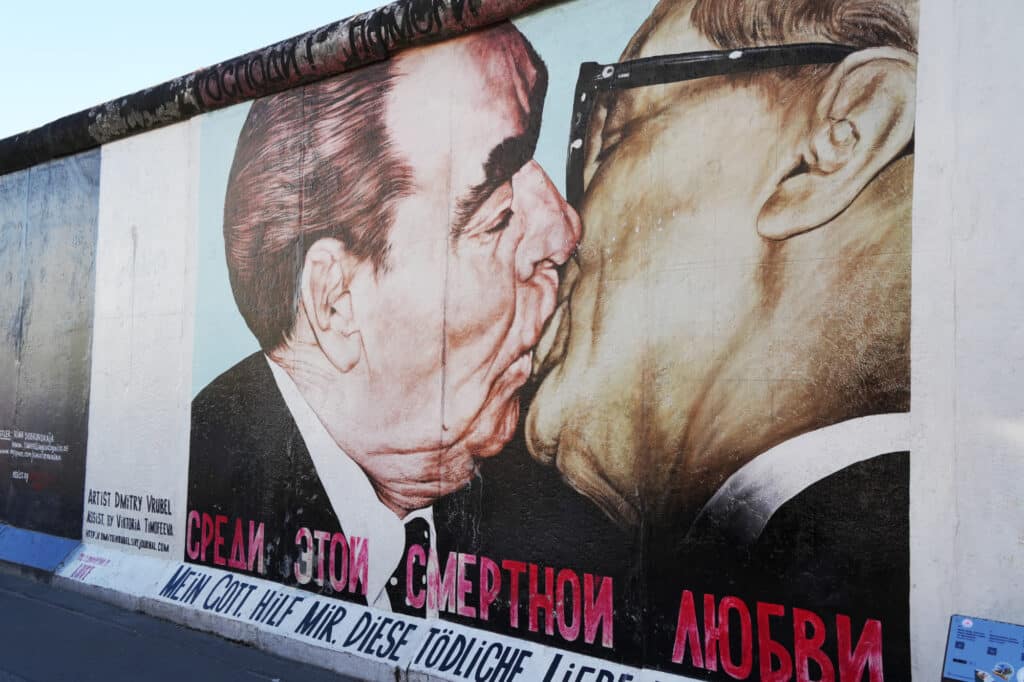
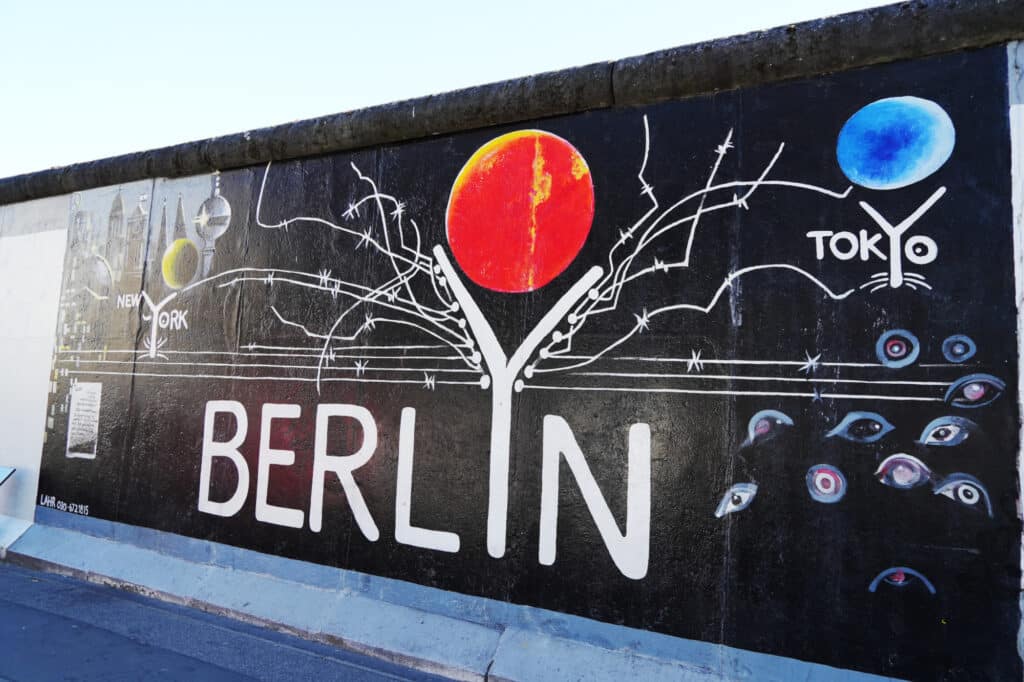
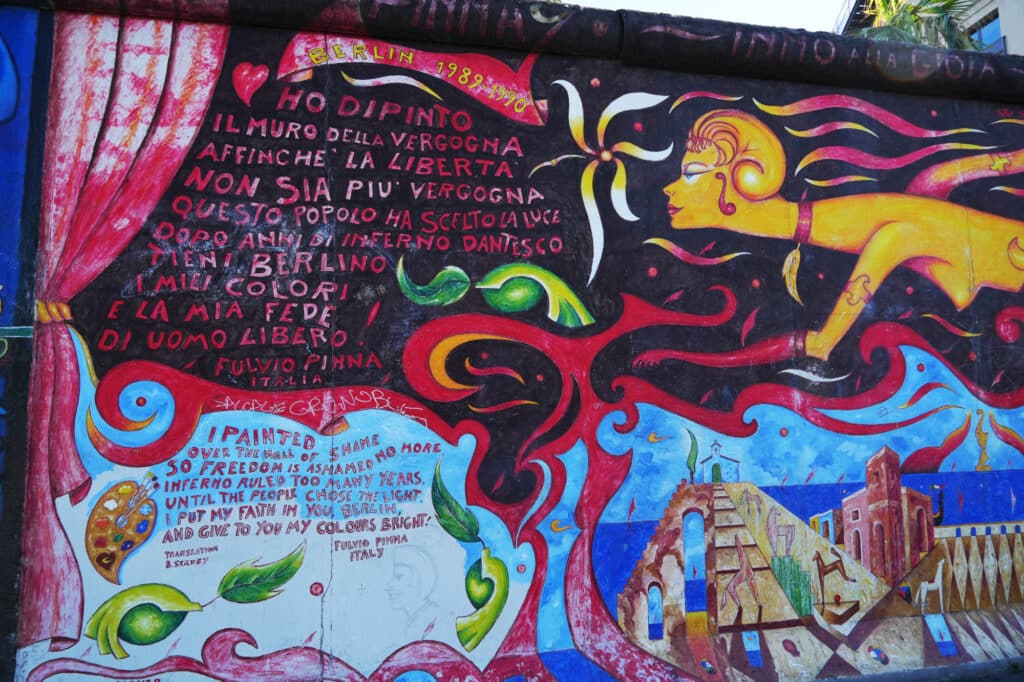
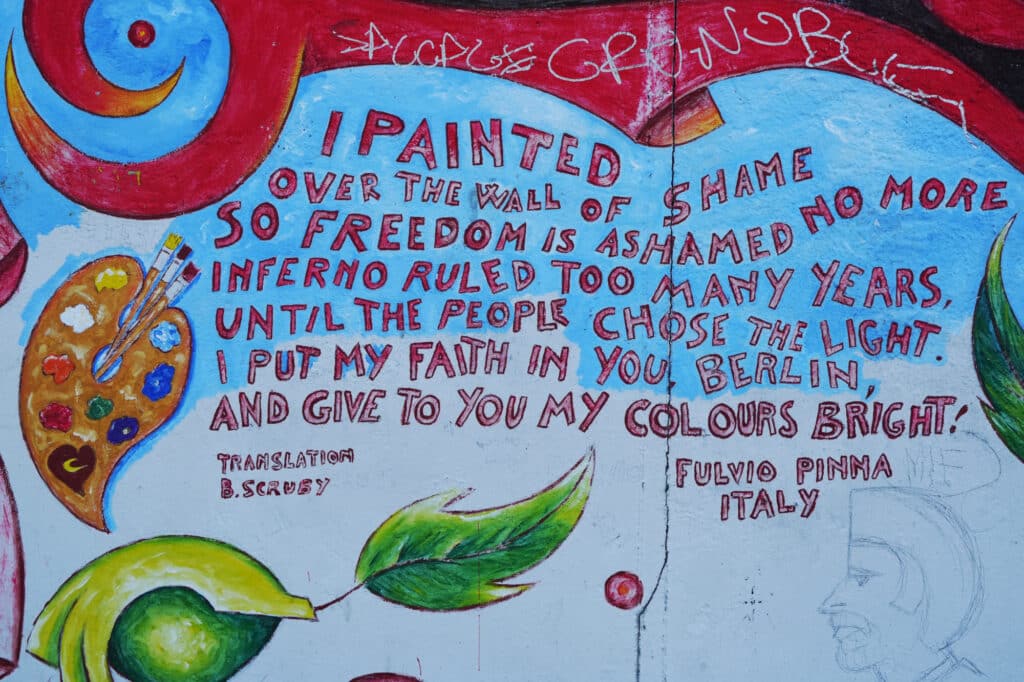
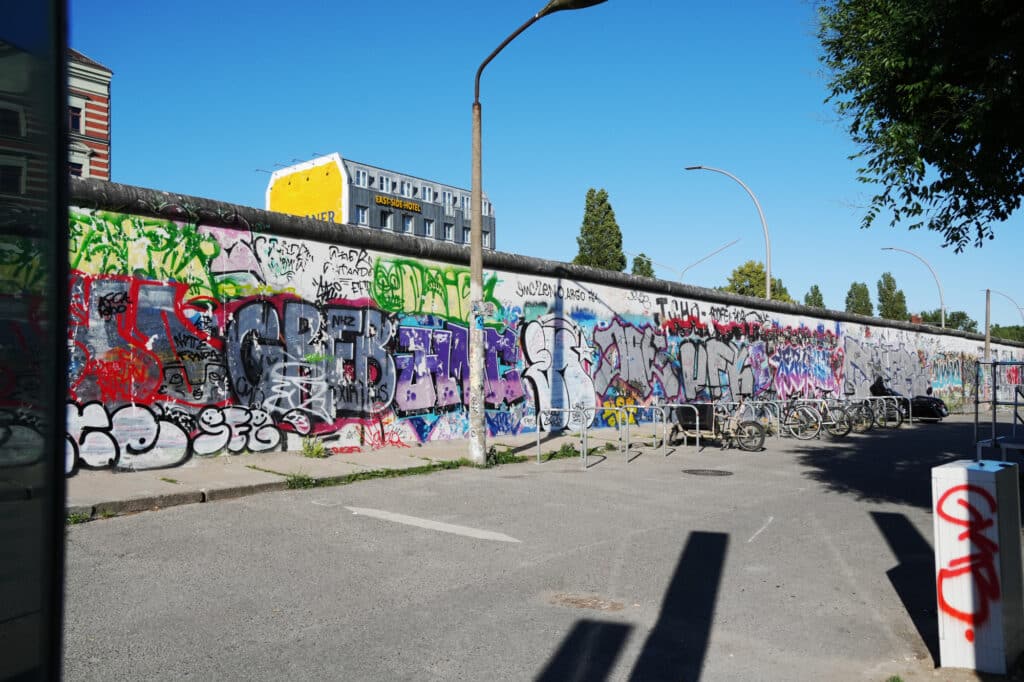
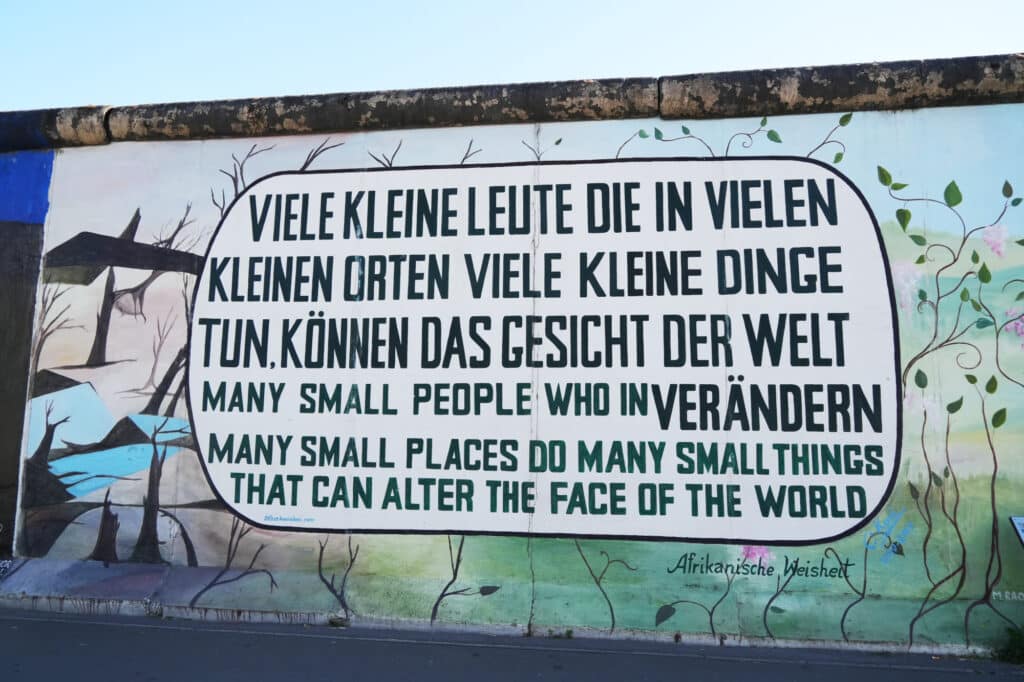
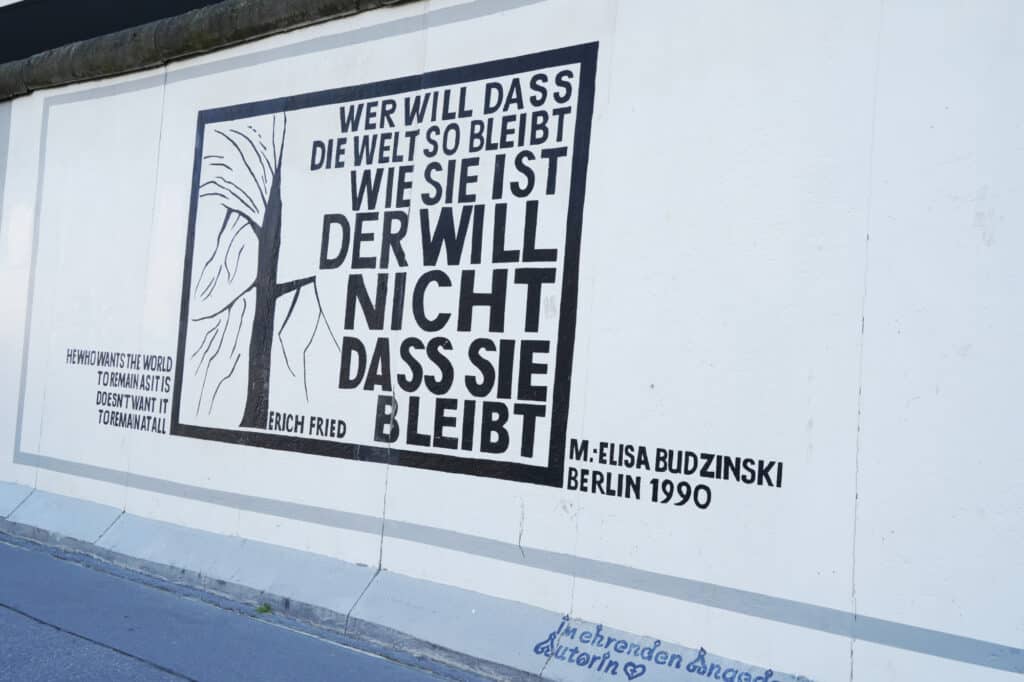
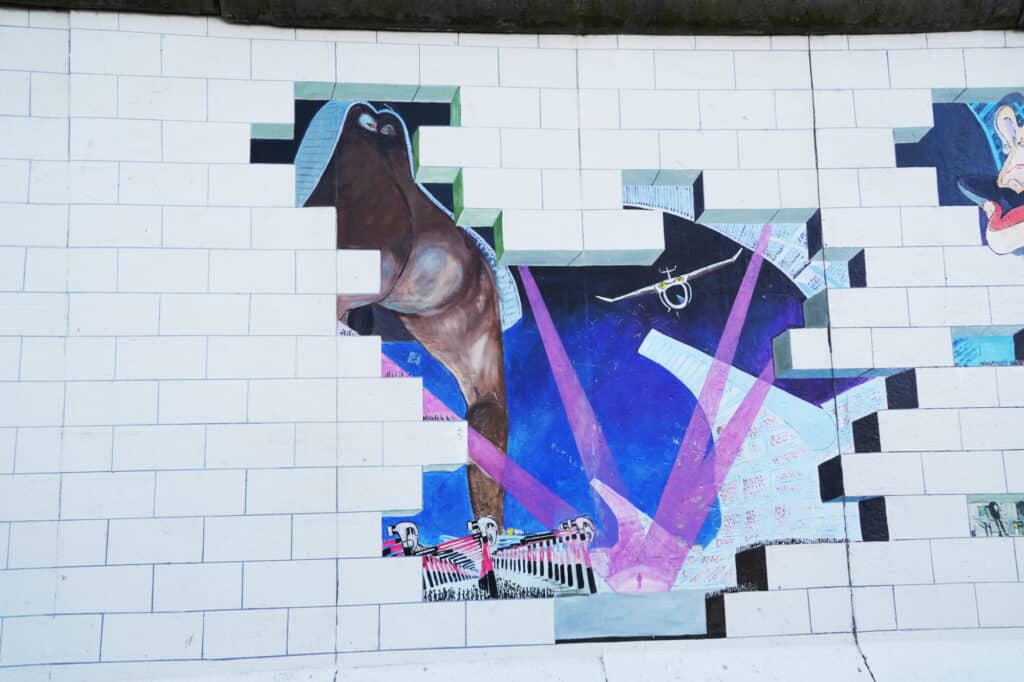
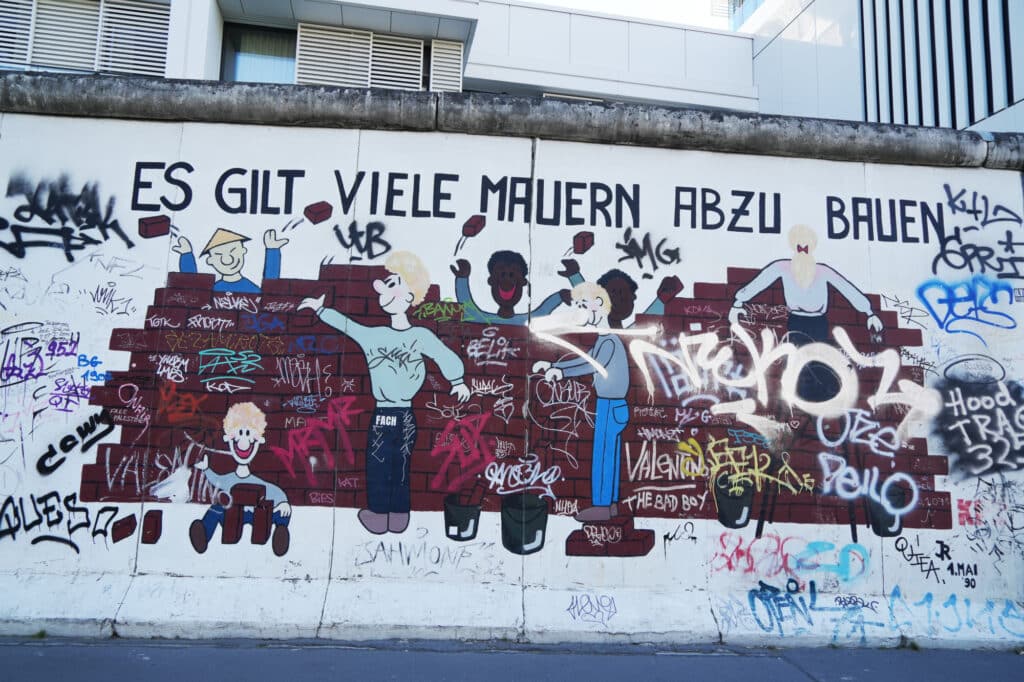
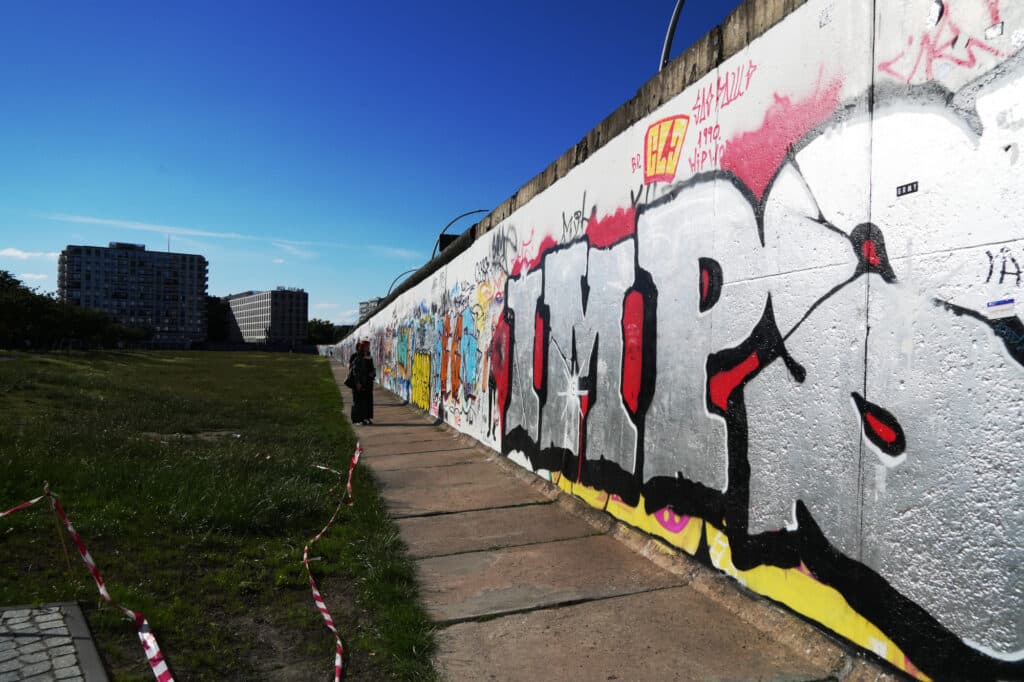
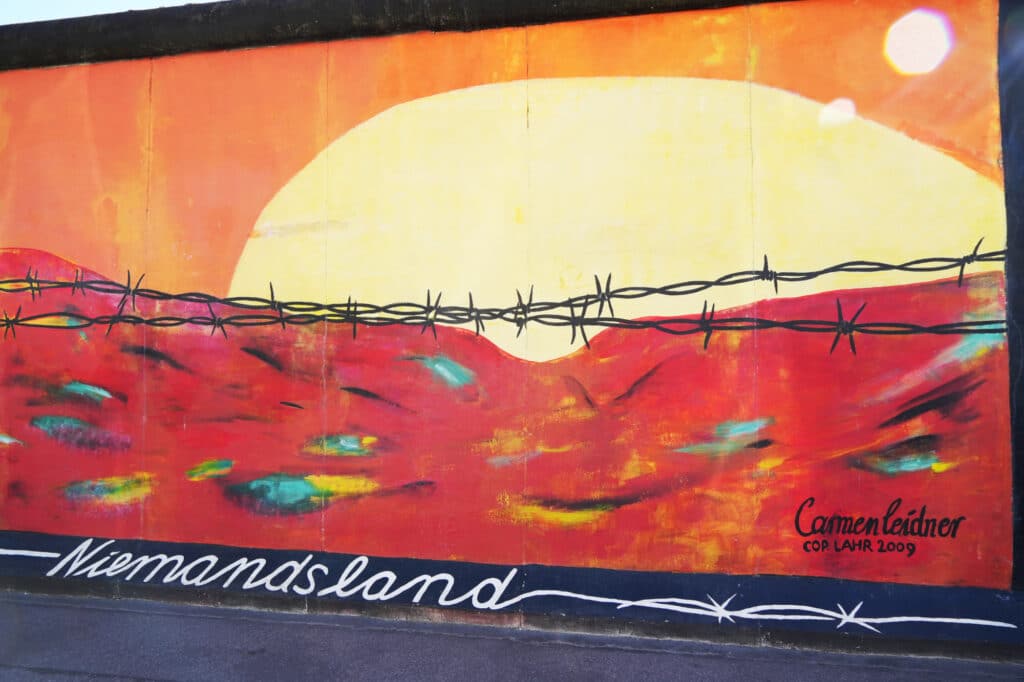
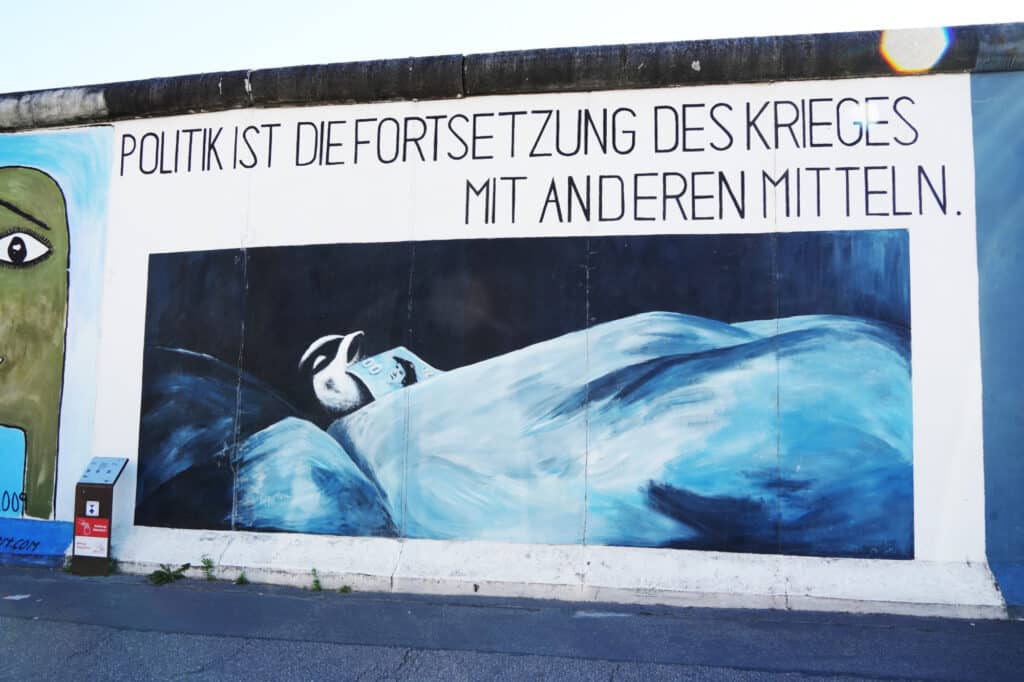
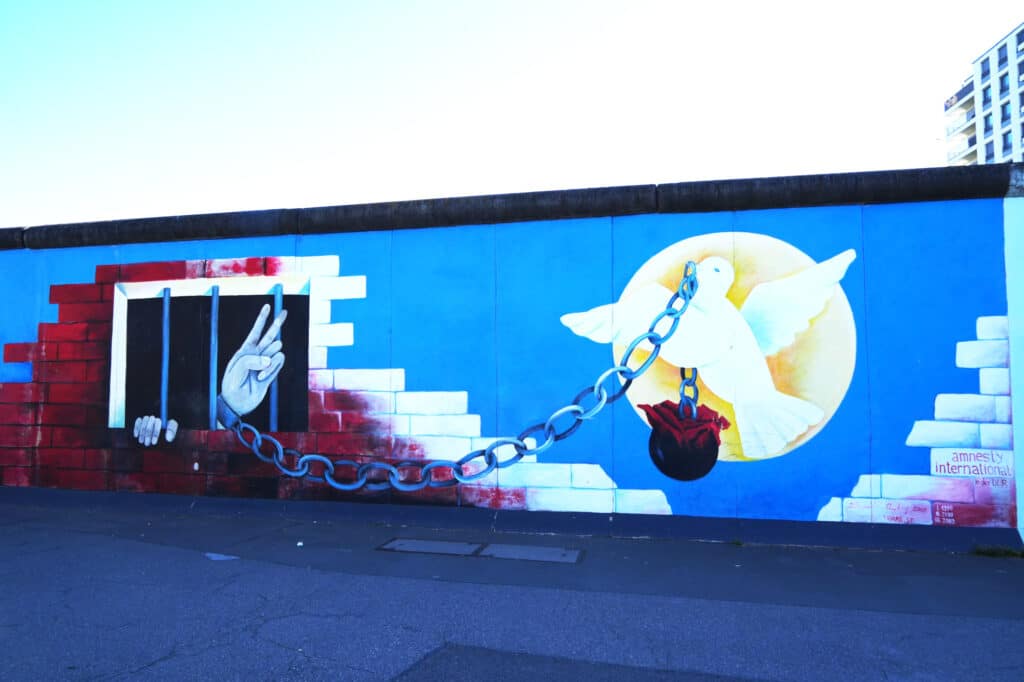
This might be the place people generally think of first when they think about street art in Berlin: the East Side Gallery. It is a stretch of the former Berlin Wall along the river Spree that was given to an arts collective by the last government of the GDR in 1990. International artists kept the spirit of the peaceful revolution in giant murals alive. In 1991, this bit of the wall received the status of cultural heritage and is now untouchable.
As such, it is not the typical piece of street art and worldwide unique. The backside of the wall however is also kept in the status of how the Berlin Wall would have looked from the Western side before the reunification. It is filled with traditional graffiti and tags.
Even if you’re not interested in street art, it is recommended to get off the public transport at Ostbahnhof or Warschauer Straße and explore the promenade along the river Spree with its vibrant bars and beer gardens and to learn a bit of Berlin’s history whilst you’re at it.