Where culture and history meet in Central America
The name “Guatemala” brings up a few questions. The ending “mala” means “bad” in Spanish. Some other international travellers that Charlie met actually changed the name of a WhatsApp group to “Guatebuena” to make it obvious that they were having a good time.
The actual origin of the name however is not Spanish, it comes from Nahuatl. There is a controversy though around the original meaning. For a long time, the word quauhtlemallan was understood as “place of trees”, but newer research says it means “eagle warriors”. Both meanings make sense in the colonial context as something that the indigenous communicated to the Spanish colonizers about the people further South.
Throughout her stay, it became obvious for Charlie that the culture of Guatemala is mostly a mix that shows origins in Aztec and Mayan culture mixed with Spanish elements from colonial times.
- Language: Spanish
- Currency: Quetzal
- Time Zone: GMT-6
- Electricity: 120V
- Plugs: Same as US (Type A & B)
- Healthcare: International Travel Insurance needed
- Emergency Telephone number: 110 (Police), 128 (Ambulance), 122 (Fire brigade)
- Getting there: Flight to Guatemala City
Guatemalan symbols and legends
There is one symbol you will see everywhere in Guatemala, the national bird Quetzal. It is mostly green with a long tail. The chest is red, however it is said to have been white in the beginning. According to a legend, the Quetzal soaked up the blood of a dying warrior which gave it the dark red shade.
Other noteworthy animals are the jaguar and snake which hold meaning in Mayan culture. The jaguar stands for power and courage and is the symbol of warriors and hunters. The snake stands for fertility and re-birth.
The ceiba tree is the national tree of Guatemala. It also finds its origin in Mayan culture and stands for the connection of the underworld, the human world and the heavens.
The Guatemalan flag holds multiple meanings too. The white stripe is the country in between two oceans, symbolized by blue stripes. In the centre, you see the Quetzal and the date of Guatemalas independence, 15th September 1821.
Guatemalan traditions
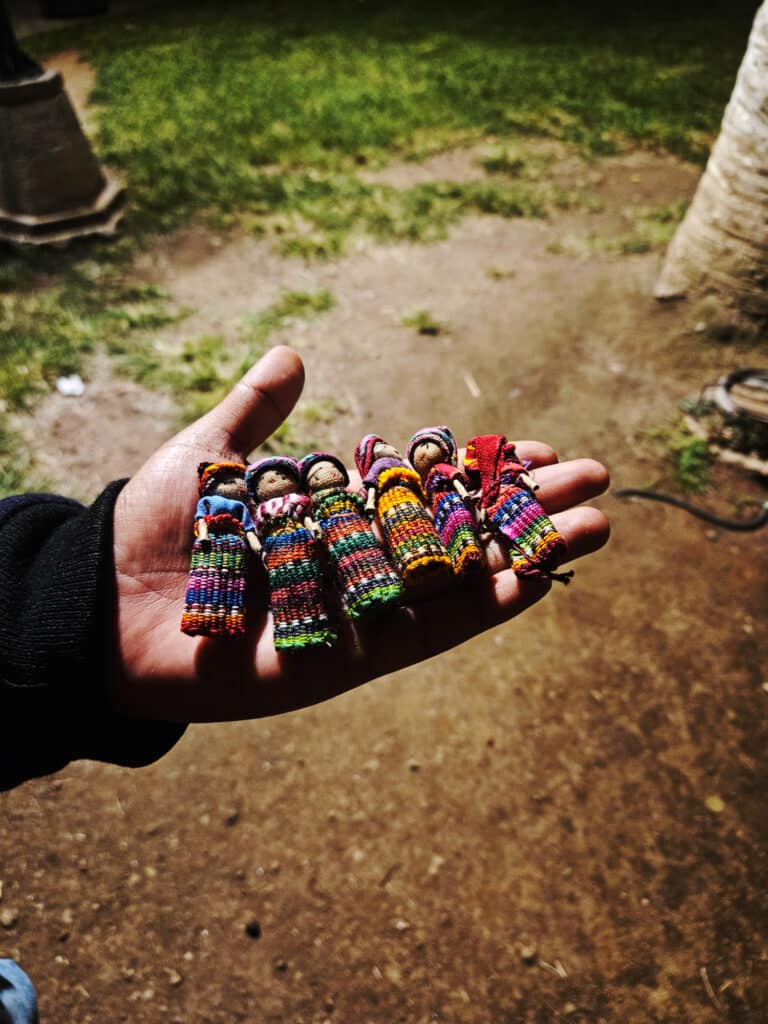
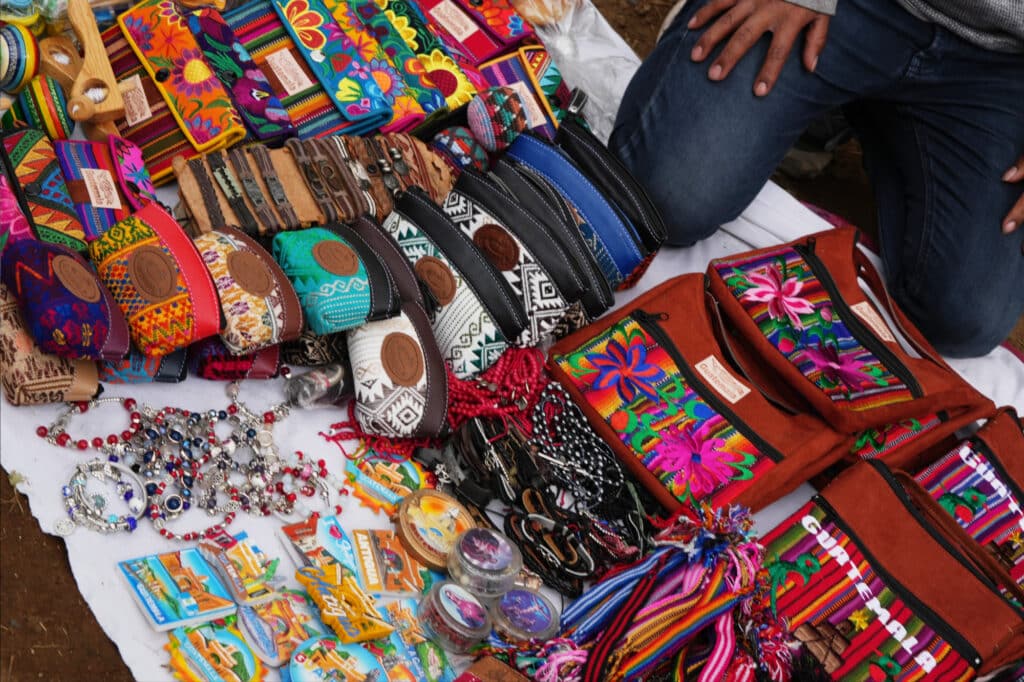
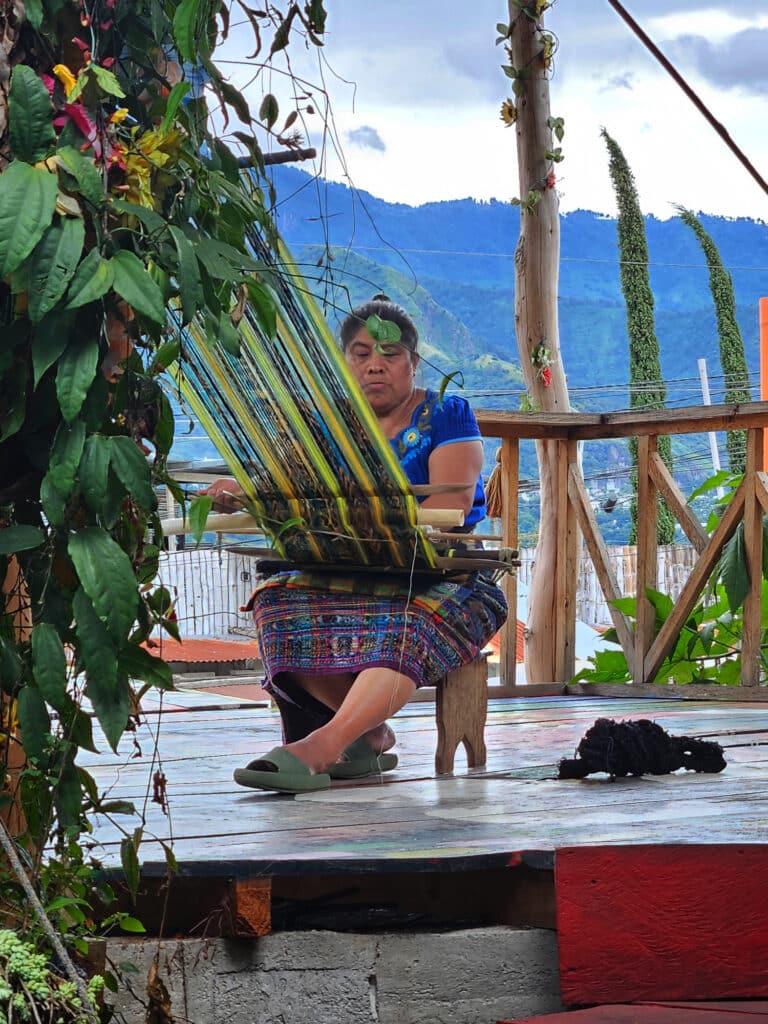
Weaving and colourful tissues are part of Guatemalan culture and you will notice that the dresses and skirts are not only sold as a gimmick for tourists. The locals wear them everywhere. You might also see some little figurines in traditional clothing. Those are the so-called worry dolls. They came to be during the Civil War in Guatemala and are meant to take your worries away.
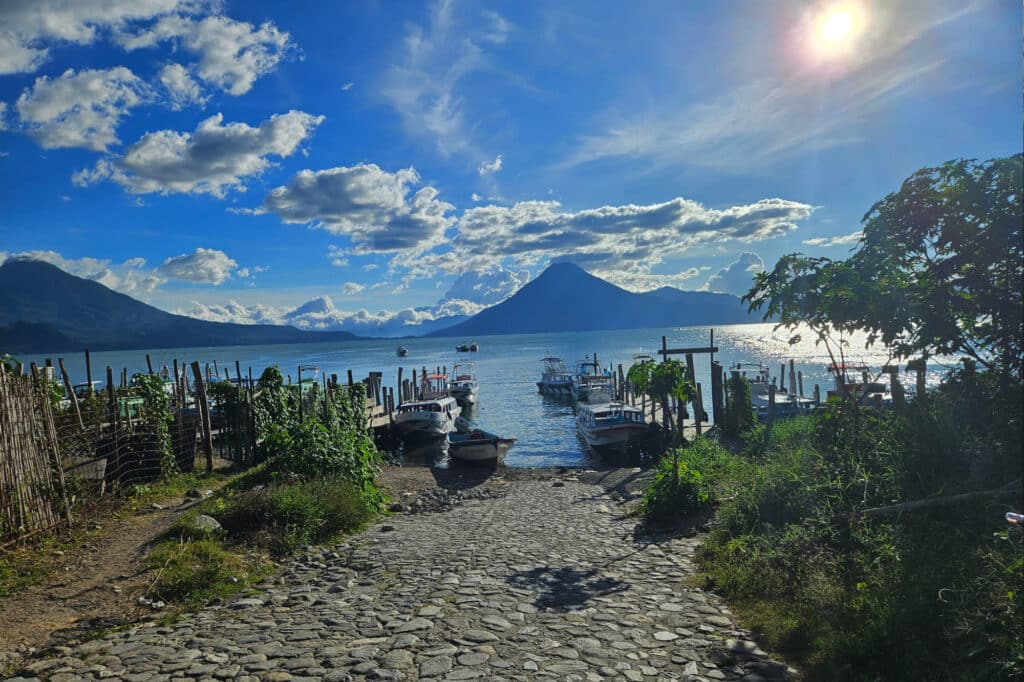
Charlie took part in a weaving workshop at Lake Atitlán and could see first-hand how the tissues are woven and how they get their beautiful colours.
When it comes to music, you will hear Latin sounds, mainly Salsa, Bachata and Reggaeton, however it really is the Marimba that is most traditional in Guatemala. If you are in Antigua, you can hear a live performance every day at 7 p.m. at the Posada Don Rodrigo.
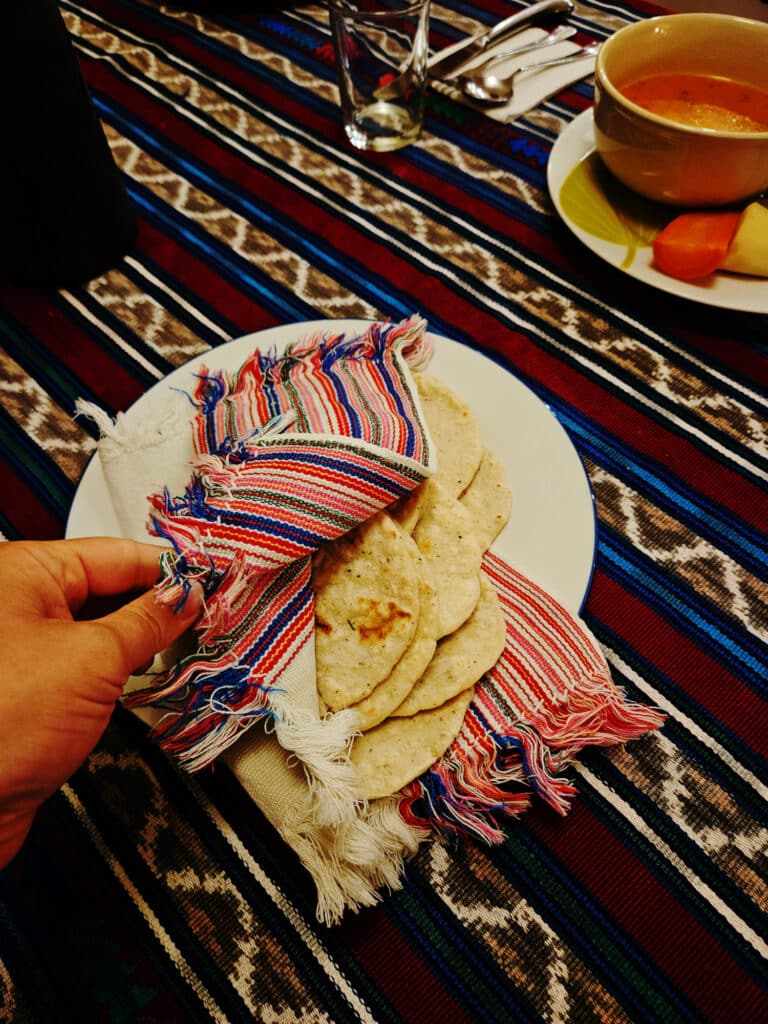
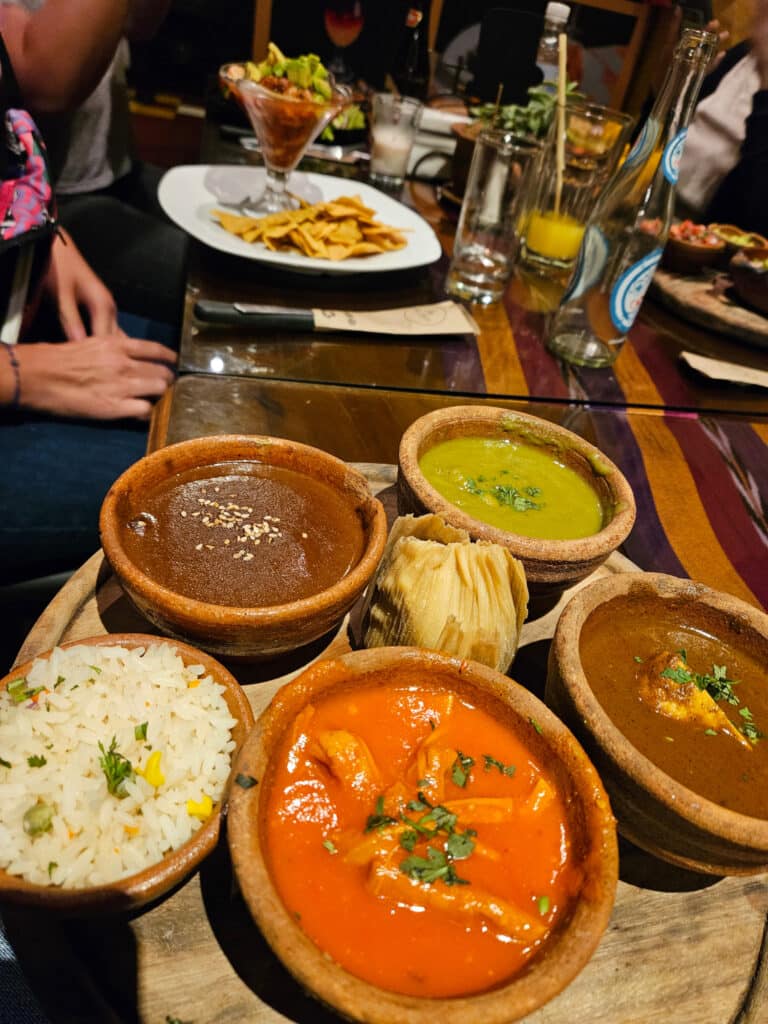
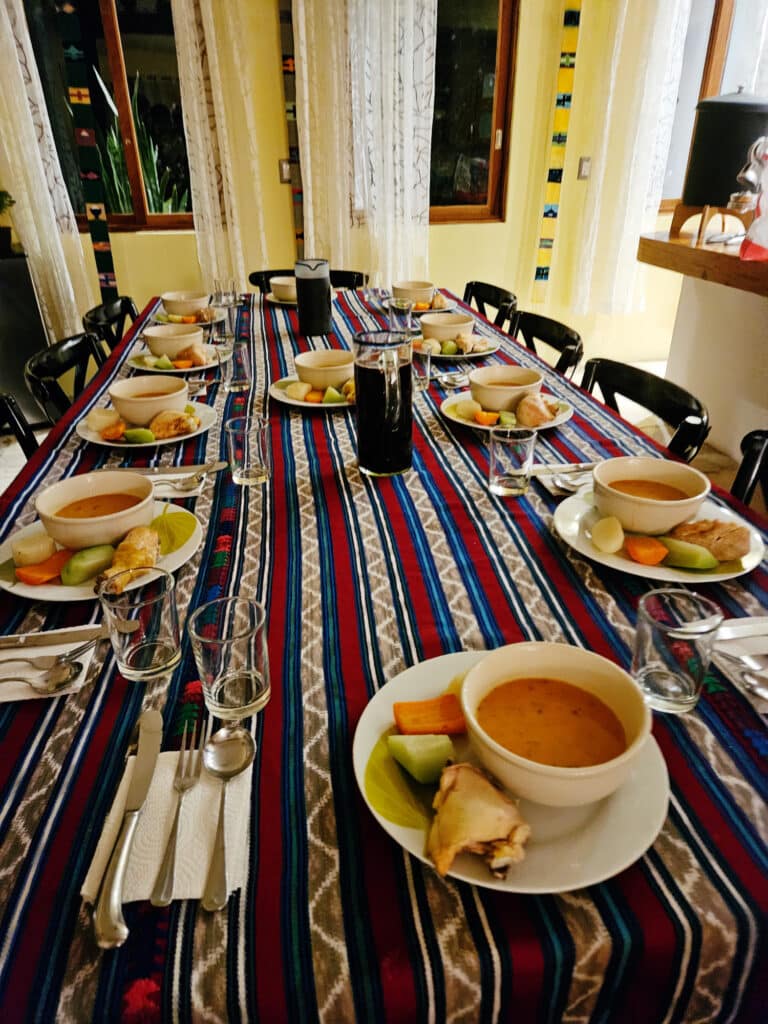
Of course, there is also a lot of traditional food. Charlie took part in a cooking class where they prepared Dobladas (a type of Empanada), Pepián (a meat stew) and Rellenitos (a banana dumpling with chocolate sauce).
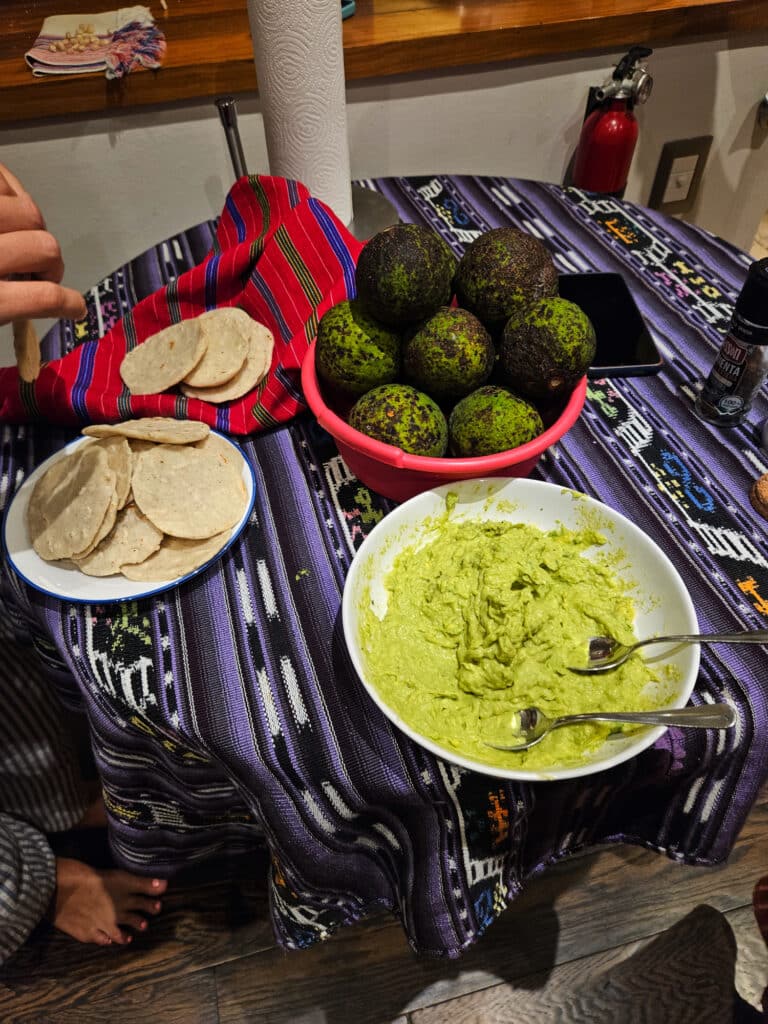
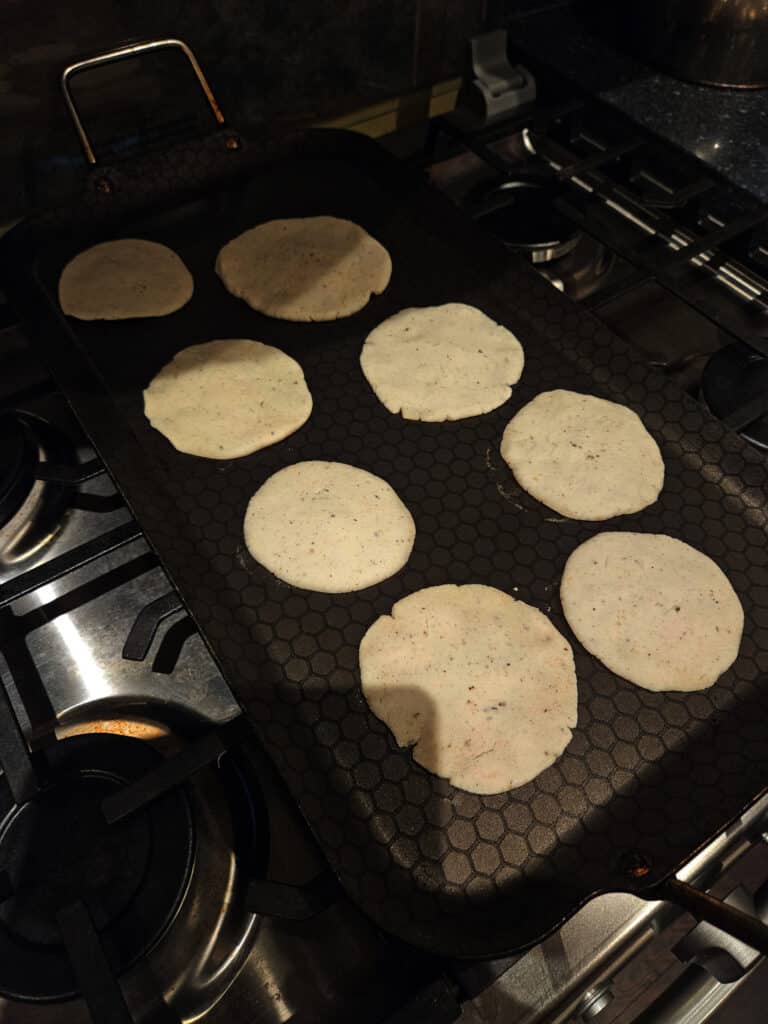
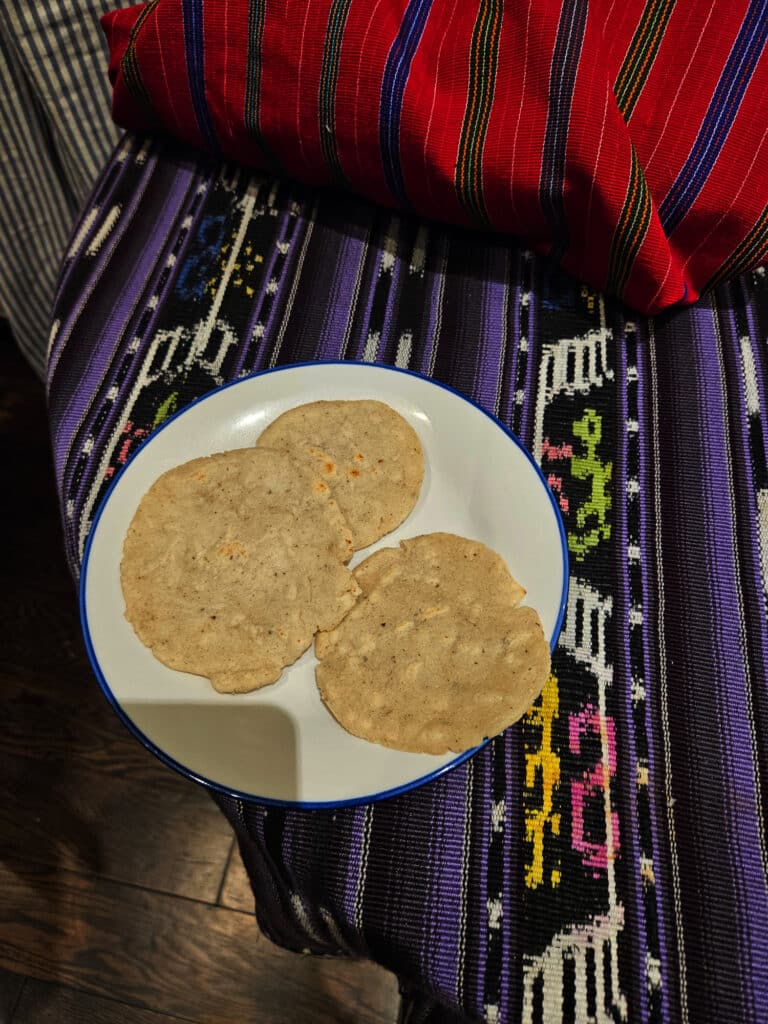
Tortillas too are very popular in Guatemala. During her stay at Lake Atitlán, the AirBnB host even offered a free tortilla making workshop. It’s not as easy as it looks! The Tortilla-tradition goes as far that you can see women selling them in front of a fast food chain to accompany the fried chicken that you can buy inside. The chain Pollo Campero is the Guatemalan response to the US-import KFC.
You will also notice that dishes (or other cultural elements) are often not described as “Guatemalan” but as “Chapín”. This term originated with the Spanish colonizers and was a slang-term for the shoes and the sound of the heels. Guatemalans adopted the term later as a sign of pride.
Indigenous culture in Guatemala
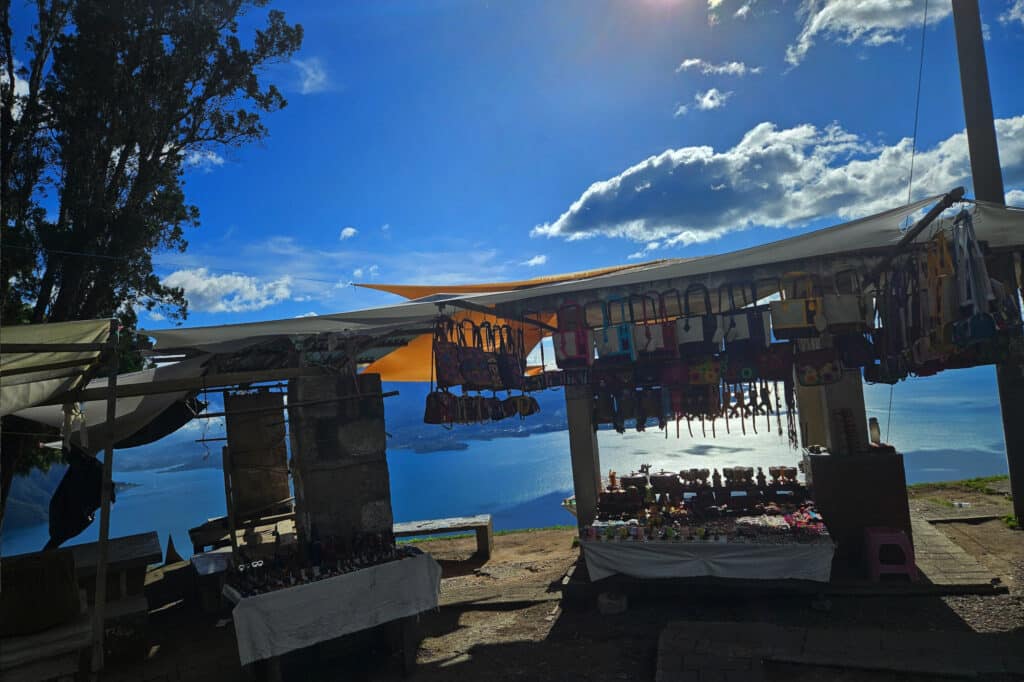
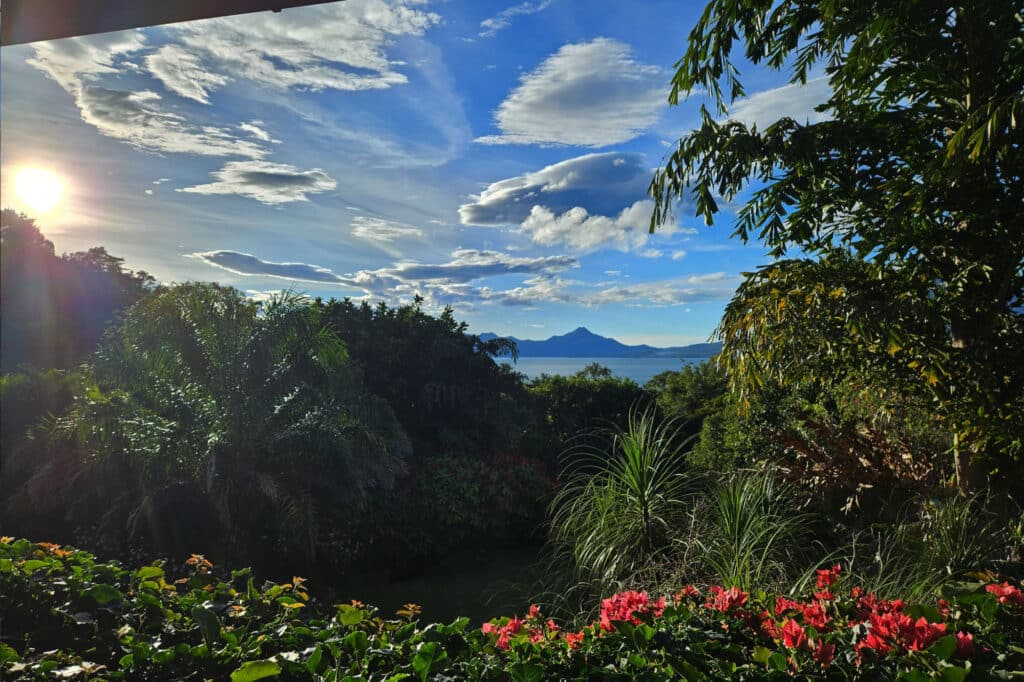
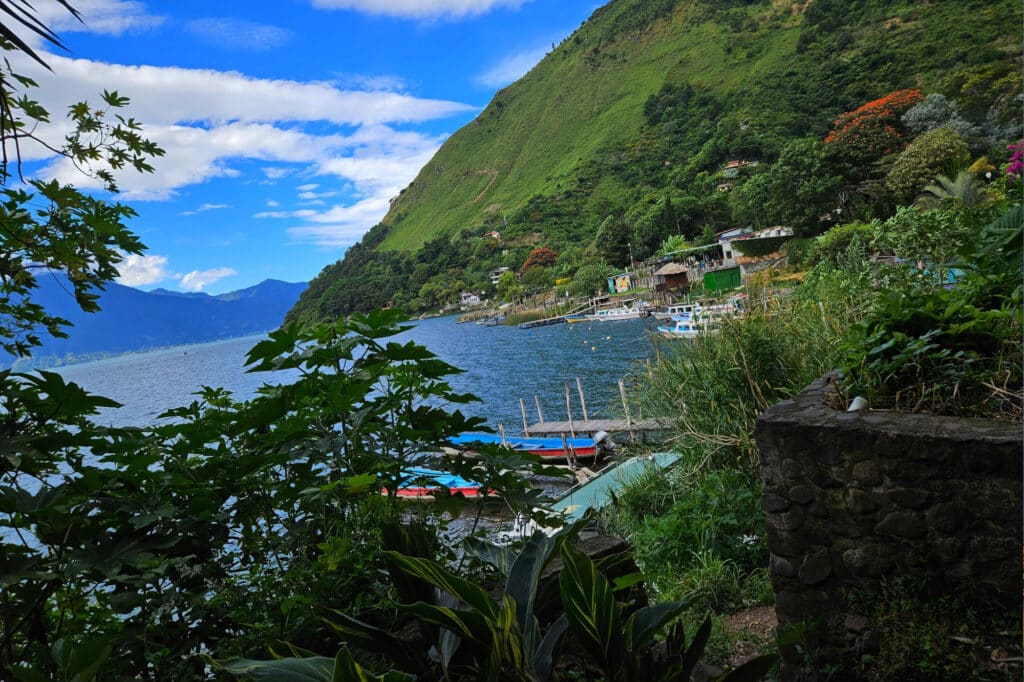
Mayan culture has left its traces in the architecture and culture of Guatemala. Linguistically, it was more the Nahuatl from Mexico. There are still indigenous people living in Guatemala. Charlie noticed it in particular around Lake Atitlán where the names of the places show this clearly. She also noticed that the locals there spoke a different variant of Spanish then in Antigua. It almost seemed as if Spanish was not their first language, which might be true.
One popular place to visit in Guatemala is Tikal where you can see ancient pyramids. Charlie did not have enough time to get there though.
Day of the dead in Guatemala
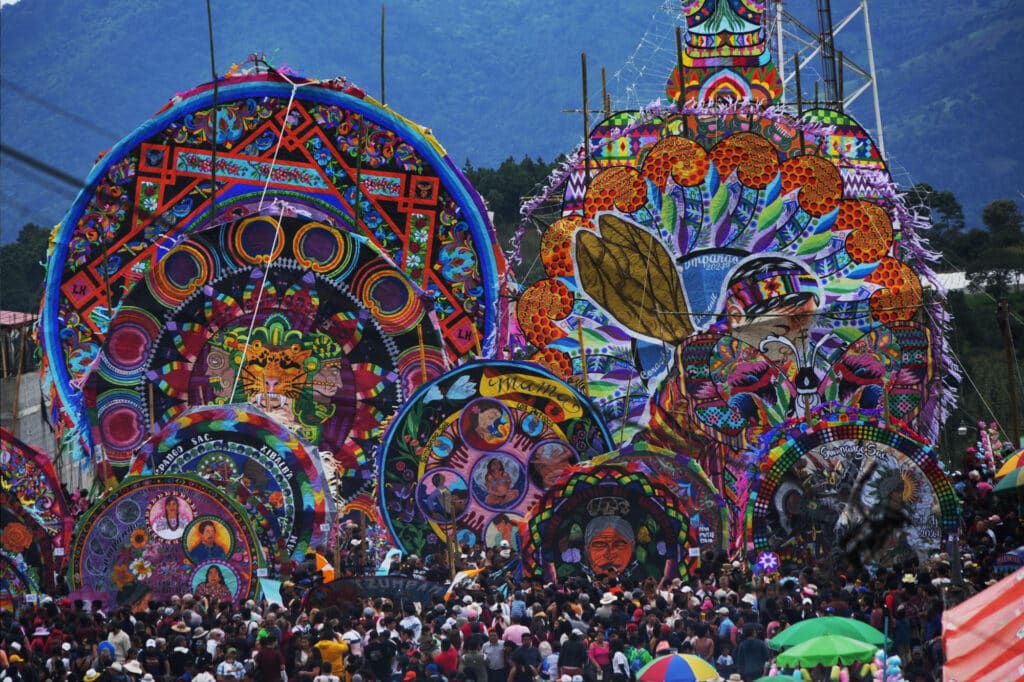
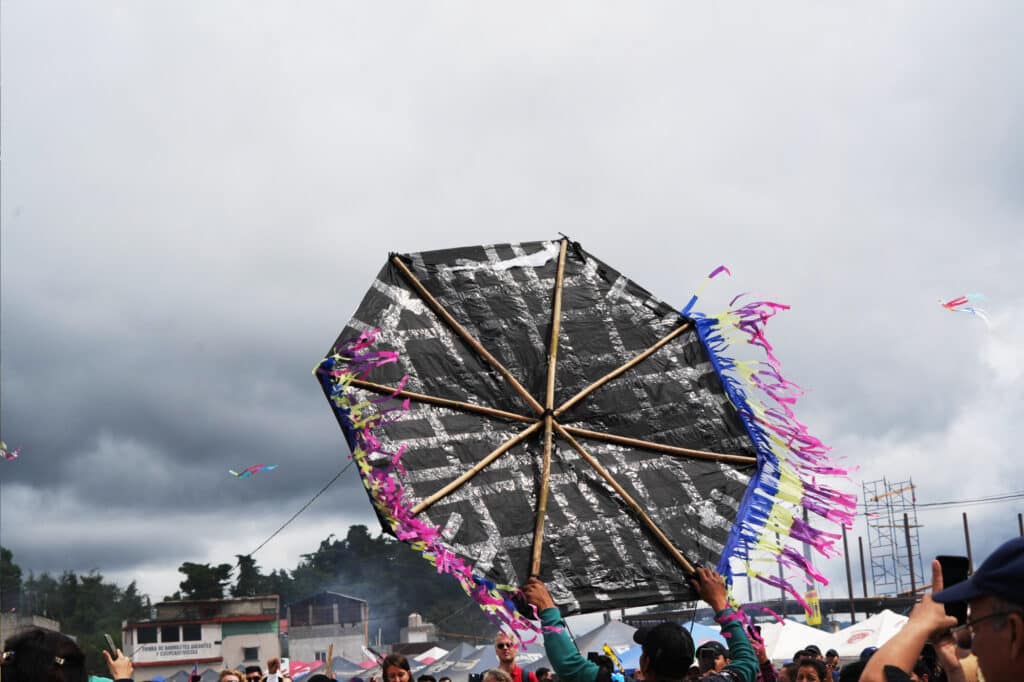
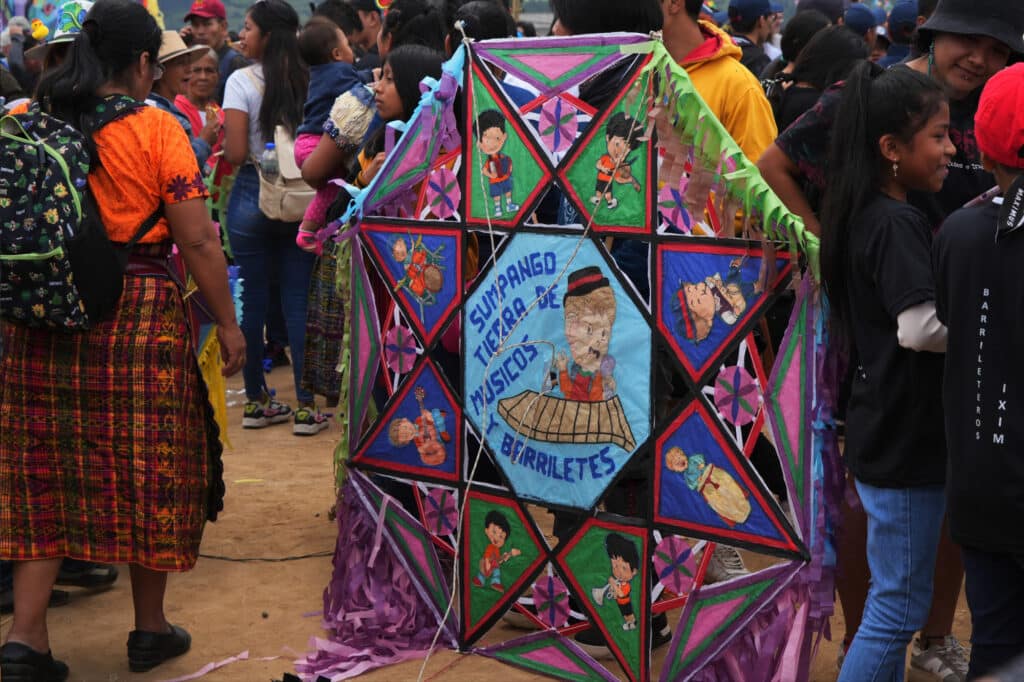
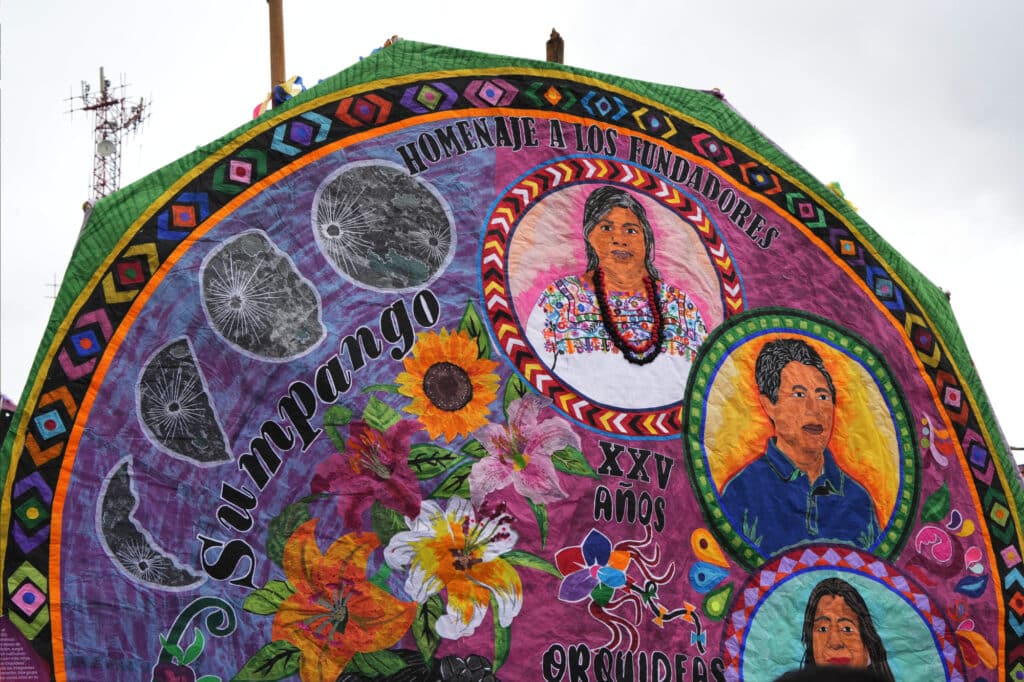
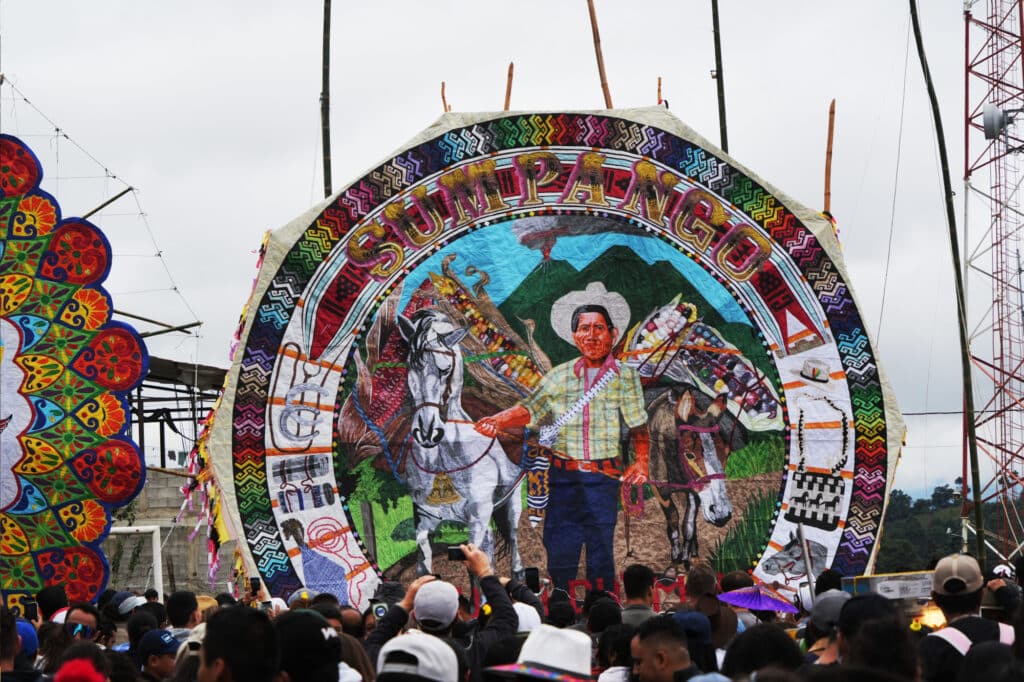
The tradition of the Dia de los Muertos is mostly known from Mexico and it is celebrated in Guatemala as well. It takes a different shape though. In Guatemala, giant colourful kites are sent into the sky to communicate with the dead.
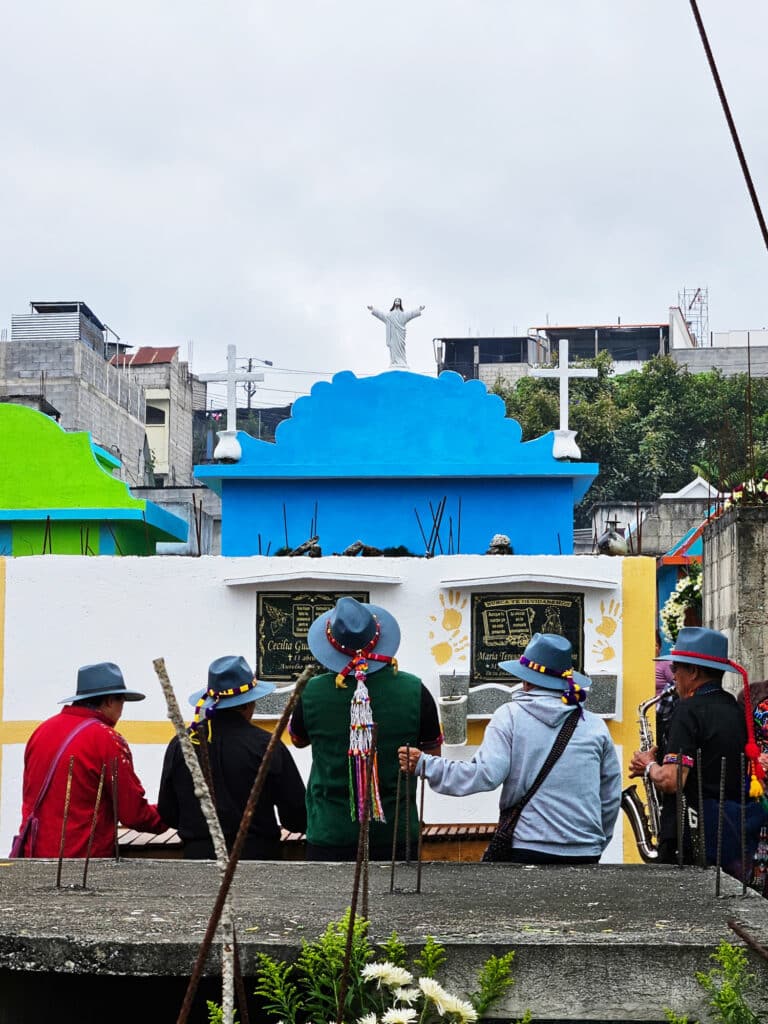
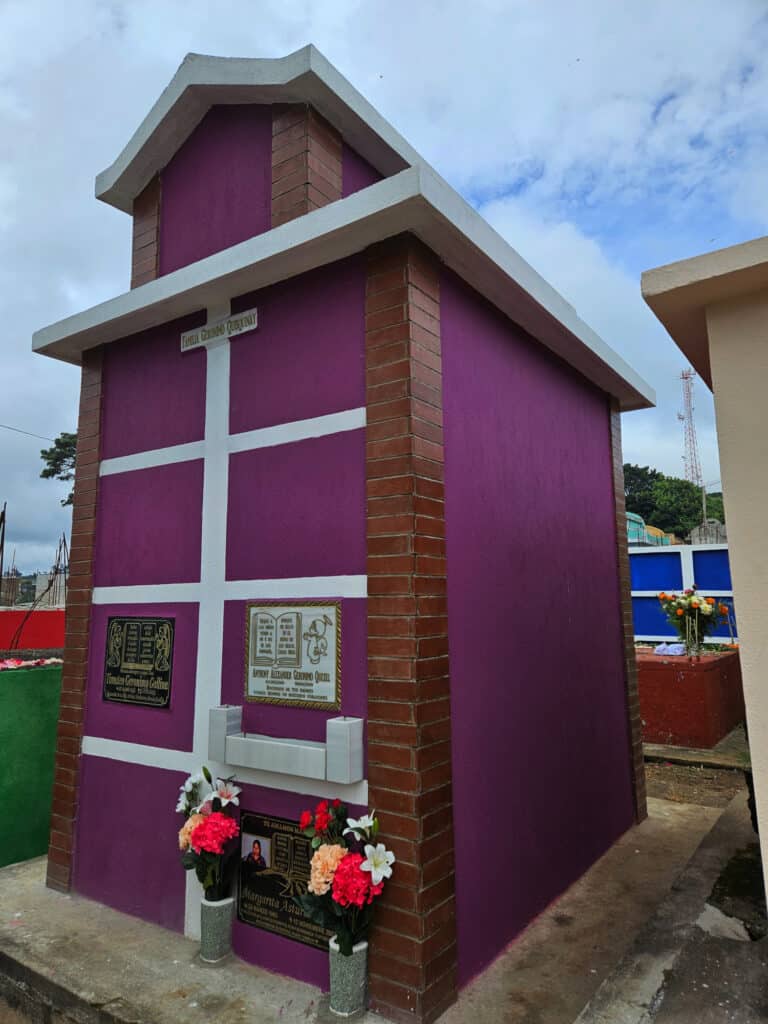
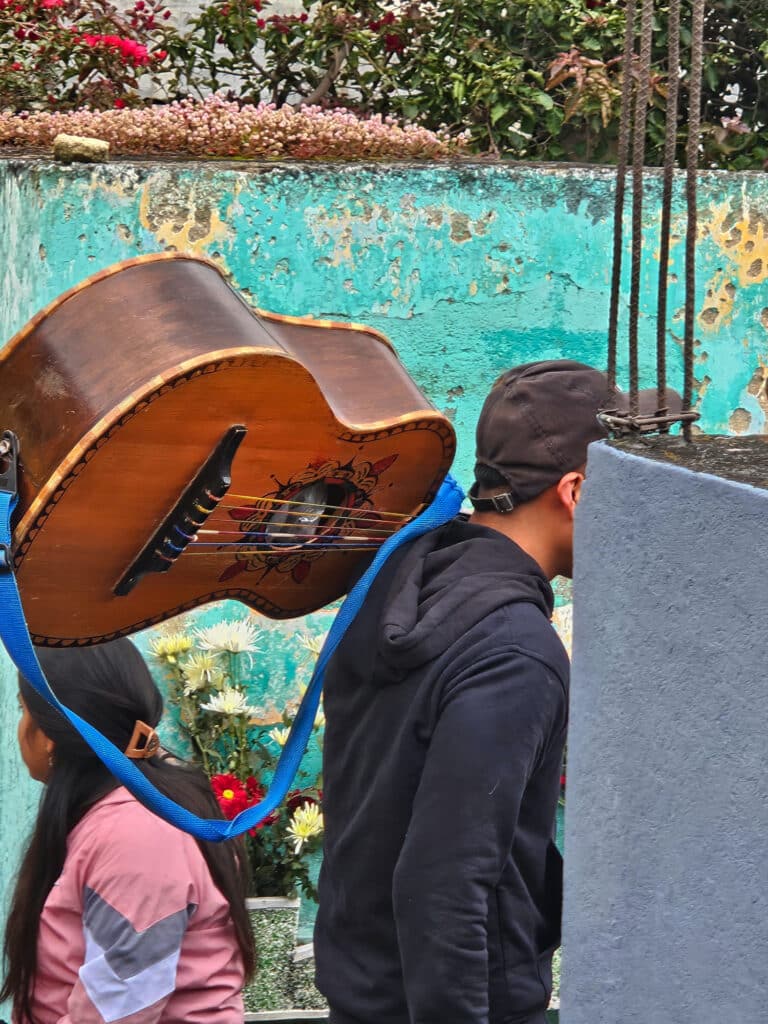
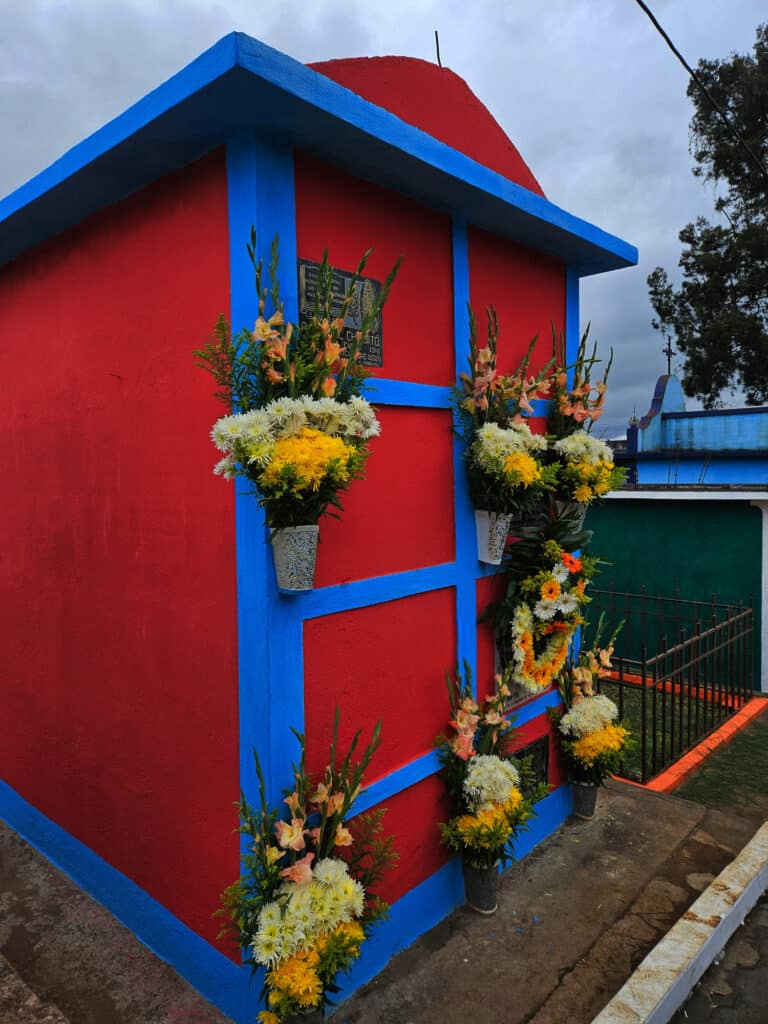
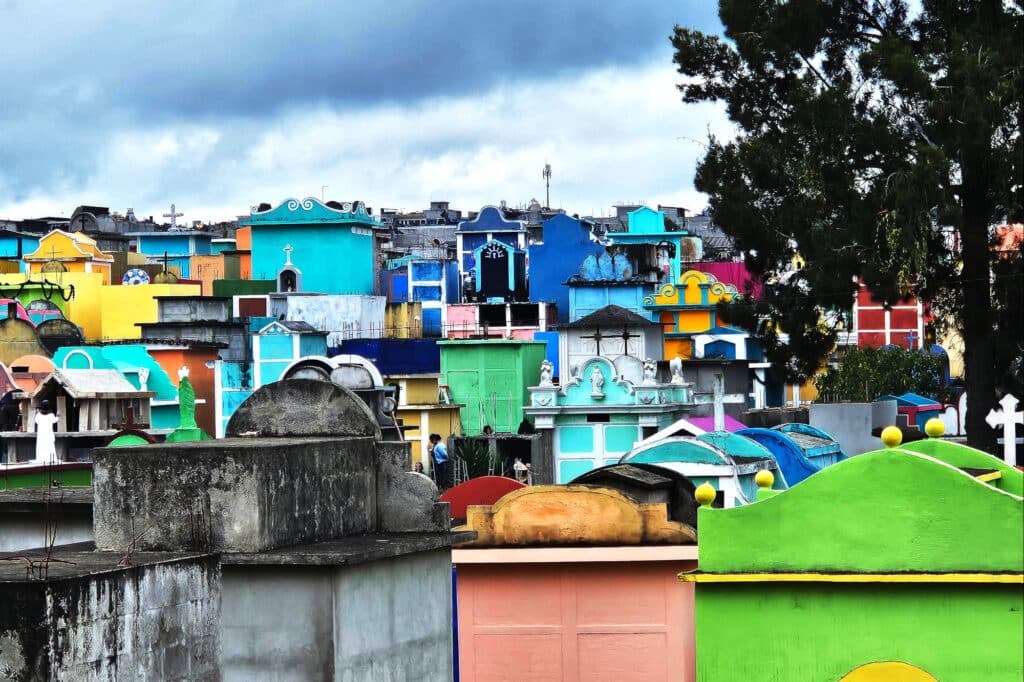
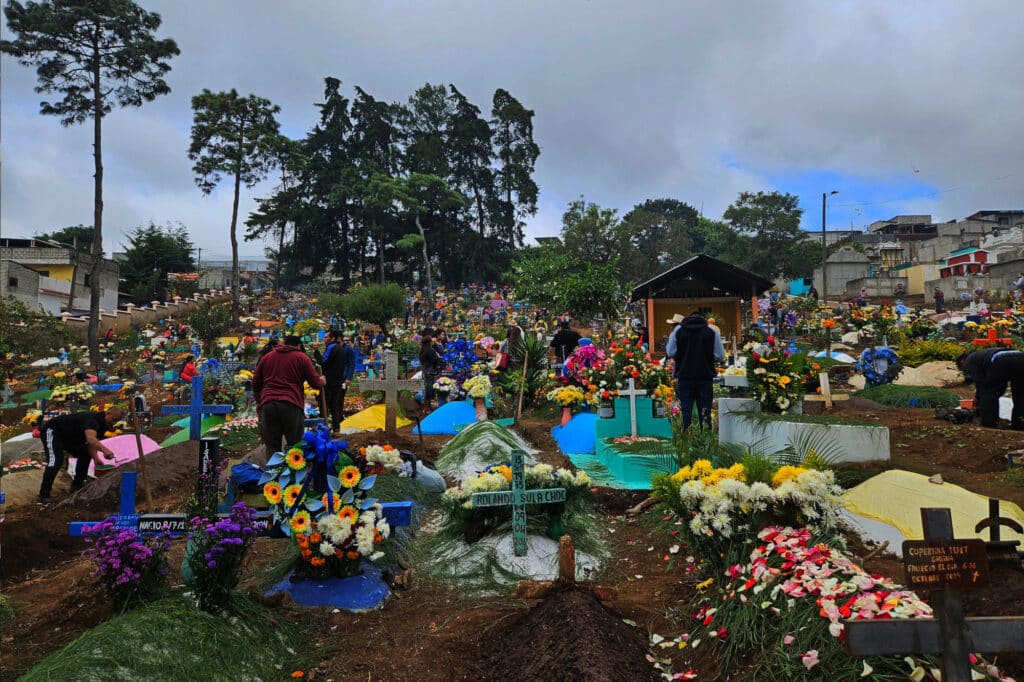
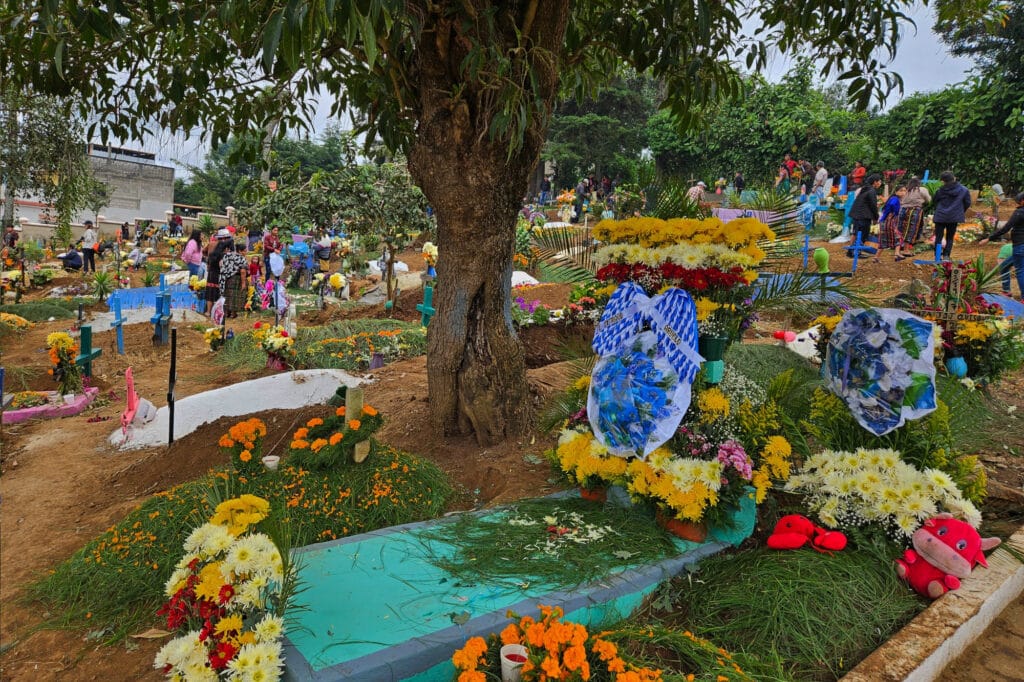
Death is not seen as something negative, it is celebrated. Entire families gather at the cemetery on the day of the dead to have a good time. Graves are richly decorated with flowers in all colours and they even bring instruments and have a celebration together. Charlie could observe this at the cemetery in Sumpango.
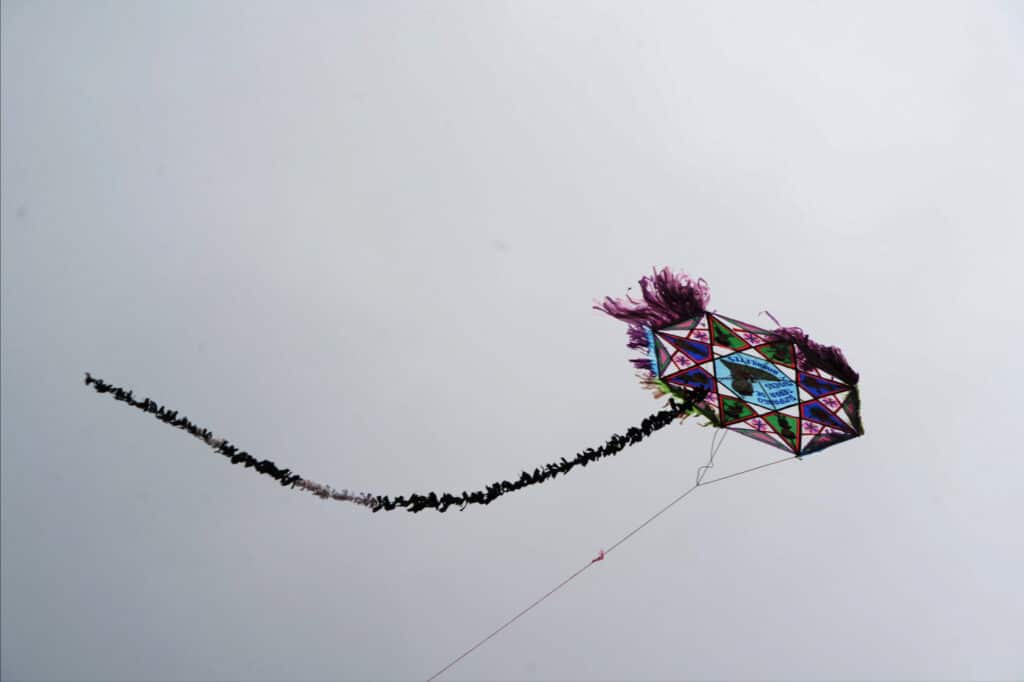
She was there that day to attend the kite festival. It is the biggest in Guatemala. Throughout the whole morning, more and more kites were set up at a large field. It took the power of up to 30 people to pull these kites up. They must have been building them for months. The word “giant” doesn’t even come close to describing how big they were. Thousands of people gathered at the field to see the kites flying. There were food vendors too and Charlie bought a small paper kite from a little boy. He must have been making them for weeks. His grandmother helped putting strings on the kites before they were given to their new owners. It’s their version of a lemonade stand.
There are kite festivals in different locations, Sumpango is the biggest. A few days later, kites were also exposed at the main square in Antigua.
Safety in Guatemala
Overall, Guatemala seemed to be a safe country. In Antigua, you could easily leave your laptop on the table to get to the restroom and it was no problem to walk around with your phone in hand. In El Paredon, Charlie didn’t even have a key to lock her room. She also didn’t feel like she needed one.
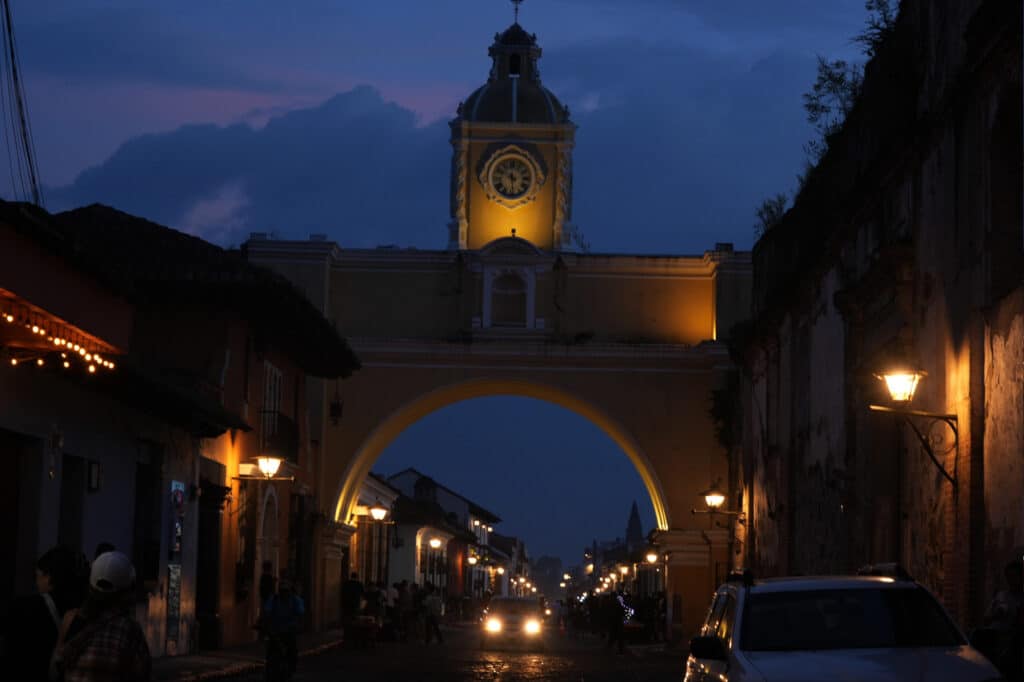
In Antigua, people will try and sell you things in the streets and it might seem a little dodgy at first. It is perfectly normal though and they do that with the locals and tourists alike. Charlie has seen her Salsa teacher buy some fruits and flowers during the class when a vendor was passing by.
Walking around at night was not an issue either. Charlie only felt a bit uncomfortable during the Halloween night when Antigua turned into a big party. There was also heavy police presence. In El Paredon, Charlie walked in the early morning hours to Driftwood for the turtle release when it was still dark. There were street dogs sleeping in the streets that behaved a bit territorial when Charlie passed by.
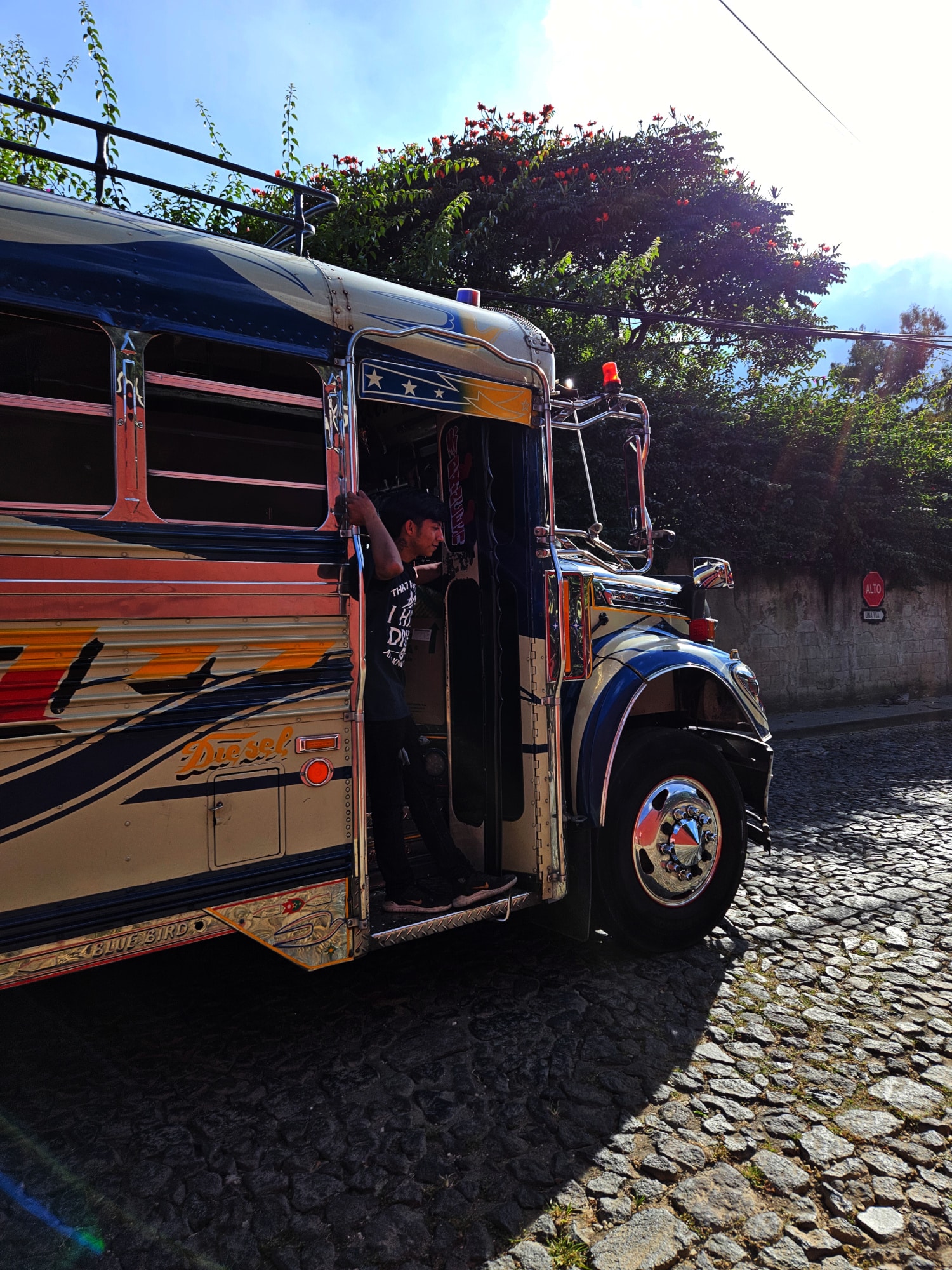
The only thing that did not feel safe in Guatemala was traffic. Charlie had been warned about the chicken busses before. These are old US school busses and all privately owned businesses. Therefore, they try and squeeze in as many people as they can and they are often not well maintained. Accidents happen frequently. Even private transfers made Charlie hold her breath a few times. She has seen some dangerous driving manoeuvres in Guatemala and you should look twice before crossing a road in Antigua.
How to get around in Guatemala
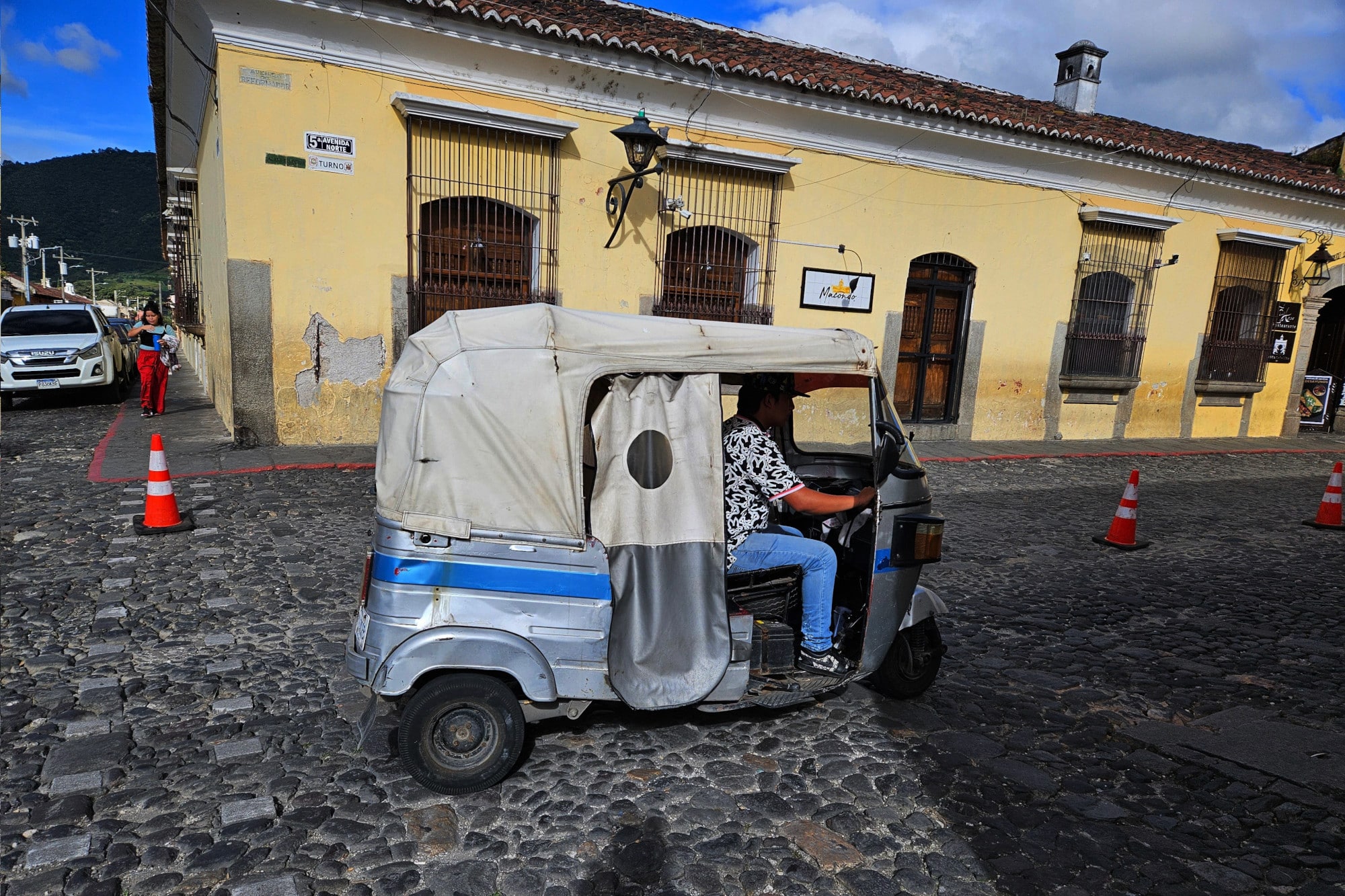
The best way to get around is by tourist shuttles or guided tours. The traffic in Guatemala is dangerous and it is not safe to take a public bus as these are often not in good shape and accidents happen. You can book shuttles online or step into any tour office (there are plenty!) in Antigua.
Guatemala for digital nomads
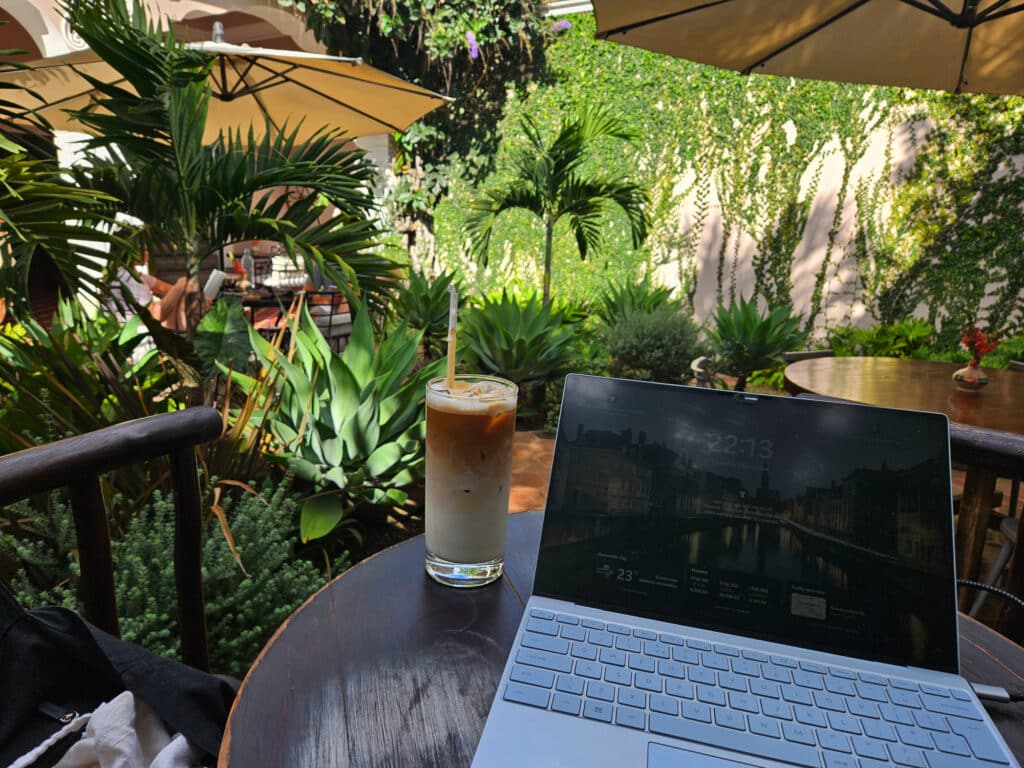
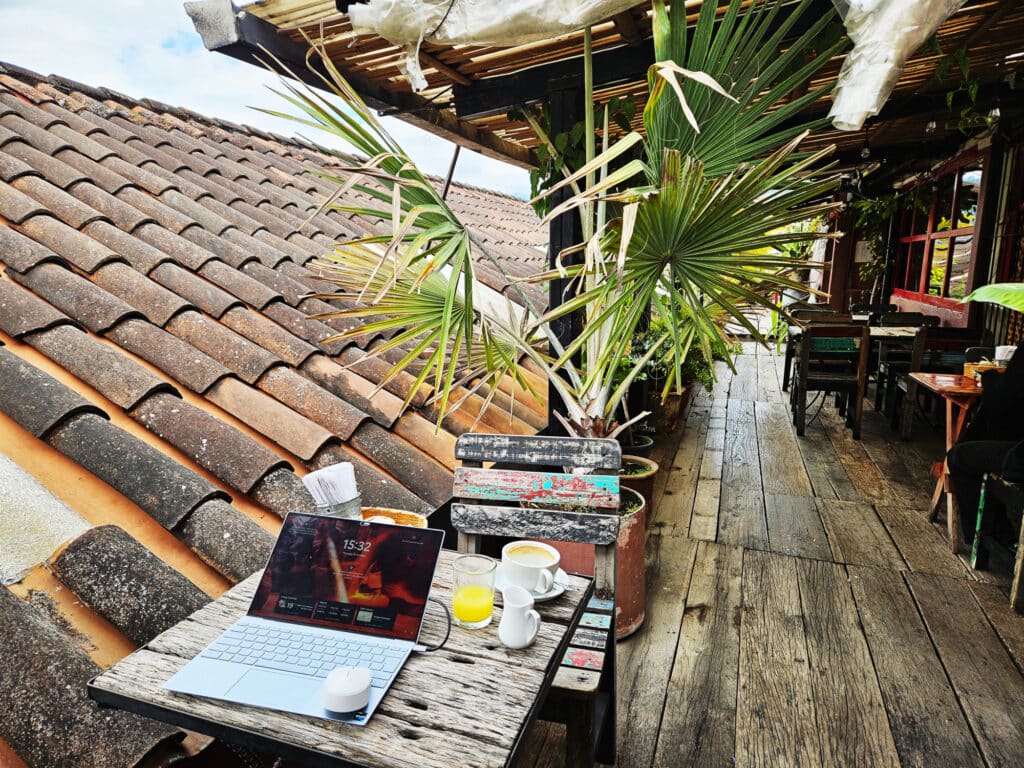
Antigua has become a hot spot for digital nomads. It is the place with probably the highest number of laptop-friendly coffee shops per square mile and the town is bustling of international visitors. The Wi-Fi was good everywhere in Antigua and Charlie had no problems. That was not the same in Guatemala City. Charlie only stayed for one night in a hotel near the airport and the Wi-Fi was so slow that it was barely of use.
Surfing in Guatemala
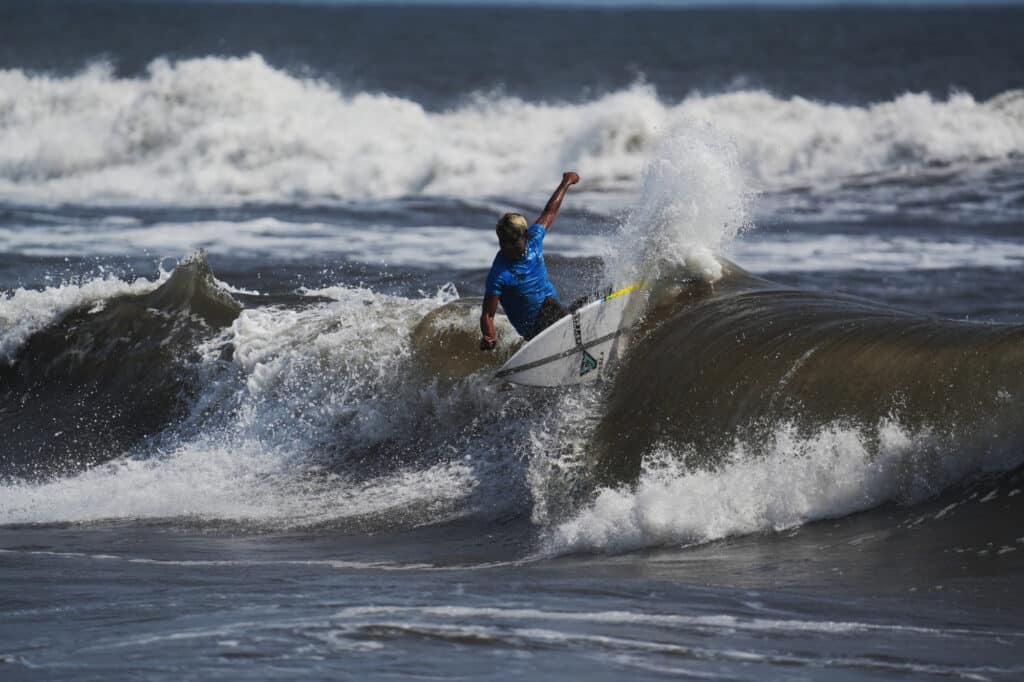
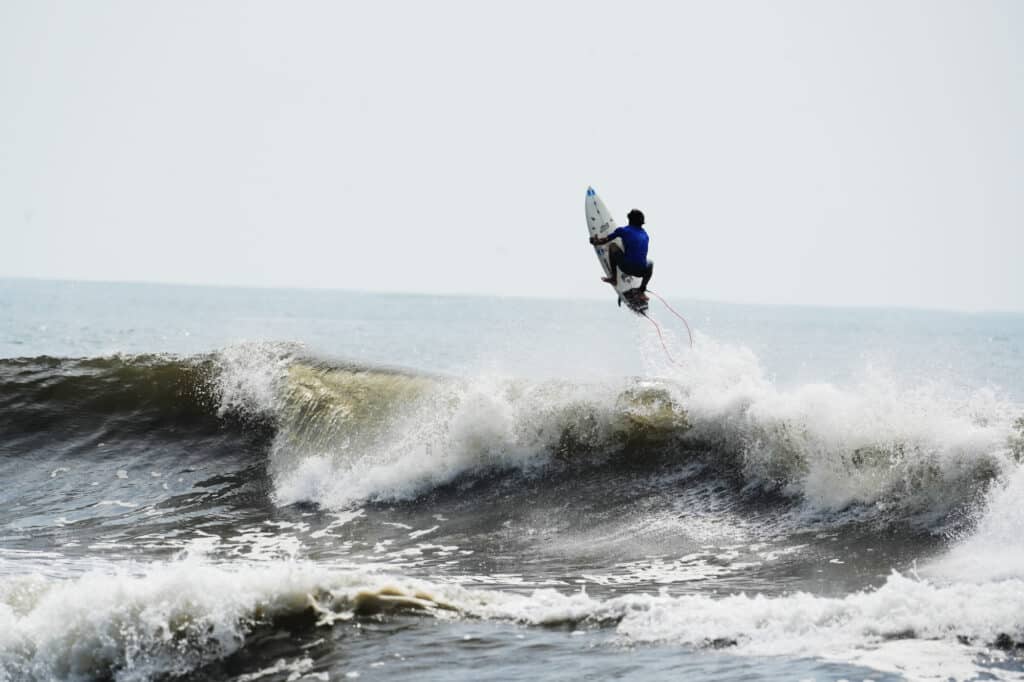
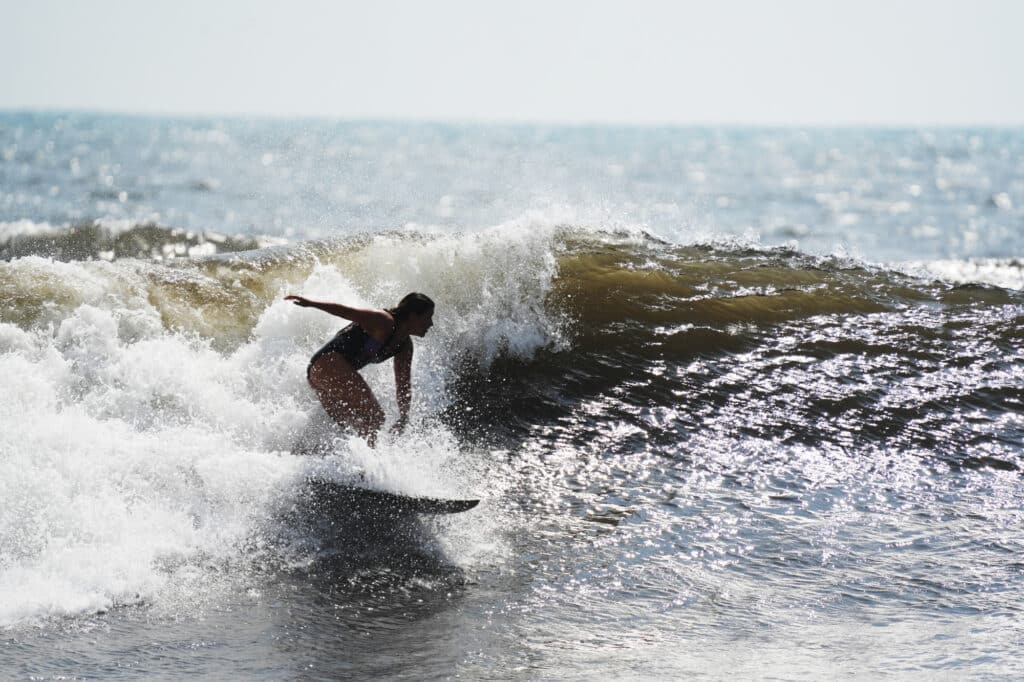
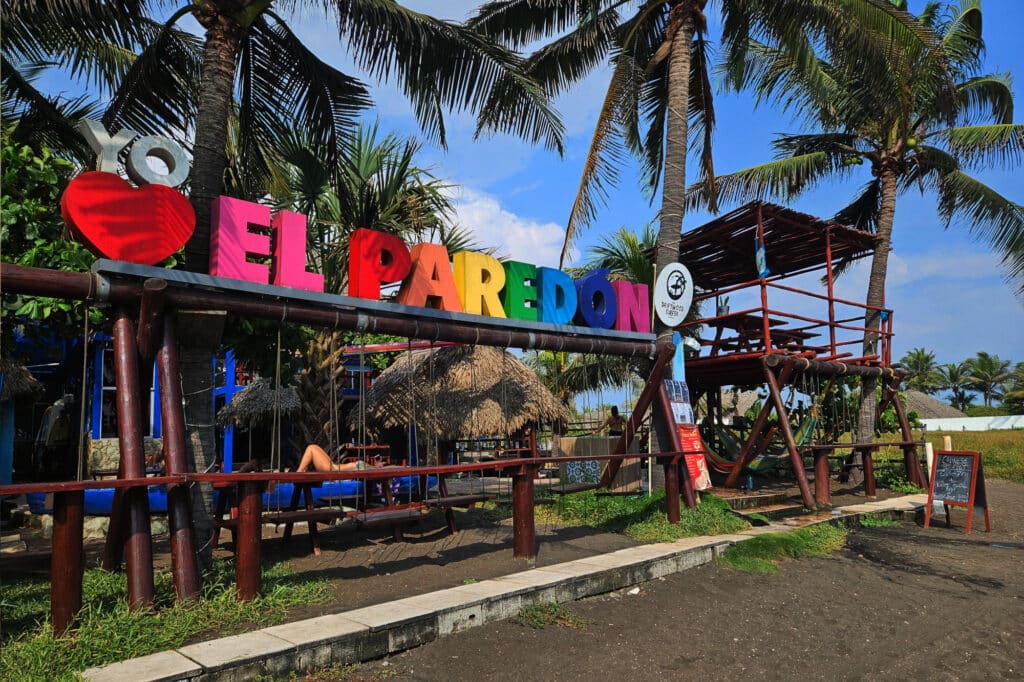
If you want to go surfing in Guatemala, El Paredón is the place to be. It is a village on the Pacific Coast and there are regular shuttles from and to Antigua. El Paredon is a place where traditional living meets a growing tourist industry. Locals live in the same area where tourists find accommodation and you will find restaurants and shops in private houses. The waves are great and attract good surfers. It is not an easy beach break though with strong currents and a fast wave.