A mini continent in the Atlantic Ocean
Gran Canaria is the third biggest of the Canary Islands, just a few hundred kilometres off the coast of Africa in the Atlantic Ocean. Politically and linguistically, the archipelago is Spanish. Culturally, they are something of their own.
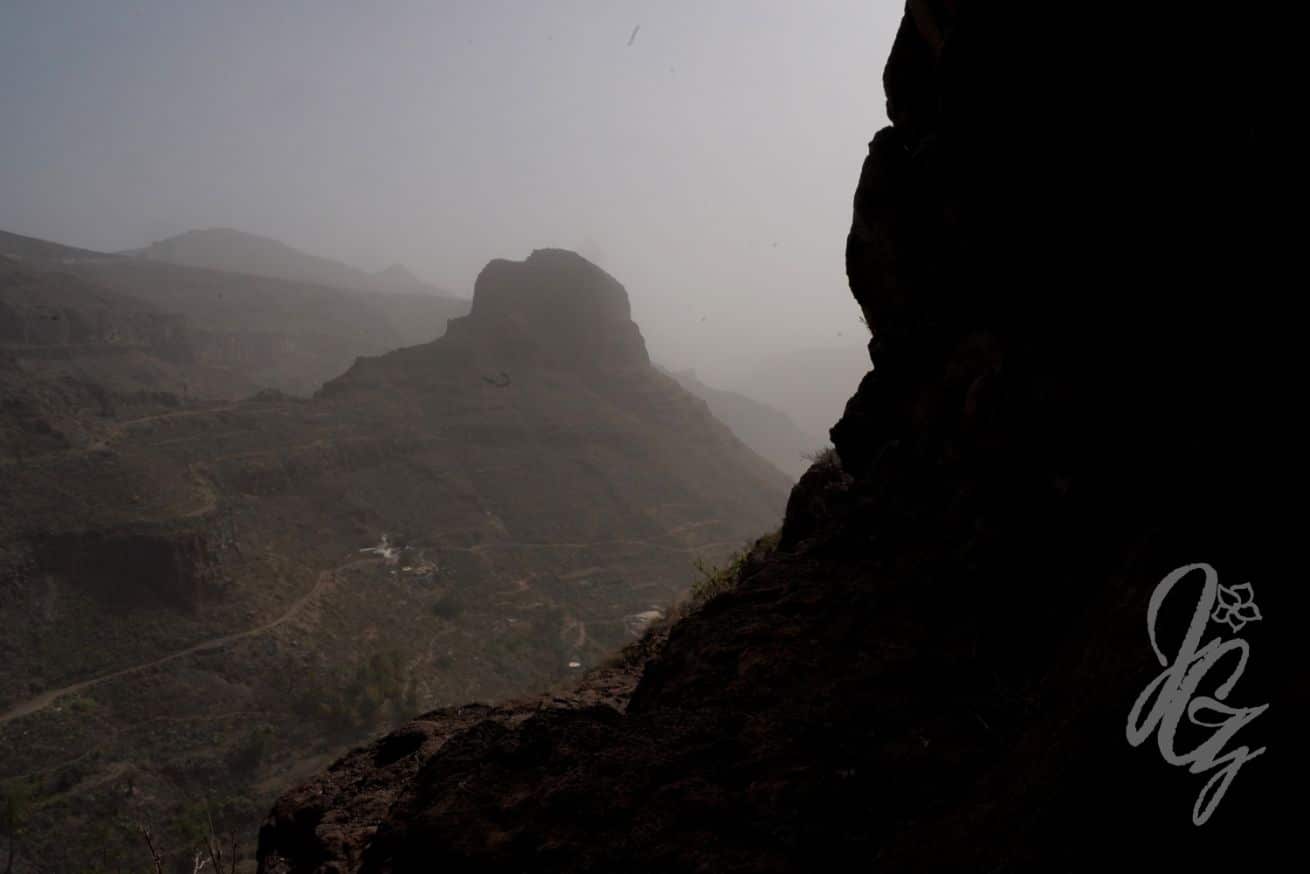
Gran Canaria has a population of nearly 900.000 and is 1560 km2 in size. It is referred to as a mini-continent and this description fits the island very well. From an aerial perspective, Gran Canaria looks like a bicycle wheel with an elevation in the centre and hundreds of valleys leading towards the ocean.
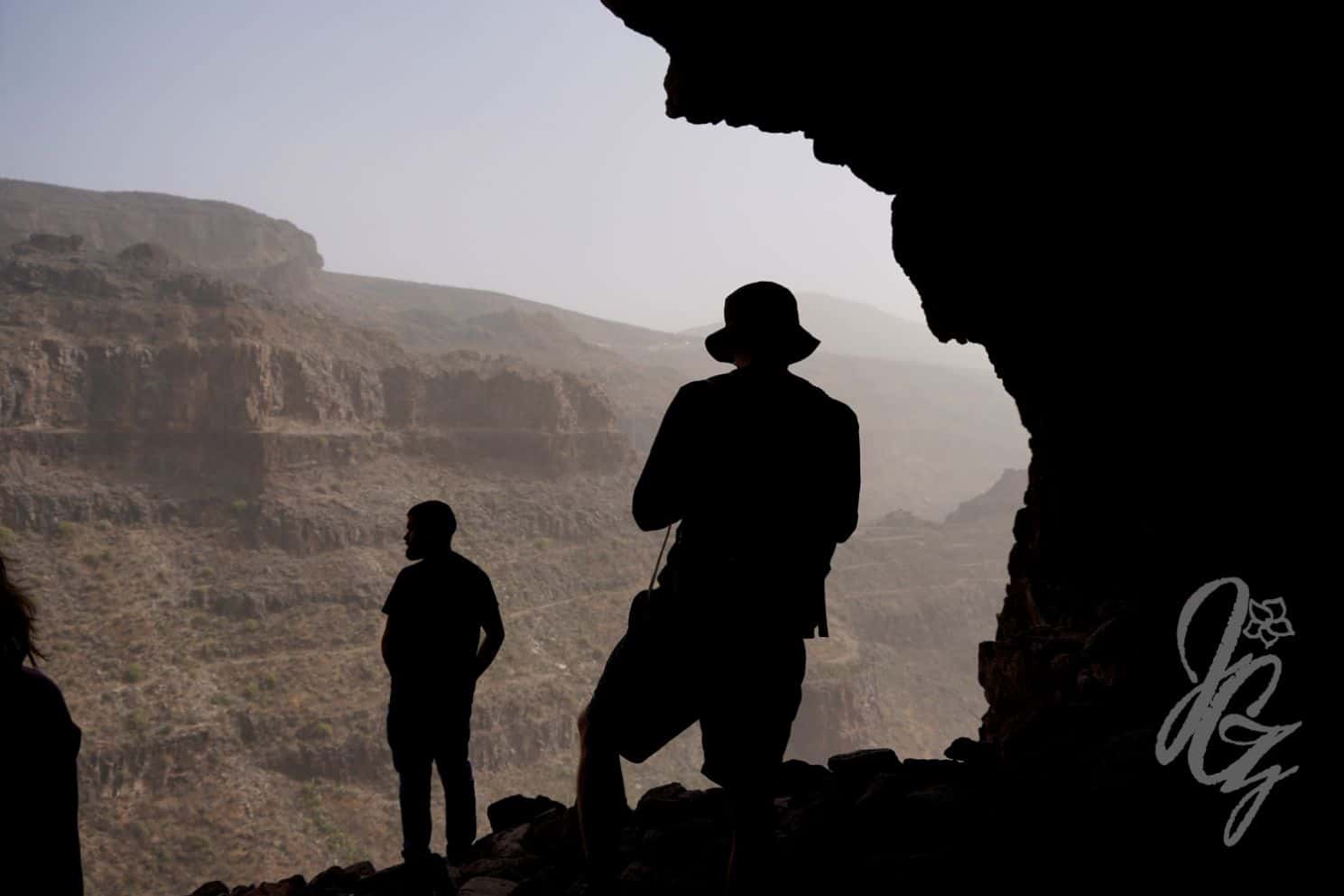
Gran Canaria has a rich indigenous heritage which ended in 1483 when the Spanish crown took over the island. The best witness of pre-Colombian times is the Fortaleza Ansite. Not only provides this old fort stunning views over the surrounding valleys, but it also shows how indigenous cultures lived on the island.
Deserts and tropical rainforest
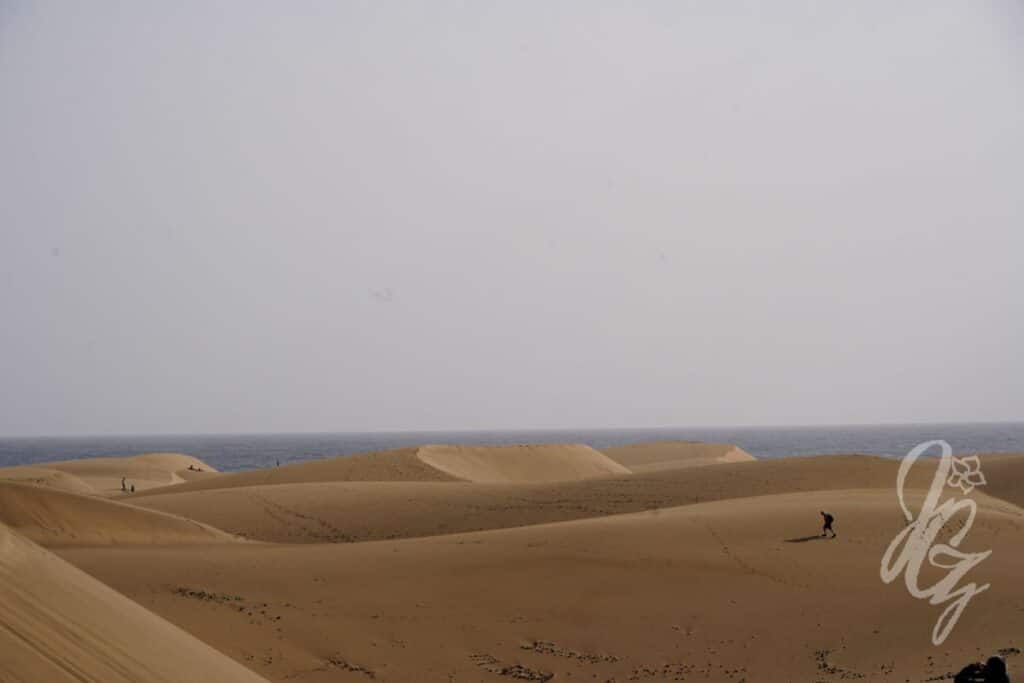
The term mini continent is 100% applicable to the island of Gran Canaria due to the vast variety of nature and micro-climates. The south of the island is hot and reminds with its gigantic sand dunes of the Sahara Desert. The Dunes of Maspalomas are a popular tourist destination surrounded by hotels and resorts.
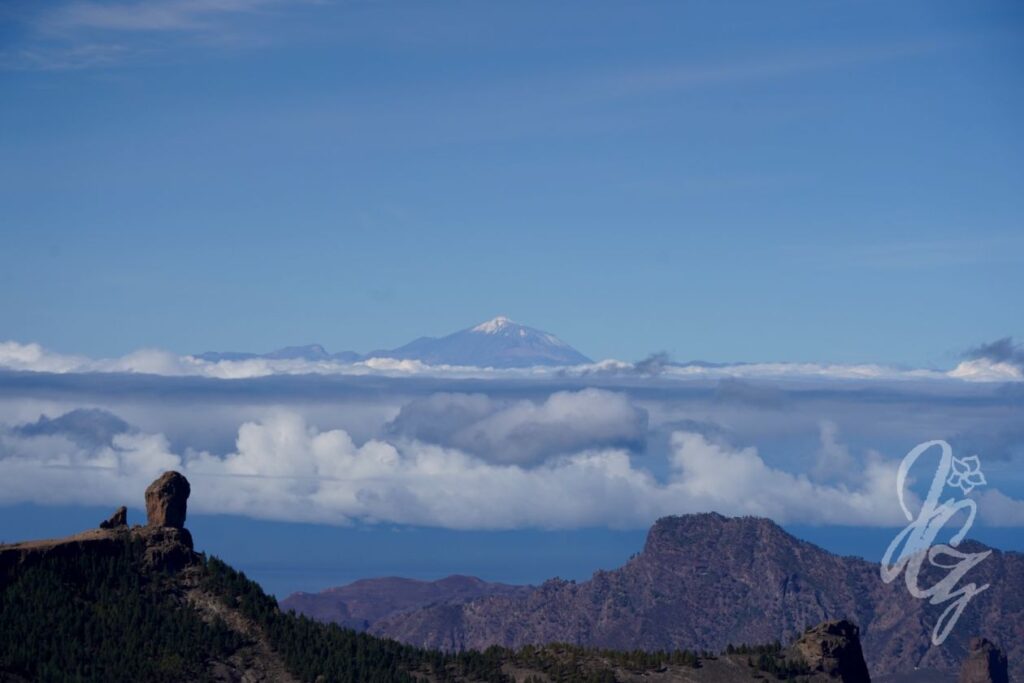
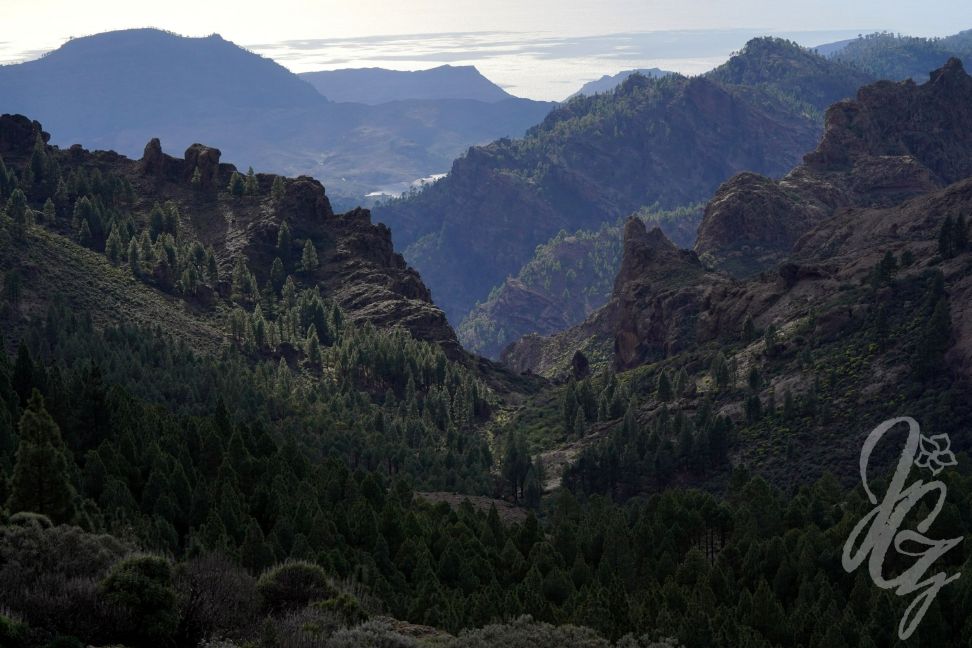
The centre of the islands is volcanic and mountainous. The highest point is Pico de las Nieves in 6394ft (1949m) altitude. The view from the peak allows you to see the Teide in the neighbouring island of Tenerife.
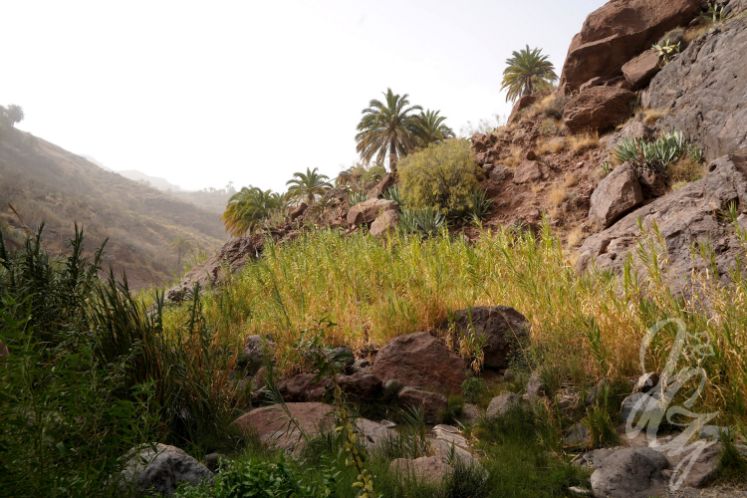
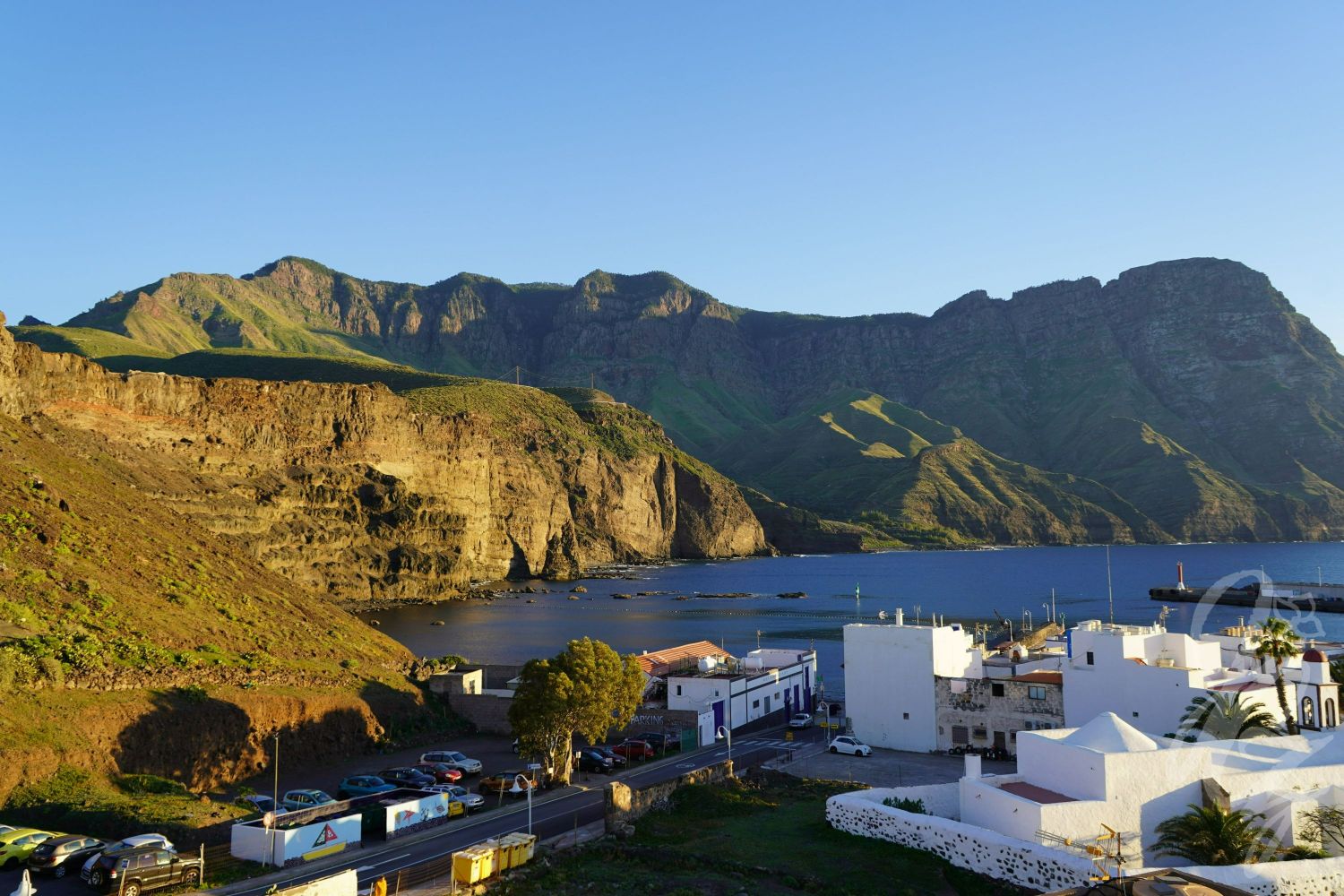
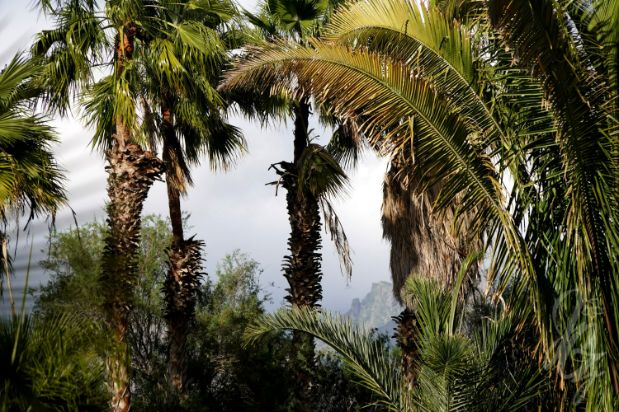
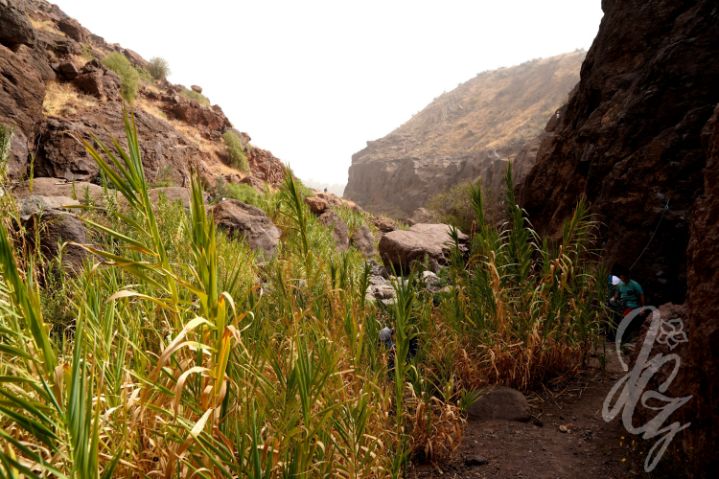
Hundreds of valleys and gorges give the island its particular shape and are a paradise for hikers and climbers. The red rocks in the Sorrueda Valley remind the viewer of far away places in the American Sierra Nevada and the occasional palm tree oasis lets you dream of the days when the whole island was covered in palm trees (before the Spanish arrived).
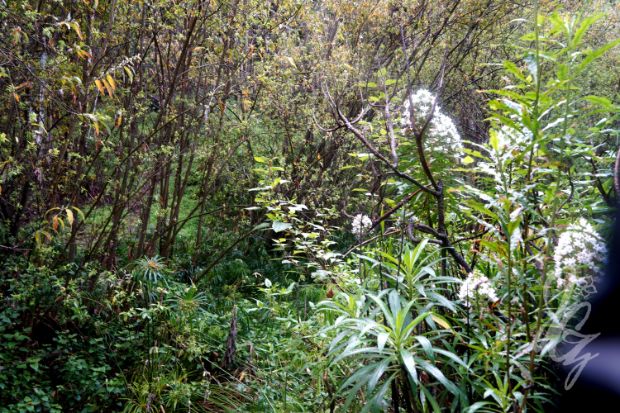
The North of Gran Canaria is covered in forest and green hills. It rains quite a bit up in the north which turns the landscape into a paradise for nature lovers. It is one of the few places in Macaronesia that still shows parts of the ancient Lauri Silva Forest. A visit to the Barranco Azuaje – one of the many valleys – places you in the heart of a rainforest-like landscape in Gran Canaria.
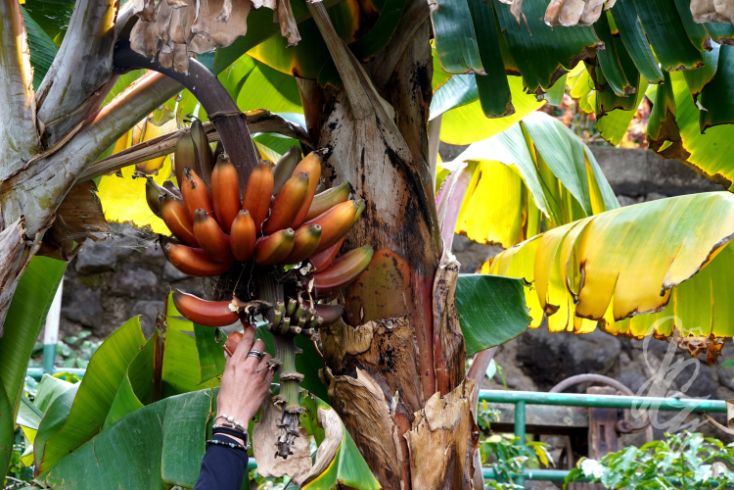
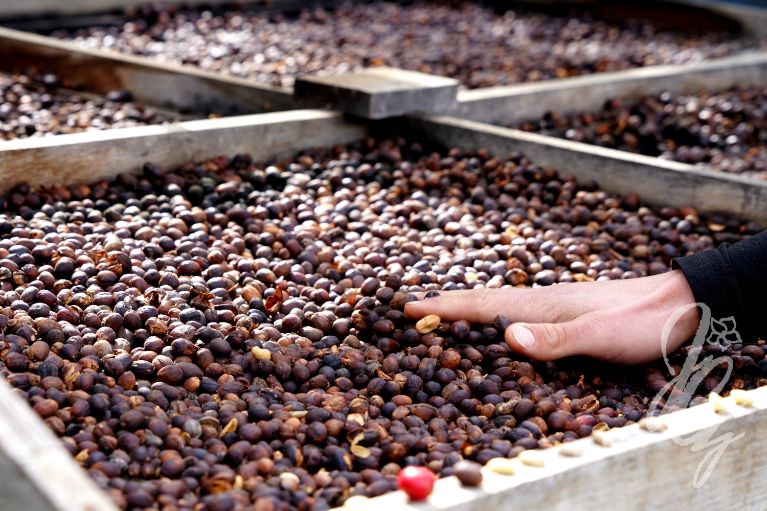
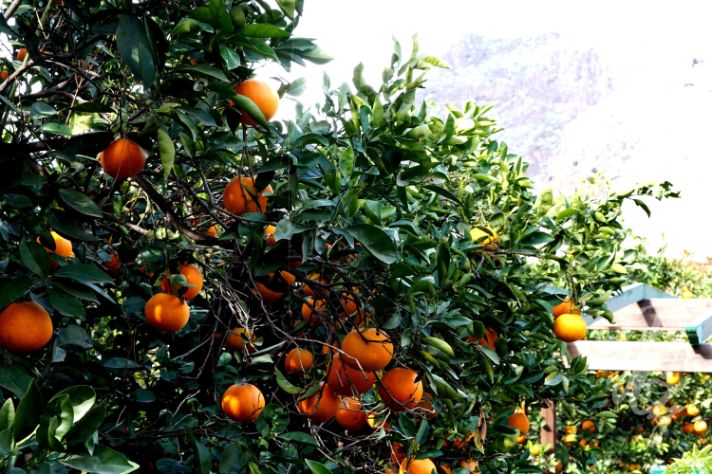
Due to the varied nature, Gran Canaria also offers a vast variety of fruits that grow naturally on the island. You can see banana leaves almost anywhere on the island and there are mango, papaya and orange trees, olive groves as well as the only coffee plantation in Europe. It is located near the town of Agaete, famous for its natural swimming pools, at the Finca Laja. Sugar cane plantations are important for one of the most popular products in the Canary Islands: Ron Miel. The production process is displayed in detail at the Arehucas distillery.
Surfing in Gran Canaria
Since the 1970s Gran Canaria is mostly known for all-inclusive-holidays, cocktails and beaches. In recent years, eco and sports tourism have become more and more popular. Next to hikers and climbers, the island also attracts divers and surfers.
City surf breaks: La Cicer, Muellitos, La Barra-Las Canteras
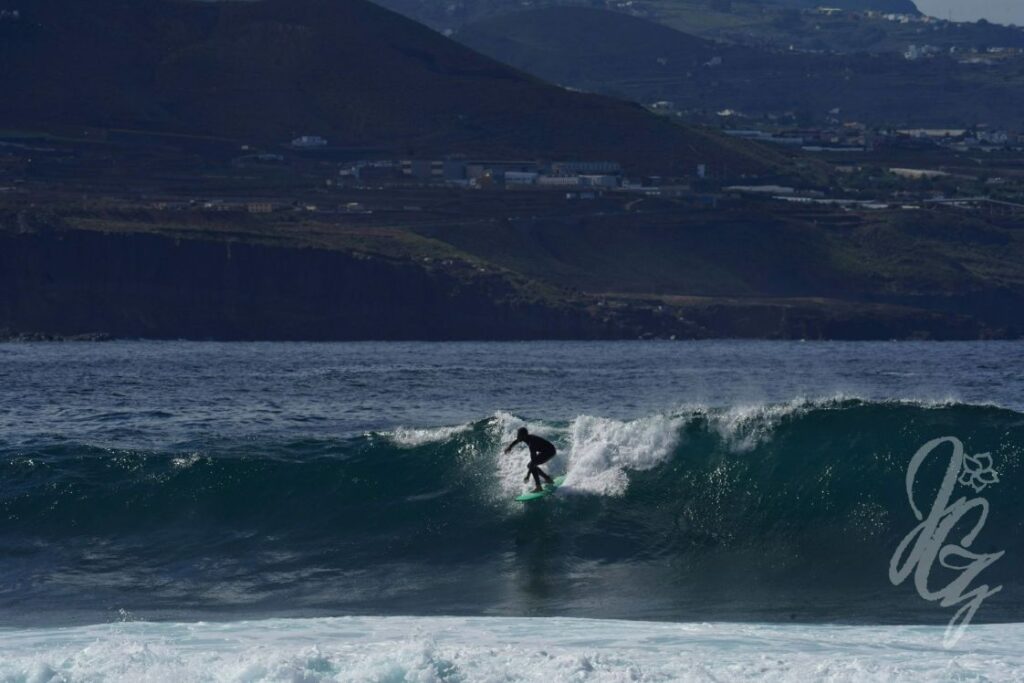
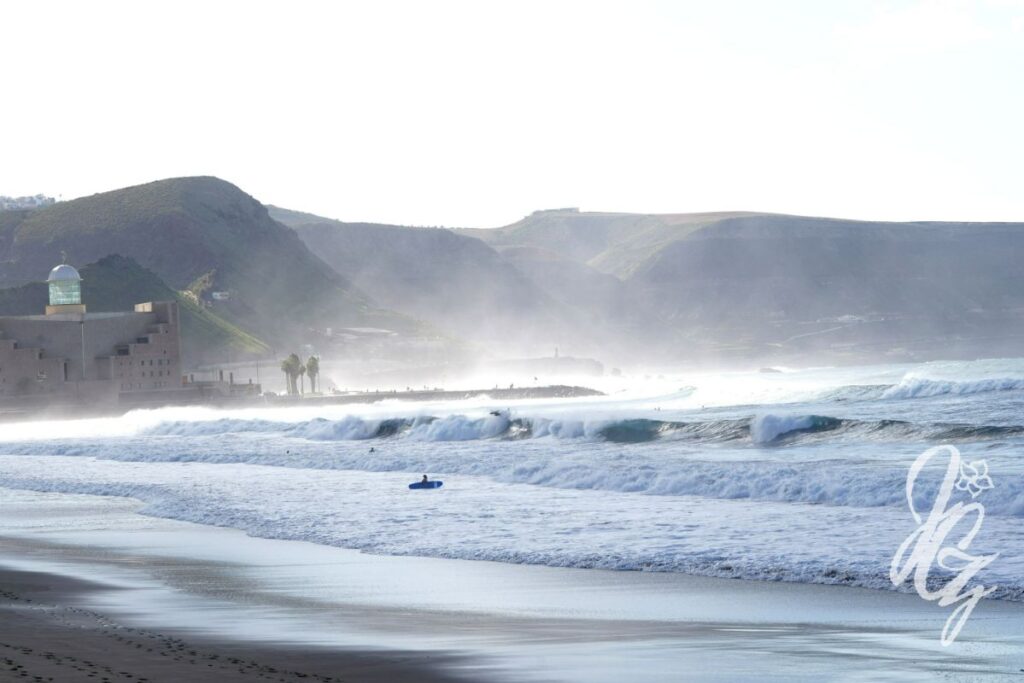
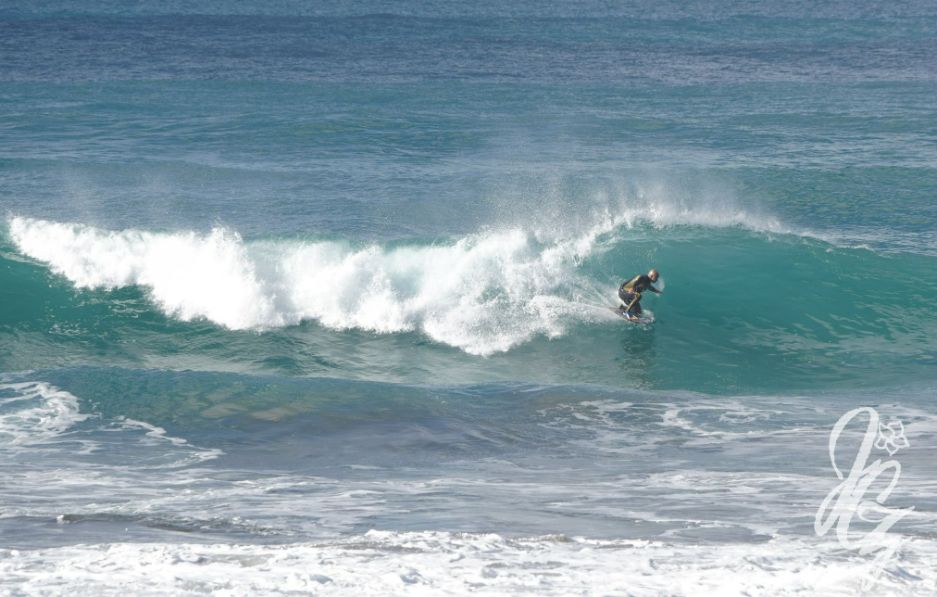
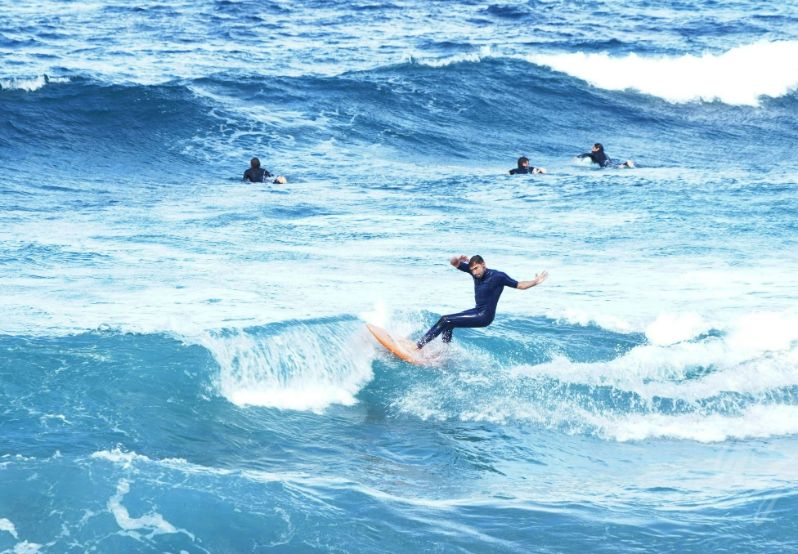
Charlie stayed in the capital Las Palmas in the north of the island where the beach Las Canteras offers surf conditions for any level. There is a beach break towards the western end of the beach that stretches out quite a bit along the beach, La Cicer and La Barra-Las Canteras. Those are very reliable breaks and perfect for surfers at any levels. For beginner surfers there is a lot of surfable whitewash at any time of the tide.
The green waves there can get quite steep and are often closing out. Charlie preferred surfing there at mid to high tide.
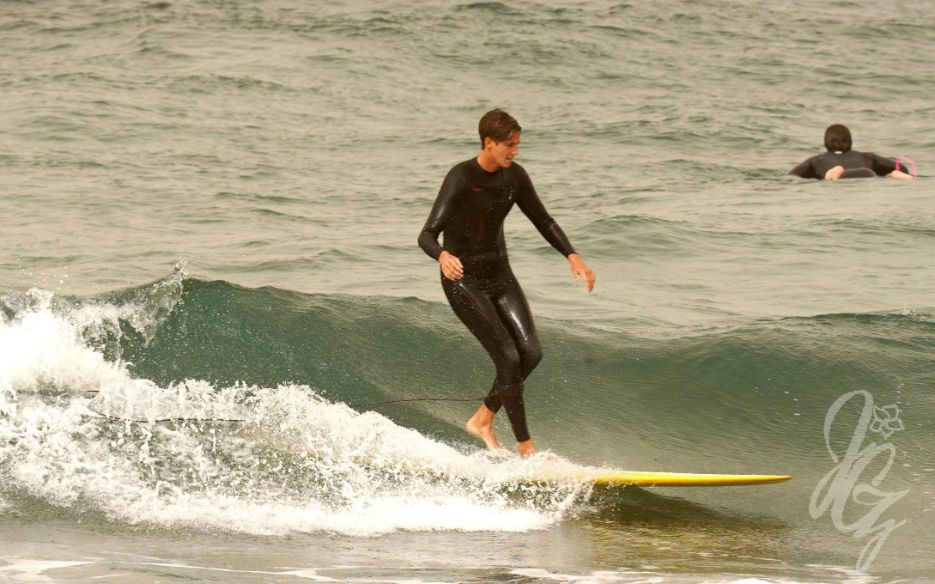
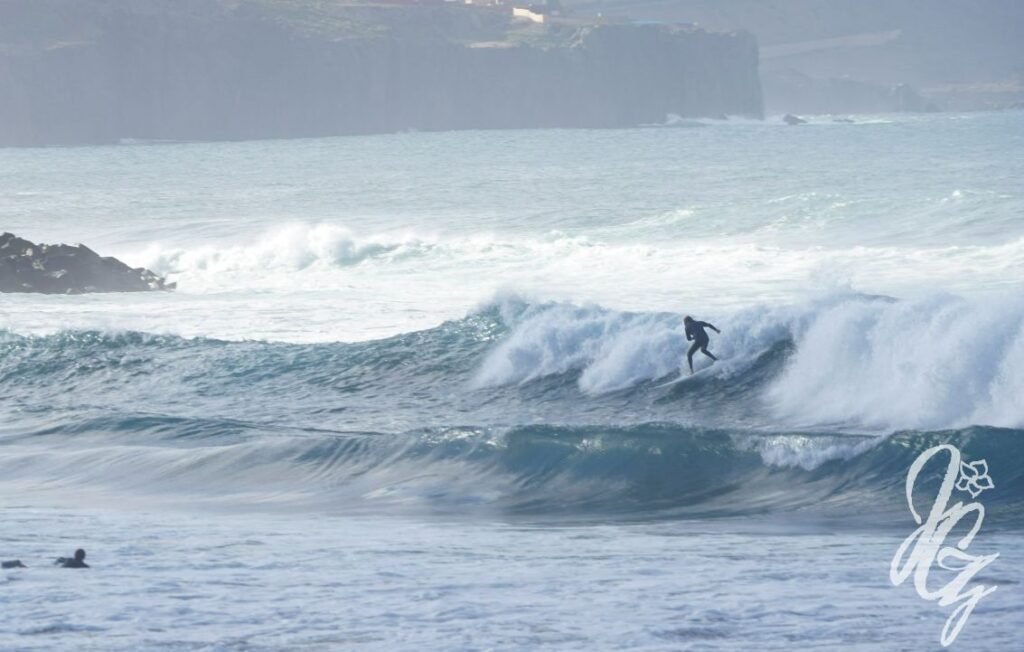
In the very west of Las Canteras beach next to the Los Muellitos jetty is a point break that produces a left-hander that is bigger than it appears from the beach and makes the perfect longboard wave. It was Charlie’s favourite surf break when she was in Las Palmas. It is best at mid to low tide. At high tide, it can become difficult to get in the water because of the rocks. Charlie has also seen some longboarders walking to the end of the jetty and jumping in from the rocks to get to the line-up at high tide.
Behind the jetty and the Auditorium is another surf break, El Lloret. However, Charlie didn’t surf there and can’t tell you much about it.
El Confital
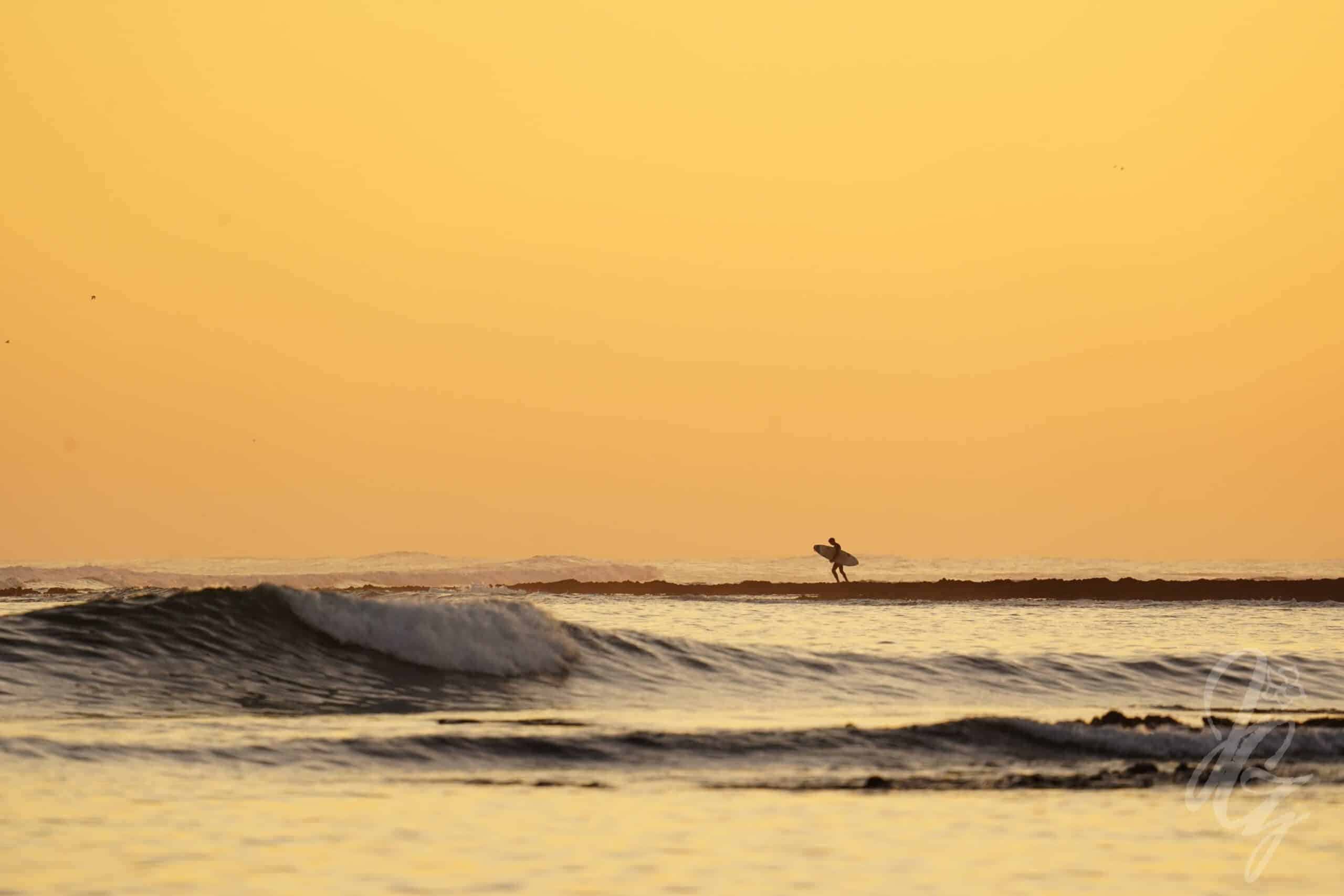
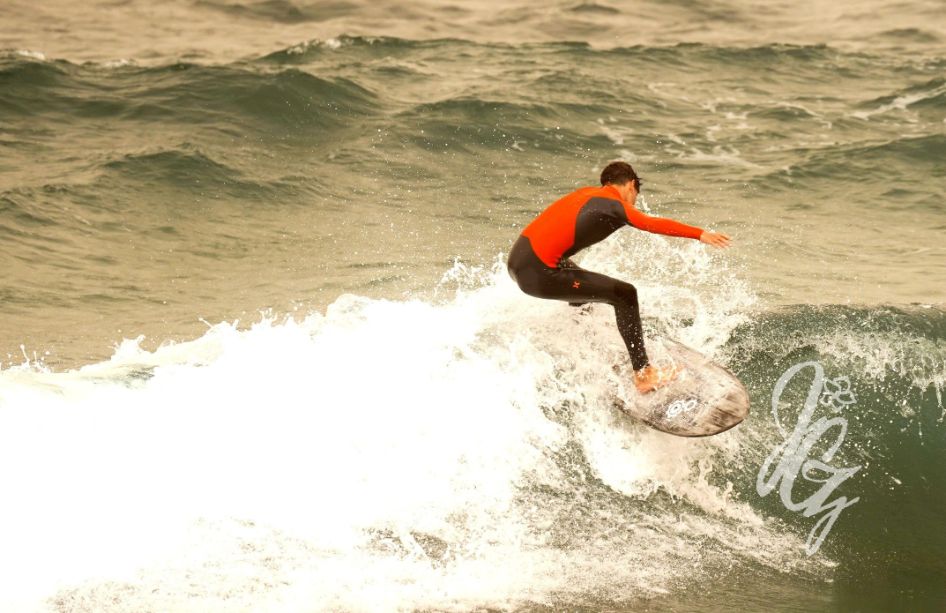
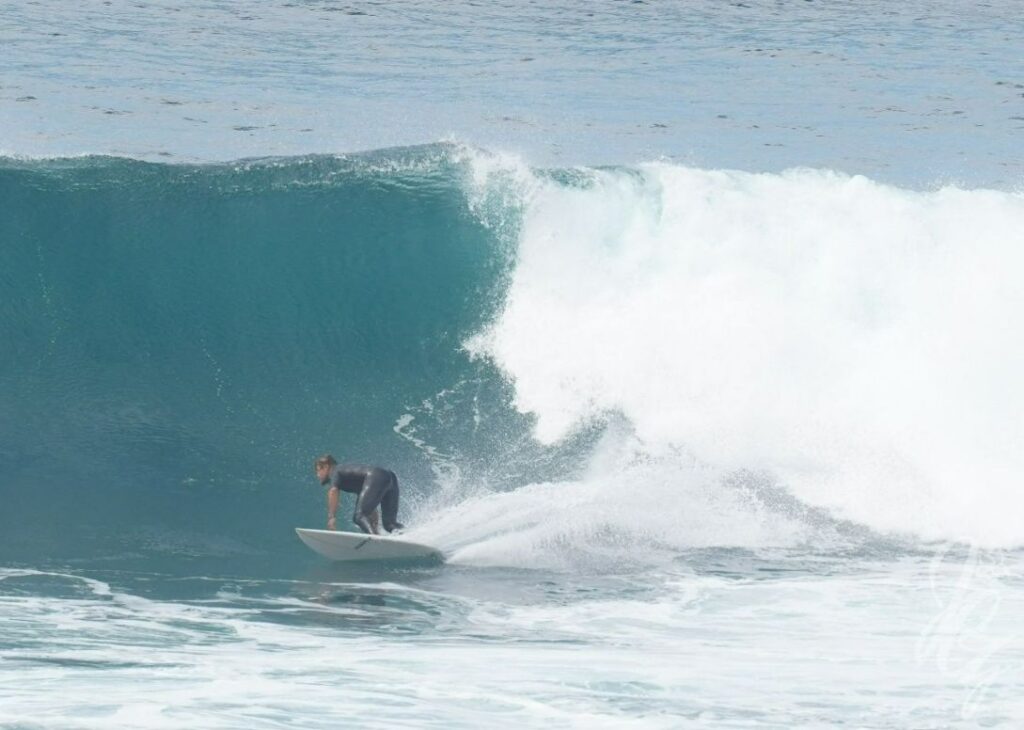
North-east of Las Canteras beach at the peninsula La Isleta is a world-class right hander, El Confital. It can only be surfed at high tide and a north-eastern swell and is best with north or north-western winds. It is only for experienced surfers because it is a reef break with shallow water and produces proper barrels.
Charlie was lucky enough to see this spot working during her second stay in Las Palmas and she had the best day walking from La Isleta to El Confital and even further along the coast.
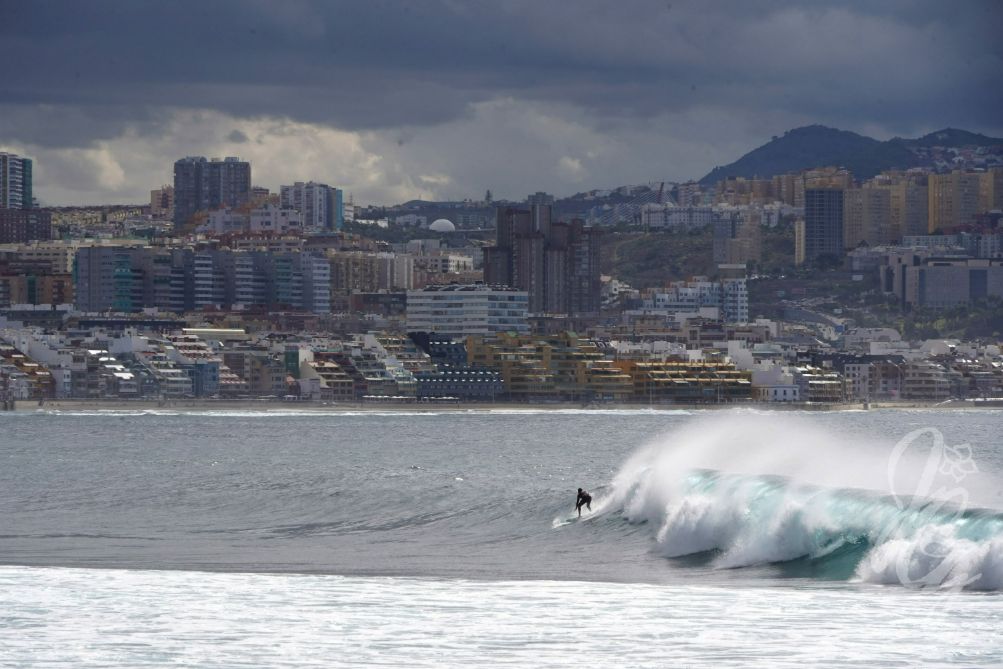
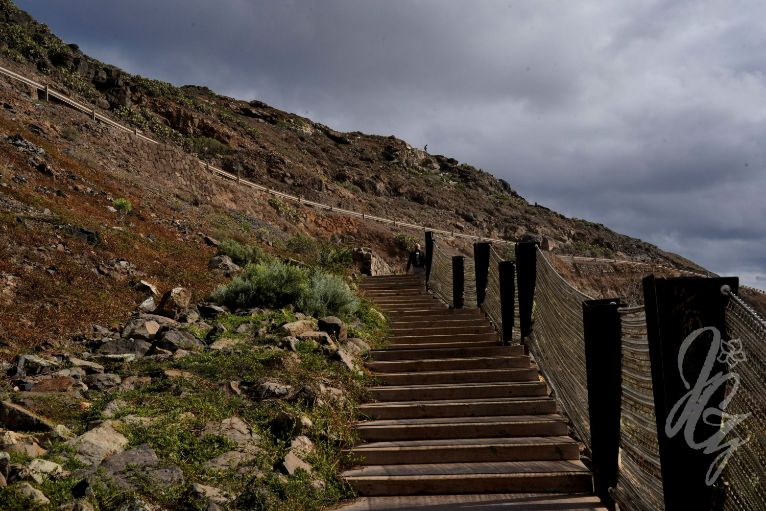
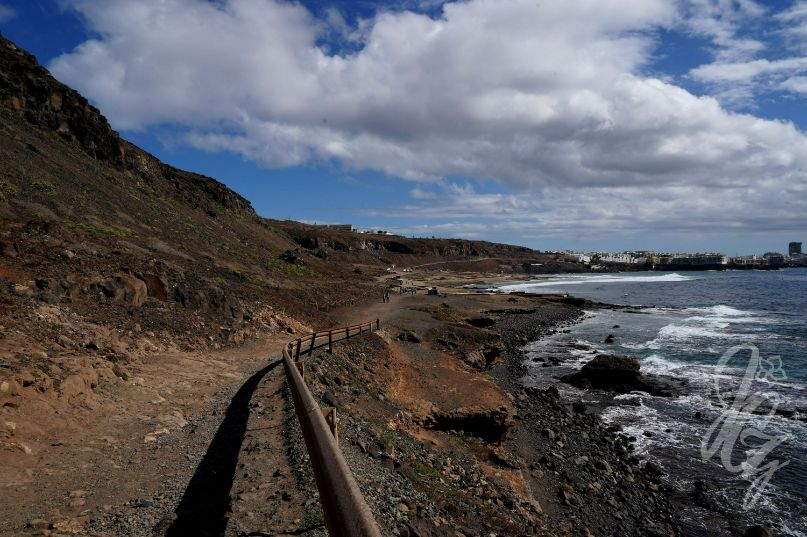
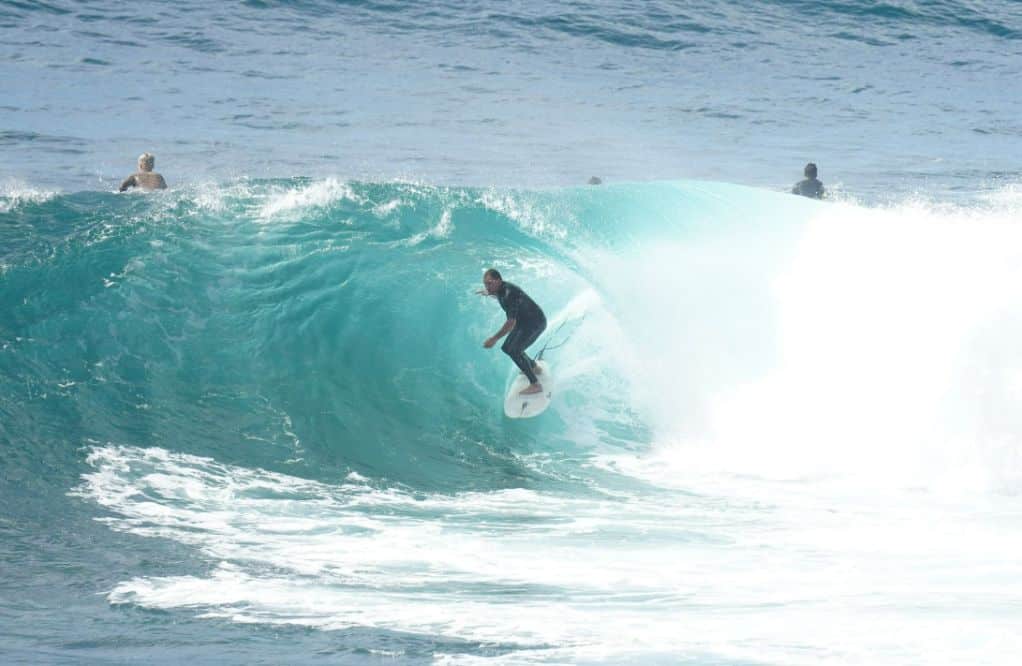
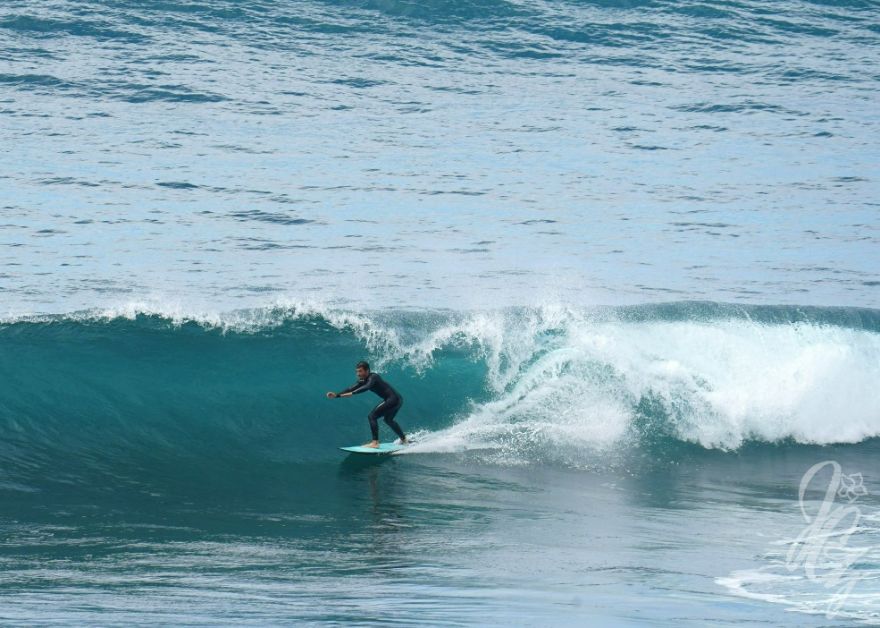
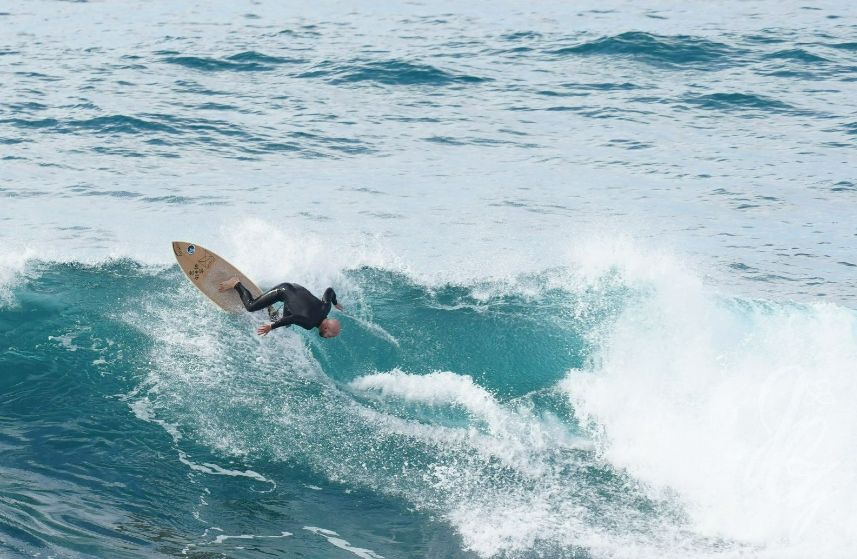
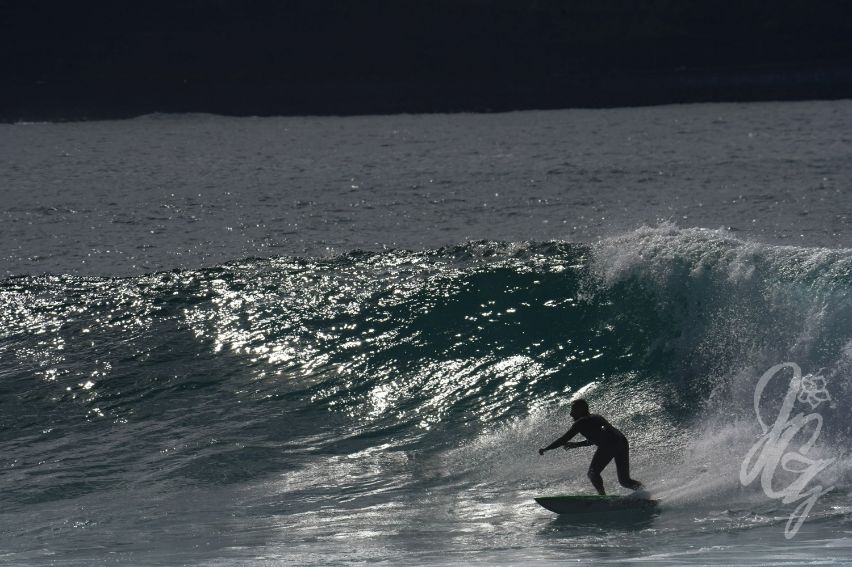
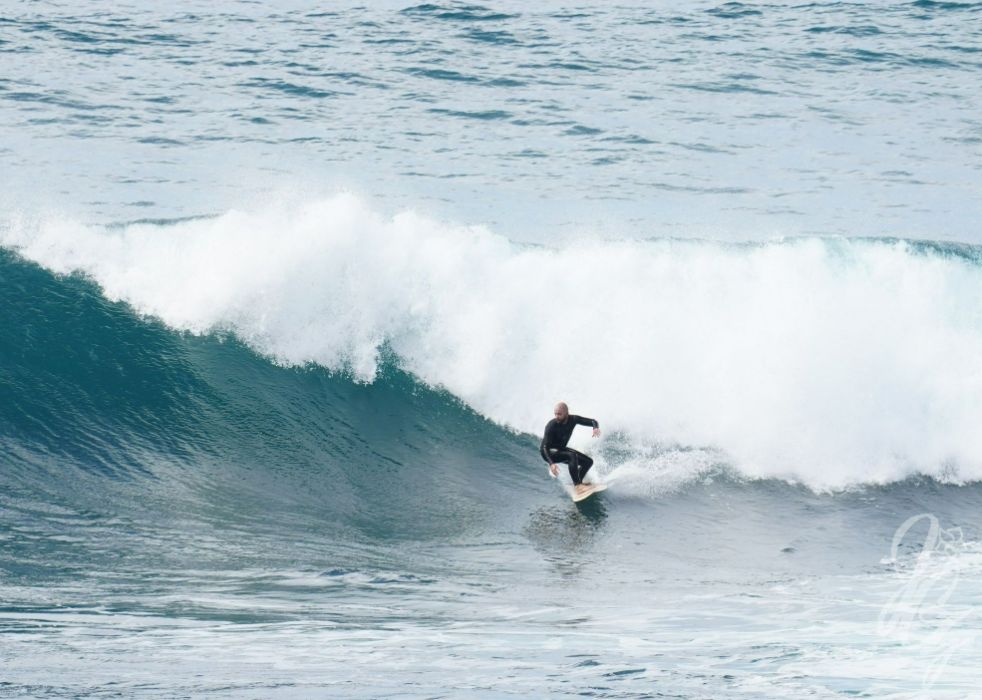
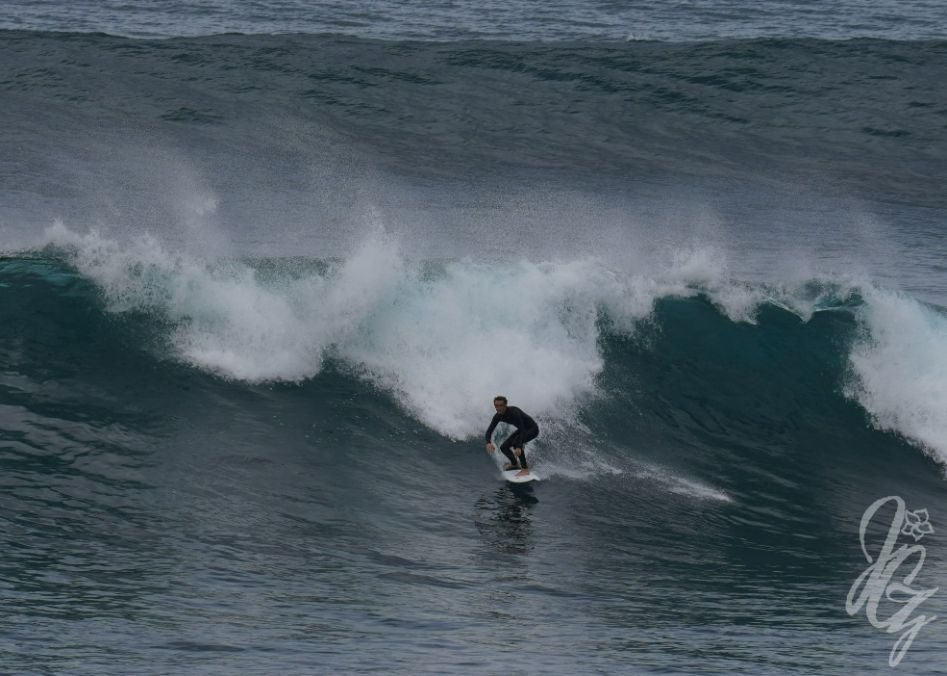
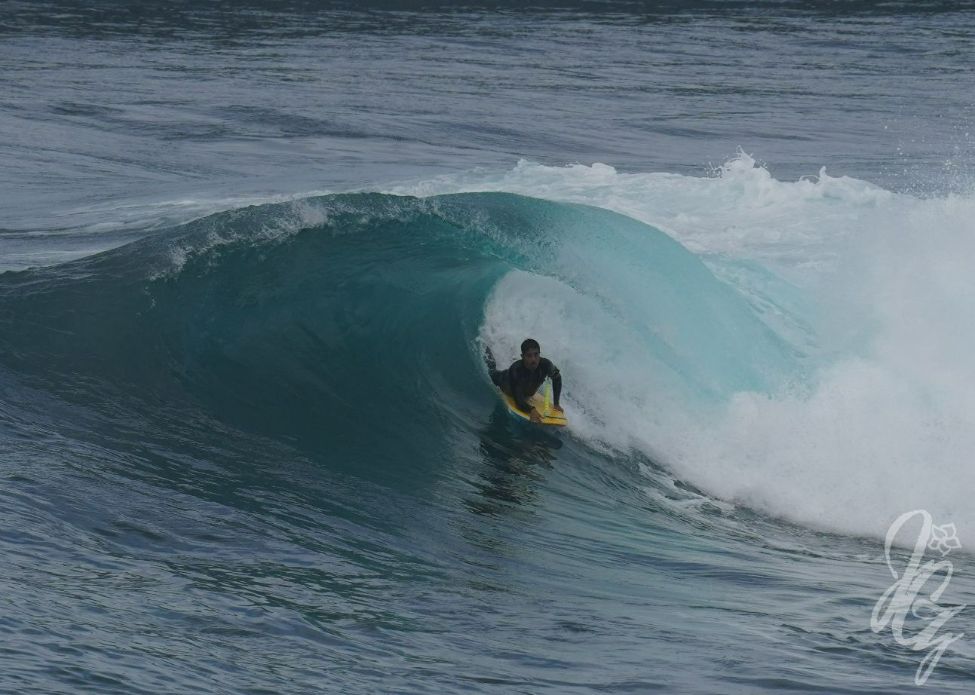
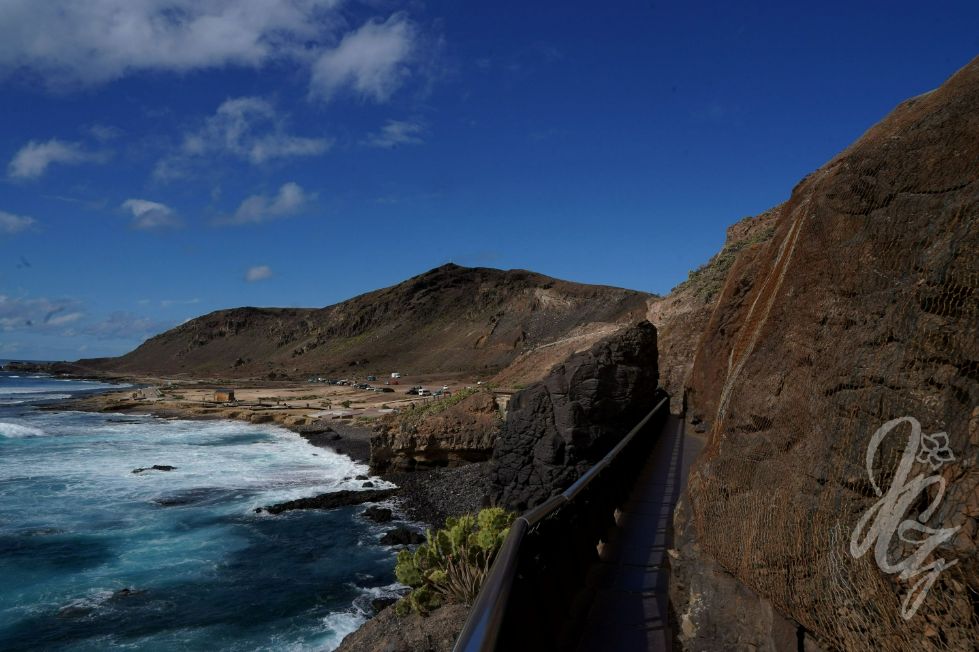
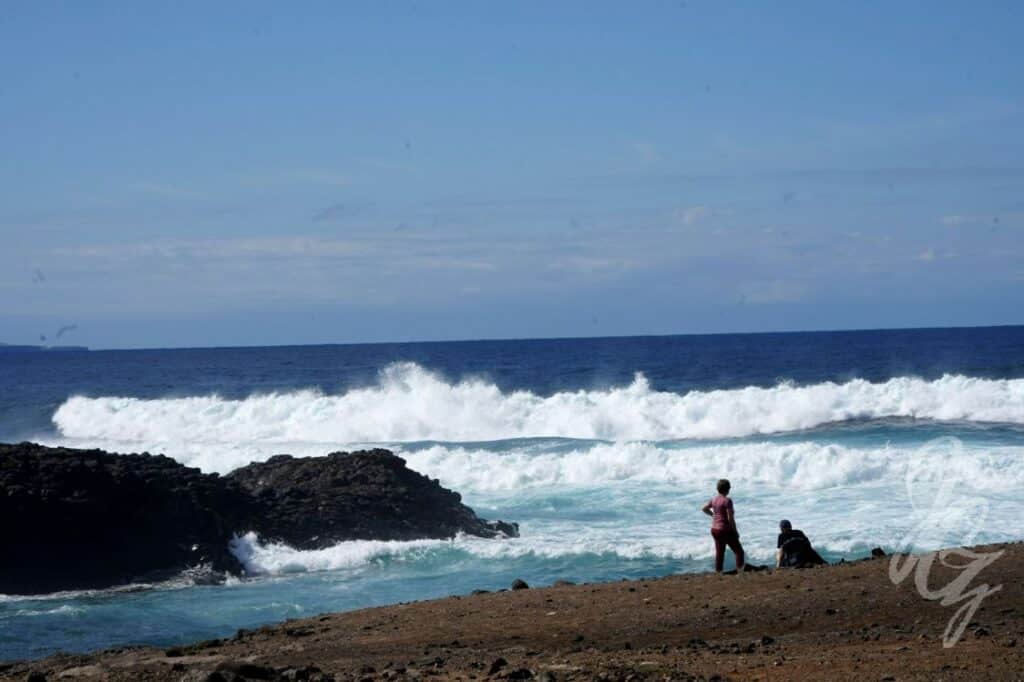
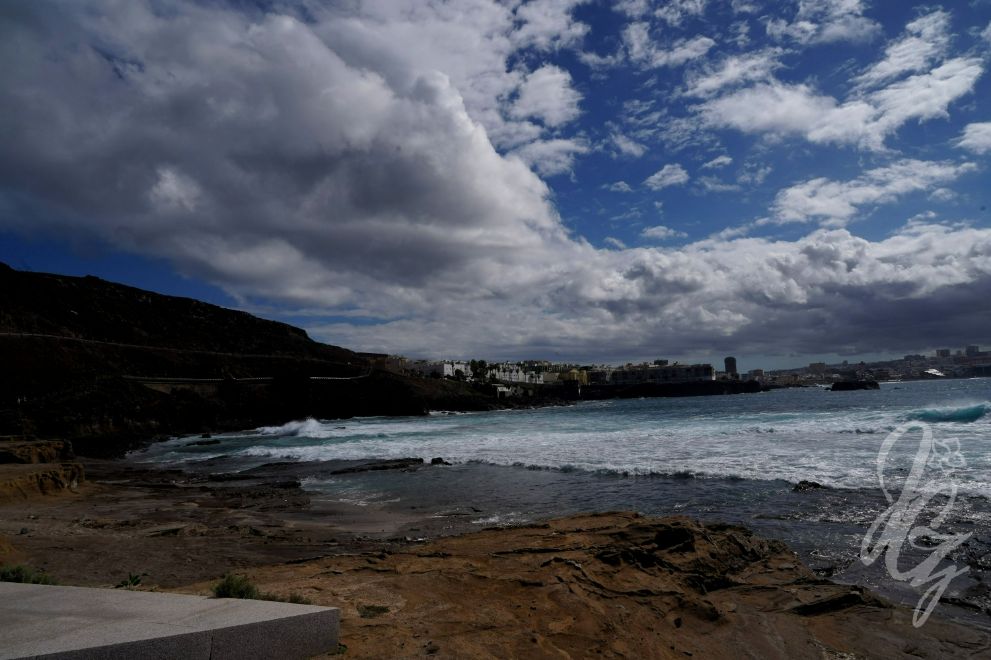
The north of Gran Canaria: From Boca Barranco to Bañaderos
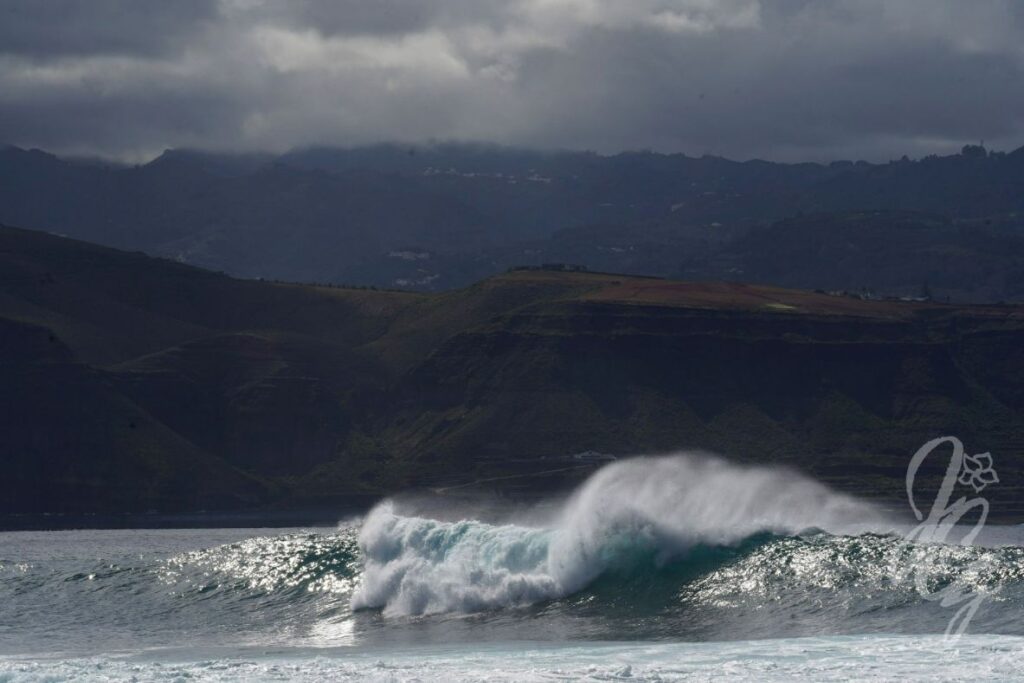
There are around 15 surf spots along the Northern coast of Gran Canaria between Las Palmas and Playa Boca Barranco. Not all of them are marked on a map though, but you can find clear signs along the road. Not all of them are accessible by public transport though and there are no surf hires around.
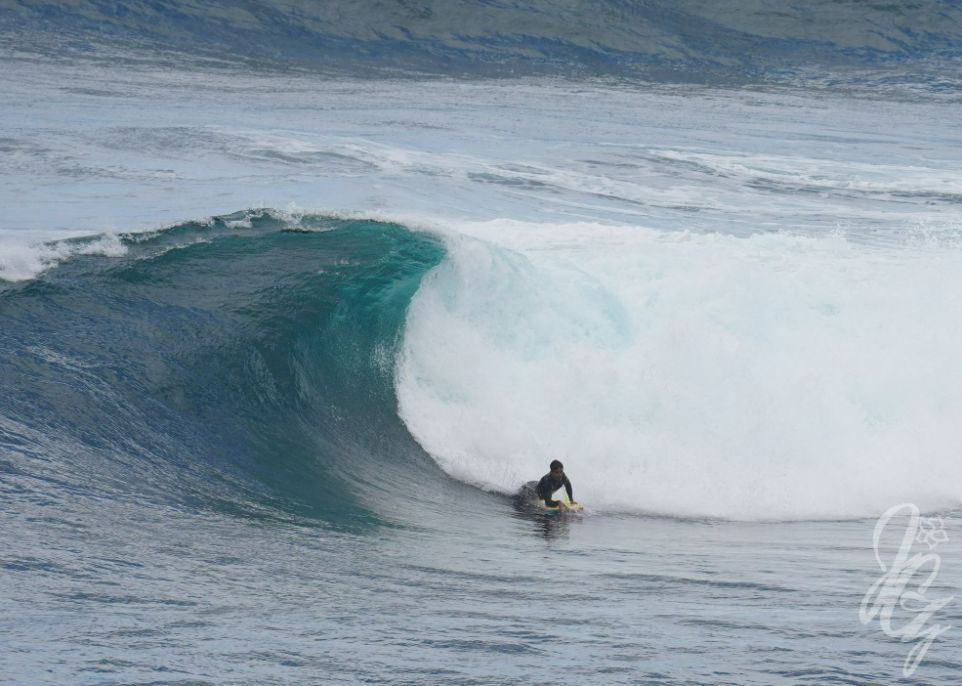
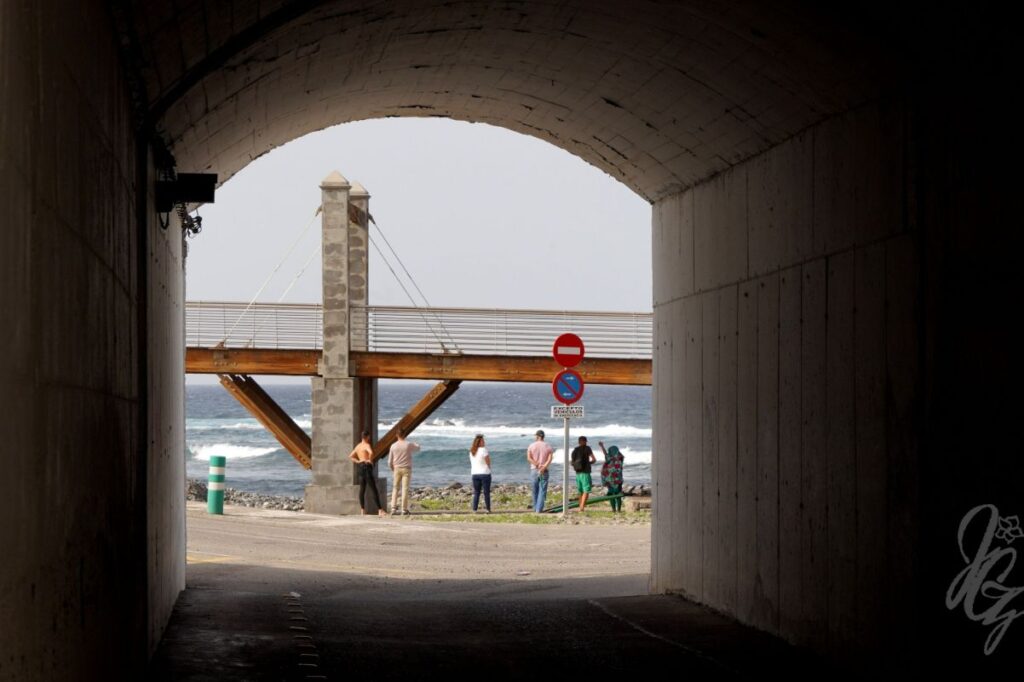
Charlie started her photo tour at Playa Boca Barranco which was a 30-minute walk from the town of Gáldar. There were only two people in the water at the bottom of the village. Charlie passed by the spot La Guancha and all the way to El Frontón, a popular spot for experienced surfers and body borders. There aren’t many parking options in the area, so prepare to walk a bit to the beach.
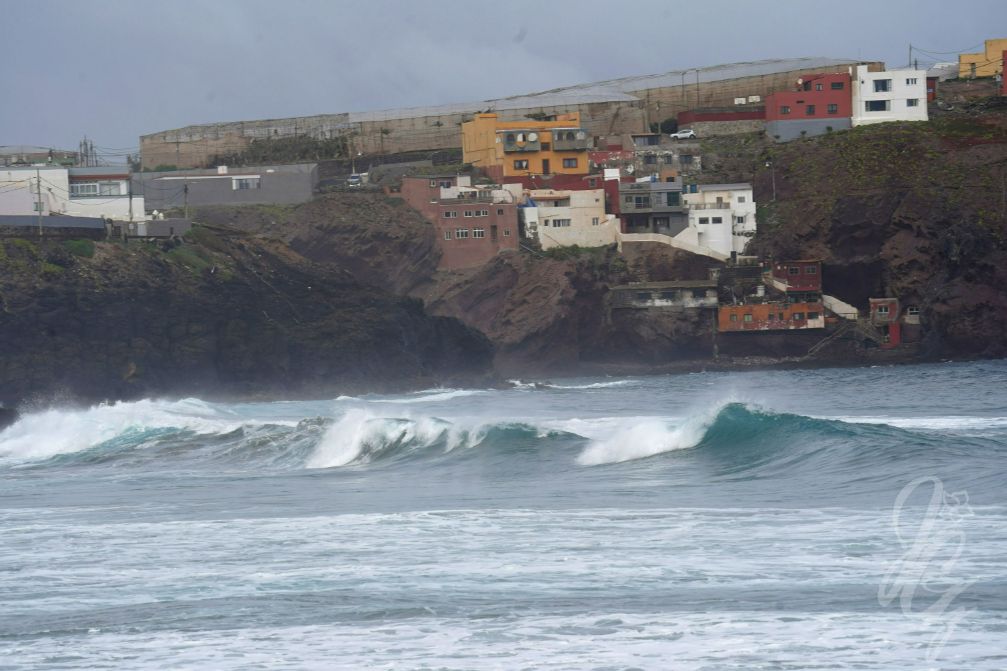
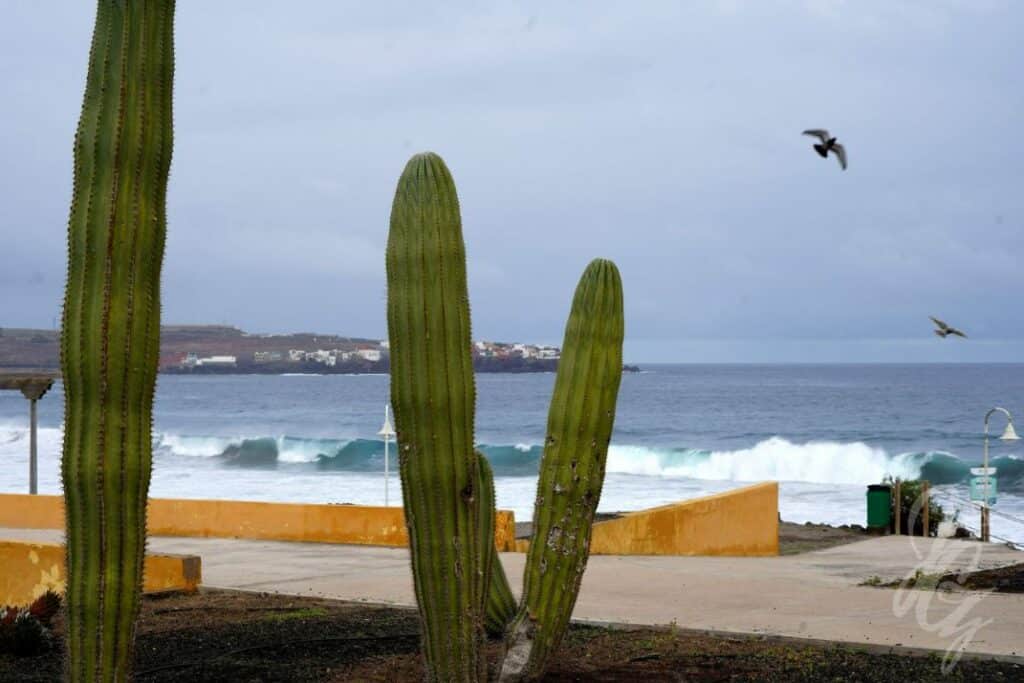
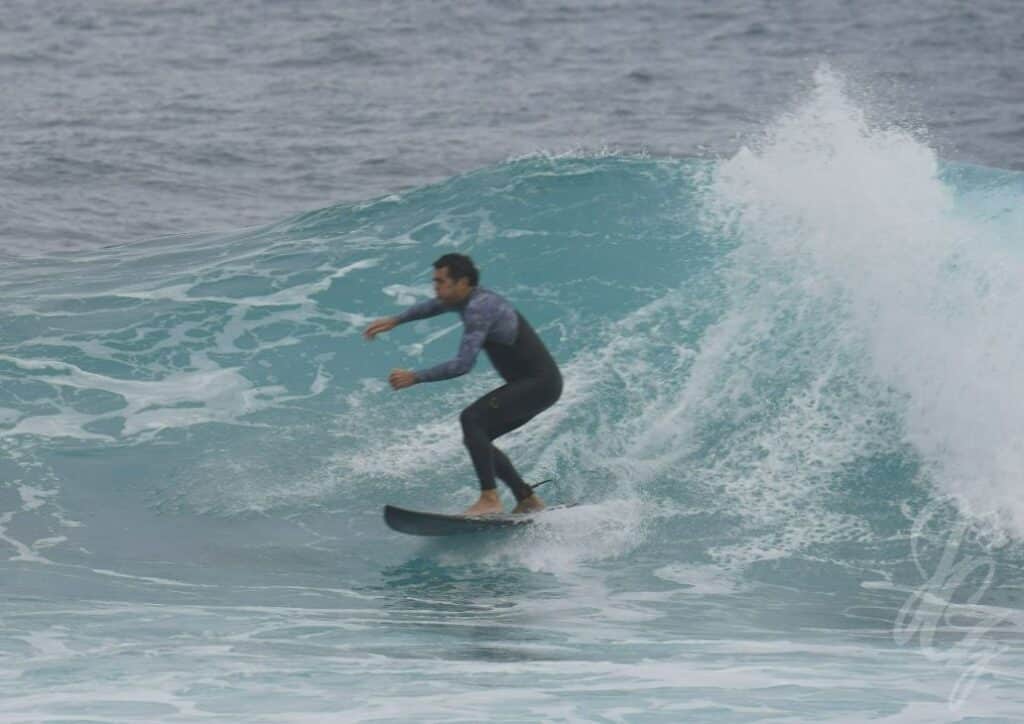
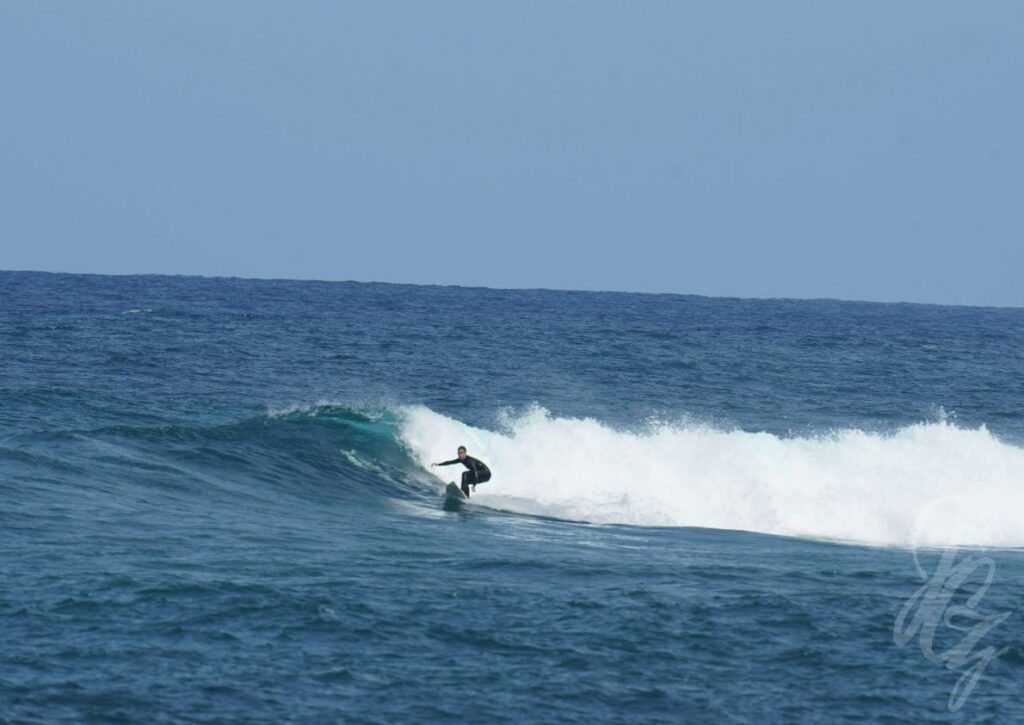
The next spot that Charlie visited was a bit further away at San Felipe. There was nobody in the water that day and Charlie decided to stay at a view point along the motorway and see the town and the swell from above.
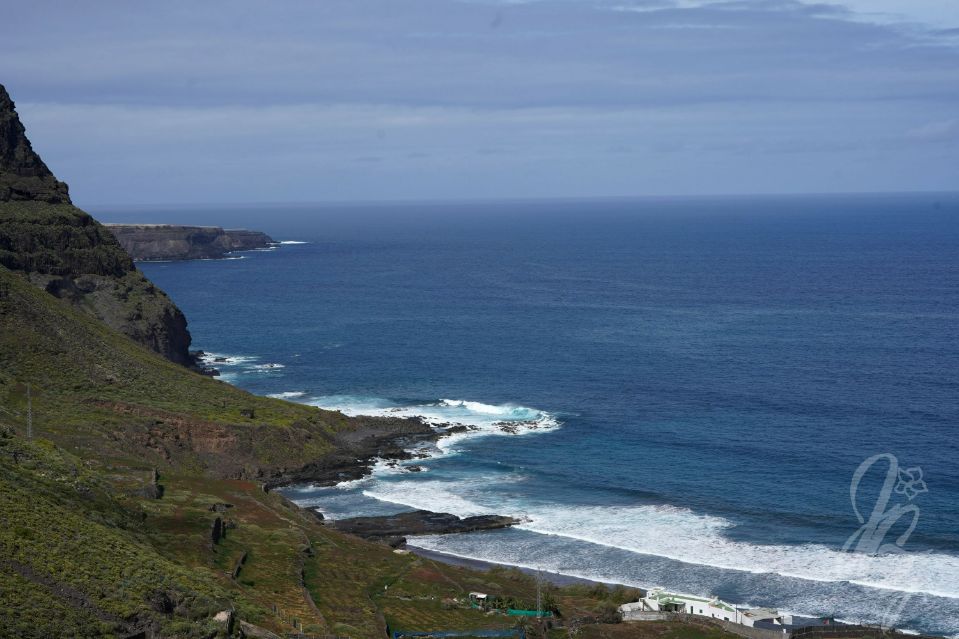
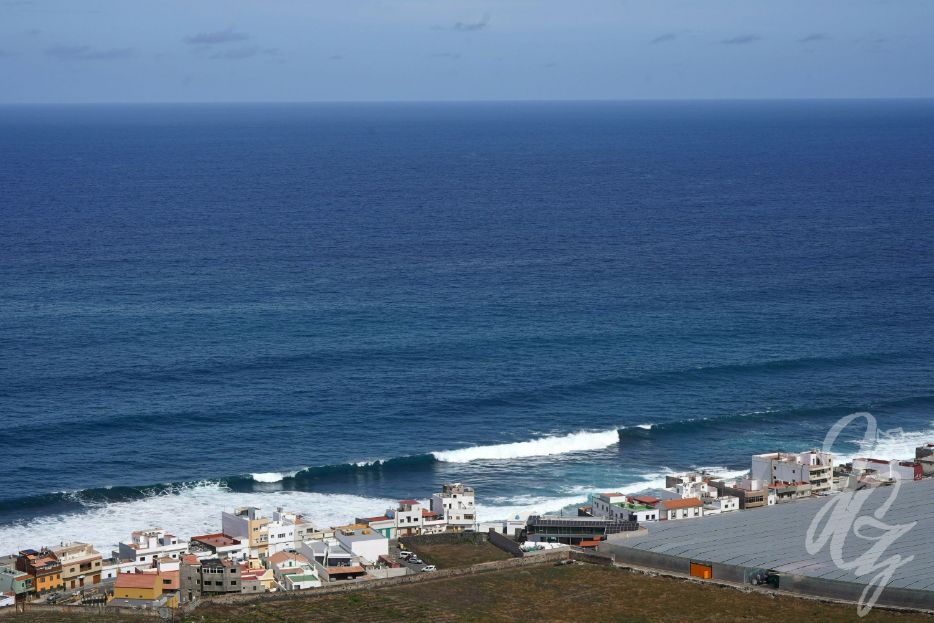
From there, her next stop was in the village of Moya and she walked a bit along the coast towards El Pagador and El Altillo. You can’t walk directly along the coast, but along the road behind the houses. There are paths in between the houses from where you can see the water.
There weren’t many people in the water that day. Charlie saw some once she reached El Altillo. They all seemed to be locals and knew exactly which path in between the houses to take and where to get into the water from the rocks.
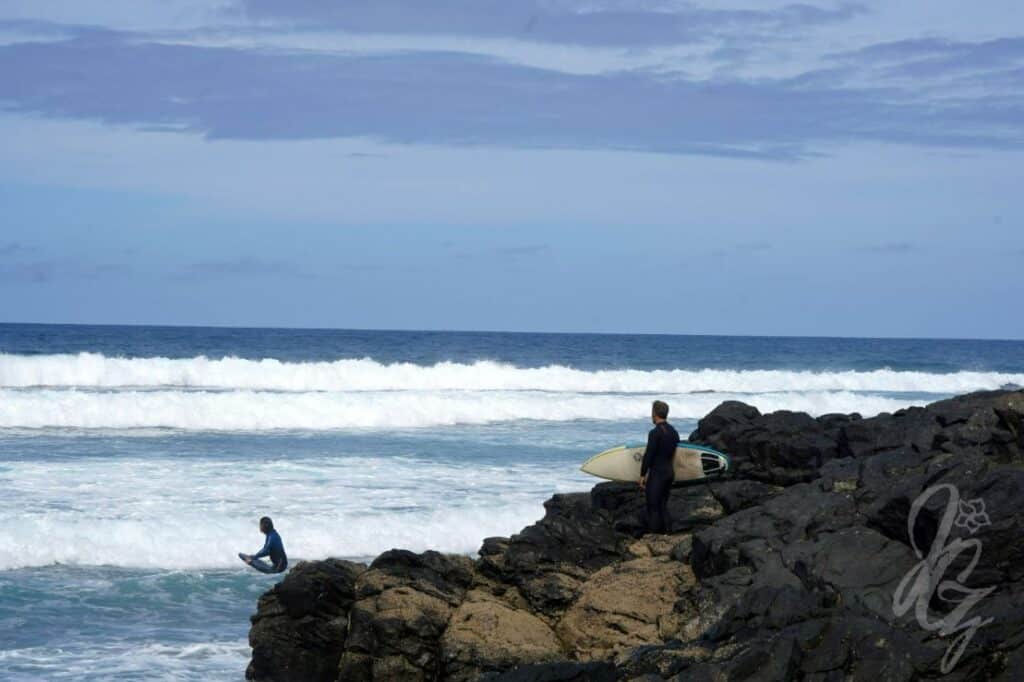
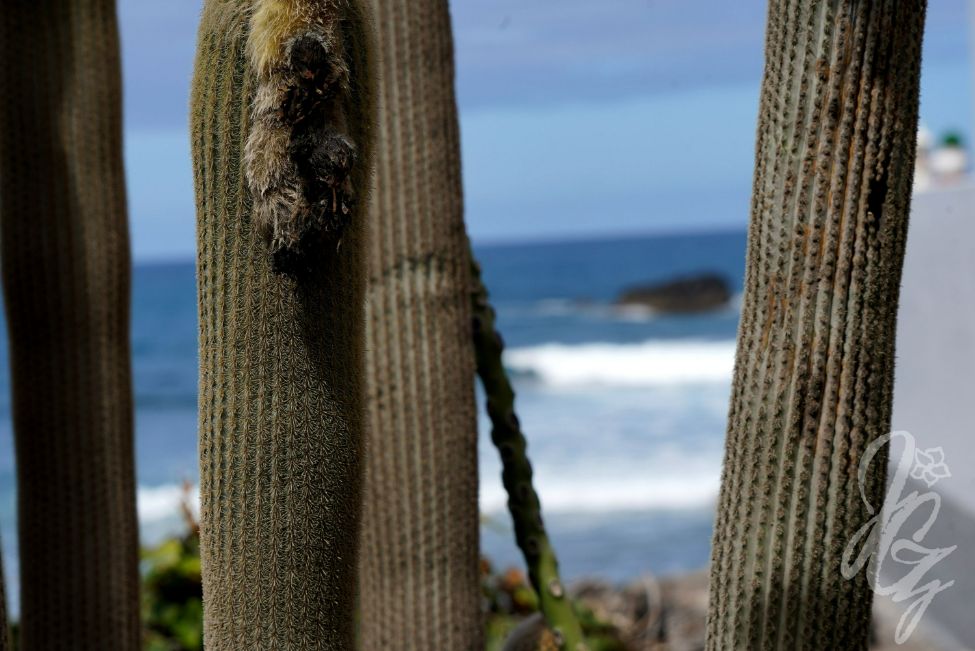
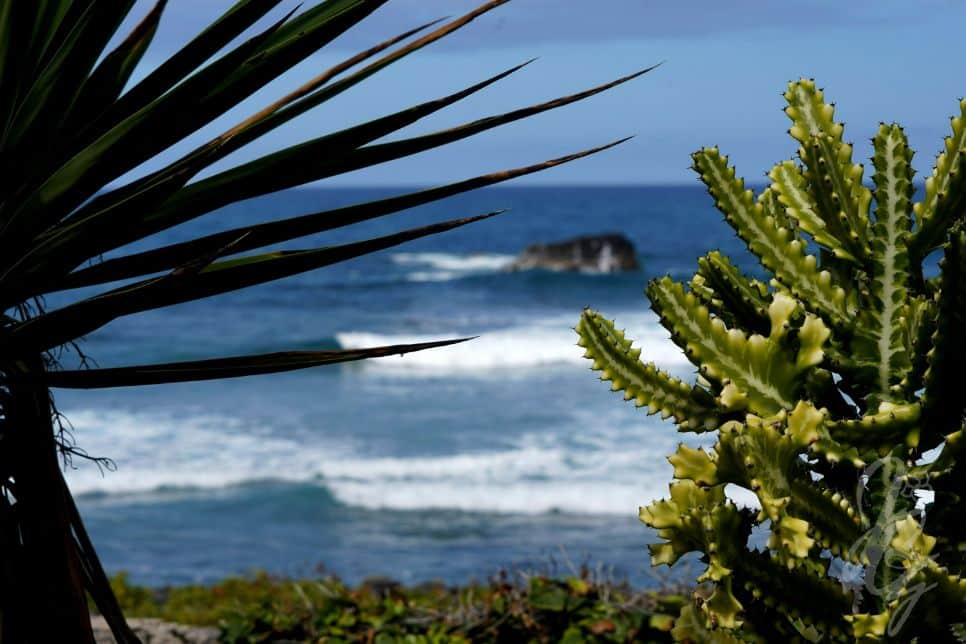
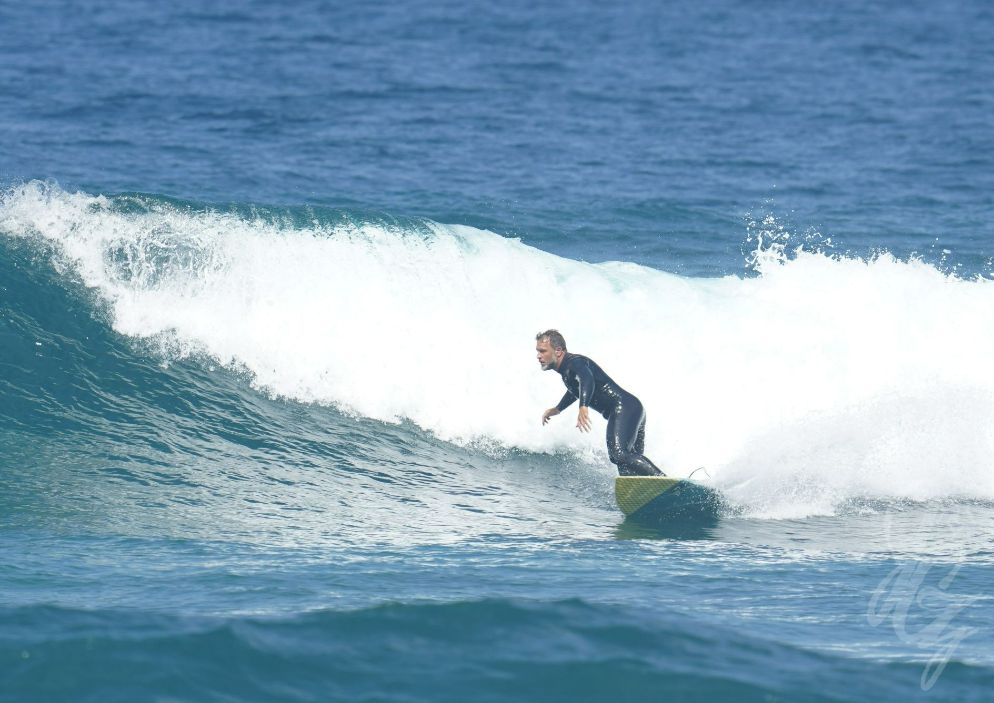
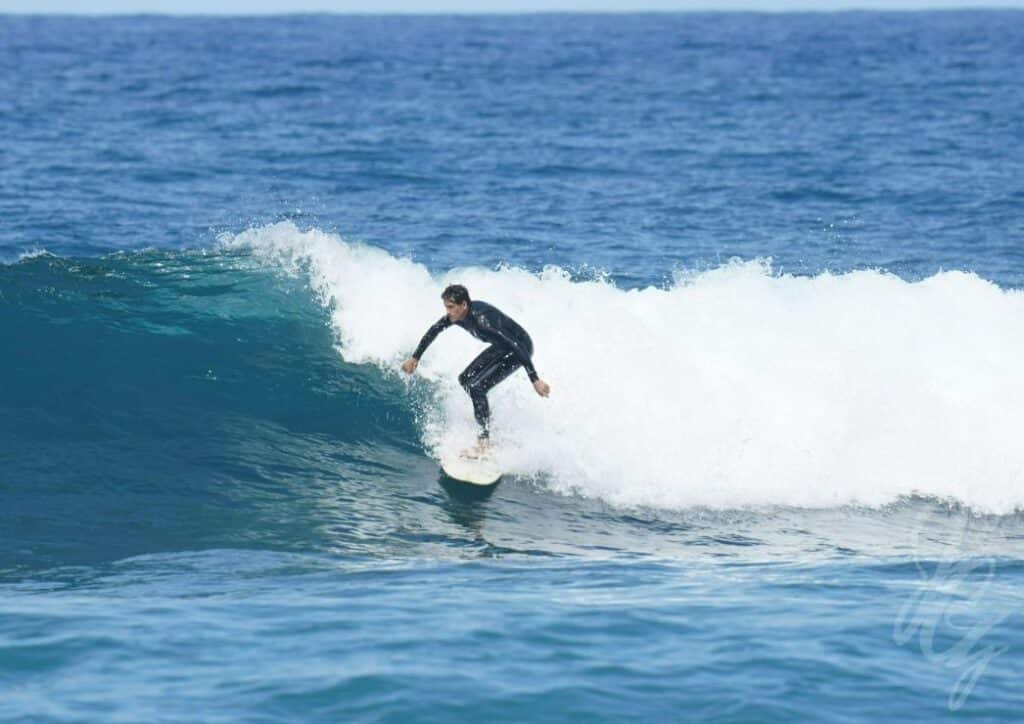
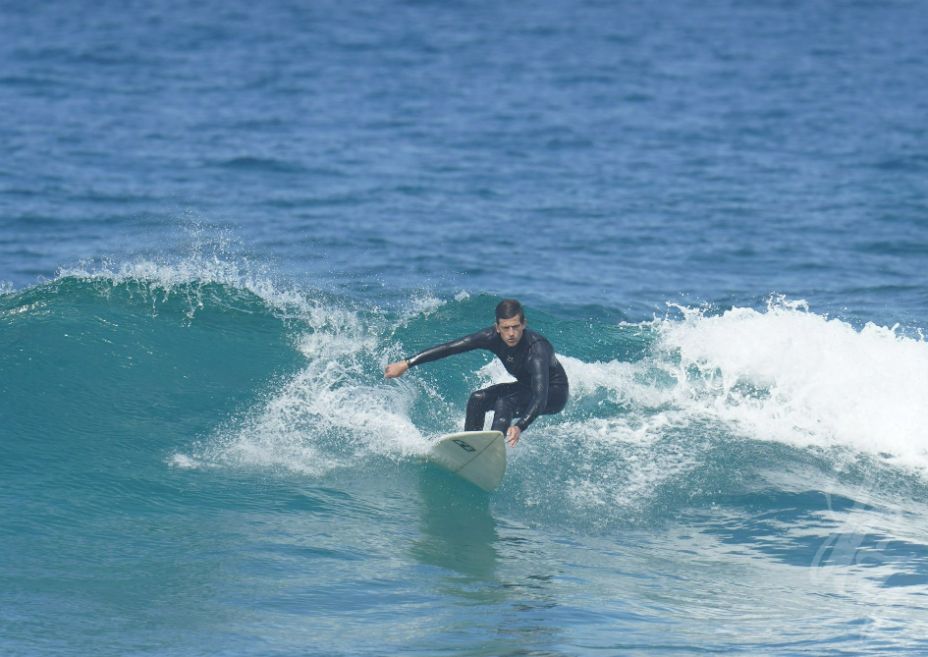
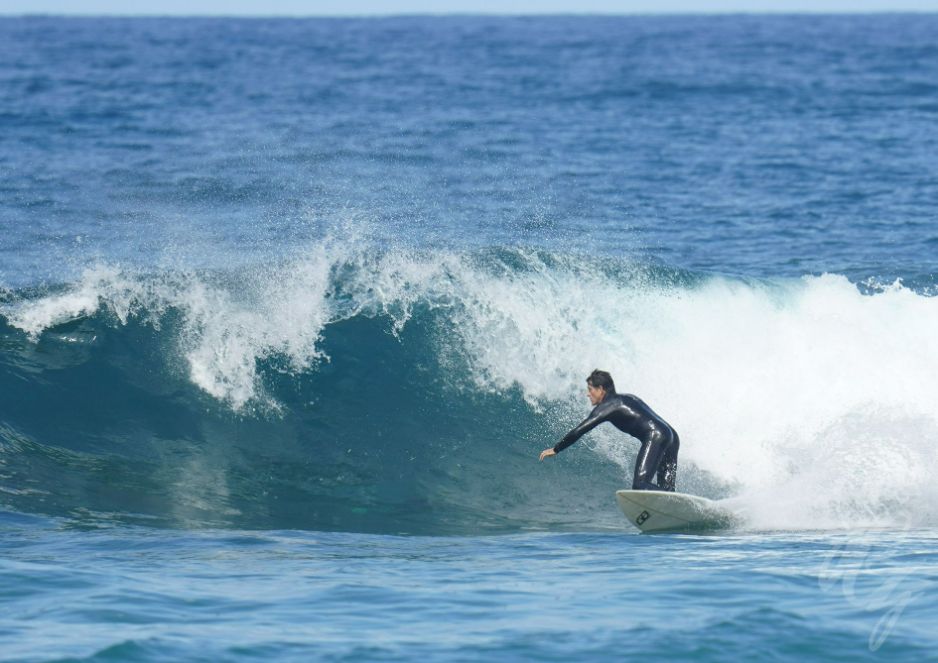
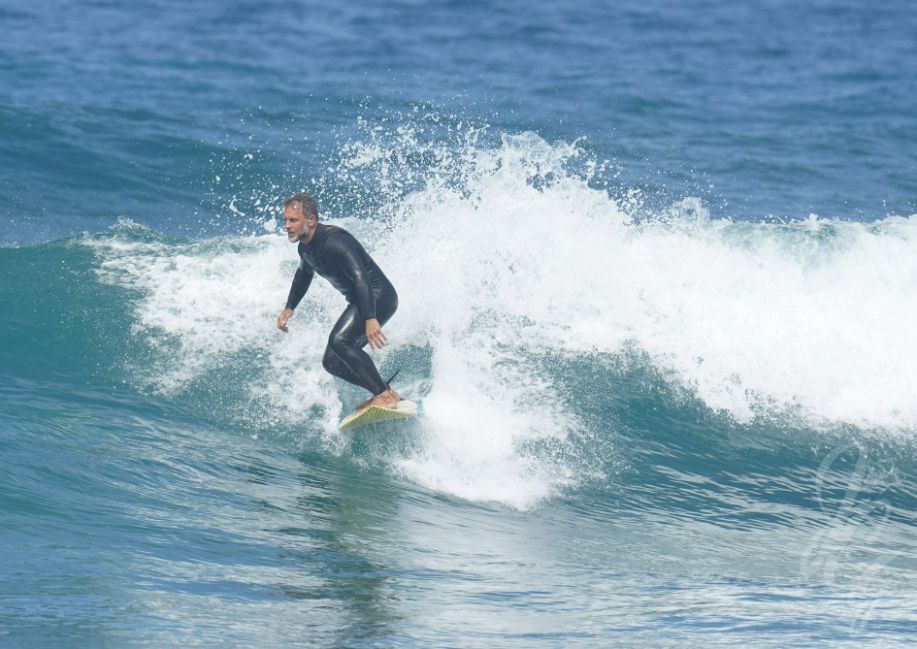
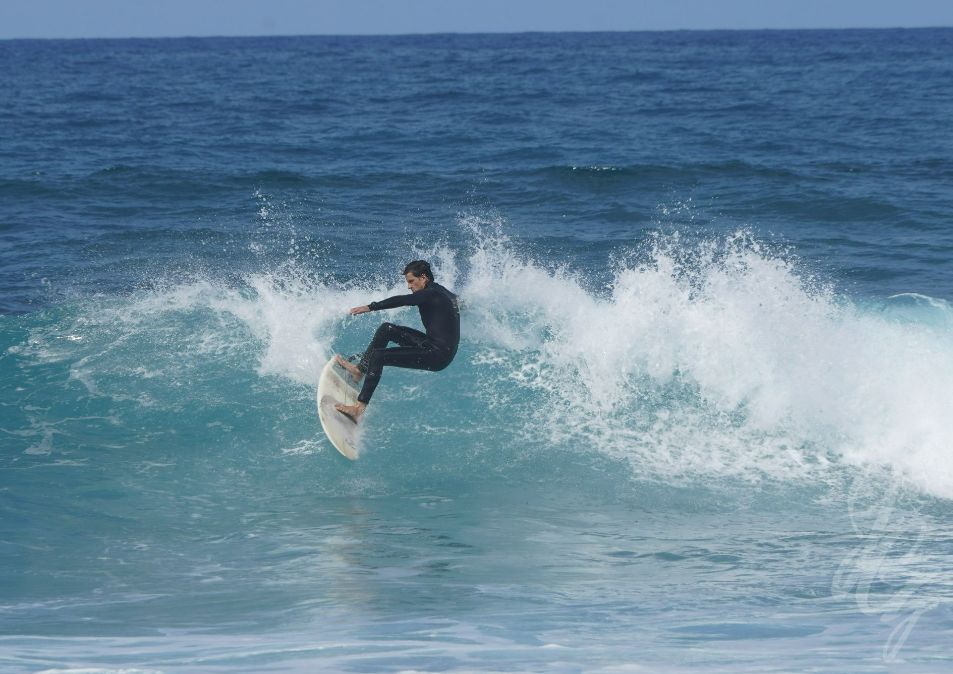
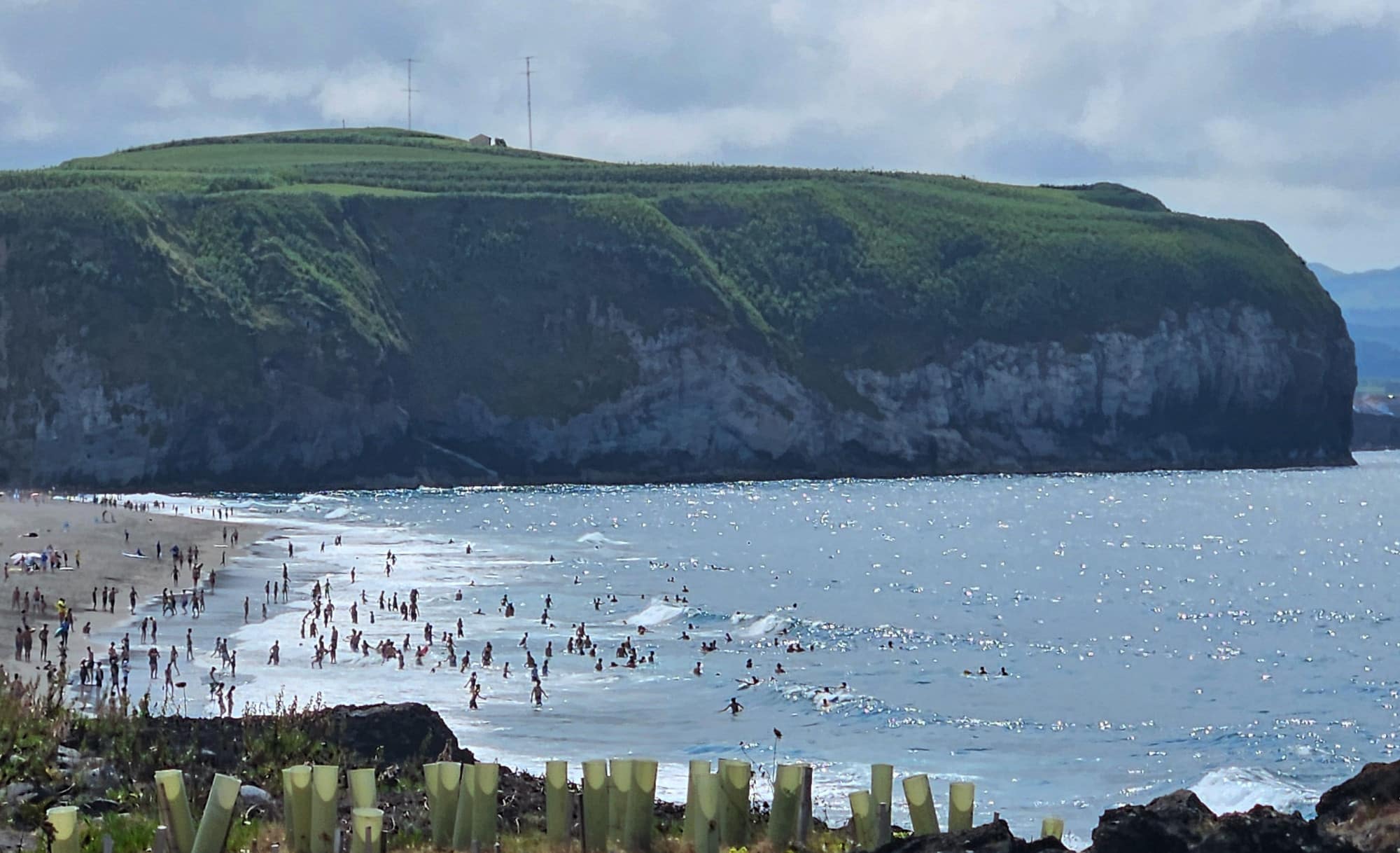
Another 20 minutes along the coast towards last Palmes is the village of San Andrés. Charlie watched the surfers at Los Enanos beach. This beach break works best at low tide.
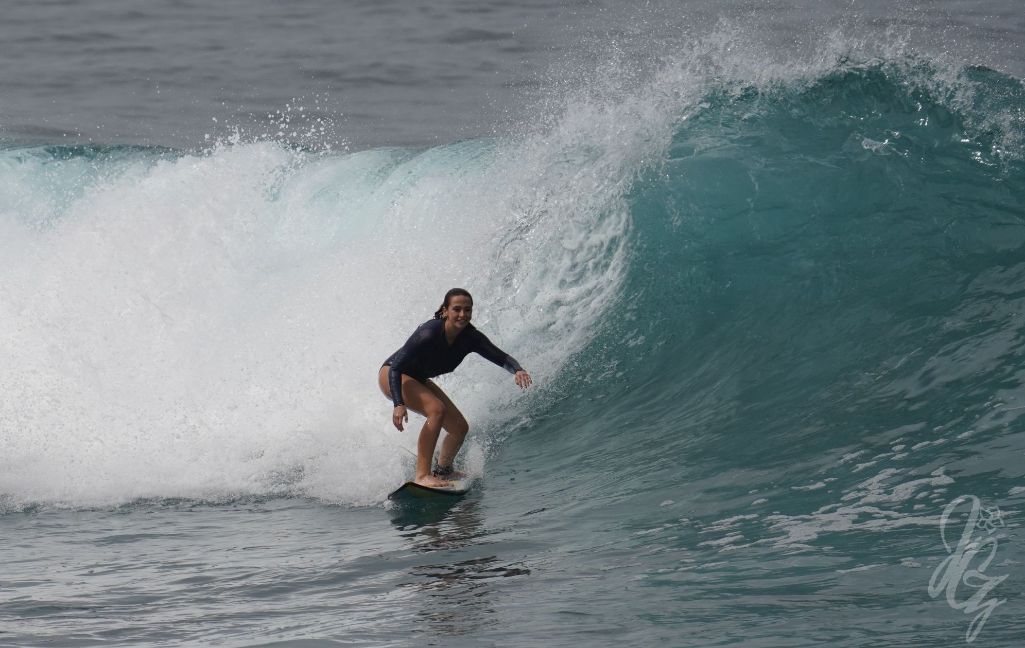
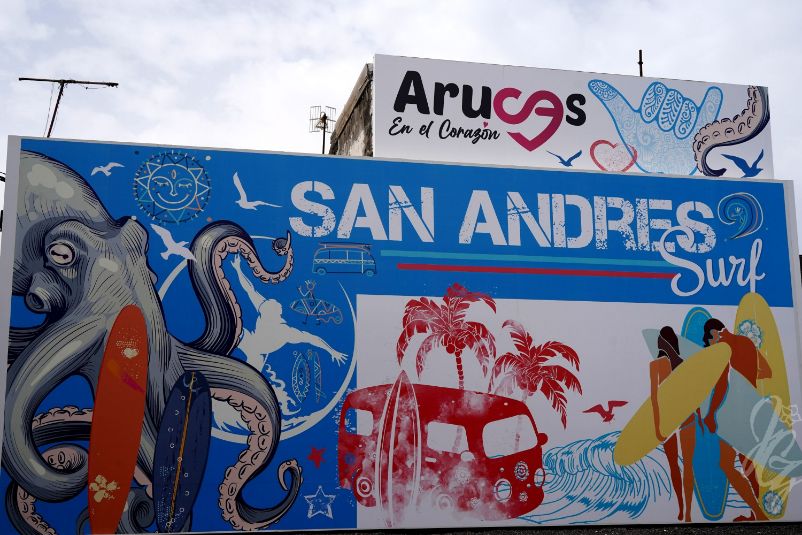
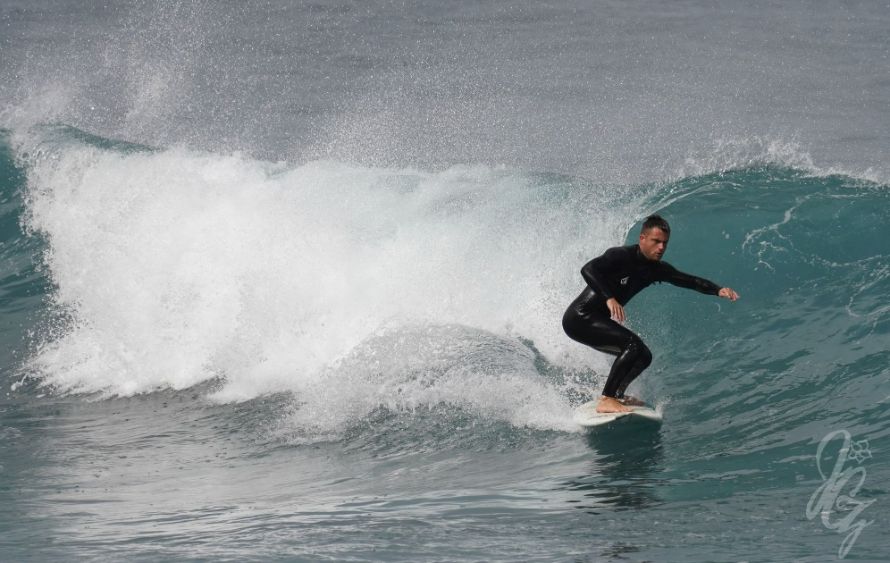
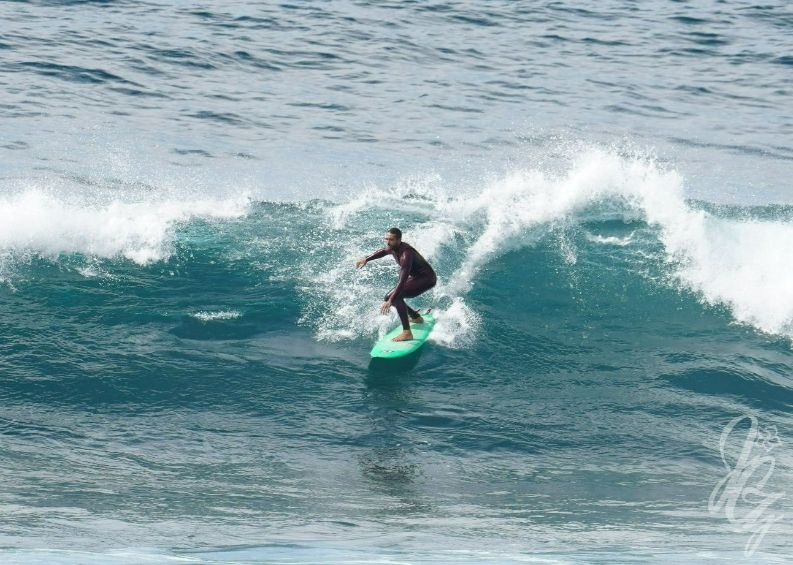
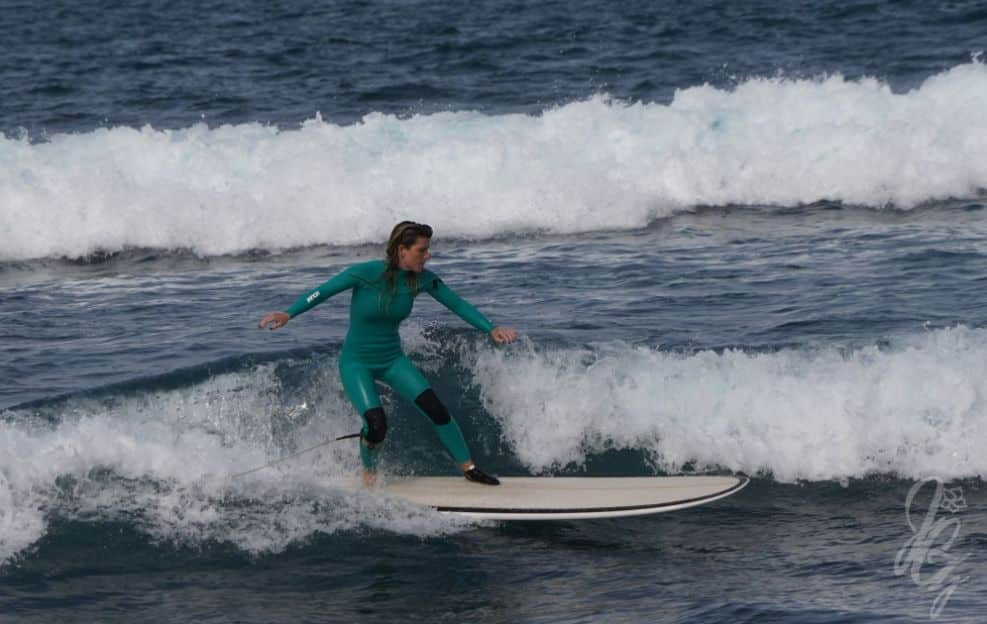
On her way back towards Las Palmas, Charlie passed by the spot Quintanilla, which was flat that day, but she stopped at a nice longboarding wave near the town Puertillo at Playa Los Charcos.
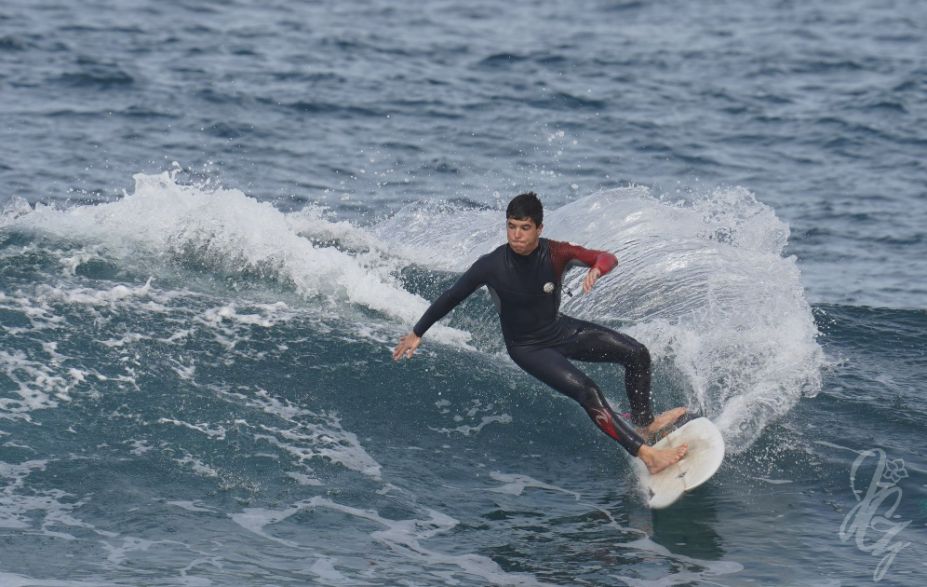
The east coast: Playa de la Laja
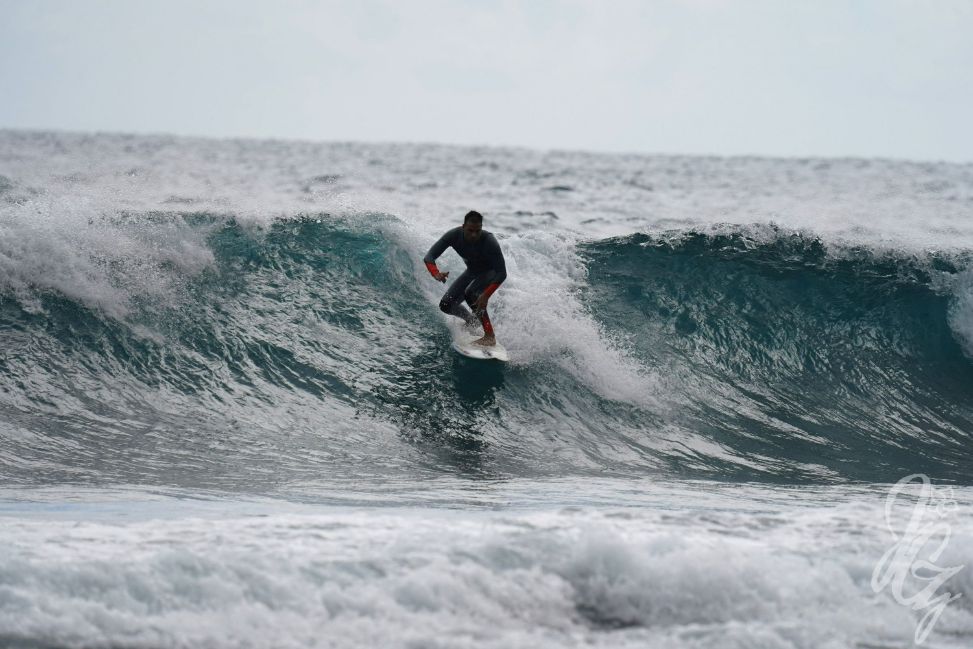
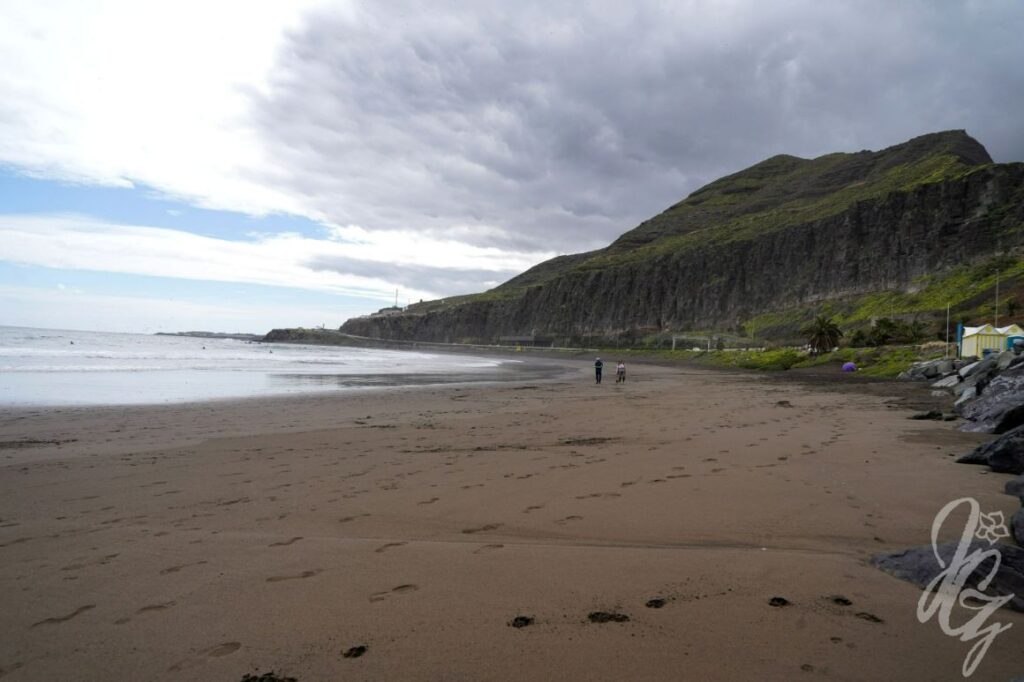
If the swell gets too big along the north coast, Playa de la Laja is usually a good option. It’s a beach break on the east coast, about 20 minutes outside of Las Palmas. You can get there by bus, but there is no surf hire.
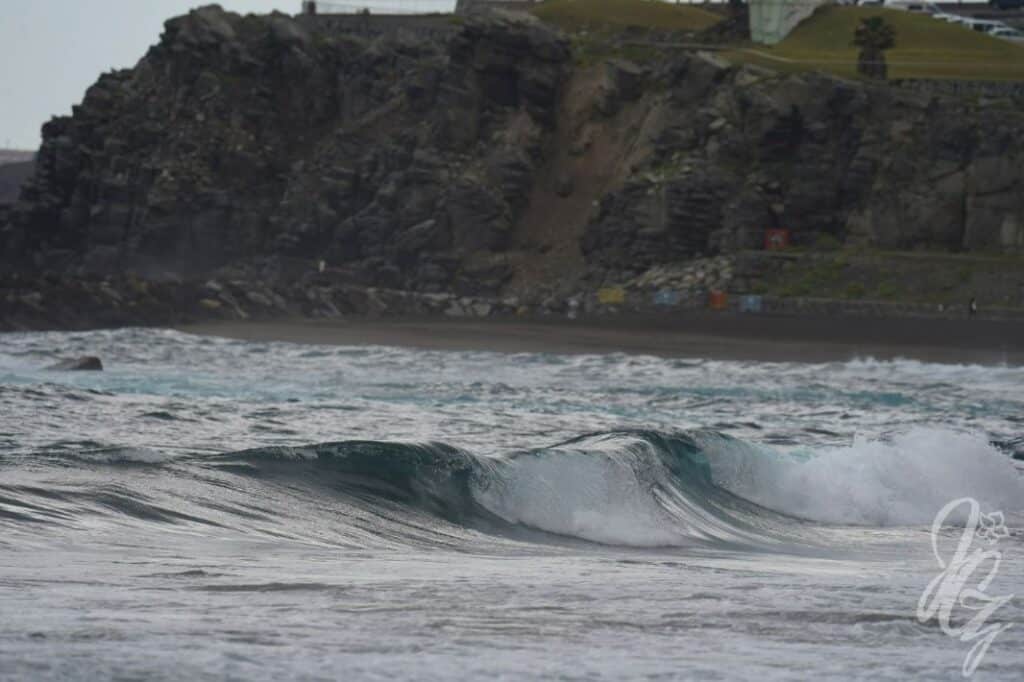
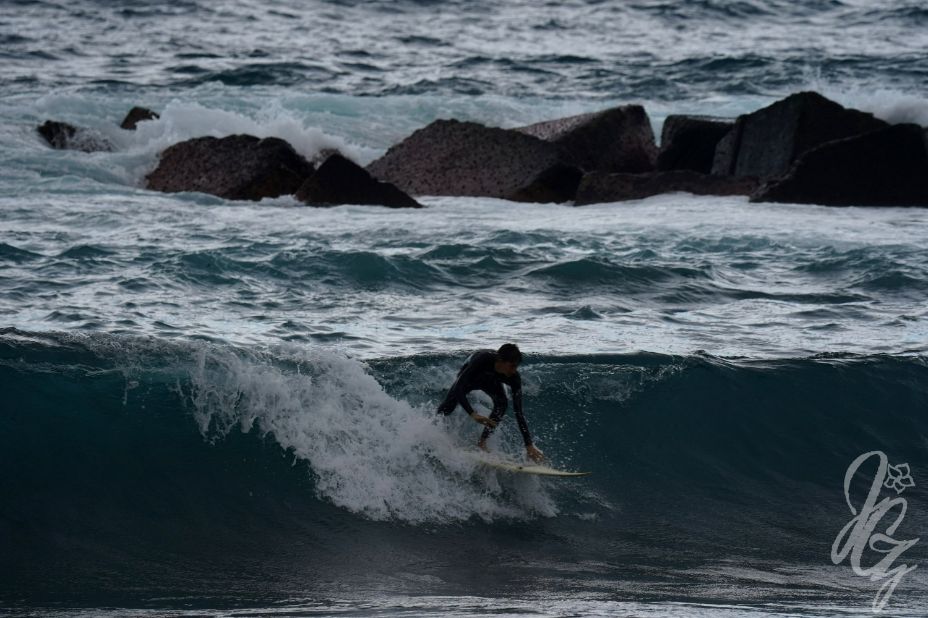
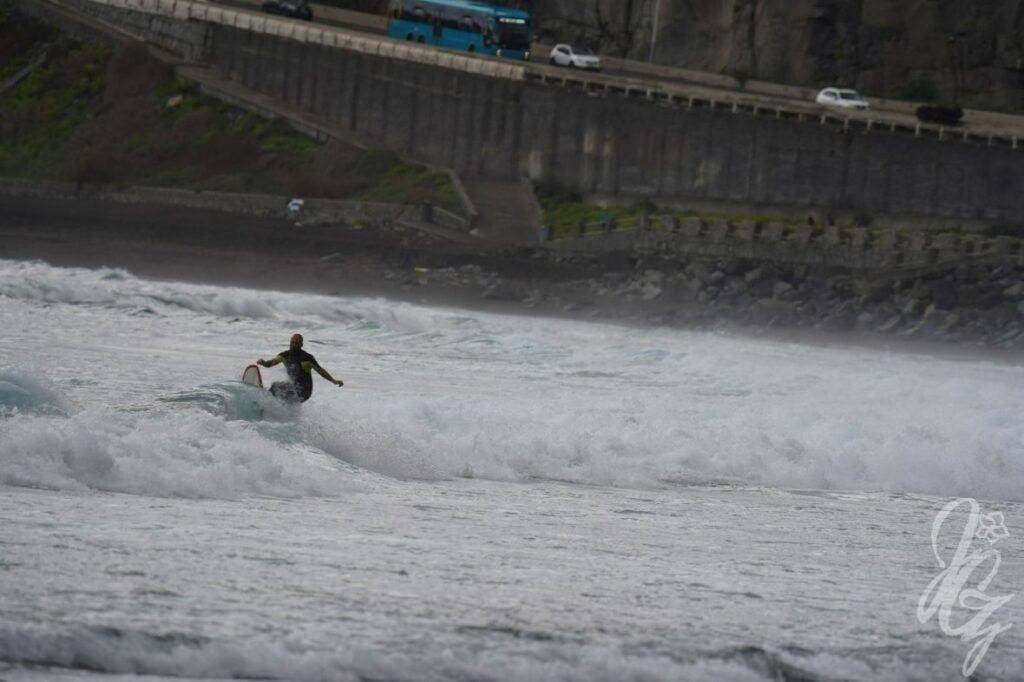
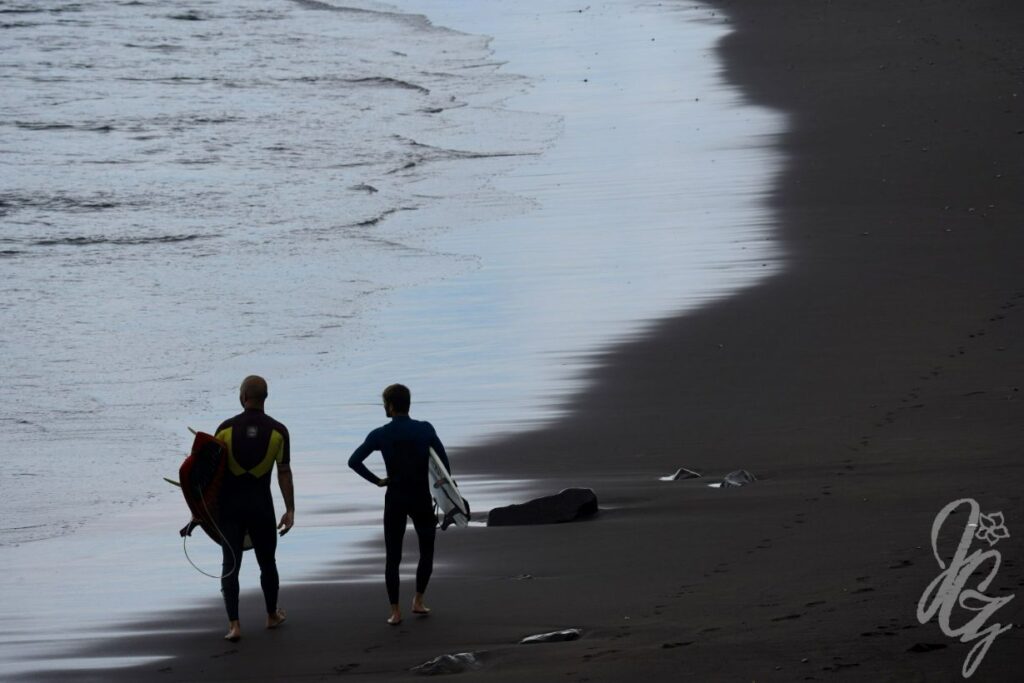
There are surf spots in the south of Gran Canaria too, but Charlie didn’t go there. The north seems to be a lot more popular amongst surfers.
Surf schools in Gran Canaria
Surf camps and schools in Gran Canaria are mostly in Las Palmas at Las Canteras Beach. Charlie hasn’t seen any along the Northern coast. All the surfers she saw at Los Enanos were already experienced and came with their own surfboards by car. There aren’t any rental places either in that location.
The surf camps in Las Palmas are not comparable with places like the Billabong Surfcamp in Fuerteventura. It is very urban, and accommodation is in town houses. Some of them have a roof terrace, but there are no vast outside areas. There are plenty of bars, restaurants and cafes at Las Canteras for surfers that are looking for a social experience.
Dream Sea Surfschool
All surf schools in Las Palmas have special offers for those that are staying in town a little longer. Charlie got a monthly surf package for € 100 at Dream Sea Surfschool which included 3 lessons per week. The main surf instructor is Giuseppe, and he is very experienced and a great instructor. Charlie’s surfing improved a lot during the month, even though she was quite often out of her comfort zone in the water. What Charlie liked the most about this surf school was the community feeling. There is no surf camp attached to it, which means that you get less tourists in the classes and more surfers that are in town for a little longer, and locals. Charlie kept on seeing the same people in her class throughout the month and it started to feel a bit like a little surf family.
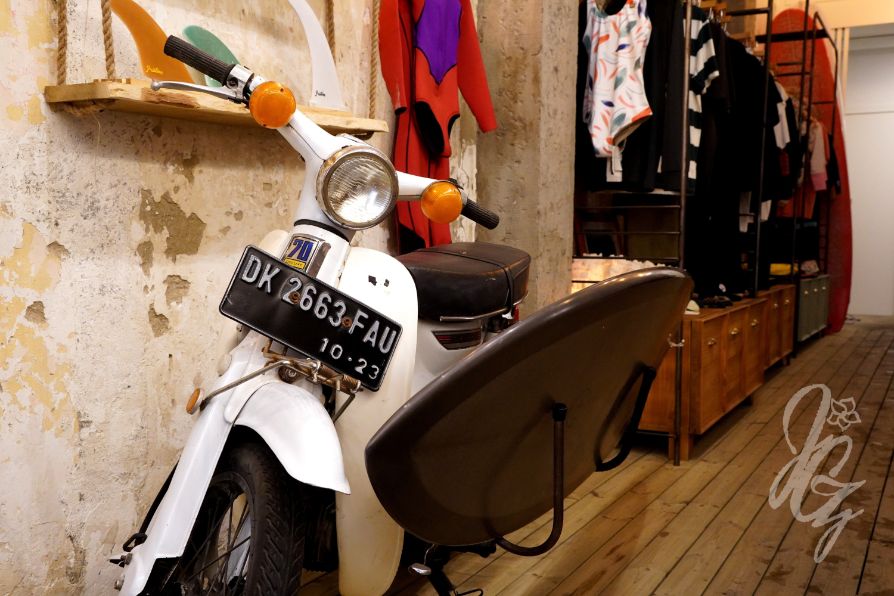
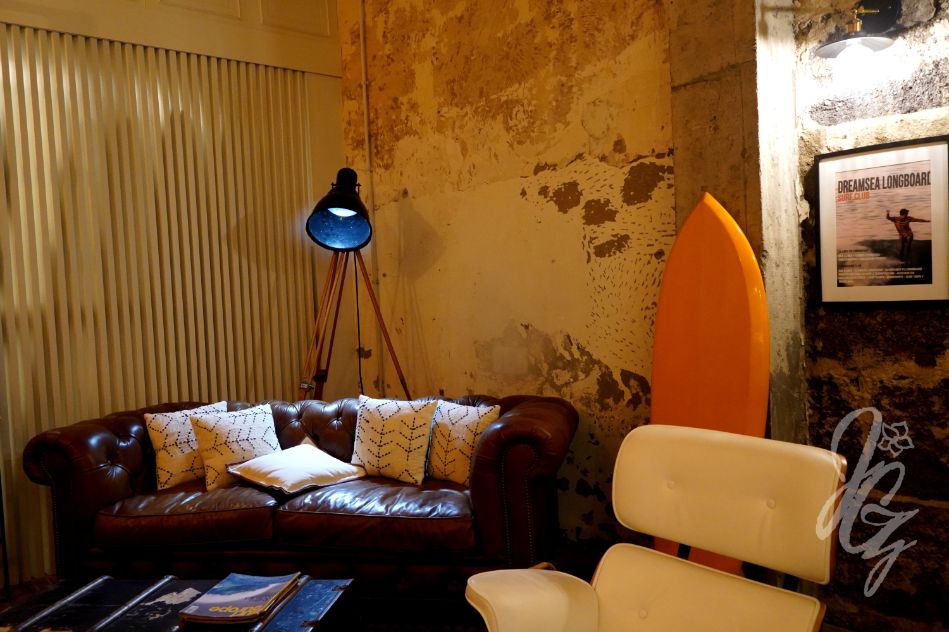
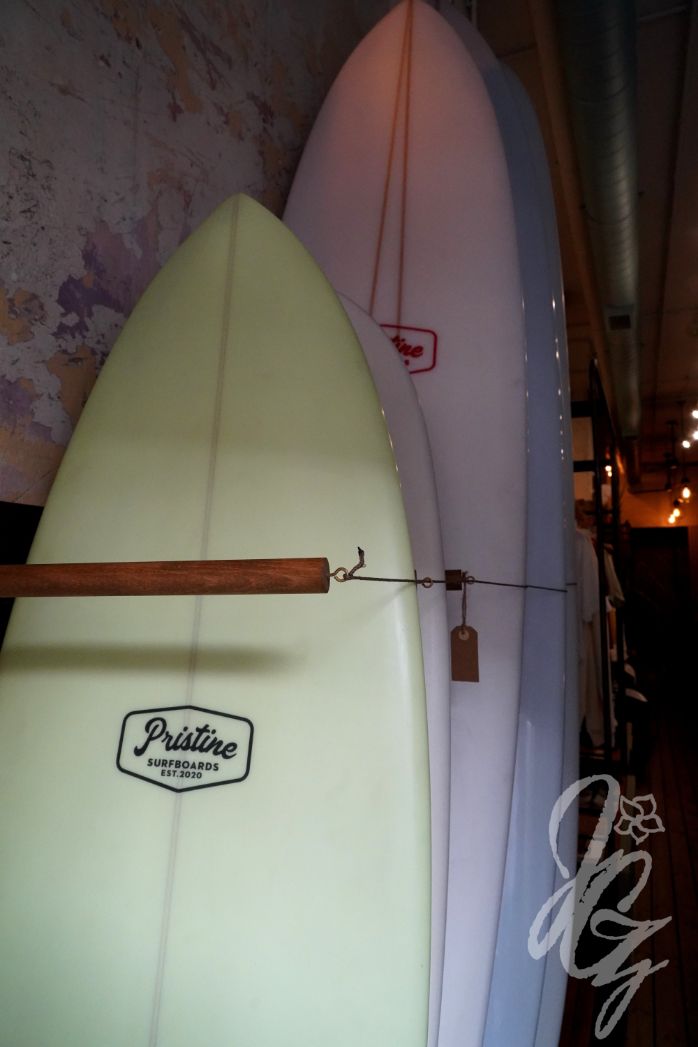
The surf school is in a side road near Las Canteras beach and not immediately visible. It is inside a surf shop with beautiful interior. You feel like you want to take a seat on the huge leather sofa and read through many of the surf books in the shop. There’s also a little coffee bar towards the street – the perfect place to end the day after surfing.