Costa Rica: Living the Pura Vida
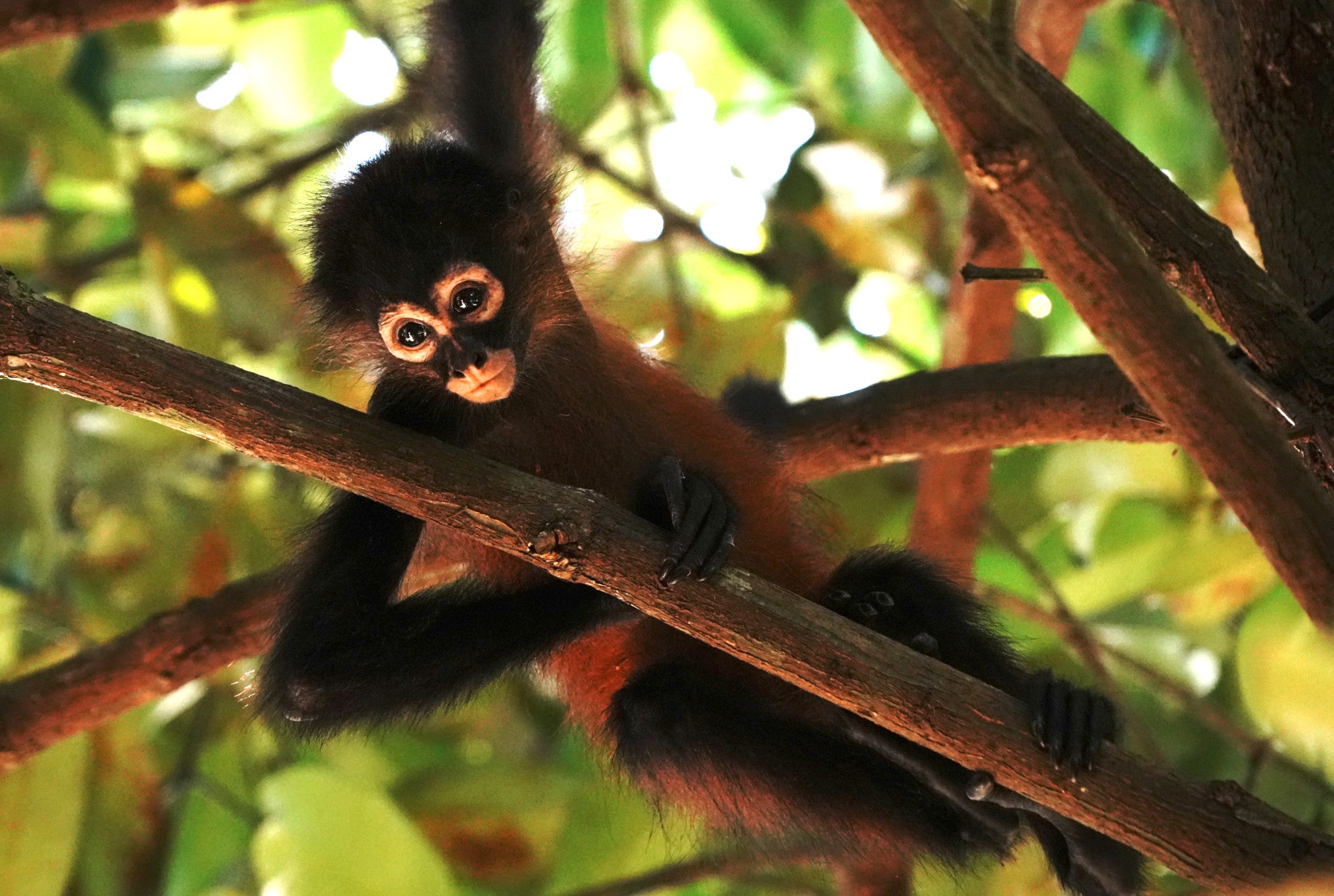
It’s been on Charlie’s list for a while and finally the time had come: She travelled to Costa Rica. She was ready to see sloths and monkeys, to explore the tropical rainforest and to surf those waves!
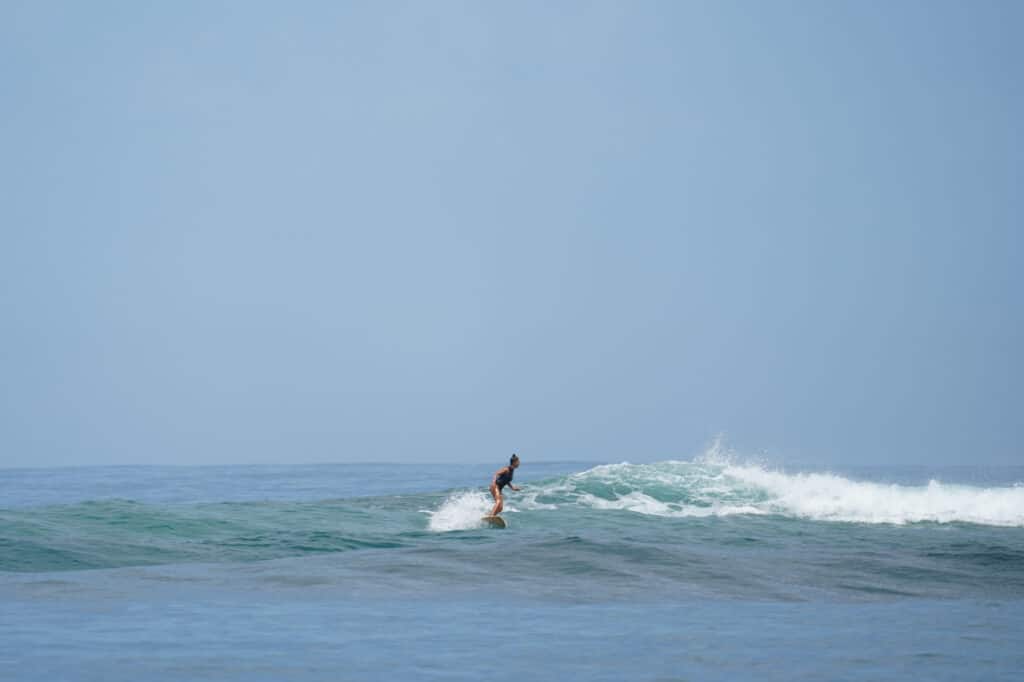
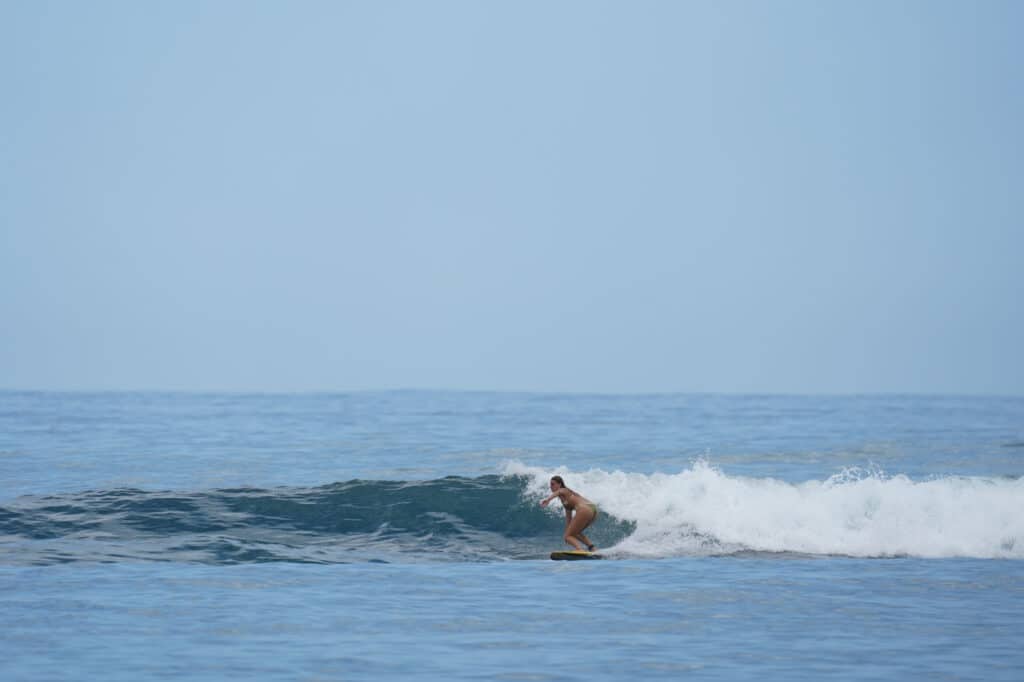
Surfing in Costa Rica: Where to find the best waves?
What is considered “best” might be different for everybody. It is better to say “best for your level of surfing” and what style you are interested in. In short:
- If you want a fast and steep wave to get barrelled and practice aerials: Santa Teresa
- If you want a beginner-friendly wave: Sámara, Tamarindo, Jacó
- If you want a longboarding wave: Osa Peninsula (Pan Dulce), beaches north of Pavones
- If you want the second-longest lefthander: Pavones
- If you want intermediate waves: Uvita, Dominical
- If you want a place where you can longboard and shortboard in close proximity: Osa Peninsula (Pan Dulce for longboard, Matapalo for shortboard)
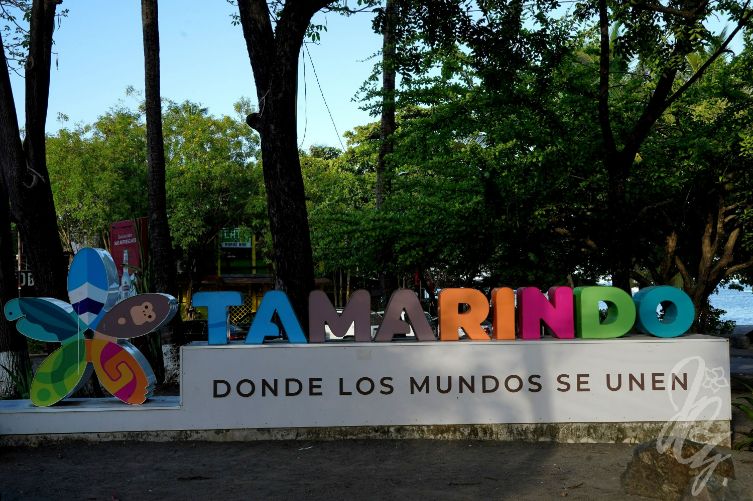
Tamarindo
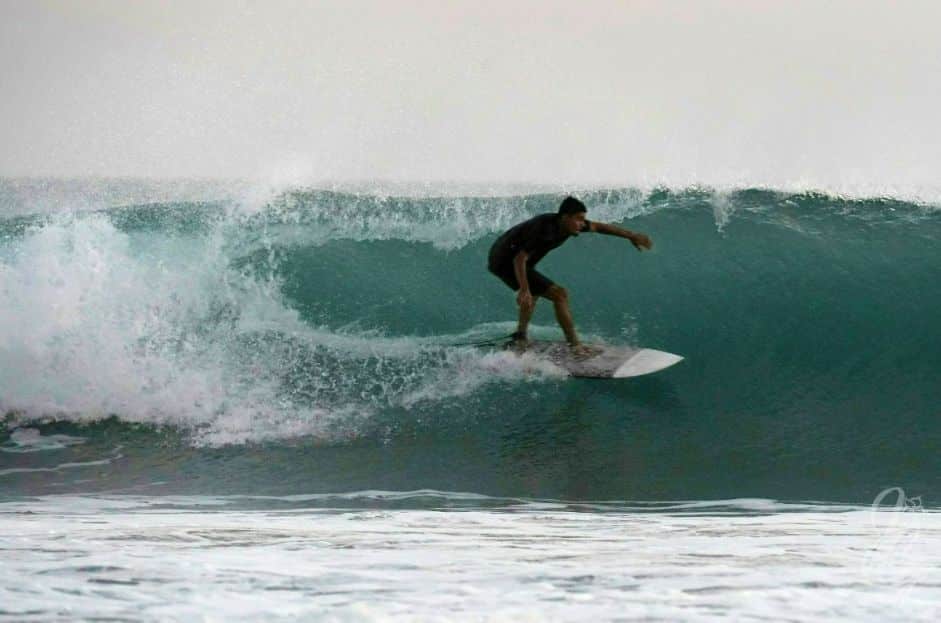
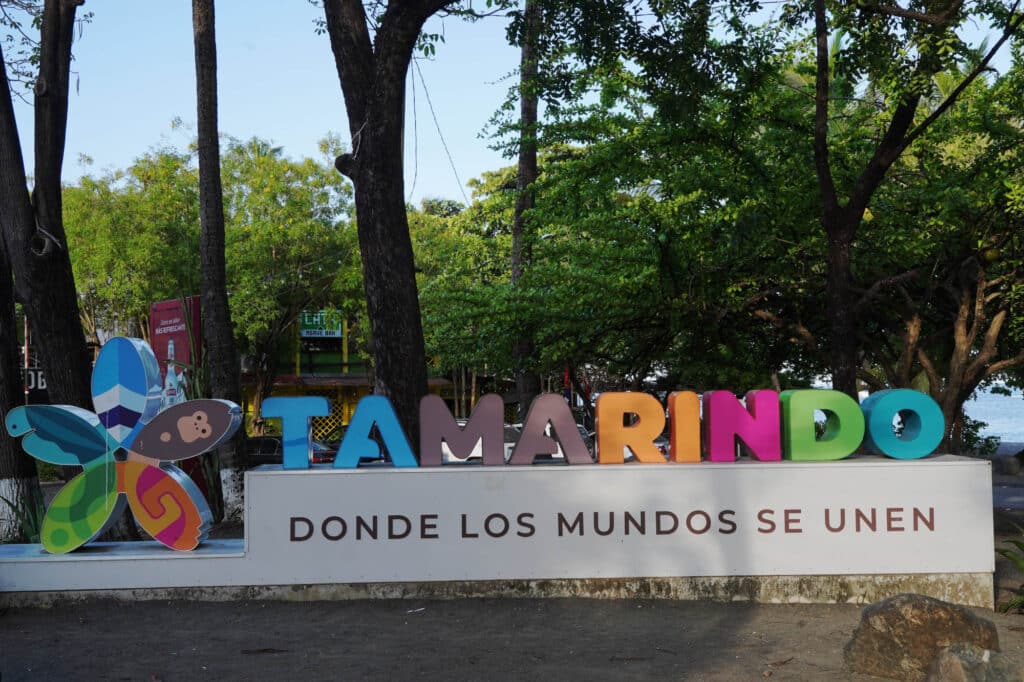
Ever since The Endless Summer, Tamarindo is well-known for surfing and has become a very touristy town ever since. The waves are beginner-friendly and you easily find surf lessons and surf hire.
There are some other beautiful beaches North of Tamarindo that are worth a visit but not suitable for surfing: Brasilito, Flamingo and Playa del Coco.
Nosara
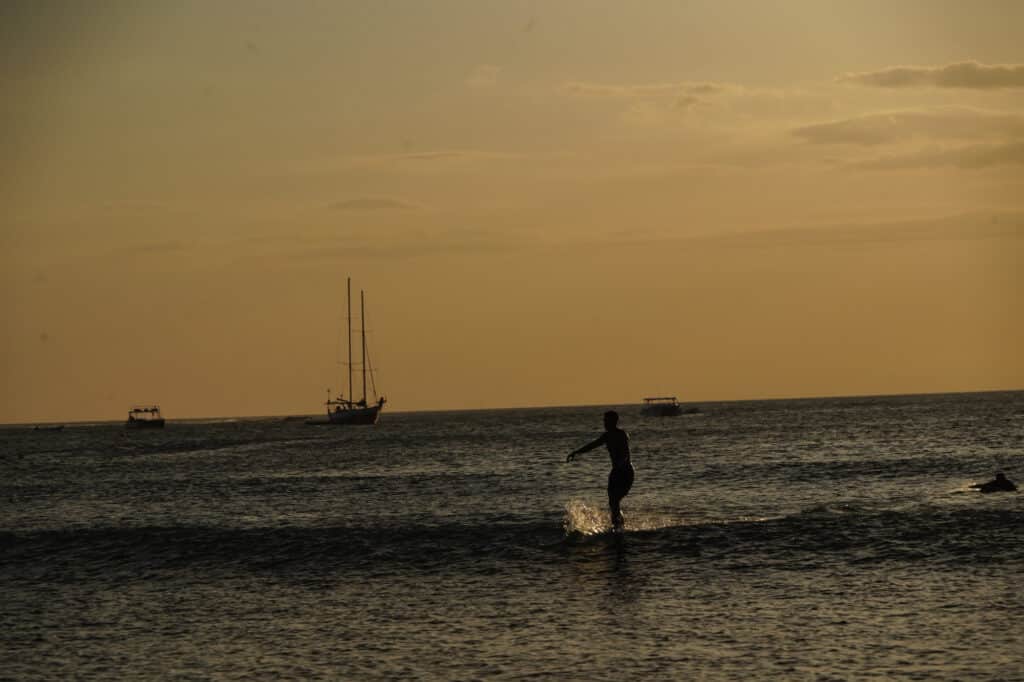
Close to the town of Nosara is Playa Guiones which offers great waves for intermediate and advanced surfers. The town itself is not directly on the beach and has a bougie-flair.
Sámara
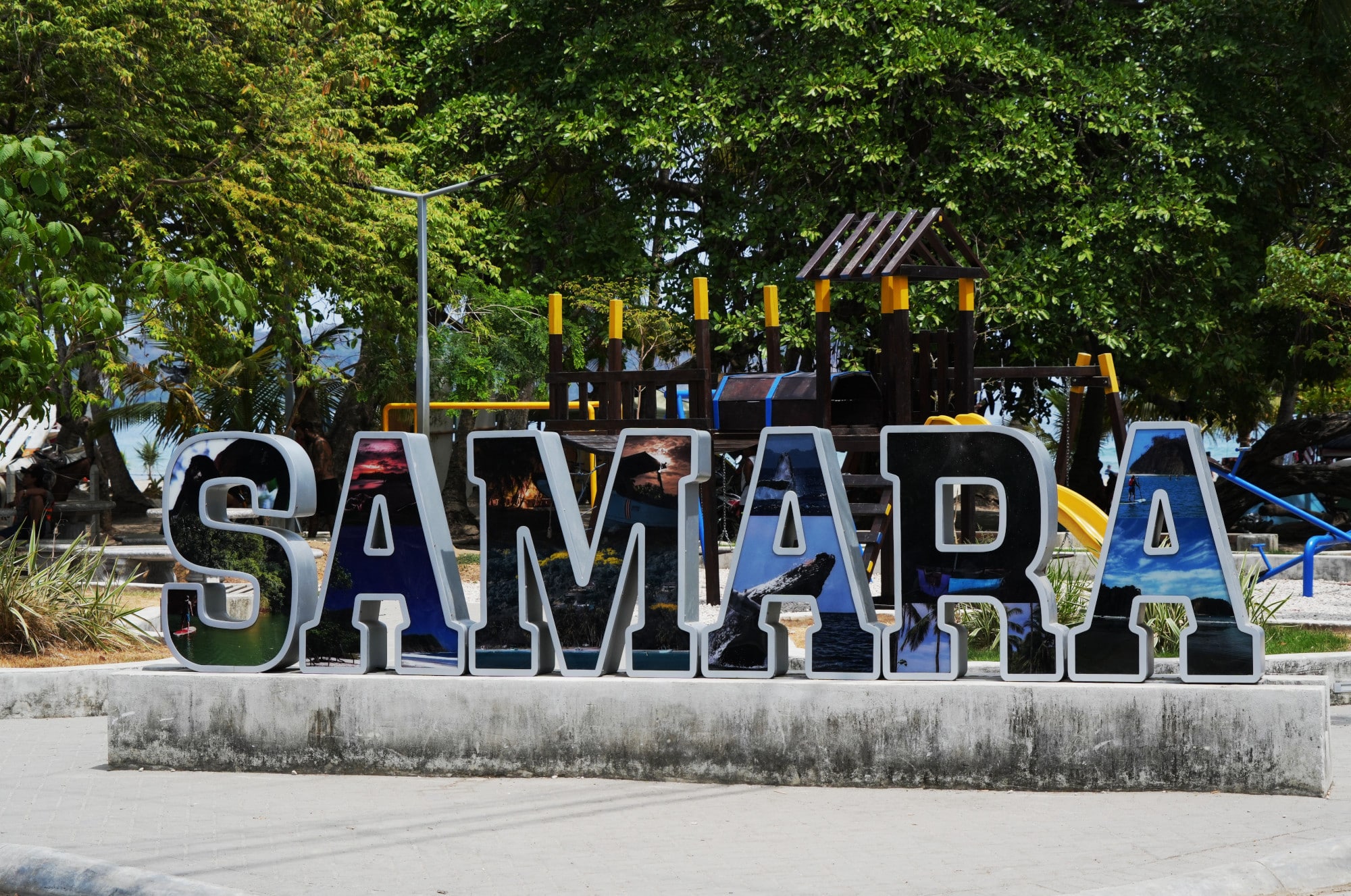
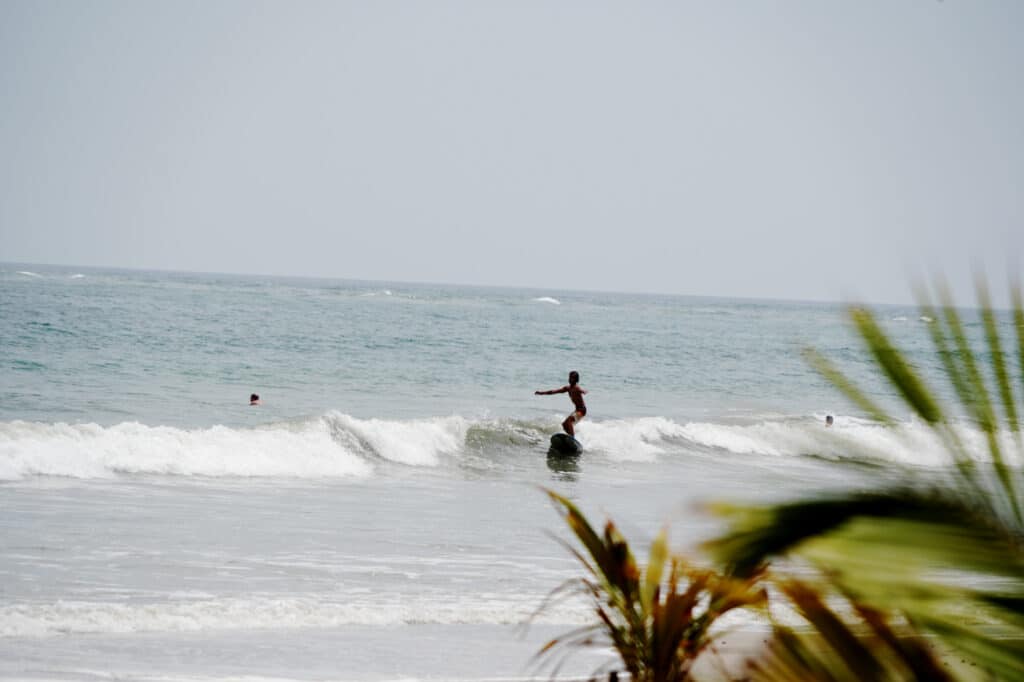
The small town of Sámara ticks many boxes: directly on the beach and everything within walking distance, the most beginner-friendly waves in Costa Rica and some tico authenticity so you can mingle with the locals. It is also suitable for digital nomads and staycations. When it comes to accommodation, this place was the most affordable when Charlie was there.
It is a beach break that only works at high tide and you can hire a board on the beach.
Santa Teresa
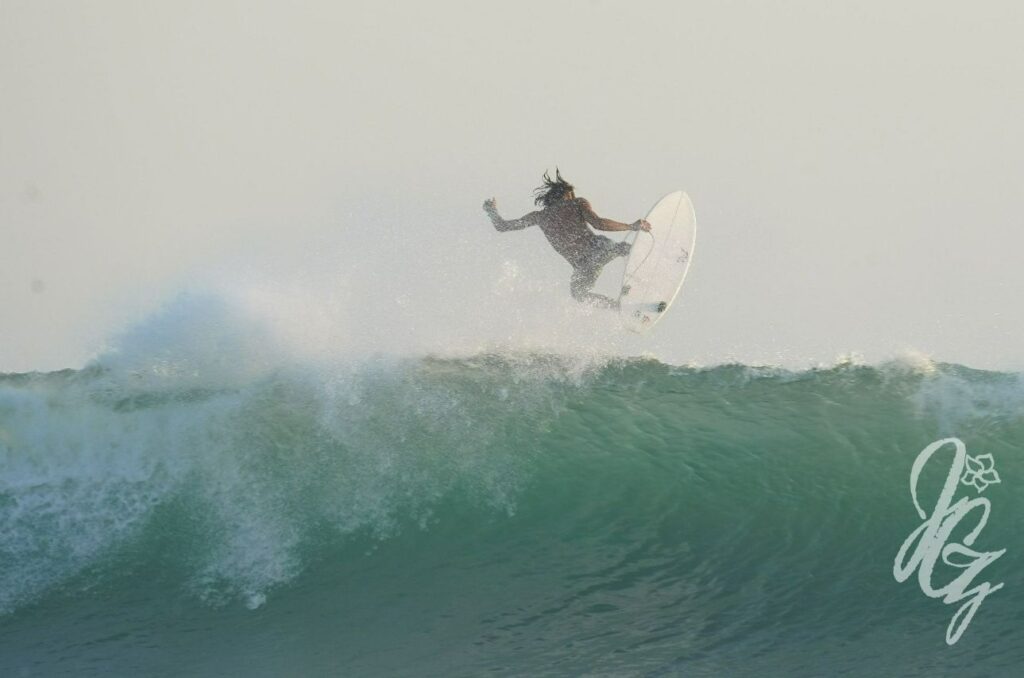
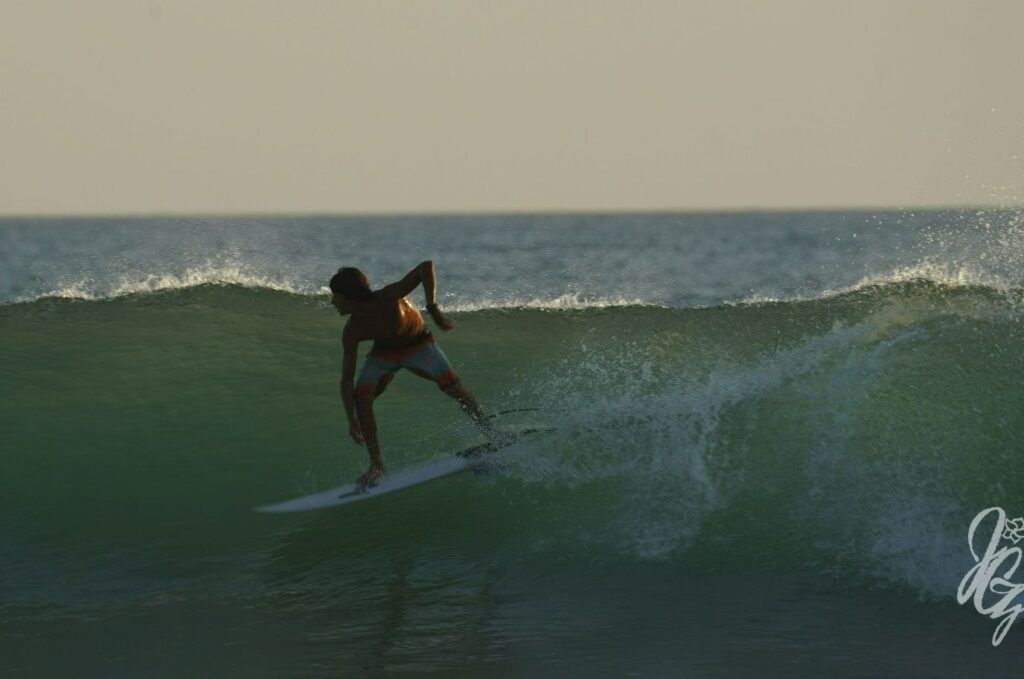
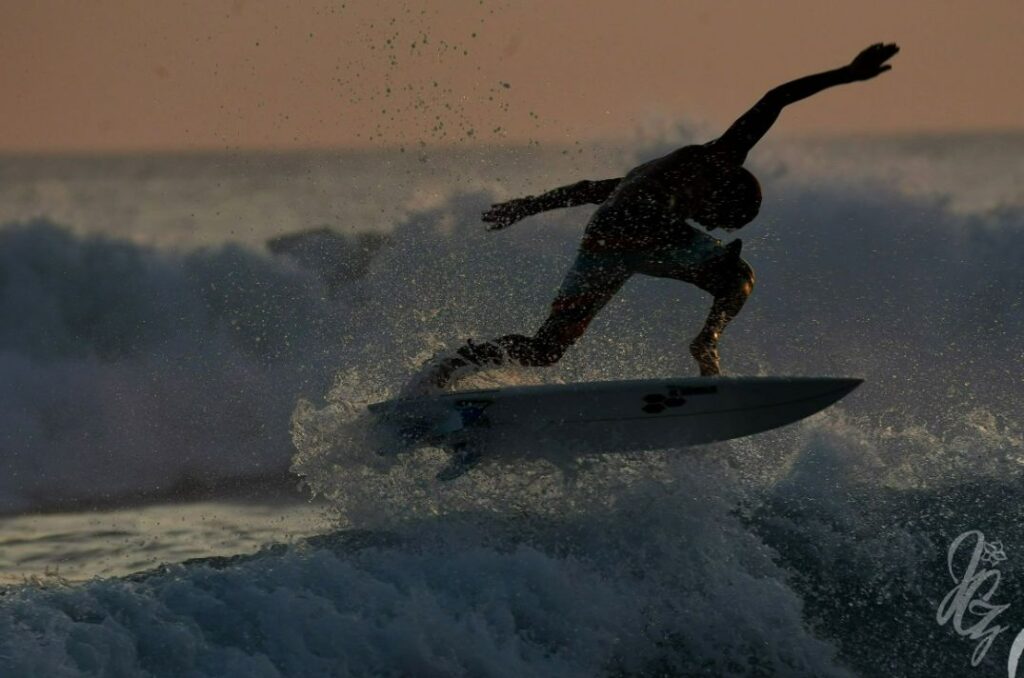
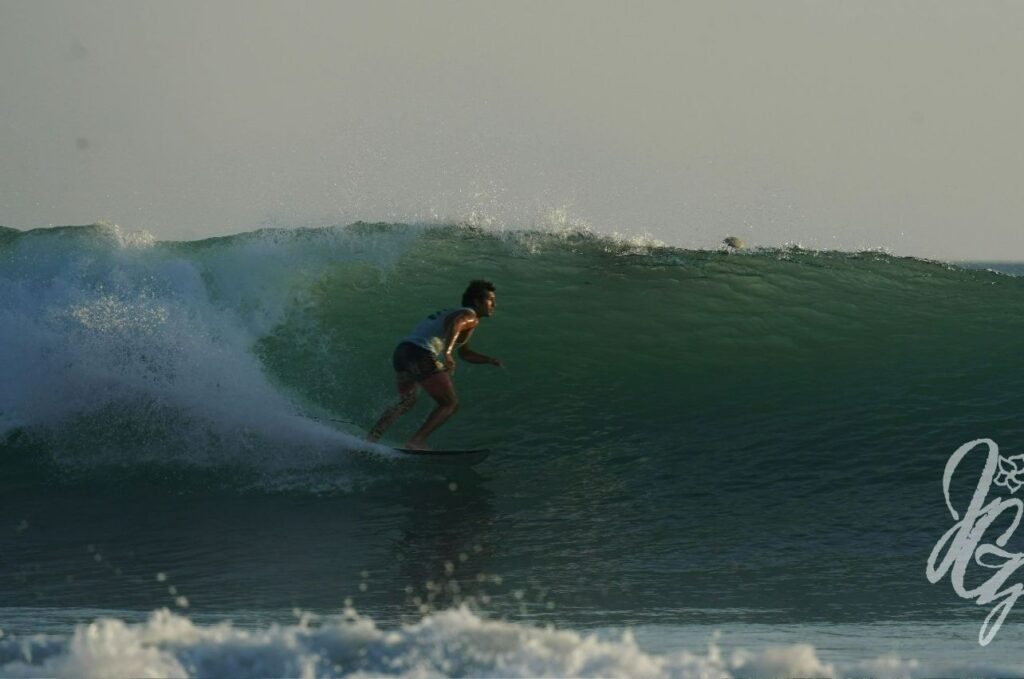
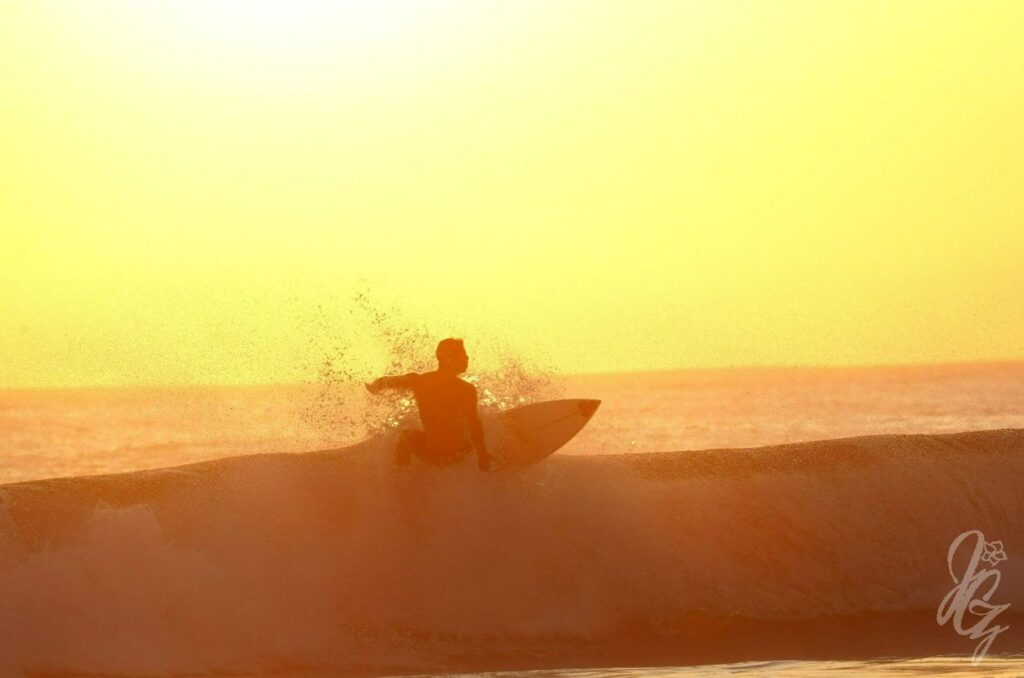
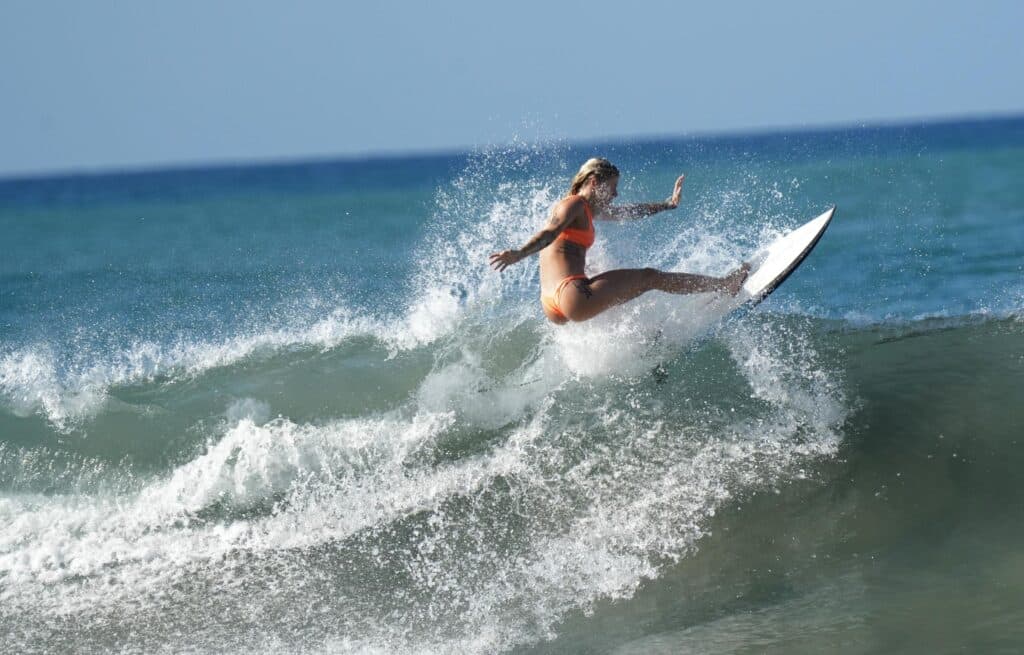
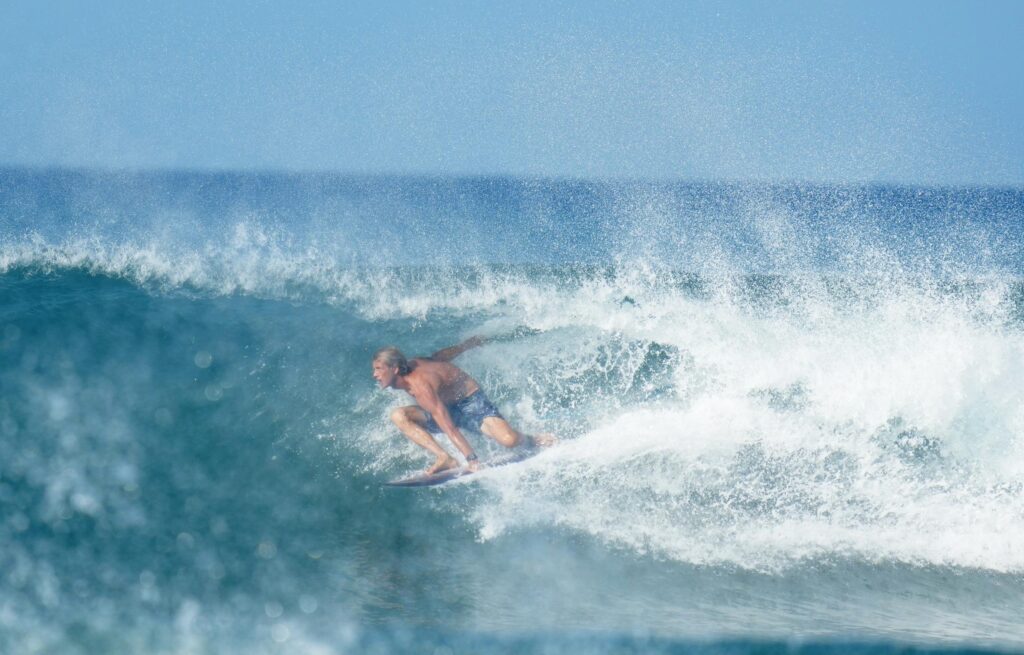
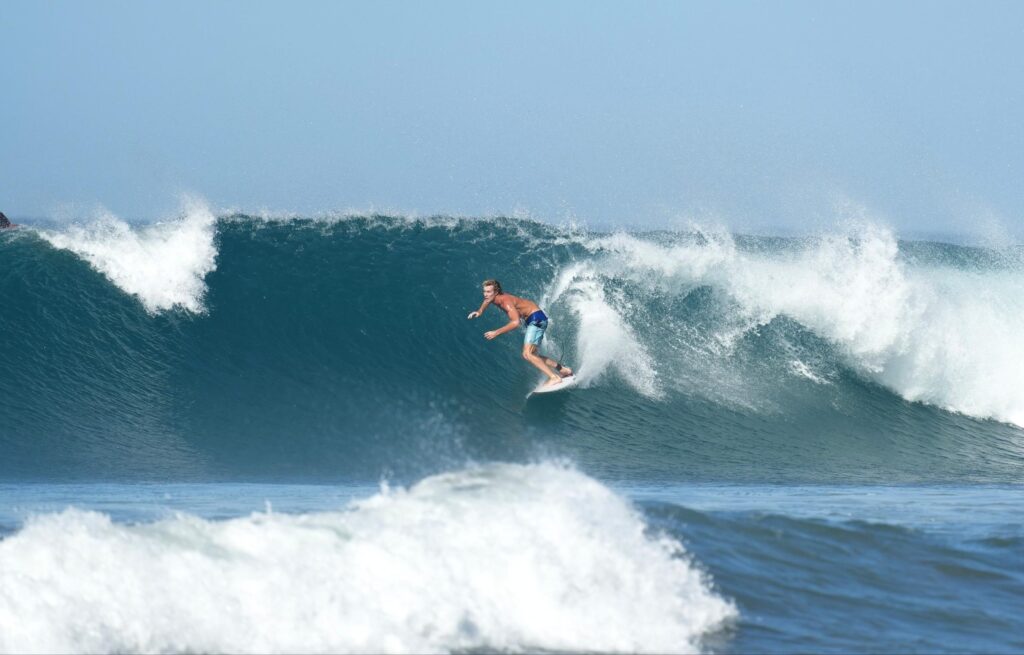
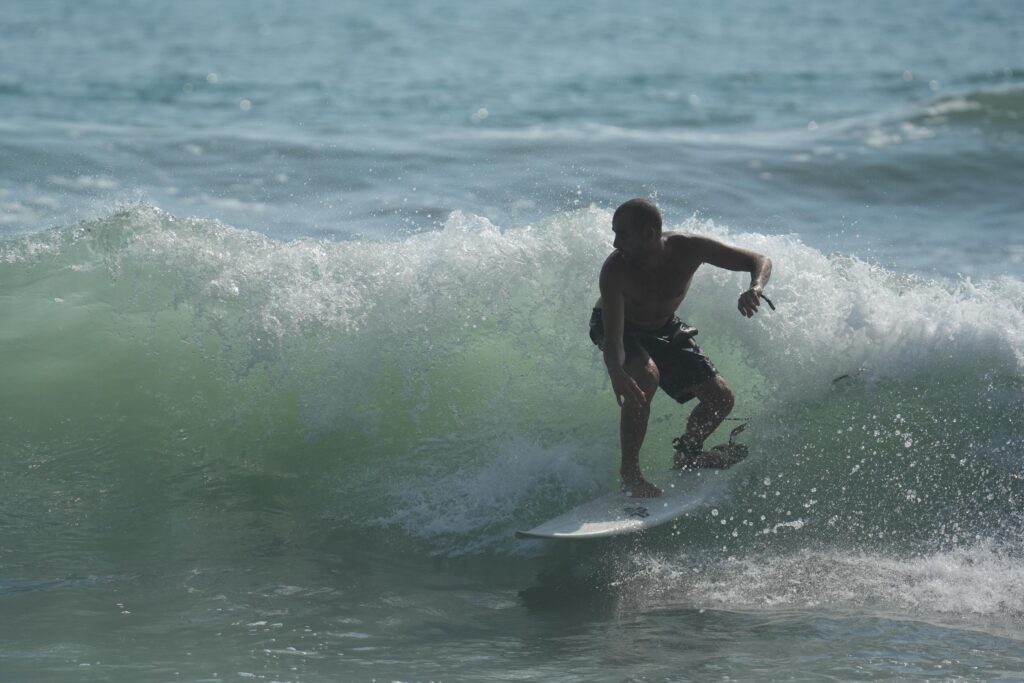
This was the best place for surf photography as the locals put on quite the show with barrel rides and aerials. When it comes to surfing, you need to be a confident surfer. The wave is fast and steep and it gets very busy in the water. It is also important to know that the waves are always bigger than what the forecast says.
The town itself is becoming more and more touristy and pricey with the locals living outside of Santa Teresa.
Nearby are Playa Hermosa, Playa Carmen and Malpaís where the waves are a bit better suited for learners. All those spots in and around Santa Teresa are beach breaks.
Jacó
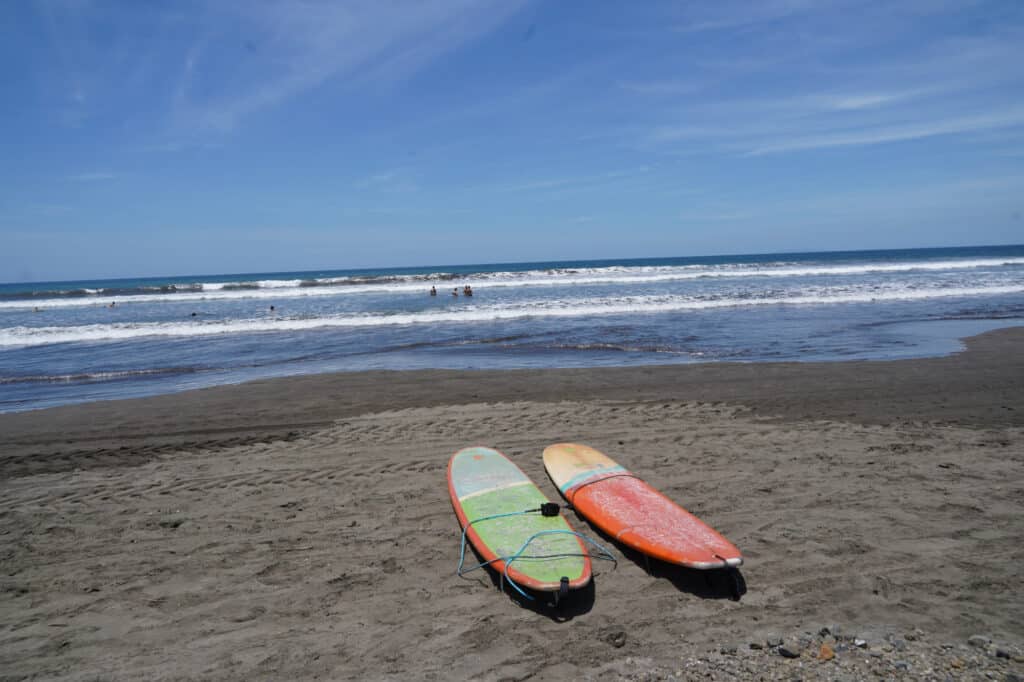
Similar to Sámara, Jacó is in a bay and the waves are a bit smaller than in other places along the pacific coast. The town is very touristy and you easily find surf lessons and surf hire on the beach.
Dominical
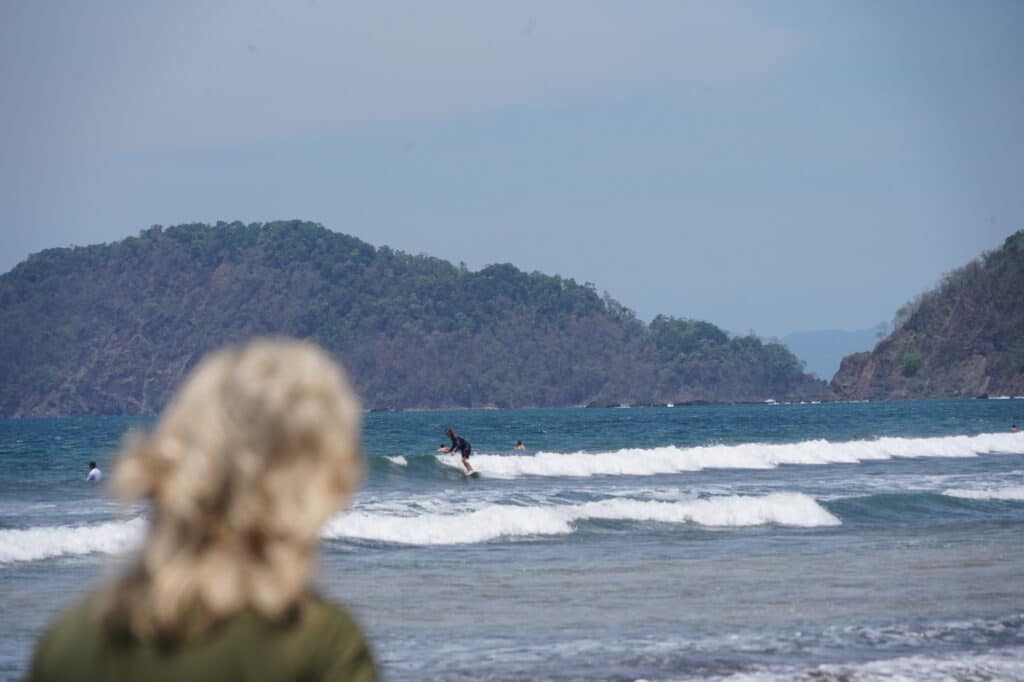
If Charlie had to decide where to go purely on vibes, Dominical would be the place! It is a village right on the beach with great waves, a Friday market and some restaurants. Wherever you are in Dominical, you’re never more than 10 minutes away from the beach break.
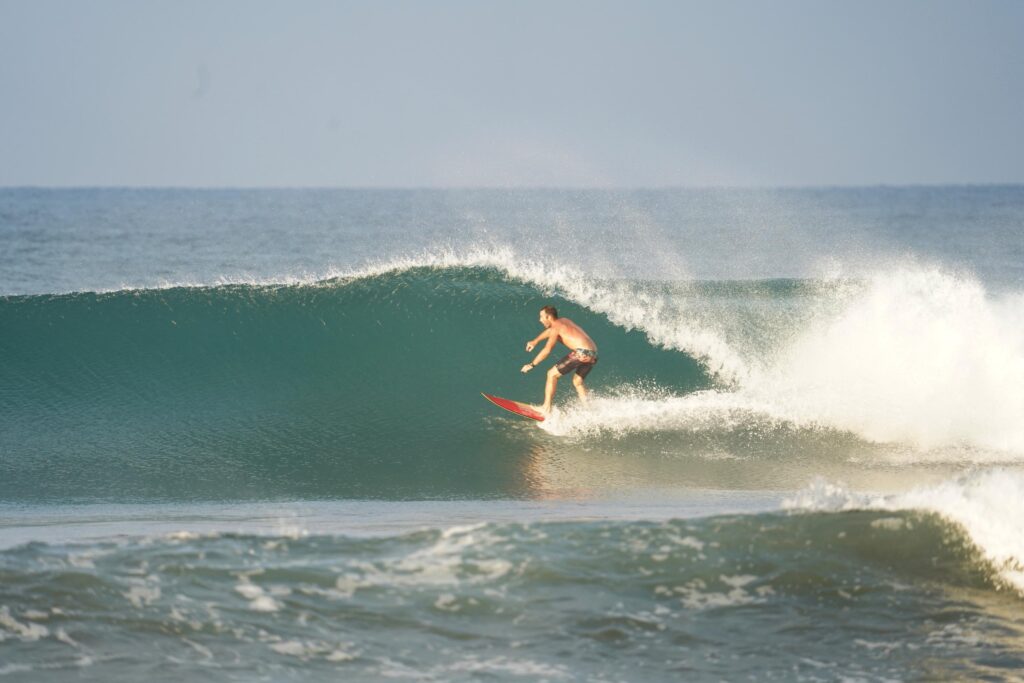
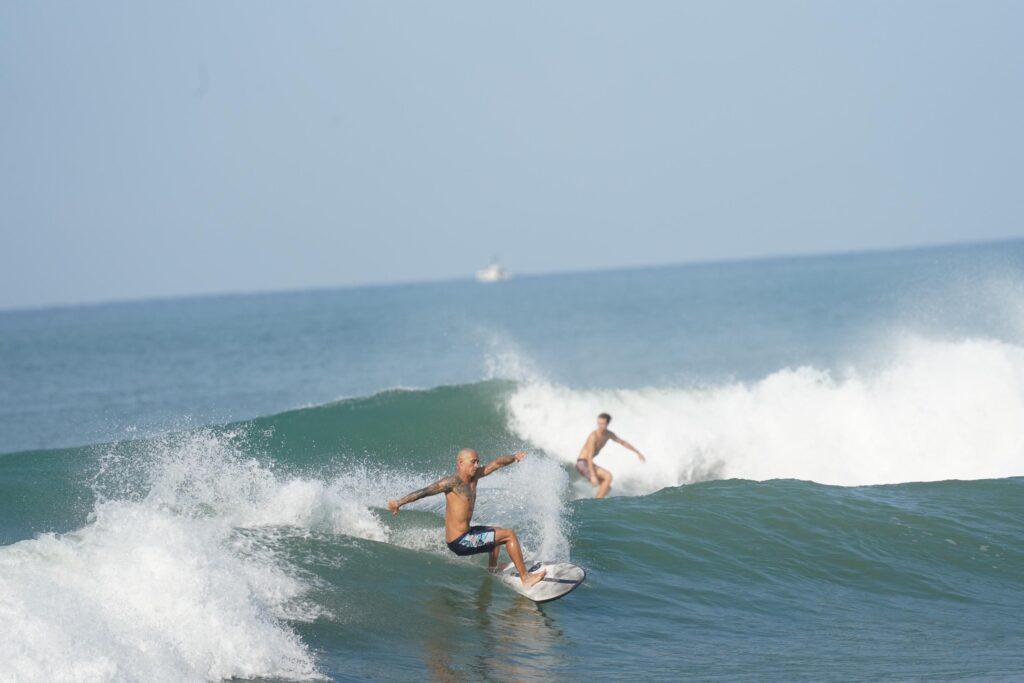
The waves in Dominical can get big and fast. They’re mostly enjoyed by intermediate and experienced surfers.
About 5 minutes’ drive further south is Dominicalito where the waves are more beginner-friendly.
Uvita
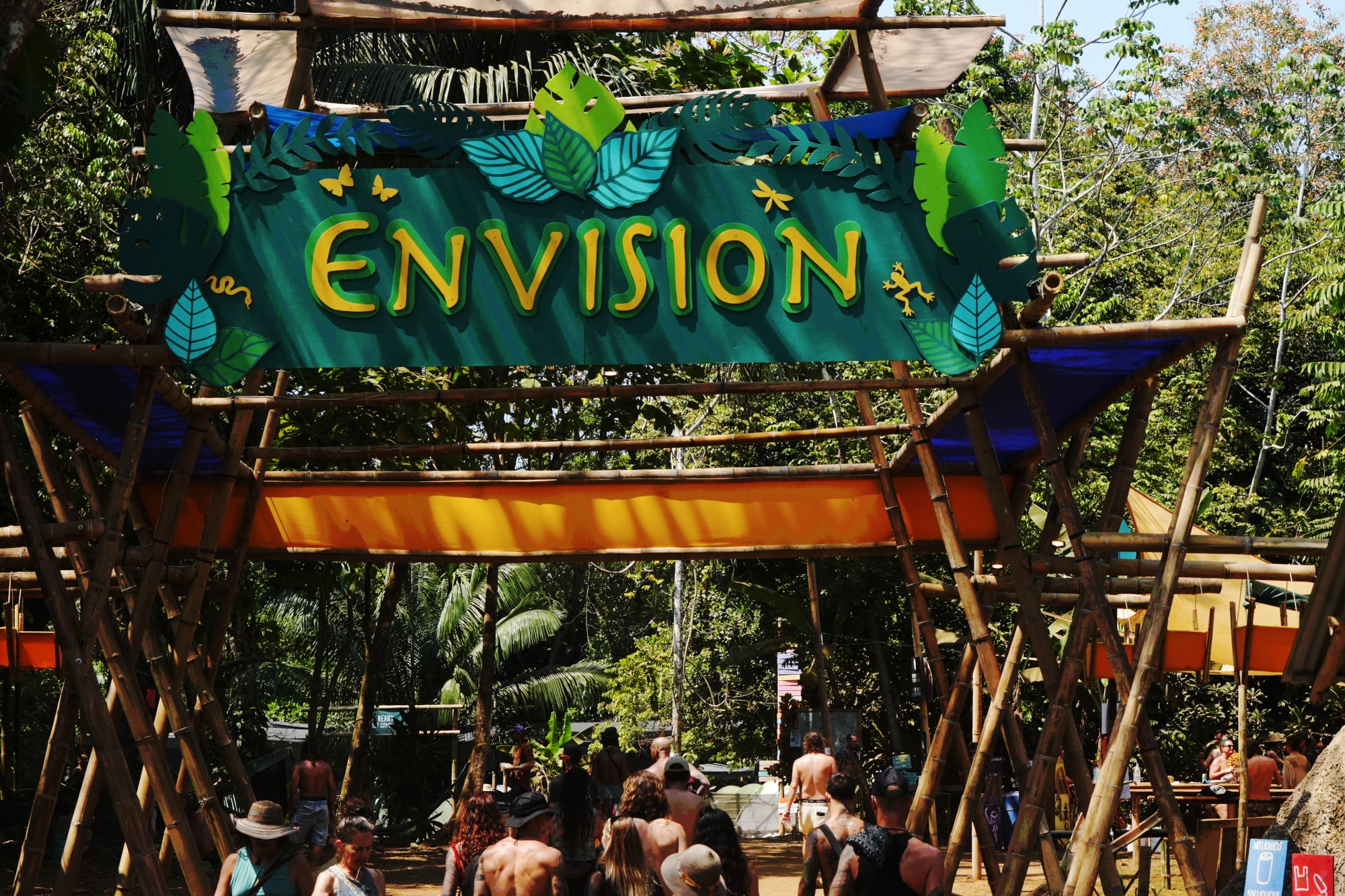
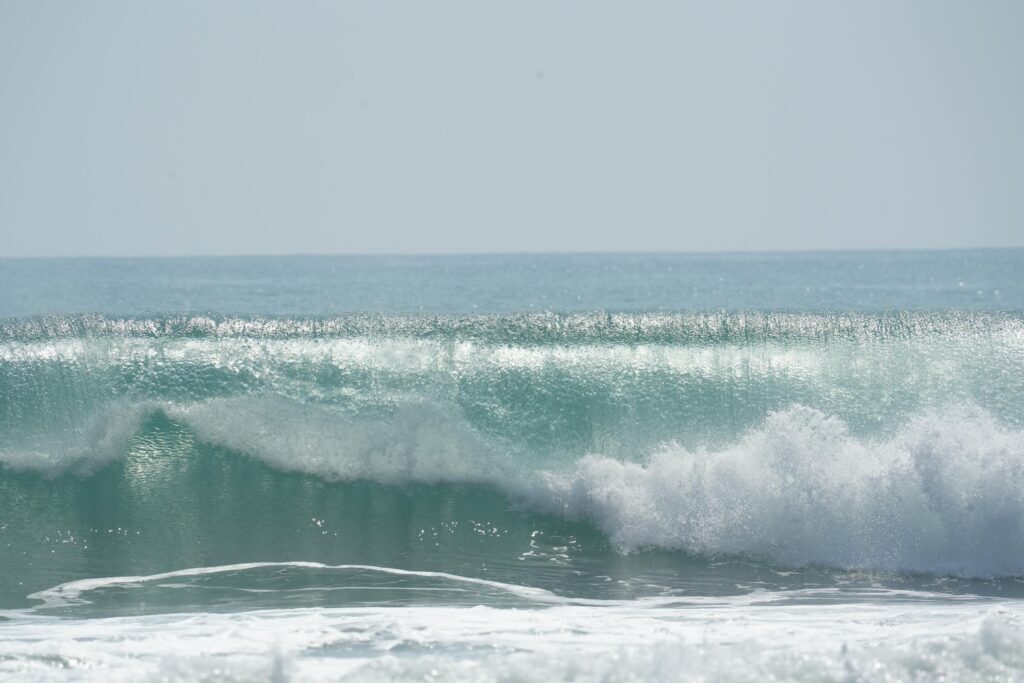
The closest beach break from Uvita is Playa Hermosa. It is about 10 minutes’ drive from the town and you can hire a board right on the beach. It is best to surf at high tide. Charlie surfed there a few times during Envision festival which happened to be very close to this beach. The waves there can be enjoyed by surfers at any level.
Pavones
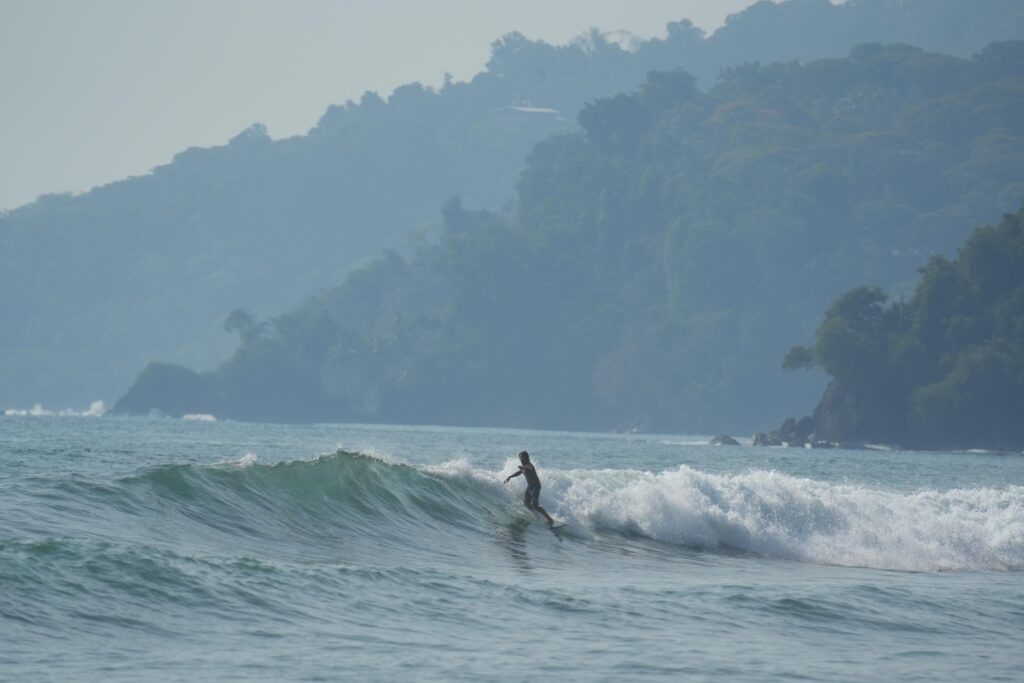
The second longest lefthander in the world is in Pavones. It is an incredible wave to watch. So if you want a long ride, this is the place to go. It is a remote area of Costa Rica though and not developed for tourism. This makes it even more charming, but also harder to get to. There are some smaller bays north of Pavones that produce waves that are better suited for beginners and mostly enjoyed by longboarders.
Osa Peninsula
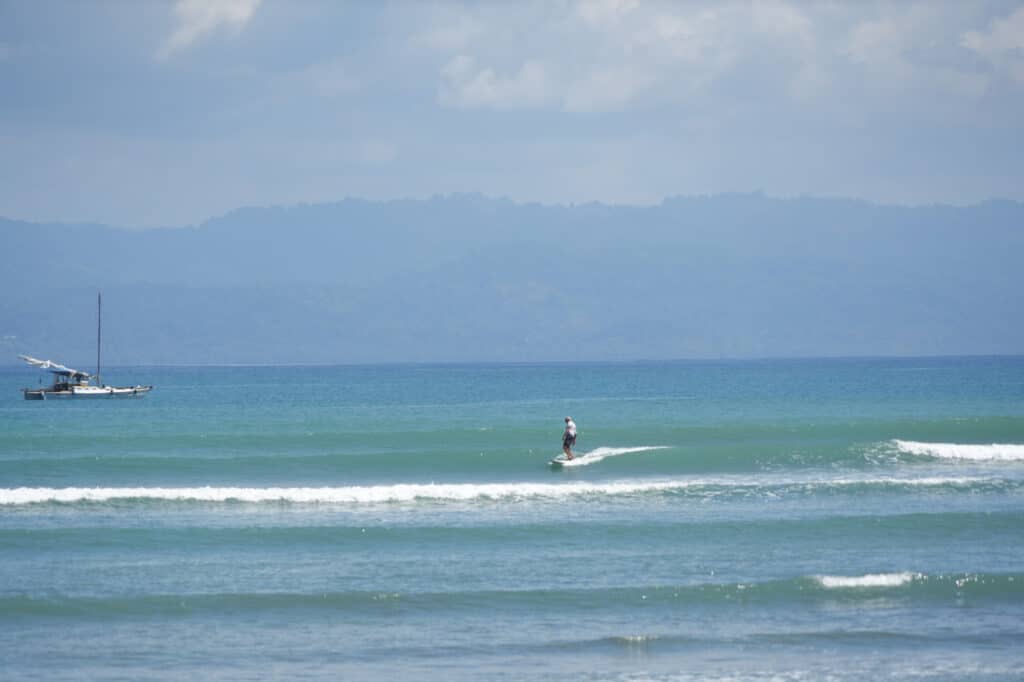
Just across the bay from Pavones is the Osa Peninsula with Corcovado National Park. At the southern tip of the peninsula are a few surf spots for different levels. Matapalo is mostly for experienced surfers. Right next to it is a point break that produces a long righthander that is perfect for longboarding: Pan Dulce. There is one surf school at this beach, Pollo’s, and you better contact him before to ensure that he is on-site for surf hire or to arrange a surf lesson.
There aren’t many options for accommodation in this part and you need a car to get there. This also means that there are a lot less people than in other places. Charlie always found the lineup there very friendly and chatty.
Caribbean side
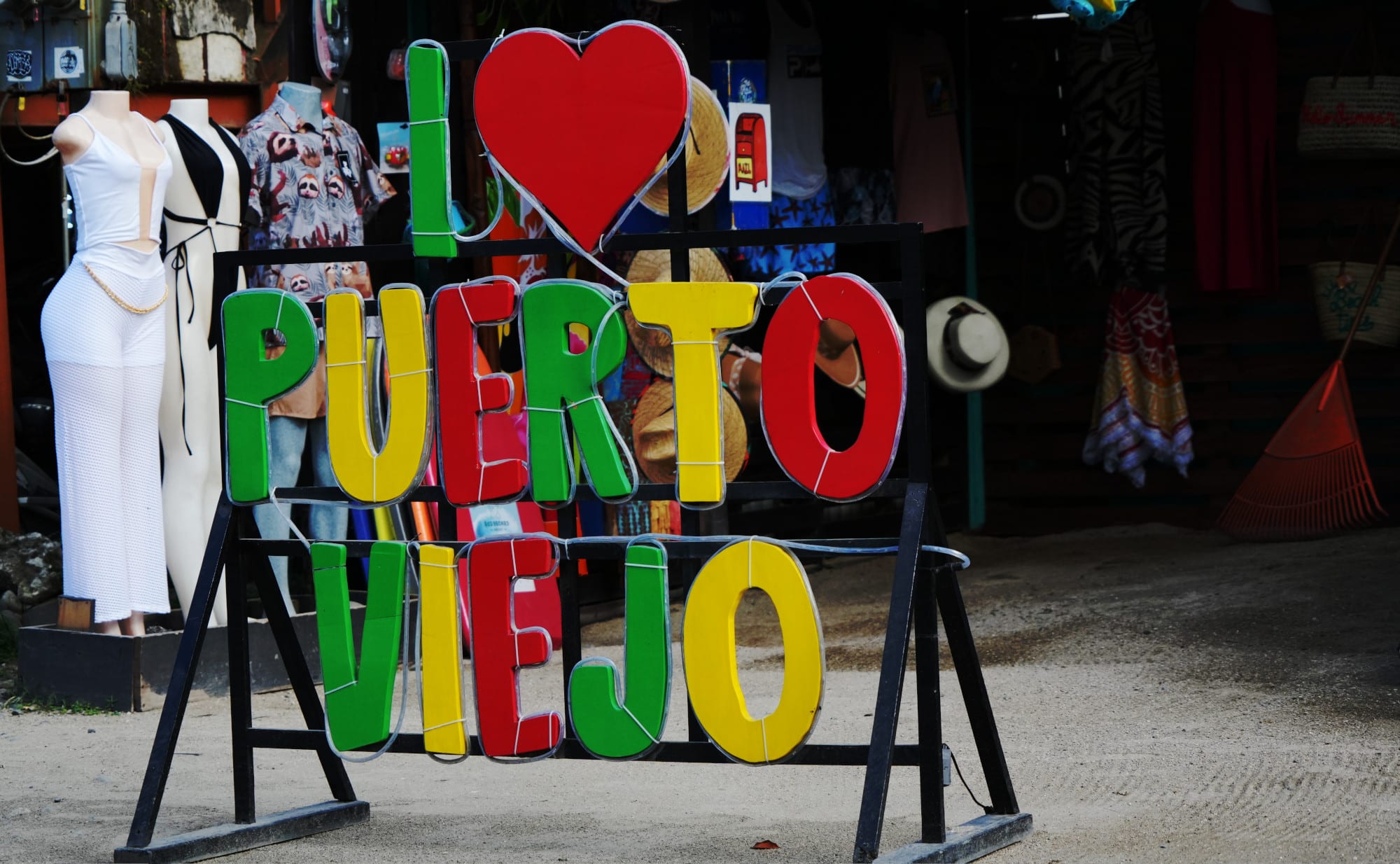
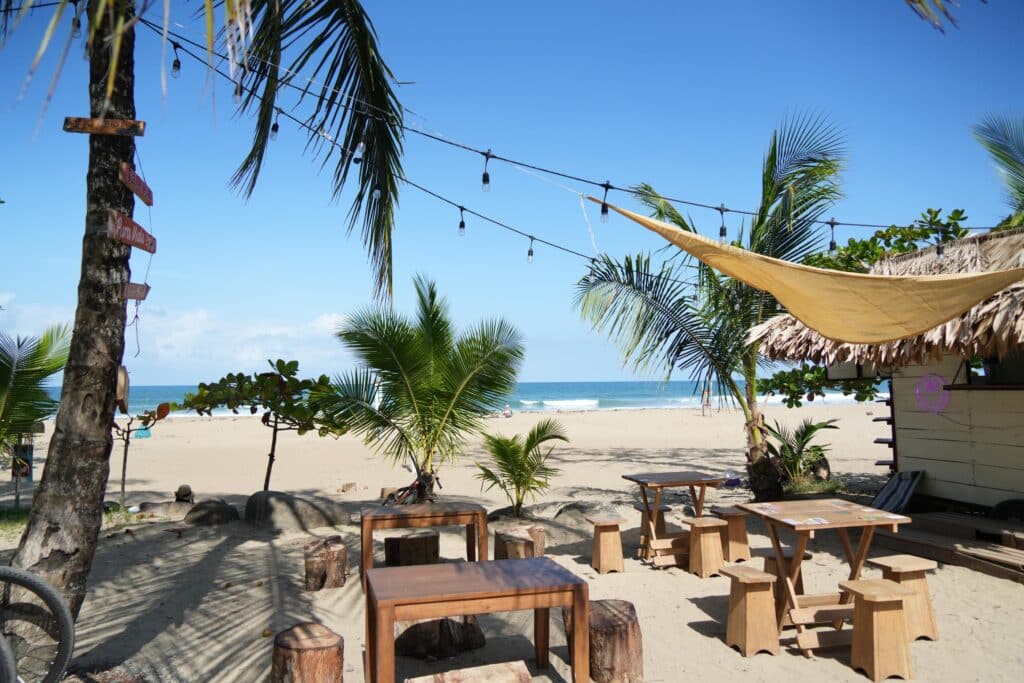
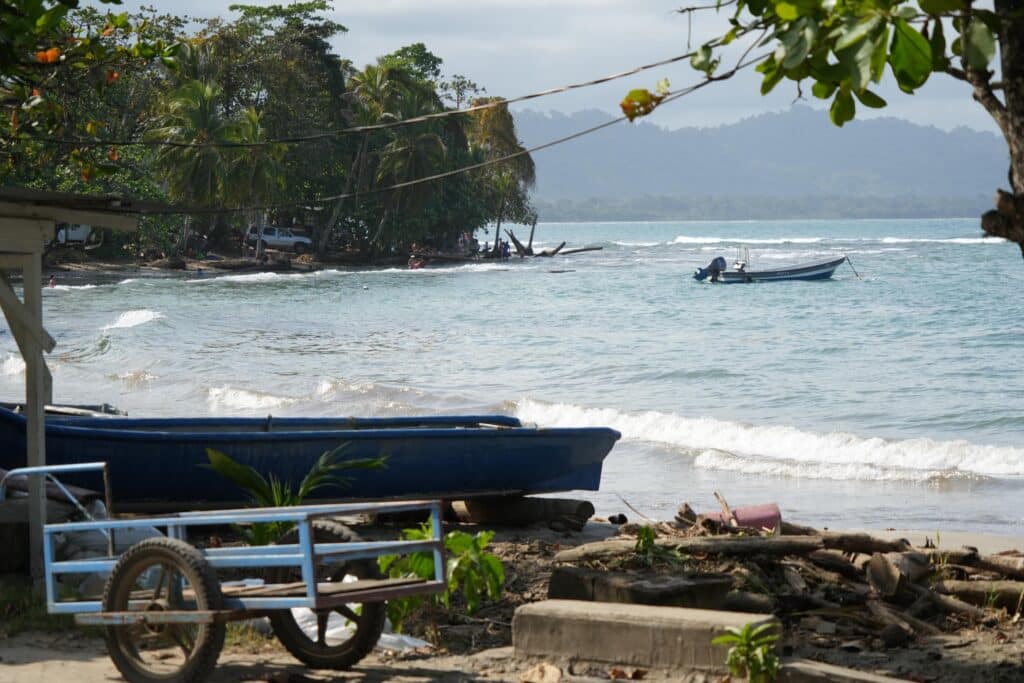
You can surf on the Caribbean side of Costa Rica. There is a beach break in Puerto Viejo, however it is not a beginner’s wave. It builds up steeply and is hard to predict. You can hire a surfboard on the beach.
There is another spot, a point break, at Punta Uva that only works on some days. When it works, it provides a nice longboard wave. There is no surf hire at Punta Uva, so you’d have to hire a board in Puerto Viejo and drive up or take a taxi.
Expressing the Pura Vida
“Pura Vida” is in Costa Rica a lifestyle and a catch phrase. They use for all occasions: for greetings, for farewells, for the lust for life and when they’re not in the mood to talk to the other person. Seriously, you hear it all the time when the locals speak.
Another word you hear regularly is “mae”, which means “mate” or “friend”. Where the Spanish say “de nada”, the ticos say “con gusto” or even “con mucho gusto”. Charlie noticed that the Costa Rican Spanish is a lot clearer and easier to understand than the one in Spain.
Yoga in Costa Rica
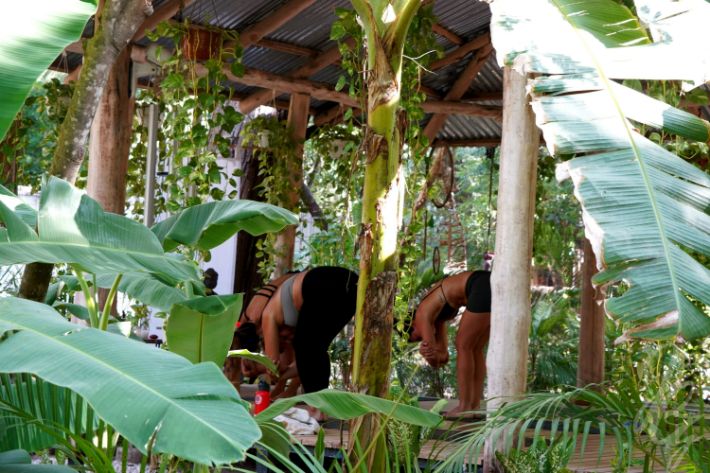
It has become a hotspot for yogis and you won’t need to search for long to find a yoga retreat in Costa Rica. All the places Charlie has been to offered more Yoga classes than Charlie could have taken in a lifetime. A lot of hotels and hostels also have their own Yoga shalas, often surrounded by jungle.
The highest quality of Yoga classes was in Uvita, Dominical and Samara. The biggest offer of Yoga classes was in Santa Teresa, however, you need to choose carefully as not all Yoga teachers there seem to have gone through a Yoga Teacher Training like the one Charlie did. If you are in Santa Teresa, look out for classes by Mey Criscione. She offers high-quality teaching in English and Spanish, and has a group of regulars that attend her classes. All the other classes in Santa Teresa were mostly attended by tourists of varying levels. If you’re staying longer, you might want some familiarity with the yogis around you.
In Dominical, Charlie highly recommends Rockstar Yoga for the quality of their classes and the shala being like a tree house.
In Uvita, you should check out Awake (also their events) and in Samara the classes at Tico Adventure Lodge.

The Costa Rican cuisine
There is one really famous dish that you get everywhere in Costa Rica: casado. This dish consists of rice and beans, a protein (e.g. meat, fish or egg) and different vegetables, depending on what the chef decides to put on the plate.
The locals eat a similar dish for breakfast too: Gallo Pinto. The difference is that the rice, beans and vegetables are mixed whereas in the casado, they’re next to each other on the plate. The reason for the wide use of rice and beans is that Costa Rican families are usually big with up to 15 kids. Rice and beans are affordable and nutritious. Charlie must say though that after a few weeks in the country, she did not want any more rice nor beans.
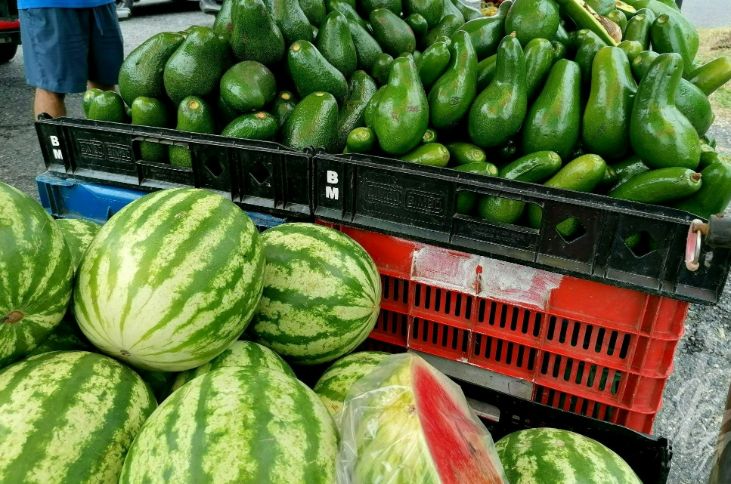
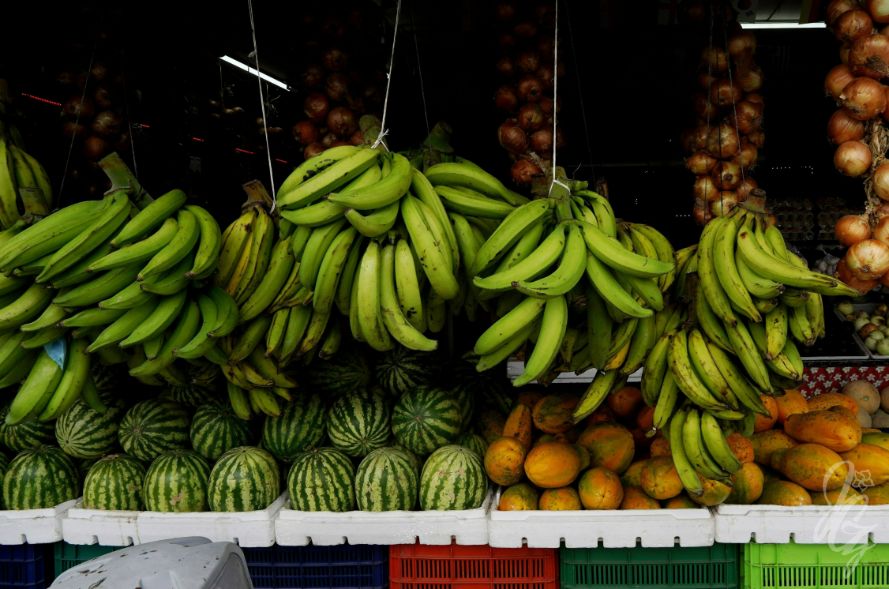
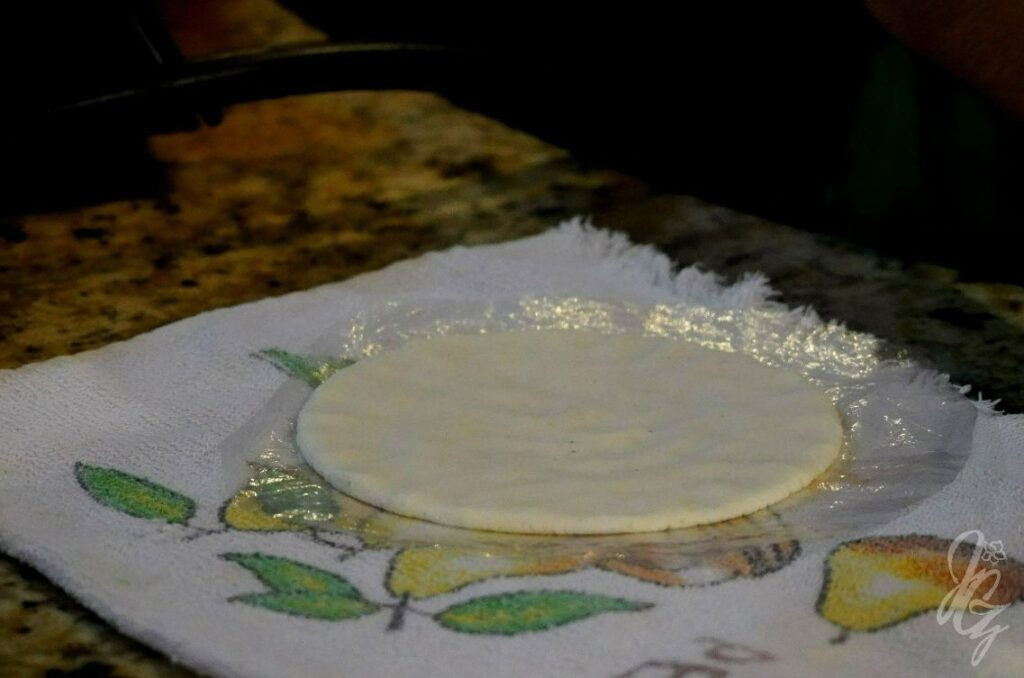
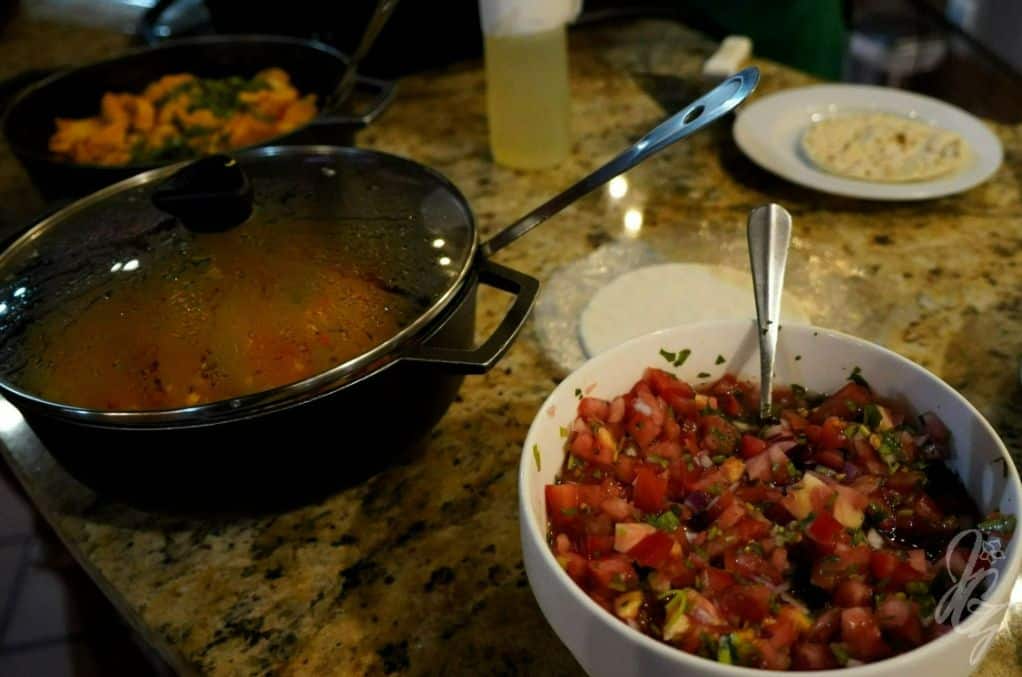
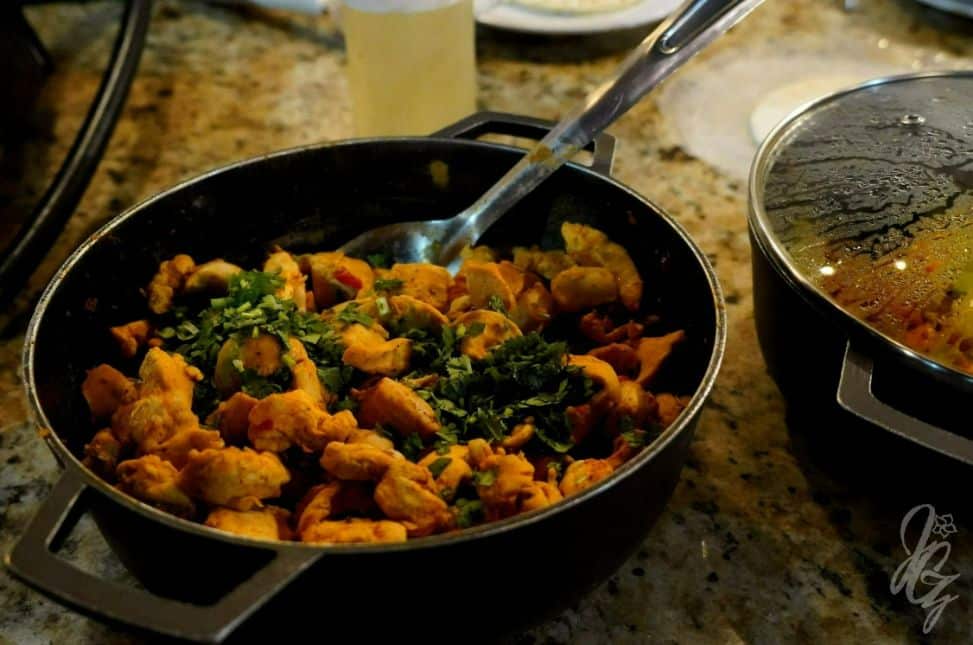
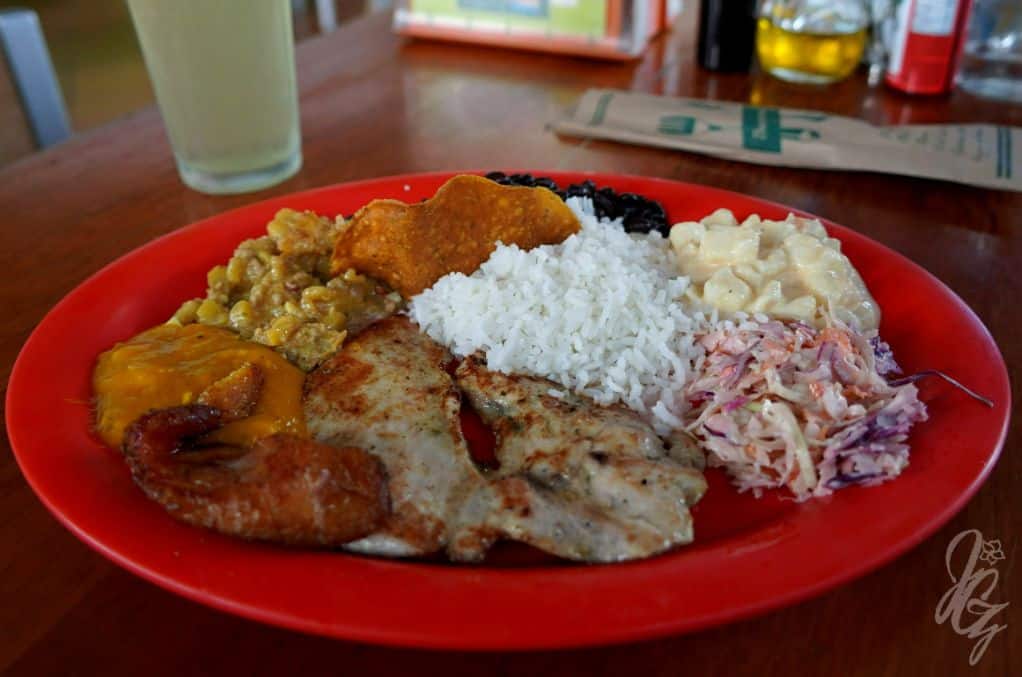
There is a wide, and great, selection of fruits available in Costa Rica and what you probably see the most are bananas and plantains. They are used in different dishes in a wide range of forms. In patacones for example, the plantains are pressed into a pancake and deep fried.
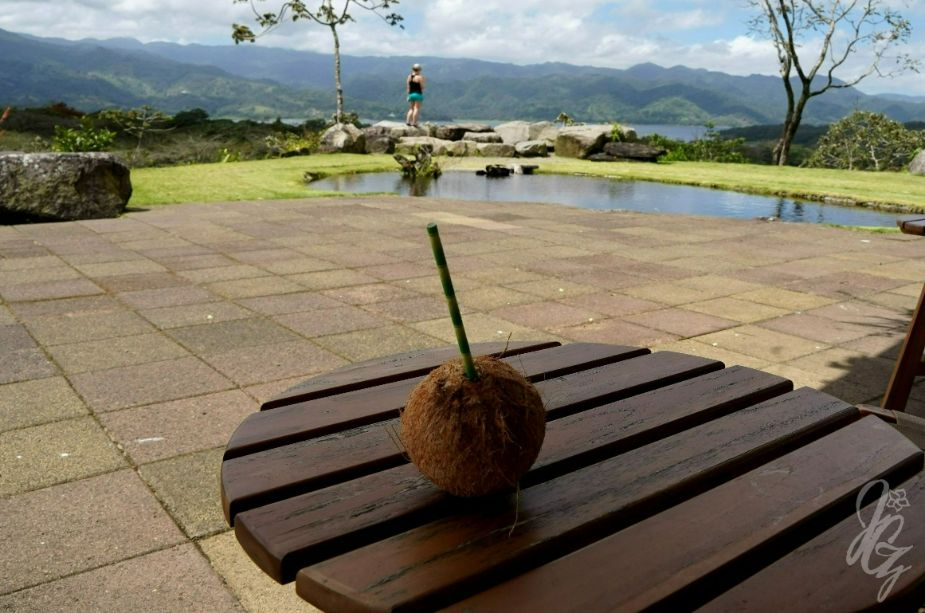
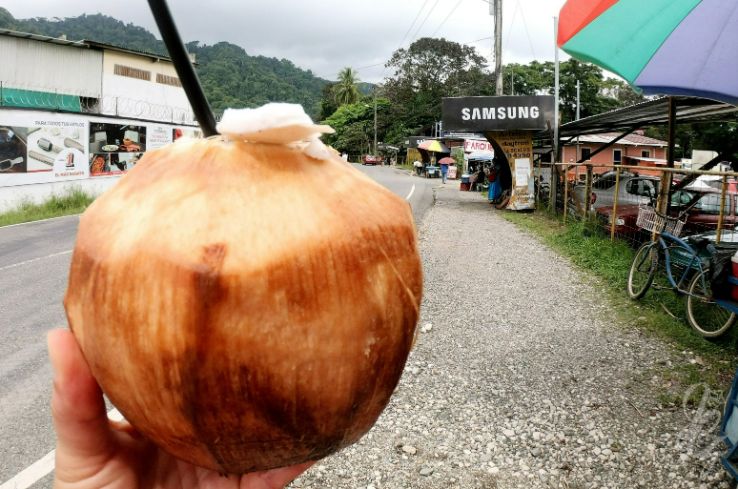
A very usual thing to buy in the street is the so called “Pipa fria”, a fresh coconut with a hole drilled in that holds a straw and invites to drink the fresh coconut water.
The typical Costa Rican restaurants are called “Soda” or “Choza”. They often don’t look like much from the outside, but they usually serve the best food and are the most authentic. If you want the real taste of Costa Rica, that’s where you should eat.
Sloths and coffee
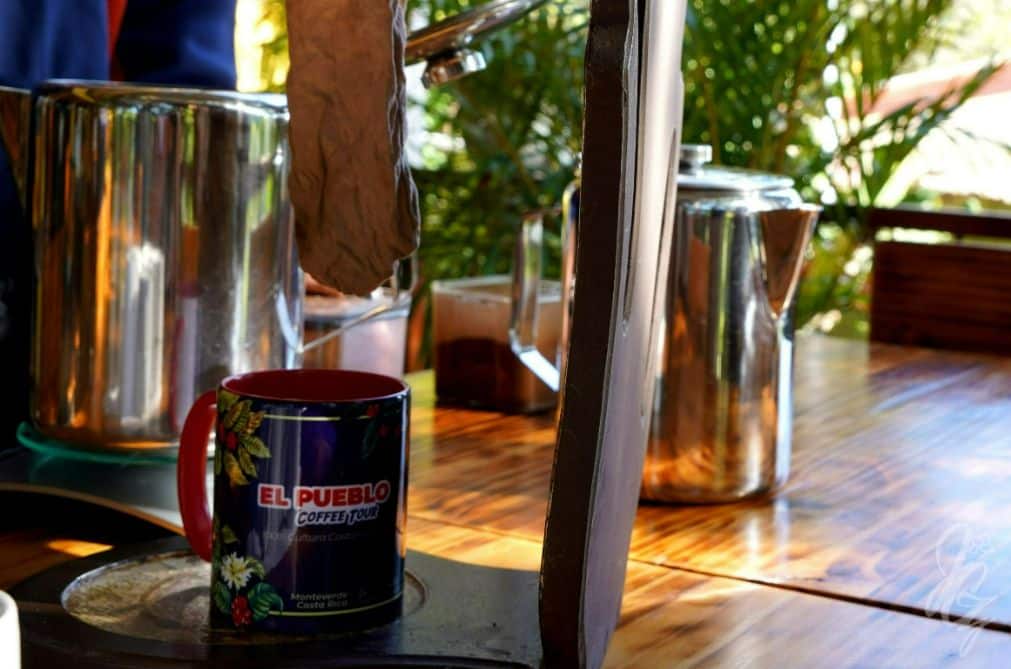
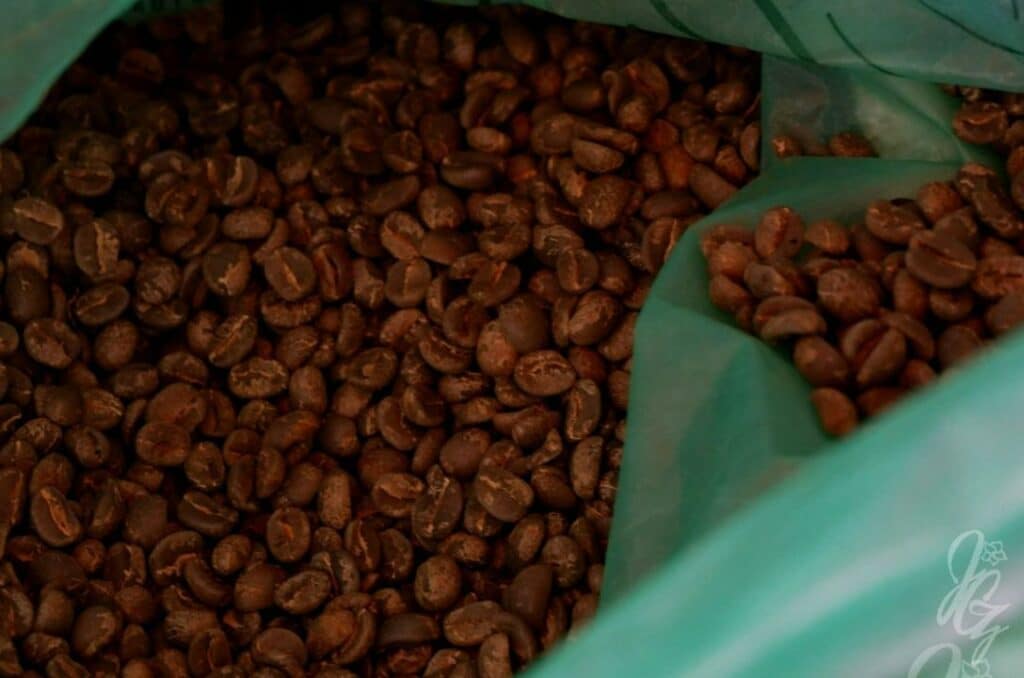
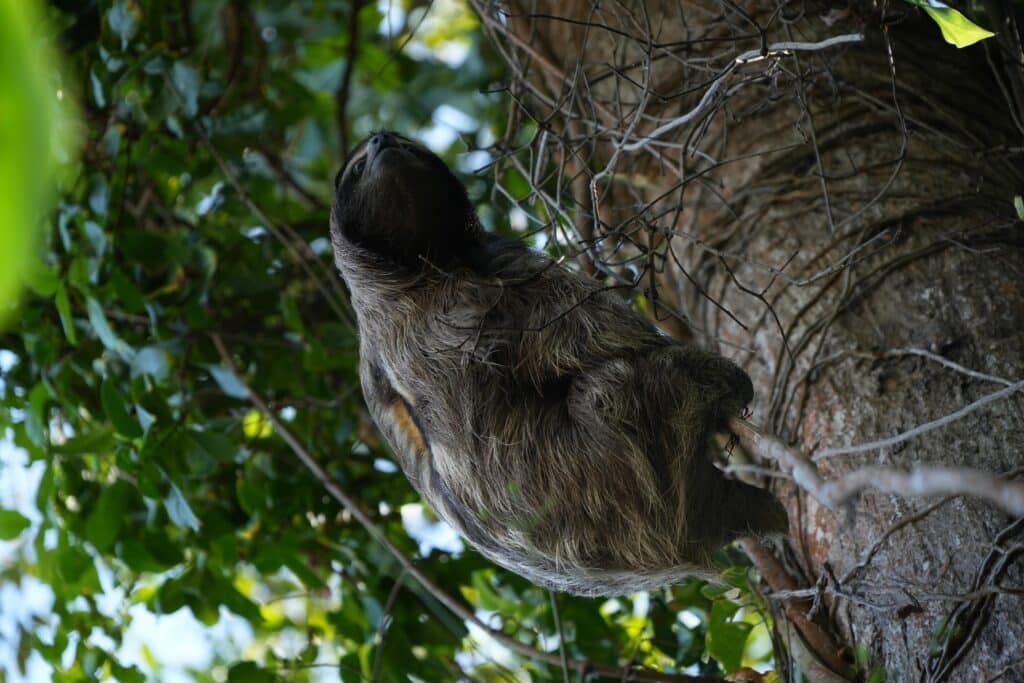
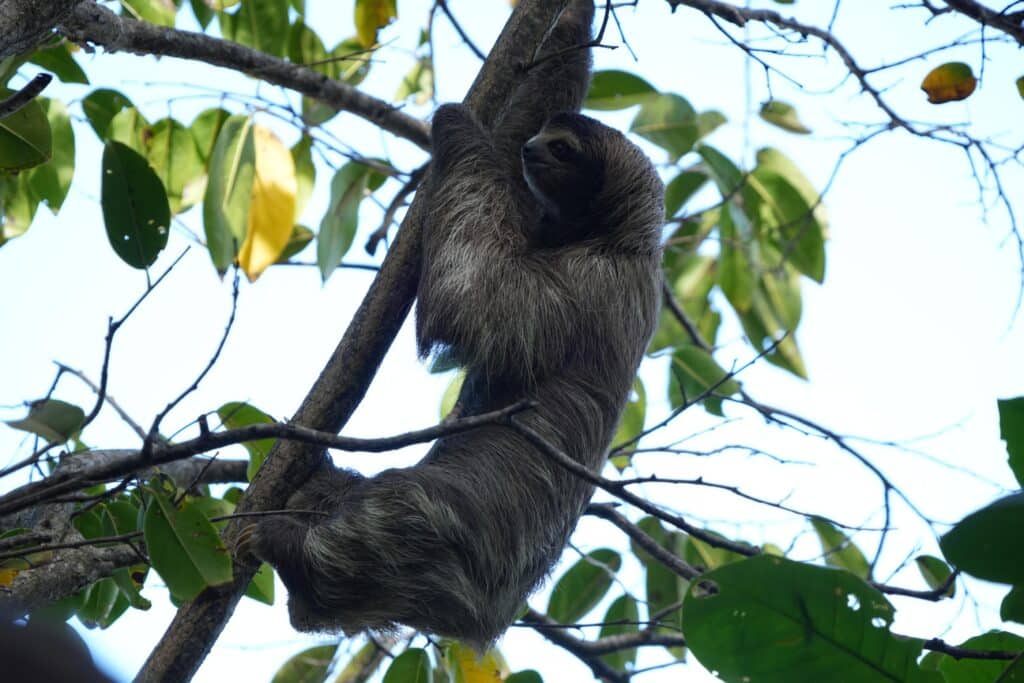
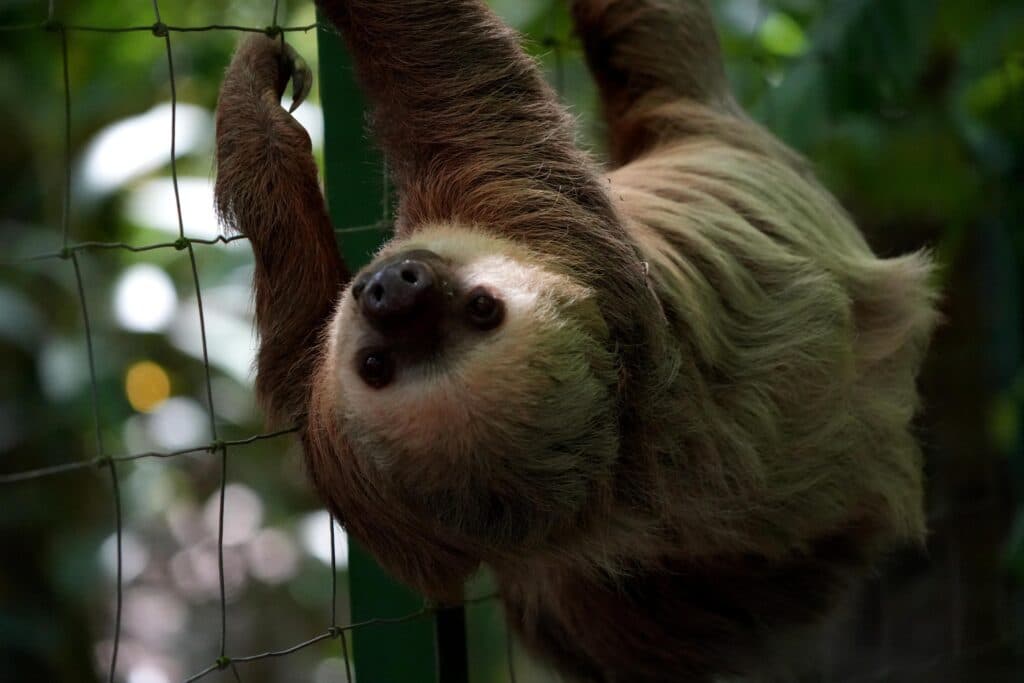
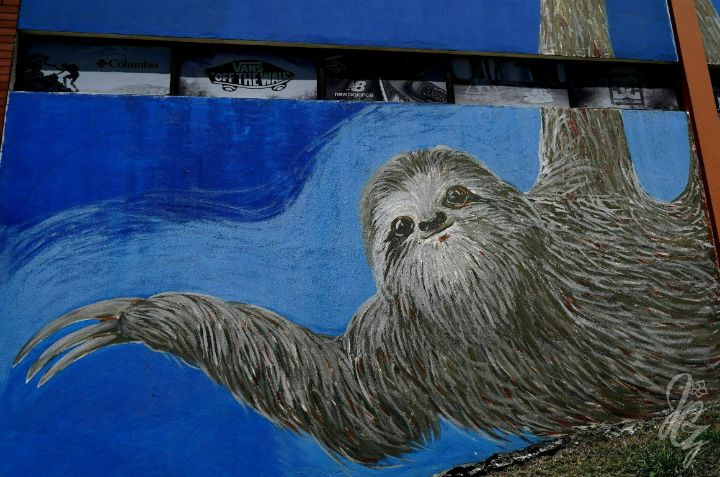
There are a few things Costa Rica is famous for: Every visitor hopes to see the famous sloths and coffee is not only an agricultural product, but one of the national symbols, and the ticos are proud of their coffee. Charlie learned about that during the coffee tour in Monteverde.
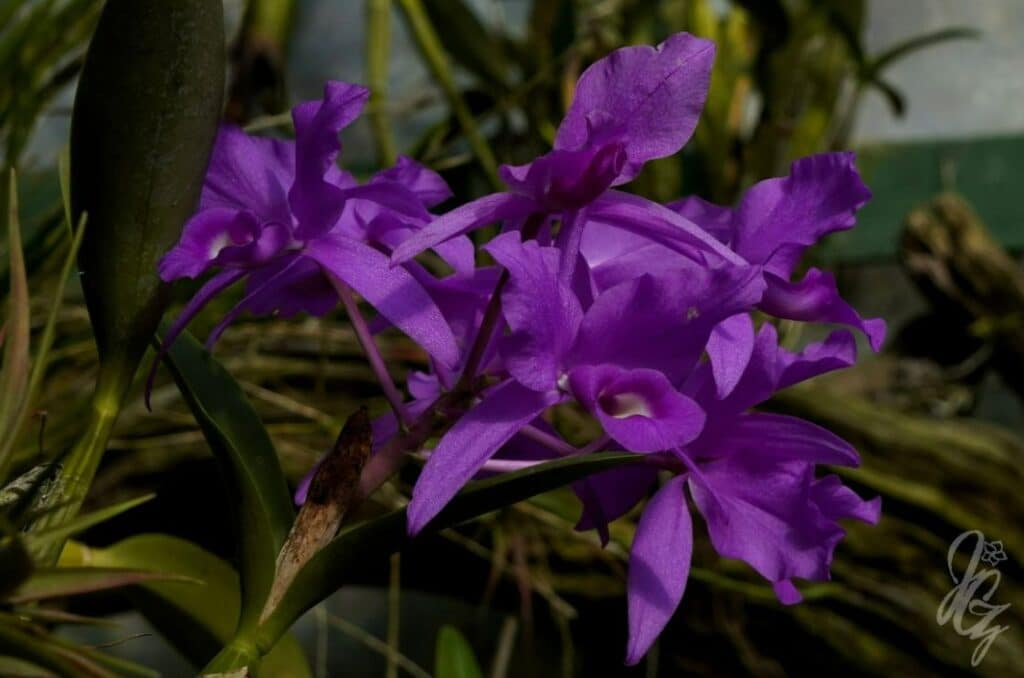
Other symbols of the nation are the Guanacaste tree and the orchid Guaria Morada amongst many others.
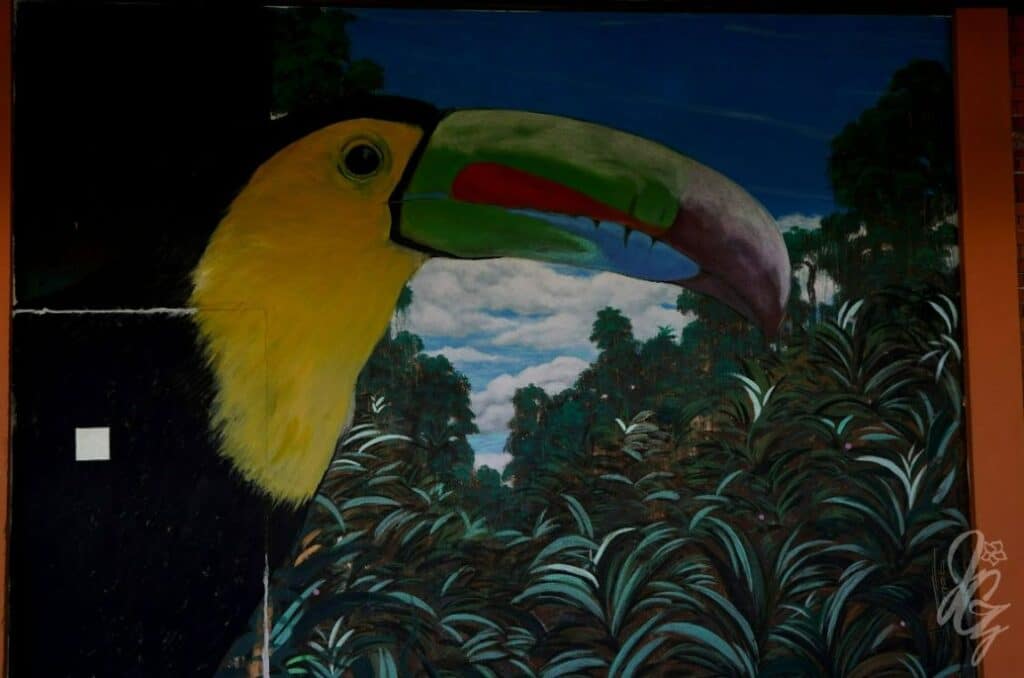
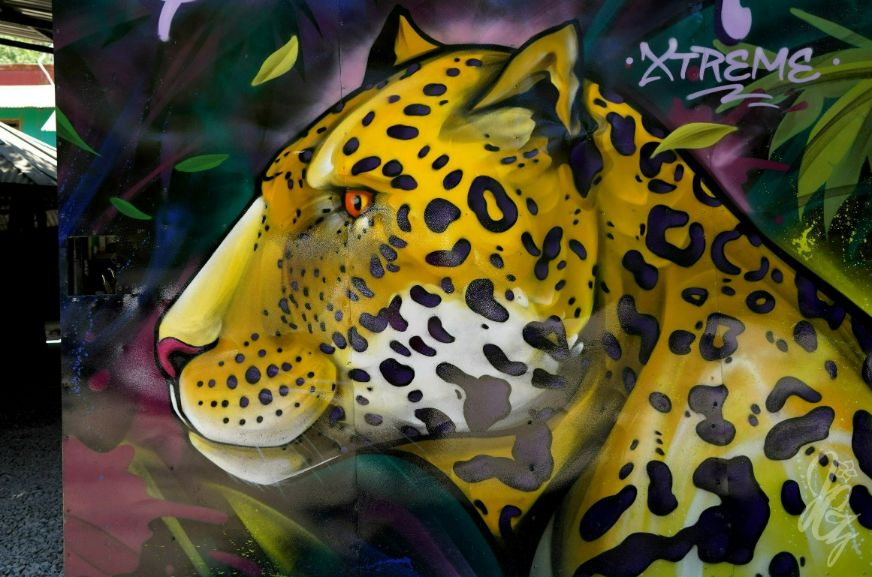
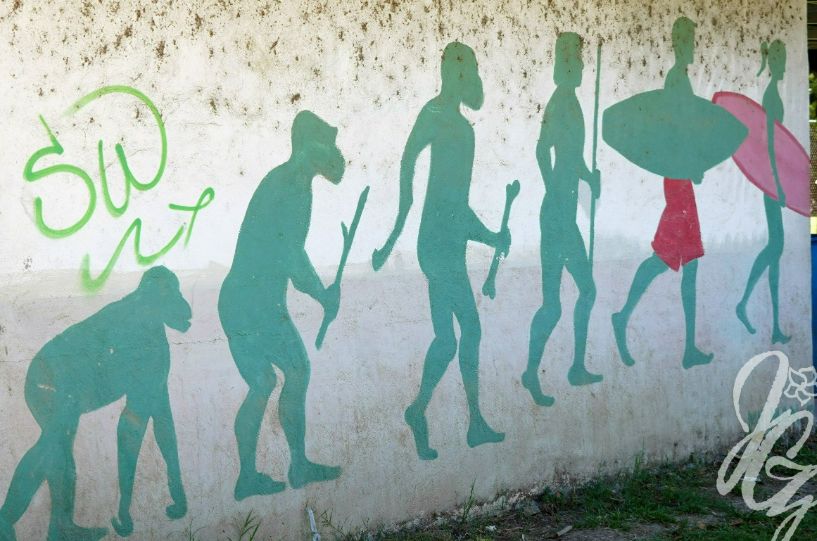
You will also see plenty of murals everywhere in Costa Rica. They are painted on private and commercial buildings and generally in great shape. Charlie hasn’t seen a single mural that did not look like it was freshly painted.


Two seasons in the year
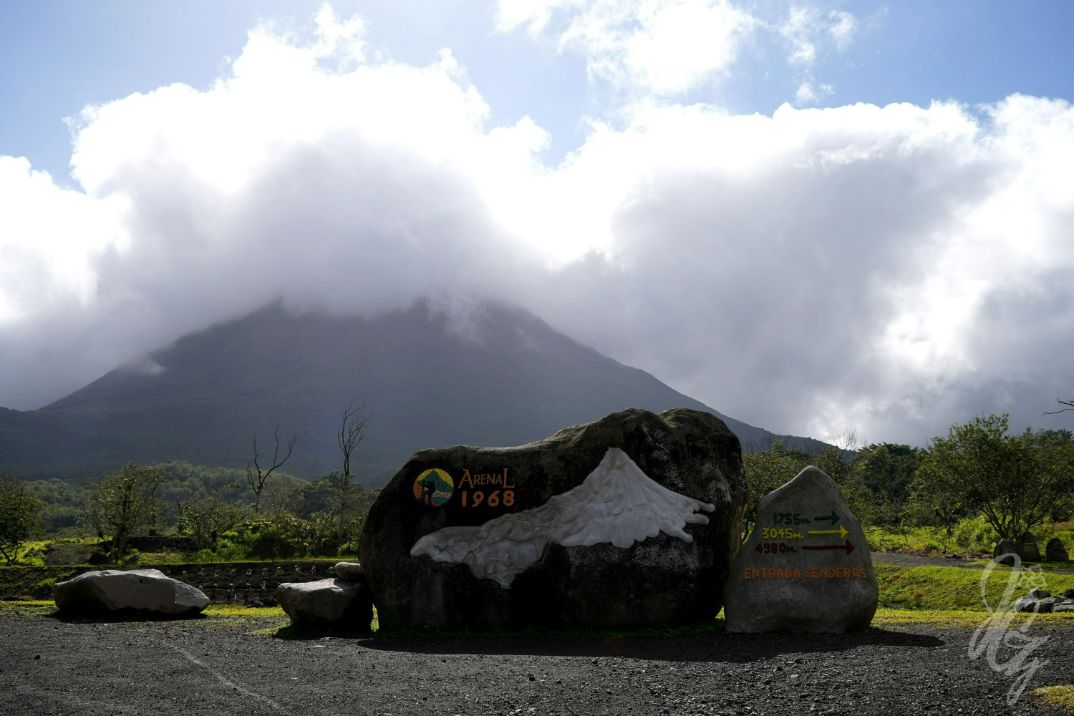
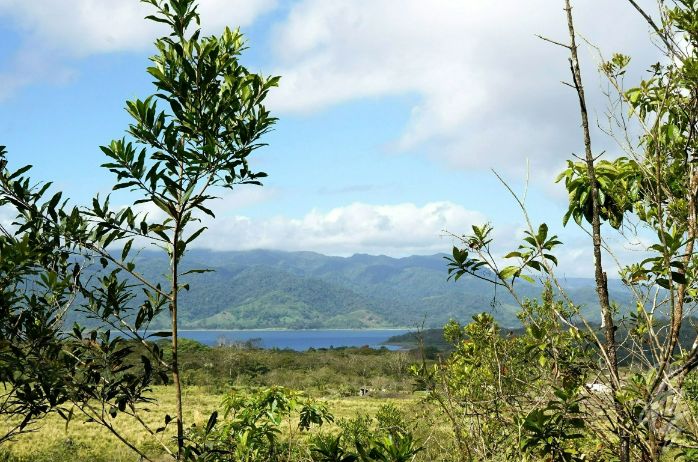
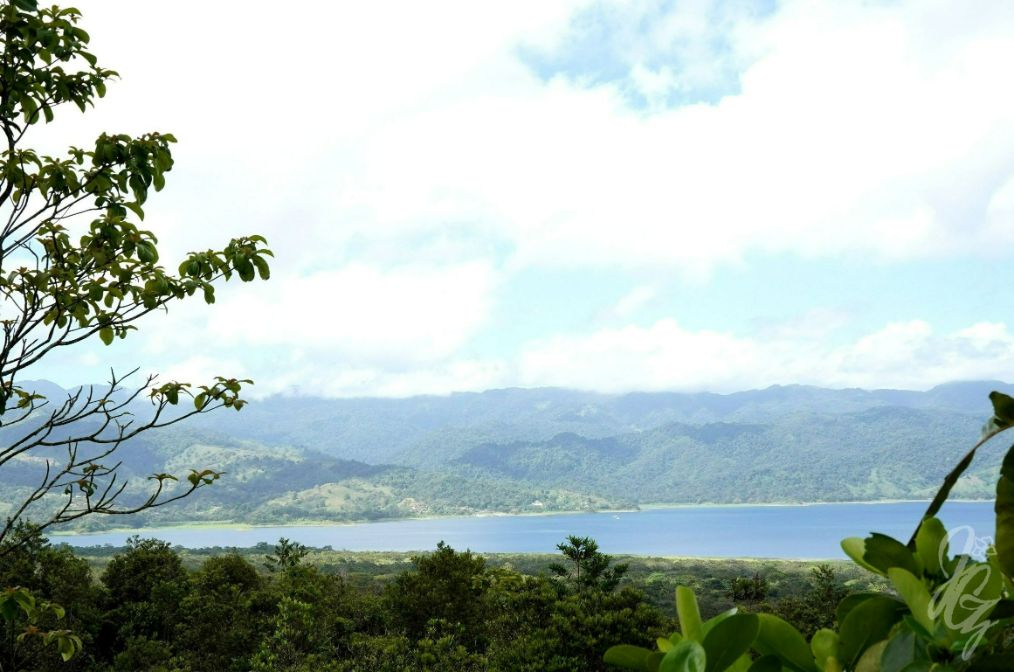
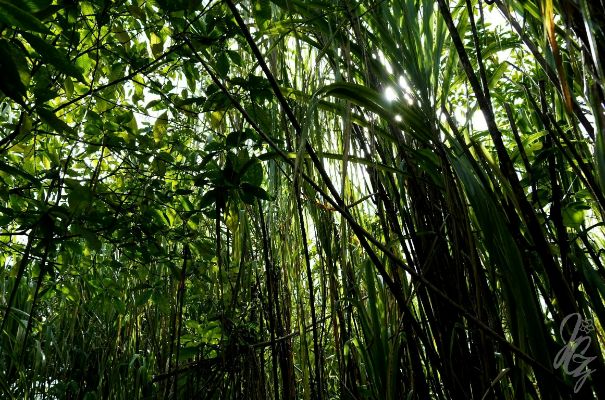
Everywhere in the tropical rainforest exist only two seasons: the dry and the rainy season. The latter starts by mid-April and lasts until November. The two seasons and the constant high temperatures and humidity are needed for the rainforests to grow. When Charlie was in La Fortuna, she learned that all the vegetation around El Arenal Volcano, grew in 60 years more than what it could have grown in 200 years in the Northern hemisphere.
The currency
The official currency of Costa Rica is the Colón, however US-dollars are generally accepted and, in most cases, even preferred as the less volatile currency. You can also pay by card, but it depends on where you go exactly.
Phones and mobile data
Whether you can use your normal sim card and for which price, depends on where you are coming from and who your mobile provider is. Chances are high though that you won’t get any connection or have to pay a fortune. If you are like Charlie travelling around, it can be important though to have access to Google Maps and bus tickets in apps. There are two providers in Costa Rica: Liberty and Claro. Charlie was recommended a sim card by Liberty and she found one easily in a supermarket. Once you have the card, you need to call the customer support number printed on the card to activate it. If you don’t speak Spanish, you might want to ask your host or receptionist for help for this call. Once the card is activated, you can easily top it up online or in a local shop and you’re back online within seconds.
Caribbean vs. Pacific side of Costa Rica
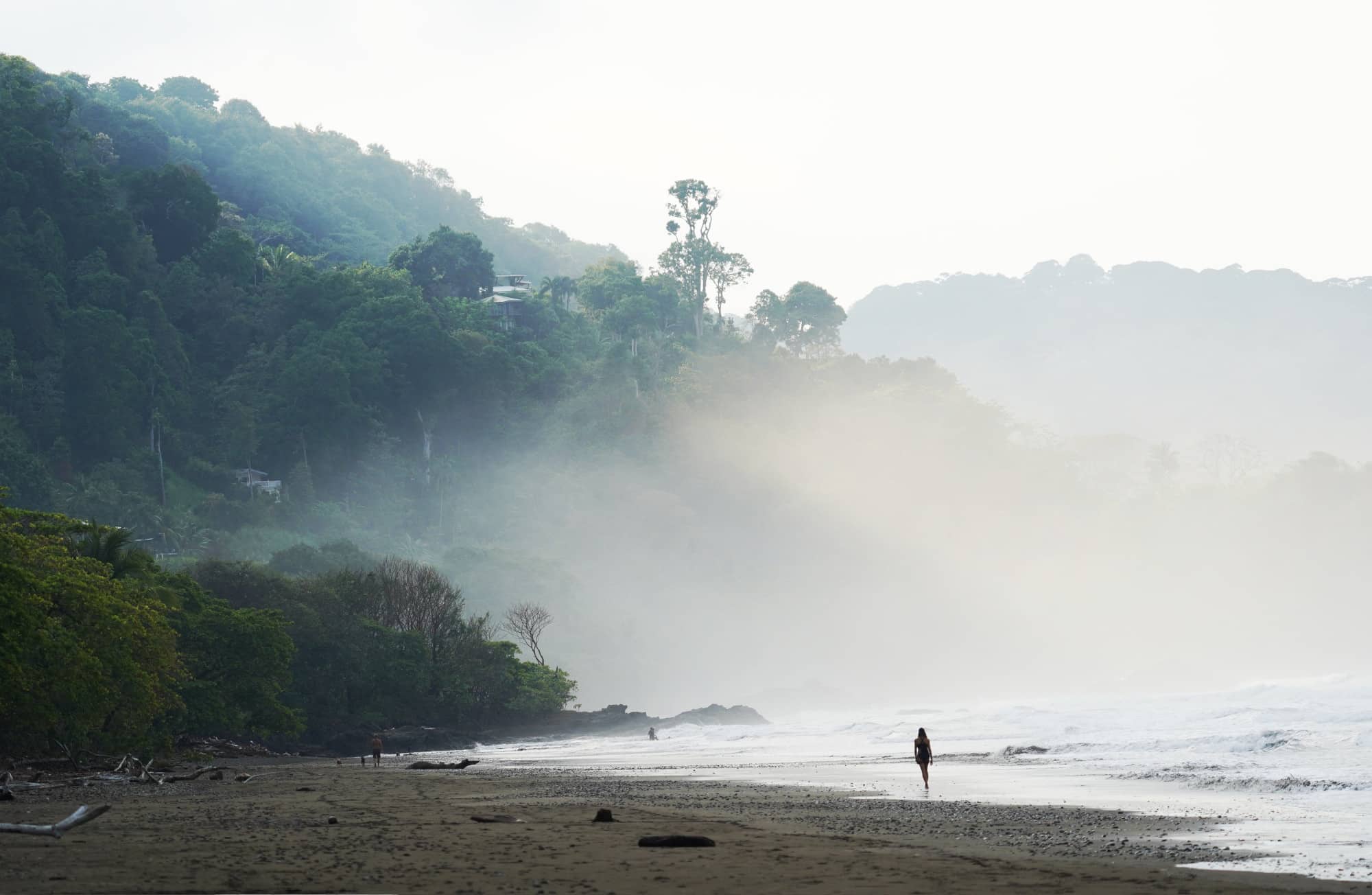
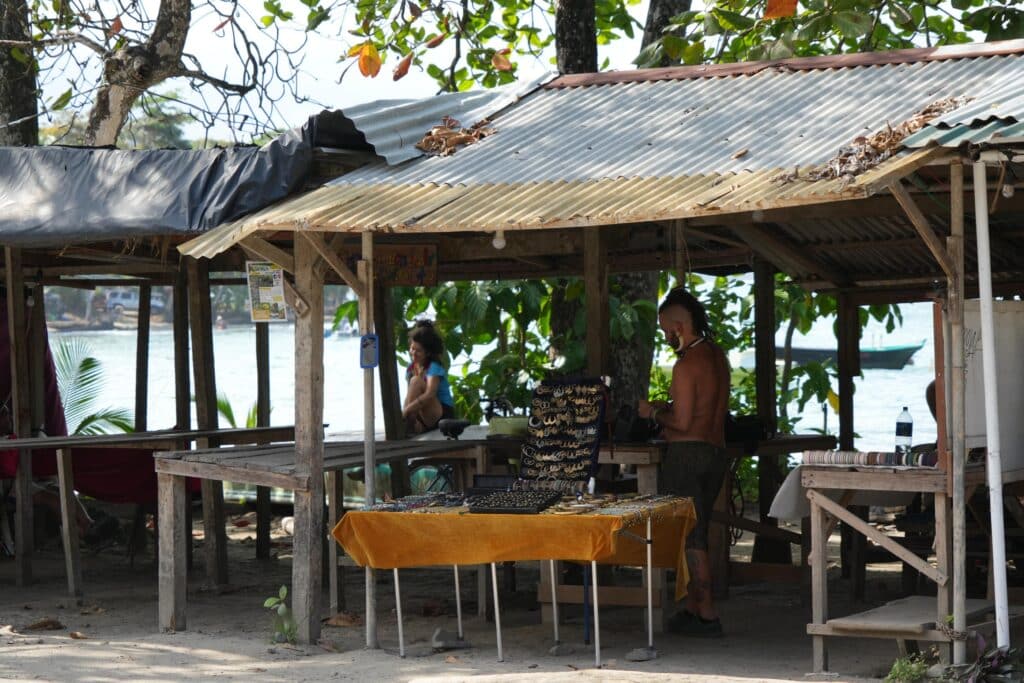
When it comes to nature and landscapes, the two coastlines aren’t that different. When it comes to culture though, they are. The Caribbean side reminds a lot of Jamaica and you can even see the colours of that flag. You’ll see street food vendors alongside the roads and you can get your hair braided easily. You will also hear Reggae tunes and Calypso music.
The Caribbean side overall seems to be more developed for tourism. The locals automatically speak English to you whereas on the Pacific side, they let you at least try in Spanish first.
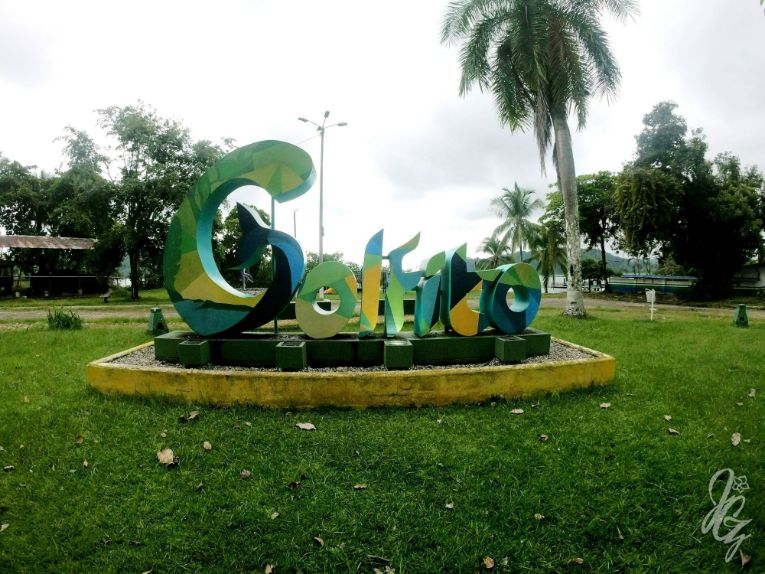
If you want to enjoy the fauna of Costa Rica and capture photos of sloths and monkeys, the Caribbean side is better. The animals on that side are more familiarized with humans and it is more likely that you’ll see them within picture distance. Keep in mind though that it is legally forbidden to take pictures of wild animals with humans. If you are looking for a place that is accessible for tourists, has infrastructure but is still authentic when it comes to nature, Golfito on the Pacific Coast is the place to go. You will see plenty of animals there too, just not as easily as on the Caribbean side.
If you’re after surfing, the Pacific side is more consistent, has more options to hire equipment and the waves are overall better. You will find surf though on the Caribbean side too.
Digital nomads in Costa Rica
Backpackers are a very common occurrence in Costa Rica and also digital nomads become more and more visible everywhere. Costa Rica is the safest country in Central America, and it invites remote workers. Apart from the area near Pavones in the South, Charlie found easily coffee shops or coworking spaces with a strong internet connection wherever she went. They’re also throwing the Wi-Fi-password at you. You usually don’t even have to ask.
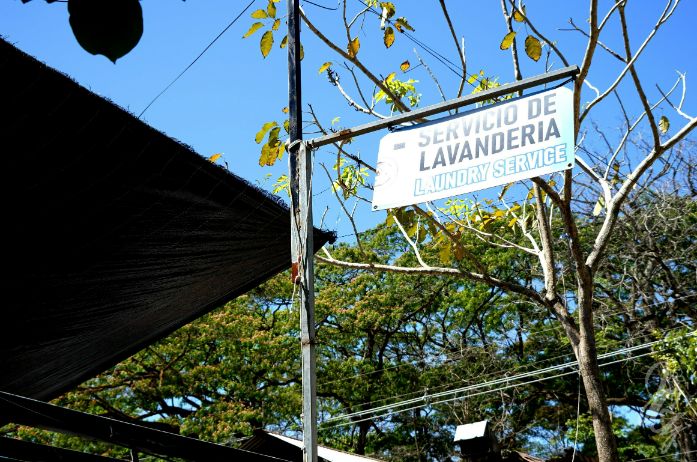
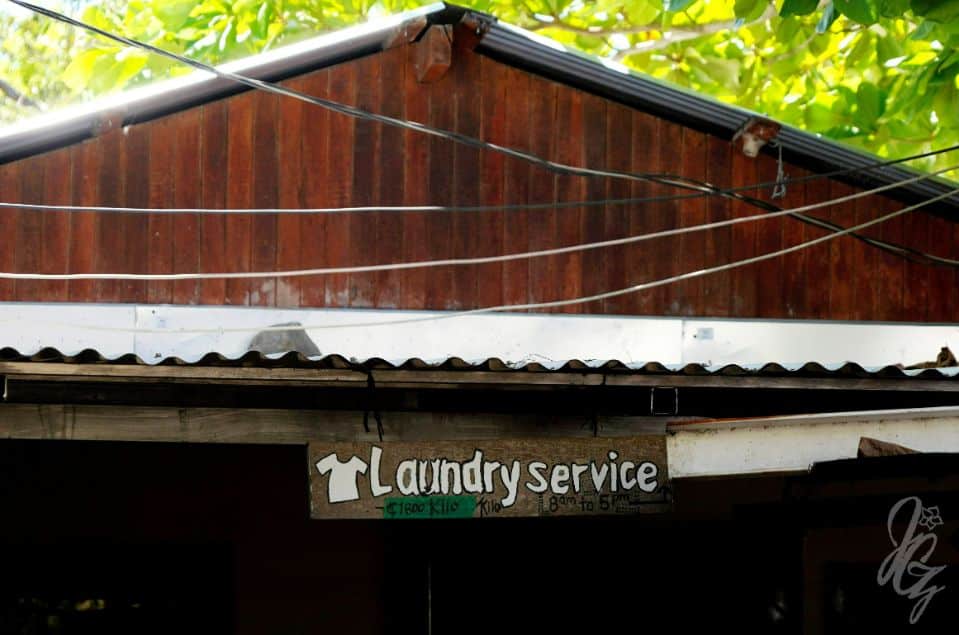
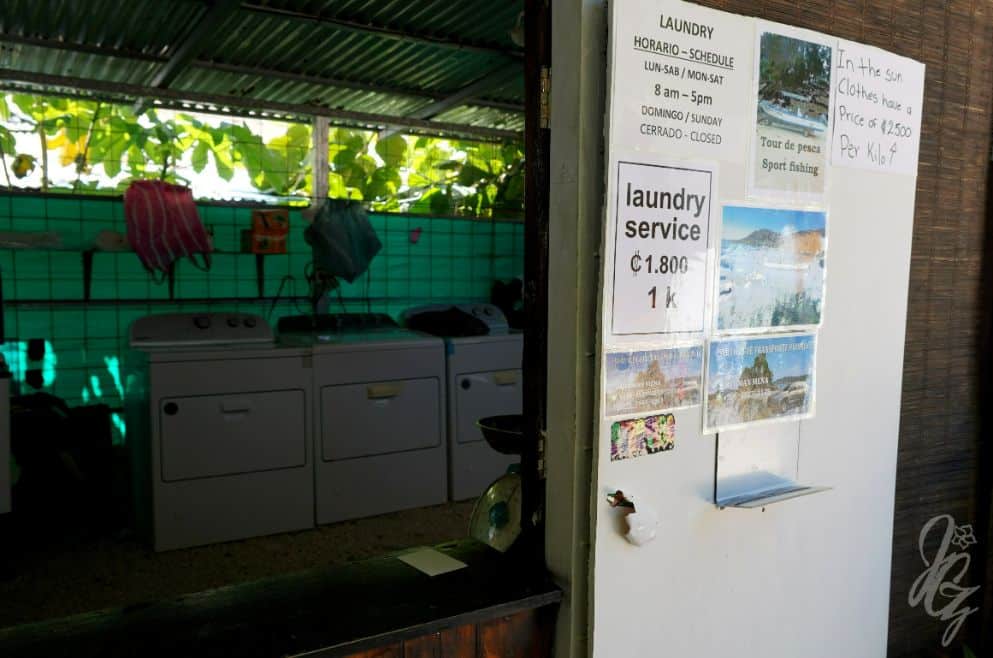
There are also laundries in every town. You simply drop your dirty laundry off, they weigh it, you pay, and you pick it up washed, dried and folded later. Charlie had never any trouble finding a laundry and getting her clothes back the same day.