Brooklyn’s Urban Art Scene
Graffiti, Murals and Street Art in Bushwick
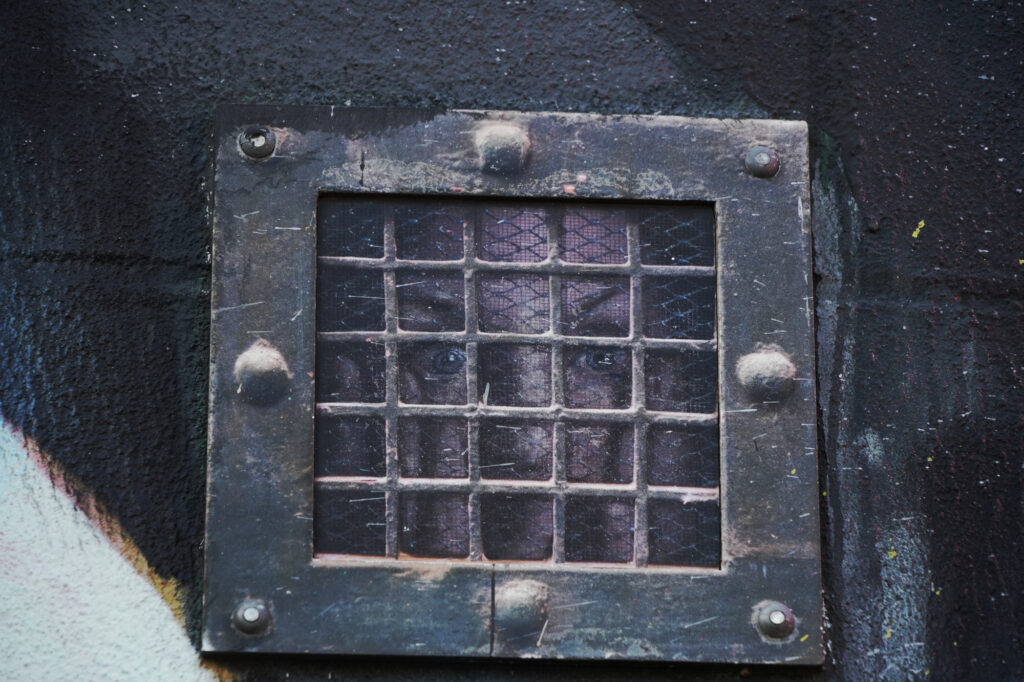
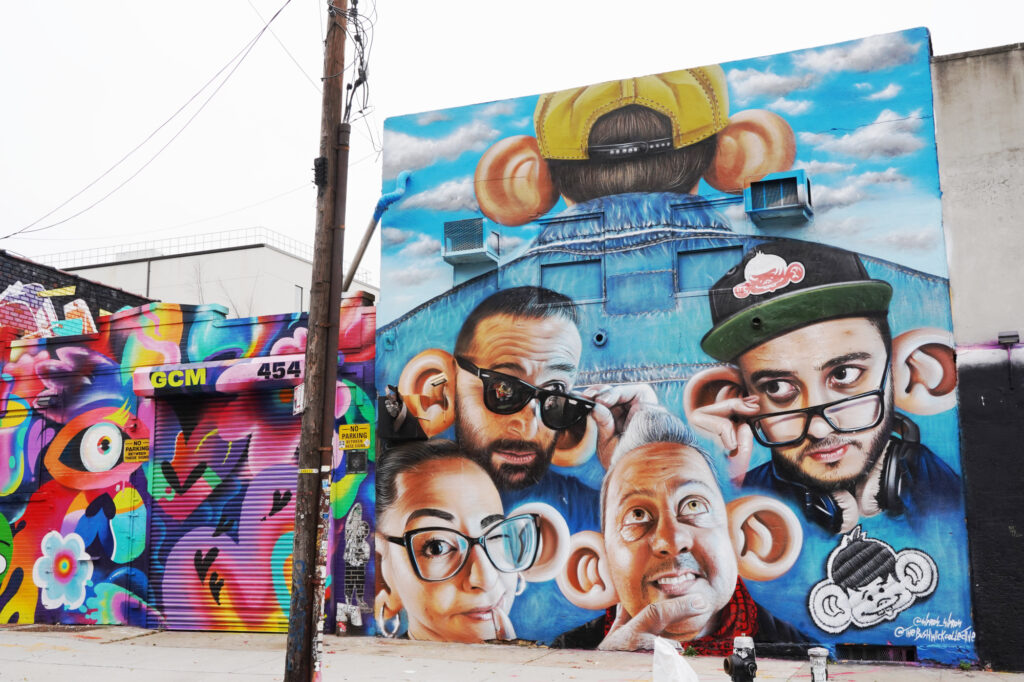
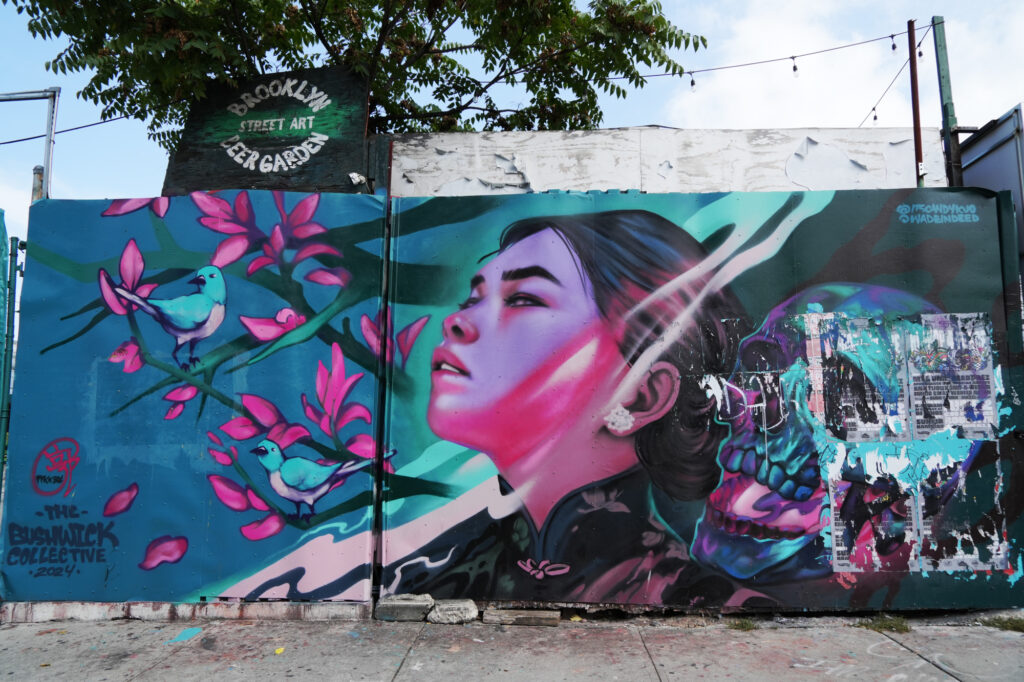
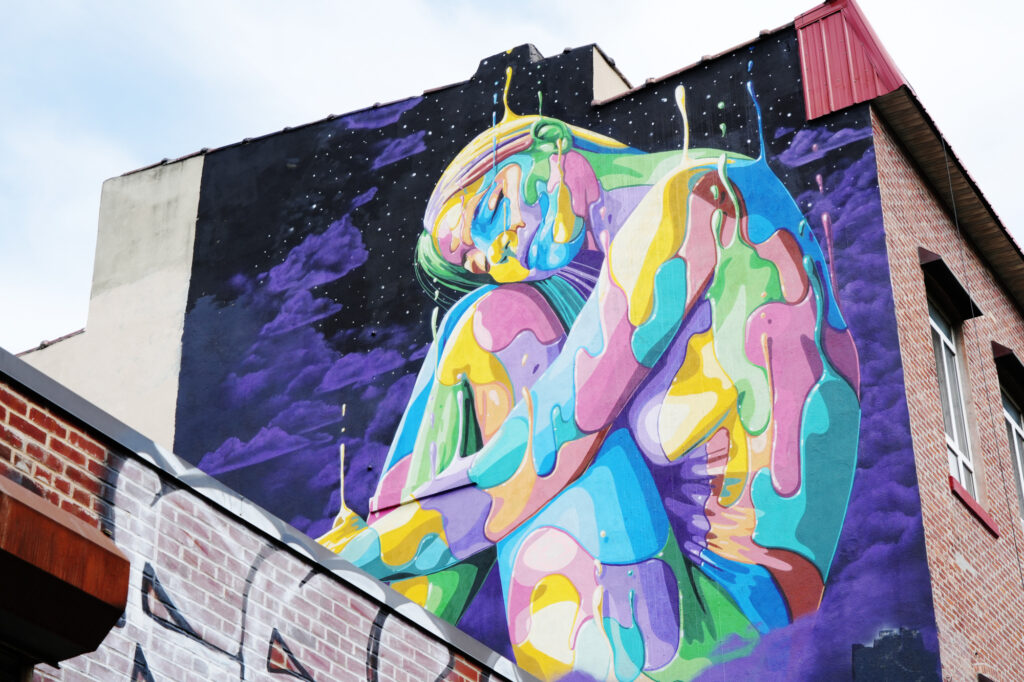
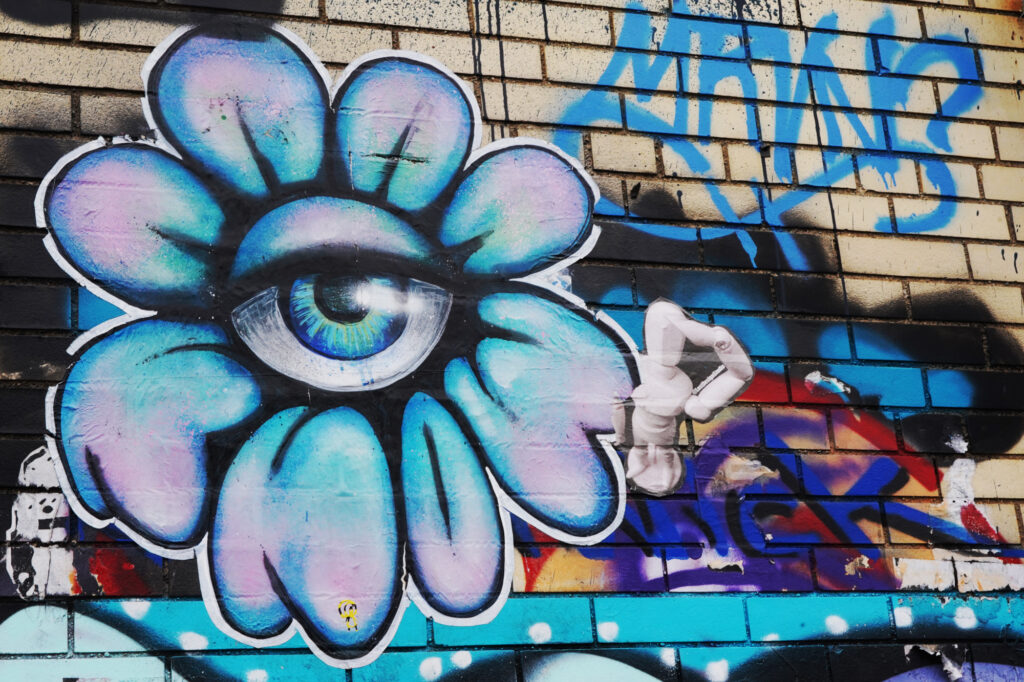
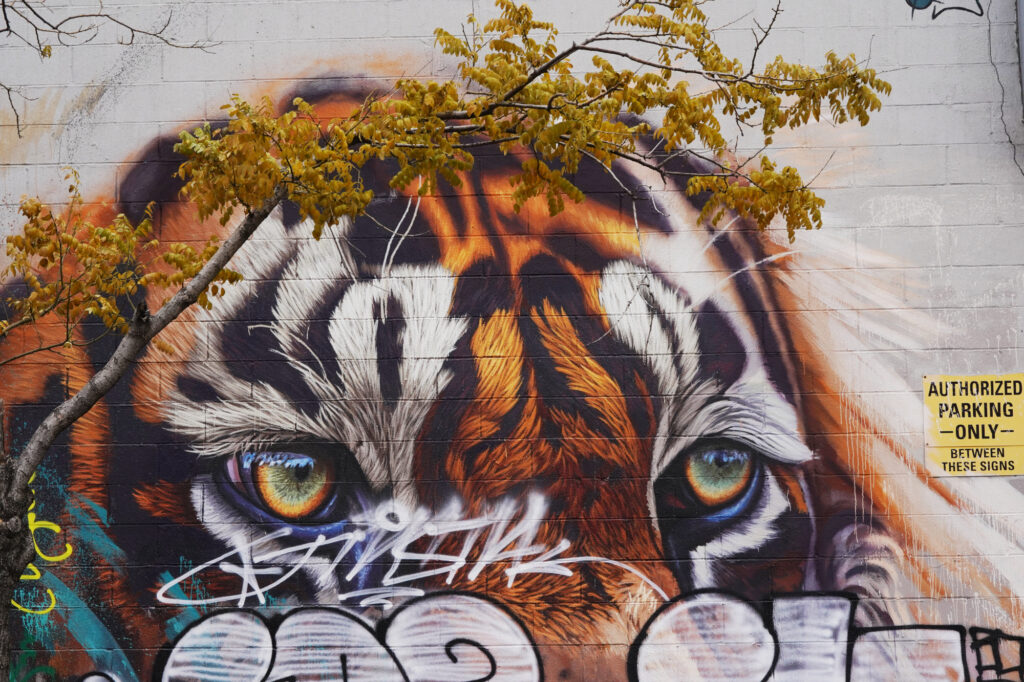
Street art and graffiti are these days something you almost expect in any urban landscape. New York is no exception. However, threatened by extinction through gentrification, you need to know where to go. The place in the city where you can see the majority of art works in a small area is Bushwick in Brooklyn. It is what makes this part of the city unique and gives it character. Charlie did a guided walk with Brooklyn Unplugged as she also wanted to hear a bit more about the stories behind certain pieces of street art and graffiti.
Graffiti vs. Street Art
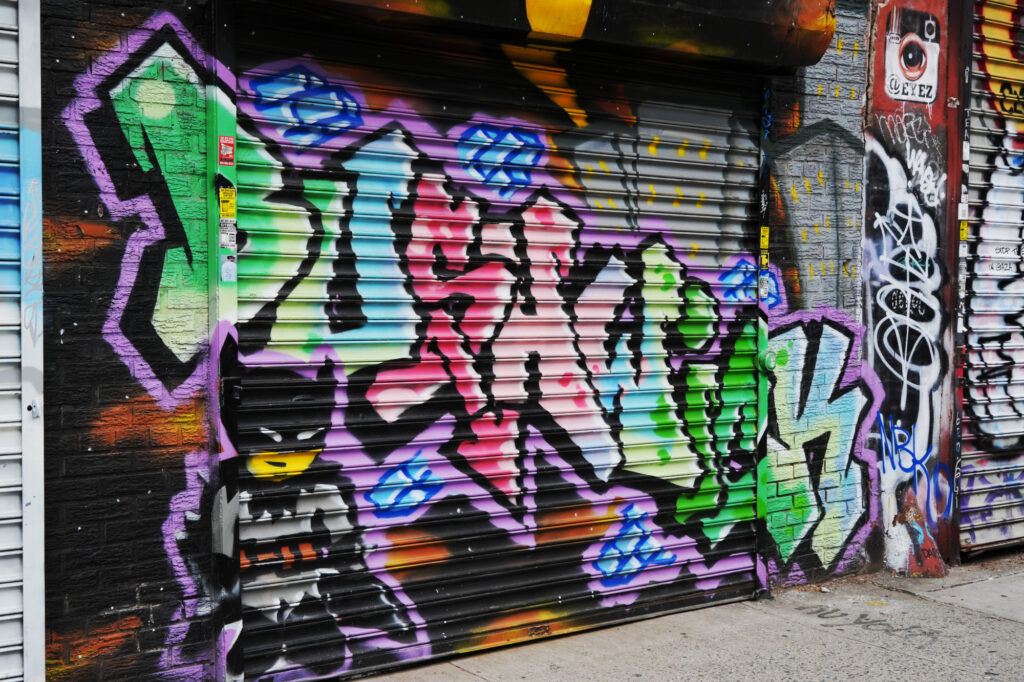
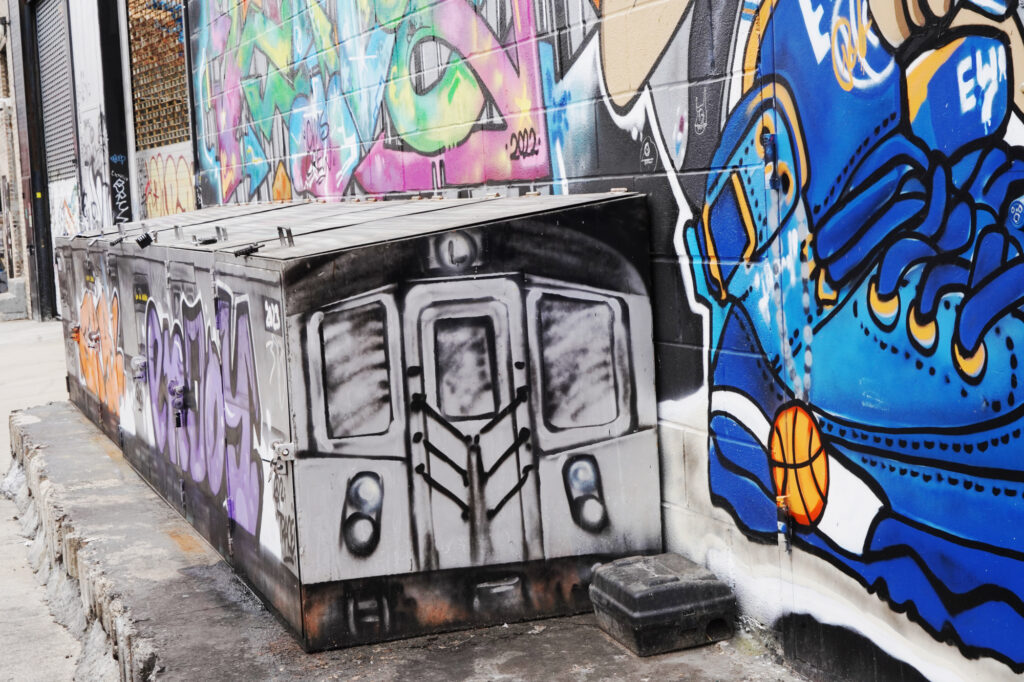
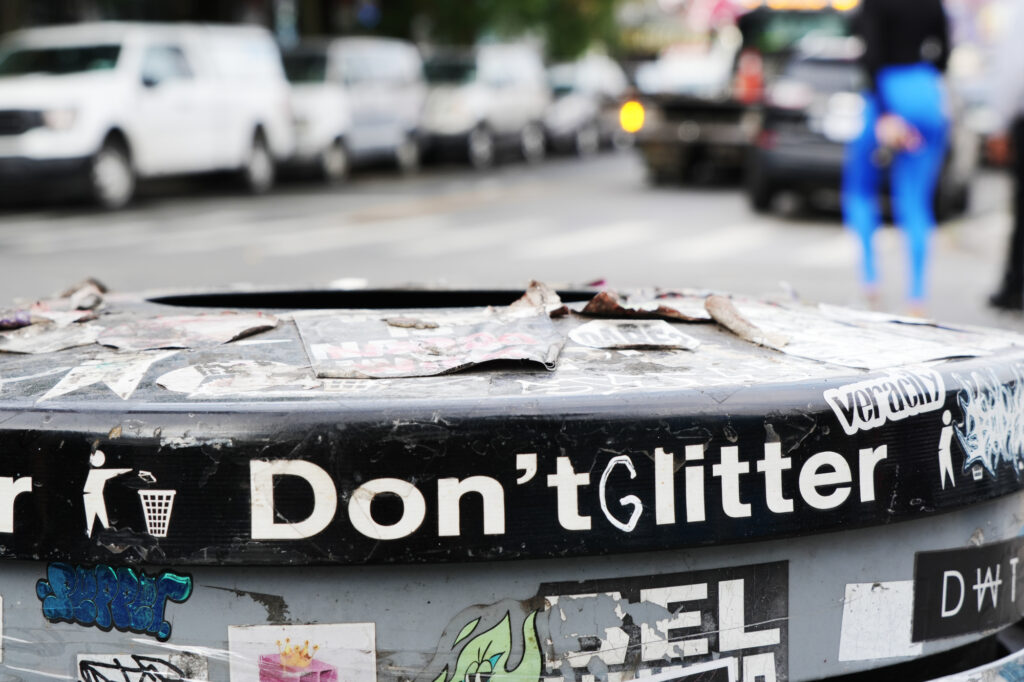
Some of the works in Bushwick are graffiti and the person behind it is a “graffiti writer”, not an artist. It is mostly unauthorised and comprised of letters and names. It started in the US in the 1970s with the graffiti art on trains.
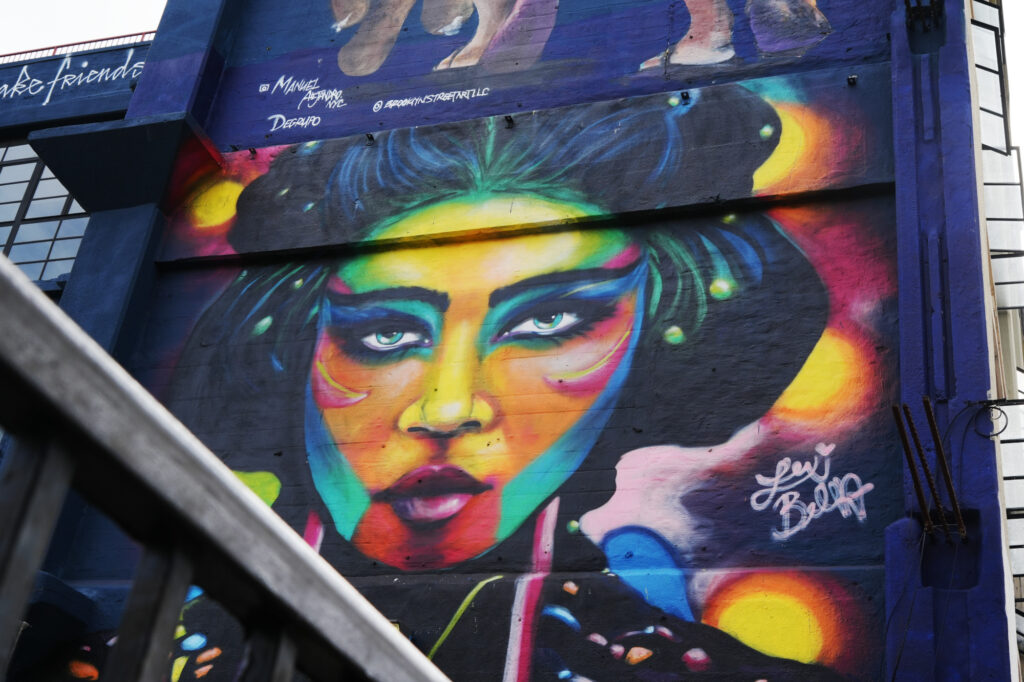
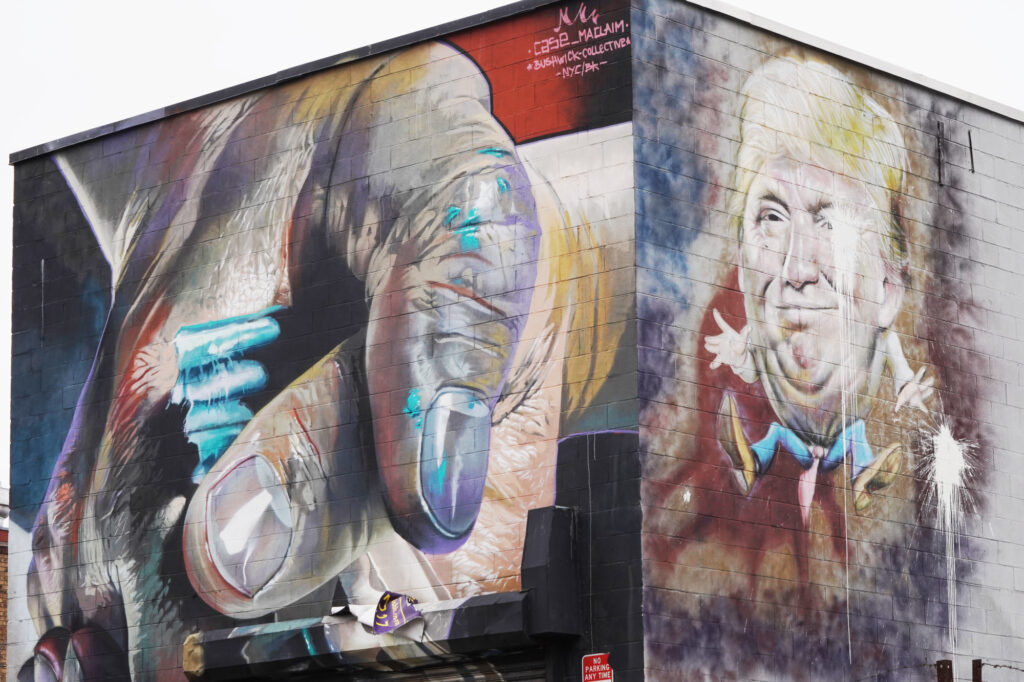
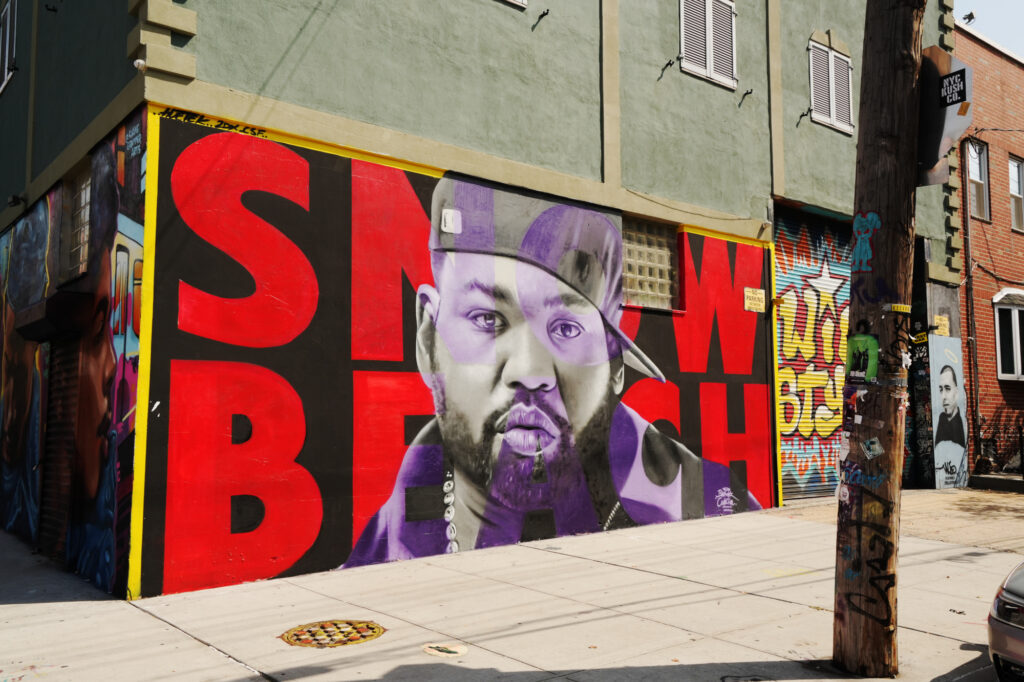
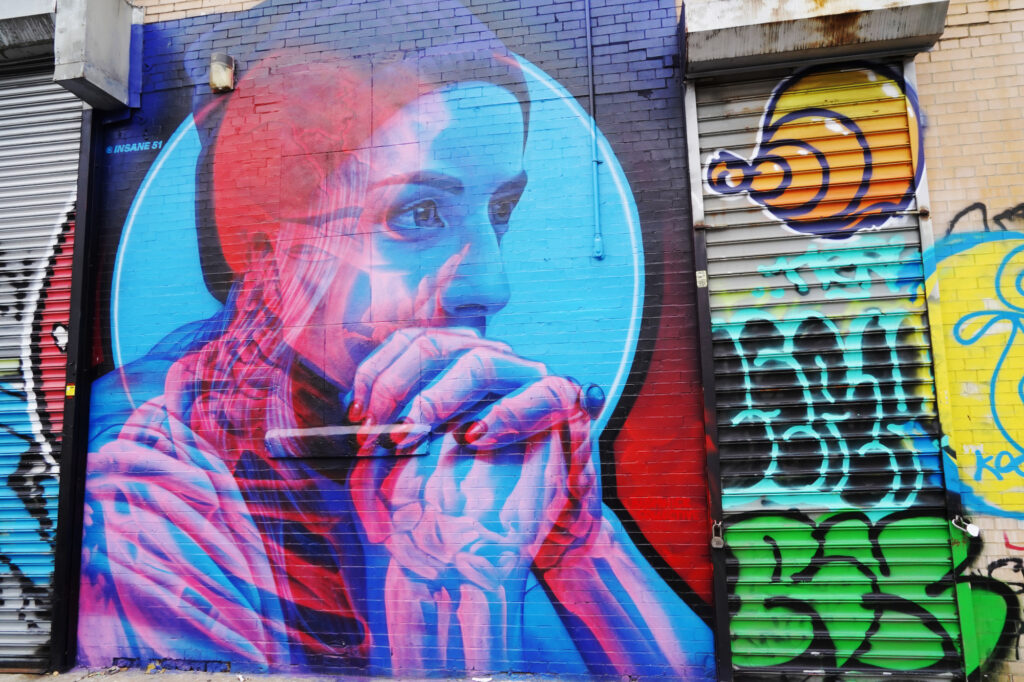
The bigger murals are what is generally considered street art. This culture started in Europe in the 1980s and spread and evolved from there. It goes back to an artist called Blek Le Rat who created the first street art for the general public and with a social message in the streets of Paris. If you look at his works, it seems as if the famous Banksy took some inspiration.
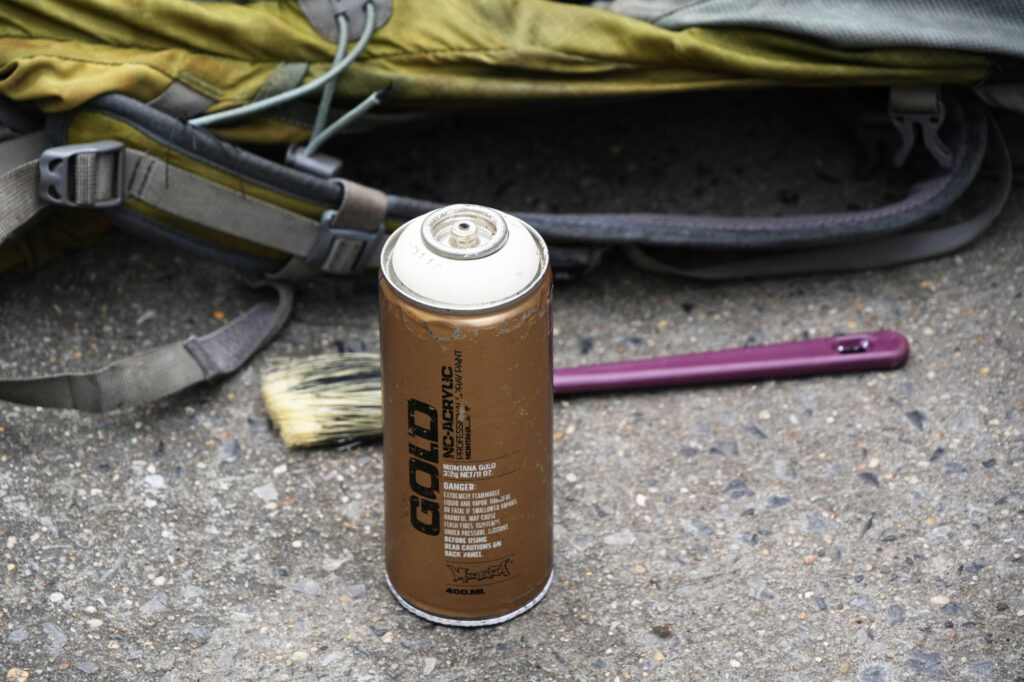
Today, the message behind graffiti remains unchanged: Somebody wants to express “I am here”, whereas street art usually raised a question about something or wants to convey a very specific message. It is similar when it comes to the materials used. Graffiti is done by a spray paint as it has always been. Street art on the other hand as a form of art uses many different materials and methods, not only spray paint. There’s no limit to creativity.
The origins of street art
The graffiti culture began in the 1960s in Philadelphia with a graffiti writer called Cornbread. He used graffiti to send messages to the girl he was in love with. He wrote a graffiti on an airplane what made him a legend. He is now in his 70s.
The culture grew from there and New York made a good playground for it. Subway trains would run overground in certain parts and provided a canvas for graffiti. The audience was generally other graffiti writers, not the general public. Writers want to create a street reputation for themselves. New York even had places that they called “writers’ benches” where groups would gather to judge the graffiti on trains passing by. The movement slowed down in the 1980s due to police prosecution and limited access to the subway trains.
Why Bushwick?
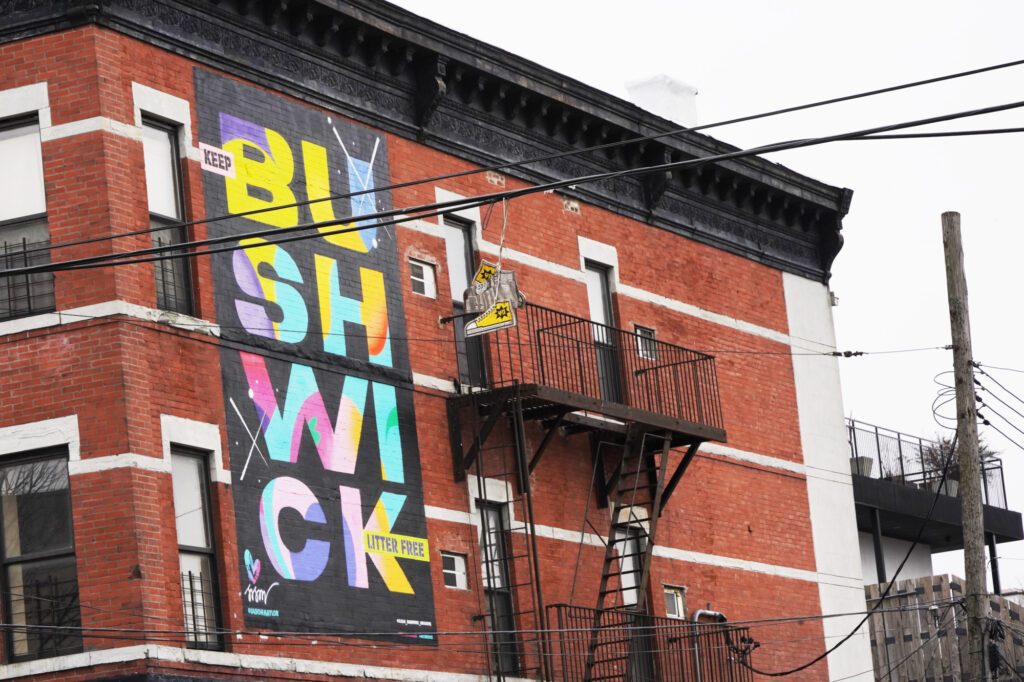
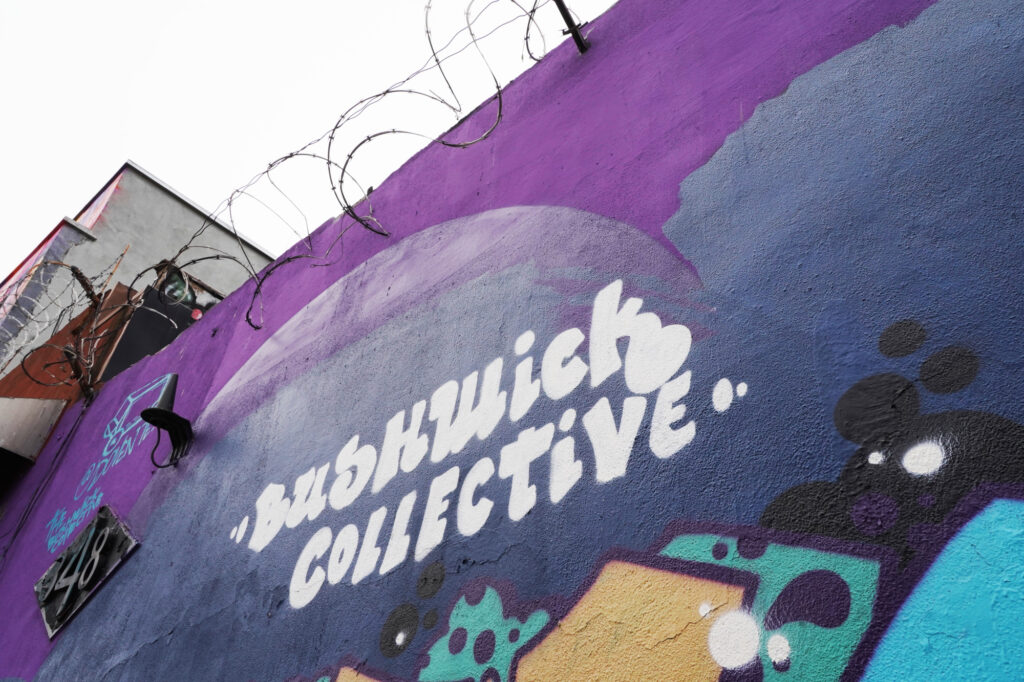
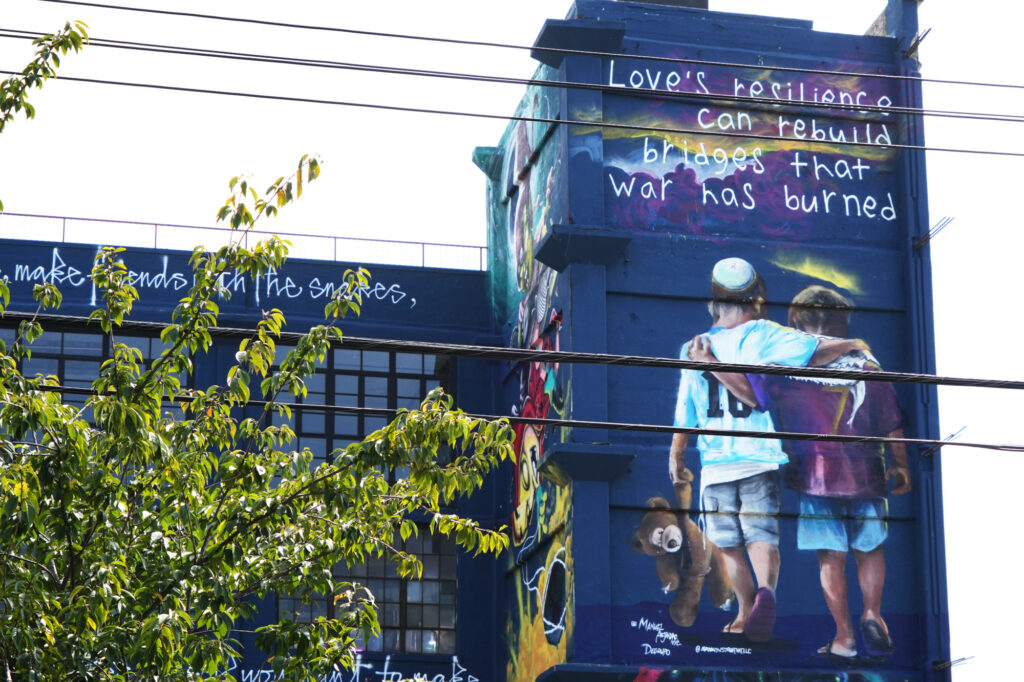
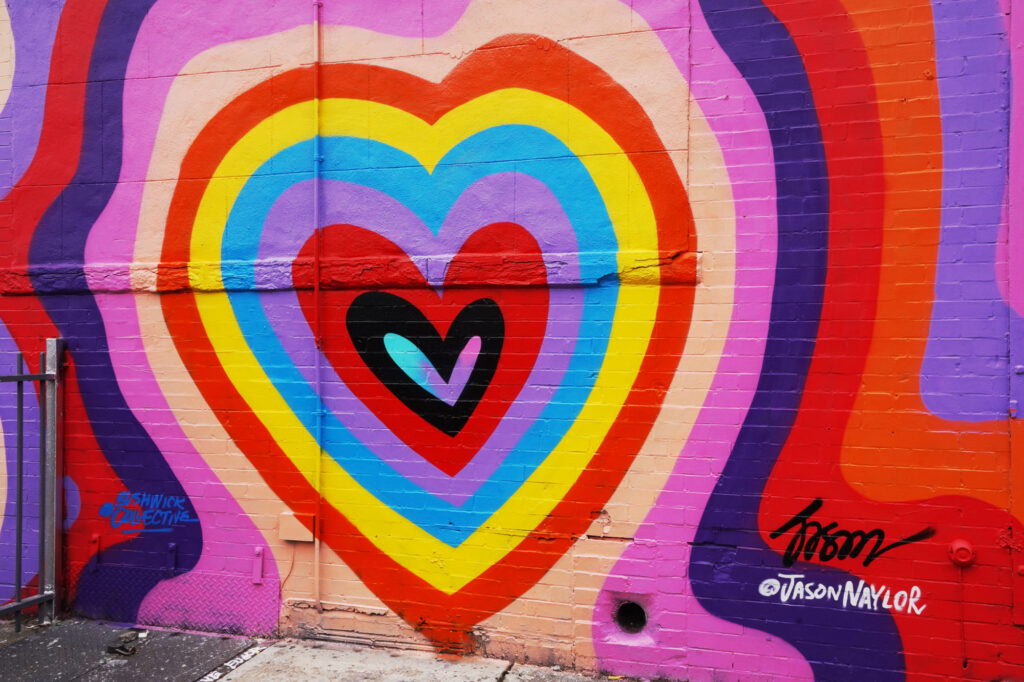
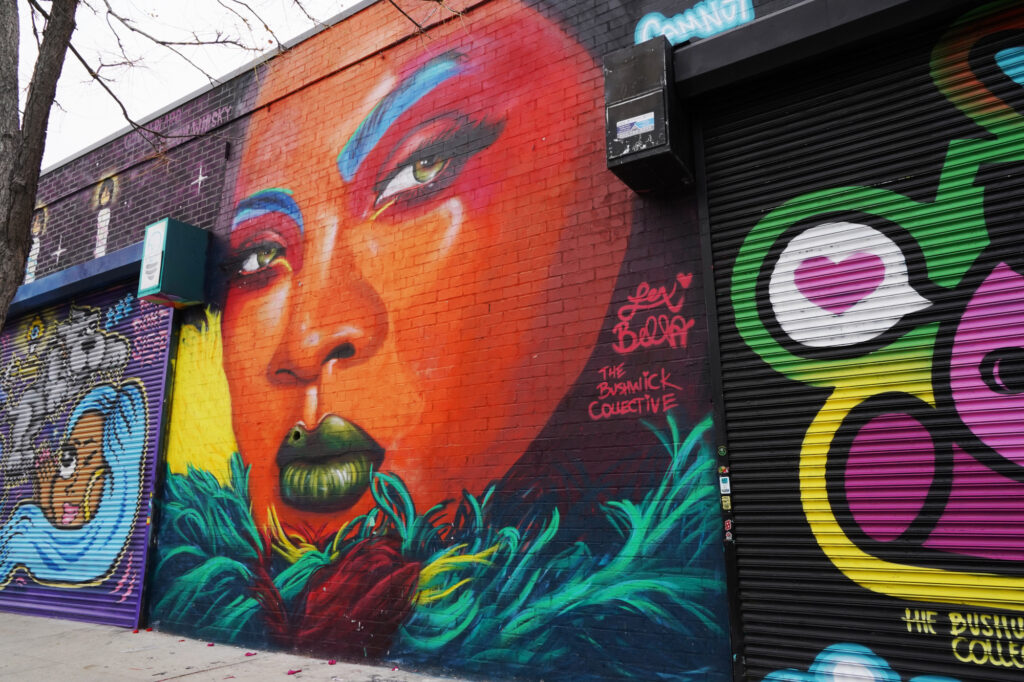
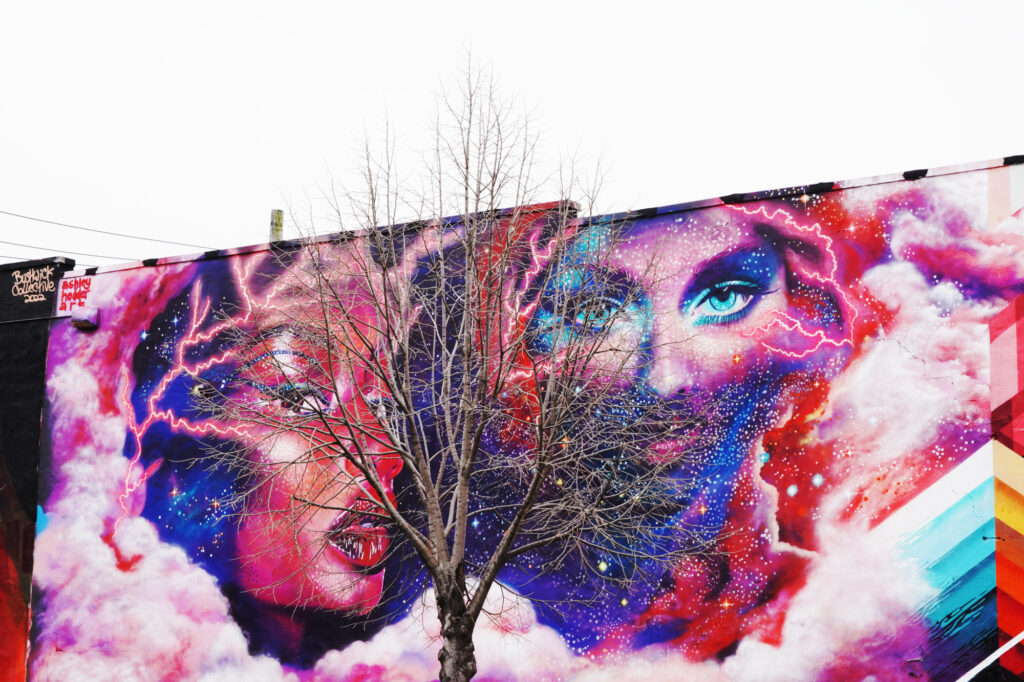
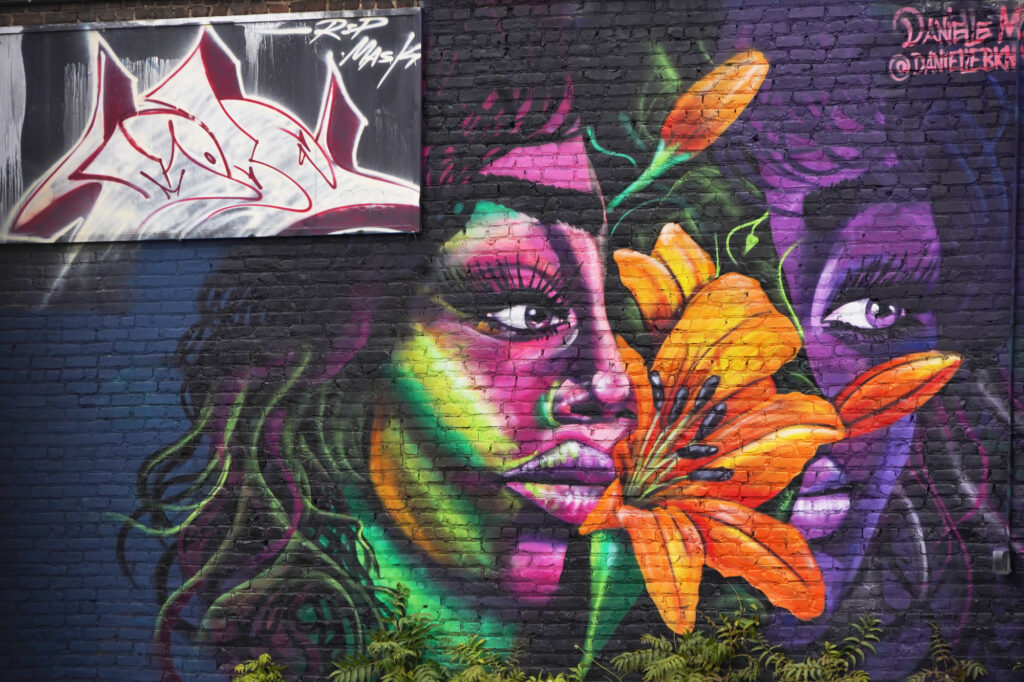
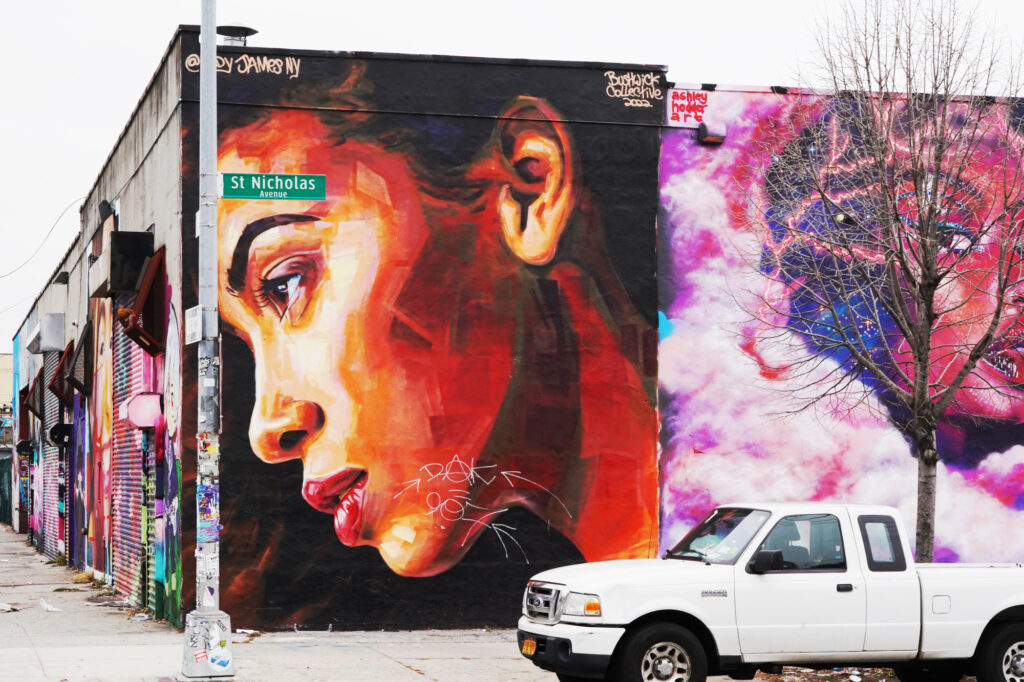
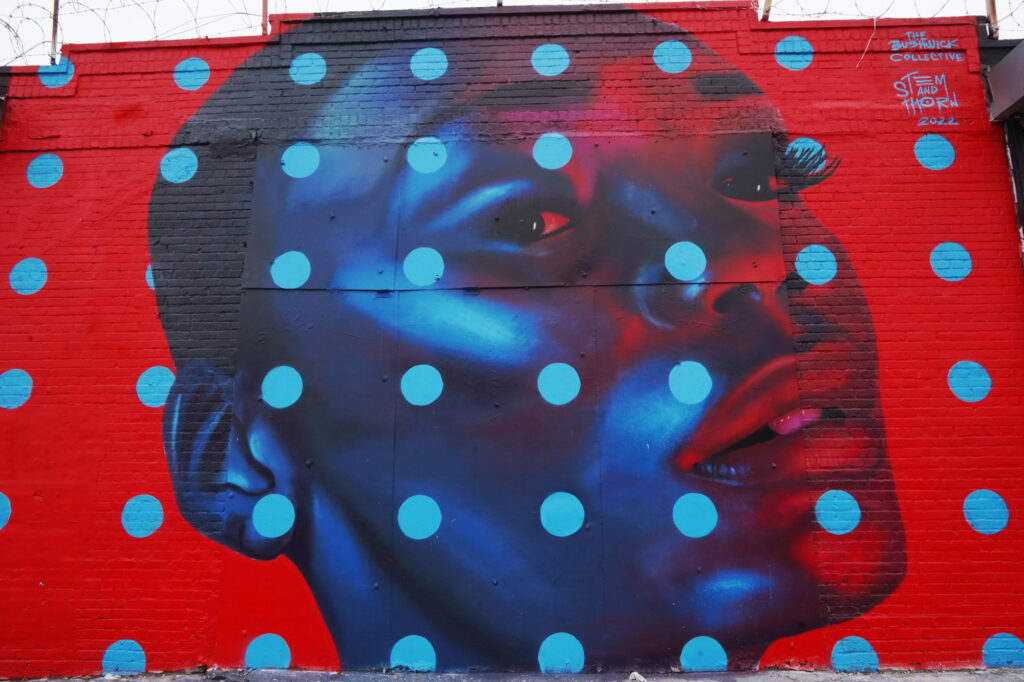
The street art in Brooklyn today goes back to one man, Joseph Ficalora, the founder of the Bushwick Collective. He found comfort in street art after his mother had died of cancer and invited artists to his area to paint on the walls. In 2012, the Bushwick Collective was officially founded. All works are repainted every 12 months (usually in June) during the annual Bushwick Collective Block Party.
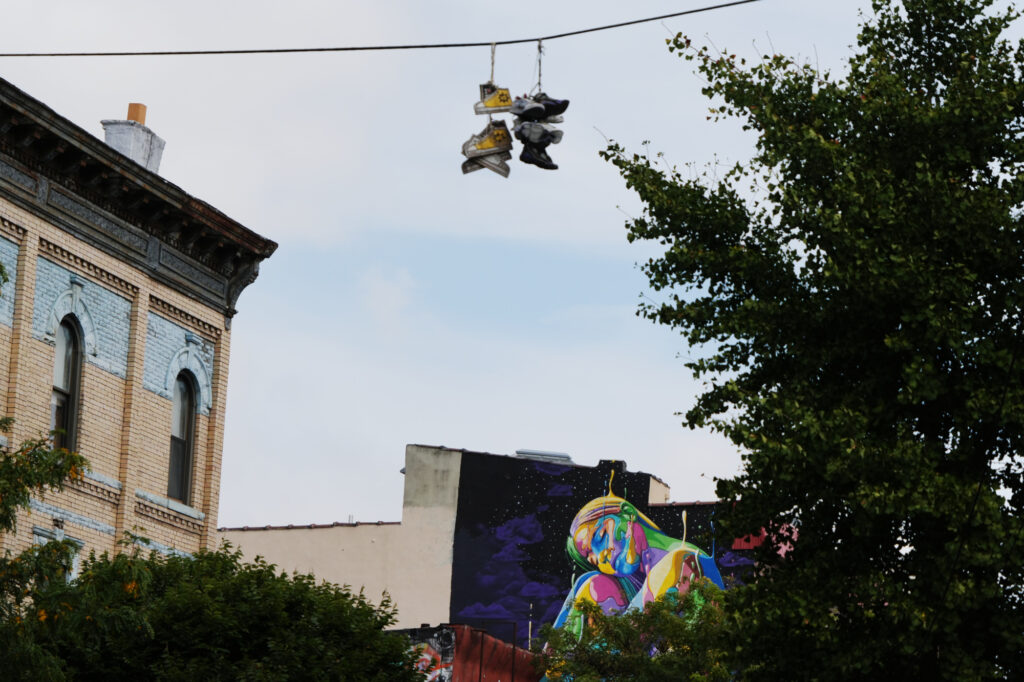
In the 19th and early 20th century Bushwick was an industrial area with plenty of factories. Those buildings were abandoned during World War II and remained as a canvas for todays street artists. Brooklyn was a rough area in the 1970s and 80s when arson and violence led to destruction. On the other hand, it was a cheap area to live in at that time which attracted many artists. (It somehow reminded Charlie of the story of the street art in Cologne.) Today, the area is neither cheap nor particularly dangerous and two thirds of the population are of Hispanic origin. What remains though is the street art.
Who paints in Bushwick?
Konozco
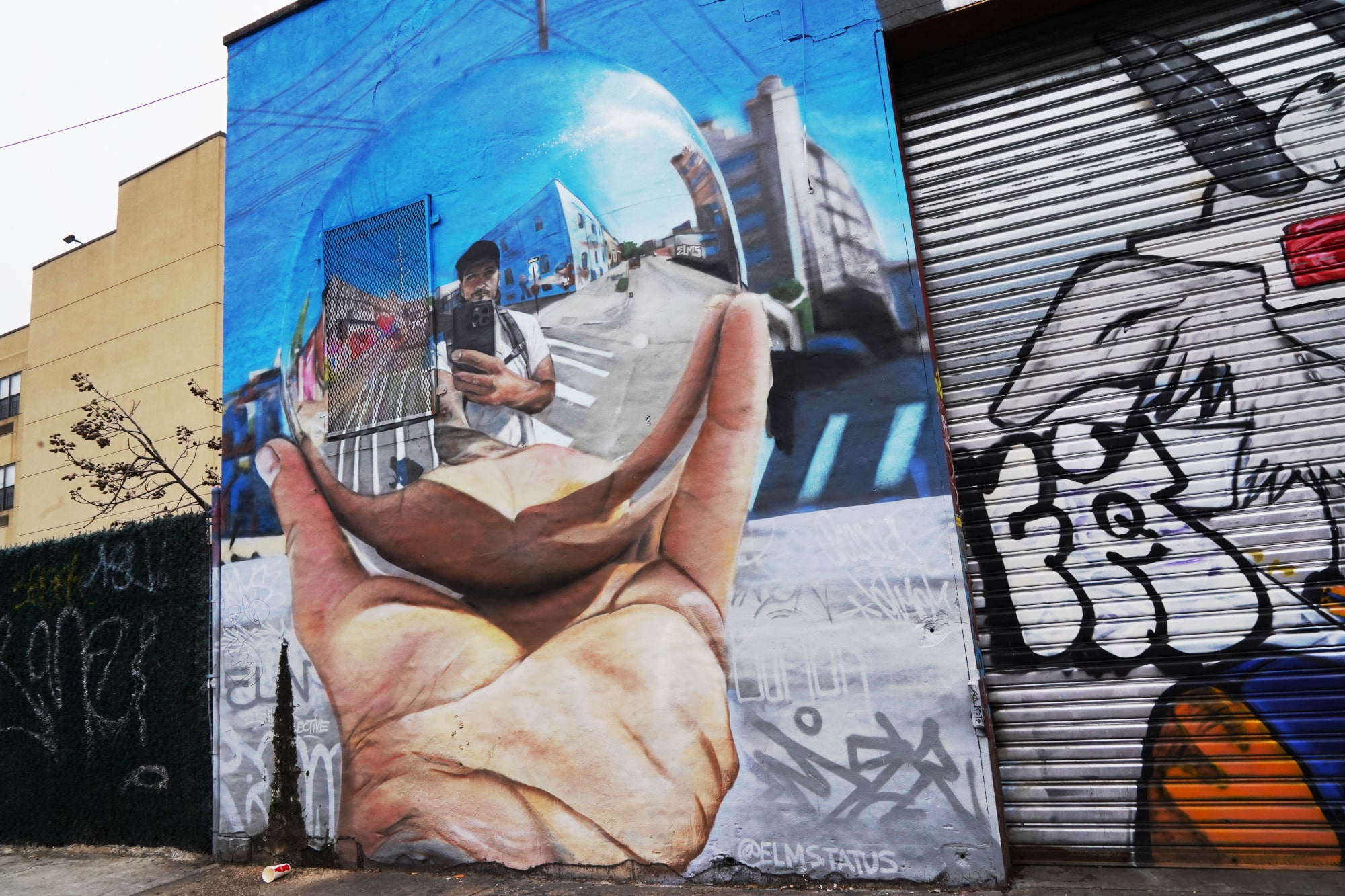
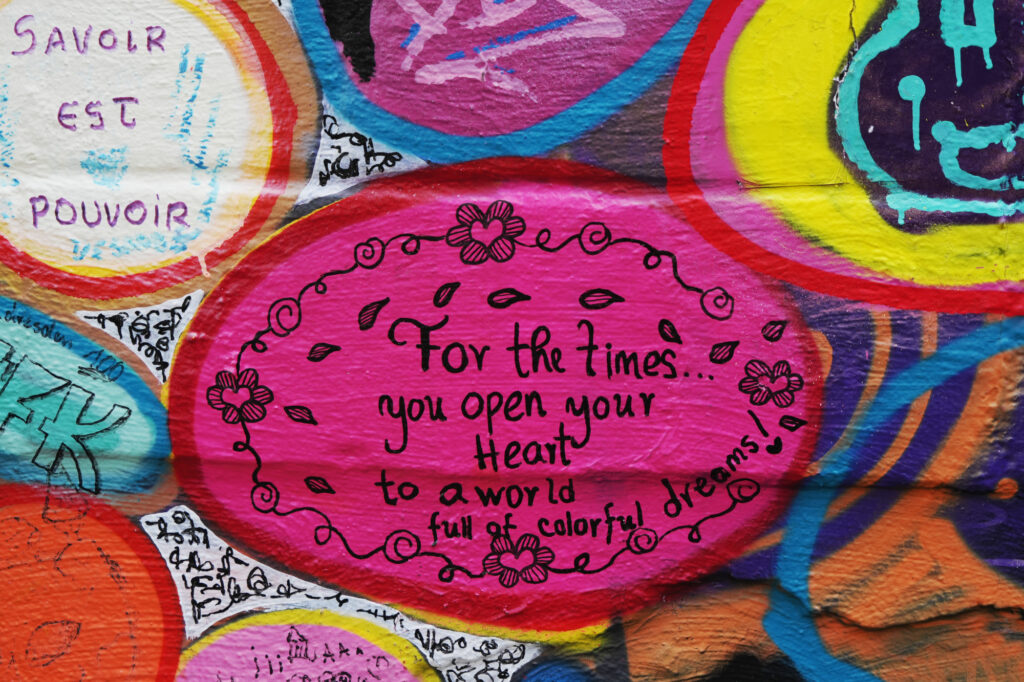
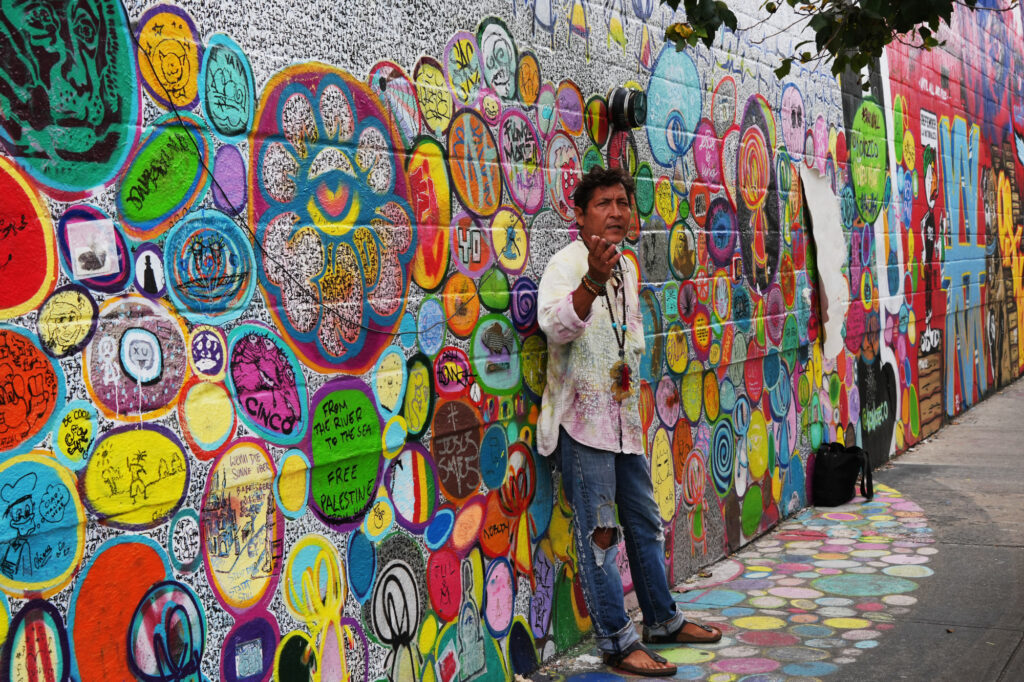
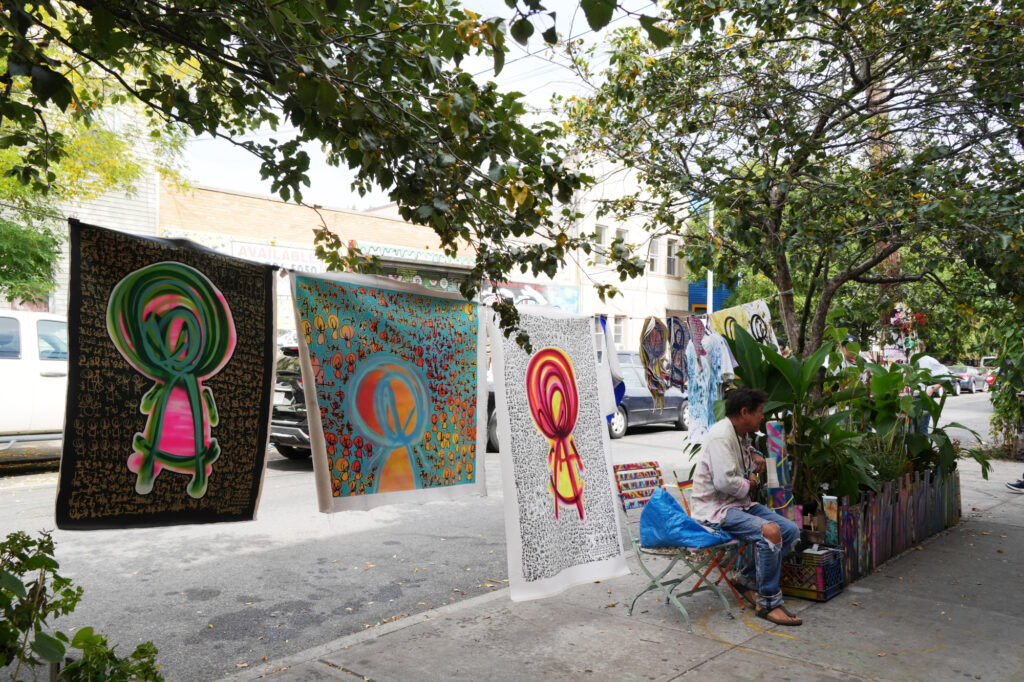
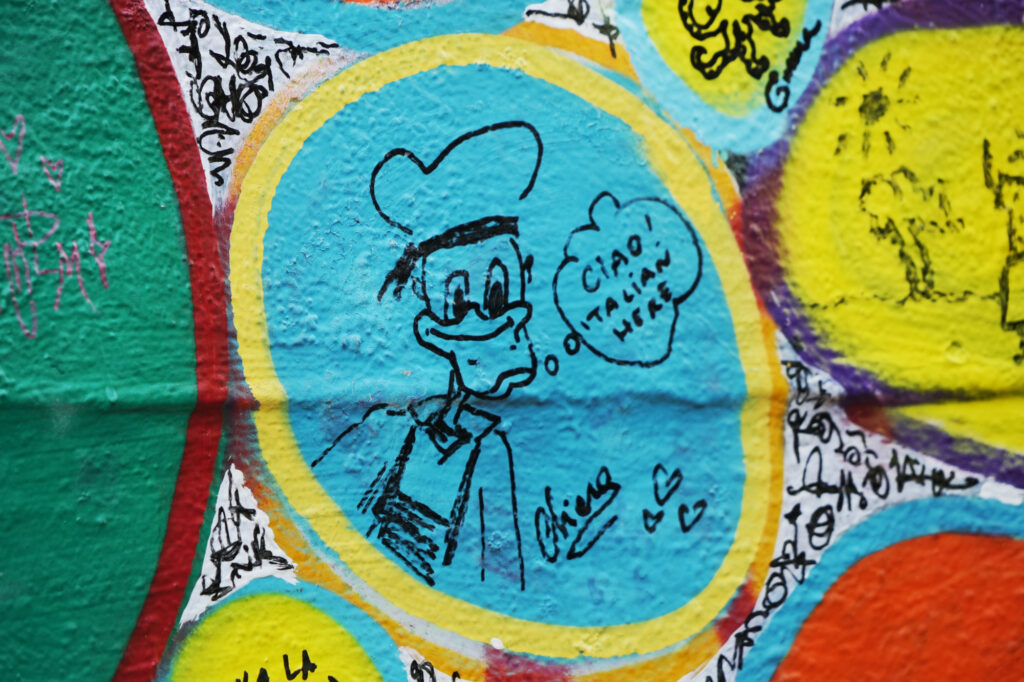
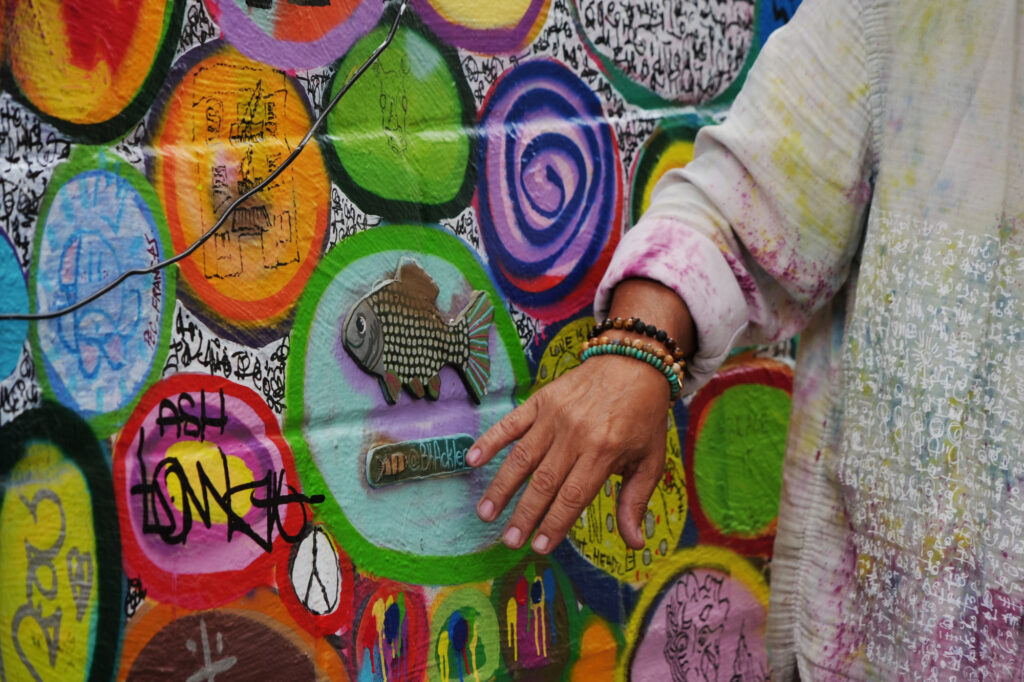
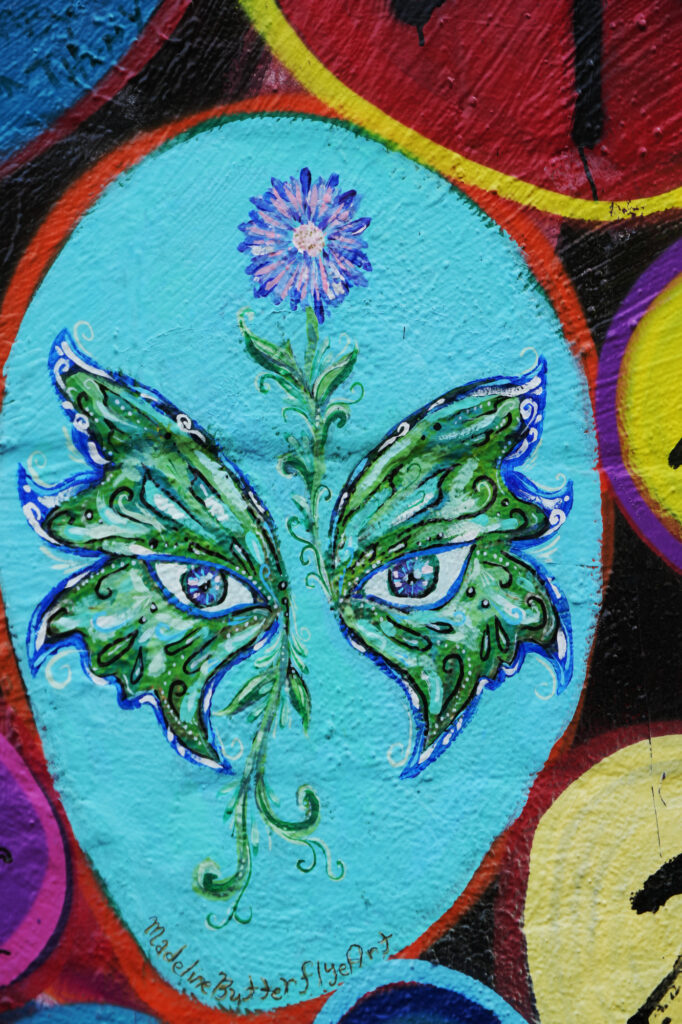
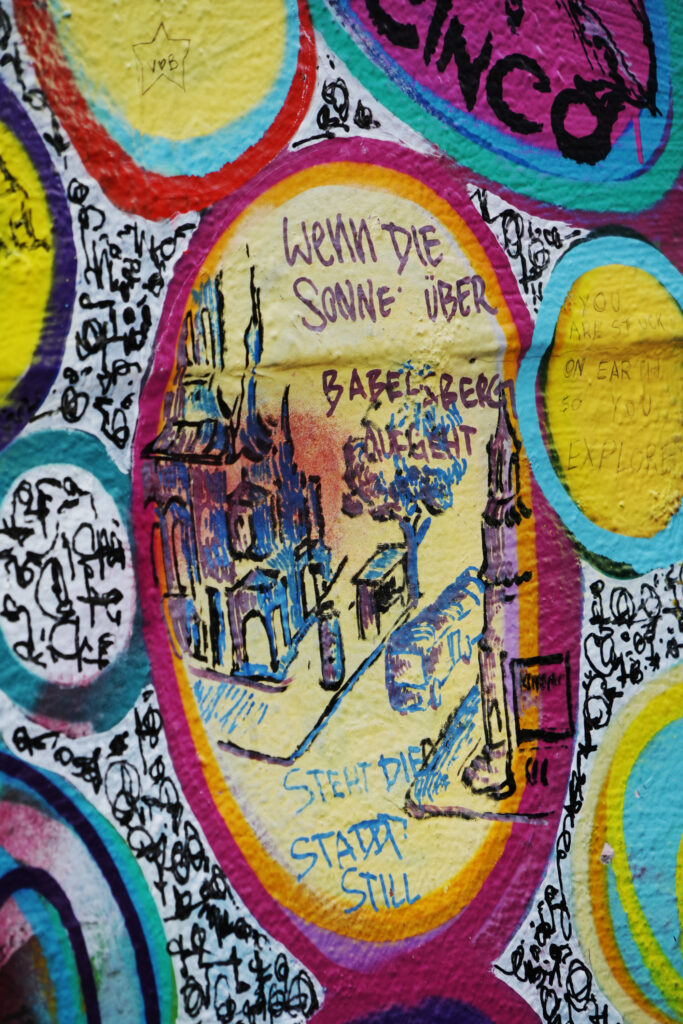
One of the many street artists in Brooklyn, Konozco, is present in front of one of his art works and he told Charlie and the other tour guests about his art. As it is so often the case with street art, the mural was tagged and he keeps on restoring it. Every time he restores it though, he keeps traces of the art left by other artists. Over time, it has become a collaborative piece of art that started with one mural which was tagged by a large number of colourful bubbles and finalized by smaller art works that respect the borders of the bubbles.
Stray Ones
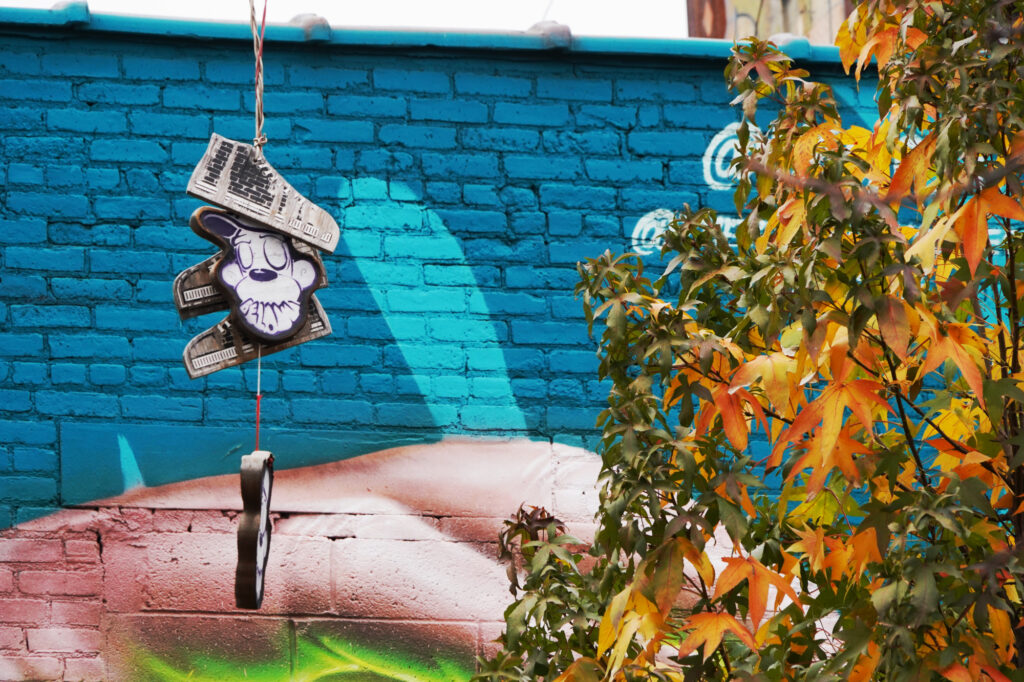
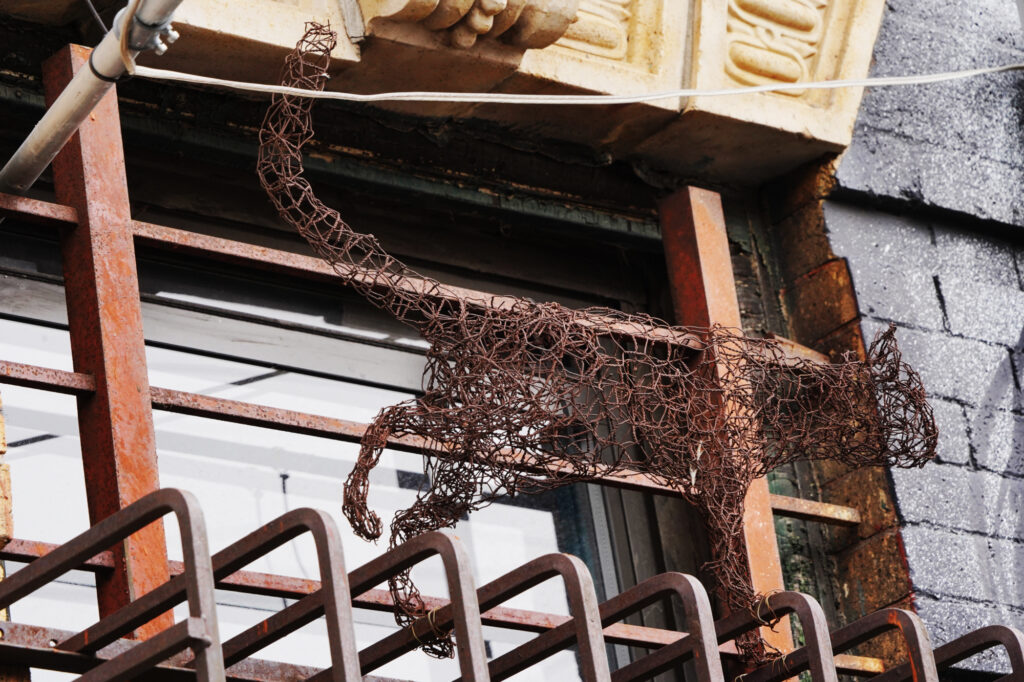
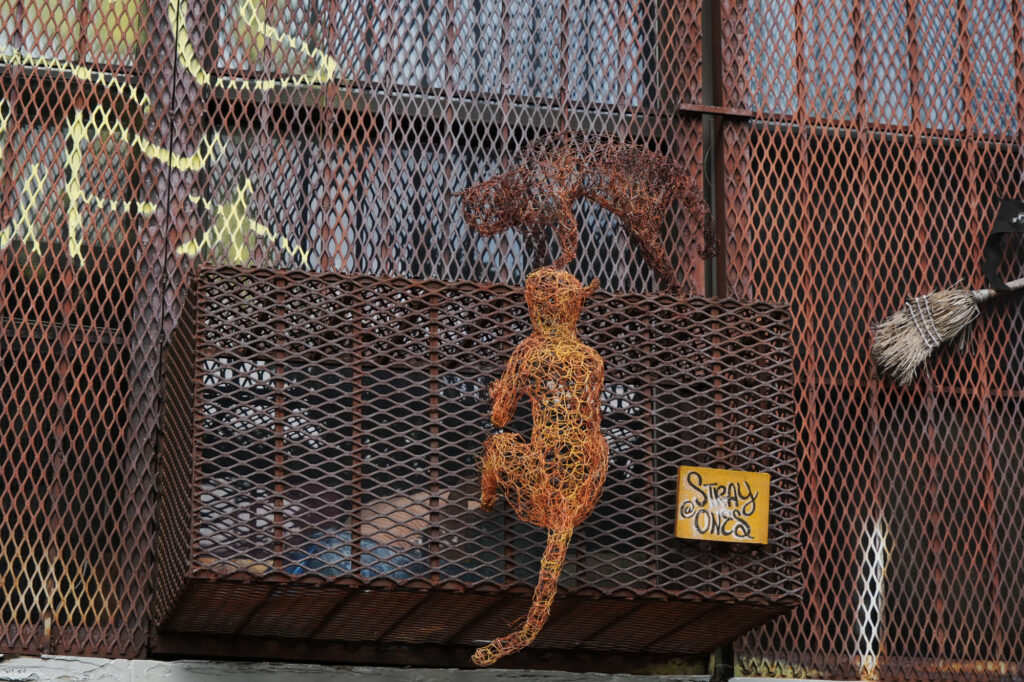
Street Art doesn’t only come in the form of paintings, it involves many different things and in this case, metal statues of cats. When the artist created them, he did not intend for the sculptures to be colourful. Nature did that when he eventually placed them outdoors. The rusty look has now become a part of it and he even treats his newer pieces in ways that make them change colour from the brownish red to yellow and other shades.
Food Baby Soul
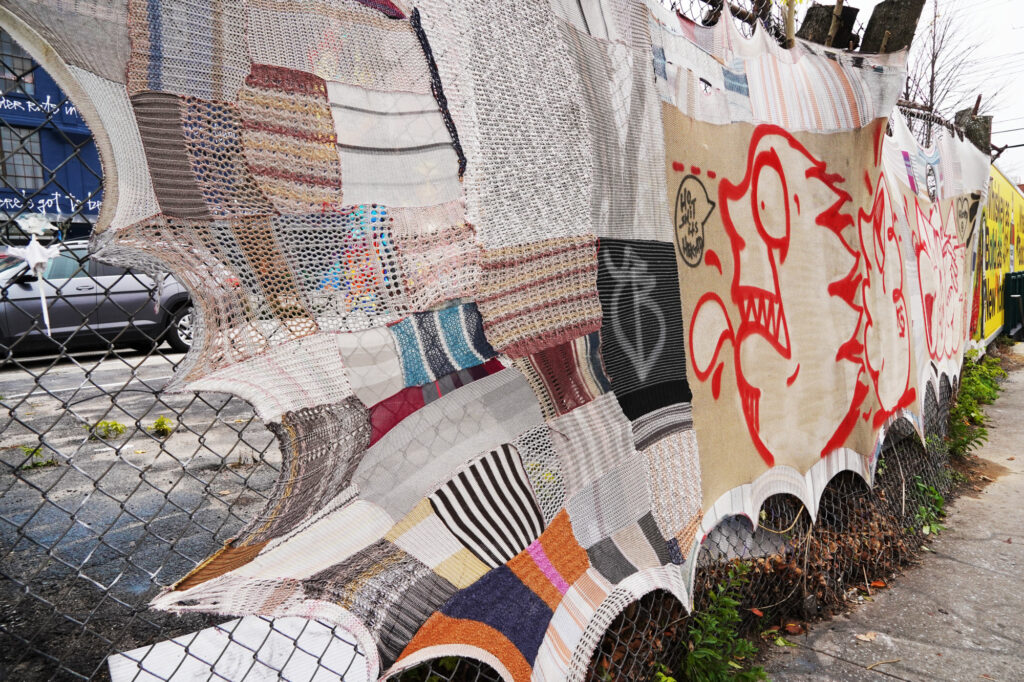
There are two elements that make this artist very visible in Bushwick: A tapestry by the exit of Jefferson Street station and the urban design contribution in the shape of plant pots along Starr street, the so called guerilla gardening. The artist generally uses only recycled and upcycled materials for her artworks and invites other artists to provide the colourful touch.
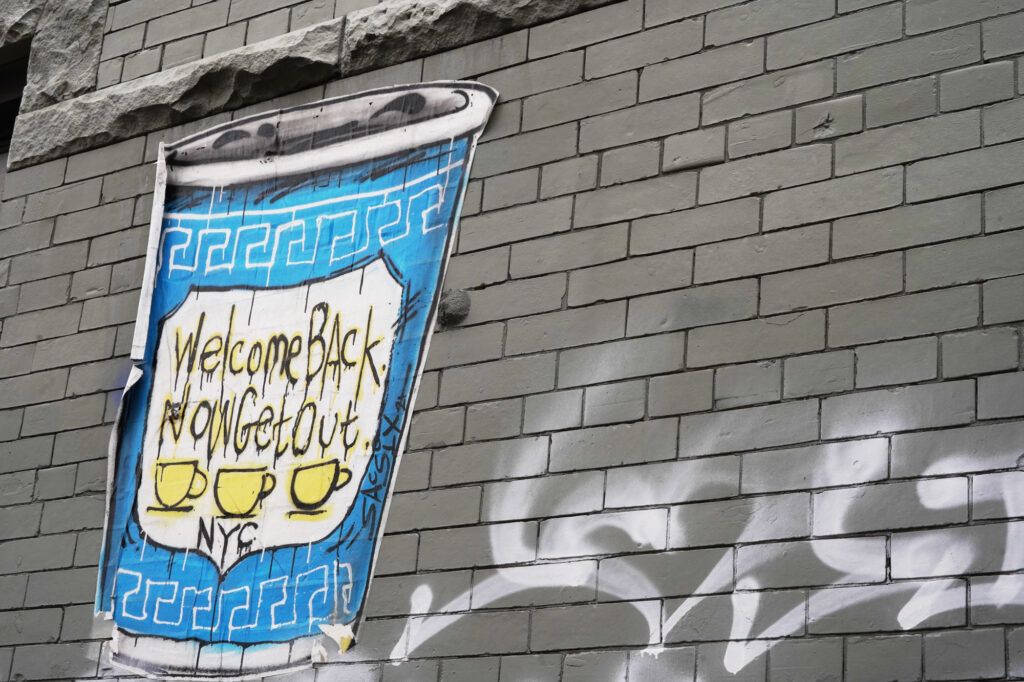
Sac Six
This New York based artist works mainly with posters. The one Charlie remembers was created after the pandemic as a reaction to people returning to the city after lockdown. It read “Welcome Back, Now Get Out”.
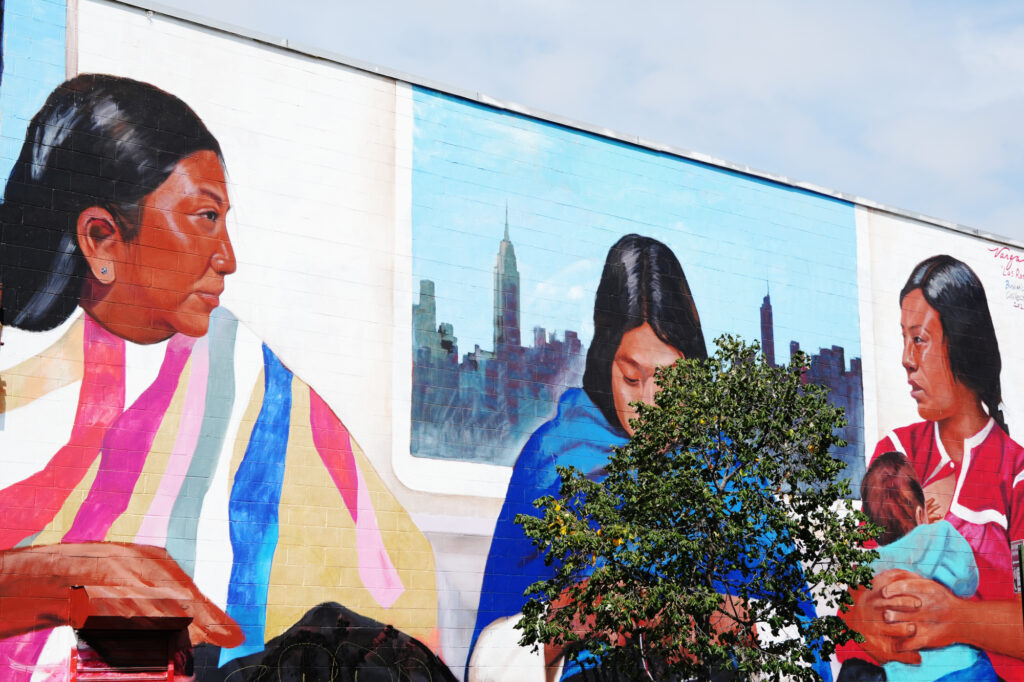
Artists from other places
Many artists find their way to Bushwick to contribute to the arts. This mural is on one of the walls that gets repainted with a new piece of art every year as part of the Bushwick Collective Block Party. When Charlie visited it showed a mural by Robert Vargas titled “Las Rosas”. It shows three Ecuadorian women on a New York Subway train. It was inspired by the daily life in the Big Apple and the women selling candy in public transport stations.
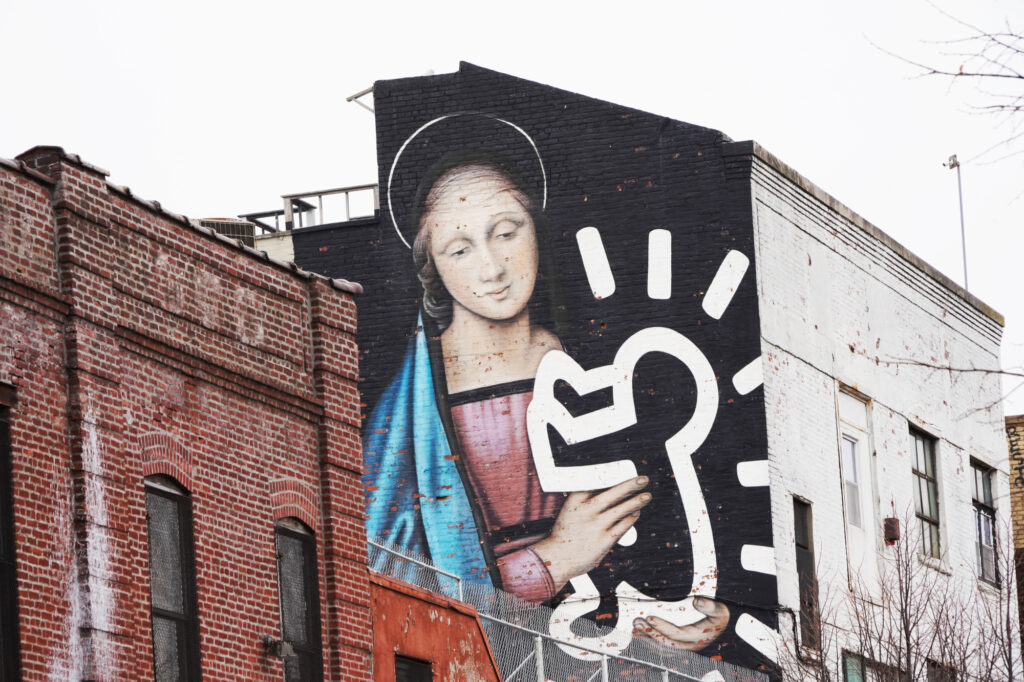
Other globally known and international artists, for example Sonny Sundancer, come to Bushwick to paint. Just watch out for what you see.
Street Art in Bushwick, art for the future?
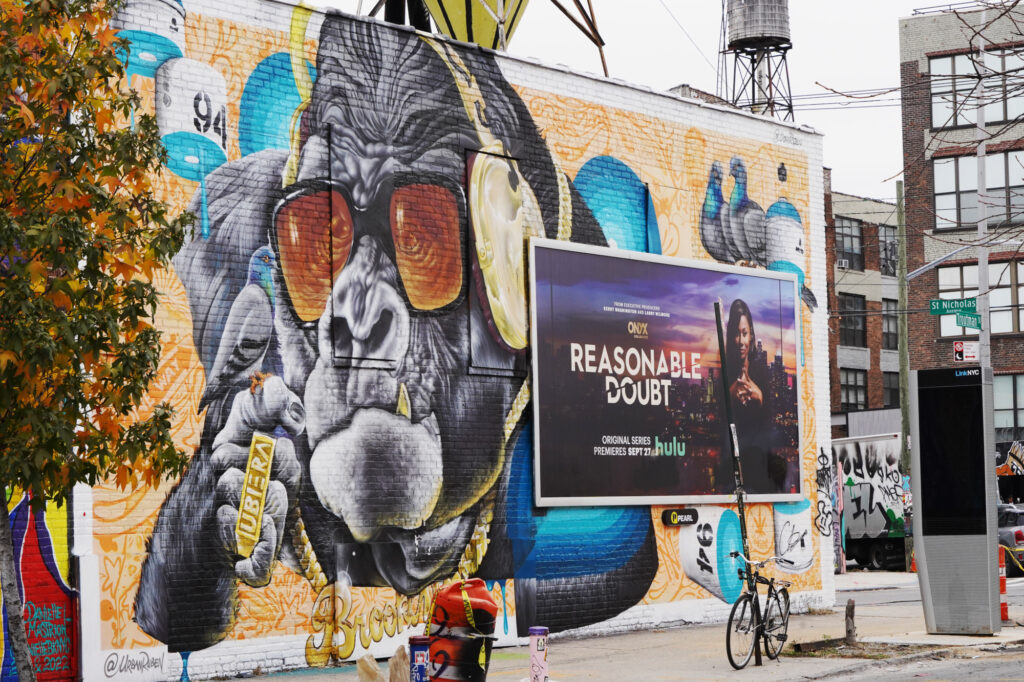
Similar to the street art in London’s Shoreditch, more and more walls in Bushwick are taken over by commissioned art and advertisement in the form of street art. There is now an option for the owners of the walls and the artist to earn money. Another important factor is gentrification. Charlie witnessed the destruction of an old factory and the giant murals when she visited Bushwick in September 2024. This will likely impact the art displayed in Bushwick and anywhere else in the world. Only time will tell how this will change the urban landscape and what the future holds for street art.