Street Art in São Paulo
Pinheiros, Vila Madalena and Batman’s Alley
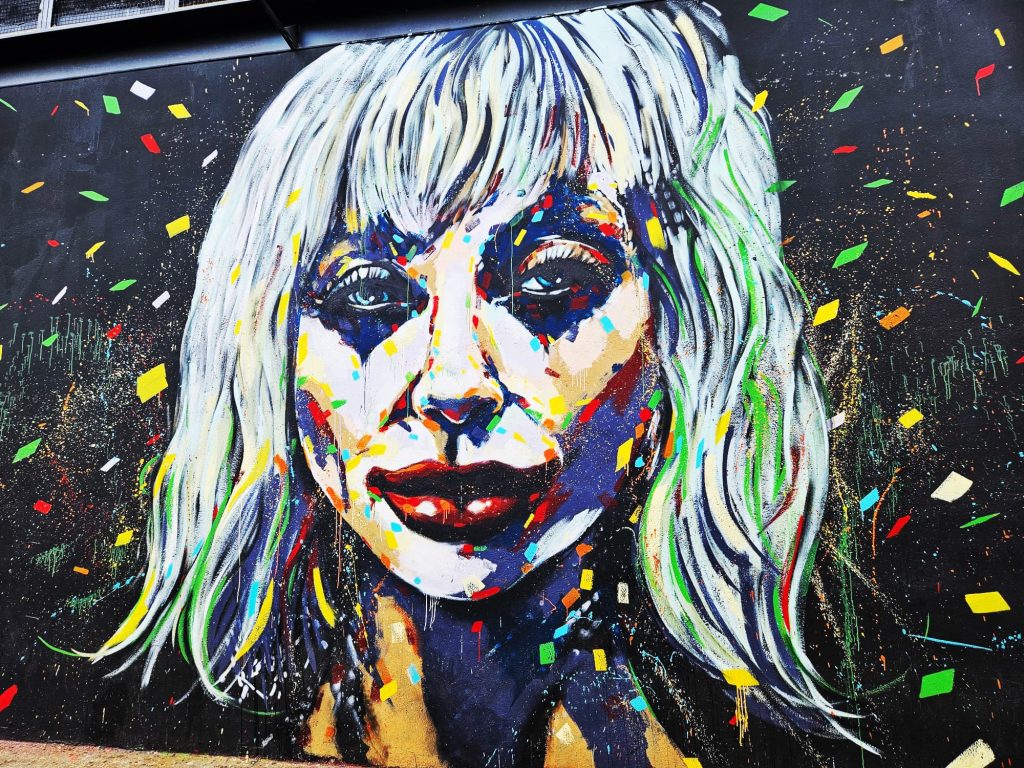
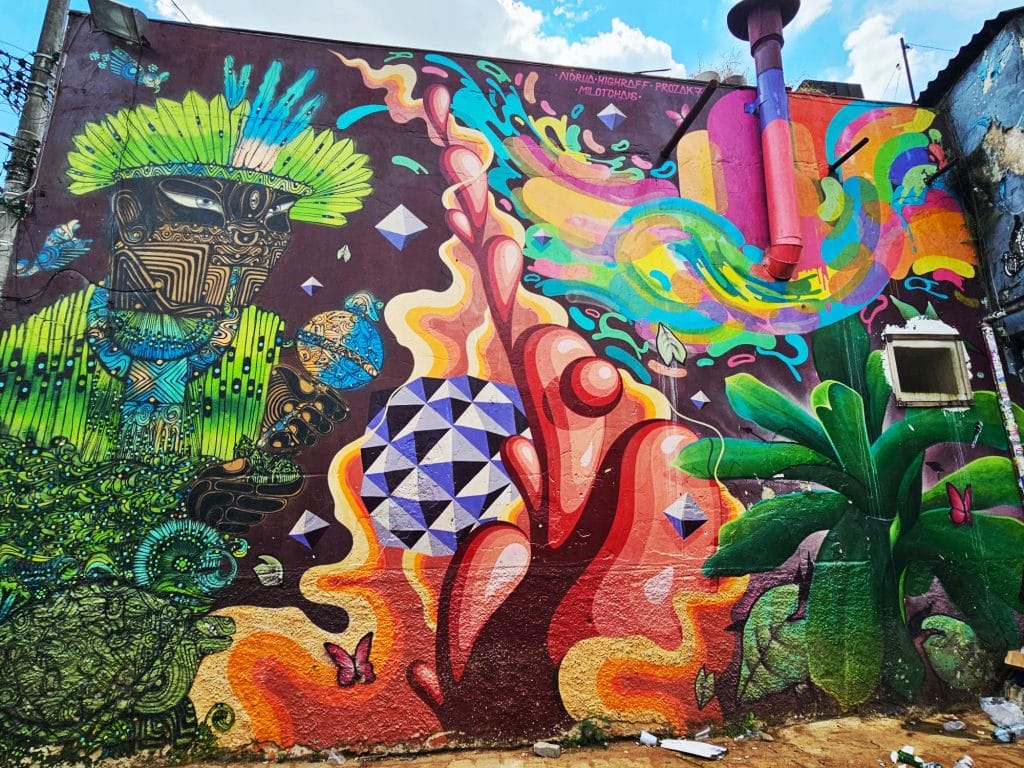
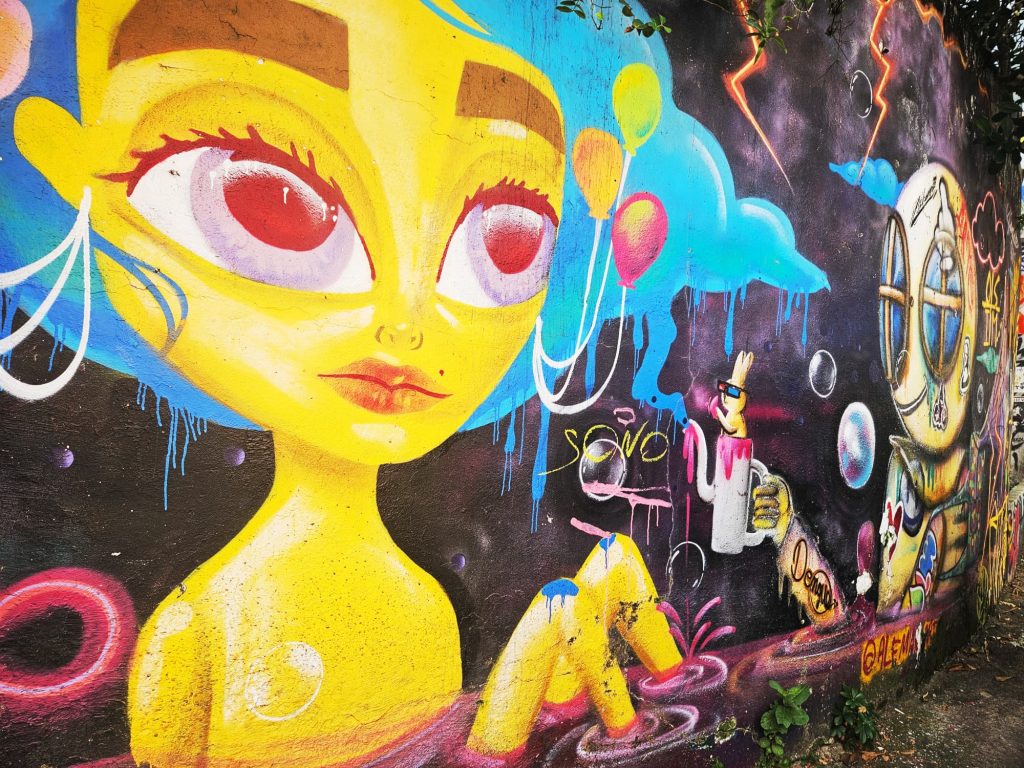
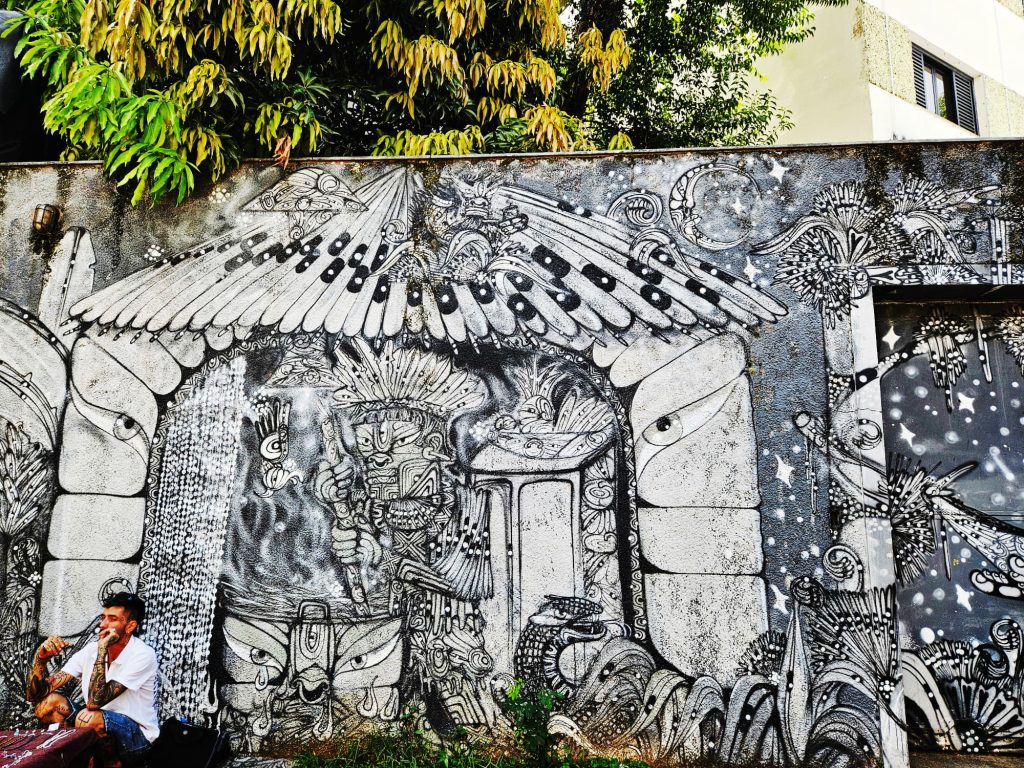
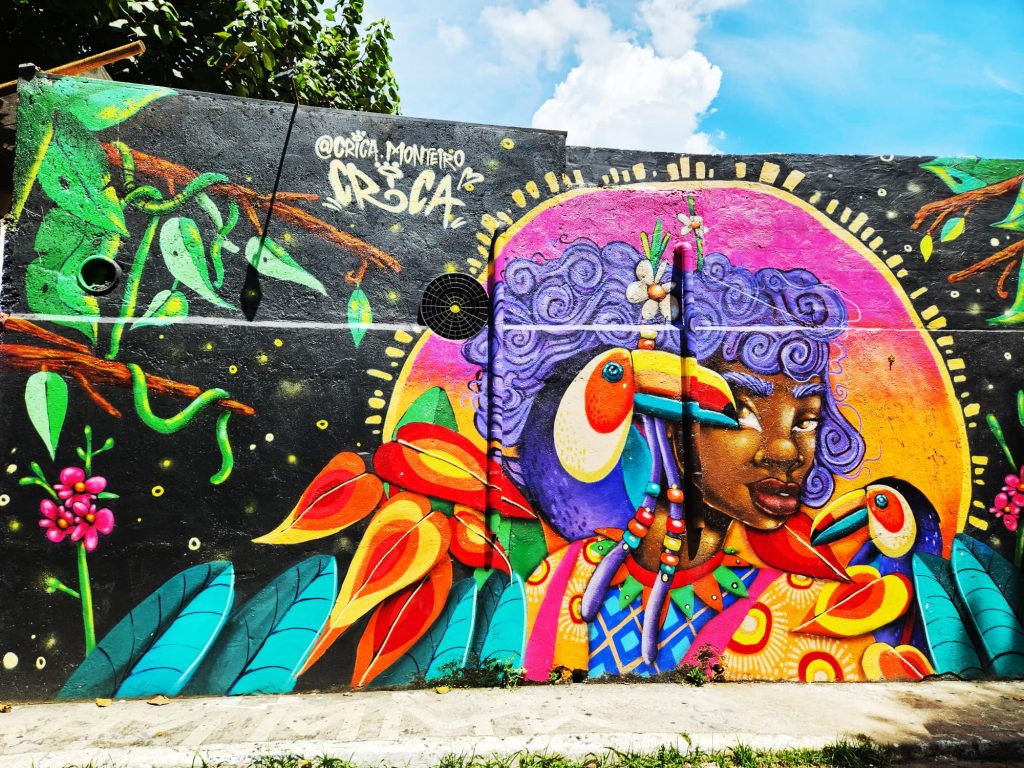
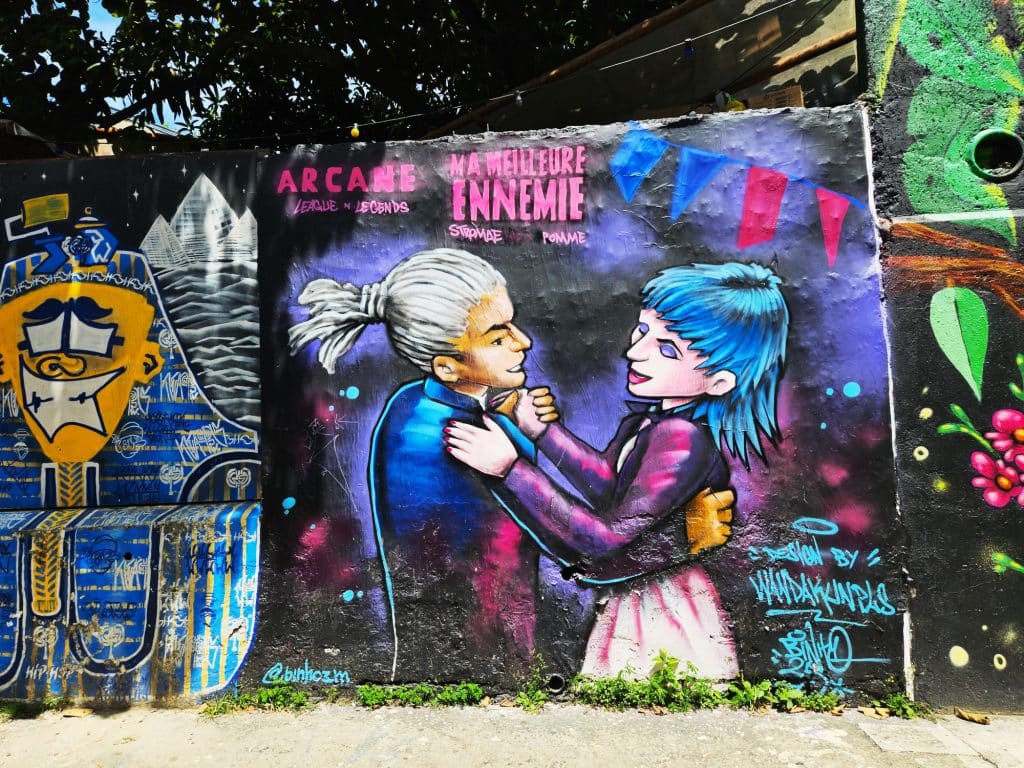
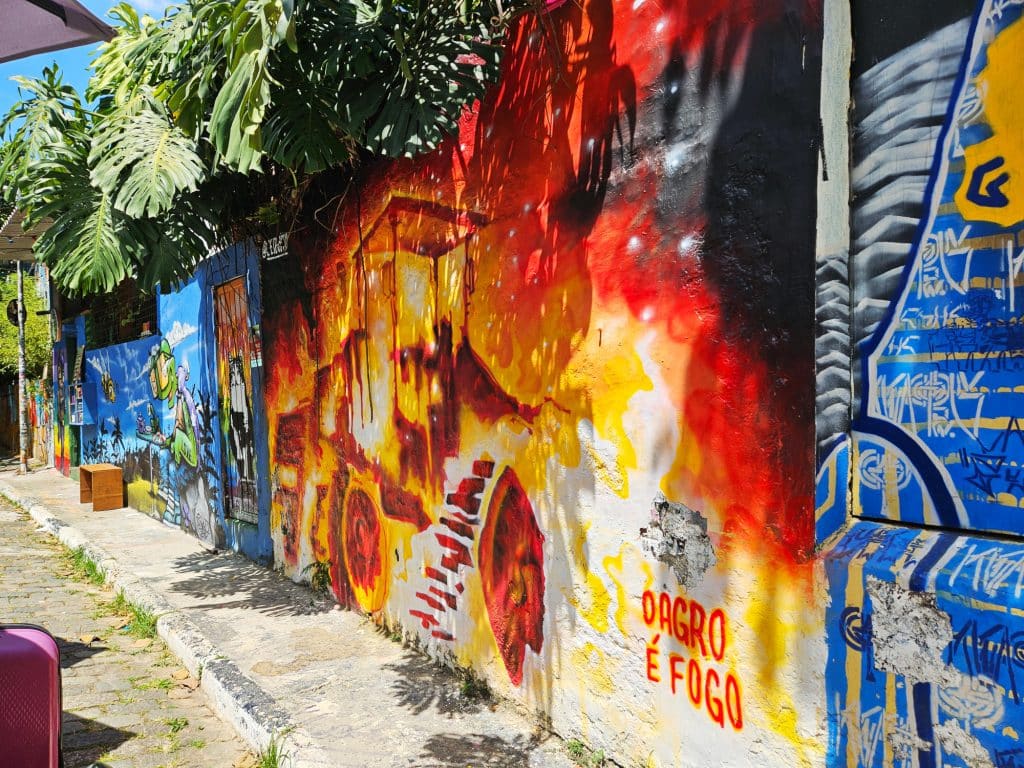
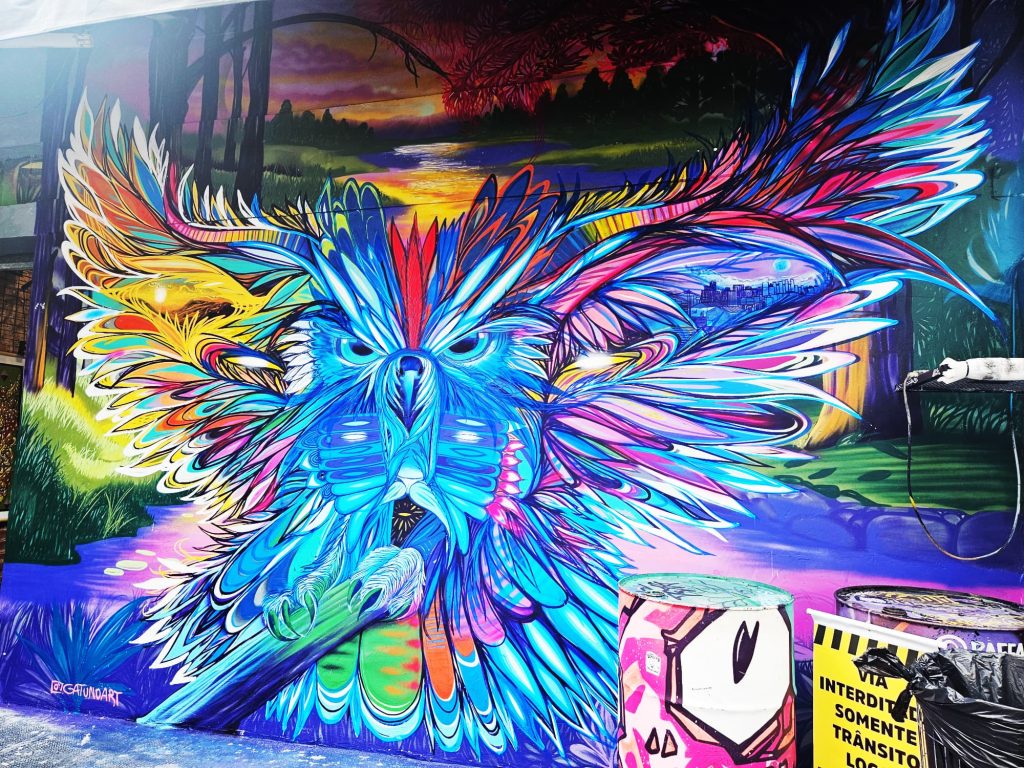
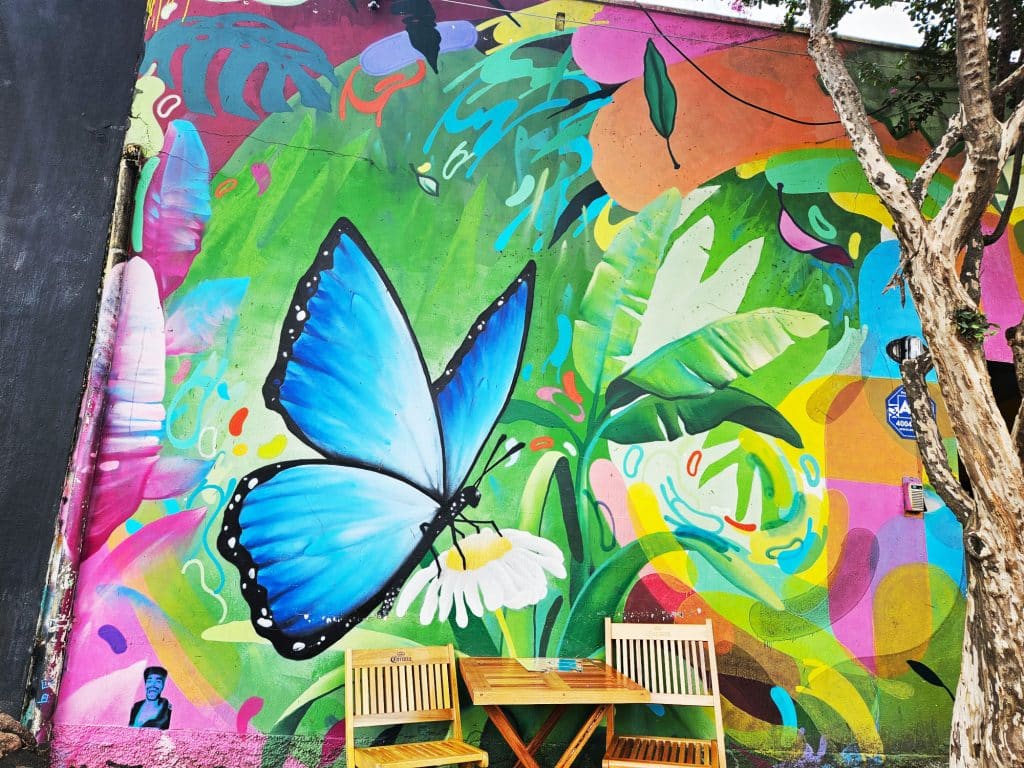
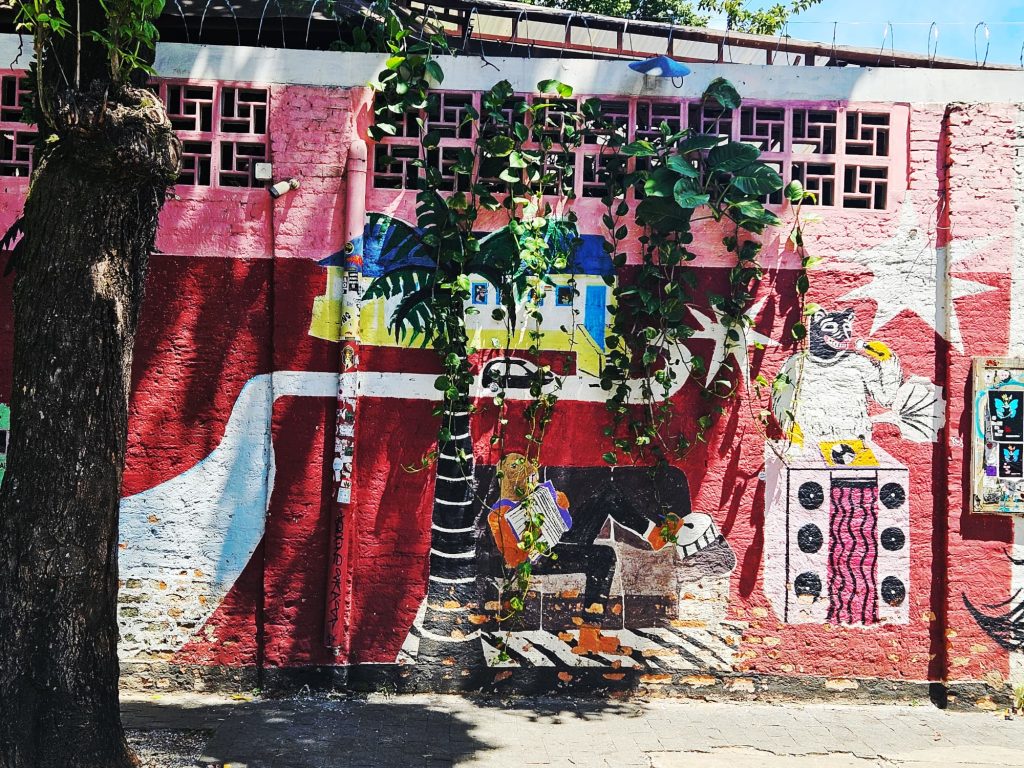
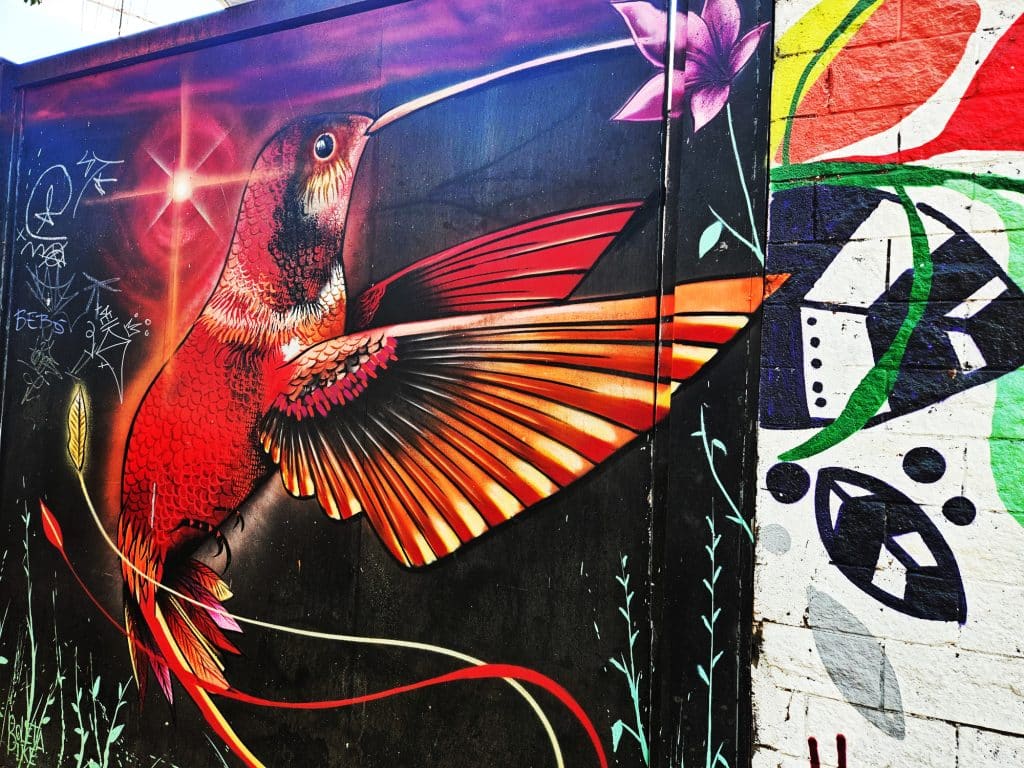
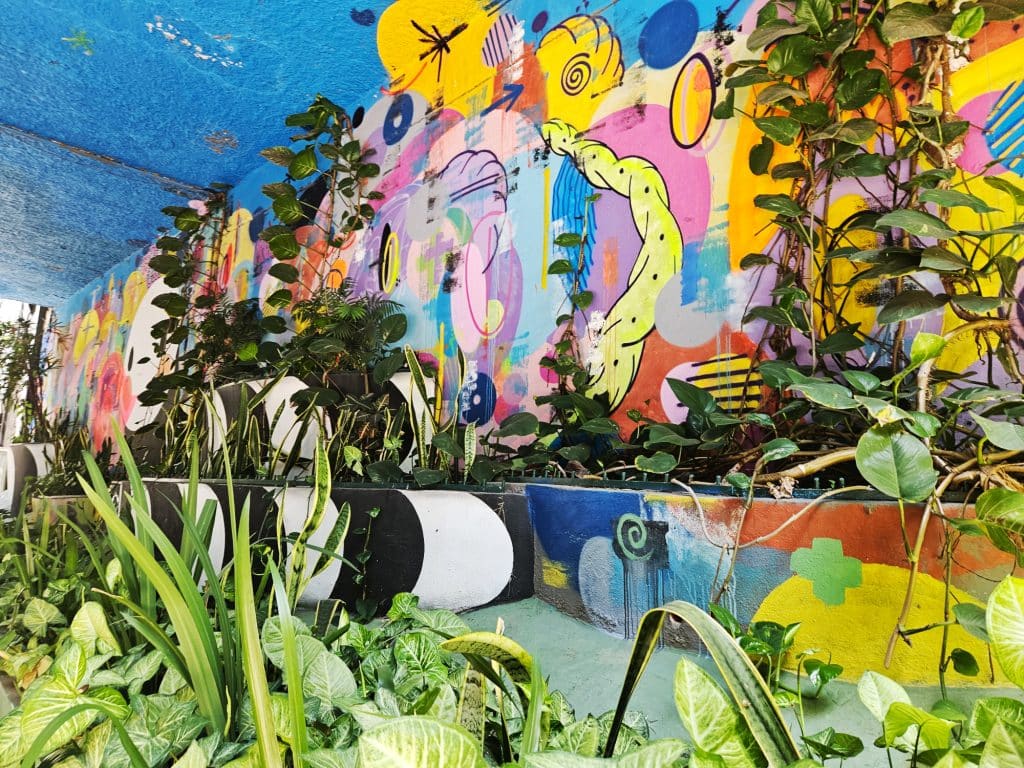
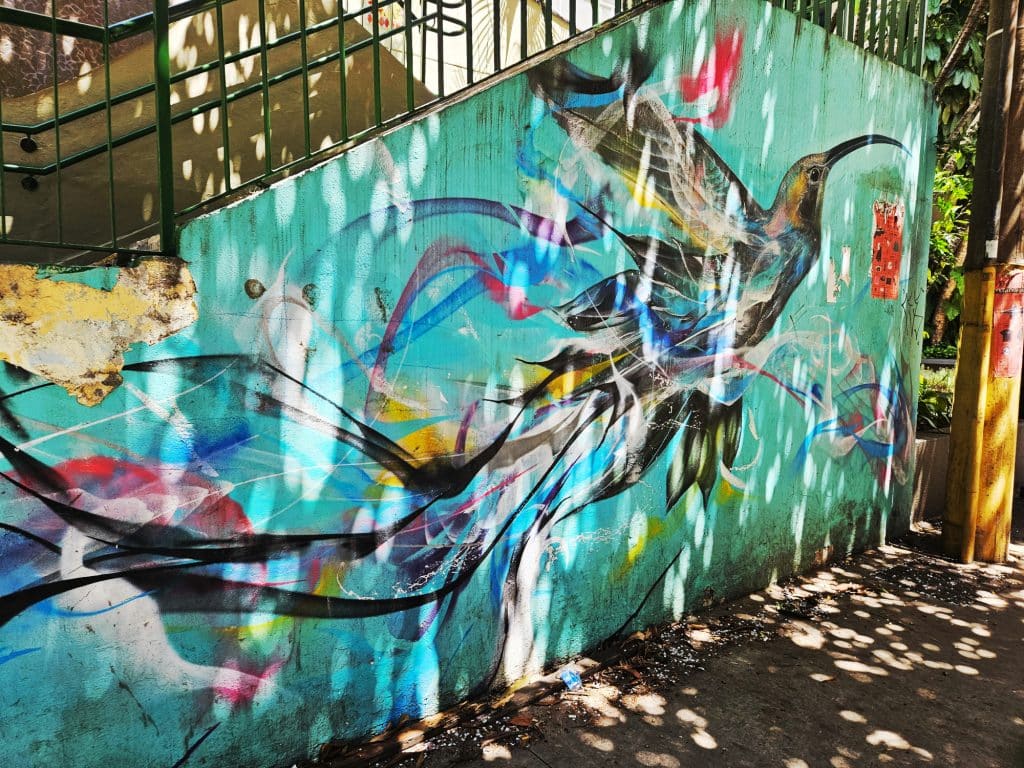
Wherever you go in São Paulo, even from the inside of an Uber, you will see street art. The city prohibits advertising billboards and even store logos can only be as big as 10% of the façade of the building. That creates a lot of blank spaces on the tall buildings for art. Where other cities show adverts, São Paulo shows murals.
After the military coup in 1964 and during the dictatorship, the graffiti culture grew as a form of protest against the government and censorship. The dictatorship ended in 1985, and the art has since become less political and more artistic.
The biggest concentration of street art in São Paulo today is in the areas of Pinheiros and Vila Madalena where you also find the famous Batman’s Alley.
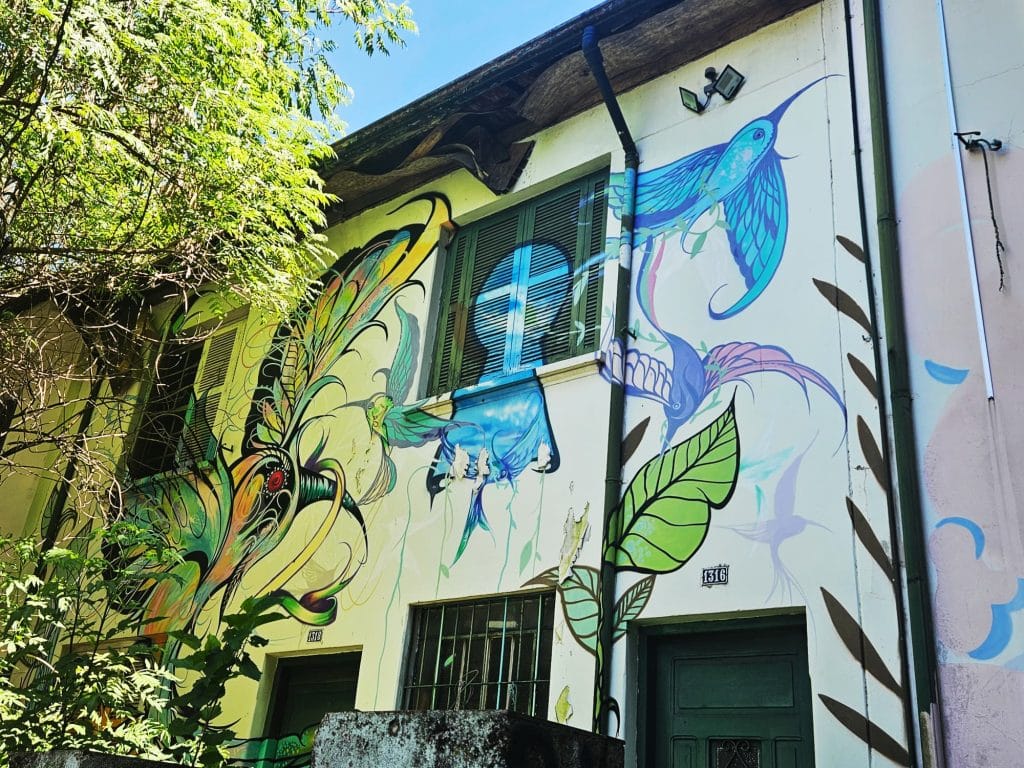
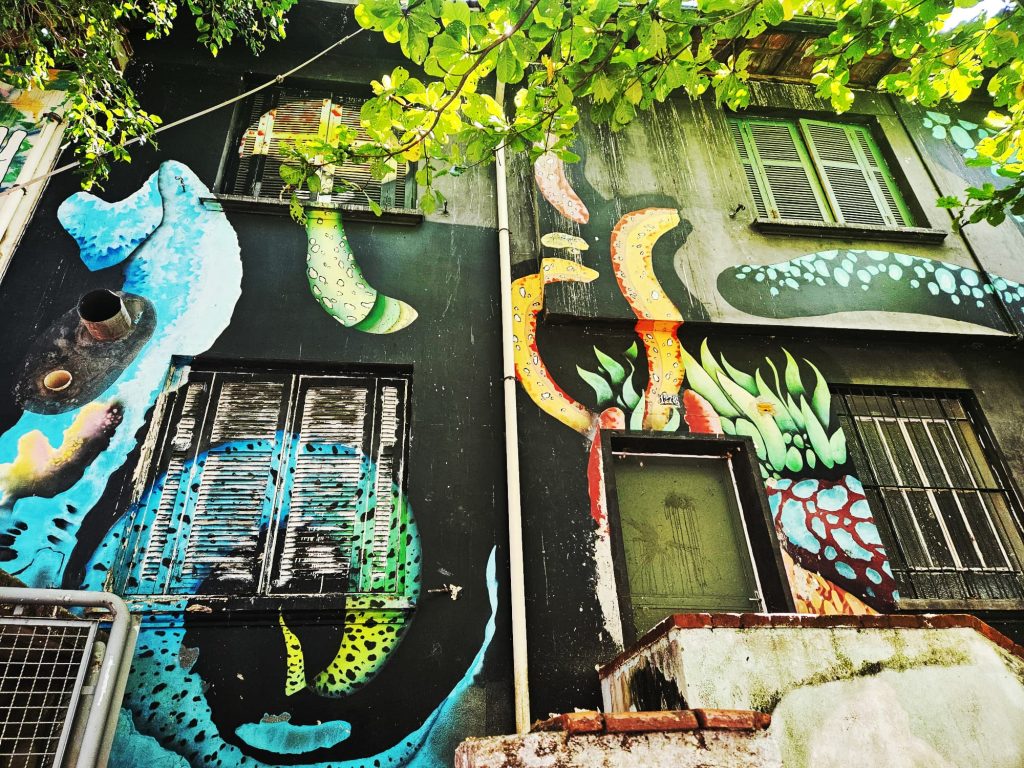
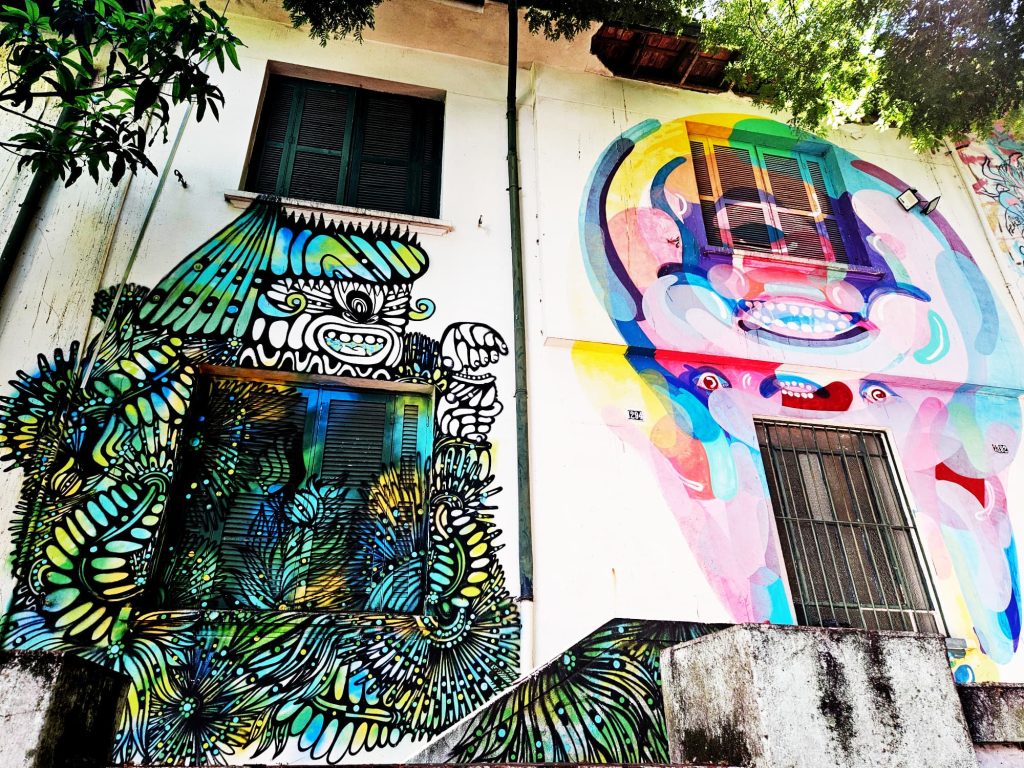
Types of street art in Brazil
If you already know a bit about street art, murals and graffiti, you better forget all naming conventions in Brazil. Things are called differently there.
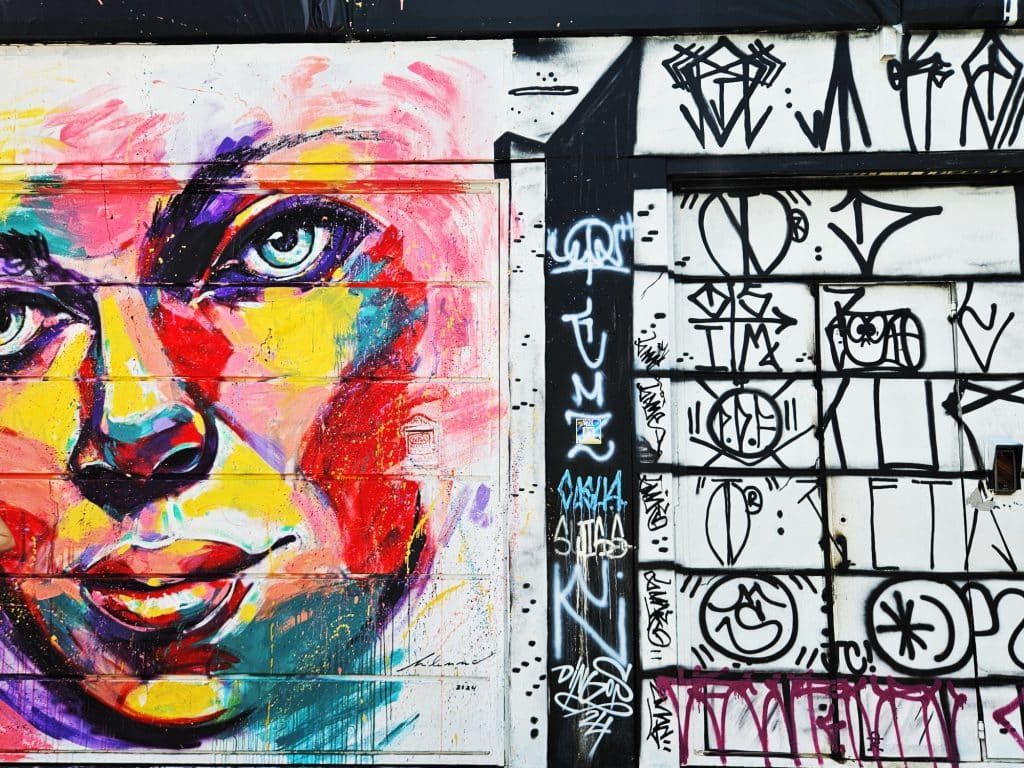
What we commonly know as graffiti, writing, is in Brazil called pixo (short for: pichação). It is a specific type of letters and a separate alphabet that nobody outside the community of pixadores could understand. It is not meant to be beautiful and is applied to gain respect. The higher it appears on a building the better. You will see them for example at an abandoned building at Paulista Avenue. That is probably the highest pixo in São Paulo.
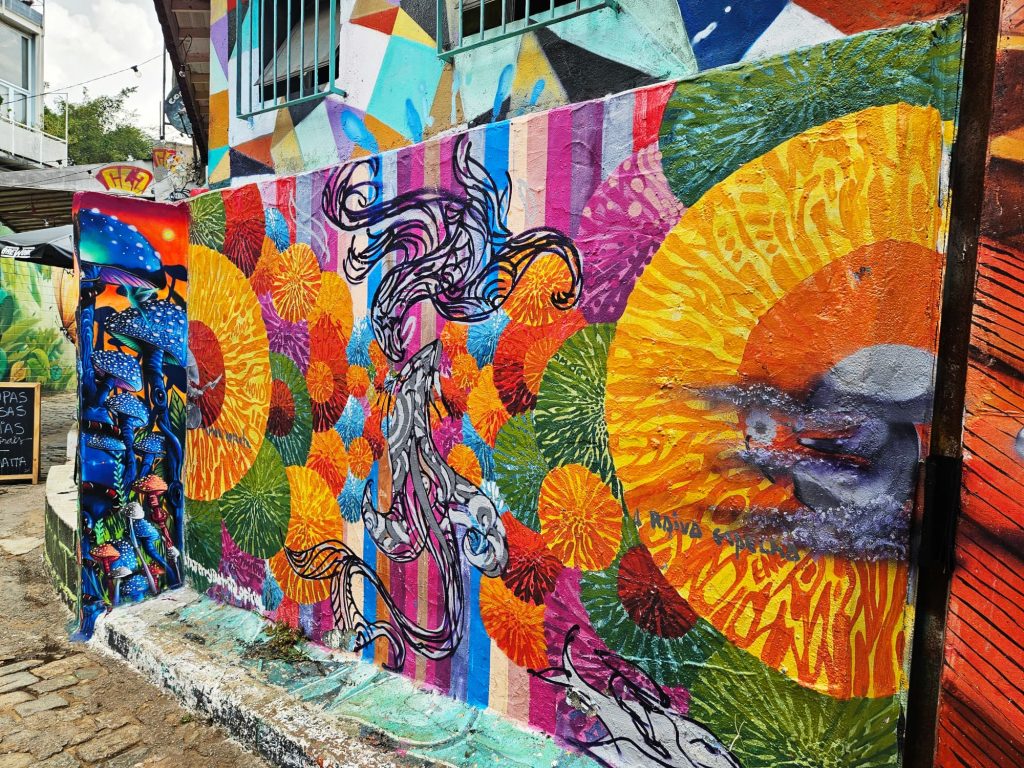
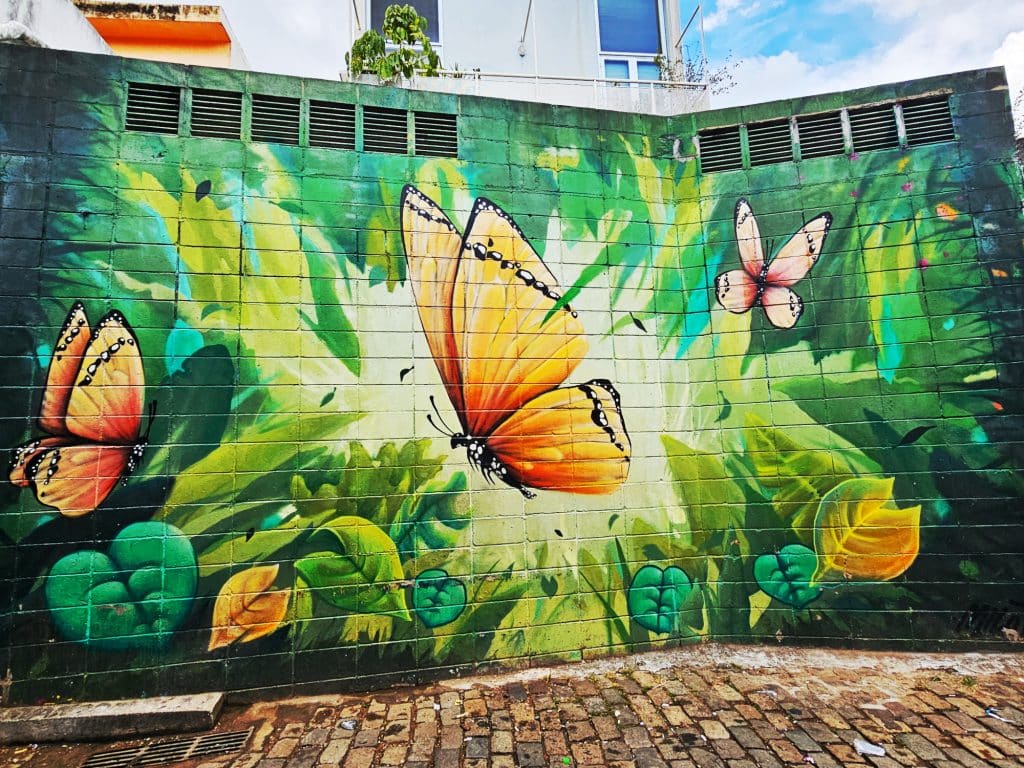
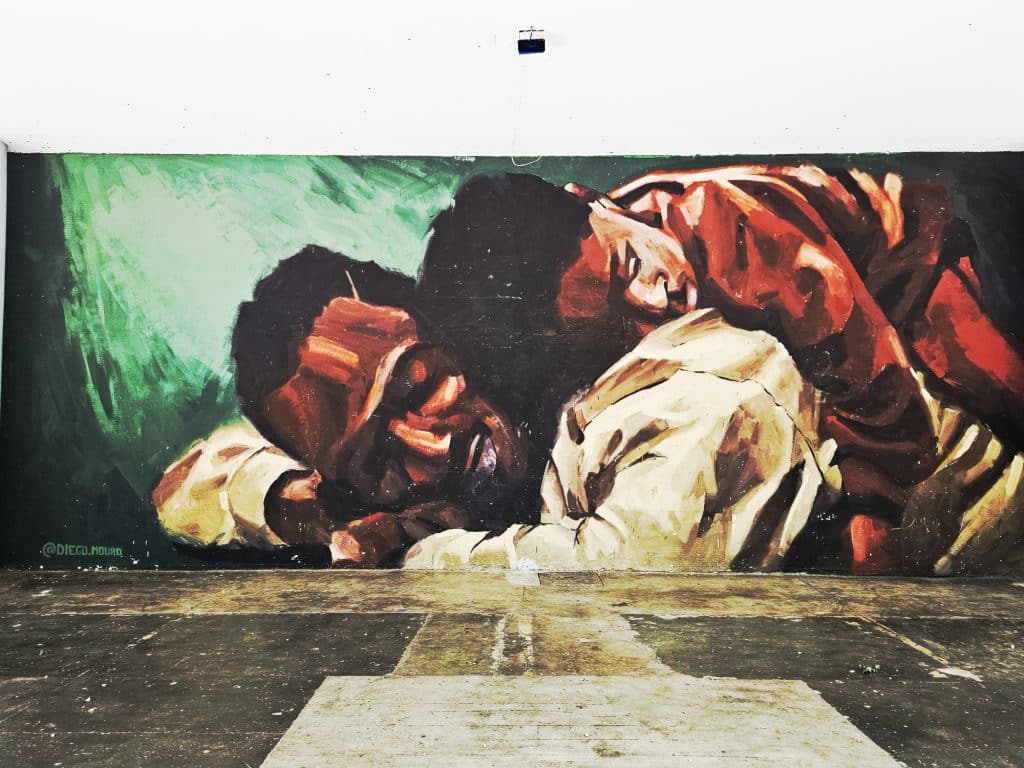
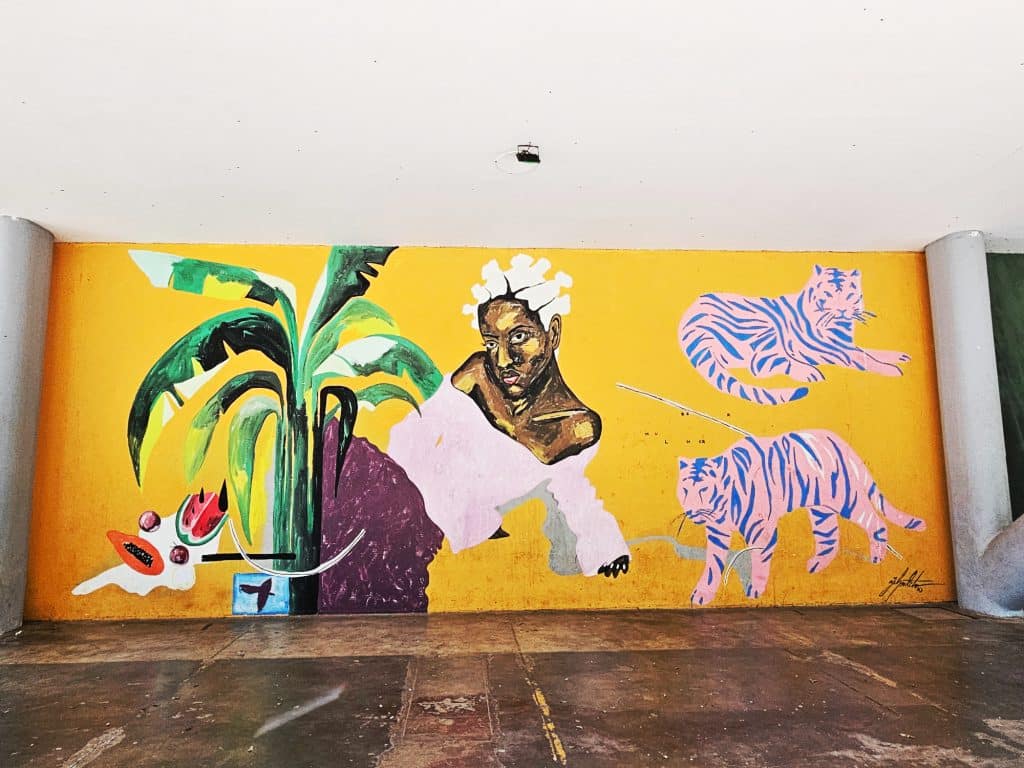
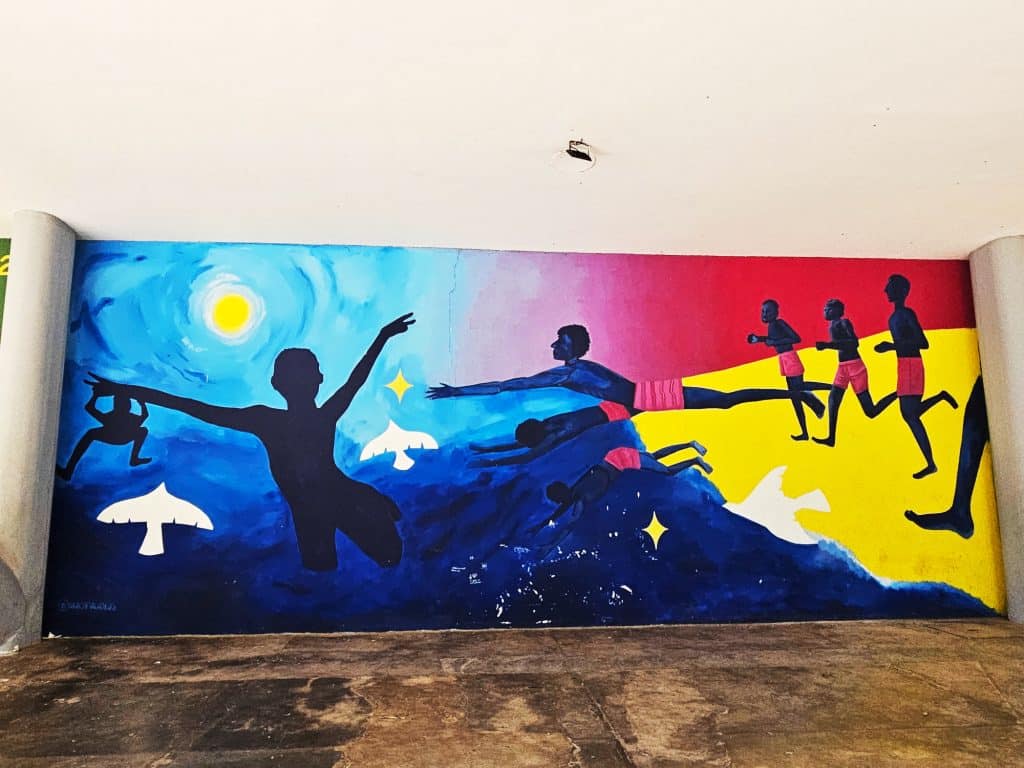
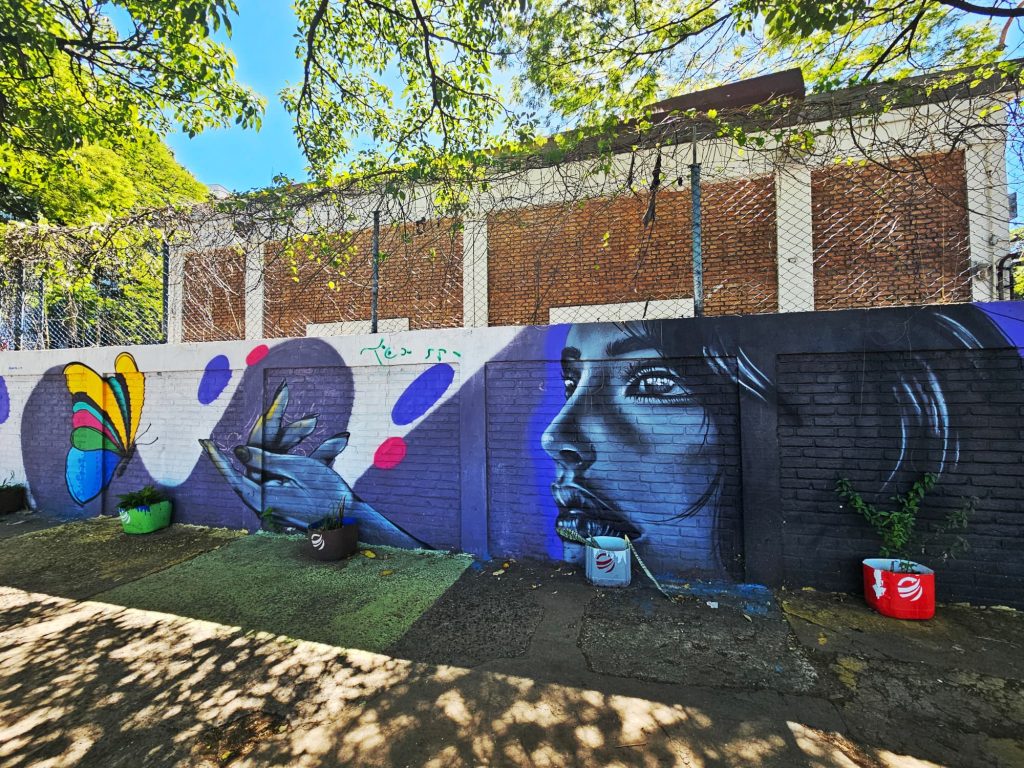
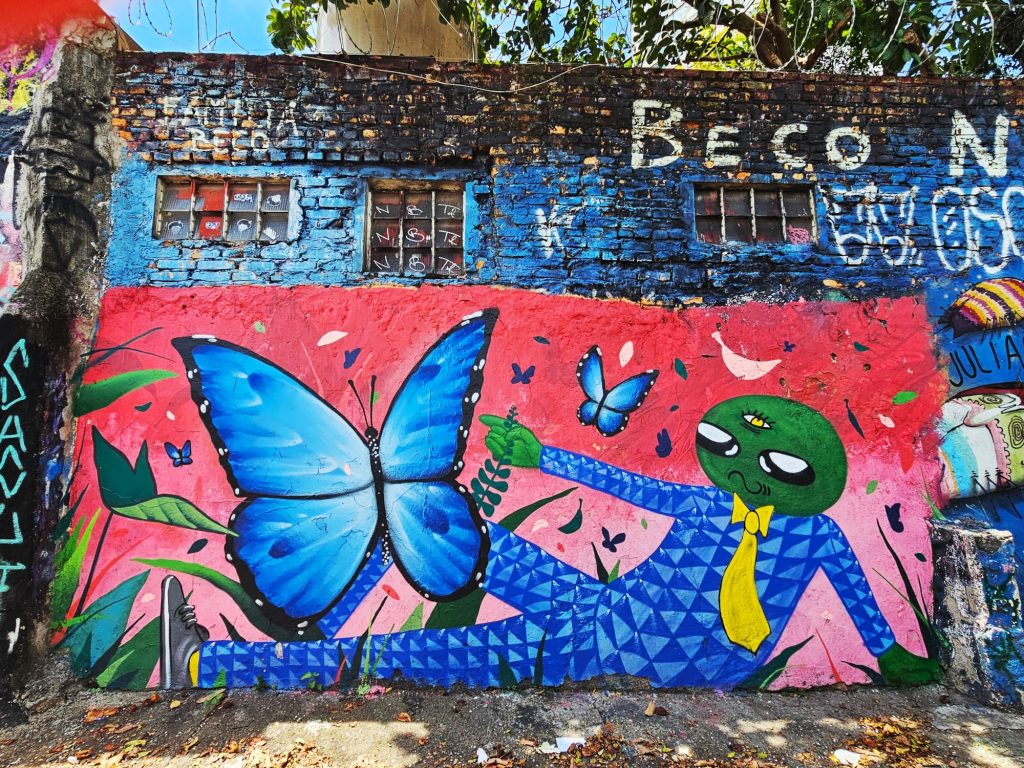
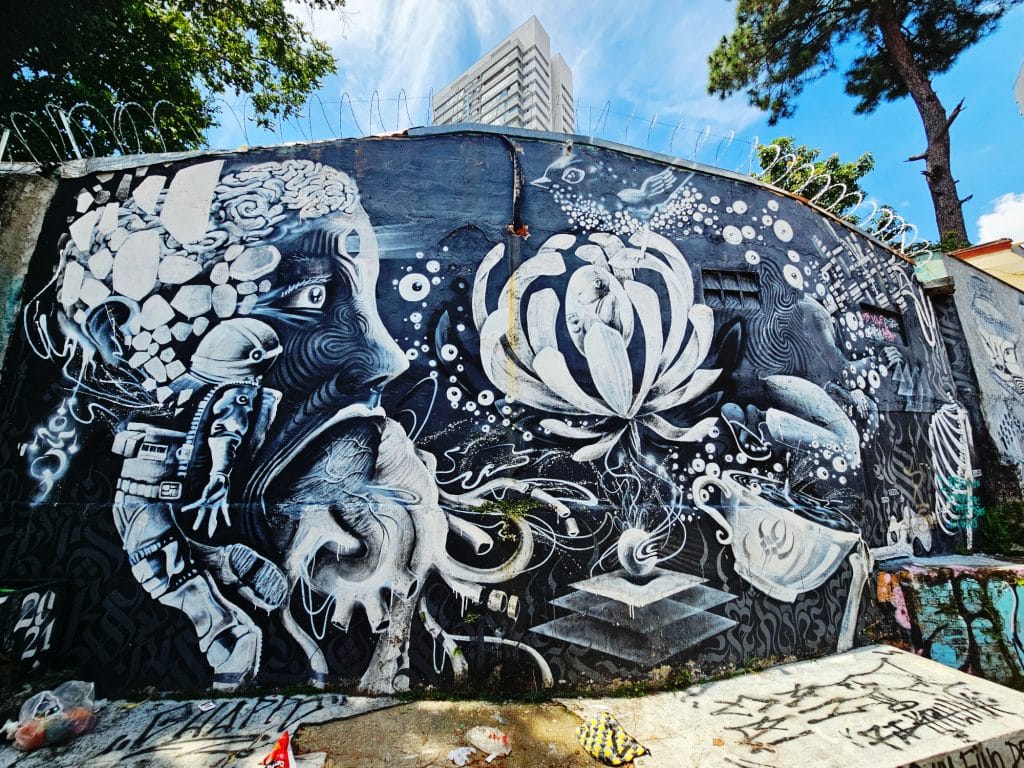
What they call “graffiti” in Brazil are colourful murals, more like the typical style of murals in all of Latin America. They’re paintings and meant to decorate houses. There’s no political meaning in those.
Art work on public walls that combines both, letters as in pixos and painting like in graffiti is called “grapixo”.
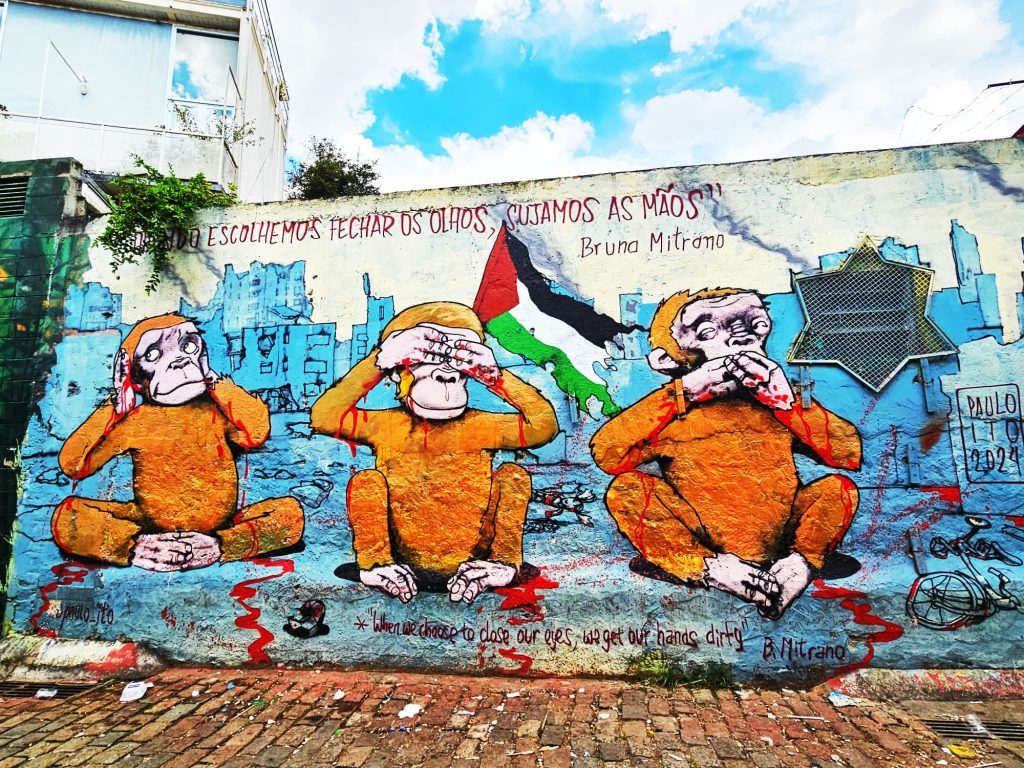
Paste-ups are called “lambe-lambe” in Brazil and you also find stickers as a form of street art and murals with a message. That is the type of street art that was born with Blek Le Rat in Paris and developed on the East Coast of the US. There is a beautiful example by Kobra in Vila Madalena, where he criticised the practice of rodeos.
Pinheiros
It was once a small village along the gold route, a stop on the way between São Paulo and the gold mines. The area was full of pine trees. Hence, the name Pinheiros. Today, there is only one pine tree left in the area.
At the end of the 19th century, Pinheiros was integrated into the city. And when the river was straightened in the 1940s, the area became a middle-class neighbourhood. With the new financial district around Faria Lima street in its proximity, Pinheiros got another uplift and is now a quarter for the upper-middle class. It still feels like a village with small, family-owned shops. The best-known is the arts shop Paiol that is worth a visit. And of course, there is a lot of street art.
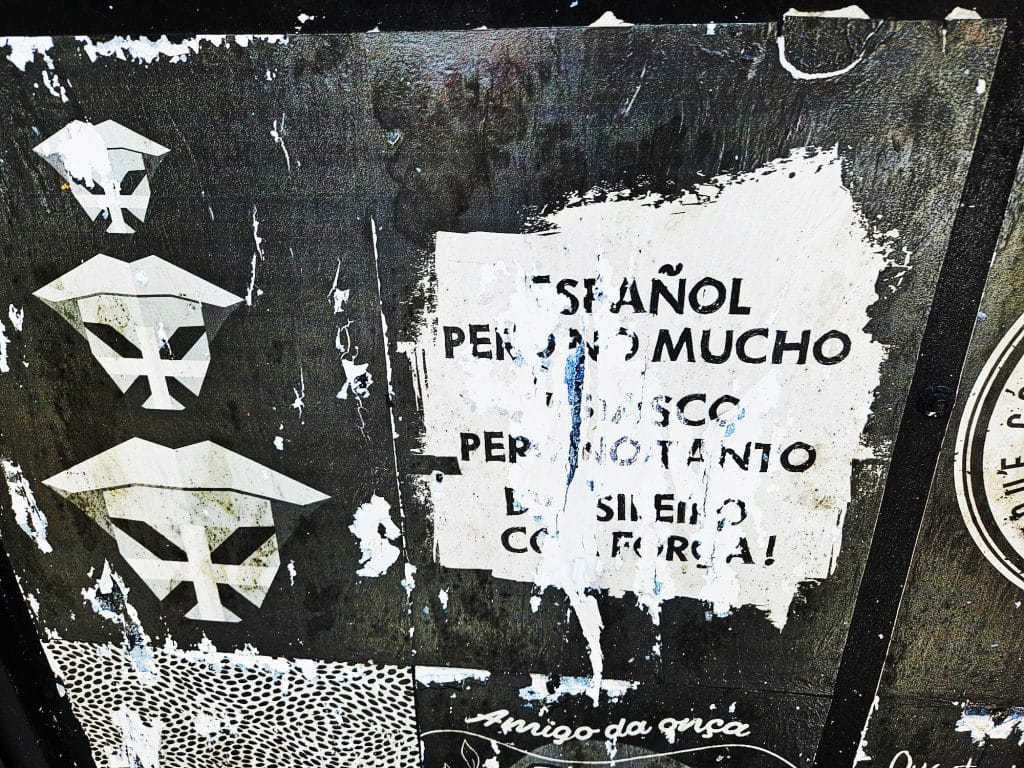
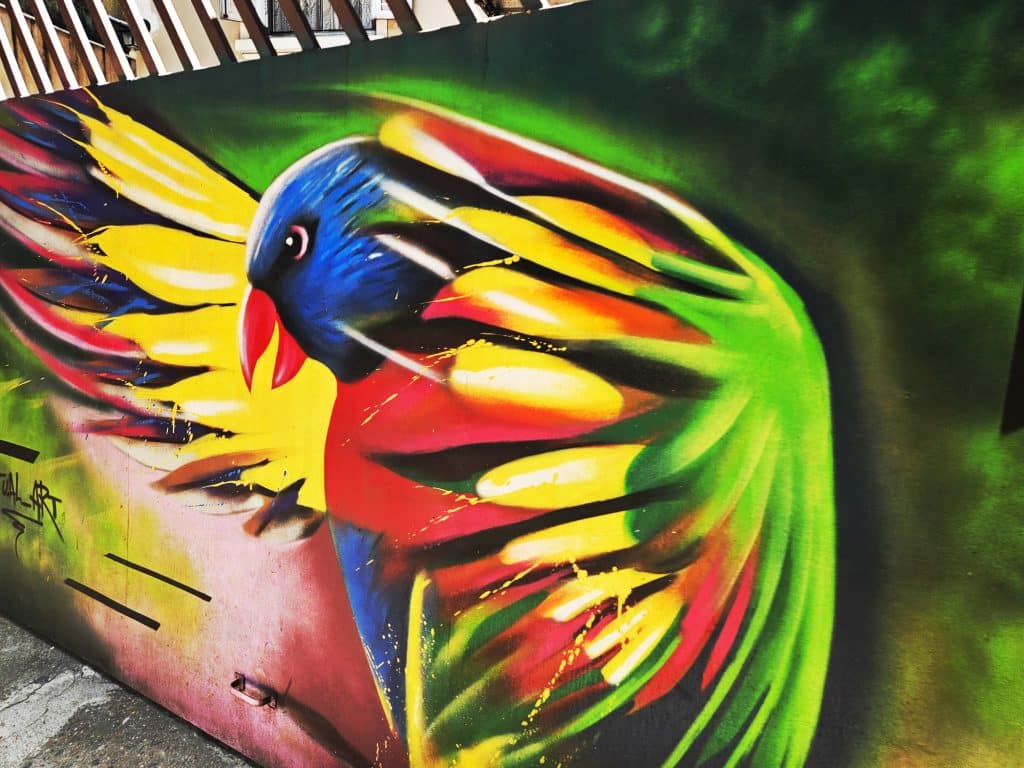
Vila Madalena
During the dictatorship in Brazil, the student city was dissolved in an attempt to prevent a student movement. Therefore, in the 1970s, a lot of the students moved to Vila Madalena which was close enough to the campus. This on the other hand brought bars and nightlife to the area. The Aspicuelta street is till today the place to go for restaurants and nightlife. Vila Madalena is by now an upper-class neighbourhood with fancy boutiques, but it kept its artistic atmosphere and the underground culture.
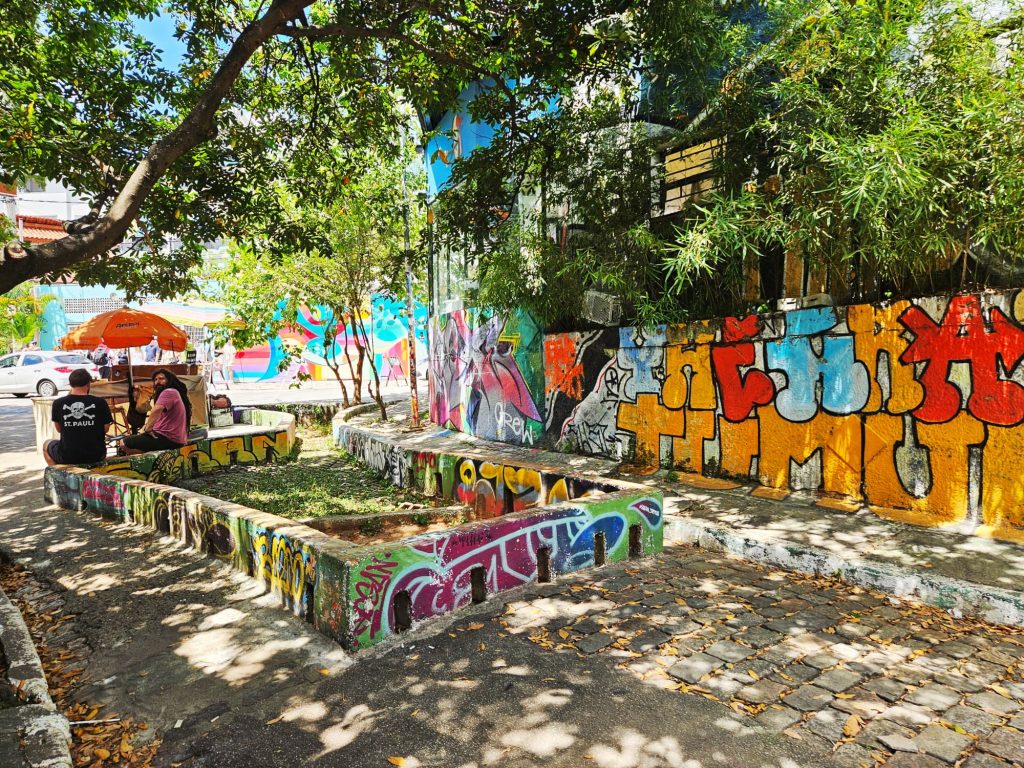
In this area, you find the street art hotspots of Beco do Nego and Beco do Batman (Batman’s Alley).
Beco do Nego
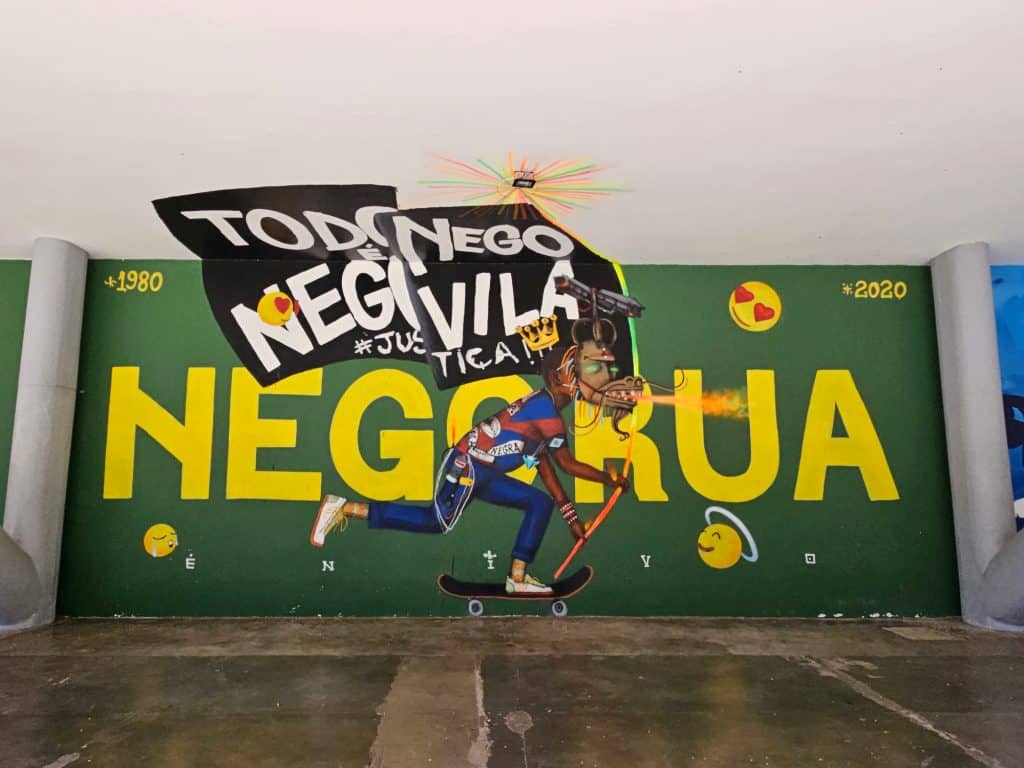
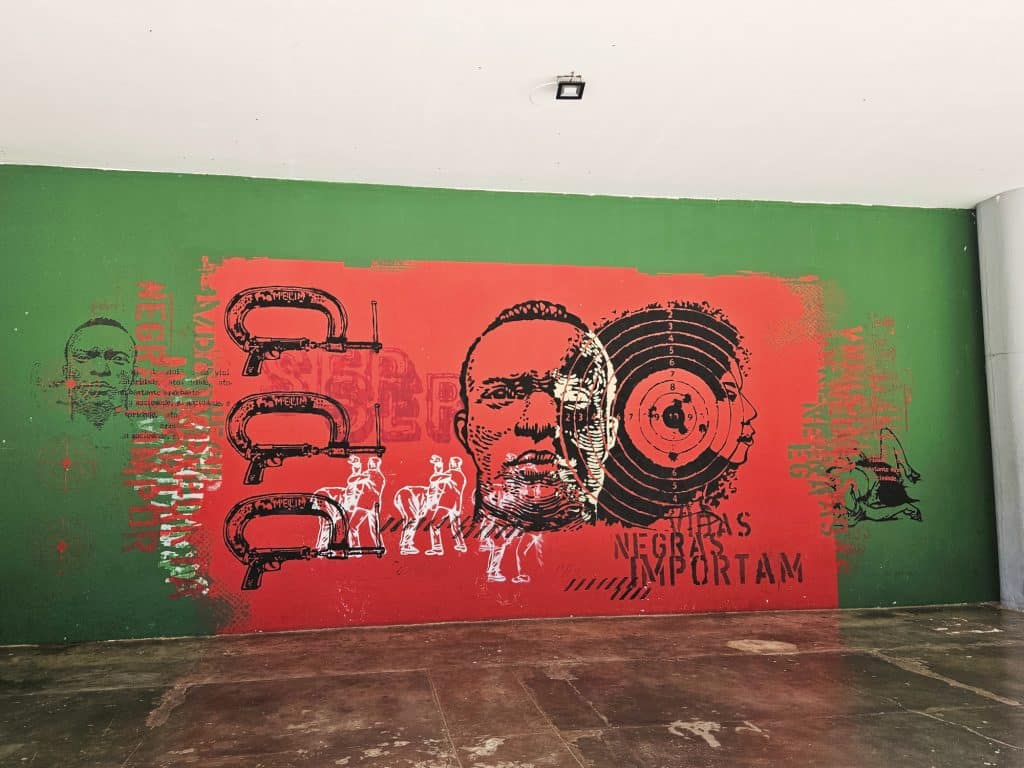
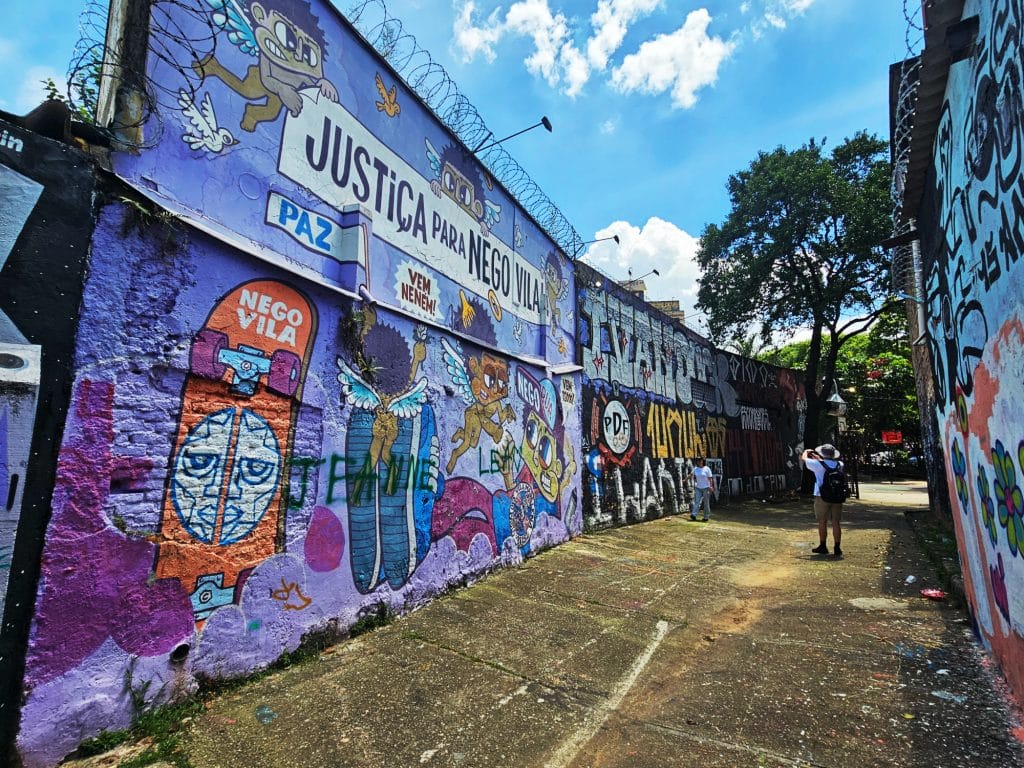
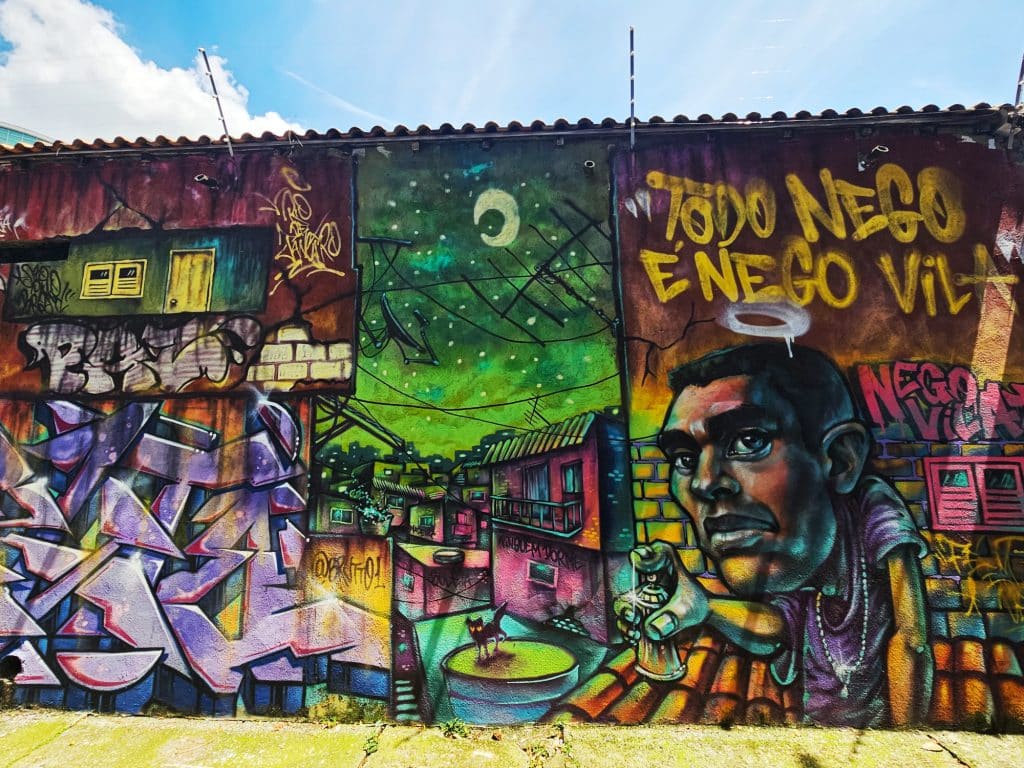
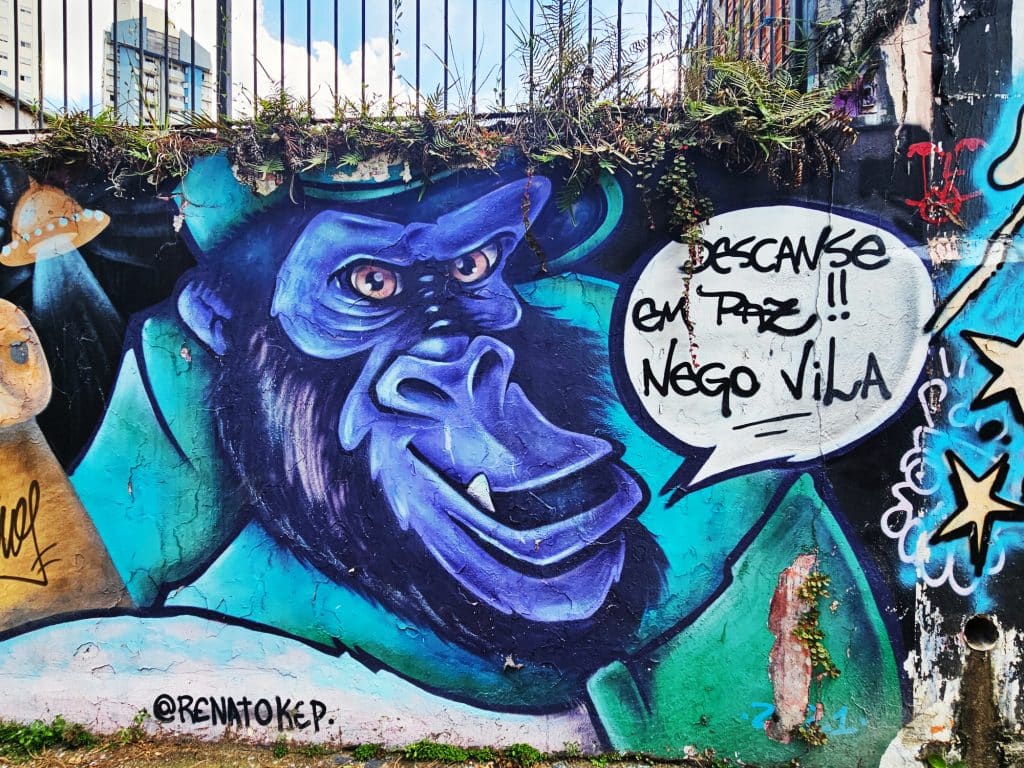
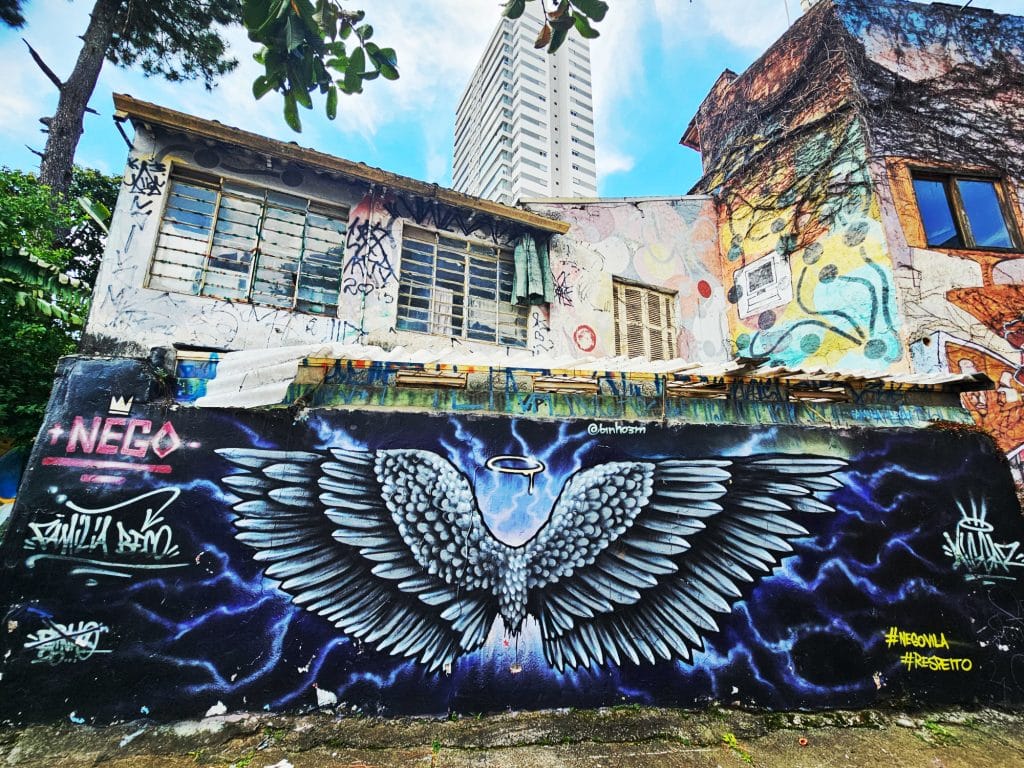
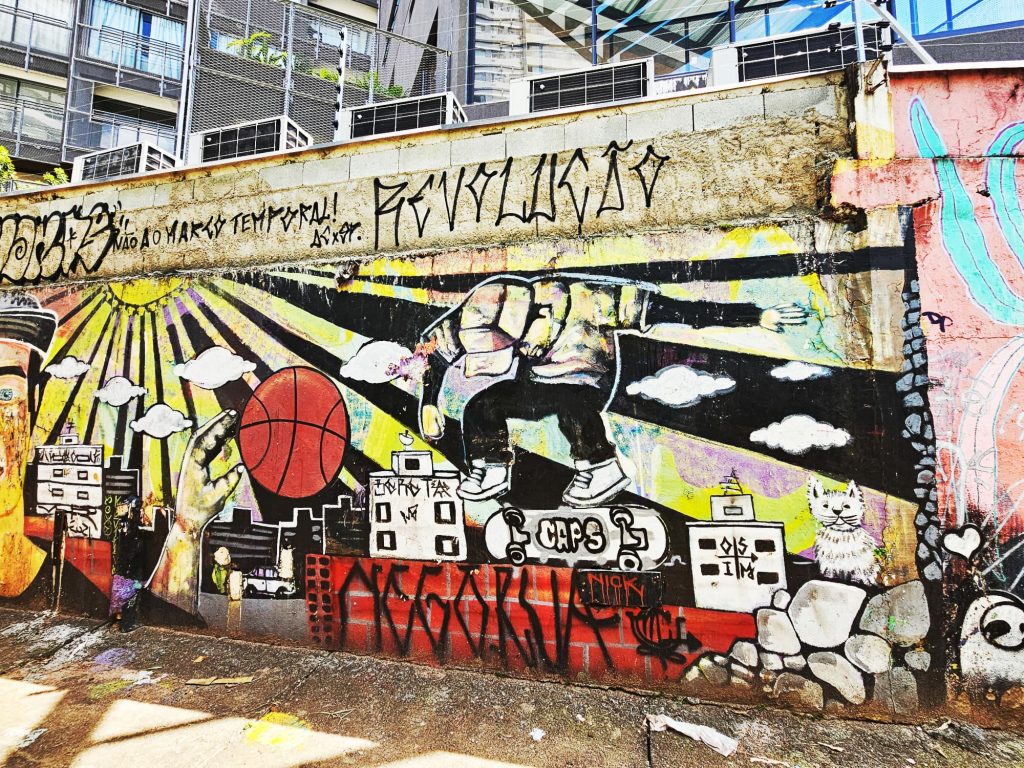
It is a small alley in between houses, not an official street, and it starts with a basketball court where even the baskets look like street art. The first big piece of art that you see refers to the name this alley is best known for, Beco do Nego. It started with the brutal killing of the skateboarder Nego Vila in 2020 and a lot of the murals in this street and in other places around the city use this topic.
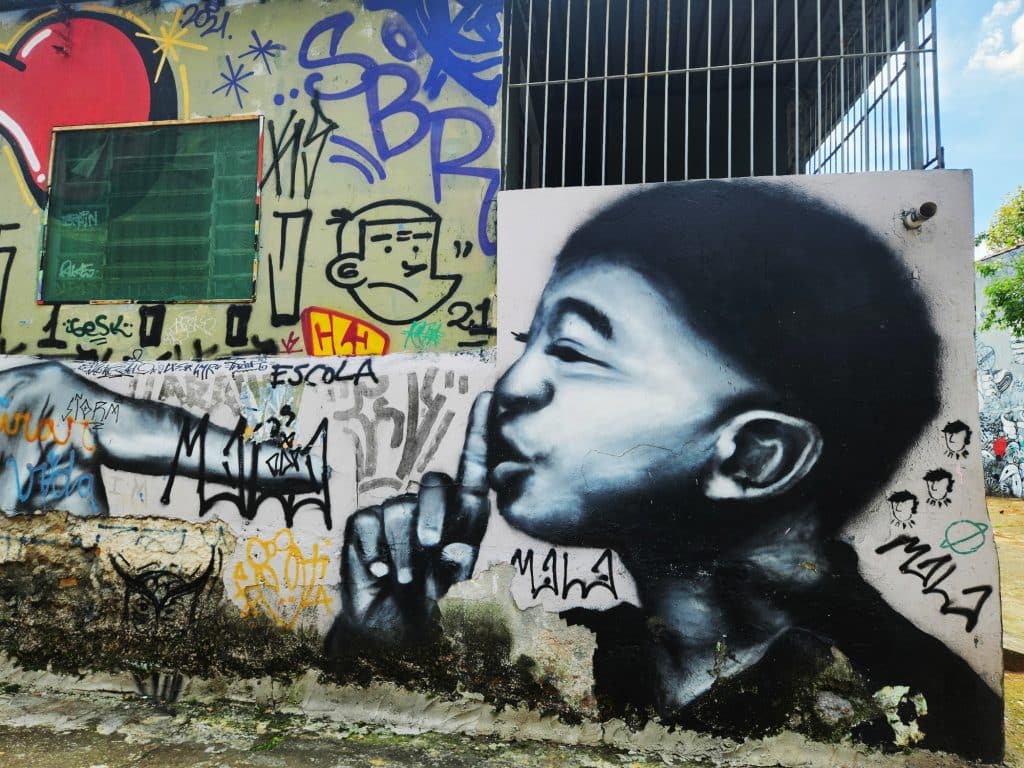
The area is also known as aprendiz alley (learner’s alley) because there used to be a school and you still find regular activities for kids. The basketball court is a local meeting point.
The third name for this area is Niggaz alley which is not a negatively connotated word in Brazil and goes back to a well-known street artist that used this name. He died at the age of 21 under unknown circumstances in 2003. There is some of his artwork left in the alley. In Brazil, the artist who first paints a wall becomes the “owner” of that canvas. Other artists can only paint it over if the original artist grants permission. Since Niggaz is no longer able to grant this permission, his artwork remains. You can see though the impact of wind and weather that doesn’t respect the legacy of an artist.
The only remaining pine tree, the trees that gave Pinheiros its name, is in this tiny alley. Please do not go there on your own, especially not at night.
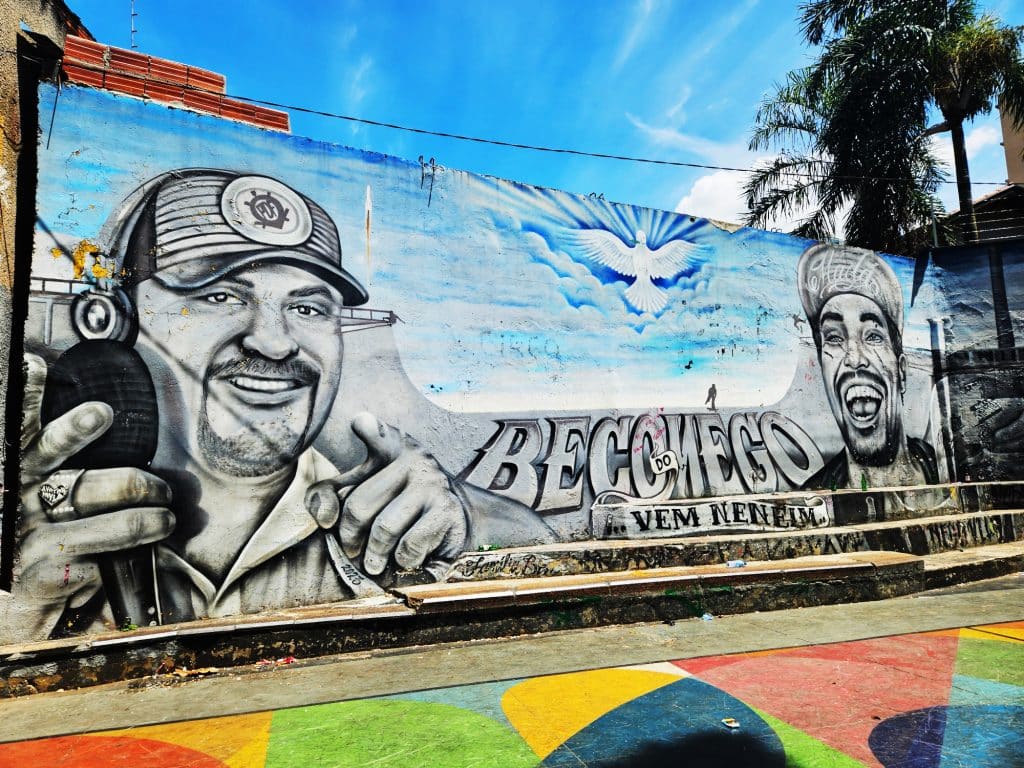
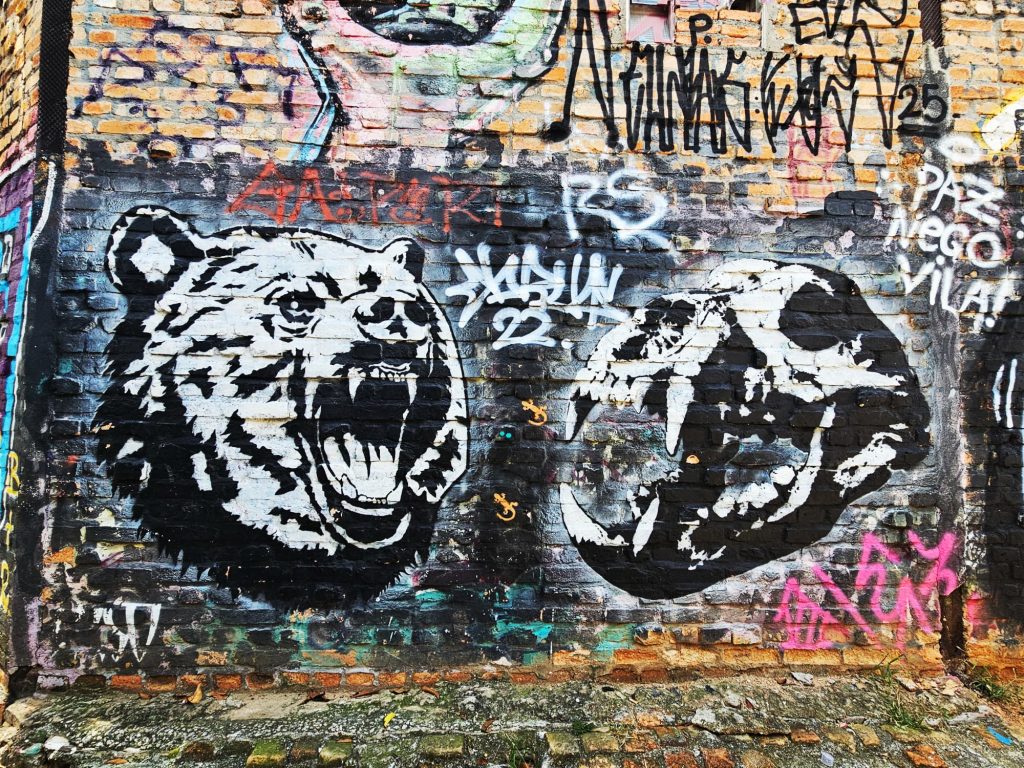
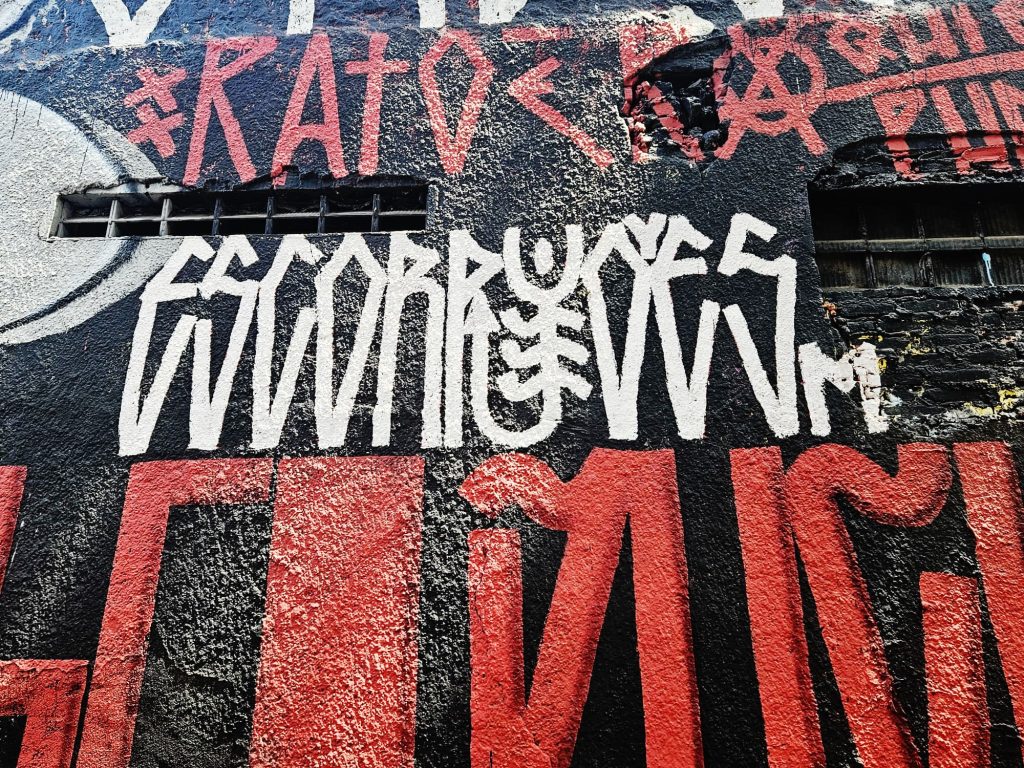
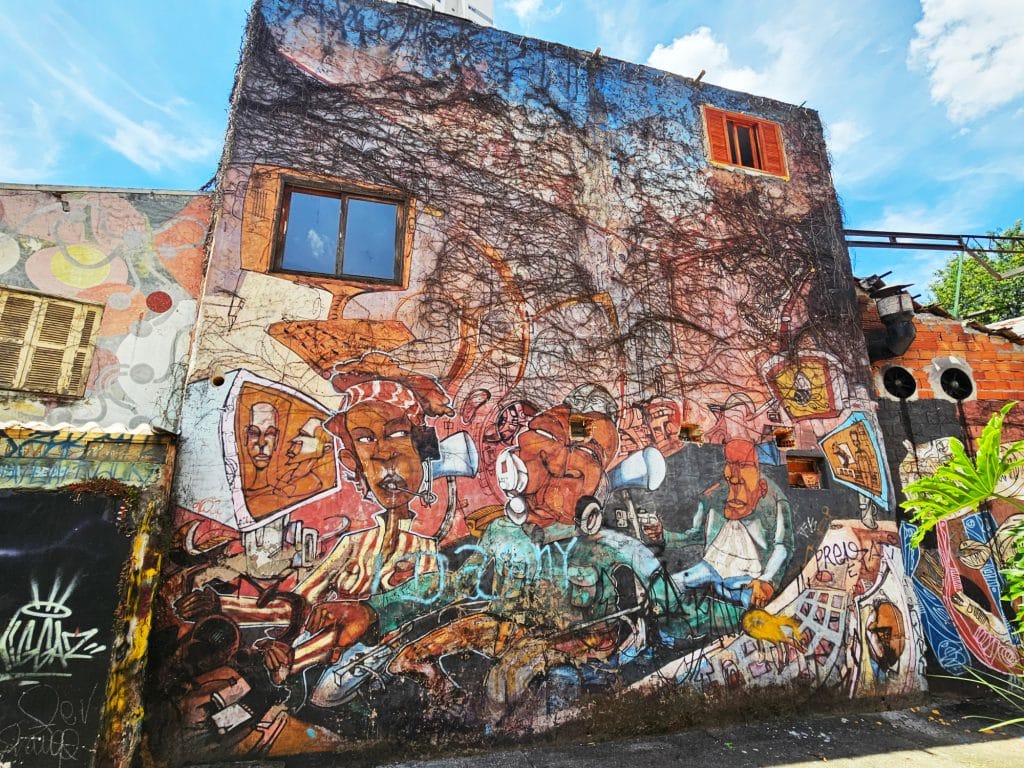
Batman’s Alley
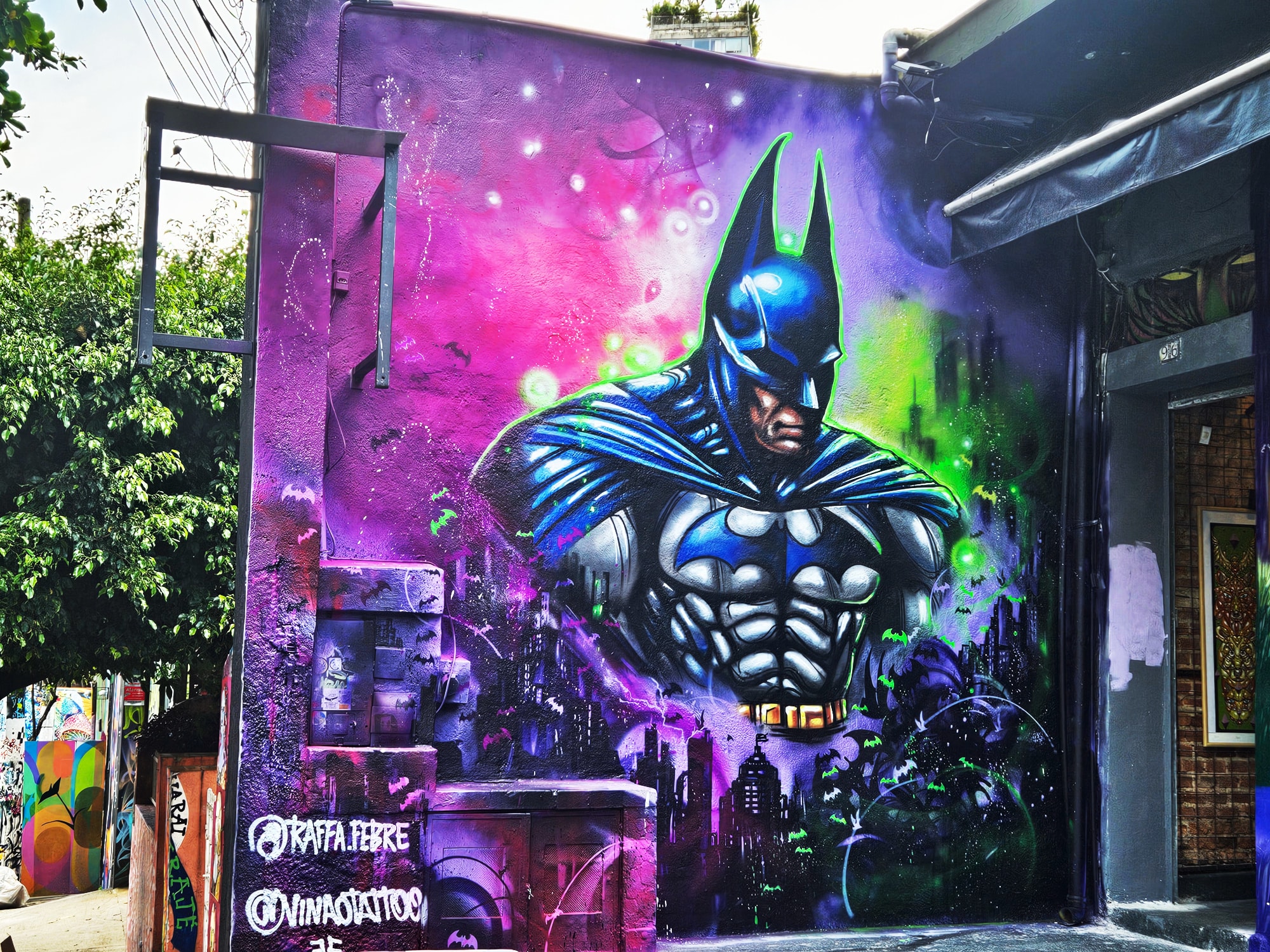
The name of this popular tourist destination in São Paulo seems quite random and there are multiple explanations for the comic-inspired name. There is a nearby warehouse with a Batman logo in one of the windows. It is said that there used to be a collection of vintage cars, one of them looked like a Batmobile. In the 1980s, a mural of Batman was brought to the walls which is nowadays the most widespread theory of the origin of the name.
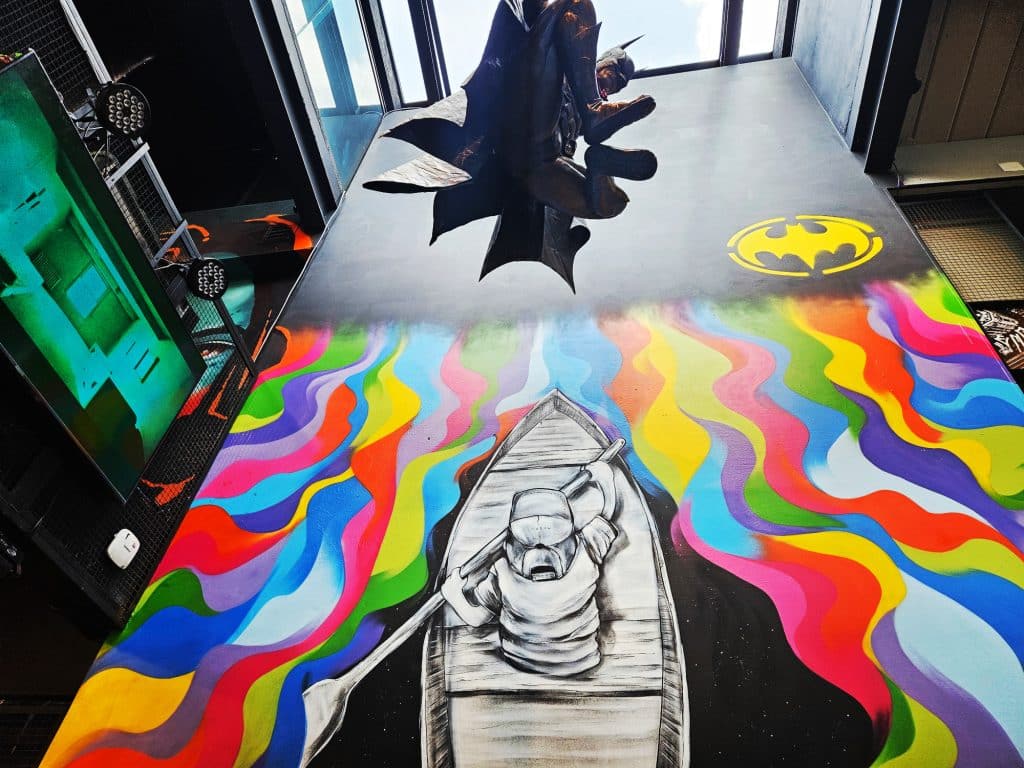
Other theories speak of a dark alley with bats and an atmosphere like Gotham City. The original Batman-mural is no longer there, but fear not! There are plenty of newer models and inside the ZIV-gallery, you can see a Batman entering the building through the roof.
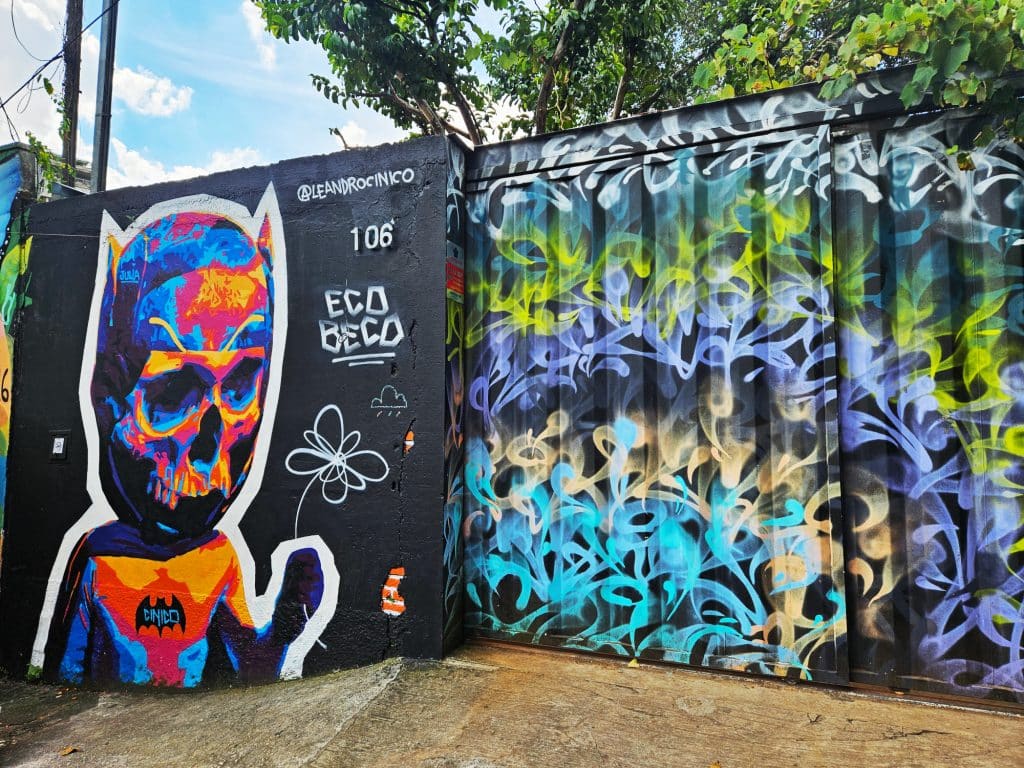
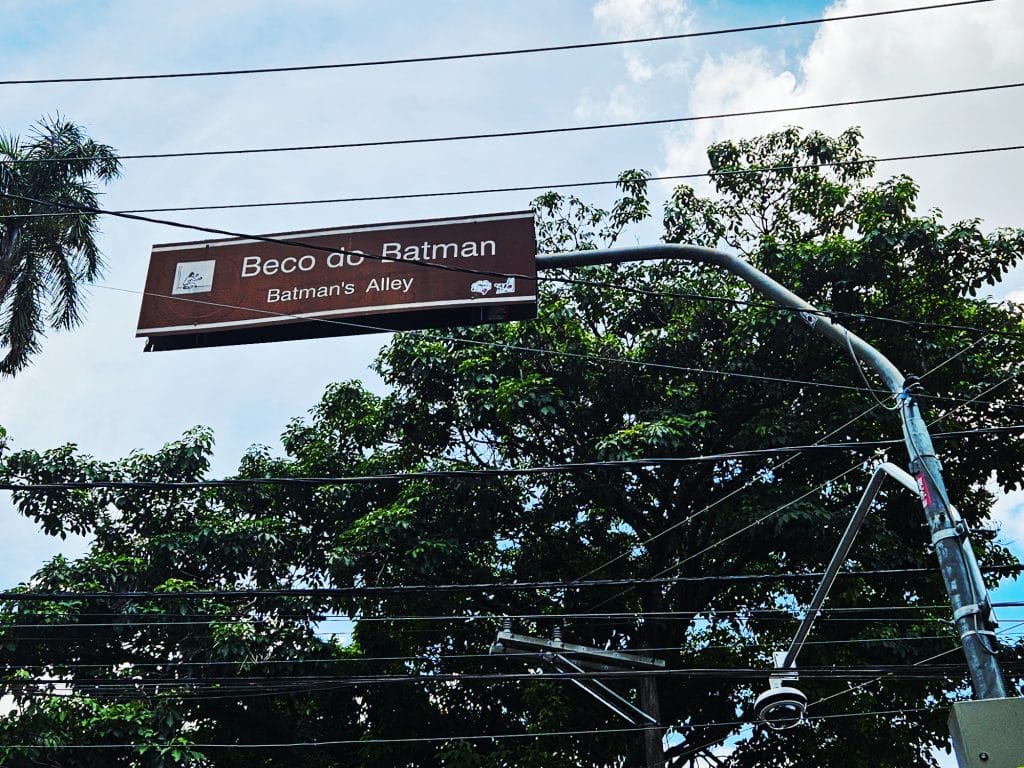
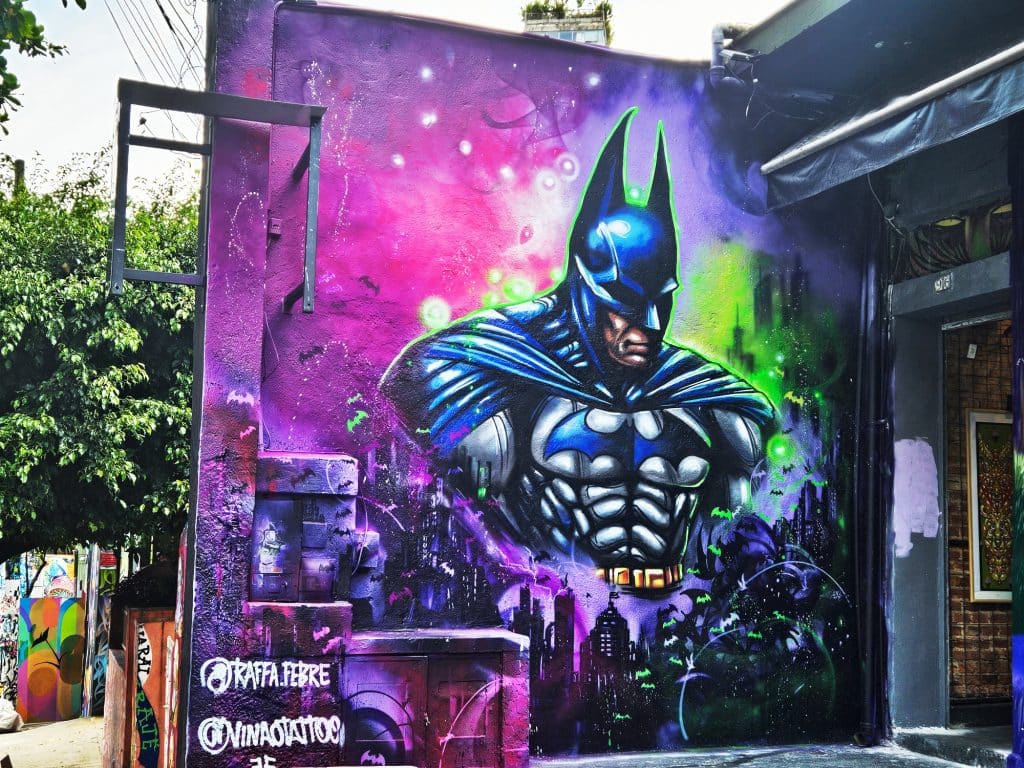
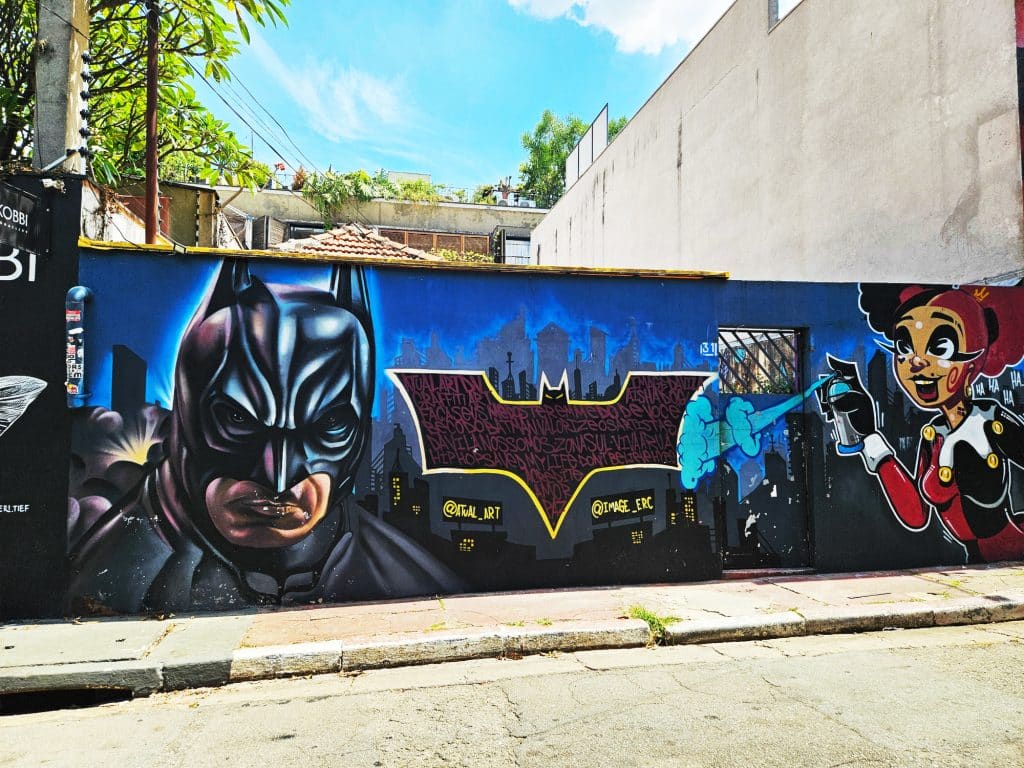
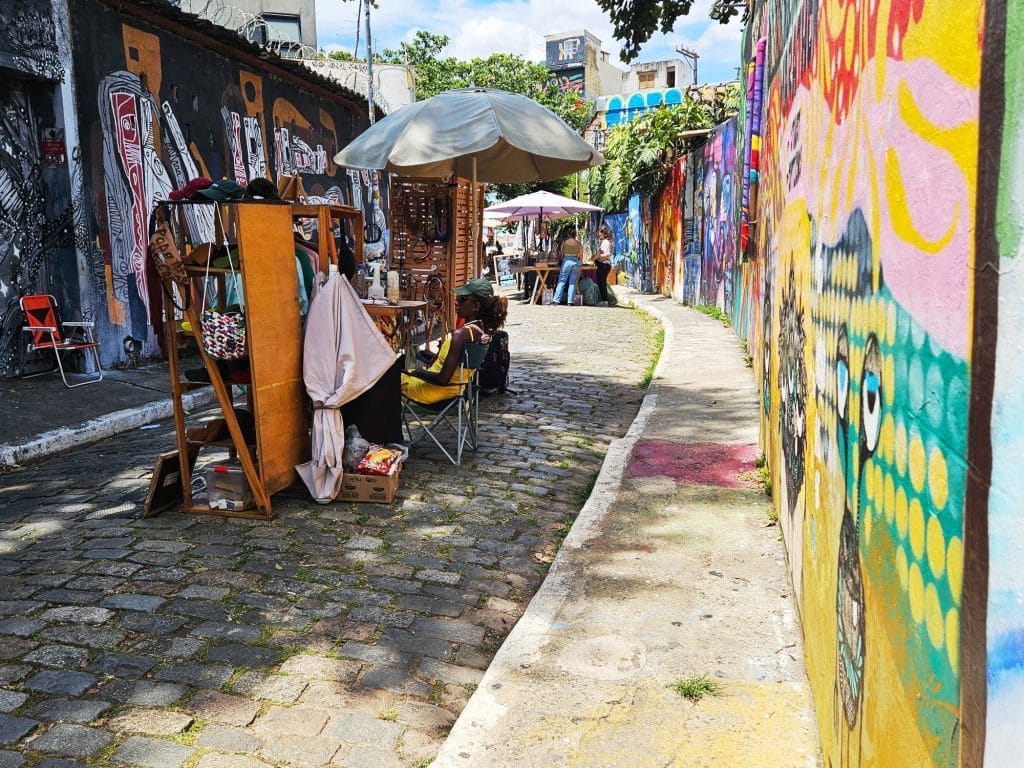
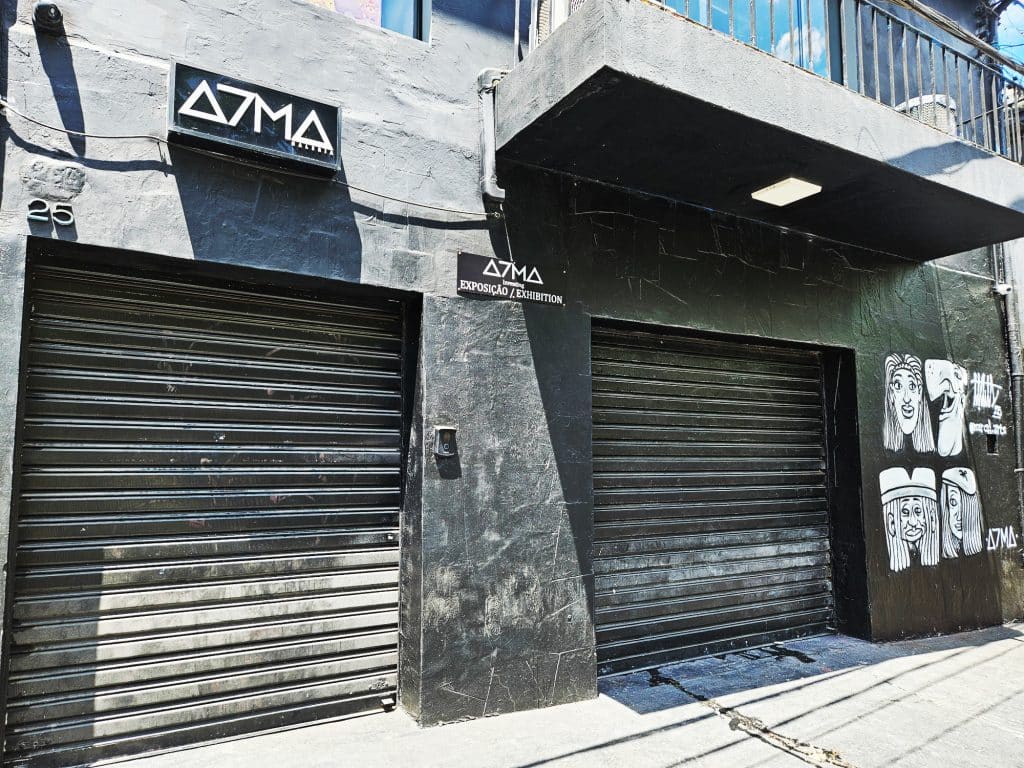
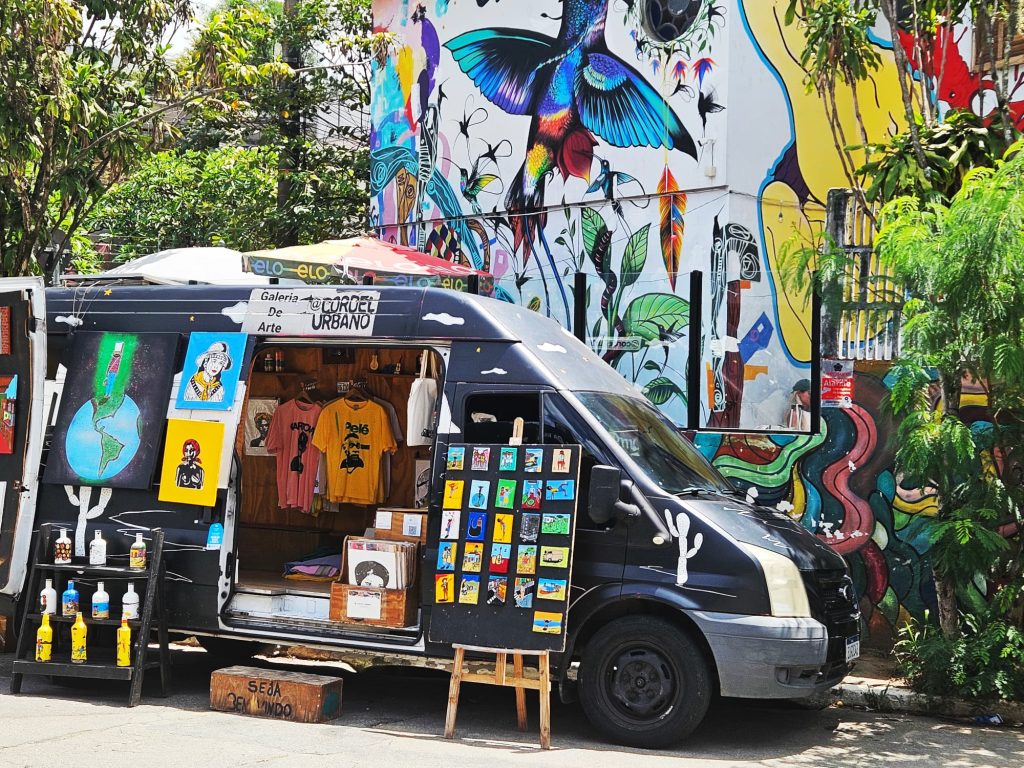
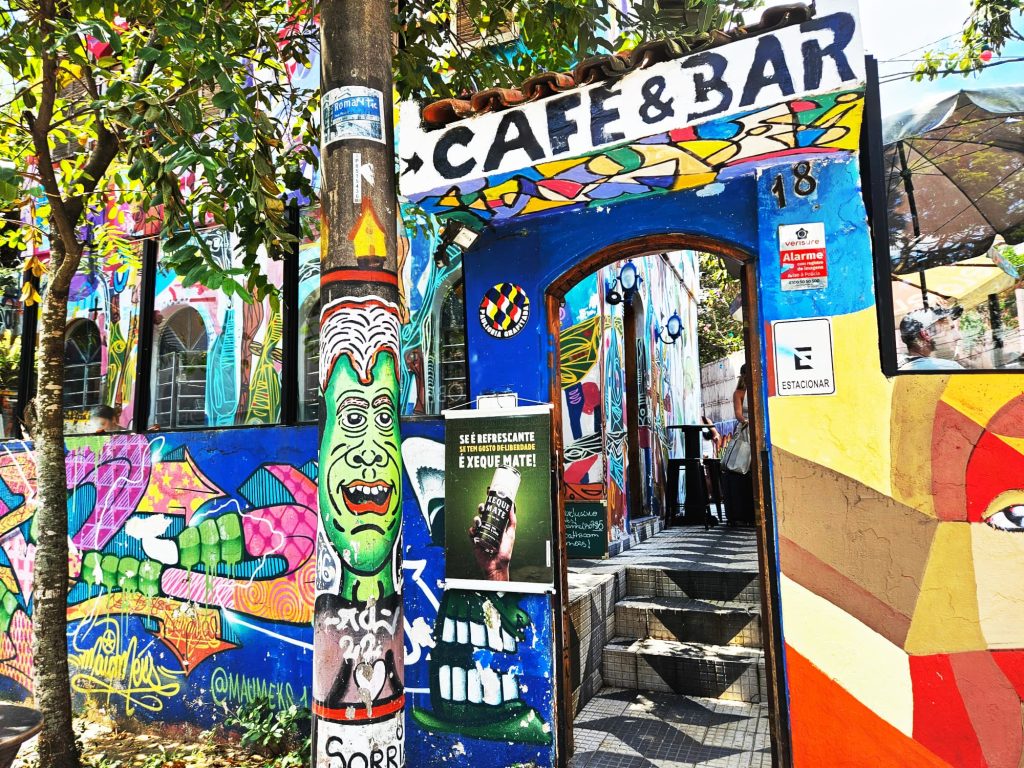
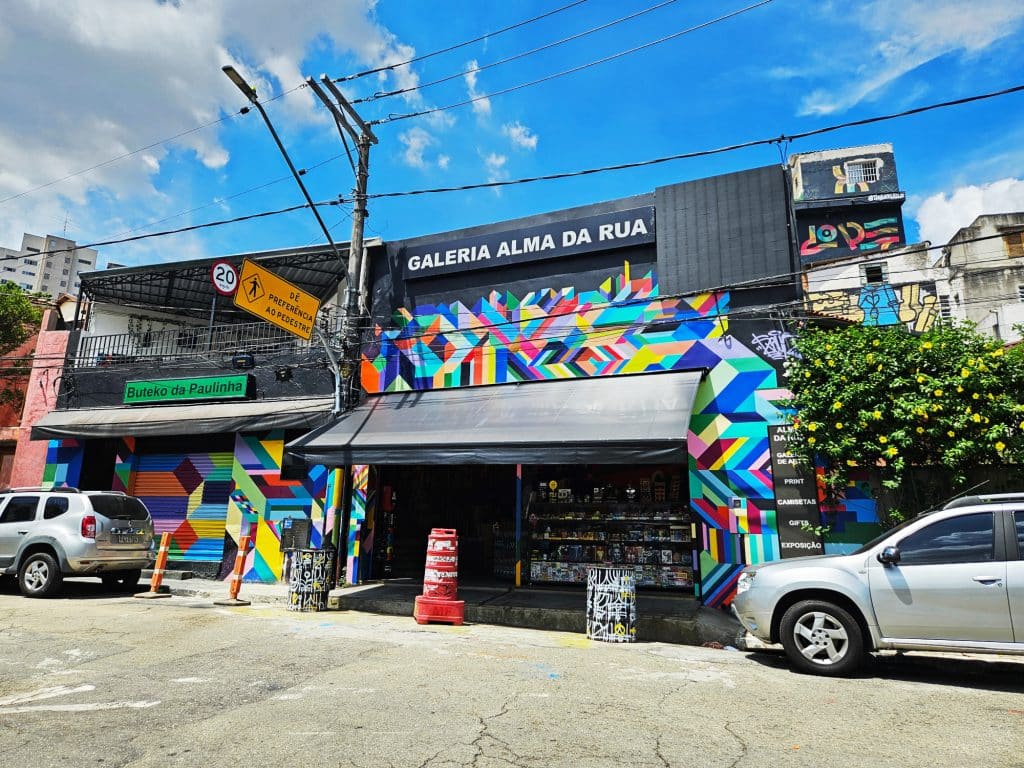
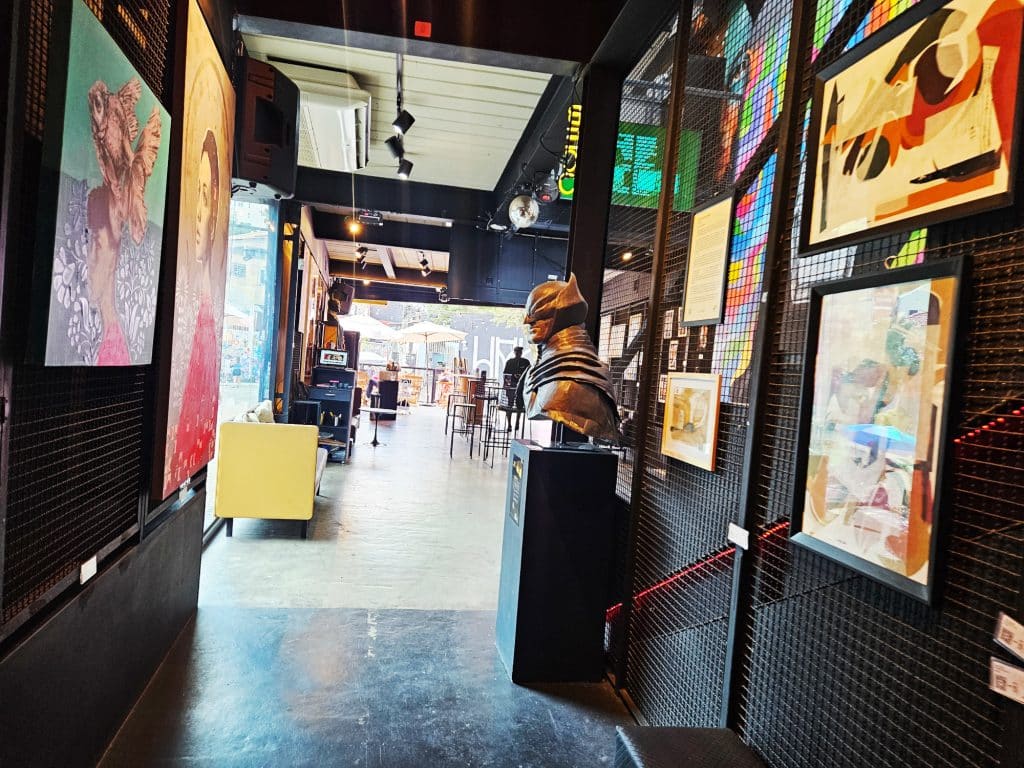
The alley is pedestrianized and there are small market stalls of local artists in front of the colourful artworks and art trucks. You also find bars and restaurants and a few art galleries. Apart from the already mentioned ZIV-gallery, there is Alma da Rua and A7MA. The latter had a black façade when Charlie was there because they were just changing the exhibition. The front wall is usually painted by the exhibiting artist.
Just outside the area is also a colourful staircase that has first been painted in 2015.