Samba, Surfing and learning Portuguese
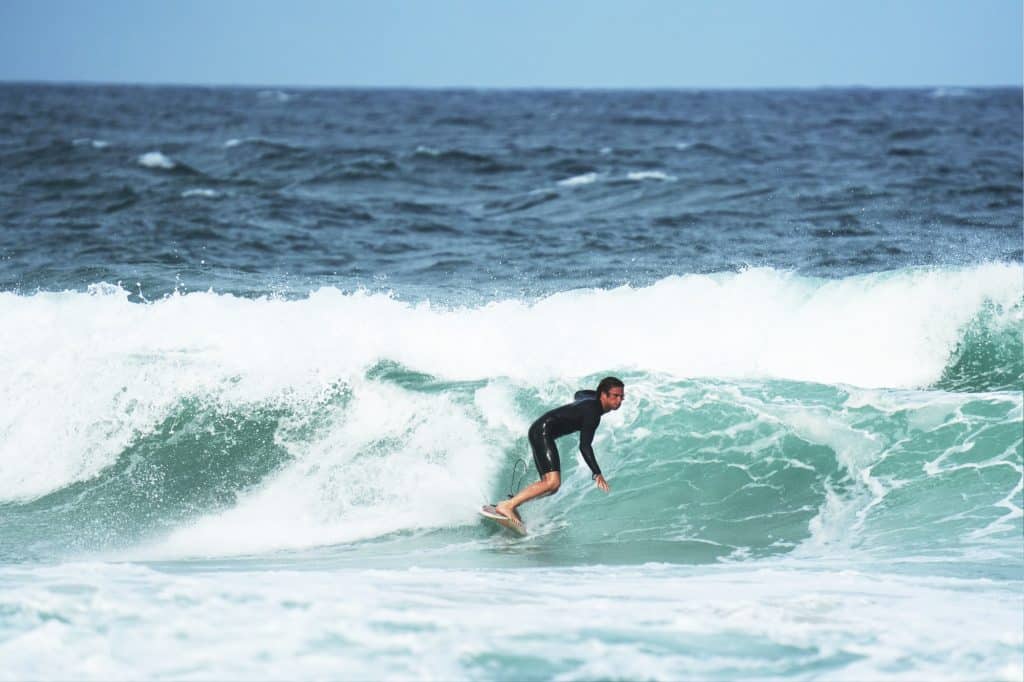
Originally, Charlie was meant to visit Brazil in 2020 to see the surf competition of the world championship tour in Saquarema. The pandemic however made her cancel that plan. In 2025 finally, Charlie made it to Brazil, not for the surf competition but for the Carnival in Rio.
- Language: Portuguese
- Currency: Brazilian Real
- Time Zone: different time zones from GMT-2 to GMT-5
- Electricity: 127V or 220V
- Plugs: Type C & Type N
- Healthcare: Free
- Emergency Telephone number: 190 (Police), 192 (Ambulance), 193 (Fire brigade)
Safety tips for Brazil
The main reason why Charlie was hesitant to re-book that trip sooner was safety concerns. She had met a few Brazilians over the years on her travels, and she had been told more than once how dangerous it was. Let’s get this out of the way immediately: It is not any more dangerous than a big city in other parts of the world. One of the other Germans she met in Brazil even said that Rio might be safer than Frankfurt at night because there, you can actually afford an Uber to get home.
You shouldn’t write Brazil off as a travel destination and there is no need to be scared if you go. As anywhere though, you should pay attention to your surroundings and be smart about a few things when you’re in a city.
The most common thing is phone robberies and the thieves do it in ways that you wouldn’t expect. There are some precautions you can take:
- Keep your phone in a closed pocket and close to your body
- Go into a shop when you want to check Google Maps, don’t wave it around in the street
- Use an additional strap to tie the phone to your body
- Don’t leave it anywhere unsupervised. On the beach, even the locals ask somebody trustworthy to watch their belongings when they go for a swim
Charlie got a secondary phone that she used when she was out and about. The phone that is connected to all bank and email accounts stayed safely at home.
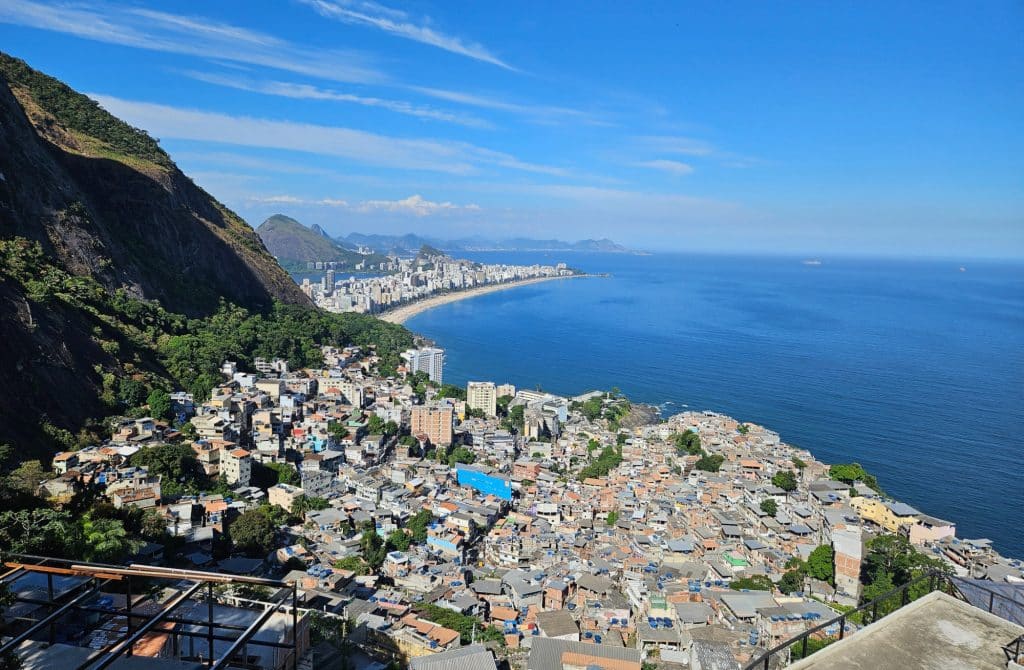
Of course, there are other risks in Brazil, but Charlie found phone theft to be the one that occurs the most. If you want to visit a favela, don’t go to just any. There are some where tourism is common. And of course, don’t do it wearing hidden cameras and don’t try to take photos of any illegal activities that might take place. Those are the things that will get you in trouble. It is best to do a guided tour. And if you’re out at night, go home in a group and take an Uber, not public transport.
In Rio, the metro is the safest way to get around and there is even a special part for women-only during rush hour.
Carrying valuables in Brazil
It almost seems redundant to mention it: Only take the things you really need and leave any valuables at your accommodation. You should also refrain from wearing big pieces of jewellery as that might attract attention.
You will often need an ID to enter a building in Brazil (e.g. coworking spaces, doctors’ office). A photocopy of your passport is usually accepted. Charlie always had her national ID with her for that purpose. Your passport should remain in a safe place in your accommodation. You wouldn’t want to risk losing that!
Carnival in Brazil
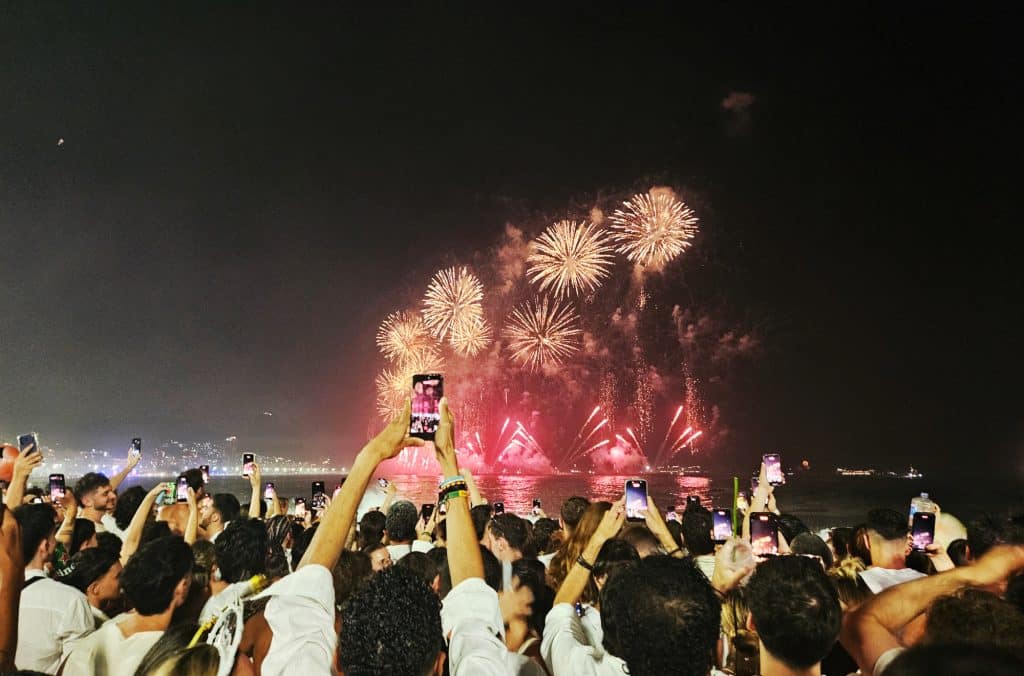
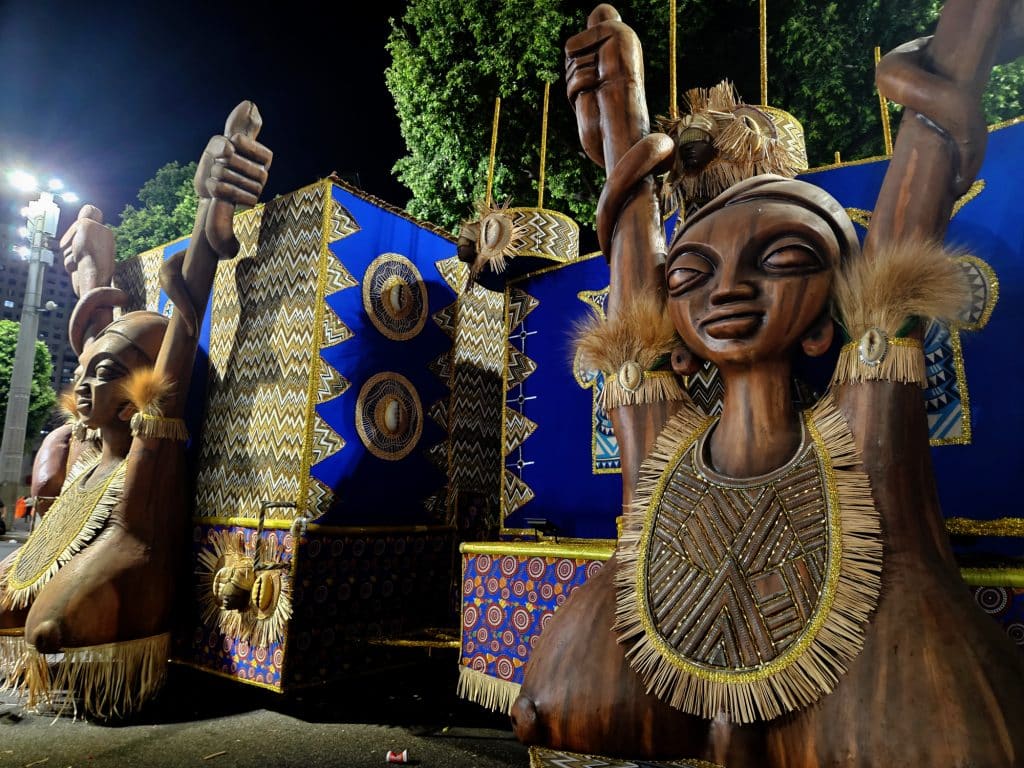
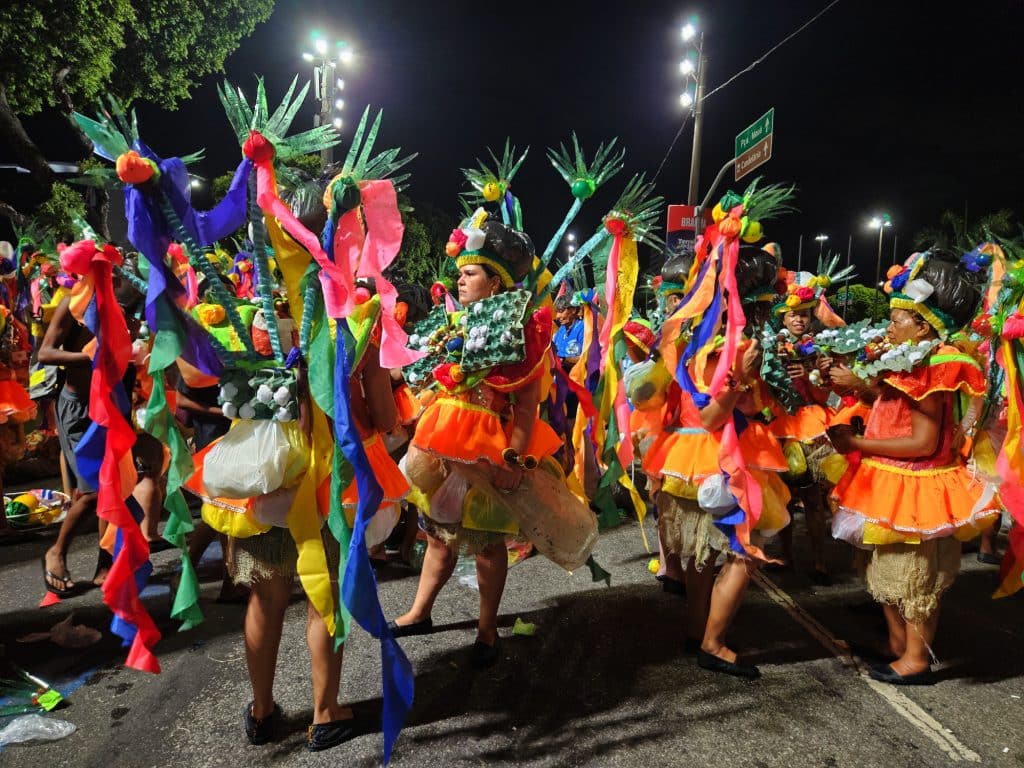
The carnival happens in all the cities all over Brazil and you can imagine that entire city turning into a festival ground. There are blocos happening at any time of day and if you can, you should go in a group. It’s more fun either way. If you go to a bloco in the middle of the day, be sure to drink lots of water, wear a hat and sunscreen! The sun is by far the most dangerous thing at these events. You should wear your valuables on your body on the inside of your clothing.
You can find information about all the blocos in all locations at this website: blocosderua.com
If you want to attend the official parade at the Sambodrome, you will need a ticket and it’s best to buy them in advance as they might sell out.

Making payments in Brazil
The currency in Brazil is the Brazilian Real and you should get some cash before arrival. Charlie exchanged dollars to Reais at the airport in Rio just after her arrival and that seemed to be a good strategy. In most parts of Brazil however, especially in the cities, they prefer card payments because it is faster, and they don’t need to handle change. It was only in the Nordeste (Natal and Pipa) where cash payments were preferred. Card transactions usually came with a 5% charge there.
When you pay by card, they will ask you whether it is a credit or debit card. Unless it is a card issued by a Brazilian bank, you should say “credit card”, even if it is a debit card. The card reader won’t work otherwise.
To withdraw money, the banks in Brazil will charge a fee and Charlie heard from other travellers that Santander Bank had the best rate and was most reliable with foreign bank accounts. If you need to exchange money, it is best to do that at an official exchange inside a shopping mall. Don’t do money exchanges in the street. That might get you unwanted attention.
You will also often see the option to pay by Pix which is an online payment system where you just need the other person’s name and phone number to send money. However, it is not available for tourists. To get a Pix account, you will need a CPF and a Brazilian phone number.

Brazilian CPF
The CPF is the equivalent of a Social Security Number in Brazil. It is needed for almost all transactions, especially if you’re purchasing anything online, and in Rio, you get discounts at supermarkets when providing the CPF. Foreigners can get a CPF too which might take a few weeks.
You will need to fill out this form with the Receita Federal and then make an appointment where you show your original passport.
If you plan to stay a bit longer in Brazil, it is worth getting a CPF.








Phone and connectivity in Brazil
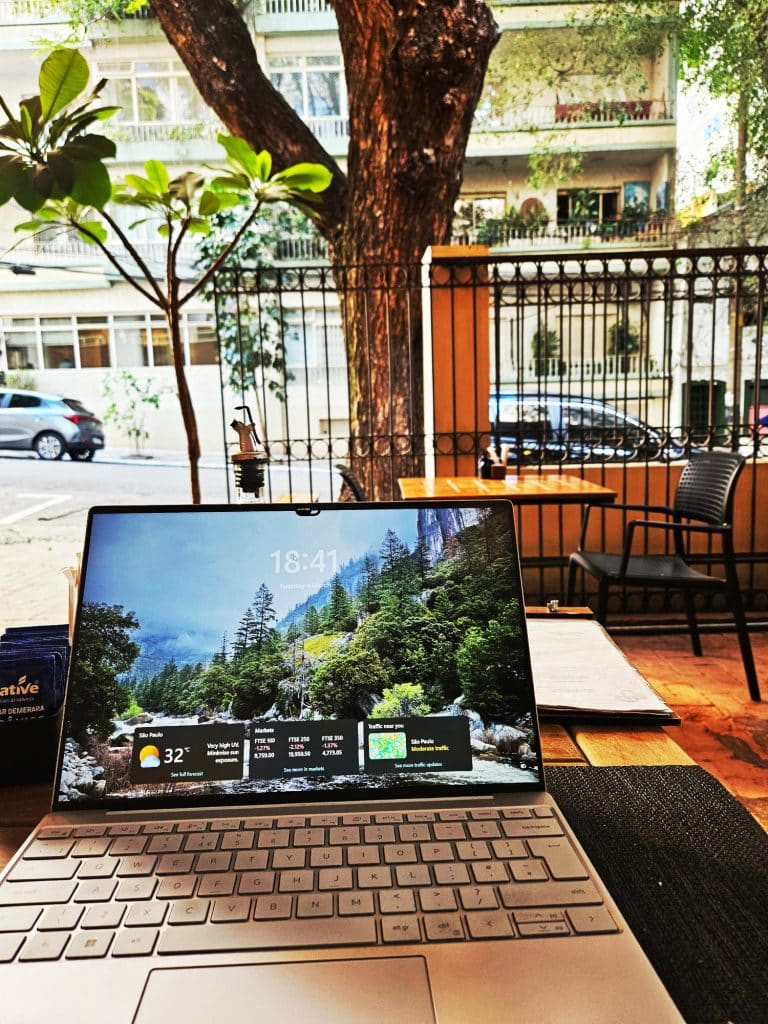
It might seem to be the easiest option to buy a local SIM card in Brazil to get a data connection. However, you will need a CPF to get the SIM working! The better alternative is an eSim. Charlie used Ubigi all throughout her stay and it worked well. You won’t be able to call though, eSims are only for internet connection and they won’t get you a number. Before you sign up for any provider and purchase a data package, double check that your phone is eSim compatible. Older phones might not be.
If you get an eSim, you should purchase your data package before you fly to Brazil (when your phone is still connected to a stable internet connection) and it should connect automatically upon arrival. You might not be able to purchase the data package when you’re in Brazil until you are in a Wi-Fi area. To get an Uber or check Google Maps, you will want an internet connection from the start.
Brazilian cuisine
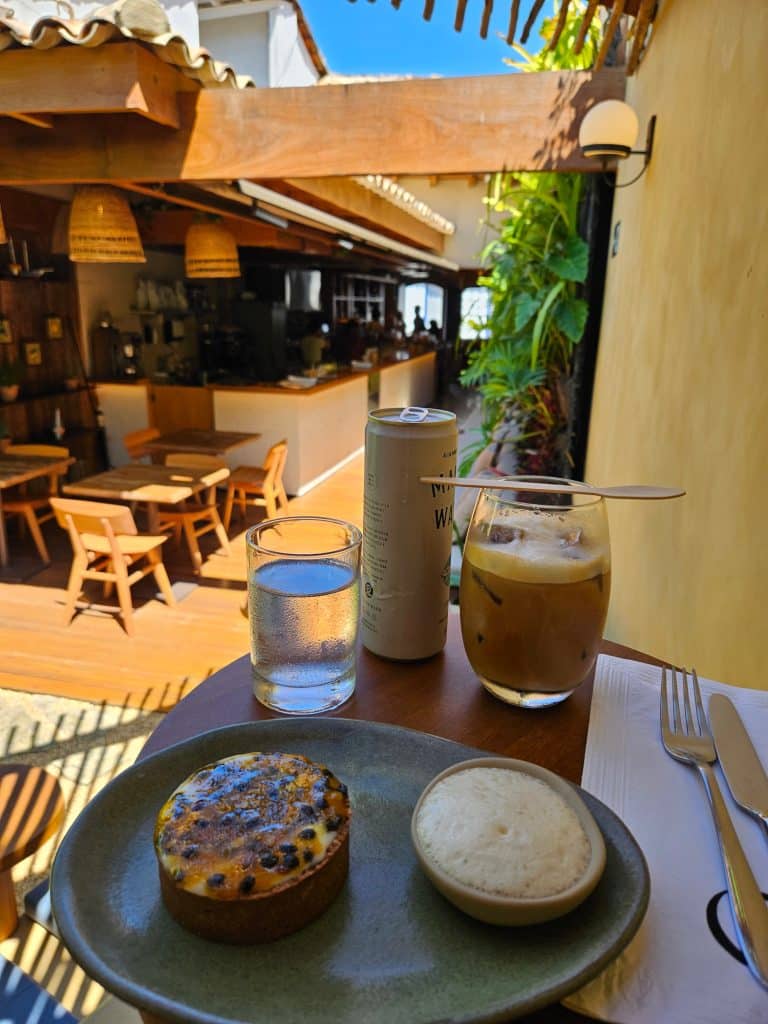
When you’re in Brazil, you will probably try the local cuisine. On the top of your list should be a Churrasco, a good old steak. Another very traditional dish is a Feijoada, a bean stew with pork. When it comes to snacks (and you will find them everywhere) try a Coxinha (a giant chicken croquette that looks like a fried drumstick) and a Pastel (a deep fried, cheese-filled pastry). That usually is offered with sugar cane juice.
If you get a pizza in Brazil, you might notice that they often come with a stuffed crust. The filling, however, is a bit different to what you’re used to. It is Catupiry, a Brazilian cream cheese and tastes different than the cream cheese you might know.
The most traditional dishes in Brazil are based on rice and beans and the most common protein to add is chicken.
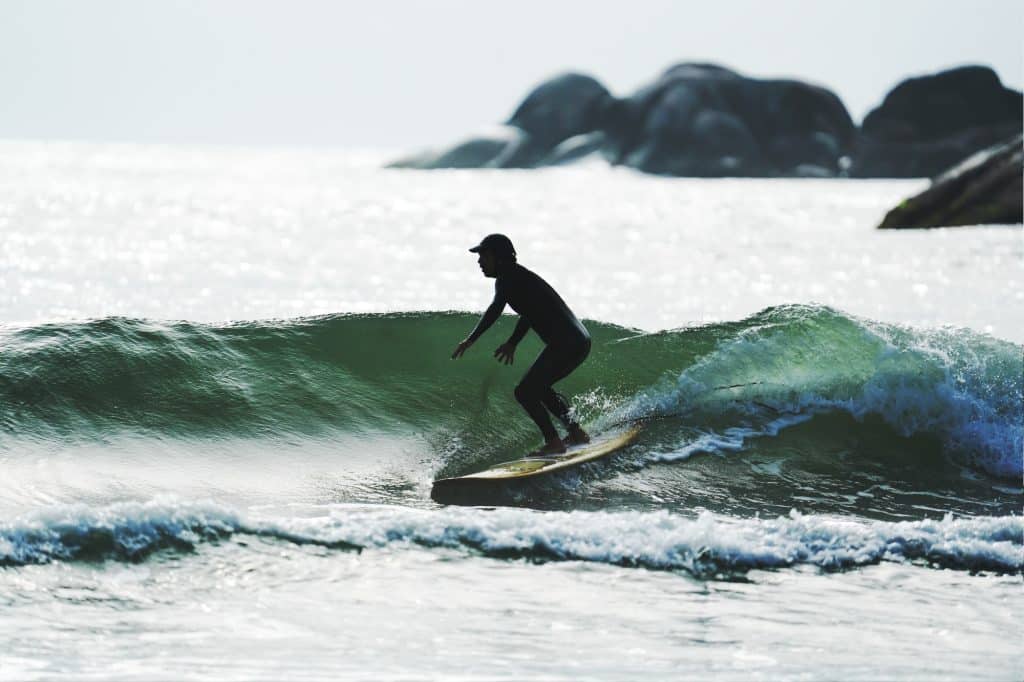
Another big thing in Brazil is Açaí. The crushed and frozen berries grow in the Amazon region and are served as a snack everywhere in the country. Açaí is said to give an energy boost. If it is pure Açaí, you won’t have to worry too much about calories. There’s a catch though! Be careful with add-ons like granola or condensed milk as they change the calorie calculation. Charlie liked to enjoy an Açaí after surfing in Brazil.
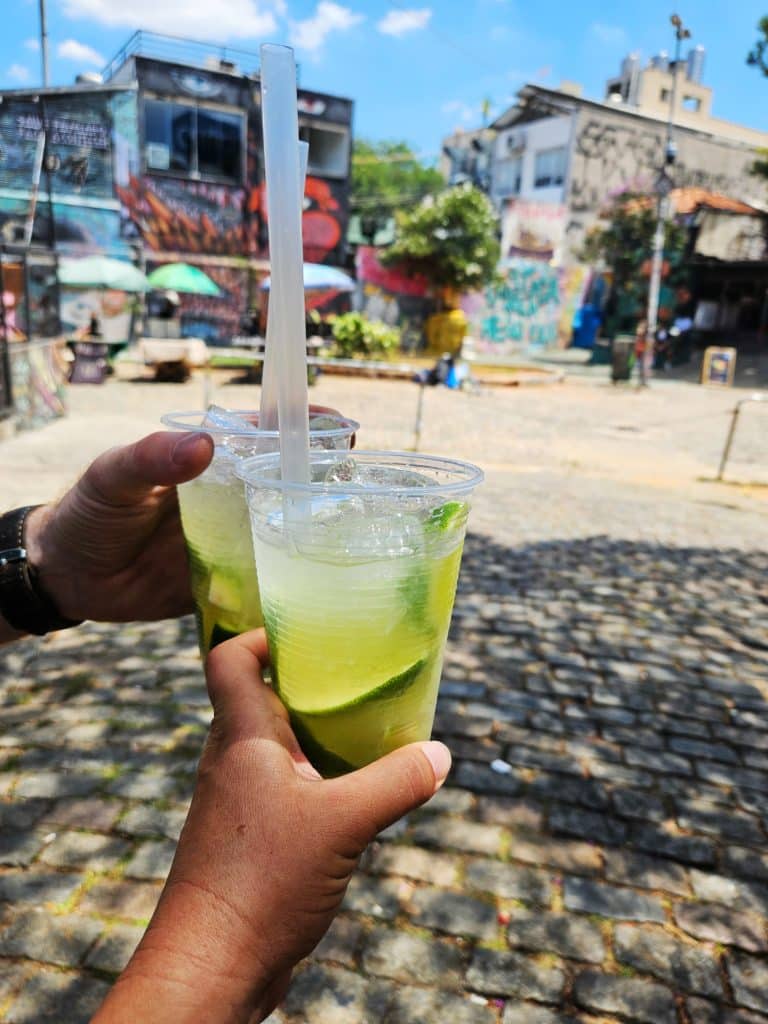
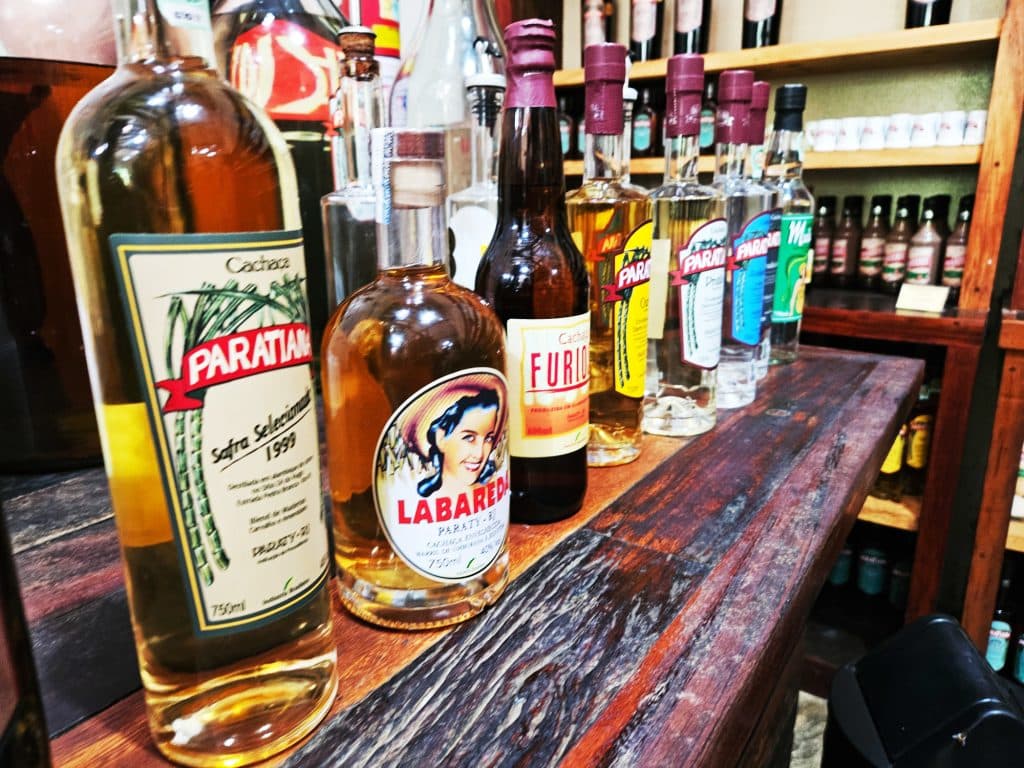
Drinks? Is that really a question? Anyway, Caipirinha is probably the answer. Interestingly, Charlie observed that Brazilians are divided in their opinion about Cachaça. Some love it so much that they even drink it on the rocks, others prefer their Caipirinha with vodka. You don’t have to stick to the traditional lime either. You can get a Caipirinha (or Caipifruta) with any type of fruit that is available. Try passion fruit!
Tipping in Brazil
If you are eating at a restaurant in Brazil, there is usually a service charge added to the bill (10-13%). You don’t need to add any additional tip, unless you really want to. It is not common though. Tour guides and taxi drivers too don’t expect a tip if you paid for the tour upfront. (Different rules apply to Free Tours.)
If you are going to a restaurant with live music, it is common to have an entertainment charge on the bill. If you’re not sure about it, you should ask before you sit down. In Charlie’s experience, it was the equivalent of USD 3 per person.

Language in Brazil
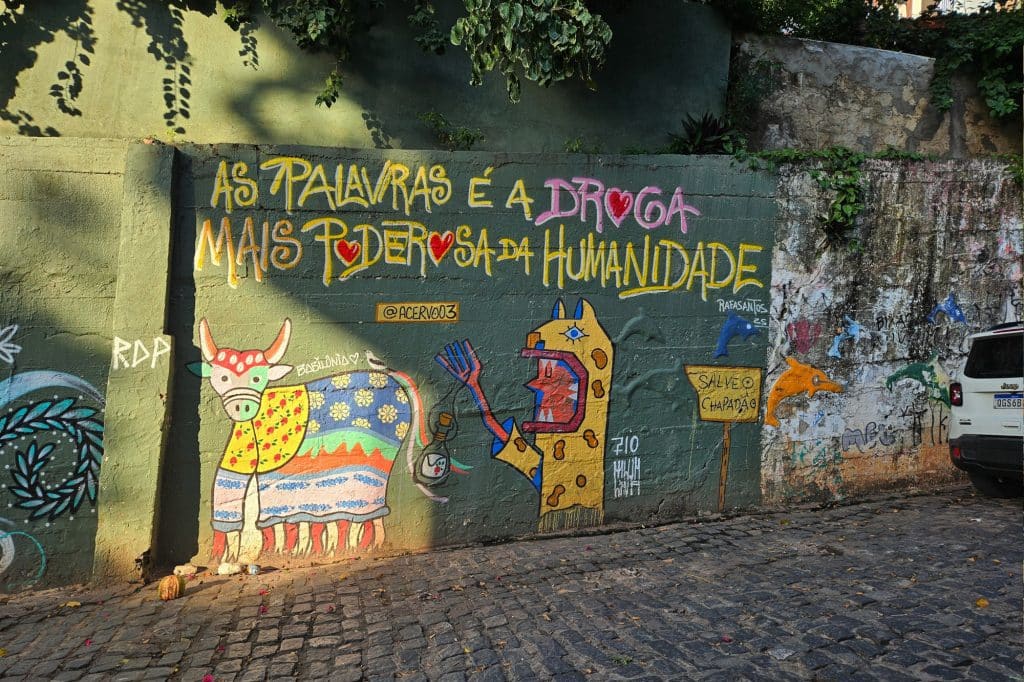
The official language in Brazil is Portuguese. It is different than the Portuguese in Portugal, however, mutually understandable. Whilst some people speak English, especially in the bigger cities, Charlie found it useful to know a bit of Portuguese. You should not expect the locals to speak or understand English.
Charlie was doing a language course in Rio at the beginning of her stay, and it was the best she could do. Not only was she equipped with the basics of the language, but she also got particular insights into the culture and useful tips. The language school provided activities that brought foreigners and locals together. Additionally, it is a safety net and there is somebody at hand if you have any issues during your stay.
A warm welcome
Speaking Portuguese has another advantage in Brazil; you will get an even warmer welcome and the locals might quickly become your best friends. Brazilians are very warm-hearted and welcoming. It is part of Brazilian culture to prepare more food than required, just in case there is somebody to invite last minute. You will also be offered coffee in art shops or surf schools without having to ask for it. If you speak the language, you will get even more of that.