The flow state, riding that wave
This piece of content has been written by Charlie as part of her final assessment during the Yoga Teacher Training in Costa Rica. The task was to explain the yogic philosophy in your own words.
“So, you’re paddling all the way, sit in the ocean for hours just to ride a wave for 15 seconds?” – Every surfer has been confronted with that question. And only a surfer understands the meaning of those 15 seconds. The flow state. The moment when everything merges into one, you no longer separate between the board, the ocean, and the body. You’re riding that wave without even noticing what is happening. That’s the flow state, the zen. You only know that you’ve experienced it once it’s over. And you want it again. You want it to last for longer. It’s the reason why you’re paddling out again, back to the line-up. And you sit and wait until the next opportunity occurs.

How do we get there?
Whilst we sit and wait, we focus. We left all our worries on the beach. The only thing that matters now is the ocean. We stare at the horizon to see the swell rolling in. Once we see an opportunity, we paddle to catch that wave. We focused, saw an opportunity, decided to go for it and our mind switched off. We’re still focused, but it requires no longer any effort. We’re paddling and paddling. The moment the wave touches our board, we pop up without even thinking about it. We’re just doing it as if we’ve never done anything else. And maybe that will be the wave where you reach that flow state. Maybe it even lasts a second longer than the last time you experienced it.
There is a close equivalent to these steps in yogic philosophy. What a surfer does the moment he walks to the shore for his board meeting with the SEA, he follows the last 4 limbs of the 8 limbs of Yoga: Pratyāhārā is the withdrawal of the senses. Everything stays on the beach, out there it’s just the surfer, the board and maybe a wetsuit. There are no emails to reply to, no problems to solve and no groceries to be bought when you’re in the ocean.
Dhāraṇā is the concentration, the focus with effort. When a surfer sits out there in the ocean, focus is what matters. The moment you don’t pay attention to the ocean, you might not only miss that wave, but you could also get wiped out by it. It still is an effort because our mind can wander, there might be other surfers to chat to or there might still be a decision about the dinner plans to be made that distracts our mind.
Dhyāṇa is when concentration becomes effortless, and the meditative state begins. For the surfer, it is the moment when he or she starts paddling for that wave. The decision is made, and the body knows what to do. The mind is still. There is still a lot of effort, but it is muscular, not in the mind. The mind is calm.
Samādhi is when everything becomes one. It is the subtle state of meditative absorption. The surfer, the board and the wave, all become one and work in unison.
The long journey to the flow state
That all sounds easy in theory, but as so many things in life, it is hard before it becomes easy. Anybody who expects to take one surf lesson and to reach the flow state will soon notice that it is a journey and there are many other steps to take before you get even close to it.
Once more, we can compare the different steps directly to the 8 limbs of Yoga. Before Pratyāhārā comes Prāṇāyāma, the control of the vital life force, the breath. If you ever had a bucket full of saltwater coming up your nostrils and down your throat, you’ll know how important it is to be aware of and control the breath the moment you get on your board. A surfer stops breathing when they duck-dive under a wave, they know the moment when it is safe to inhale again and depending on the size of the wave, a wipe out can lead to a long hold-down. In that moment, breath is retained and used in little doses until you reach the water surface, without panicking. That can be scary if you don’t know how to control your breath and use your lung capacity in the right way.
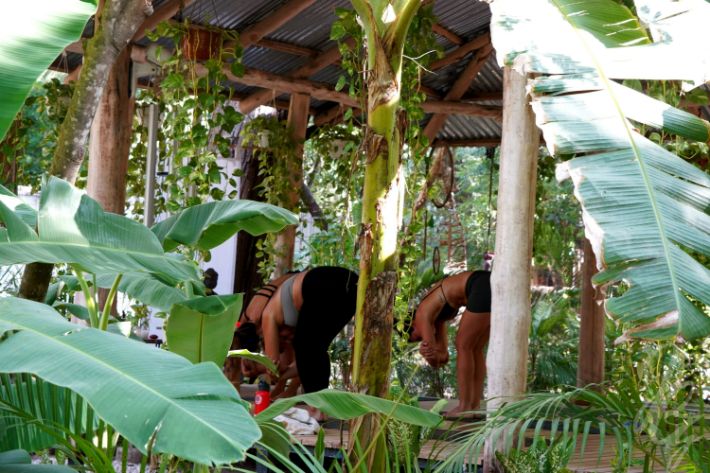
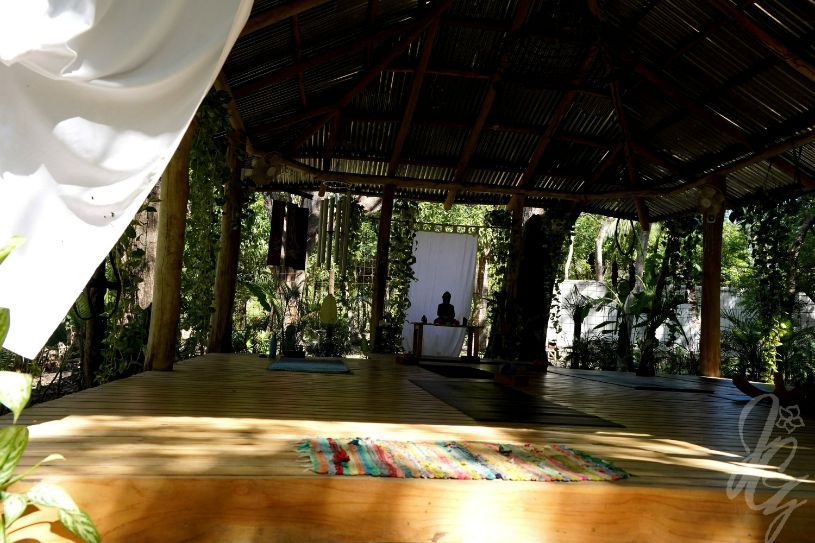
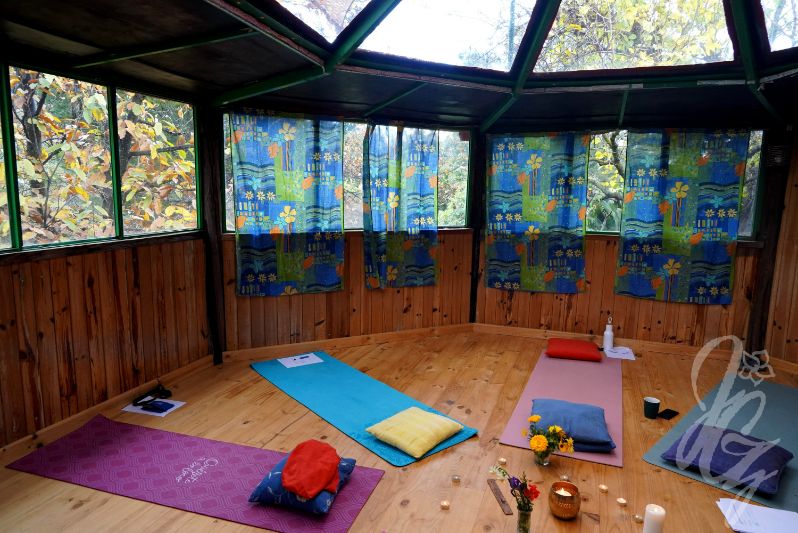
Before Prāṇāyāma comes Āsana, the steady easy posture. Before this posture becomes steady and easy, it requires a lot of work, some people call it exercise or workout. You strengthen the muscles and make them flexible. Only once they’re strong and flexible, the posture becomes steady and easy. Very few surfers had the required strength and flexibility in arms, core and legs when they paddled out for the first time. It’s more likely that a lot of sweat and tears have gone into it.
There are two more limbs in yogic philosophy that precede the other 6. The Yamas and Niyamas refer to some general life principles and there are many similarities to the surf lifestyle. The Yamas refer to the external world and how the individual should interact with it. The first Yama, Ahiṁsā, can be translated as “non-harm” and it relates to surfers often being part of environmental movements. Yamas like Asteya (“non-stealing”) and Aparigrahā (“non-greed”) are mostly seen in the older generation of surfers that lived in vans, had no interest in the corporate hamster wheel and followed a minimalistic life. Things are changing a bit in recent years, but a true surf soul still lives by these principles.
The Niyamas refer to the internal world of the individual, the overall attitude towards life, and contain principles like the study of the self, surrender to “what is”, being present in the moment and content with whatever the circumstances. If that doesn’t make sense to you, speak to one of those surfers living in a van taking it day by day.
In this context, surfing becomes a synonym for yoga and that is true because yoga is something we are, not what we do. One can find it in many things, e.g. physical activity of any kind, meditation, mindfulness. For some it is a mindful stretching exercise, a mind-body exercise, for others it is a form of living in the present. Patanjali defines Yoga as the regulation of the fluctuations of the mind when he says “yogaś-citta-vṛitti-nirodhaḥ” and that is what every step along the way is aiming at: a calm mind as the gateway to reach Samādhi.
How to explain it from a scientific point of view?
The 8 limbs of yoga as described before contain physical exercise and breath, which means that the human body is an integral part of all of it. There are the skeletal, nervous, respiratory and muscular systems on one side, and subtle energy systems on the other. The latter is what differentiates yogic philosophy from sports medicine.
The kośas, or energetic sheaths, are like layers of the true self and align with some of the limbs of yoga described above:
- The Annamaya Kośa is the physical body and least subtle of the kośas<?. It is accessed through Āsana (the 3rd limb).
- The Prānamaya Kośa is the breath body and accessed through Prāṇāyāma (the 4th limb).
- The Manomaya Kośa is the mind and accessed through concentration (5th and 6th limb).
- The Vijñānamaya Kośa is the wisdom body or the higher mind and is accessed through meditation (the 7th limb).
- The fifth and most subtle is the Ānandamaya Kośa, the bliss body. It is that feeling of everything becoming one, or Samādhi. (8th limb).
In addition, there are 7 energy centres in the human body that relate to specific organs and nerves. Yogis call them Cakras, but also non-Yogis include these in their use of language, mostly related to certain emotions, when they say things like “I have a gut feeling”, “off the top of my head” or “he’s had a change of heart”. The “butterflies in our stomachs”, “getting something off the chest” and the “heavy heart” are a part of this too. We can find all those body parts in the 7 Cakras:
- The Mūlādhāra (Root) Cakra is at the base of the spine and mostly related to feelings of safety, security and a survival instinct.
- The Svādhiṣṭāna (Sakral) Cakra is between the genitals and the navel and mostly relates to creativity, abundance and sexuality.
- The Maṇipūra (Solar Plexus) Cakra is at the navel and is related to feelings of perfectionism, confidence and ego.
- The Anāhata (Heart) Cakra is at the centre of the chest and refers to compassion, love and emotional intelligence.
- The Viśuddha (Throat) Cakra is at the throat and mouth and refers to speaking, listening and overall communication.
- The Ājñā (Third Eye) Cakra is between the eyes and refers to intuition and wisdom.
- The Sahasrāra (Crown) Cakra is the top of the head and means the connection to source.
If we take a closer look at the location of these Cakras, we notice that they are all along the same line in the body, just as the spine, and energy flows between them. This is where the Nāḍis come in. According to ancient texts, there are 72.000 of those in the body. Three of them are emphasized in yogic philosophy. The central channel that connects all the Cakras is the Suṣumṇā. The right side is called Piṅgalā, the masculine side, the conscious mind and the sympathetic nervous system. The left side is called Iḍā, the feminine, the subconscious and the parasympathetic nervous system.
Energy constantly flows between these and there are moments when Iḍā and Piṅgalā are completely balanced. This balance is achieved through the practice of yoga.
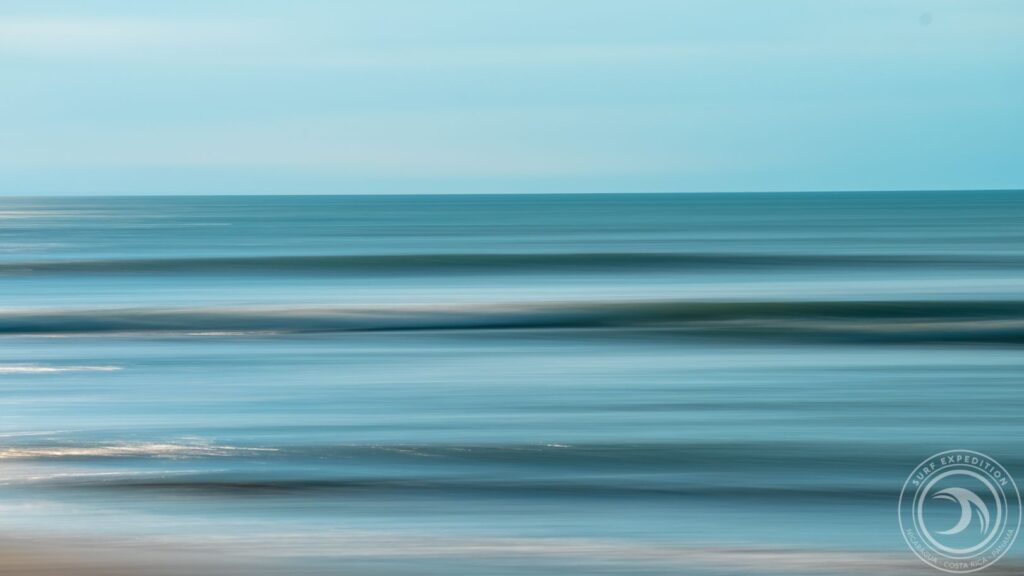
Photo by Charles-Antoine Chevarie/SurfExpedition
When everything becomes one
There are always two sides of the coin. The surfer might talk about the flow state he or she experienced on the last wave, the photographer though looks at the picture and still sees a clear distinction between the surfer, the board and the wave. If the image is sharp and in focus, there is nothing that indicates this “when everything became one”. Those are simply two different perspectives. And for this too exists an equivalent in Yogic philosophy. It is the distinction between Prakṛiti and Puruṣa, between Ātman and Brahman.
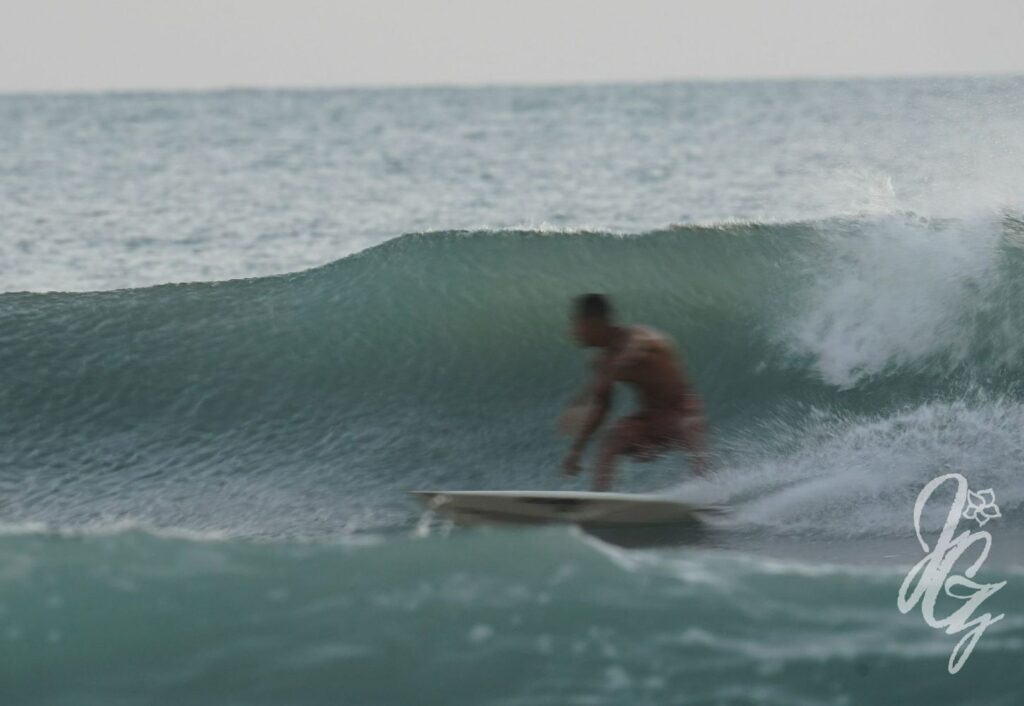
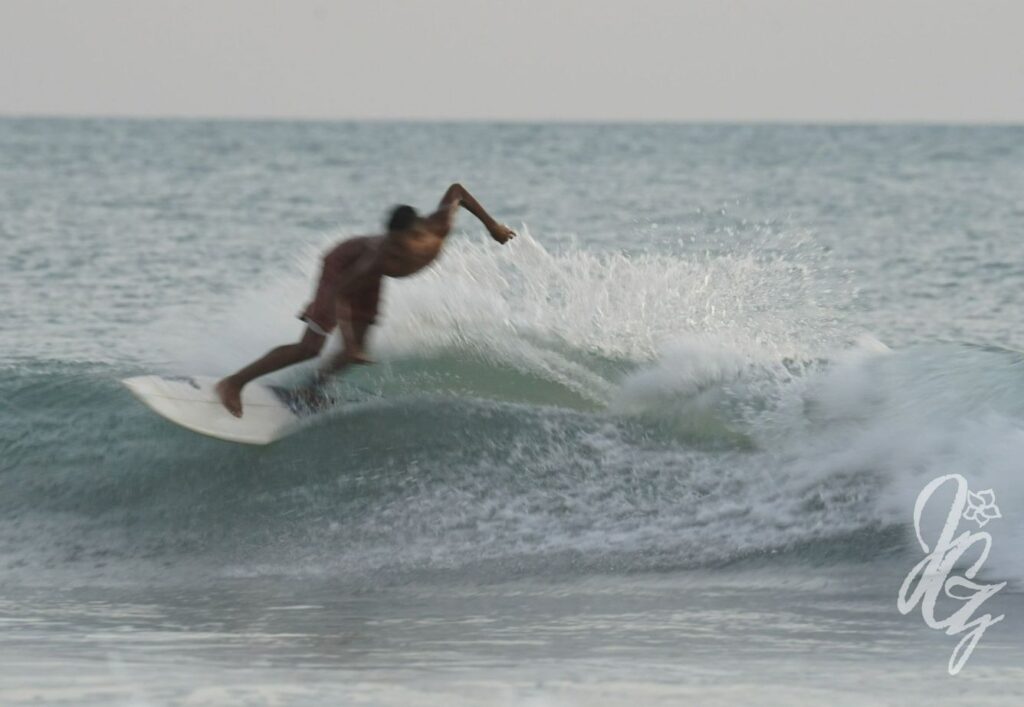
Ātman is the individual soul, that humans tend to refer to with “I am…”, whereas Brahman is the universal consciousness. Ātman is usually understood as something separate from Brahman and in the moments “where everything becomes one”, we feel that the individual is not just a drop in the ocean, but the ocean in a drop. It is also referred to by the Sanskrit term Puruṣa, the Consciousness which is permanent. The matter that everything is made of is Prakṛiti, the impermanent. Matter changes. If we return to our surfer, we see that the water and the waves that surround him are matter and throughout the surf session, it constantly changes. You can see and feel it as the waves are forming, breaking and flatten out again. The same is true for the surfer and the board. Both are matter and they change constantly. The surfer takes different positions and uses different muscles. The impermanence of the board is the least visible in this scenario, but if you ever snapped a leash, lost a fin, or dinged your board, you’ll know that this matter is not permanent.
Prakṛiti can be further explained by the three stages that matter takes, the three Gunas: Sattva, Tamas and Rajas. Tamas is the equivalent of inertia, in our example that would be the surfer watching the ocean, but not moving. Rajas is movement. In our example, it becomes most visible when the wave builds up and the surfer starts paddling to catch that wave. Sattva is the light, the consciousness or mindfulness. This is when the surfer no longer concentrates, pops up on the board without thinking about the individual movements and drops down into the wave. In anything we do, we should always aim for a balance between the three Gunas. An excess of Tamas leads to depression. Our surfer would be very disappointed if he sat in the ocean for hours and didn’t get a single wave. An excess of Rajas leads to anxiety. The surfer might be paddling for many waves but never catches one. That is equally frustrating and exhausting. In both cases, it becomes impossible to reach the mindful state.
By practicing yoga (or surfing) we try to separate the Prakṛiti from the Puruṣa to understand how we identify with changing matter and to know ourselves are pure consciousness. If we’re doing it right, we will see that there is no reason to separate Ātman from Brahman or the ocean from the drop. The human body consists to 50-60% of water, so why separate it from the ocean?
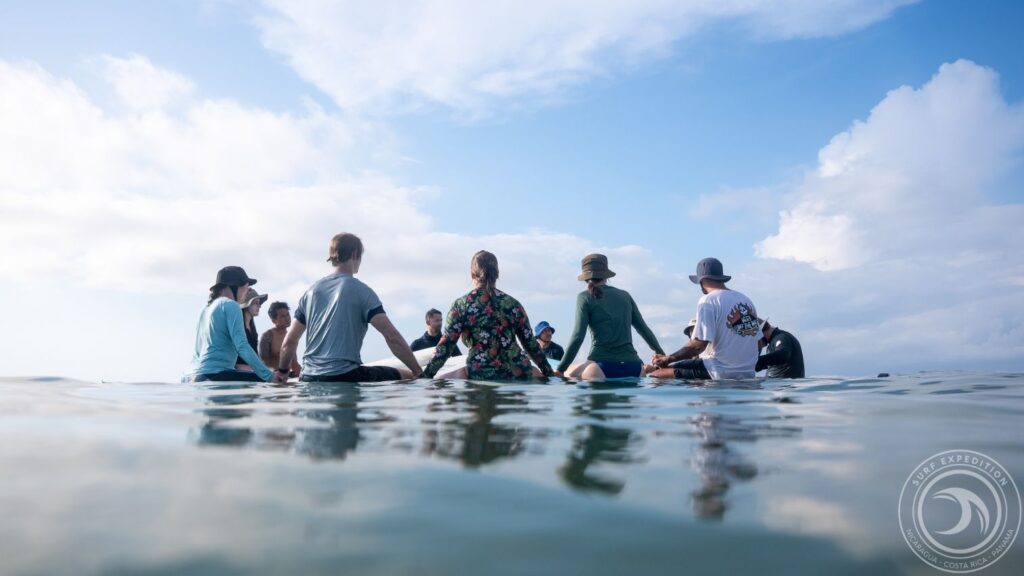
Photo by Charles-Antoine Chevarie/SurfExpedition
This also reflects in the surf lifestyle. Whenever you meet other surfers or join a group trip, you notice how many things become irrelevant. It doesn’t matter where somebody came from, what they do for a living, how they do their hair or which clothes they wear. When we enter the water, we all wear similar clothes, we all carry a board under our arm, and we paddle out together. We surf together. And we come out of the water with the same smiles on our faces, crusts of sunscreen on ears and chin, a board rash on our thighs and frizzy hair. We all have skin that burns in the sun and that starts itching if we don’t wash the salt off. And we come together to share the stoke, as one. The only identification for the Ātman that matters in this moment is, “I am a surfer”, and nothing else. As such, we are one with each other and the ocean..