São Paulo
City for business and arts
São Paulo is the living proof that both can co-exist in a city, business and arts. It is a bustling metropolis with (almost) skyscrapers (they’re tall but not as tall as the typical skyscraper), a business hub, and also a place to see all kinds of arts.
São Paulo’s architecture
São Paulo was founded as a small settlement to convert the indigenous to Christianism in 1554. It grew as a city in similar ways as London, by gradually incorporating the surrounding villages into the limits of the city. The tall buildings might make it look like a US city at first and some refer to is as a tropical New York, however, it was not created on a grid and the roads are anything but parallel and rectangular to each other. Another aspect is entirely different to New York City: There are no billboards in the city because this is prohibited by law. The comparison of Paulista Avenue to Times Square is therefore not exactly accurate.
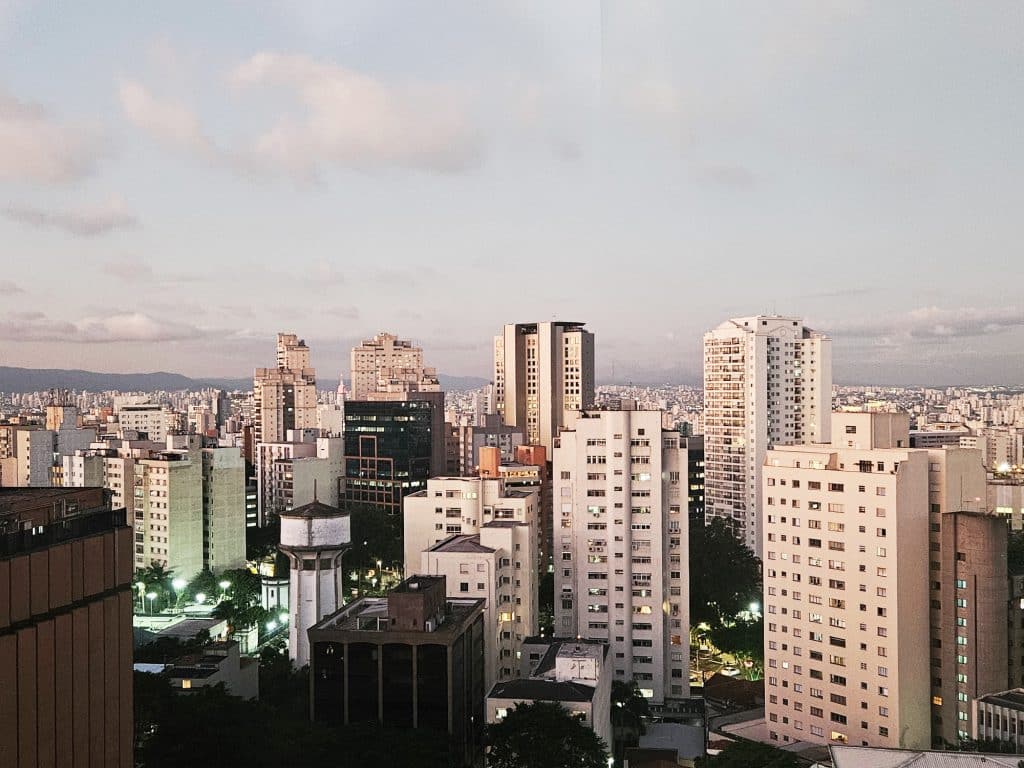
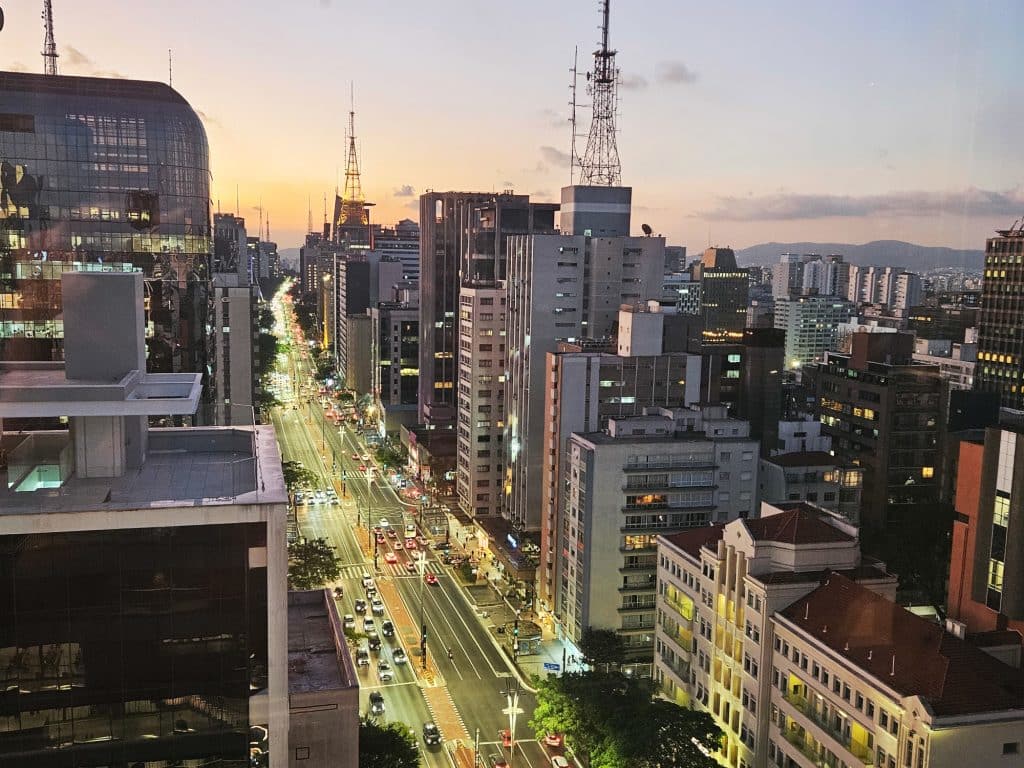
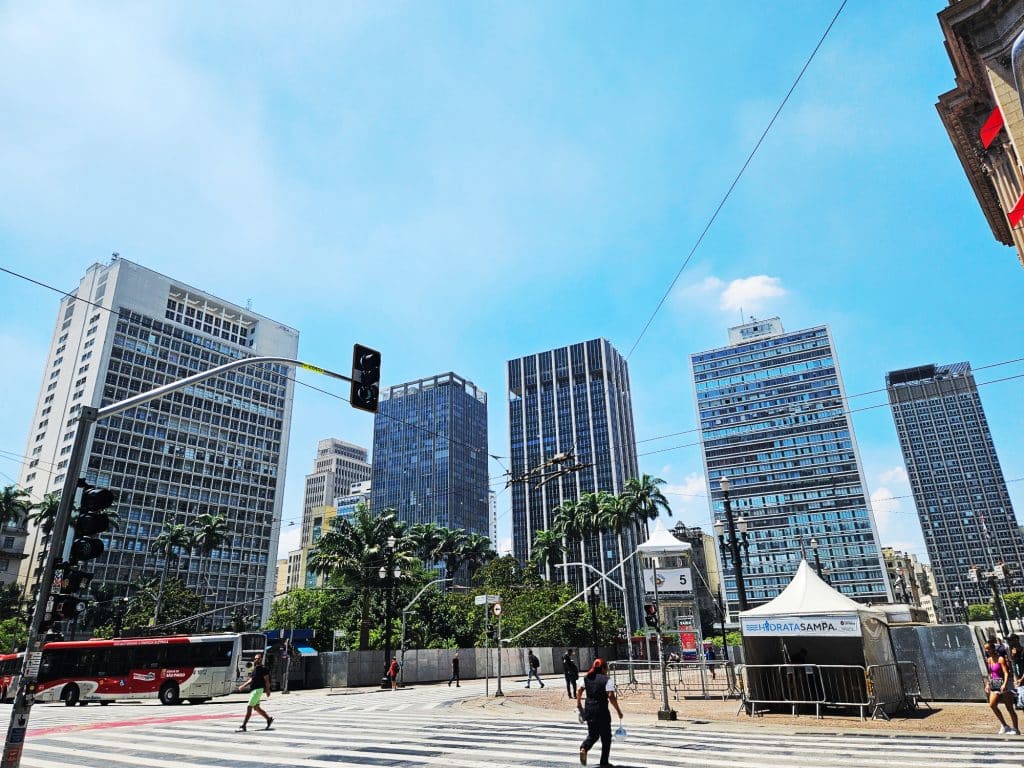
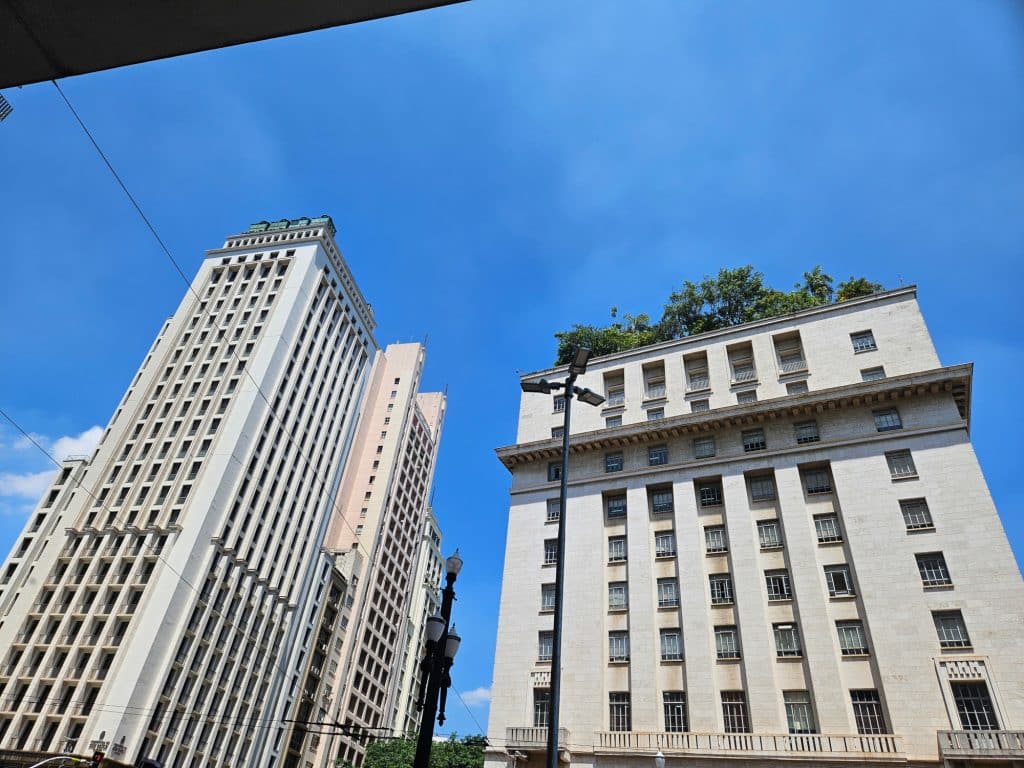
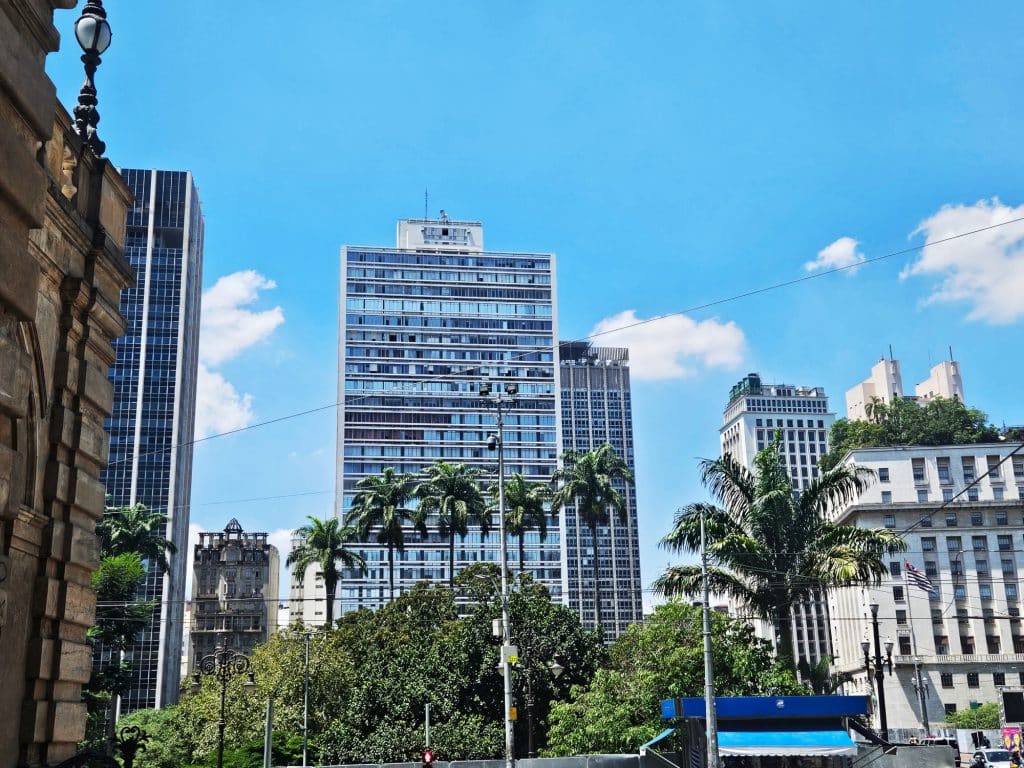
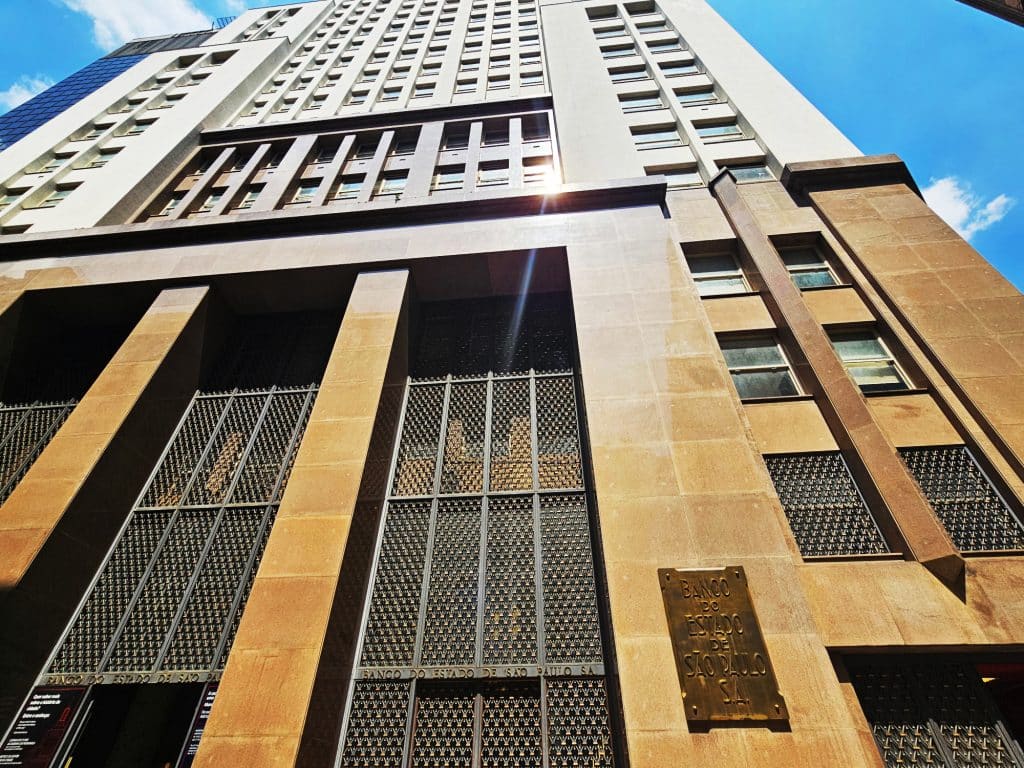
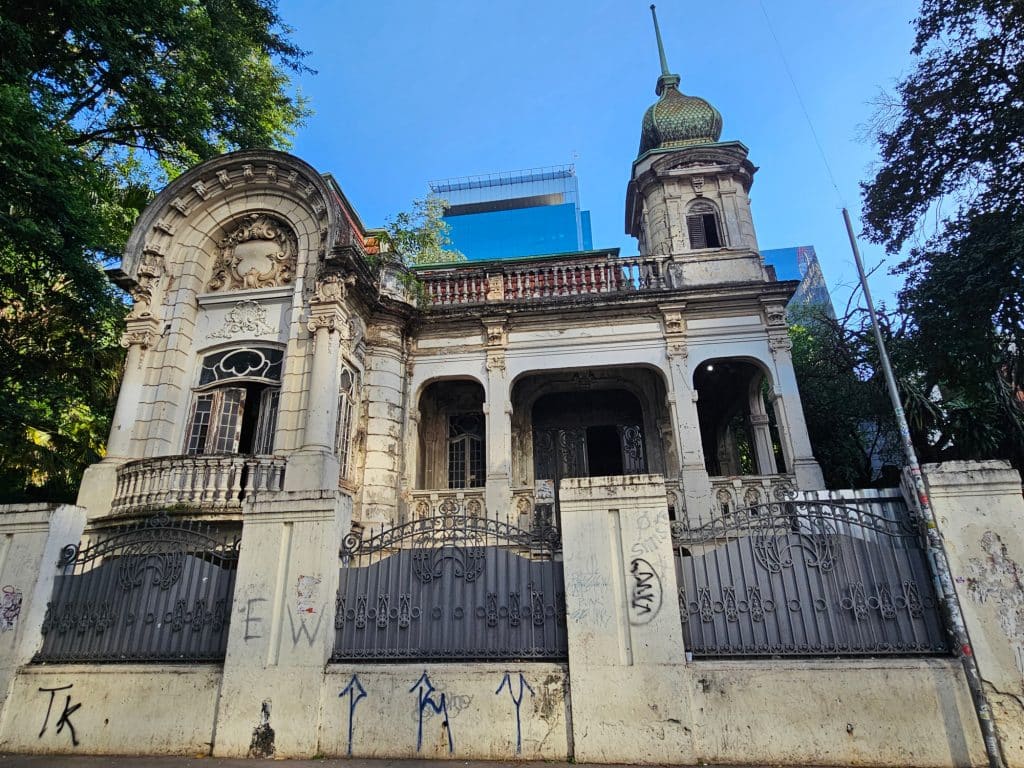
Today, it is one of the biggest cities in the world (with 12 million inhabitants in the city and 21 million in the greater metropolis) and the buildings must be a dream for anybody interested in architecture. One could certainly write a thesis about this mix or European inspiration mixed with colonial styles and practical constructions from the second half of the 20th century. You can see facades that remind of Paris or Berlin, others could be taken straight out of New York while others follow the brutalist style of the 50s to the 70s. Some of the buildings also reminded Charlie of the colonial-style architecture from Antigua in Guatemala.
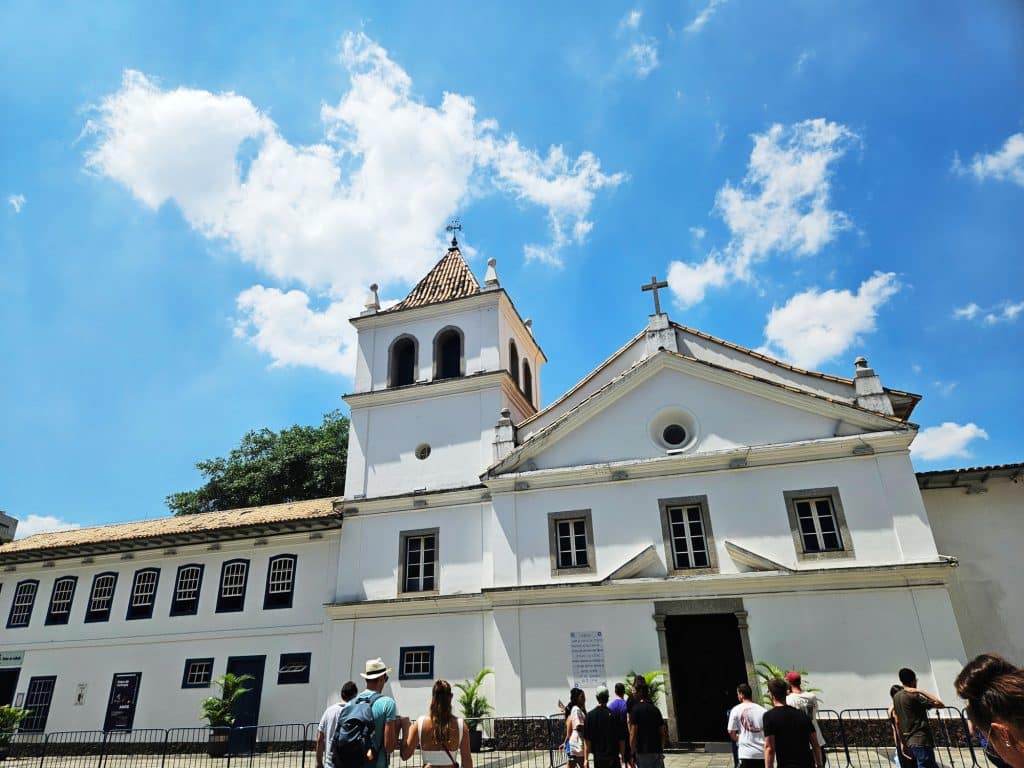
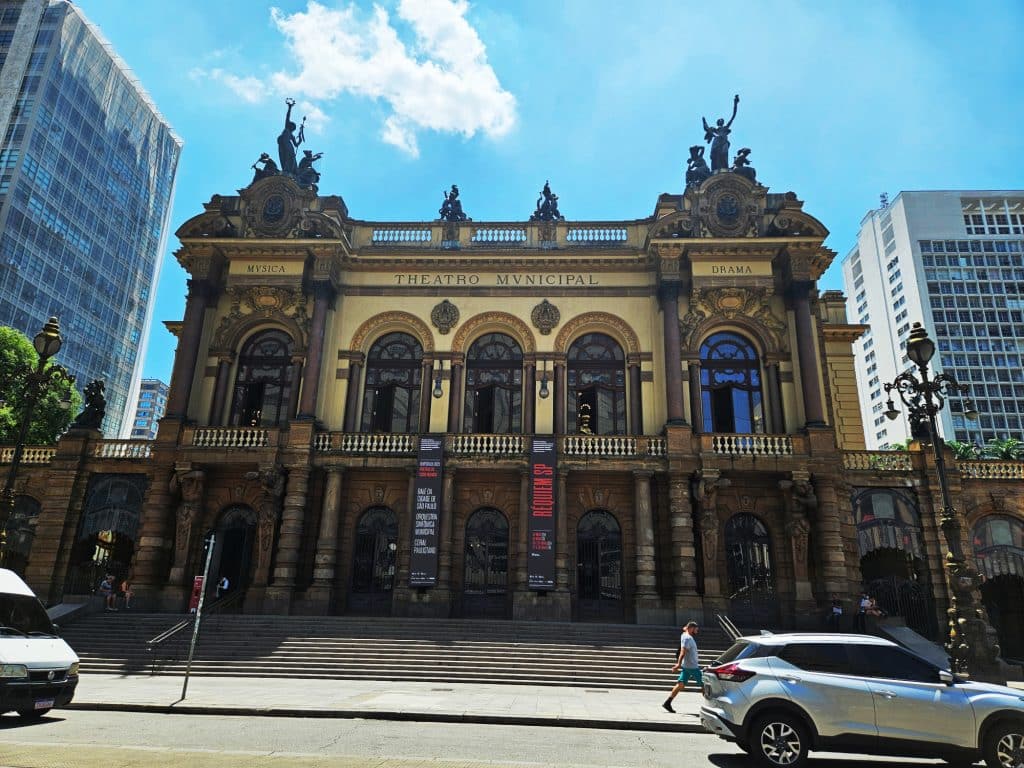
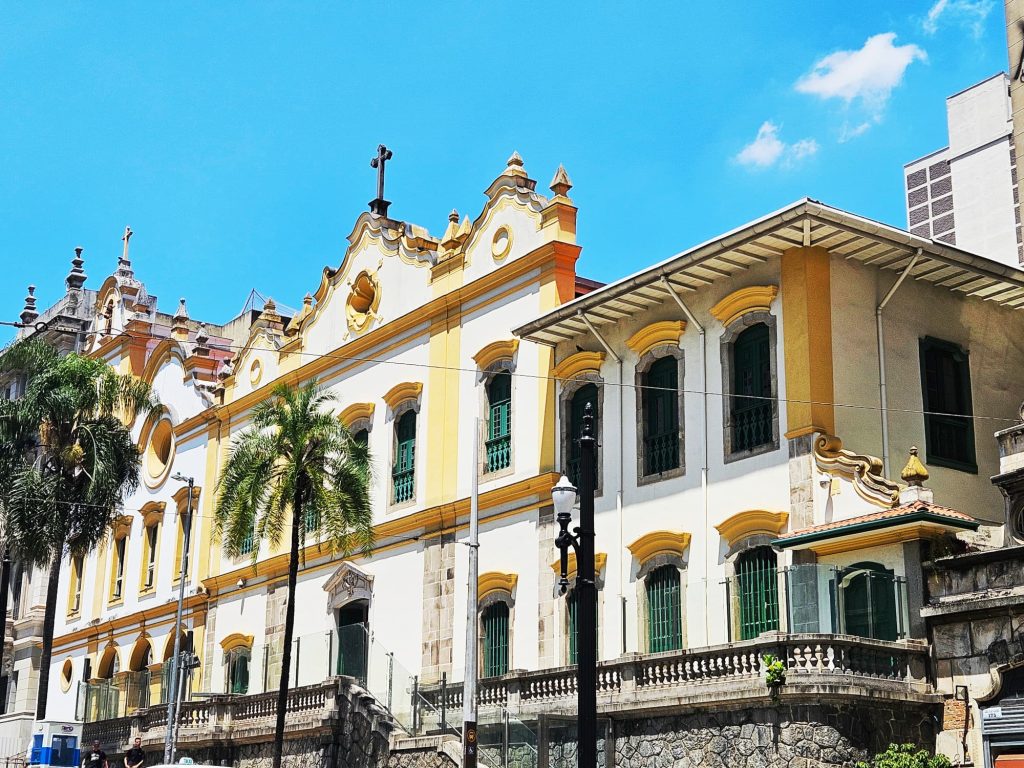
In the modern areas around the business district of Faria Lima street and around Paulista Avenue, you will also spot some modern constructions with shiny glass facades. And the public library in the city centre for example follows the art deco style. It really has a bit of everything and that for a reason.
São Paulo through the lens of time
Founded in the middle of the 16th century, São Paulo was at first a tiny village. It really was the coffee in the 19th century that put the city on the map and turned it into a flourishing economy. The original downtown became too narrow, and the coffee barons started building their mansions on top of a mountain. Some of those mansions are still along Paulista Avenue as a testament of time.
Coffee is no longer produced in the area; however, it was a stepping stone for São Paulo to become the richest city in Latin America. The infrastructure that had been built for the coffee trade, mainly the highway to the coast and the harbour of Santos were an important factor. Today, there is a large and modern business district with offices of companies that also occupy Silicon Valley. You also notice this in the city as the mentality is focused on business and hustle culture. There is nothing of the laidback way of thinking that one can find in Rio de Janeiro.
Arts in São Paulo
The dictatorship in Brazil and the student movement in the second half of the 20th century led in São Paulo to a flourishing arts scene. Especially in the areas of Pinheiros and Vila Madalena, where students used to live back then, the street art scene is as alive as it can be. Even outside of these neighbourhoods there are murals everywhere. The fact that billboard advertising is forbidden in São Paulo also gave muralist art a lot of space to grow. The tall buildings make the perfect canvas for spray paint. It was a dream for a street art lover such as Charlie is.
All along Paulista Avenue, almost every single building houses a cultural centre or museum at the ground floor. In the old down town area, former banks have been converted into museums and cultural centres too. (At the Farol Santander, you also find a skatepark on the 21st floor!) You could live in São Paulo for years and still would find an exhibition you haven’t visited yet.
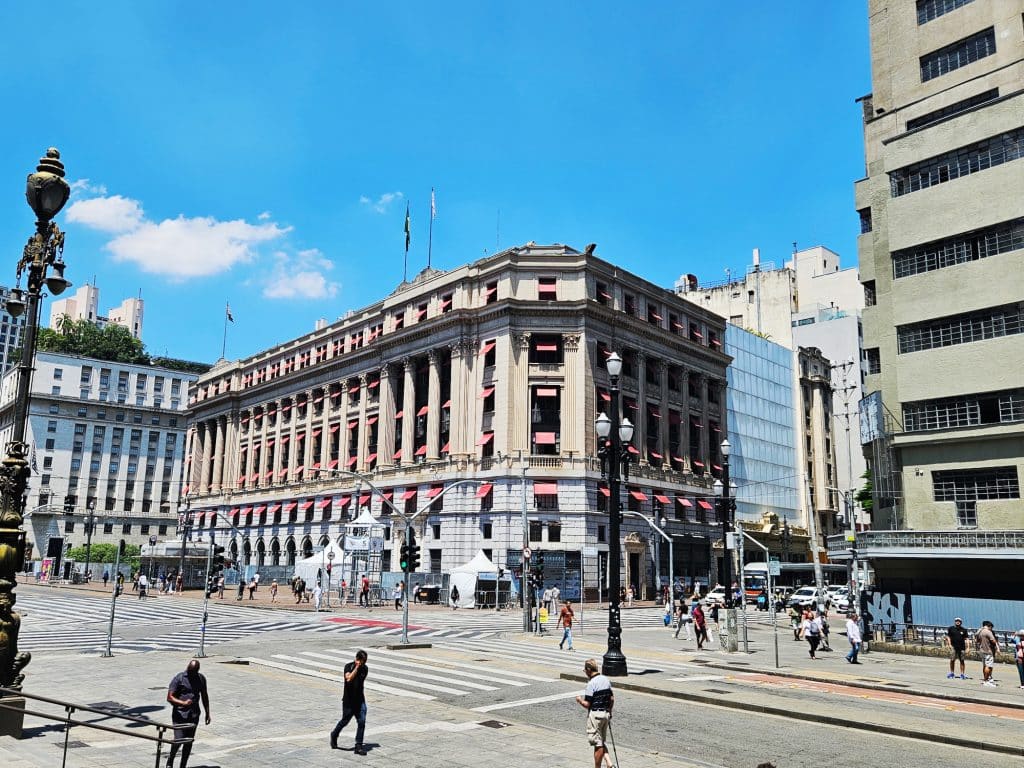
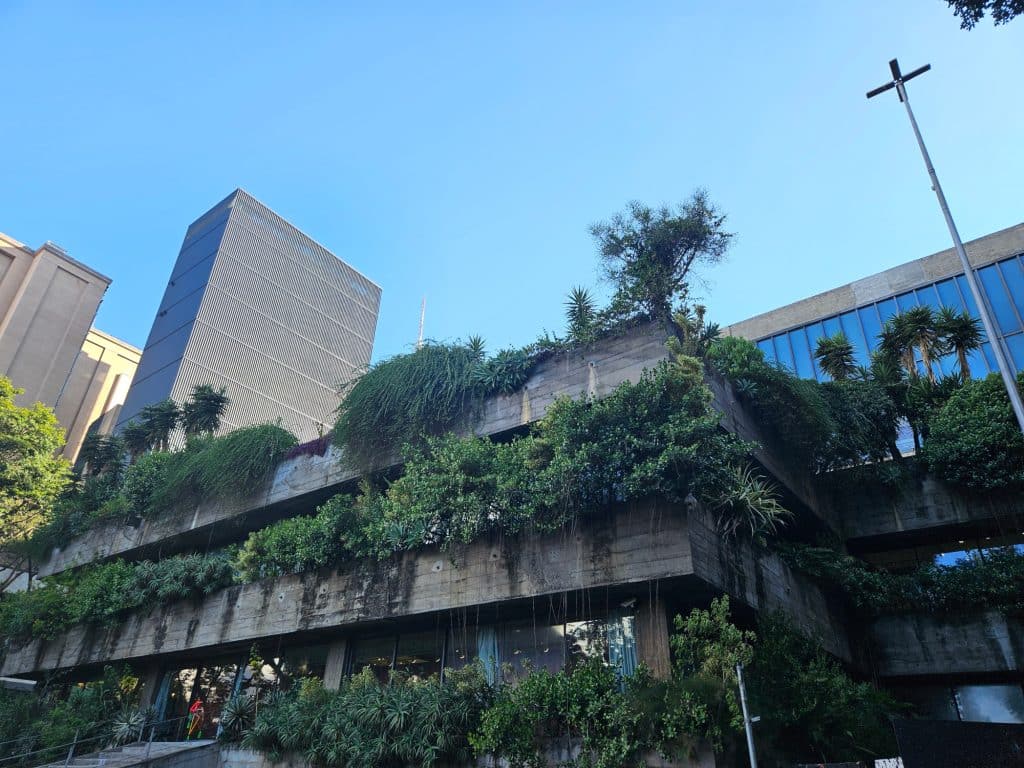
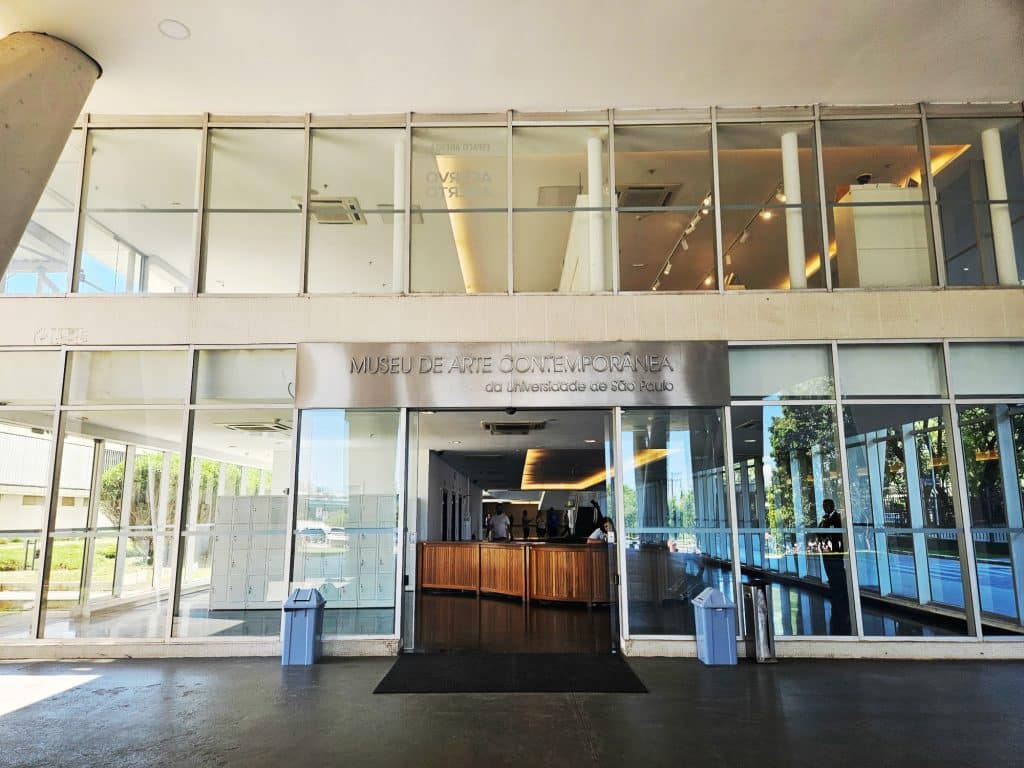
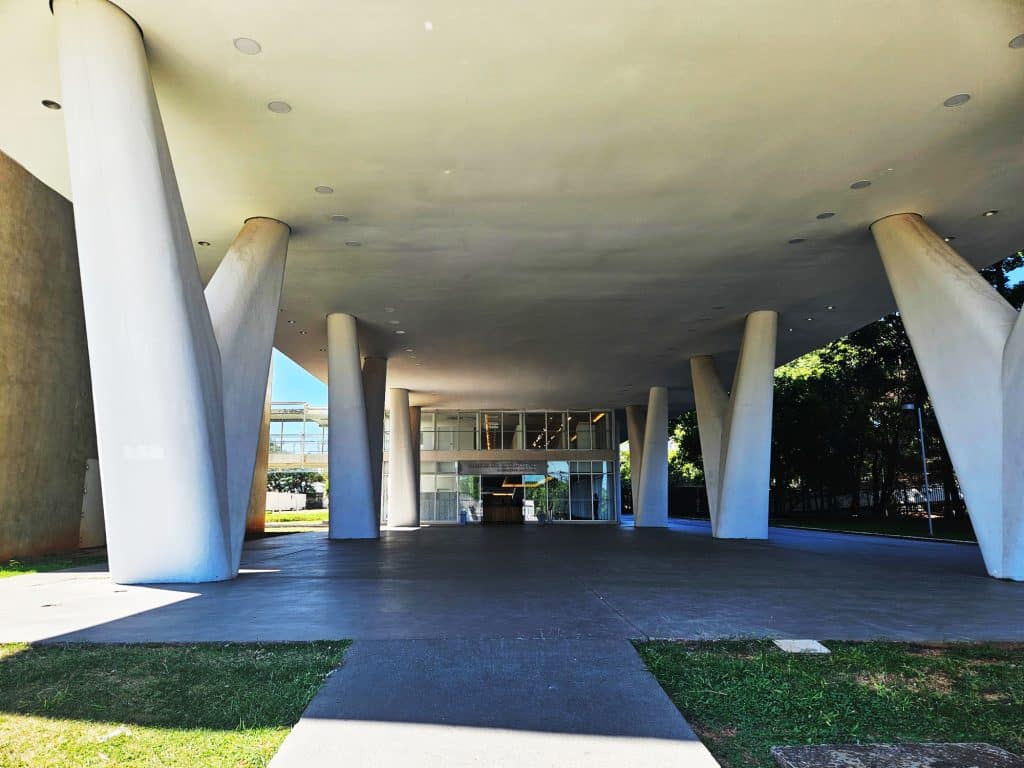
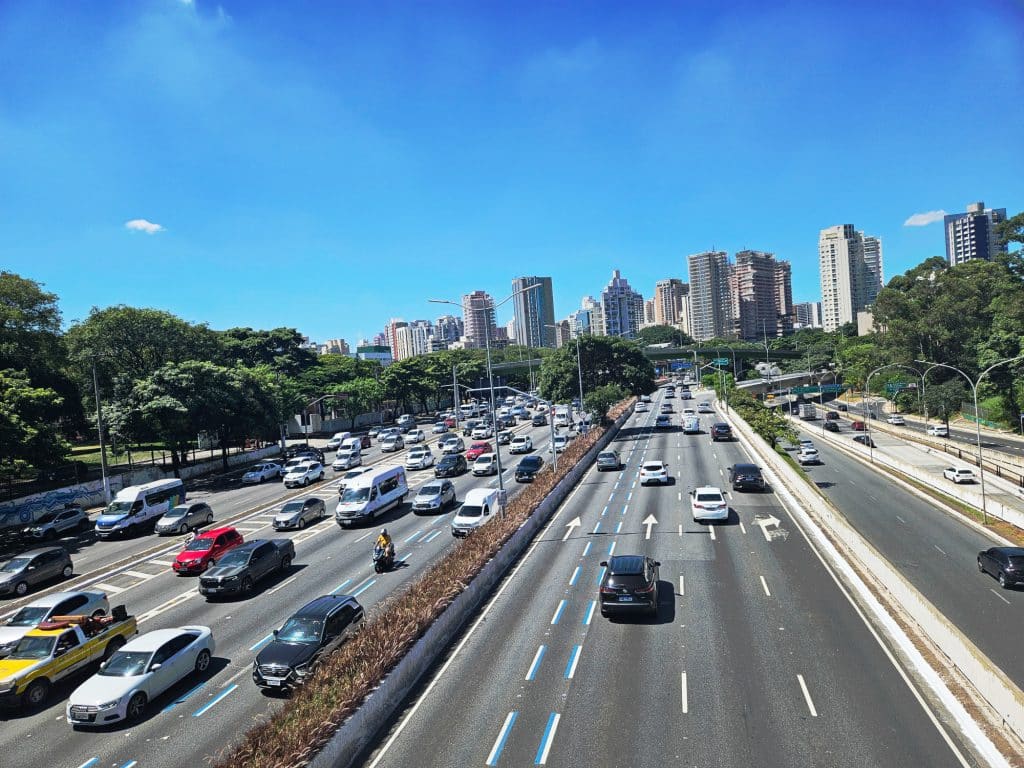
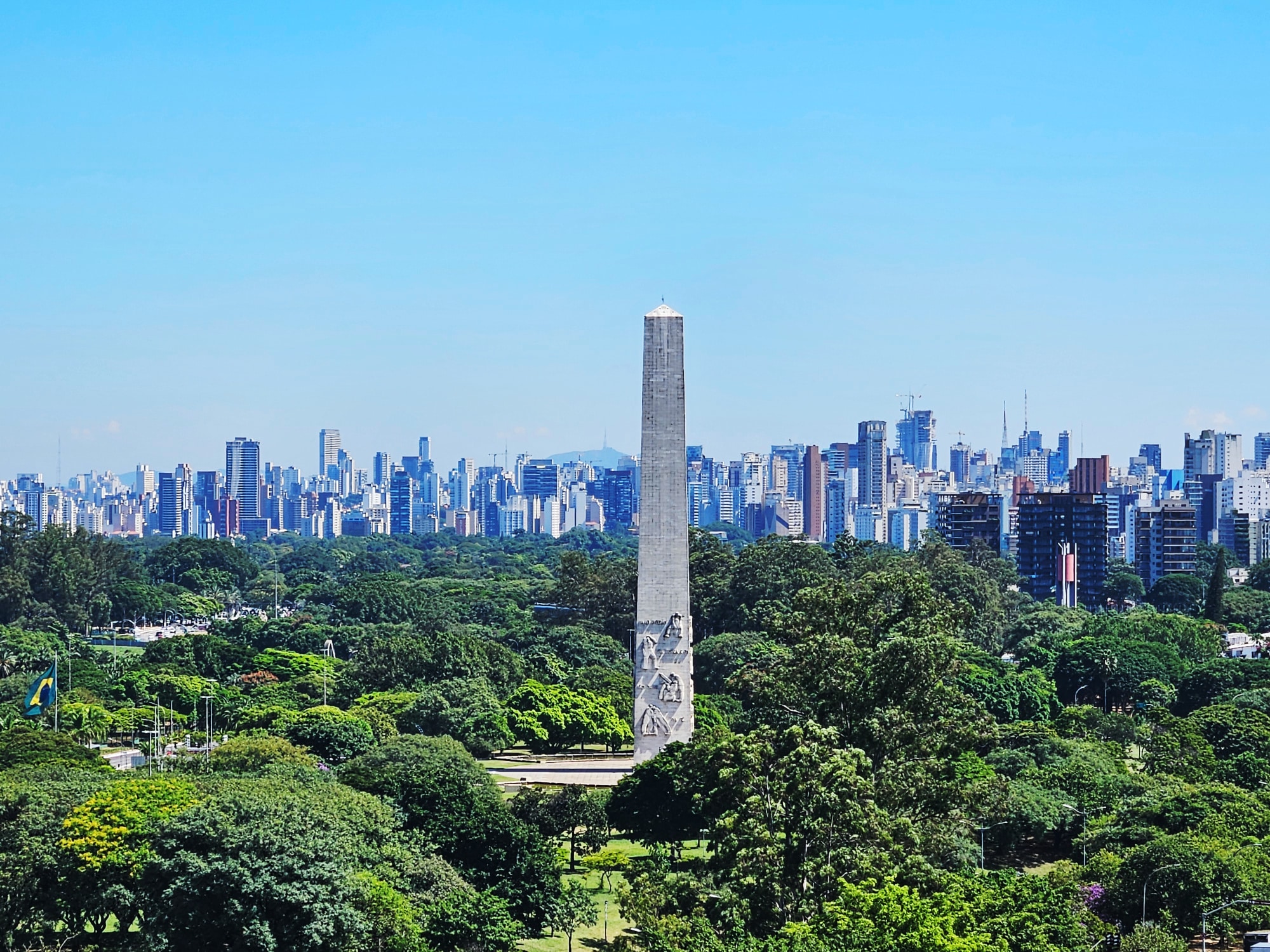
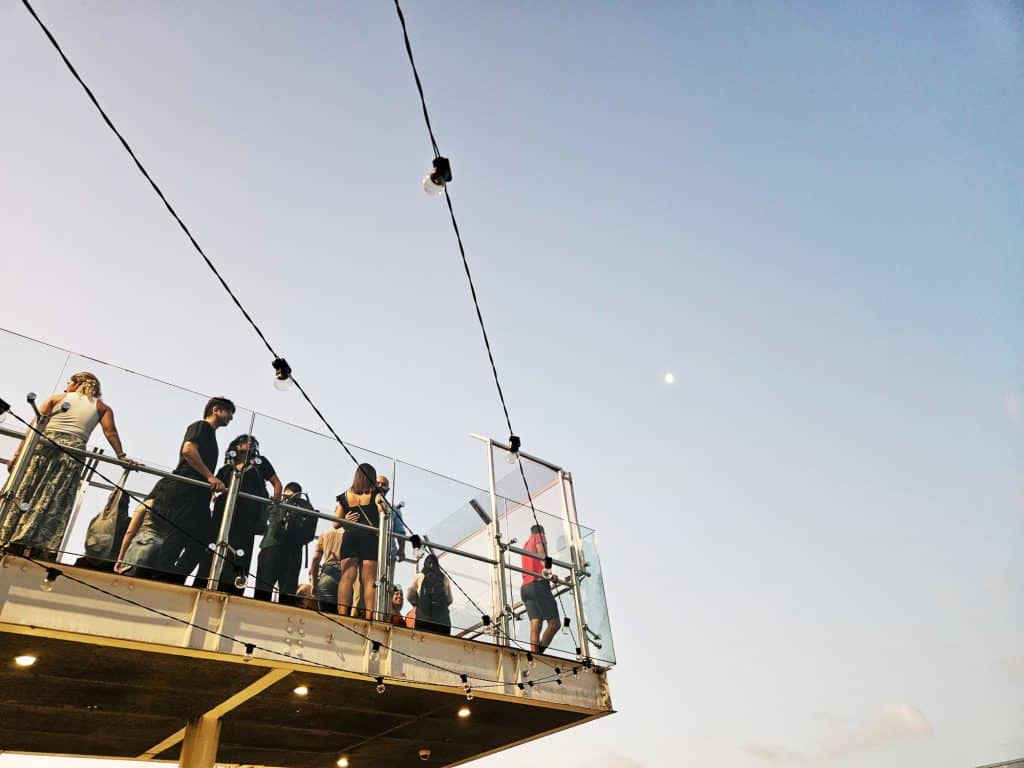
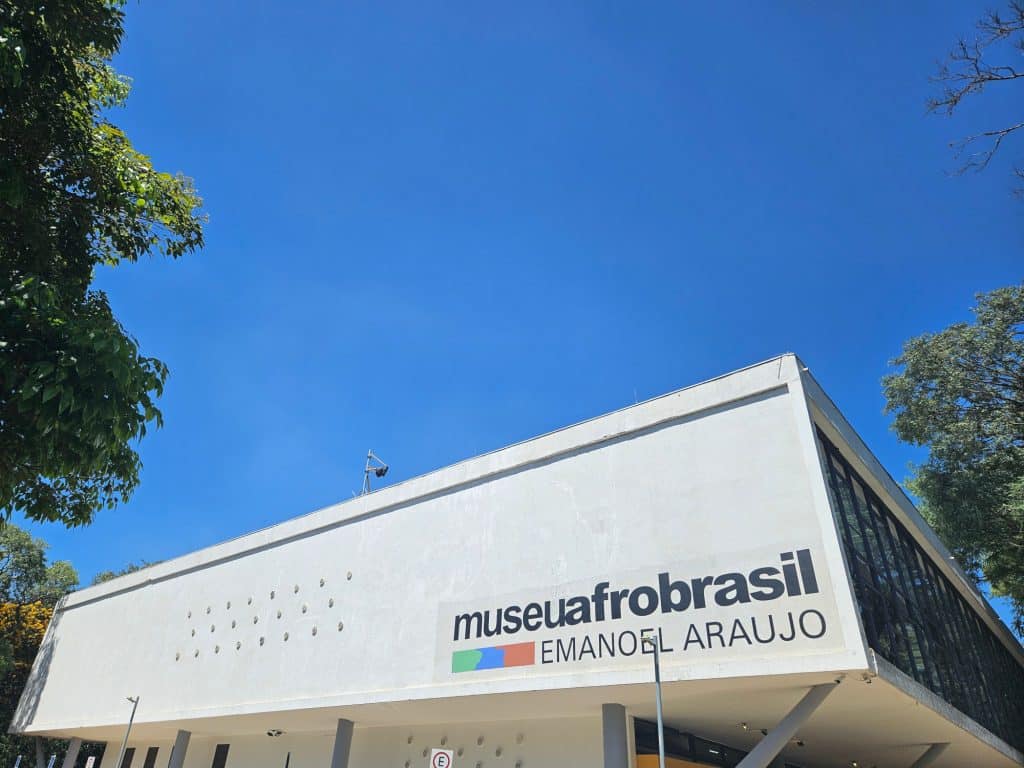
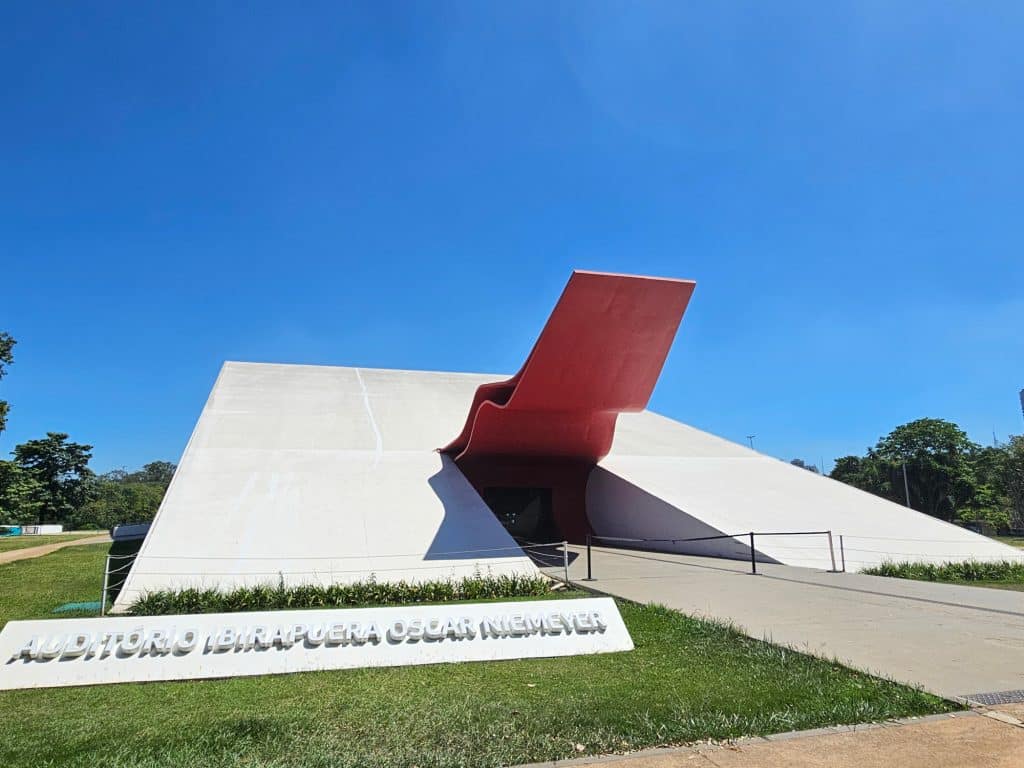
In addition, there are some important art museums in São Paulo too, e.g. the MASP at Paulista Avenue and the Museum of Contemporary Art on the outskirts of Ibirapuera Park. From the roof terrasse of this museum, you can enjoy one of the best views of São Paulo and the mountains in the distance. Inside Ibirapuera Park, there are more museums and cultural centres. In downtown, the Teatro Municipal hosts all kinds of events, not only for the original purpose as an opera house, and for a good price – some are even free. It makes arts accessible for everybody in society. And near the main station, Luz station, is the art museum Pinacoteca. Really, there seems to be no end to it!
Embu das Artes
If the arts offer in São Paulo isn’t enough yet, you also find a small arts and craft village around 45 minutes outside of the city: Embu das Artes. It is best to visit during the weekends as that is when the market is there and the artists are present in the streets and the small shops.
The village was founded in the 16th century and grew around a convent, also to convert the indigenous to Christianism. In the 1920s, several artists moved to the area and in 1969, the arts and crafts fair was founded.
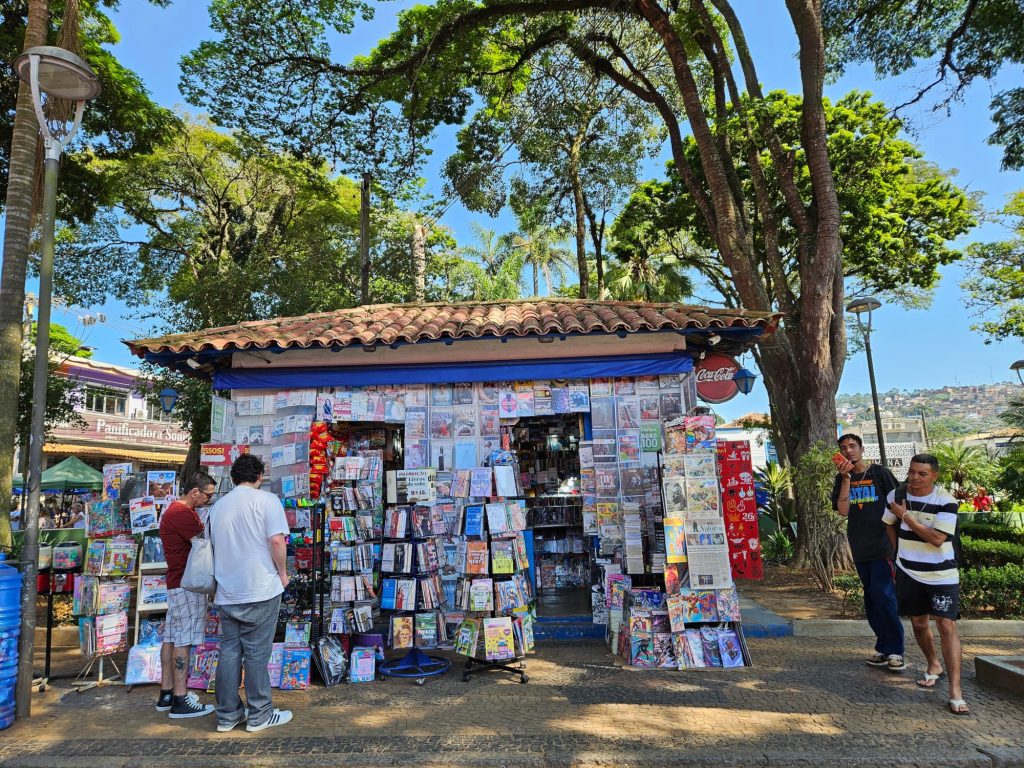
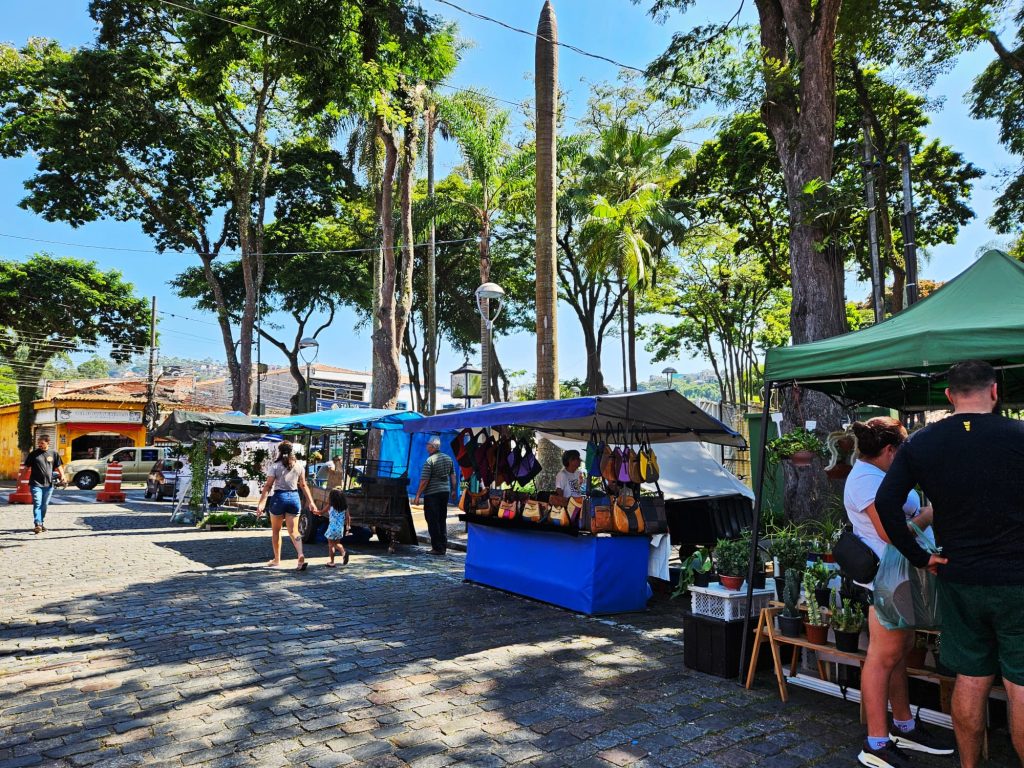
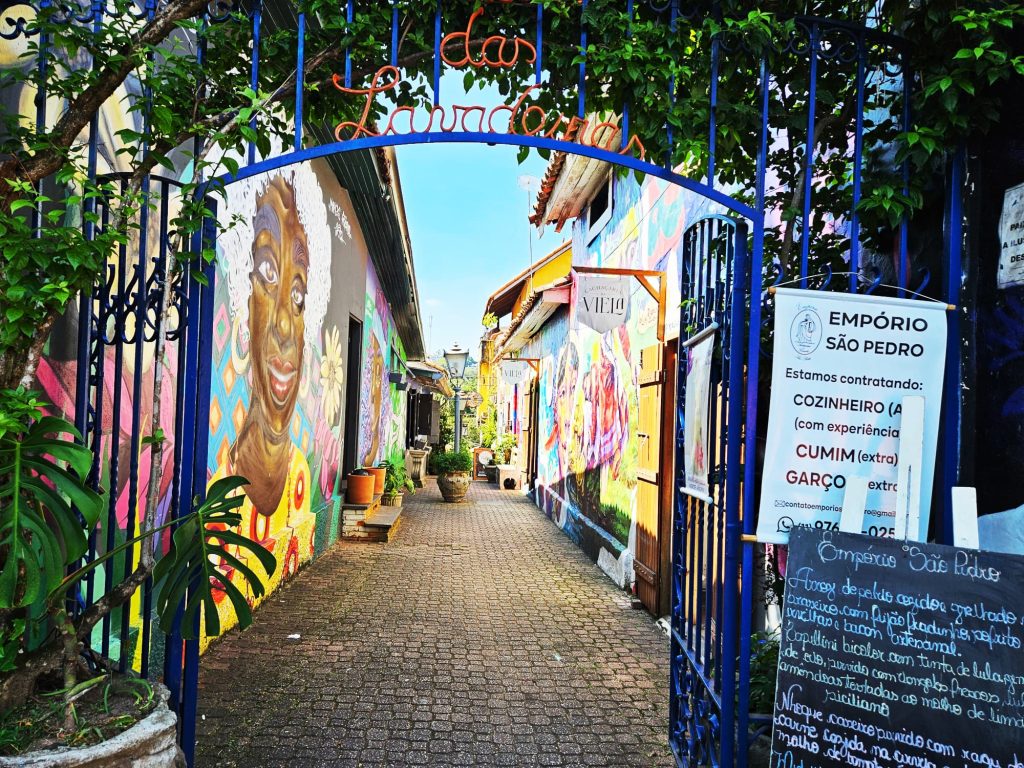
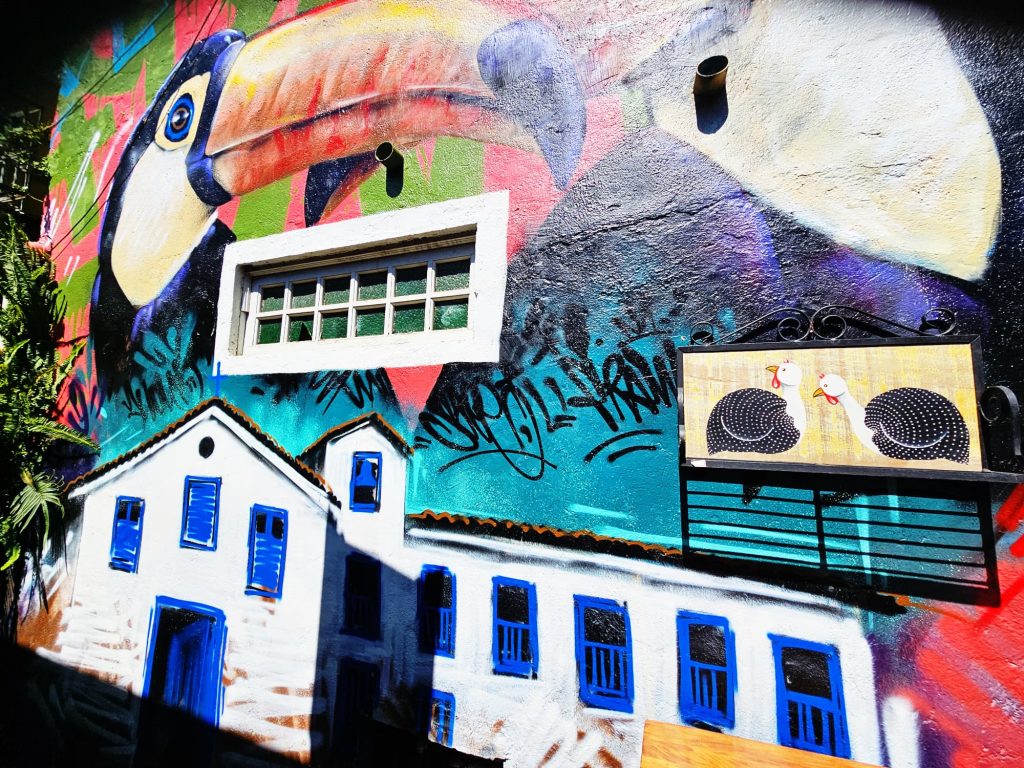
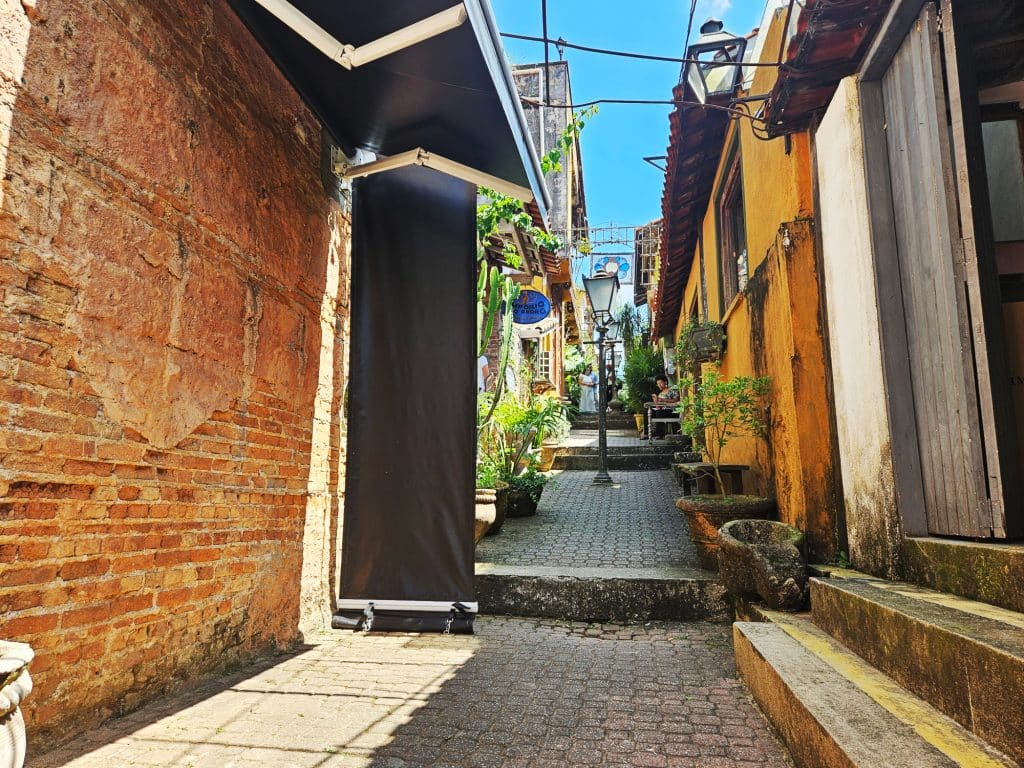
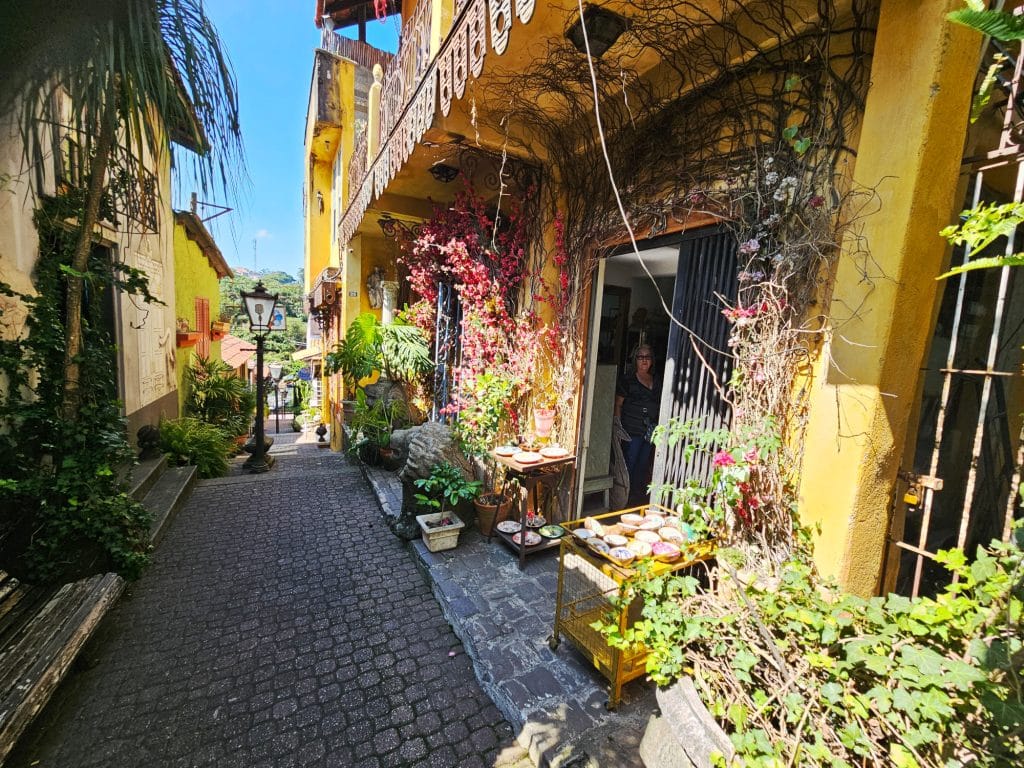
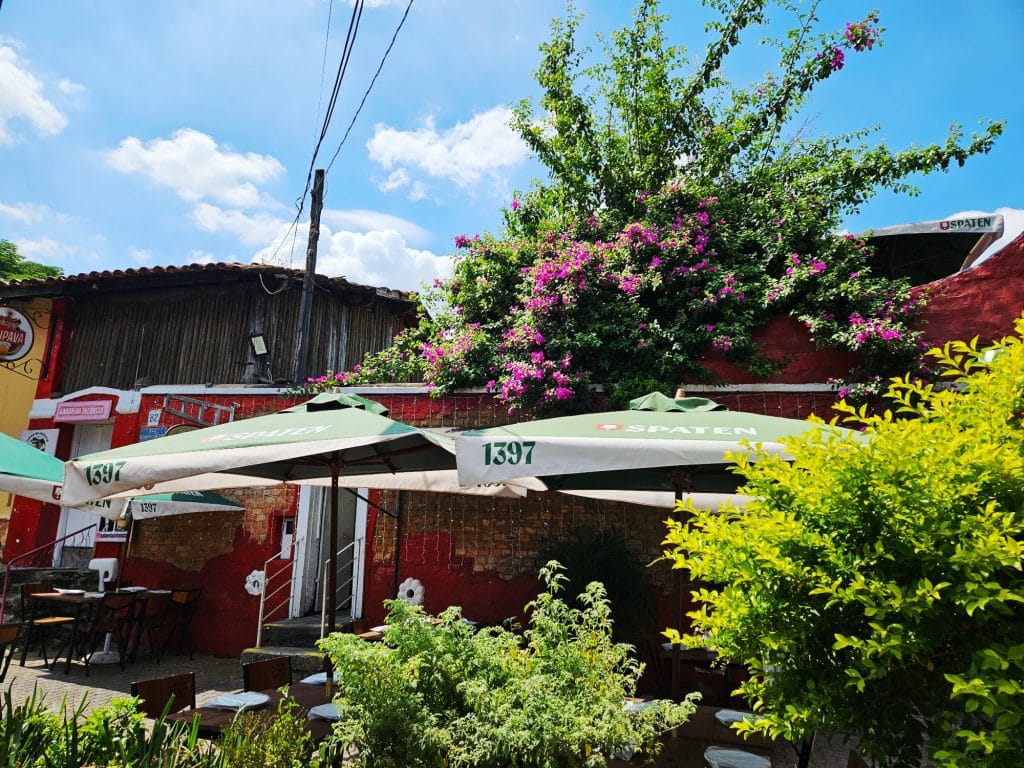
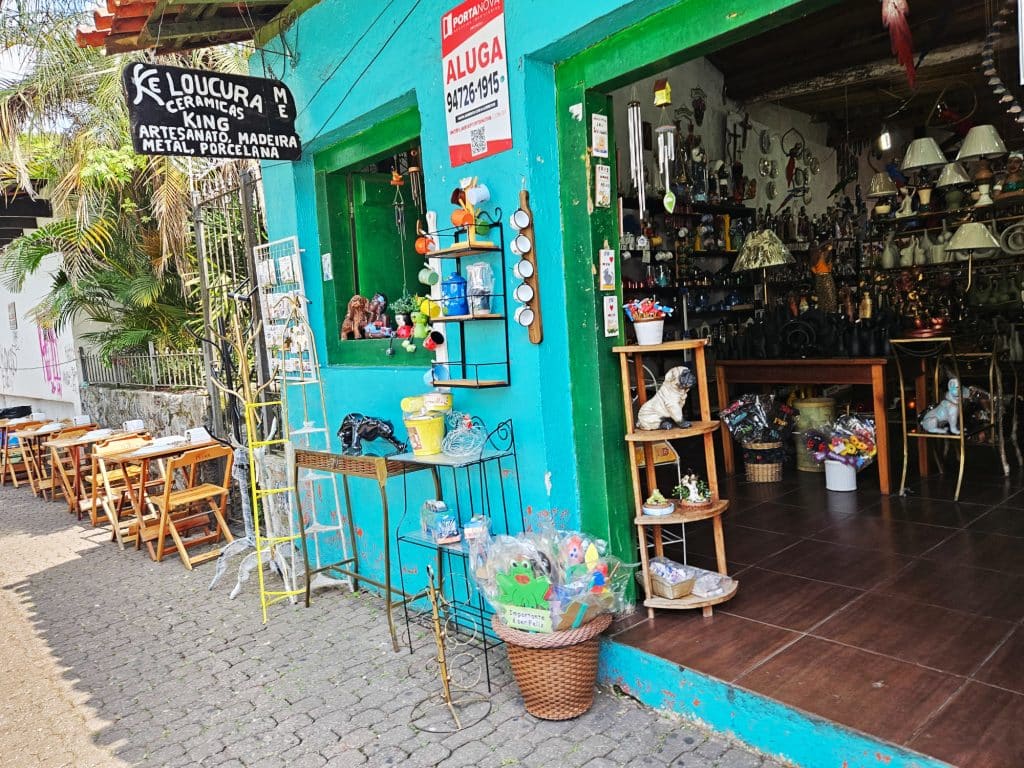
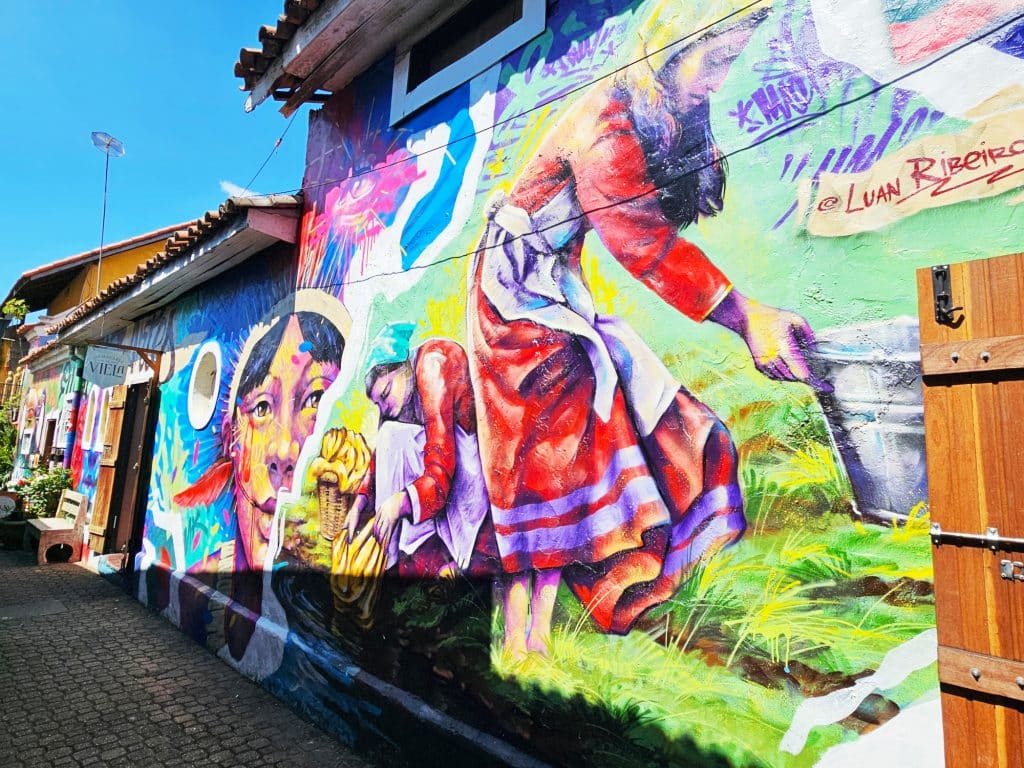
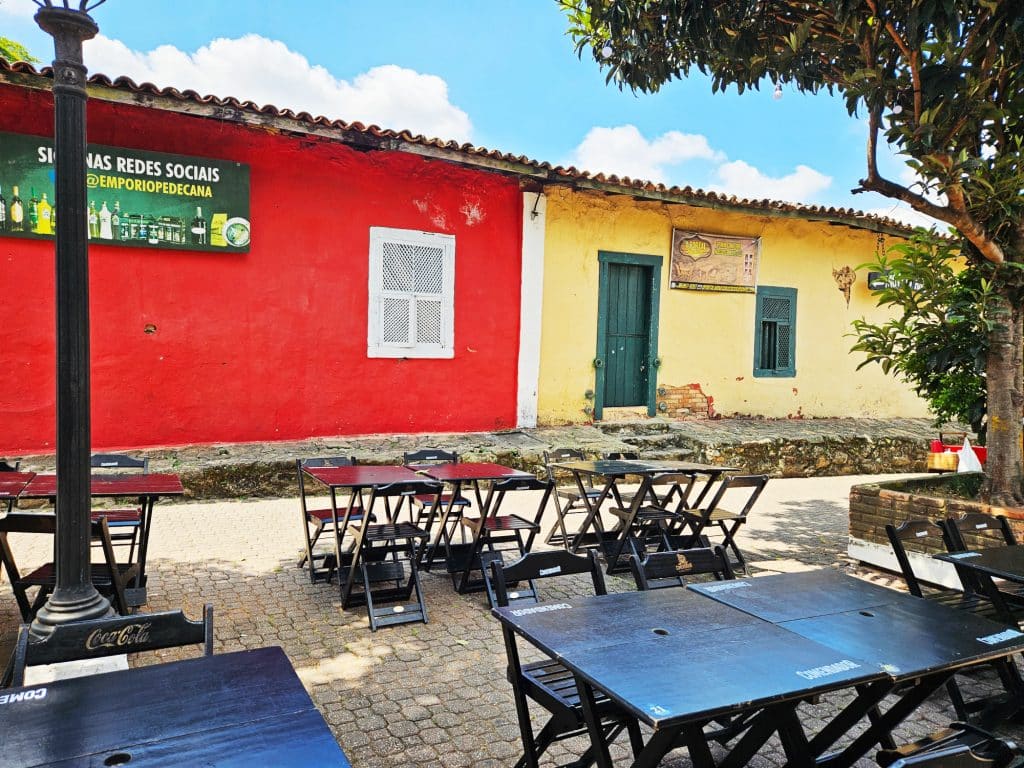
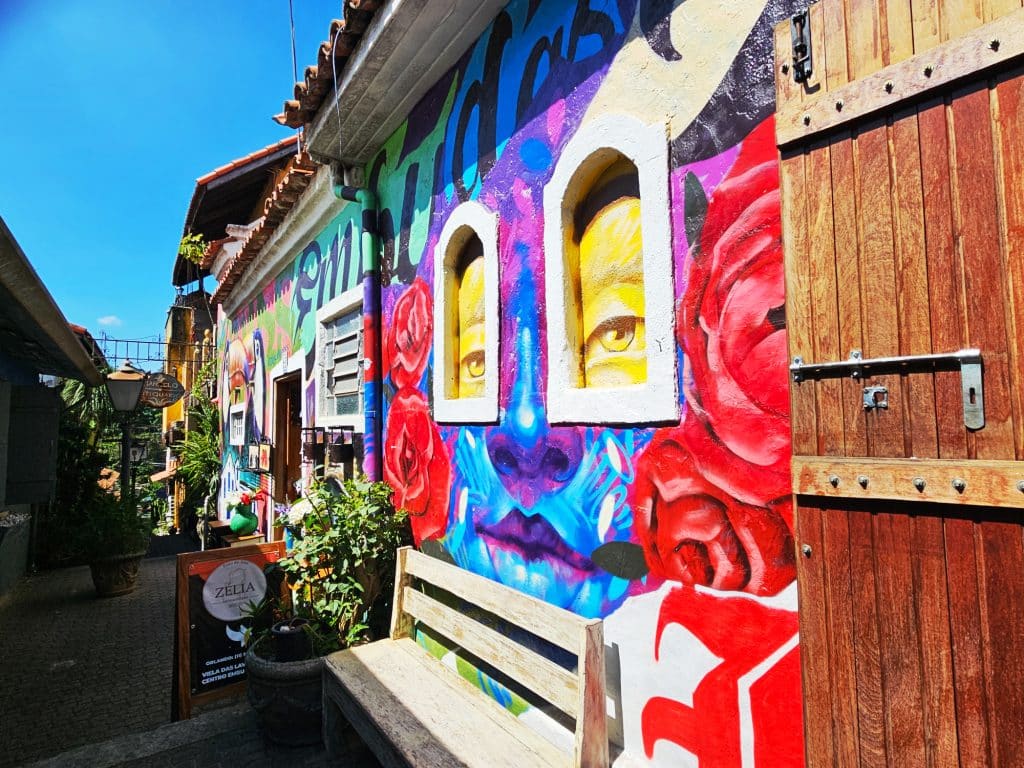
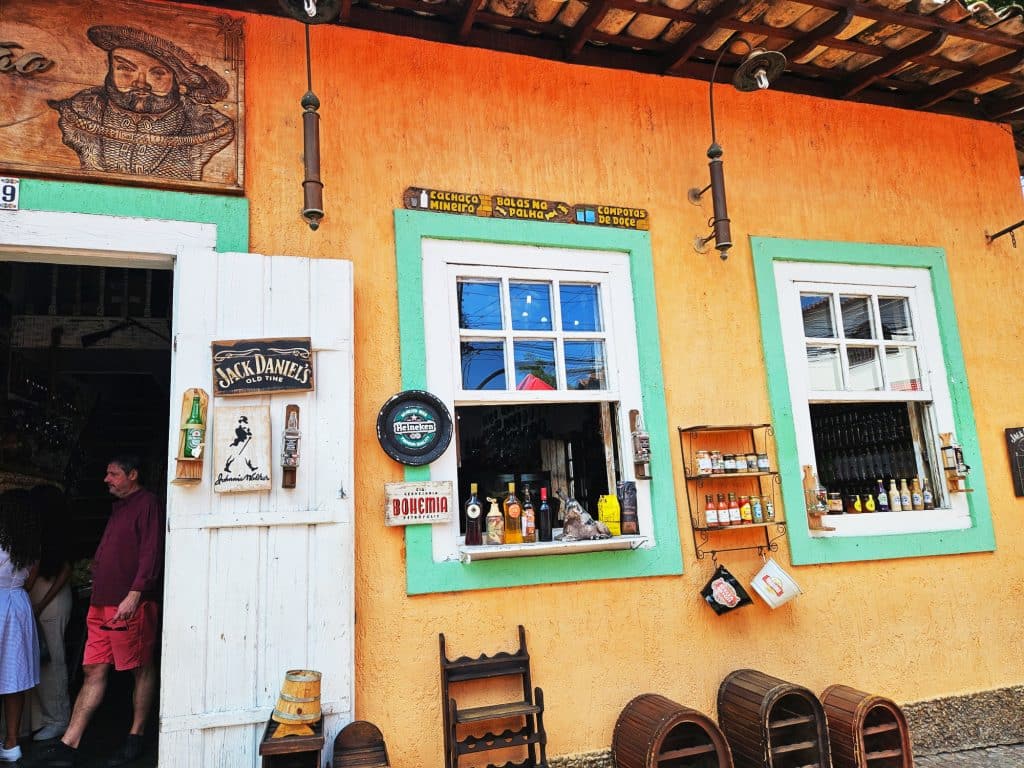
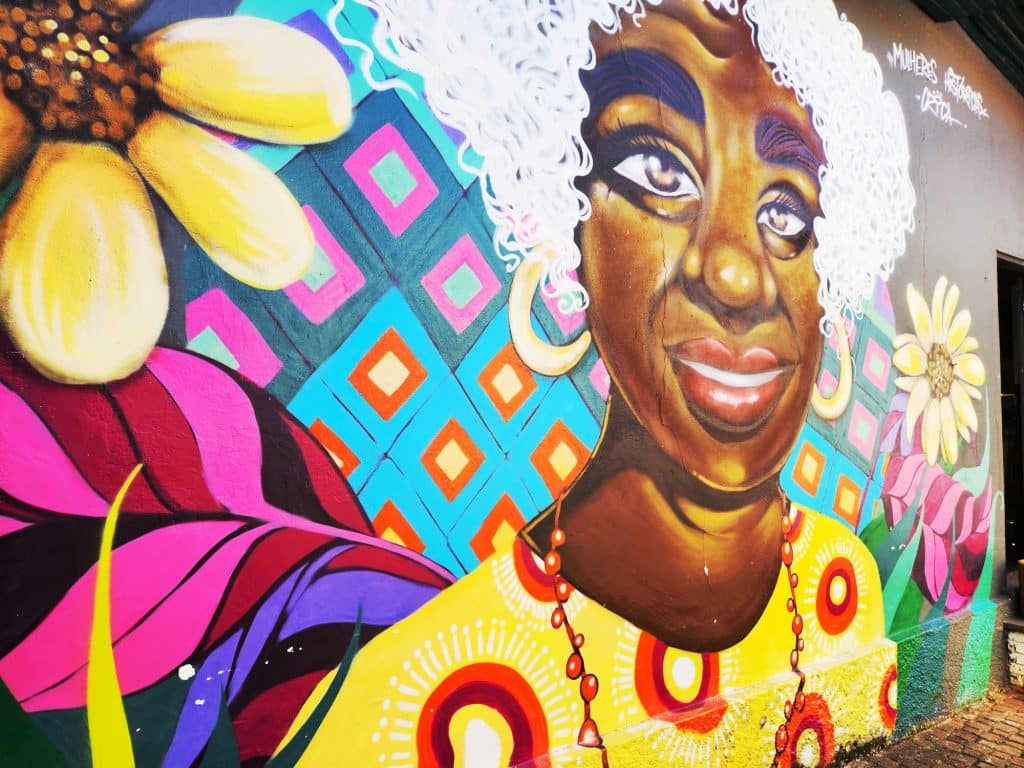
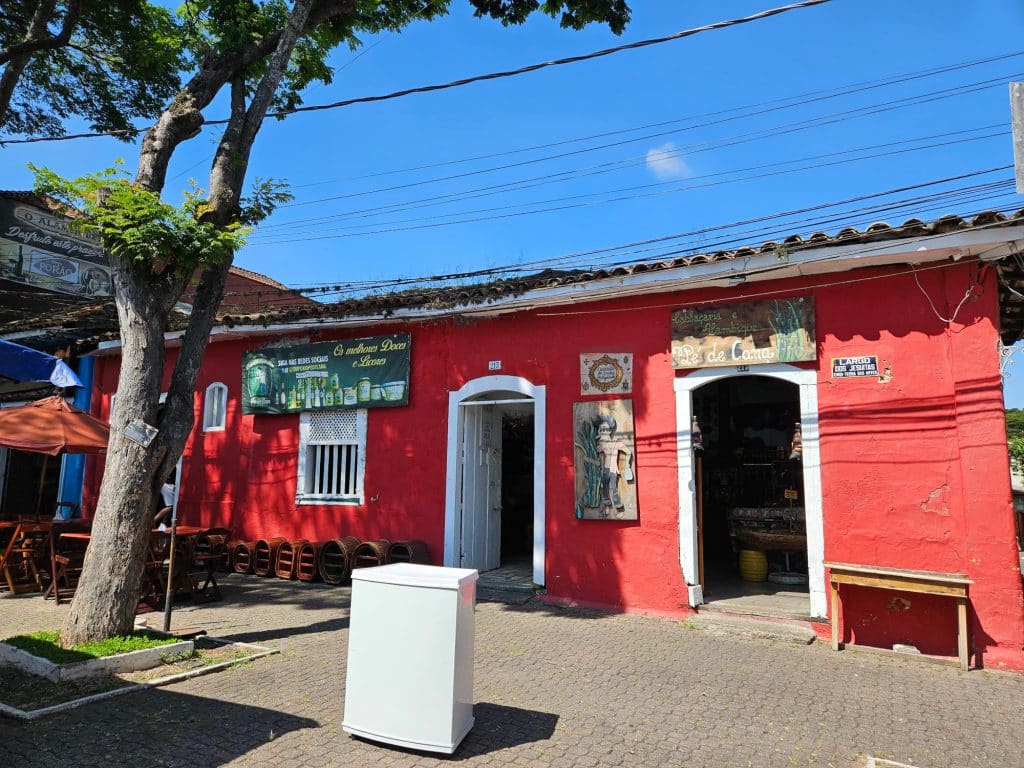
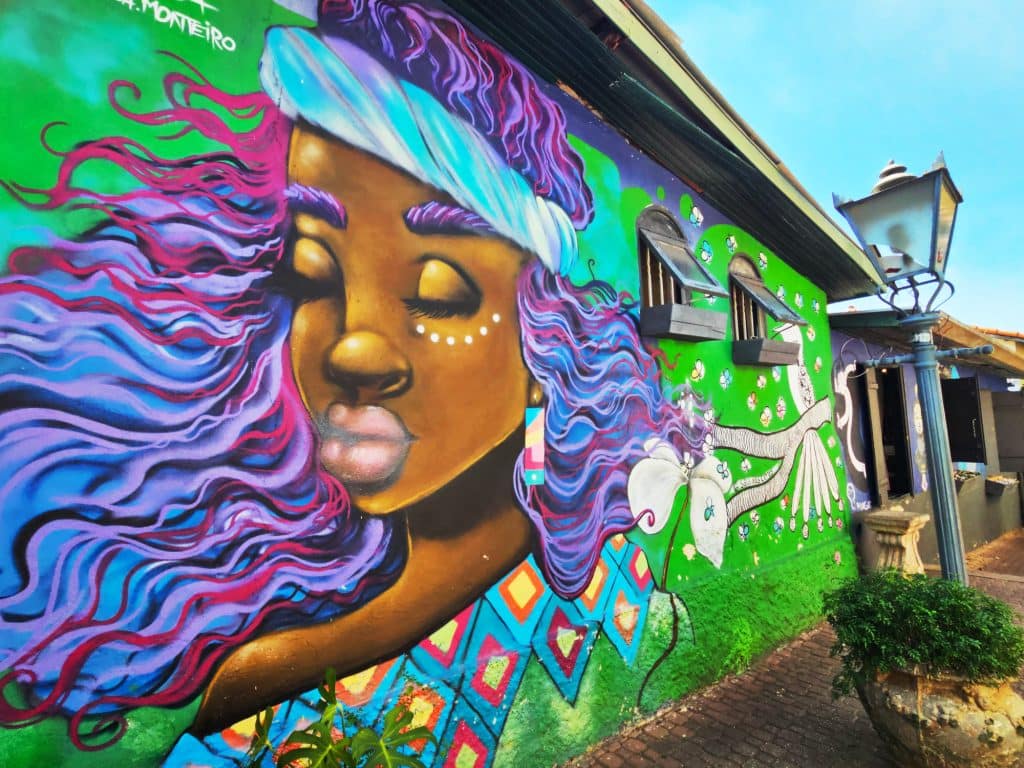
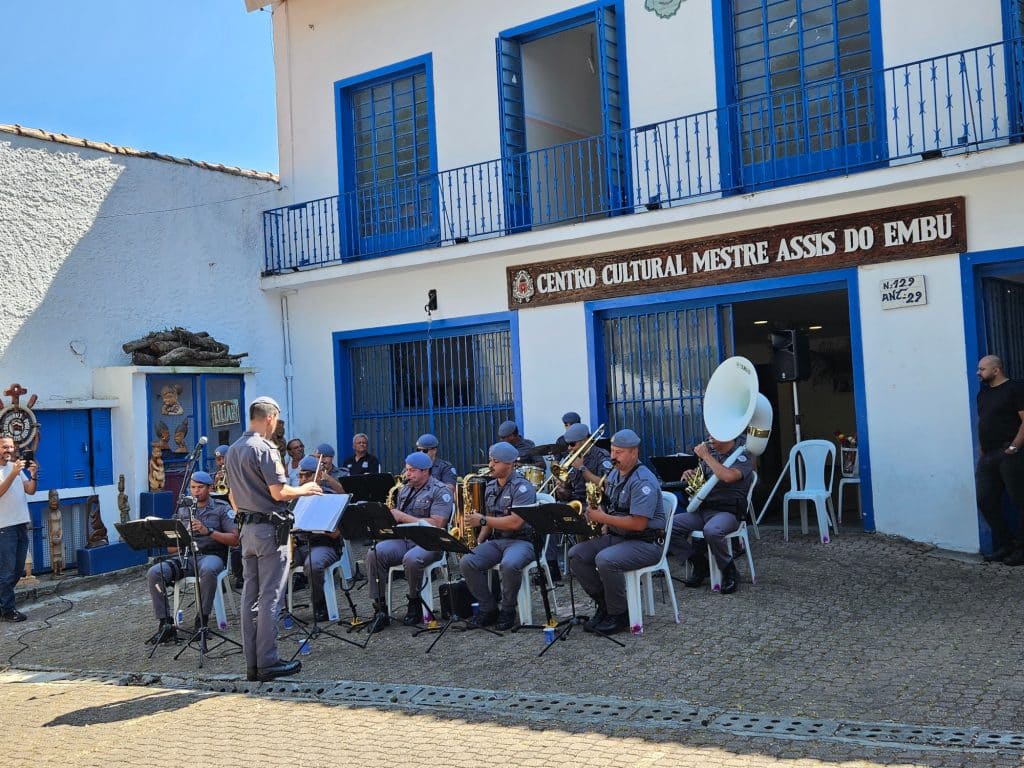
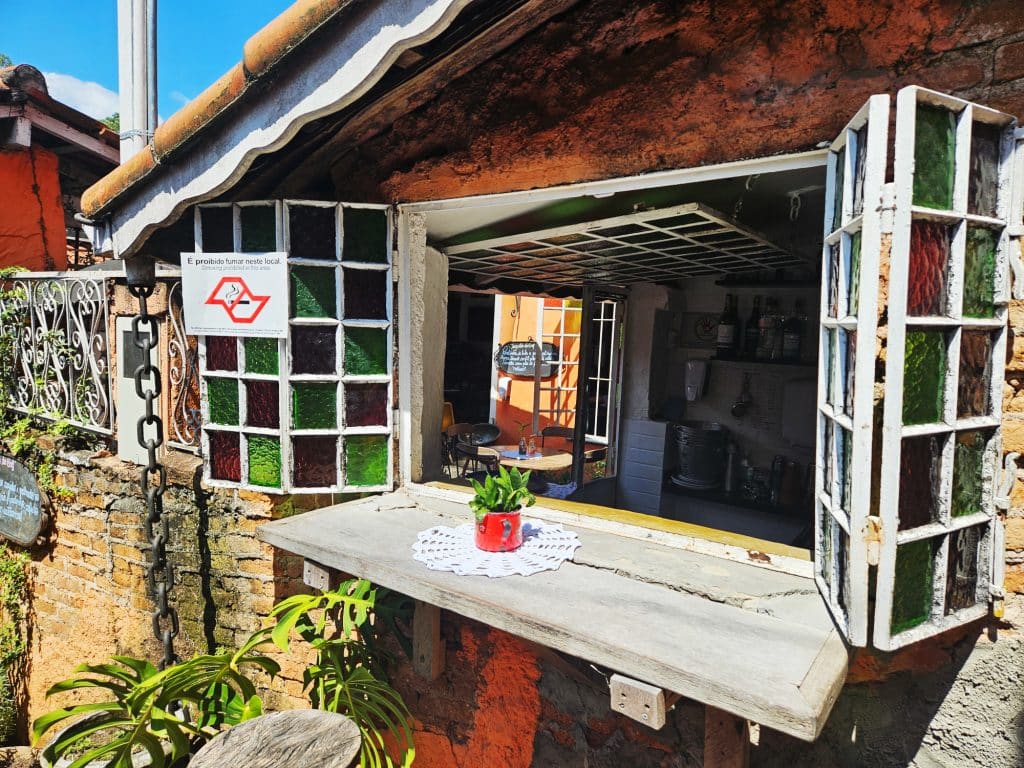
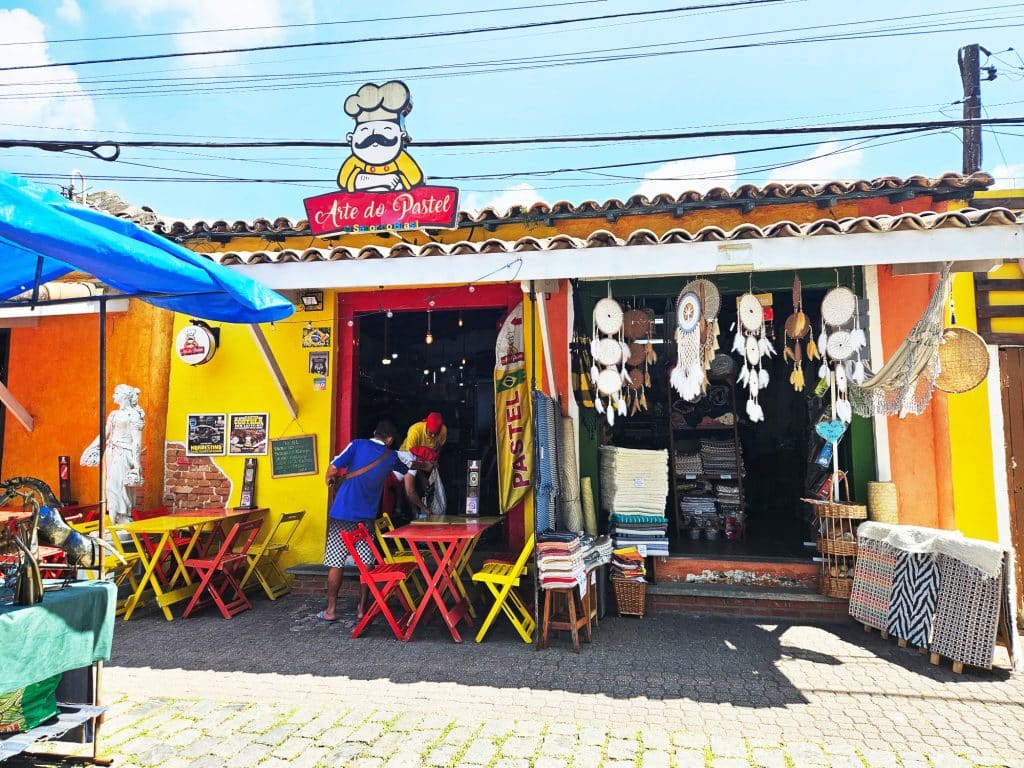
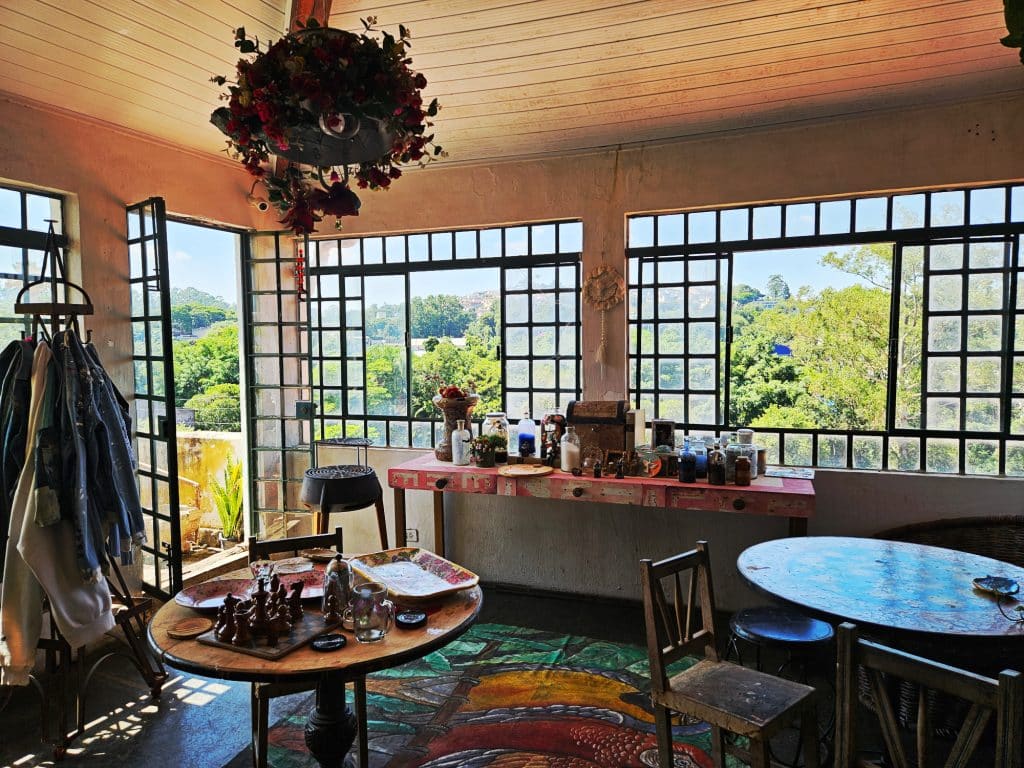
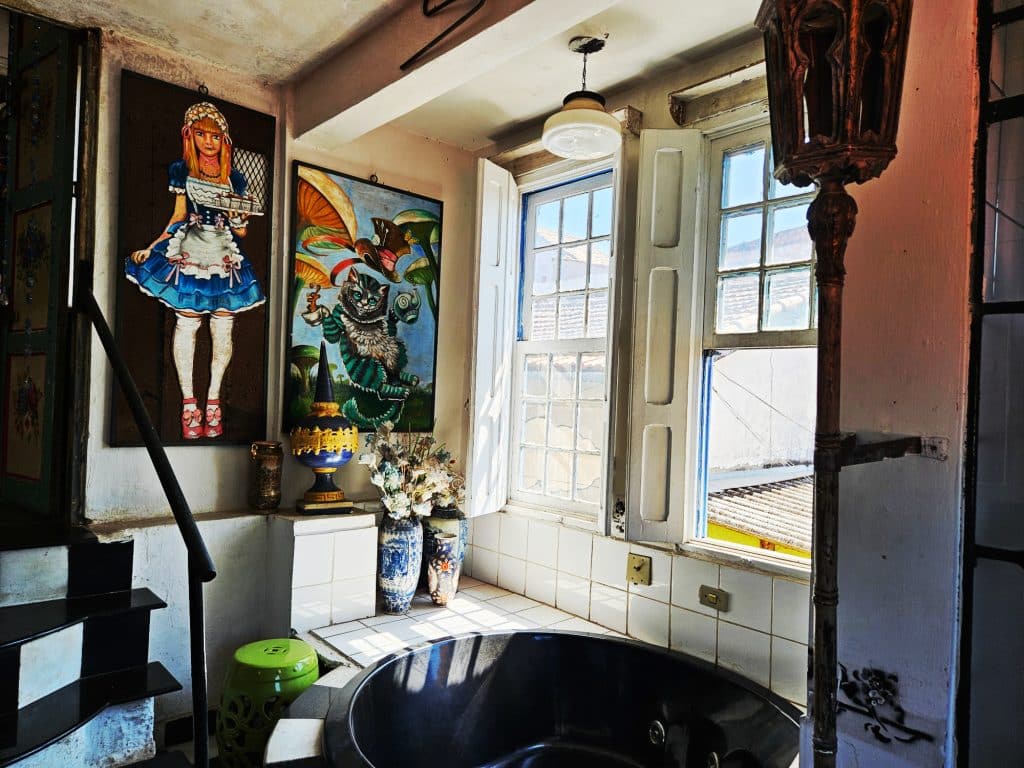
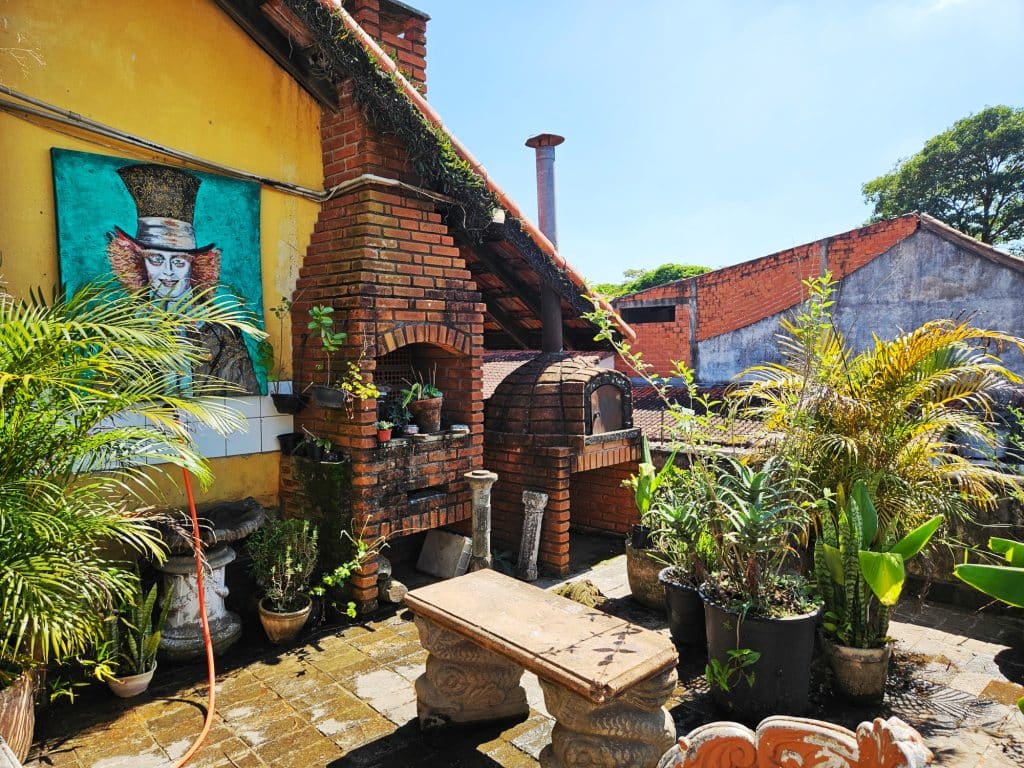
Today, the historic centre still hosts the arts and crafts market on the weekends and there are many small shops in colourful houses and restaurants of all kinds. It is the perfect destination for a weekend lunch trip to combine with some souvenir shopping. Most of the shops are specialized in furniture, either antique or artistic, and you also find shops with indigenous art by the Guaraní. From one of the main roads, you can reach a small alley with murals and more shops. Charlie entered one antiques shop that the guide had recommended. Upon entering, she realized that what seemed like a tiny house was in fact a connection of multiple houses filled with antique furniture and arts. She was amazed! The labyrinthic layout of the house made it difficult to count the number of rooms of floors. At the top, she reached a bathroom inspired by Alice in Wonderland and a sunlight room with a terrace. If she ever gets her own place, she wants a room like that!
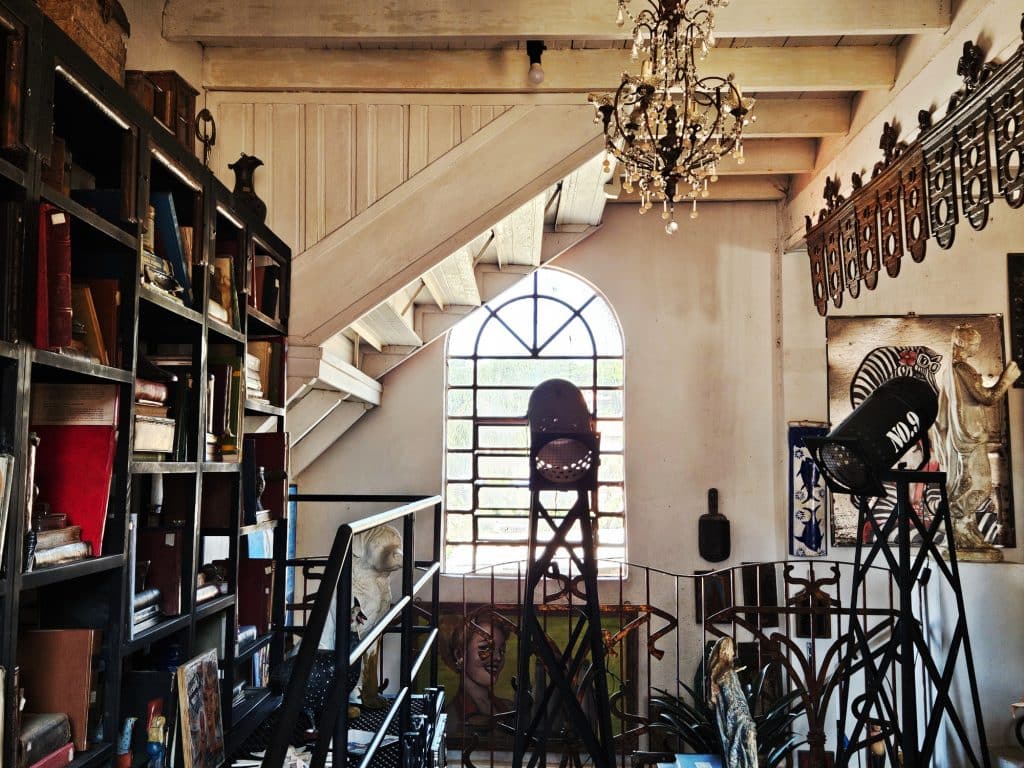
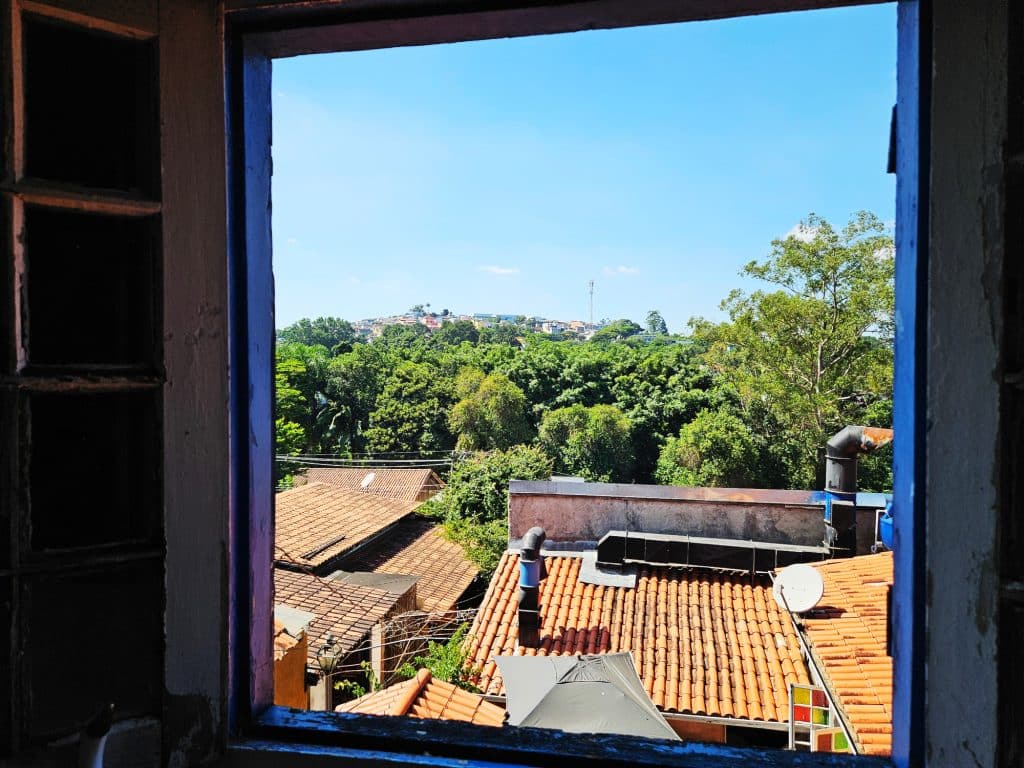
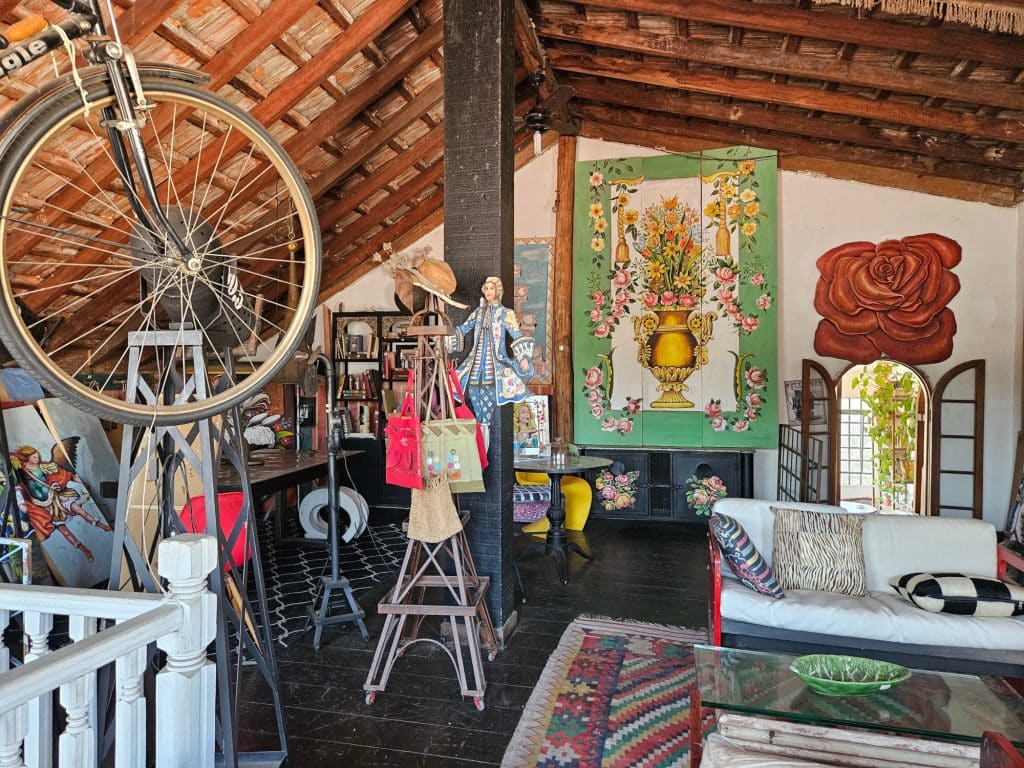
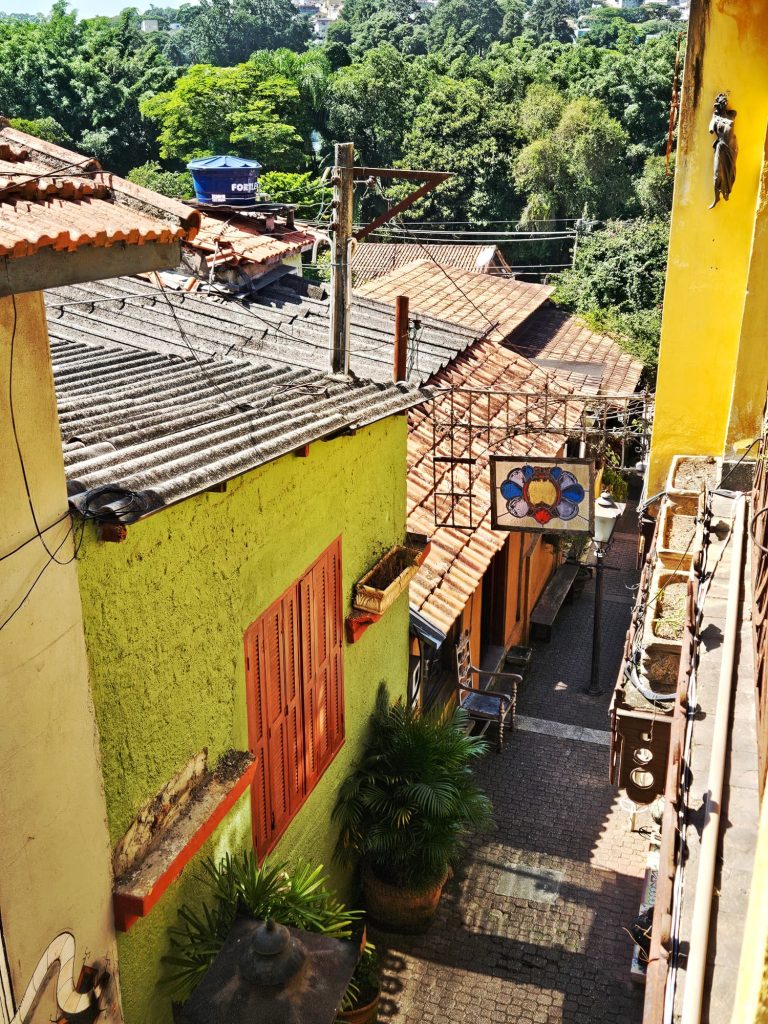
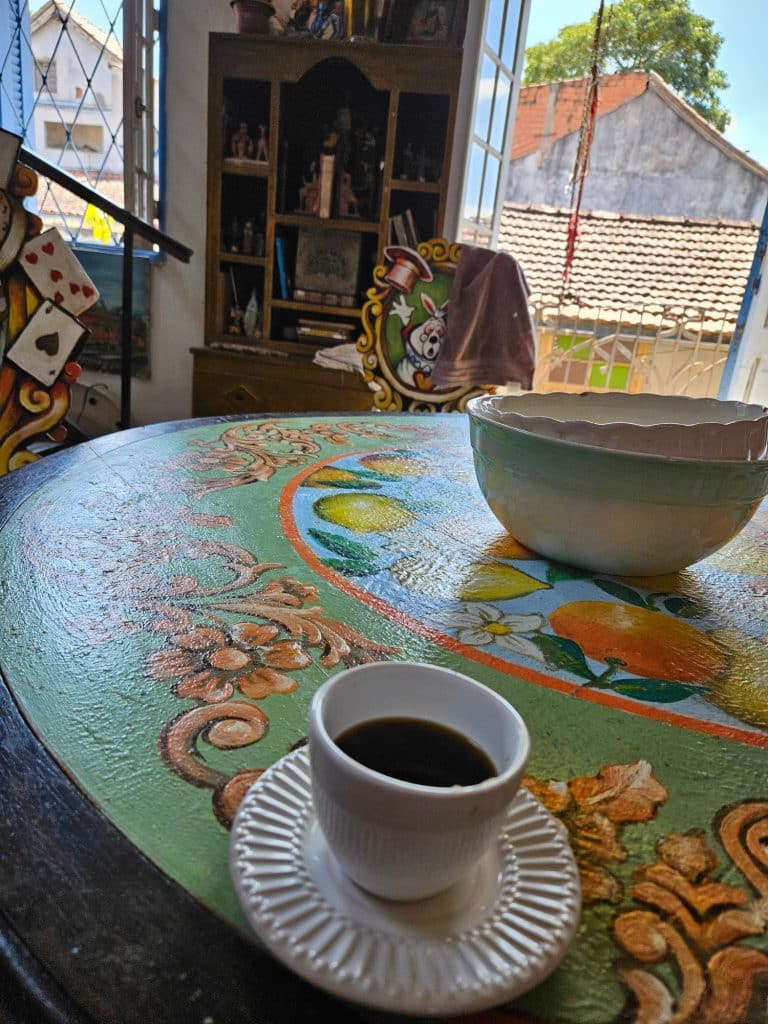
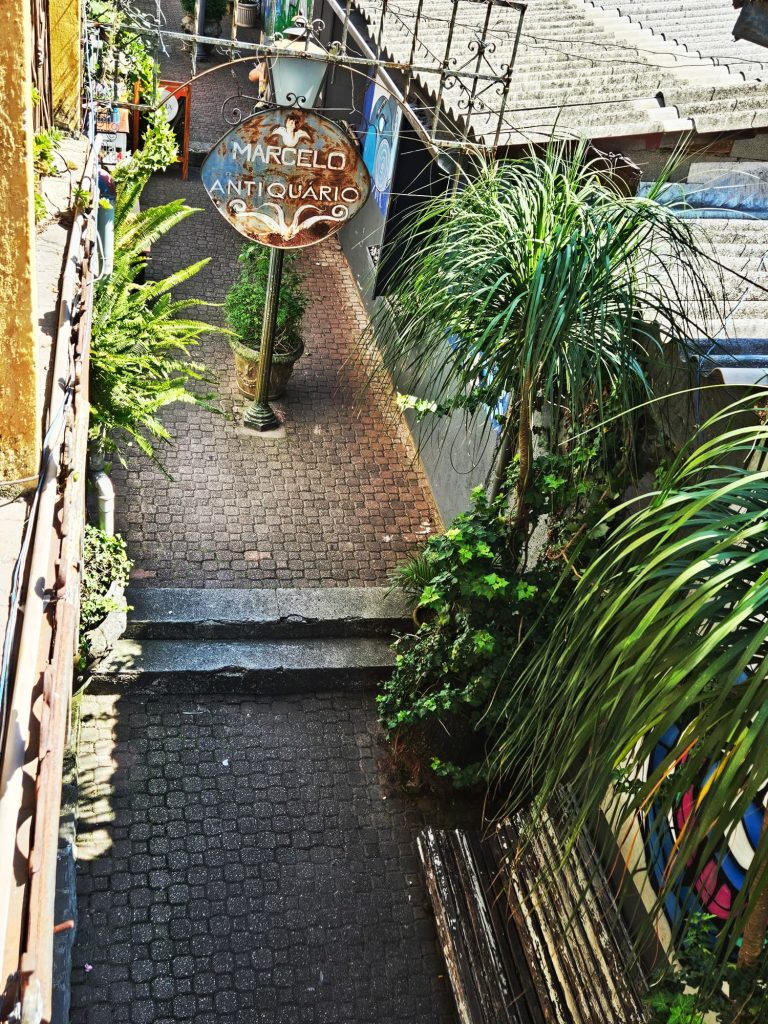
On their way out, Charlie and the guide started chatting to one of the women that worked in the shop. Victoria was talking about big plans she and her mother had to offer arts classes and workshops, in addition to selling their own art. Charlie immediately felt the warm Brazilian culture and the hospitality. Just as they were about to leave, Victoria’s mum, Claudia served them coffee and they were asked to sit down. A proper conversation unfolded and Charlie could put her Portuguese to test. It was a wonderful experience to be welcomed with open arms in this small town Embu das Artes.
A green city
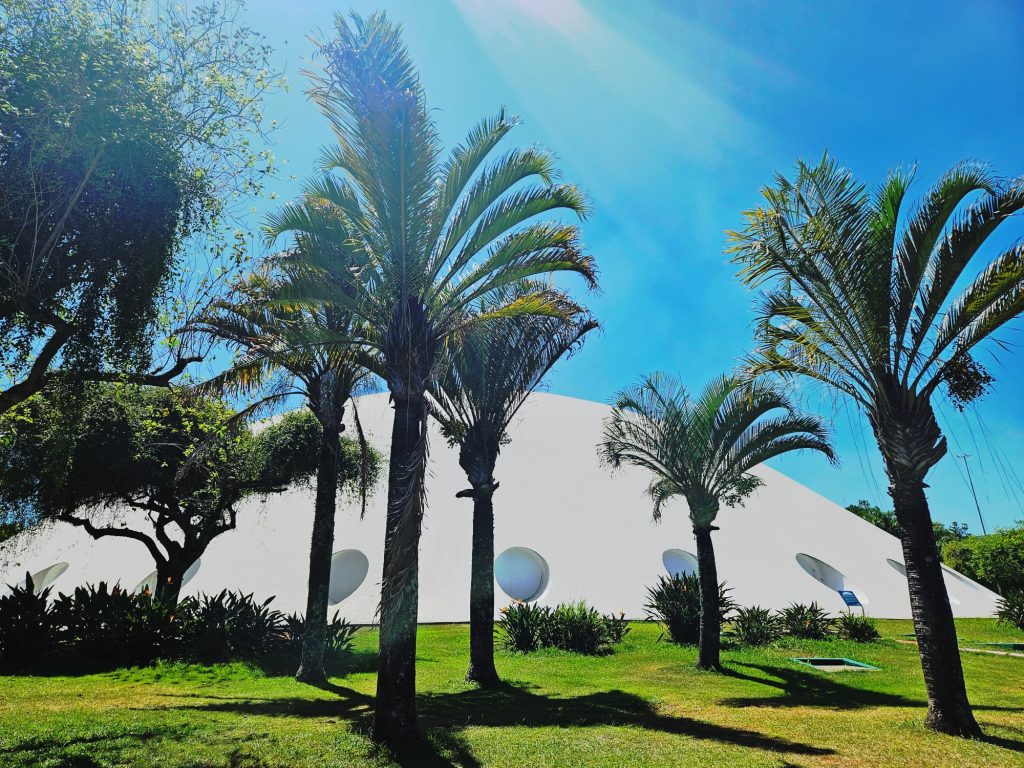
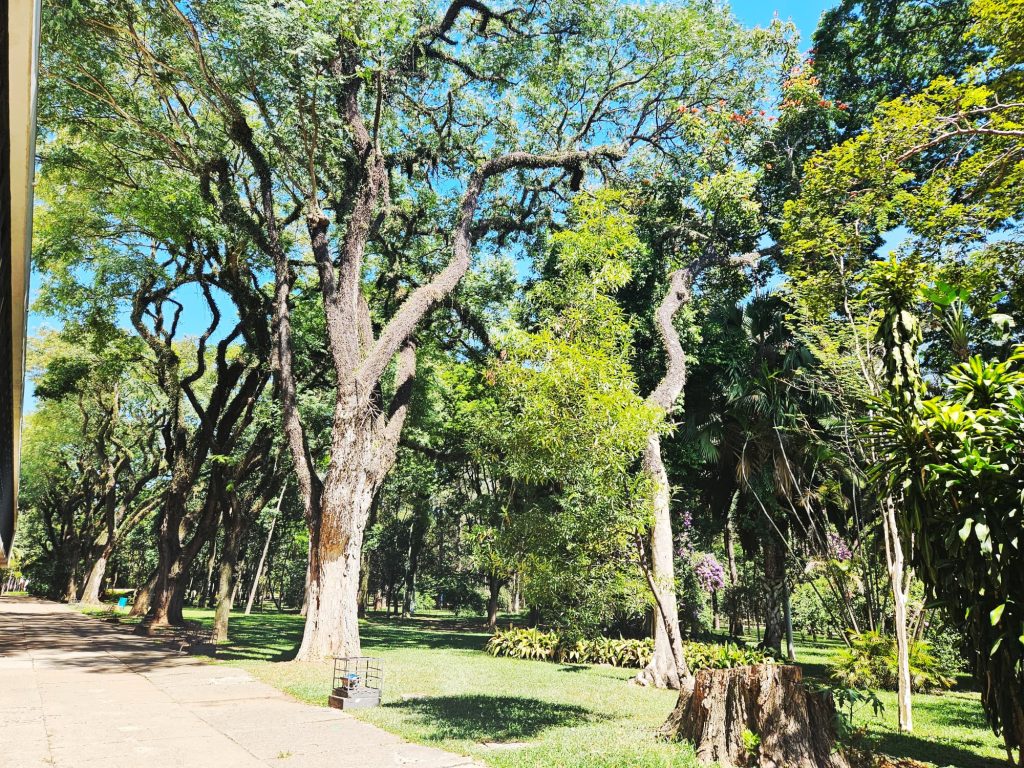
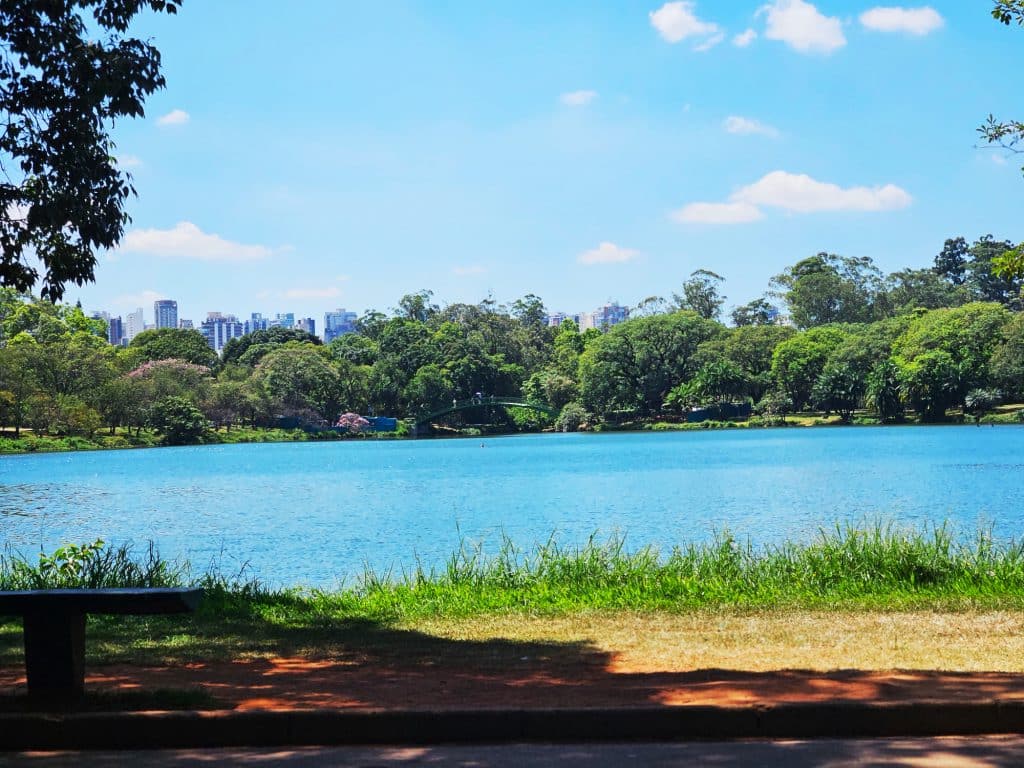
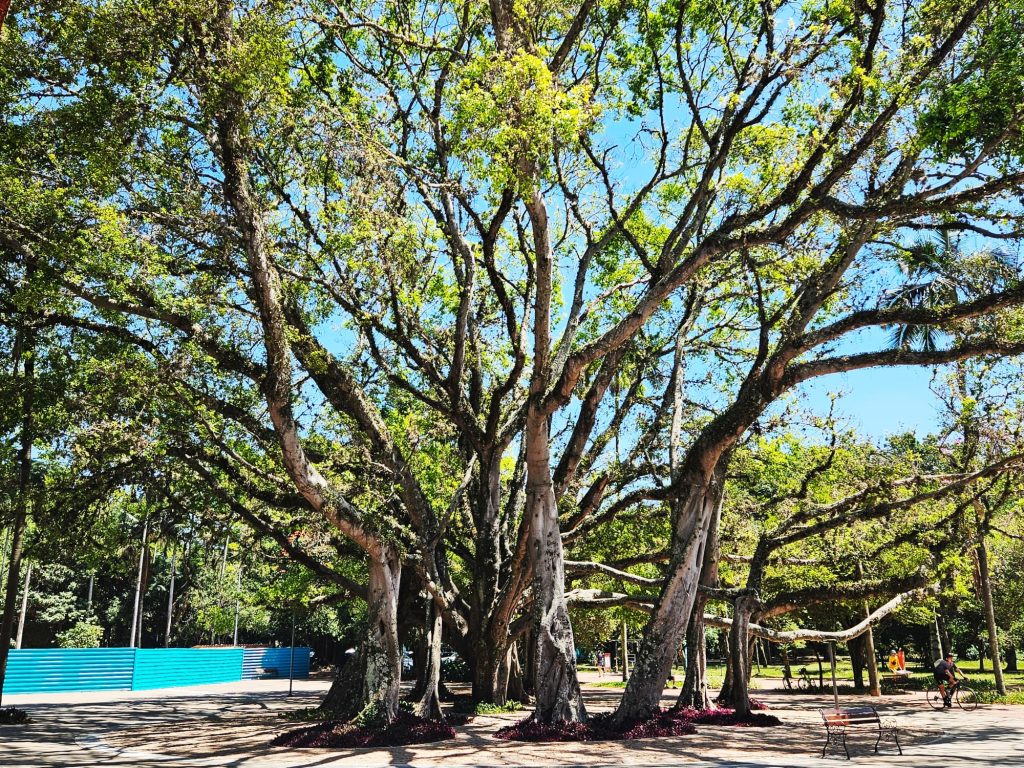
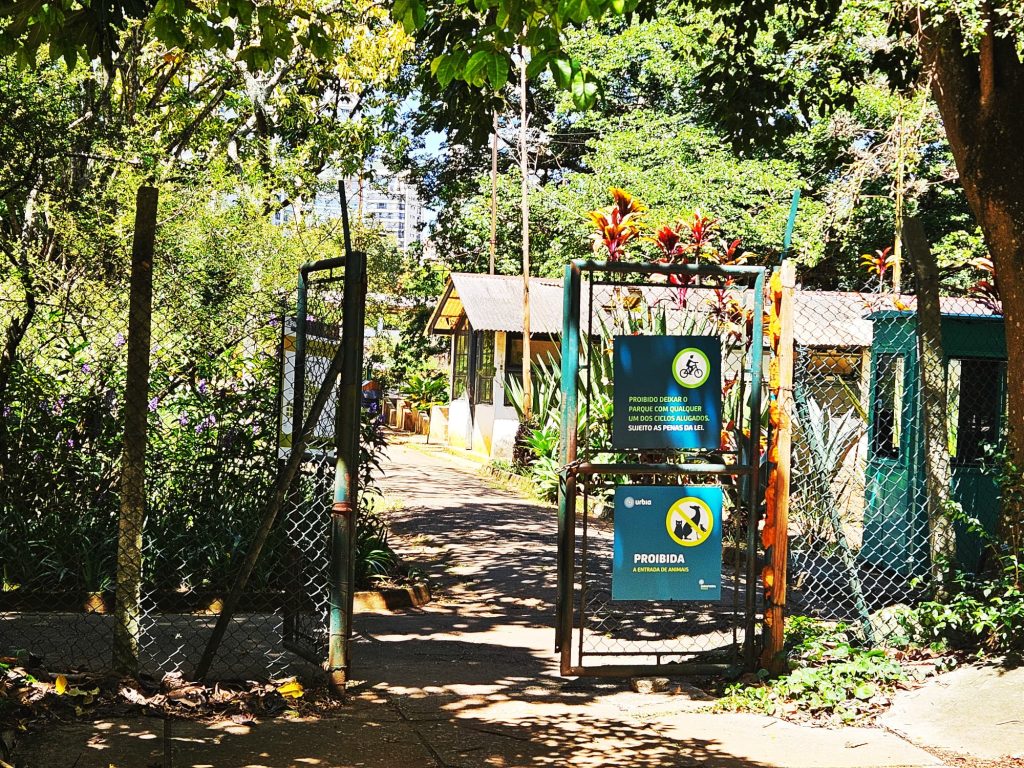
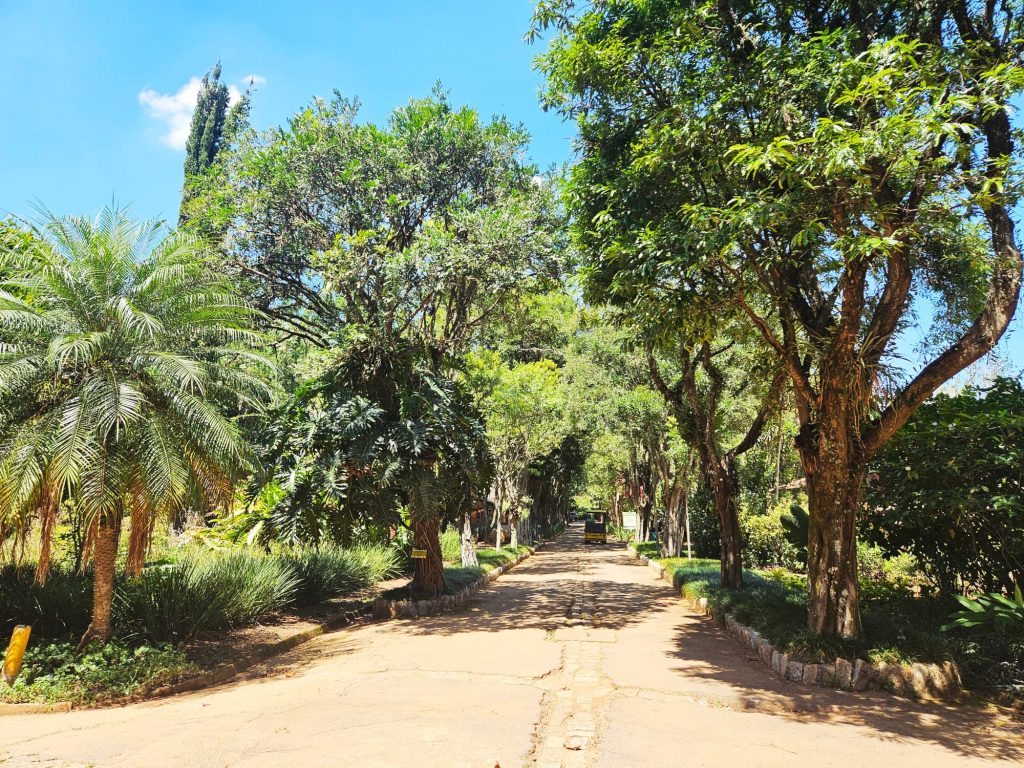
São Paulo was surprisingly green for a city of (almost) skyscrapers. There are plenty of parks in different areas of the city, even in between the concrete jungle of Paulista Avenue. Charlie cycled through Ibirapuera Park which had been inspired by New York’s Central Park and has a cycle lane and bike hire stations. There is a section with green houses where you feel like you walk through a botanical garden.
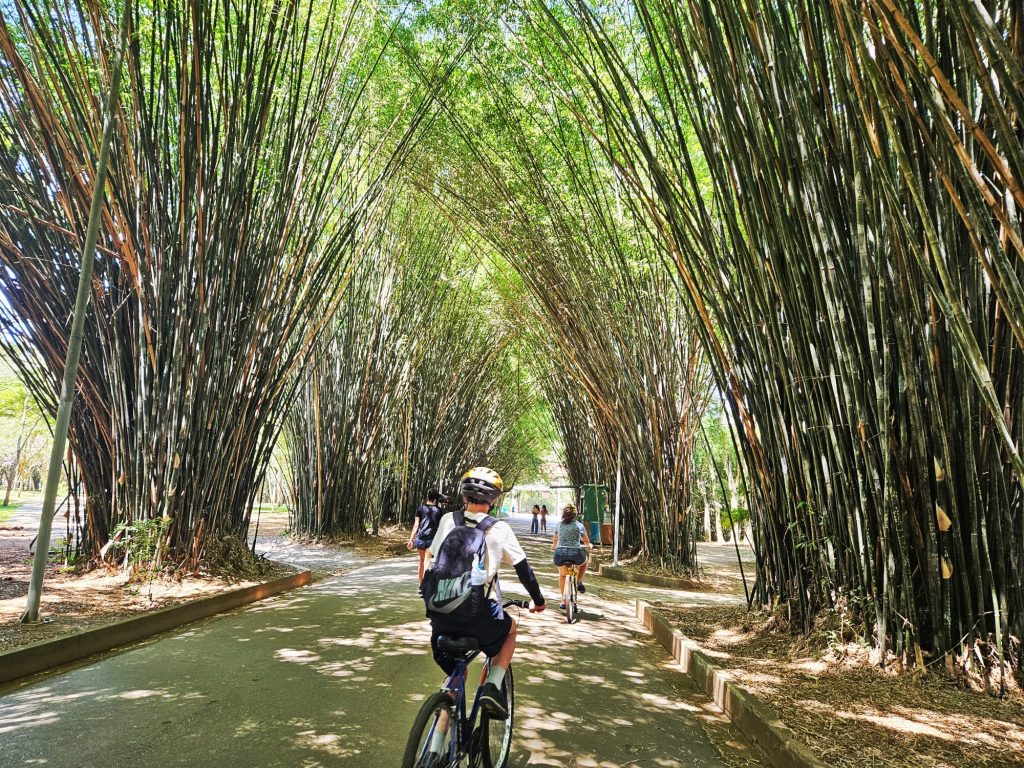
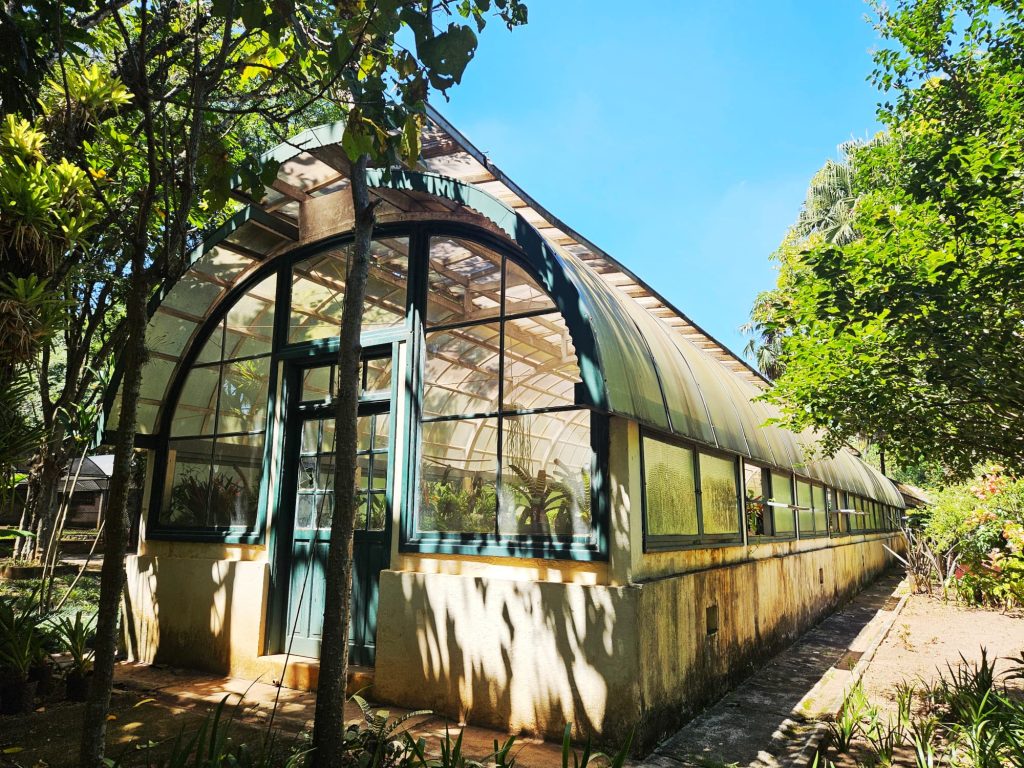
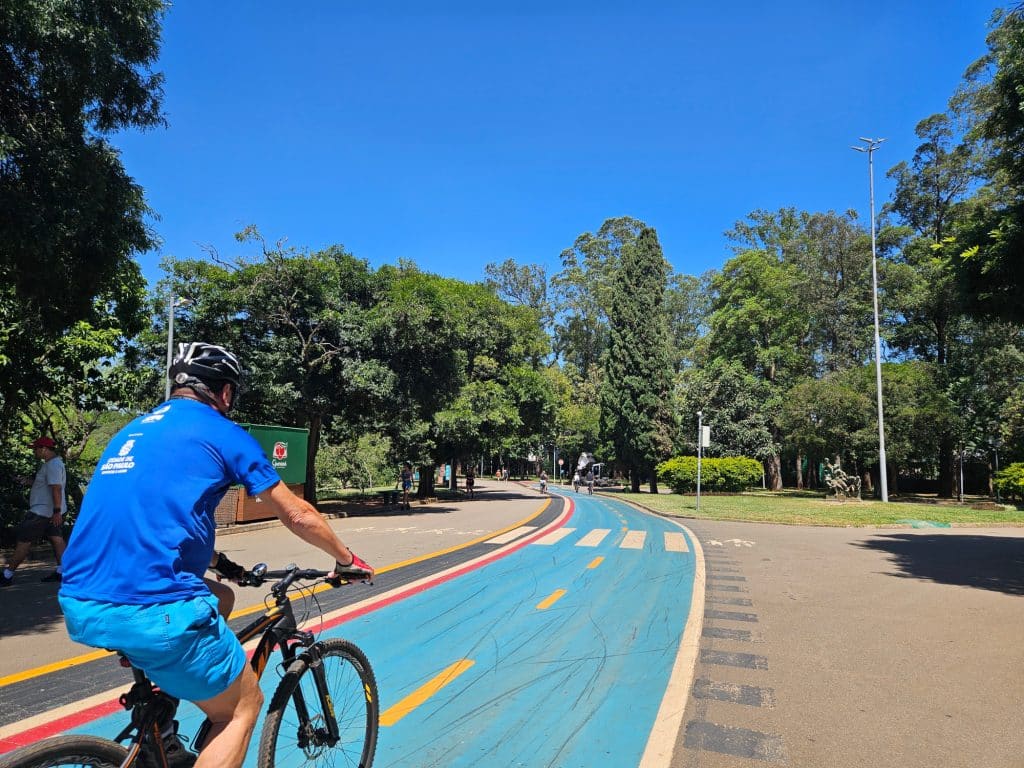
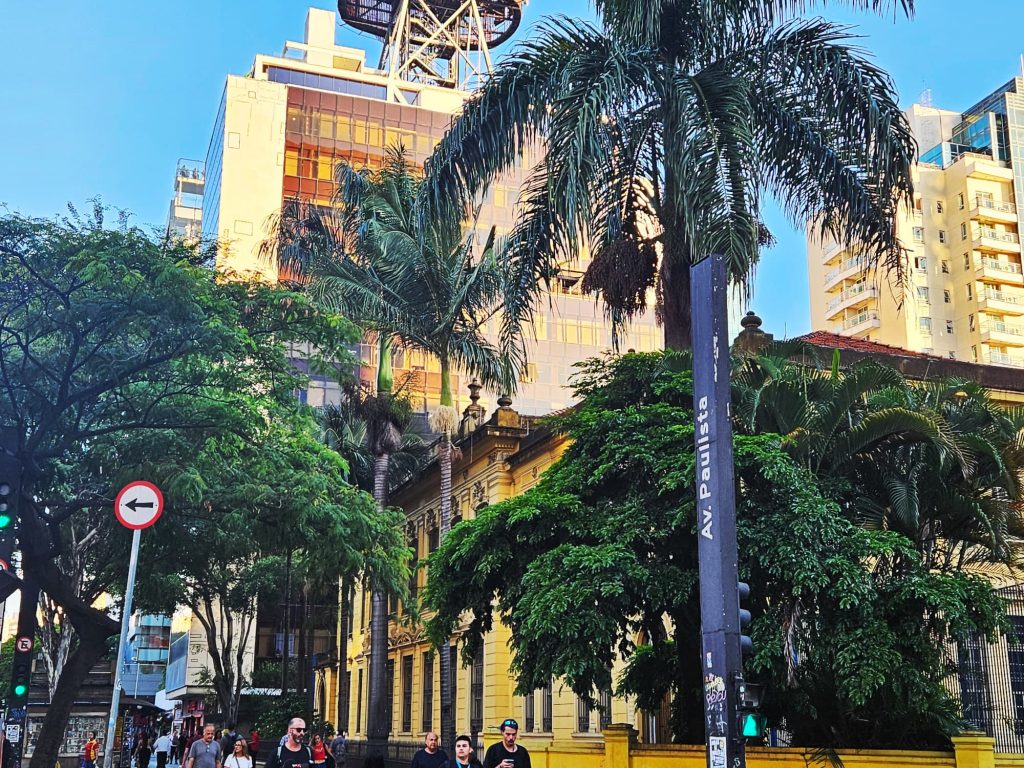
The area where Charlie stayed was Jardim Paulista which connects to other areas that are also called “Jardim”. The two sides of Paulista Avenue are labelled as down-town-side and jardins-side. Jardim in Portuguese means garden and you notice as you stroll through the streets that this is a garden city.
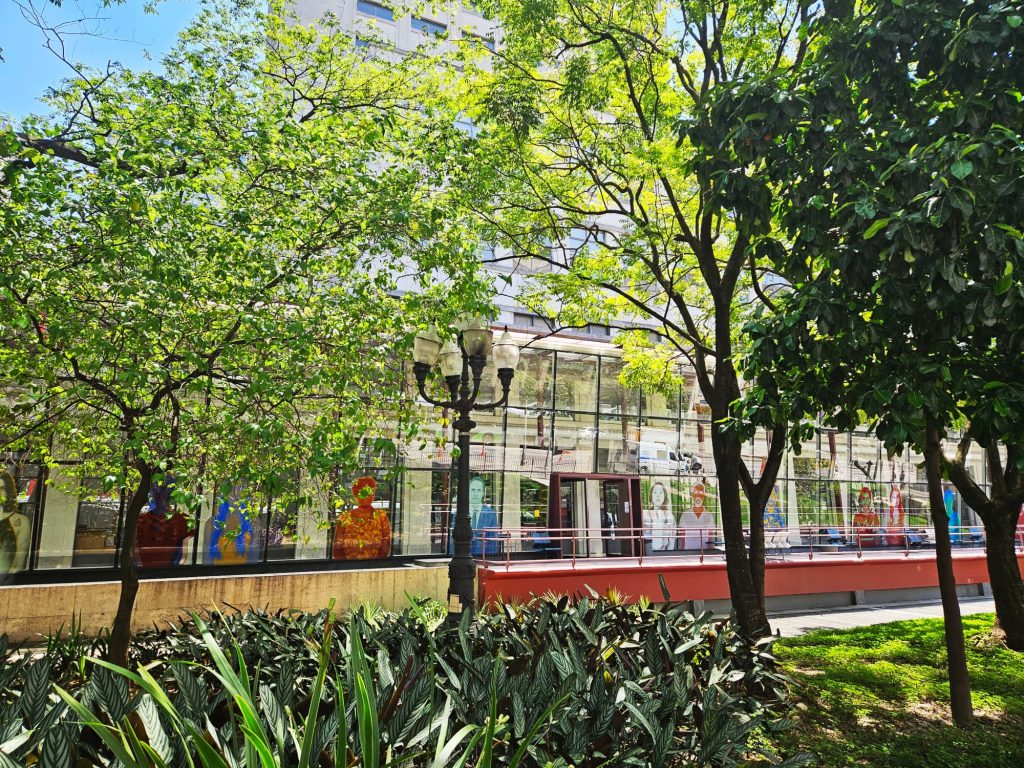
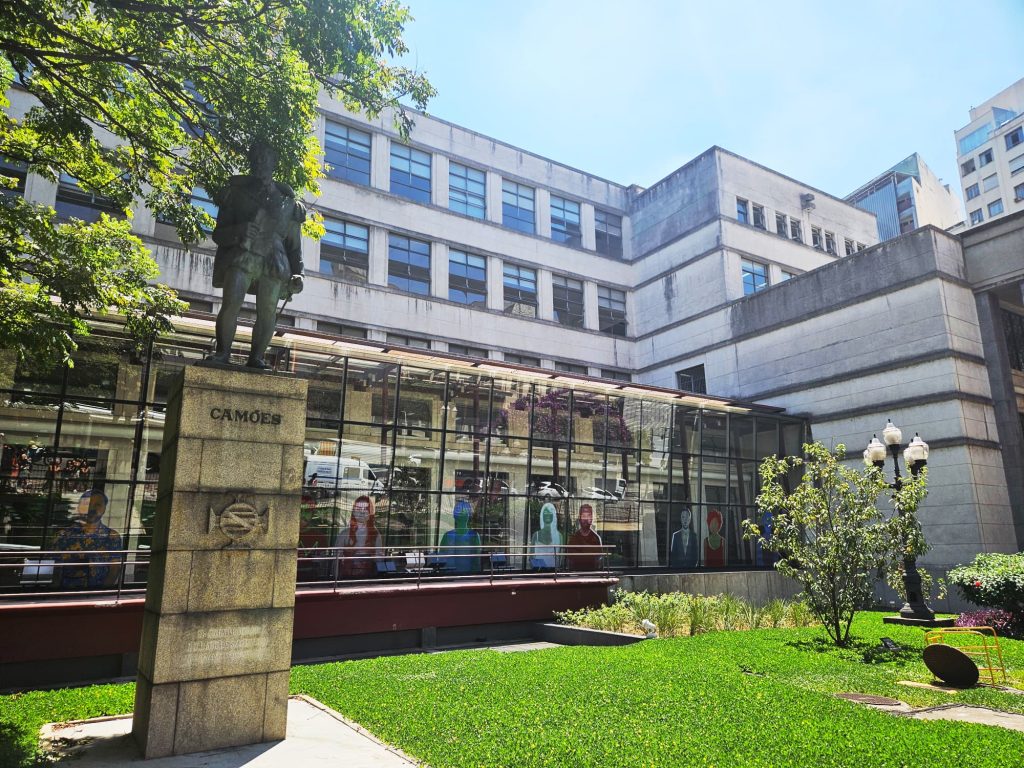
The down town area too is relatively green. The public library for example, the Biblioteca Mario de Andrade, is surrounded by a garden with statues of poets and writers. You do not need to worry about oxygen in this metropolis.
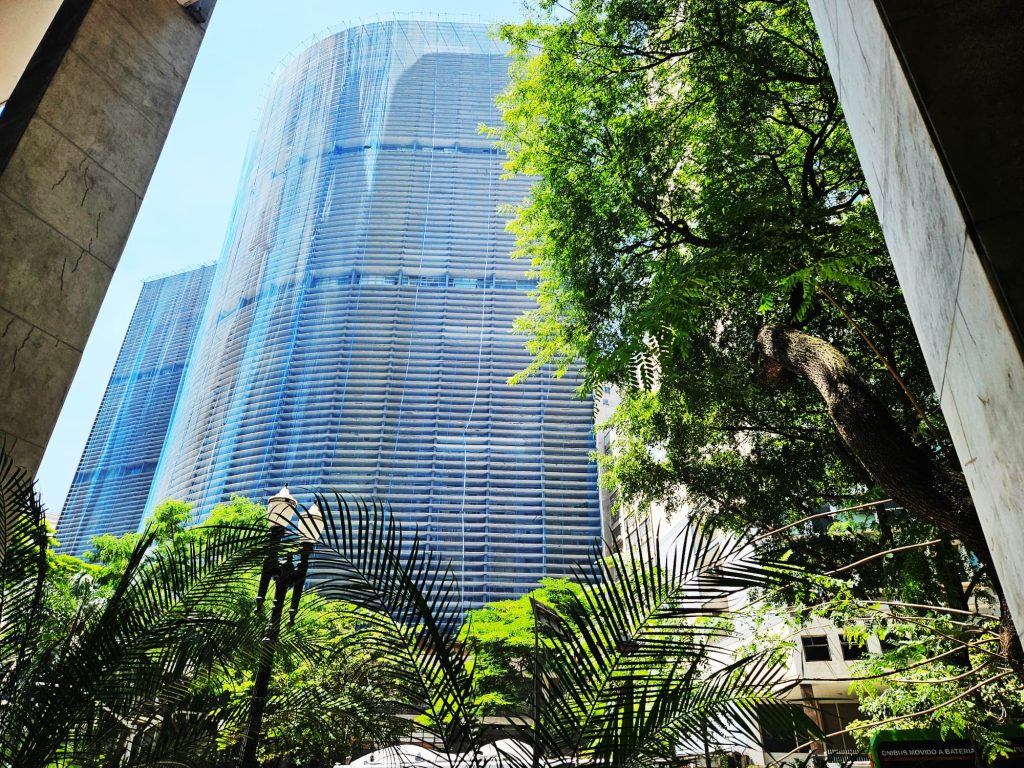
In addition, the city is making efforts to a more environmentally-friendly way with some buildings focused on sustainability.
Public transport in São Paulo
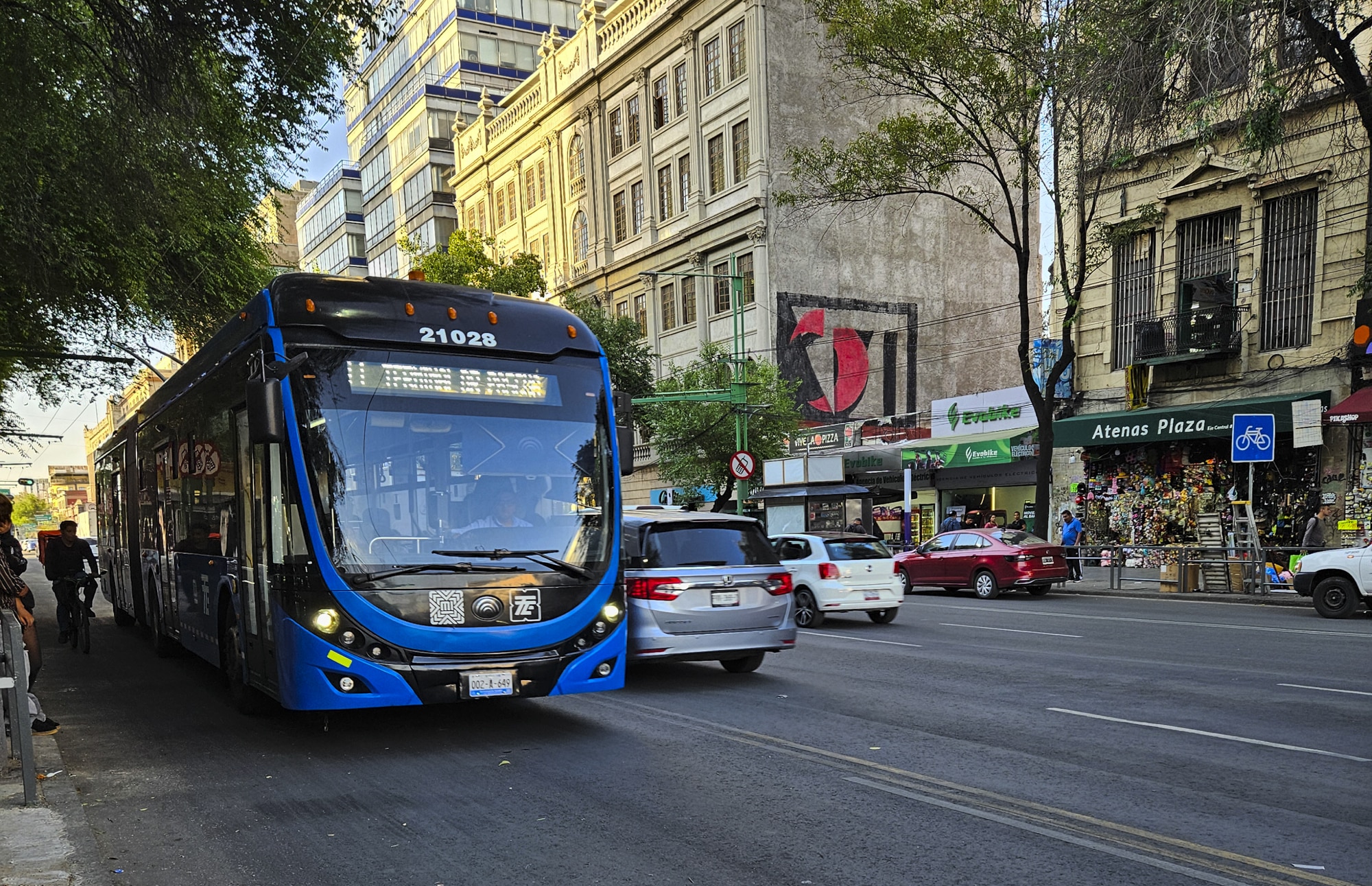
The city has an efficient and modern metro system and that is also safe for tourists. The only downside is that you can’t pay with an international card. As a tourist, you need to bring cash to buy a ticket. There are also plenty of busses, however, Charlie did not take them. Instead, you can easily catch an Uber which is very affordable in Brazil. It is always best to call the Uber from inside a building so that you can keep your phone in your hand until it arrives. Remember, standing along the road and waving your phone around makes it very likely for it to get stolen.
One thing to also keep in mind is that traffic can get very bad in São Paulo. Depending on where you want to go at what time of the day, you should plan some extra time into your journey. If you prefer to walk (which is possible in the central districts) keep in mind that São Paulo is built on a hill and some routes can get very steep!
São Paulo for digital nomads
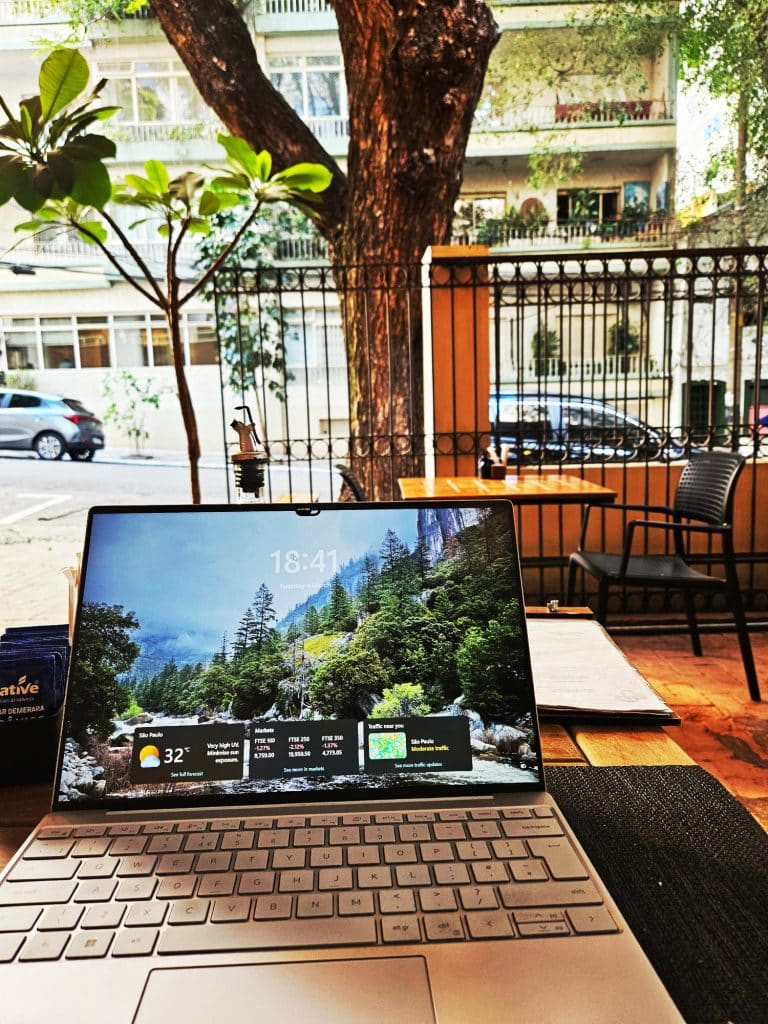
It is surprising that the city of São Paulo isn’t yet a popular hub for digital nomads. As a business city, you find plenty of coworking spaces and the rents too seem to be affordable (of course, not for the average Brazilian). Plus, there are three airports in the vicinity with more internation connections than Rio. Charlie also had no difficulty finding a coffee shop with power plugs, Wi-Fi and a safe seating to comfortably get your laptop out. It also didn’t seem difficult to mingle with the locals, even though she only spent a week in the city. To make use of the available business networking opportunities, you’re better off learning Portuguese, although people in general spoke more English than for example in Rio.