La Antigua Guatemala
Visiting Guatemala in colonial style
It is commonly referred to as “Antigua”, however the full name of this town in colonial-style is “La Antigua Guatemala” which translates to “The Old Guatemala”. It was once the capital in the country we now know as Guatemala before continued earth quakes forced the population to relocate. The new capital became Guatemala City.
Small town, big history
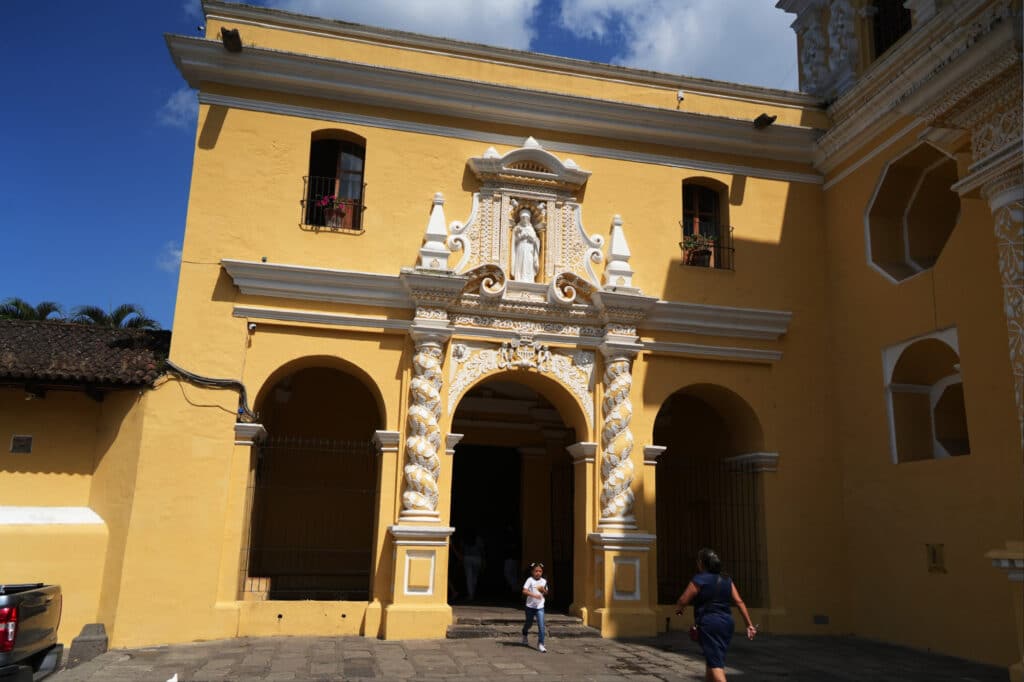
Antigua was founded as Santiago de los Caballeros in 1543 and became the capital of the kingdom of Guatemala whose land stretched over todays areas of Guatemala, Belize, Honduras, Nicaragua and Costa Rica. Before, the area was known as the Panchoy valley and was populated by Mayans. The Mayans were involved in the construction of Antigua which led to certain elements of religious syncretism, e.g. presentations of corn at the façade of the Merced Church. Ironically, there are forms that could be understood as being Christian crosses, when in reality they were representations of the four different types of corn the Mayans cultivated.
Several earthquakes in the 18th century led to the destruction of the city and it was abandoned. Thirty years later, around 1800, it was rebuilt and repopulated and got the new name “La Antigua Guatemala”. It was no longer called Santiago, whereas Saint James is until today the symbol of the city. If you look up, you might see representations of him in the coat of arms on the tiles at the bottom side of roofs.
As the former capital and the seat of several religious orders, Antigua had at some point in history more than 40 churches. The majority of them is today in ruins. The colonial architecture remains intact and Antigua is since 1979 a UNESCO World Heritage Site.
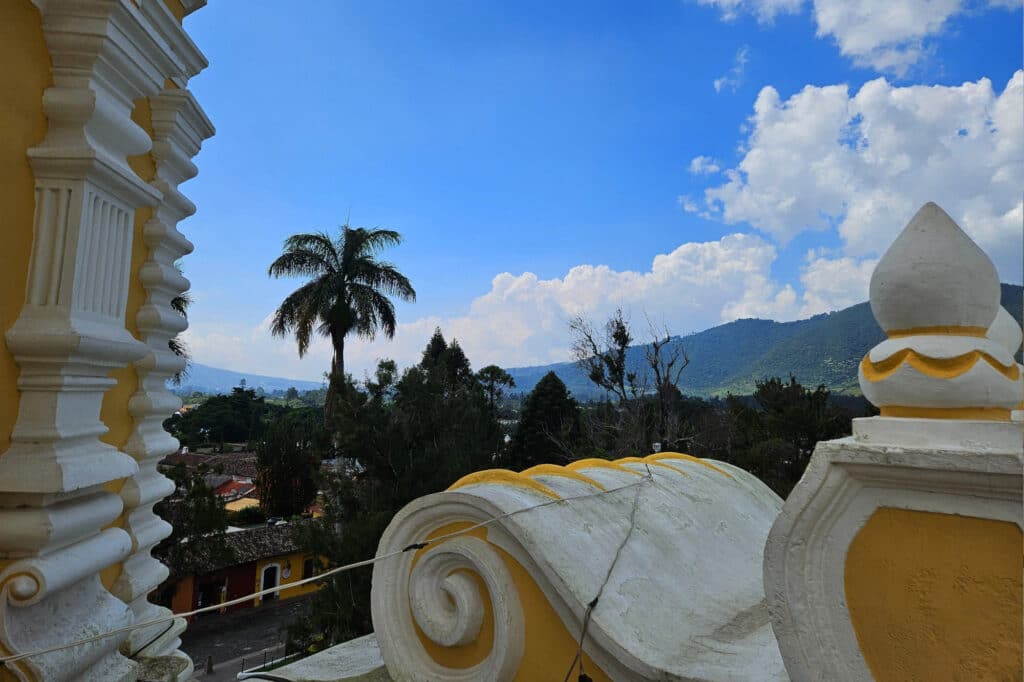
Surrounded by volcanoes
The Panchoy Valley in which Antigua was built is surrounded by three volcanoes which were important in the cosmovision of the Mayans: The volcano Fuego was the entrance to the underworld. The volcanoes Acatenango and Agua represented two gods that protect the entrance to the underworld. The modern names of these volcanoes originated in historical events: “Agua” means “water” in Spanish. Heavy rain and a following mud slide that destroyed a village near the volcano made people speak of a volcano that erupted water, hence the name. The name “Acatenango” comes from Nahuatl, the language of the Aztecs with whom the Spanish had an alliance. “Acatl” means “reeds” and “tenango” means “hill” or “place”. The volcano was hence the “Hill of Reeds”. You will notice that there are many locations in Guatemala that end in “tenango”.
Antigua for digital nomads
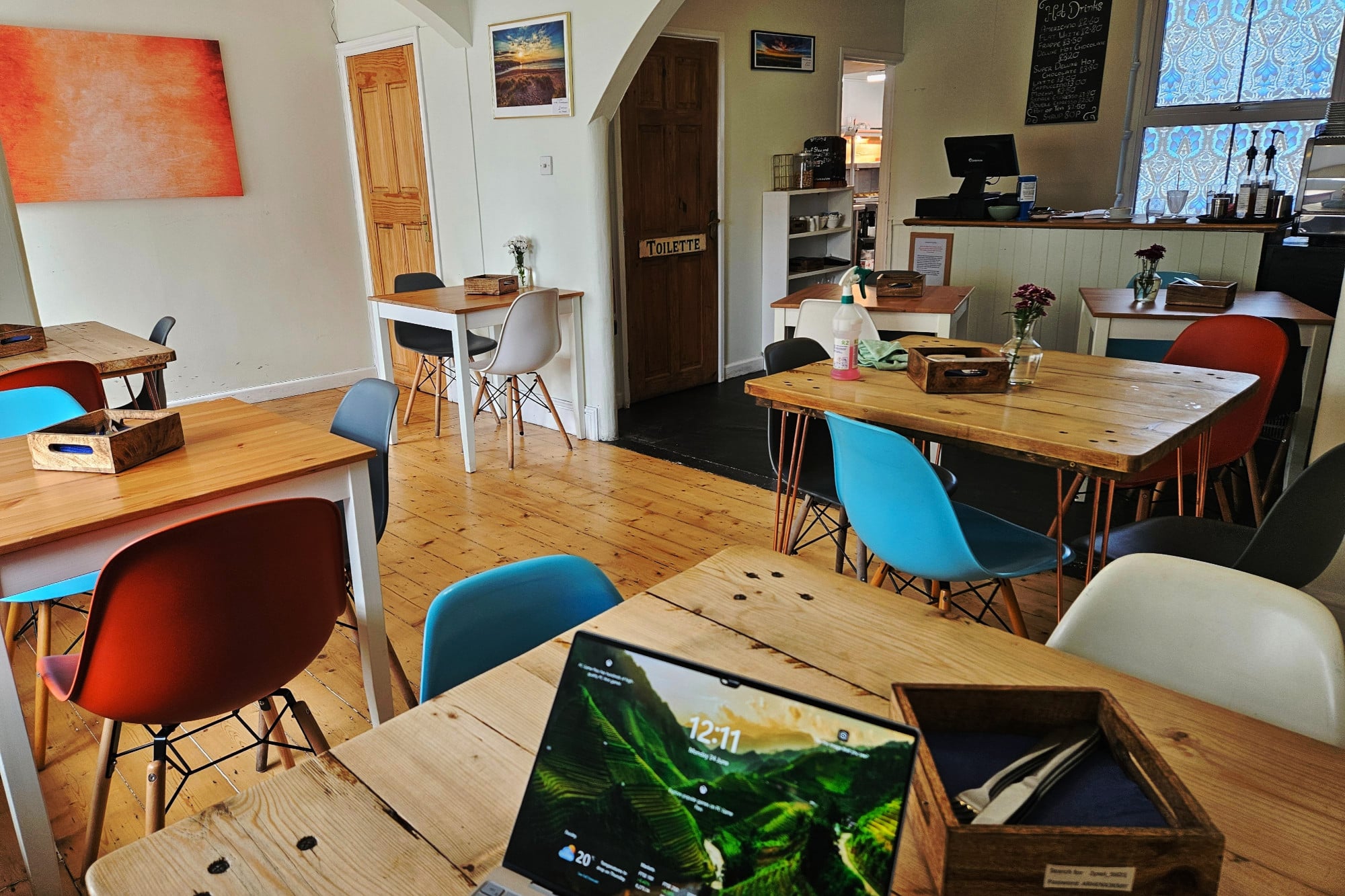
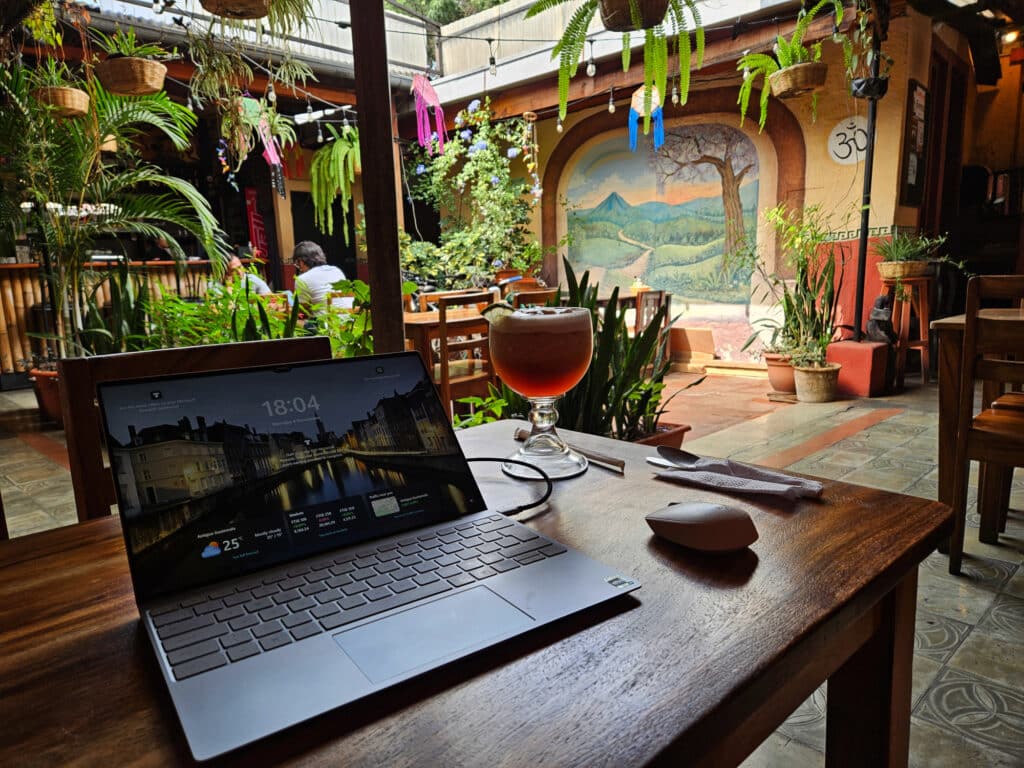
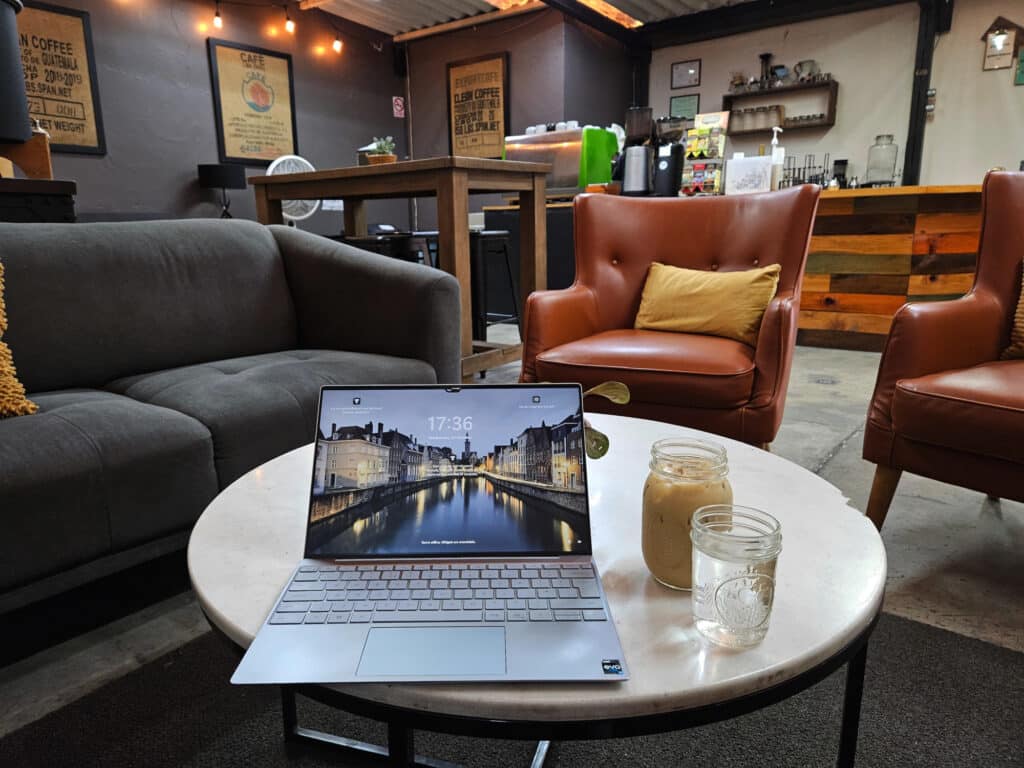
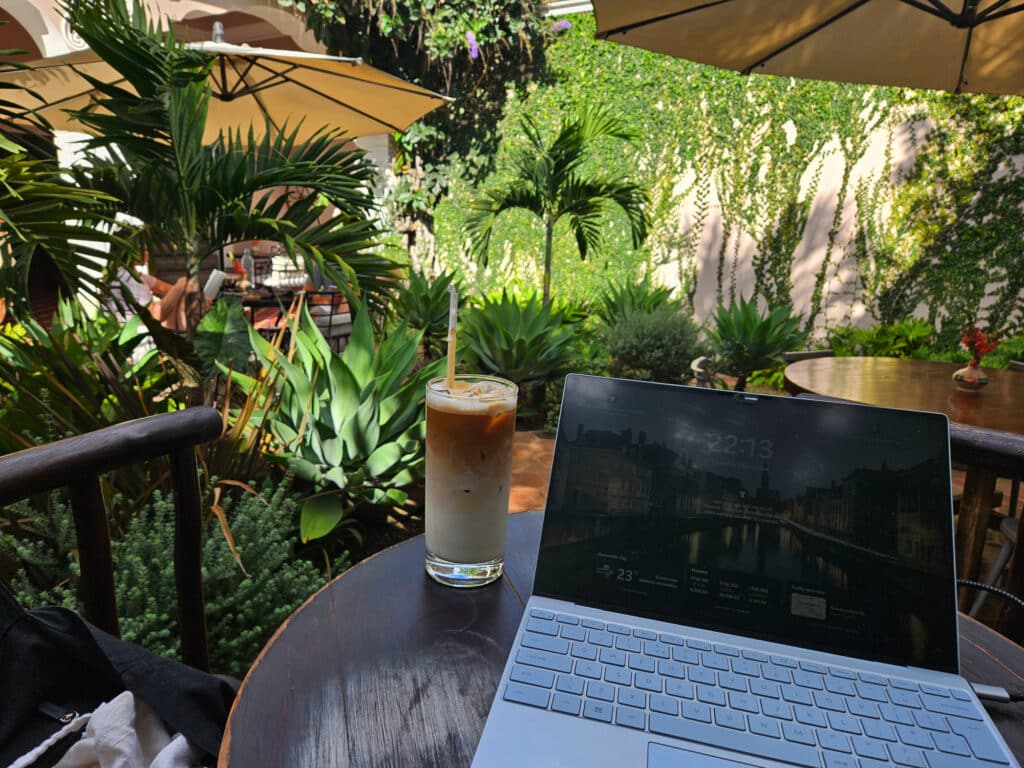
Antigua is a popular tourist destination and has also become a digital nomad hotspot. The number of laundry services and laptop-friendly coffee shops in Antigua speaks for that.
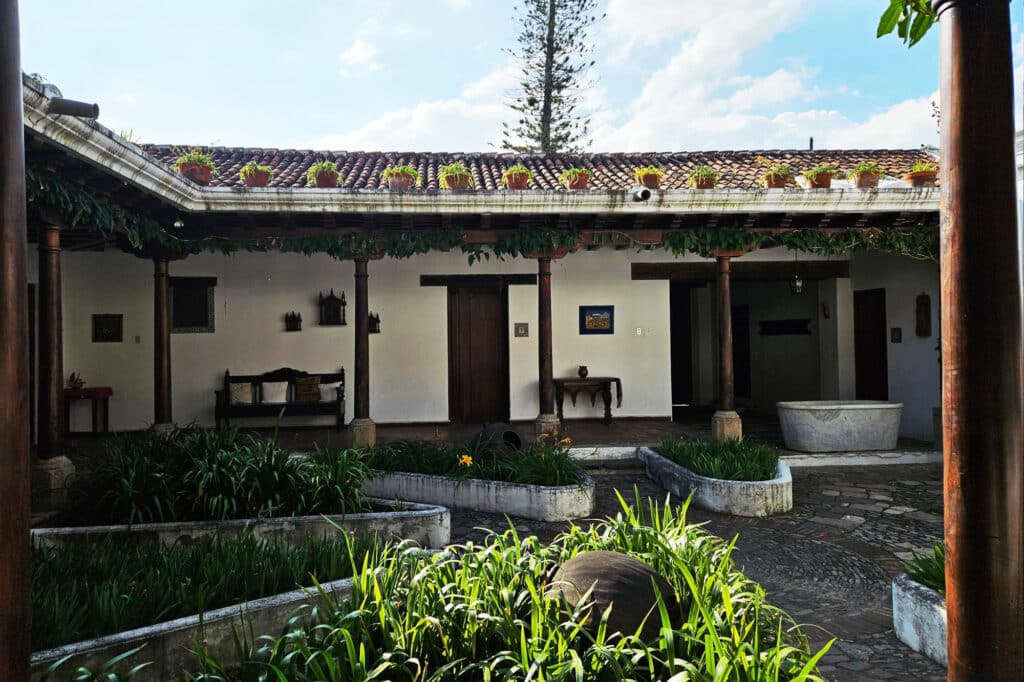
Charlie stayed there for three weeks as part of a digital nomad group trip with Noma Collective. Each participant had a small apartment in a beautiful colonial-style building with a roof terrace, archways and a courtyard. Every apartment had a desk with an ergonomic chair and their own WiFi network so you could work from there perfectly.
In the supermarket, you can get oil, vinegar and spices in smaller amounts – perfect for a month-long stay. However, you will find that a month is not enough if you really want to try every single coffee shop and restaurant in town. Cafes are also the place where digital nomads mingle and it is easy to meet others and connect.
Colonial-style architecture as a testament of time
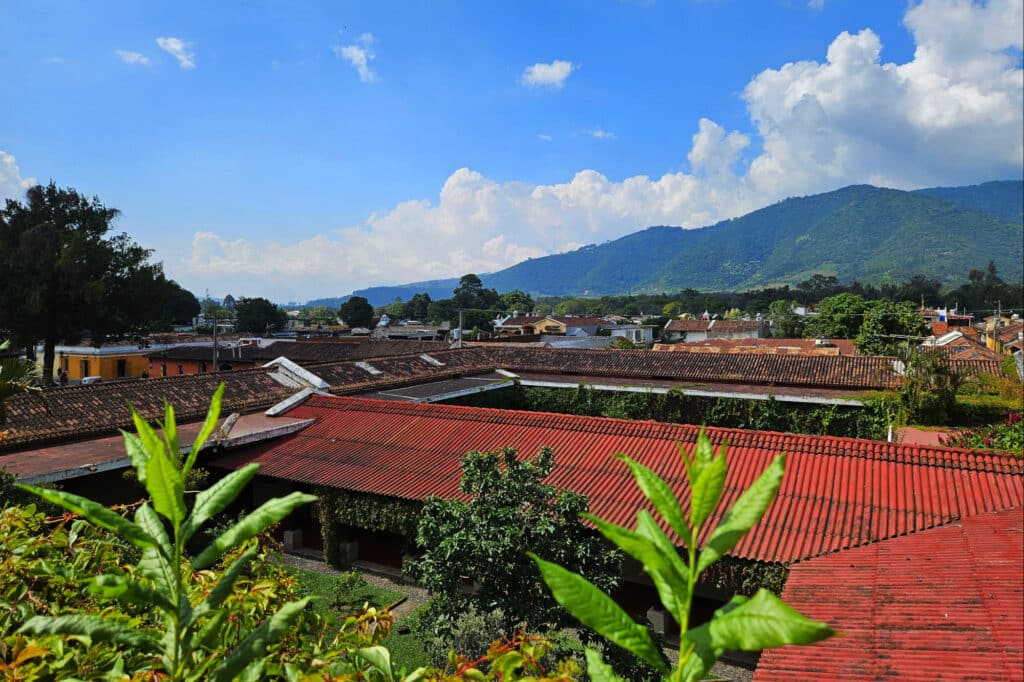
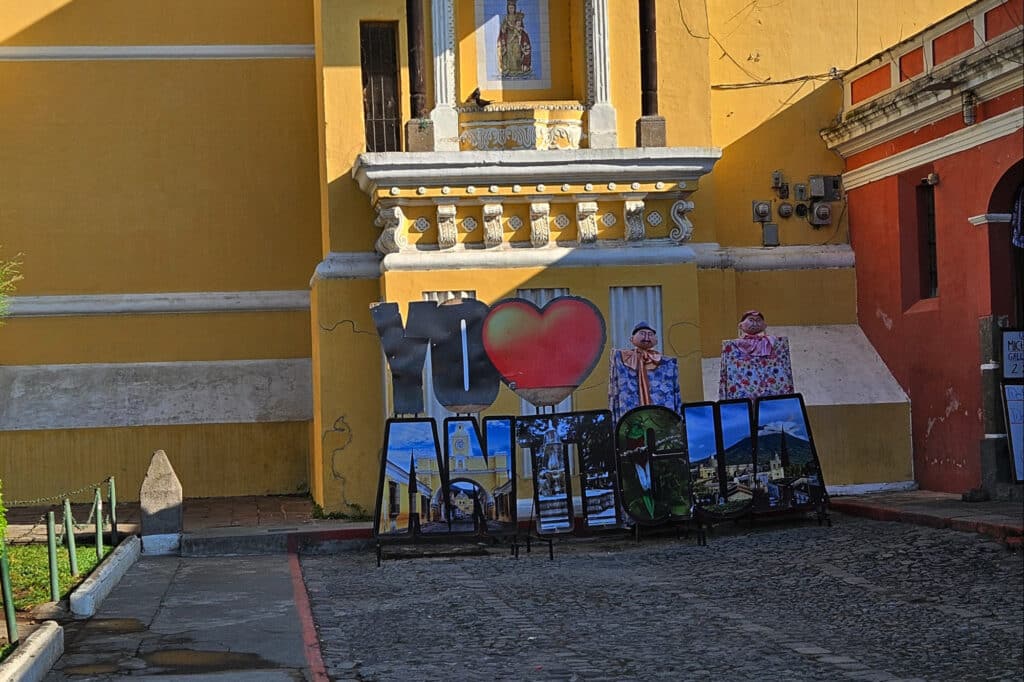
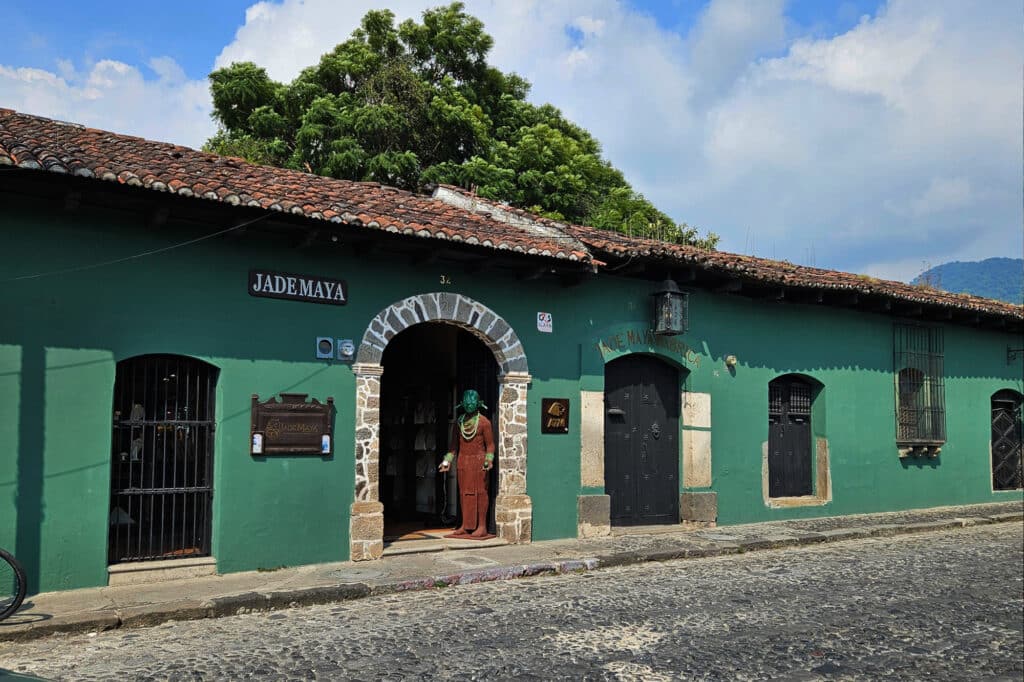
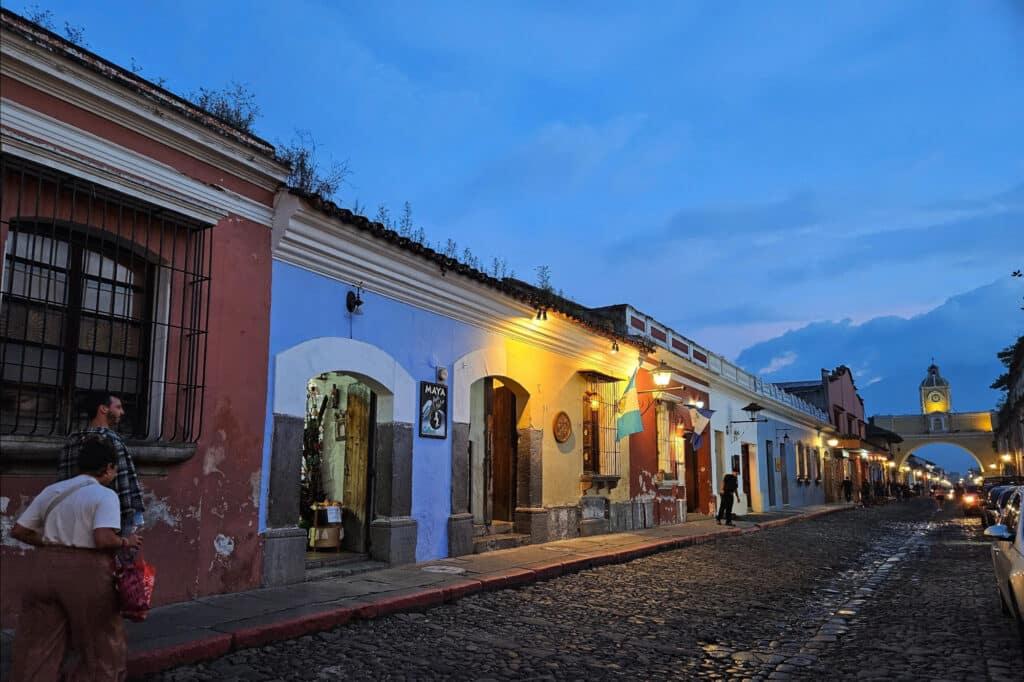
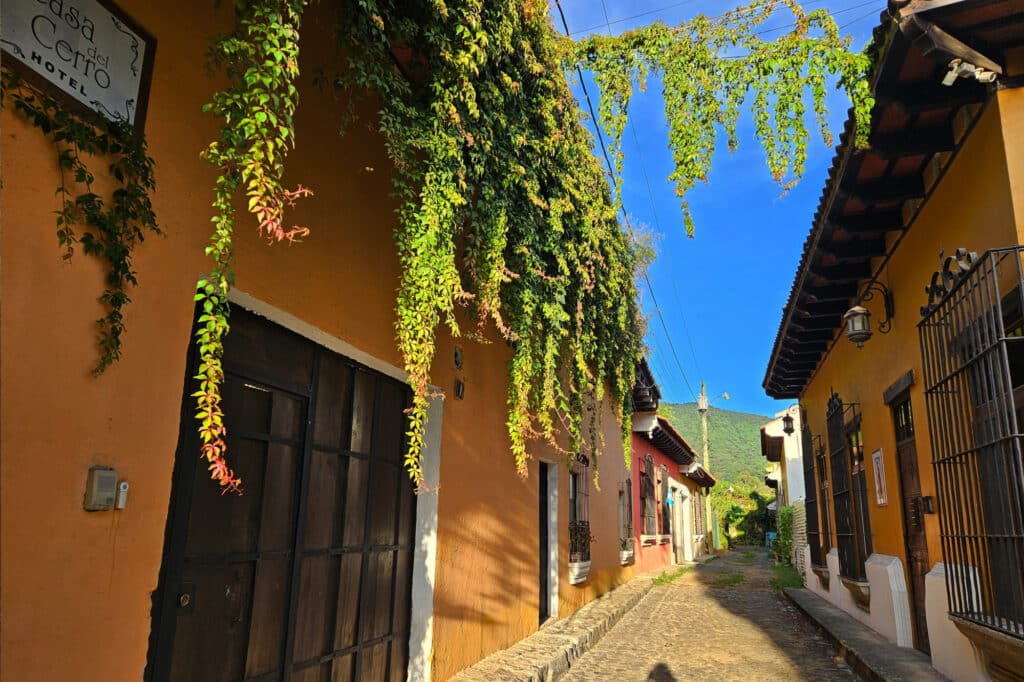
Apart from the ruins of former monasteries and convents, Antigua is a colourful town where facades create the perfect contrast to the dark cobblestone roads. Most of the buildings in the town centre are either restaurants, cafes, hotels or shops. Most of the bars and cafes have roof terraces with stunning views that you would not expect if you look at the building from street level. Since Antigua was once the capital of Guatemala, most of the houses were originally built for those with political and financial power. The architecture reflects the status the original owner had in society. A lot of the buildings have either windows at the corners or a different type of rock to strengthen the wall. Those were built to protect the buildings against accidental damage by horse carriages. Look out for these particular features in the architecture.
Antigua has strict rules about noise, for example it is not allowed to honk in the streets as noise could affect the historic architecture. Ironically though, there are religious festivities almost every day of the year and there are fireworks and fire crackers being shot constantly. The no-noise rules don’t seem to apply in that case.

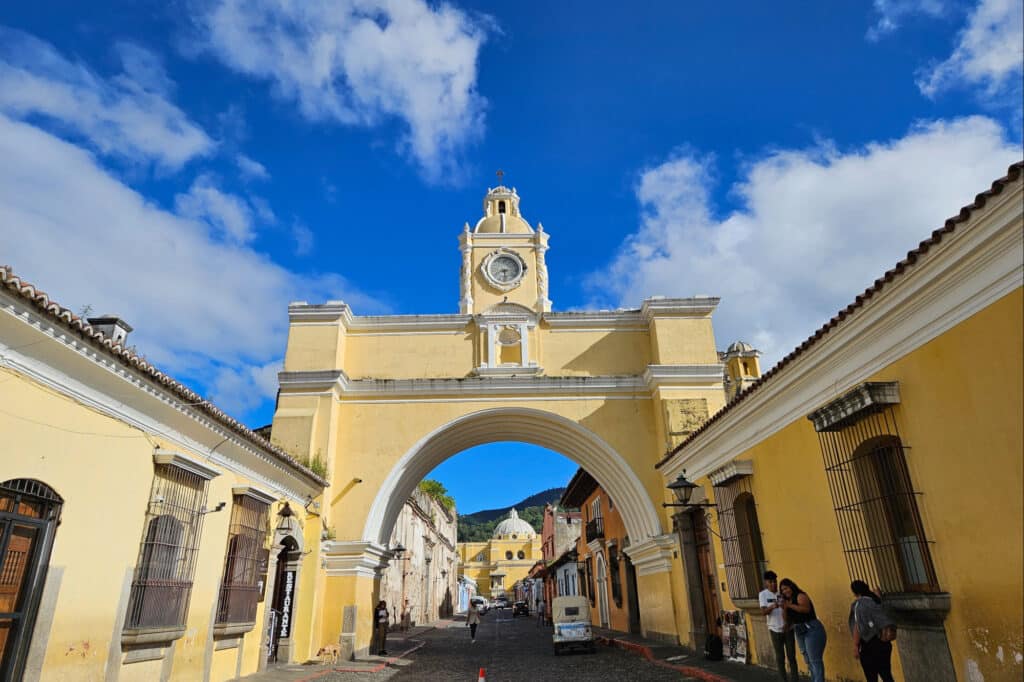
Santa Catalina Arch
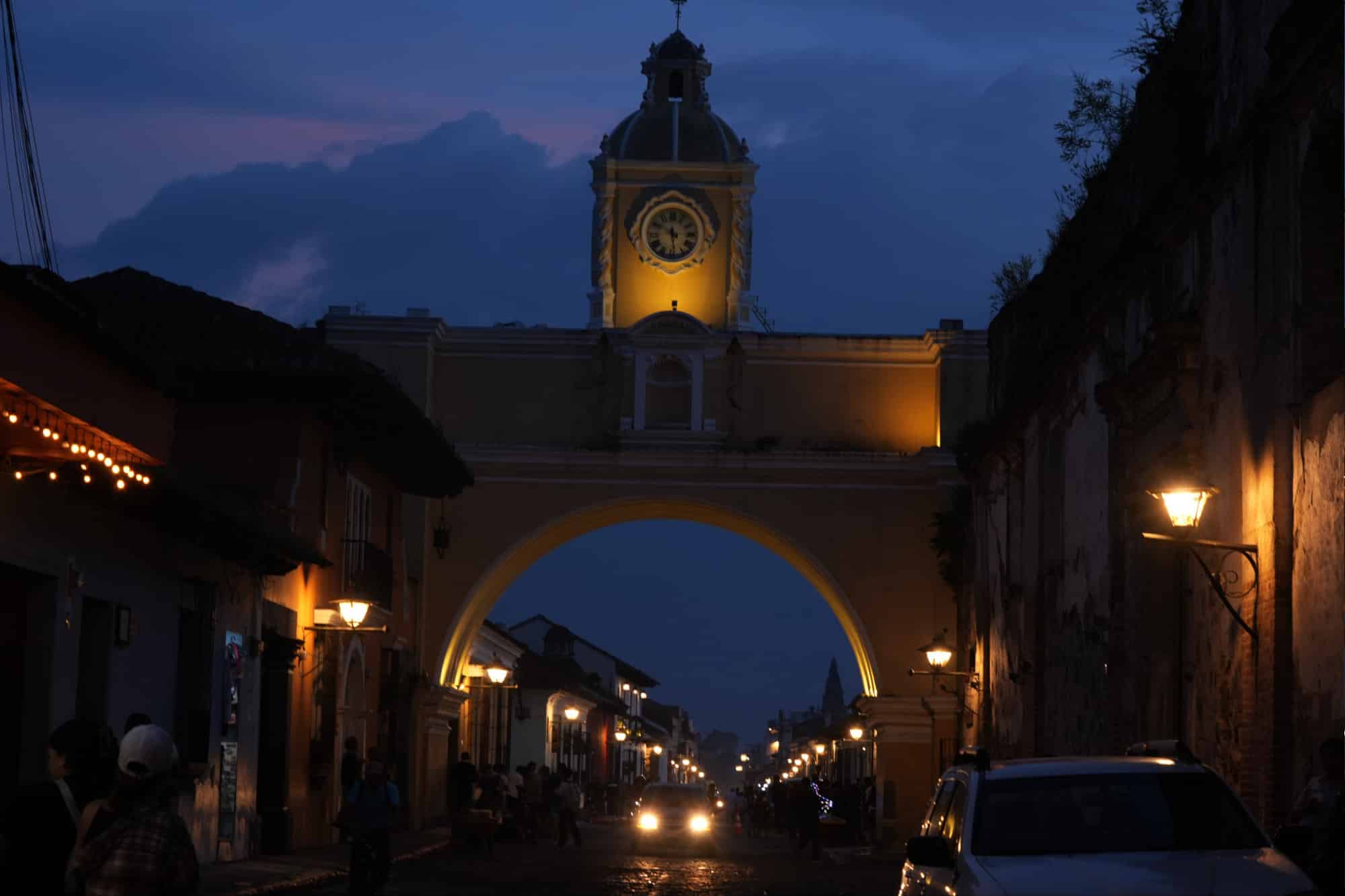
It is the symbol of Antigua: The Arco Santa Catalina, the yellow arch. It was built as a bridge to connect two buildings of the same convent where the nuns weren’t allowed to go in public. Today it is purely decorative as the buildings on either side have now different owners and are no longer connected. The tower was added later and the clock shows a very specific feature of that time. Look closely at the roman numerals. Do you see it?
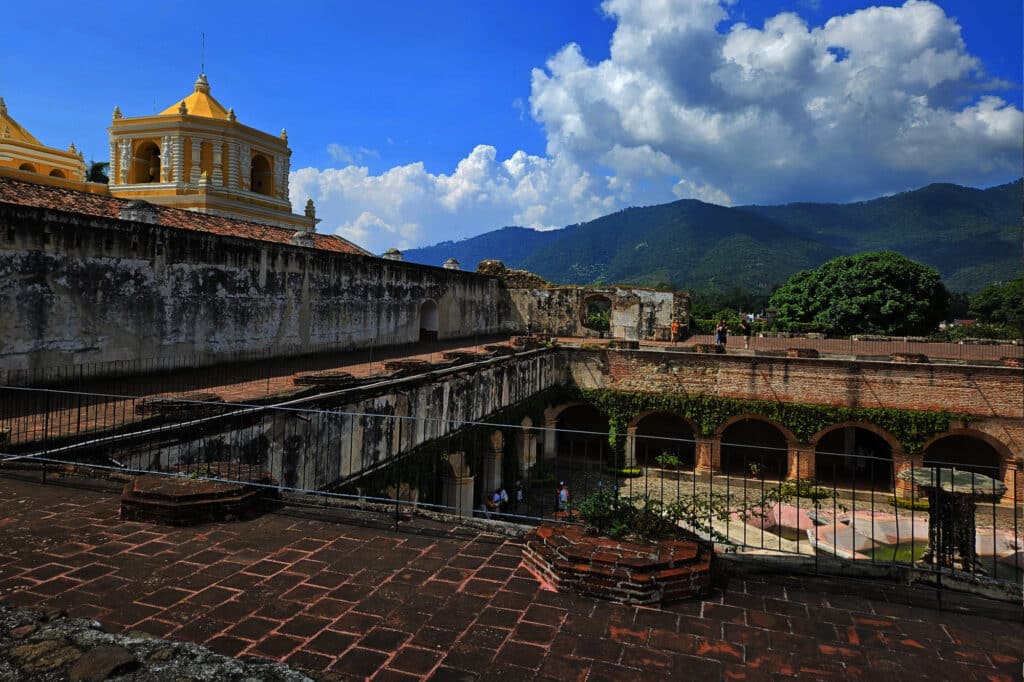
La Iglesia de la Merced
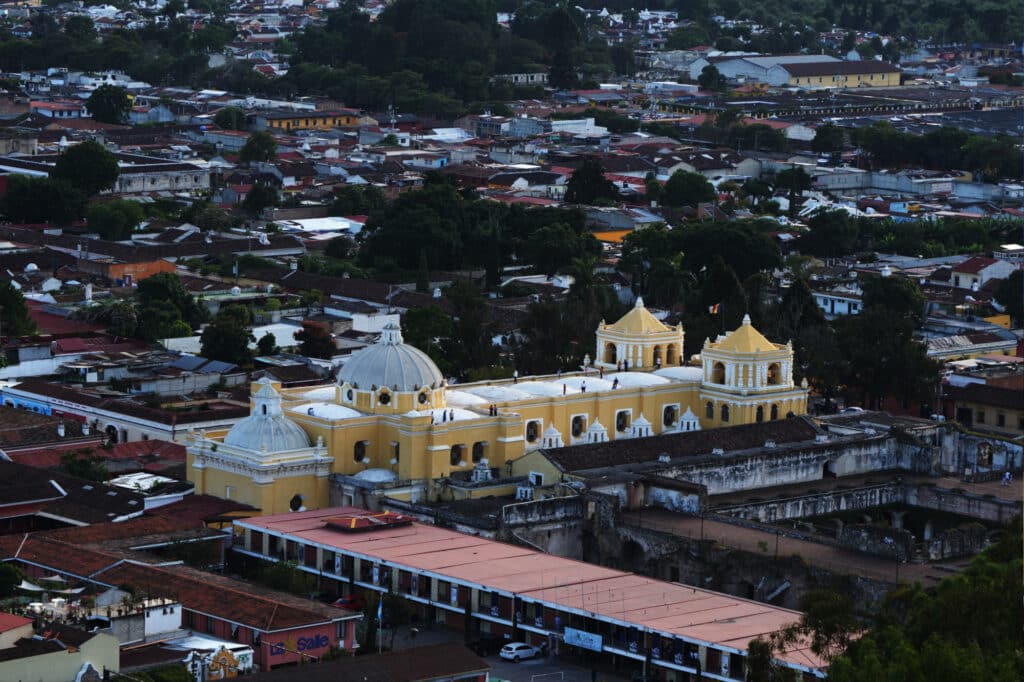
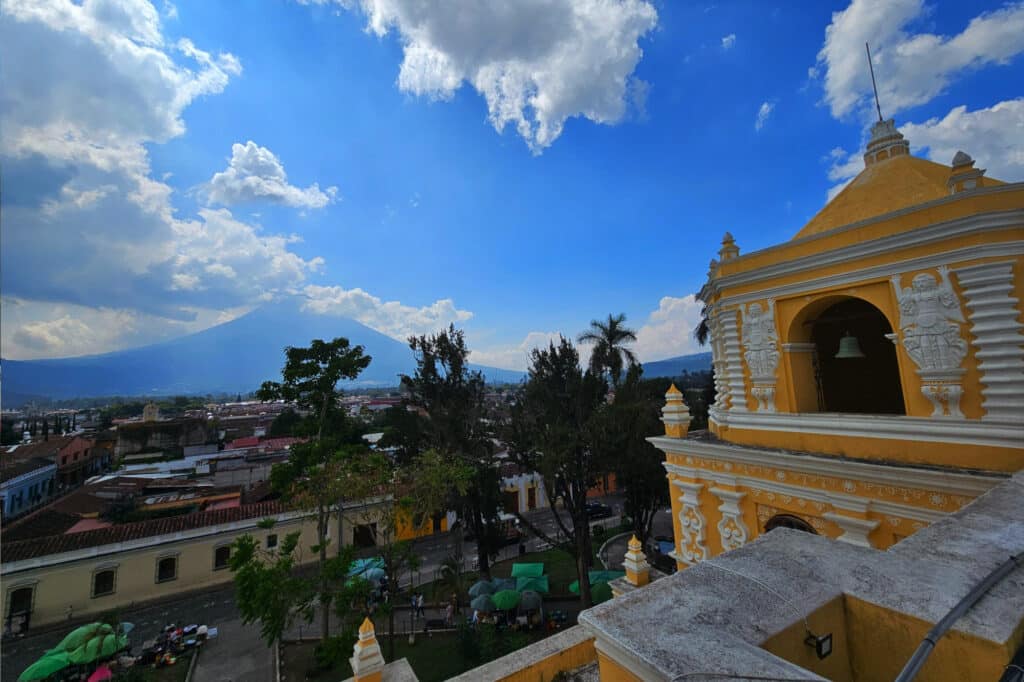
Not far from the arch is the most visited church in Antigua: La Iglesia de la Merced. For Q35 (approximately USD 5), you can go inside to see a beautiful fountain in the courtyard of the former convent. You can take the stairs up to the roof and enjoy a view over Antigua and the surrounding volcanoes in all directions.

Parque Central
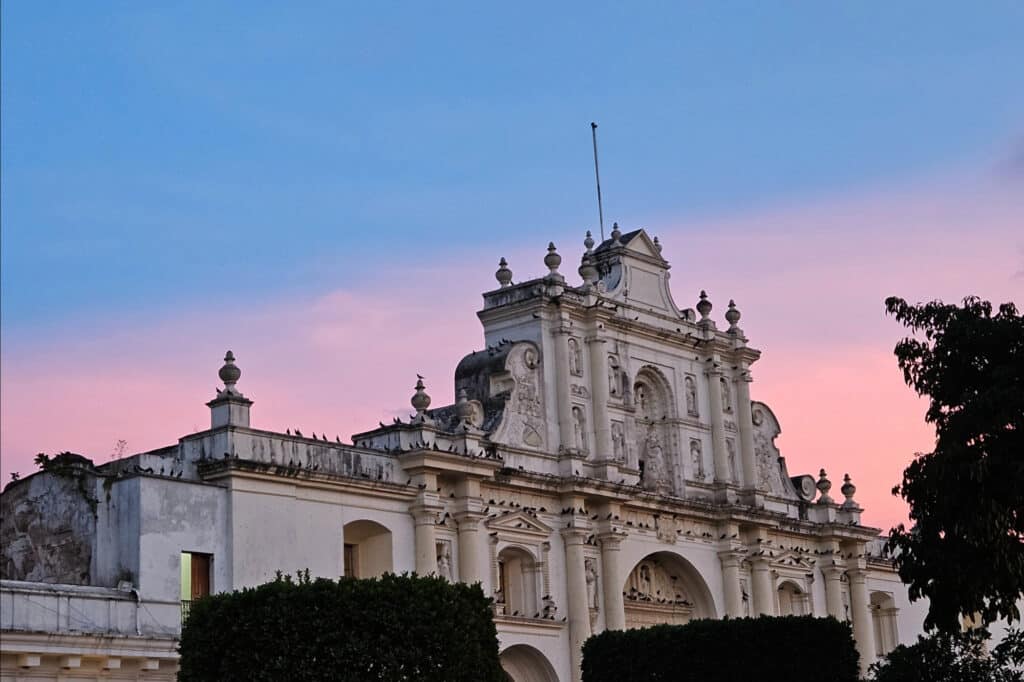
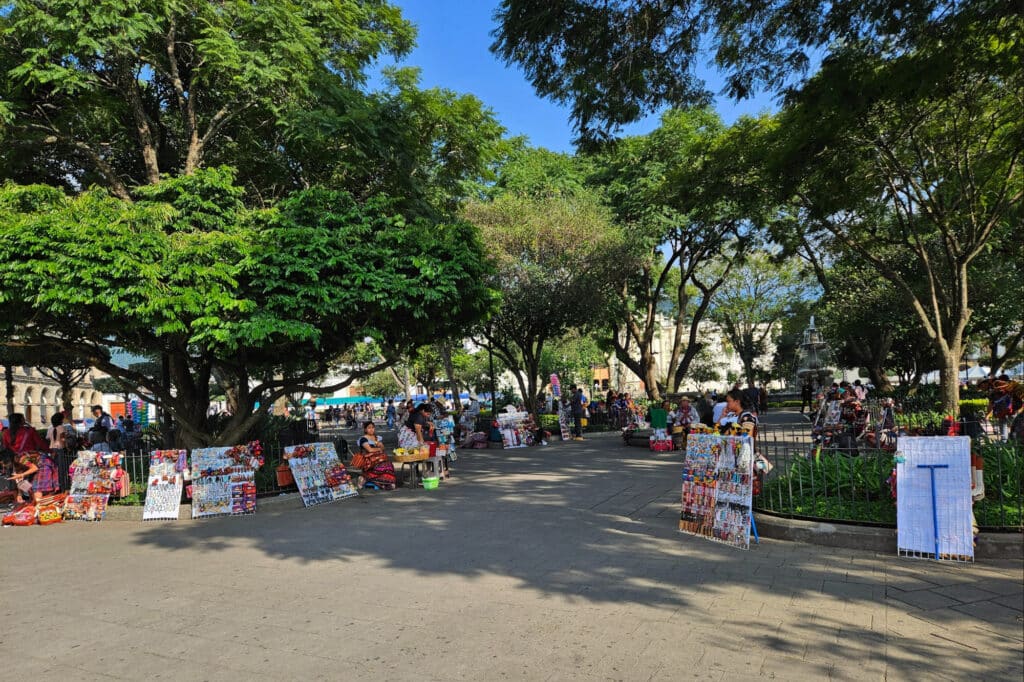
There are other iconic buildings in Antigua mostly around the Parque Central. One of them is the former Cathedral which is still referred to as such, even though it is no longer a cathedral. Next to it are two museums: the Museo Nacional de Arte de Guatemala where you can learn about all of Guatemala’s history through art and the Museo de Arte Colonial in the building that was once the first university in Central America.
There is one other museum not far from there, the Jade Museum. There you can learn about the history and the meaning of Jade in the Mayan culture and even see a replica of a typical Mayan burial ground.
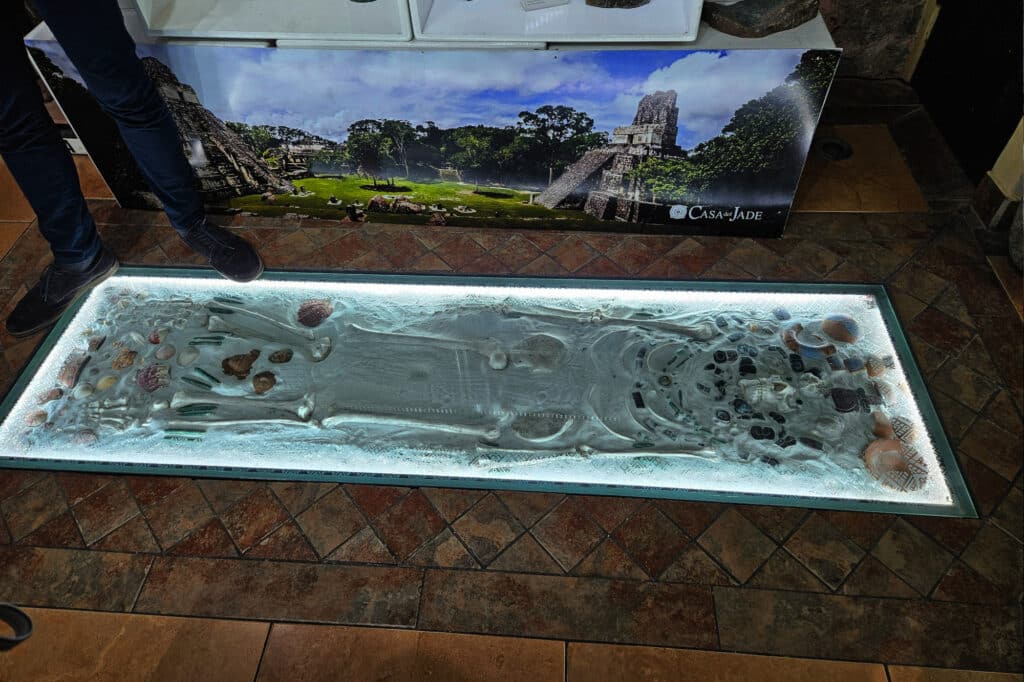
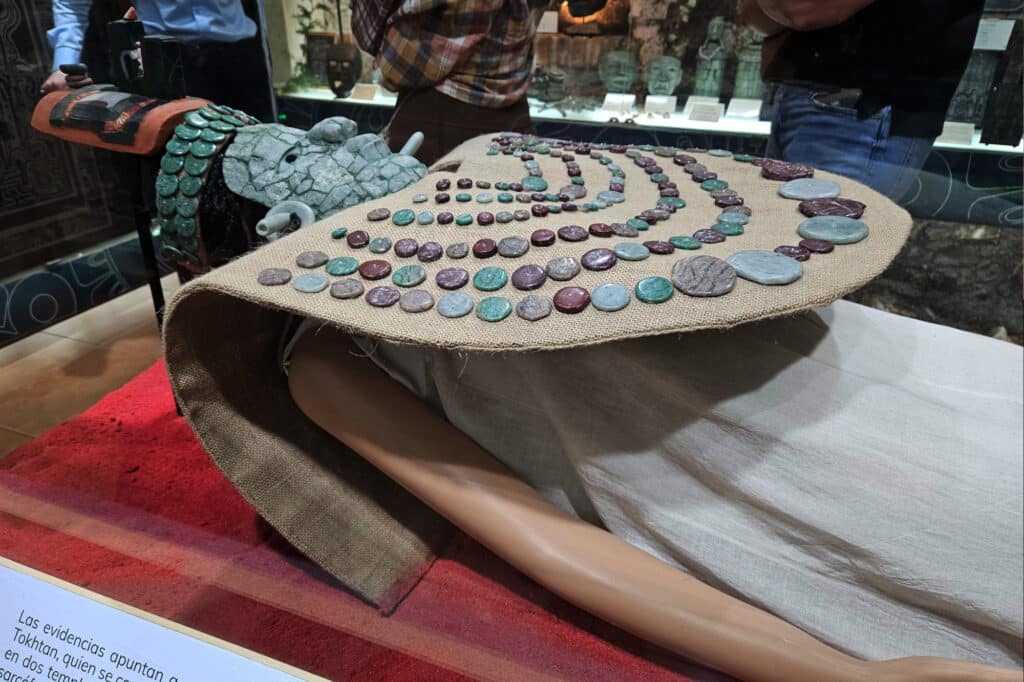
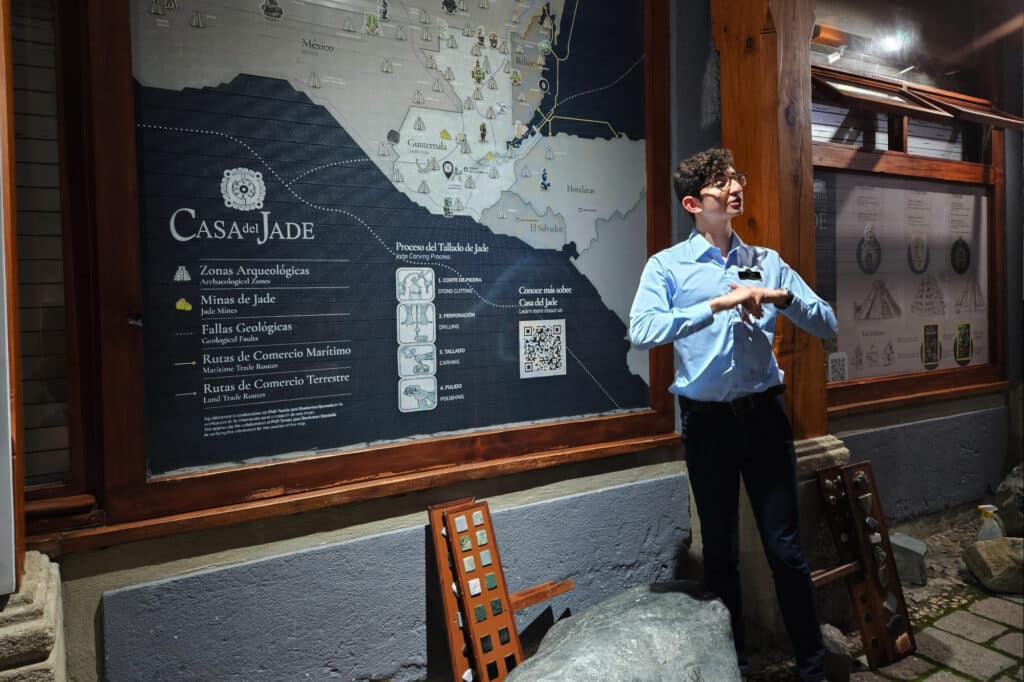
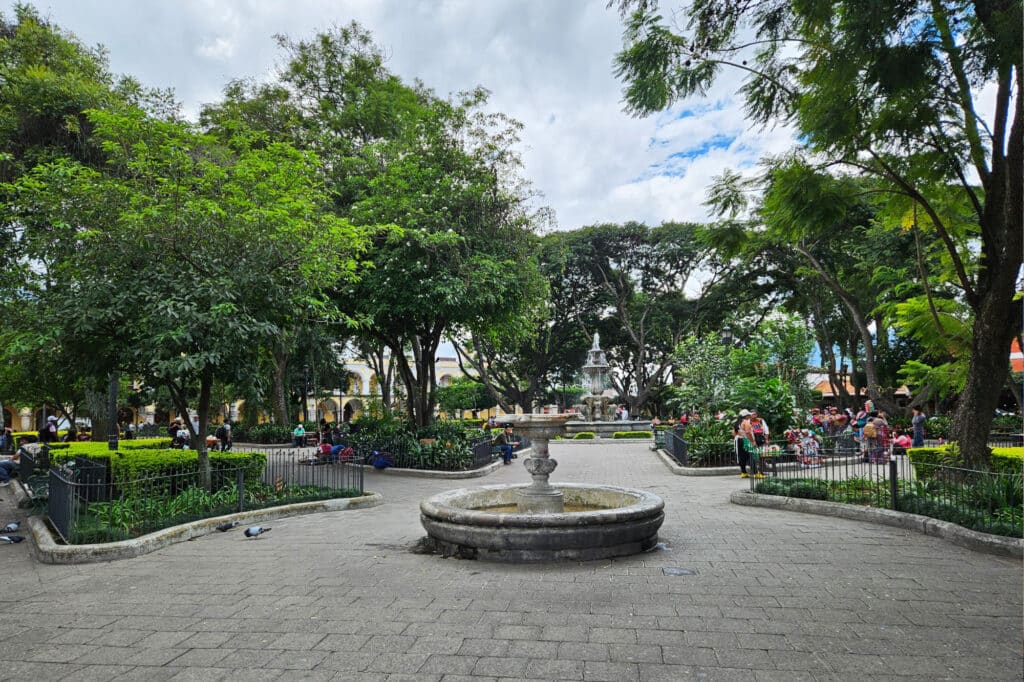
The Central Park in Antigua features a fountain in the centre with a very particular feature. The water in the fountain is coming out of female breasts. Charlie found that very strange at first. However, there is a reason for it. There is a legend about four women that denied feeding their babies. The babies died and the women were sentenced to death. It is said that they are buried beneath the fountain. The female statues and the angels that decorate the fountain commemorate this event.
Cerro de la Cruz
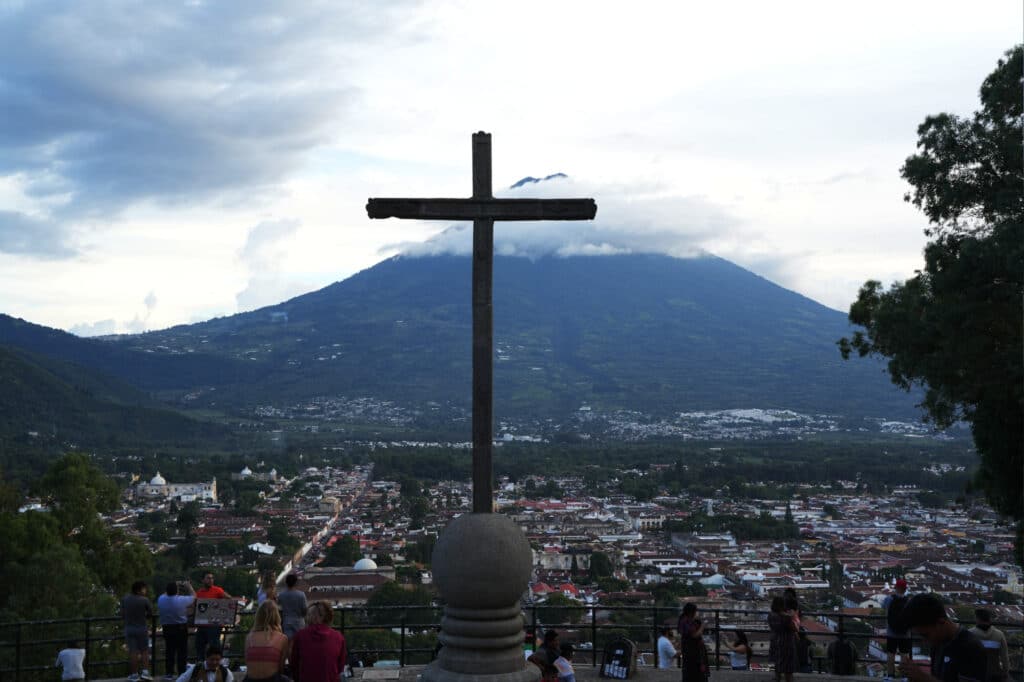
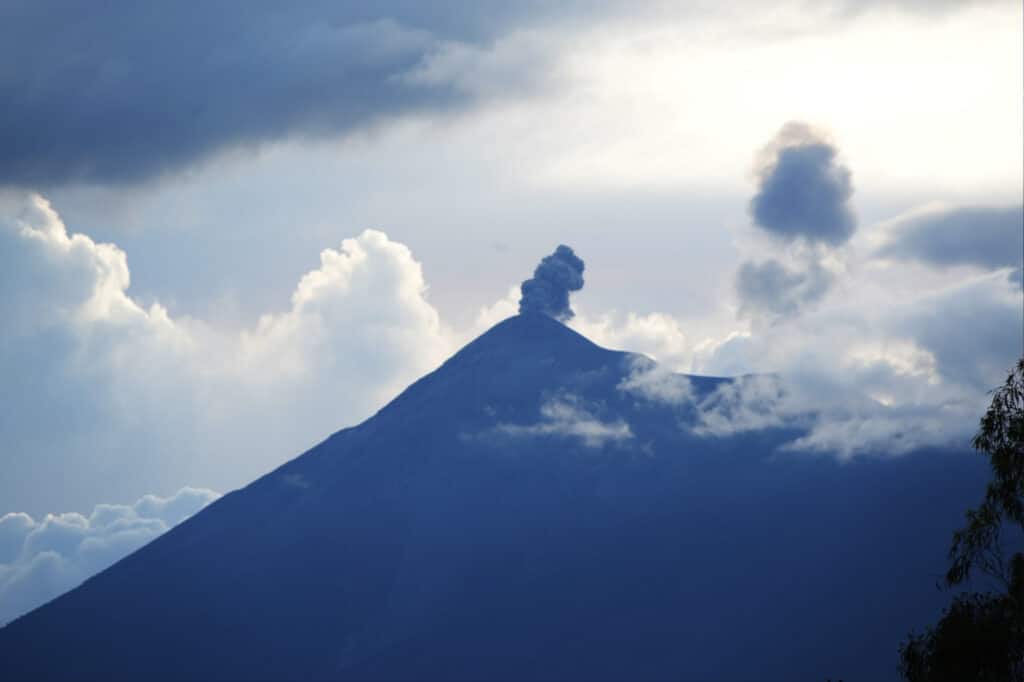
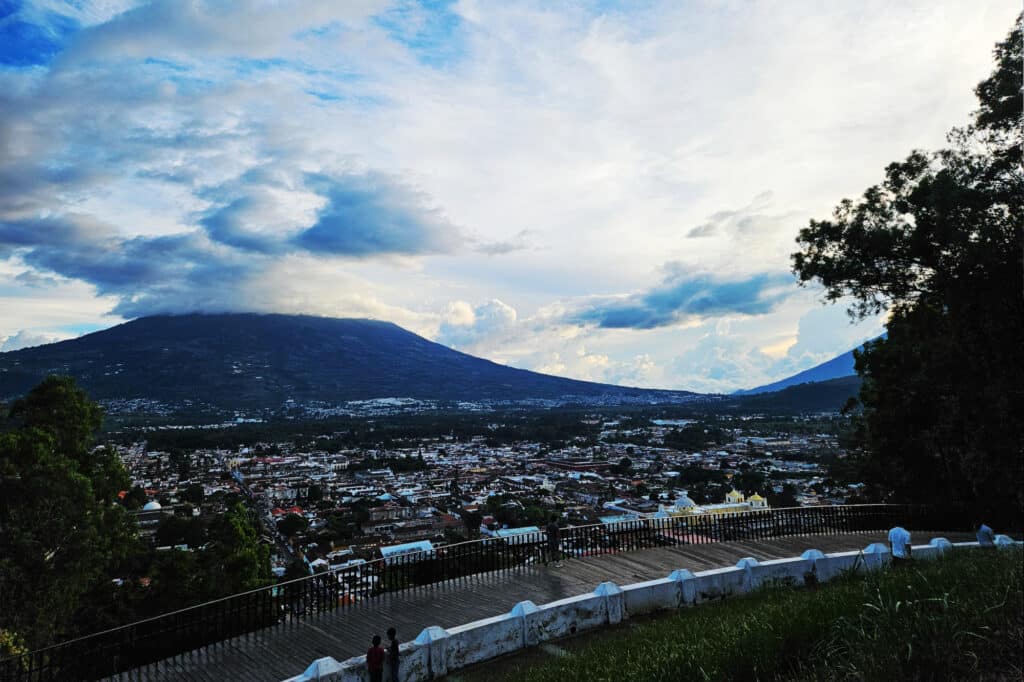
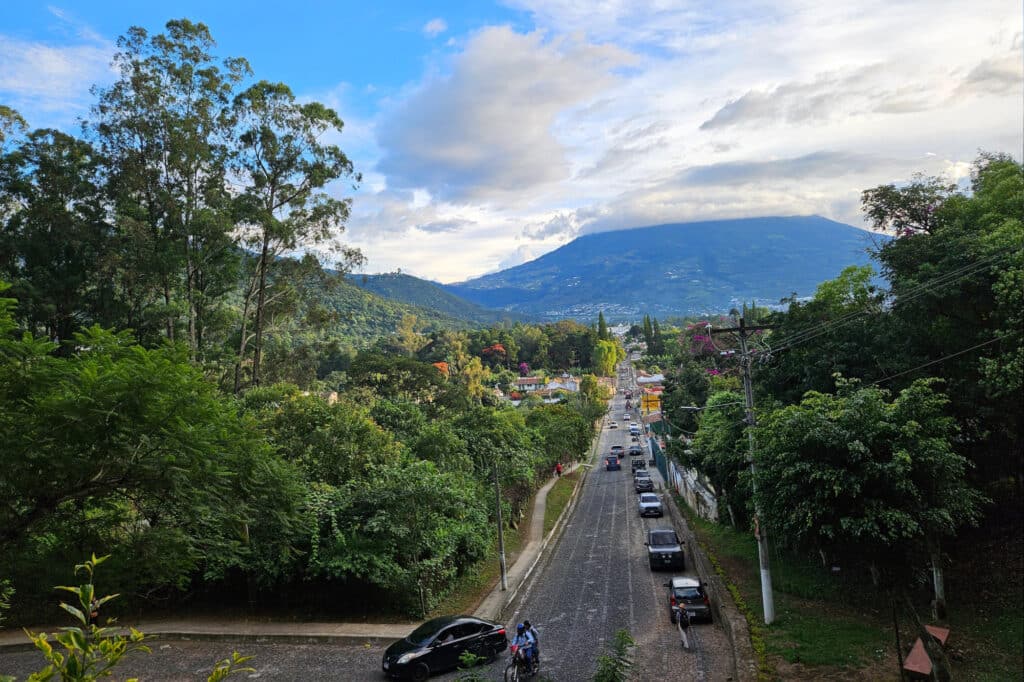
Antigua is in a valley surrounded by volcanoes. As such, it is mostly flat. There is however one elevation towards the north of the town centre that is marked by a cross and visible from afar. At first, Charlie thought it was a cemetery, but it is not. It is merely a view point: Cerro de la Cruz. From the town centre of Antigua, it takes around 30 minutes to walk up there and you can easily follow Google Maps. The path mostly consists of stairs. From the top, you get a great view of the town with its historic buildings and you can also see the sunset and the volcano Fuego. It is active and you might spot a dark cloud at the peak.
Hobbitenango
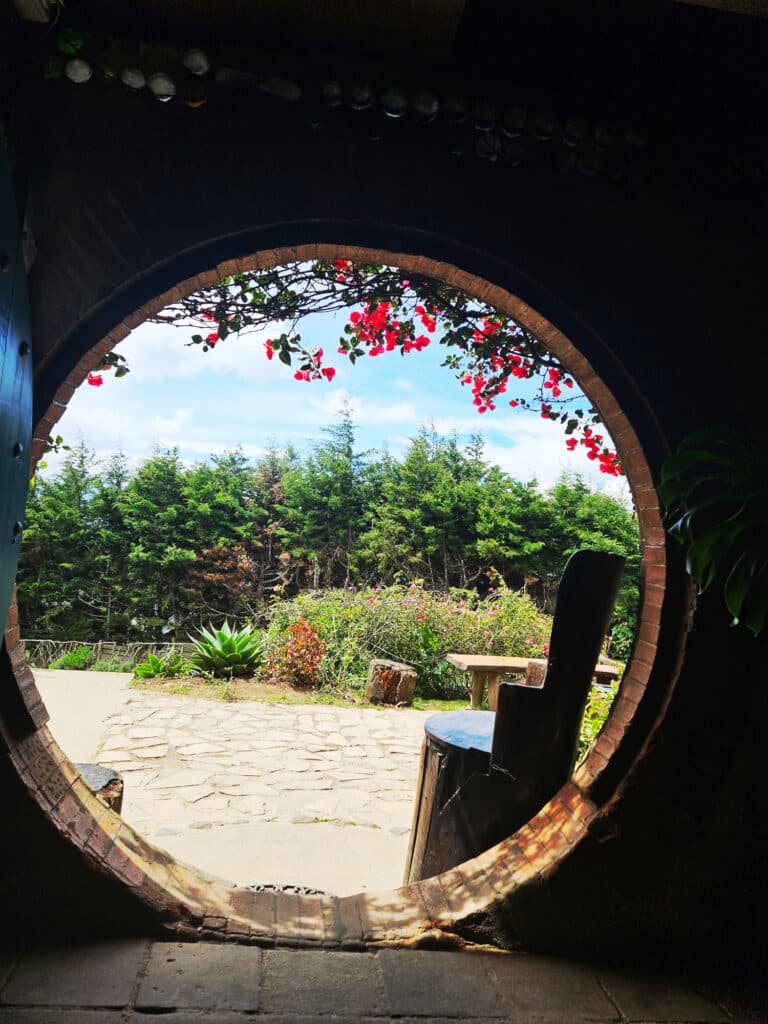
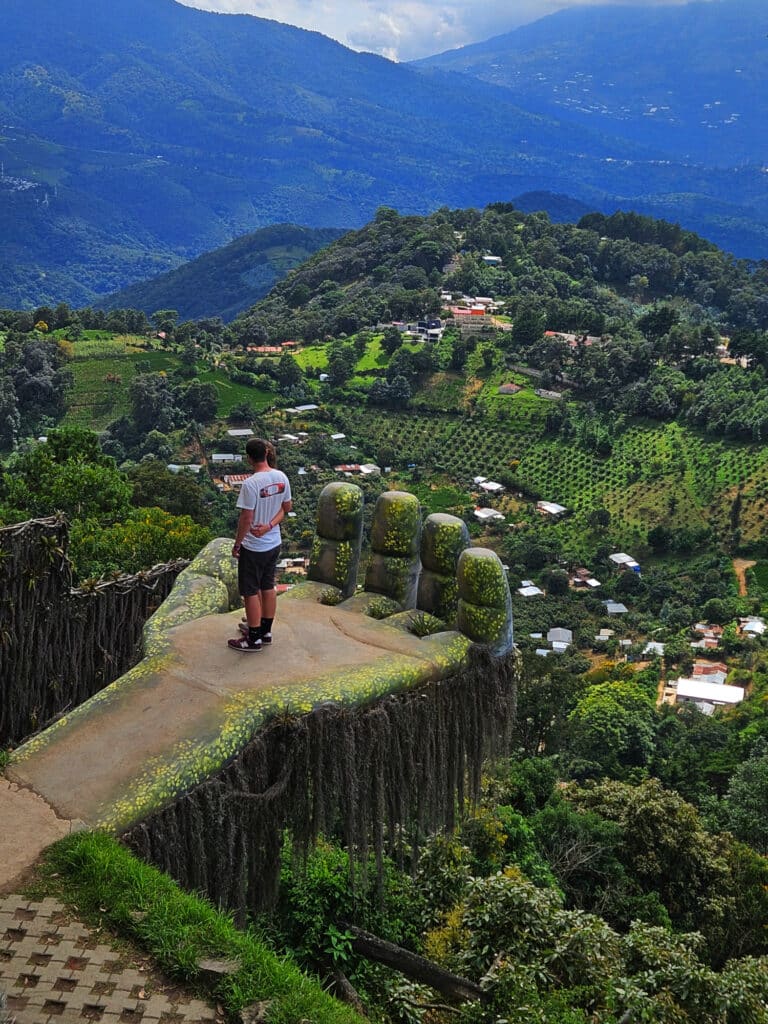
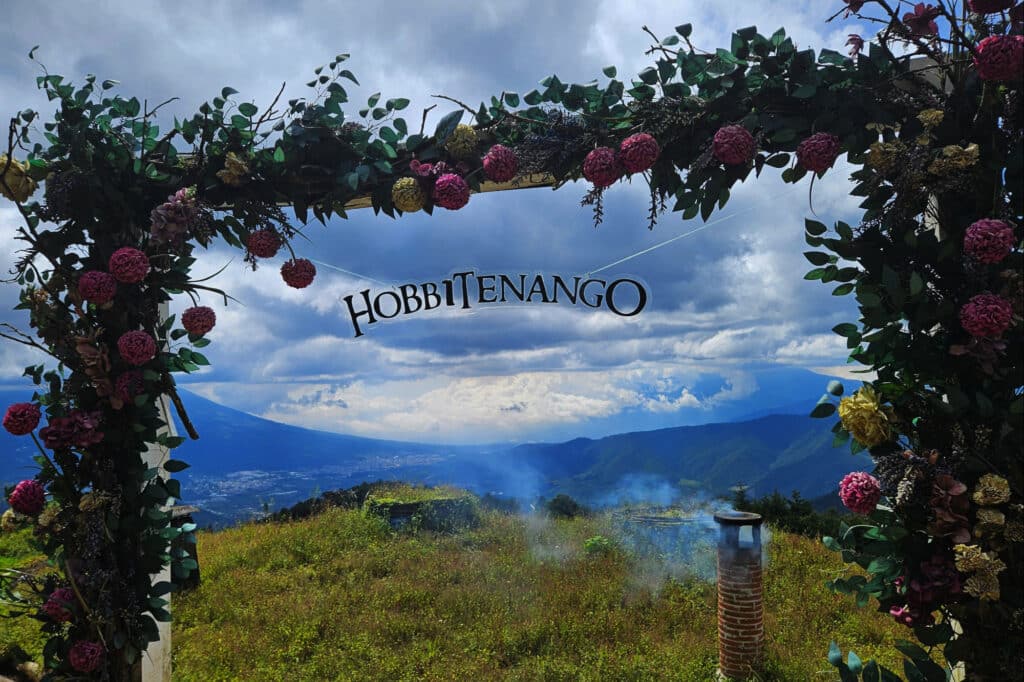
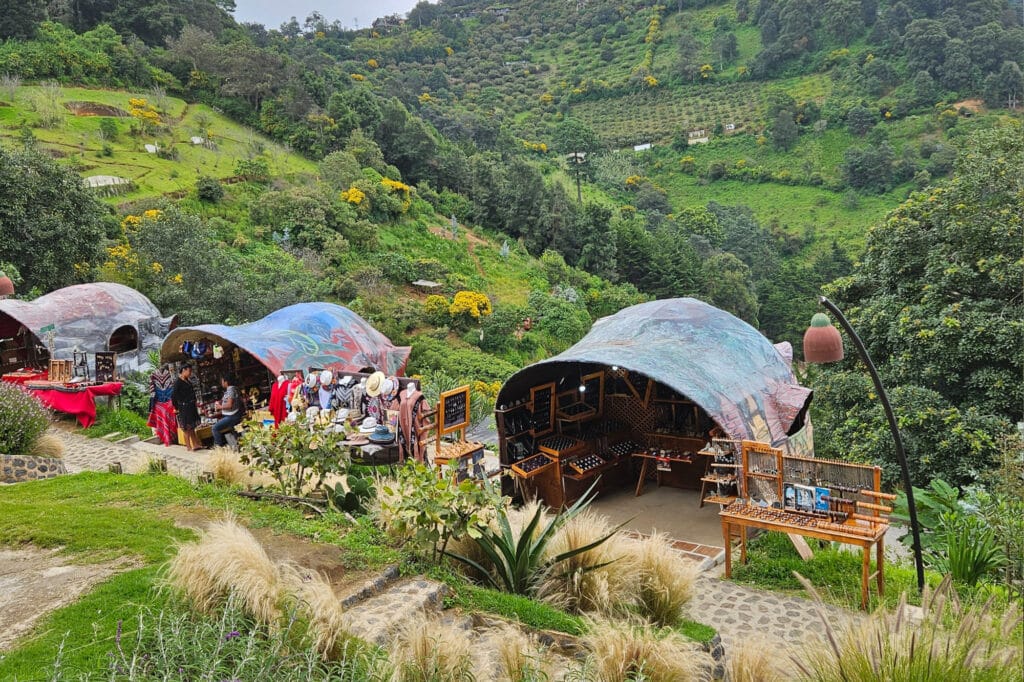
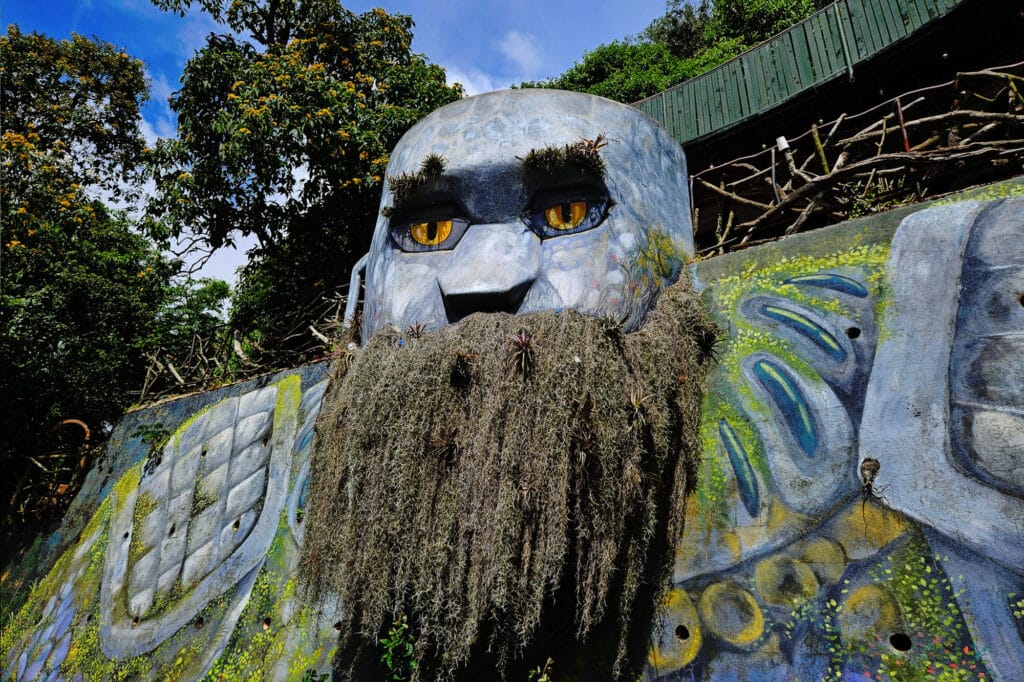
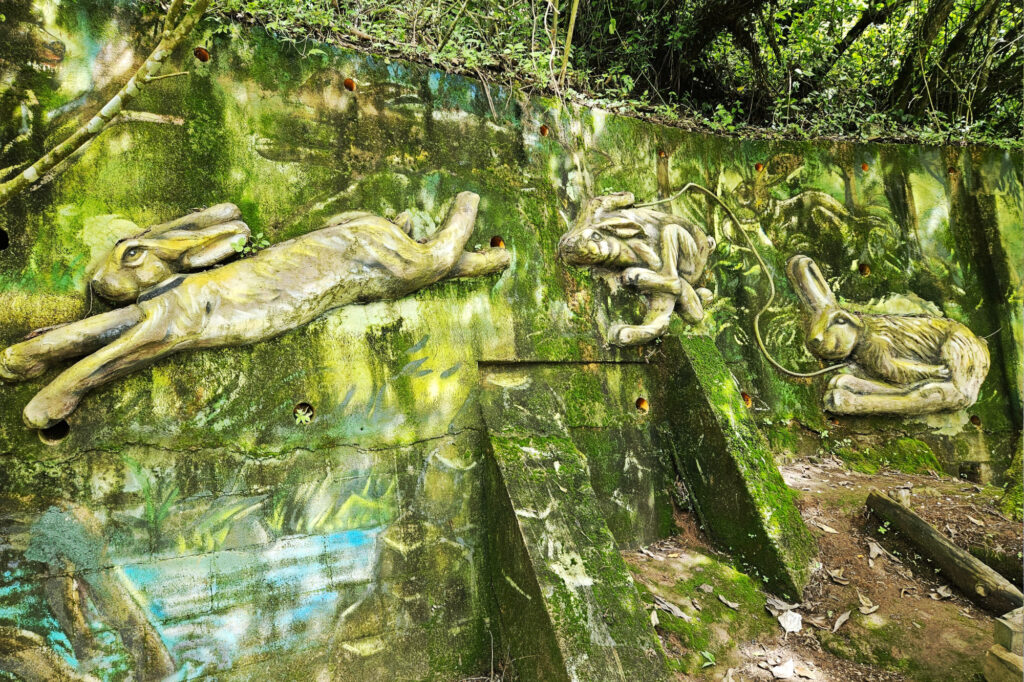
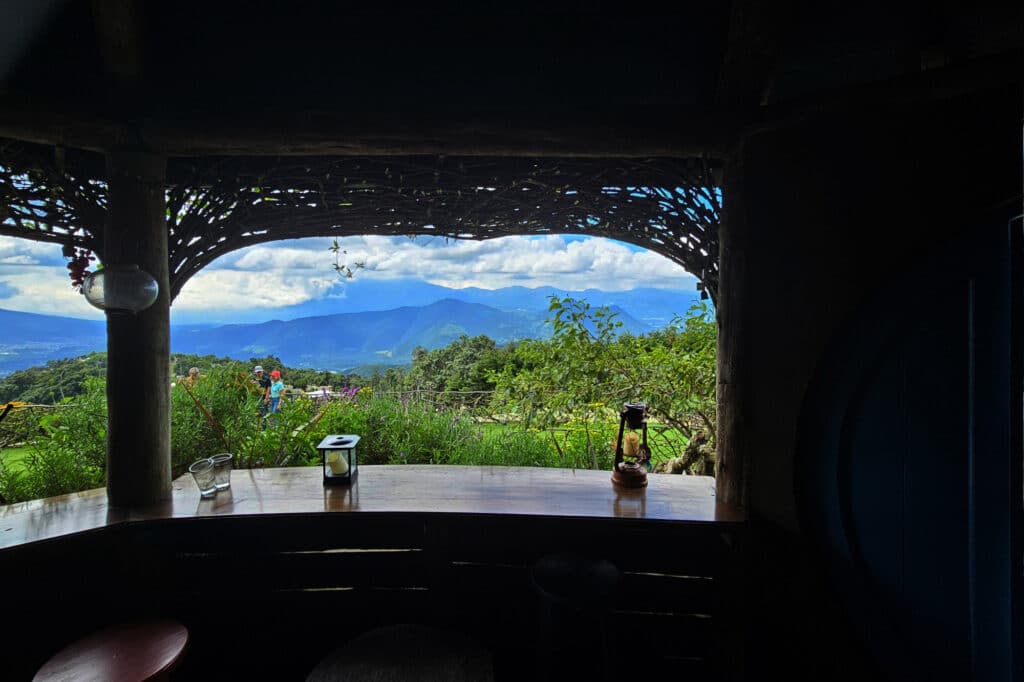
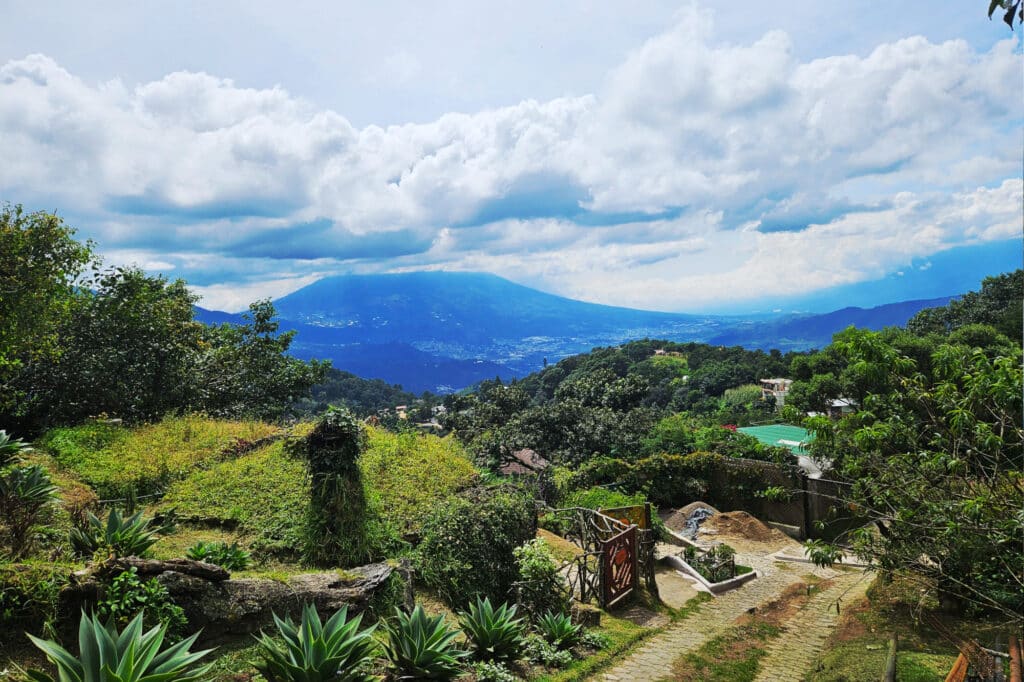
Only a 20-minute drive from Antigua is a hobbit village, inspired by Lord of the Rings, Hobbitenango. Even if you’re not into the movies, you will enjoy this place. It is beautifully done and there are several viewing platforms to see the surrounding mountains.
You can get to the parking lot by car (Charlie took an Uber from Antigua), purchase your ticket and then get on a shuttle for the last bit of the steep journey. It certainly is an adventure! At the village, you find multiple restaurants, some souvenir shops and of course a lot of hobbit holes. You might get a photo opportunity for a selfie with Gandalf.
Eating out in Antigua
You won’t have a hard time finding authentic Guatemalan cuisine in Antigua. There’s plenty of traditional restaurants. The most traditional, although gradually becoming more touristy, is probably Rincón Antigueño. It is a so-called Comedor where they serve only lunch and it is a different dish every day. The general rule for Comedores is: “bueno, bonito, barato” (good, beautiful, cheap). For a truly non-touristy experience, check out the comedores at the market in Antigua. Charlie was also recommended the Comedor San Felipe, about 25 minutes outside of Antigua on foot. She didn’t have time though to go and try it.
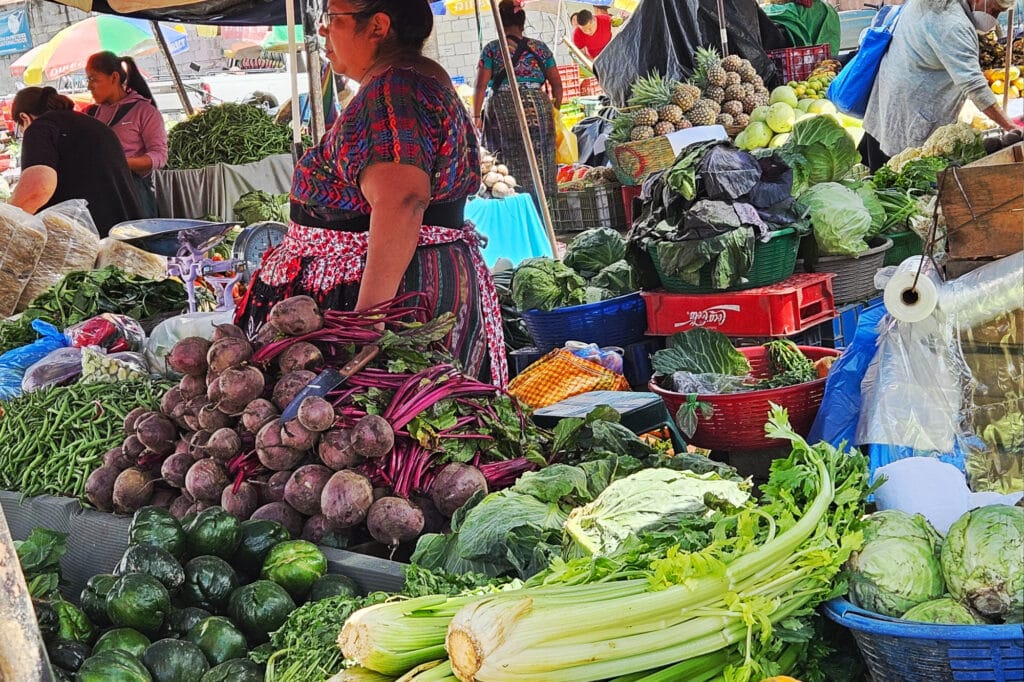
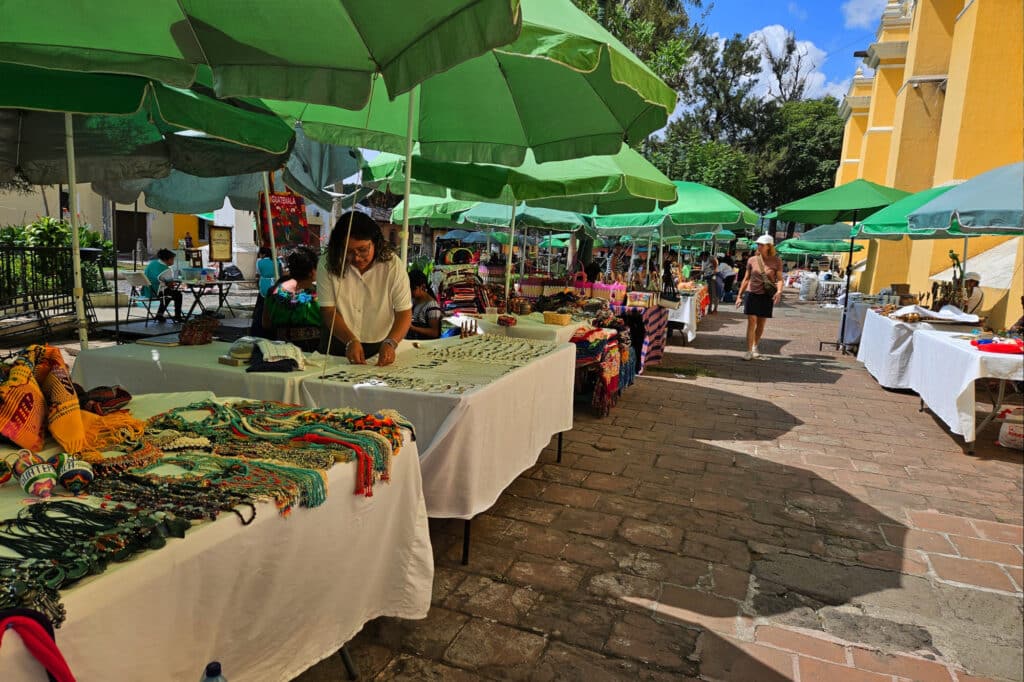
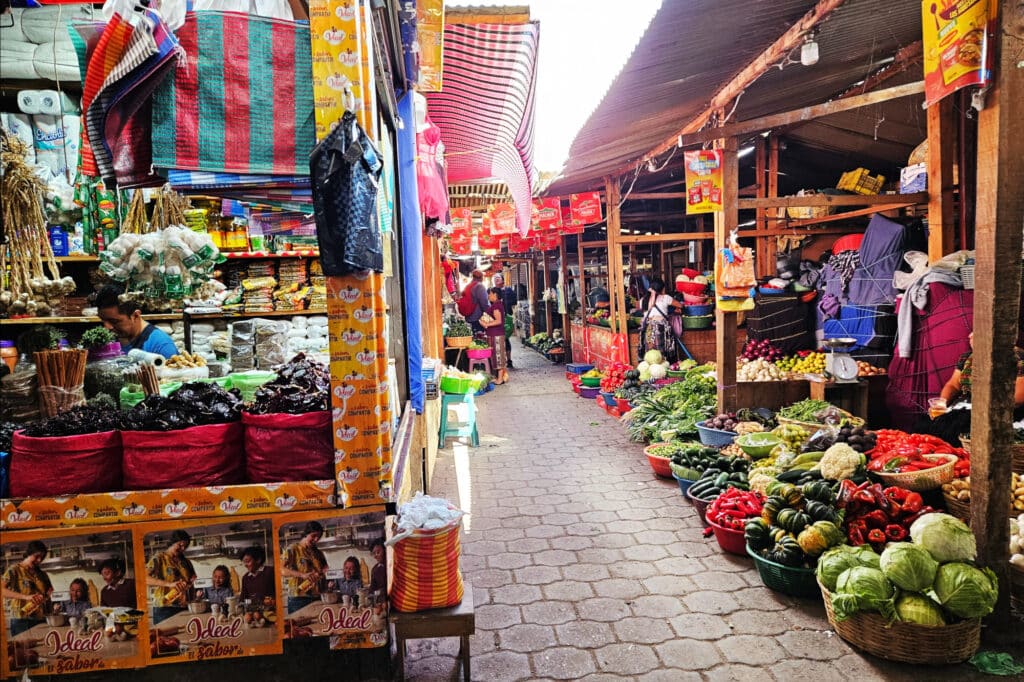
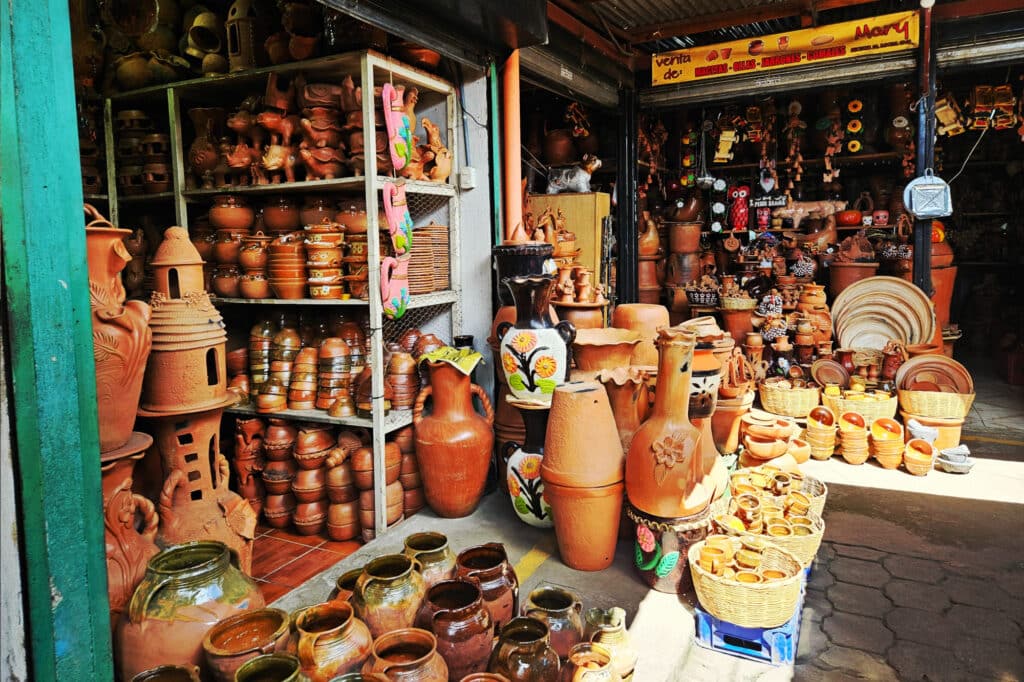
If you prefer to cook for yourself, the best place for food shopping is the market. It is open every day, however the main market days are Saturdays, Mondays and Thursdays. Outside of these days, you can still get everything, but some of the stalls will be empty. Not only is it an authentic experience, you can also be sure that you are supporting locals and their families with your purchase.
Cooking classes in Antigua
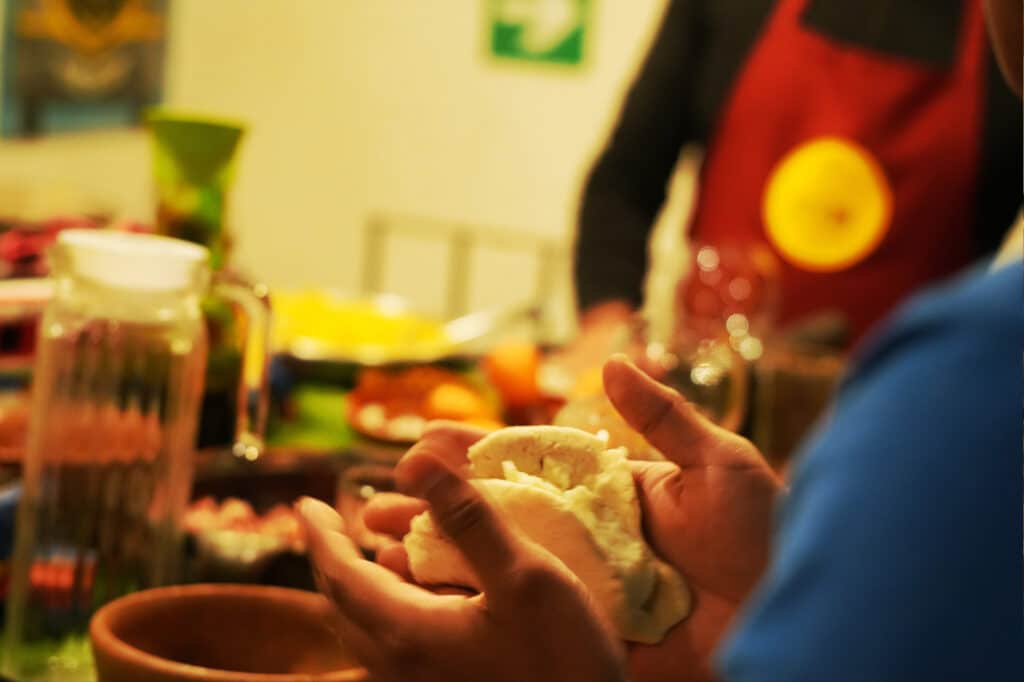
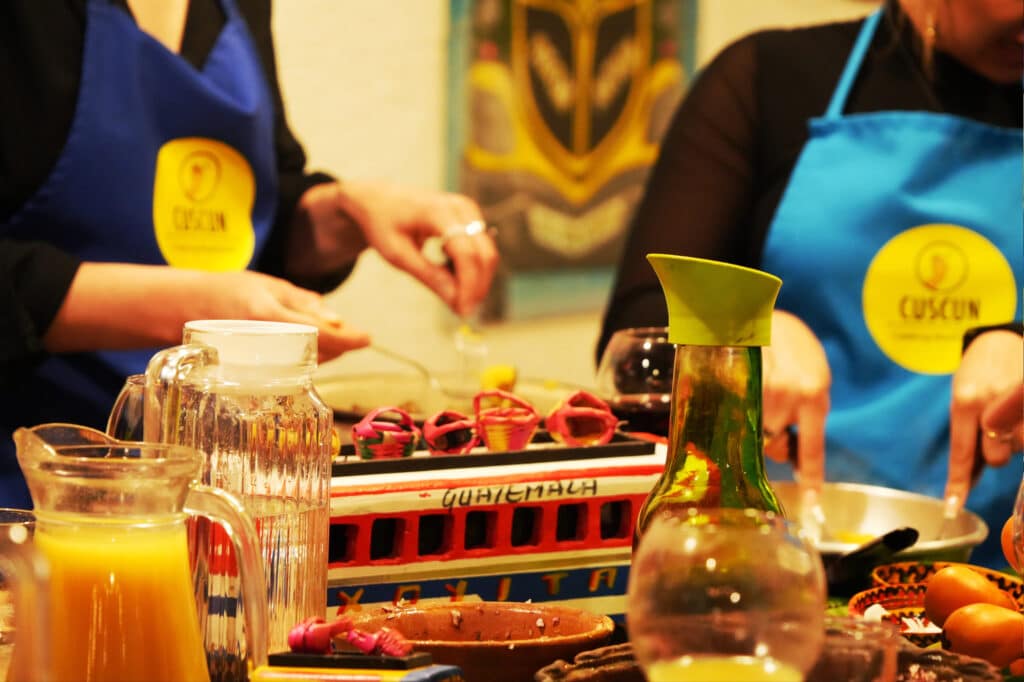
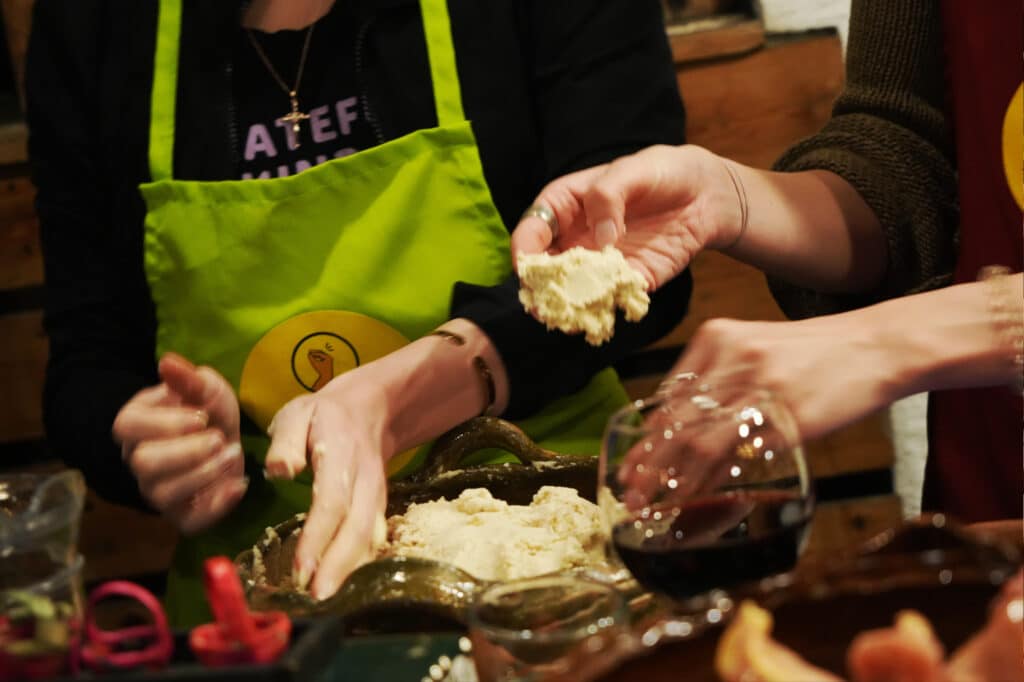
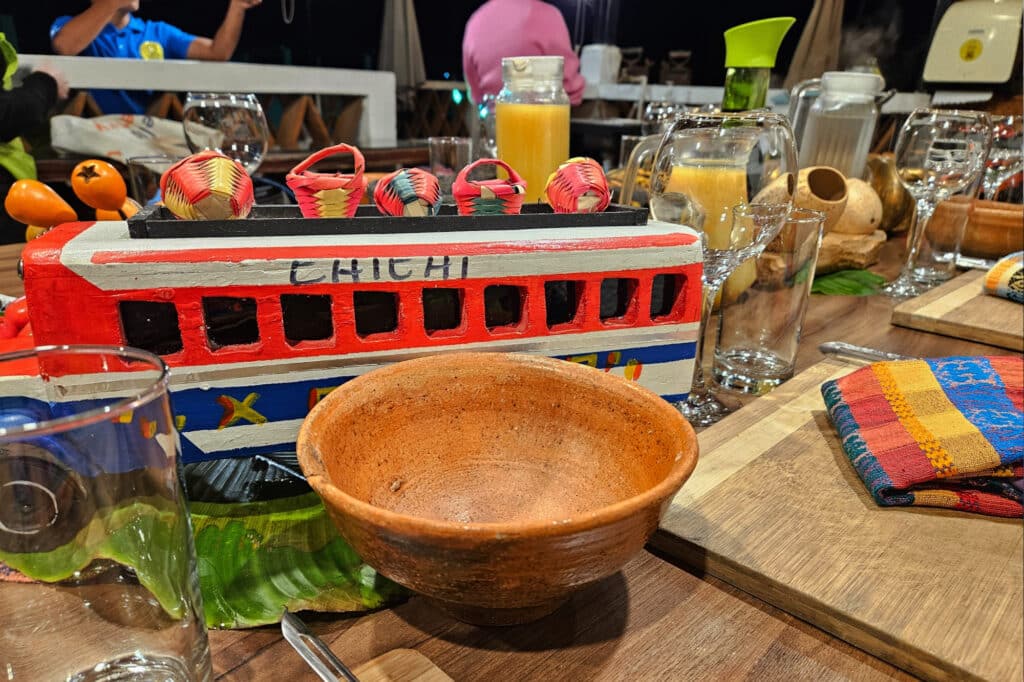
If you’d like to take it a step further and cook dishes like Dobladas, Pepián and Rellenitos, you can book a cooking class with Cuscun. They pick you up from your accommodation and bring you to the house in the quarter of Jocotenango a bit outside of Antigua. There you’ll find all ingredients ready to be turned into some traditional Guatemalan flavours. After the class, of course, you get to eat what you prepared. The seating is at the roof terrace with a view towards the volcano. Cuscun isn’t the only cooking class you can take in Antigua, but it is the only one that Charlie has tried.
Powered by GetYourGuide
Hit the dance floor in Antigua
Antigua attracts many digital nomads and language students. As such, you will find a good nightlife in town. One popular spot is El Barrio. If you are interested in Salsa and Bachata, you can find classes on almost every corner in Antigua. Charlie took classes with Salsa con Gloria and she improved a lot during the three weeks in Antigua. At the end, she was ready to join the Thursday Social at Las Palmas and she even went to a Salsa Party outside of Antigua with her dance teacher Gloria and some of her friends. If you want to learn Latin dances, Antigua is the place to be! It also is safe to go out at night on your own and the men are respectful. It truly is about the dance in Antigua.
PS: Did you notice the particular feature of the clock at the Santa Catalina Arch? The number four is displayed differently to the norm for Roman numerals.