Coffee farm tour in Medellin
Making specialty coffee in Colombia
Coffee tours are one of the popular tourist activities in and around Medellin. There are so many on offer that it might be difficult to decide which coffee farm to visit. Charlie was lucky to have chosen a tour that provided cultural insights, historic context and the story of a family on the outskirts of Medellin.
A family history within the larger historic context
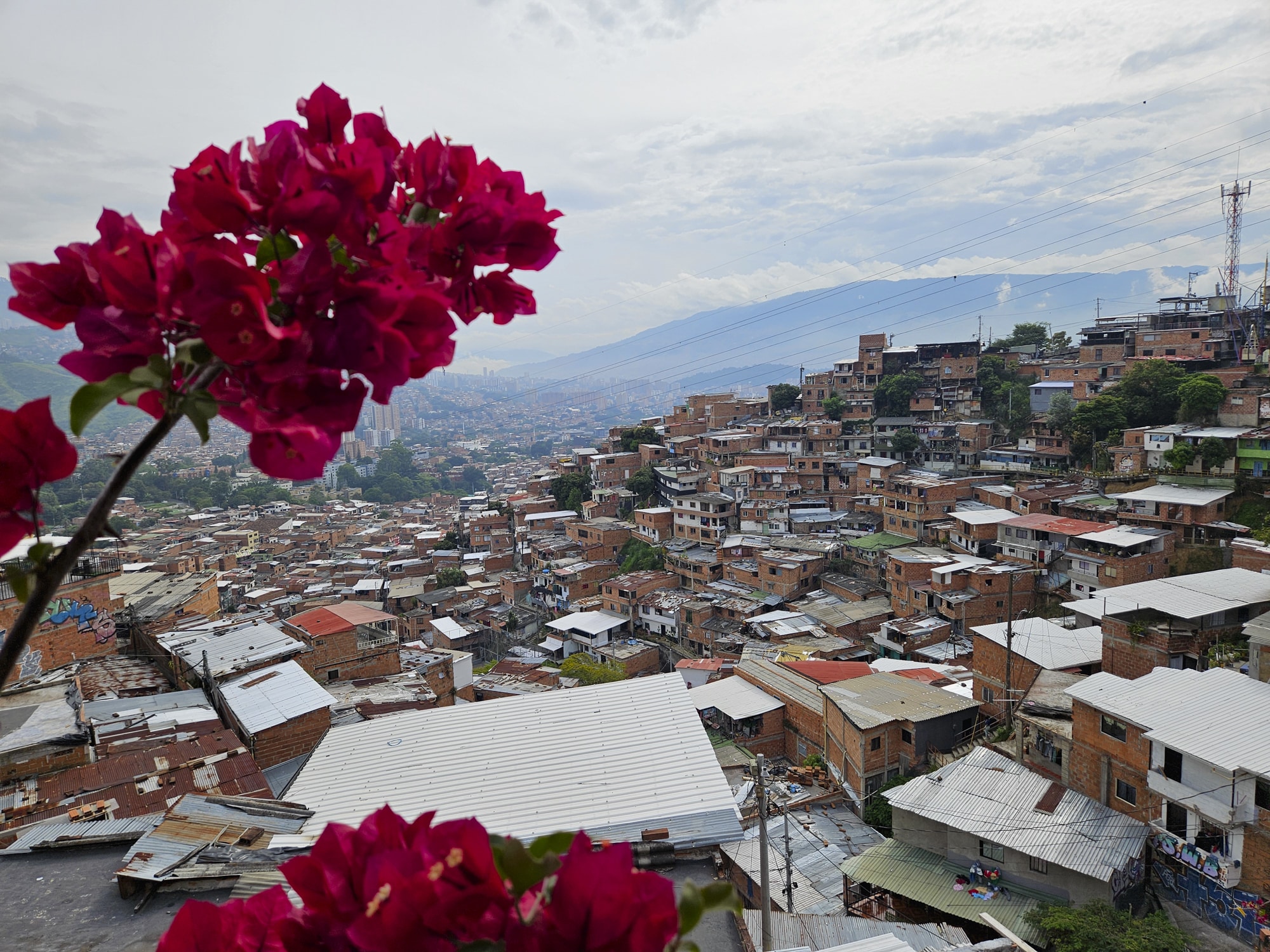
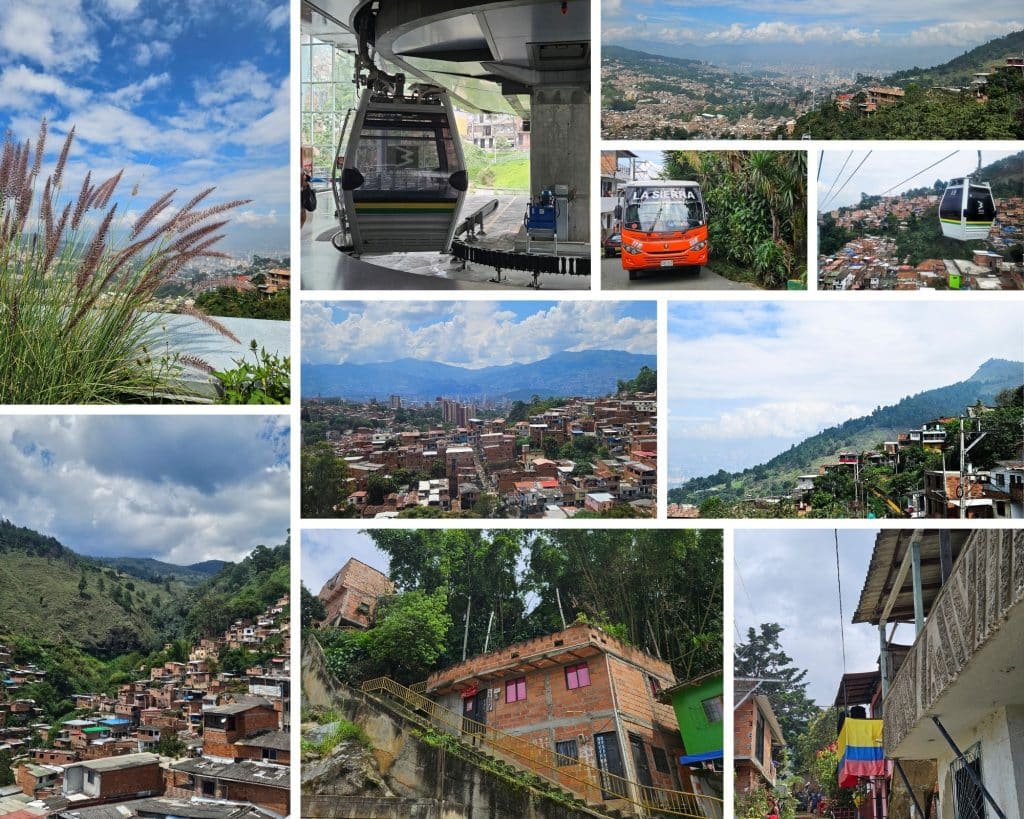
It is the story of Norman and Edilma who lived in the barrio La Sierra during the times of the internal conflict in Colombia. Several violent groups of guerrillas and paramilitary controlled this quarter of Medellin and made it one of the most affected by the violence. Norman used to work in the city and often had to avoid certain paths to not cross the armed groups. That caused him to walk along the mountain where he discovered a coffee plantation that would later become the family business. Today, the farm is managed by the daughter of Norman and Edilma, Rosa who puts passion into the production of a specialty coffee that can’t be sold to the coffee federation, but only in small, independent coffee shops.
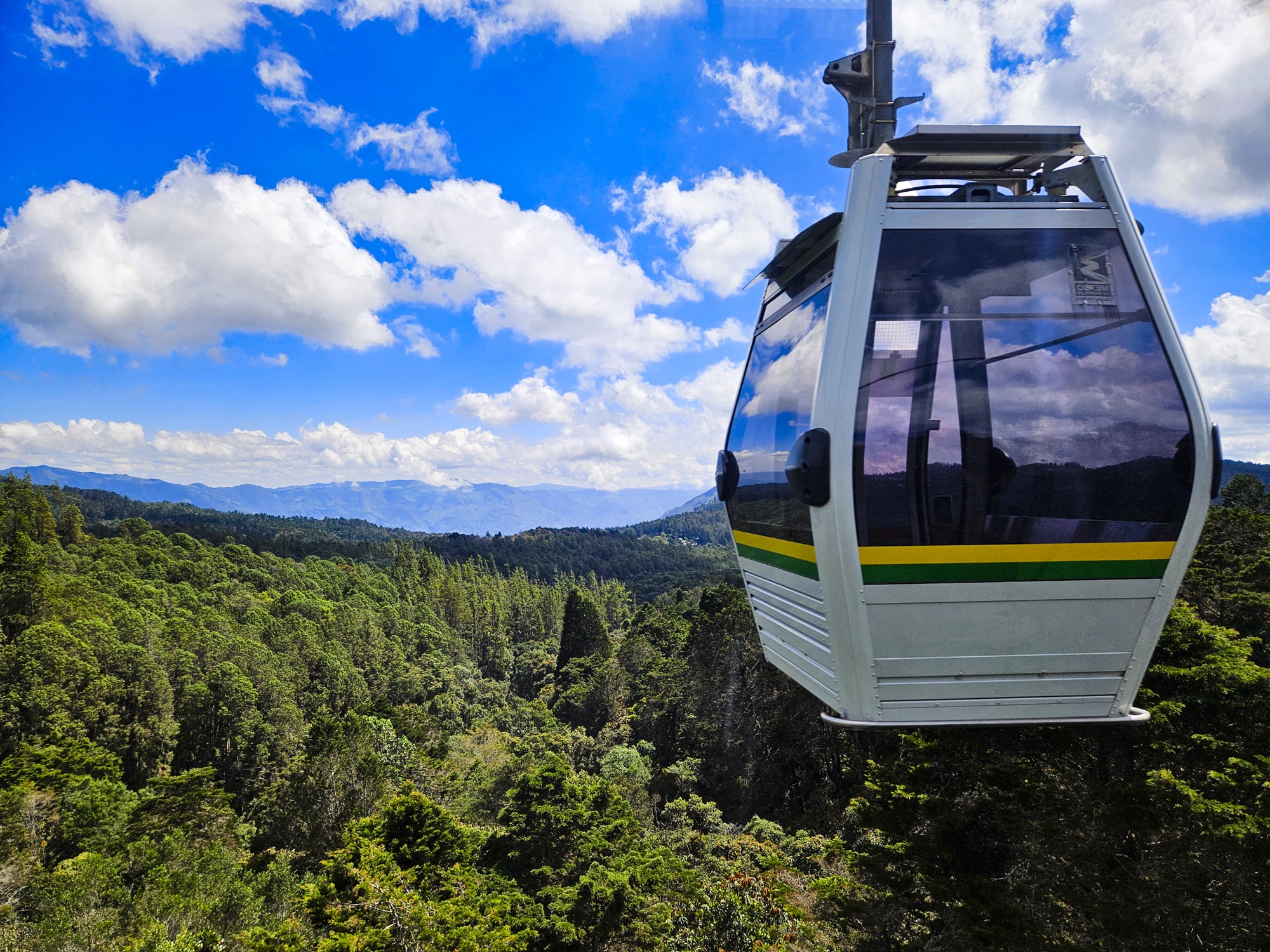
Charlie liked this tour because it was not only about coffee. She also learned a lot about the history of Medellin, the comunas and the violent past. The group also took the means of public transport that usually only the locals take, the tram to the final stop Oriente and the cable car to La Sierra. Walking through this neighbourhood, every local they passed by greeted the group of tourists in a friendly way. It was obvious that they liked the presence of tourists that visit the coffee farm.
From bean to cup
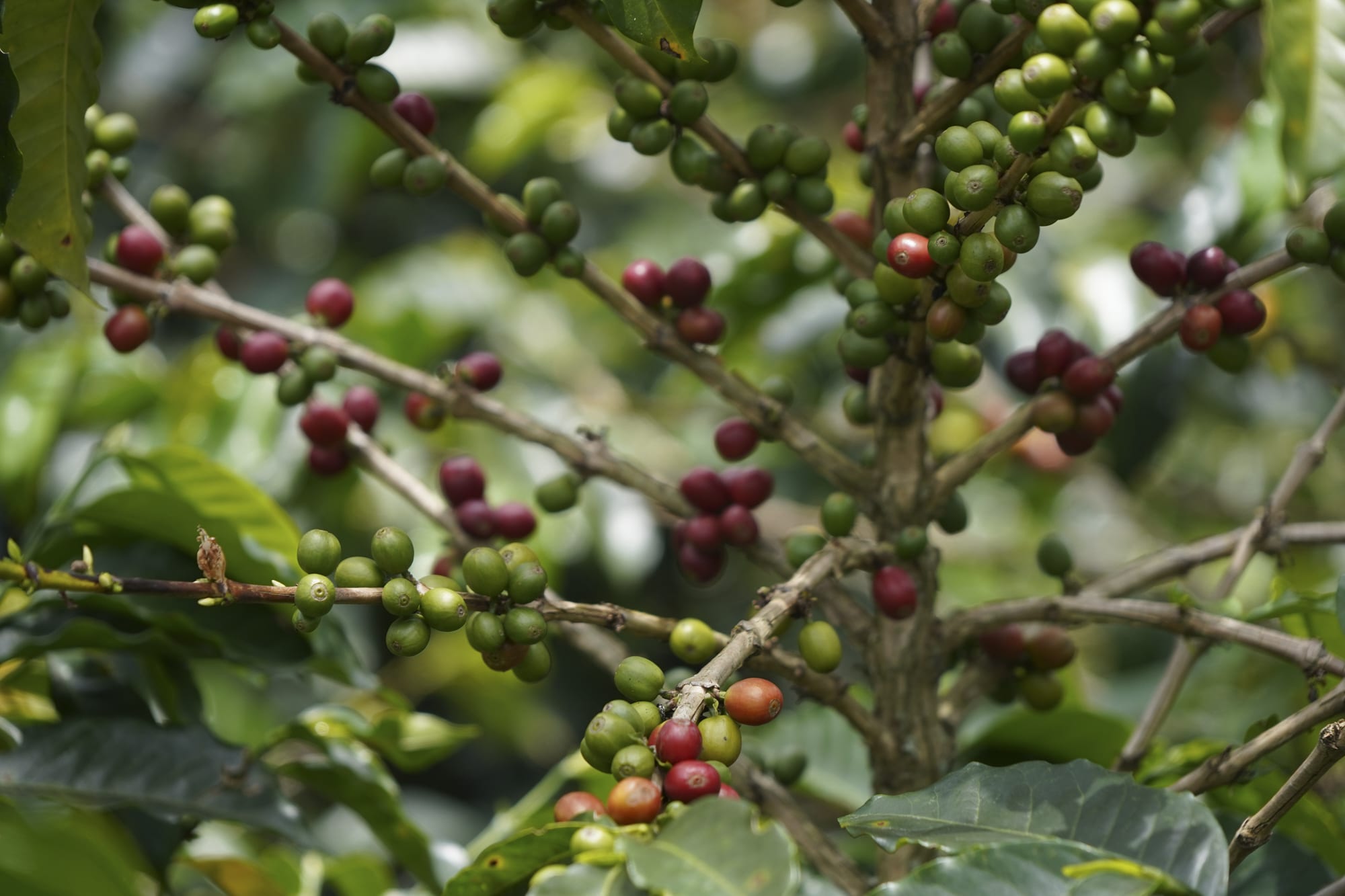
Charlie had visited a coffee farm in Costa Rica before. This experience in Medellin was different tough as it was not just a visit to the farm; it was a hands-on-experience. Every guest got a bucket that could be strapped around the waist, and they were given 20 minutes to harvest coffee cherries. When they were served a cup of coffee upon arrival, they were told that it takes 70 coffee cherries (each contains two beans) to make one cup of coffee. That was Charlie’s target and that was easier said than done. She had to walk quite far into the field to find some ripe berries. After the rain the previous day, the ground was soft and muddy. The location on a steep hill required some caution to not fall during the coffee hunt.
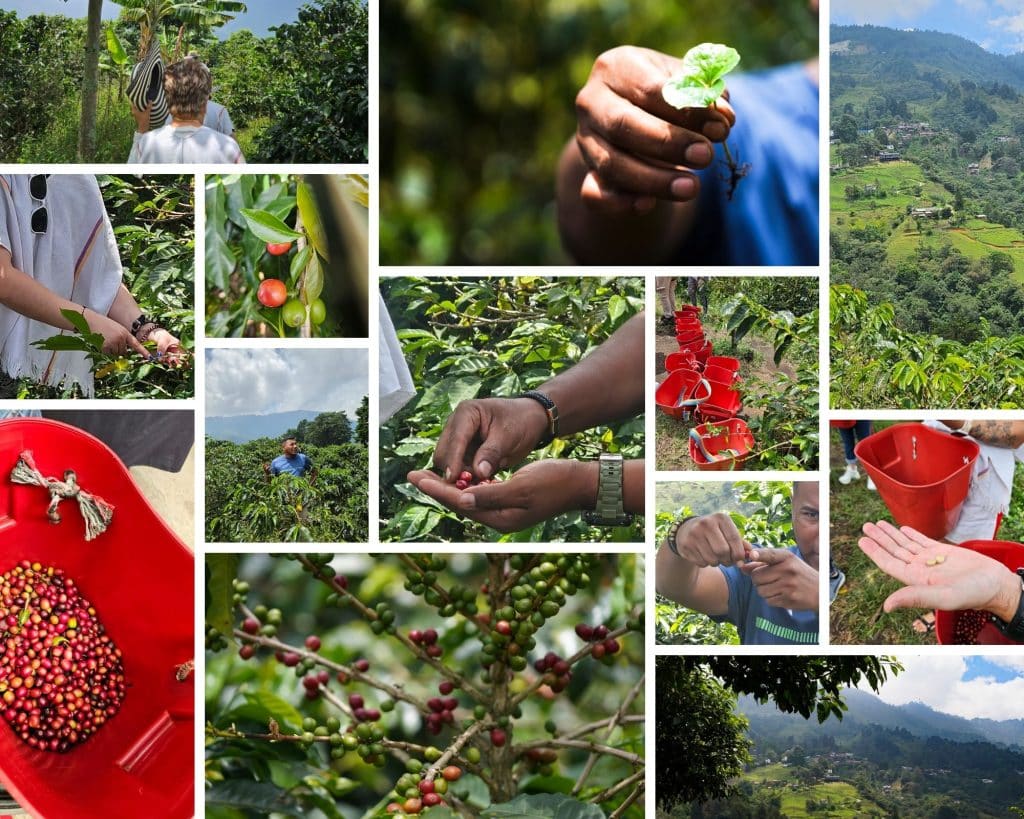
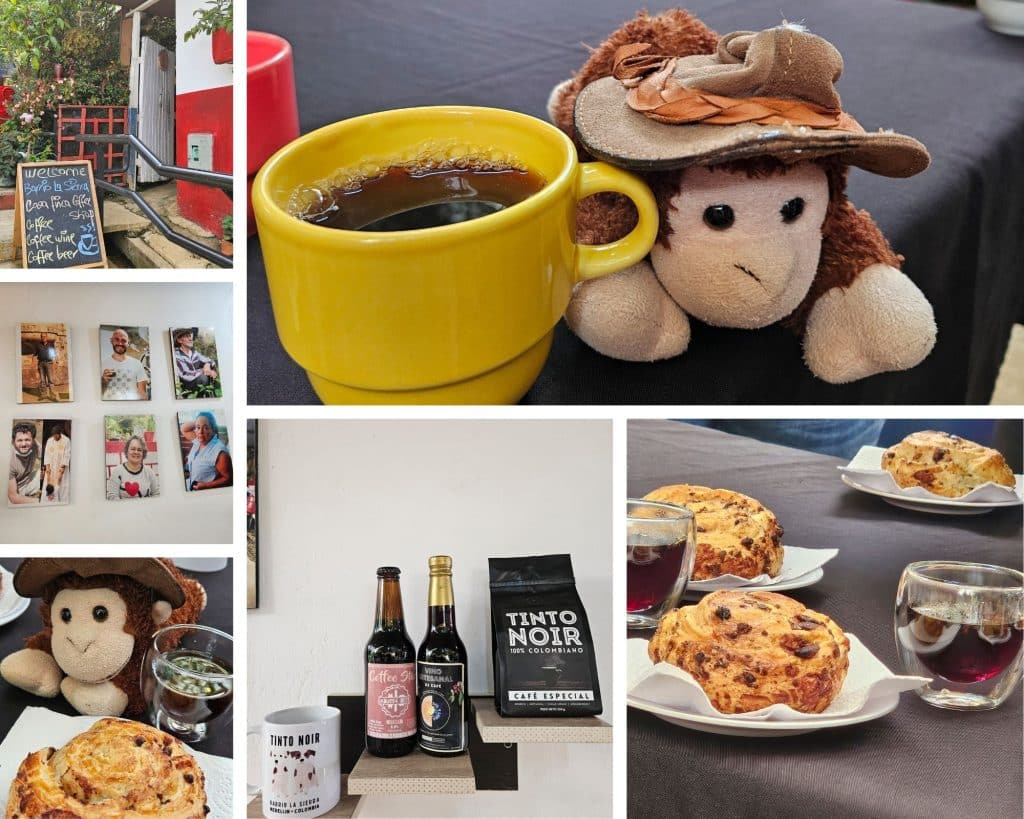
Charlie harvested around 120 coffee cherries that morning and she was proud of herself. The harvest of the whole group added up to 2kg. They deserved another cup of coffee which they prepared from scratch back at the finca. Rosa provided some coffee cherries that had already gone through a part of the process because the fermentation takes 96 hours and that would have exceeded the tour by far. The drying process takes more than 3 weeks. One of the helpers at the farm demonstrated how the bean is processed further and the group got to operate the roasting pan, the coffee grinder and weighed the coffee that goes into the bags for sale. Rosa then demonstrated how to brew a fresh coffee in a V60 coffee maker and they were served the coffee with a piece of cake.
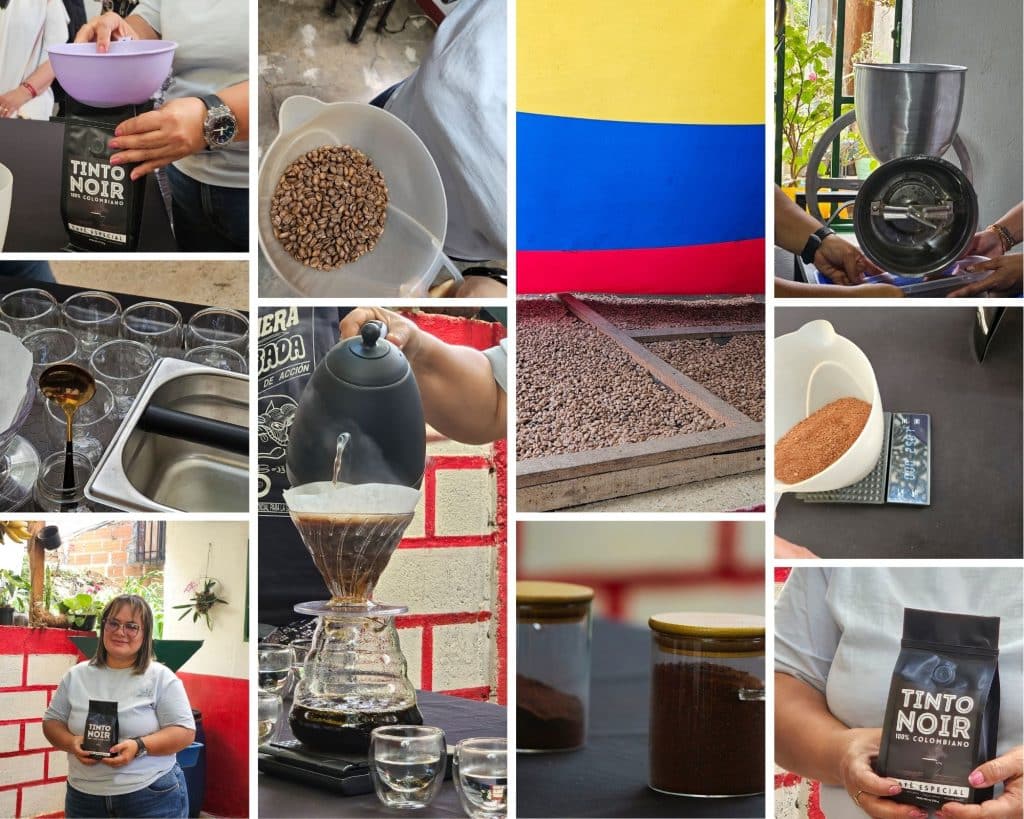
Throughout the entire process, there were several steps where the good beans were separated from the bad ones to make it a truly specialty coffee. The bad beans are not thrown away but go into commercial production of instant coffee. The coffee they were served that day though was only made of good beans and could be enjoyed without any add-ons such as milk or sugar. Rosa summarized it beautifully: “Good coffee doesn’t need sugar; bad coffee doesn’t even deserve sugar.”
Coffee for a social cause
The other positive aspect of this coffee tour in Medellin is the social impact. Growing coffee has been a strong driver for the economy of this neighbourhood and there are around 30 families living off the coffee production. At the same time, a percentage of the revenue goes to the communal kitchen in the neighbourhood. The farm also works with young people from the community and Rosa was telling proudly that she has about 20 kids under her wing. Apart from that, the family also works with a social project that re-integrates drug addicts into society. They are usually the first to be employed by the farm during harvest season.