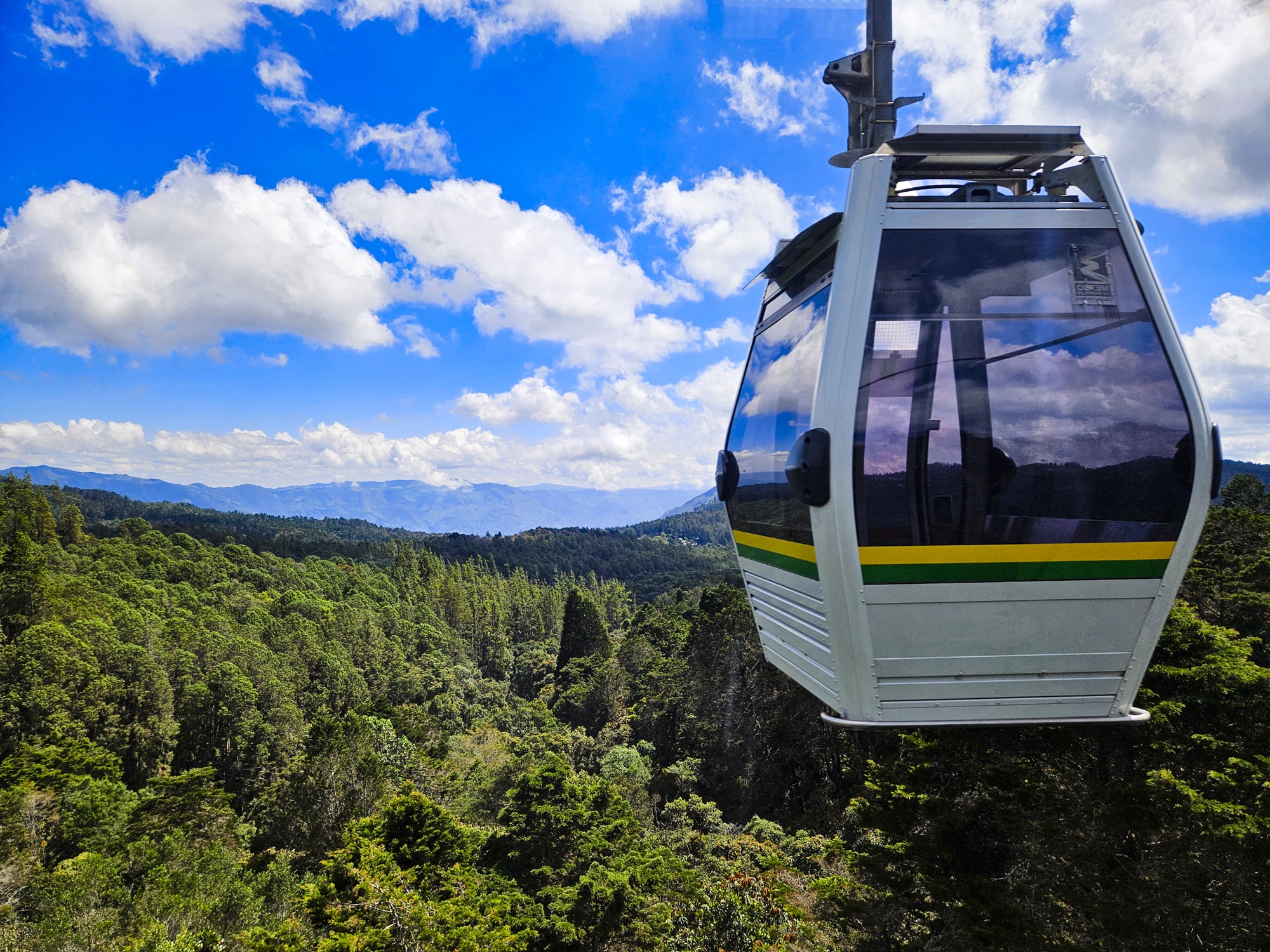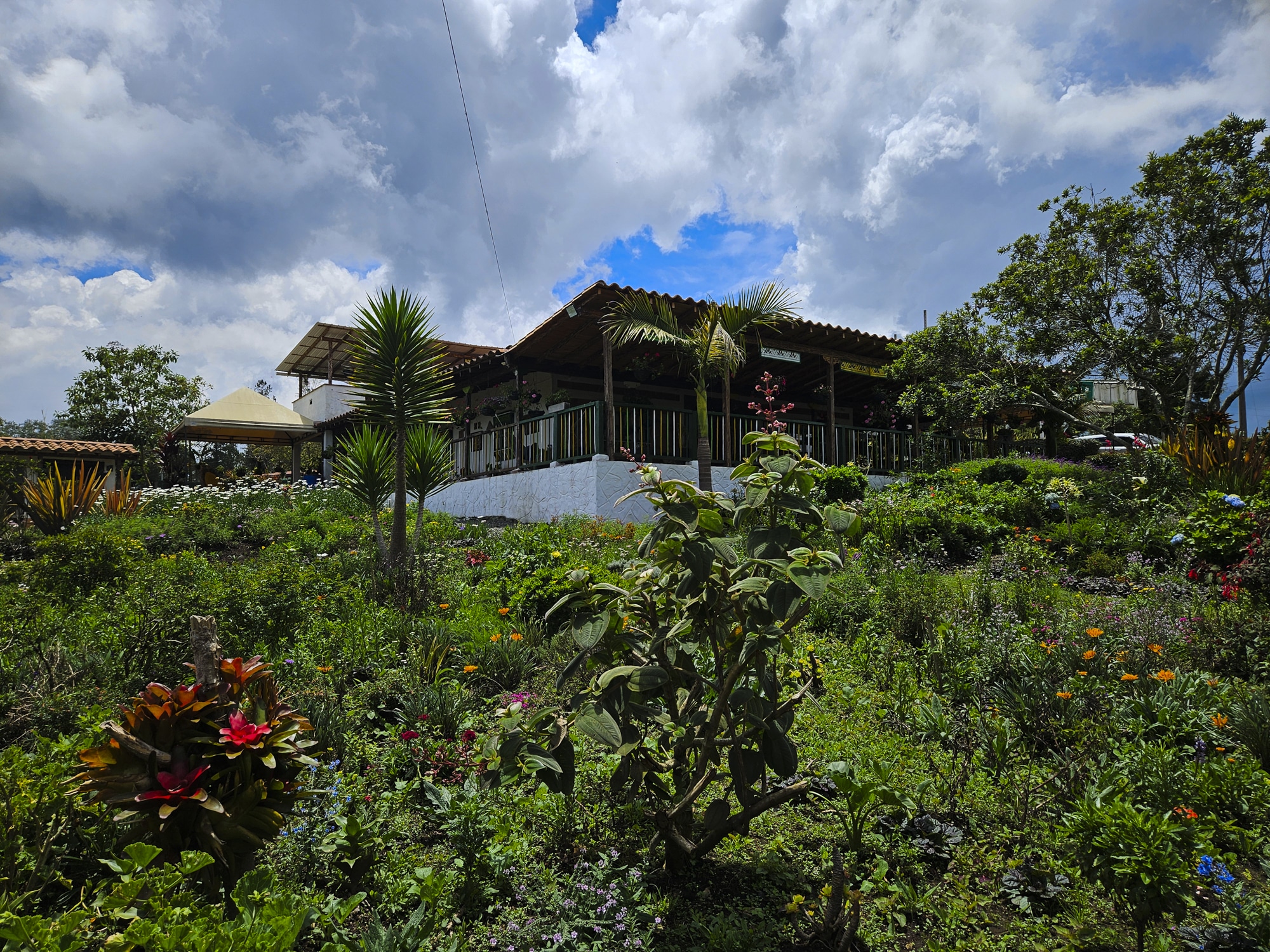
Is it safe to travel to Colombia?
Why you should visit Colombia
For a long time, travelling to Colombia was not recommended, and that still causes hesitation for many travellers. Charlie spent an entire month in Medellin, and she had the best time! She was welcomed with open arms and met the friendliest people you can imagine.
Safety concerns
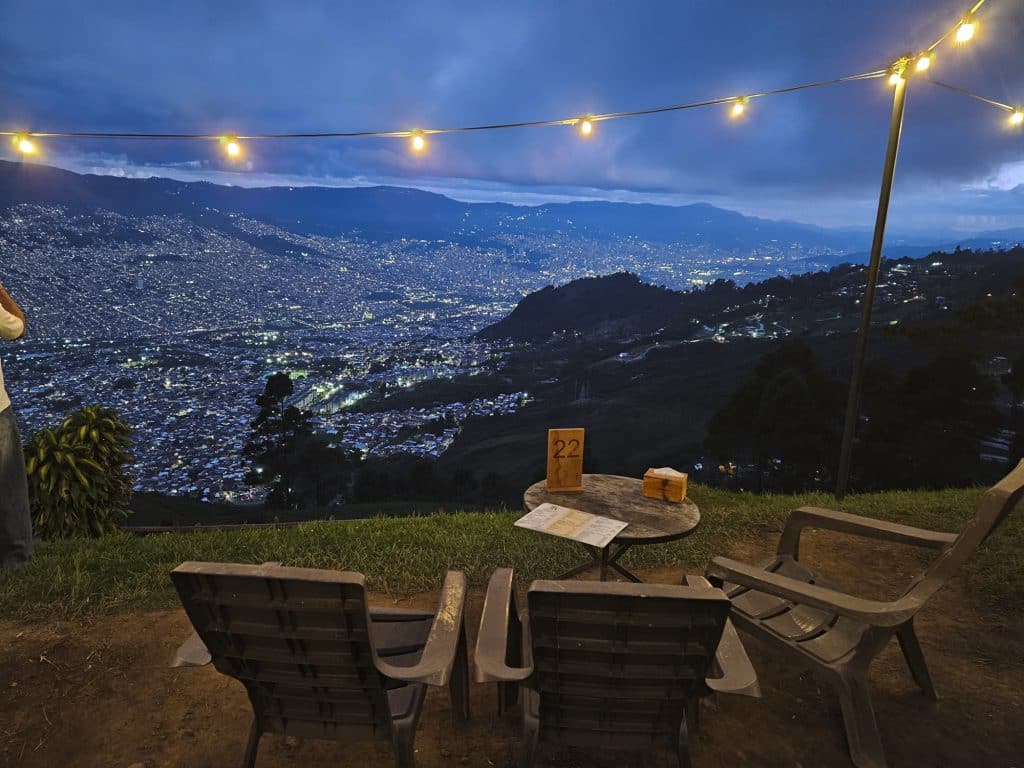
Charlie can only speak for Medellin as she has not seen other parts of Colombia, and she did not feel unsafe. Of course, as in any big city around the world, you should know where you’re going, not wander around on your own at night and generally have your guard up, but it did not seem more dangerous than other places. One thing to keep in mind though is that blonde, white Caucasian women tend to attract attention.
What Charlie noticed though is that the level of trust is generally low when it comes to shop lifting or false bills. Be prepared for your bags to be inspected when you enter and leave a store and have the receipt at hand to proof that you’ve paid. Compared to Rio de Janeiro though, there were a lot less ID checks, and phone theft did not seem to be a concern in Medellin either.
Charlie also went to multiple salsa nights at different venues and she never felt unsafe. The locals were dancing in a polite manner and created a really warm and friendly atmosphere.


Friendly people
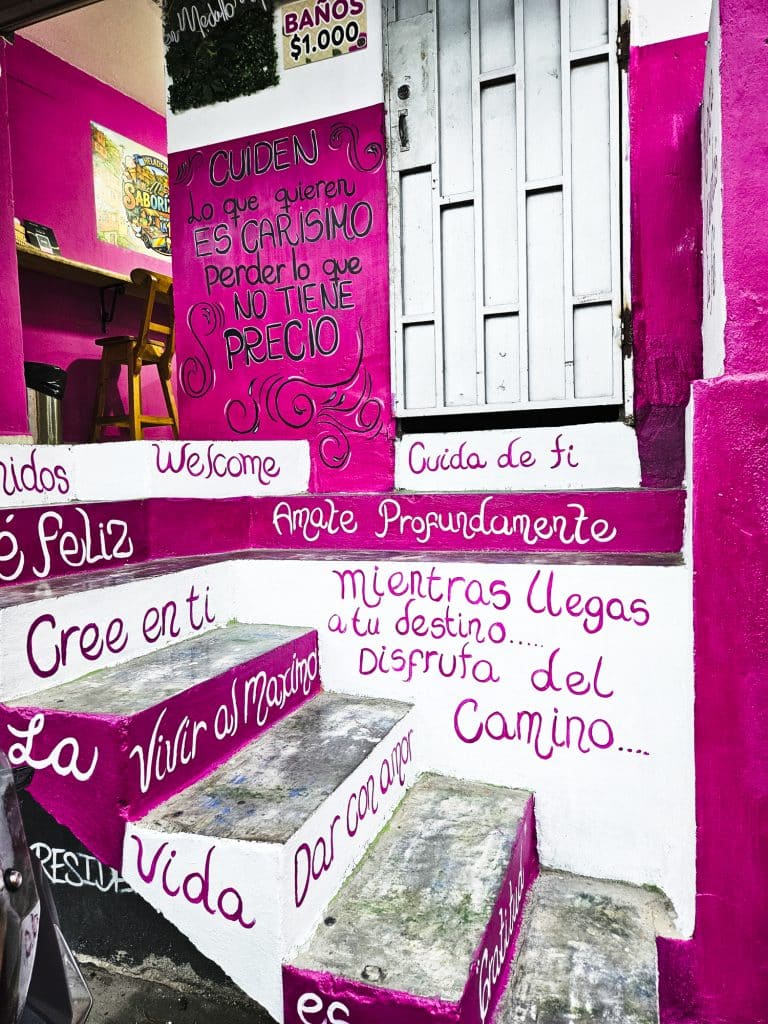
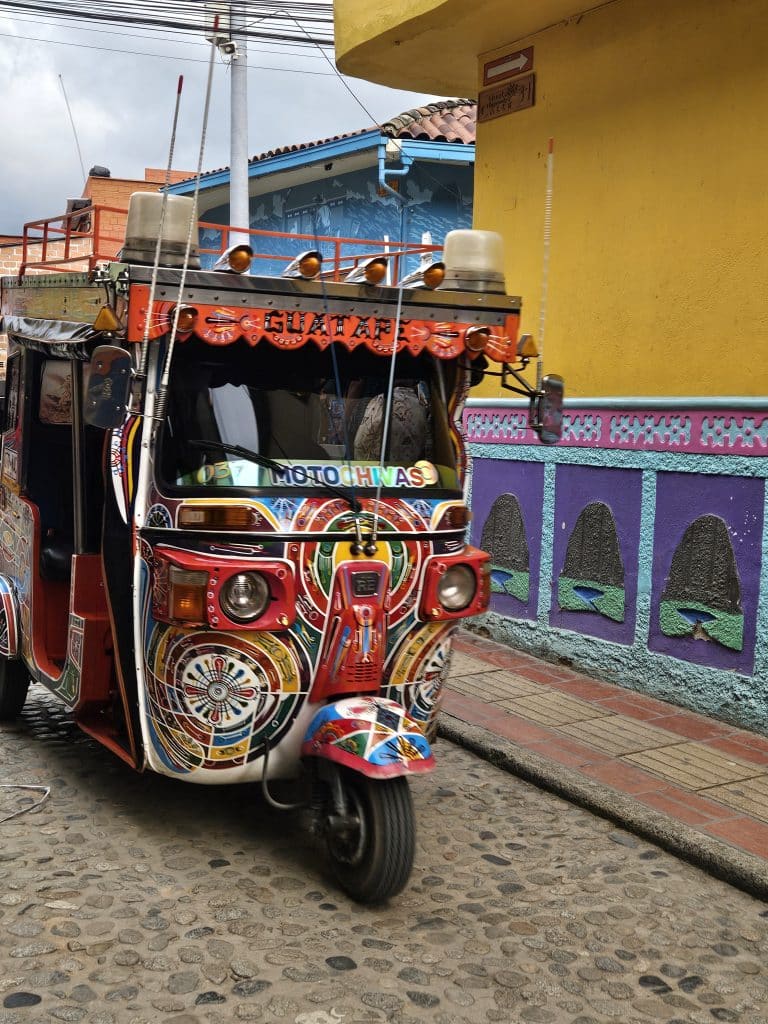
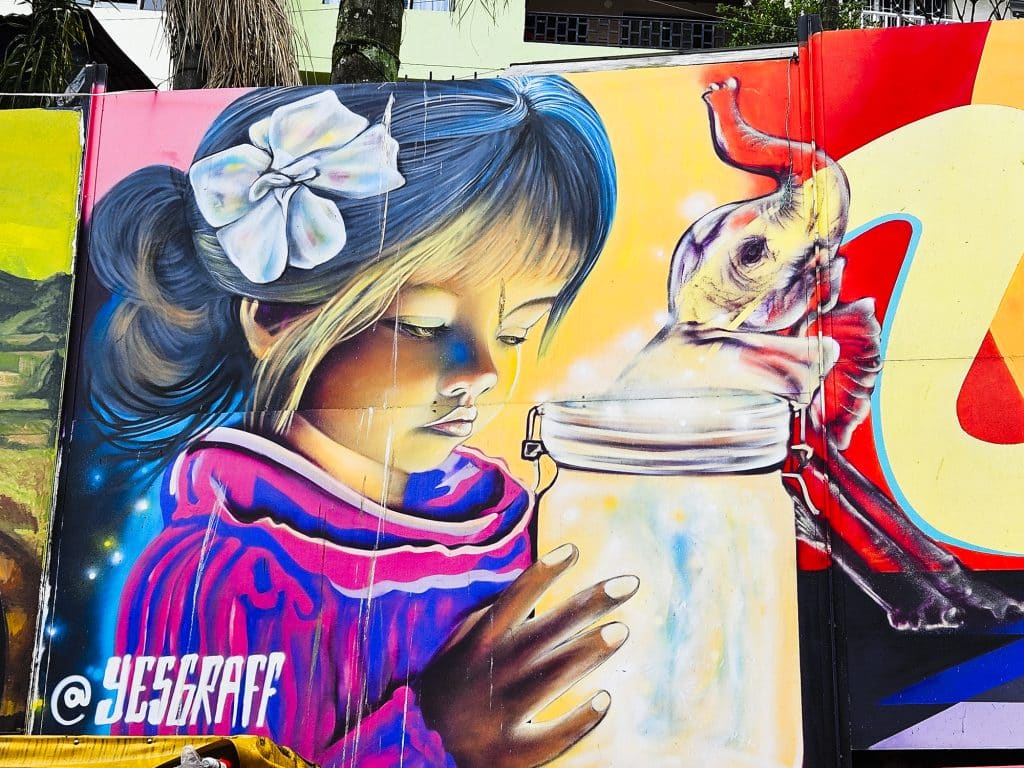
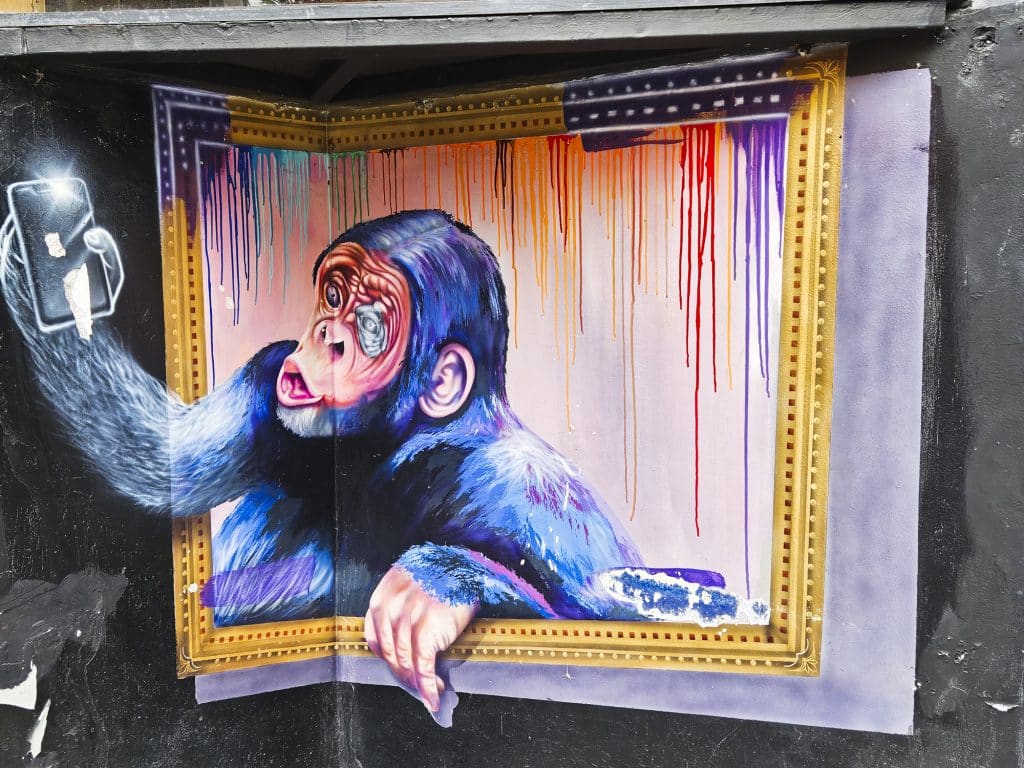
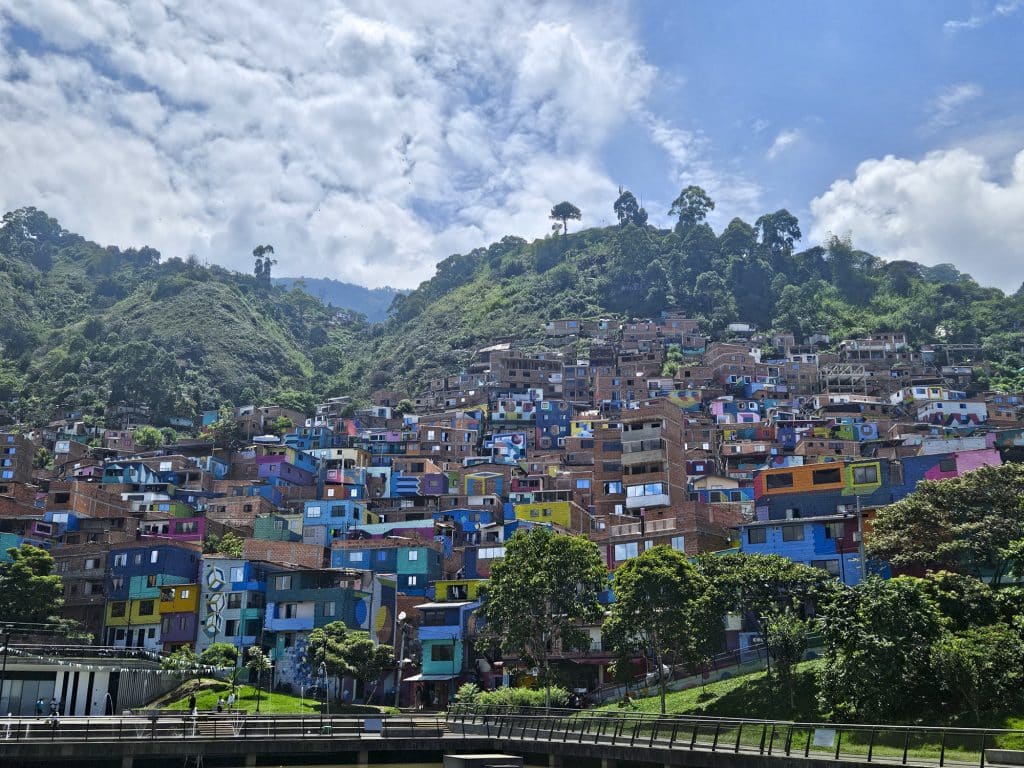
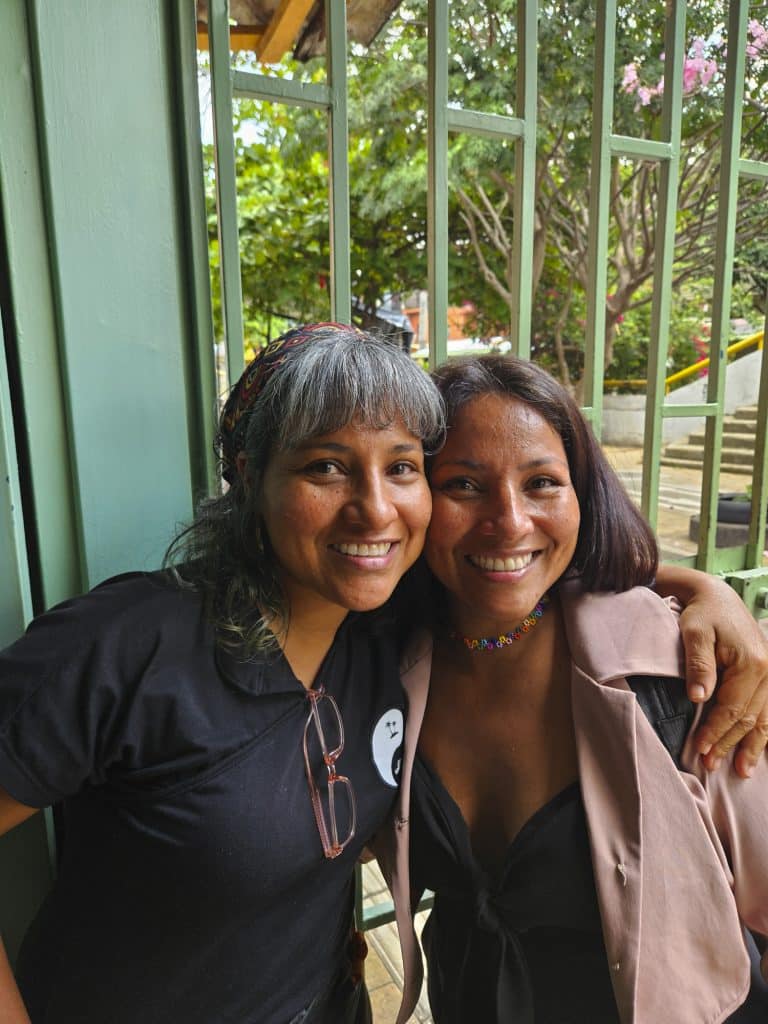
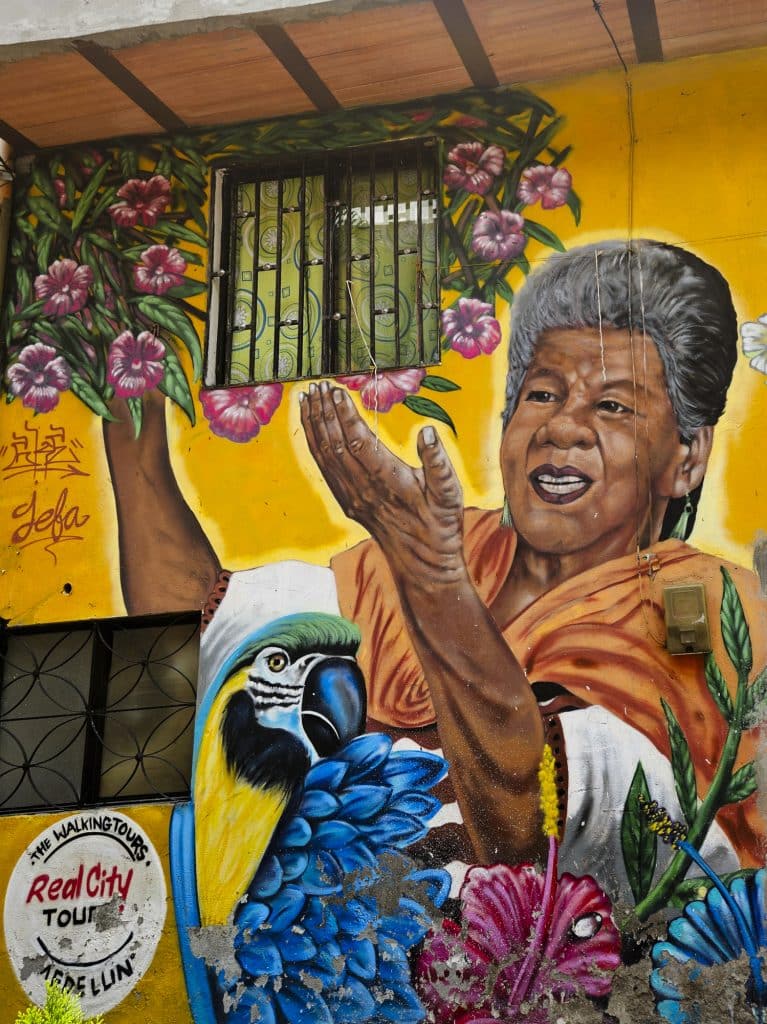
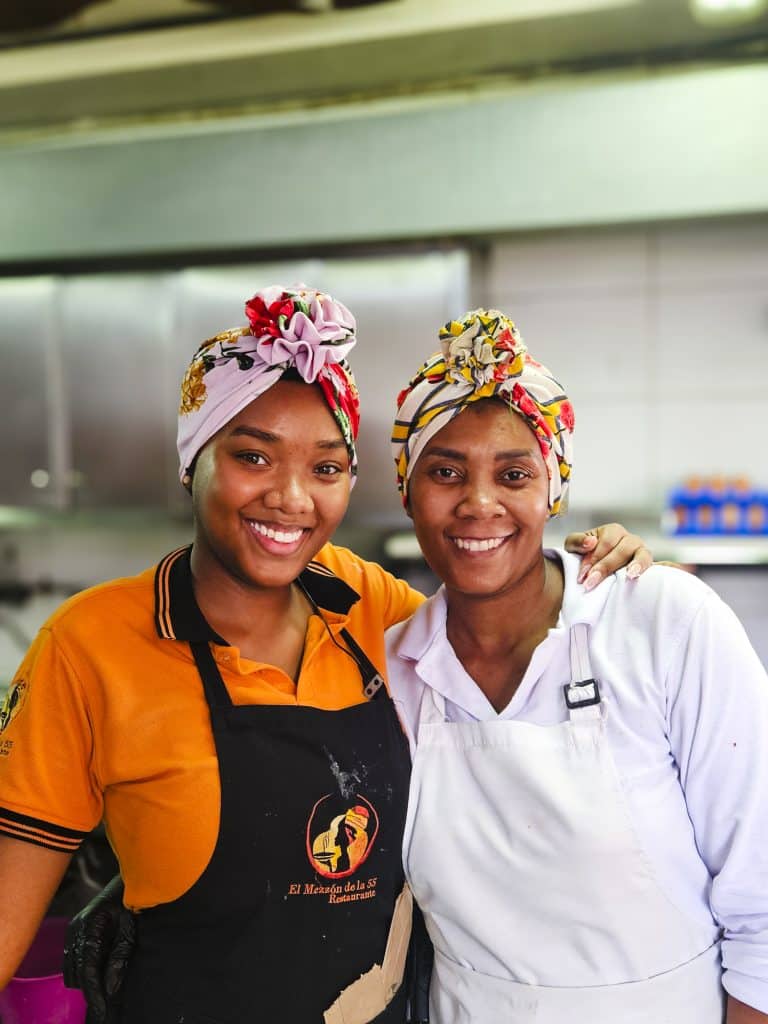
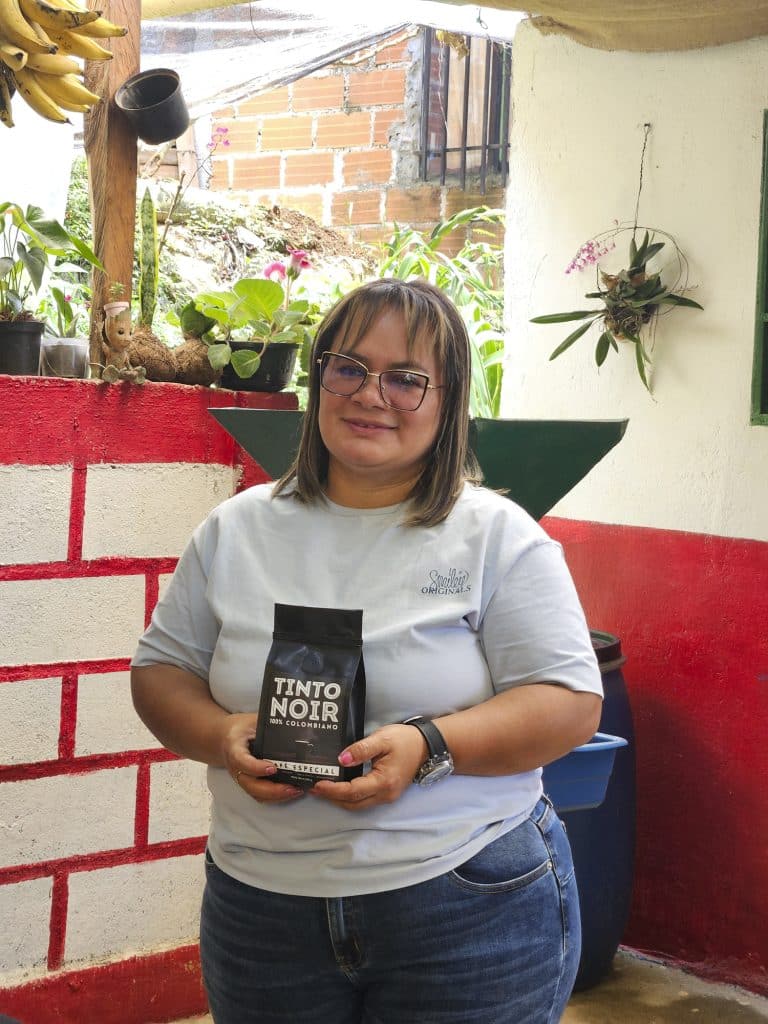
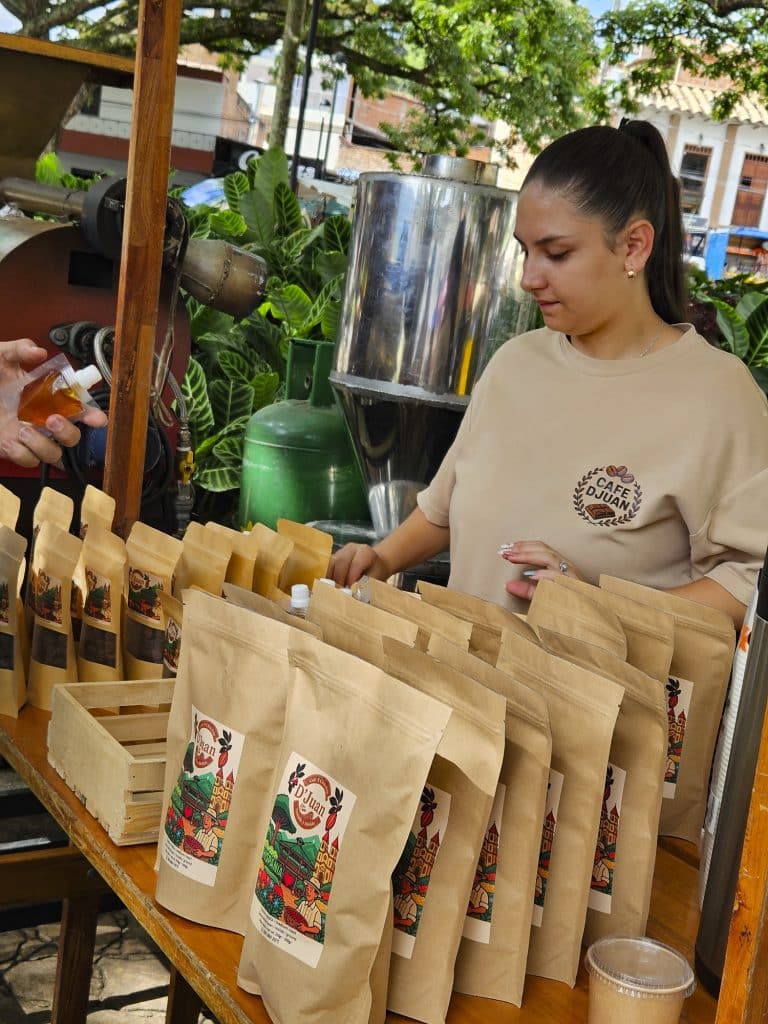
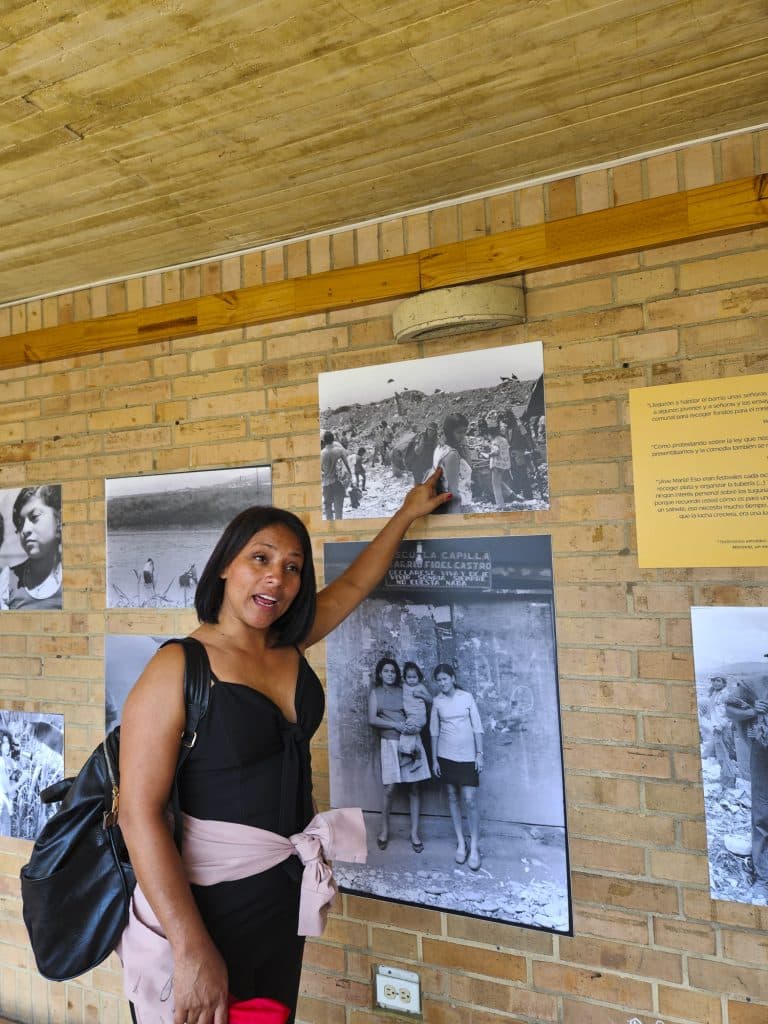
What Charlie noticed immediately (and as a general pattern throughout her stay) is that the Colombians are very friendly, always smiling and greeting, and they open their doors and hearts for tourists that are interested in learning about the culture. The locals make a real effort to overcome the violent past and to move on. Charlie went on some walking tours and at first, she thought that it was very unusual to sit down in a restaurant or café, to step into the back part of a shop or walk around a cultural centre to listen to kids getting a singing lesson. But it is exactly what the Colombians are showing proudly: a normal life, access to opportunities and education, and hospitality.
And everybody that you interact with in a professional manner, be it Uber drivers or tour guides, generally offers help, provides tips and tells you to keep their number in case you need anything.
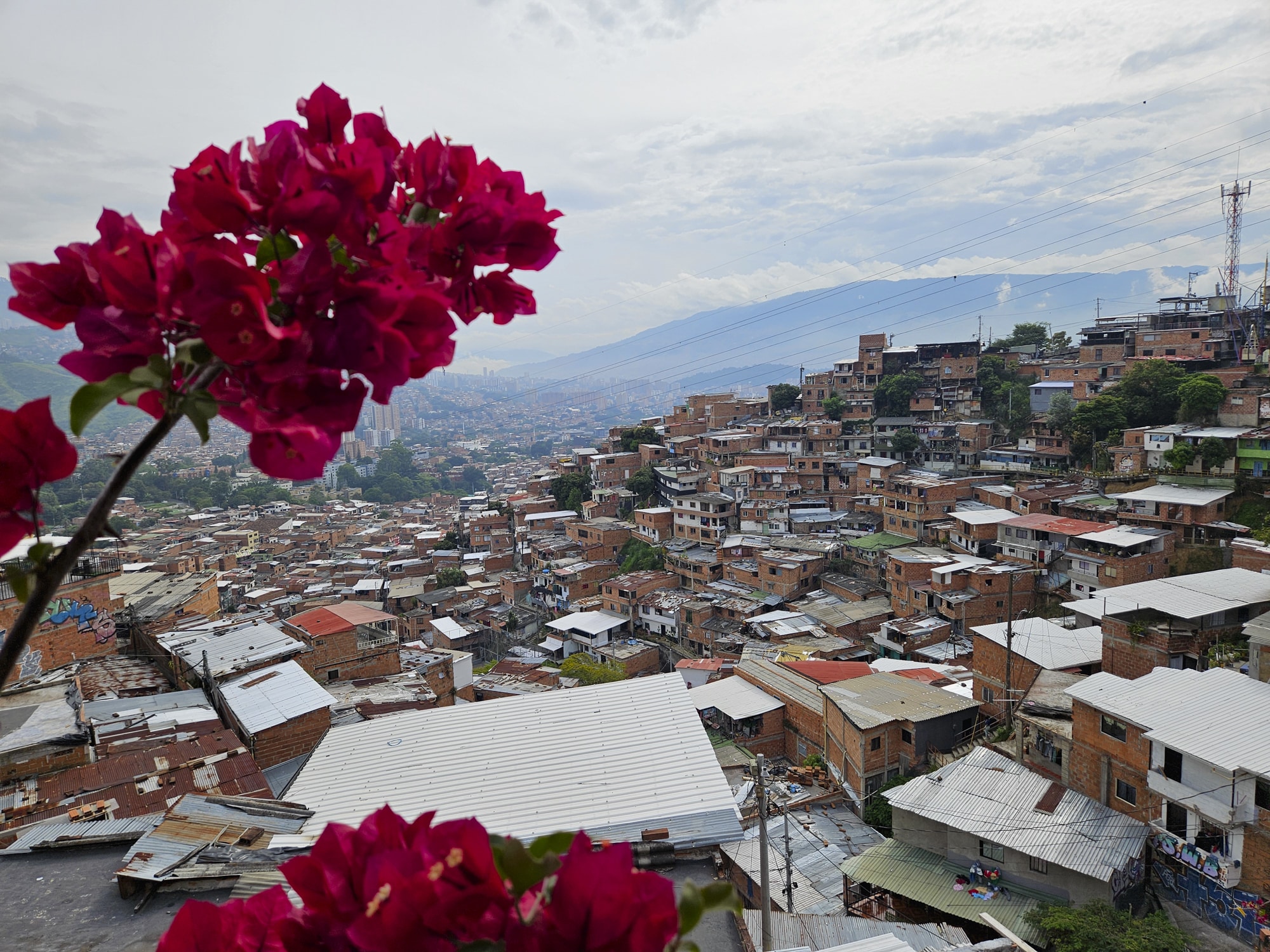
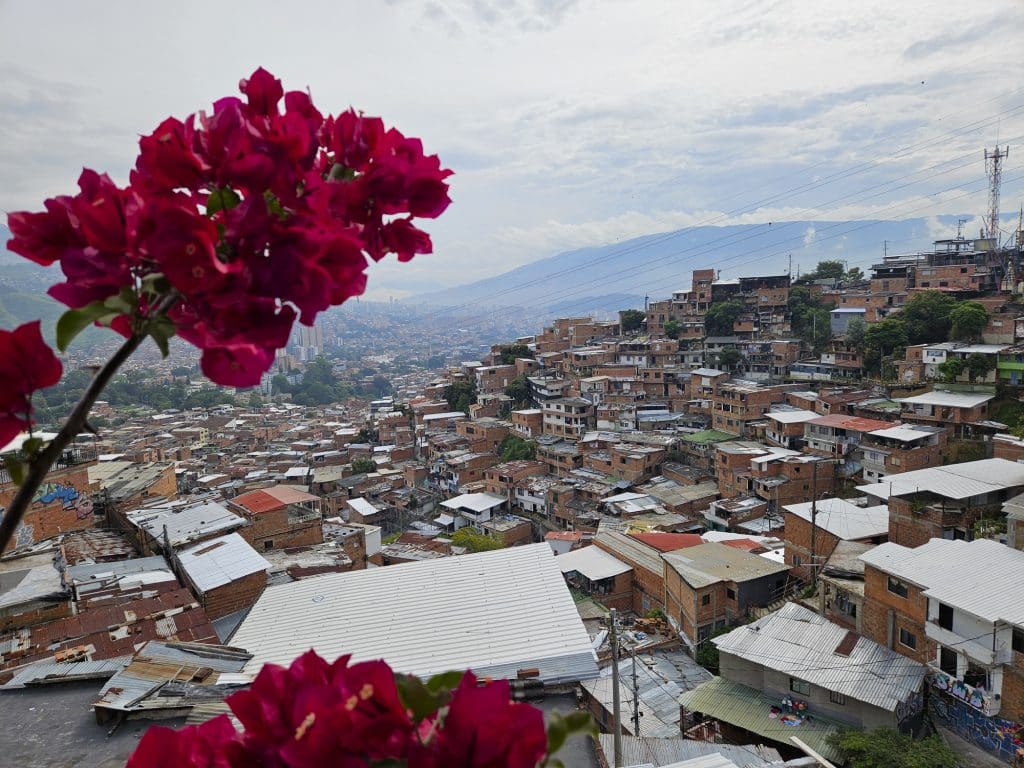
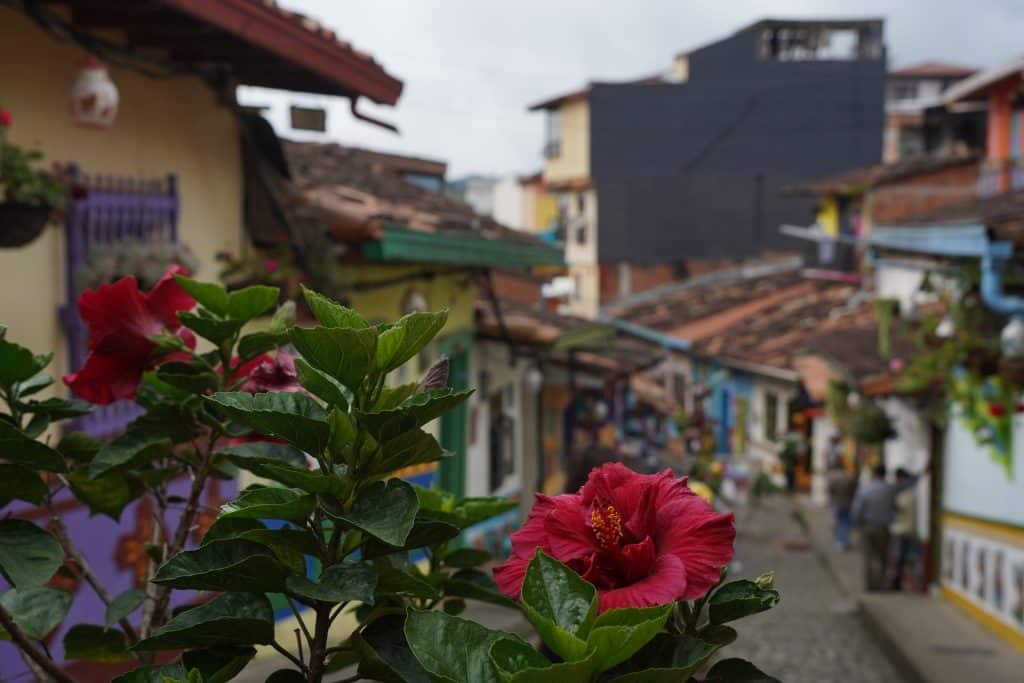
Even though Medellin is a big city, the local neighbourhoods have kept their community spirit, and you can feel that as you’re strolling through the streets. Apart from that, there are some real efforts to create a better future. Almost every neighbourhood seems to have a foundation to teach kids English and sports or to build community gardens and international visitors and digital nomads are getting involved in these initiatives.
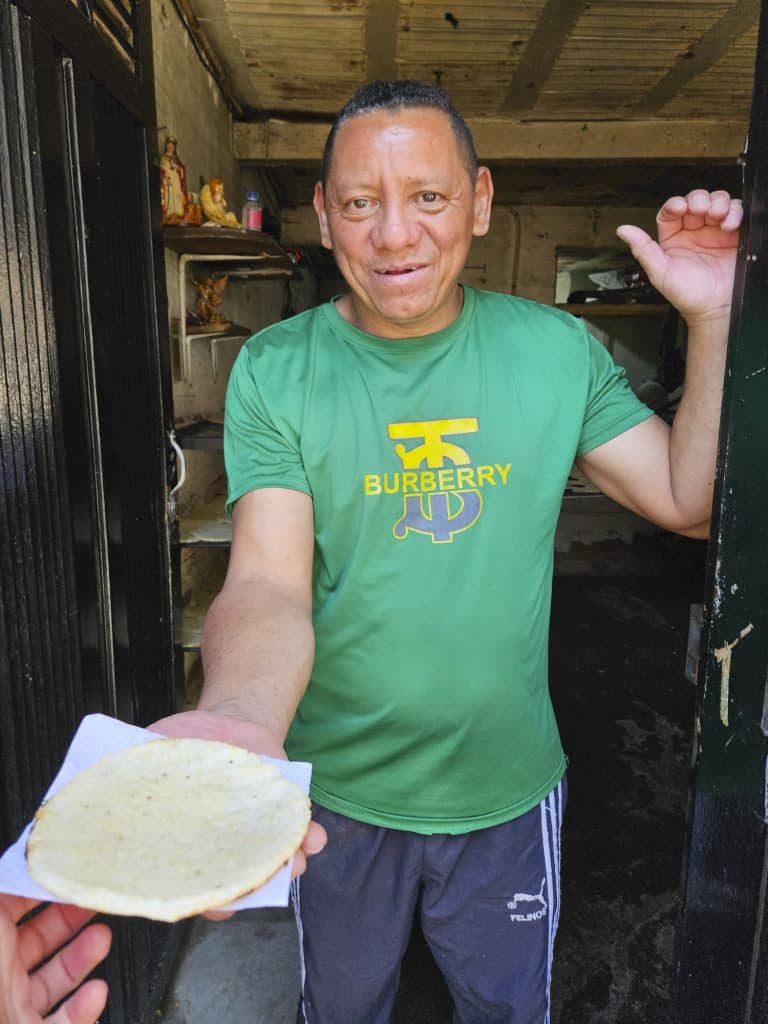
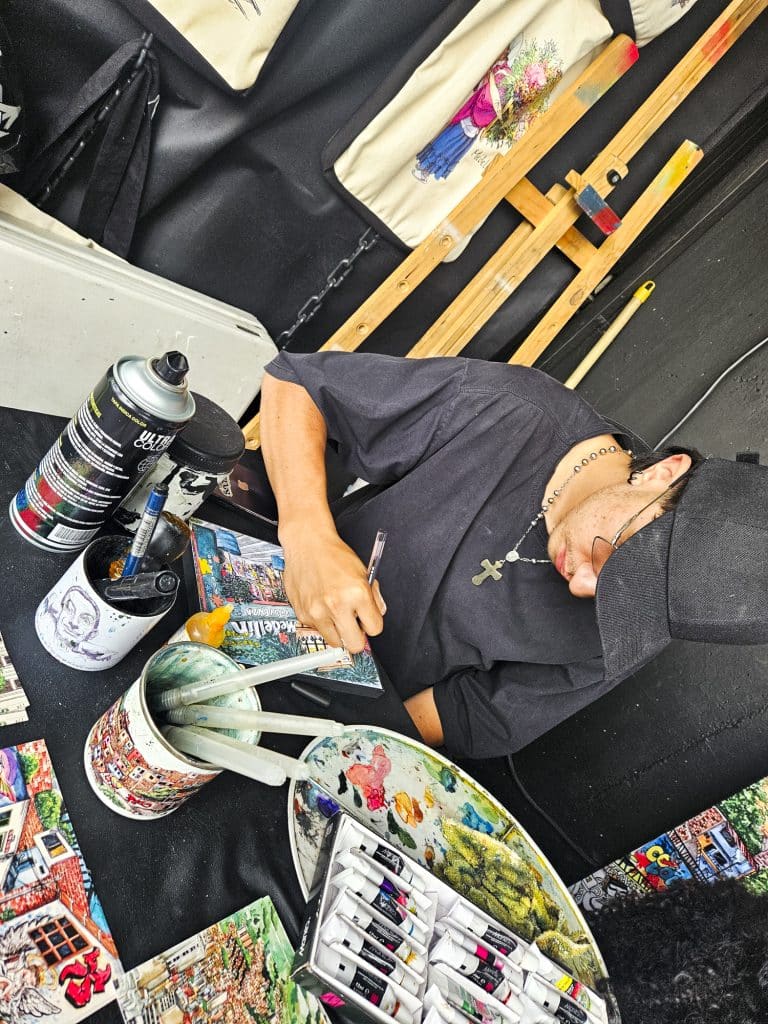
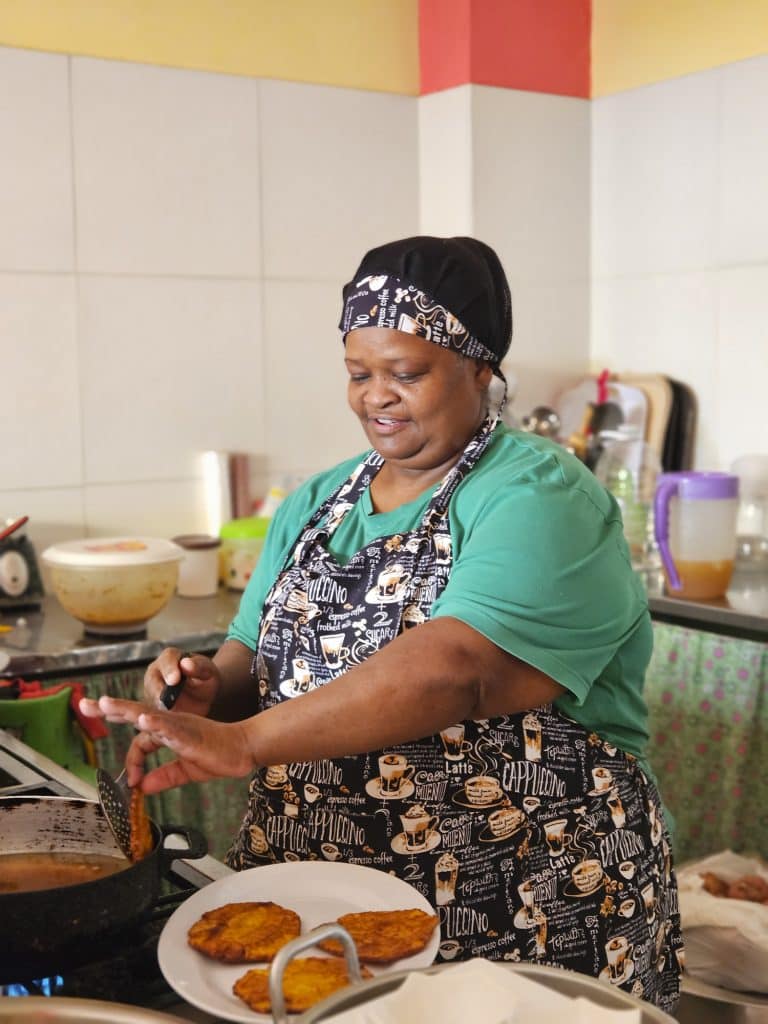
The right balance in tourism
Tourism in Colombia has started much later than in other parts of the world and is therefore not (yet) overdeveloped. There are very touristy areas, and the digital nomad community is growing, but it is still easy to mingle with the locals, to stay in the same area where they live (the upper-class areas) and there is no need to book activities weeks in advance as there is generally enough availability. Wherever Charlie went, the locals greeted her in a friendly way and seemed to be happy about a tourist visiting. There were no signs of locals being fed up with tourists as in other parts of the world and tours often lasted longer than planned because there was so much to share.
In addition, Medellin is very affordable and has clean drinking water. Charlie can only hope that Medellin will keep its authenticity as tourism grows.
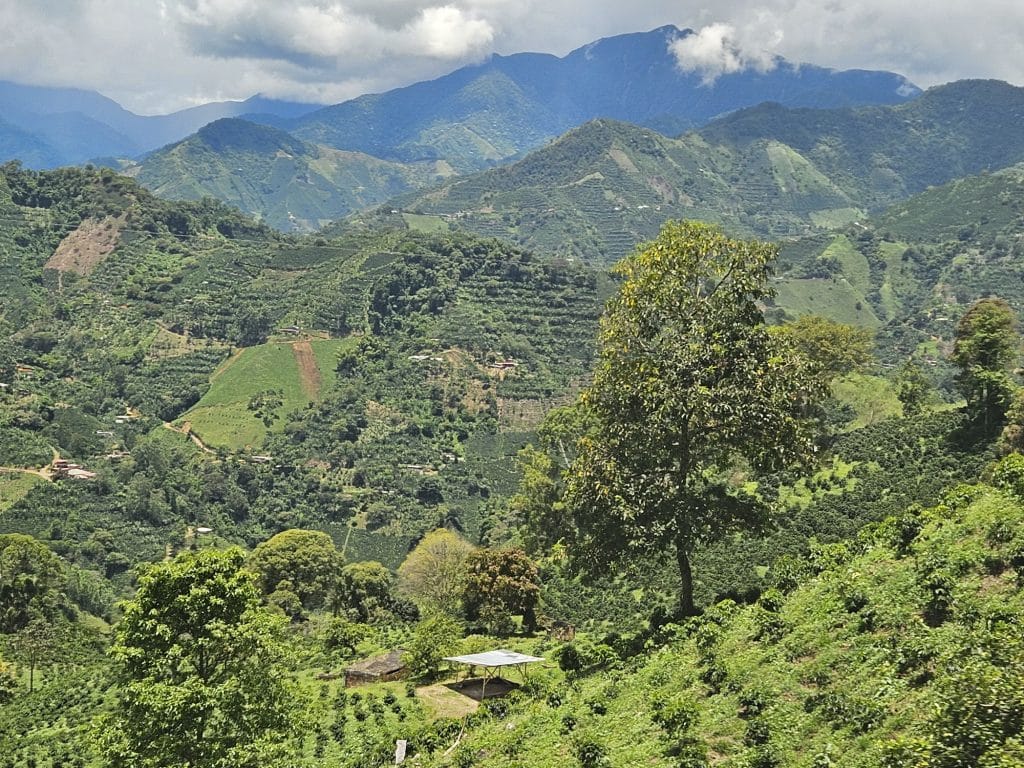
PS: Charlie can only speak for Medellin. There are still parts of the country (especially in the mountains towards the Pacific Coast) where the guerilla controls everything. Those parts are not suitable for tourism.