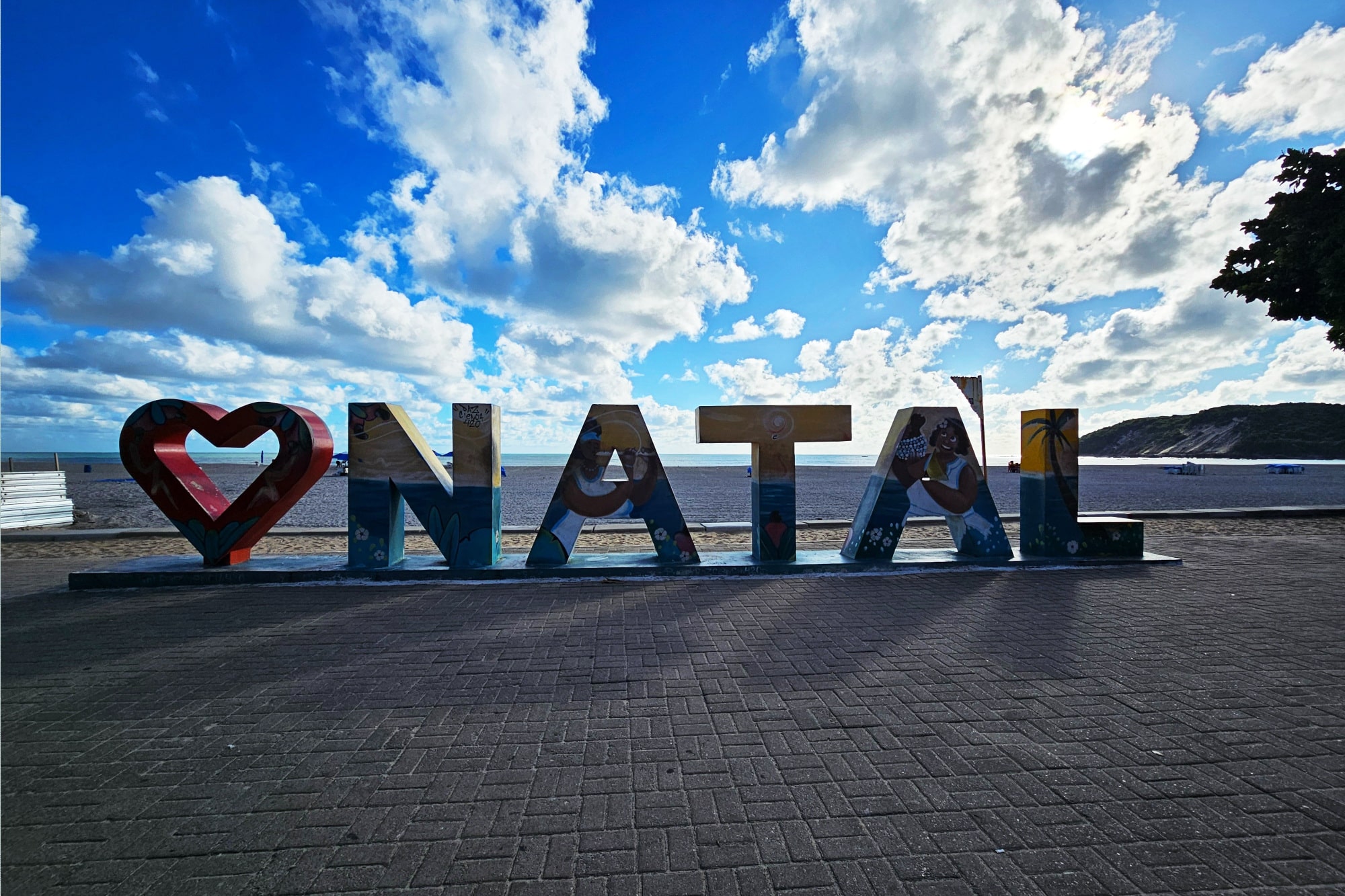
Natal
Starting point to explore the Northeast of Brazil
When Charlie was in Florianopolis, it was the start of the autumn there. The days got cooler (it was still hot!) and it rained quite a bit. Her final stop in Brazil would be the exact opposite. She would visit the place of the endless beaches and the eternal summer, the Northeast of Brazil. She had heard good things about Pipa among digital nomads and to get there, she had to fly into Natal. She decided to stay there for two days to see what this city had to offer.
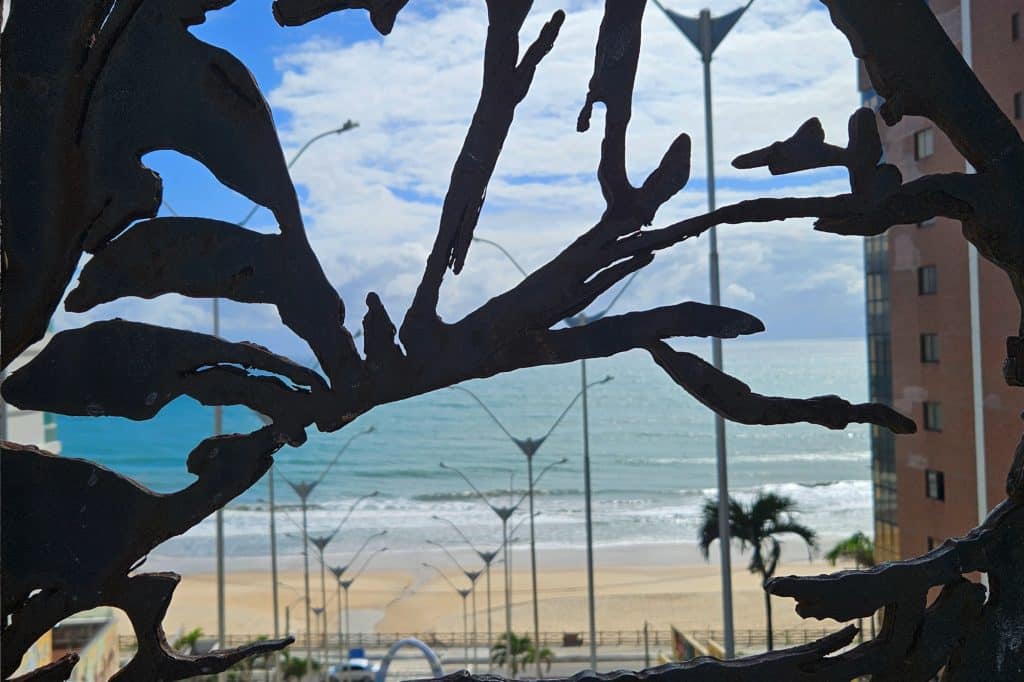
Compared to all the other places Charlie had been to in Brazil, Natal was very quiet. It is a mix of tourist destination and business city. Some modern, high residential buildings are lined up behind the coastline which stretches over 15 kilometres along the city. There is a natural park, the Parque das Dunas, in the middle of it all and you might even spot a lighthouse in the dunes as you drive along the coastal road.
Natal is known to be the biggest producer of salt in Brazil and geographically, it is even closer to Africa than it is to São Paulo – just to give you an idea of the distances you might travel in Brazil. The name “Natal” means “Christmas” in Portuguese. The city was founded by the Portuguese on Christmas Day in 1599.
Forte dos Reis Magos
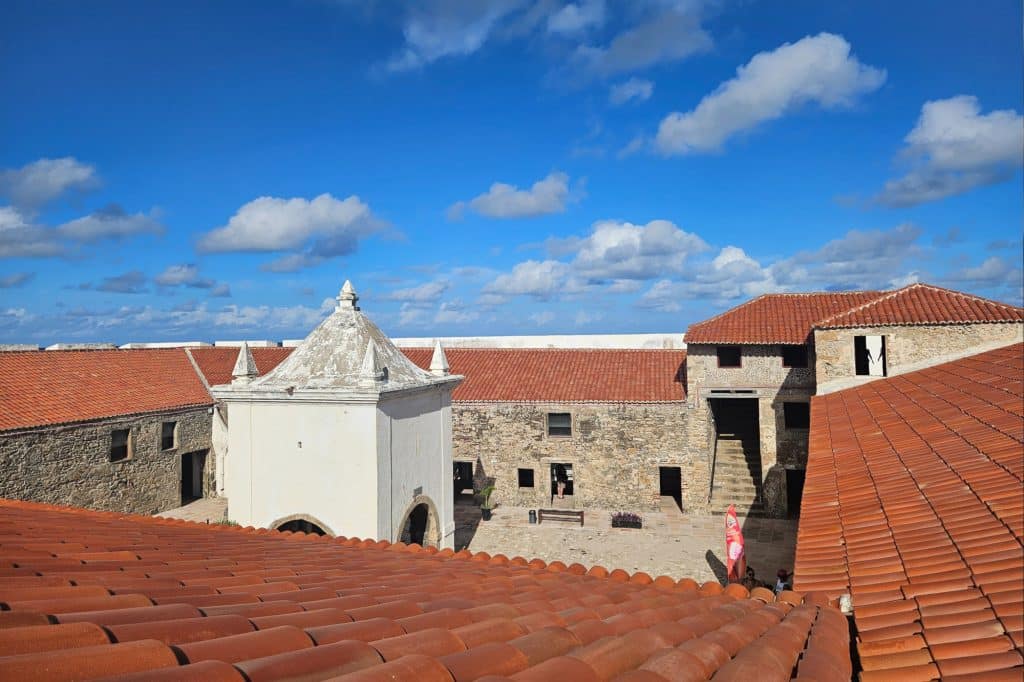
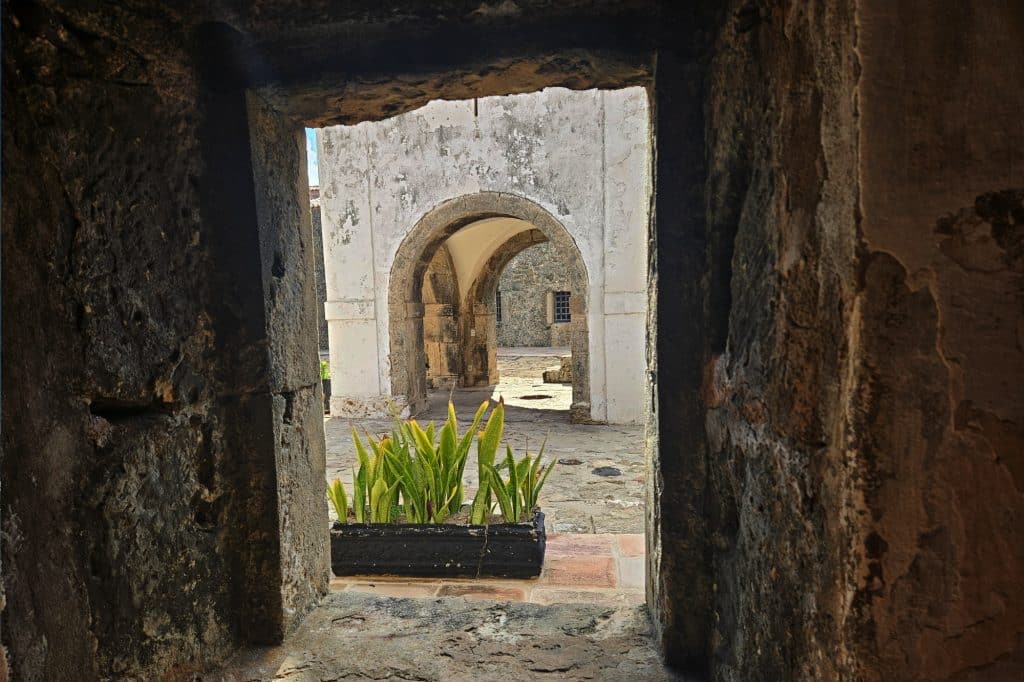
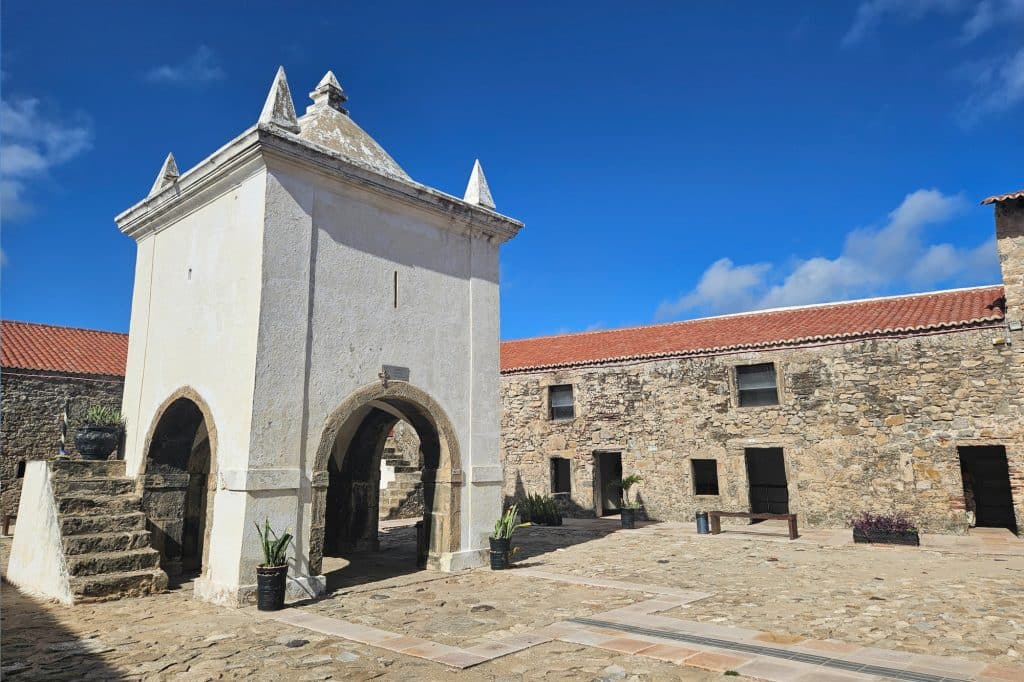
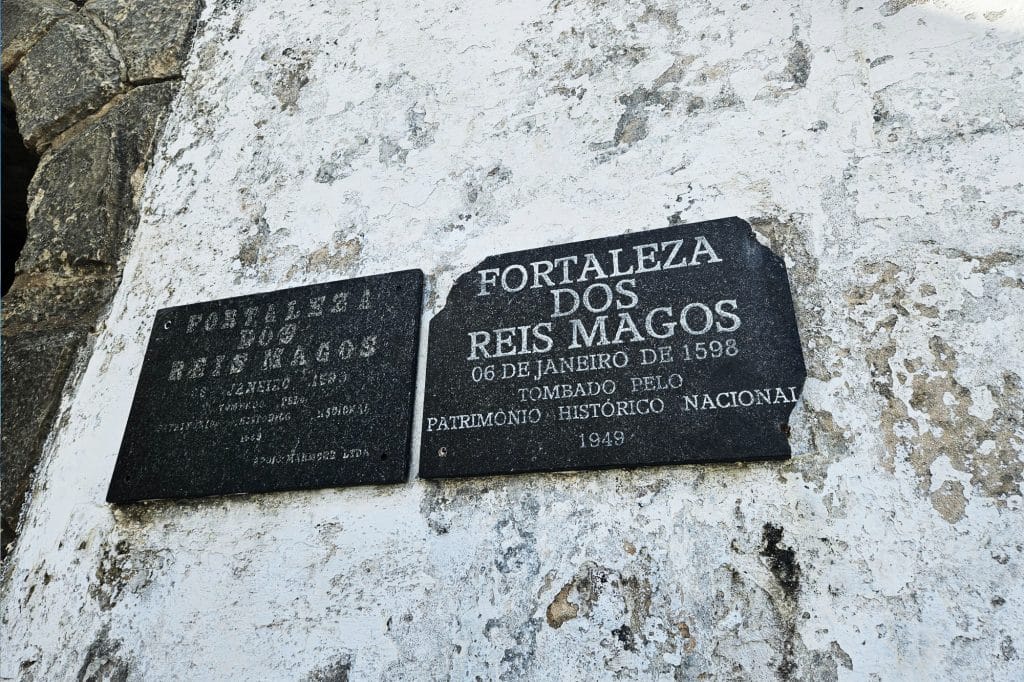
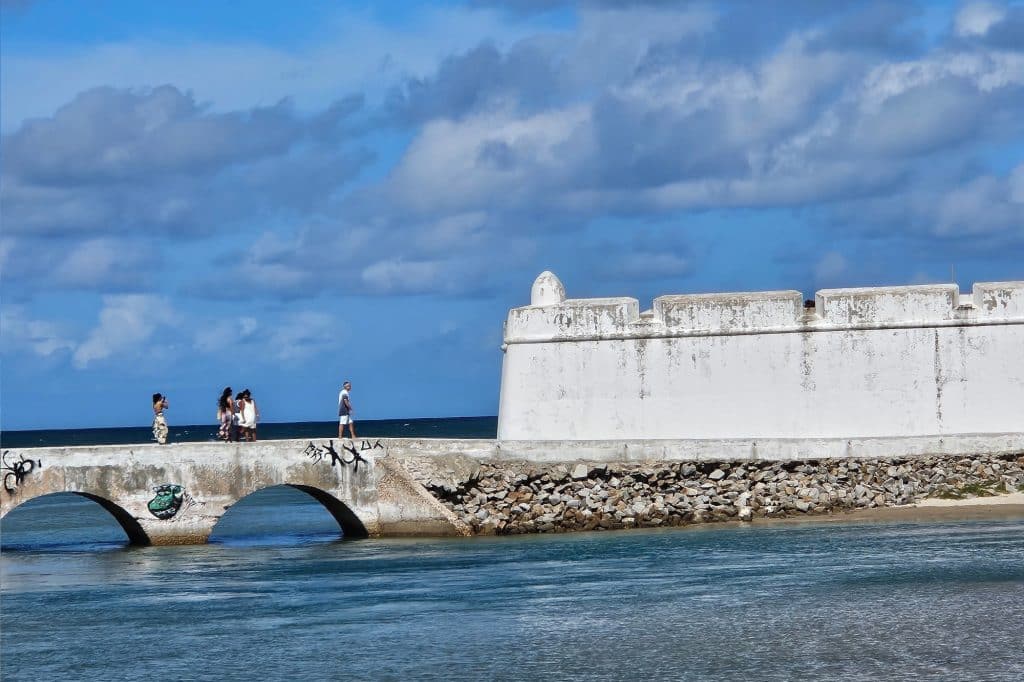
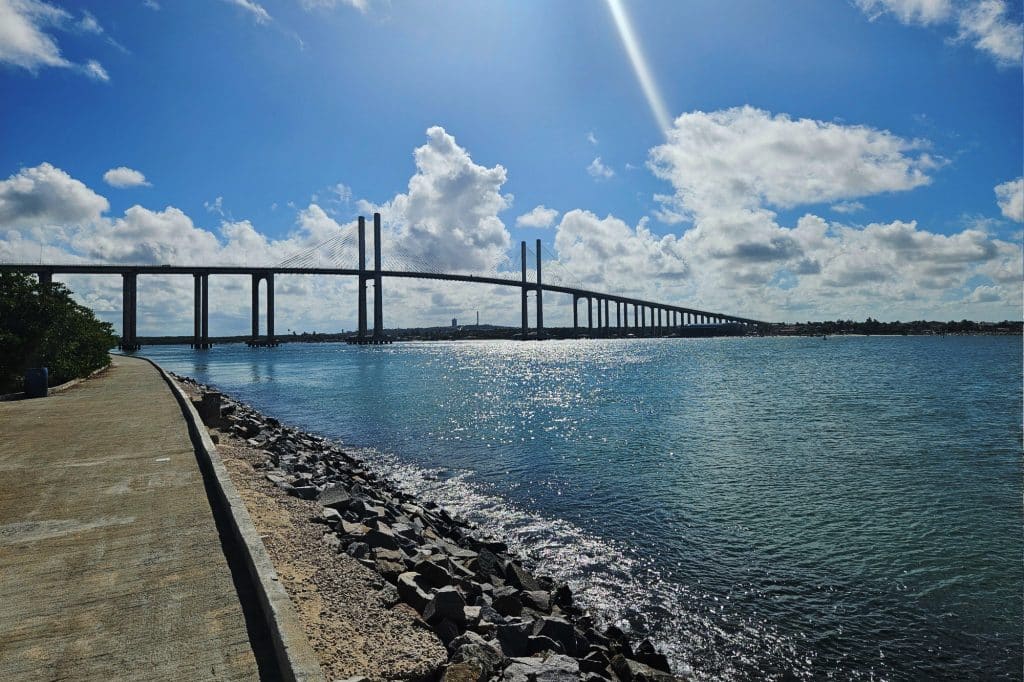
The most visited tourist attraction in Natal is the Forte dos Reis Magos, the fortress of the three kings, founded on Three Kings Day. The Portuguese built it to protect the city against invasion, mostly from French pirates. Today it is a UNESCO heritage site and open to tourists. There are guided tours which last about 30 minutes. The fort is small and there isn’t a lot to see, however the views from the star shaped building are stunning. You can see the coastline of Natal in both directions with the skyline on one side and the iconic Newton Navarro Bridge to the other side.
The historical centre of Natal
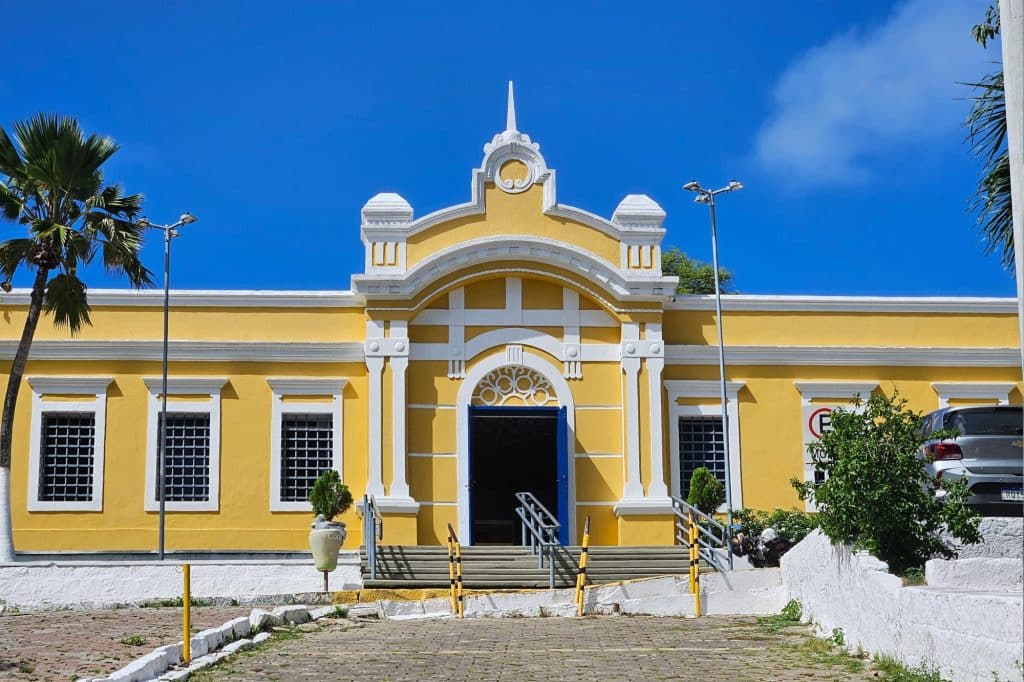
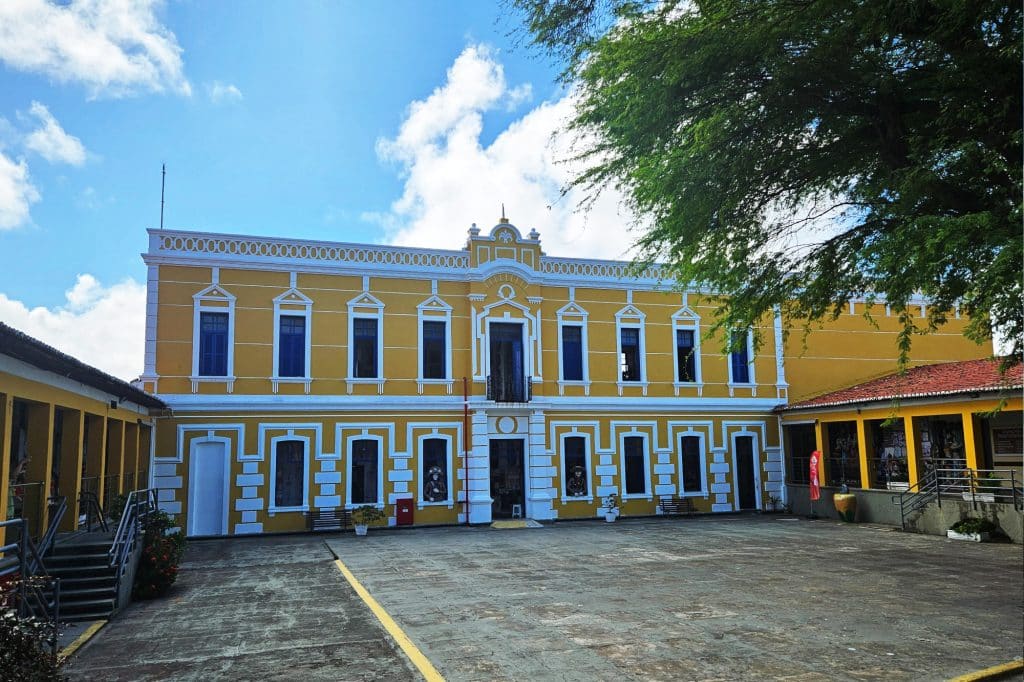
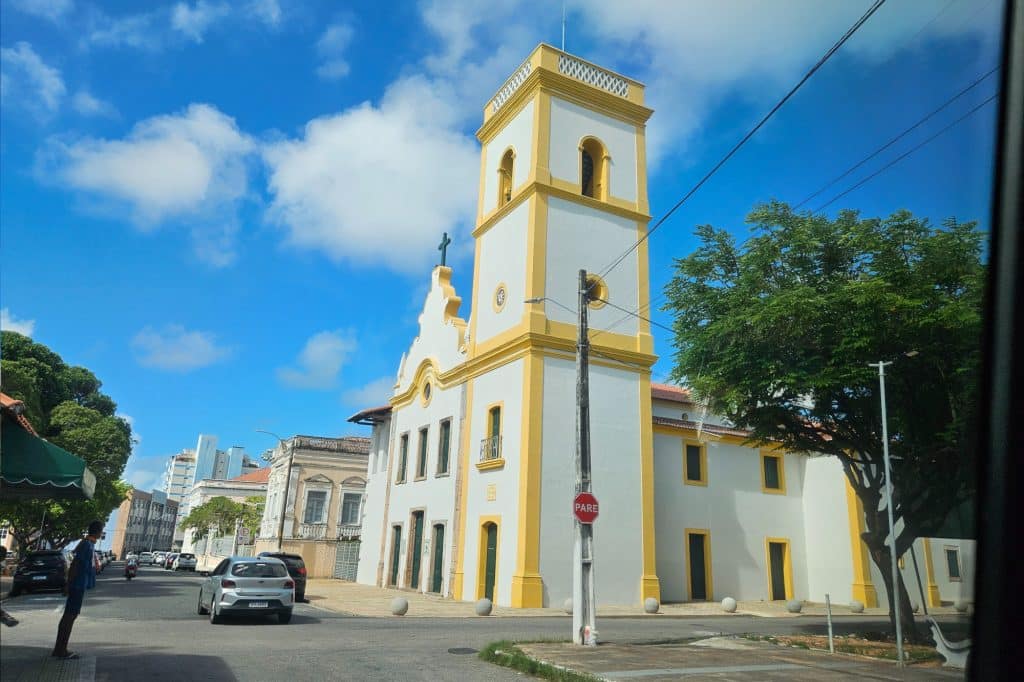
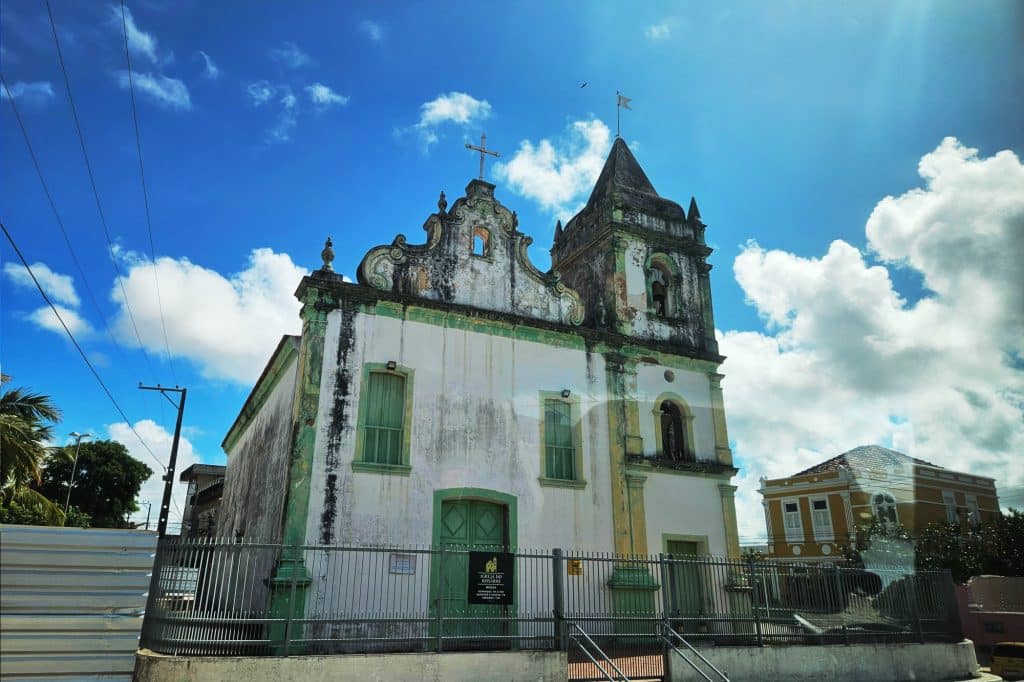
Not far from the fortress is the old town of Natal which you will mostly recognize by its colonial architecture. The entire historical centre is protected as cultural heritage, and a lot of the facades have been restored to their former glory. Unfortunately, a lot of the private houses in the area have not and you notice a strong contrast between the different types of buildings.
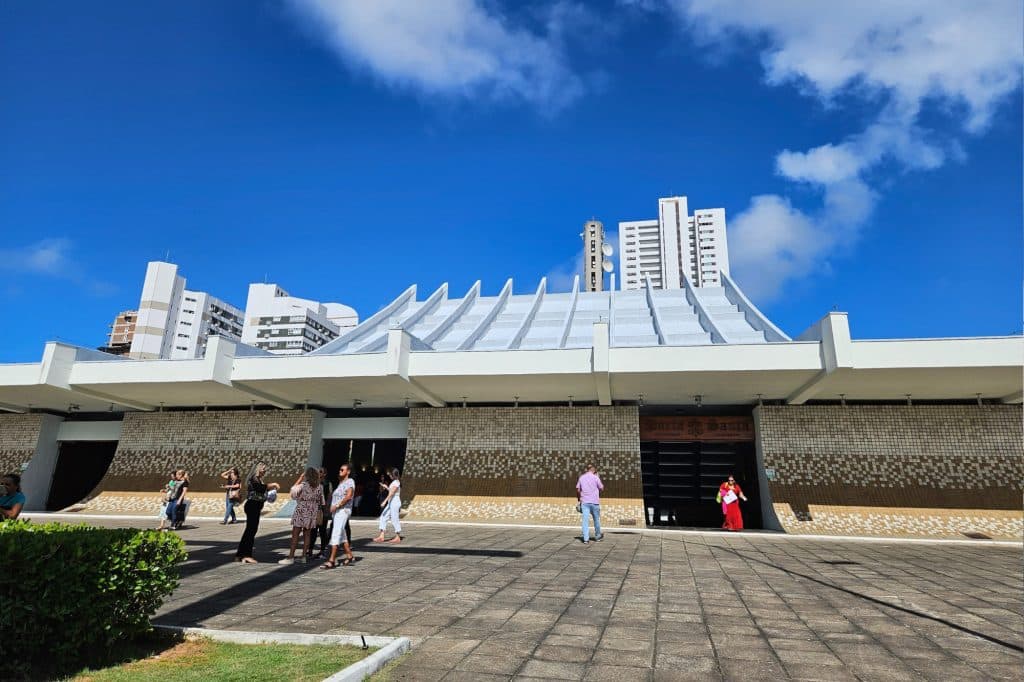
There are a few churches too, most of them are only open during mess though. Almost all of them follow the colonial-style, only the cathedral takes on a completely different shape.
Street Art in Natal
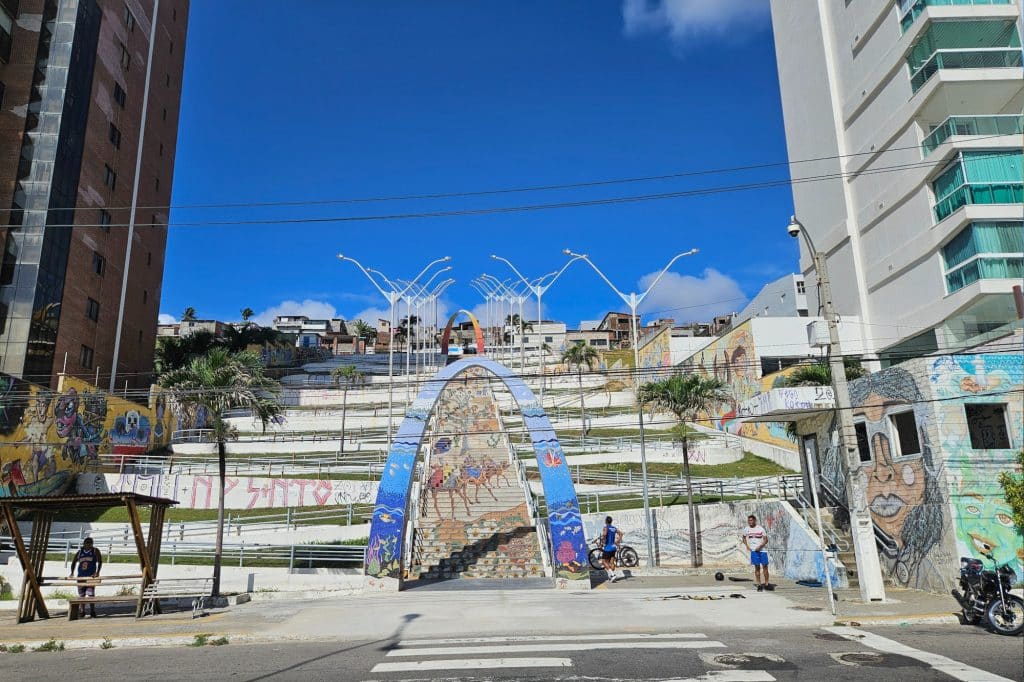
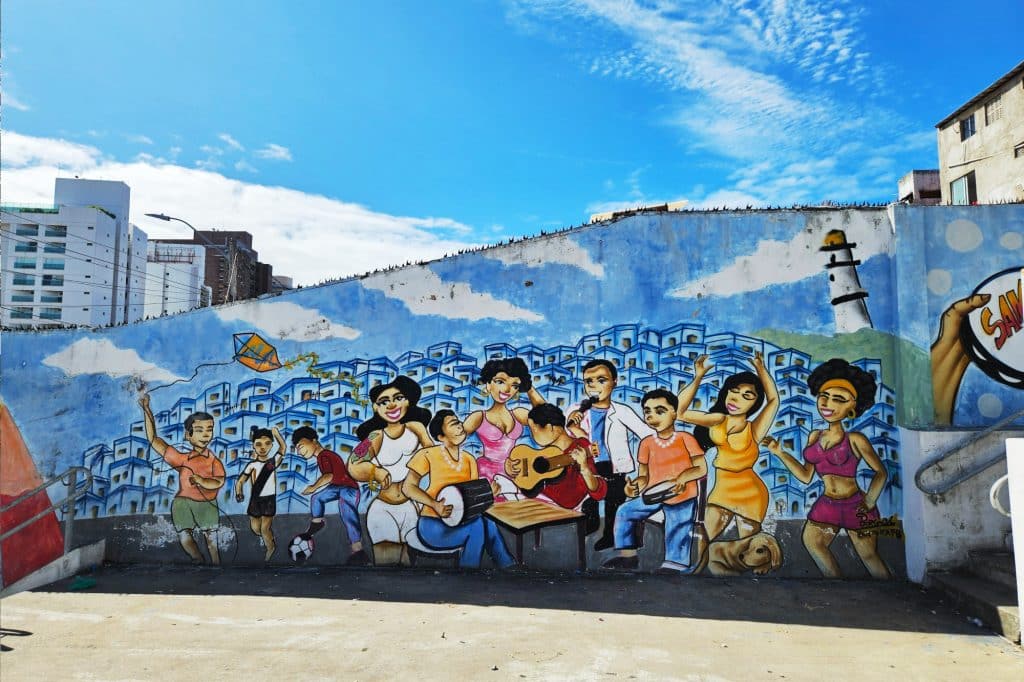
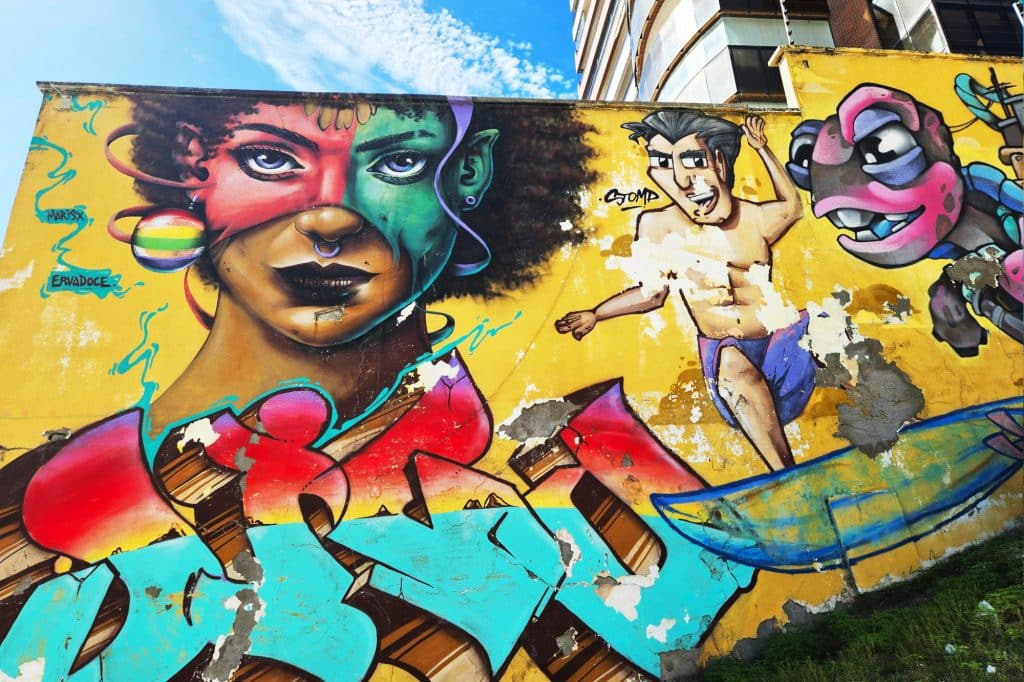
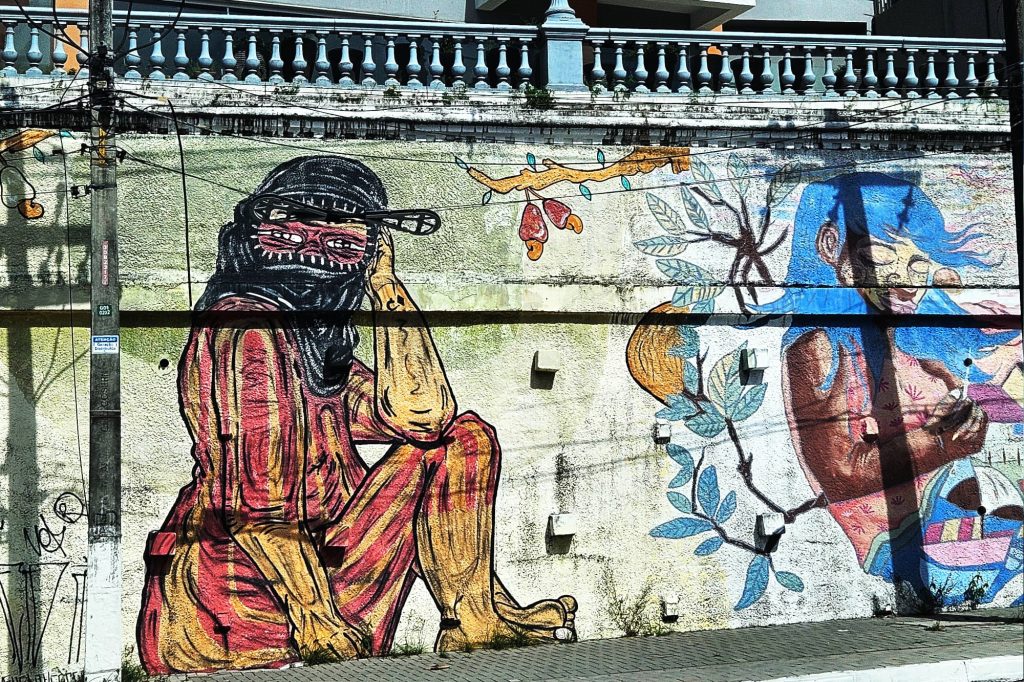
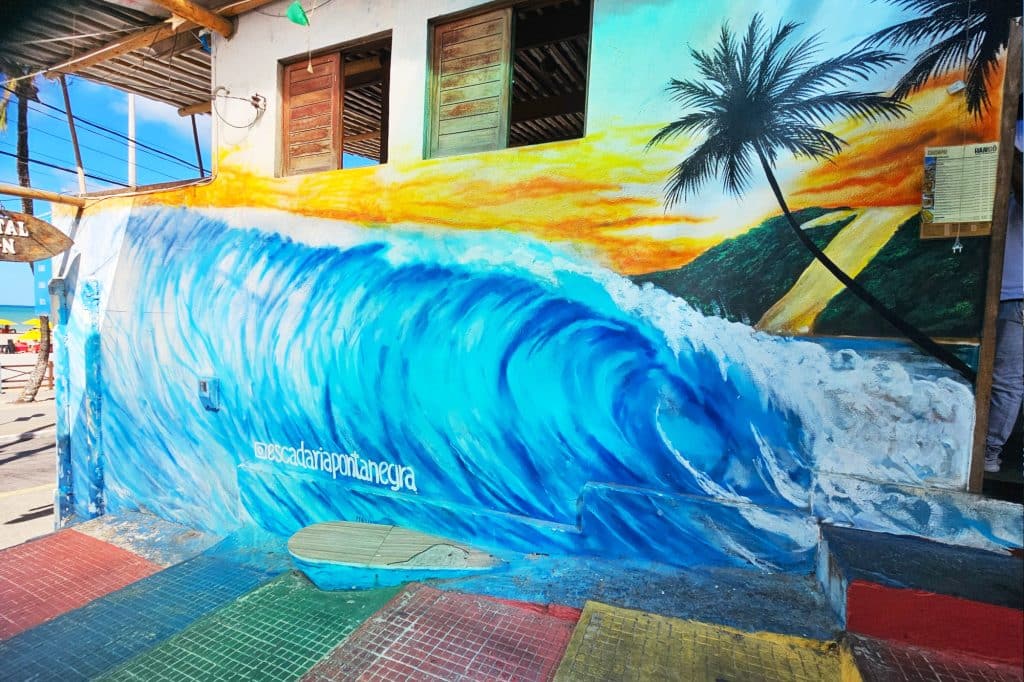
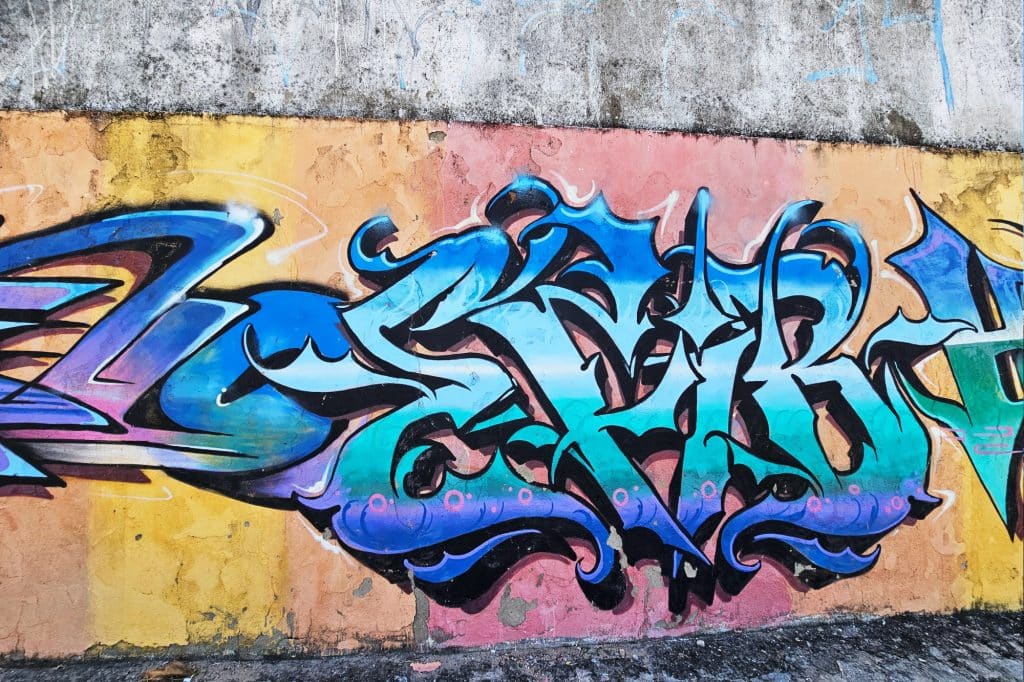
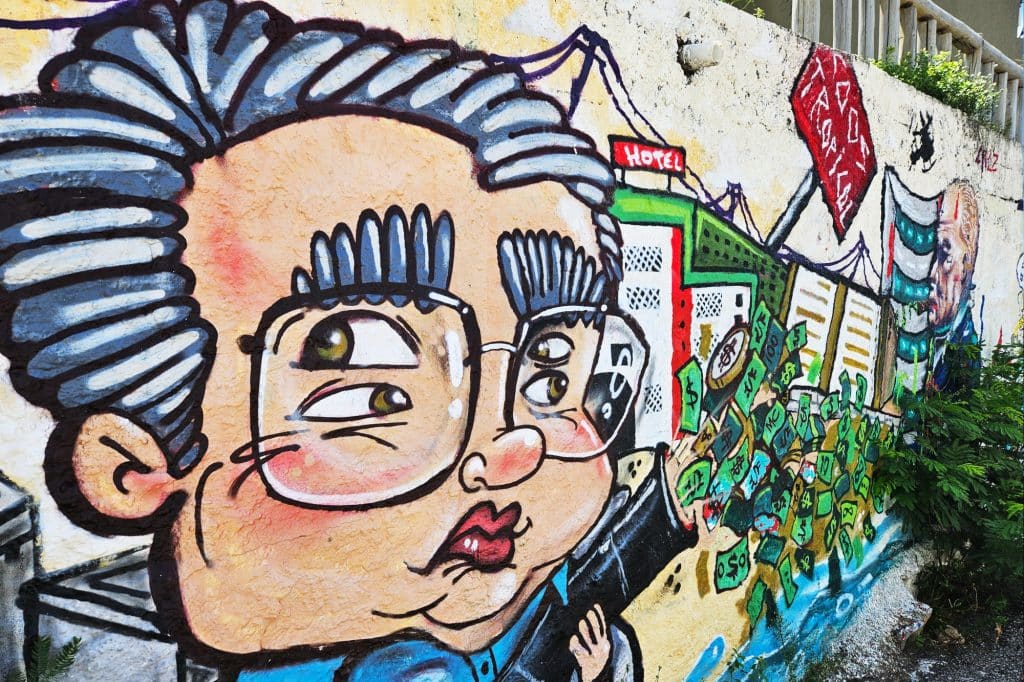
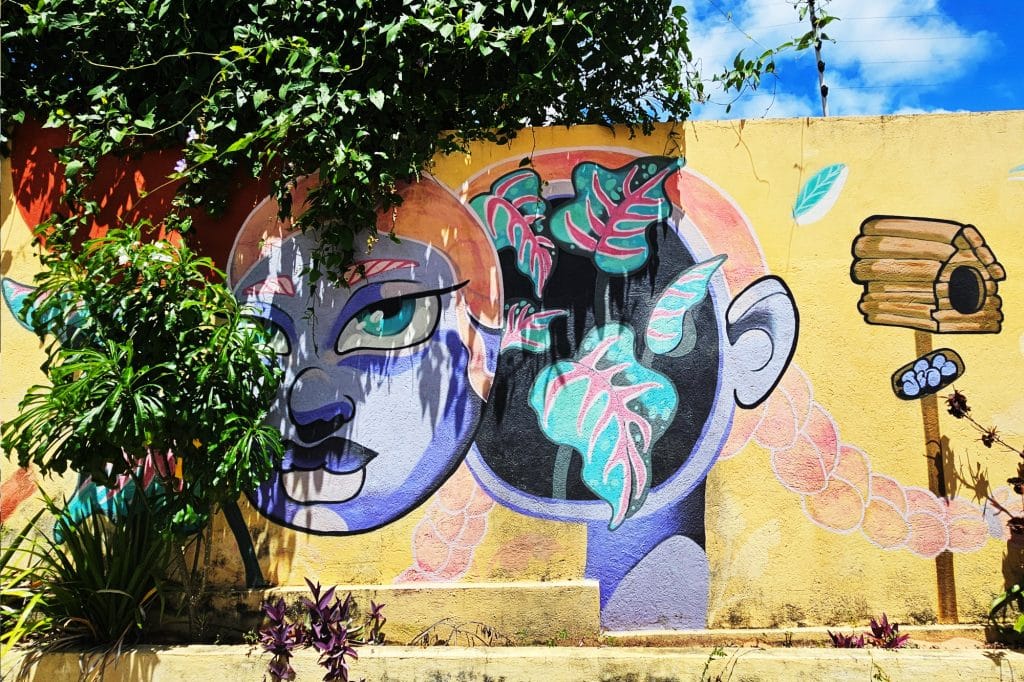
All throughout the city of Natal, you will see street art. Charlie simply went for a walk around the block while her laundry was washing at the laundromat and discovered plenty of pieces. The historical centre too provides a good canvas. Charlie mostly enjoyed the street art near Miami Beach at the staircase Escadaria Mae Luiza.
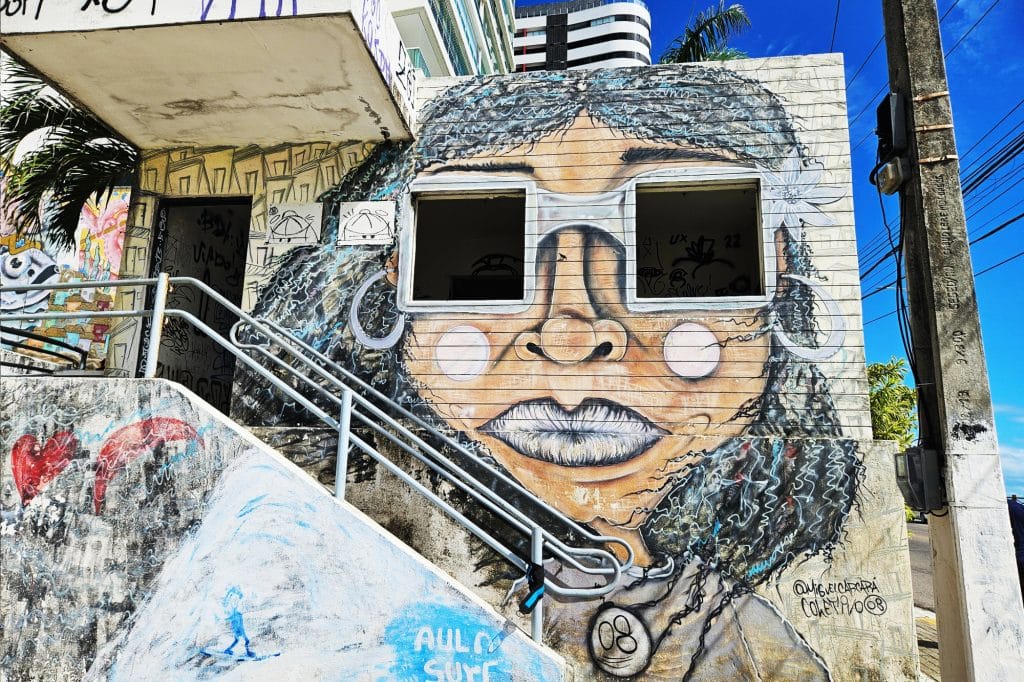
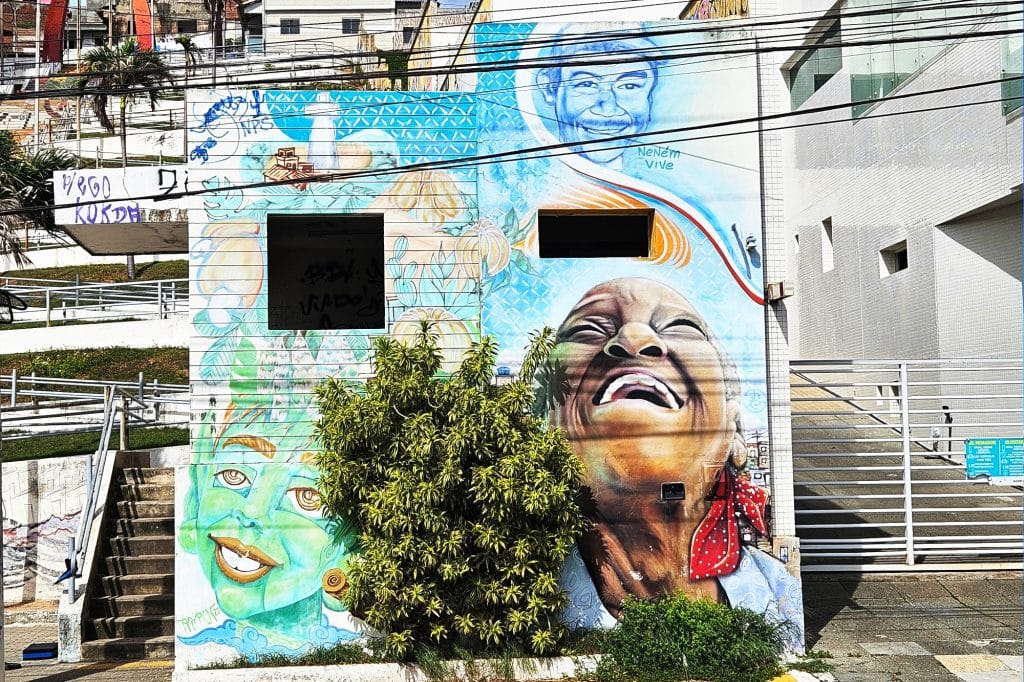
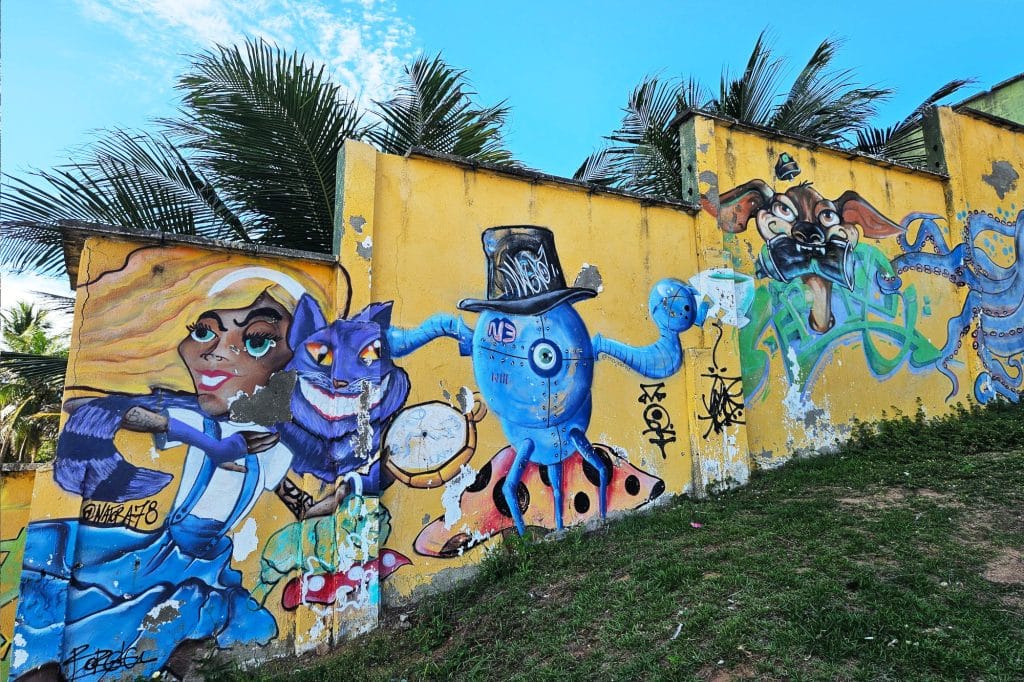
Surfing at Praia de Miami
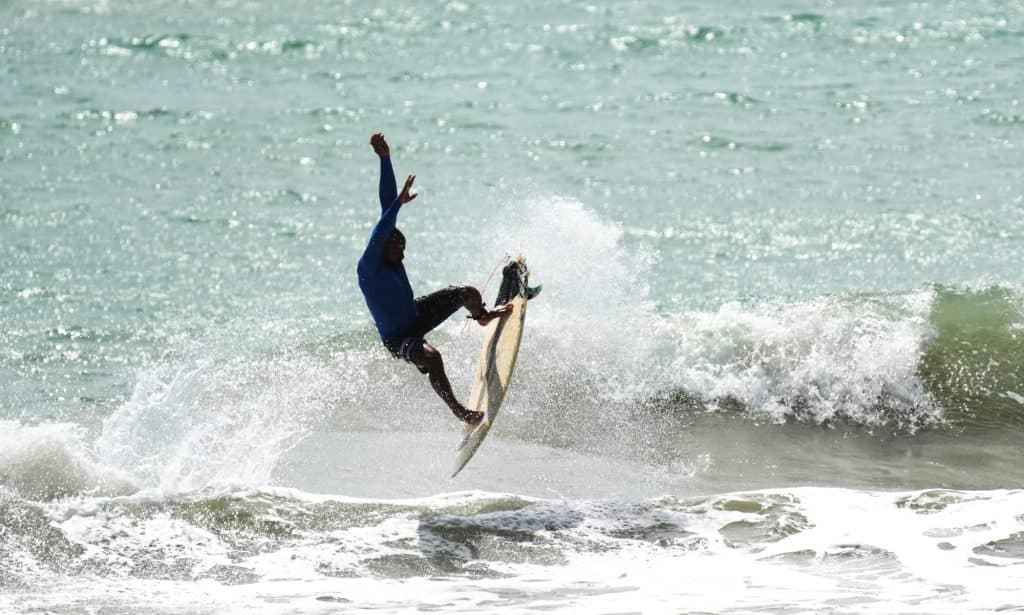
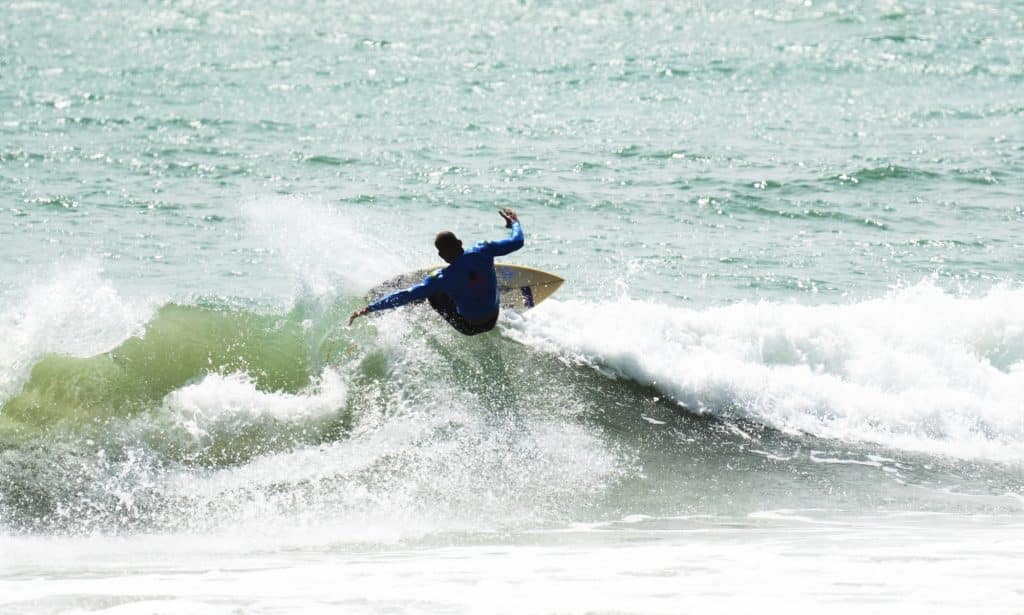
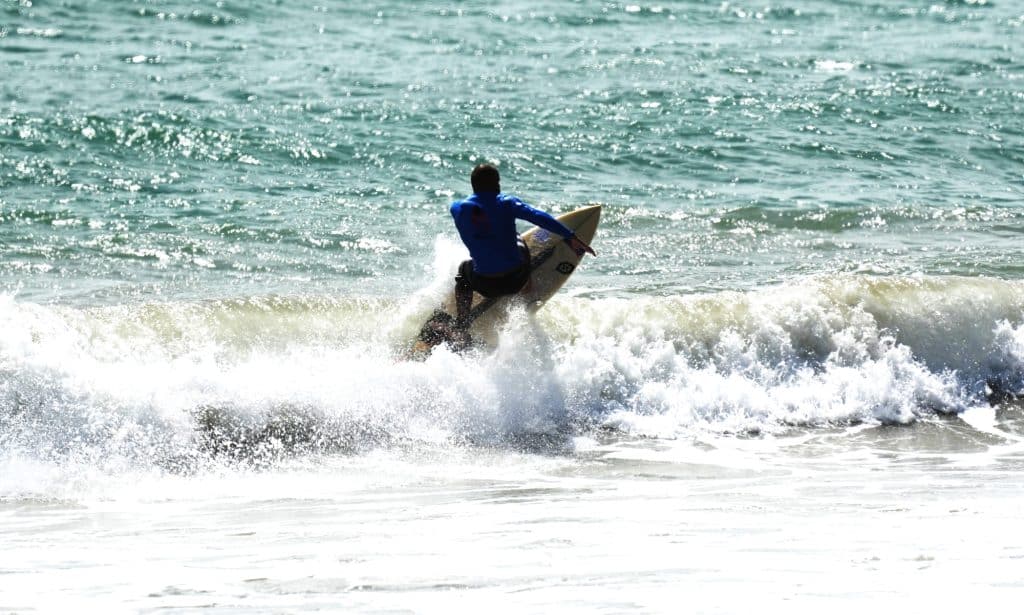
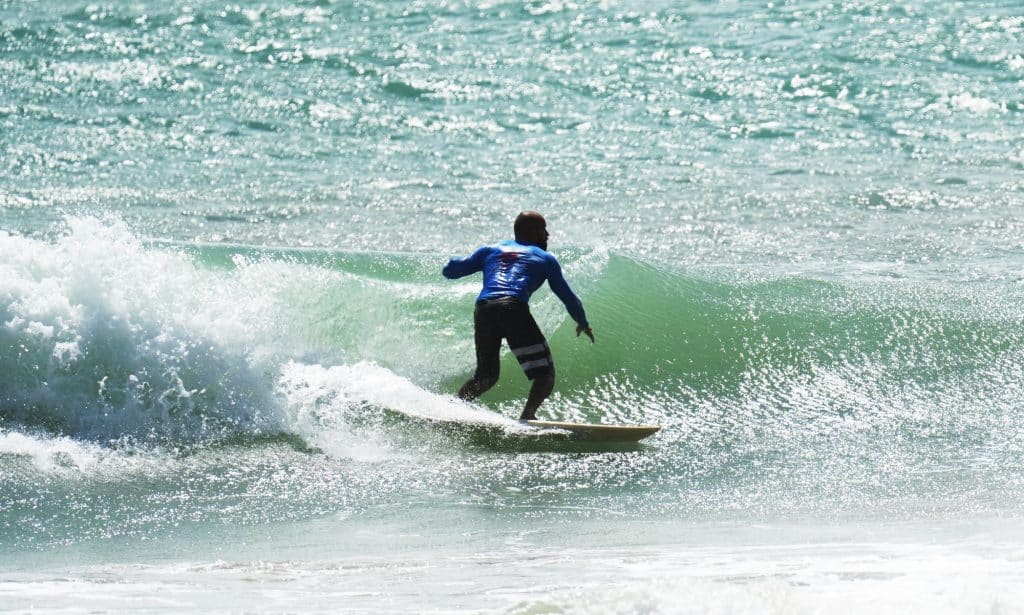
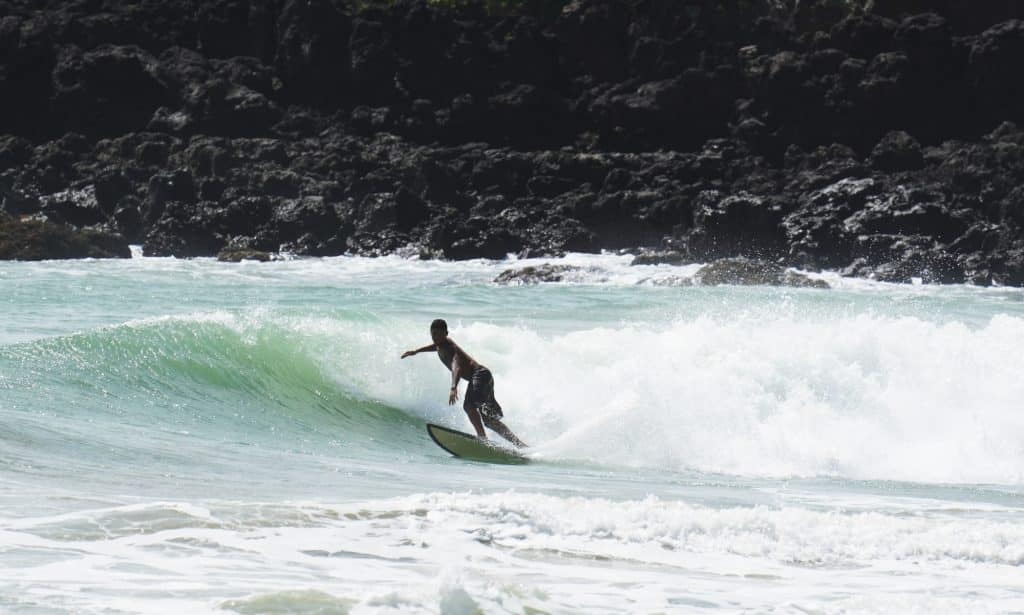
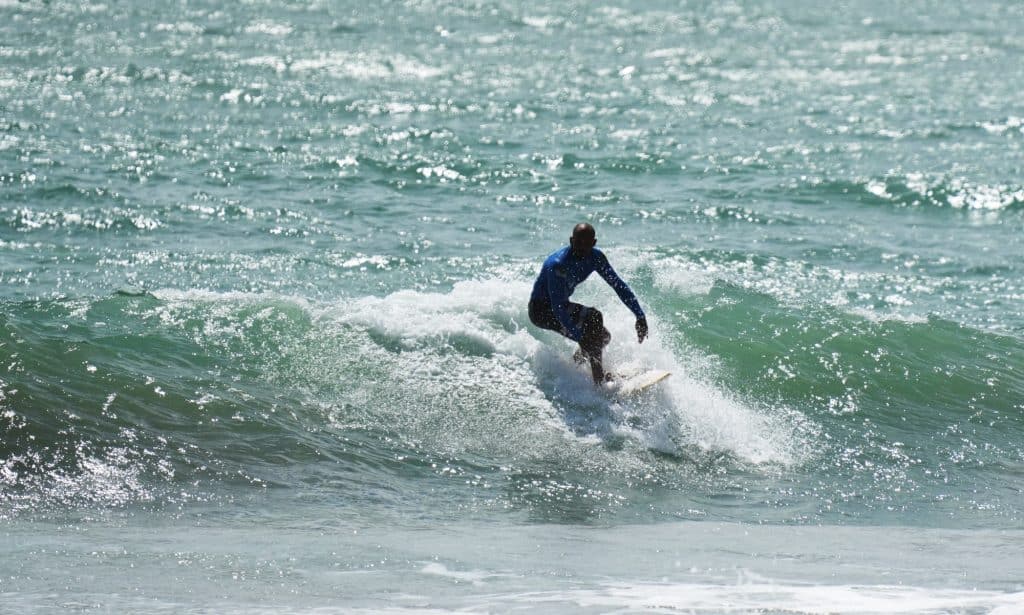
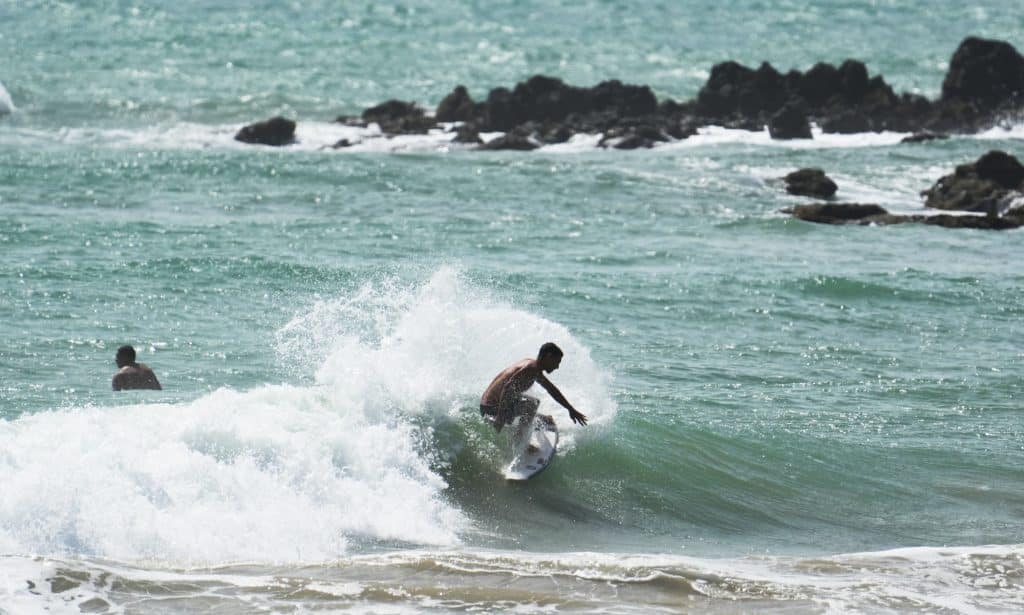
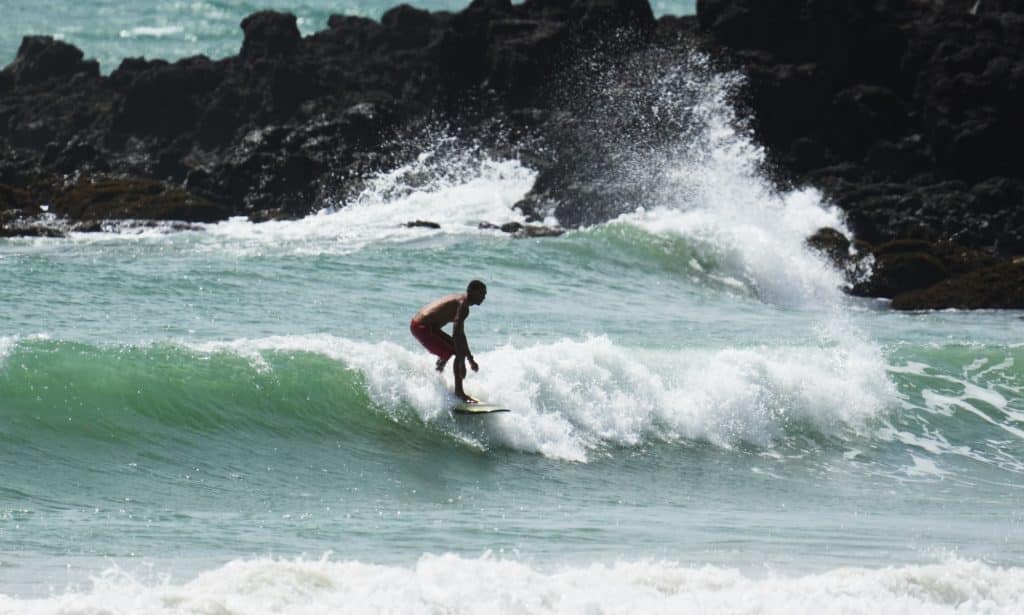
At the bottom of this staircase is the most popular surfing beach, Praia de Miami. The surfers in the water all seemed to be locals and Charlie observed some impressive manoeuvres. She did not see any surf shops in the area. They were all closer to Ponta Negra where Charlie’s accommodation was.
Ponta Negra
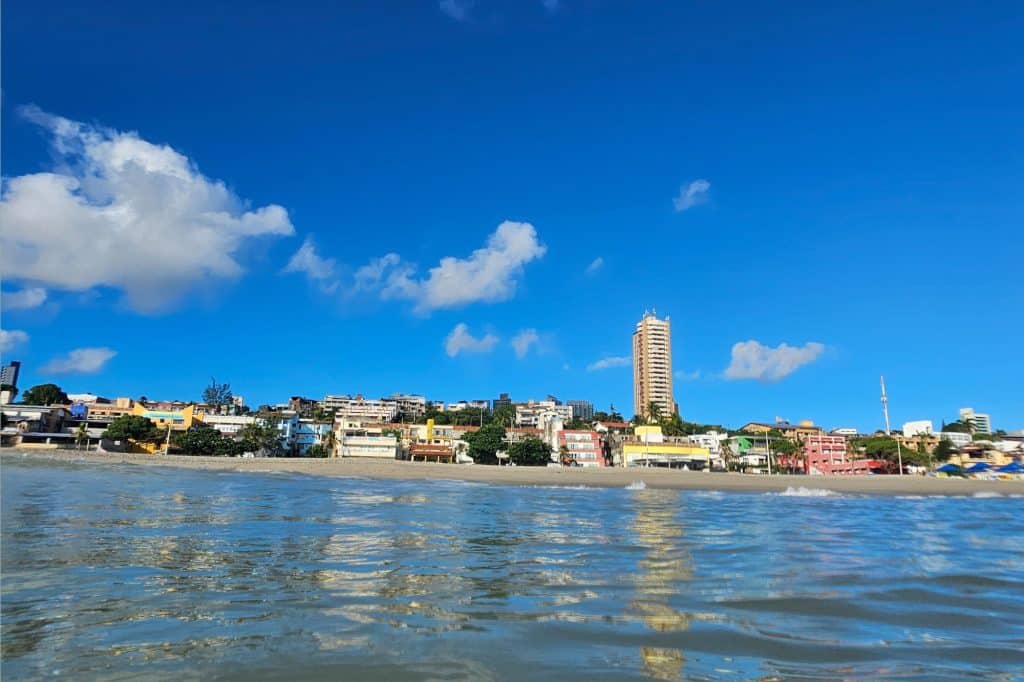
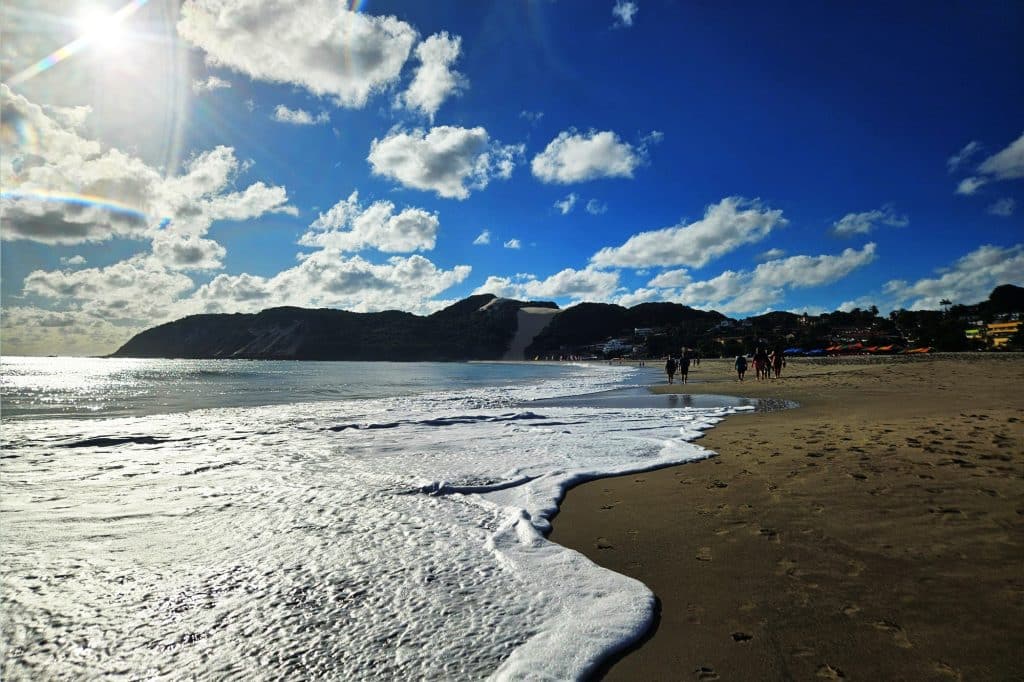
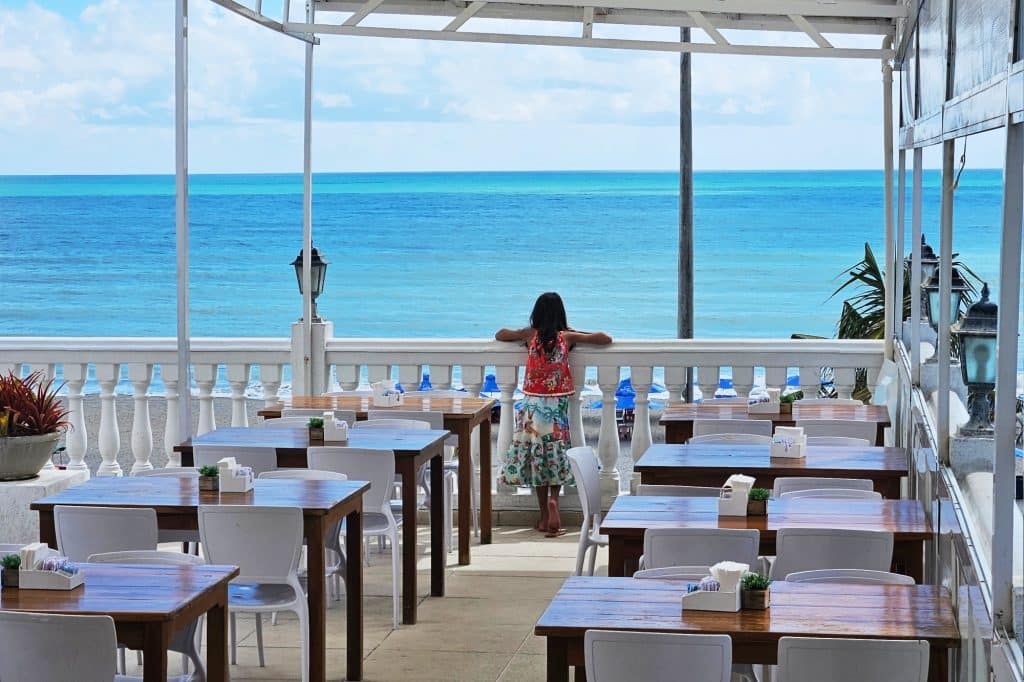
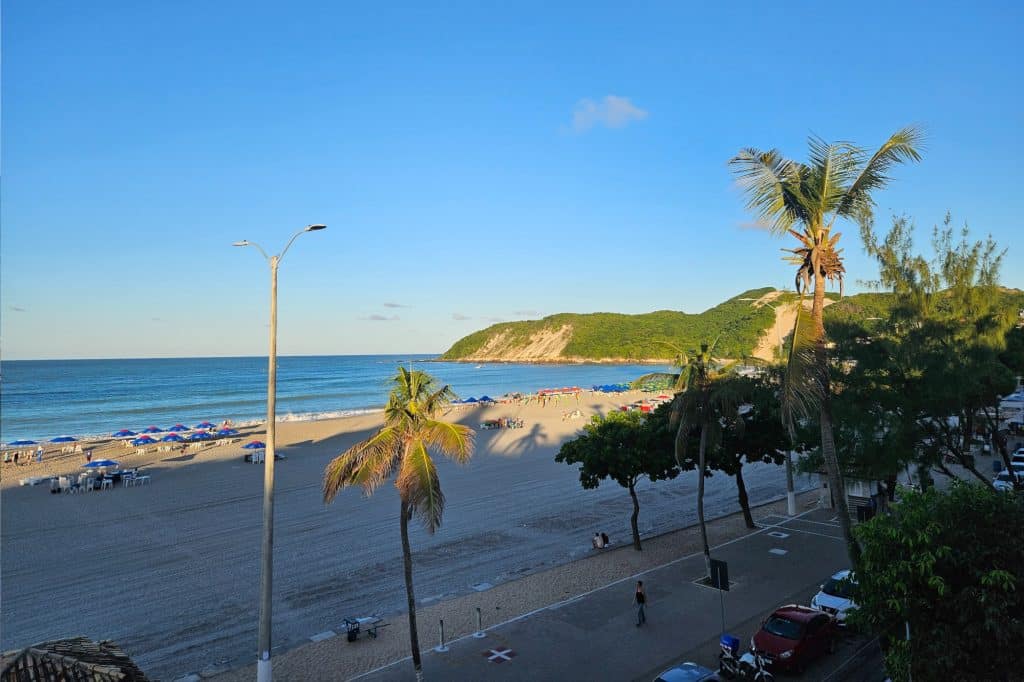
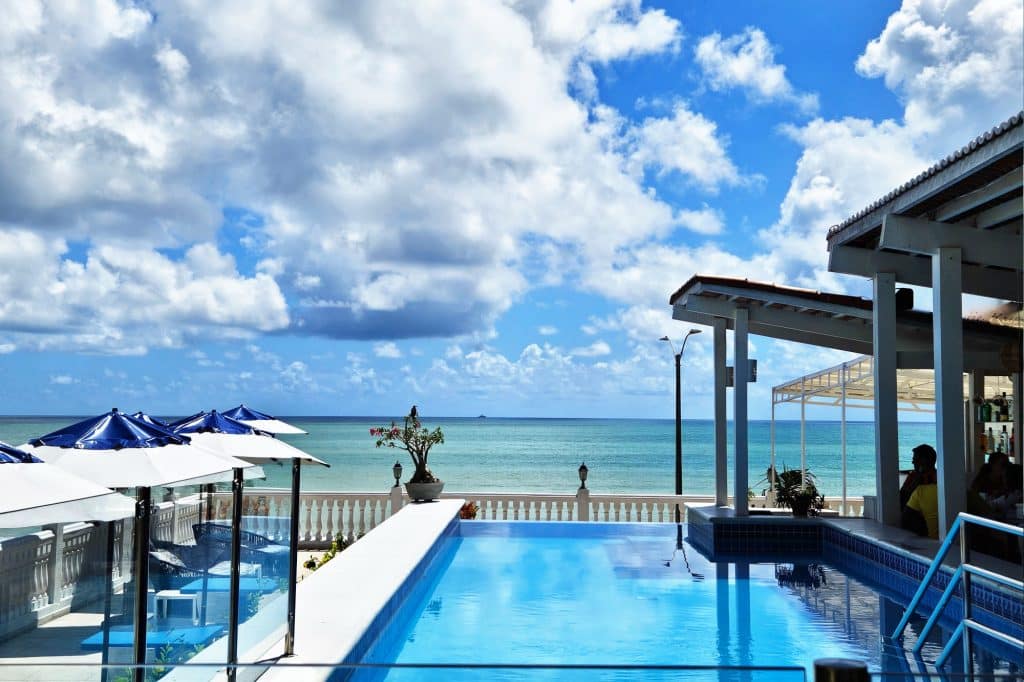
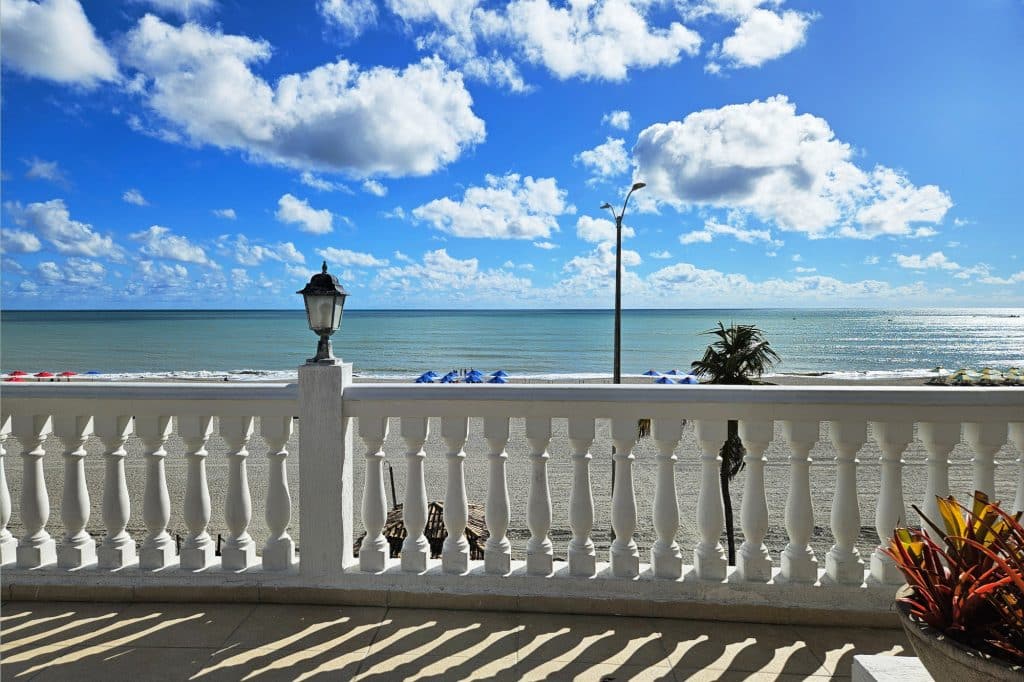
Ponta Negra feels like a small village adjacent to the city of Natal. It mostly consists of hotels, restaurants and beach shops. It is built in a clever way against a hill by the beach. The front side of many hotels leads to the upper road whereas the lower floor of the building leads to the beach. Charlie only had to cross the road to get to the sea and still could enjoy the view from the restaurant on the upper floor. Charlie spotted a surf hire on the beach; however, the waves were breaking too close to shore to be surfable. She saw some surfers further out on the ocean catching waves in the morning. They likely took a boat though to get there.
Sunset at the Potengi River
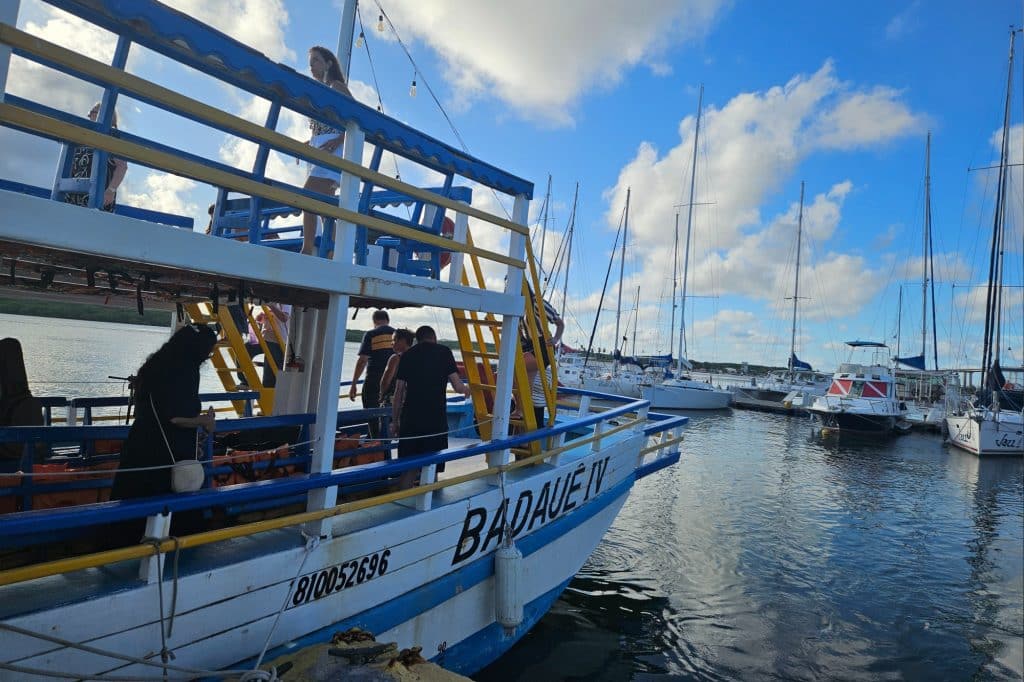
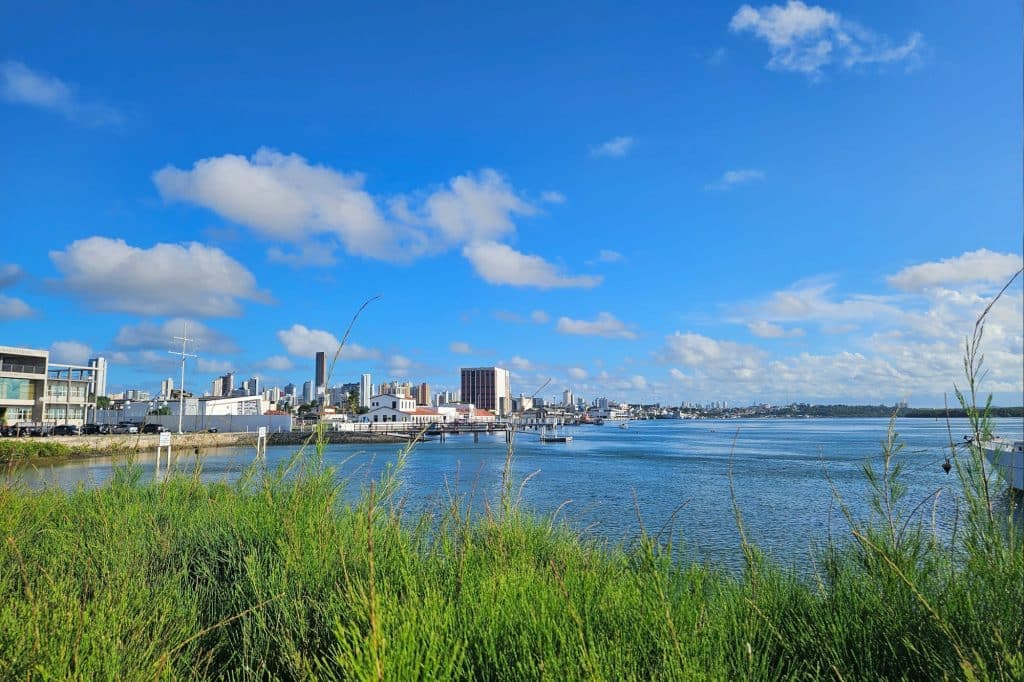
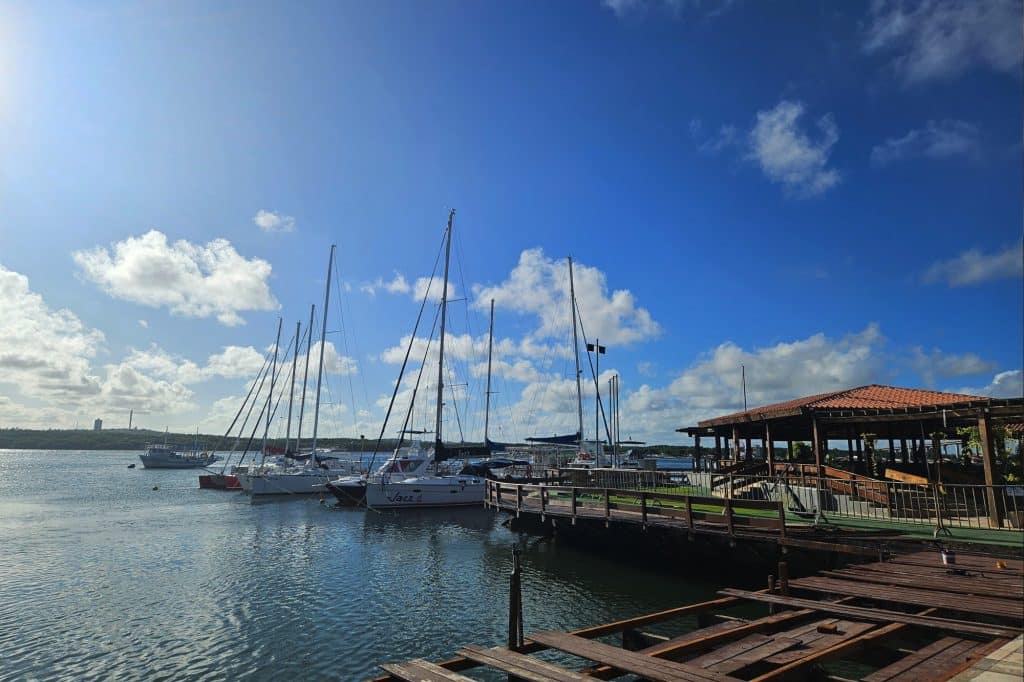
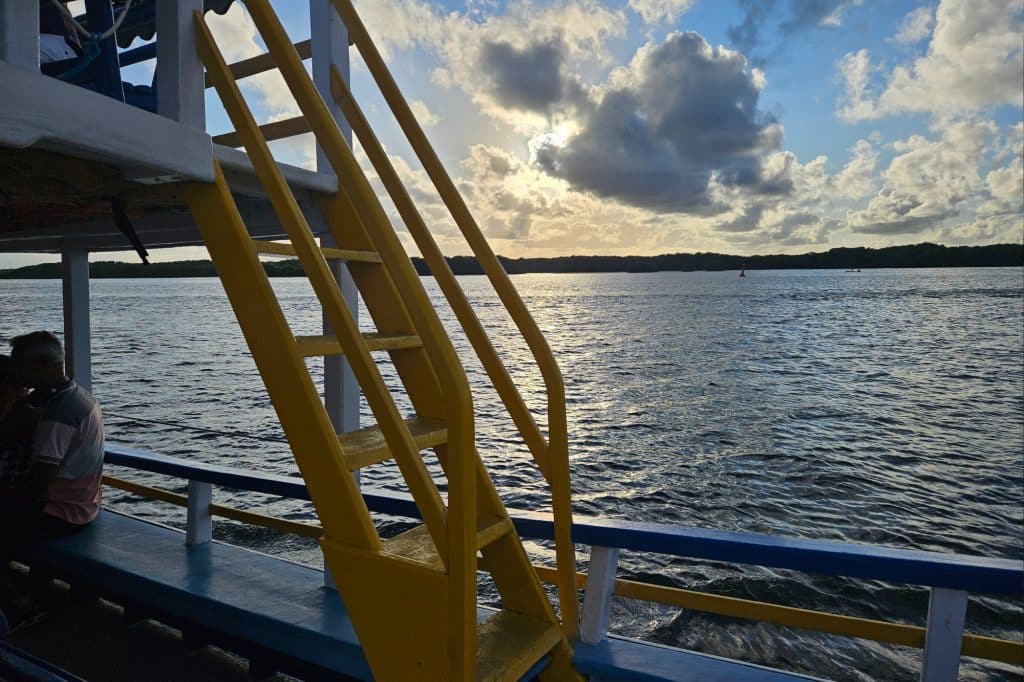
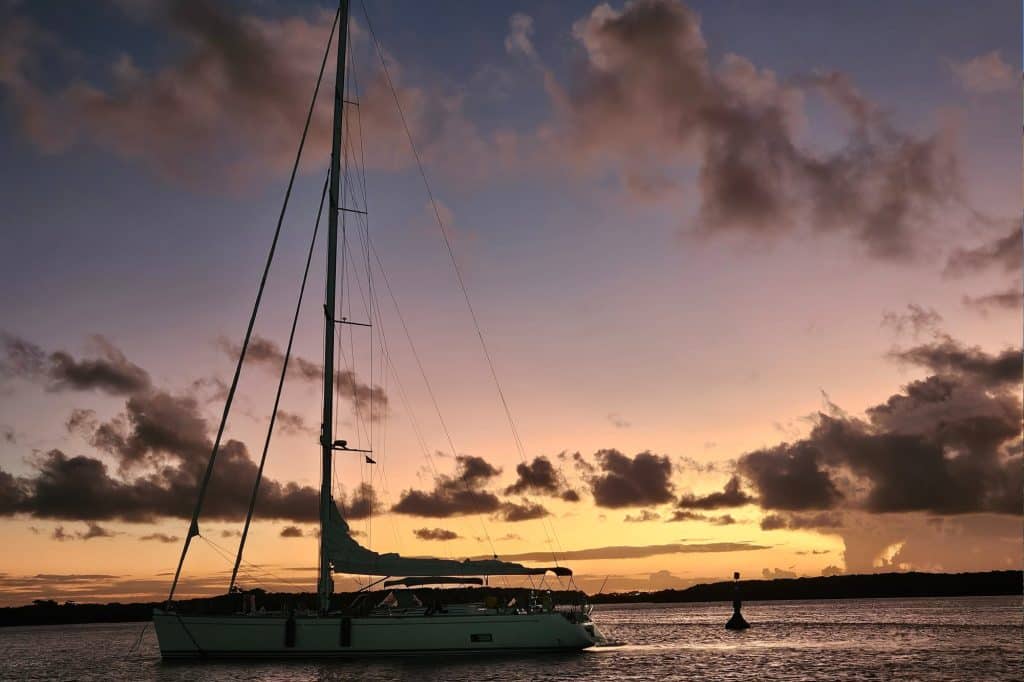
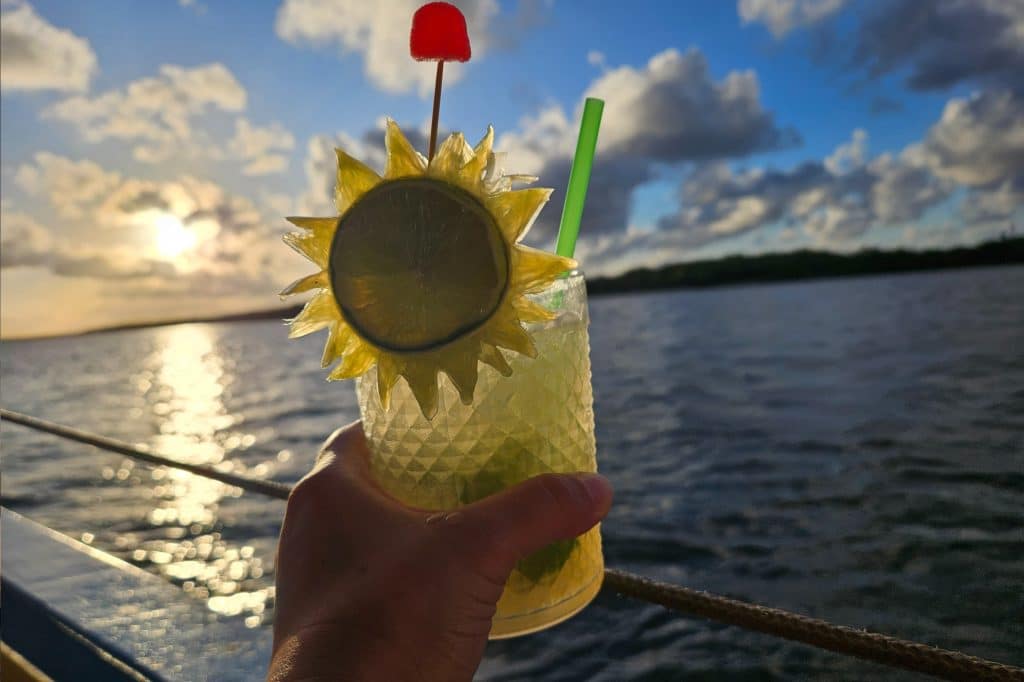
From Ponta Negra beach, you can see the sunrise next to the dunes. Being very close to the equator however, you have to get up early to see it. For the sunset, Charlie did a boat tour on the Potengi River on the other side of Natal near the fortress. This river used to be called “Rio Grande” (“Great River”) and gave the region its name “Rio Grande do Norte” (“Great River of the North”). It has since been renamed to its original name given by the natives, Potengi. It means “river of the shrimps” and shrimps are something you find on any menu at any restaurant in Natal. Be sure to try them!
Day trips in Natal
Charlie found it difficult to find any information about day trips online. In Natal, you will find hundreds of stalls of tour providers trying to convince you to come on a buggy tour to the sand dunes or a trip to the beaches further North or South of Natal. You better wait to book your trips until you’re there as you will have a much bigger choice than online. However, it is mostly a destination for Brazilians or other Latinos. As such, most of the tours are only offered in Portuguese and Spanish and also the staff at the hotels does not speak English. You better learn some Portuguese!