A trip around the island
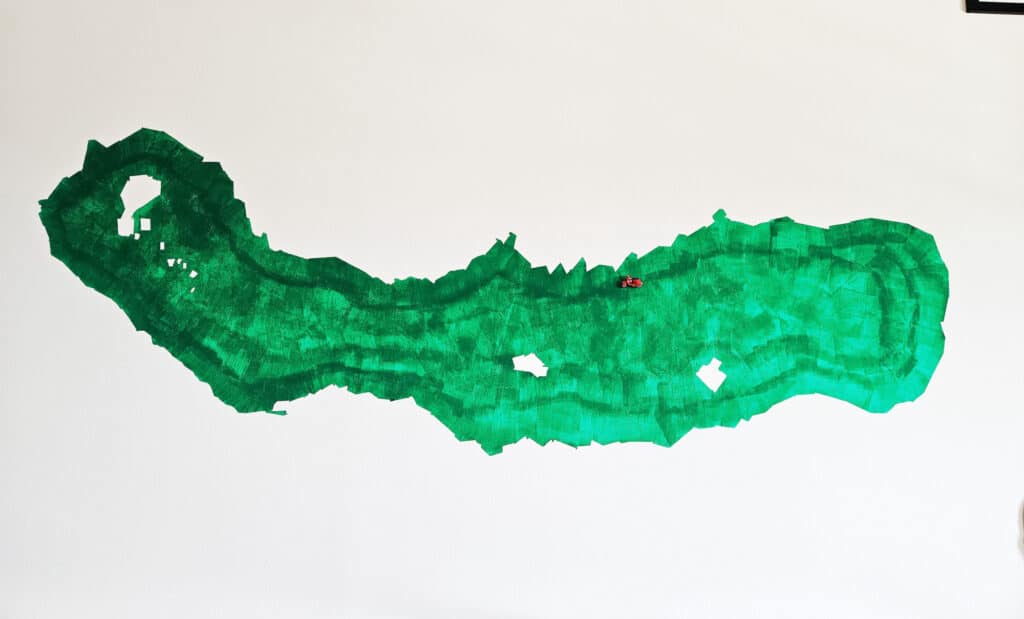
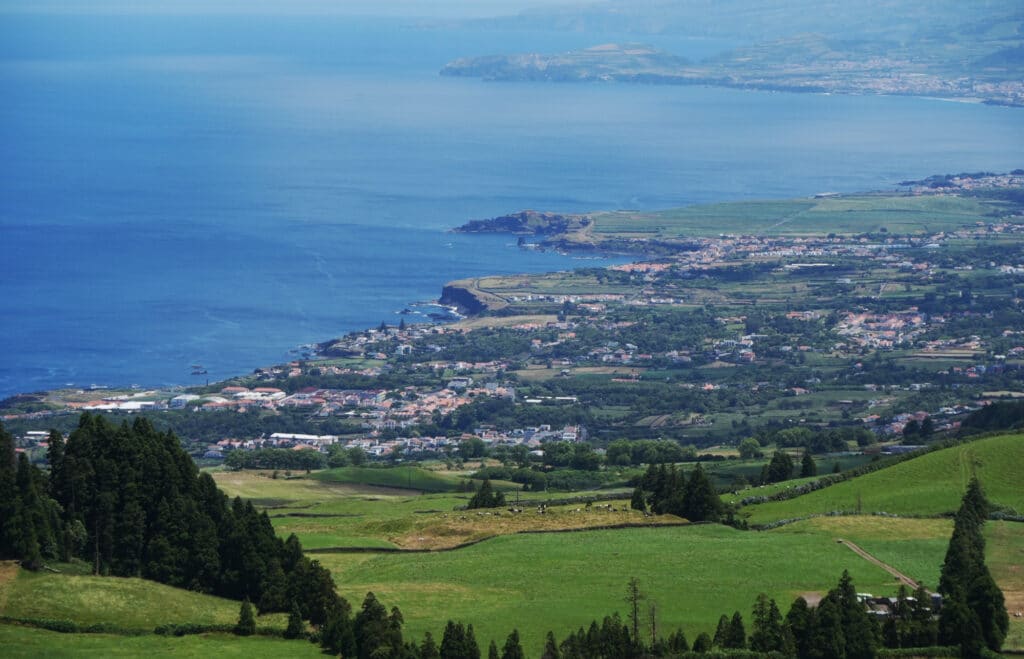
The mountains and volcanic lakes that São Miguel in the Azores is known for were already well visible from the airplane when Charlie visited this Portuguese island in the Atlantic Ocean. Charlie’s first impression in the aerial perspective was that somebody had taken the island of Madeira and went over it with a rolling pin. That would explain the unique shape of São Miguel: it is flat in the middle and mountainous on the eastern and western sides with an extension of 39 miles and a width of only 10 miles.
São Miguel is the biggest island in the archipelago and the capital is Ponta Delgada. This is also the best place to stay on the island if you’d like to do guided tours with a pick-up from your accommodation. If not, you might want to hire a car to explore the island on your own. In that case you could stay in other location in São Miguel. If you’re into surfing, you might want to consider the town of Ribeira Grande on the North coast of the island.
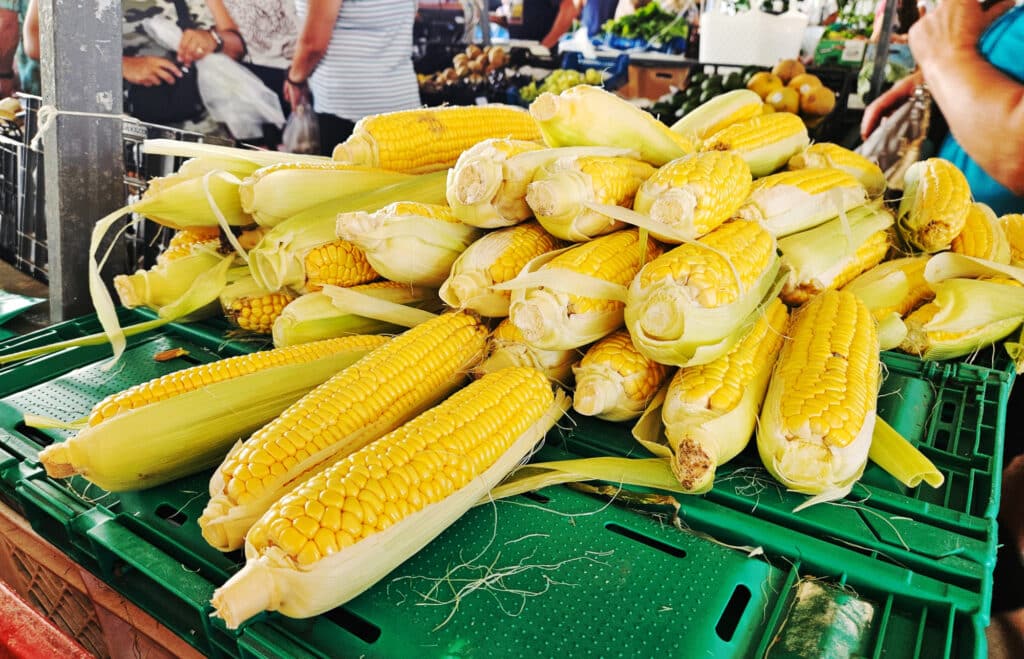
As you’re driving around São Miguel, it is easy to spot that agriculture is a big part of the local economy. The Azorians are proud of their dairy products and milk, butter and cheese are exported to other countries. The roads are lined with corn fields, most of them provide food for the cows.
There are two other agricultural products that São Miguel is proud of: pineapples and tea.
Plantations and farmers markets
Santo Antonio Pineapple plantation
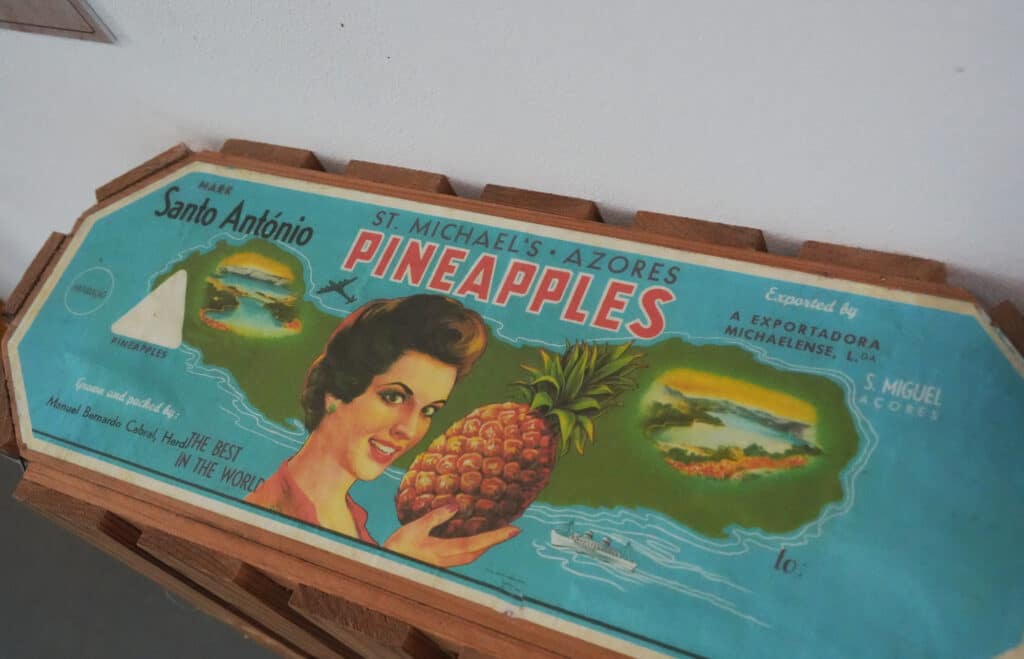
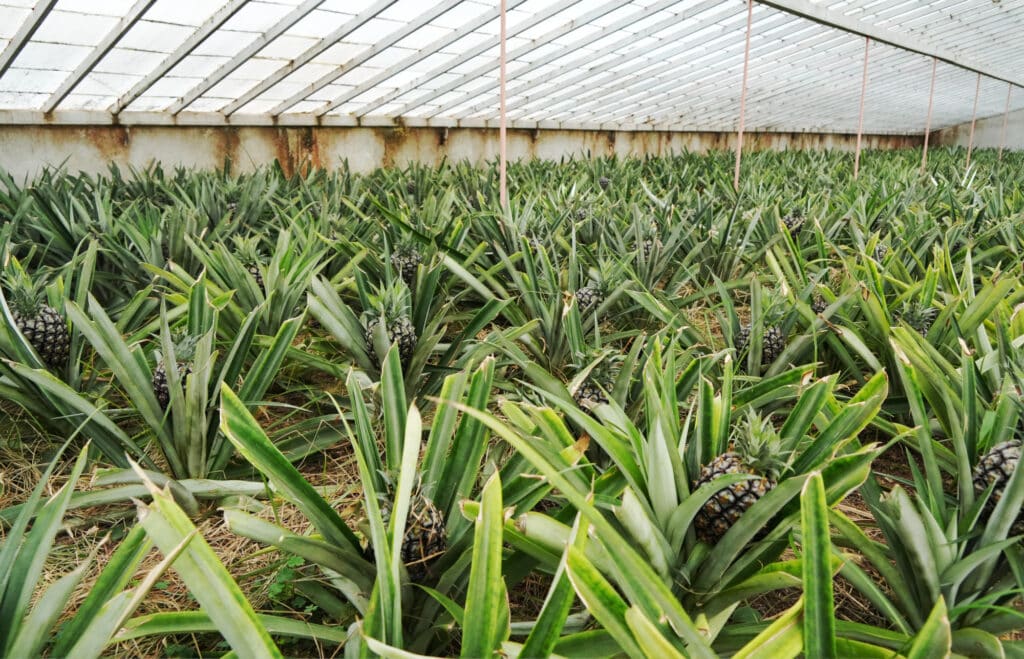
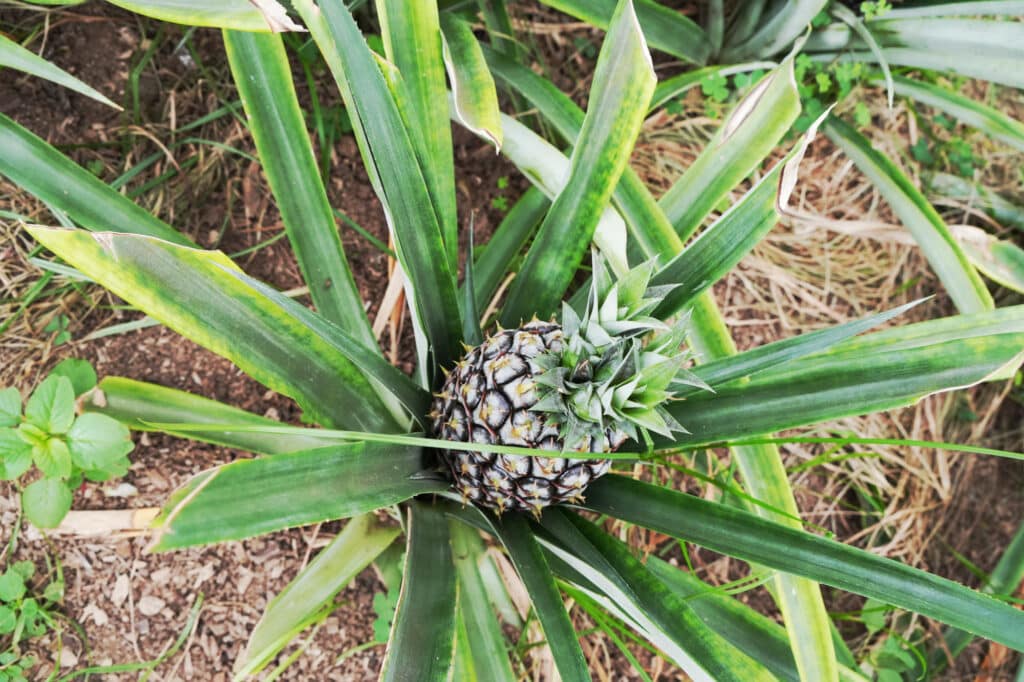
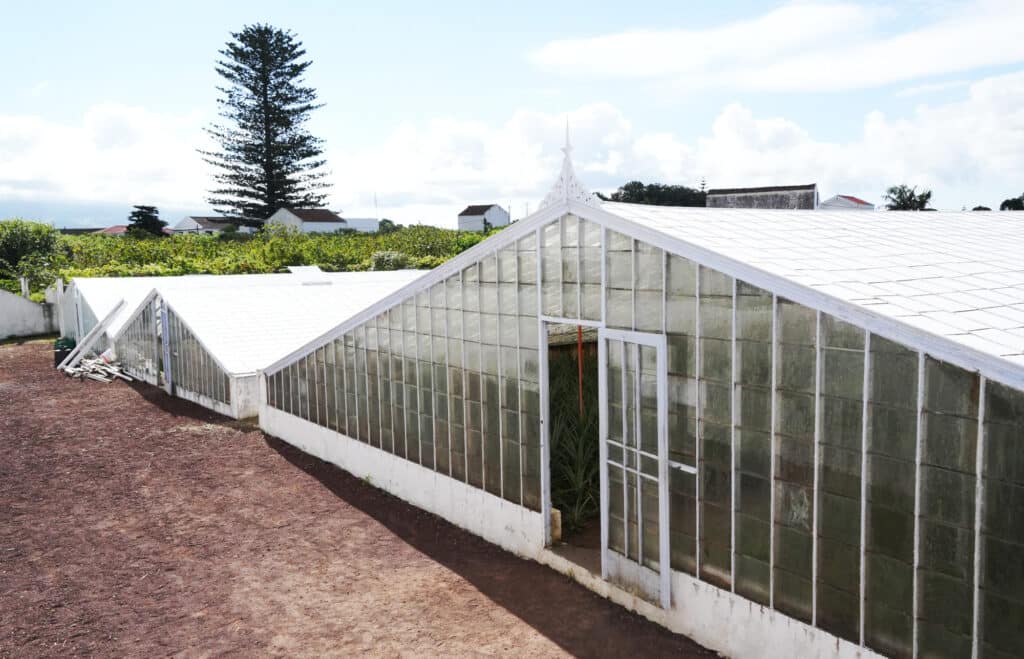
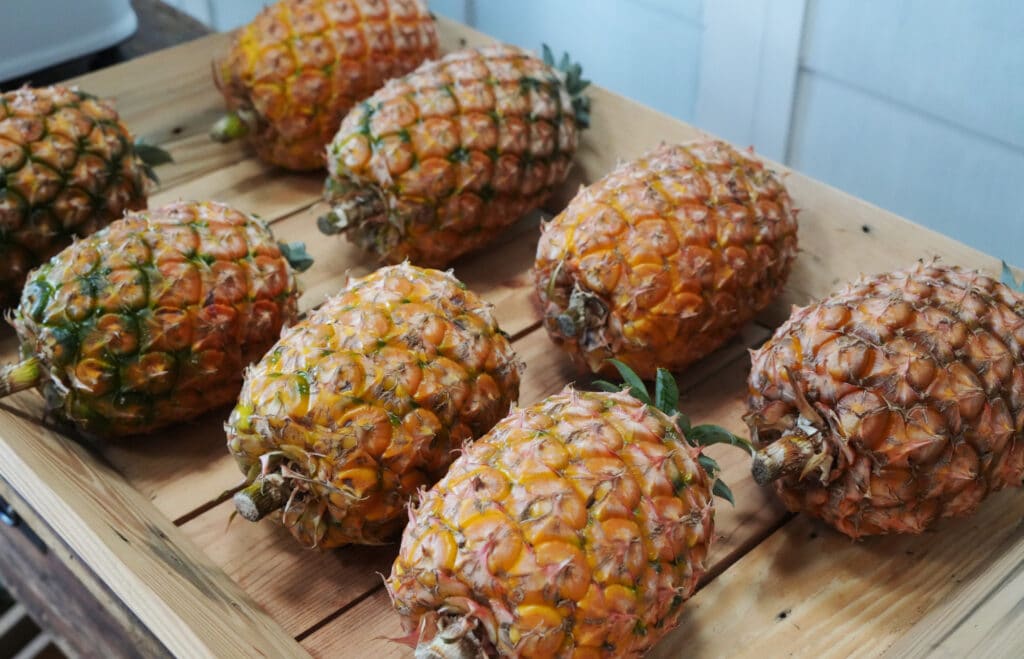
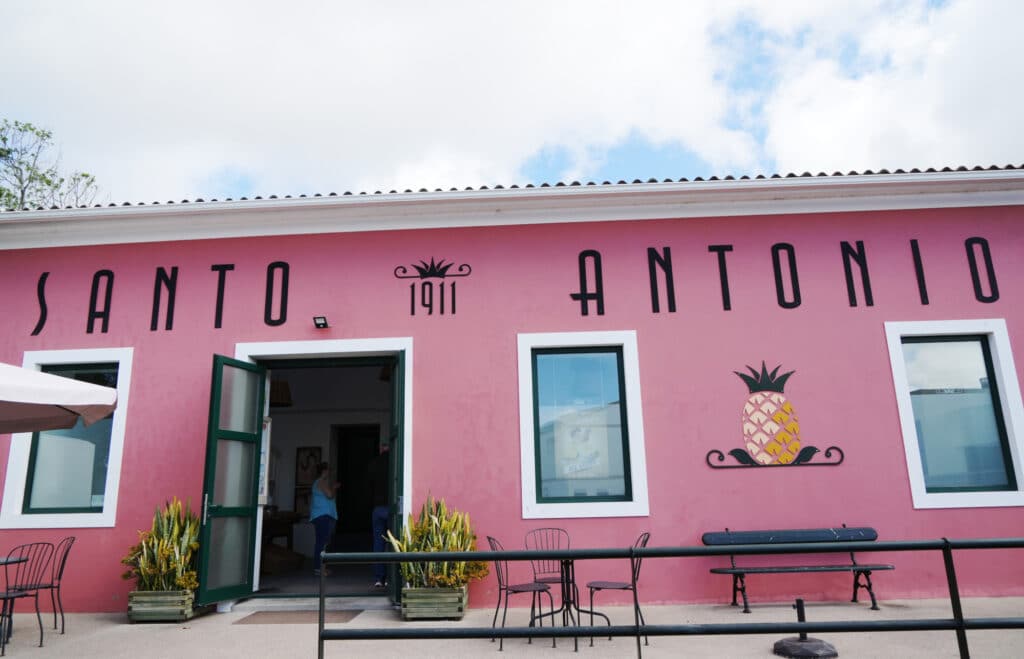
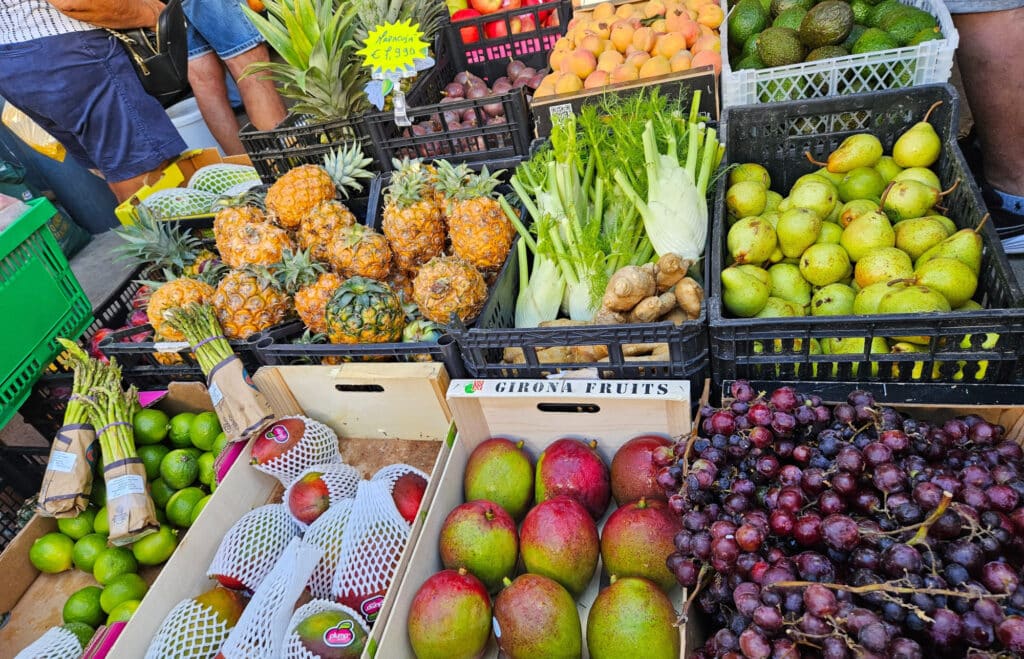
The pineapple came to the Azores in the 19th century and you can today see it at any stage of growth in the greenhouses at the Santo Antonio plantation on the outskirts of Ponta Delgada. The climate in the Azores only allows plantation in greenhouses to ensure the required levels of humidity and high temperatures. Every plant only has one fruit in its entire lifetime and it takes up to 2.5 years for it to grow. The pineapples in São Miguel have a golden colour and are very sweet. You can buy them at the plantation, however, you get a better price at the farmer’s market.
Farmers markets in São Miguel island
There are two farmers markets on this Azorian island. One of them is in the heart of Ponta Delgada, the Mercado de Graça. It is located in the lower floor of historic market halls.
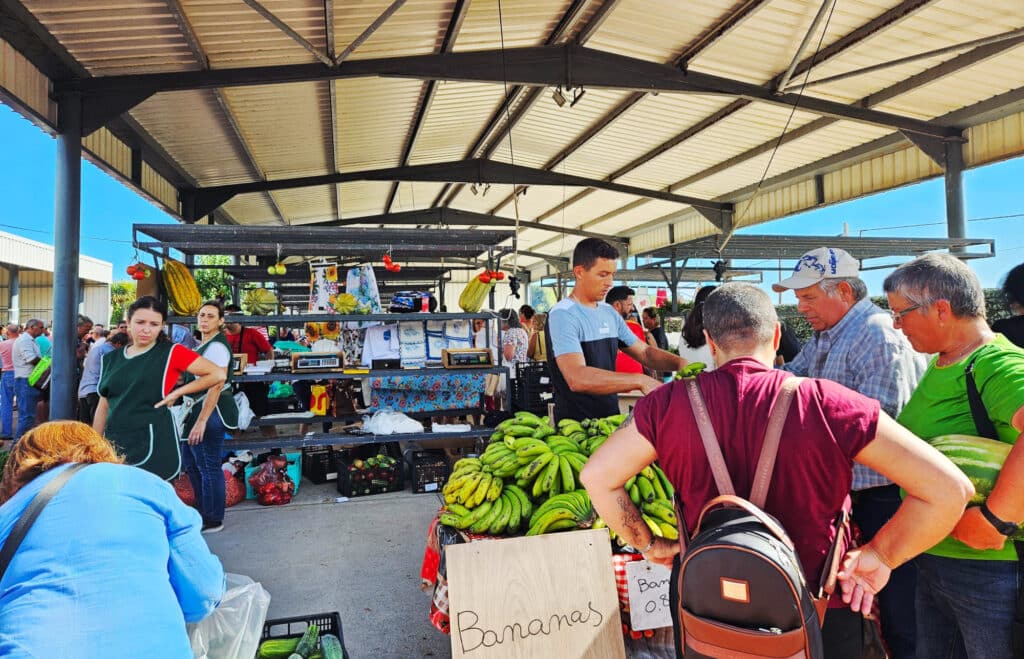
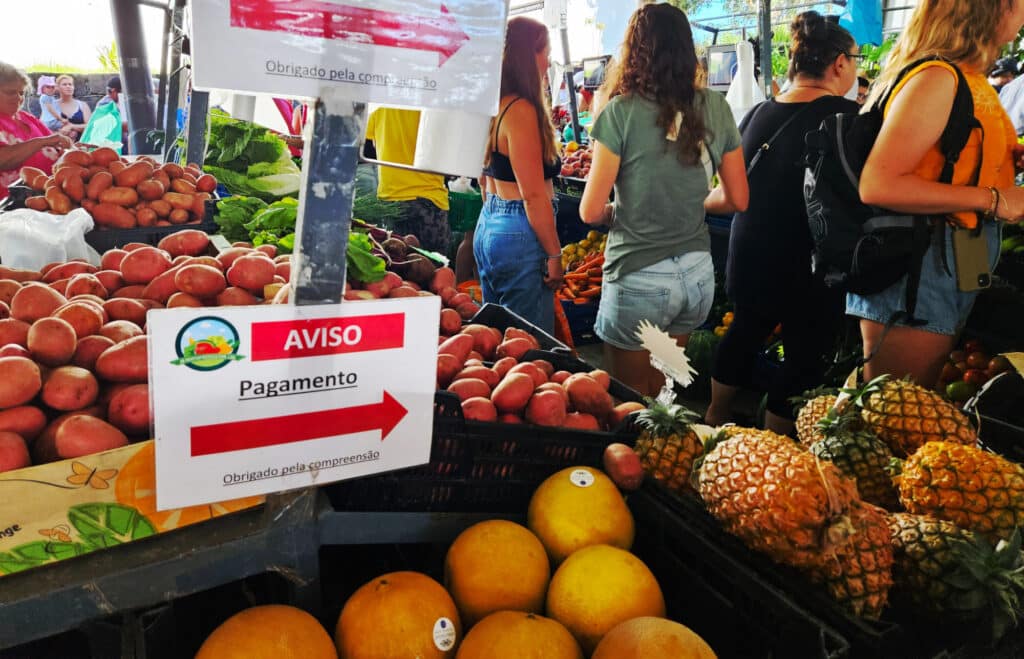
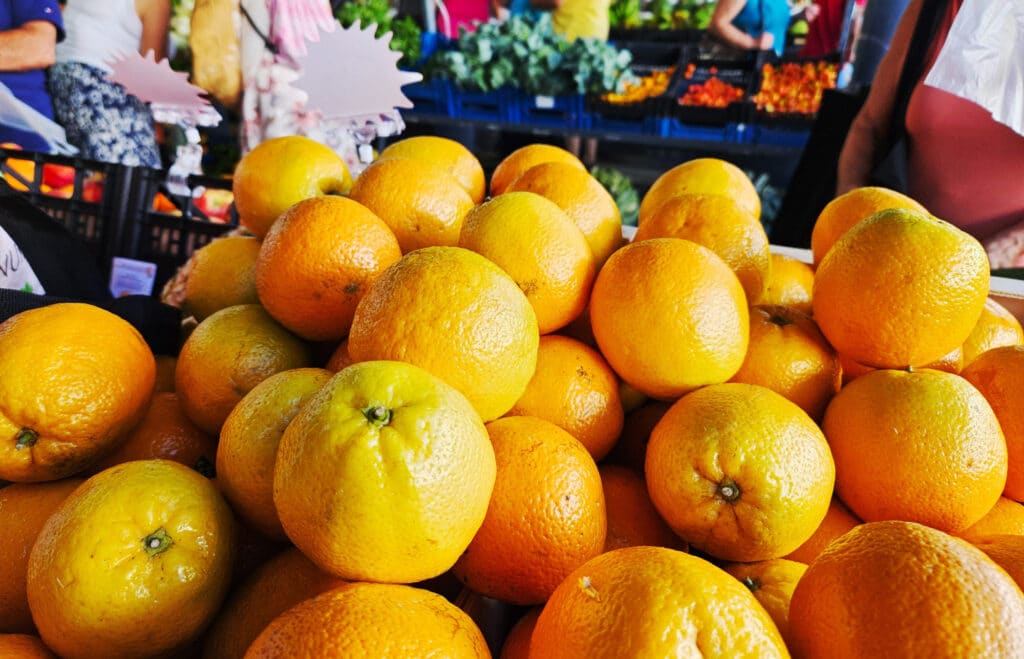
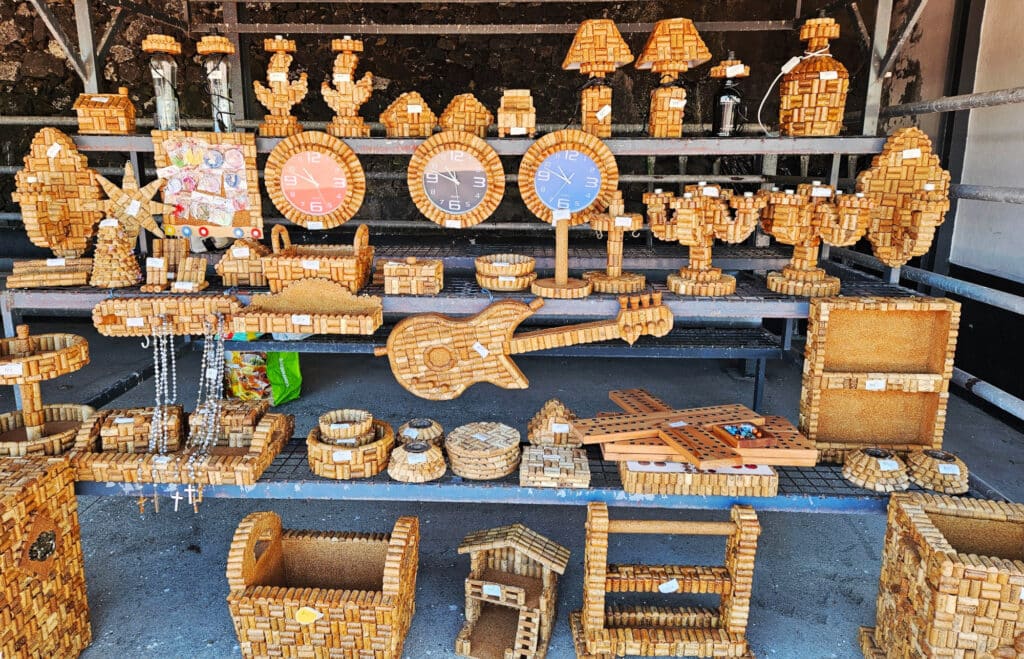
There is an even bigger farmer’s market in the village of Santana. It is an outdoor market every Thursday where you can buy fruits and vegetables and even farm animals, if you want to. There is also a section with arts and crafts for your souvenir shopping and you can get the traditional sugar bread, the malassadas.
Tea plantations in São Miguel
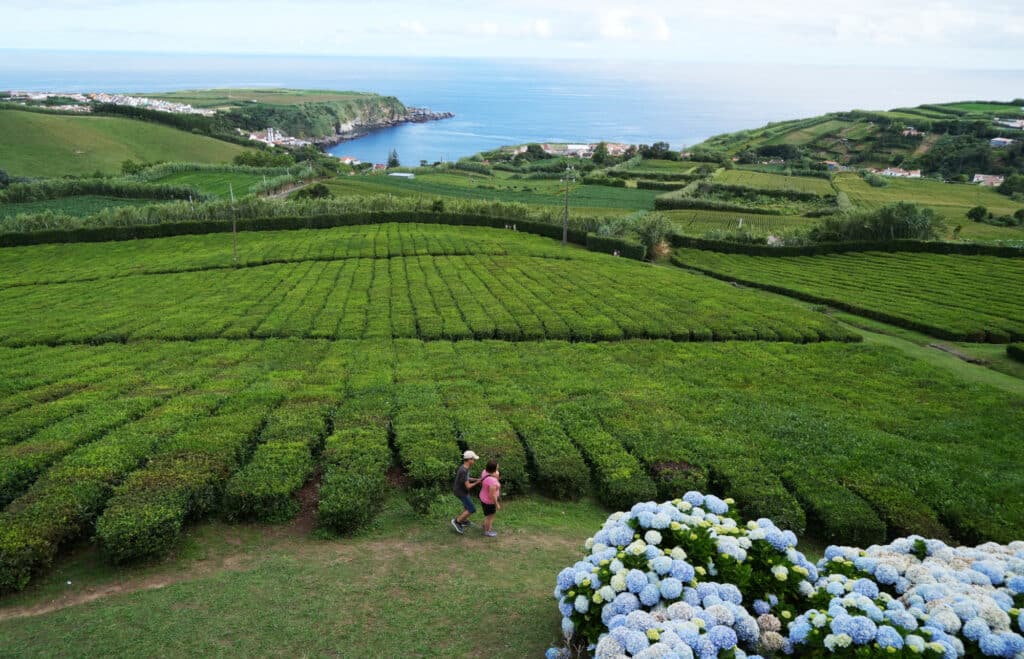
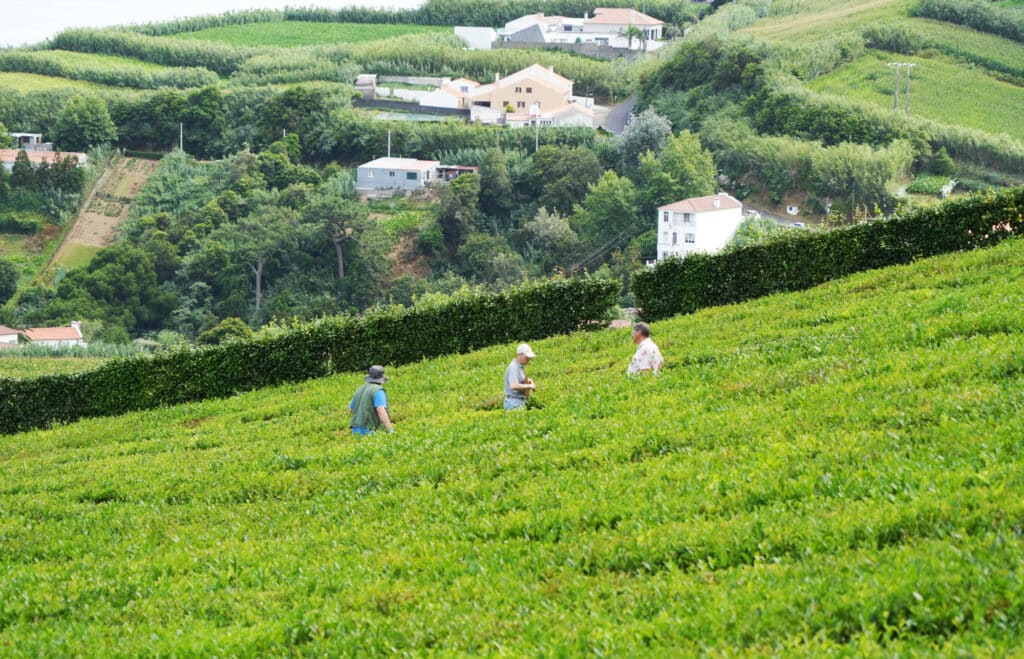
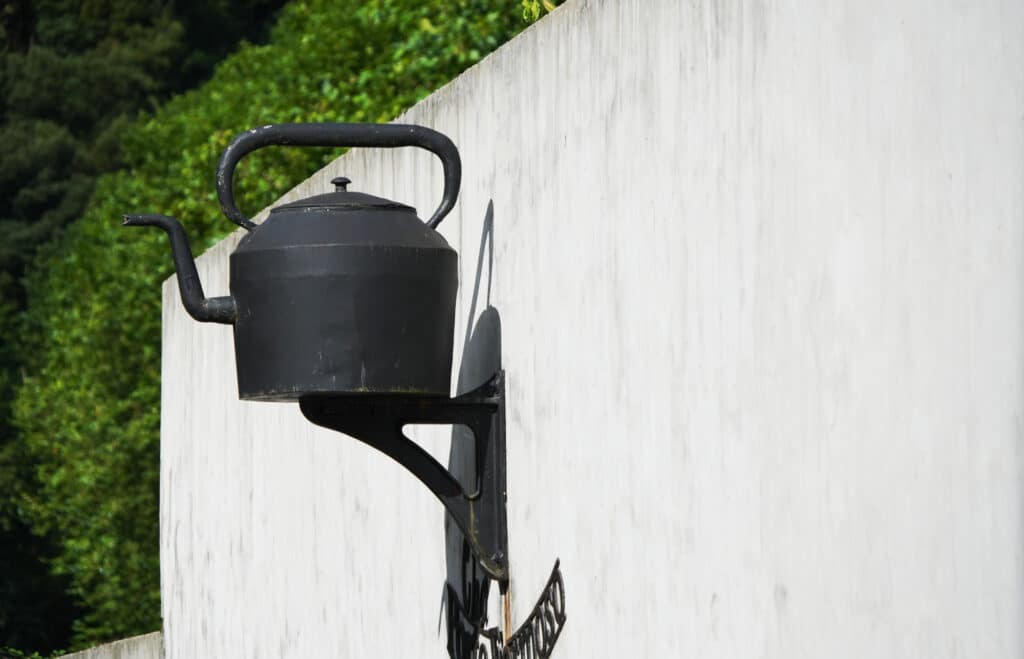
There are two tea plantations in the North East of São Miguel and the tradition goes back to the early 19th century when the first tea plants were brought from Brazil. The oldest tea plantation in São Miguel, Gorreana, opened its doors in 1883 and it is the most popular plantation among visitors.
The second, Porto Formoso, is smaller, younger and lesser known. That means, that it is less crowded and better suited for a visit. There is a small museum and tea room that invites for a tasting after a stroll around the plantation. From there, you can see the nearby village of Porto Formoso and the sea.
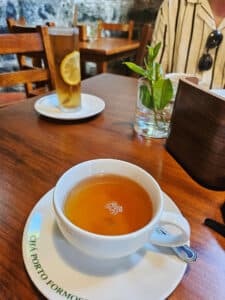
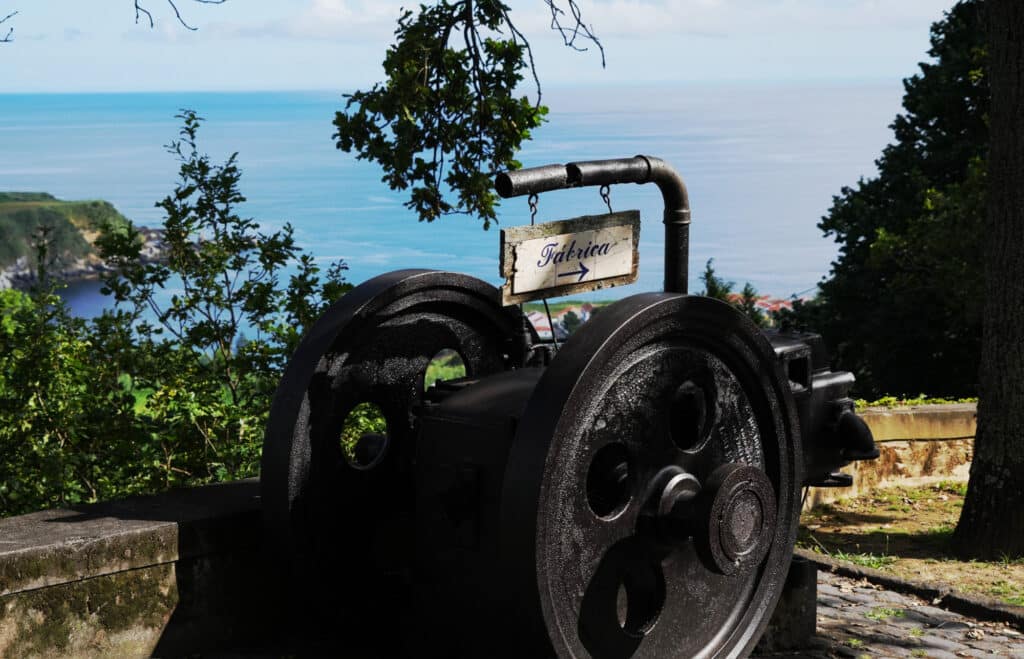
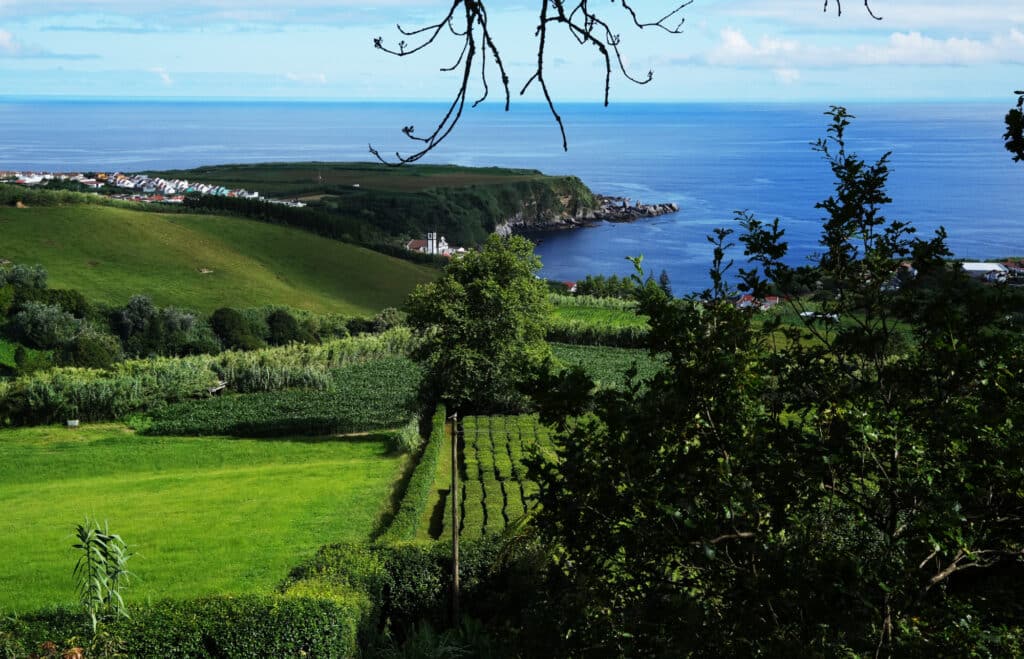
Mulher de Capote Liqueur Factory
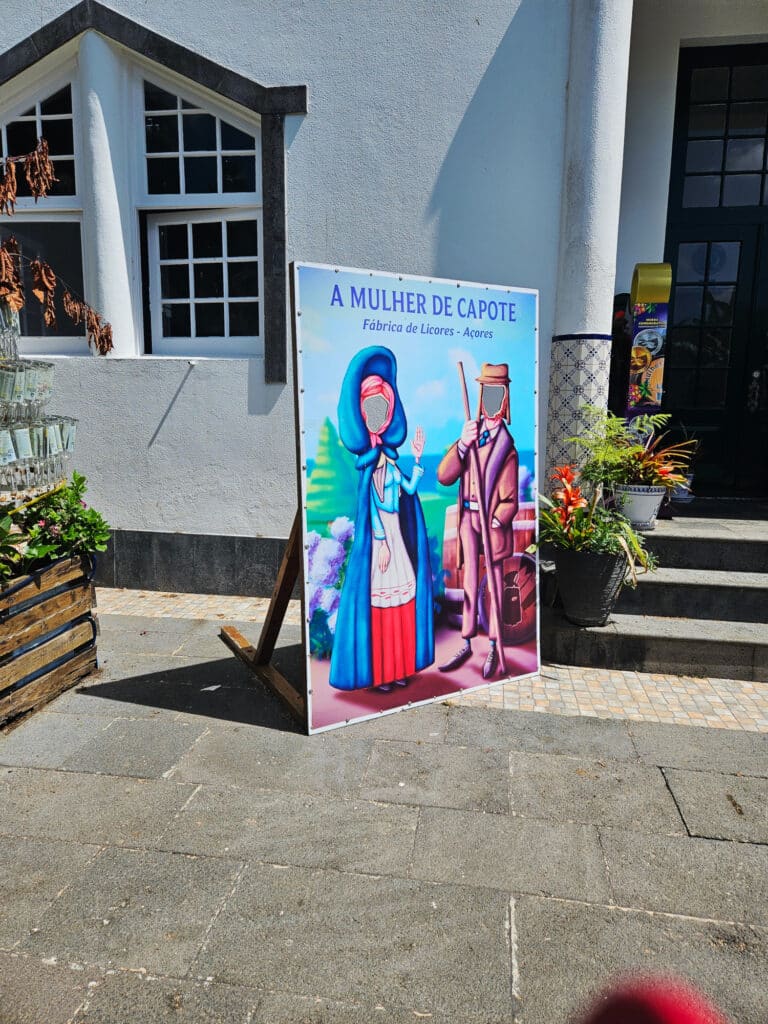
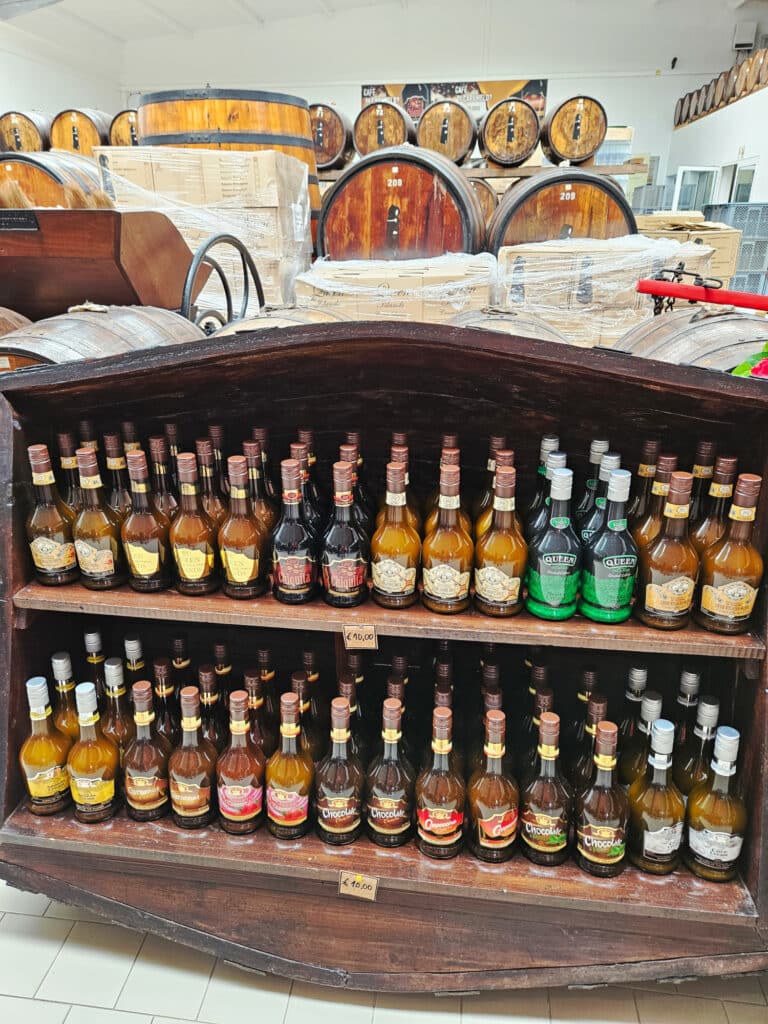
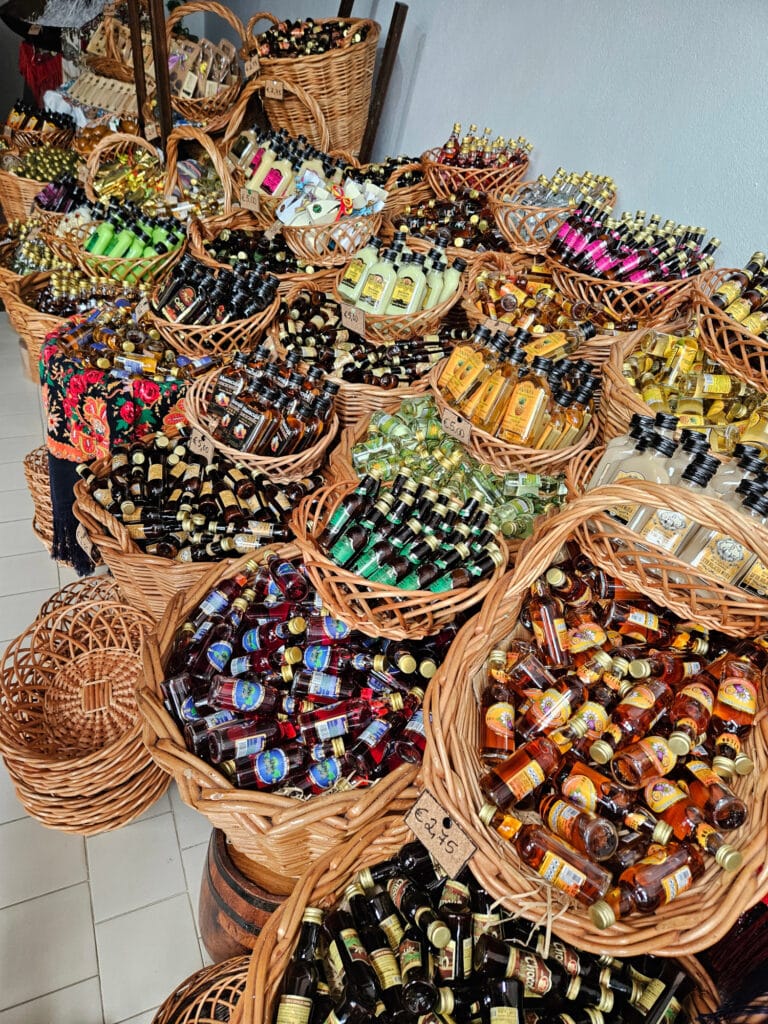
In the past, sugar cane was another agricultural product of São Miguel. Nowadays, there are only a few small plantations left. One of them is owned by the liqueur factory Mulher de Capote which produced all kinds of spirits, not only rum. You can taste for example a passionfruit liqueur (or any other fruit liqueur), gin or a cream liqueur.
Volcanoes and lakes in São Miguel island
The Azores are of volcanic origin and there are three volcanoes on São Miguel island. There has not been an eruption for a long time, however it is visible that there is volcanic activity. You might see random fumes along the road and you can enjoy a meal that was cooked over volcanic fumes.
Sete Cidades
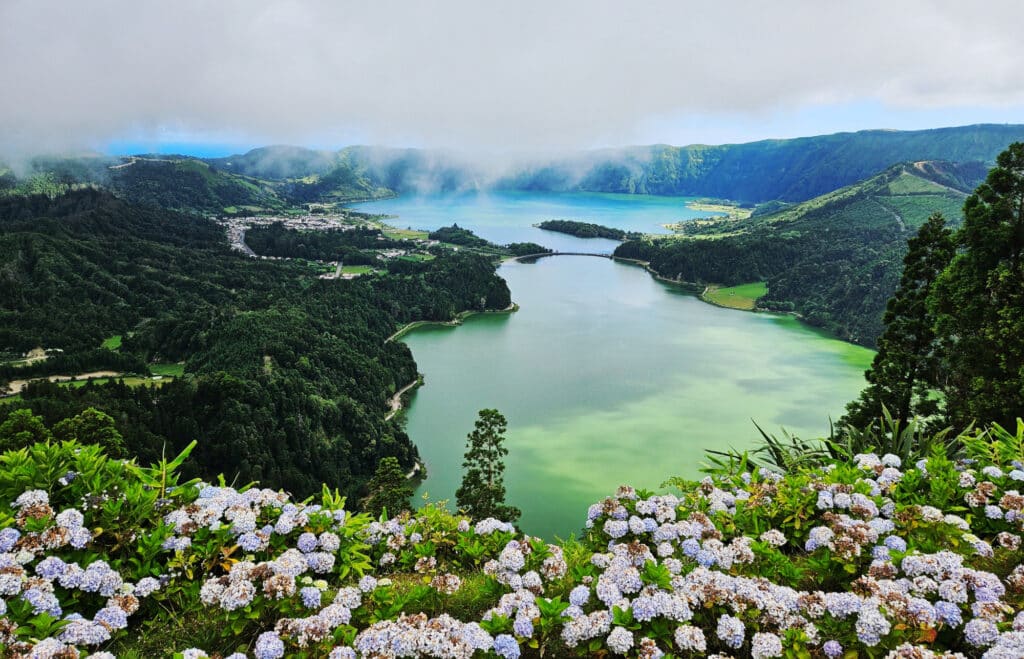
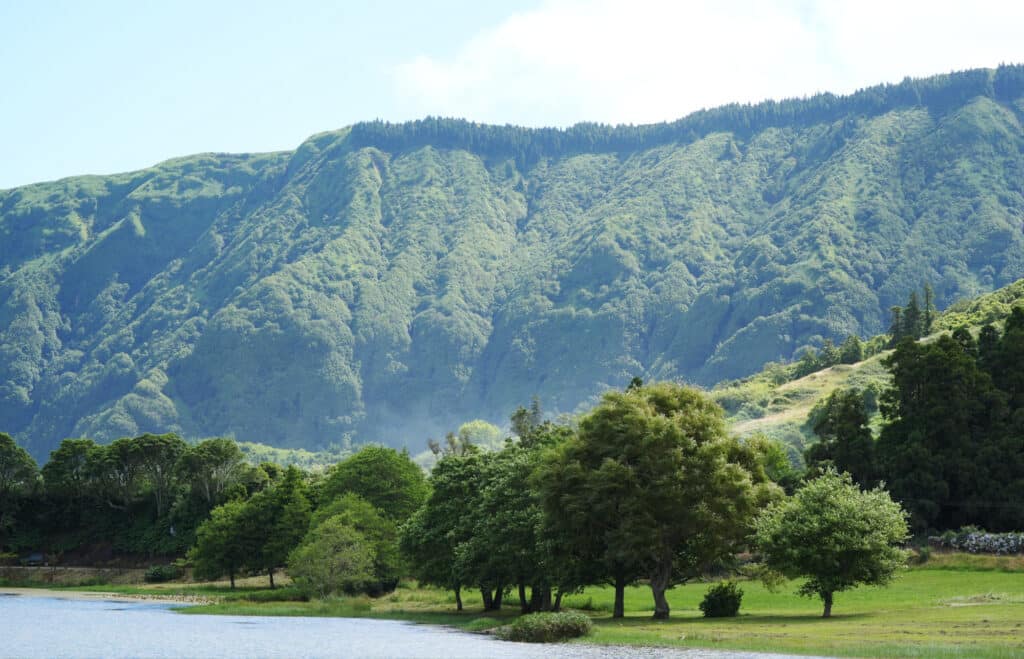
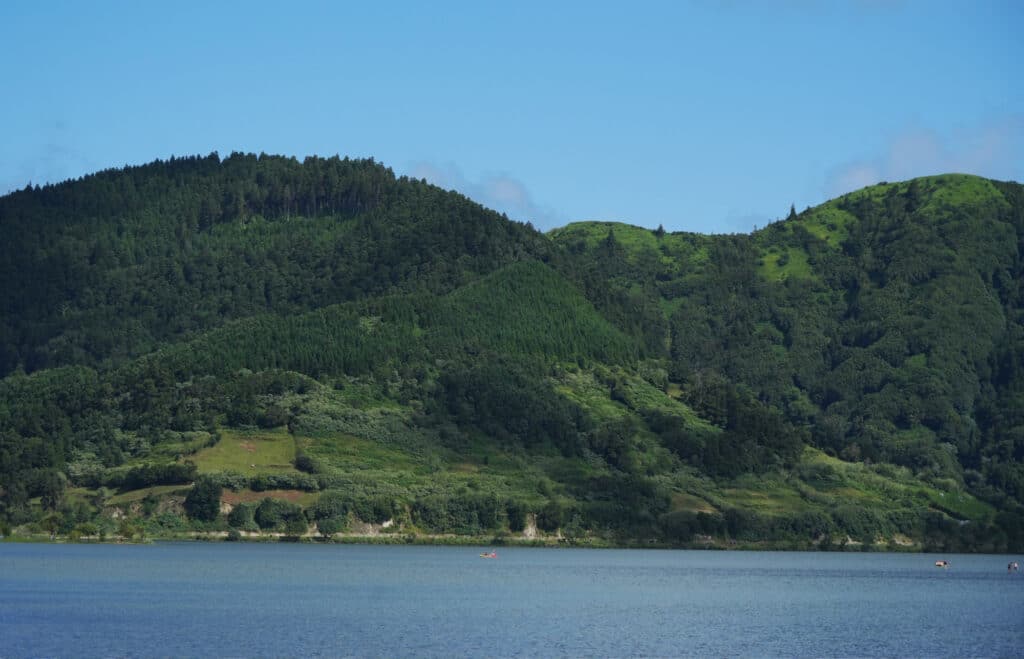
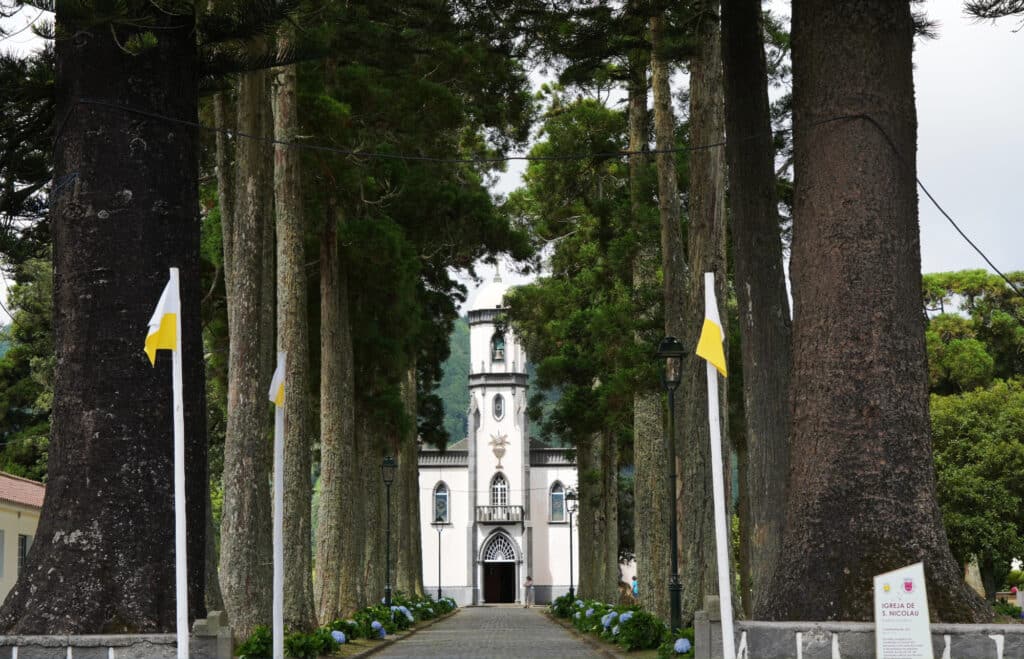
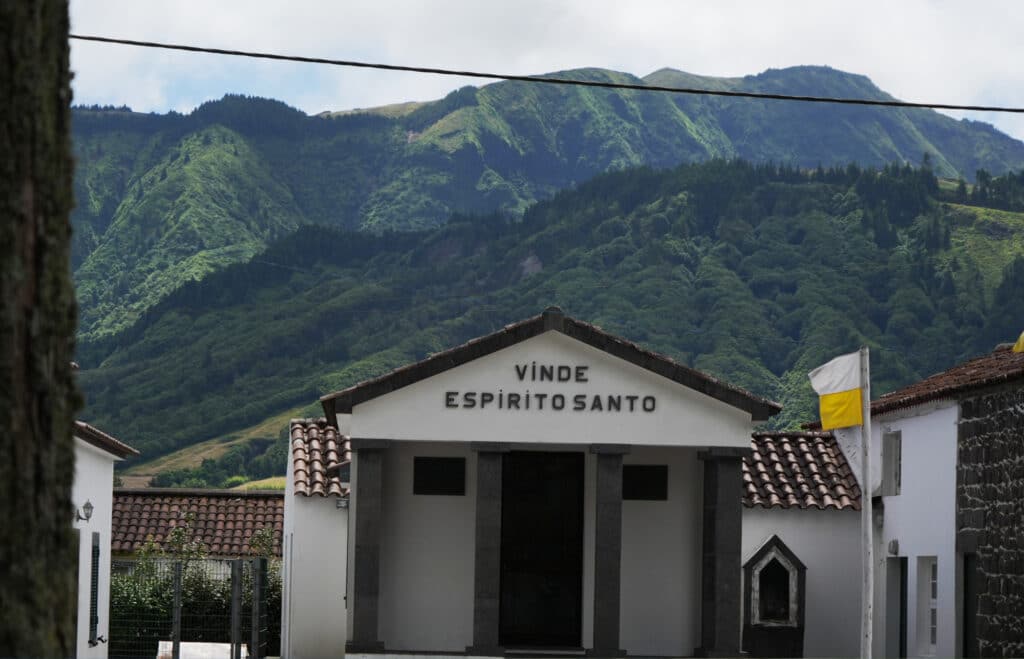
The town, volcano and lake of Sete Cidades in the West of São Miguel are probably the most photographed spot of the island and on every tourist’s to-do list.
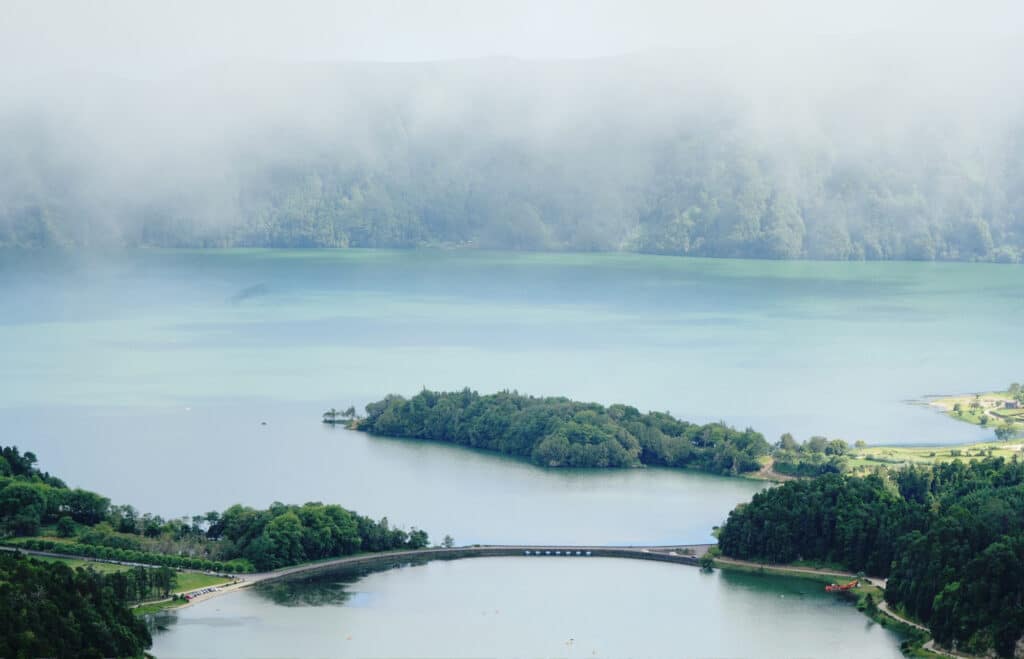
From the view point Miradouro da Vista do Rei, you get a magnificent view over the whole lake and its different shades of green and blue. When Charlie was there, she could see the shadows of the clouds moving over the water surface. It might seem as if there were two lakes, but it is only one with a bridge separating both sides. One of them appears more green whilst the other one is blue. There are different theories, one of them taking the reflections of the trees and the sky as the reason. There is also a legend about a princess and a shepherd and their forbidden love. Their tears are said to have formed the lake.
Close to this view point is an abandoned hotel. For that reason, most people refer to the view point as “the one by the old hotel”.
Furnas
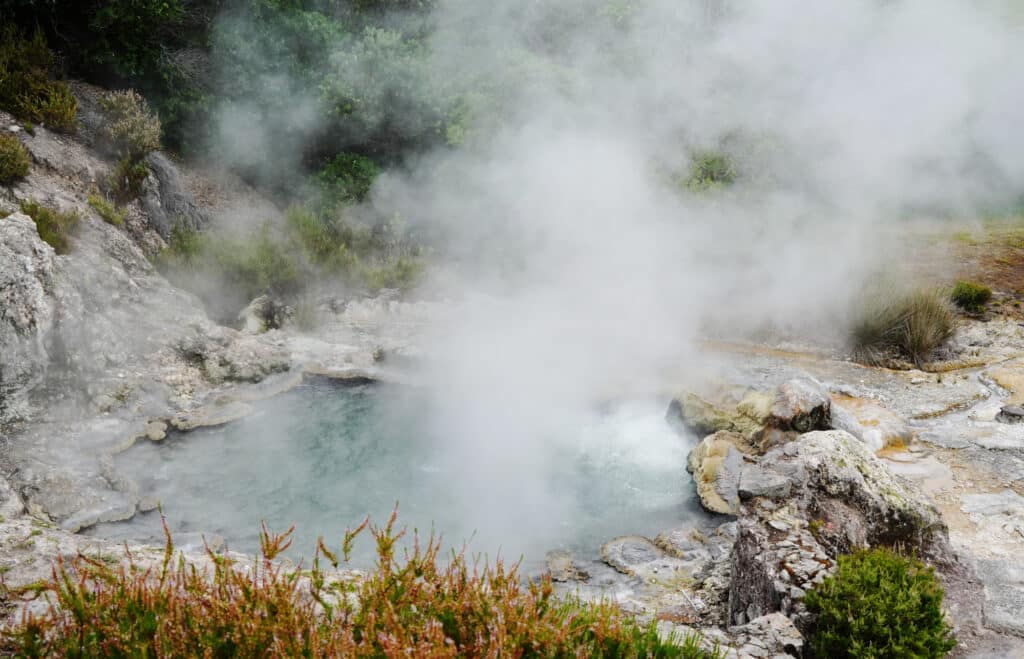
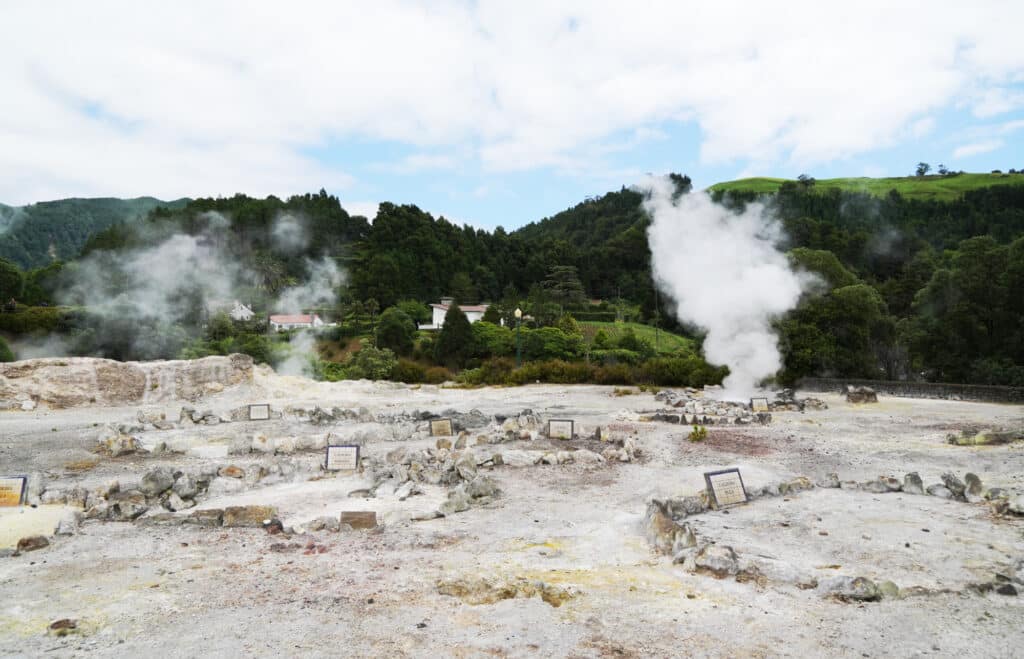
The Furnas volcano on the East side of São Miguel last erupted in 1630 and is today the most active volcano on the island. If you head to the restaurant Tony’s in the village of Furnas you can enjoy a so-called cozido, a meat platter that has been prepared over the hot fumes of the volcano. You can walk around hot springs. The strong smell of sulfur confirms the volcanic activity. Street vendors sell corn that has been cooked over the fumes.
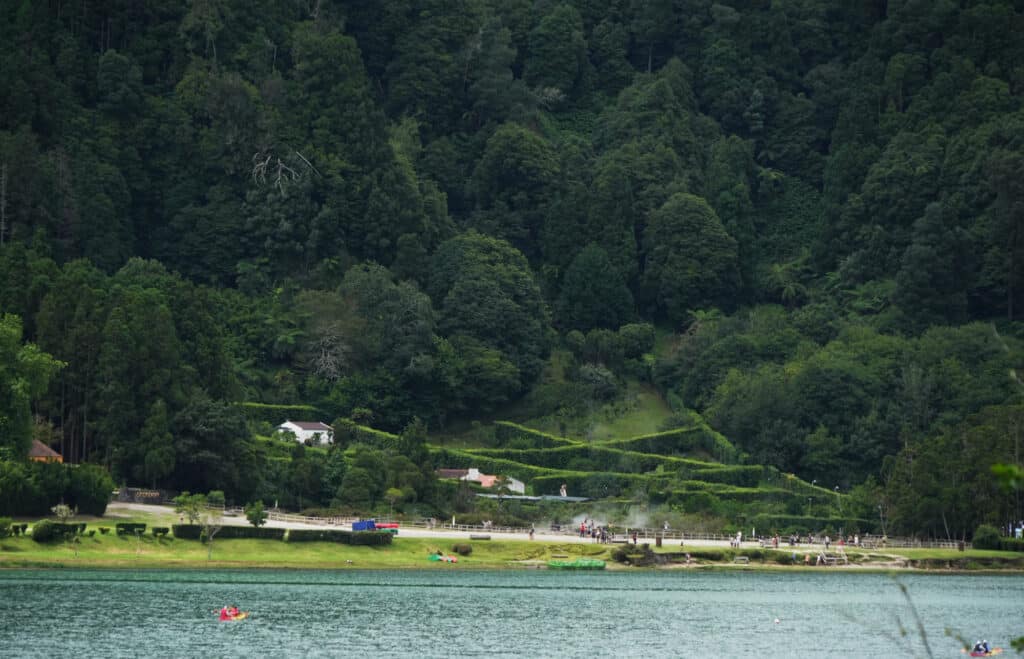
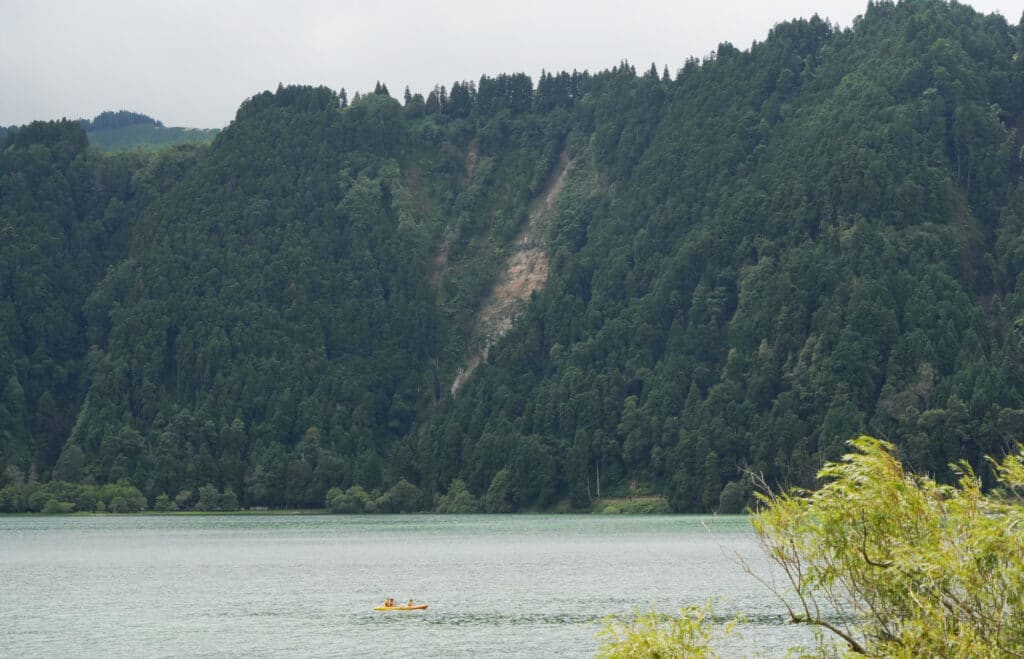
There is a volcanic lake too that you can admire from a viewpoint from above or from the sides. You could even kayak over the lake.
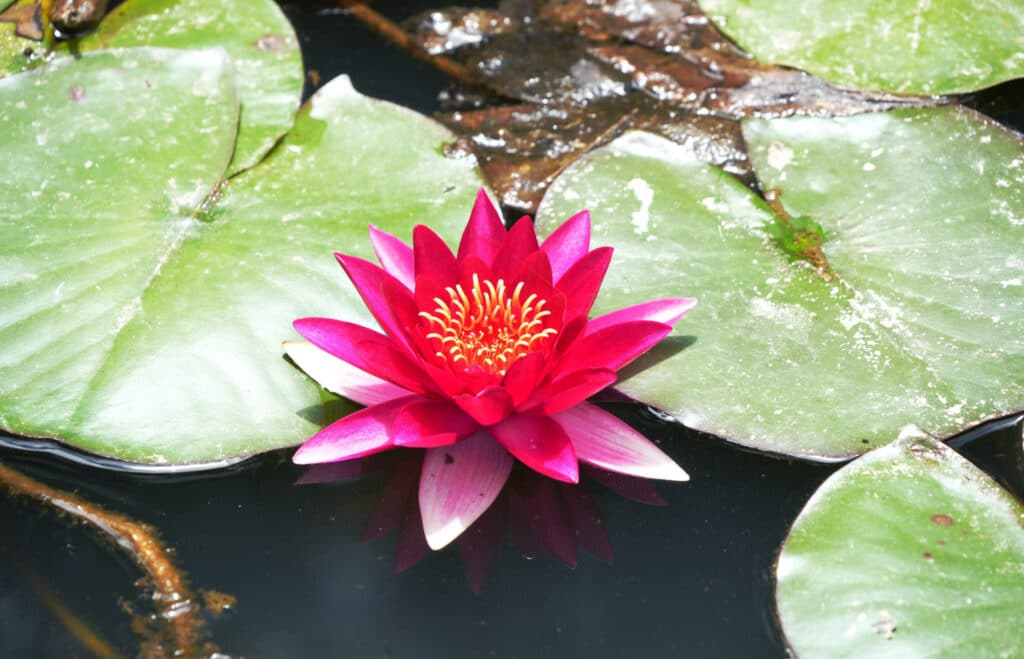
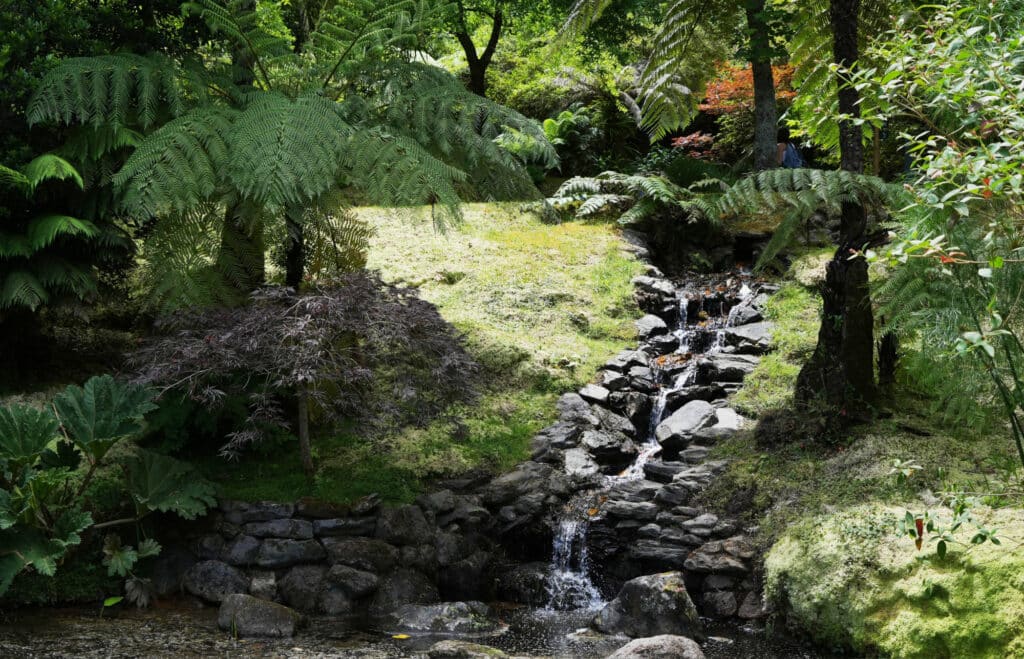
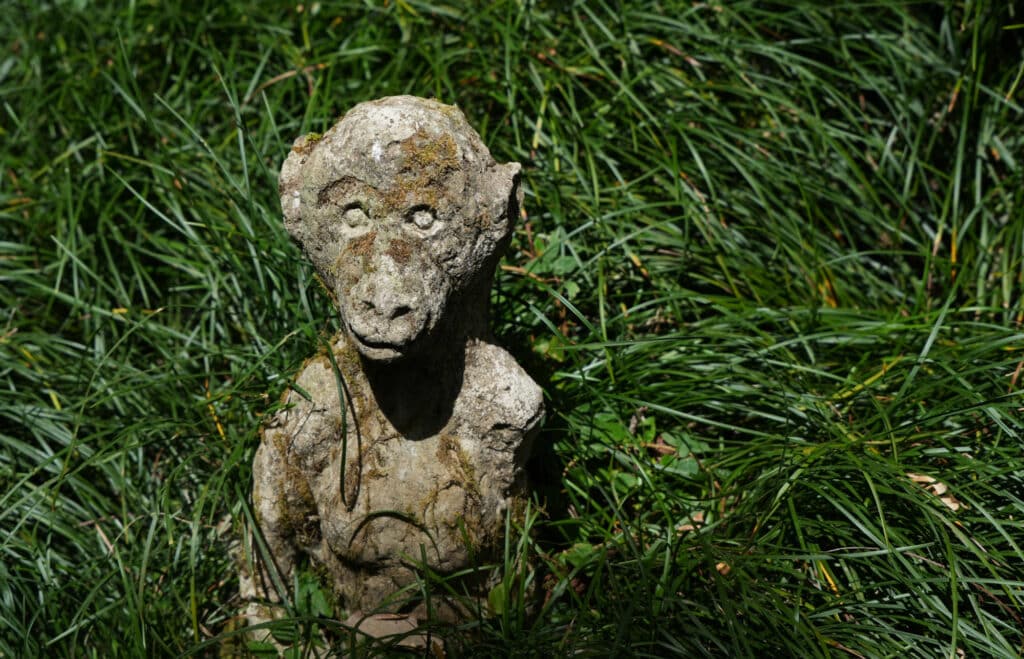
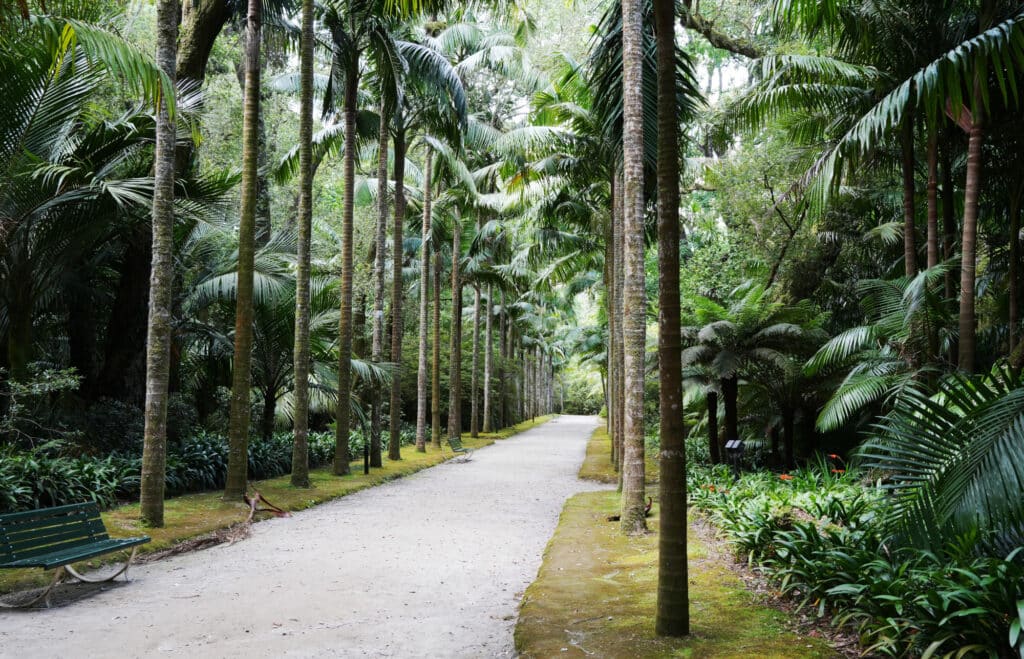
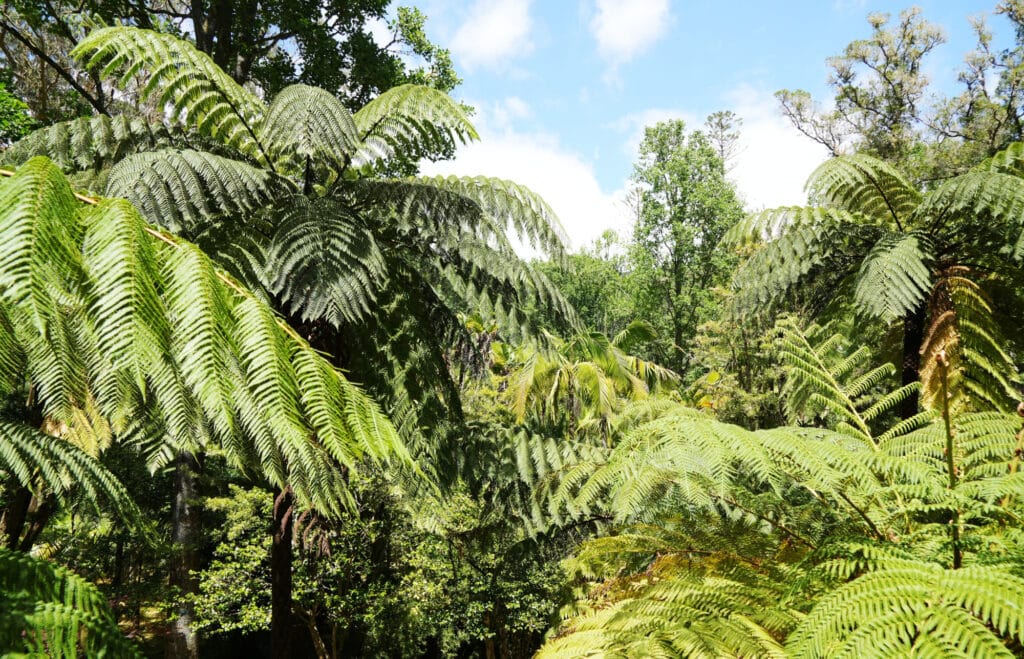
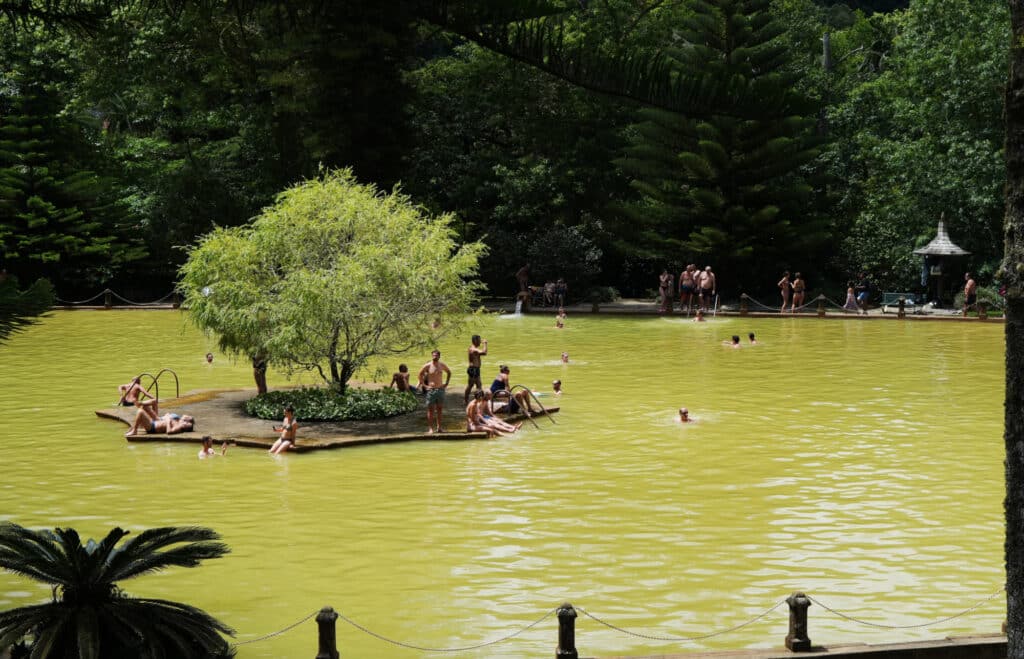
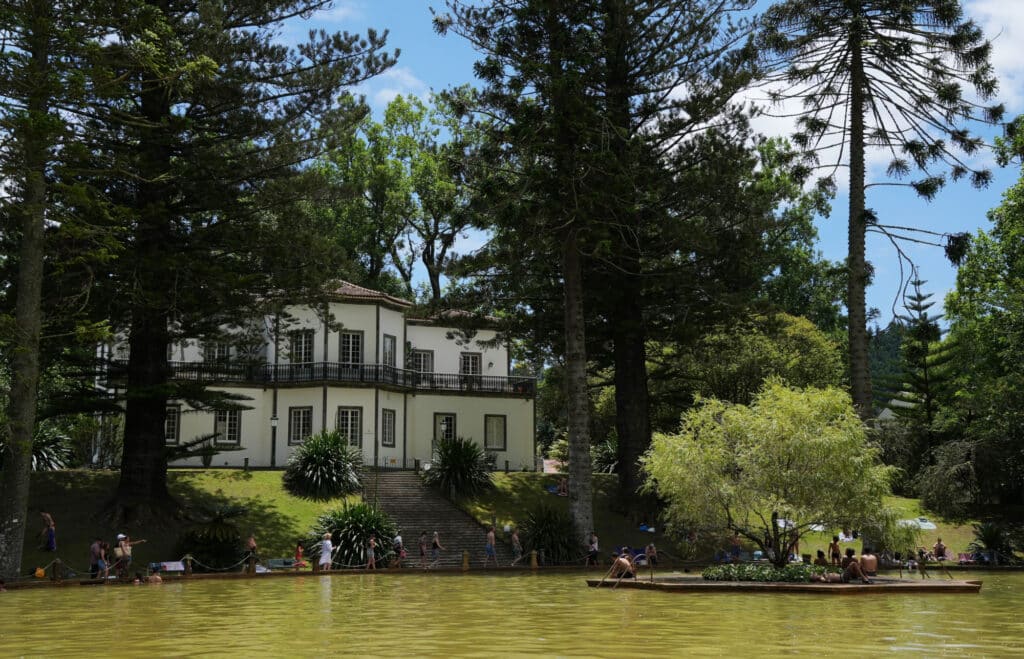
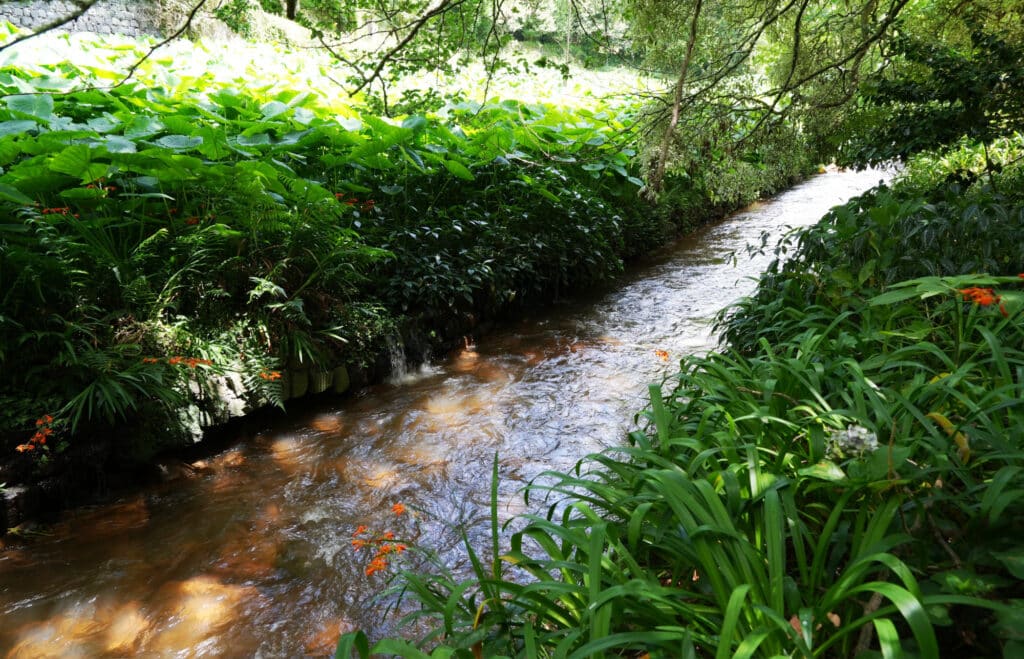
Another popular destination in Furnas is the Terra Nostra Park, a botanical garden with thermal baths. The baths are volcanic and the sulfur gives them a brown-yellowish colour. If you want to enjoy the baths and walk through the gardens, you should plan 1.5 to 2 hours for your visit. There is an entrance fee of €16 for adults (€5 for children). There is a hotel and a restaurant too and if you stay or eat there, entrance to the gardens is free.
Lagoa do Fogo
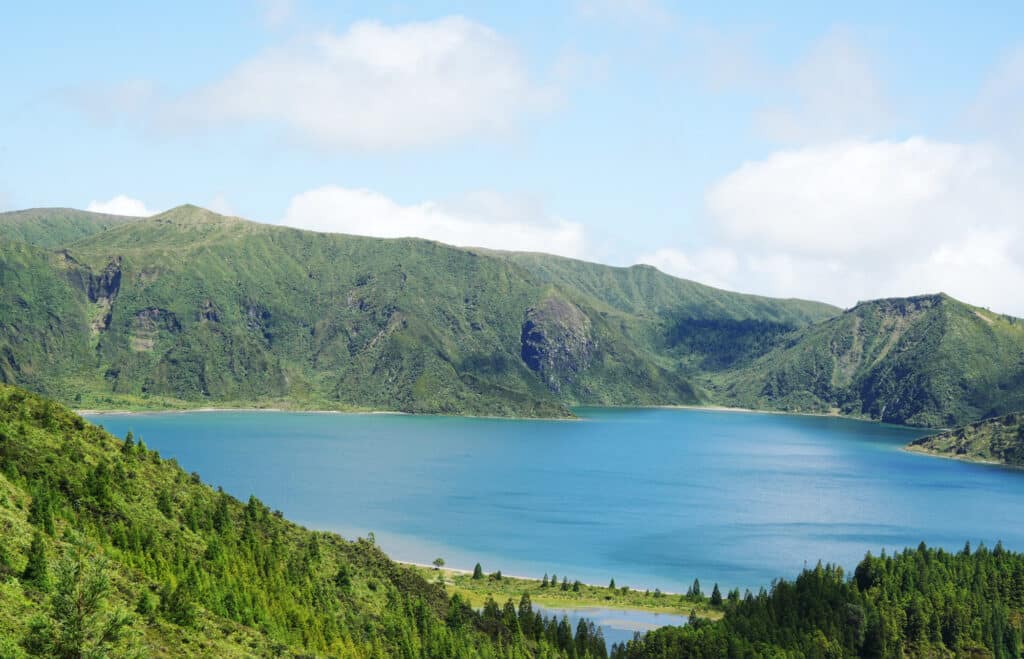
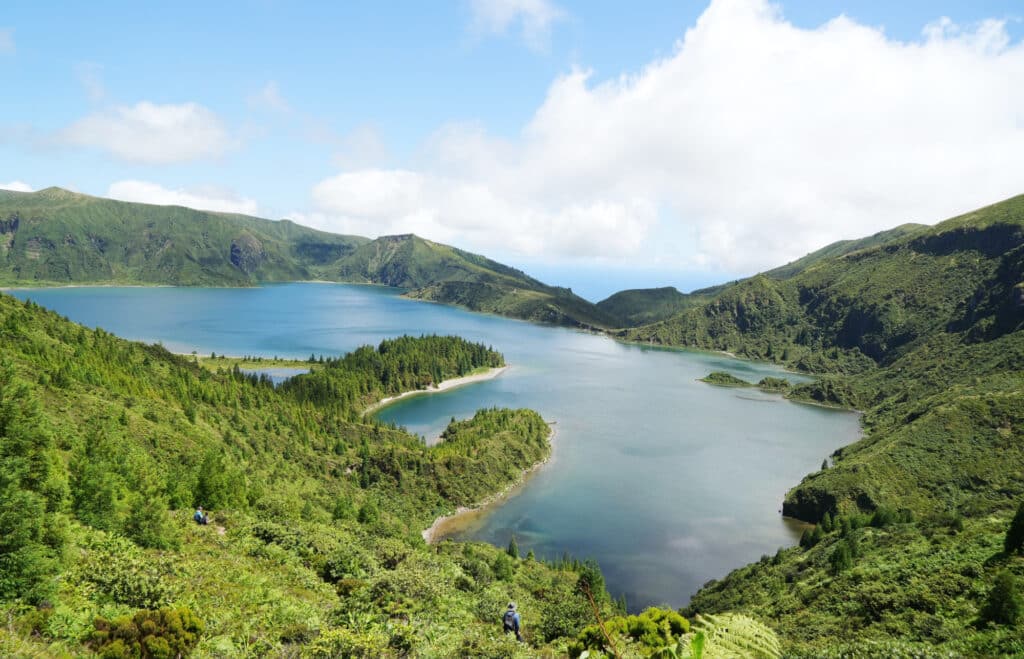
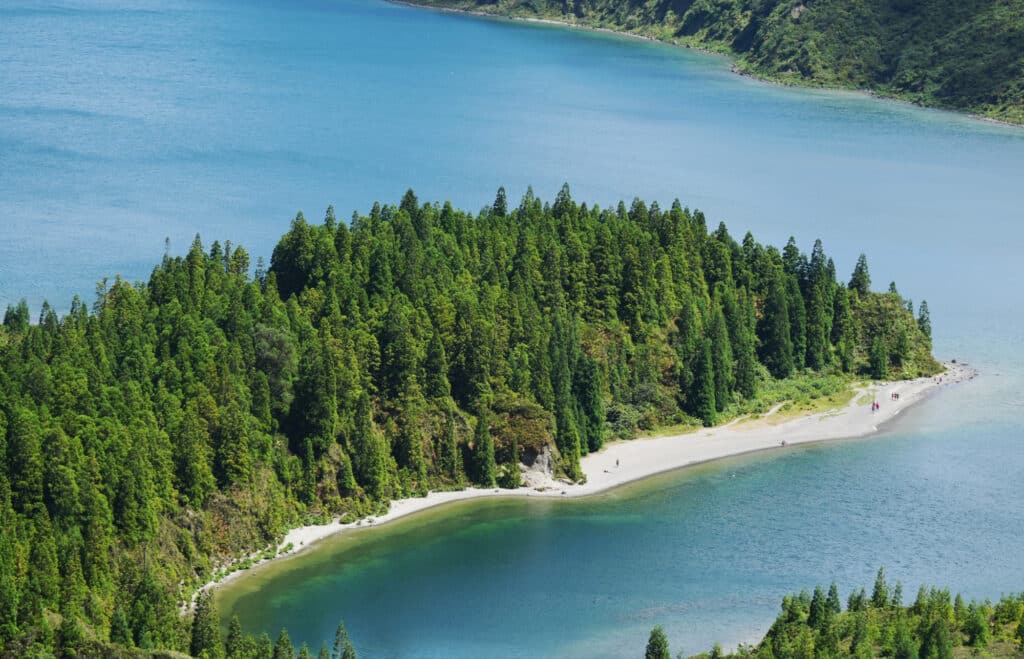
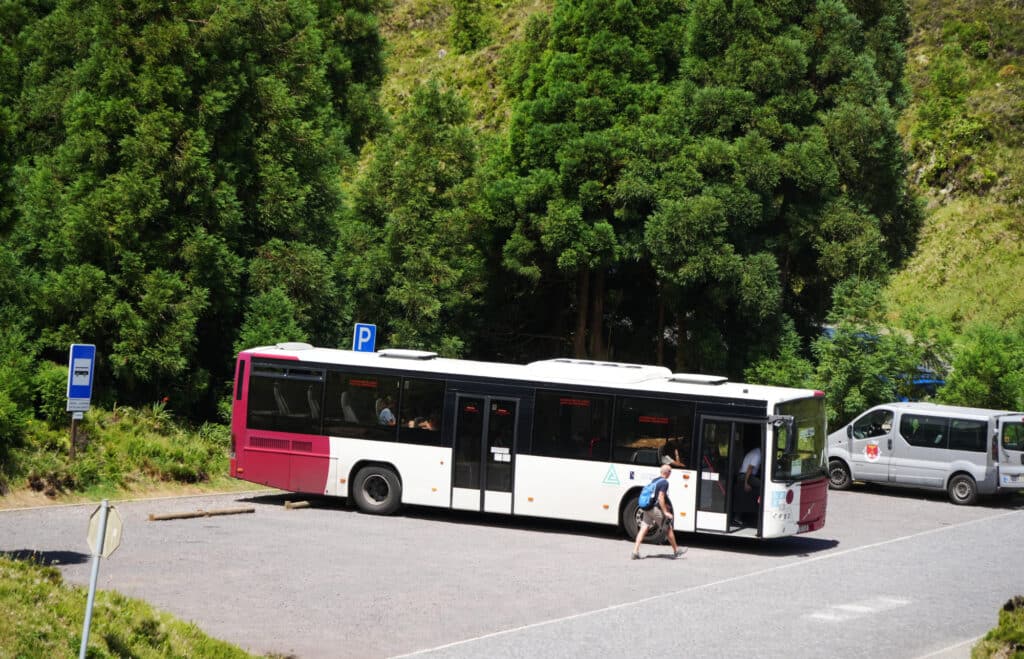
The lake of the volcano Fogo, Lagoa do Fogo, is approximately in the middle of the island and there is a viewpoint too. You are not only looking at the stunning lake, but you can also see the sea in the North and the sea in the South of the island. From the viewpoint, you can walk down towards the lake, but it is not allowed to swim there. In the summer months, only local cars and tourist tours are allowed to drive up to the viewpoint. If you’re in a rental car, you will have to park further down and take a shuttle bus to the viewpoint.
Beaches and Volcanic Pools in São Miguel
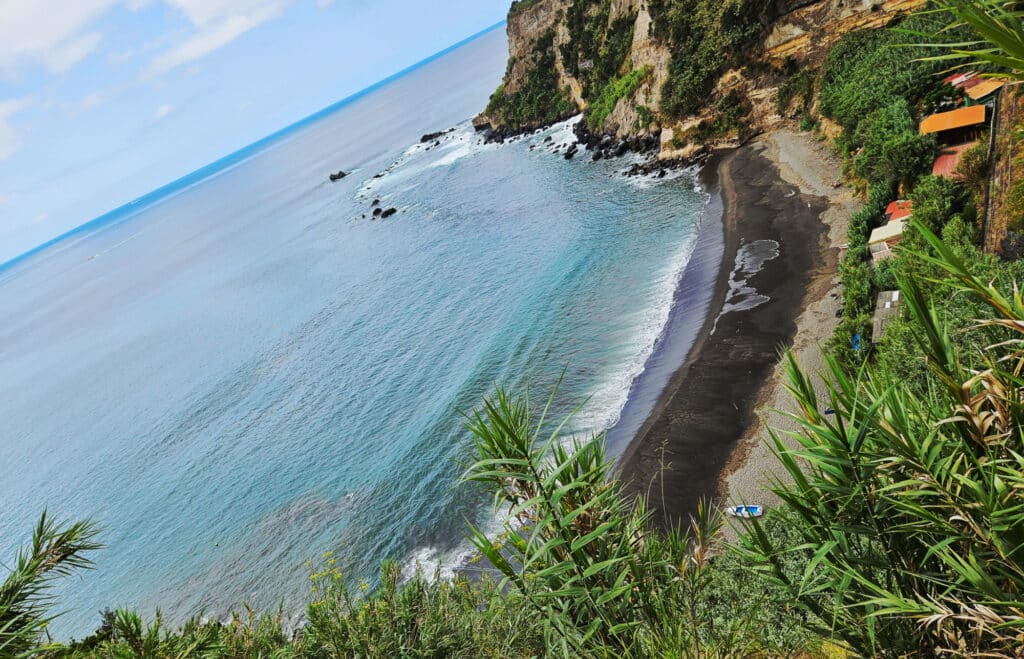
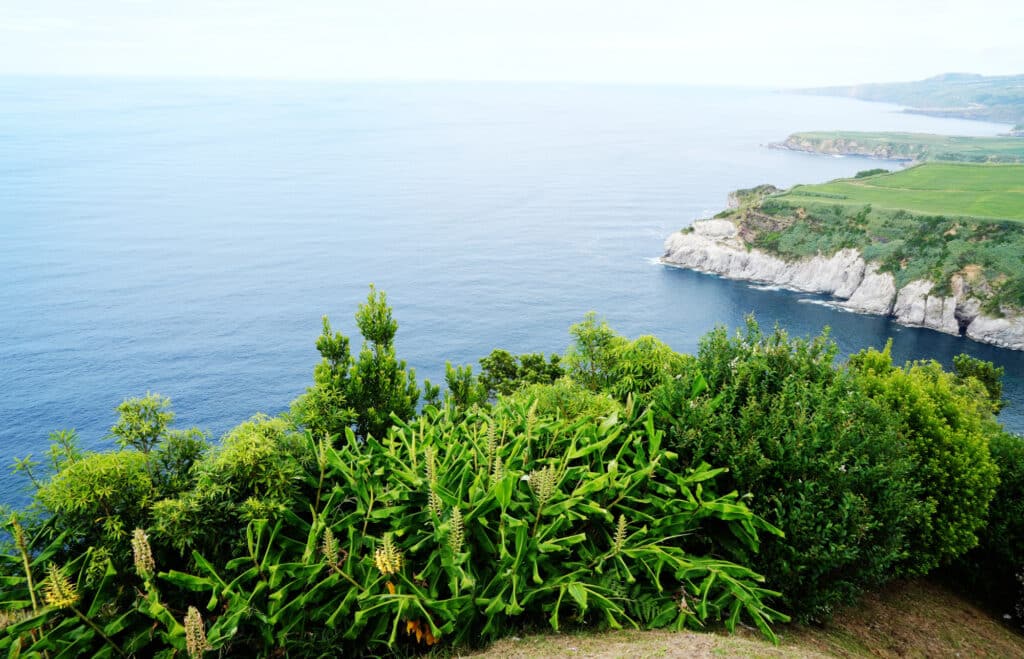
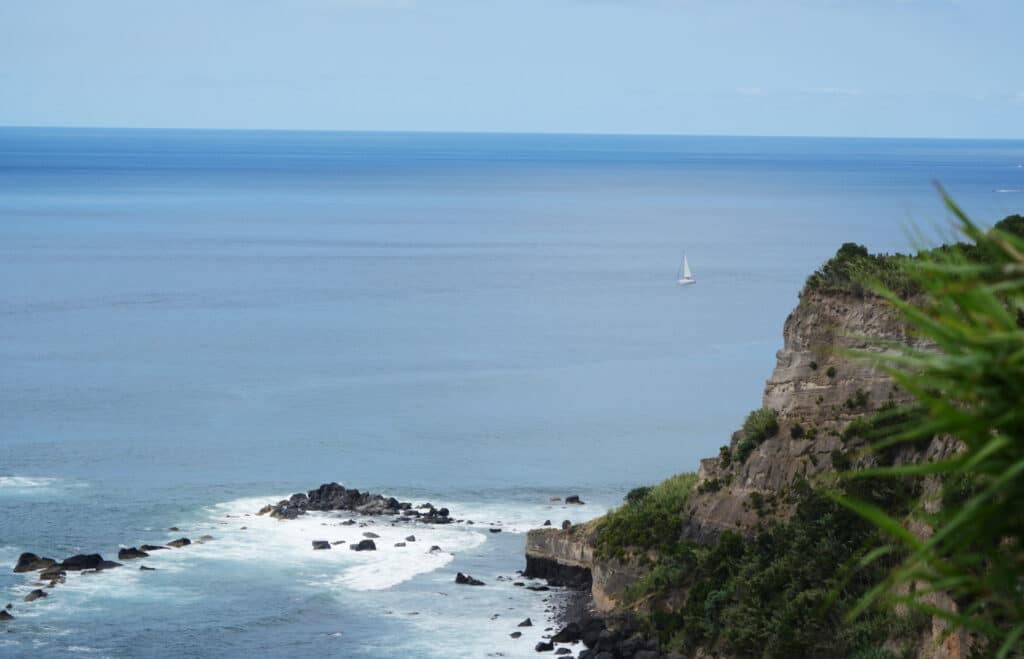
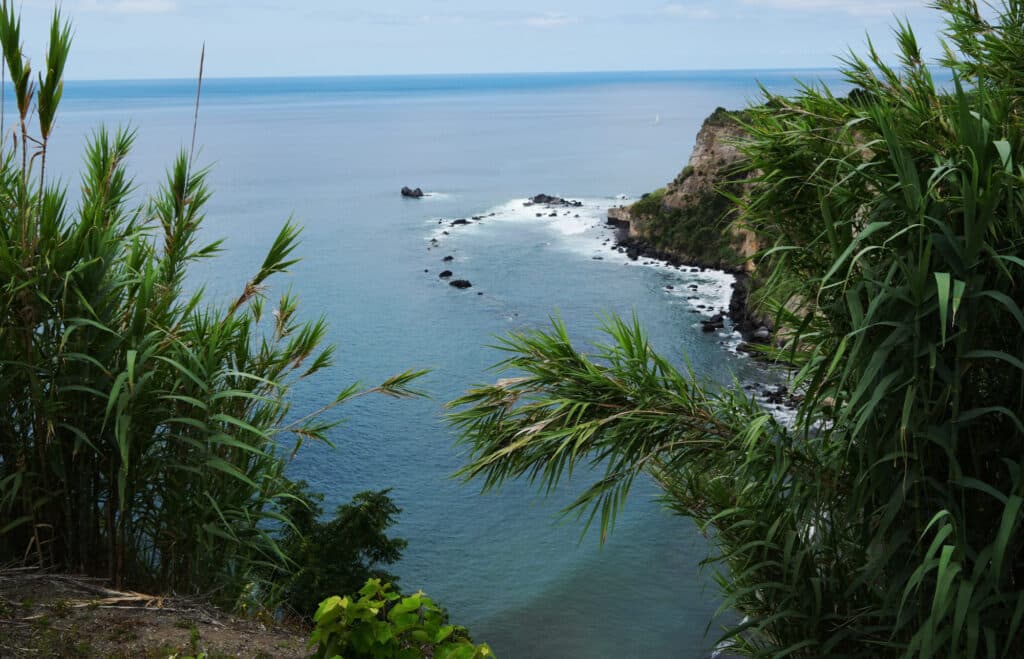
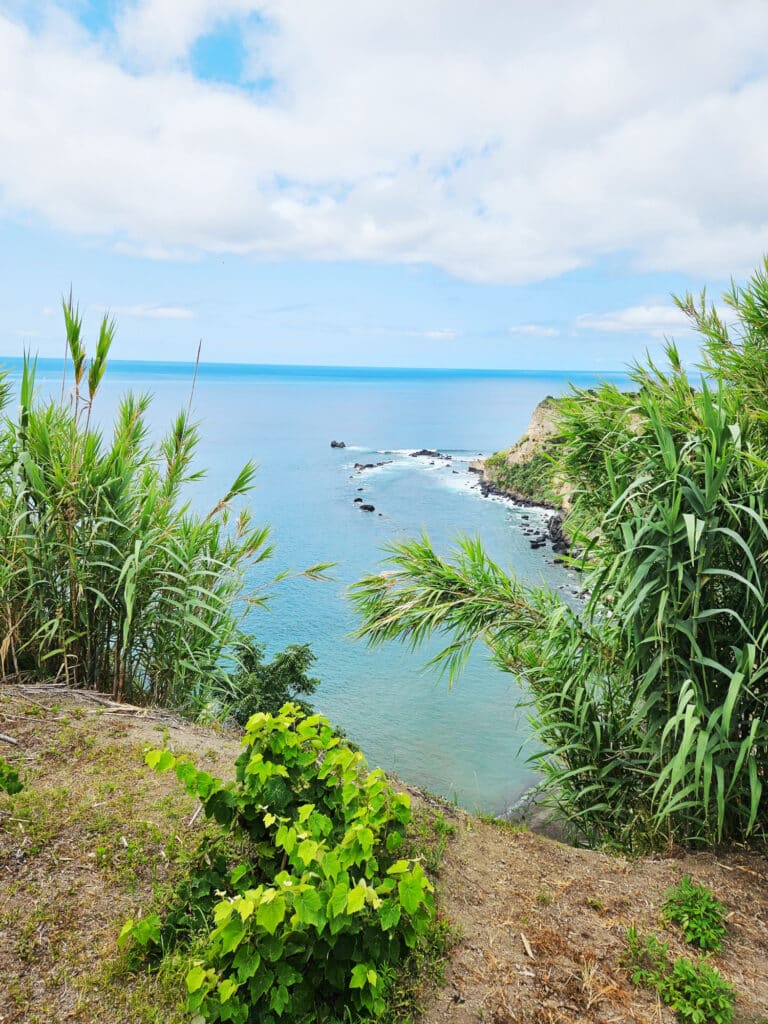
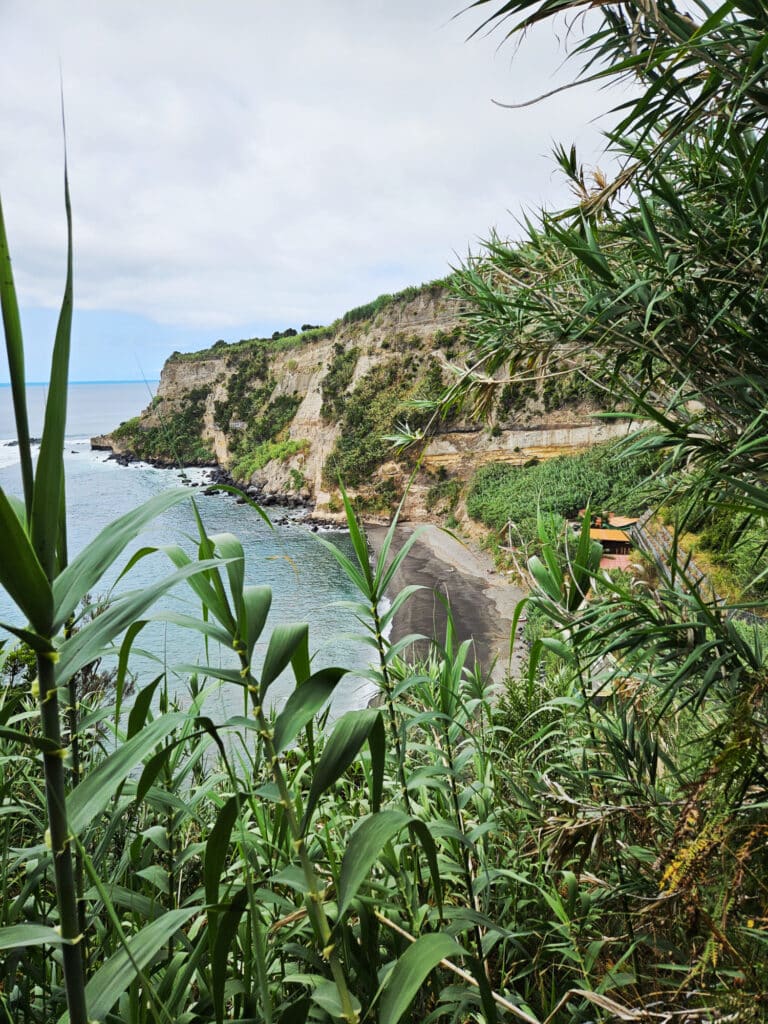
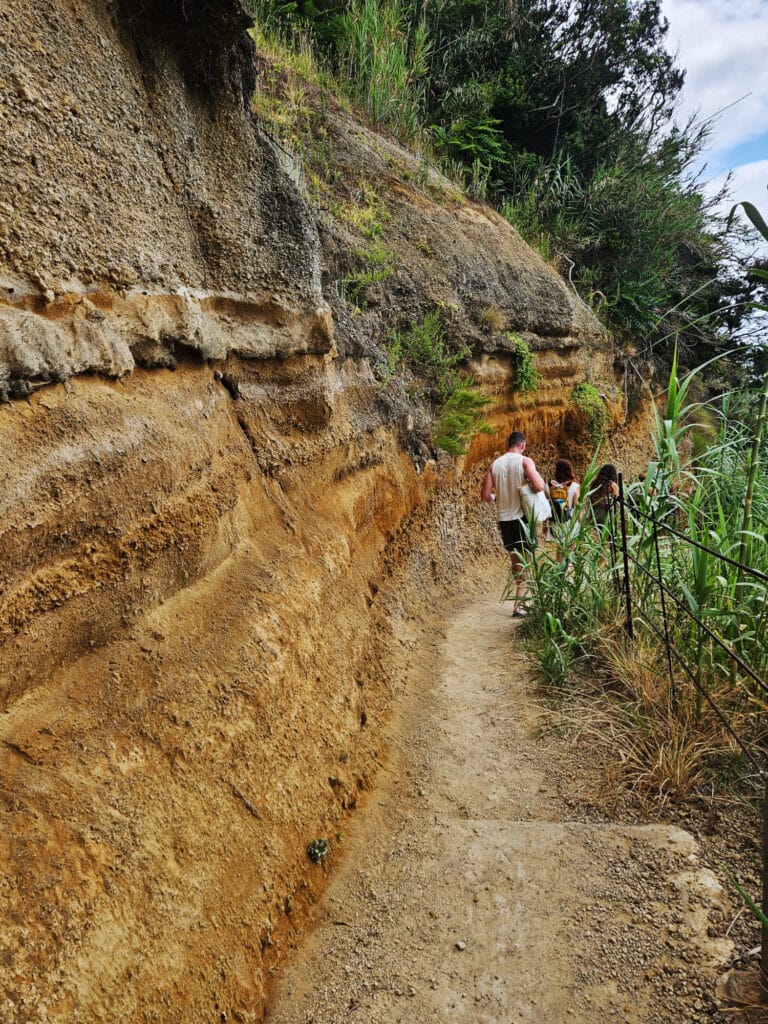
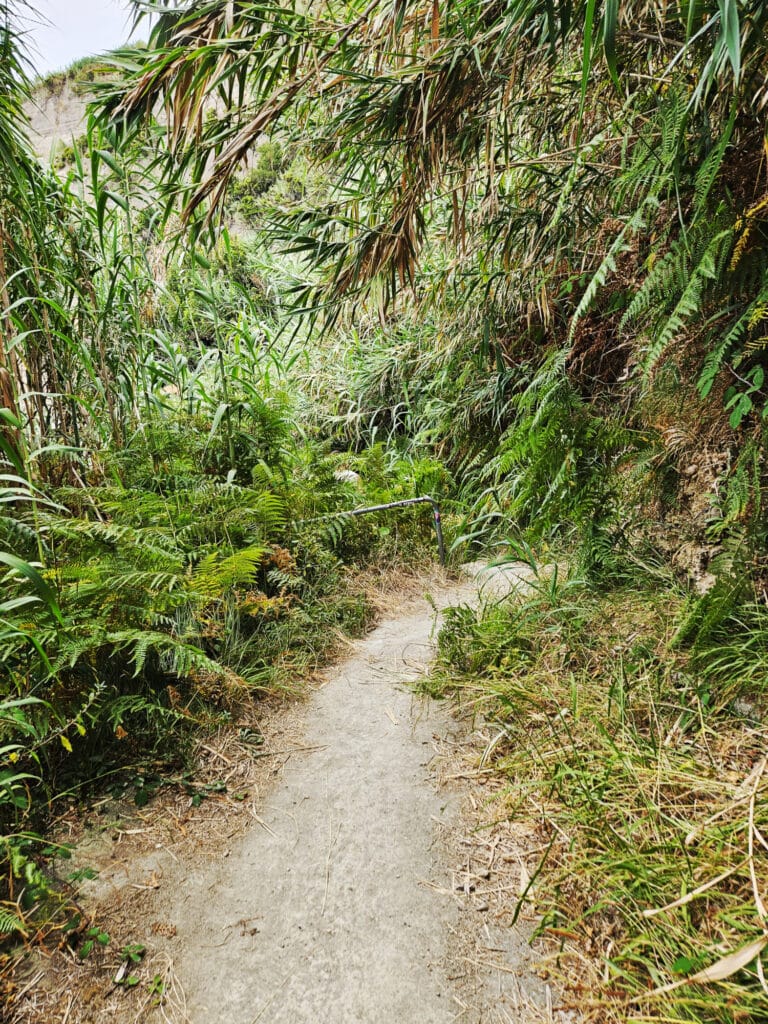
The most popular beach for swimming, sunbathing and surfing is Santa Barbara in Ribeira Grande in the North of São Miguel. You find more beaches though along the South coast, East of Ponta Delgada. Some of them are visible from the road and you will notice plenty of parked cars there. Some others are a bit more secluded and you might have to walk a bit to get down to the beach. Charlie’s favourite beach was Praia da Pedreira near the village Água de Alto.
Another beautiful and uncrowded beach is in the village of São Roque not far from the surfing beach Milicias.
Swimming in volcanic pools
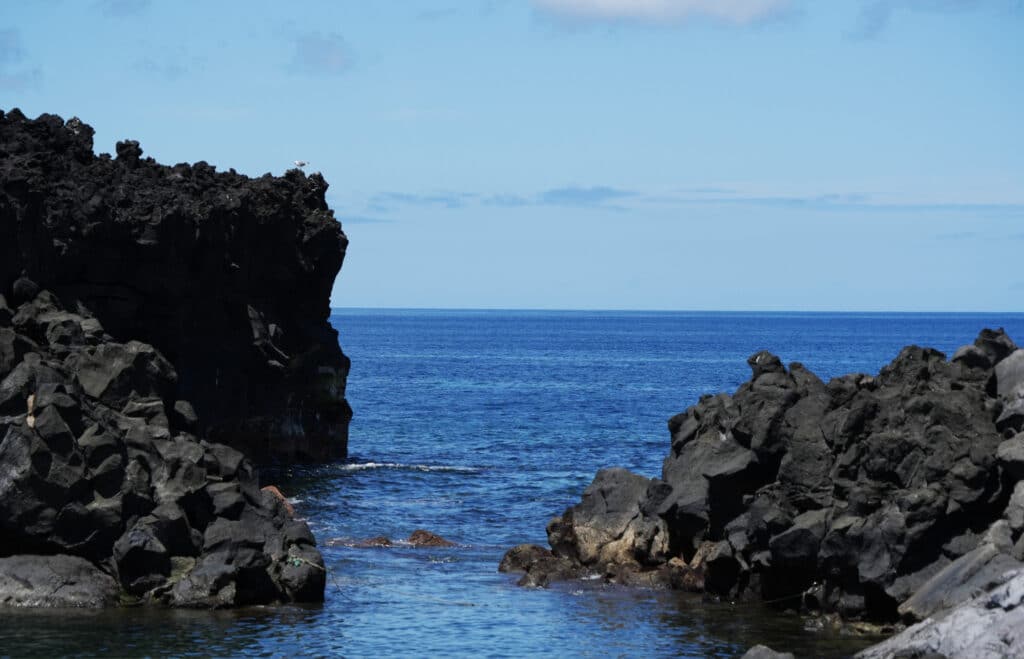
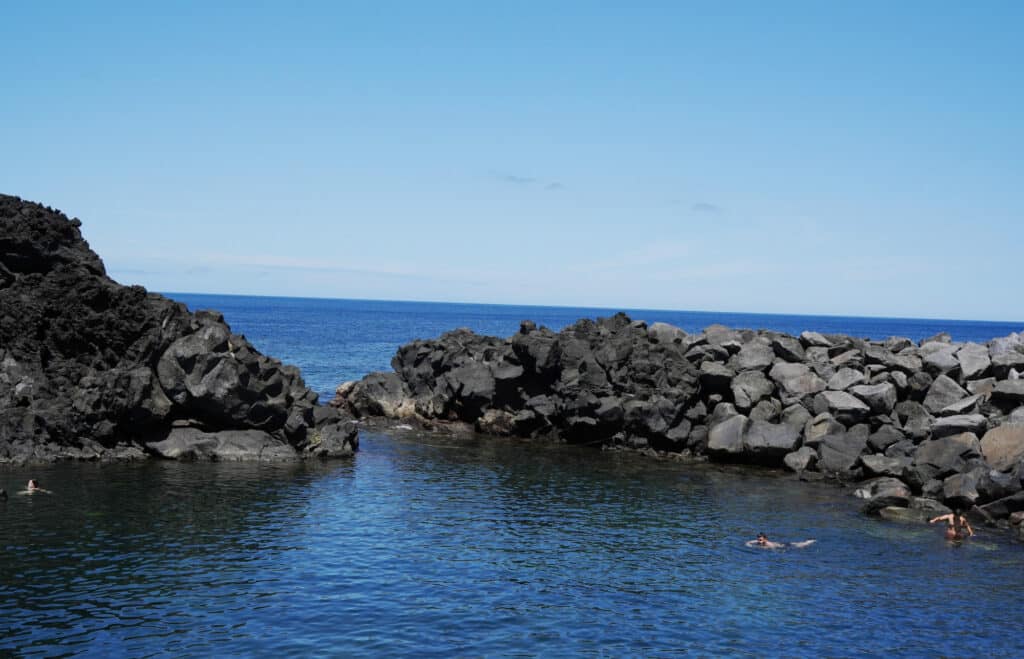
Along the North and West coasts of São Miguel, you can find volcanic pools that invite for a swim. The most popular are those in Mosteiros. A bit further South of Mosteiros is Ponta da Ferraria, where the volcanic pools are thermal baths at low tide. You can enjoy the warm water as long as the water levels are low.
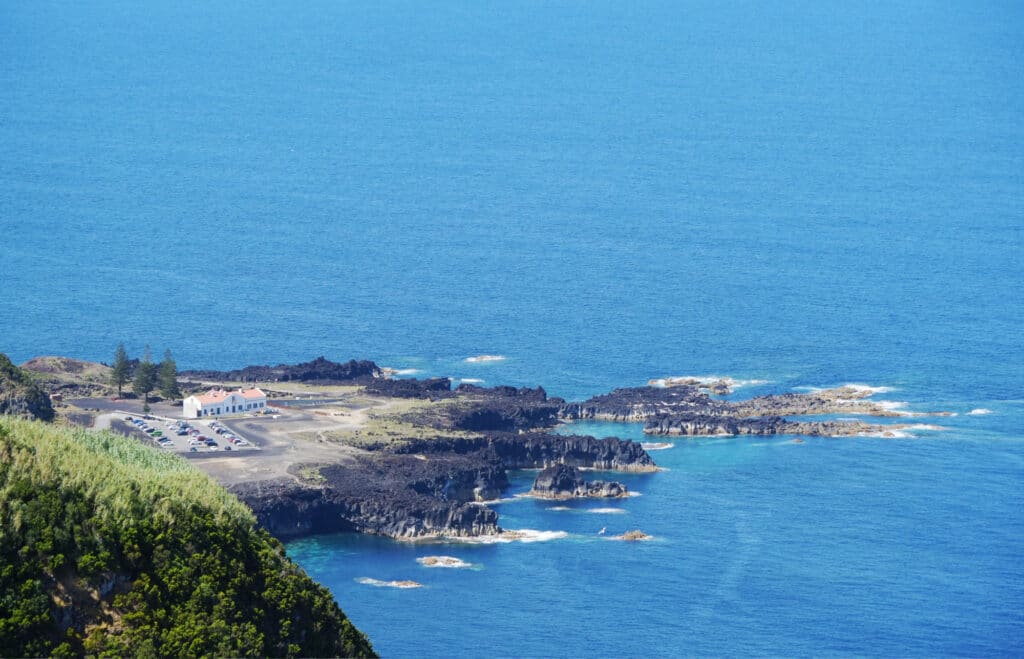
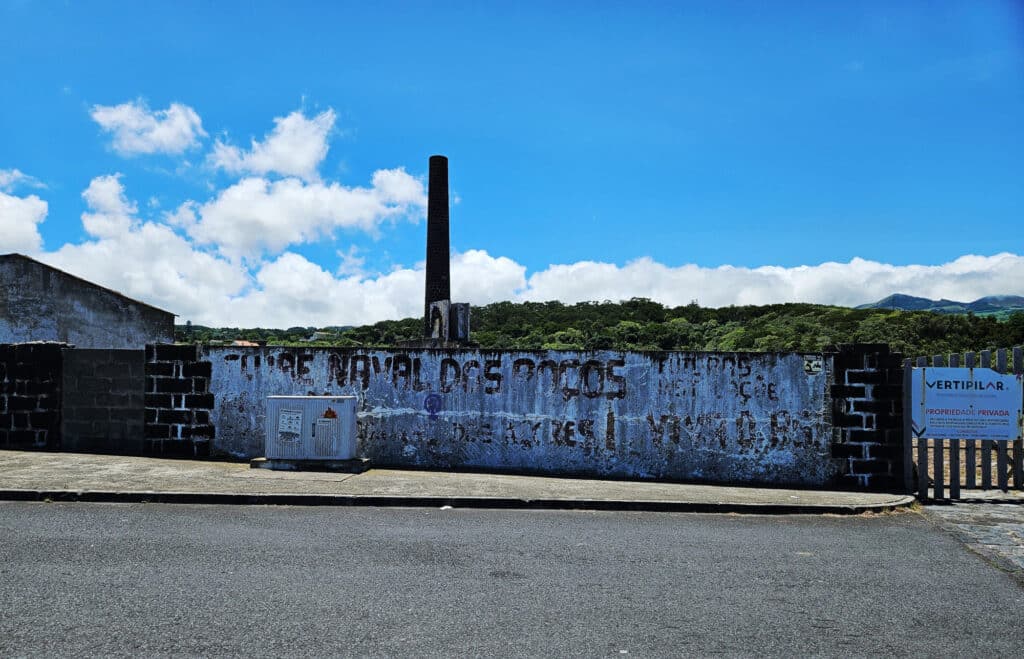
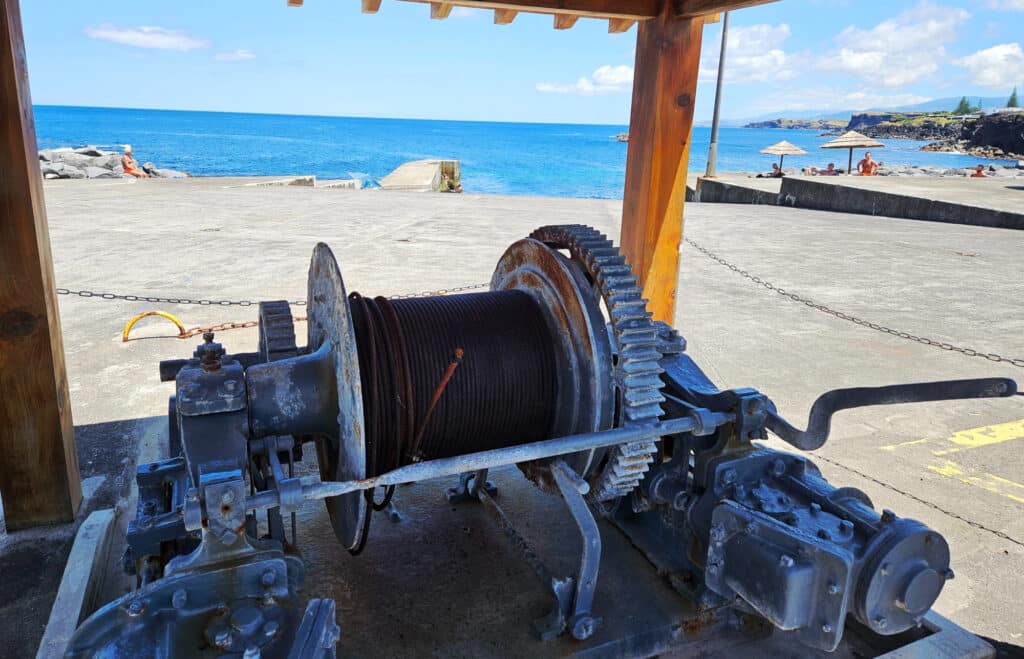
There is another volcanic pool in Capelas and there is also space to sunbathe, it is not a beach though. This same spot is where whales were caught up to the 1980s. This had a long tradition in the Azores and is nowadays prohibited. The factory was closed and the Azores are now protecting marine life.
Whale watching in the Azores
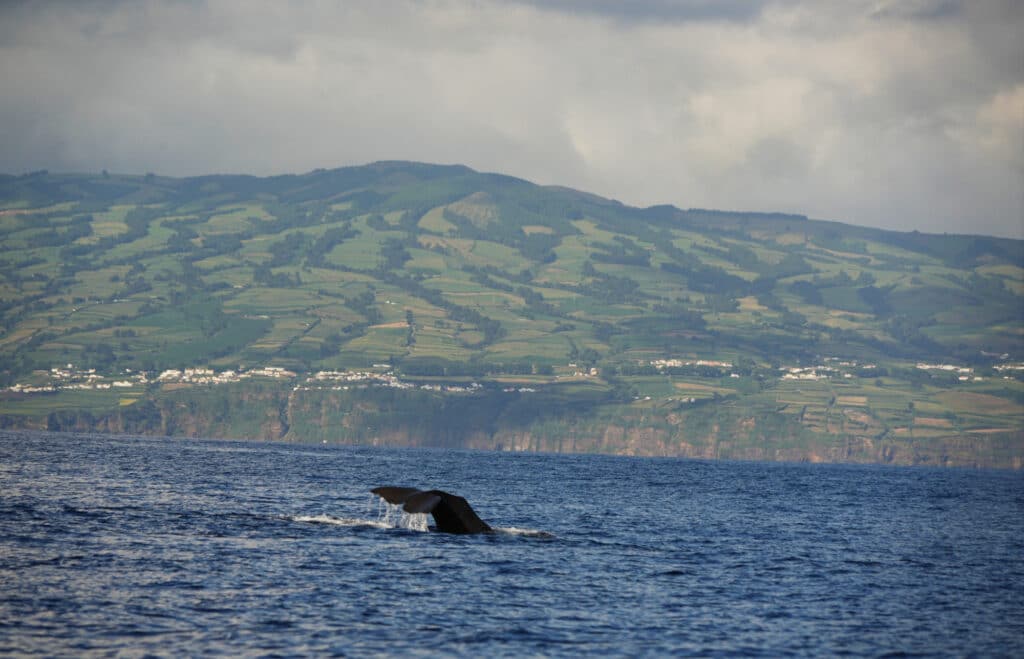
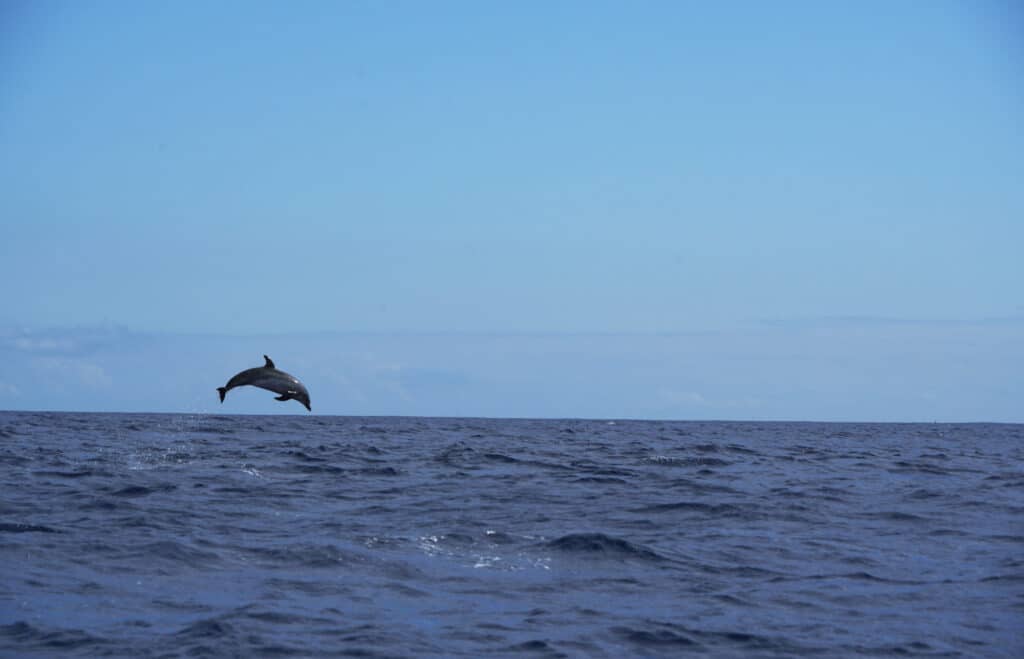
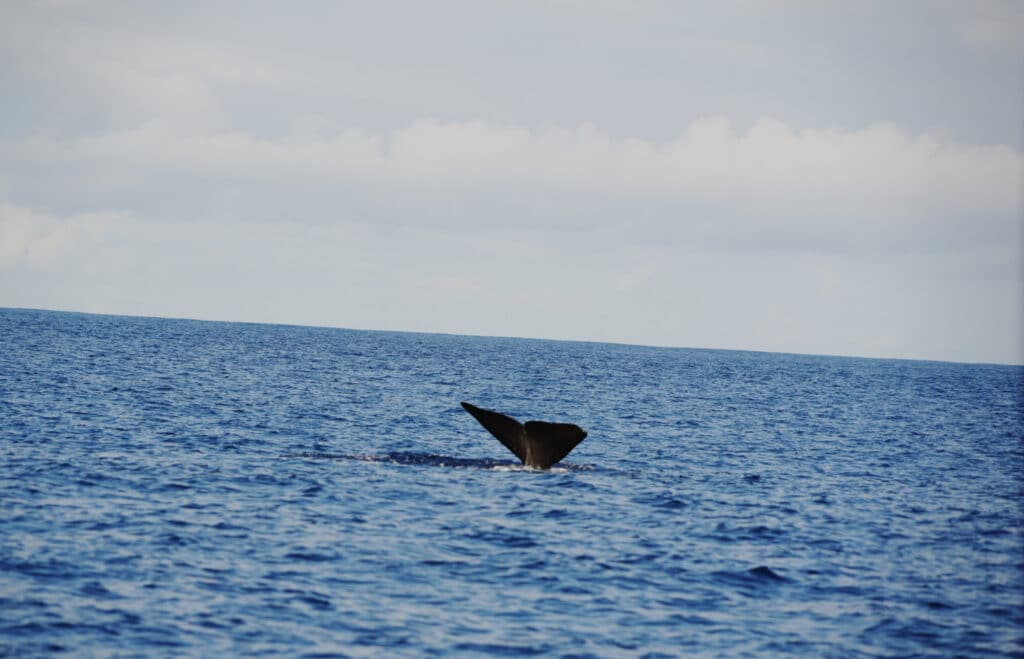
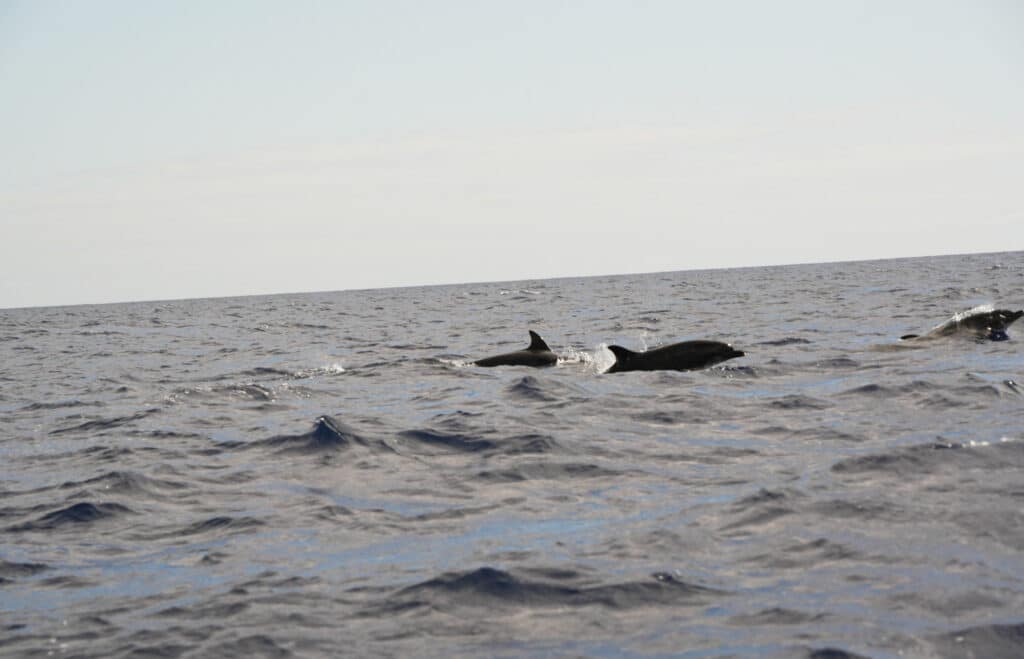
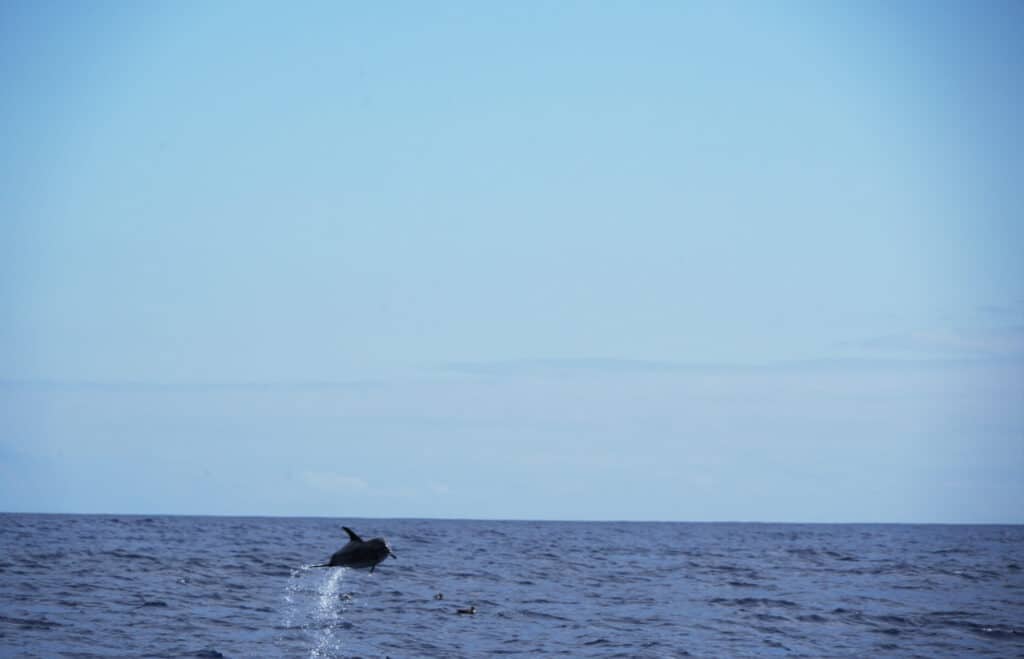
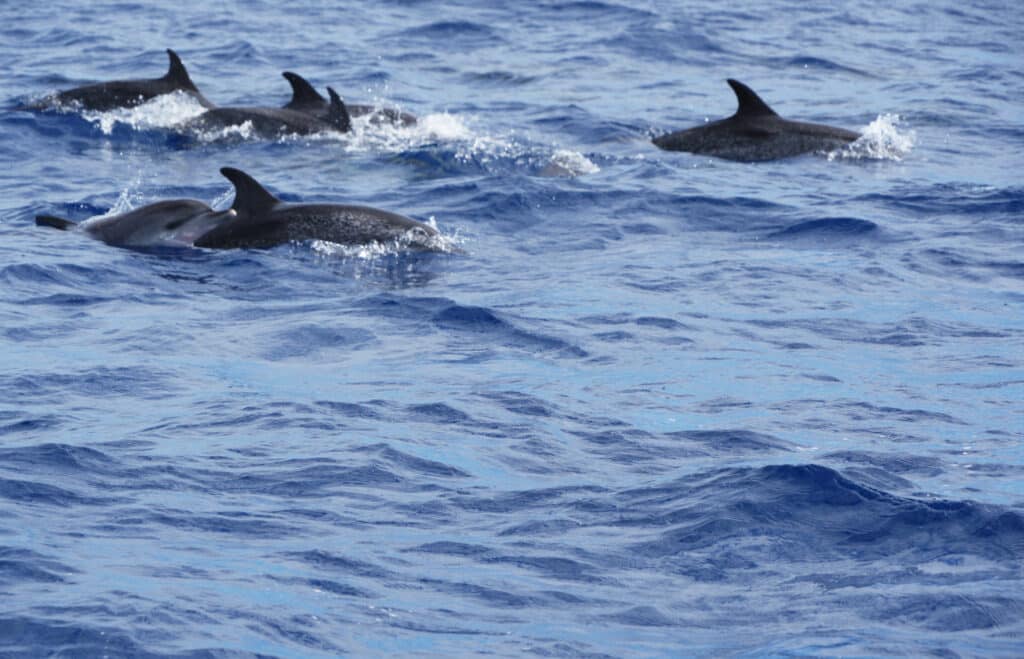
Whales are not only a protected species, they’re also a tourist attraction. Whale watching tours are probably the most popular activity for visitors in São Miguel. You find plenty of tours and most of them guarantee that you will see whales. Most of the tours start from Ponta Delgada, Charlie however had booked it together with her housemates from the coliving in the North of the island. The harbour of Rabo de Peixe was much closer and they booked a tour that started from there.
(Note: Rabo de Peixe is not a safe place to be due to poverty and drug related issues.)
Canyoning and Waterfalls in São Miguel
Another popular activity in São Miguel is canyoning and the most popular place is Ribeira dos Caldeirões in Nordeste. It is a beautiful canyon that you can walk along and see without being on a canyoning adventure. There is a big waterfall and several smaller ones. You will also see some houses that provide accommodation and a tourist shop.
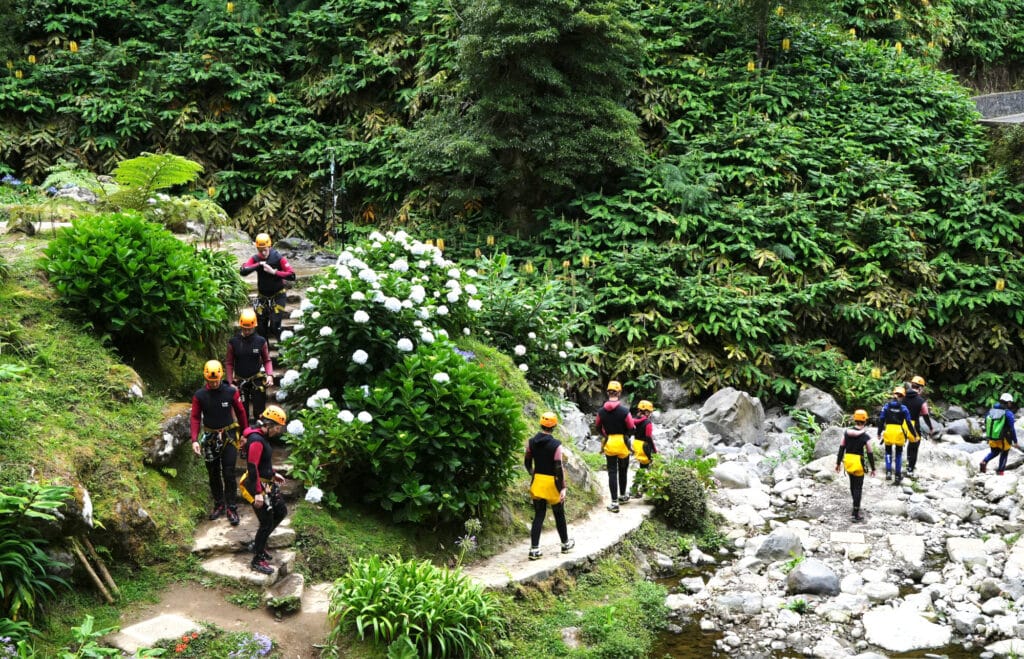
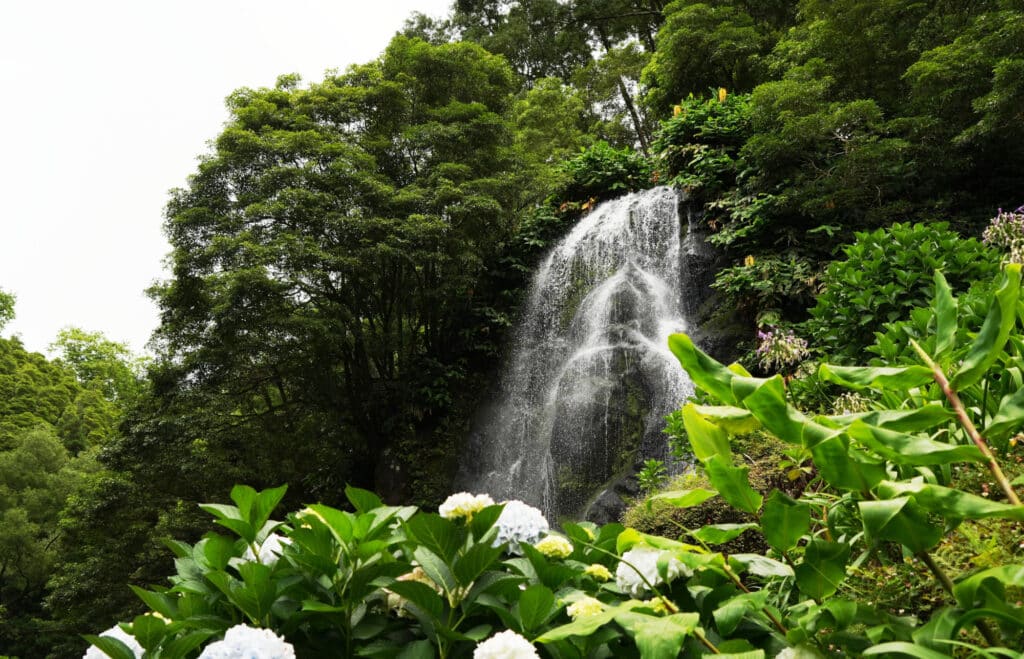
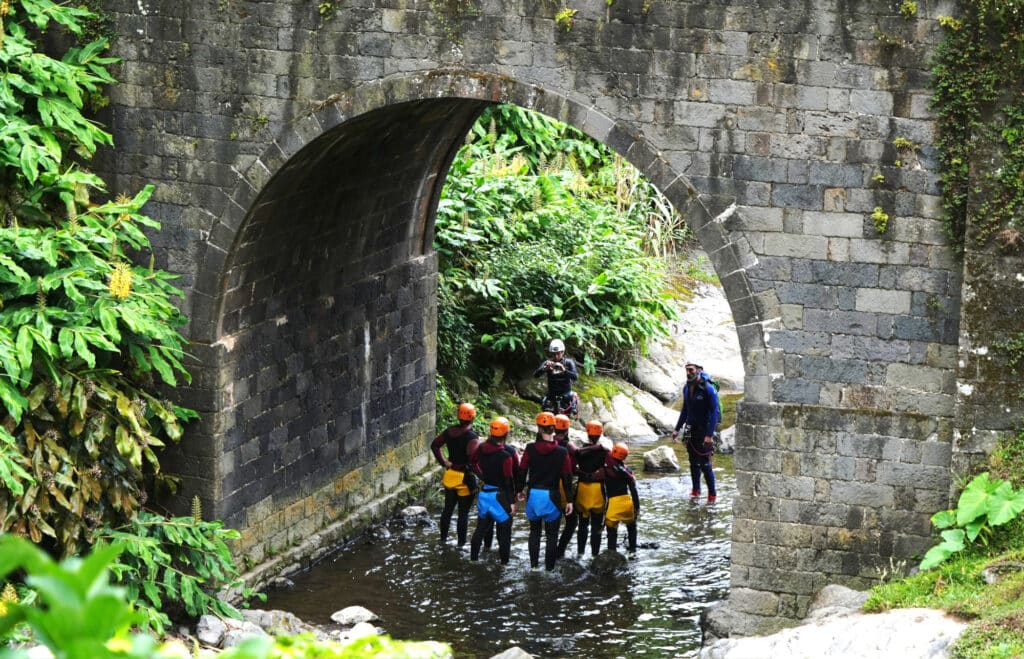
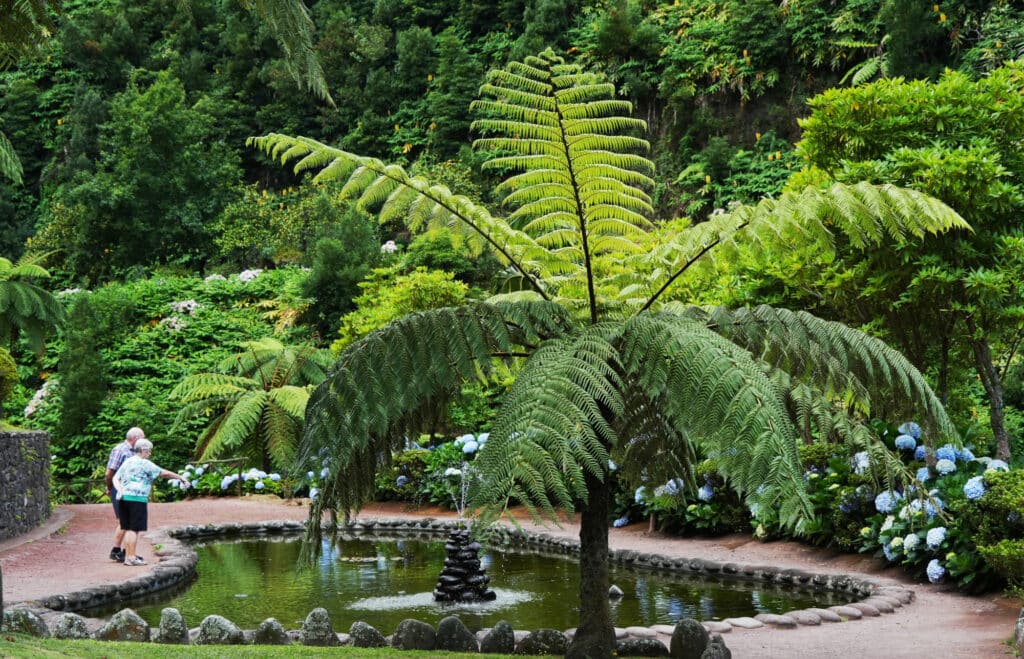
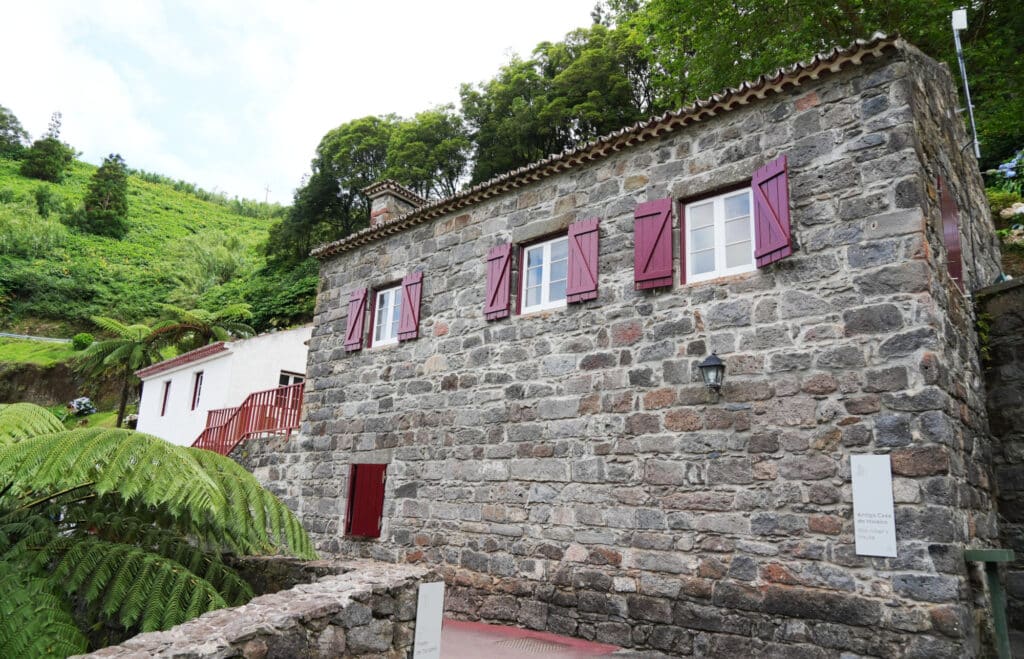
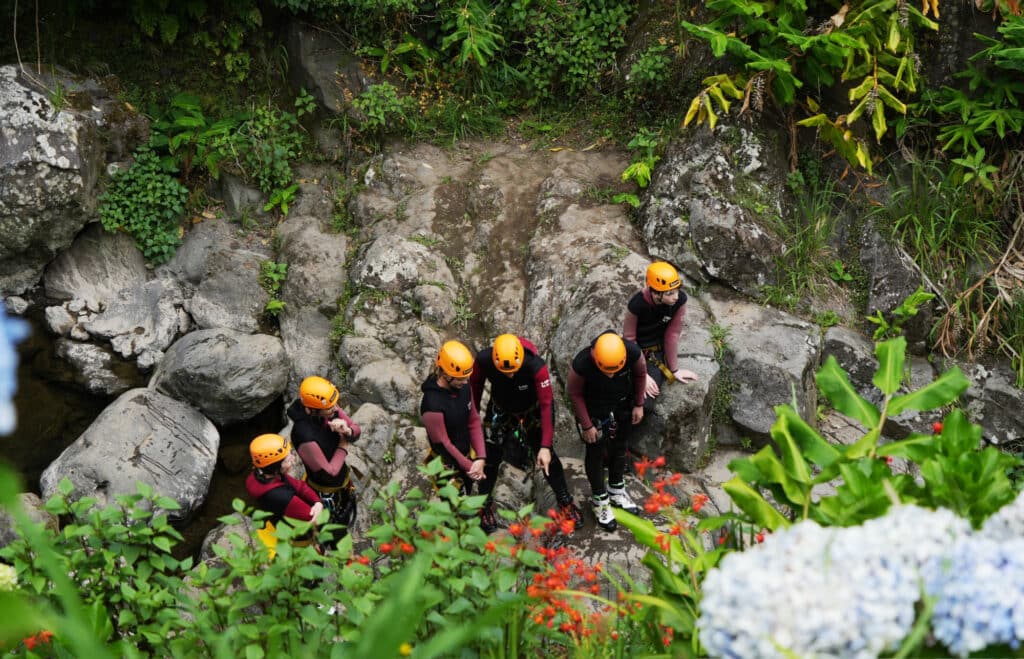
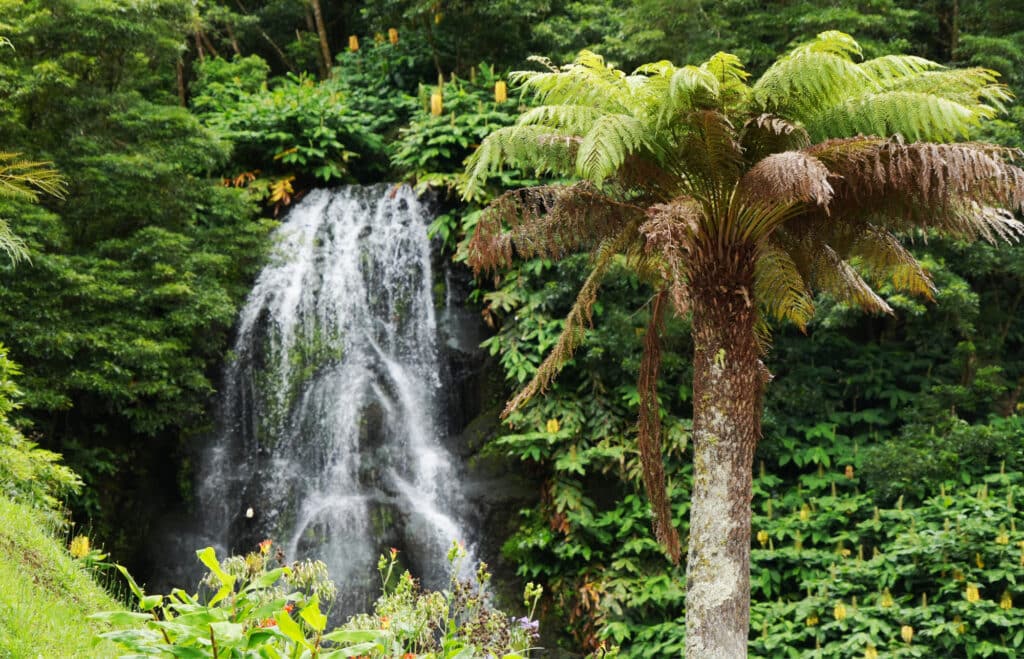
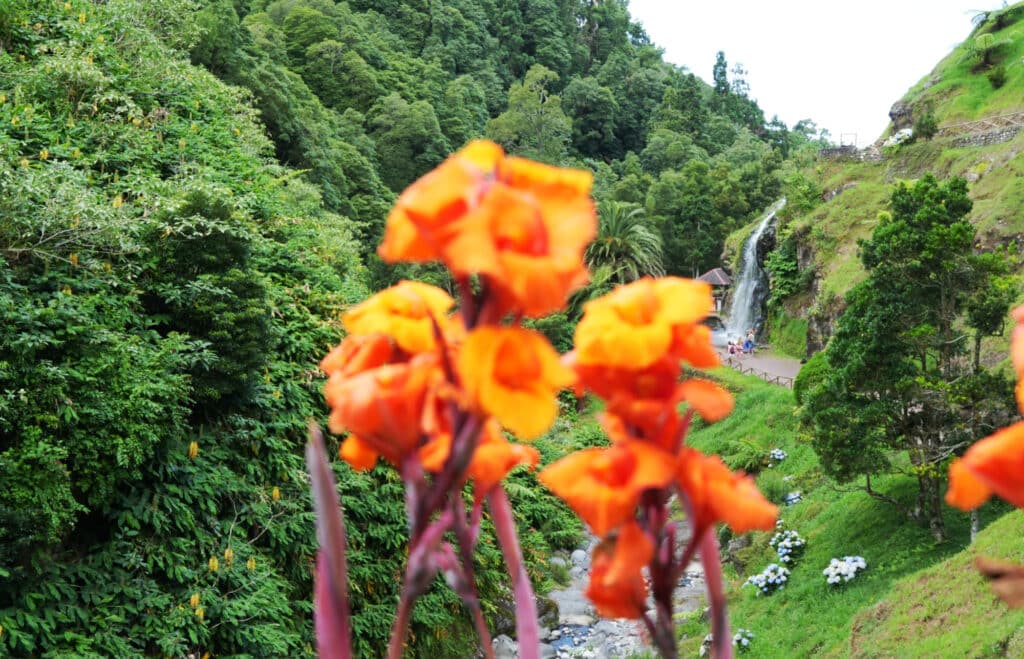
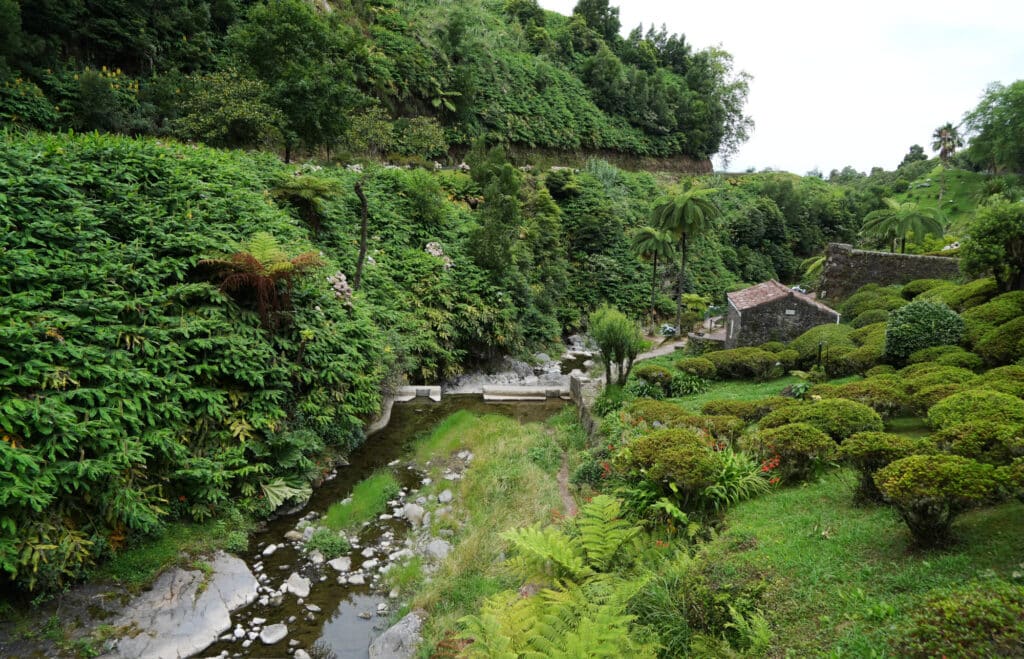
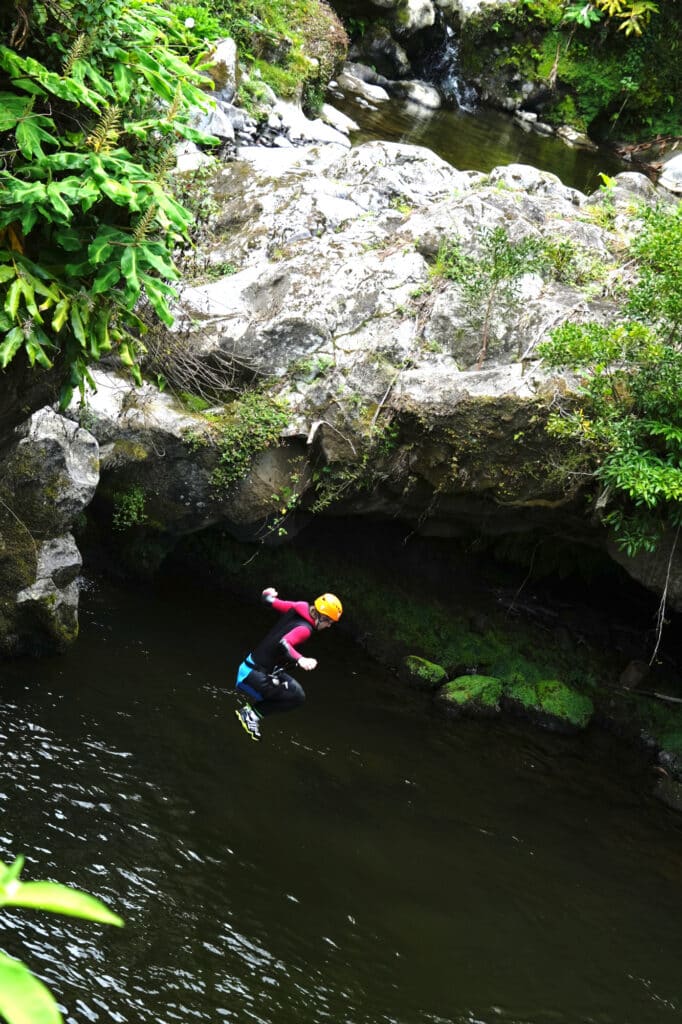
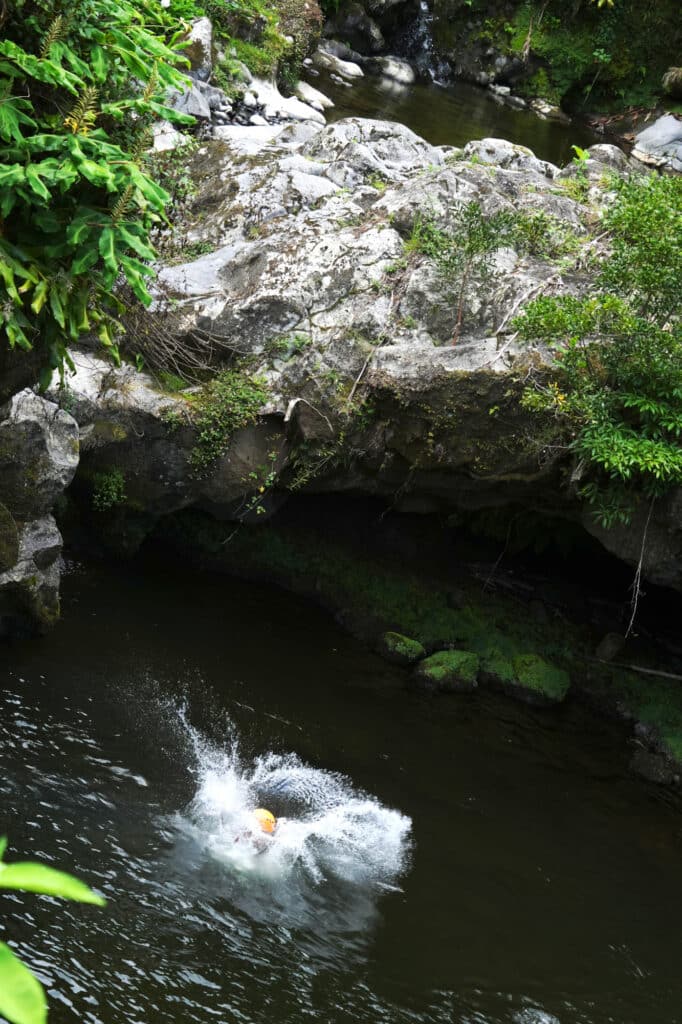
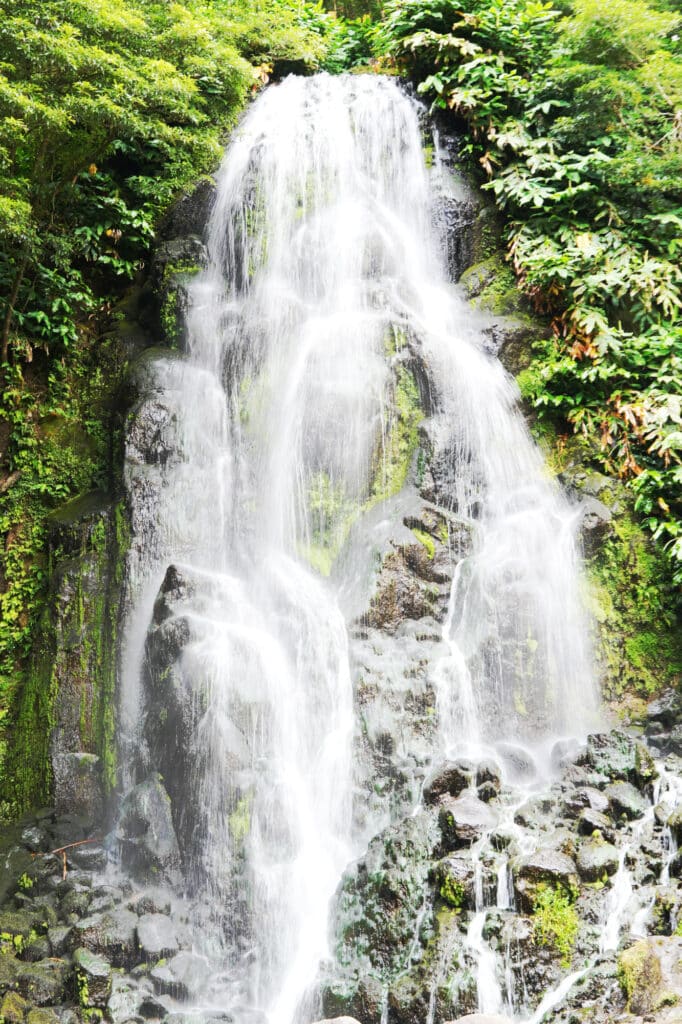
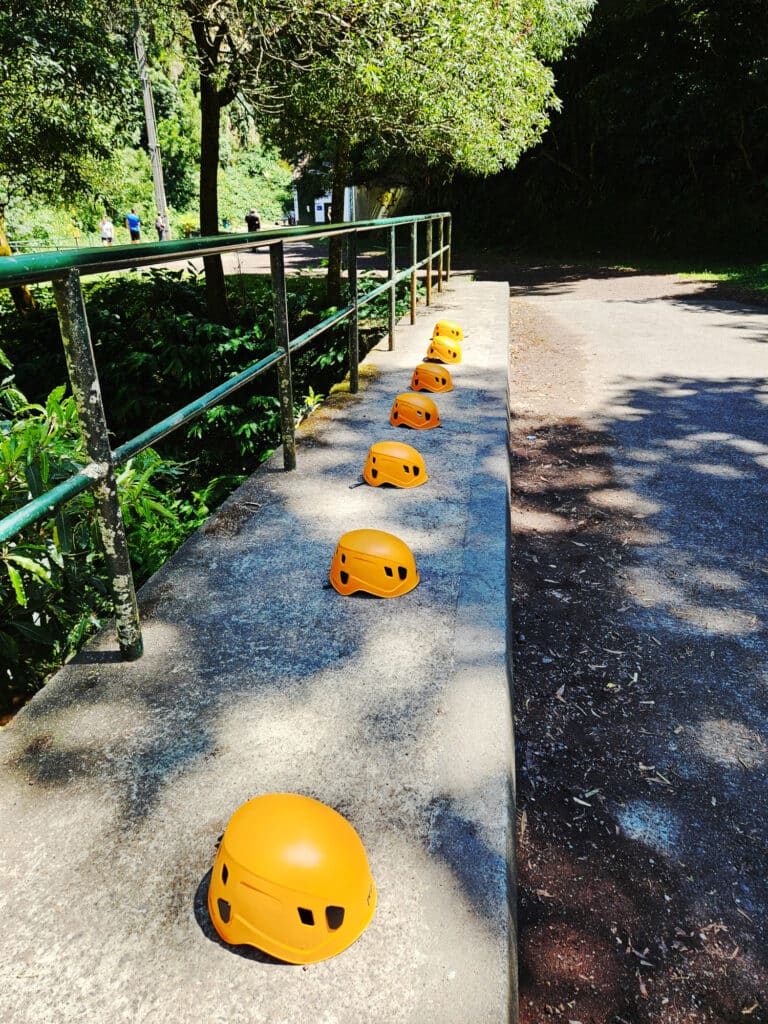
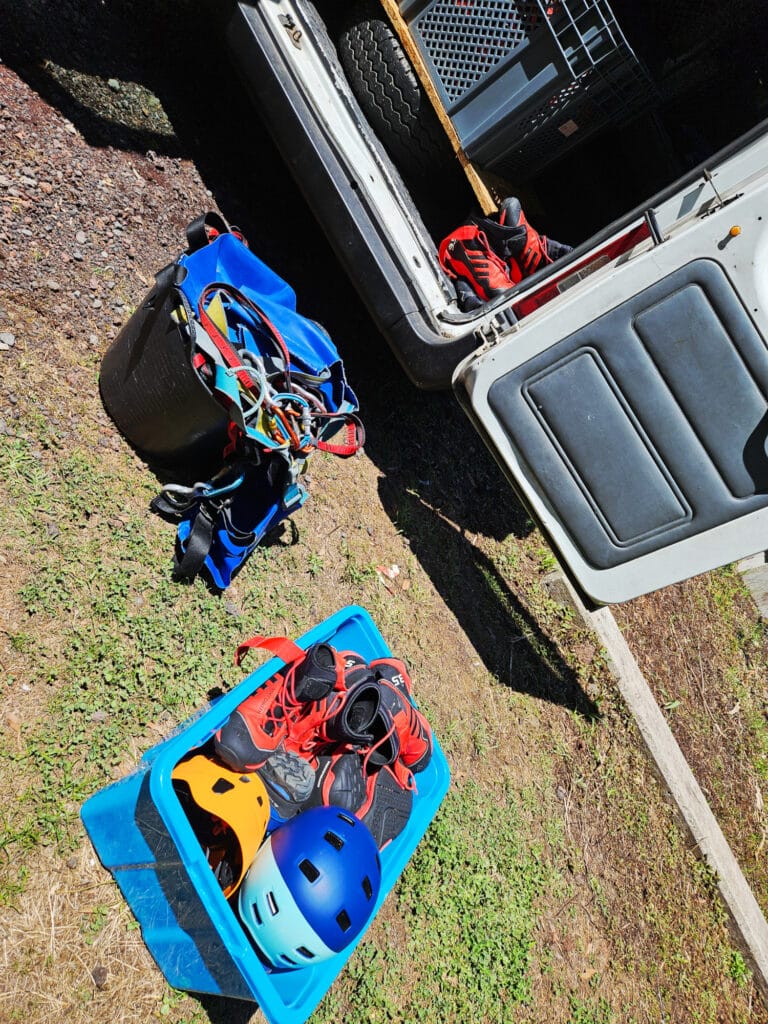
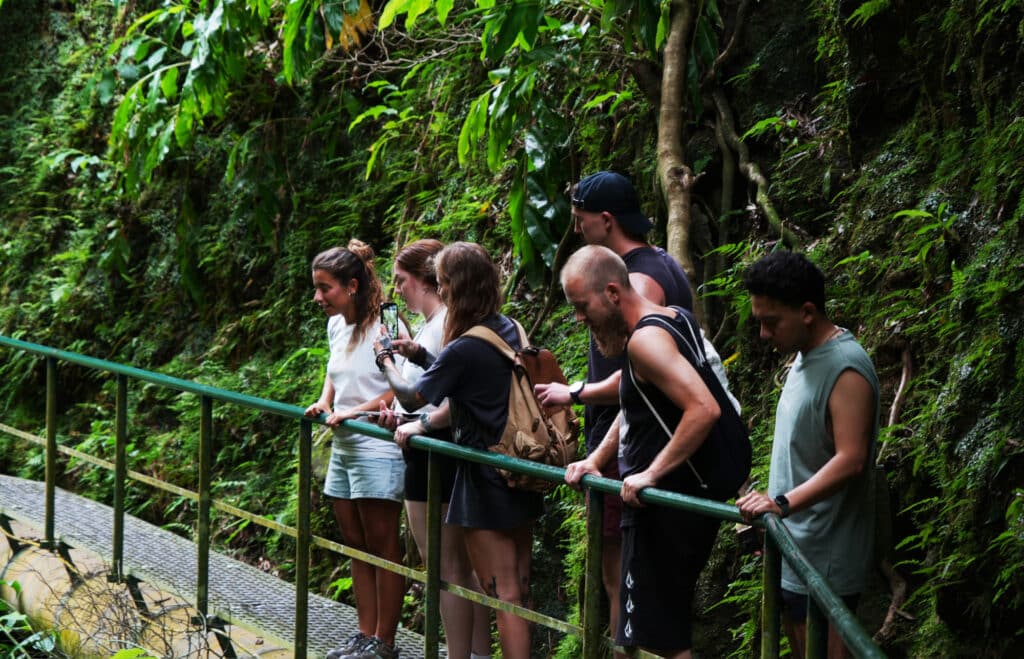
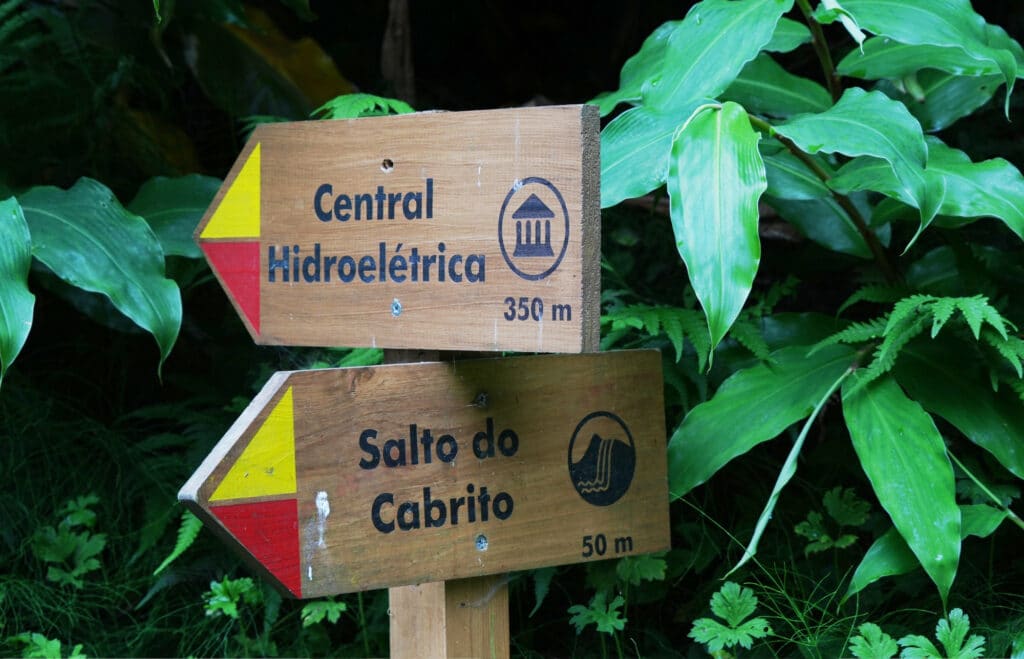
The second spot for canyoning in São Miguel is at the waterfall Salto do Cabrito. The tour starts near the waterfall with a hike of about 30 minutes to the upper part of the canyon. It involves a 5-meter-jump and several abseiling sections and it ends back at the waterfall Salto do Cabrito.
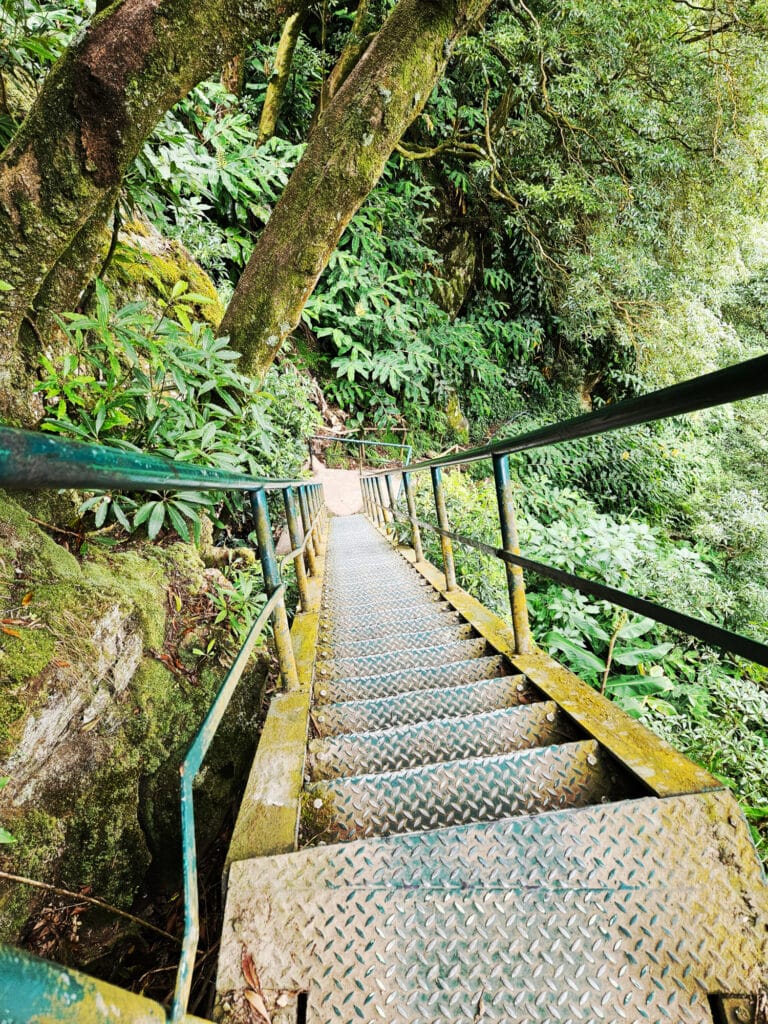
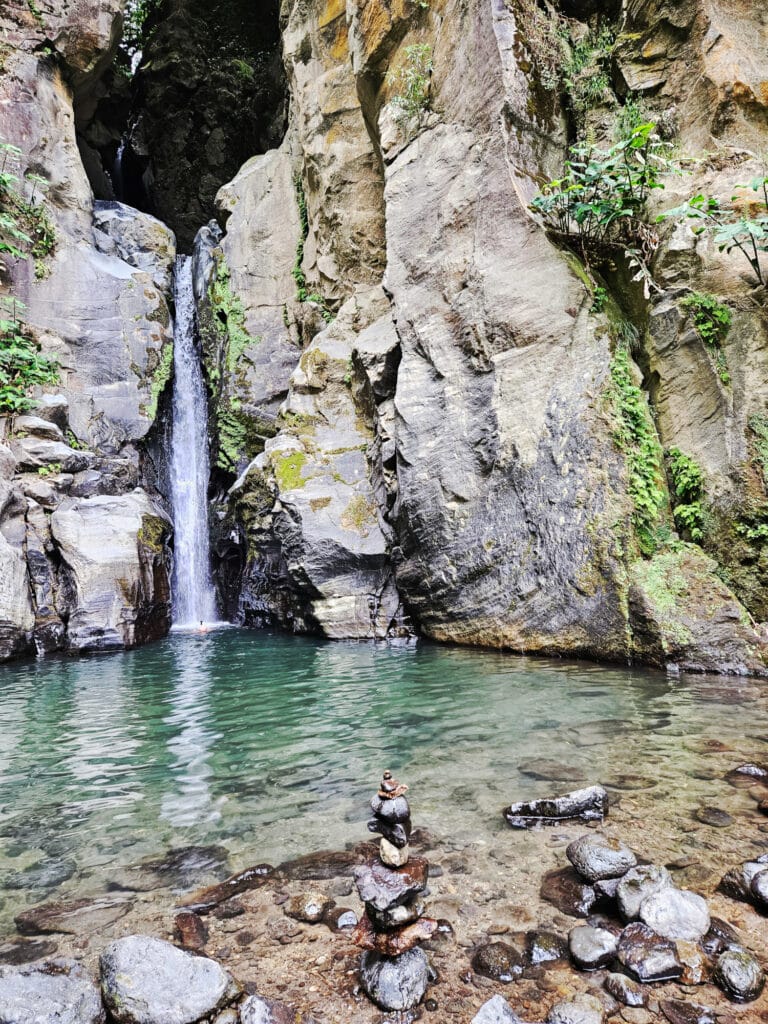
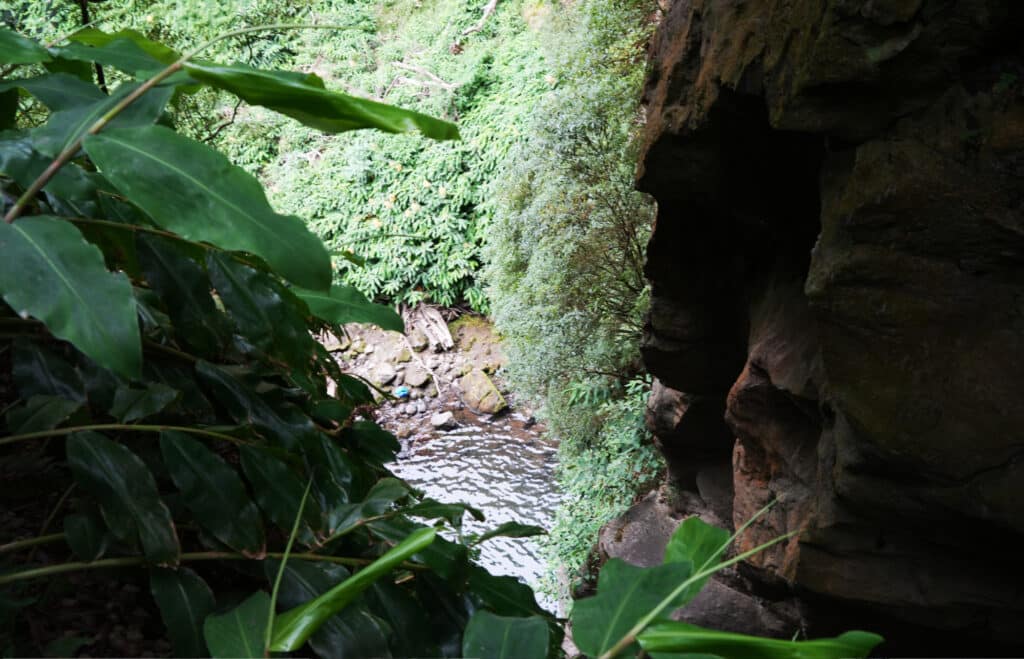
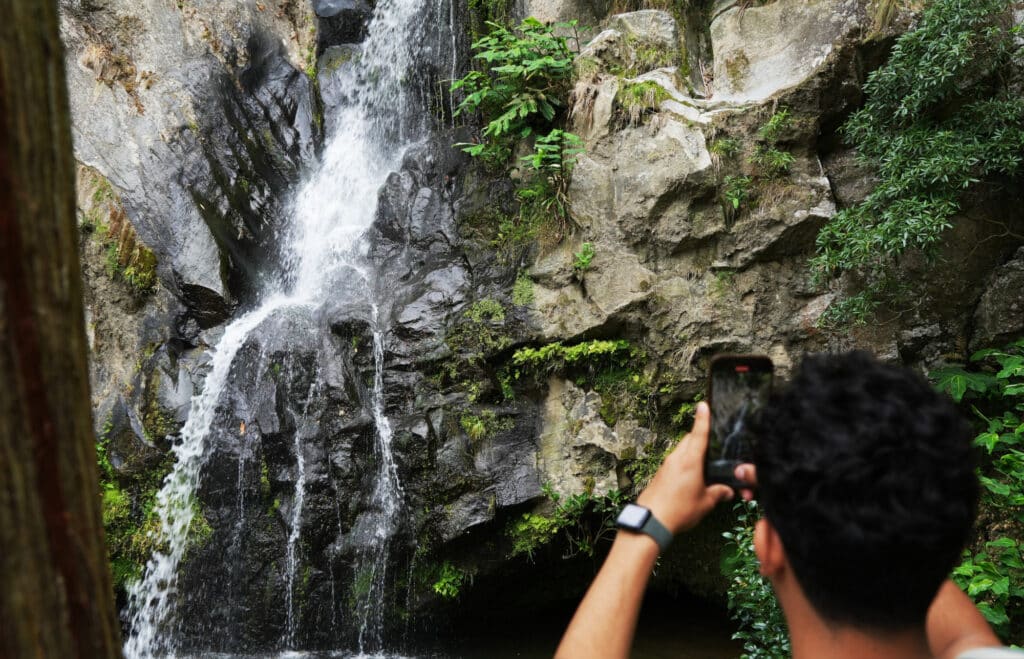
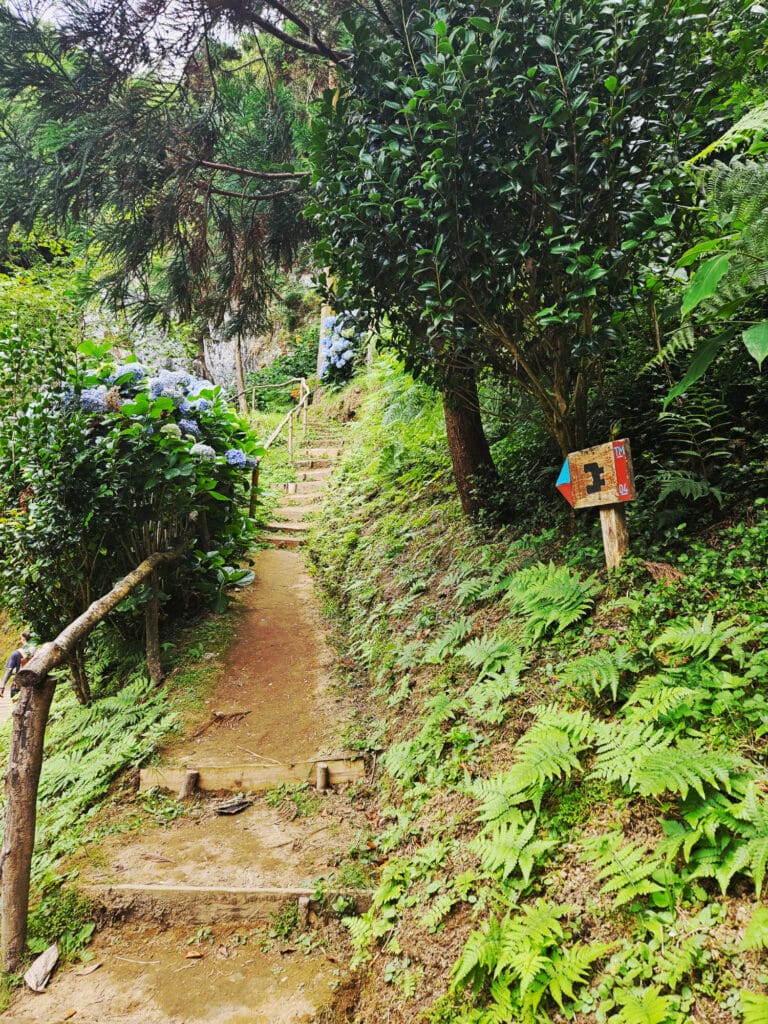
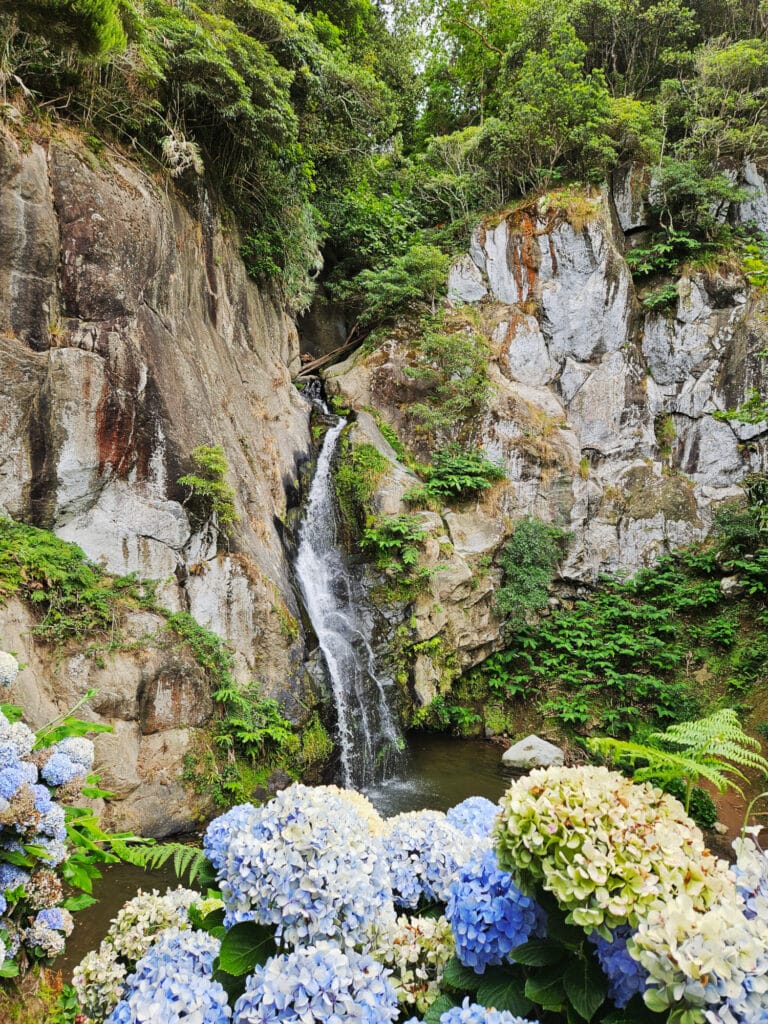
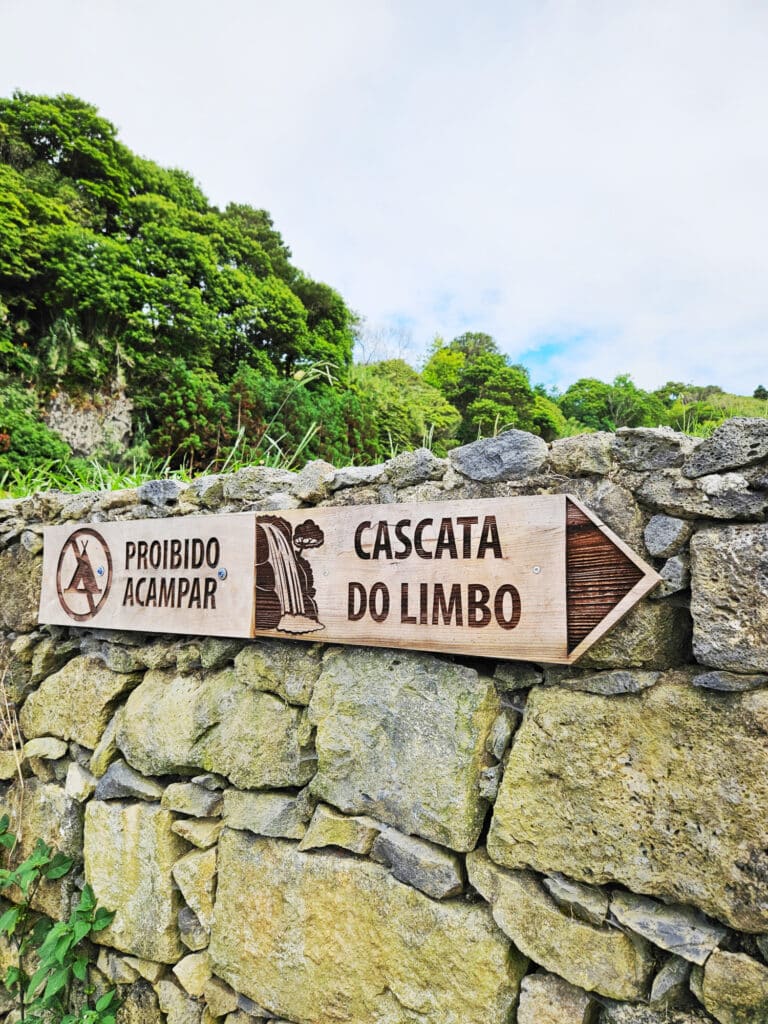
Charlie visited another waterfall and there were a lot less people which made it the most enjoyable. Cascata do Limbo is near the village of Porto Formoso. There is an official parking lot from which it is a 15-minute walk to the waterfall.
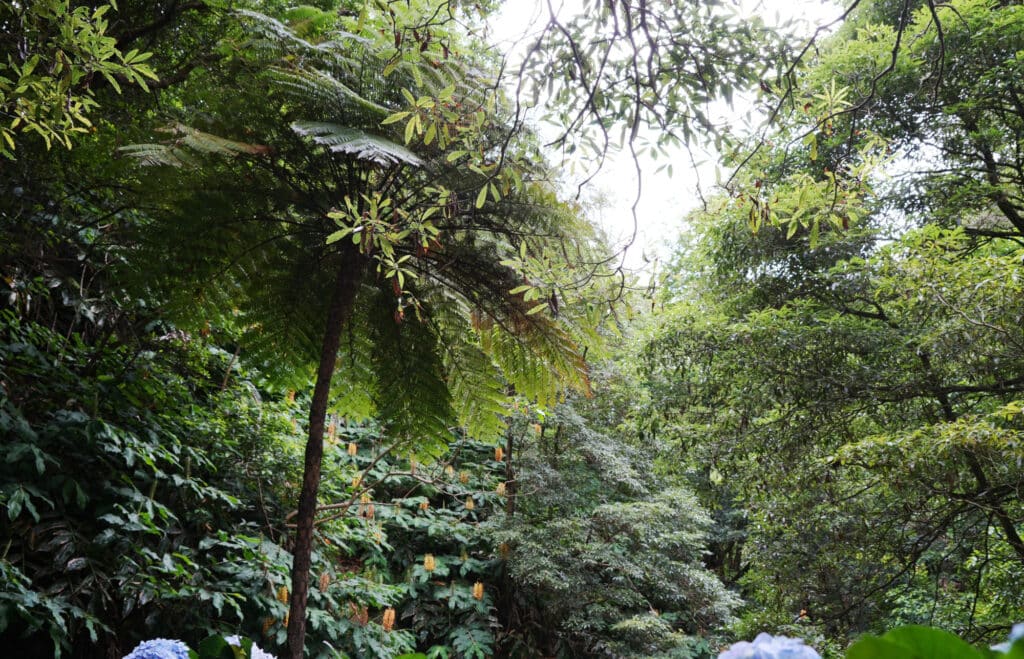
Vila Franca do Campo
There are two reasons why you should visit this village on the South coast of São Miguel: to catch a boat to a nearby island and to try the famous Queijada.
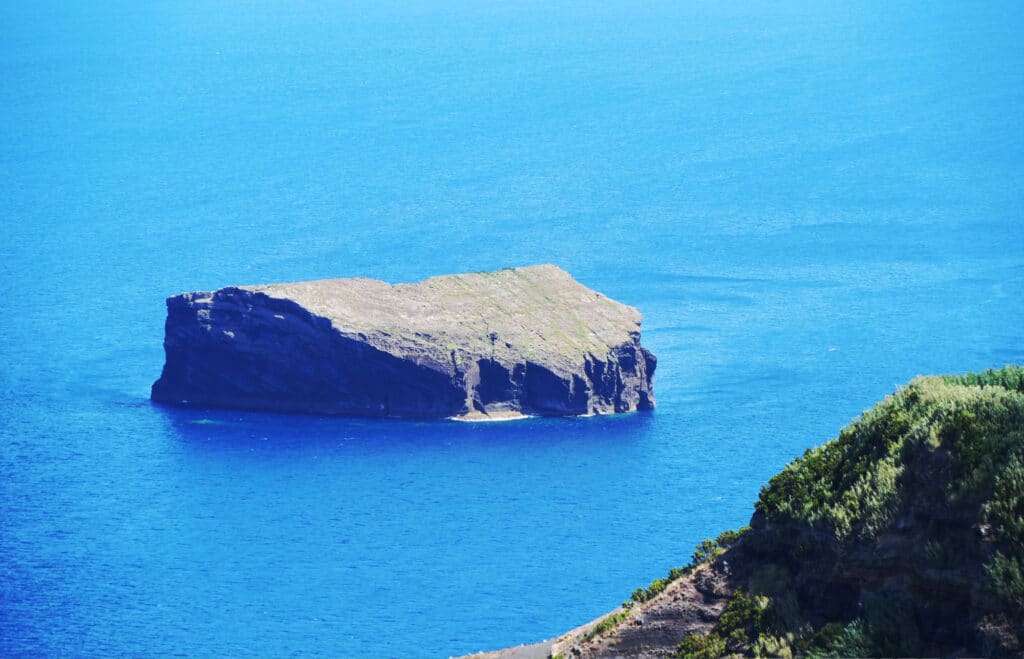
From the harbour in Vila Franca do Campo, you can take a boat to the island Islote de Vila Franca which is formed by a submerged crater of a volcano. The island itself is protected and you can only stay by the coast. It is the ideal place for snorkelling.
In the summer months, you should book your ticket for the boat in advance as numbers are restricted.
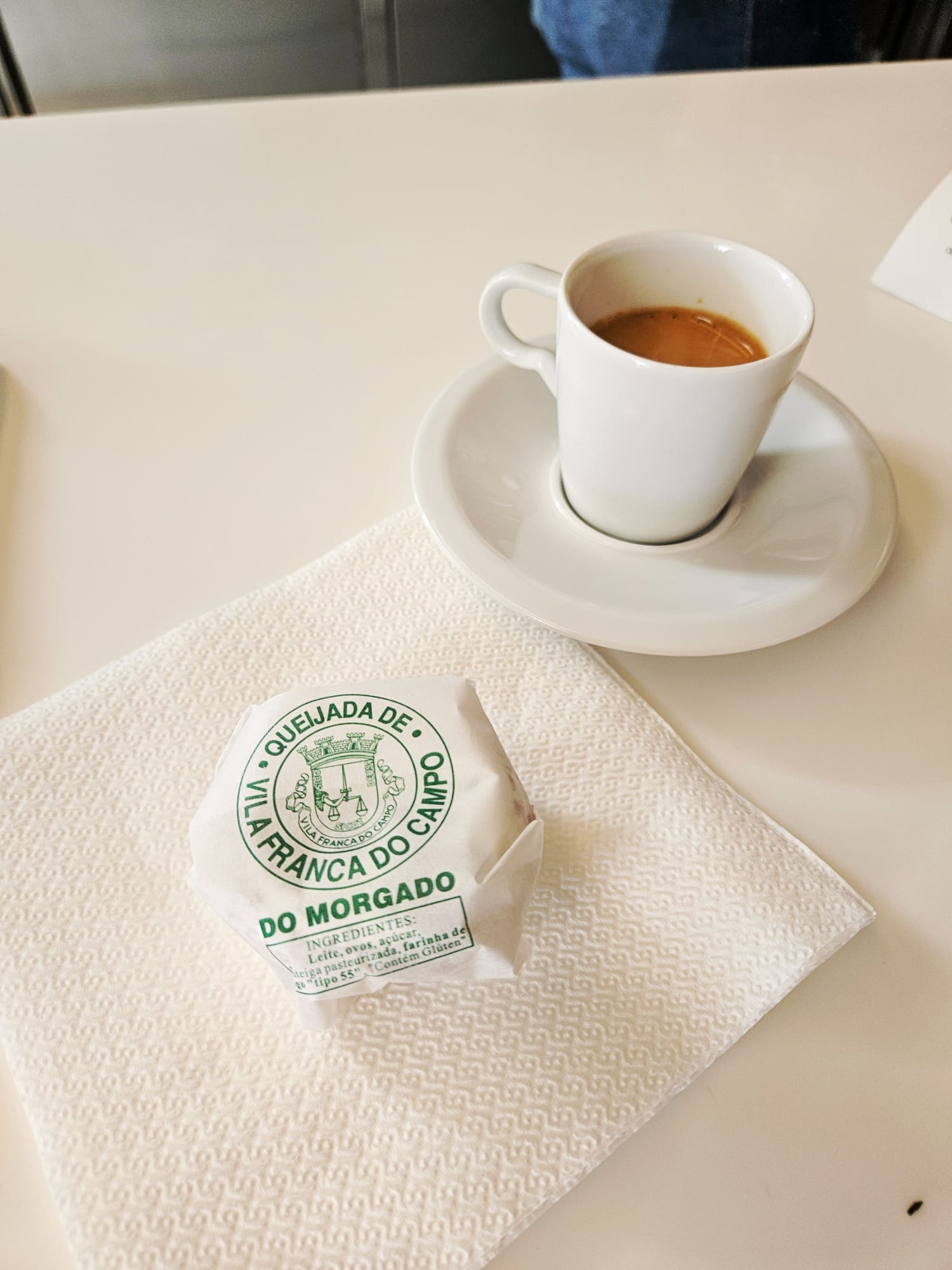
Not far from the harbour in Vila Franca do Campo is the bakery and café where you can get the Queijada do Vila Franca do Campo do Morgado. It is a small, round cake that is a must when in São Miguel. Similar to the original Pastel de Belem, the original recipe for the Queijada da Vila was created in a convent. Today, it is the Morgado family that keeps the tradition alive and the recipe a secret.
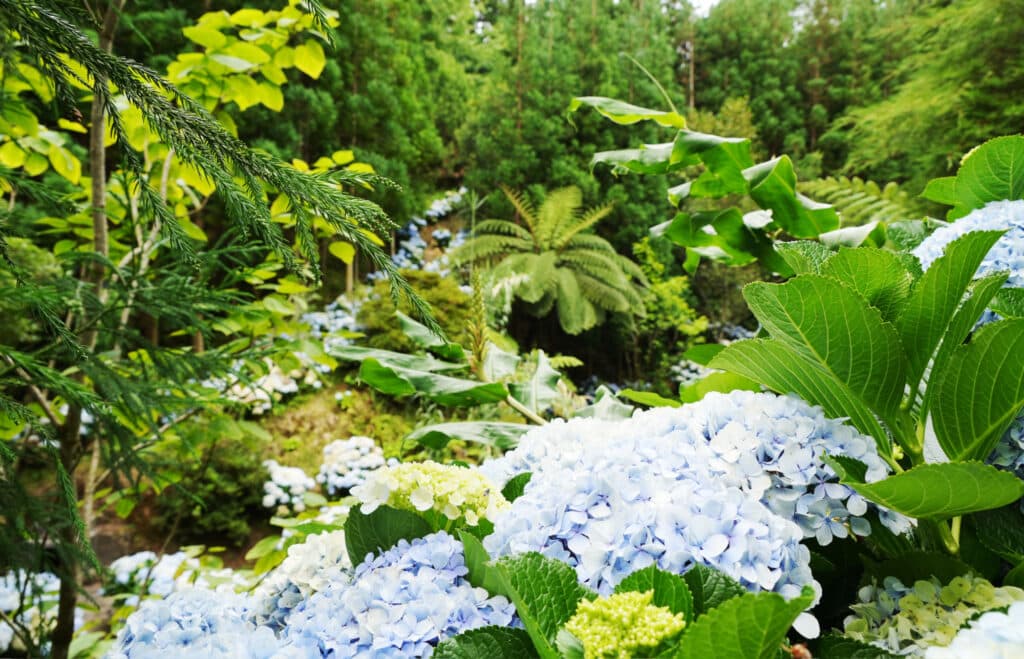
PS: If you visit São Miguel in July or early August, you will see hydrangeas in full bloom everywhere on the island. They look almost unnatural. They were brought in from Japan and spread over the island.