Yellowstone, Grand Teton National Park and Jackson Hole
It practically was on her way from Chicago to Seattle: Yellowstone. It took some research and Charlie had found a way to visit America’s first national park (without a car). Jackson Hole airport, an airport inside a national park, is served by a few major airlines with connections to a few big cities in the US. Not far from the airport is the town of Jackson where you find lots of hotels and resorts. There is no public transport from the airport to the town and you will need to either rent a car or get a taxi. Charlie took an Uber both ways for USD 35 and both times, the driver arrived within one minute of requesting.
To see Yellowstone National Park, Charlie had booked a two-day guided tour with an overnight stay at the northern end of Yellowstone. Unfortunately, that tour got cancelled just two days before her arrival in Jackson and she had to find an alternative to visit the National Park. It was already mid-October and there wasn’t as big an offer as you find over the summer. Charlie found two separate day trips from Jackson with BrushBuck Wildlife Tours: one to Grand Teton National Park and one to Yellowstone.

Grand Teton National Park
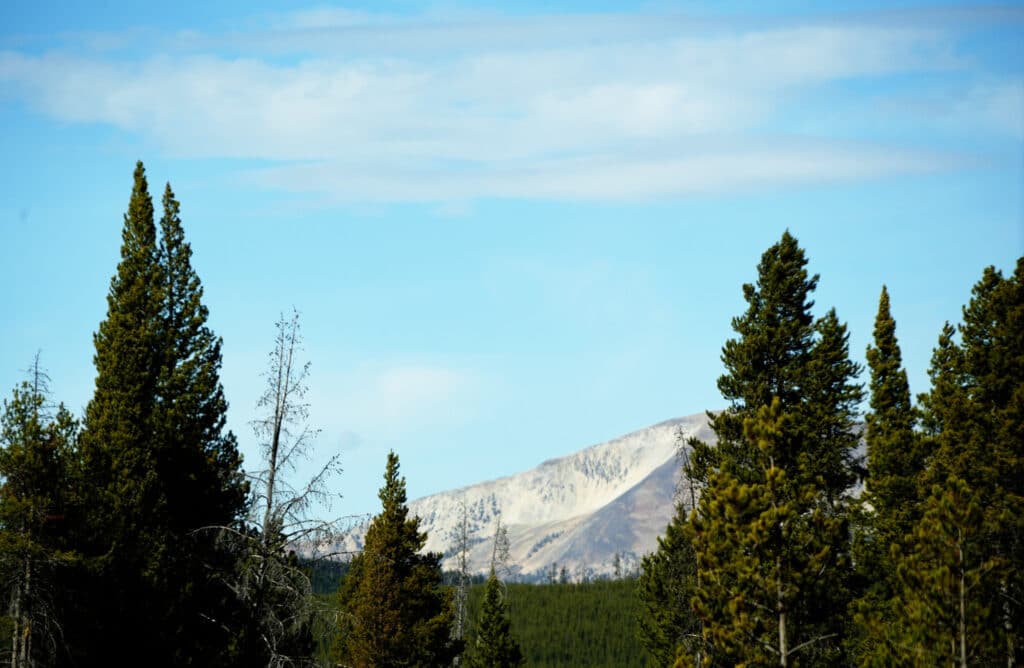
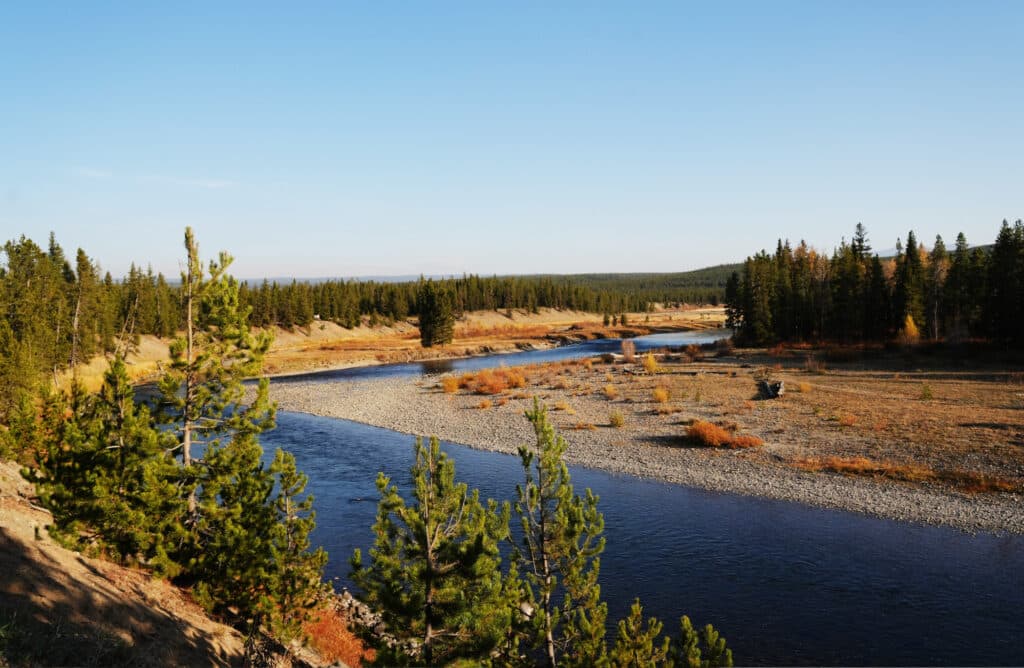
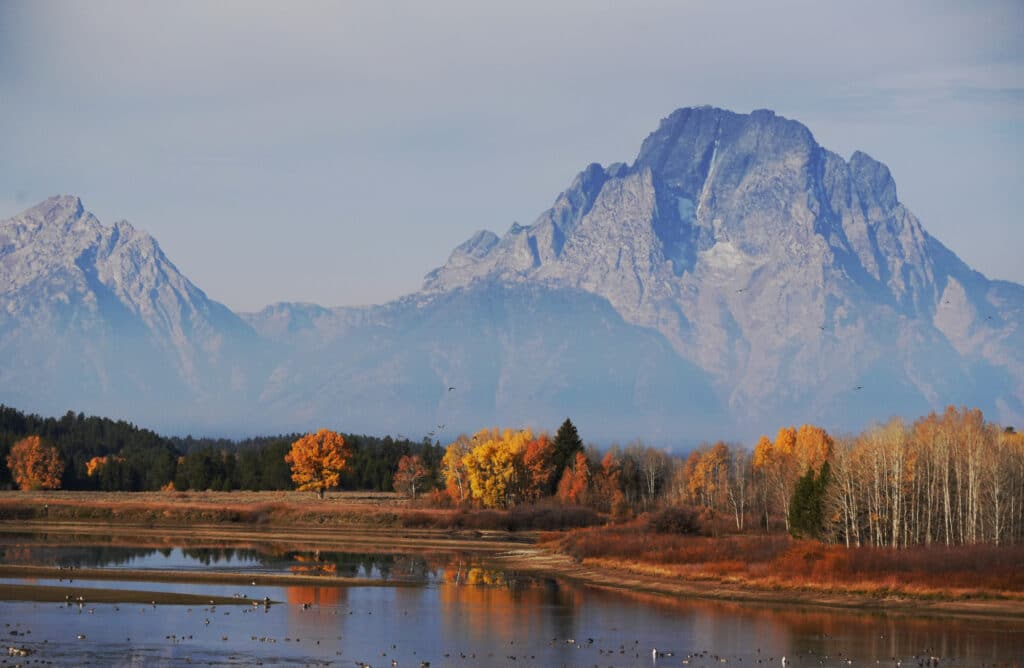
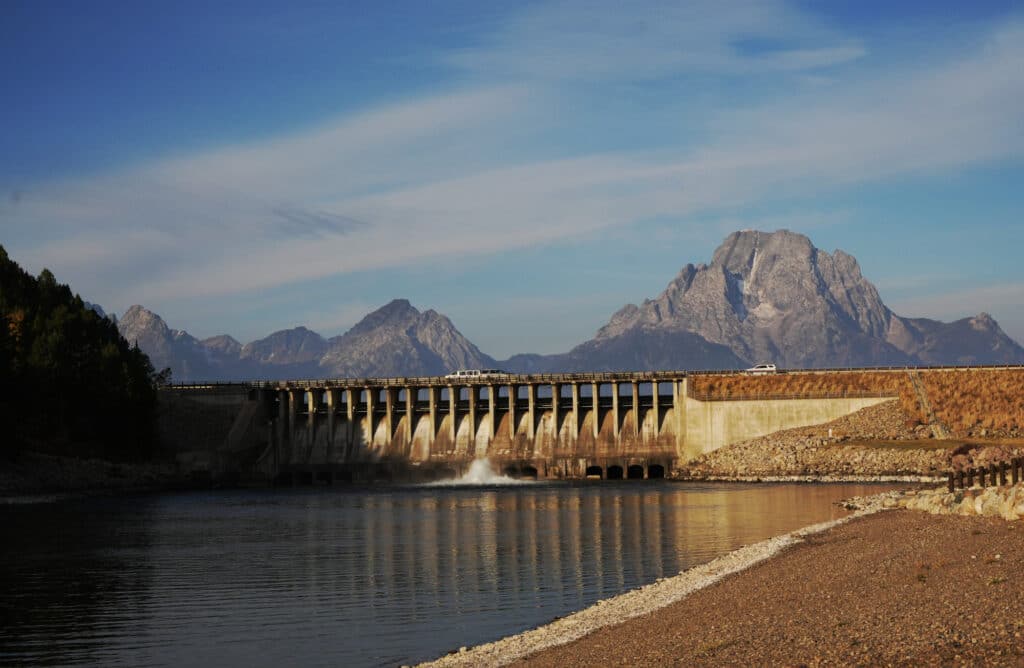
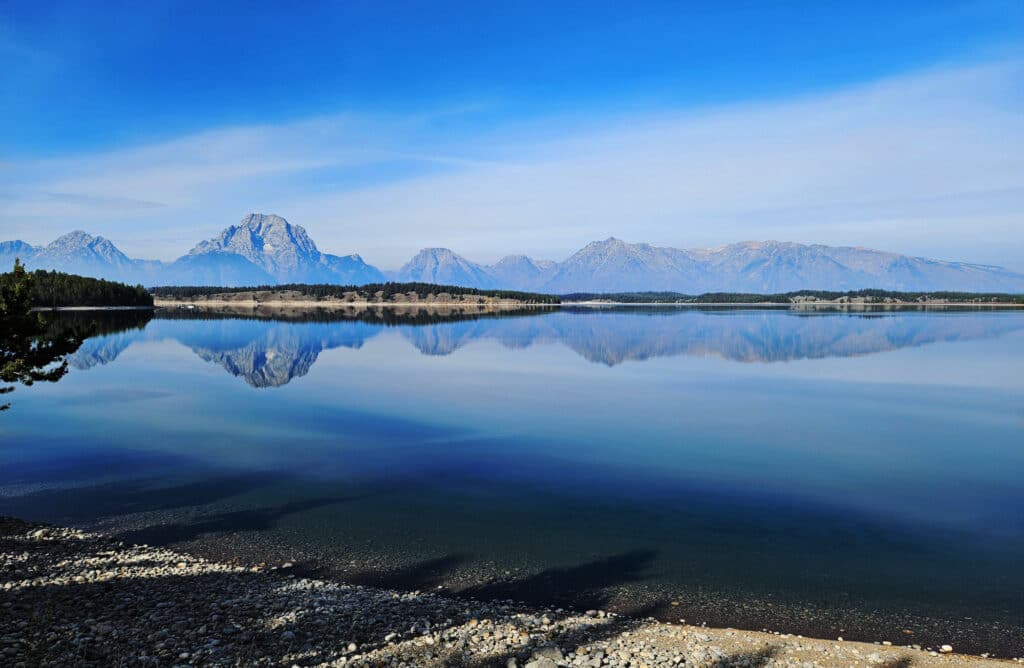
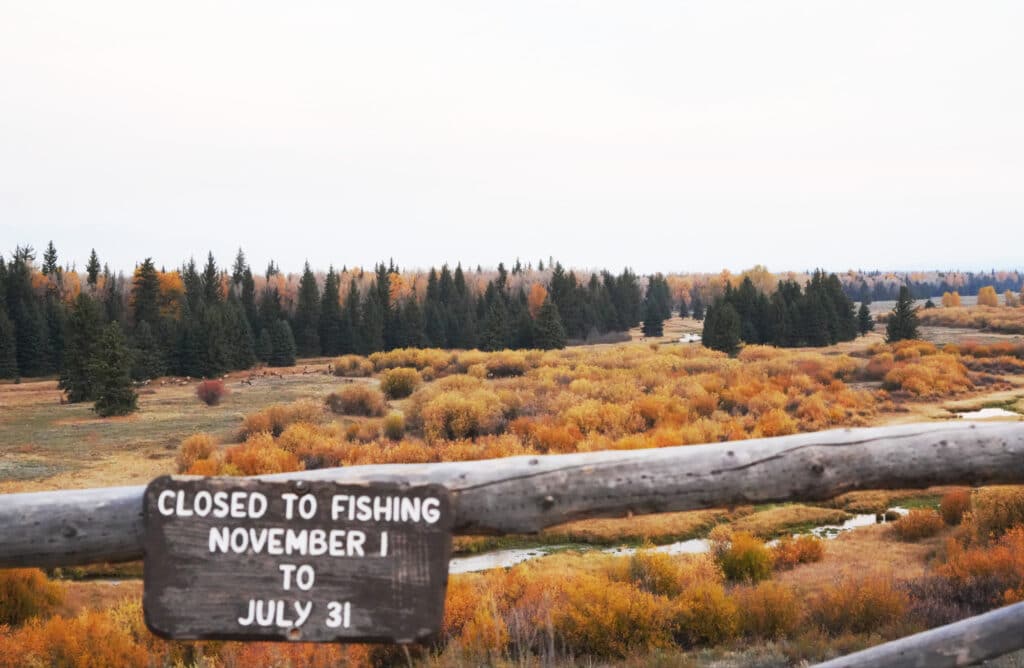
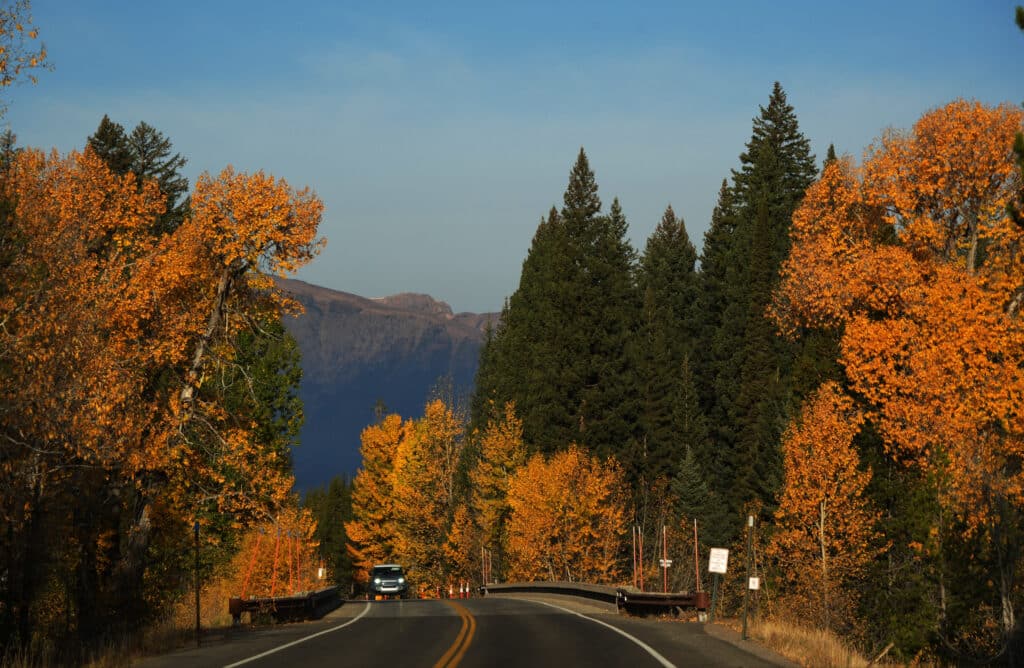
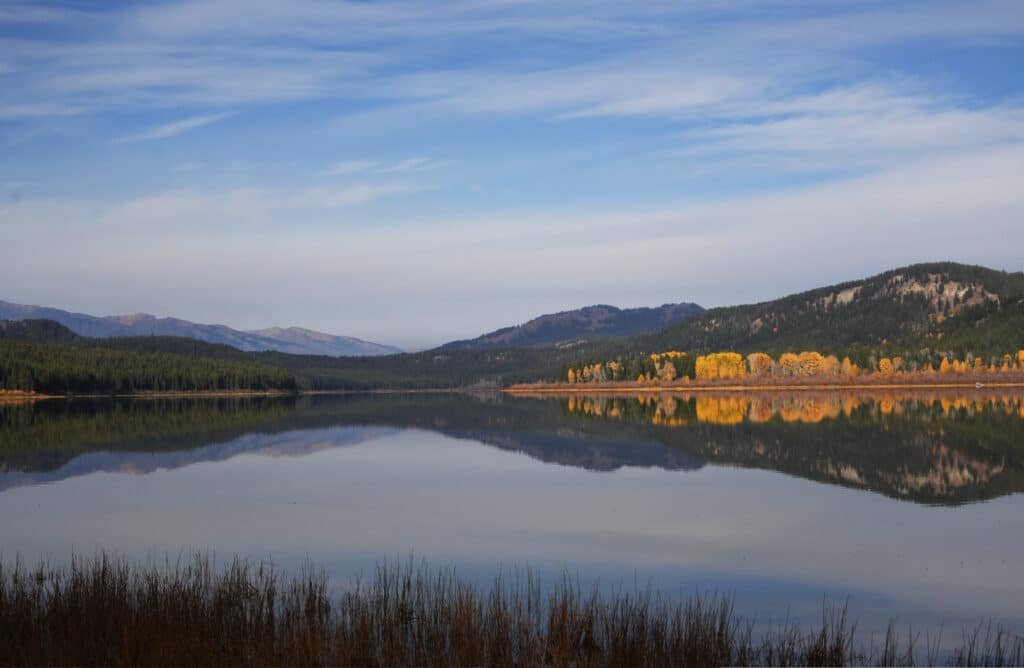
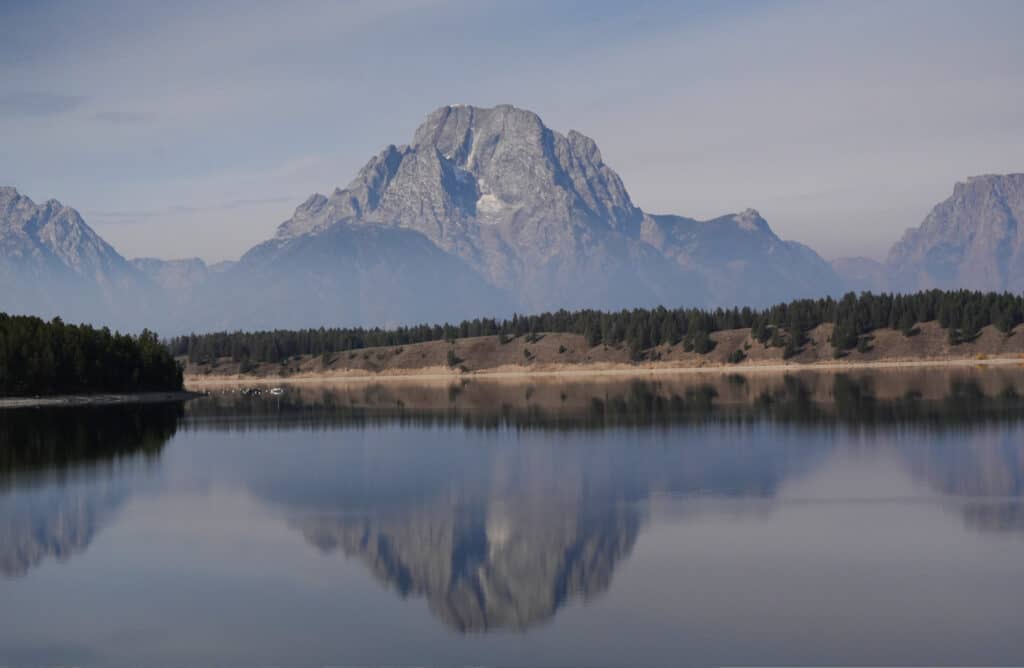
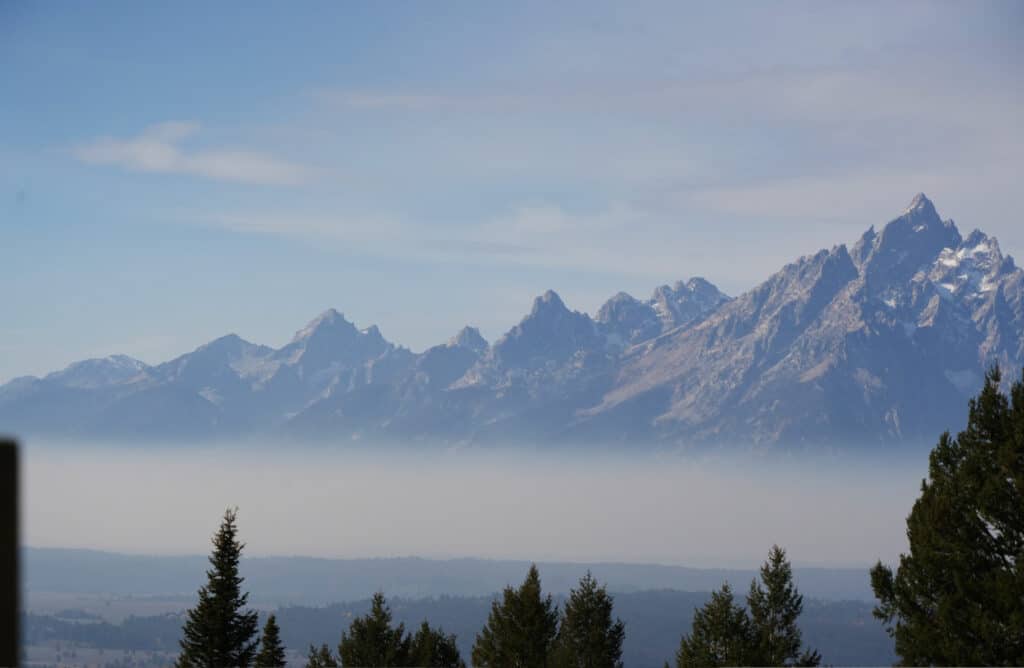
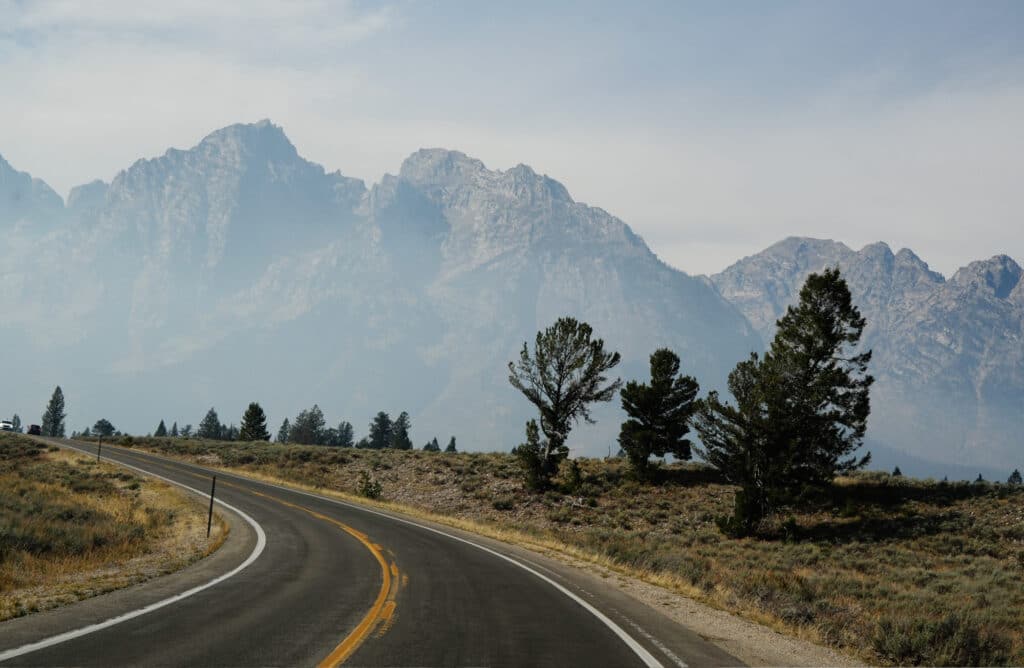
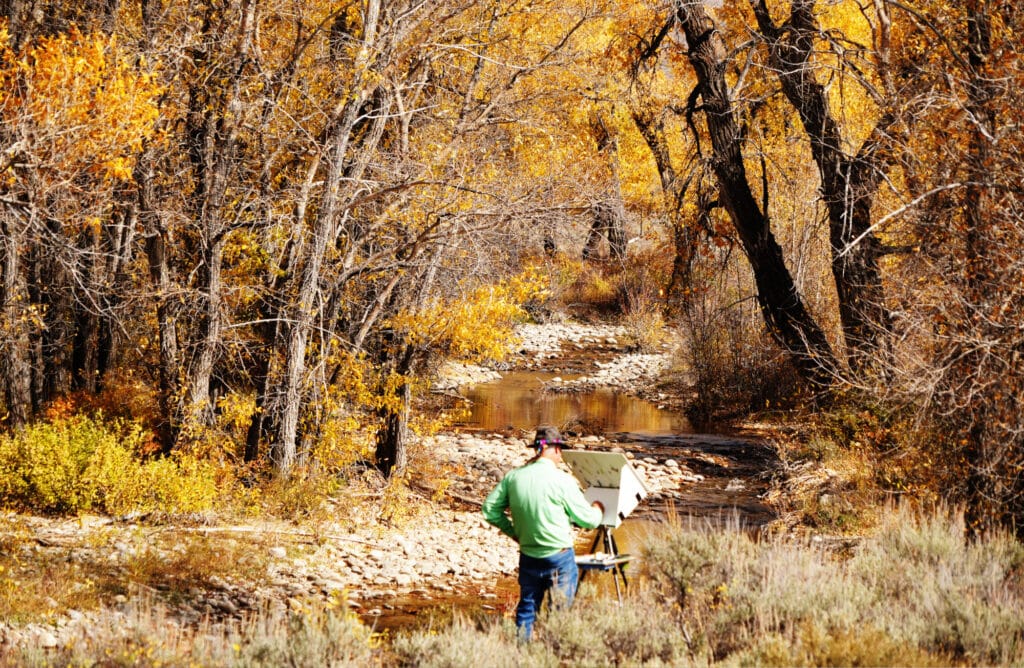
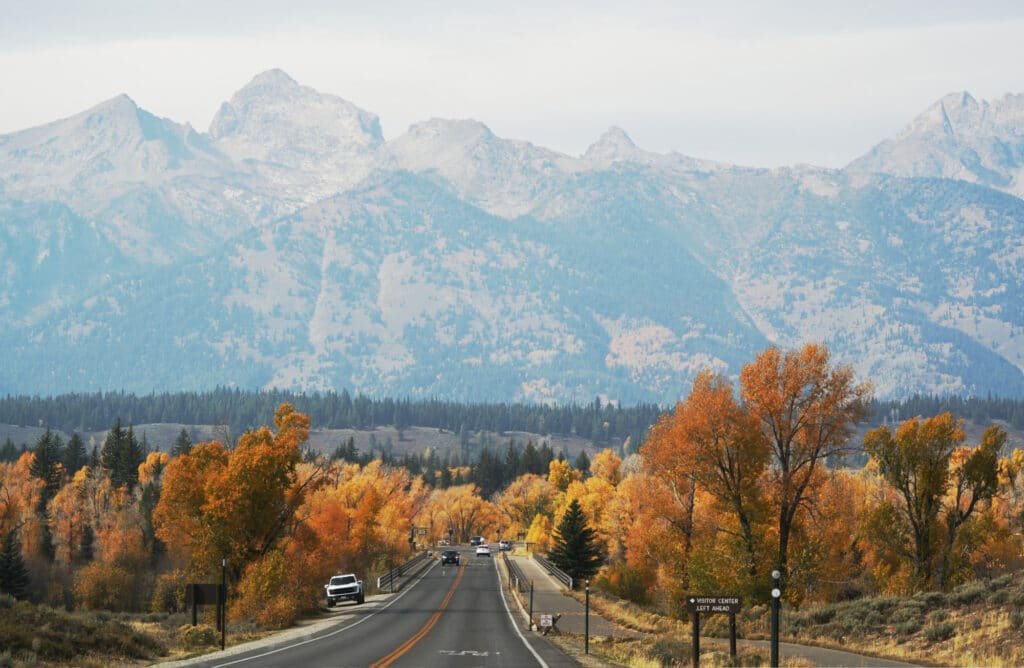
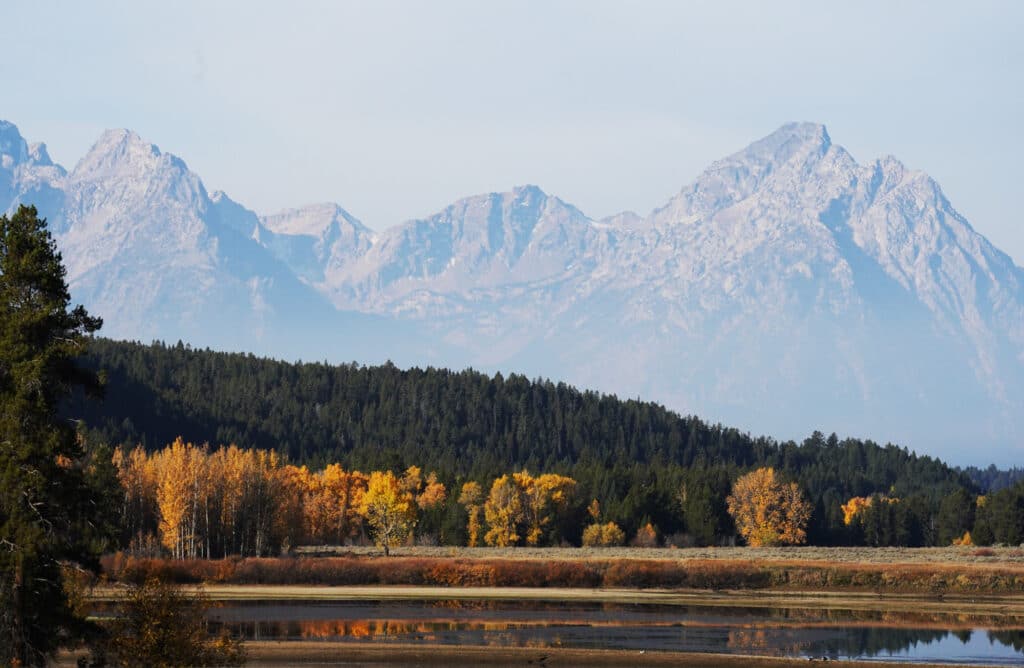
This national park is just 4 miles outside the town of Jackson and easy to reach, even by bike. The majestic mountain range can be seen throughout the whole valley of Jackson Hole and it was the first thing Charlie saw when she got off the airplane. At the top of those mountains are some glaciers, at the bottom are lakes, rivers and a valley that turned into a sea of orange leaves in October. It is the Aspen and Cottonwood trees that bring this beautiful touch of colour to the area in autumn. Charlie was lucky to see it because there could already have been quite a bit of snow at that time of year. When Charlie was there, it was wintery cold at night and hot during the day. There was quite a bit of smoke in the area due to wildfires.
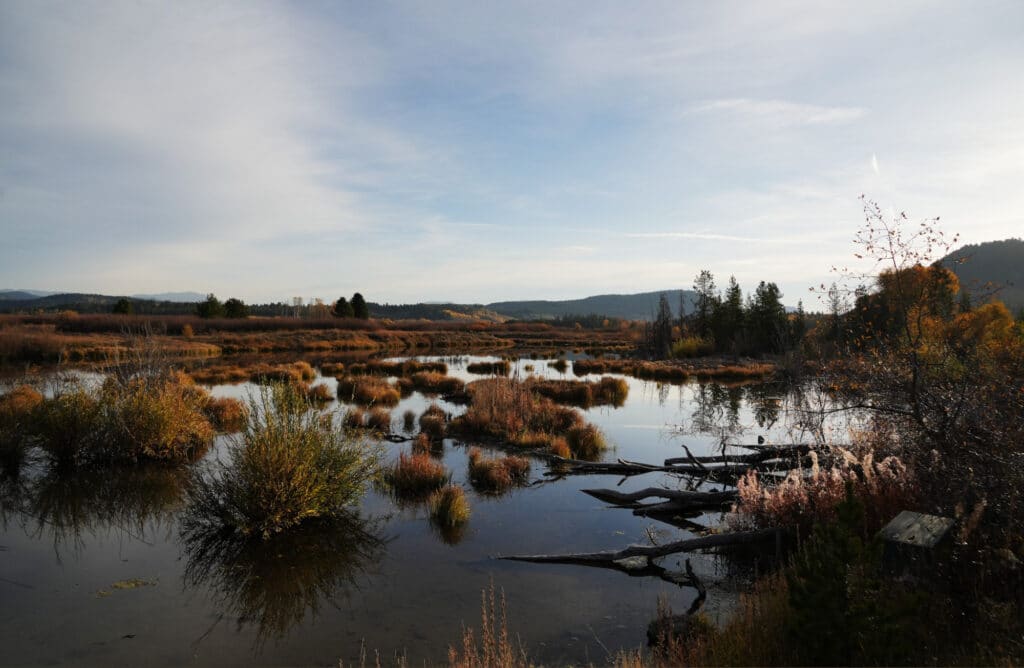
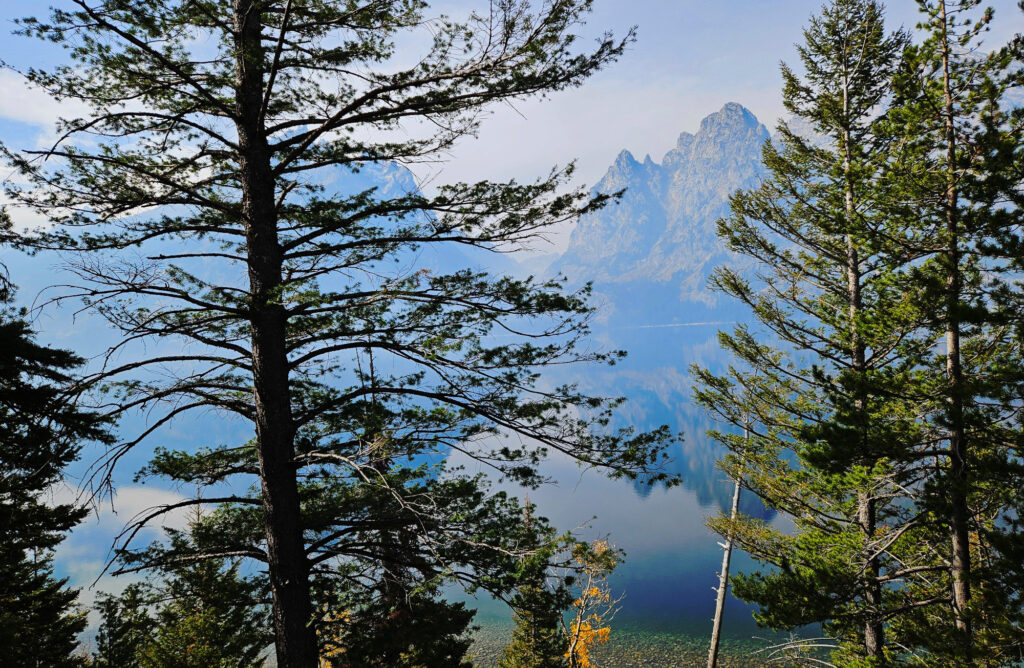
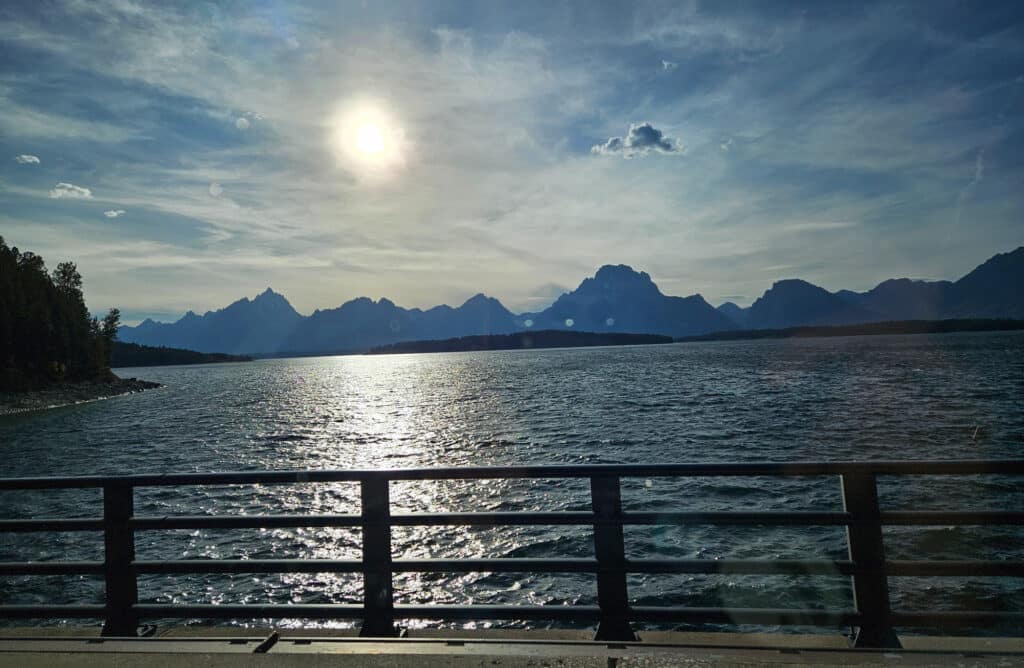
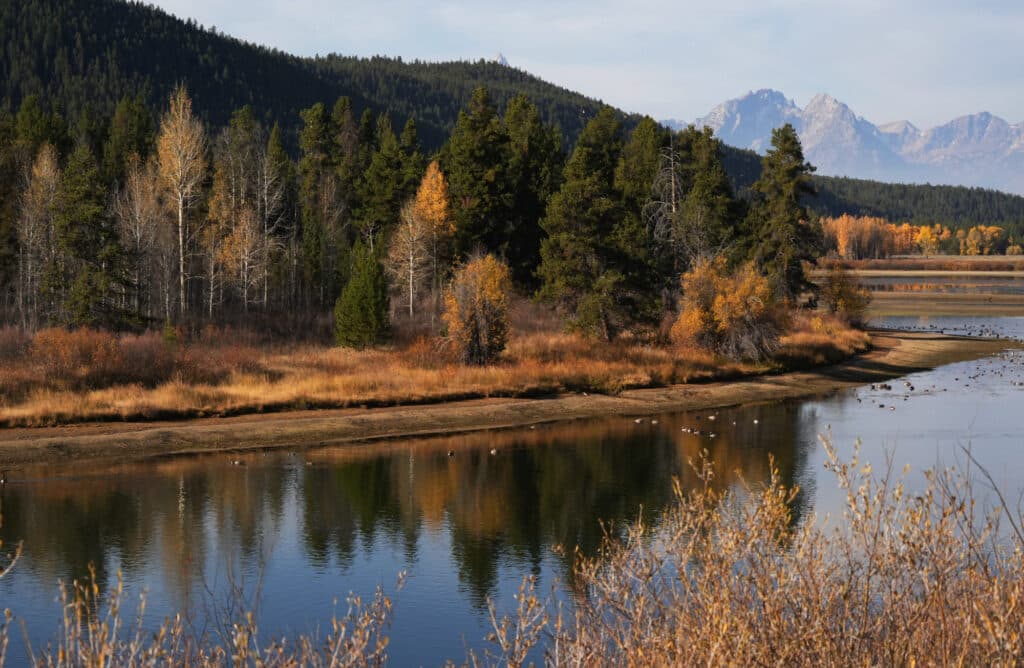
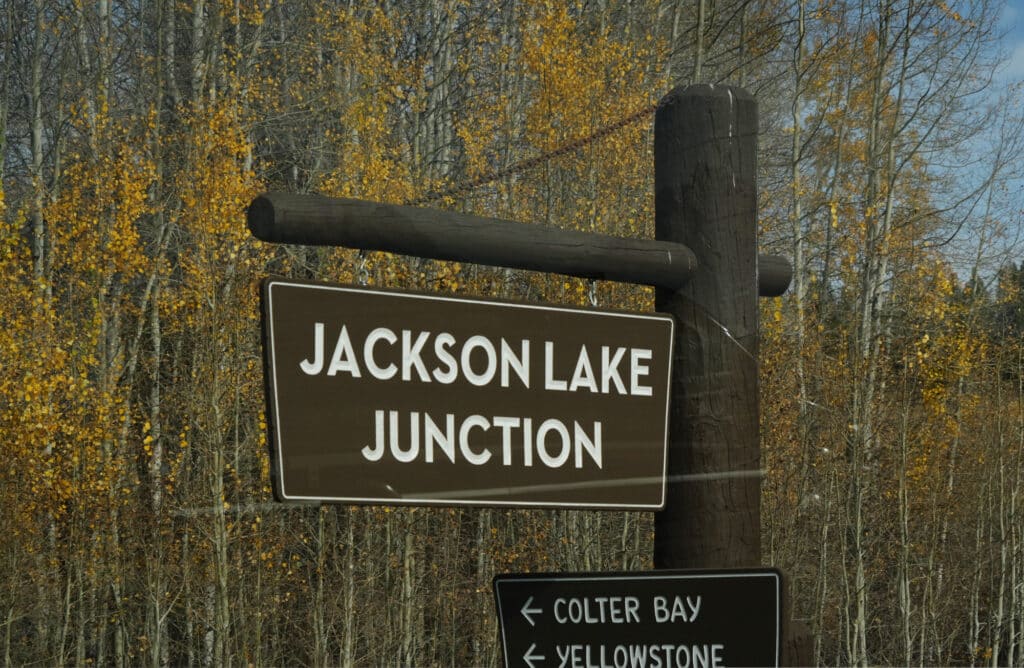
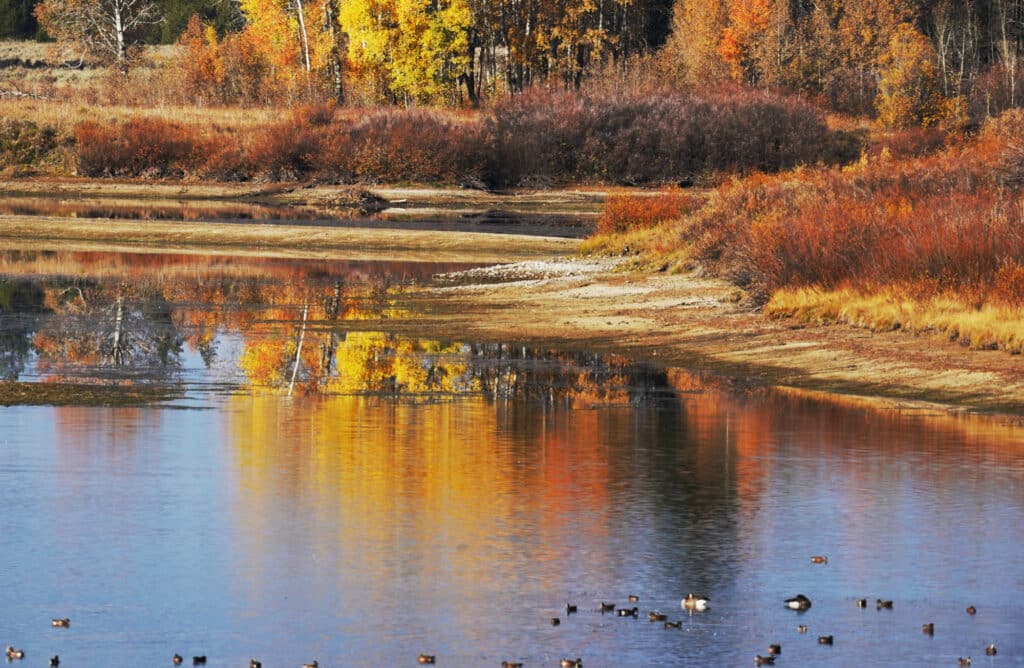
The smoke did not stop the small group to venture out into the park to spot some wildlife. They stopped at Oxbow Bend, drove a bit off-road to the border of the national park and into the national forest, along Jackson river and Jackson Lake, up to Signal Mountain and to Jenny Lake.
National park vs. national forest vs. national monument
At first all three might appear to be the same, but they are different. They are managed by different bodies and therefore different permissions and restrictions apply. National parks are mostly about preservation. In national forests, activities like logging and grazing might be allowed. National monuments are specific features worth preserving and as such much smaller than national parks. The Grand Canyon for example was a national monument before the whole area became a national park.
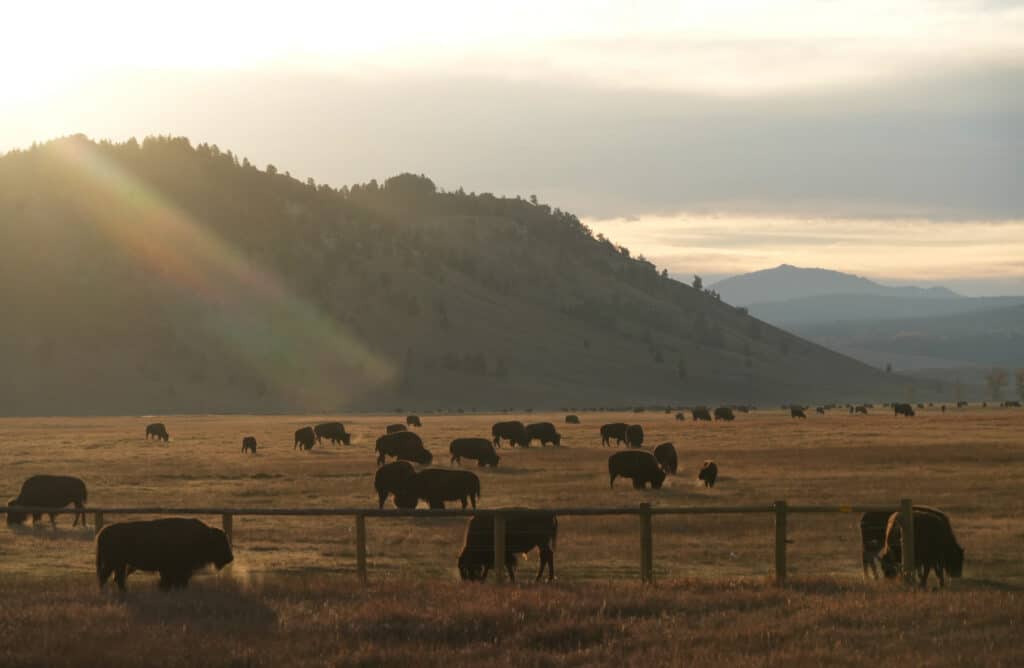
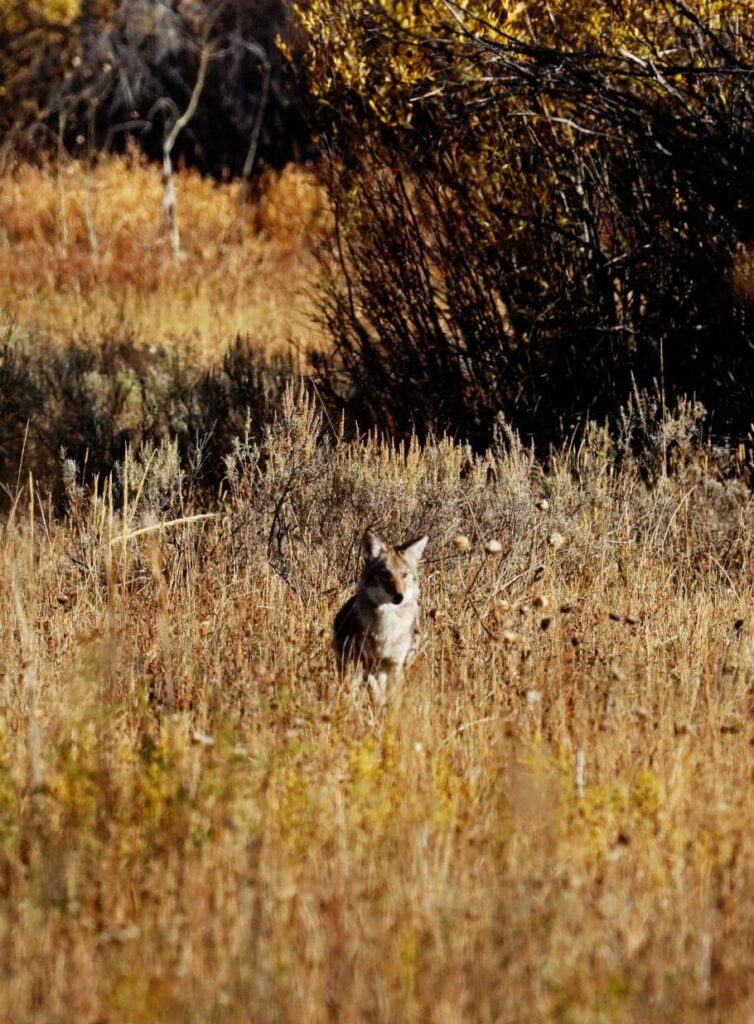
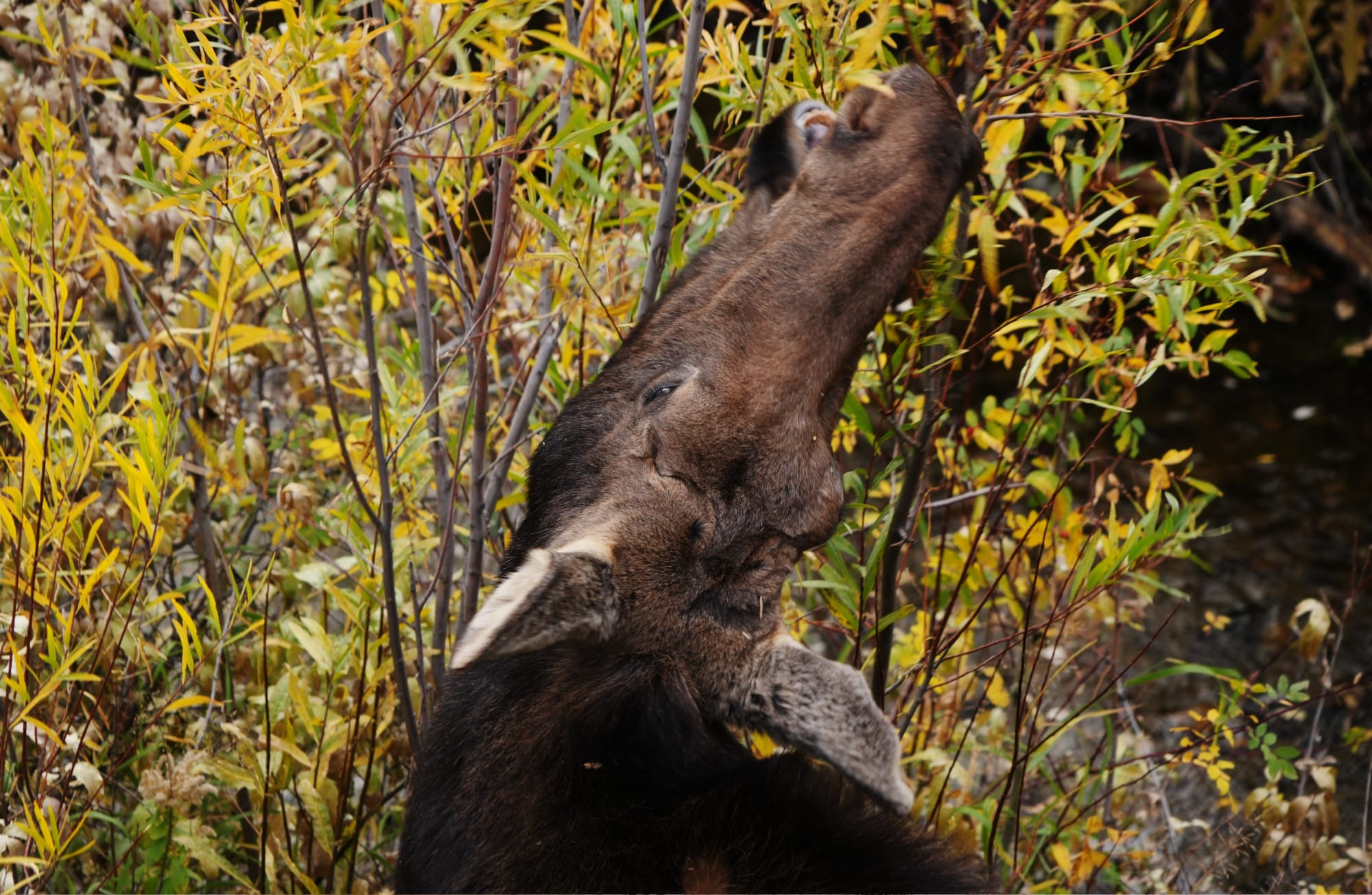
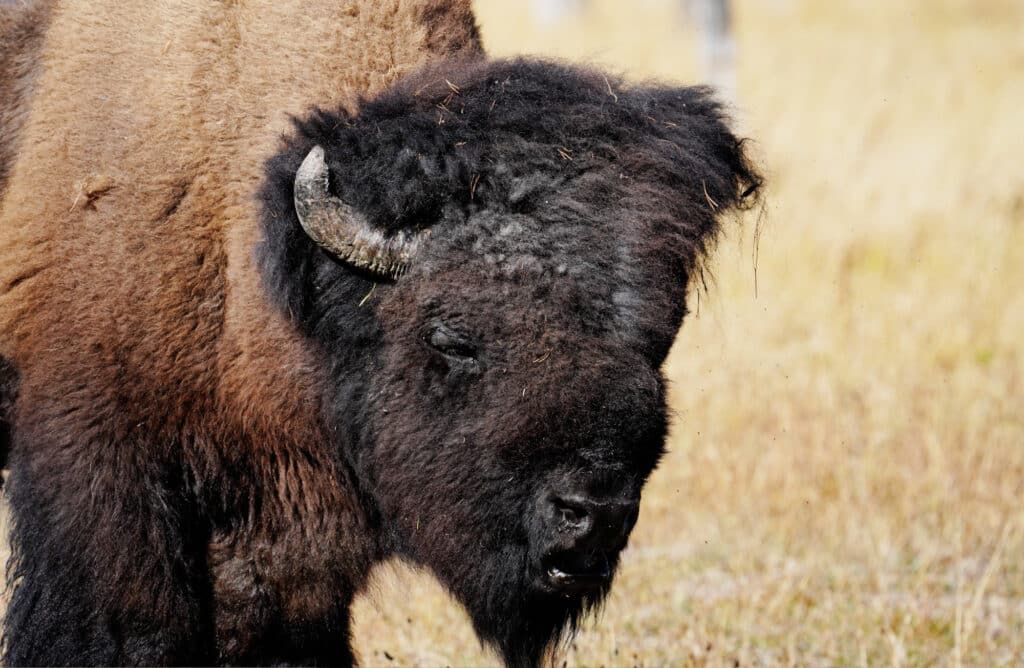
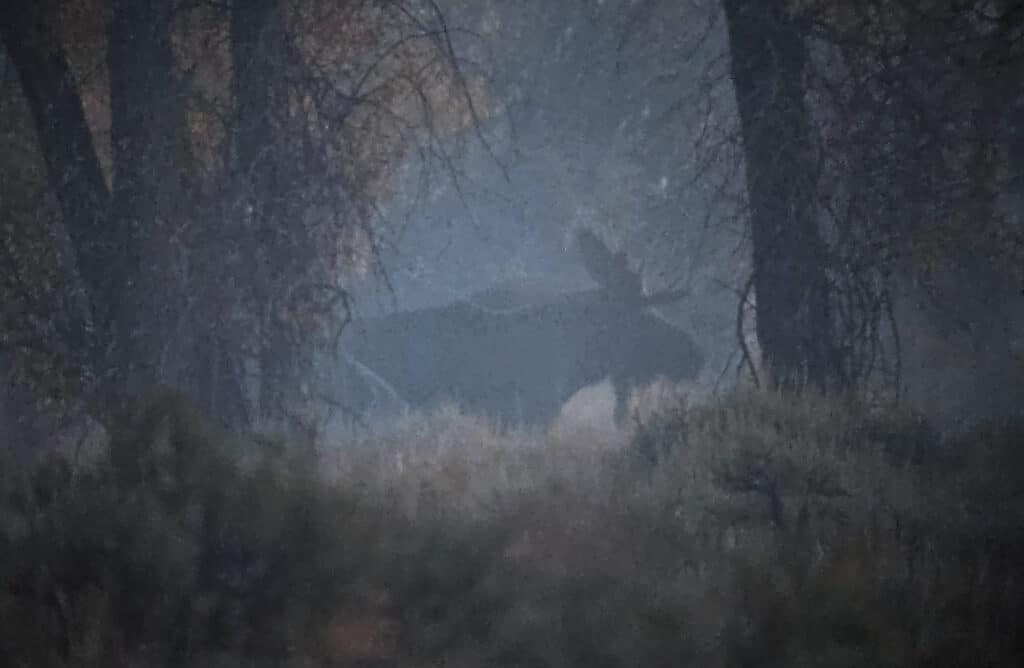
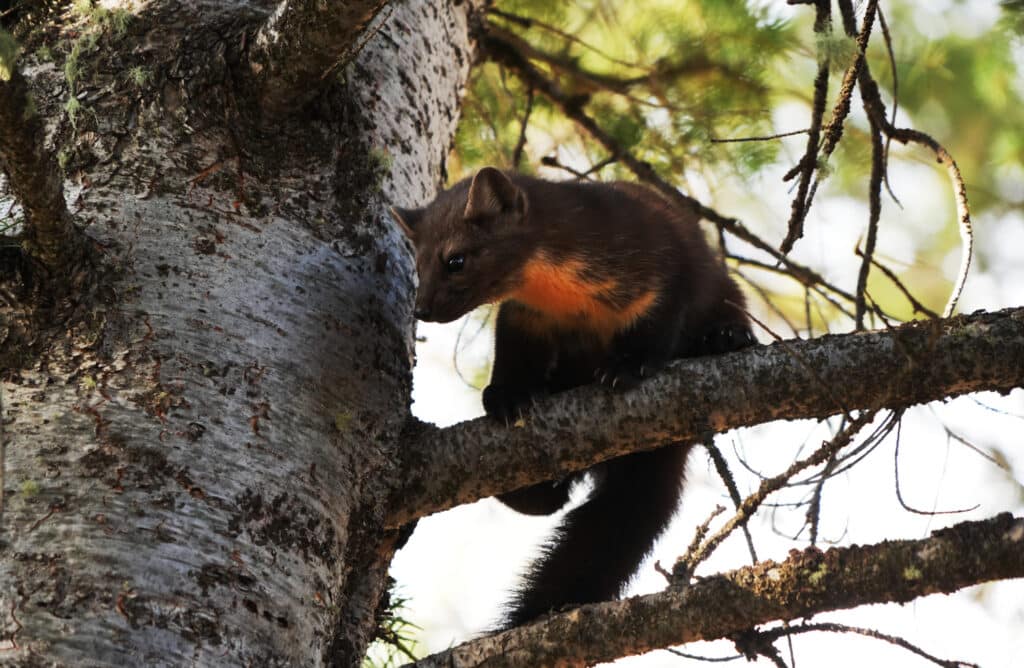
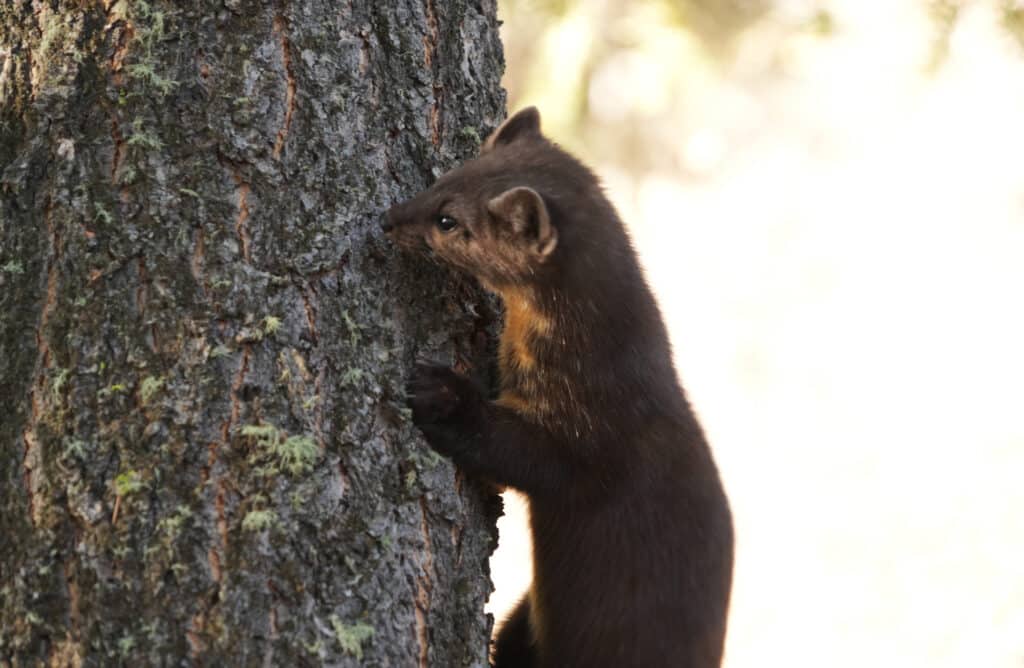
On that first day in the area Charlie spotted moose in between the trees, elk grazing near the road, a coyote and bison. They were a few minutes too late for the grizzly who had crossed the river. The guide, Daniel, had received a message about the sighting and they rushed to the spot. When they arrived, other photographers were about to pack up as the bear had just crossed and disappeared into the woods. When they were driving off-road, something dark quickly crossed the road and Daniel was sure that it had been a Pine Marten. They got out and spotted the little mammal in one of the trees. Charlie had the perfect view for a picture!
Throughout the whole tour, Daniel shared his knowledge about the flora and fauna of the area as well as the interesting history of how Grand Teton became a national park, with an airport and private ranches inside the park. This area of outstanding beauty where everything looks like a postcard could only be preserved and became a national park due to the continued efforts and generosity of Rockefeller. If you pass by the spots in Grand Teton that are dedicated to him, you now know why!
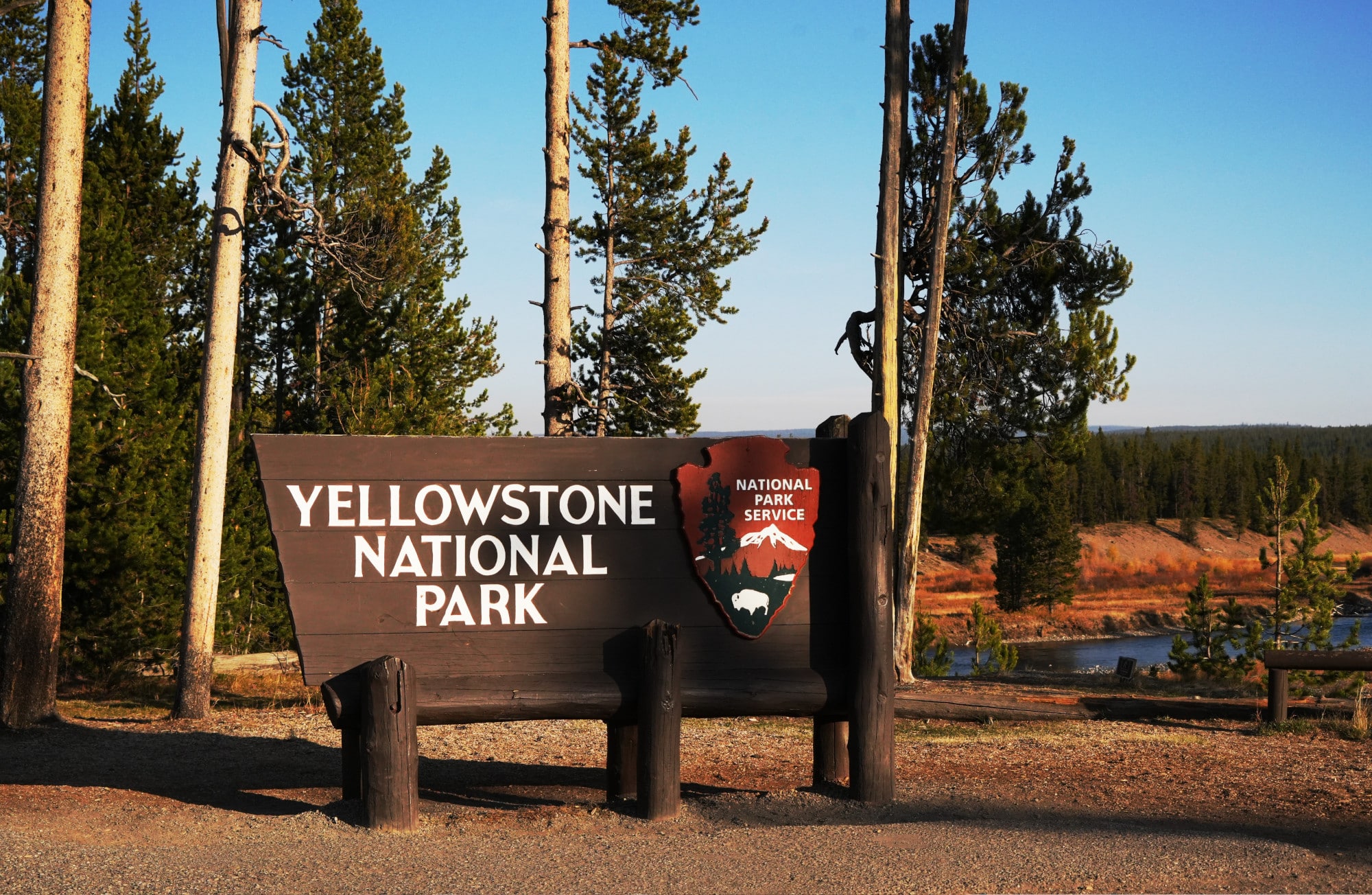
Yellowstone National Park
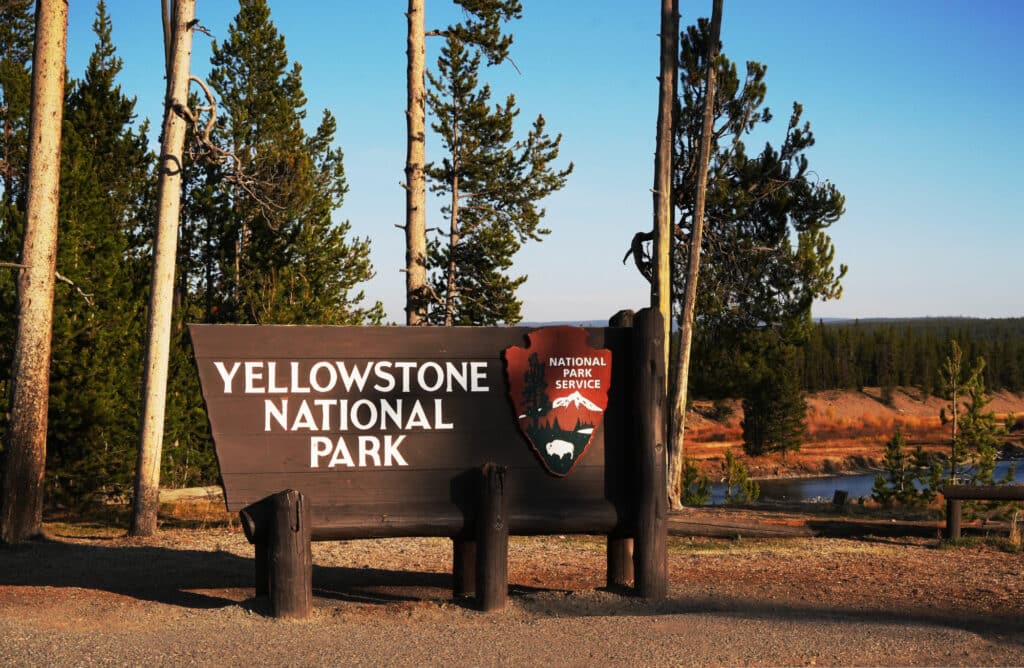
A bit further north from Jackson, 55 miles to be exact, is the entrance to Yellowstone National Park. As the day before, Charlie was picked up at her accommodation in Jackson and they drove towards the park. It was a small group of 5 tourists and the guide that day was Phil.
They already stopped a few times in Grand Teton National Park as they had spotted some Elk near the road. Plus, the sun had just come up behind the mountains and gave everything a perfect touch of orange. The smoke in the air let the Tetons appear and disappear again. It was a dream for a photographer!
Old Faithful
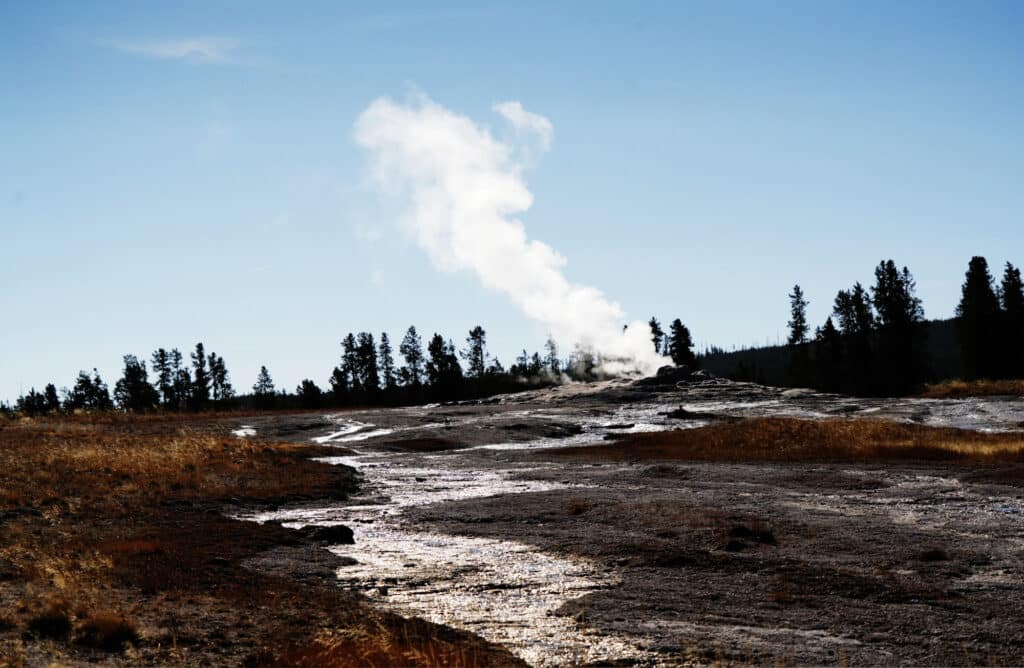
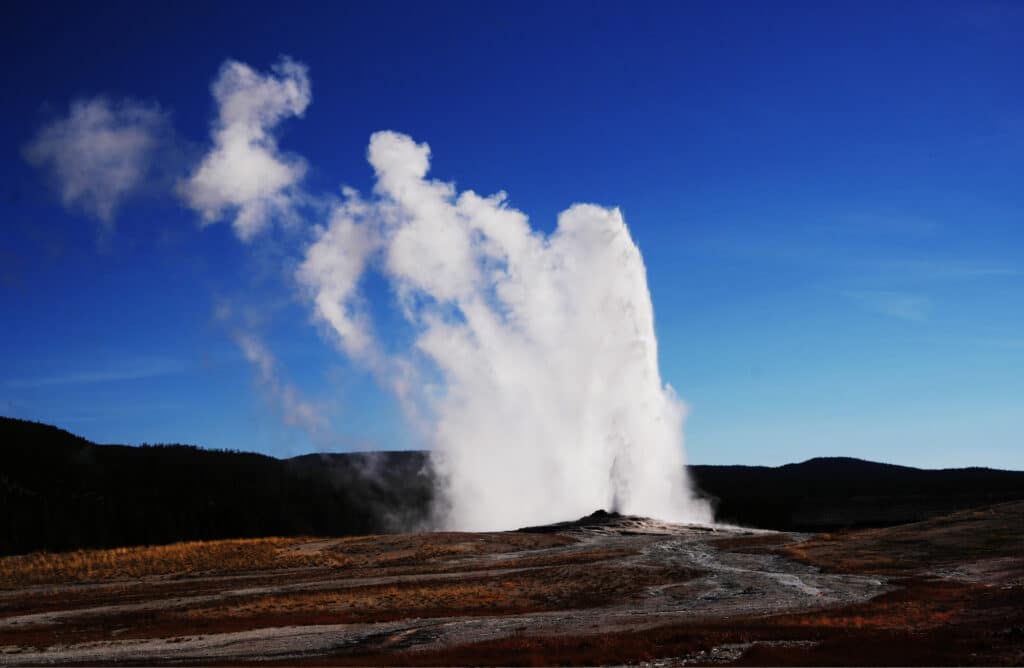
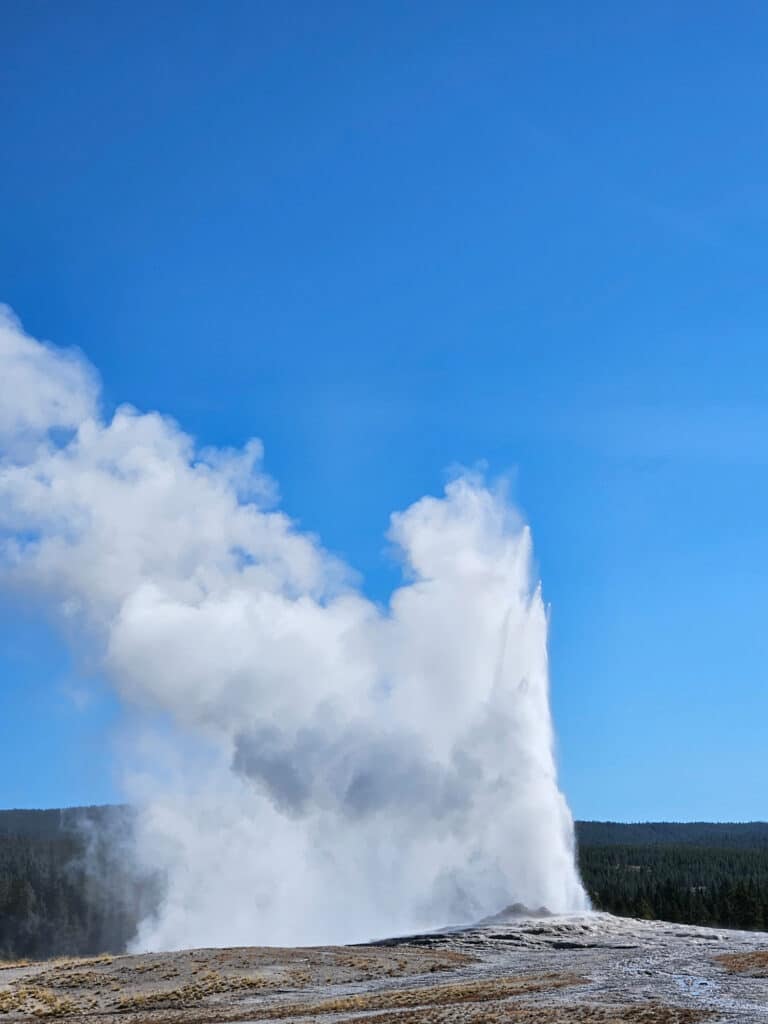
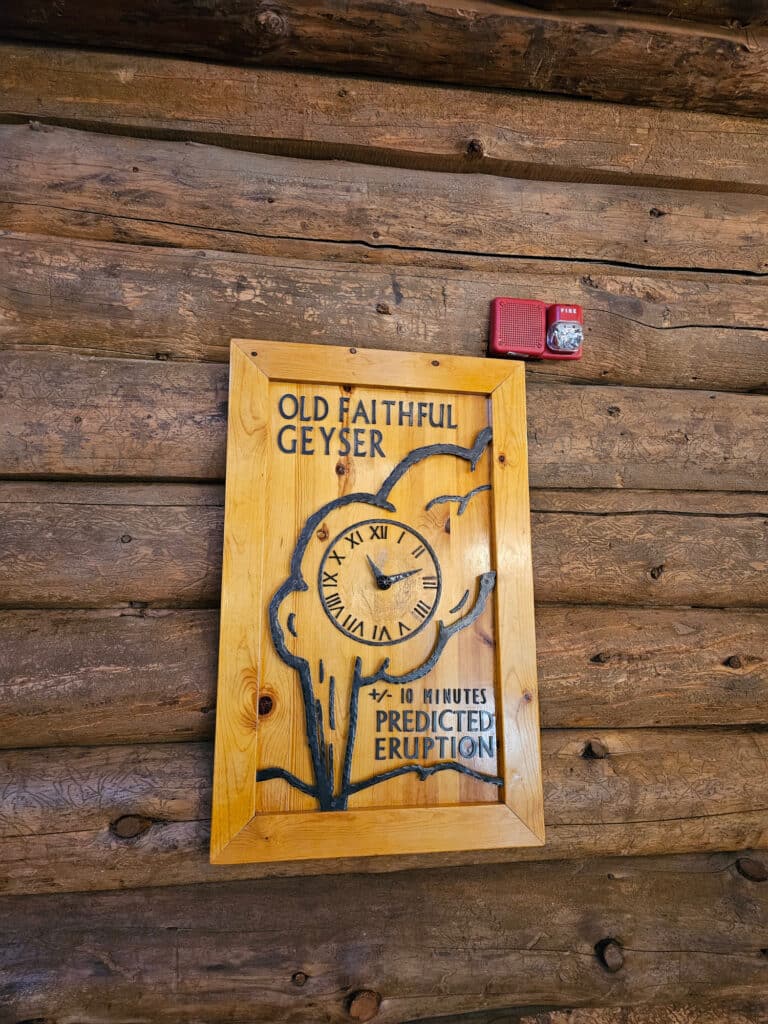
Phil had kept a close eye on the time so they wouldn’t miss the show at Old Faithful, a geyser that lets off steam every 90 minutes, approximately. You can find the timings on the website of the Yellowstone National Park and should be there at least 15 minutes before that time if you want to see it.
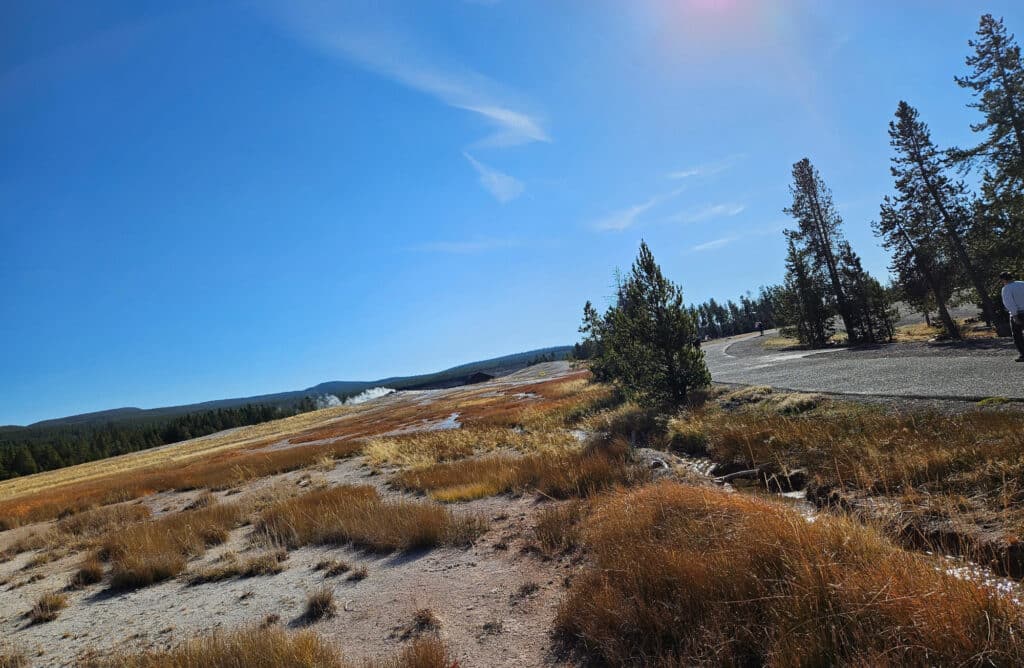
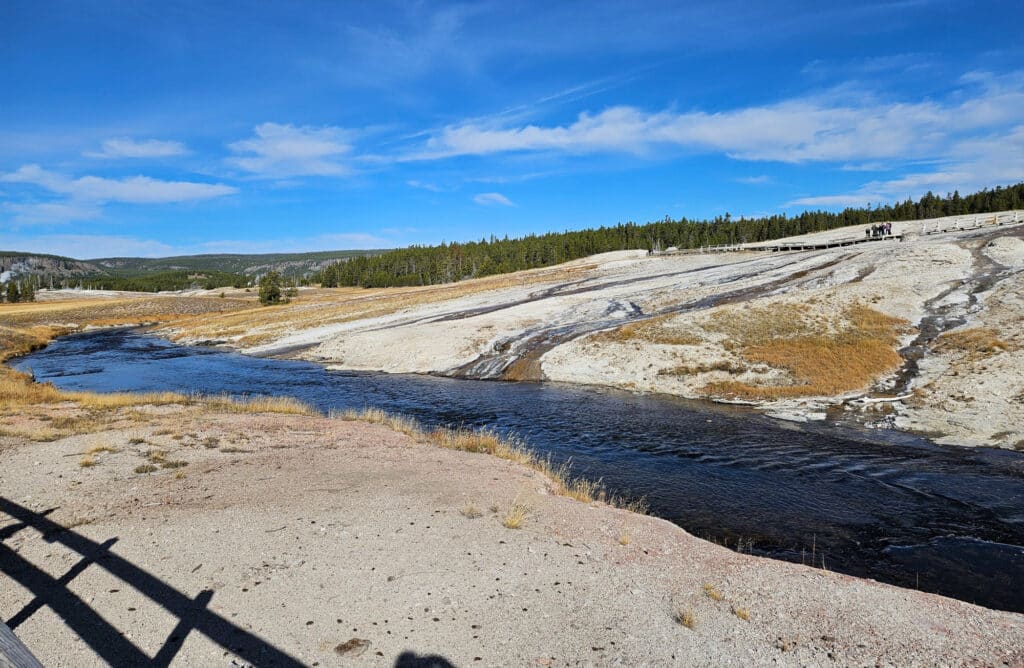
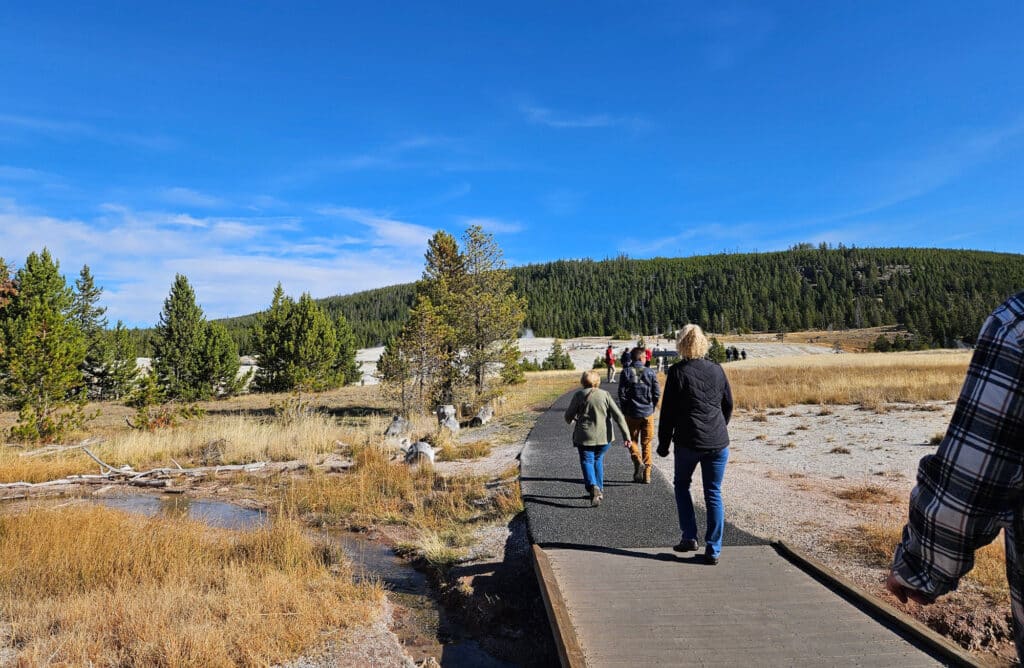
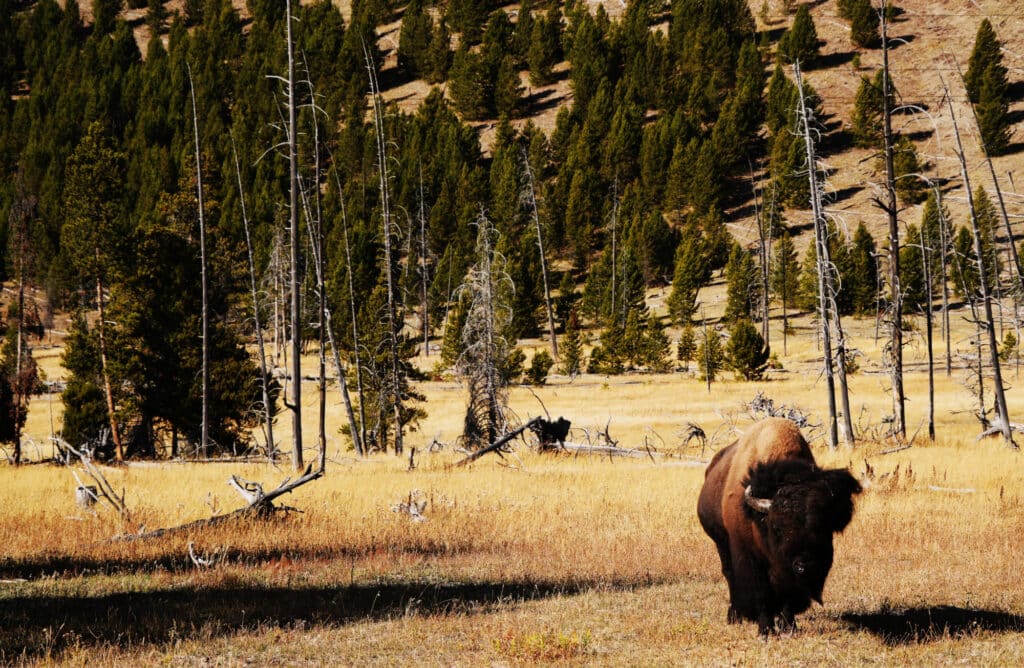
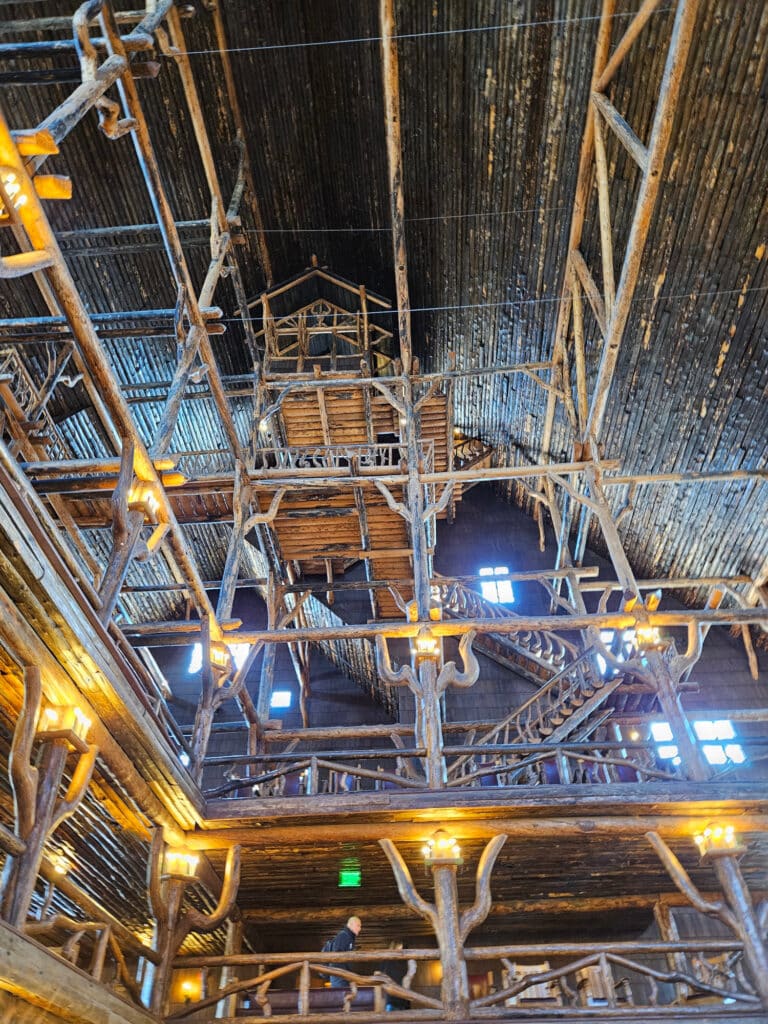
Just as they arrived at the Old Faithful Inn, they spotted a bison grazing near the parking lot. What a lovely surprise! The snapped a few pics, saw the Inn from the inside (impressive wooden architecture!) and walked around the volcanic landscape. Charlie had seen other volcanic areas before but it was nothing like that! The only thing that was exactly that same as in the Azores was the sulphur smell.
They had finished the round along the boardwalk and settled near Old Faithful to wait for the show. The timing was perfect! Charlie checked her camera settings to be prepared and without any wait time, the geyser turned into a fountain.
In the meantime, the bison had moved a bit closer and they took a few more photos on their way back to the car.
Fountain Paint Pot
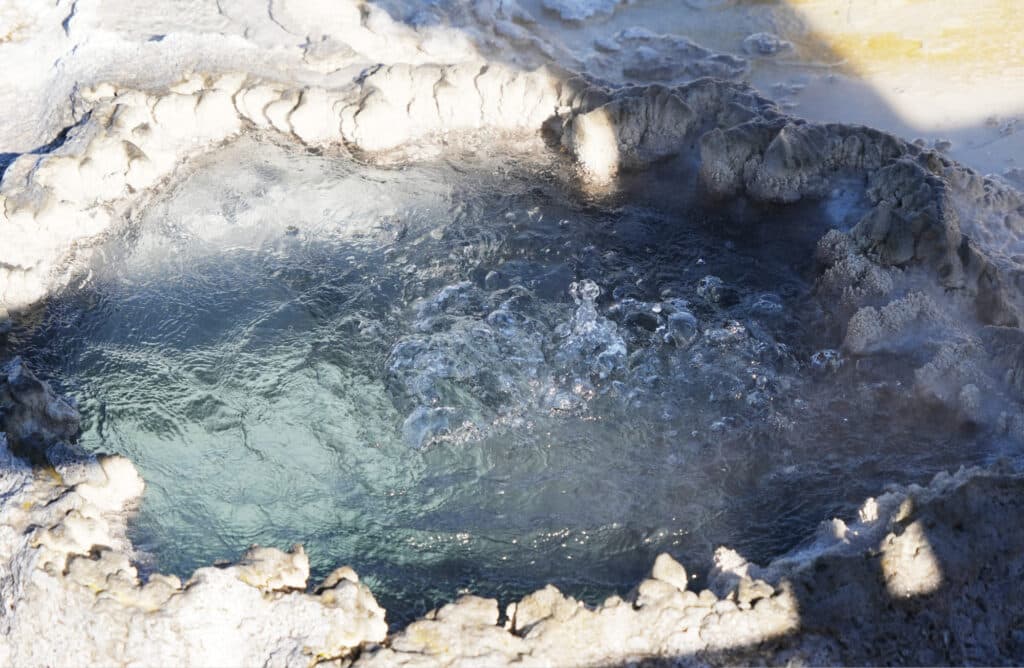
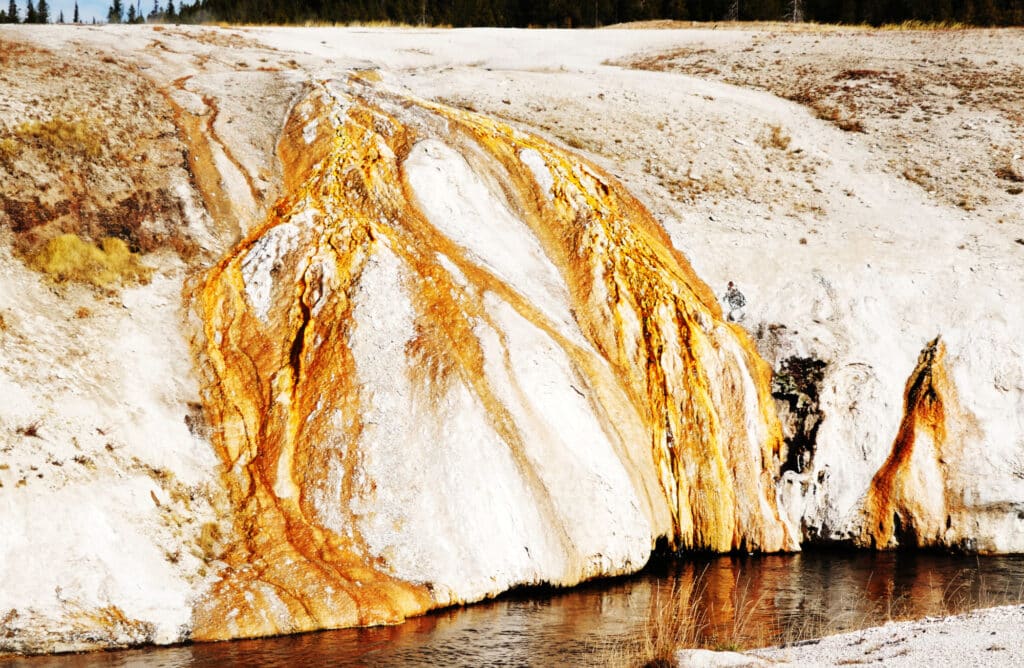
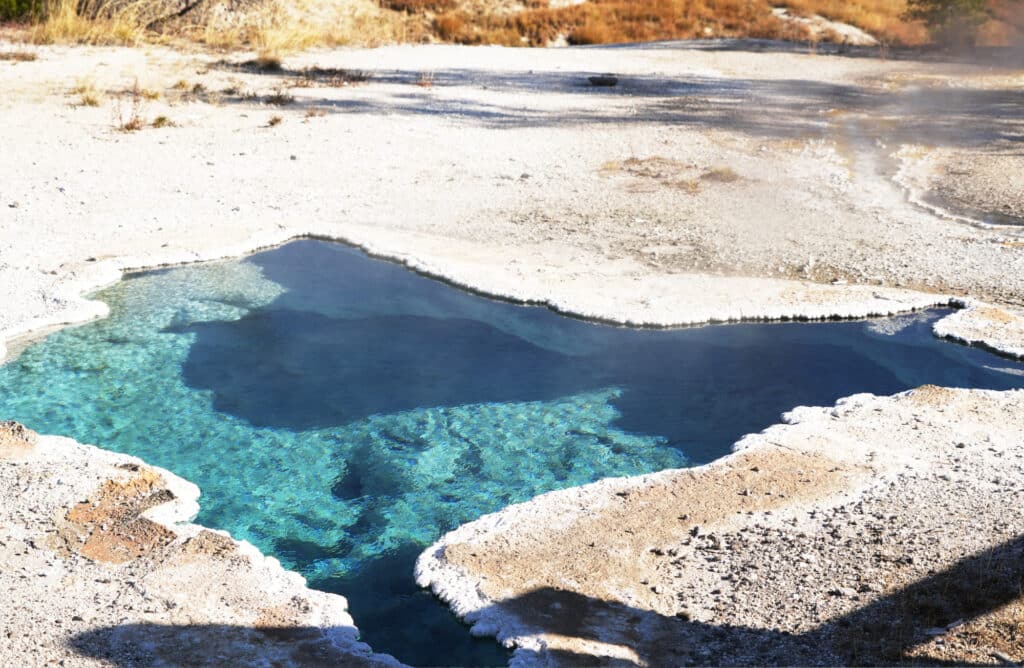
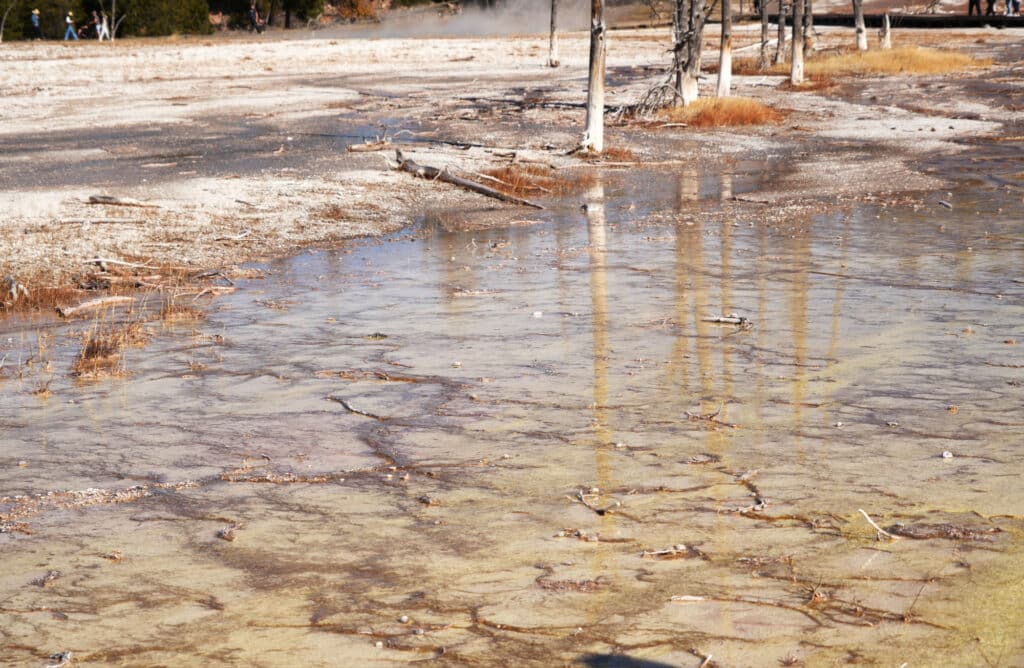
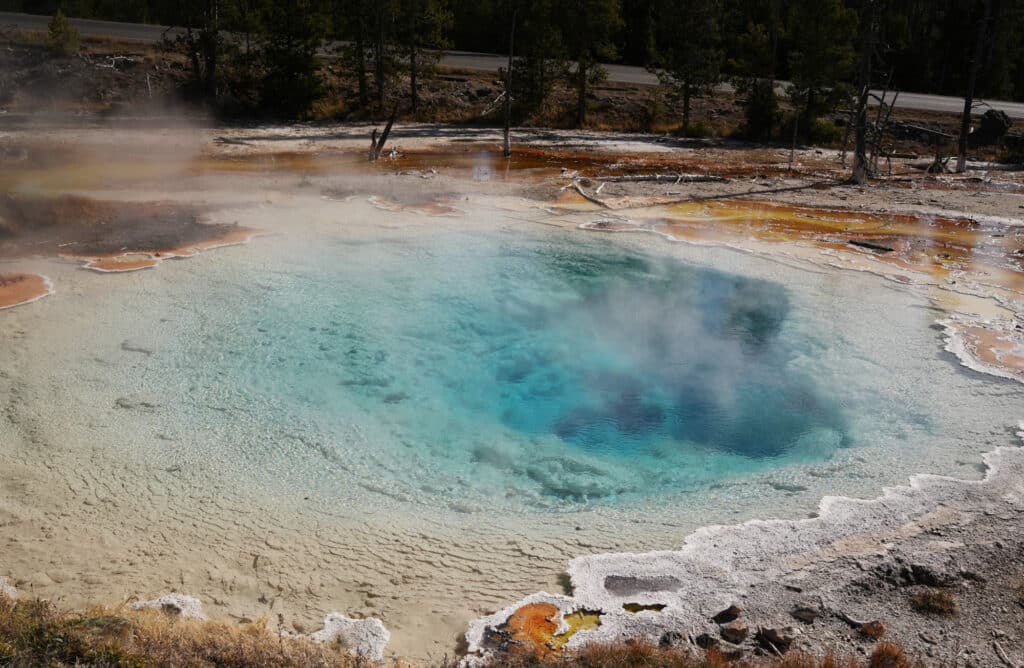
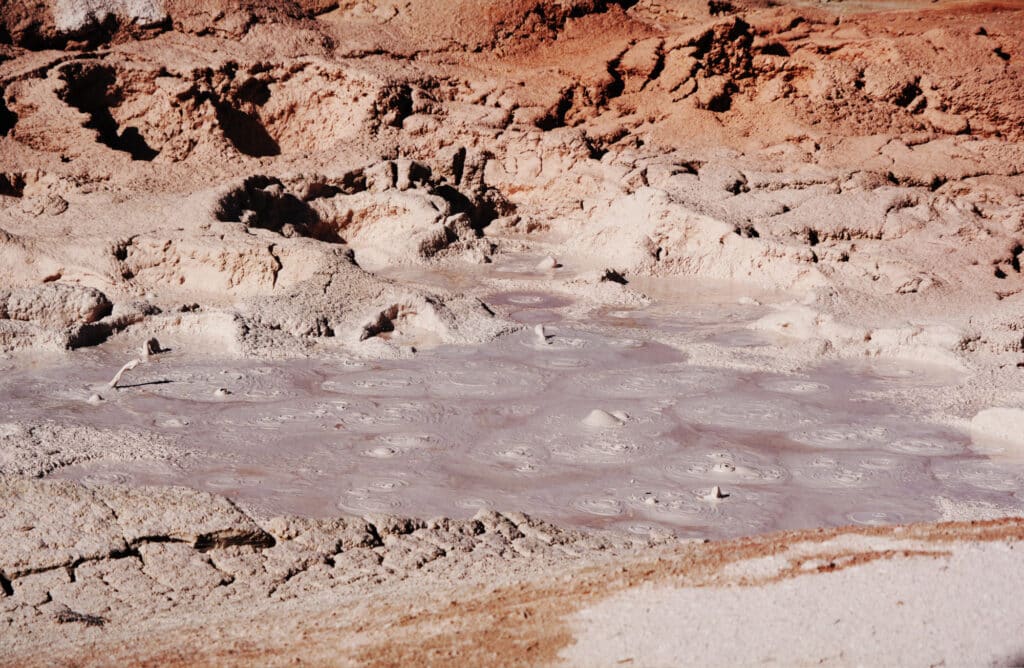
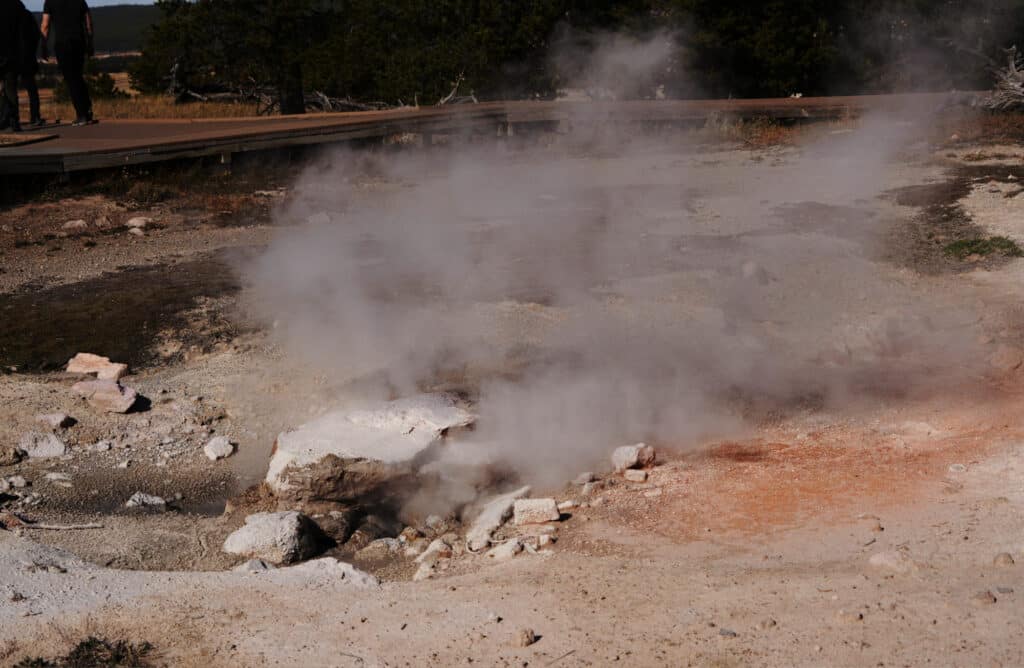
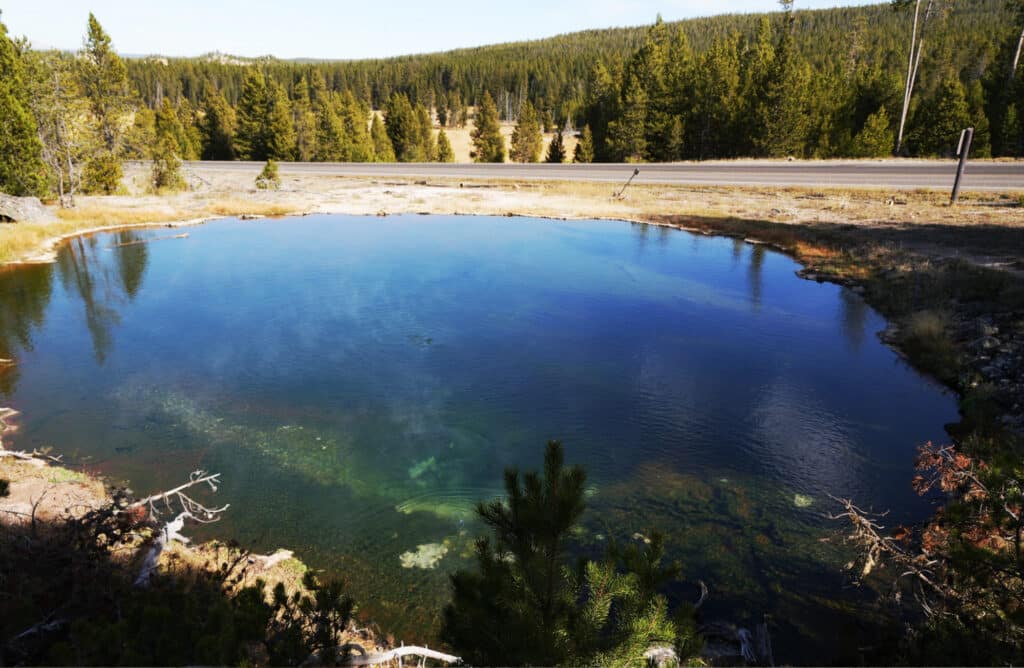
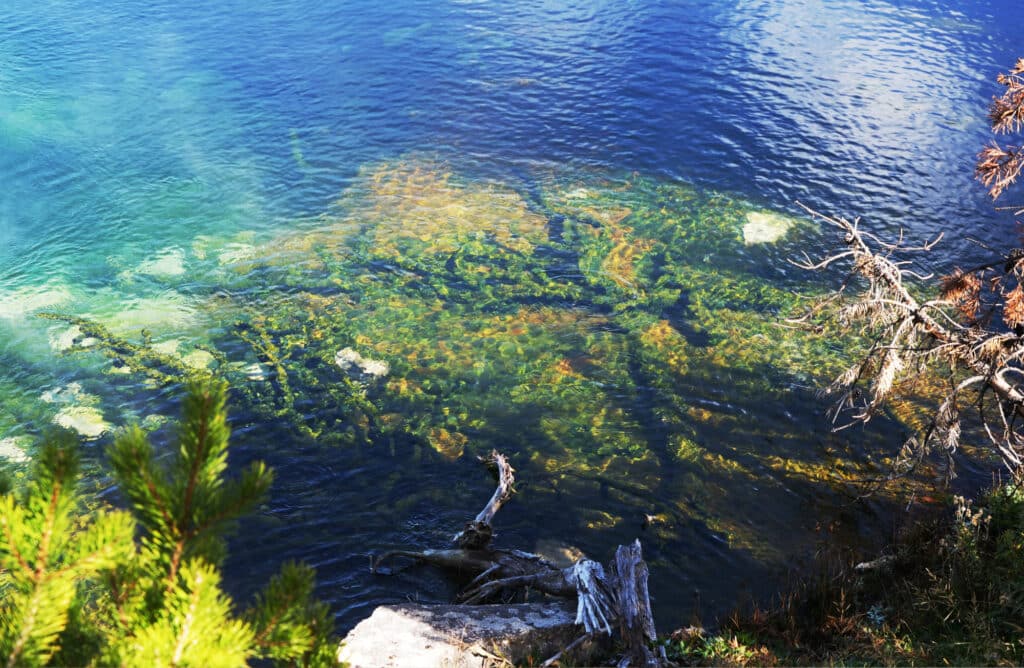
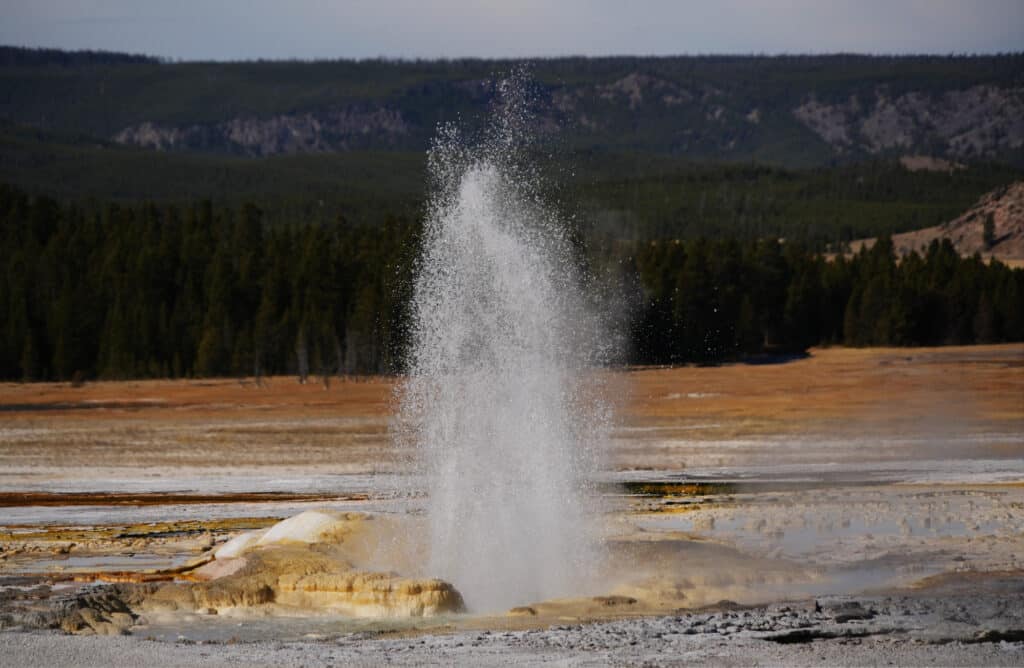
The next stop along the lower loop of Yellowstone was at the Fountain Paint Pots where Phil shared his knowledge about hot springs, mud pots and fumaroles whilst they could see all of that live. Charlie was impressed by the complexity of this ecosystem and the wealth of knowledge that hides in those natural wonders.
The Grand Canyon of the Yellowstone
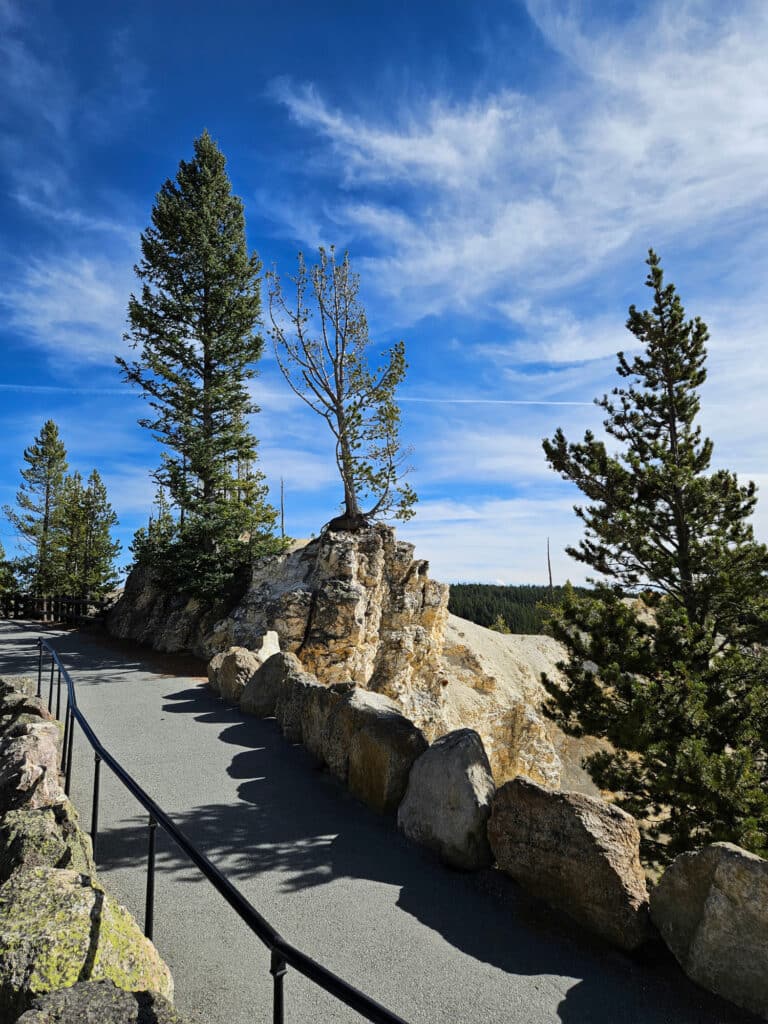
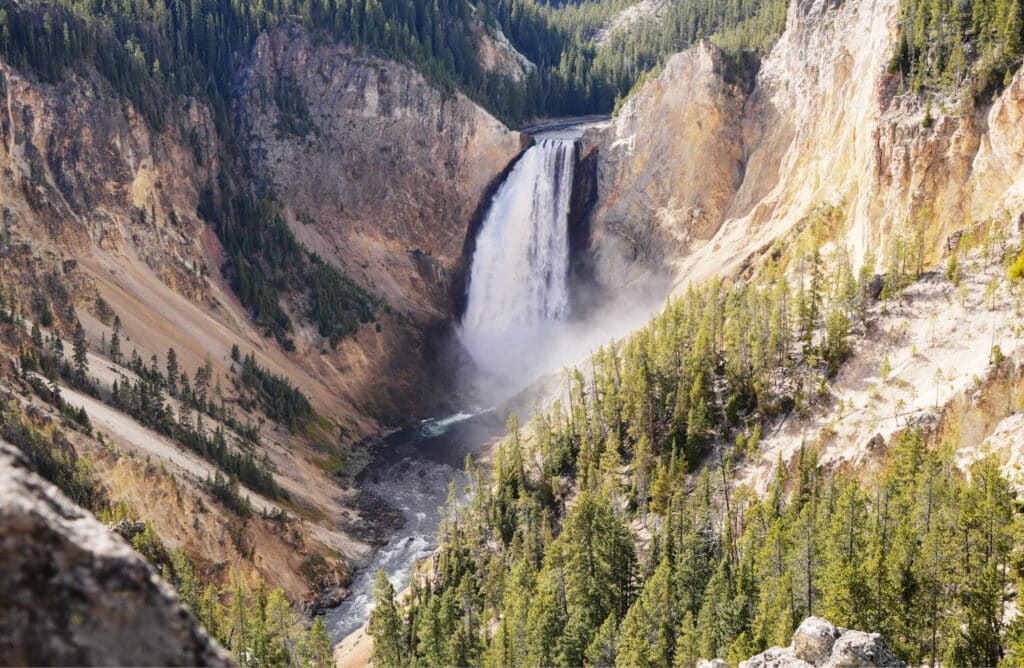
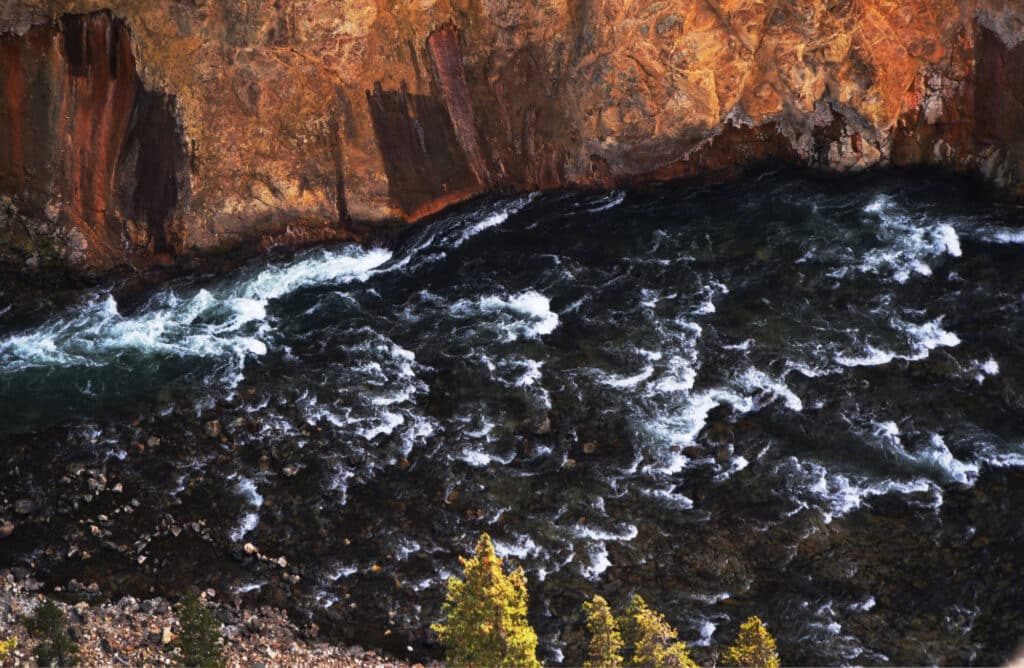
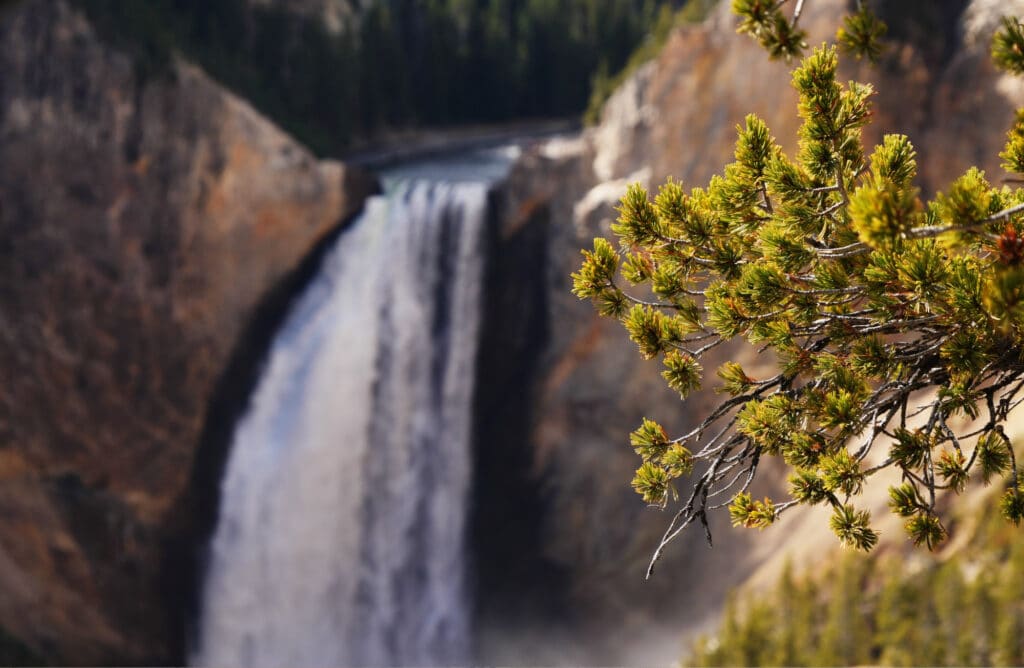
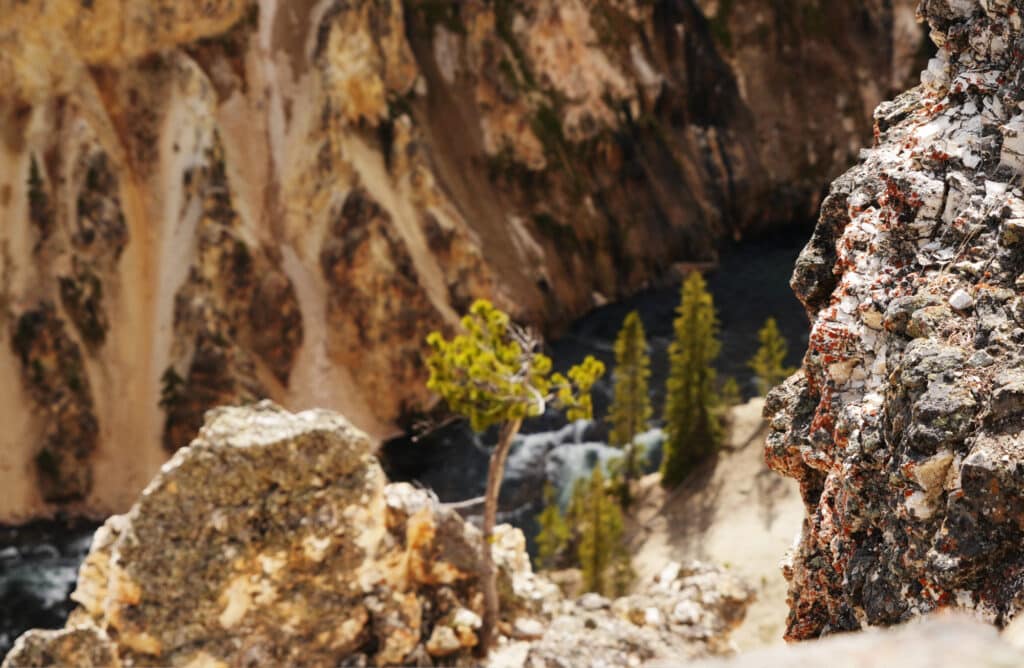
The National Park gets it’s name from the yellow rhyolite rocks that form a massive canyon. However, it was the Yellowstone River that was named first. A painting of the canyon was named “The Grand Canyon of the Yellowstone” and gave America’s first national park its name. This same canyon was the next stop along their route. And what could make a canyon even more impressive than it already is? A waterfall!

Hayden Valley
The route went further along the Yellowstone River and through Hayden Valley. This valley is the spot where you can most likely see bison and that was not different that day. They saw herds of up to 60 animals and even observed typical rut behaviour when one of the bulls started walking in circles before rolling through the dirt and approaching a lady. That was unusual for this time of year and needless to stay, the lady was not impressed.
Not far from the herd, they also spotted an eagle sitting on a tree stump by the river.
Another stop at Yellowstone Lake and they were on their way back towards Jackson. They had completed the so-called lower loop of Yellowstone. (The two-day tour that Charlie had originally booked would have included the upper loop as well. For one day though, that would have been too much of a distance to drive.)
It was late afternoon as they were driving back from Yellowstone and the chances were high to see some wildlife in Grand Teton again. They did! Two moose were hanging out below a bridge by one of the main roads. That meant that they were very close and yet it was a safe distance as they could be seen from the bridge.
Wildfires in the Greater Yellowstone Ecosystem
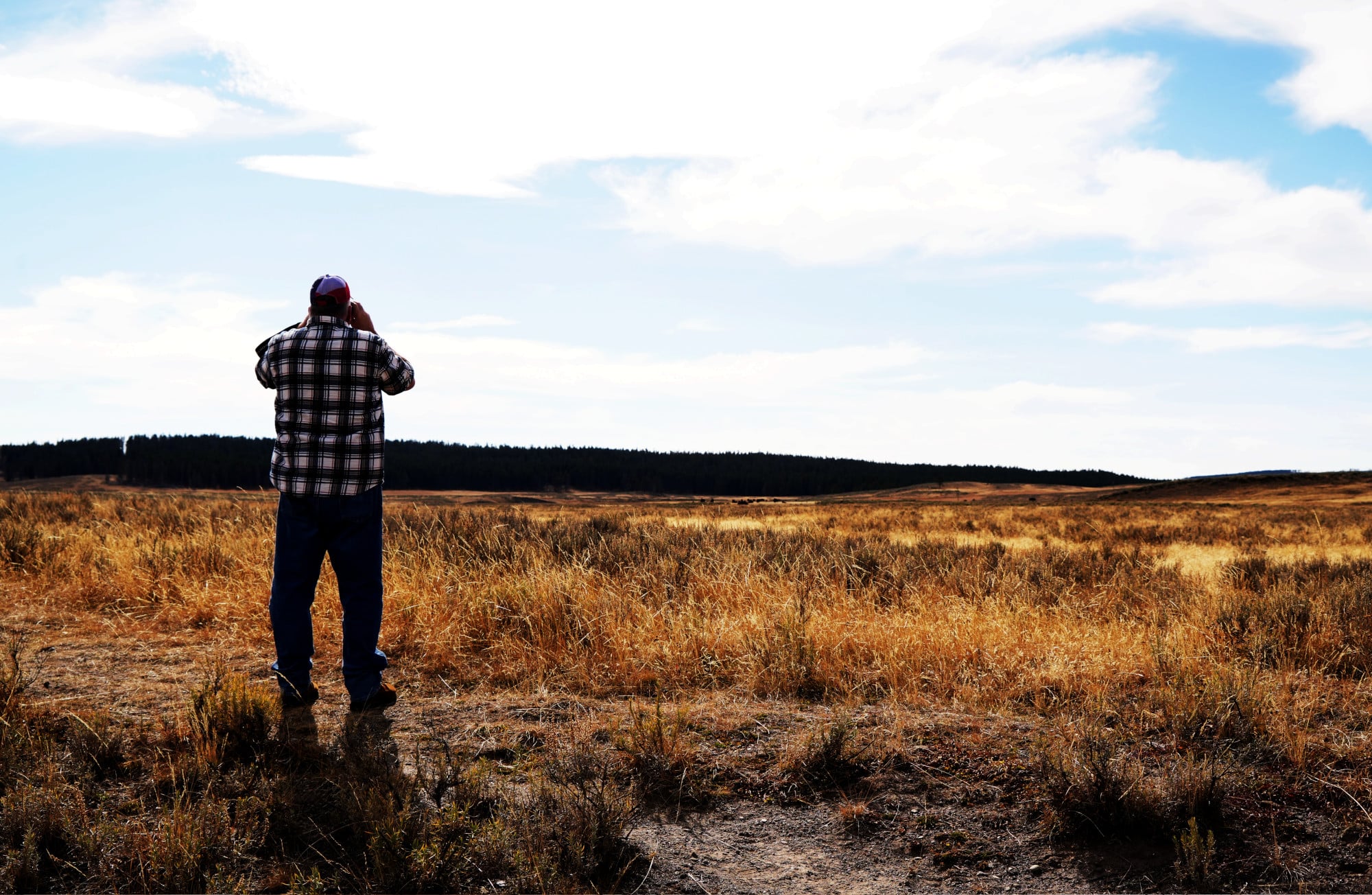
From Grand Teton to Yellowstone, you notice a change in vegetation. The orange and yellow Aspen trees in the Tetons turn into thick pine forests in Yellowstone. You will see trees of different ages and sizes as well as parts where wildfires left a field of ashes and tree stumps. Wildfires are very common in the area and Charlie did see it when she was flying into Jackson Hole. The smoke in the air was present every day.
Wildfires are part of the life cycle of the ecosystem. Old trees burn down and make space for a new generation. As long as the wildfires don’t threaten life or permanent structures, they usually let them burn as history has taught the locals how important those fires are for the ecosystem.
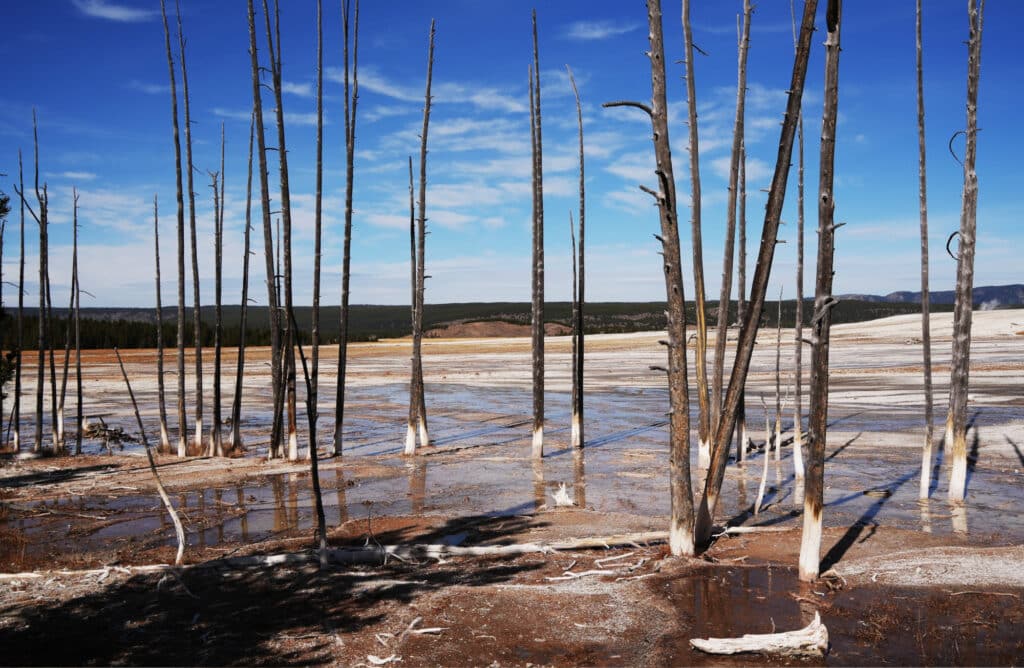
You will also see tree stumps in Yellowstone that have lost all their leaves and turn white at the bottom. Those are not related to fires but volcanic ashes. The water in the ground contains so much silica that the trees are slowly petrified.
The Continental Divide
The volcanic activity in Yellowstone and the different geological formations in the area give hints about this being a special place on earth where different tectonic plates meet and you can learn a lot about the history of today’s landscapes. Yellowstone and Grand Teton are also the place of the continental divide which Charlie had already heard about in Costa Rica. It is a mountain range where water on one side flows towards the Pacific Ocean and on the other side to the Atlantic Ocean. The name of the Two Oceans Lake in Grand Teton gives a hint.
Driving through Yellowstone, you pass by a small lake, Isa Lake, which is exactly the point where the water splits to either side of the bridge. All along the road, you see signs informing about the height of this particular point of the continental divide.
The town of Jackson
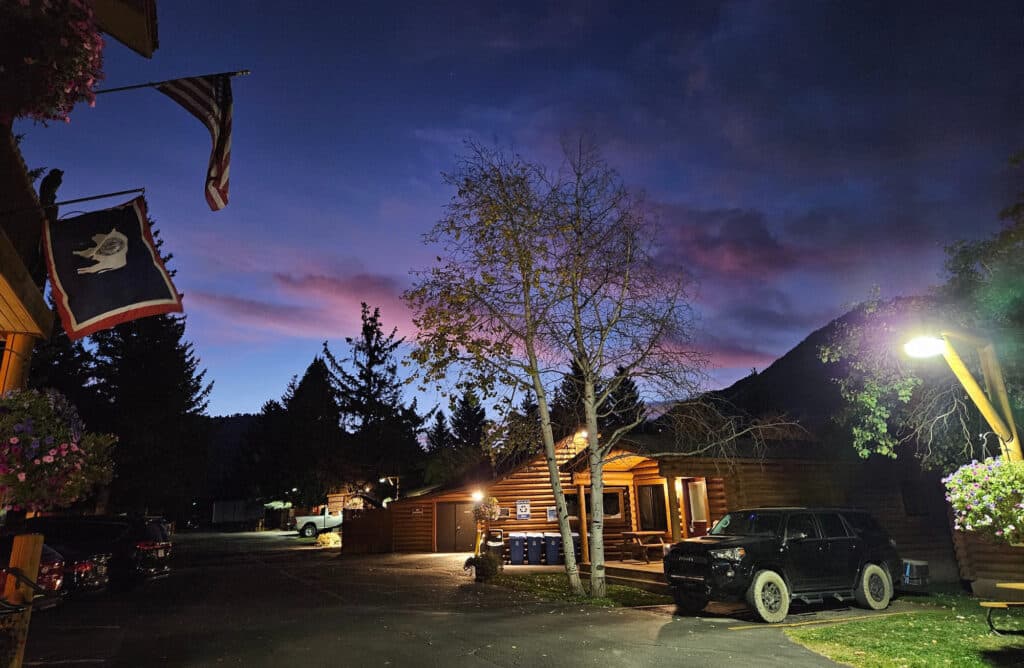
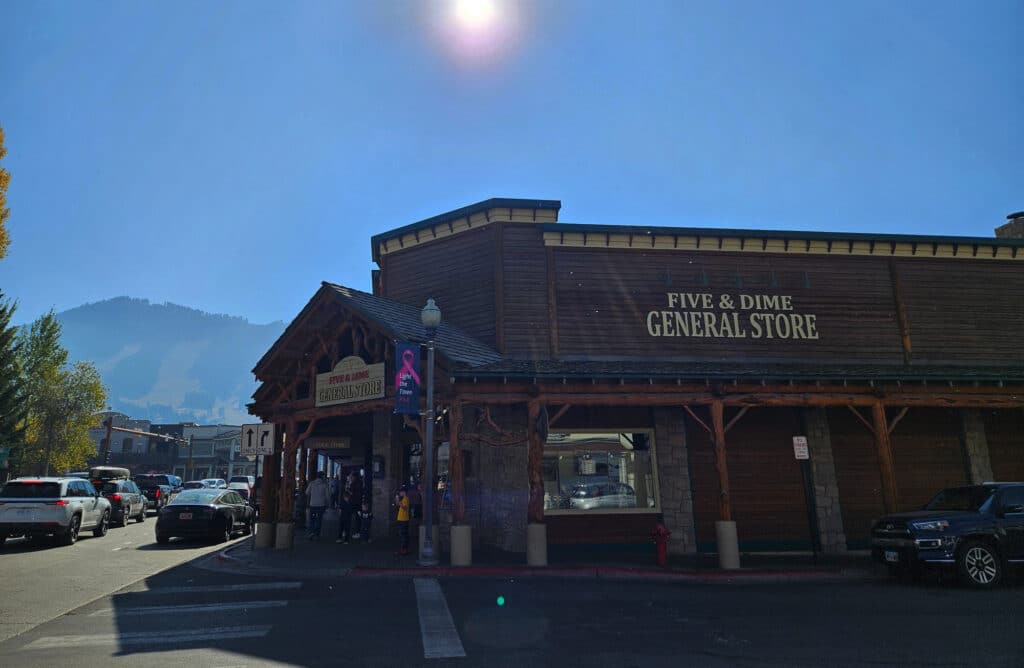
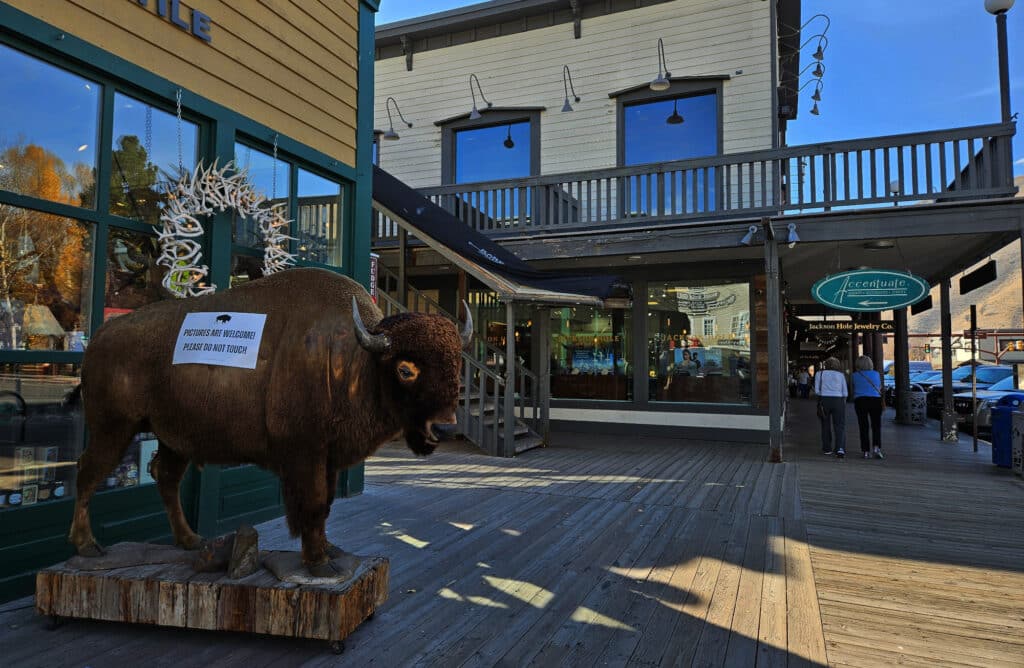
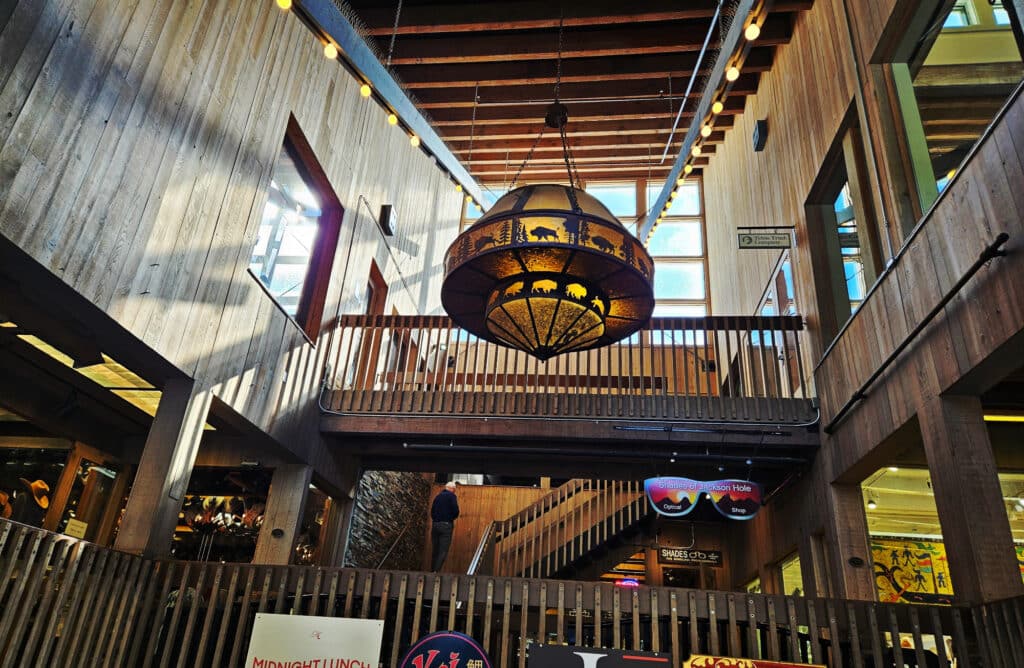
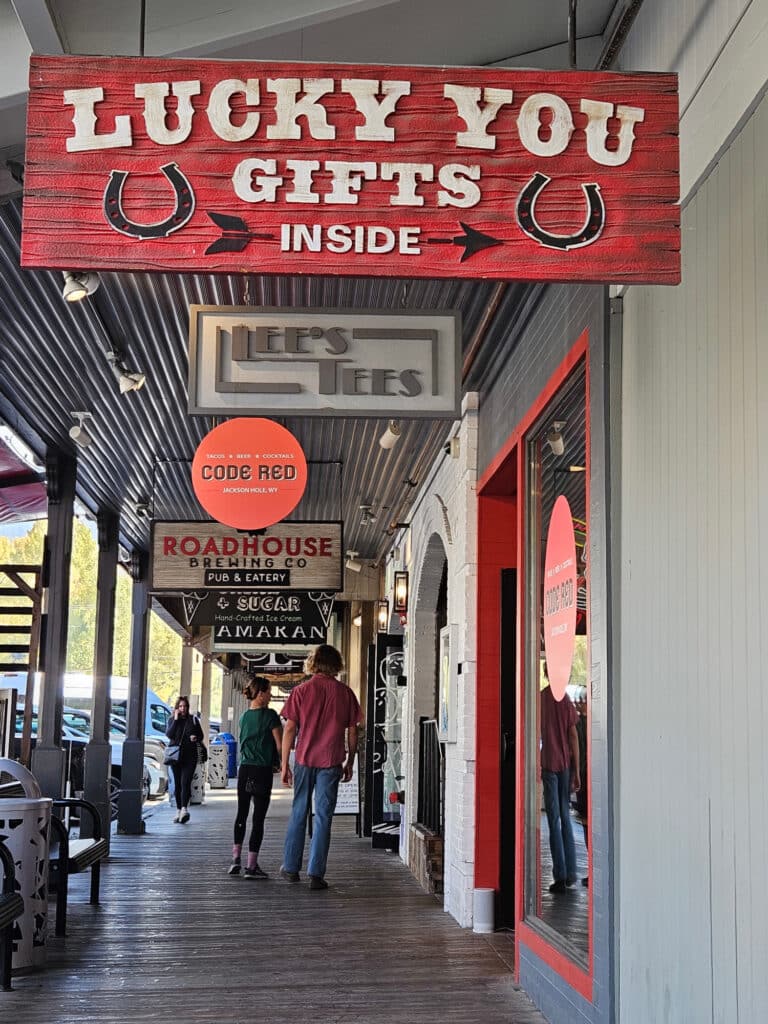
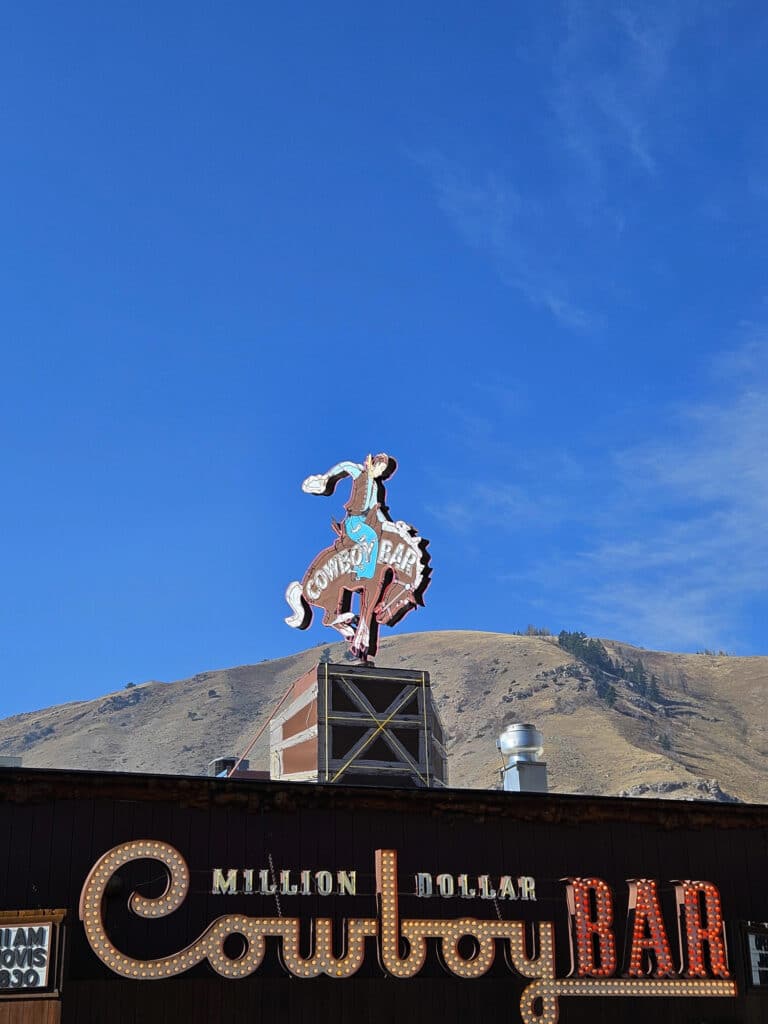
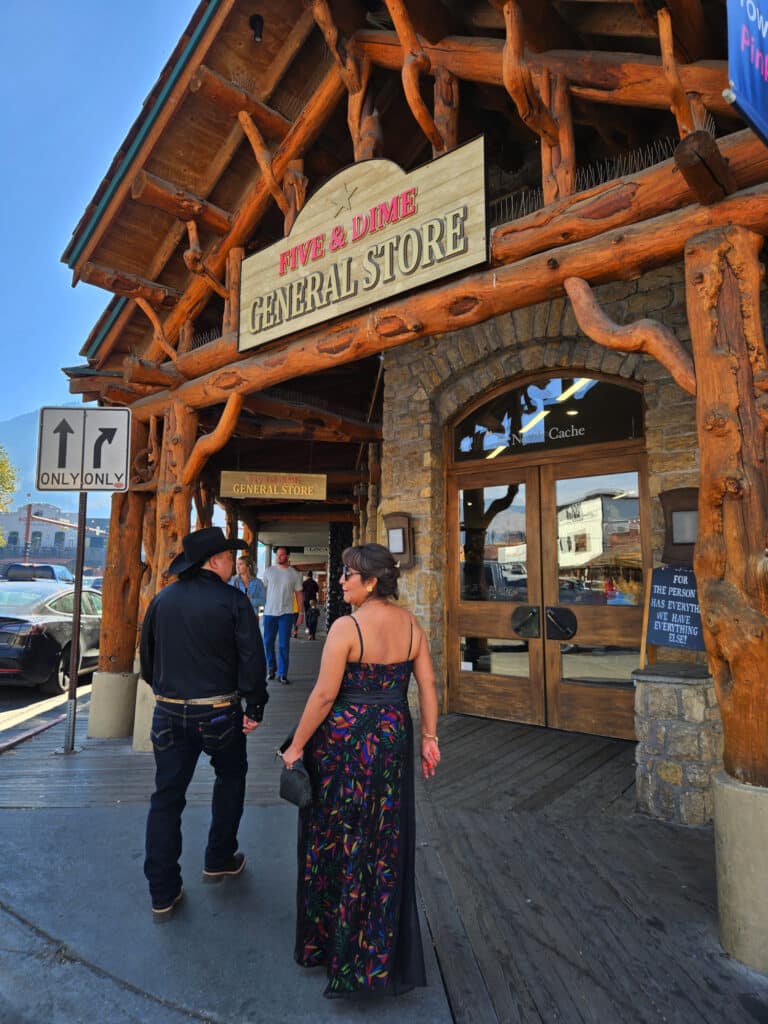
If everything in Grand Teton National Park looks like a postcard, everything in the town of Jackson looks like it has been taken out of a good old Western movie. There’s no saloon, but a cowboy bar, the bus stop is a stop for horse carriages and shops and restaurants are built in wooden structures with passage ways.
From the airport, it is a 15-minute drive into Jackson, once there everything is within walking distance. You can tell that it has been built around tourism and only very few locals live in Jackson. You find plenty of shops and boutiques, restaurants and cafes next to hotels, resorts and inns.
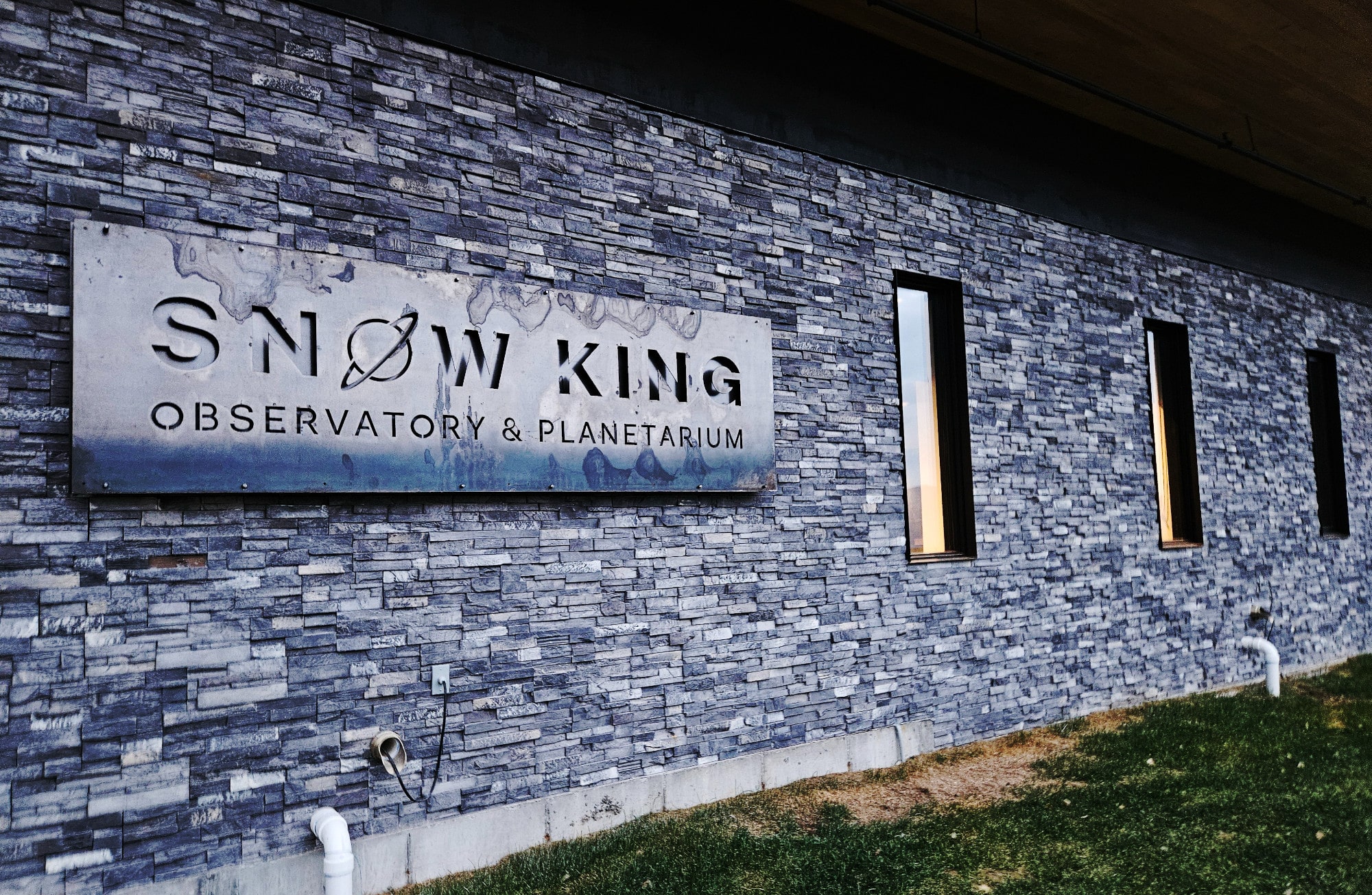
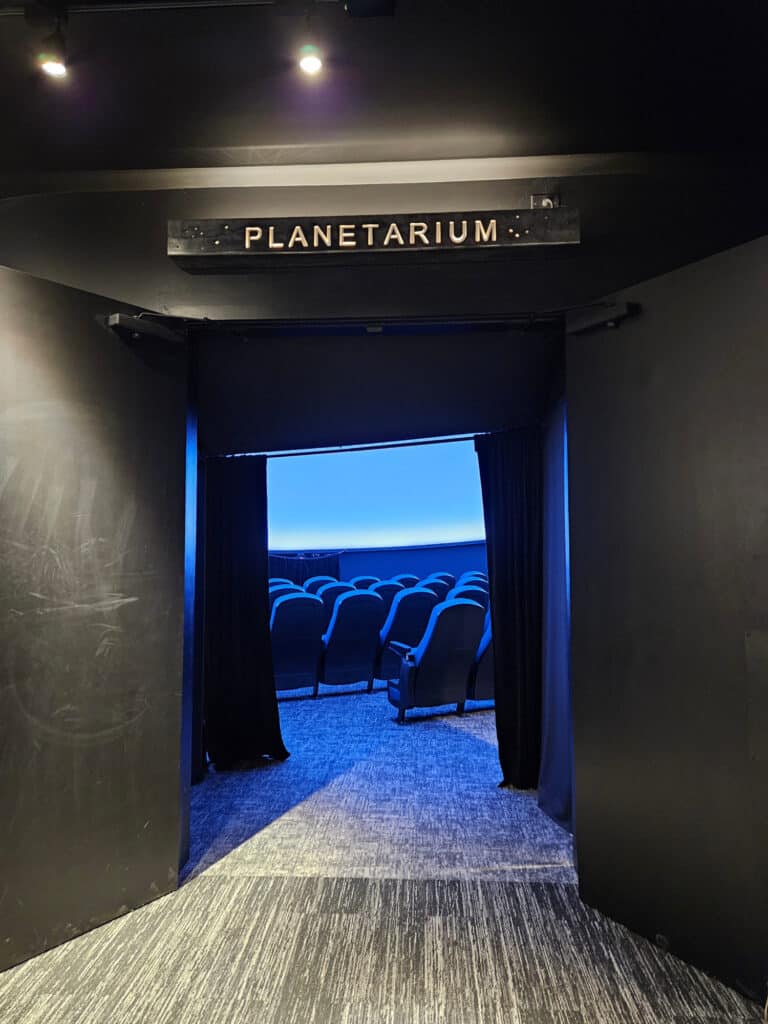
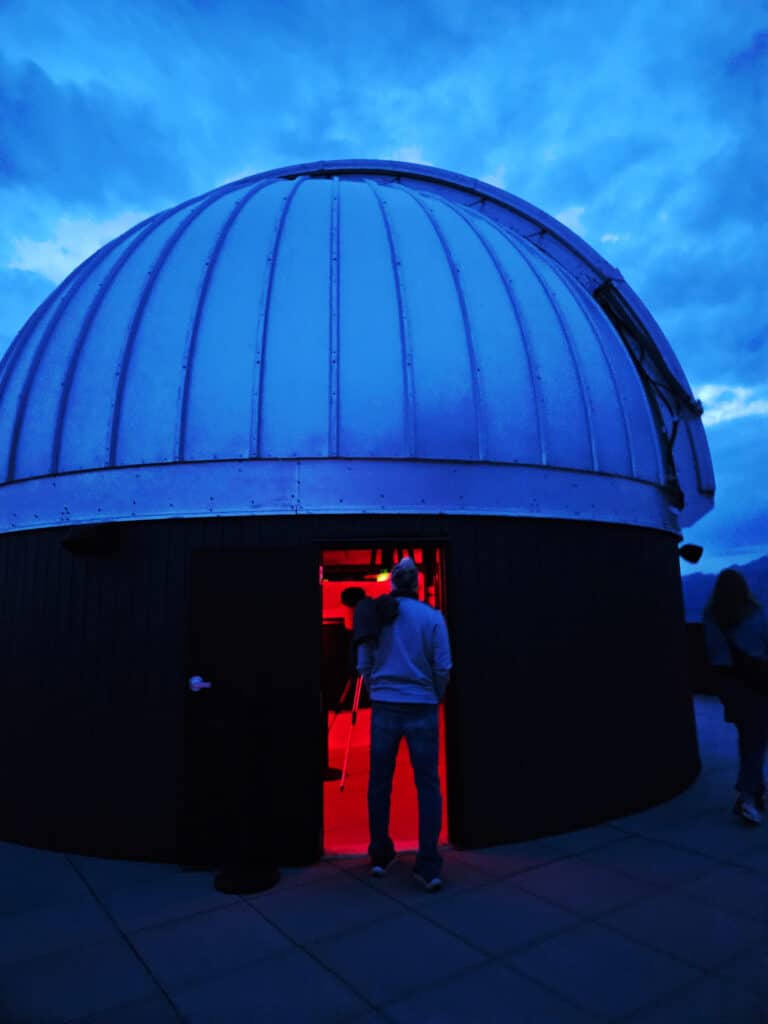
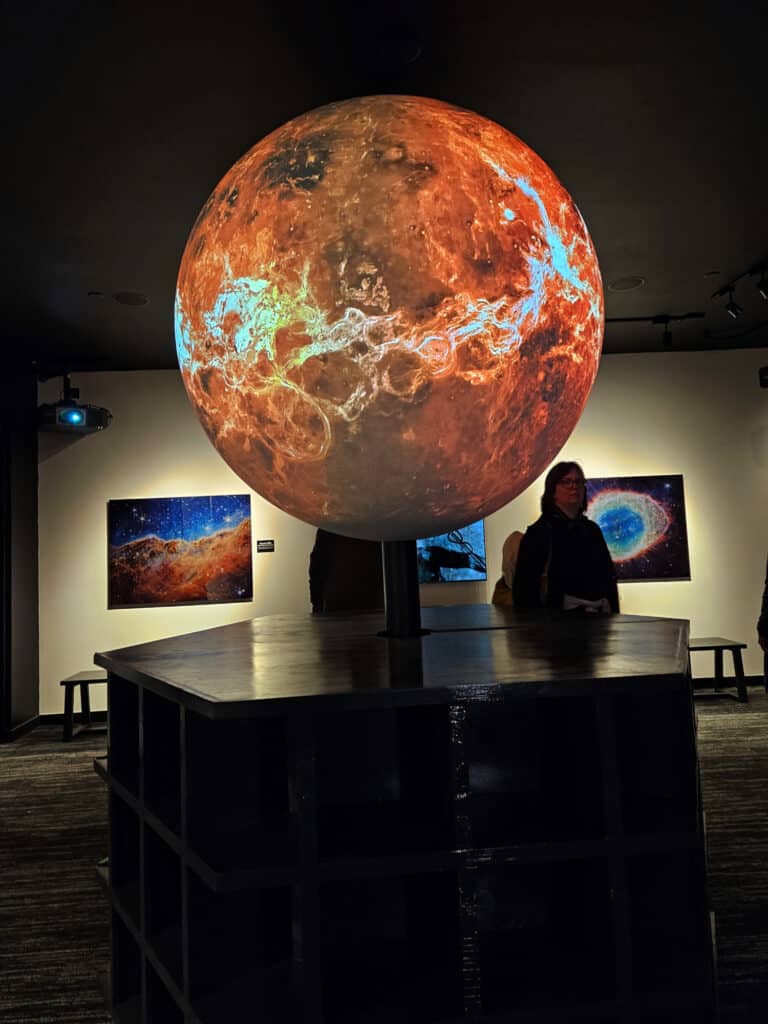
There is a ski lift, Snow King, from Jackson up the mountain. On top, there is not only skiing, but also a planetarium and observatory. Charlie had booked an evening event where they shared knowledge about the universe and our planet, presented a film and started the big telescope for some extra detailed stargazing. Once again, Charlie was impressed by the wealth of knowledge the locals had to share.
Jackson is too expensive to be a destination for digital nomads or other types of long-term stays, however it was not difficult for Charlie to find a coffee shop in town with Wi-Fi and power plugs.
Other activities in Jackson Hole
Jackson Hole is a recreational area with plenty of outdoor activities on offer. In the summer, you can explore the national parks just as Charlie did, in the winter there’s skiing all around. There are water activities such as rafting and paddle boarding in the warmer months of the year too and there is a cycling route from Jackson to Jenny Lake. You can hire a bike in Jackson.
Not far from Jackson is Teton Village where you can take a tram and gondola up the mountain in summer and winter. It was closed though in the off-season when Charlie was there (October). You can travel between Jackson and Teton Village by public transport.
Just outside Jackson is the National Elk Refuge where you can spot some animals during the winter and in that same area on the route towards Grand Teton National Park is the Museum of Wildlife Art which Charlie heard good things about.
BrushBuck Wildlife Tours
Overall, Charlie would recommend to rent a car to explore the area, however you can see everything and probably even a bit more on a guided tour. The guides are experienced in spotting wildlife and have a lot of knowledge to share. You certainly increase your chances of spotting wildlife when you’re out with a guide.
After Charlie’s two-day tour had been cancelled, she was lucky to have discovered BrushBuck Wildlife Tours as an alternative. Both days, the guides were very knowledgeable and willing to keep on sharing. They stopped whenever they saw an animal near the road when it was safe to do so and offered bathroom and coffee breaks whenever needed. Apart from knowledge and experience about the area, they weren’t short on jokes either and kept the group entertained throughout the whole day. The groups were small – one day it was only 3 people, the other day 5 – and it almost felt like a family trip, not a planned itinerary. Charlie had only had a similar experience once before on the outdoor trips in Gran Canaria with Climbo. She couldn’t have wished for a better tour to see Grand Teton and Yellowstone.