Exploring CDMX
Mexico City is probably the best place in Latin America to learn about the history of this part of the world. Traces of indigenous cultures mix with modern structures, ancient temples are just a stone’s throw away from cute cafés in colonial-style patios, and modern architecture and public transport systems cause a European flair. For Charlie, it seemed to be the place where it all comes together.
Centro historico
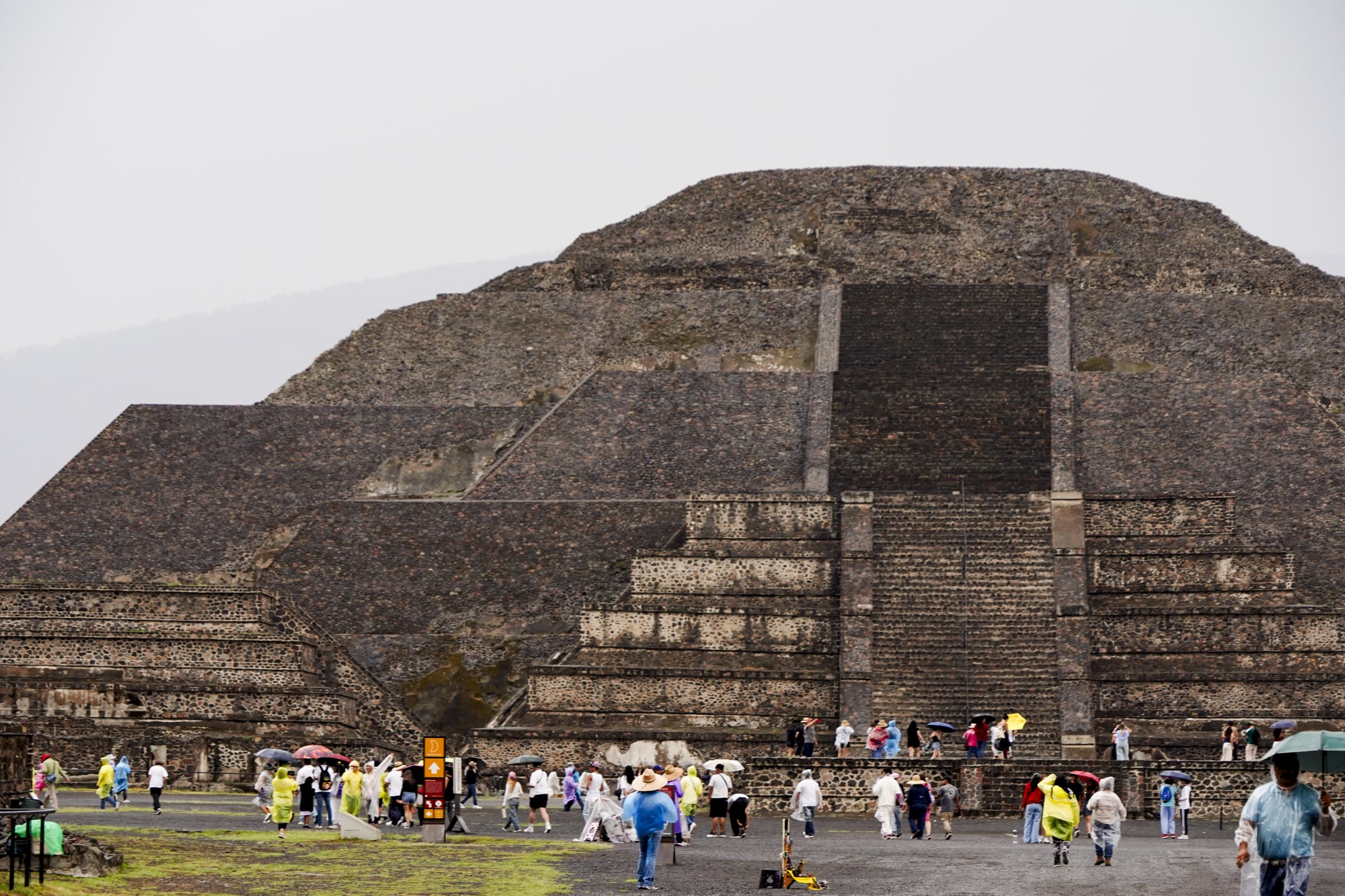
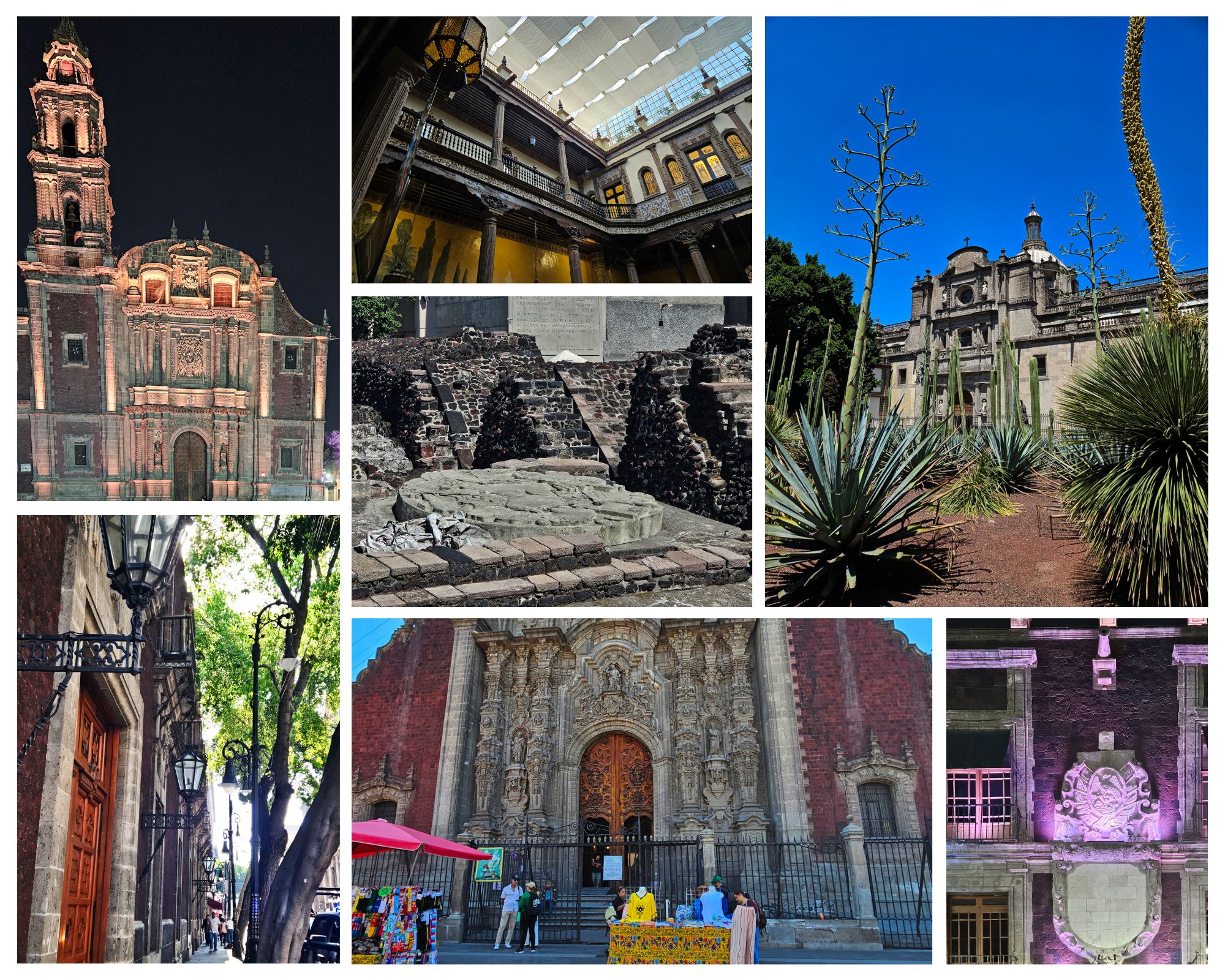
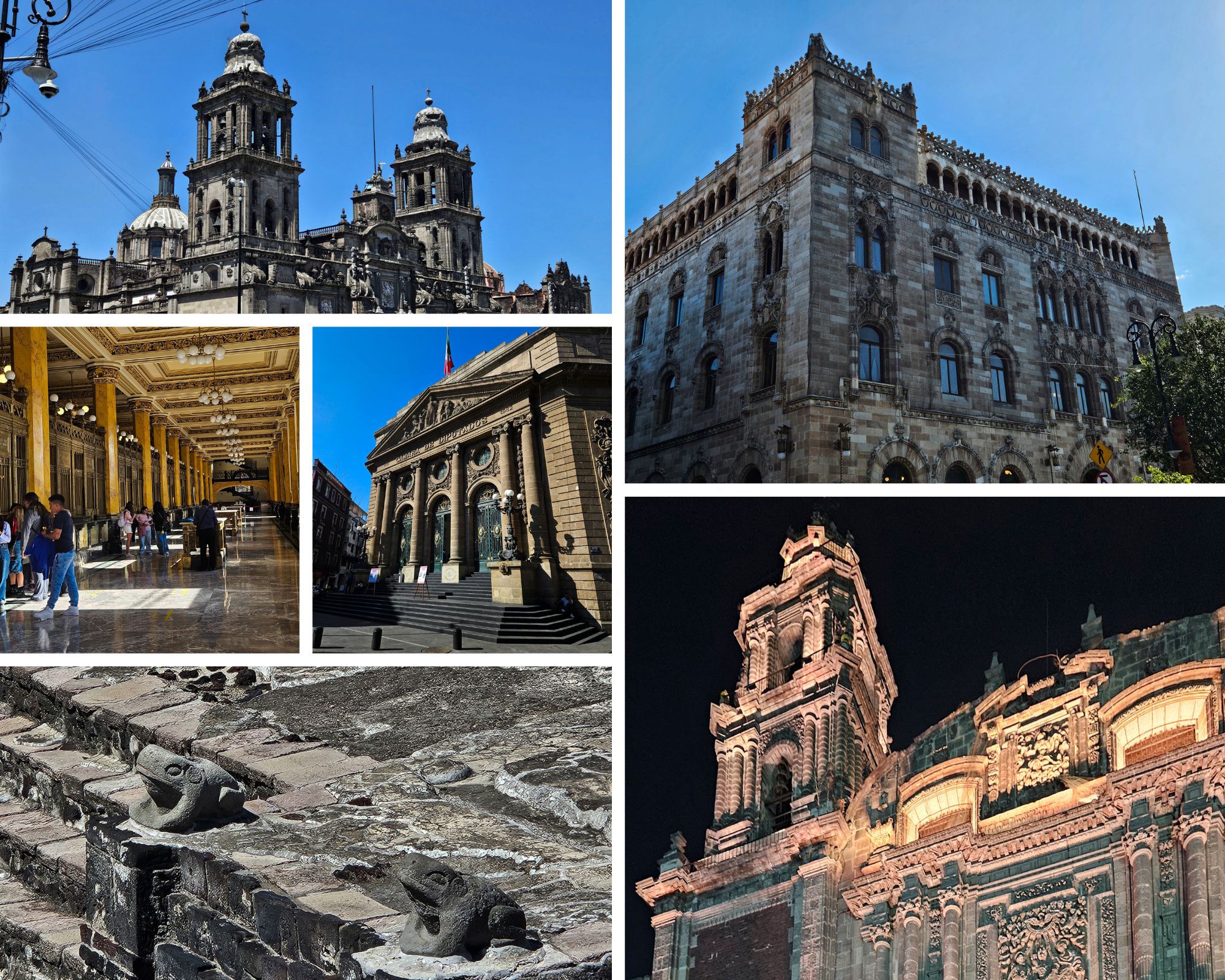
The historical centre of Mexico City is the place to go for shopping and to learn more about the multiple layers of Mexican history. Next to the cathedral and the main square, the Zocalo, are the remains of the main temple that dates back to pre-Hispanic times. Inside the cathedral, you can see the impact that the land has on the building structures. The city has been built on wetlands, and the floor of the cathedral is slightly hunched.
Walking through the historic centre of CDMX, it is obvious that this was a colonial town that has been laid out on a grid and initially consisted mostly of religious convents. Most of the historic buildings show the typical architecture of monasteries and the majority is nowadays a museum. You could spend weeks in the city and there would still be museums to visit.
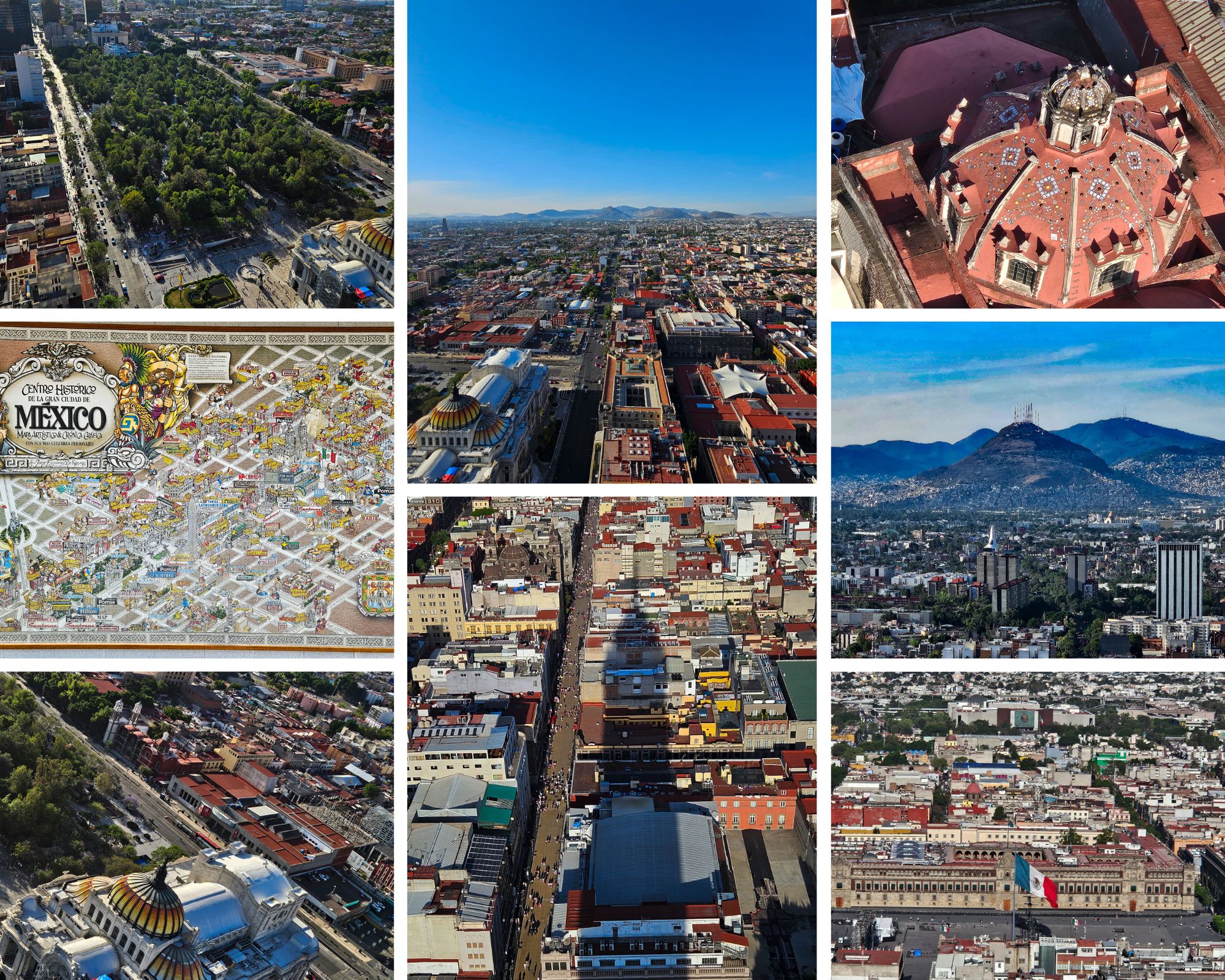
The walking tour through the historic centre of Mexico City finished near the Palacio de Bellas Artes (an impressive building) and Charlie took that opportunity to go up to the Torre Latino from where she could enjoy views over the entire city and the mountains in the distance. The entrance fee was MXN 220 (approximately GBP 9.50).
Chapultepec and its museums
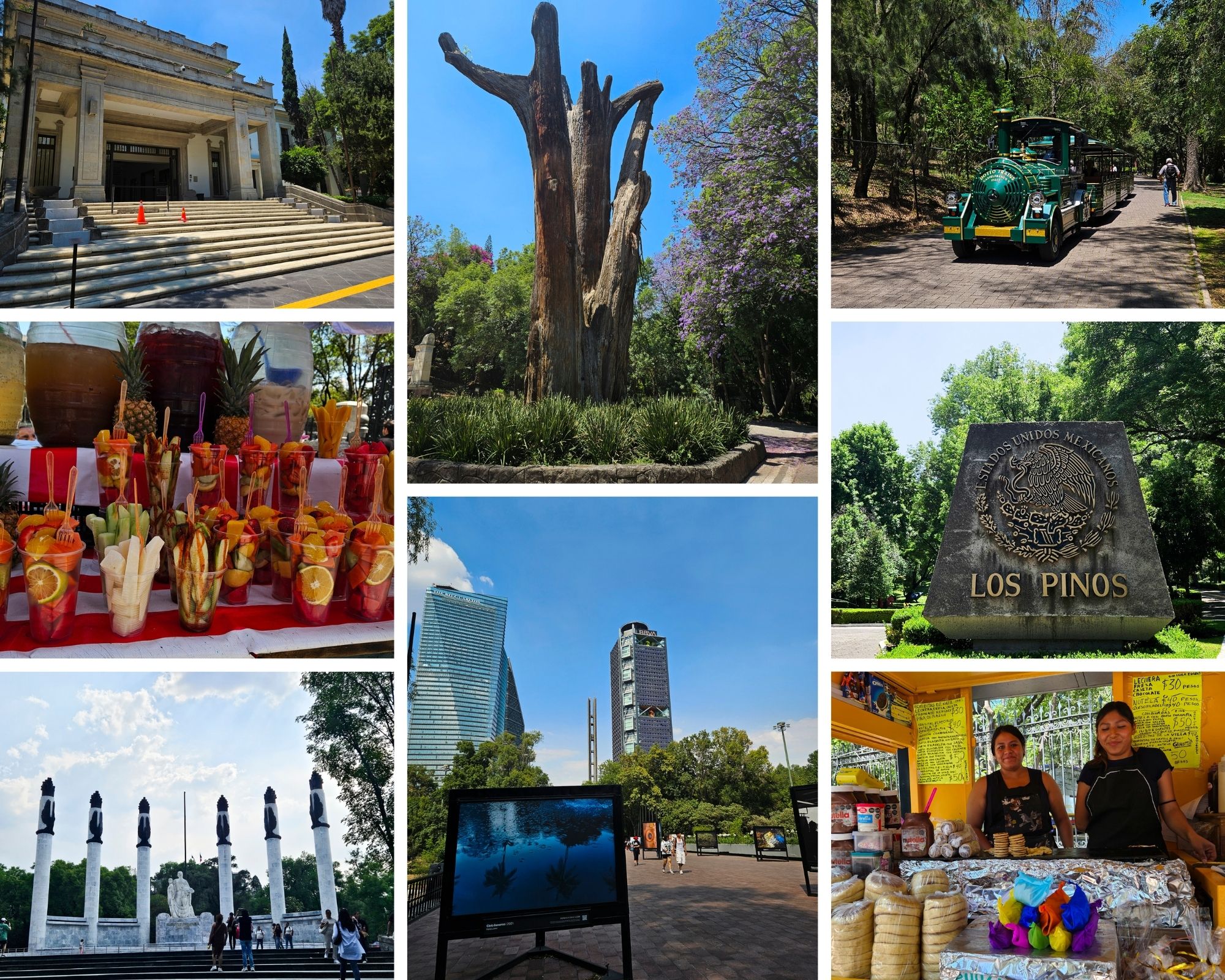
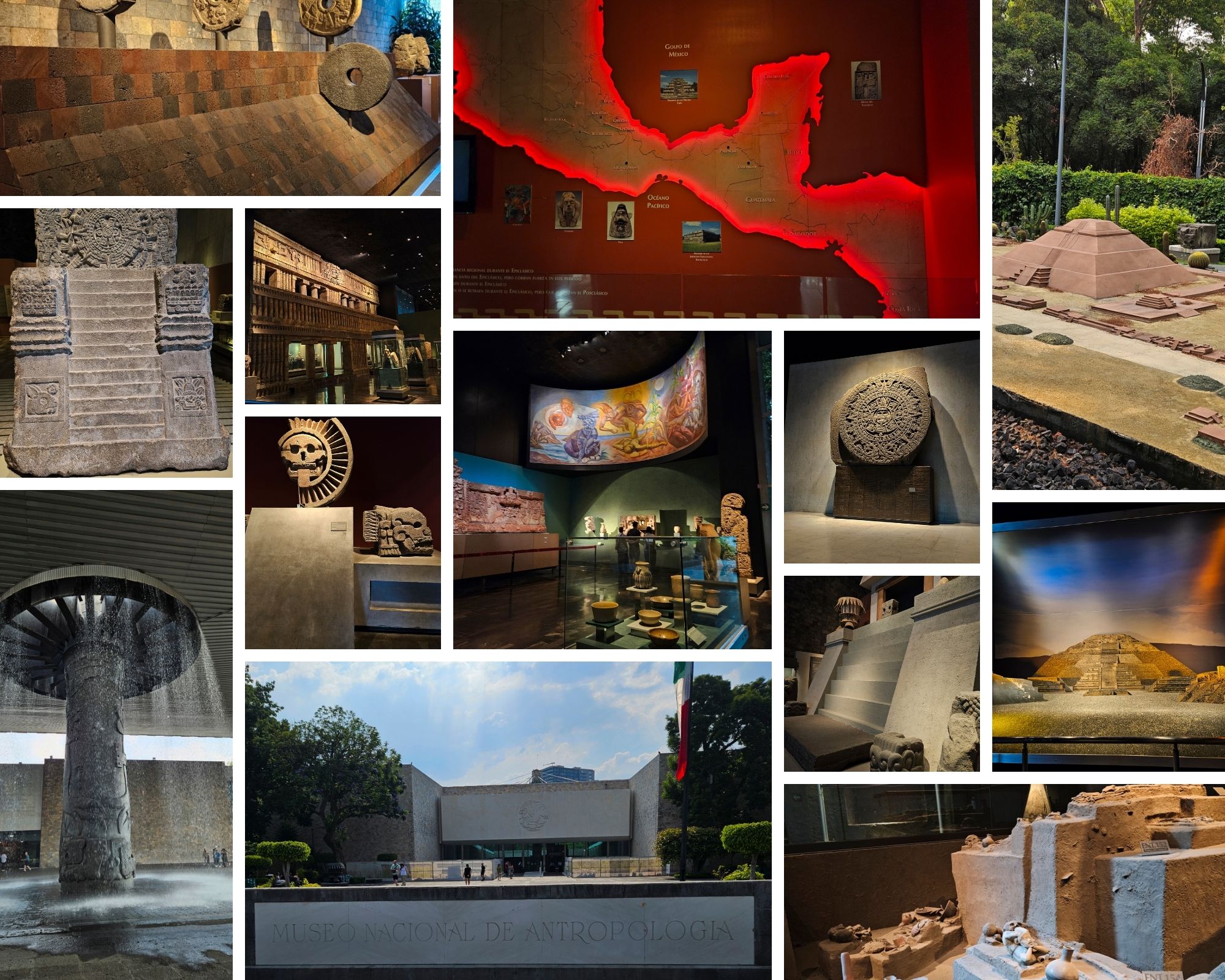
The Chapultepec is the Central Park of Mexico City – just a little more natural than in New York City. Some parts of it have been curated like a park, others make you feel as if you are walking through a forest. It is a place for cultural events and there are a few museums inside the park. The best known are Chapultepec Castle and the Anthropology Museum. As part of her Spanish classes in Mexico City, Charlie also visited the cultural complex Los Pinos with the museum Casa Cardenas and Casa Miguel Aleman. Other than that, she only had time for one museum visit in Chapultepec and that had to be the Museo Nacional de Antropologia. She had heard about its size and the many different ancient cultures that the museum encompasses and decided to book a guided tour. Together with the guide, Charlie explored the oldest civilizations, older than Teotihuacan, before they moved on to the Aztecs and the Spanish conquest of what is today Mexico. Towards the end they visited the room that talks about the Olmeca culture and the Maya. That was probably only half of the museum, but it was more than enough information for one day. It also prepared her perfectly for the trip to Tlatelolco and Teotihuacan.
Roma and Condesa
Strolling through the streets of La Roma in the morning, Charlie saw the familiar scenes of Latin America: locals setting up pop-up coffee bars in the streets. Large, busy boulevards remind of Paris, but there are also quiet streets where neogothic architecture reflects in the sunlight on the facades of modern skyscrapers that remind of London.
This is the area that most tourists stay in because it is safe and there is a good availability of tourist accommodation and you also find plenty of restaurants and cafés. The entire area has a European touch which does not come out of nowhere. One of the former presidents, Porfirio Diaz, wanted to build a city inspired by Europe. A lot of the street names in Roma and Condesa are the names of European cities. And a fun fact: If you walk the Amsterdam Avenue from start to finish, you will end up in exactly the same spot. It is a circular road that circumvents the former horse racing track.
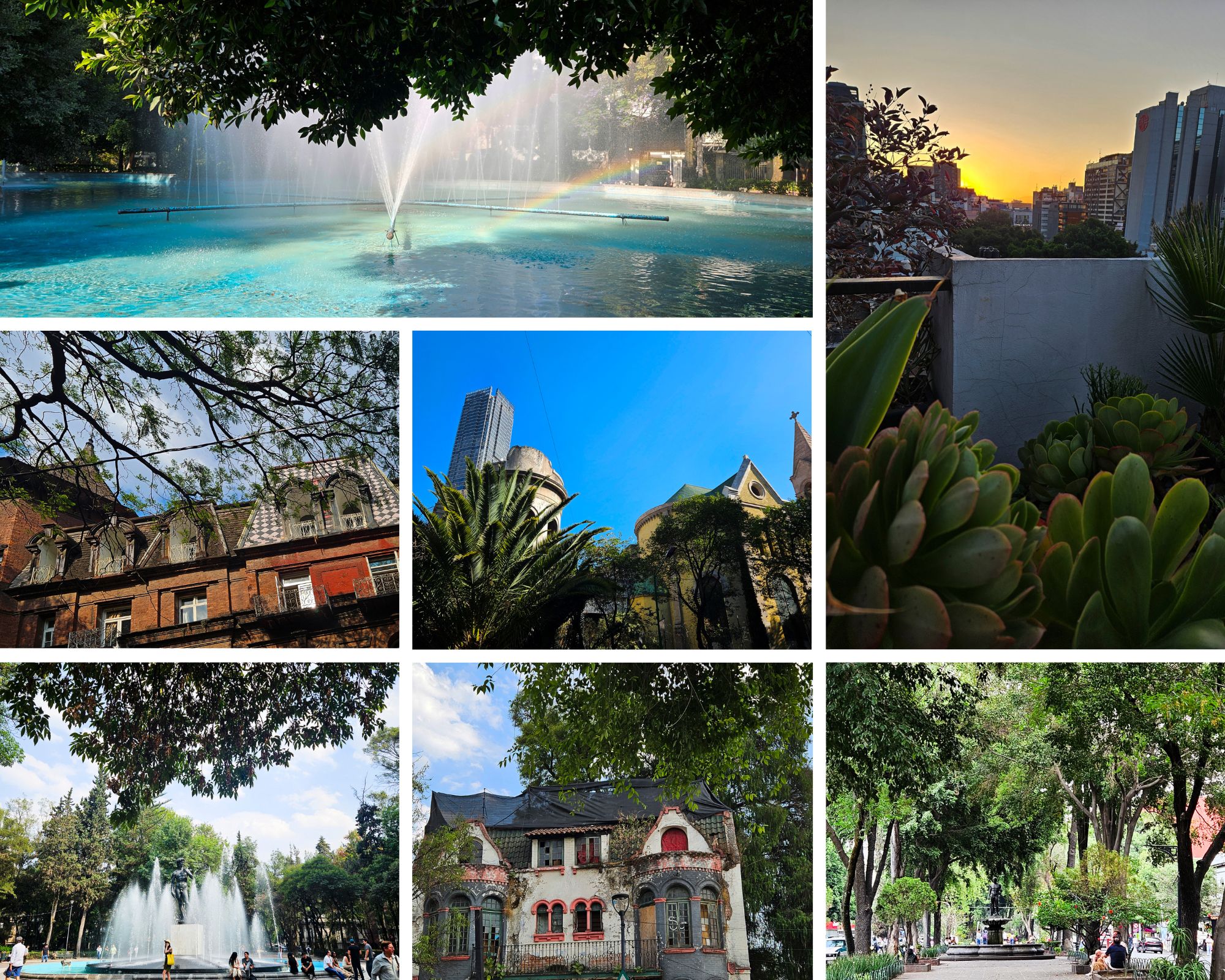
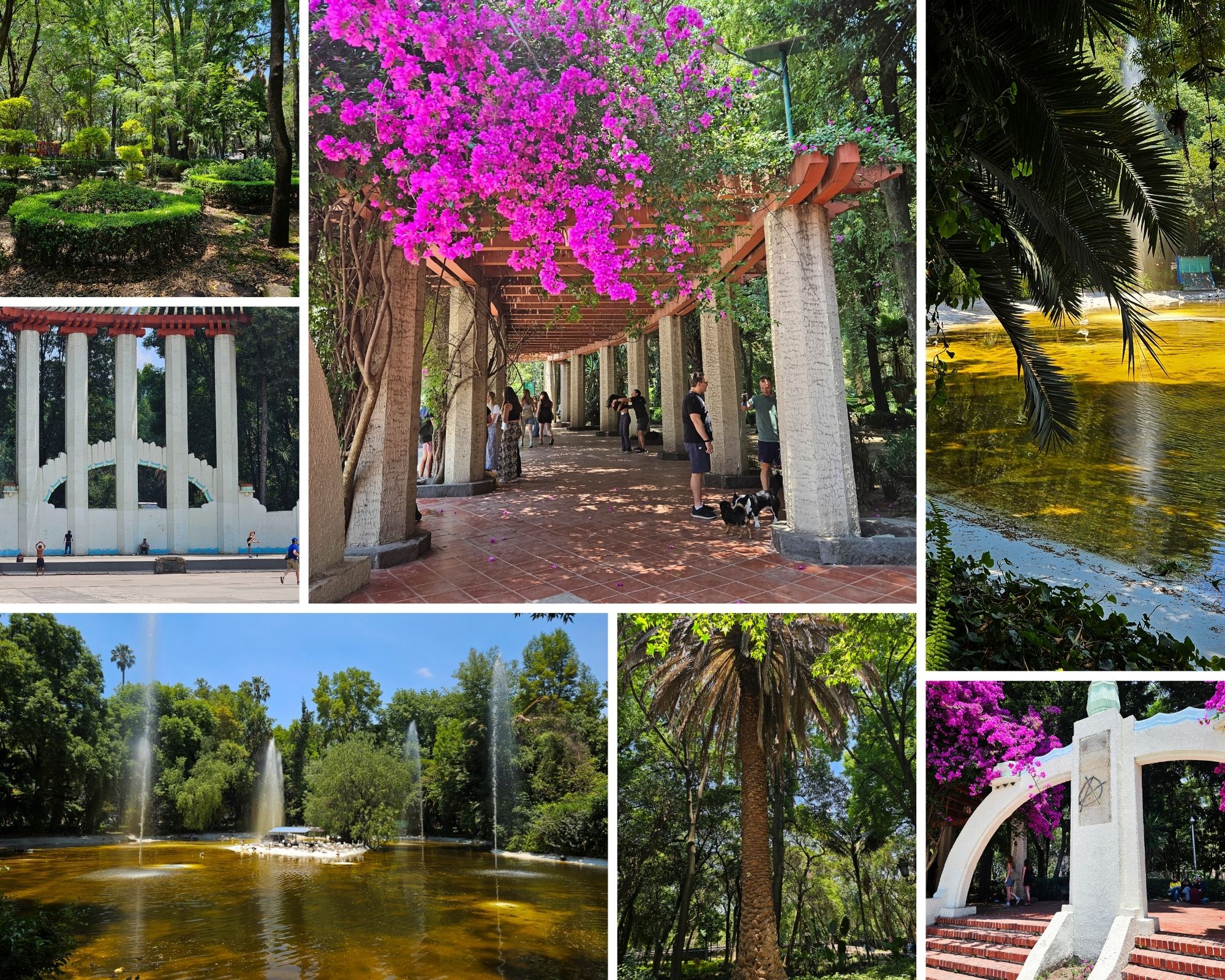
There are two parks worth visiting in this part of Mexico City: The Parque Rio de Janeiro with a statue that has caused some scandals in the past and Parque México – a popular spot for all kinds of sports activities. Charlie has seen skateboarding and rollerblading, hoola-hoop classes and all kinds of dance. She attended a few salsa classes in this beautiful setting by the arches around the esplanade. If you’re not into any of these activities, you could simply stroll through the park.
Coyoacan
Just after the Spanish arrived in the area, they decided to build their settlement a bit further outside of the Aztec city. Coyoacan became their home. Back in the day, it was far from Tenochtitlan, today, it is well-connected by the Metro and an integral part of the city.
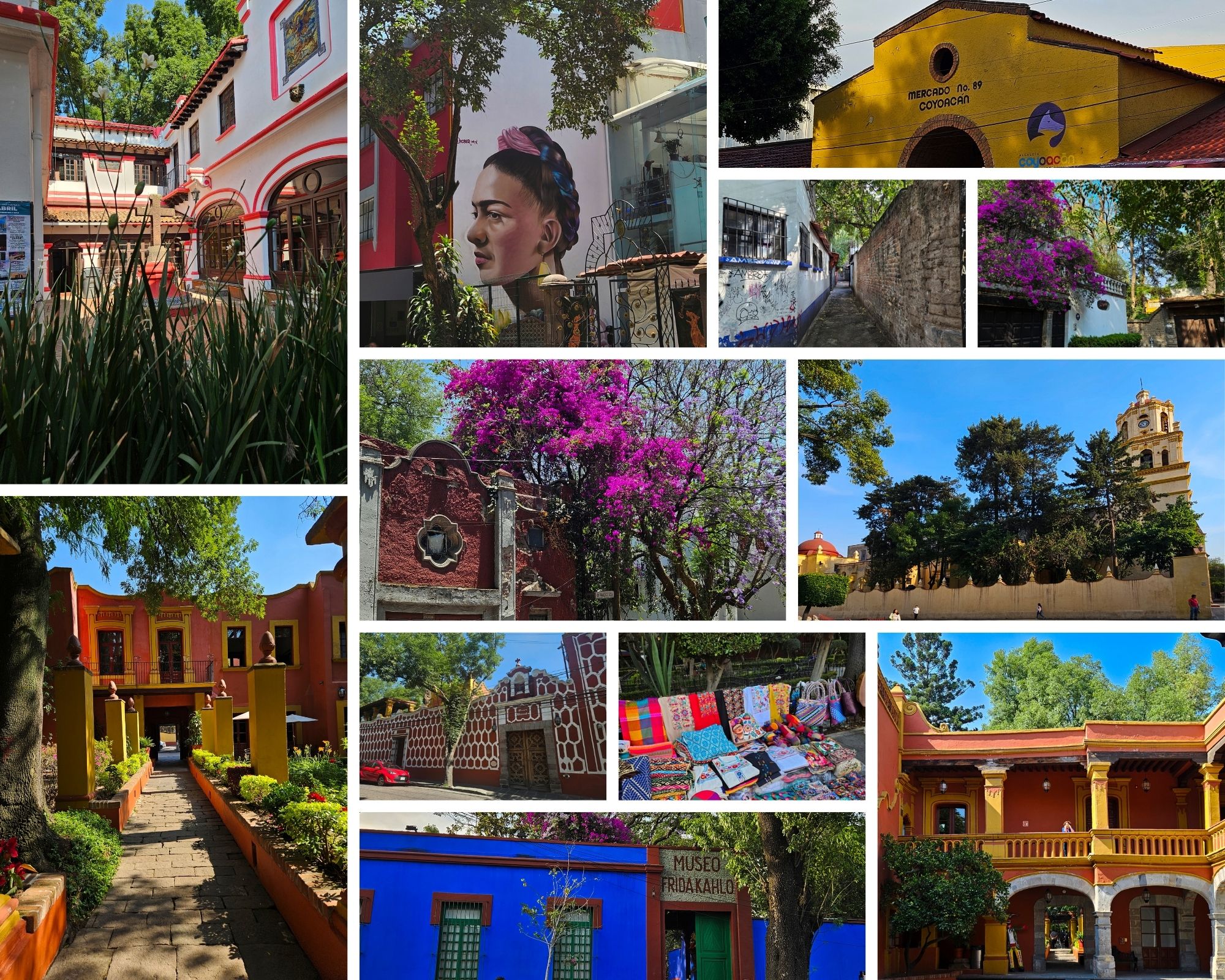
As the first home of the colonizers, Coyoacan was built as a place of grandeur and follows Andalusian architecture. To this day, the properties are large, colourful, and have beautiful large gardens, balconies, patios and fountains that clearly show the Arab influence that was imported to the new world. If you have visited the Alhambra or other places in Andalucia, you might see the connection in Coyoacan.
Quite a few of the buildings have been converted into museums or cafés and restaurants which allows you to admire the architecture from all sides.
Around the Park in the centre of Coyoacan, there are several restaurants that cater for different budgets. Not far from there is the most authentic and local experience, the market. From the outside, you can only see stalls for souvenir shopping. Once inside, you might find it hard to decide where you want to have lunch.
Just one block away from the market is the main tourist attraction in Coyoacan: the Frida Kahlo Museum. The famous artist was born in this house, and the museum provides insights into her life. If you want to see her art though, this is not the place to go. Since it is a popular attraction, you should buy your ticket online in advance.
Xochimilco
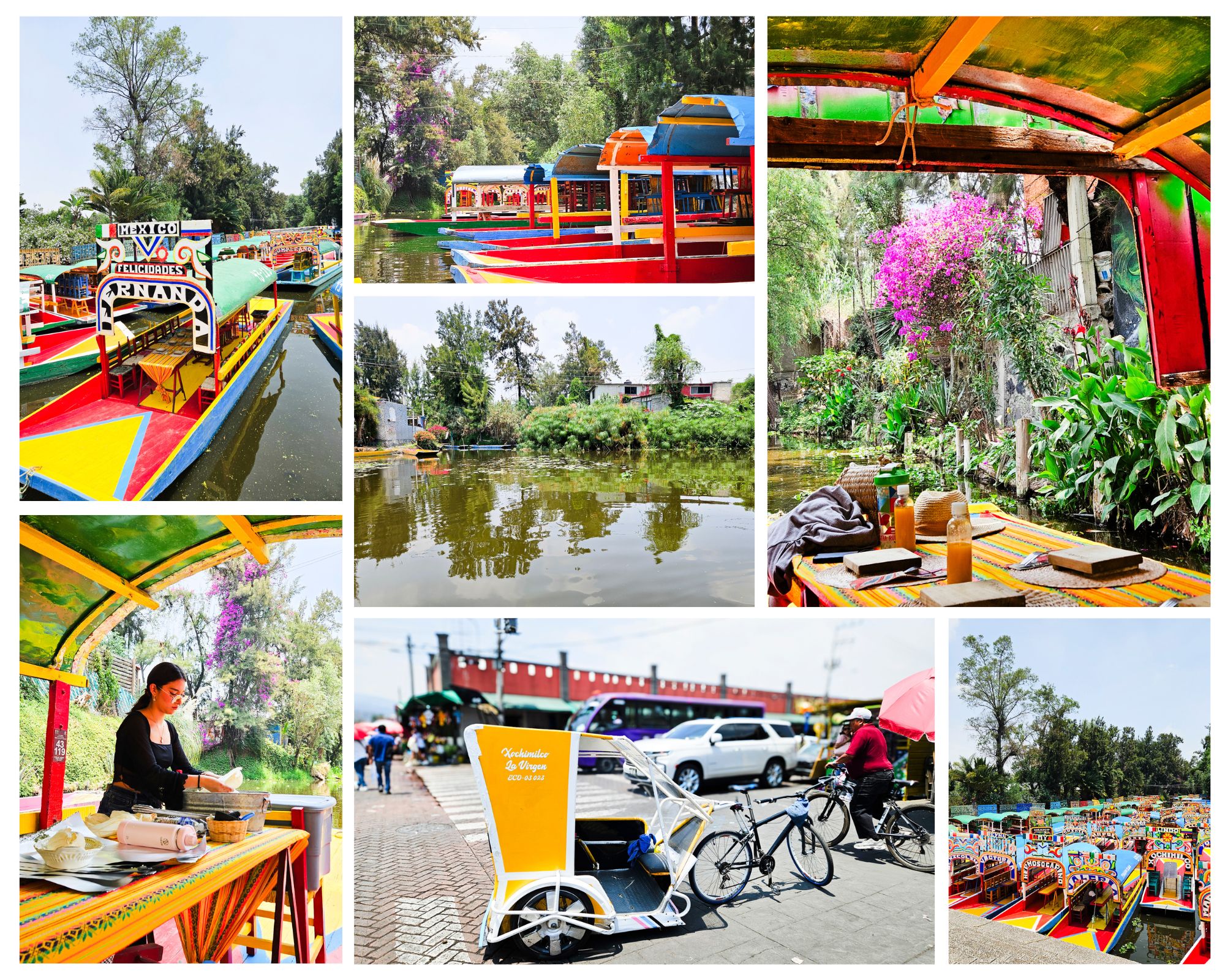
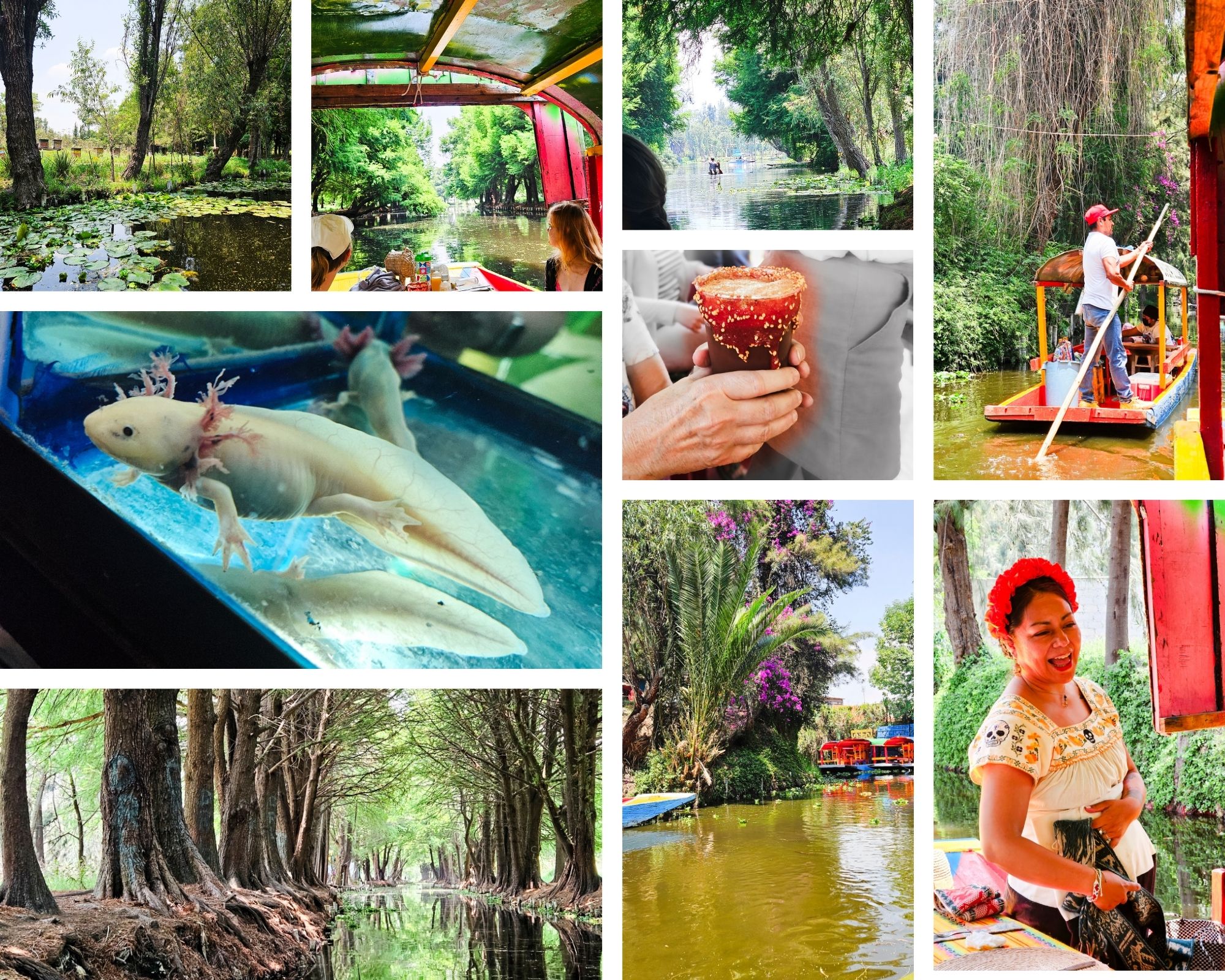
It is a bit further from the city centre, but still within the limits of the city and a popular tourist destination: Xochimilco. In some ways, you could say that time stands still in this place as it is the only part of the city that still has canals, chinampas, and the traditional boats. In the historic centre of CDMX, every guide tells you that the city was built on water. In Xochimilco, you can see how that might have looked back in the day.
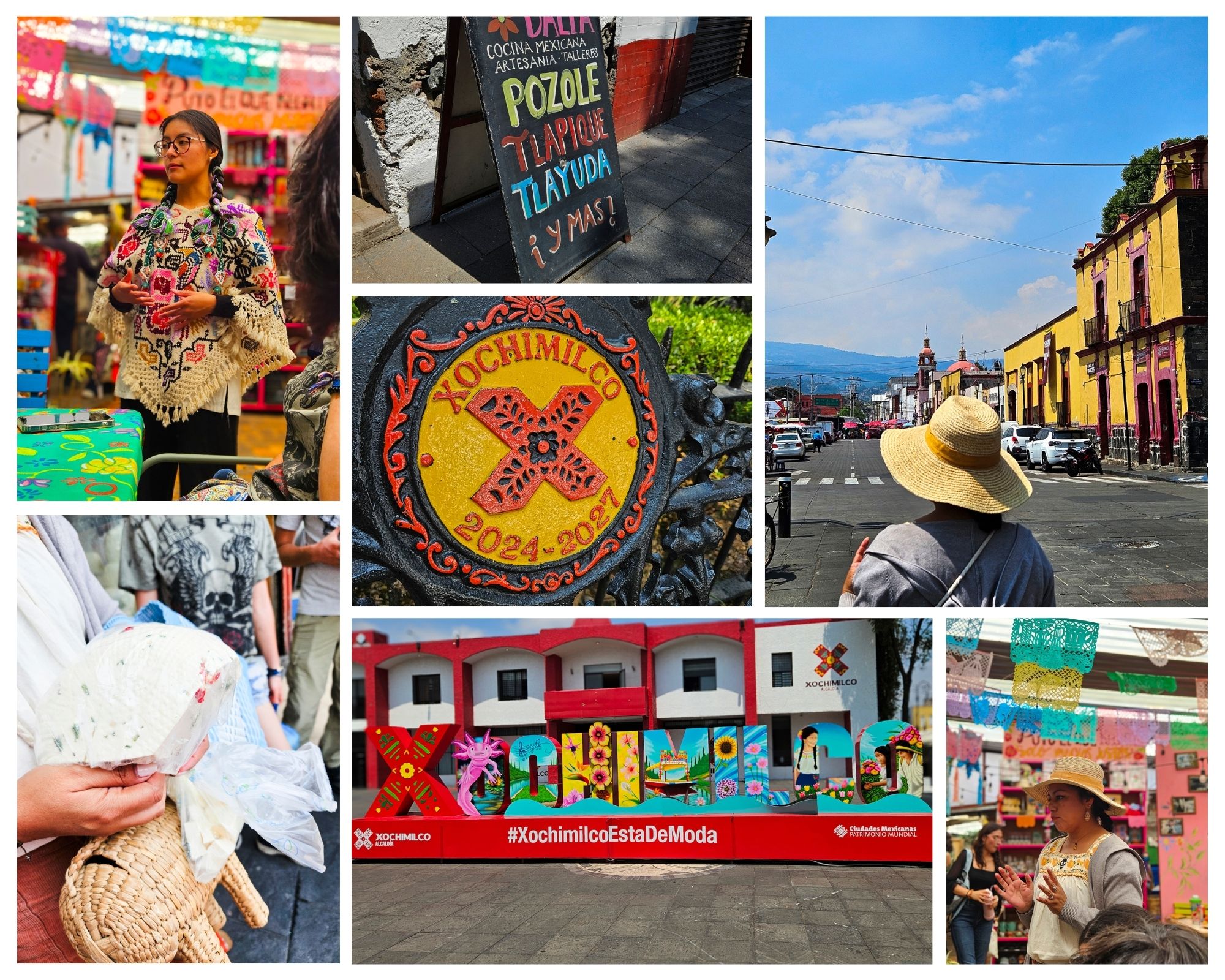
The most common activity in Xochimilco is getting on a party boat and ride along the canals. However, Charlie wanted a different experience, and she found one that still draws on authentic local culture and ancient traditions. The tour started near the main square in Xochimilco in a small café with artisan market. After an introduction, the group went to the local market to buy the groceries for their lunch later. In between tortillas, cheese and several kinds of vegetables they learned how the locals negotiate.
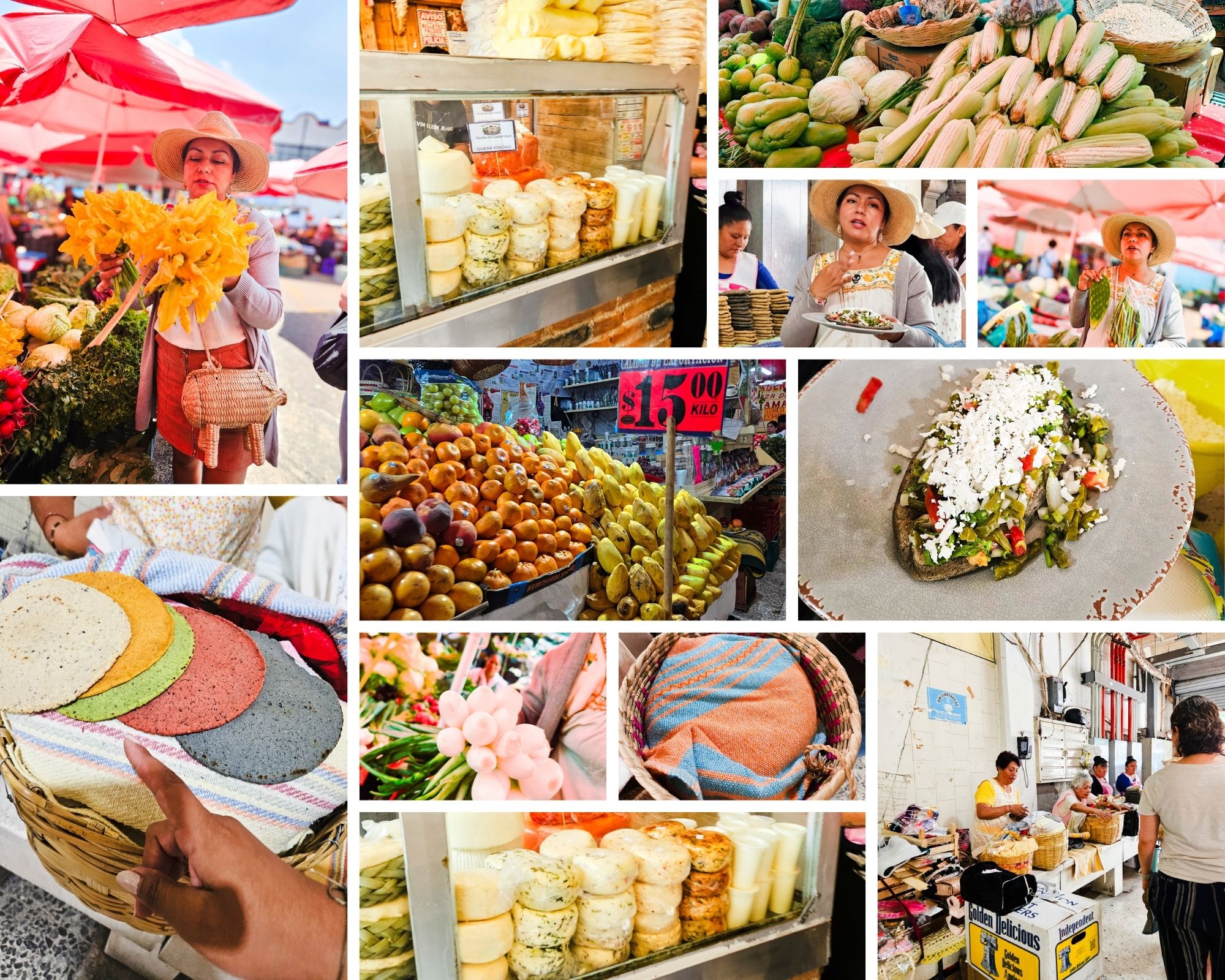
Once they had all the ingredients for the traditional Tamales, they got on a bicitaxi, to ride to the marina. The guide, Miroslava, had chosen one of the boat docks that isn’t overly touristy and provides non-party-based experiences. They went on a boat called “Fernanda” where a long table had been set. Charlie also spotted a barbecue. They all sat down and started preparing lunch. They chopped all the vegetables and the cheese, and placed them inside a pouch of corn leaves. Once this was done, they wrapped it into aluminium foil like a burrito, and it was placed on the barbecue. Now it was time to relax and enjoy the beautiful surroundings.
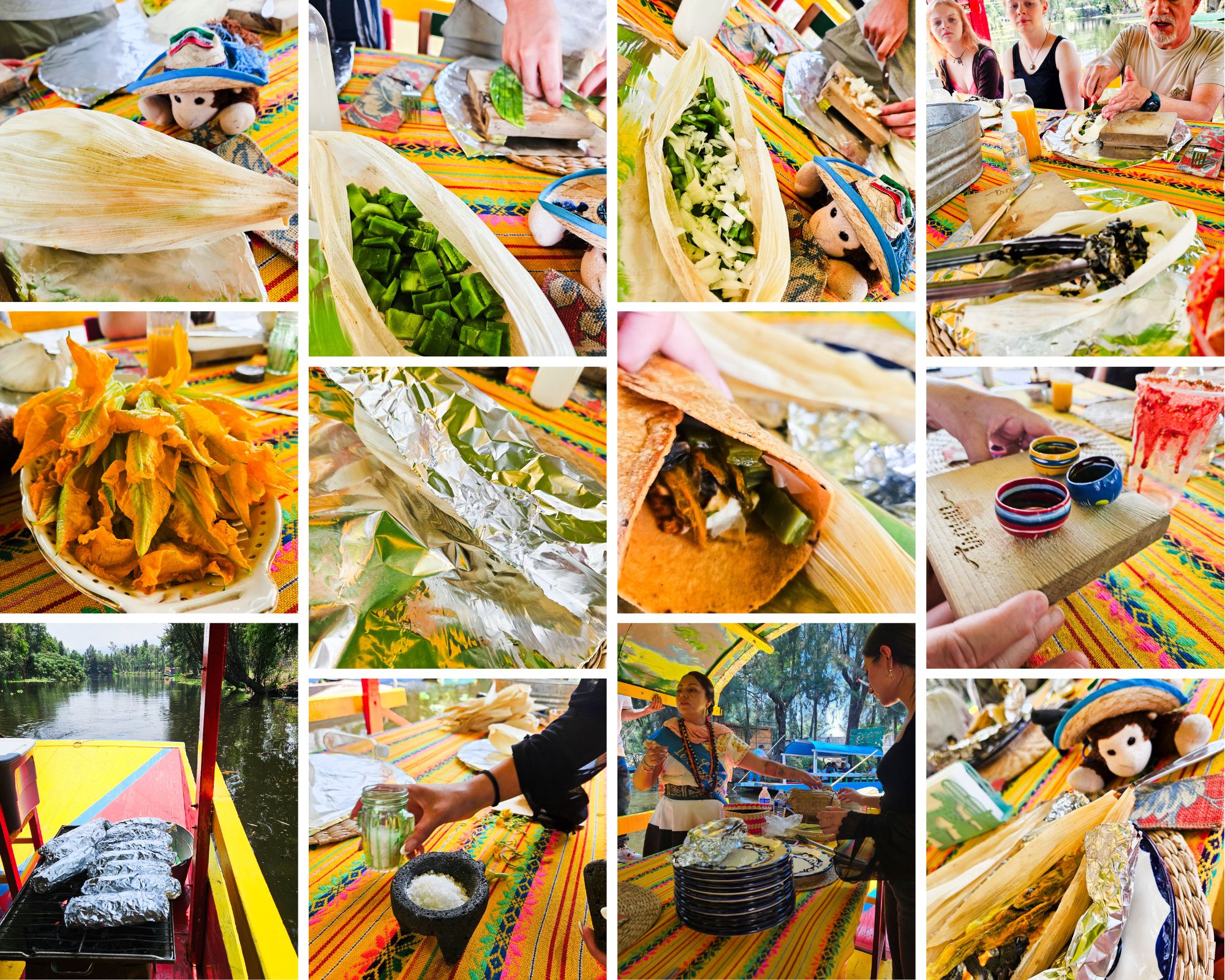
While the food was cooking, Miroslava explained how the chinampas, the artificial islands, were built. She also talked about Mexican culture and demonstrated the traditional clothing. Just before the food was ready, the group stopped at one of the chinampas and got on land. They were at an Ajolote farm. It was the perfect occasion to also learn about these animals and the conservation efforts.
The group kept on chatting while they enjoyed the Tamalas and the fresh tortillas on their way back to the marina.
How to get to Xochimilco
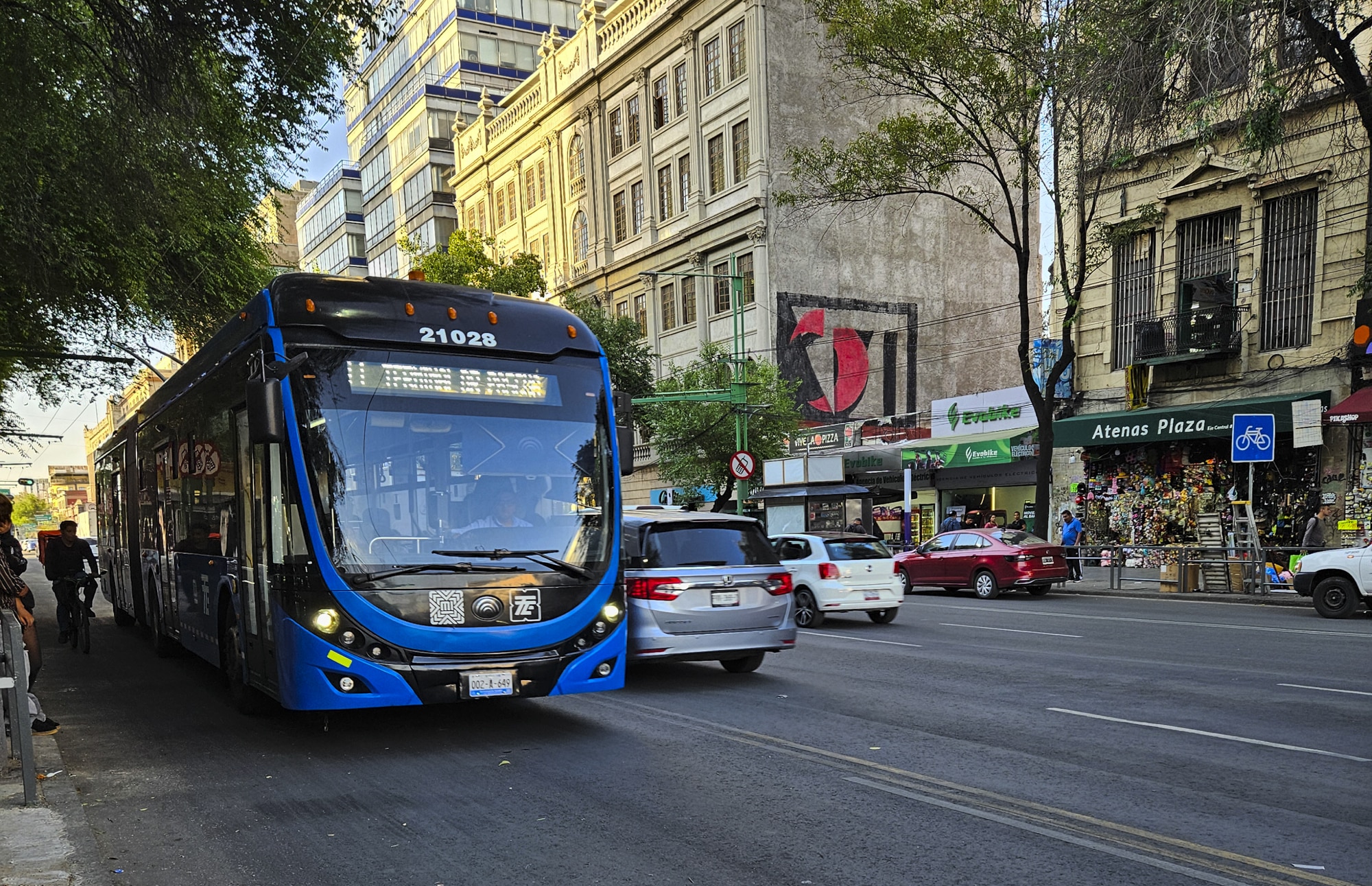
Most tourists take an Uber to get to Xochimilco as public transport can get a bit complicated. It is however a bit further from the centre of Mexico City and therefore a bit less budget friendly. If you want to do it the local, more affordable way, you can get there by metro and bus. You take the metro to the final station of the blue line, Tasqueña, and from there a bus. Depending on the time of day, prepare for a lot of traffic and a slow-moving bus. The entire route is available in Google Maps, so you can’t get lost. Just plan for enough time for the journey. Charlie recommends two hours.
Street Art in CDMX and cable car rides
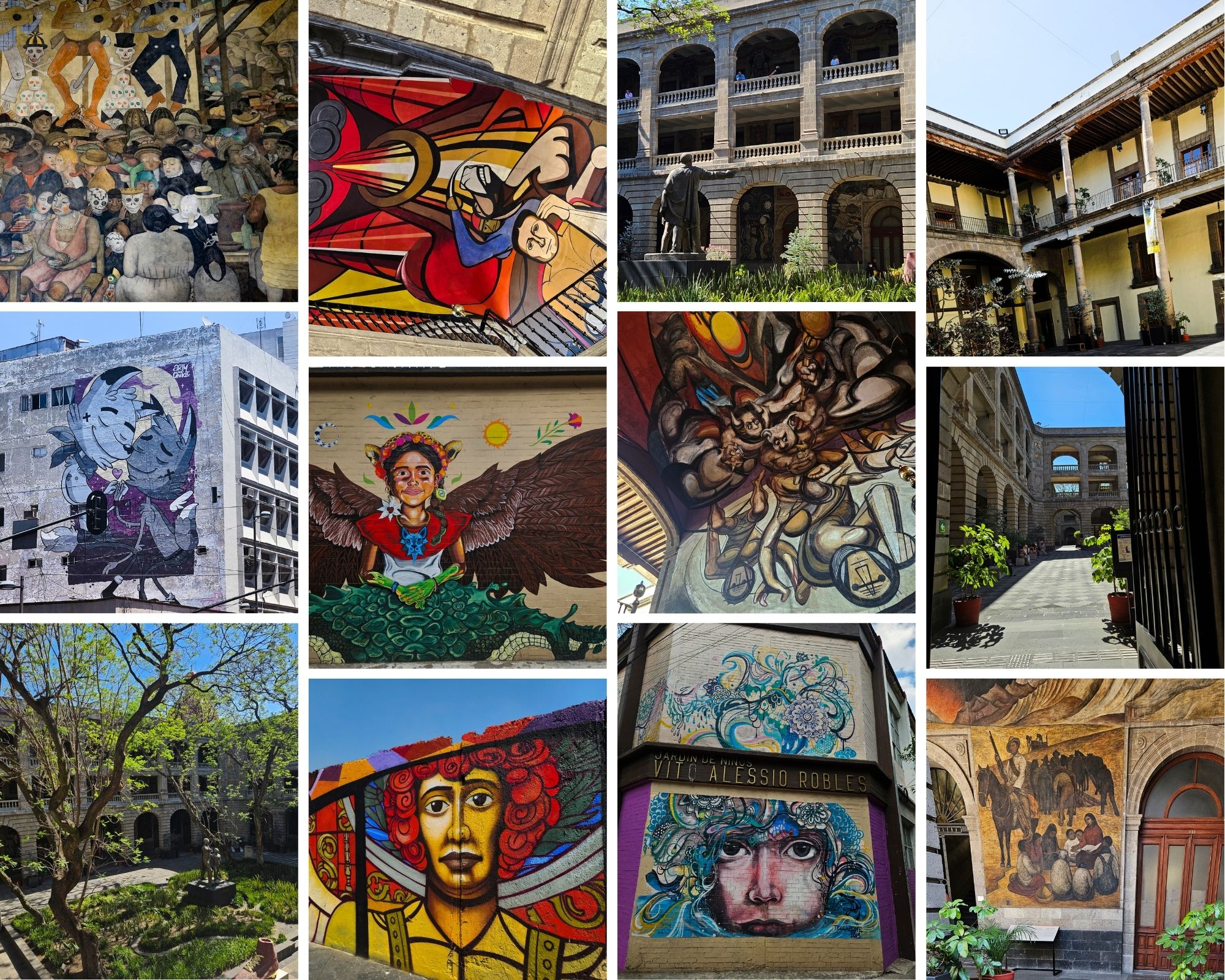
Street art, graffiti and murals are an integral part of Mexican culture, and the capital is no exception. Important to know though is that the word “mural” has a different meaning in Mexico than in other parts of the Spanish speaking world. The best place to understand the Mexican “muralismo” is the Museo Vivo del Muralismo in the historic centre of Mexico City. Large paintings by Diego Rivera and other artists are to be seen on the walls of the museum. They tell the story of the country and show a very different style from what is commonly referred to as a mural in street art. After the Mexican Revolution, the majority of the population couldn’t read or write. To communicate with the population, images became important. This is where the mural tradition in Mexico comes from. That does not mean that street art doesn’t serve a similar purpose, however, it is less institutionalized and the style is very different.
Another important aspect of the Mexican muralismo are the murals that have been discovered at archaeological sites such as Teotihuacan. Those are to be differentiated from modern street art too.
There is one part of the city that is worth exploring if you are interested in a different take on street art: Iztapalapa. By taking the longest cable car in the world from the station Constitución 1917 to the station Santa Marta you can admire paintings that aren’t visible from the street. They have been painted on the roof terraces of residential buildings and can only be seen from above. Almost at the end of the cable car ride, you will see colourful houses that decorate the hill. It is a beautiful view, no matter if you are into street art or not.