Things to see and places to go in Gran Canaria
Gran Canaria Highlights
Charlie spent a whole month as a digital nomad on the island of Gran Canaria and she was surprised about the stunning nature and the vast range of landscapes that are there to see. The island is indeed a small continent with different microclimates and landscapes that couldn’t be more different from one another:
Mountains and Volcanoes
The Canary Islands are volcanic islands. As such, craters and mountains form a big part of the landscape and often, beaches are of black volcanic sand. The mountains in Gran Canaria are also an impressive weather show: temperatures above and below the clouds can make a difference of 10 degrees and you should bring sunglasses and a jacket that keeps you warm in strong winds.
Pico de las Nieves
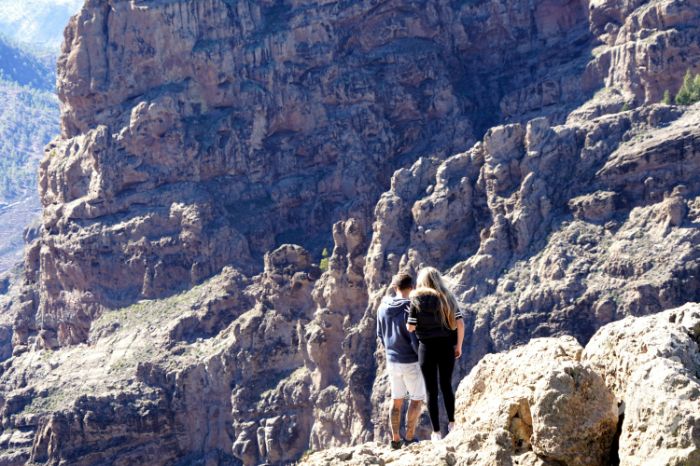
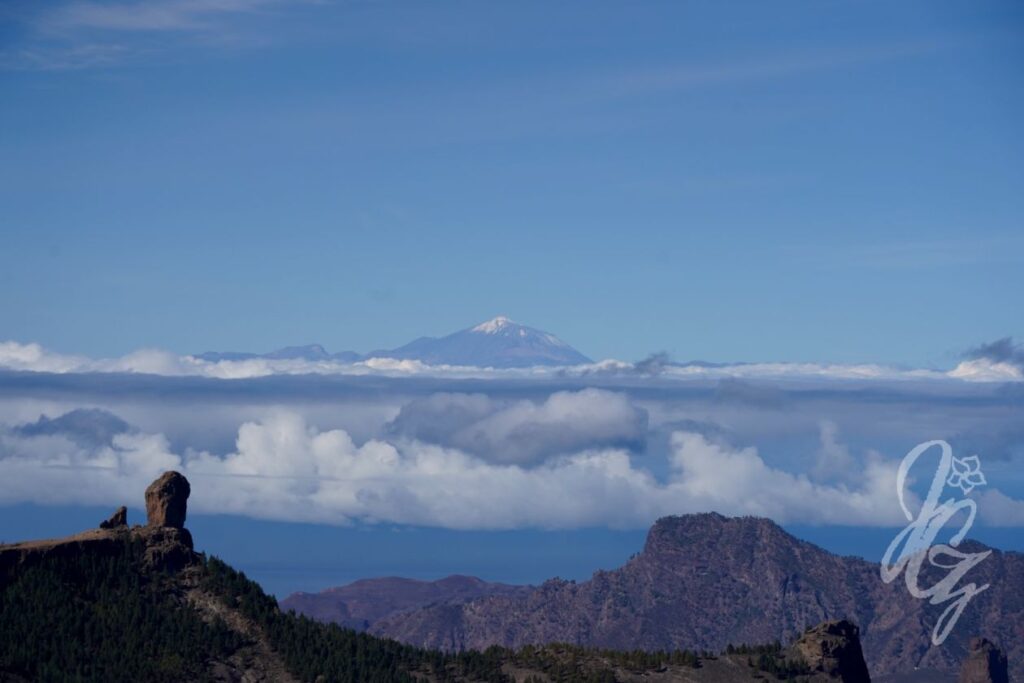
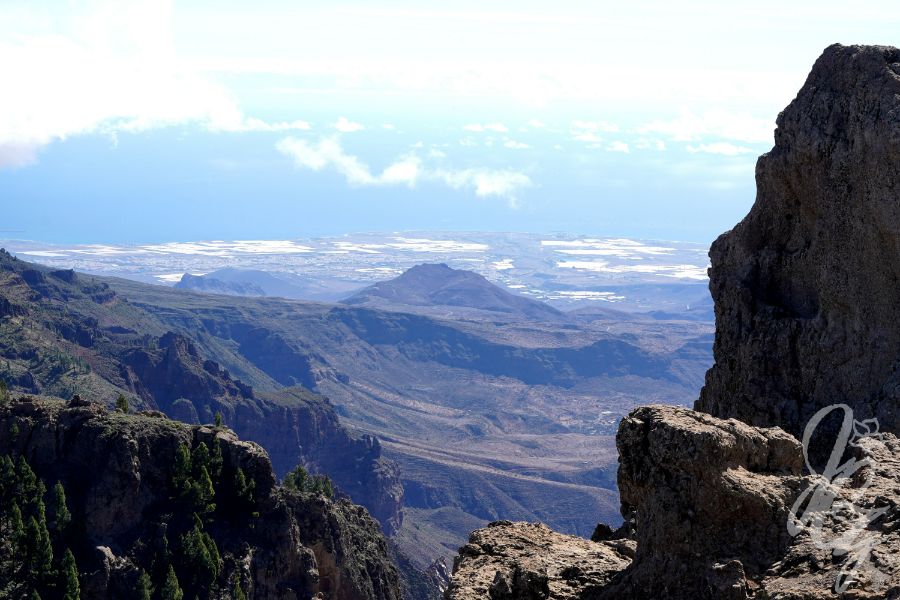
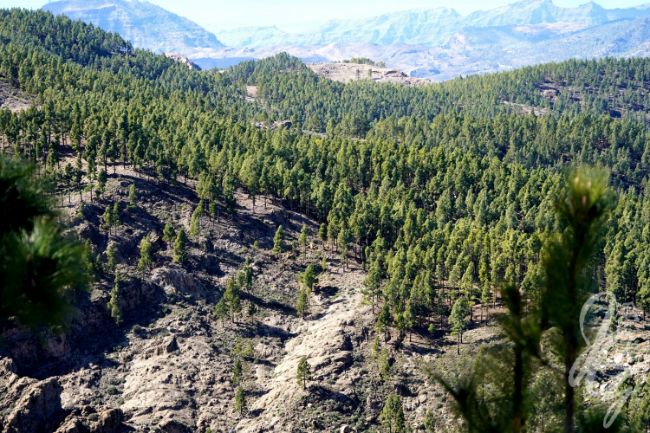
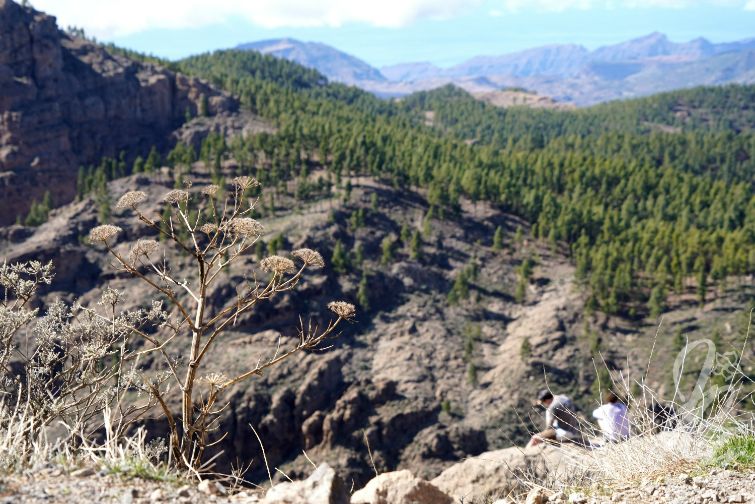
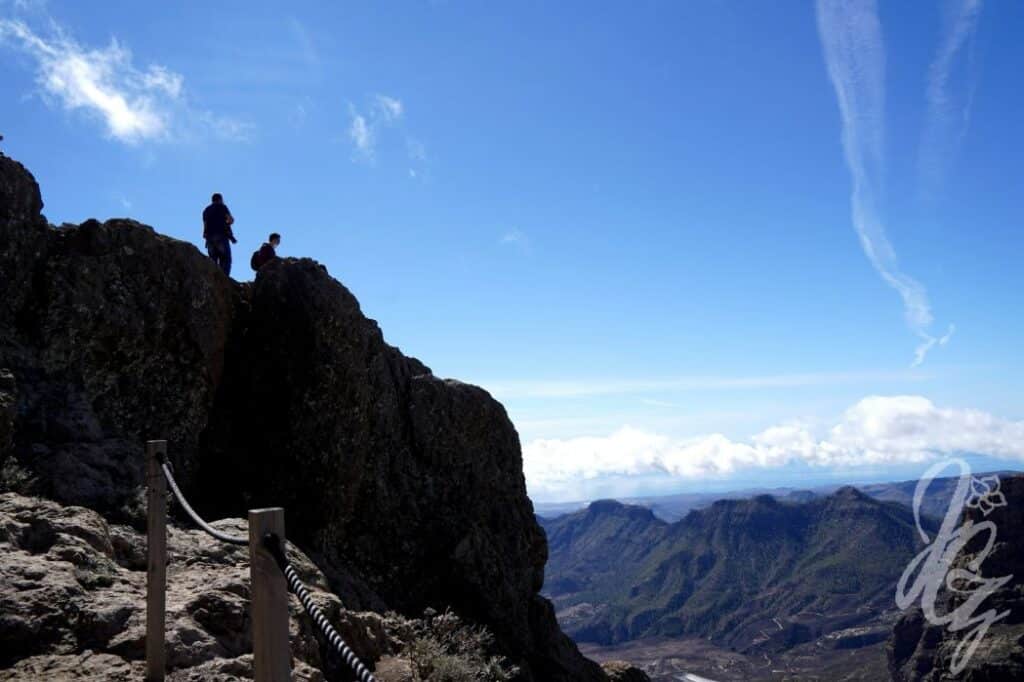
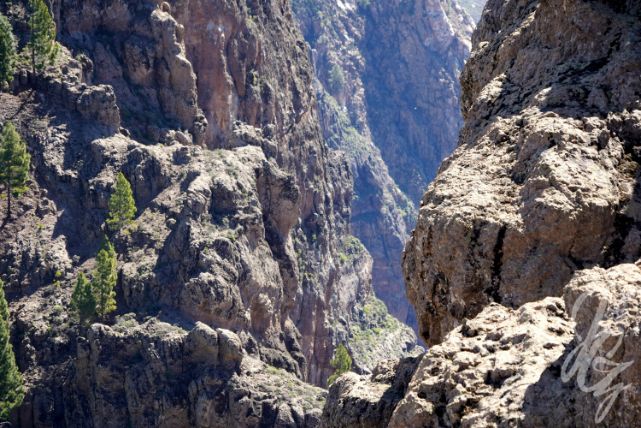
The Pico de las Nieves is with an altitude of 6394ft (1949m) the second highest peak on the island and is easily accessible by car. There’s a parking lot and a truck with refreshments. This means, that it is a popular destination and can get a little crowded. The views from up there however are worth it. You can look over stunning gorges and pine trees covering the island. Towards the south you can see the dunes in Maspalomas, towards the west, you get the best view of the rock Roque Nublo. On a clear day, you can even see the Teide in Tenerife in the background.
Roque Nublo
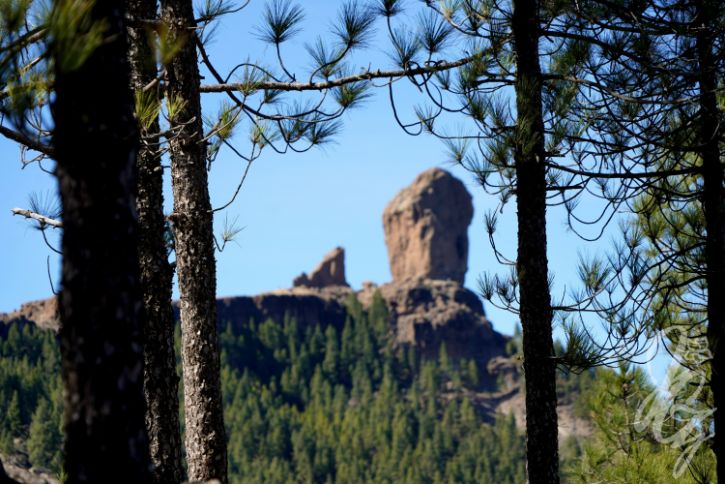
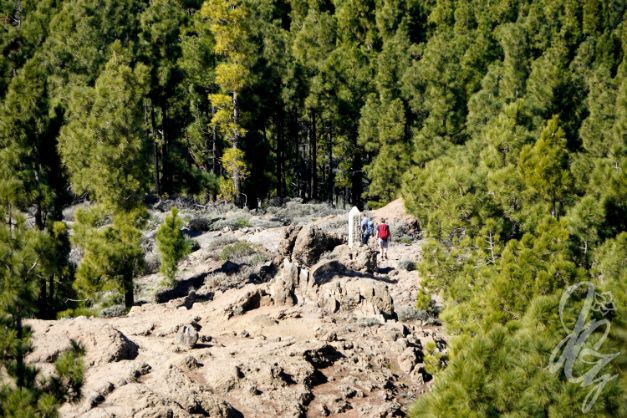
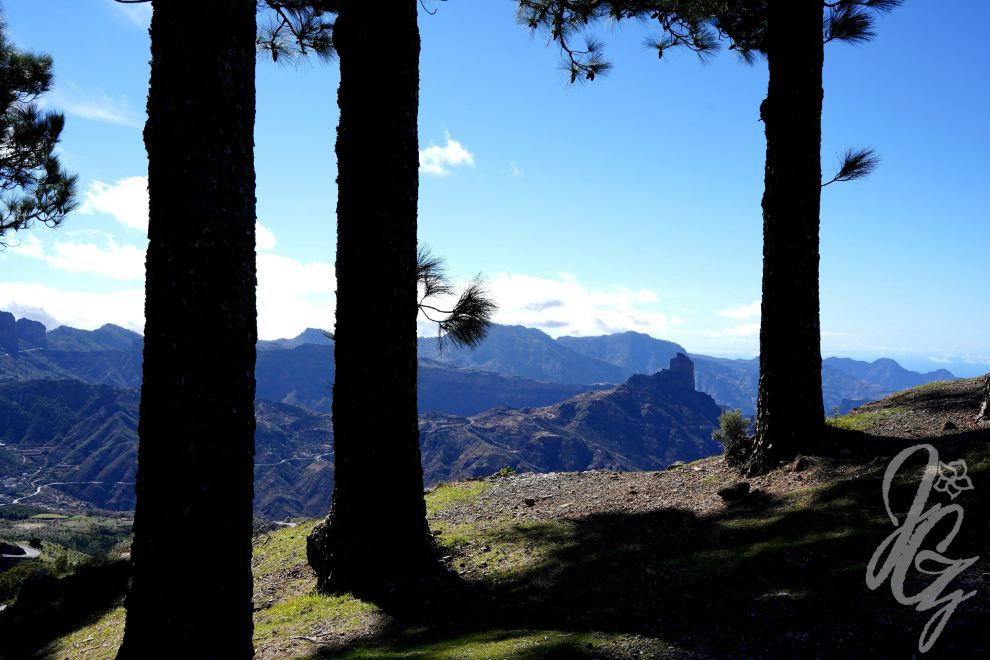
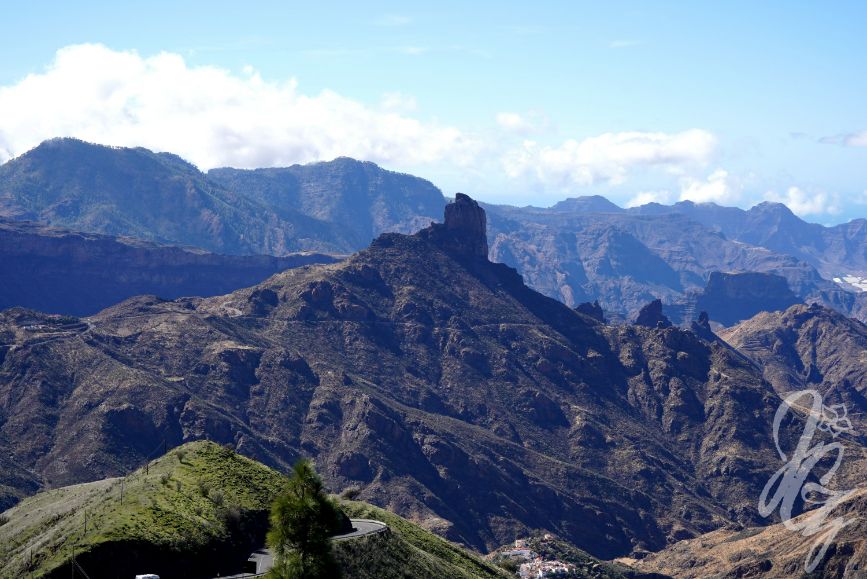
It is with 220ft (67m) one of the biggest natural crags in the world and makes for a stunning picture. You can see Roque Nublo from several points in the area and you could even hike towards it. Be prepared though as this is not an easy hike.
Caldera de Bandama
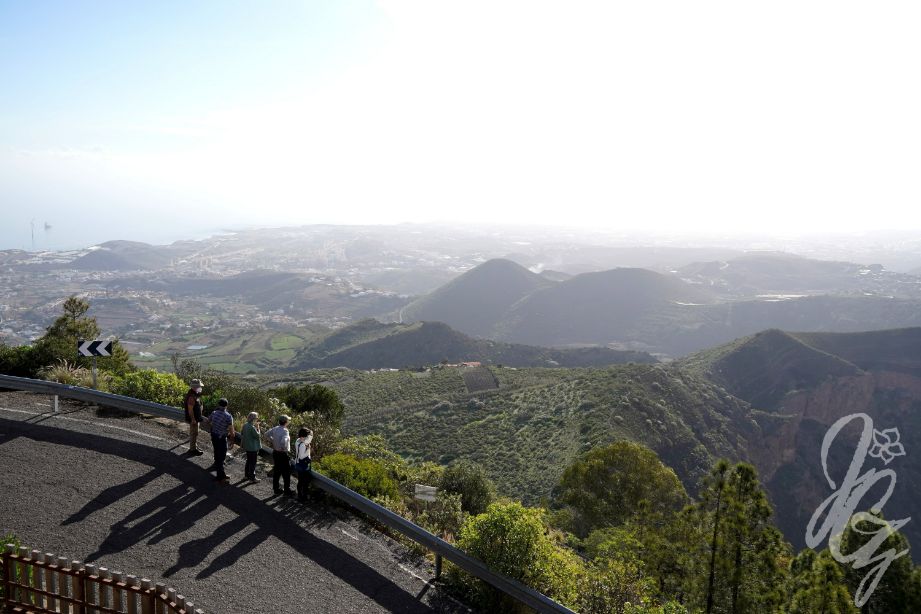
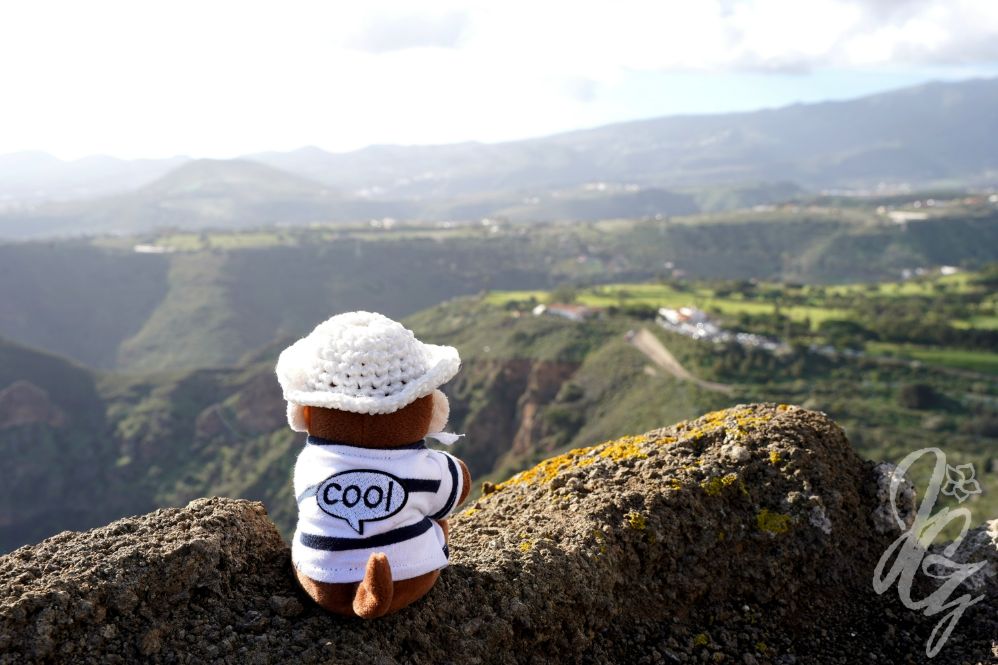
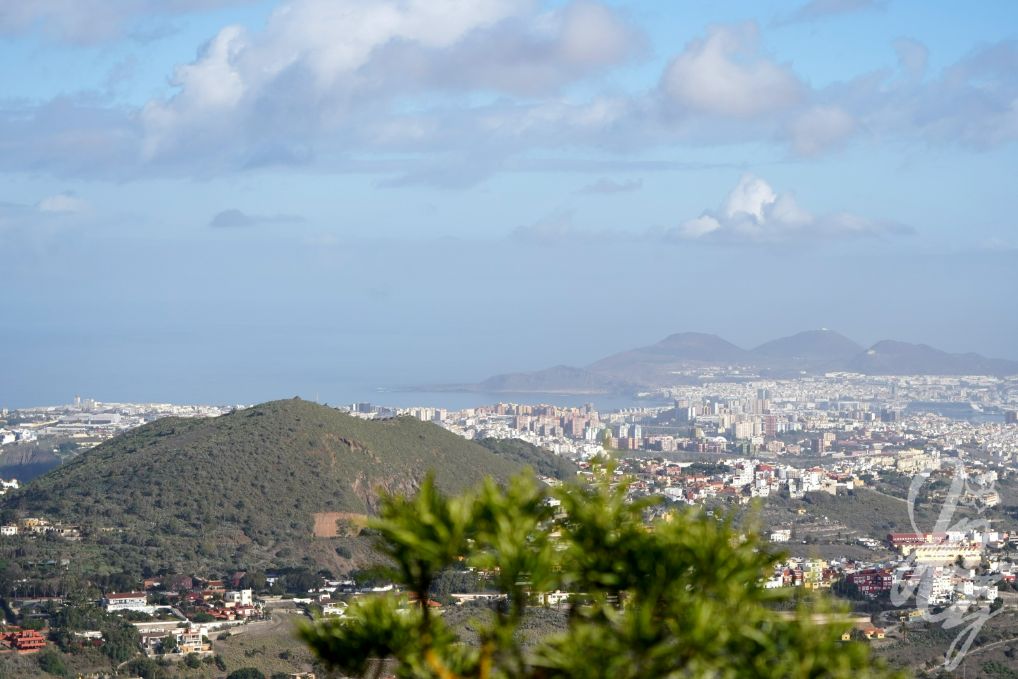
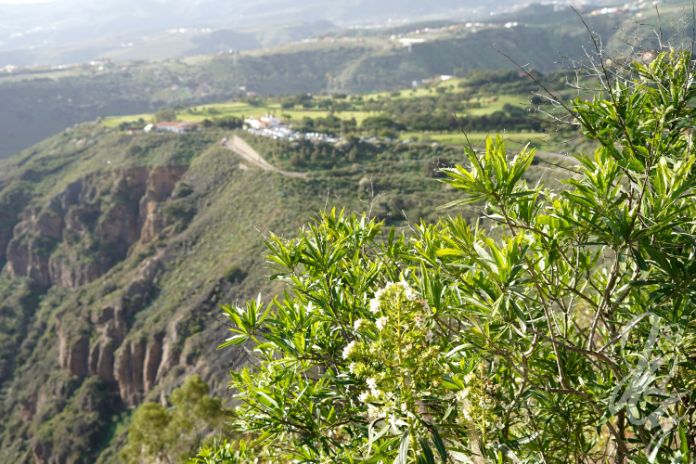
This volcano crater in the northeast of the island provides a completely different view of the island. At only 1876ft (569m) altitude, the surrounding landscape is much greener, and you can see all the way to the coast behind Las Palmas. If you look well, you might be able to spot some tennis courts and private haciendas. From up there, you can get a pretty good idea of the dimensions of a volcanic crater that erupted 2,000 years ago.
Cruz de Tejeda
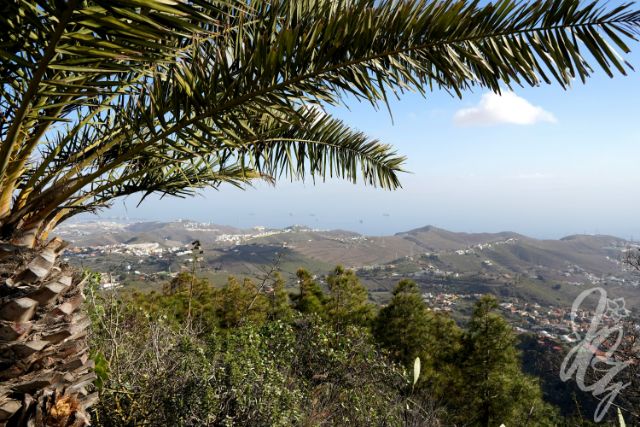
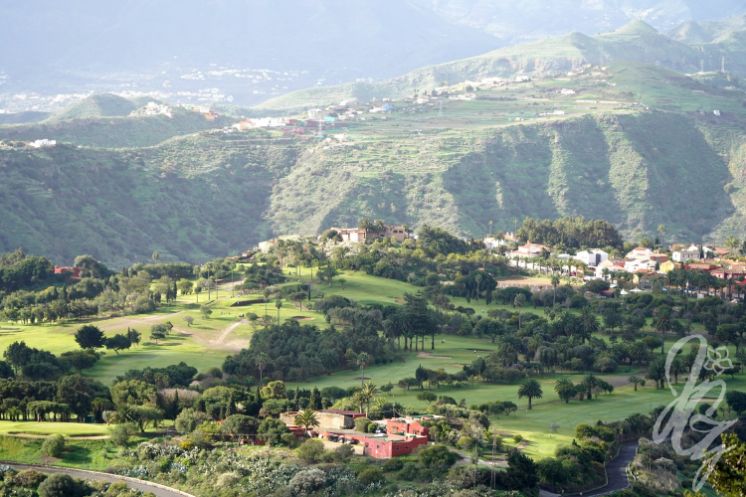
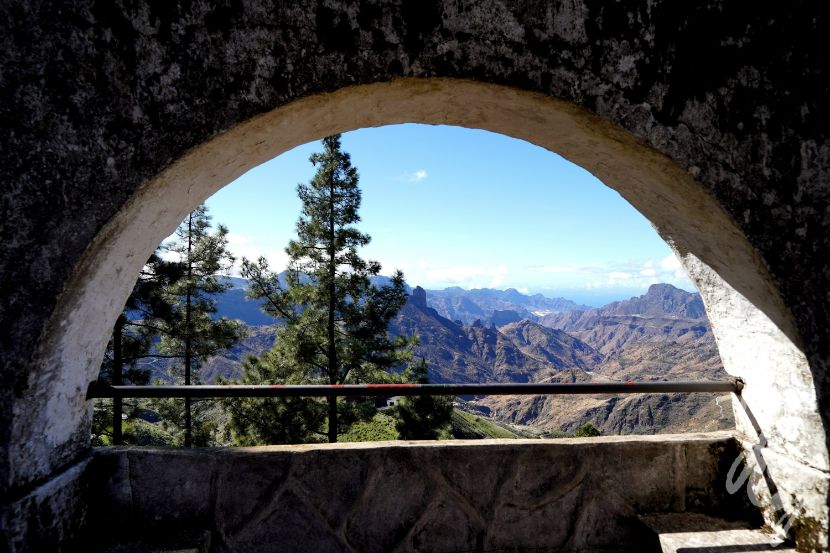
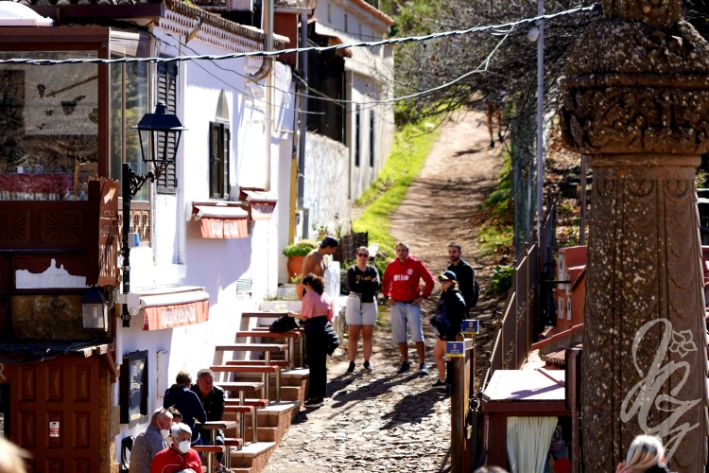
Tejeda is another popular destination in the mountains and there are hiking routes of varying levels. There is a hotel, the Parador, in Cruz de Tejeda and the terrace behind the hotel is accessible to the public. You should definitely go and see that terrace as it offers the probably best views you’ve ever seen.
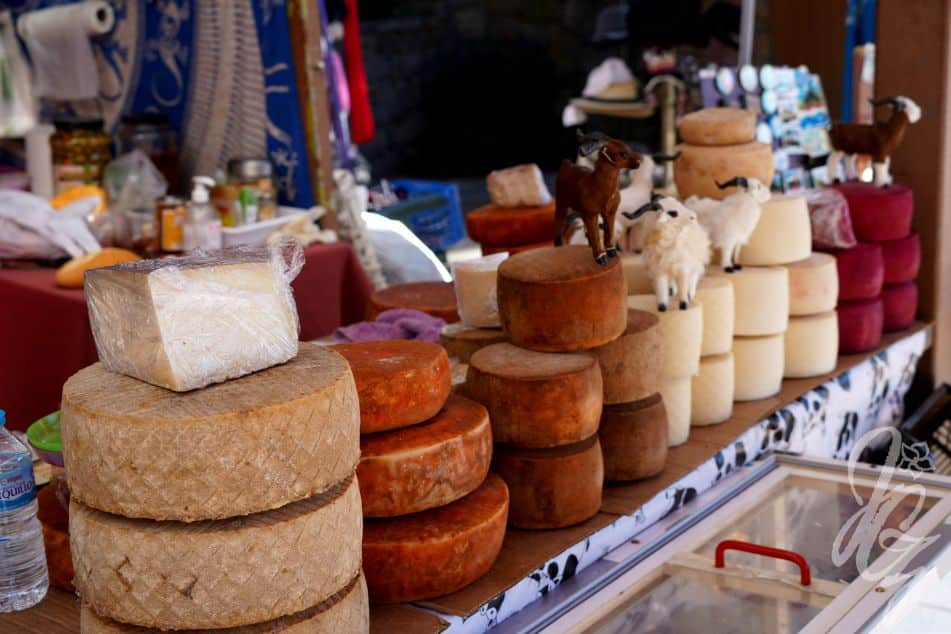
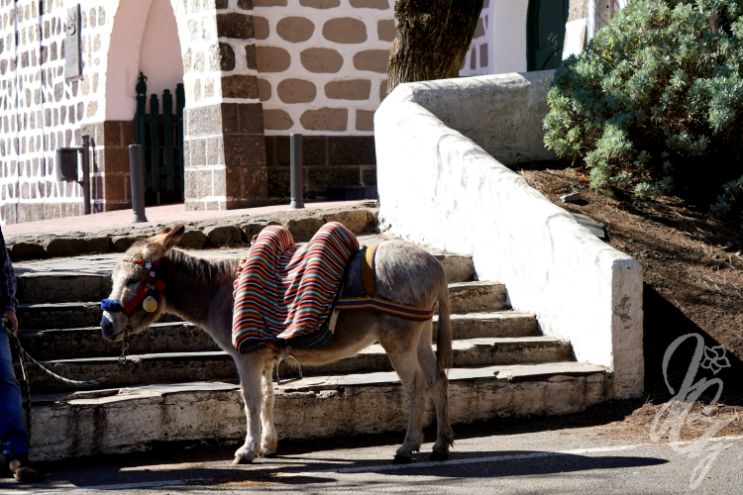
Along the road are some restaurants and stalls where you can get some local specialties. They also make you a sandwich with local cheese and Chorizo Terorero. If you’ve forgotten your lunch, they’re a lifesaver. Just as a side note: You could also ride a donkey and be careful to not trip over any of the free-running chickens up there!
Valleys and forests
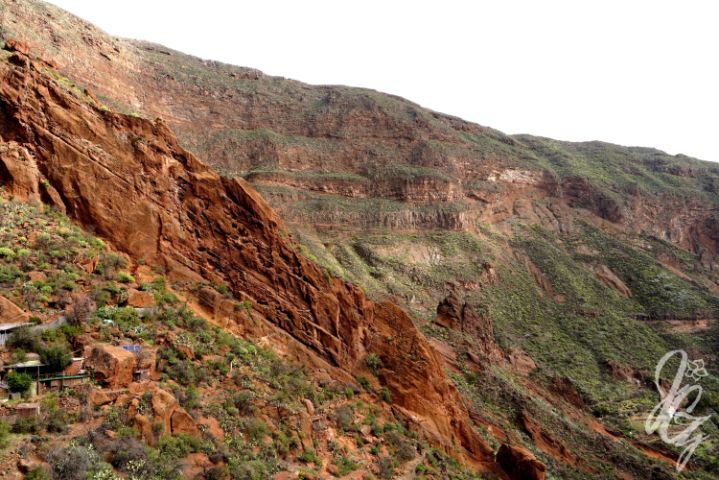
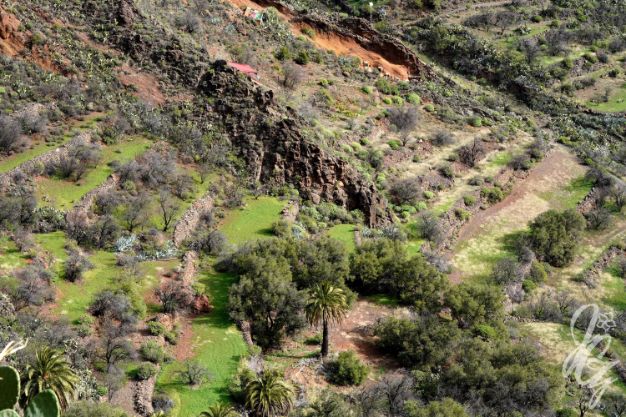
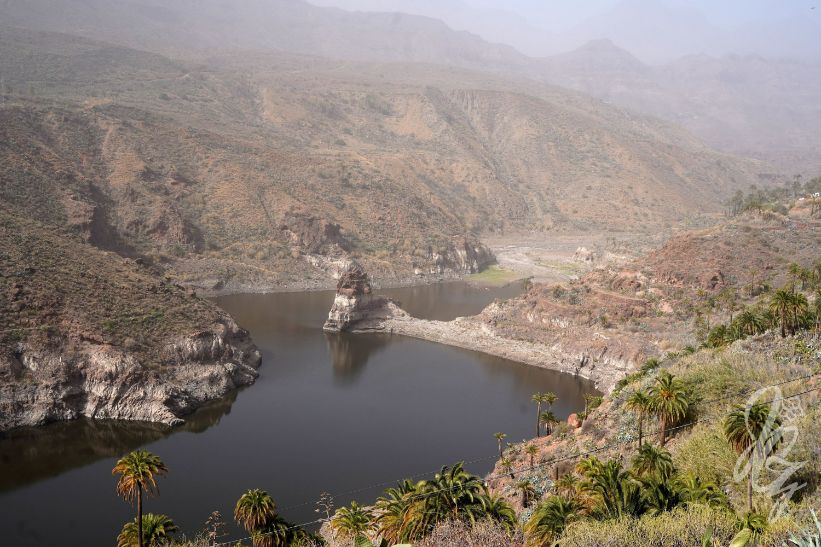
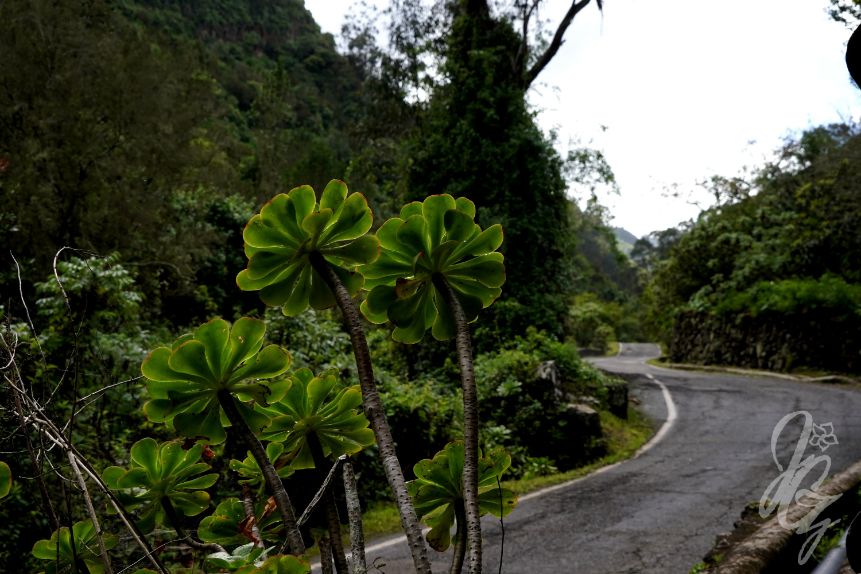
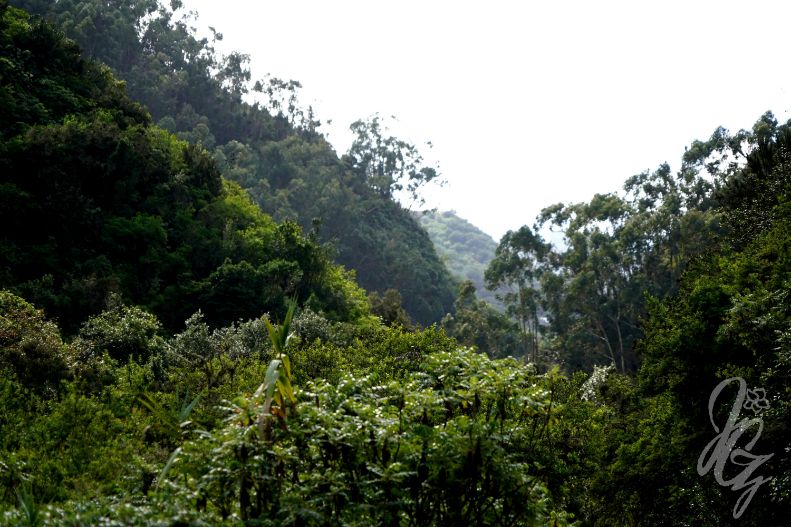
Where there are mountains, there are valleys and they were mostly formed through volcanic eruptions a long, long time ago. In Gran Canaria, those valleys and gorges are marked by palm tree oases, red rocks, and a flora that reminds of a tropical rainforest.
Valle Guayadeque
Near the towns of Ingenio and Agüimes is the Guayadeque valley. It also is the starting point for many hikes and there’s a popular, traditional restaurant built inside volcanic caves. Up there, you could literally live in a cave! Some of the naturally formed caves have been converted into holiday accommodation and you can book them just as you would a hotel. A walk around the peak takes about 20 minutes and there is a well-maintained path offering a 360° view of the valley.
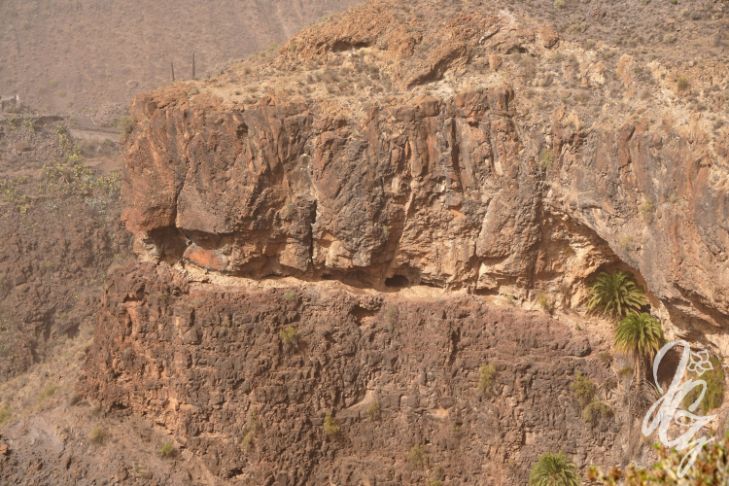
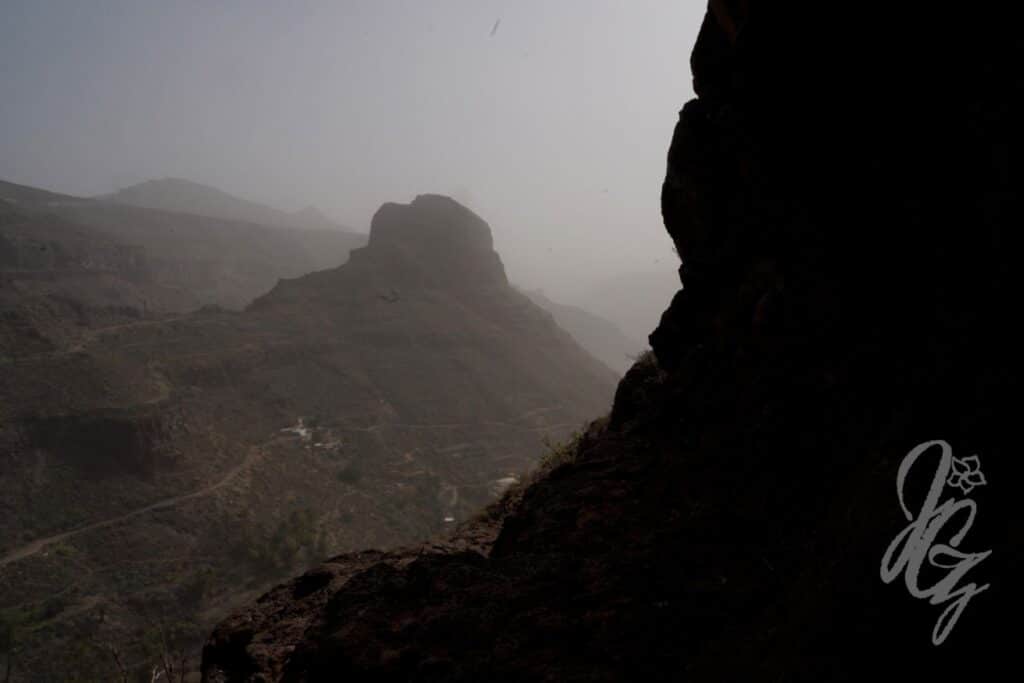
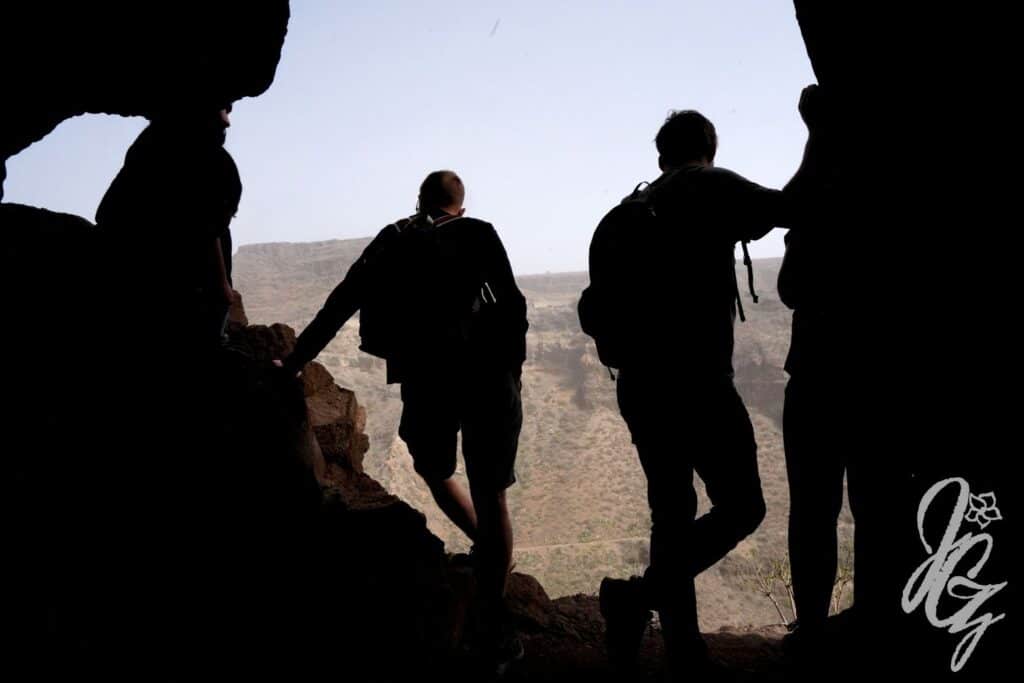
Fortaleza Ansite
The locals also call it the last Canarian Kingdom. Today, the Fortaleza Ansite, looks like a giant rock with some caves but in the times of the indigenous population on the island, it was the equivalent of a palace. Archeological excavations are still in progress and there are still big gaps in the research about this place. You can walk up and enter the caves. The views are worth every drop of sweat and every bit of adrenaline during the climb.
Sorrueda Valley
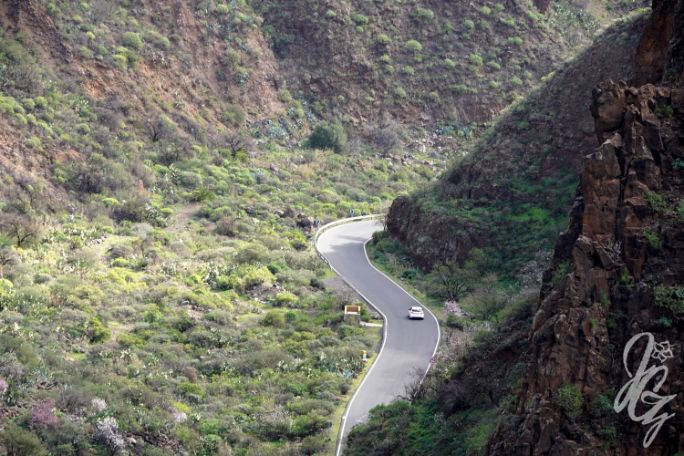
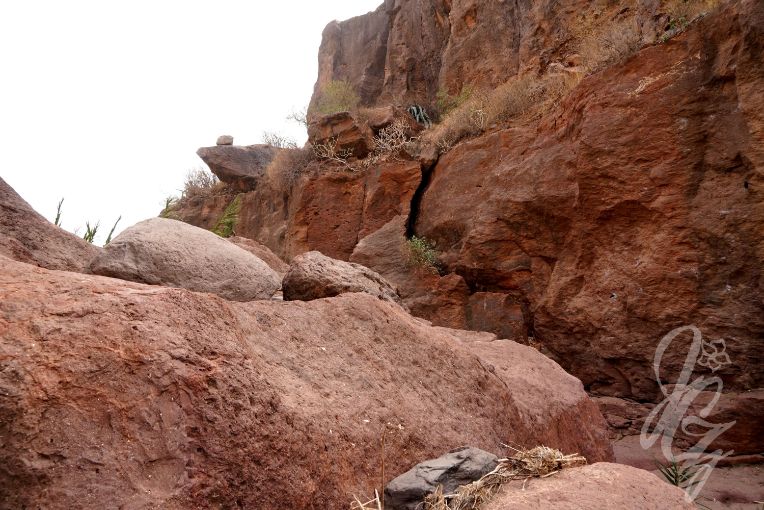
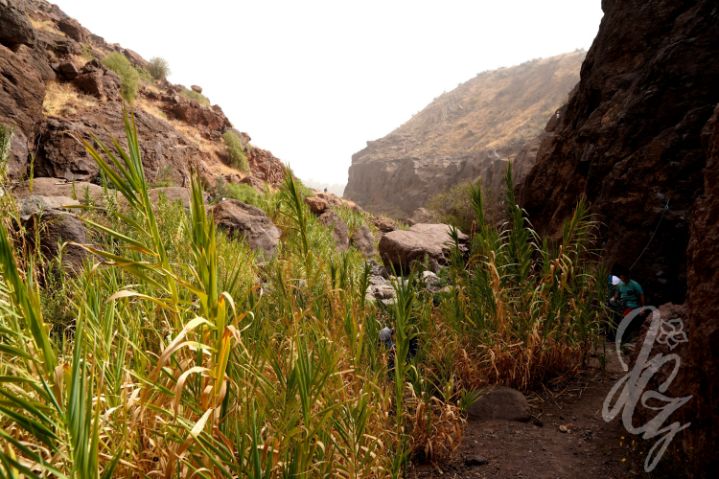
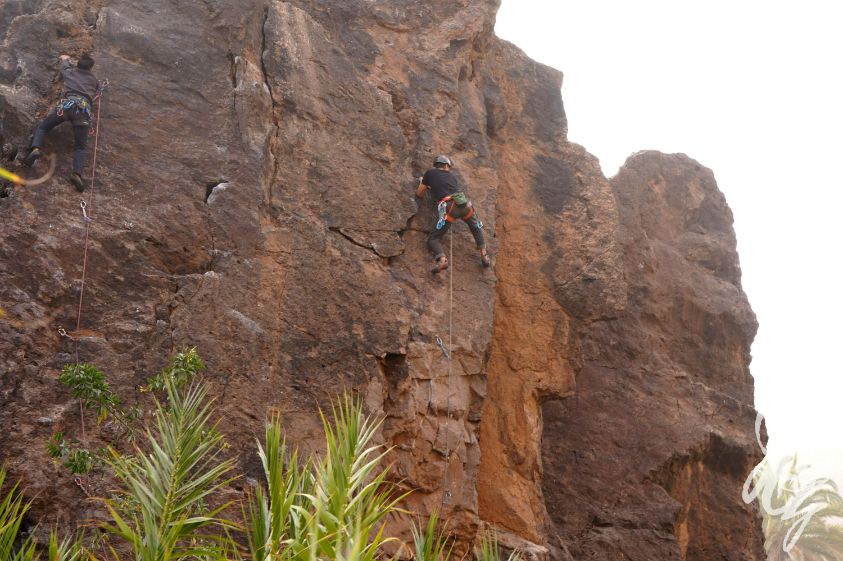
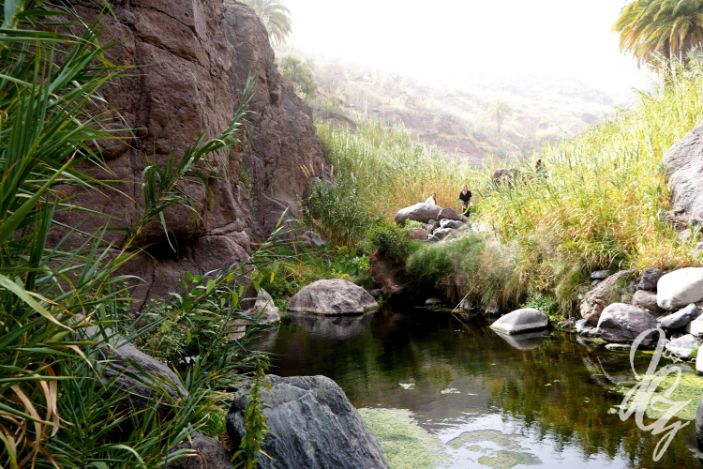
Near the town of Santa Lucia de Tirajana is the Sorrueda Valley, and it can be reached via a narrow mountain road. If you want to get inside the valley, you’d have to walk and will be rewarded with stunning views of red rocks and green flora. Depending on the amount of rain in the winter, there might be a river flowing through the valley. When Charlie was there, there was only very little water, but lots of climbers enjoyed this Canarian treasure.
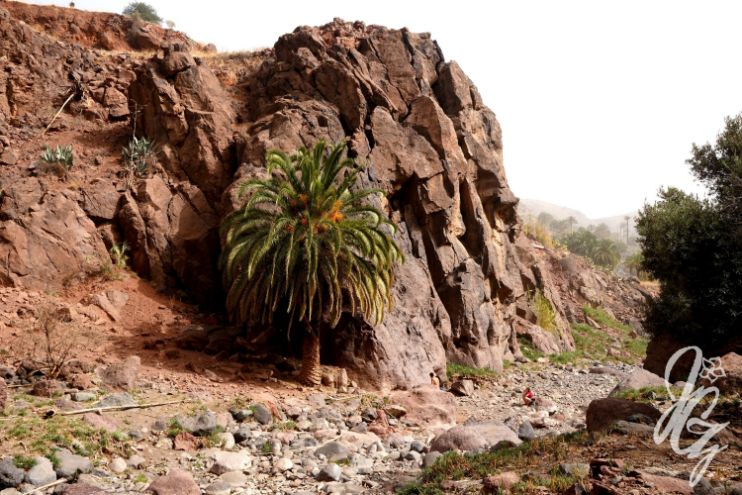
Barranco Azuaje
Already the drive towards the entrance of this valley in the north of Gran Canaria is breathtaking. You can see the coast on one side and green mountains on the other. The road is closed on rainy days because of the rocks that might get washed down the cliffs by the water. Charlie was lucky that day. It only rained a little and they could drive there without any problems. She explored the valley during an outdoor adventure with Climbo. Unfortunately, the rain got stronger as they walked further into the valley. At some point, it blocked their path and they couldn’t get any further. Apparently, this valley deserves to be described as a rainforest, even when it’s not raining.
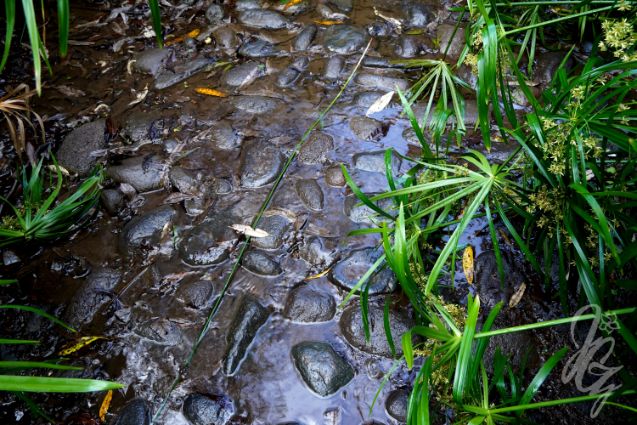
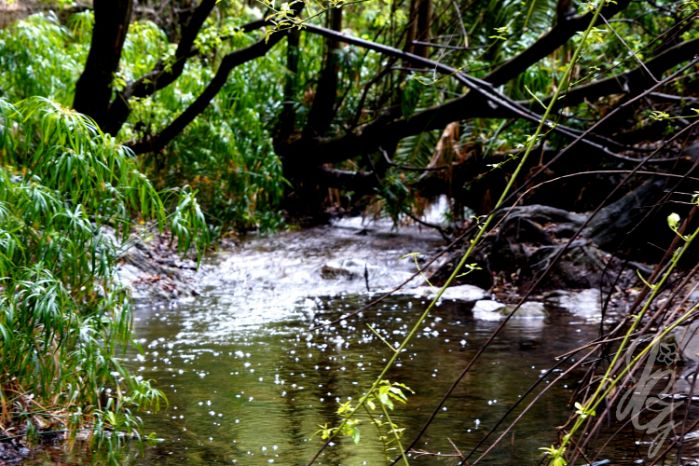
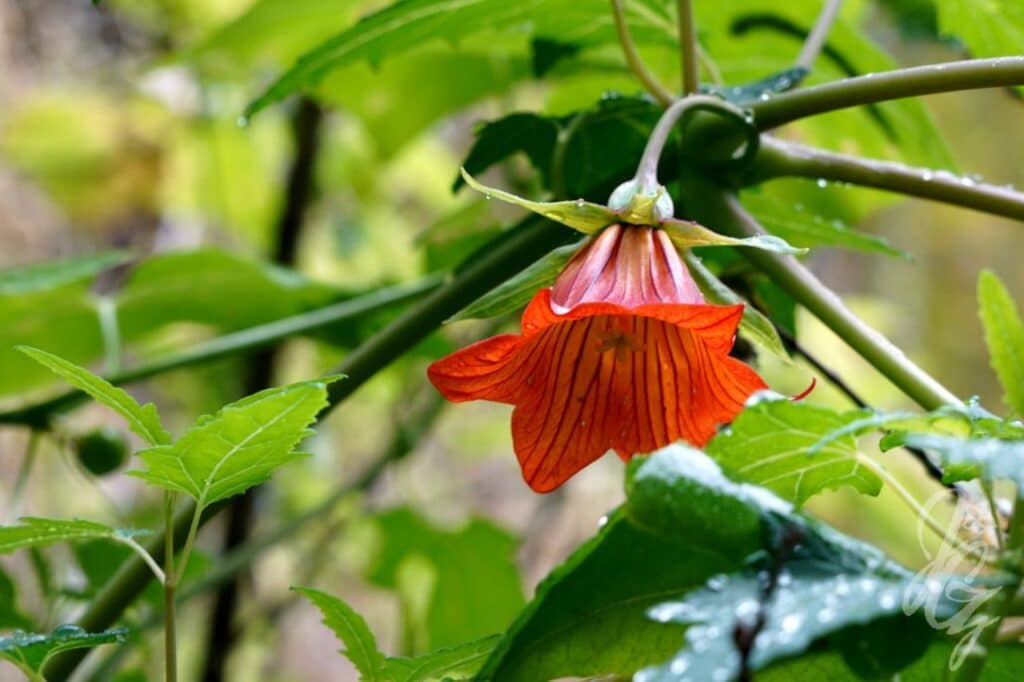
Los Tilos de Moya
A bit further along the north of Gran Canaria, you’ll reach Tilos de Moya which is a protected forest with an educational centre. You can learn about the Lauri Silva Forest that once covered big parts of the island. Today only 1% is left and protected as a nature reserve. Once you have all the details about flora and fauna, you can walk along the path to admire this forest.
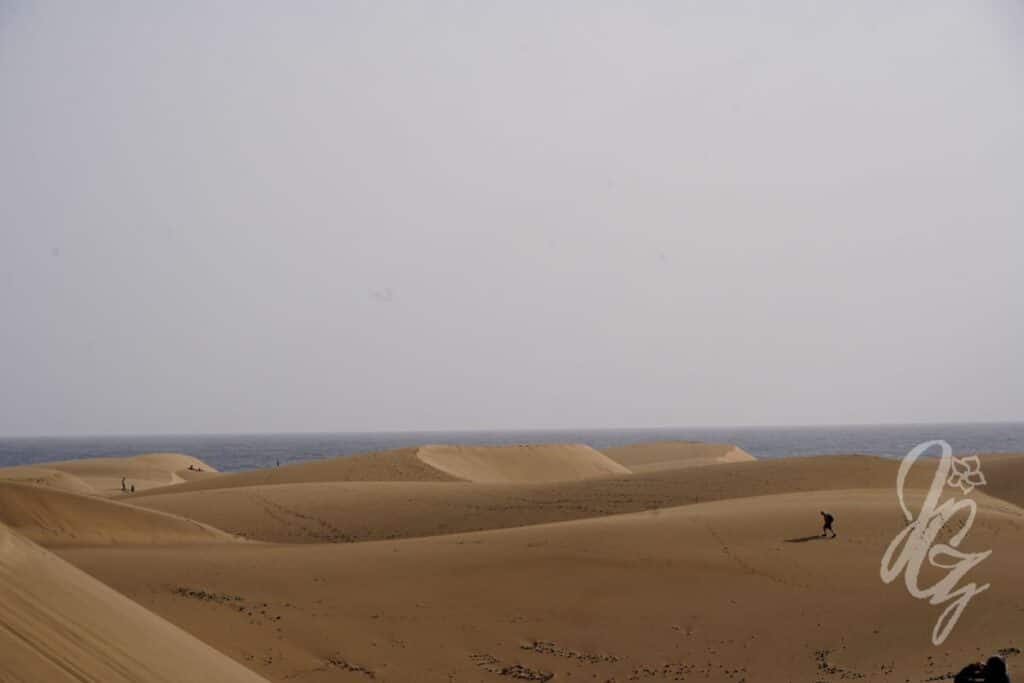
Desert: Dunas de Maspalomas
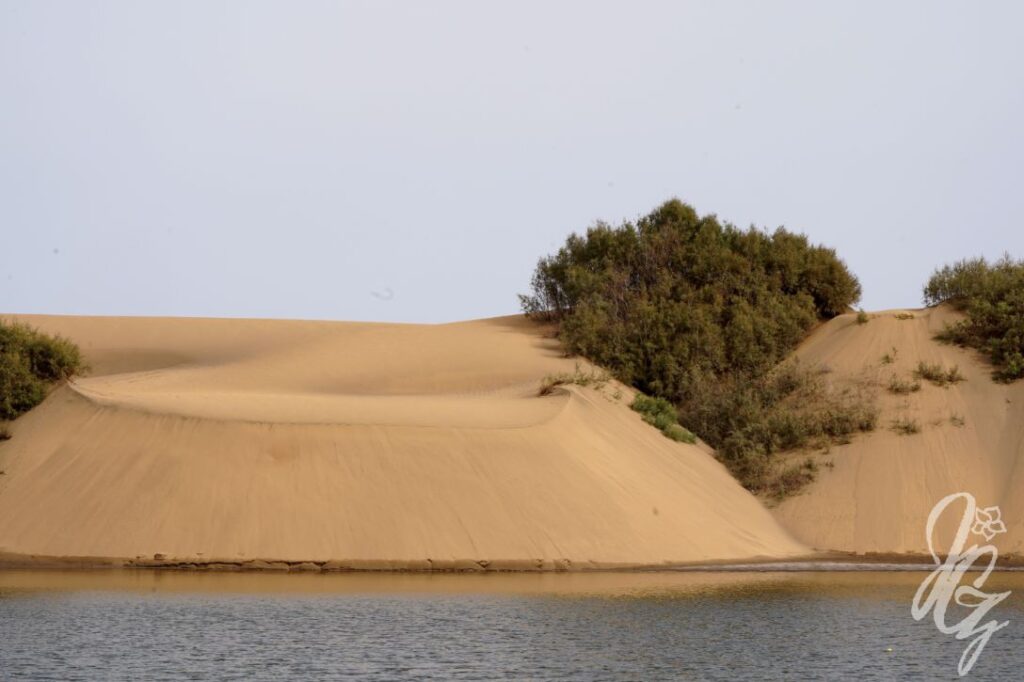
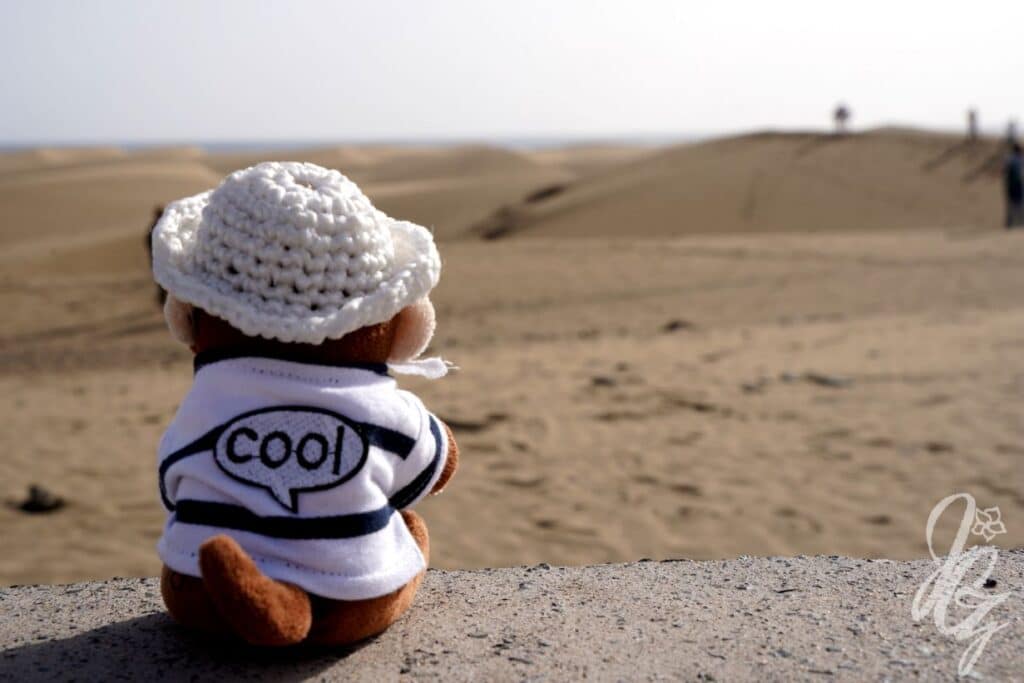
The south of Gran Canaria is of a completely different climate than the north which is very green and sees quite a bit of rain. The south is sunny and very dry. You’ll find long sandy beaches and holiday resorts, and also giant dunes. It almost seems like an extended arm of the Sahara Desert which is only a few hundred kilometres away.
Harbours and fishing villages
With a long coastline come a few coastal towns and fishing villages.
Faro de Maspalomas
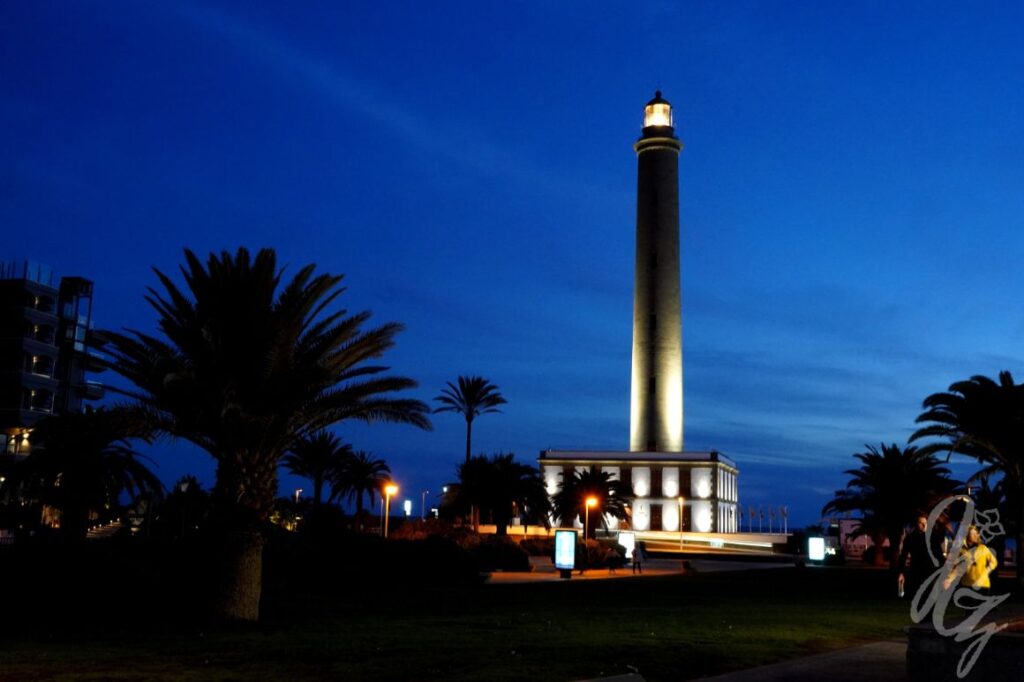
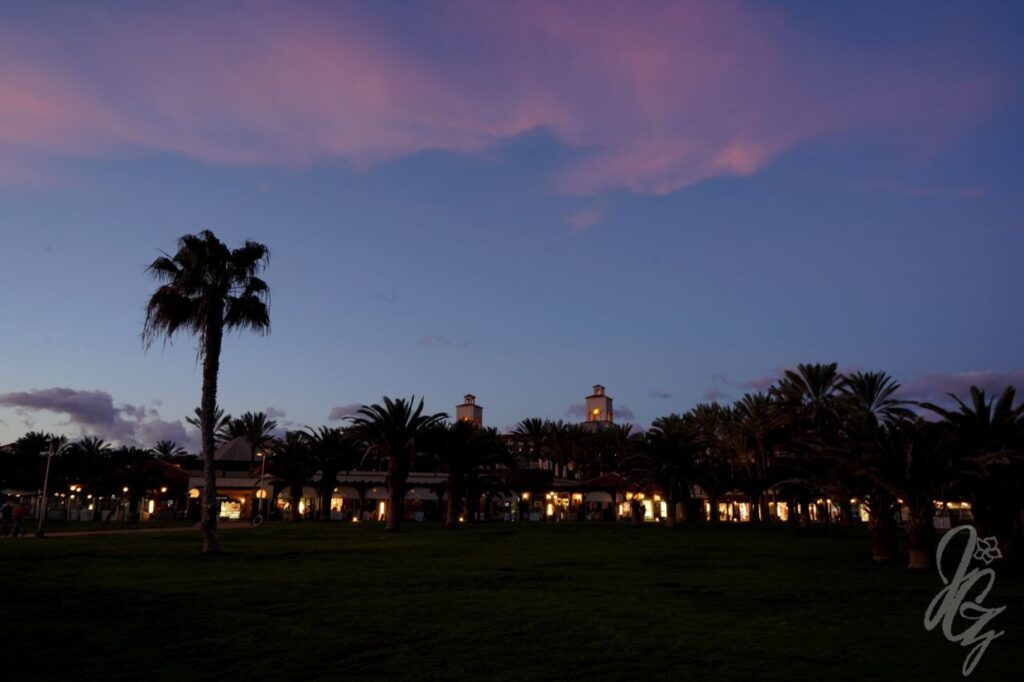
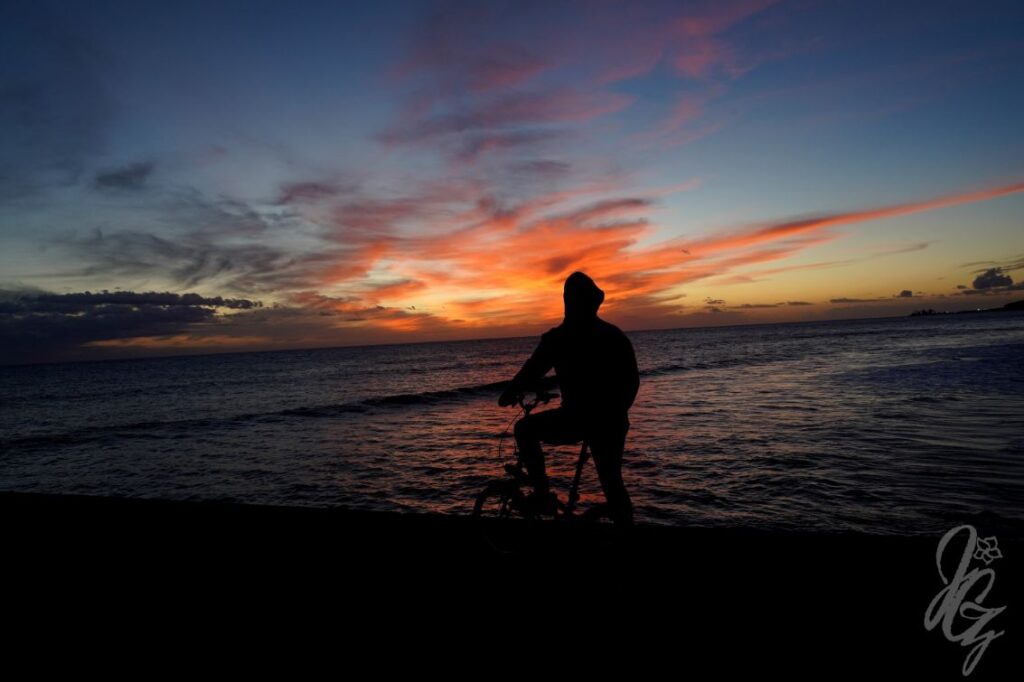
Near the dunes is the town of Maspalomas which is mostly a holiday resort where one five-star hotel is trying to exceed the next. Behind the hotels and the shopping mall are a few restaurants and cafés along a beautiful beach promenade that leads to a lighthouse. Inside the lighthouse is an ethnographic museum where you can learn about the history of Gran Canaria. The promenade next to the lighthouse is also one of the best places on the island to watch the sunset.
Puerto de Mogán
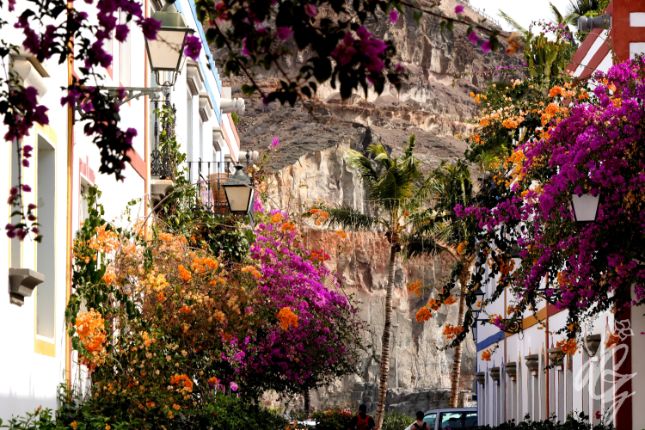
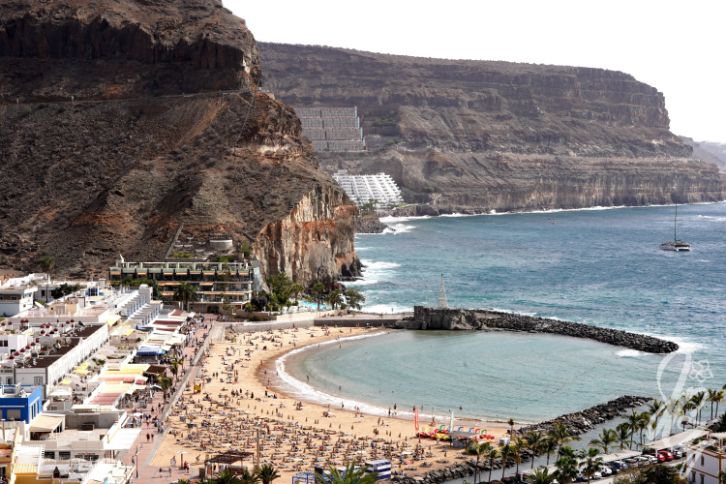
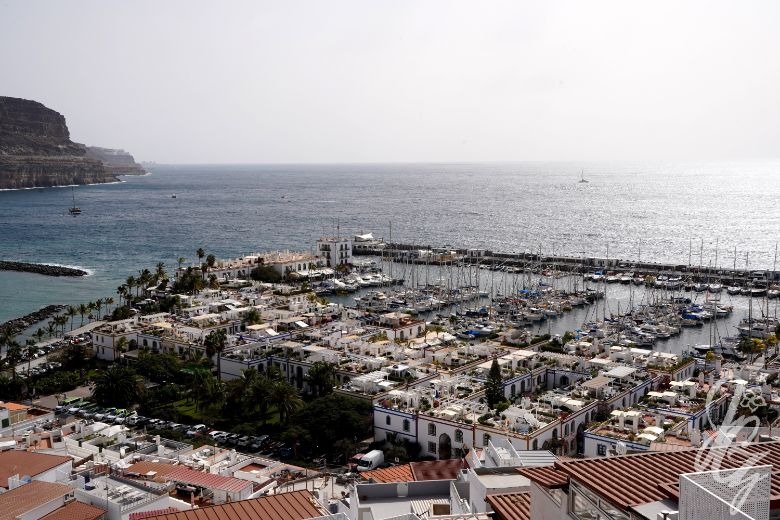
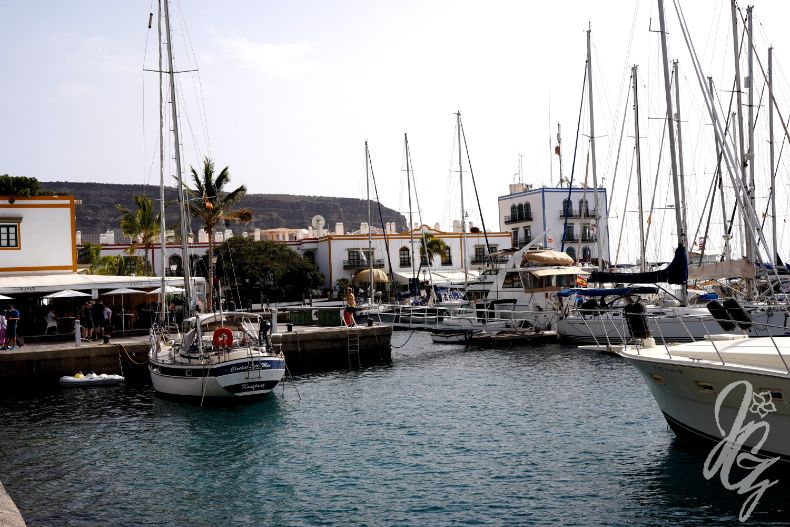
A bit further along the south coast towards the west is Puerto de Mogán. It was once a small fishing village and is nowadays another holiday area with a beautiful marina. Other than Maspalomas though, you can still feel its original charm and you can watch some locals playing cards at one of the roof terraces. There is a viewing platform that you can reach via steps between the houses. From up there, you can see the whole village, the marina, and the bay. If you are looking for a place for lunch, sit down in any of the restaurants around the marina. They can be a bit slow though, so bring plenty of time!
Tufia
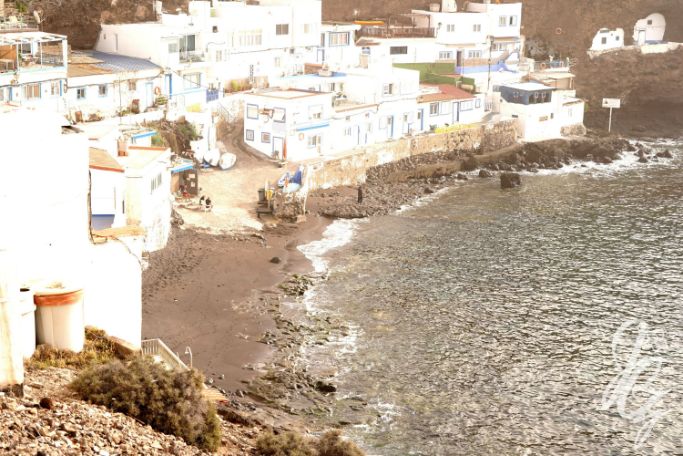
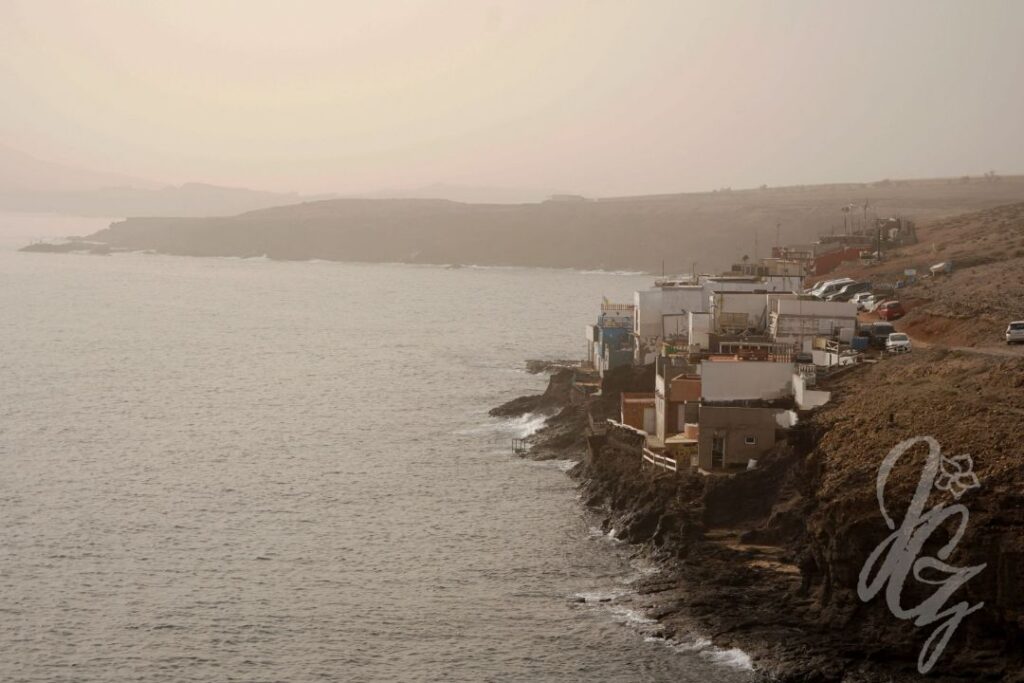
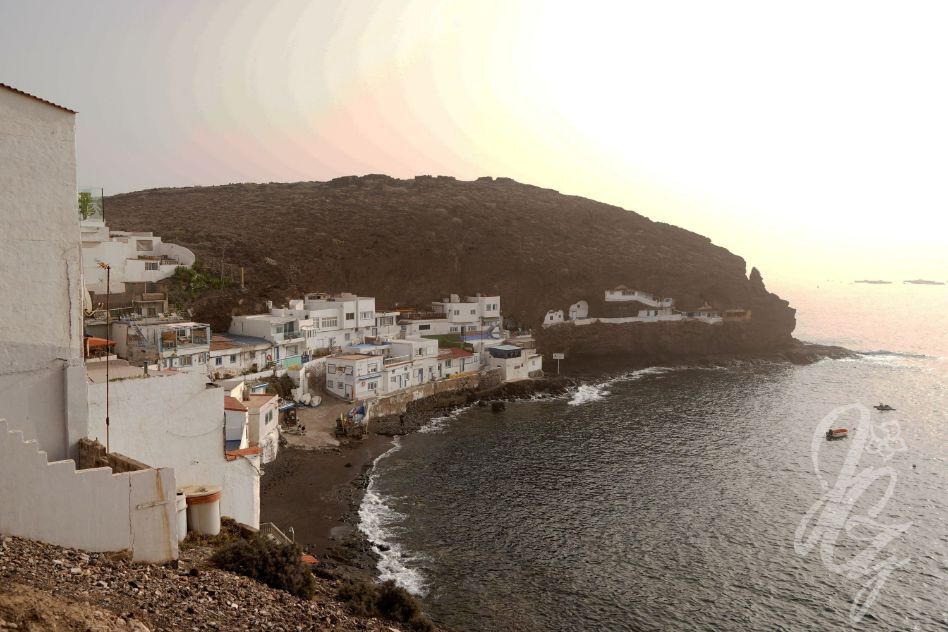
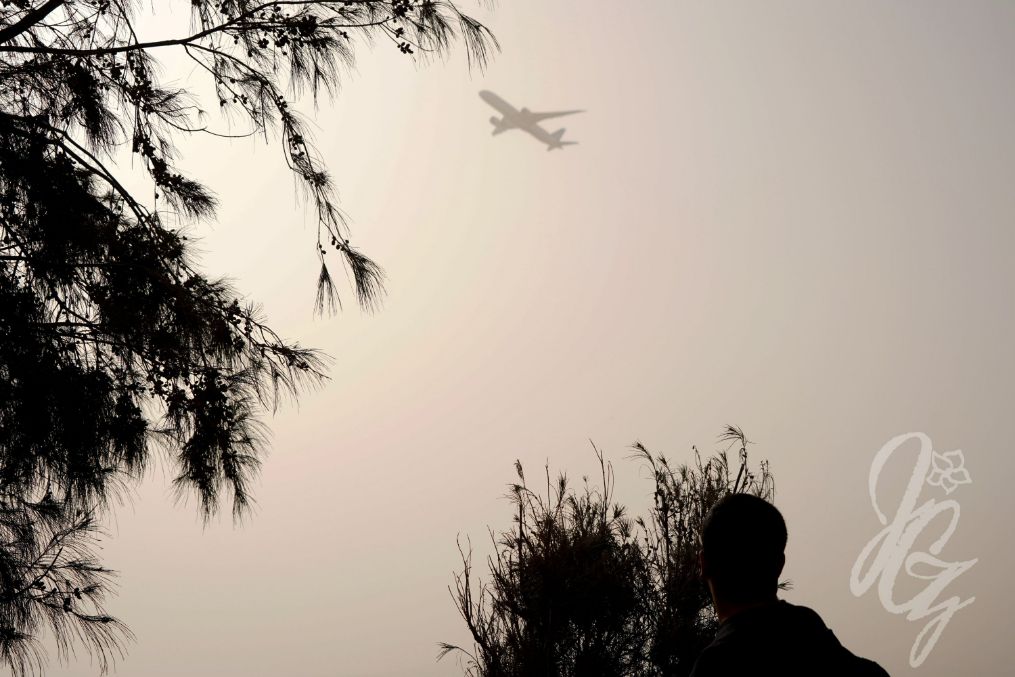
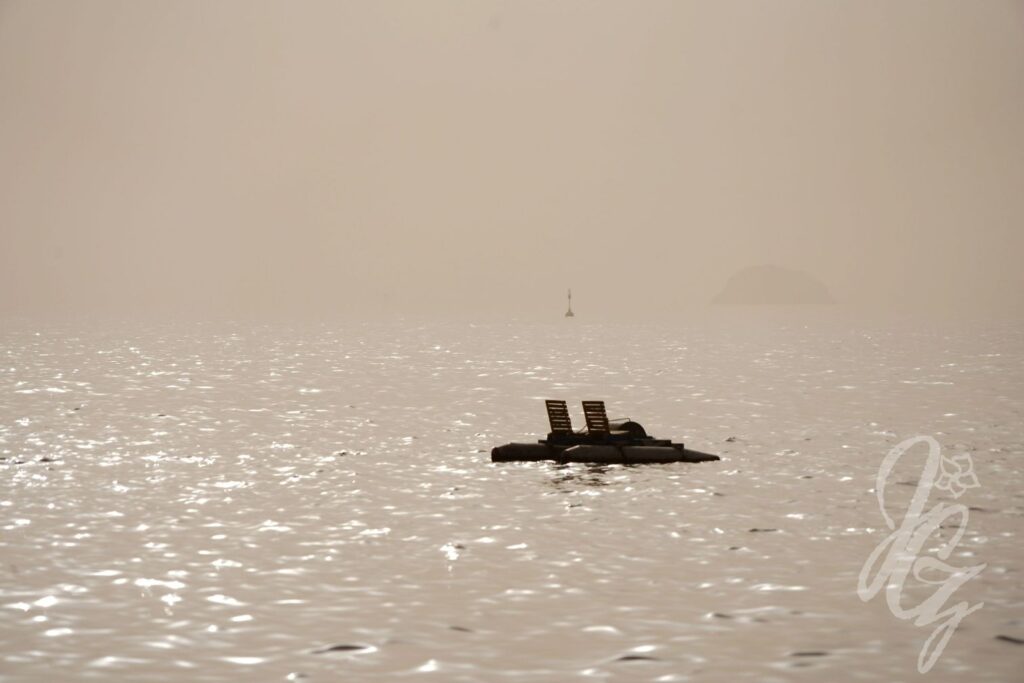
This is a real hidden gem along the east coast of Gran Canaria. The fishing village of Tufia did not have electricity before 1997 and still today it seems a little cut off from the rest. There is something like a road leading to the village, but it’s not really what you would call a “road”. Tufia is a quiet village in a bay where the locals go for a swim in the morning as the sun rises in the east. It is very calm and quiet and a good spot to go for a swim or to discover the underwater world by snorkeling or diving.
Towns and villages
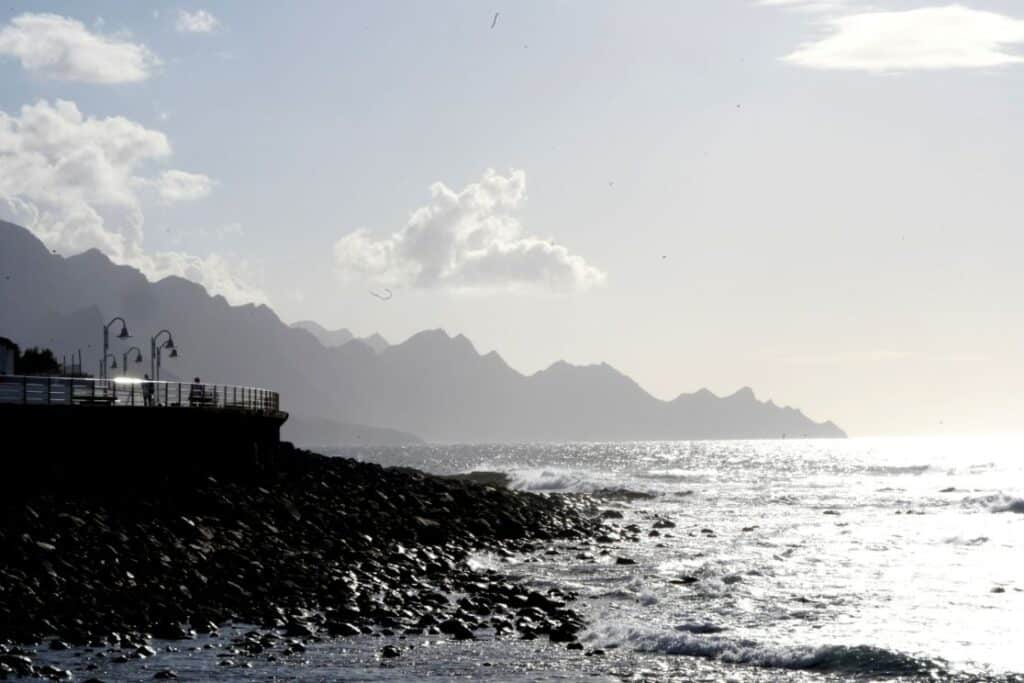
There are some smaller towns and villages in the north of Gran Canaria that you can easily reach by public transport from Las Palmas and that is worth a visit.
Agaete
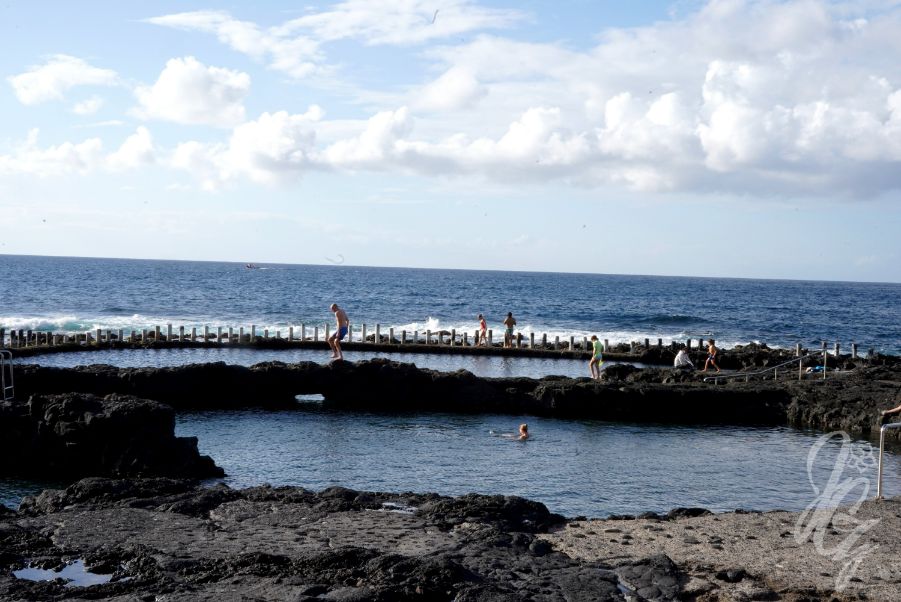
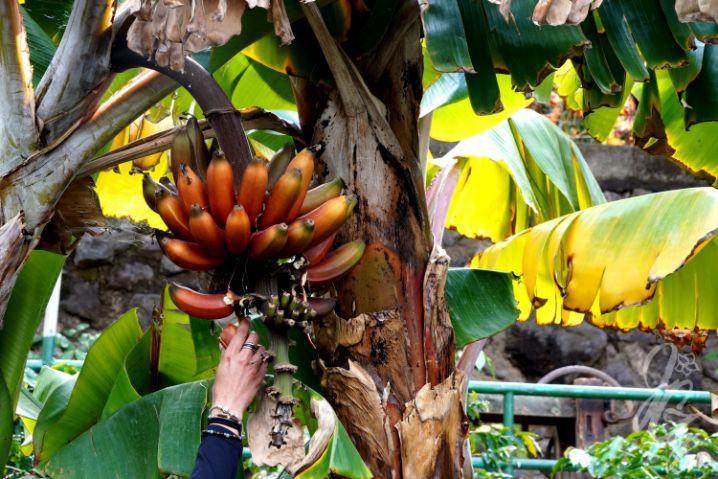
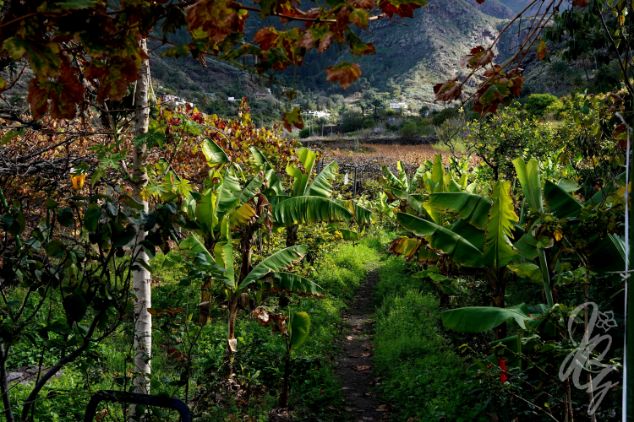
Agaete is the furthest away from Las Palmas, all the way in the Northwest of the island. It is well-known for its natural pools by the sea. If you get there, you probably won’t be able to resist going for a swim. Not far from the pools is a finca with local coffee and wine production, the only coffee plantation in Europe.
Firgas
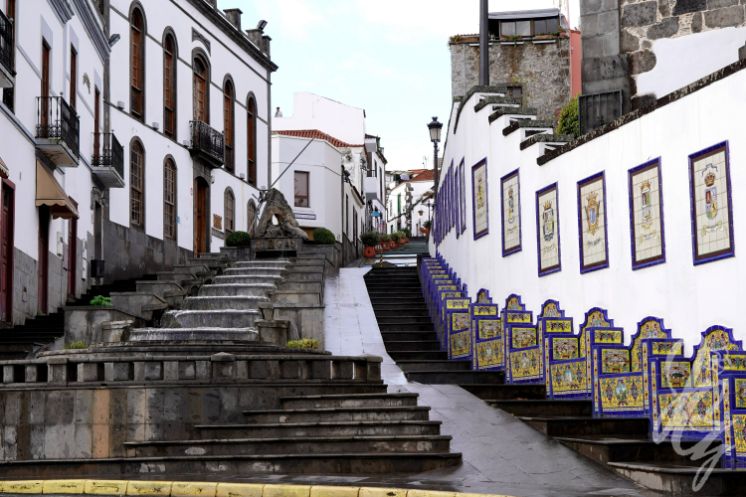
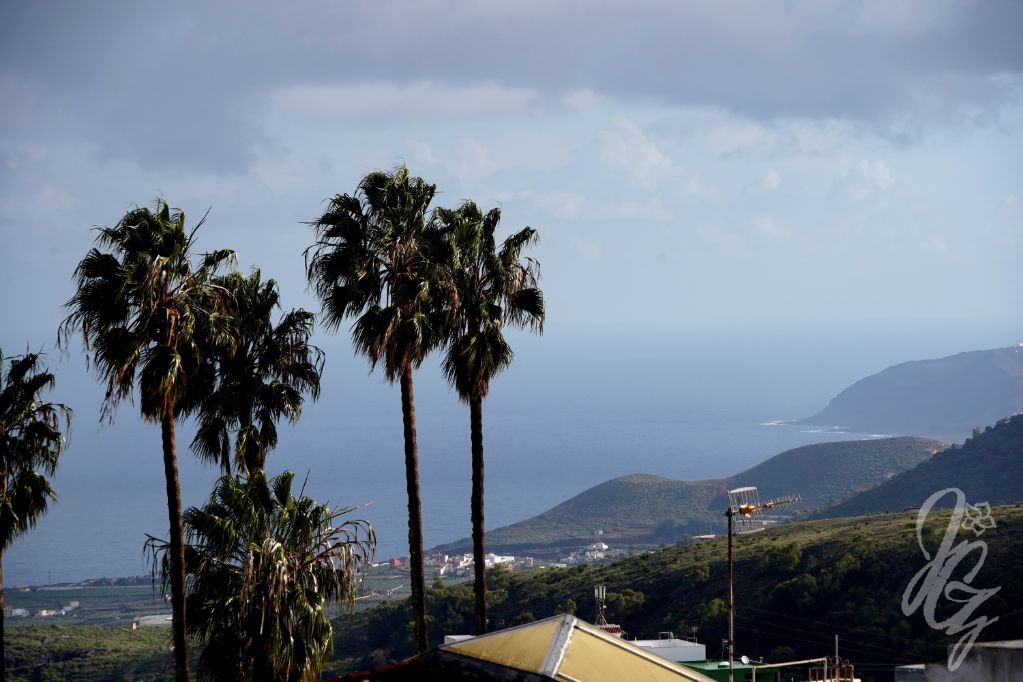
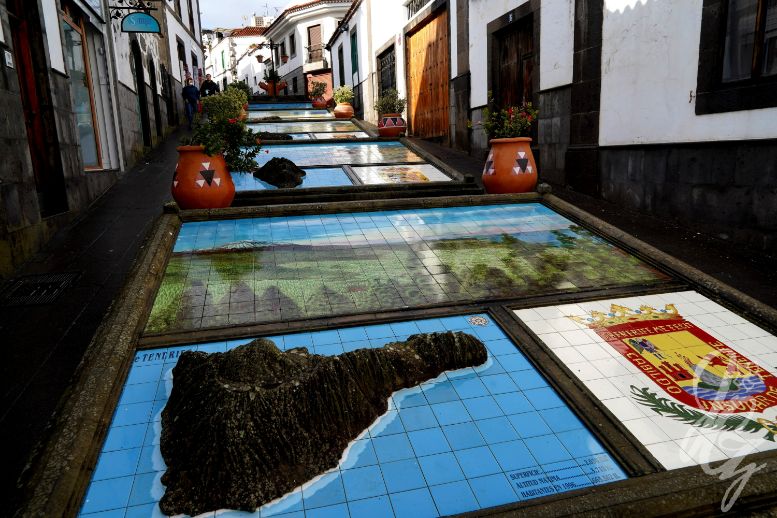
Everybody on the island has heard of Firgas because of the bottled water that comes from this town in the mountains. It is worth a visit for its stunning views over the northern coast and for the monument that provides an overview of the islands. The Paseo de Canarias in Firgas is a miniature installation of each of the Canary Islands. A bit further down is the Paseo de Gran Canaria which shows all 21 municipalities on the island.
Arucas
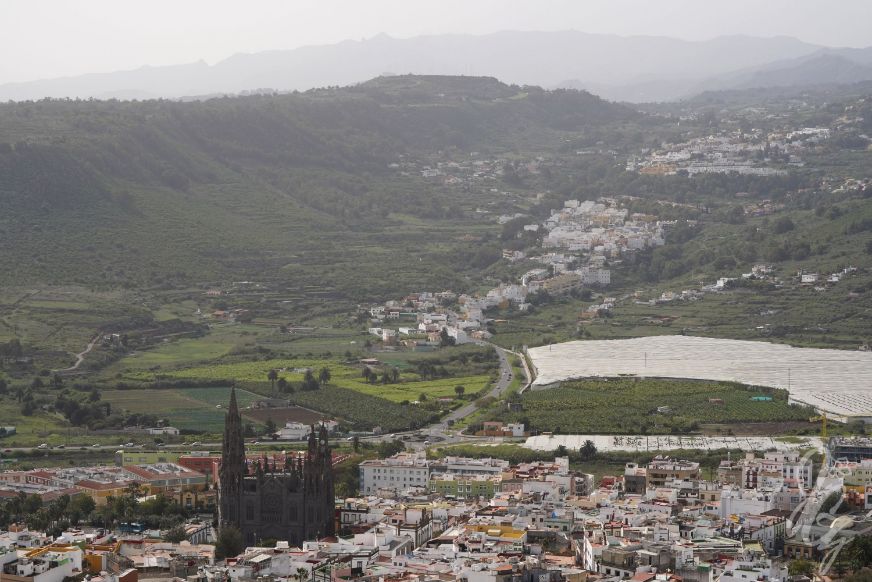
Arucas is a town that you probably pass by on the way to Firgas. The significant monument here is the Neogothic church. It truly sticks out – you can’t miss it! Charlie is still a bit undecided about whether she likes it or not. You can walk up a little mountain from where you have a view of the whole town and the church of course.
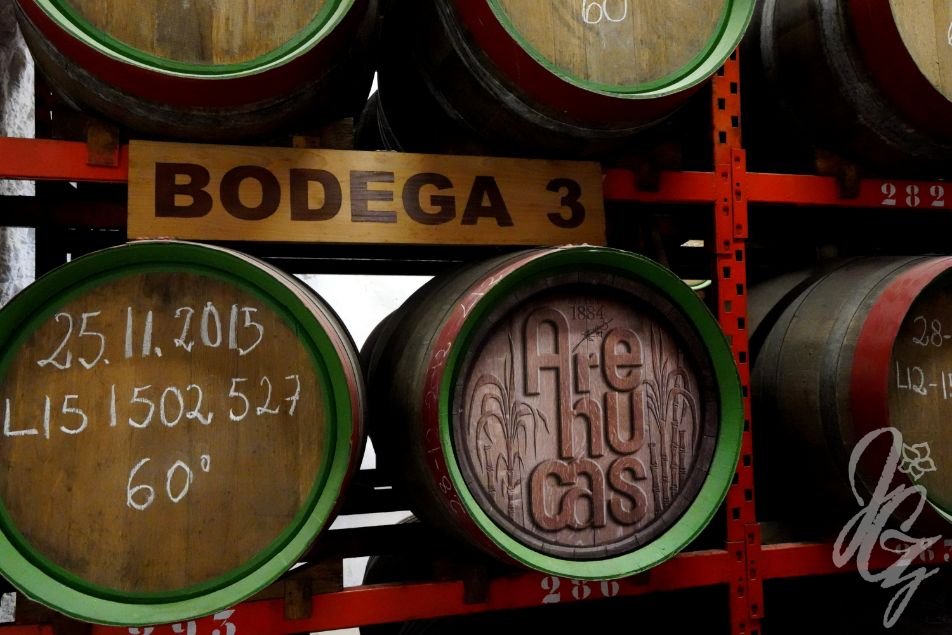
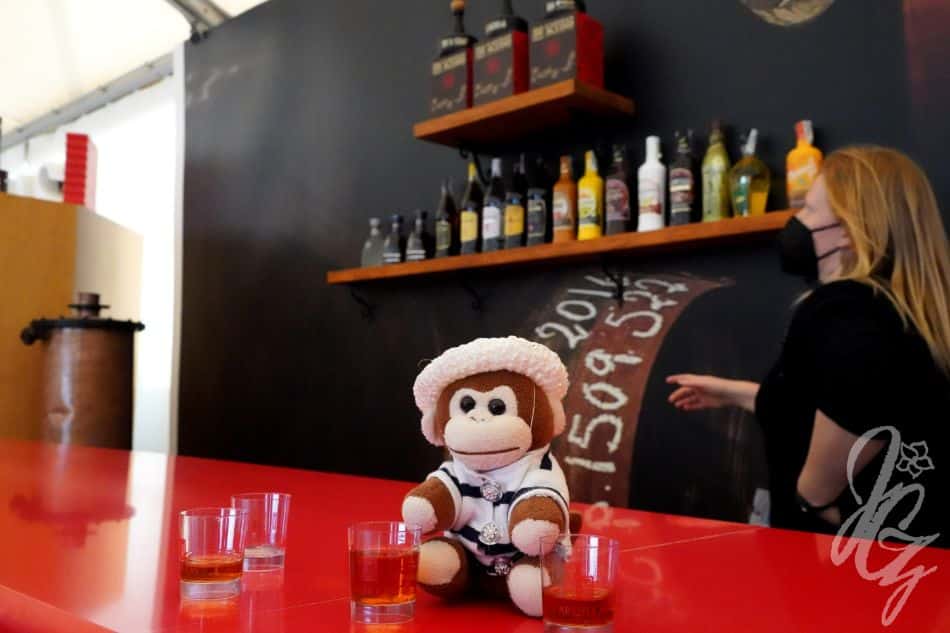
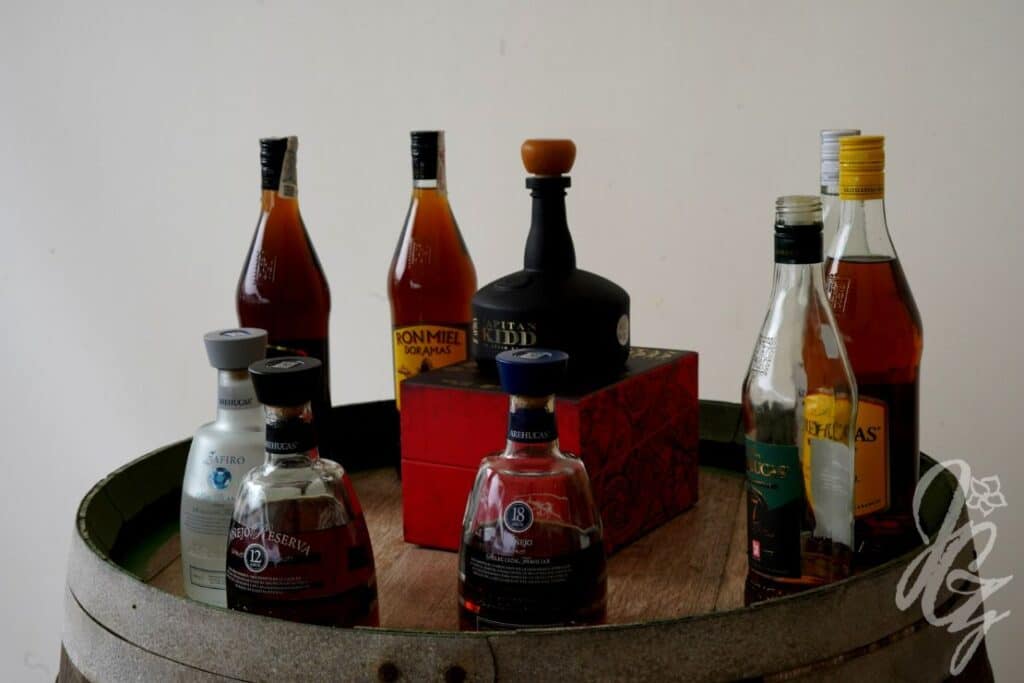
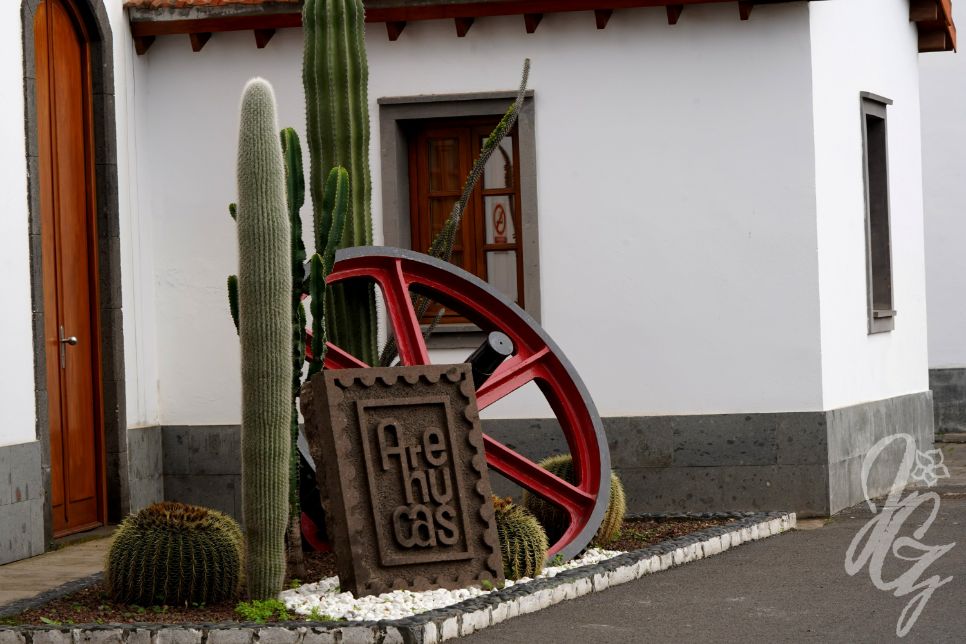
Also in Arucas is the Distillery Arehucas where the sugar cane that grows on the island is turned into rum. During a tour, you can learn about rum production from harvest to bottling and you can try the different rums that are produced locally.
Teror
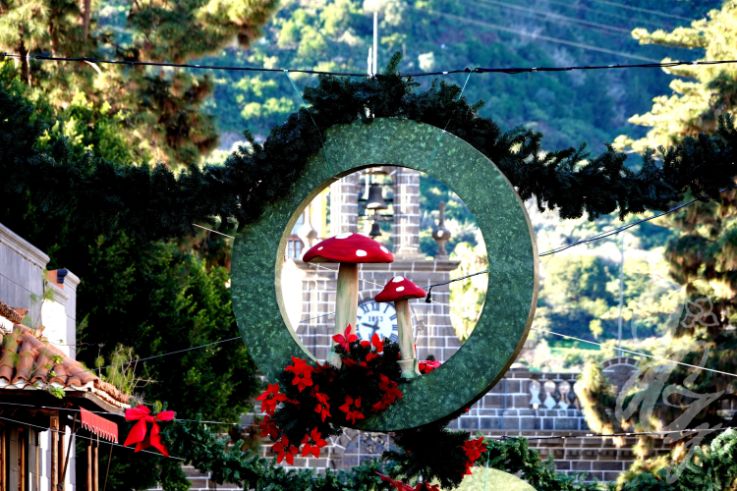
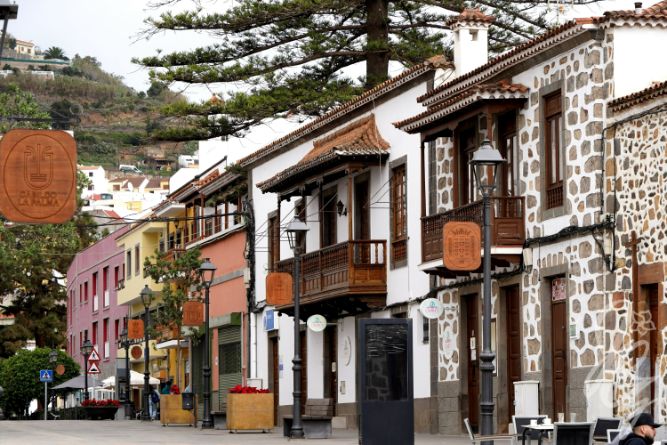
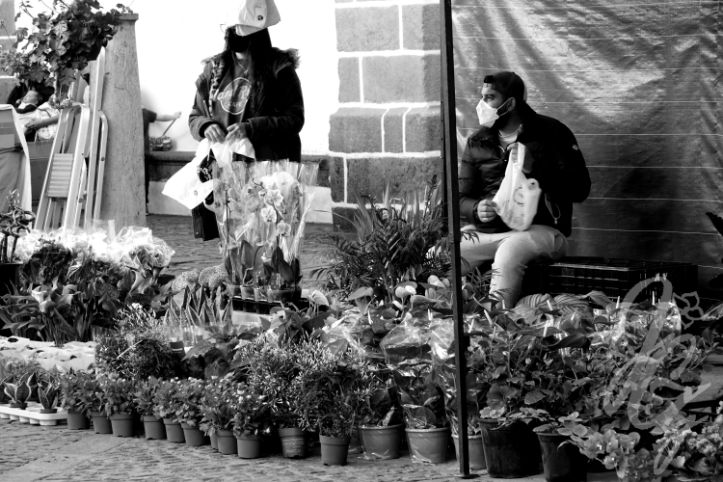
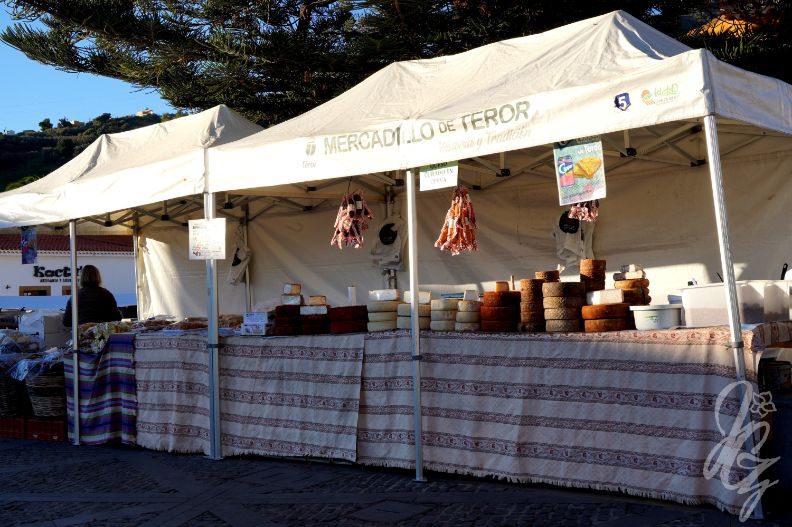
One place you certainly shouldn’t miss is the town of Teror in the mountains. It is a beautiful, historic town with traditional Canarian balconies and a church. Every Sunday, there is a market in Teror where you can find everything from local food to clothes and artwork. It is one of the bigger markets in Gran Canaria and equally popular amongst locals and tourists.
Charlie was a digital nomad in Las Palmas for only four weeks, and she has seen so much of this impressive island. There’s still more! She will for sure return to explore it all in more detail!