


La Gomera
Hiker’s Paradise in the Canary Islands
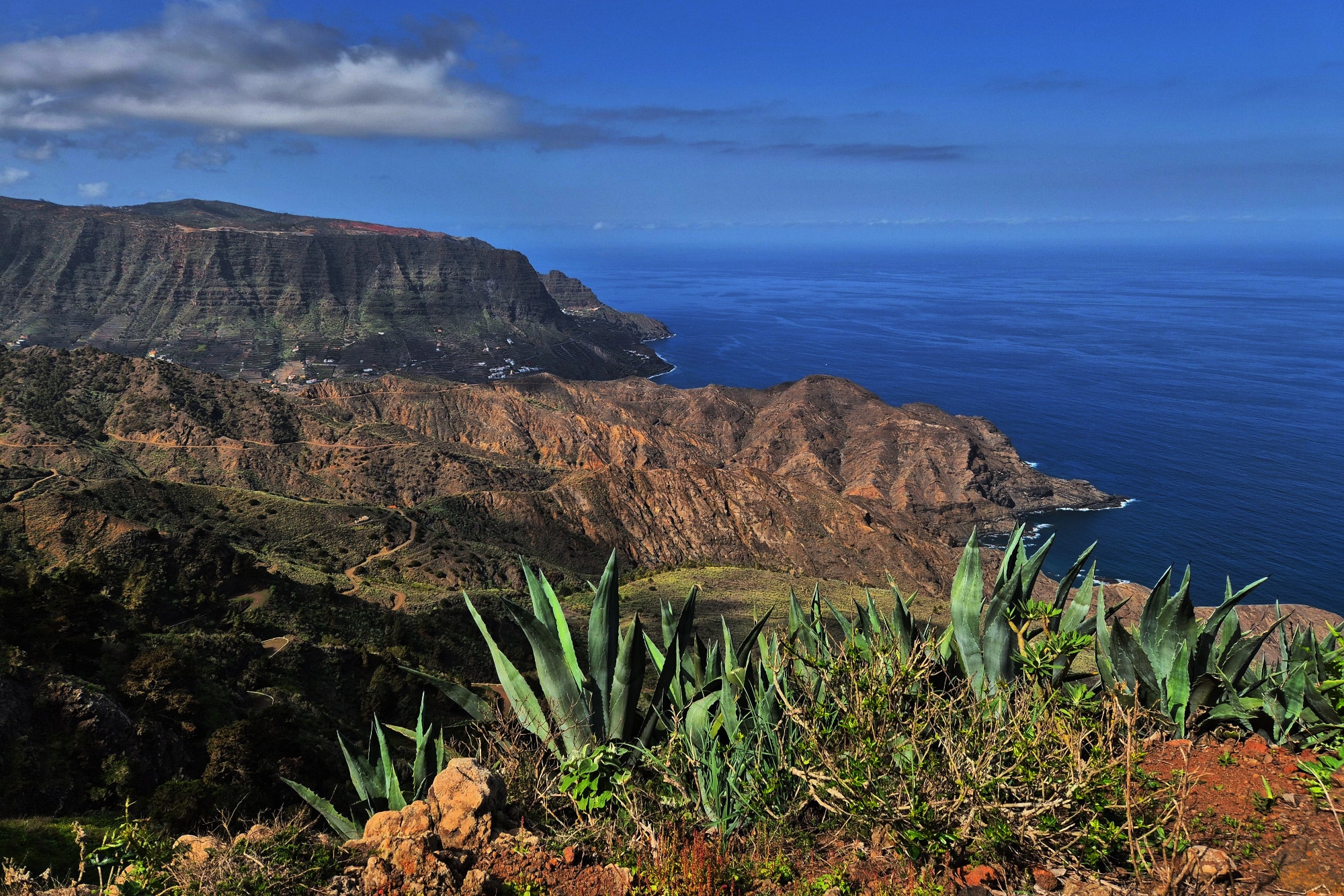
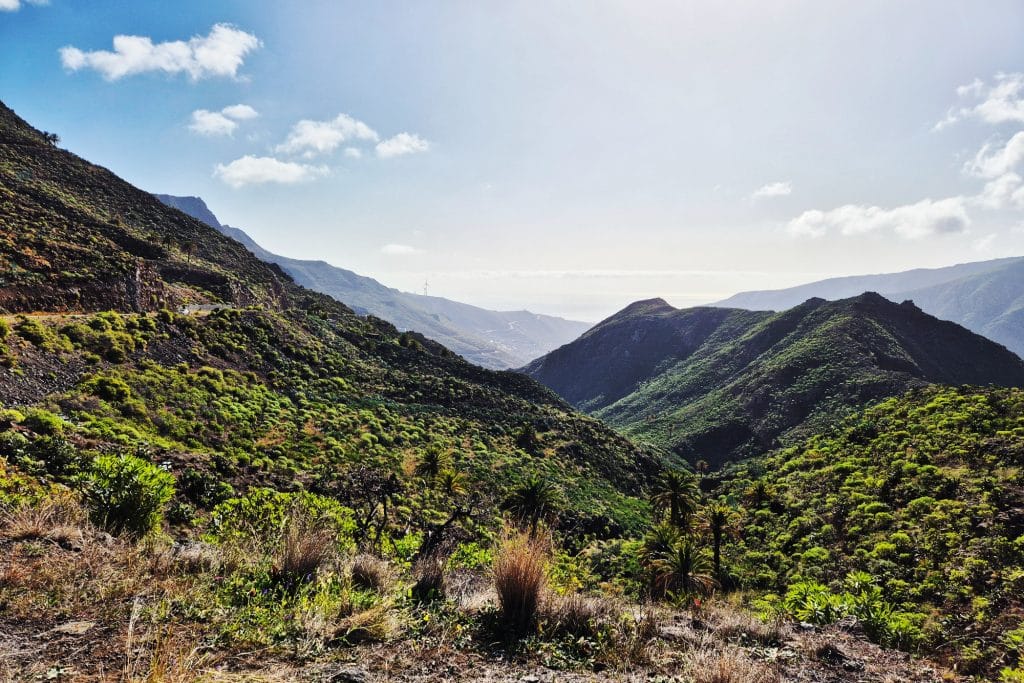
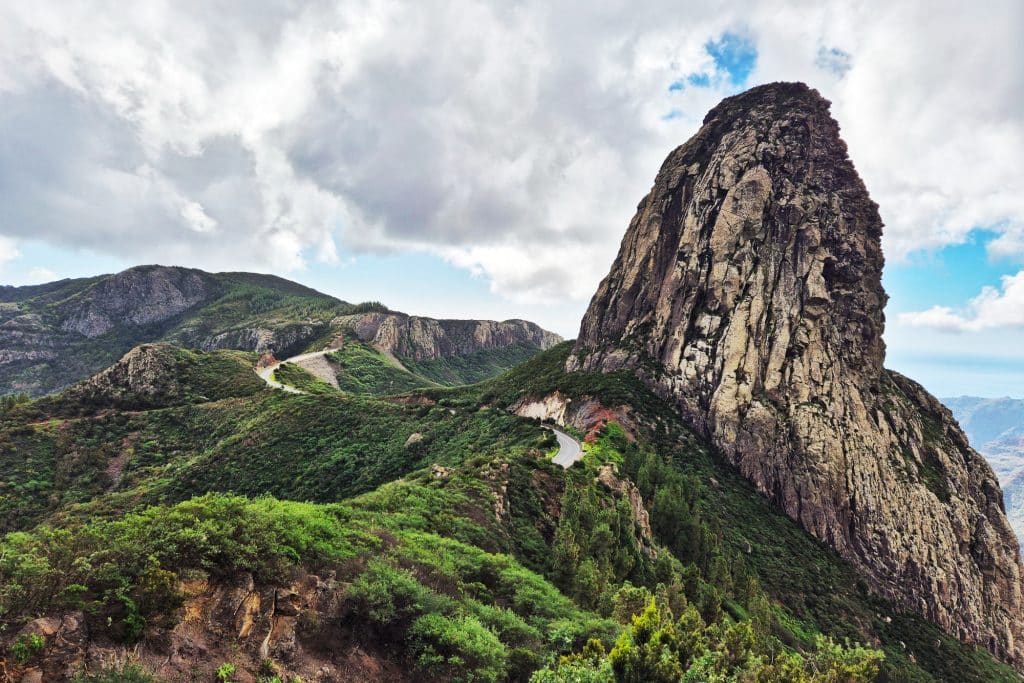
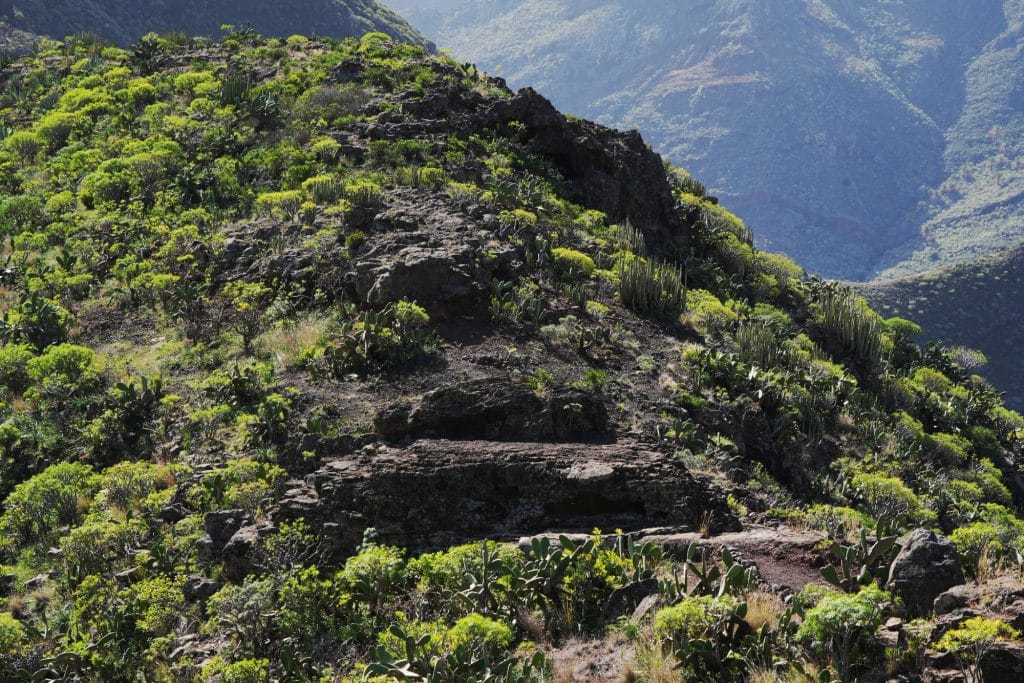
La Gomera is one of the smaller and younger islands of the Canarian archipelago. It was three volcanic eruptions that made the island appear 12 million years ago. Over time, wind and water shaped La Gomera so that it has today the shape of a lemon squeezer with the highest elevation in the centre of the island and countless ravines, valleys and gorges. It is a dream for anybody who loves hiking. There is a good network of hiking paths and you will find good signage everywhere on the island. Some of the routes though can be challenging, so be sure to plan your trips accordingly to your experience and fitness level.
To Charlie’s detriment, there is no surfing in La Gomera. The waves are either breaking too close to shore and closing out or break in parts where the coast is not accessible.
San Sebastián de la Gomera
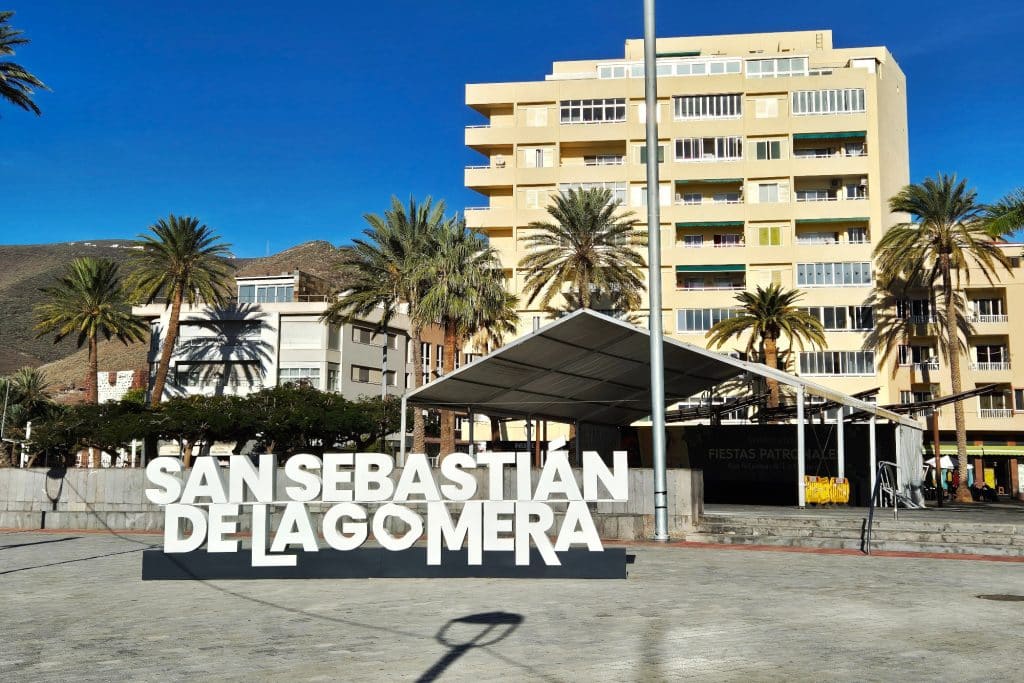
San Sebastián is the capital of La Gomera and the first thing you’ll see as you come from the ferry terminal is the Plaza de las Americas where you can see a statue of Columbus. In his hand is a version of the globe in which La Gomera appears to be bigger than Tenerife. It symbolizes the importance of La Gomera during the exploration of the Americas. Columbus stopped on multiple occasions in La Gomera before crossing the Atlantic. The island is proud of this bit of history.
Walking Tour in San Sebastián de la Gomera
Charlie did a free walking tour in San Sebastián to learn more about the place and the whole island. She had booked it on GuruWalk and the guide turned out to be Rebeca, who is also the community manager at Cactus Coliving in La Gomera. Charlie was impressed by the wealth of knowledge she shared and how entertaining she made the whole walk.
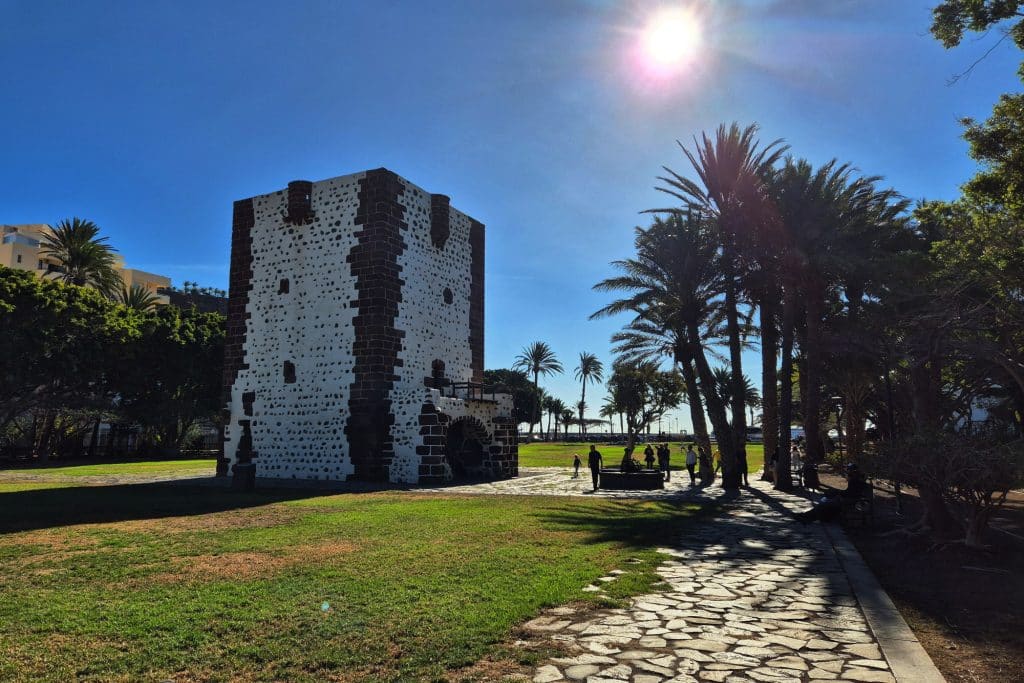
The tour started in the park by the tower Torre del Conde, the first building in the city. As opposed to other places around the world, the first building there wasn’t a church, however the city of course has one of them as well.
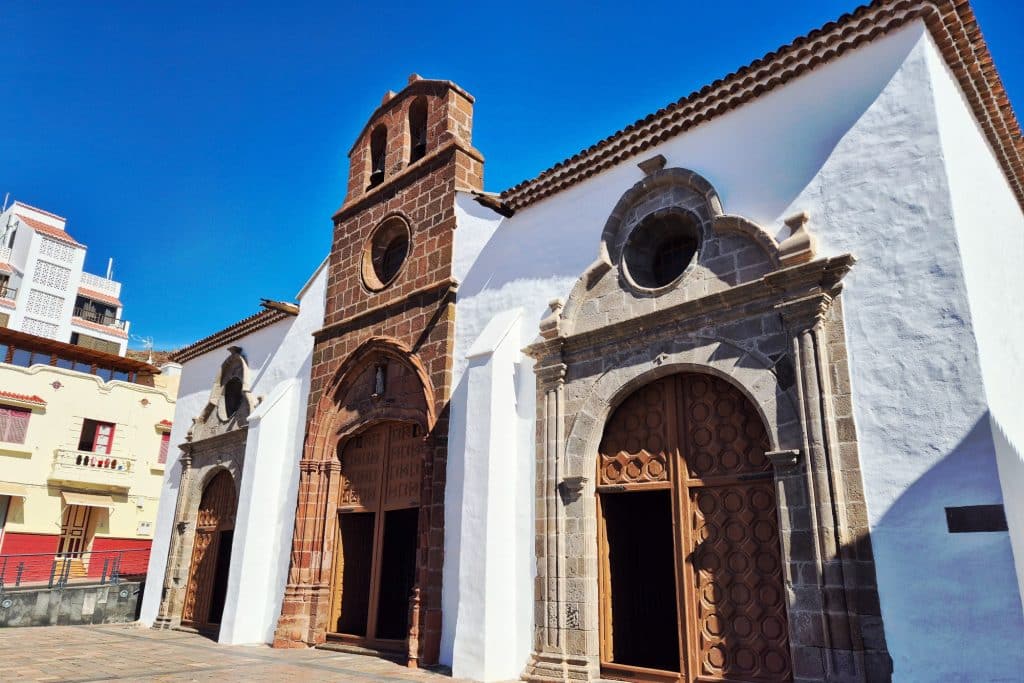
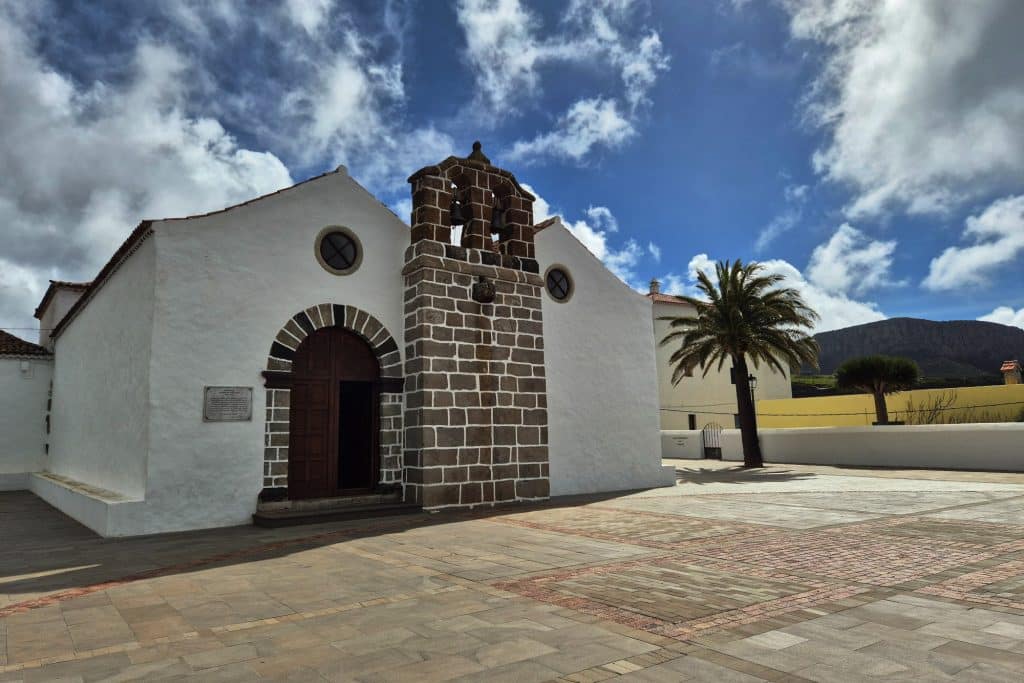
The Church of the Assumption is a small church with plenty of pieces of art on the inside. You can see wall painting as well as statues, one of them is even made of terracotta. From the outside the church was inspired by the one in Teror in Gran Canaria. On the inside, you can find elements of the manoelinian style which Charlie also spotted in the church in Funchal in Madeira and of course in Portugal, for example in Belem.
The coast around San Sebastián de la Gomera
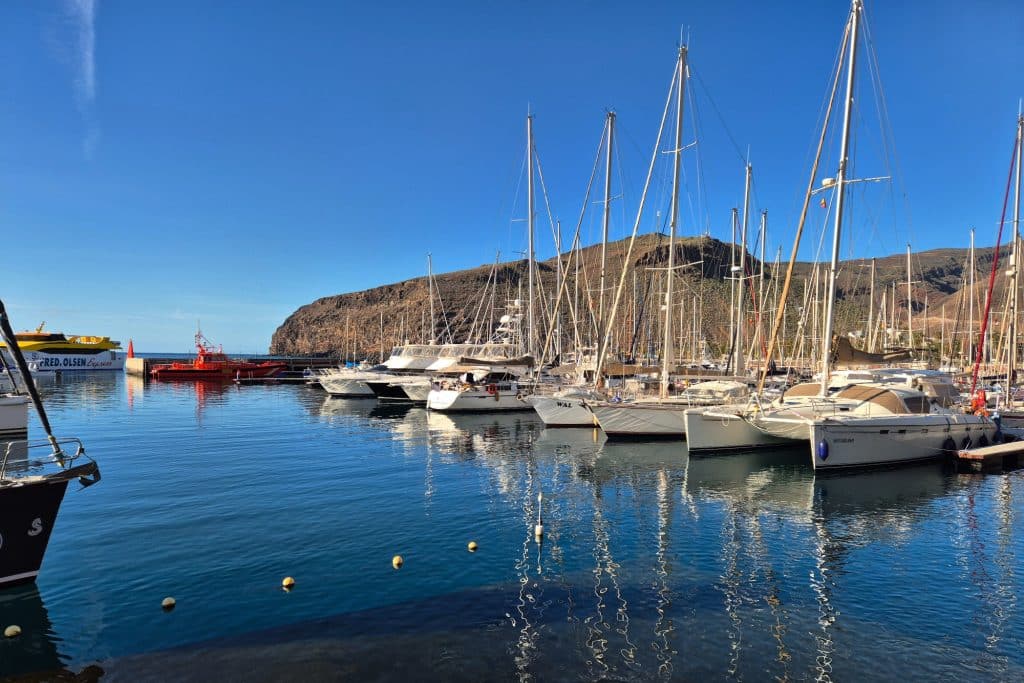
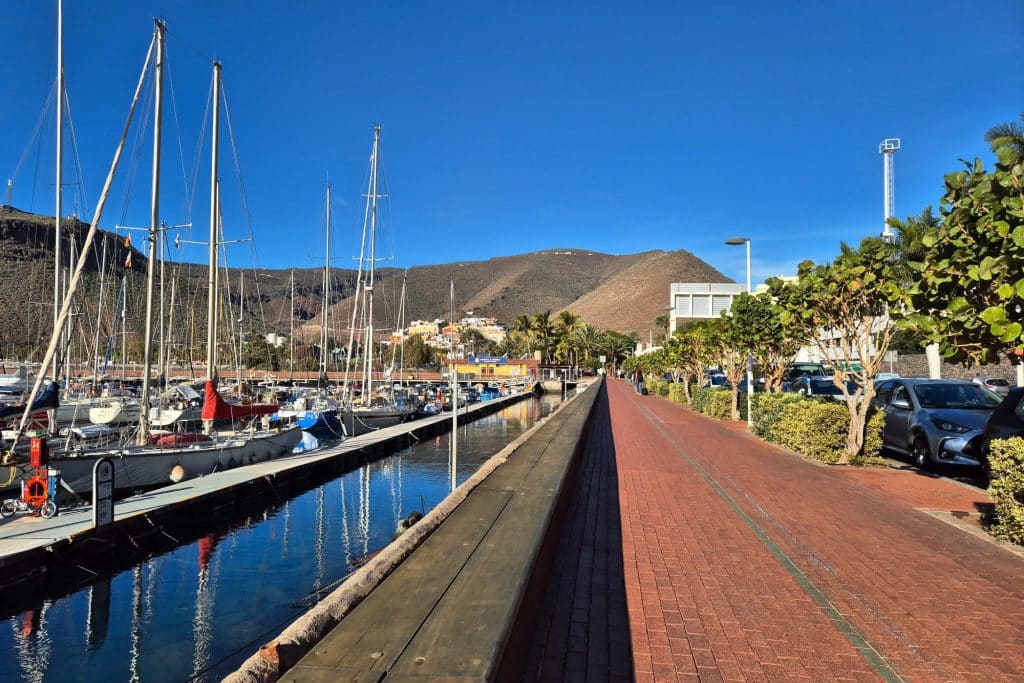
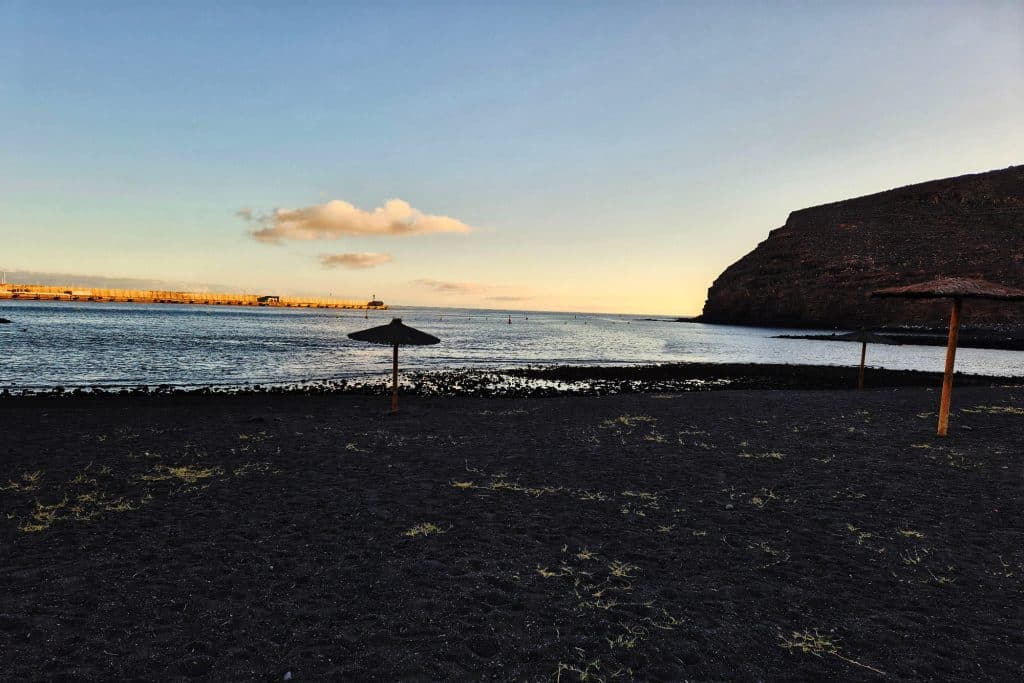
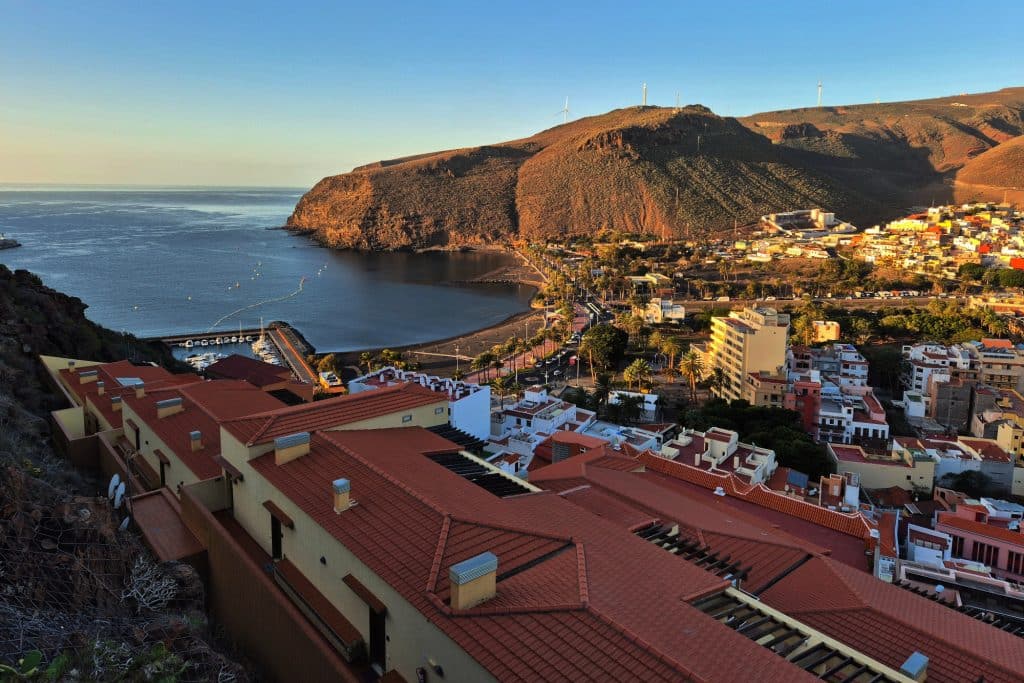
Easy to spot from the ferry terminal is the main beach of San Sebastián. There is also a lovely promenade alongside this sandy beach.
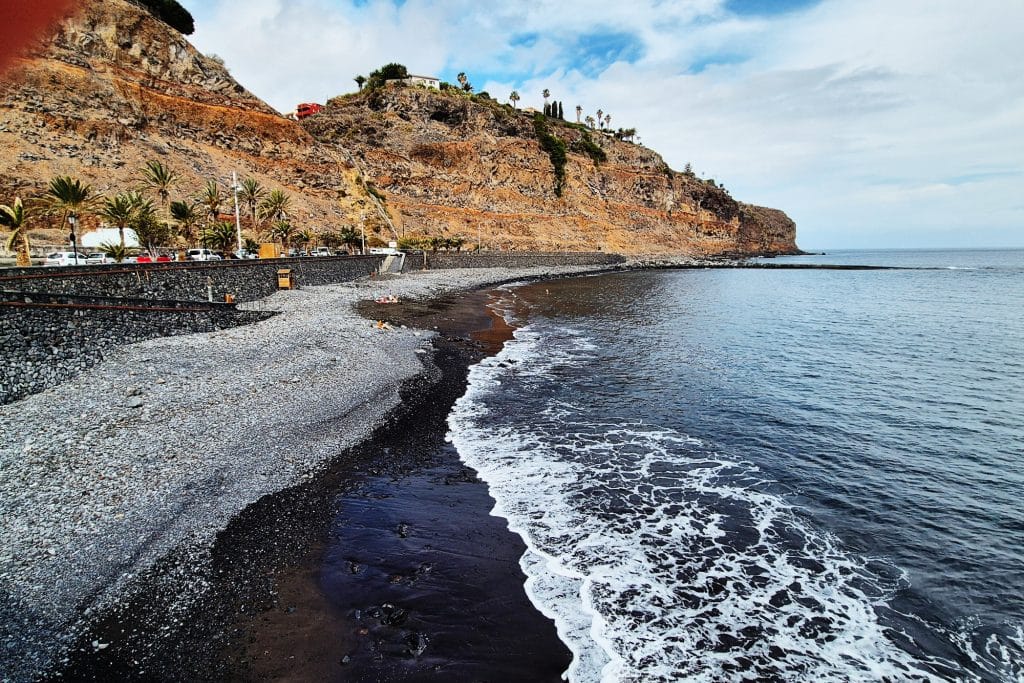
If you walk towards East from the ferry, you can reach another beach, Playa de la Cueva. It is a pebble beach and a lot quieter than the main beach. The promenade of this beach extends towards a square and there are some viewpoints too that you can reach via stairs.
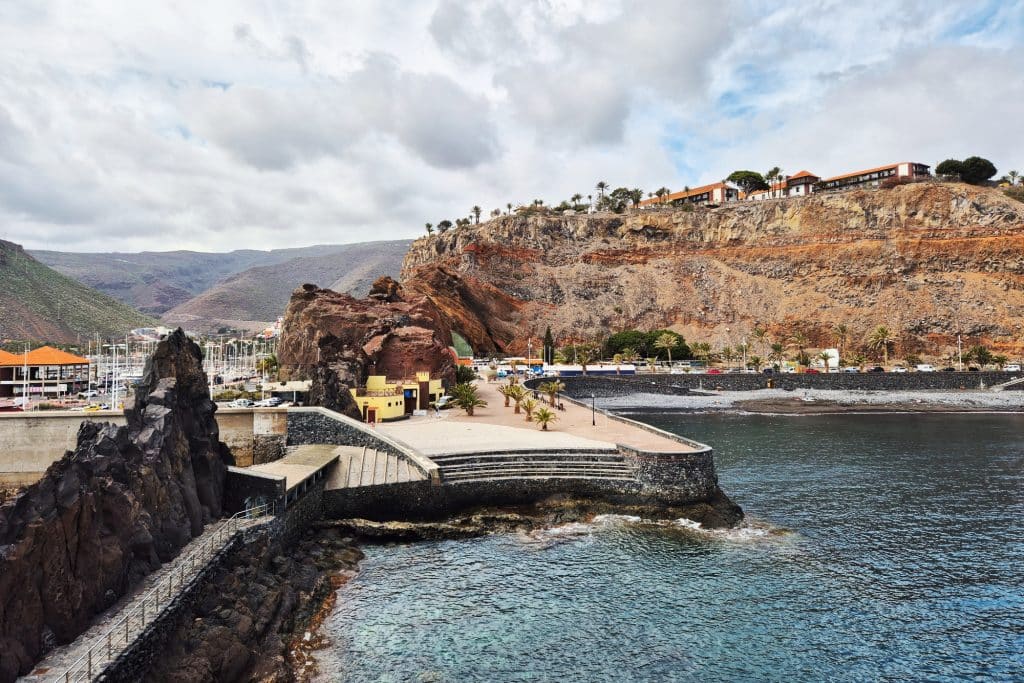
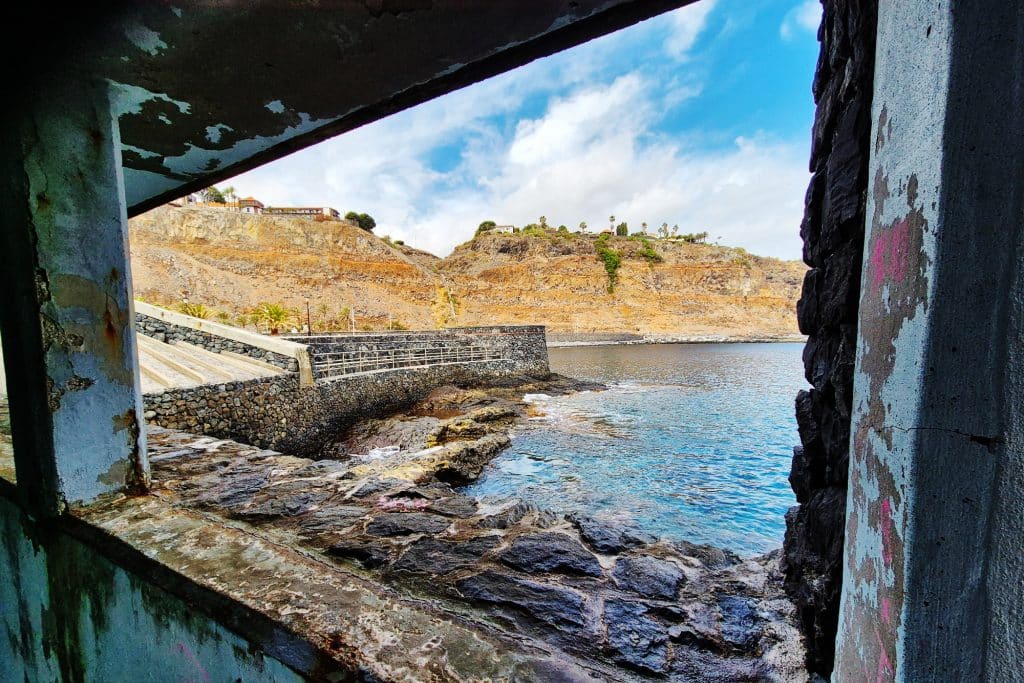
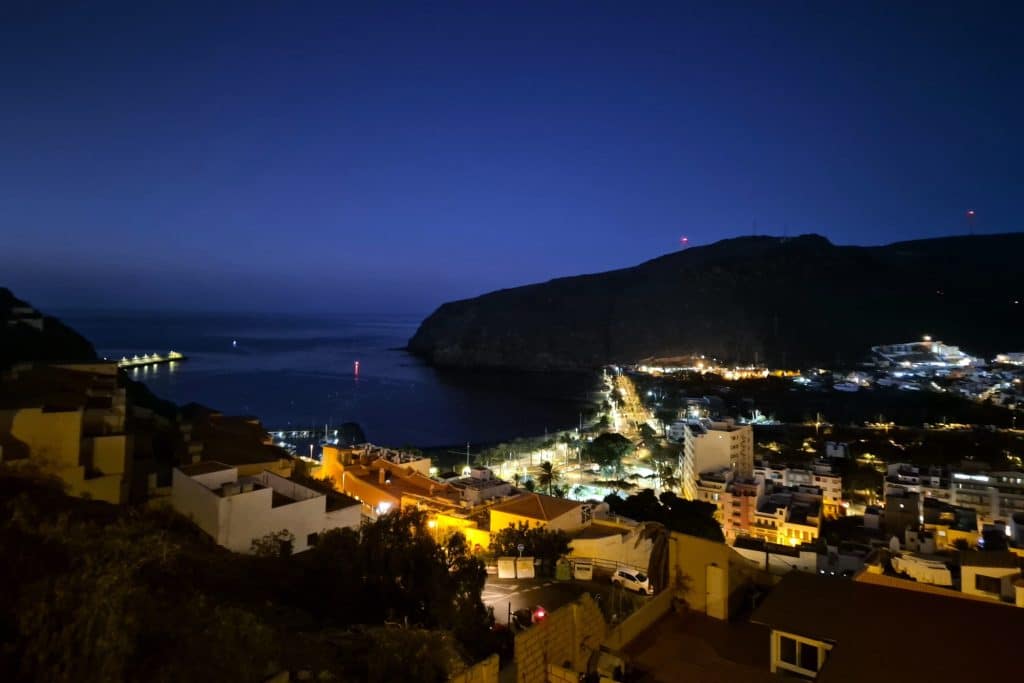
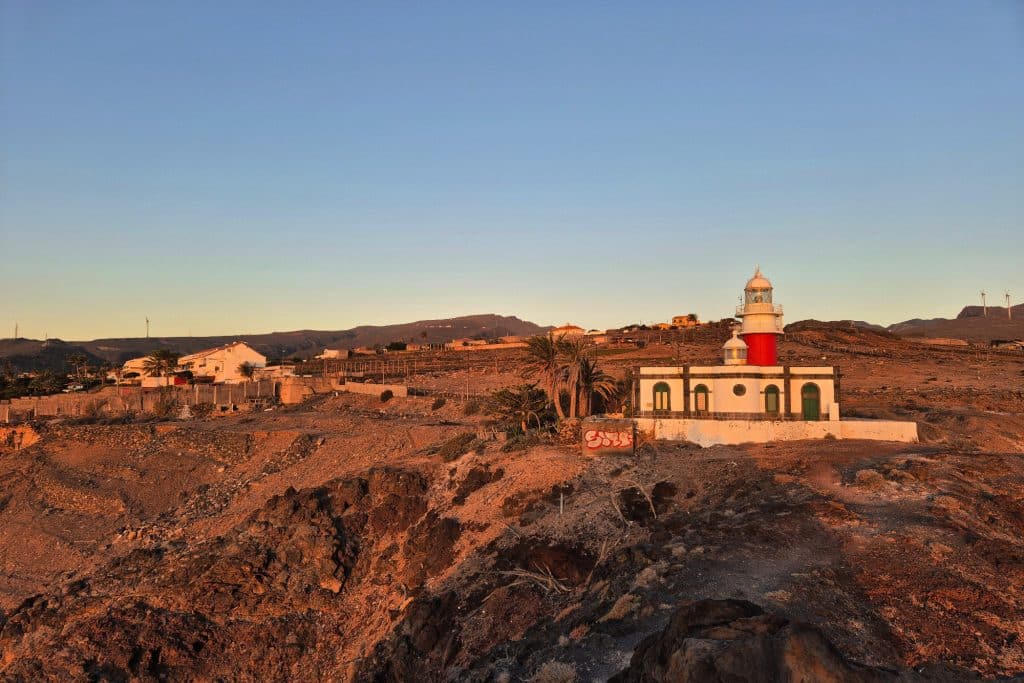
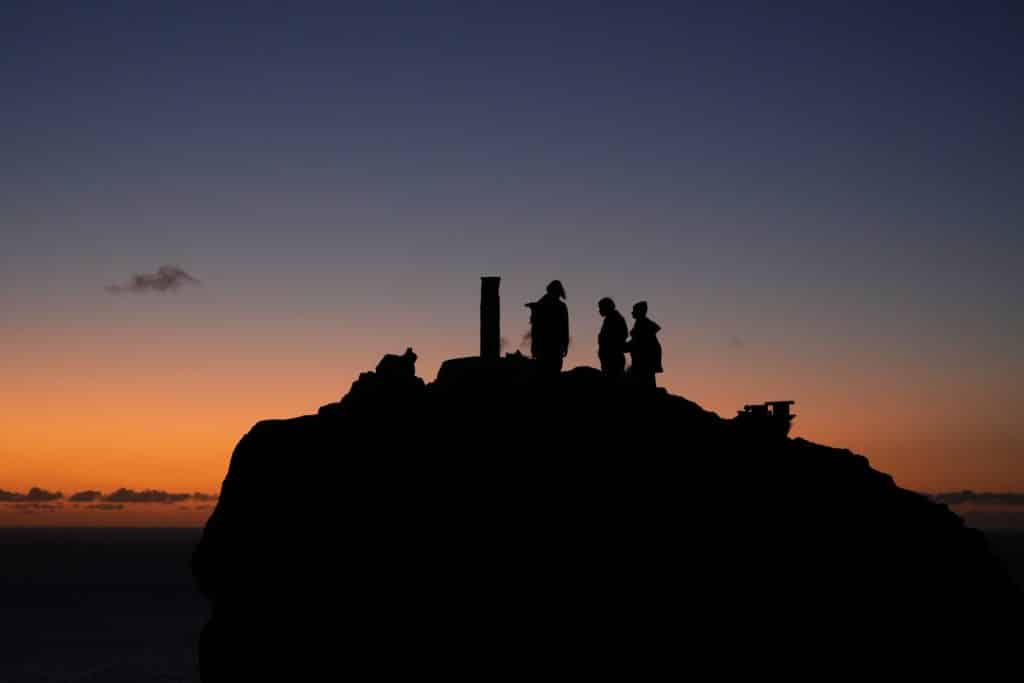
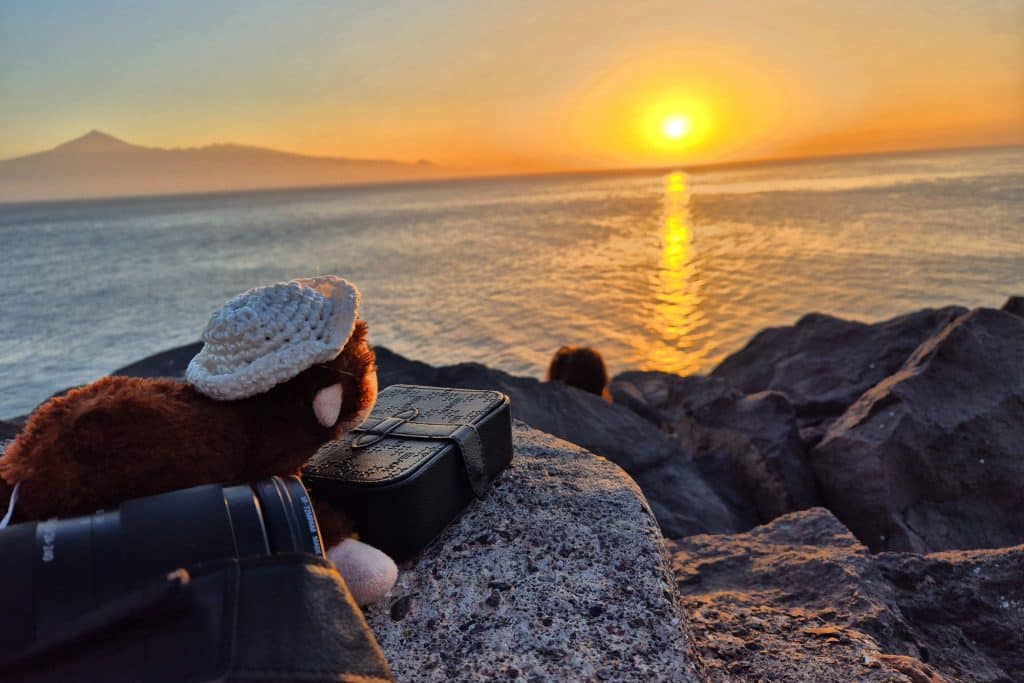
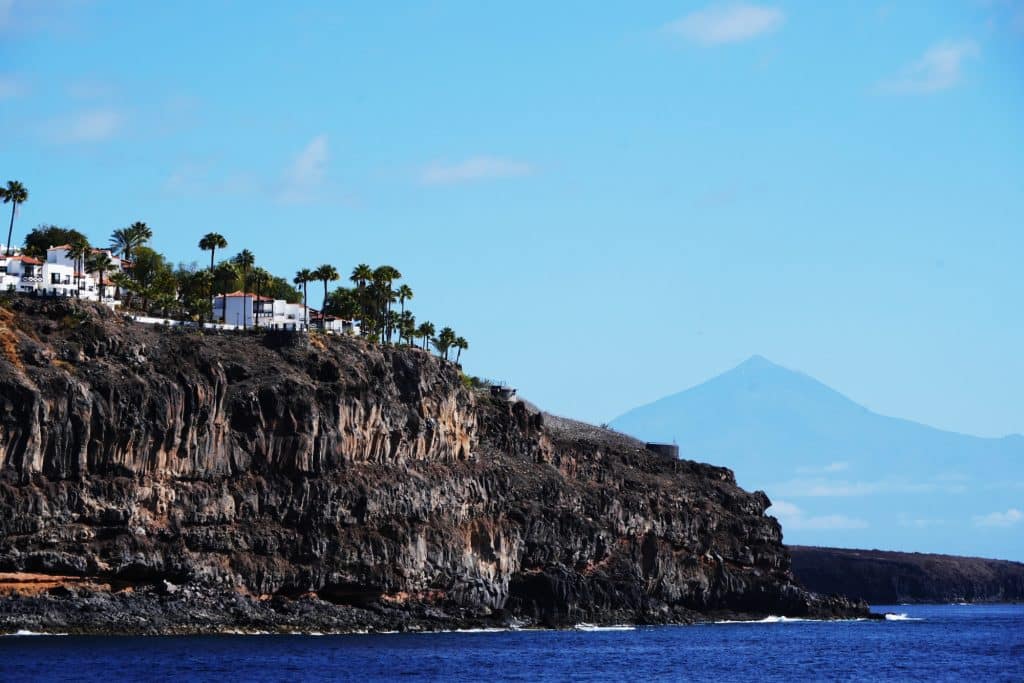
There is another bit of coastline that you might have spotted from the ferry from Tenerife: a lighthouse. From the Church in San Sebastián, it is about a 30 minute walk up some stairs and then along the road to get to the lighthouse and a view point. From the you can see the ocean and the island of Tenerife. It is a good spot to watch the sunrise.
Silbo Gomero – Gomeran Whistling
Apart from the role that the island played during the times of Columbus, there is one other thing that the Gomerans are very proud of, their whistling language, the silbo gomero. It originated with the berbers who inhabited the island before the Spanish came and the sound travels up to 7 kilometres. It was a way to communicate important messages across the valleys and to other parts of the island.
Since 2009 is it part of the Intangible Cultural Heritage of Humanity by the UNESCO. To keep the tradition alive, kids learn it in school and there are free classes offered for adults too. Some Gomerans even do competitions.
Charlie heard a demonstration of it at Cactus Coliving, and it was impressive how the teacher whistled the location of a hidden item and Rebeca, the community manager, listened and went on to find the item.
Valle Gran Rey
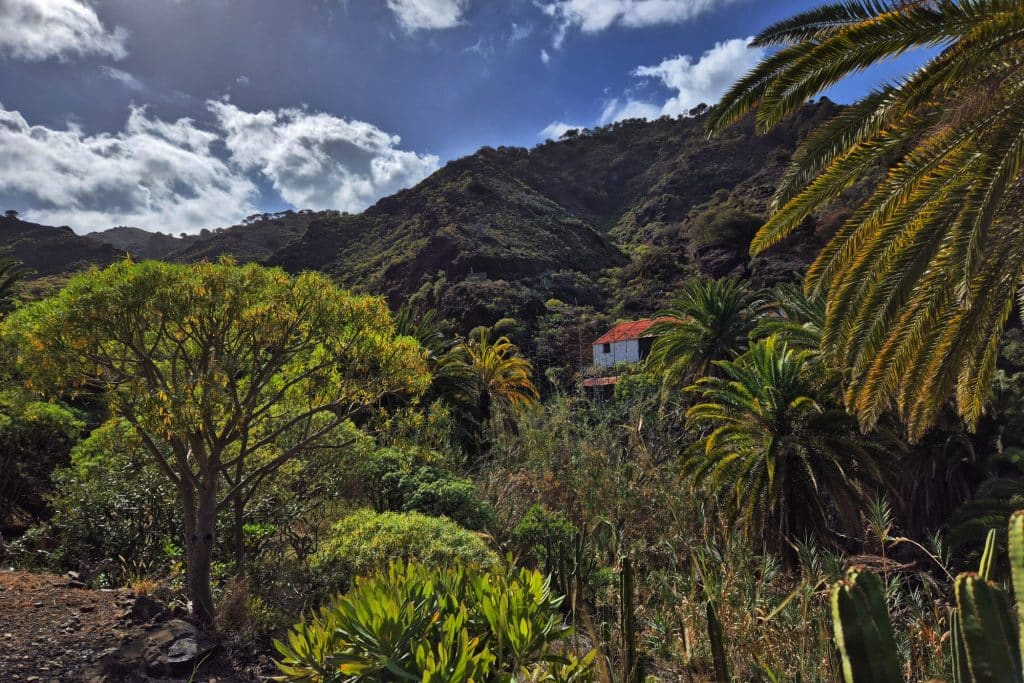
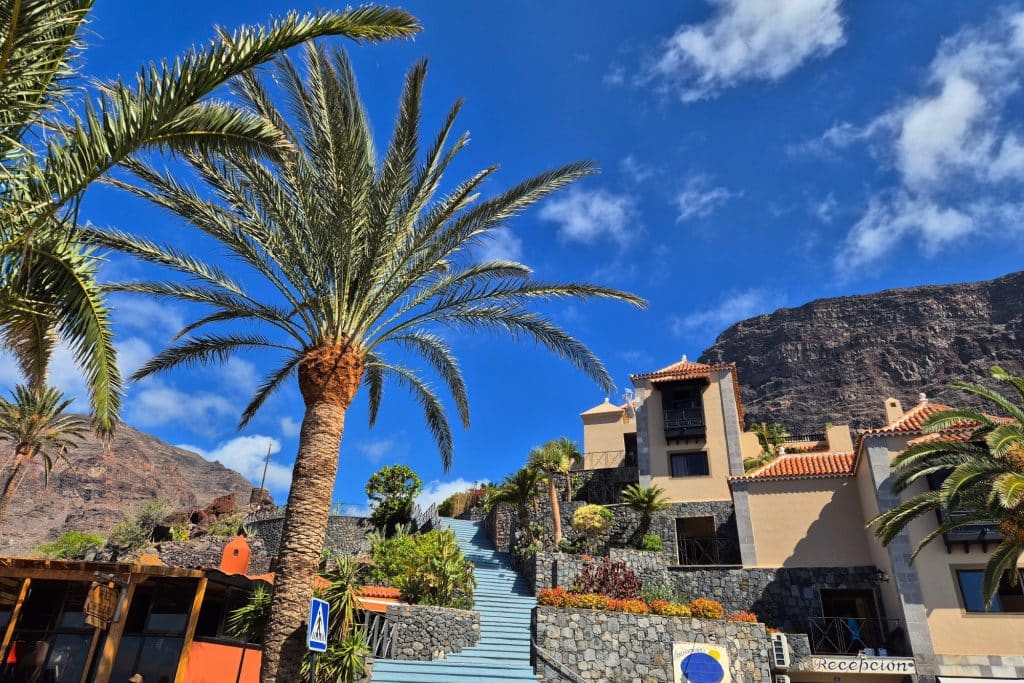
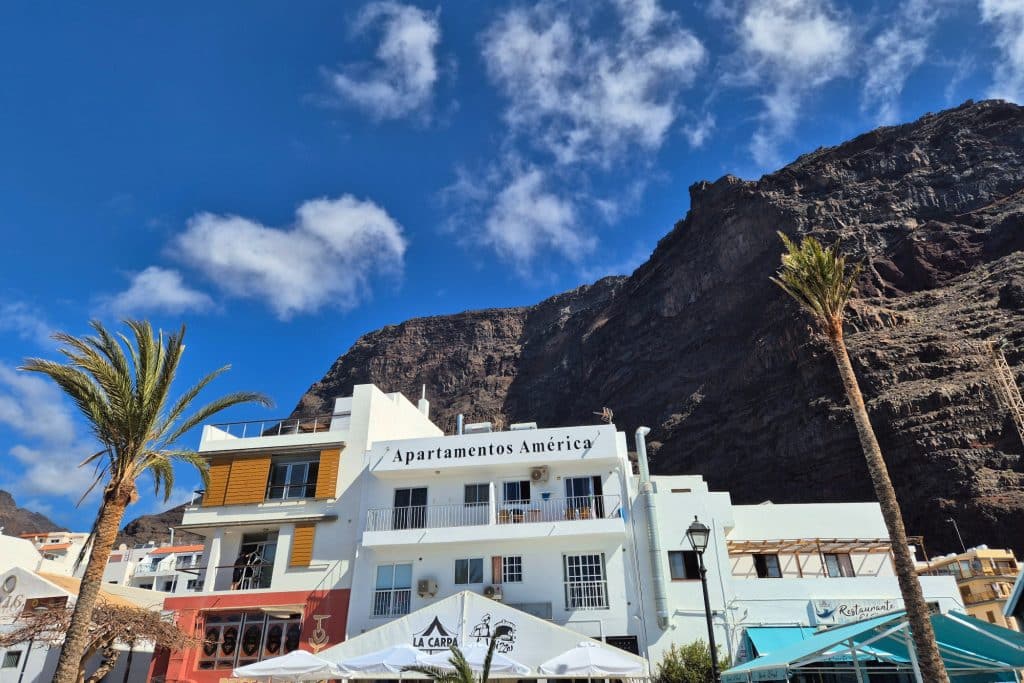
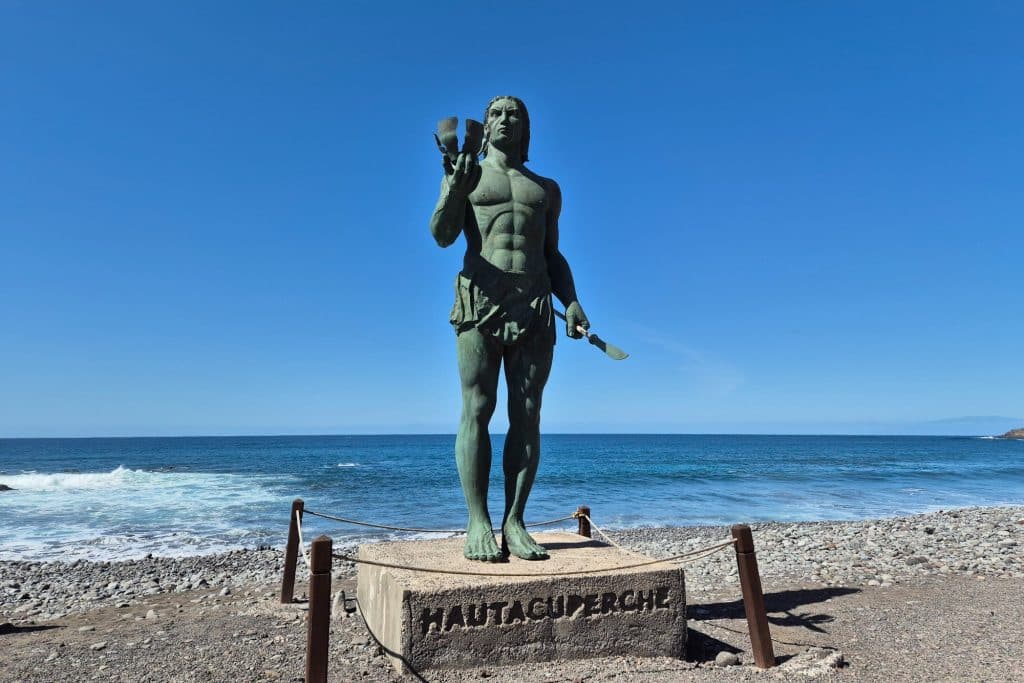
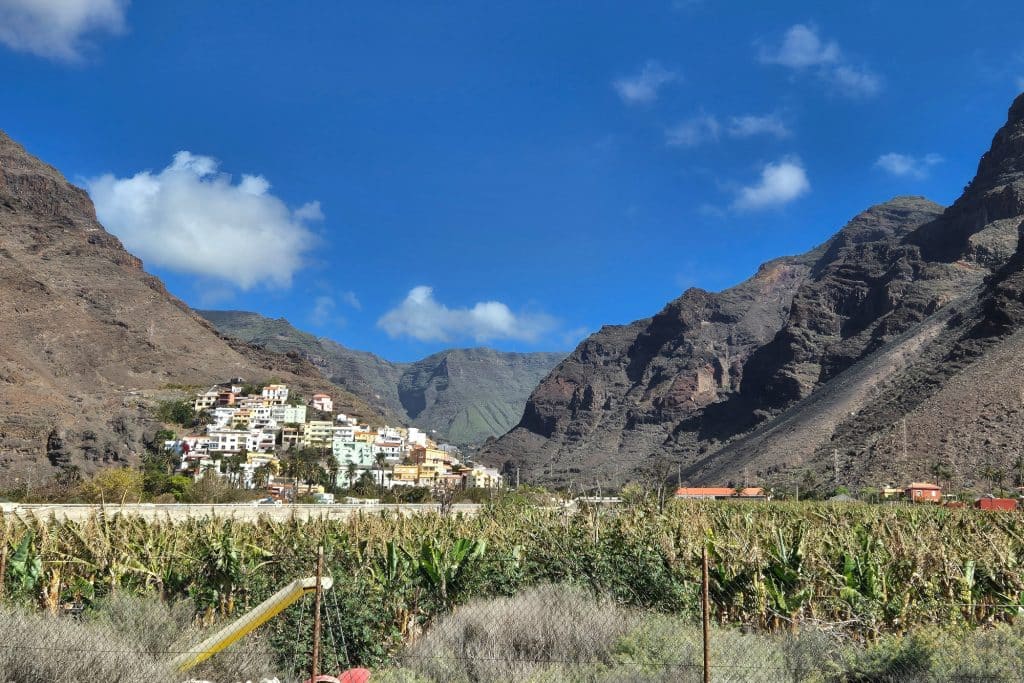
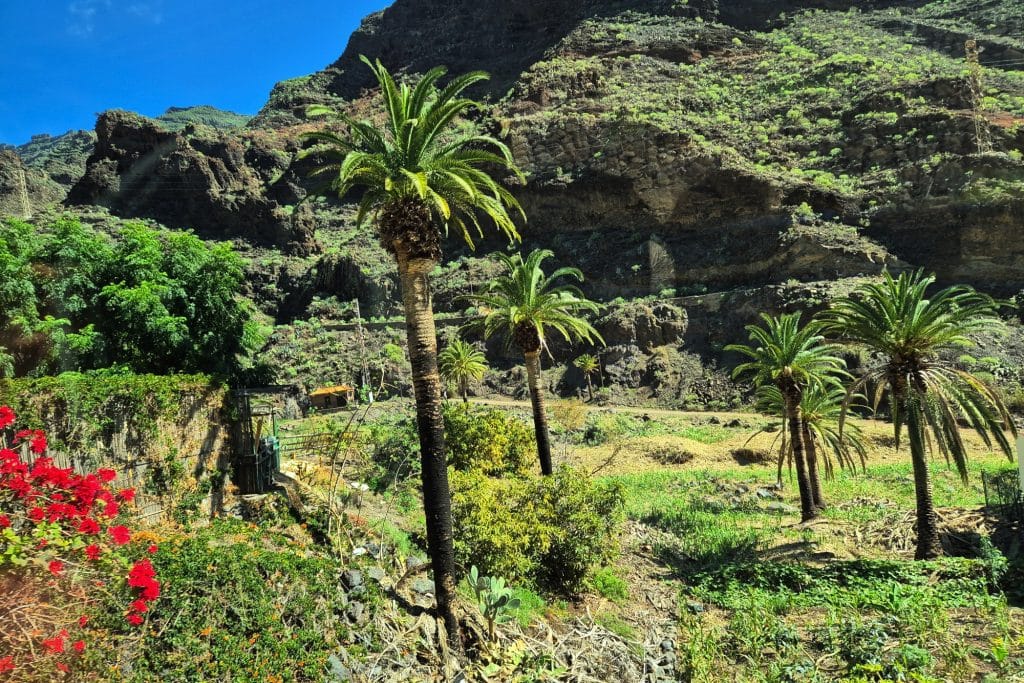
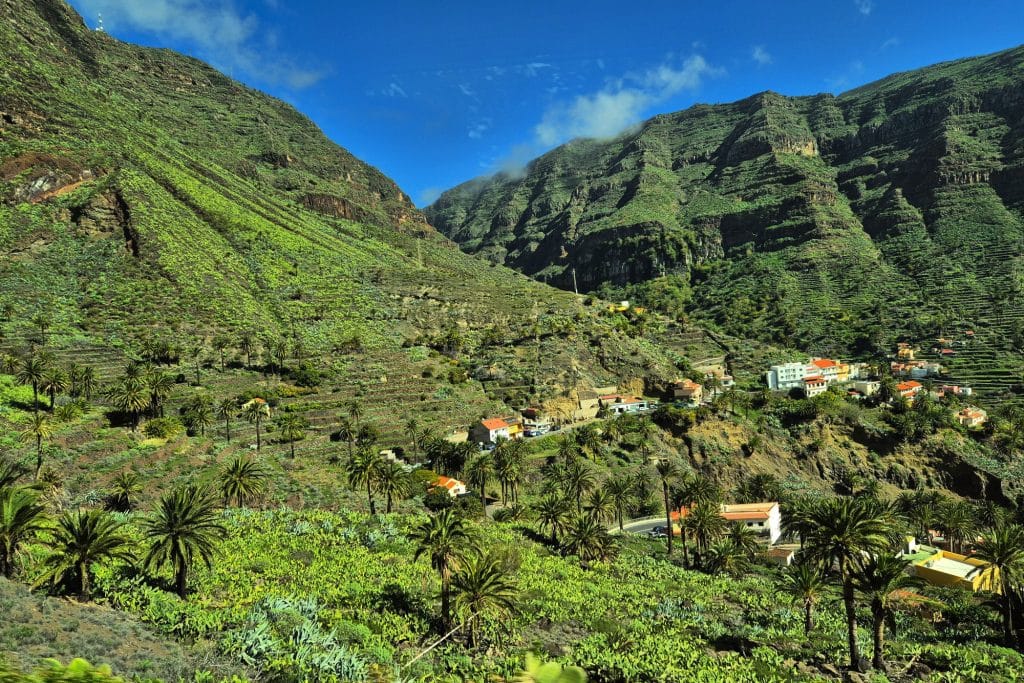
The term “valle” in Spanish means “valley” and that is what this is. It is the deepest valley on the island and if you ask Charlie, probably the greenest too. Valle Gran Rey is also the name of the town at bottom of the valley by the ocean. It is the most touristy place you can find in La Gomera and especially in the winter months, most of them are German. You even find a German bakery in town. It is a beautiful small town with the sea on one side and the mountains on the other.
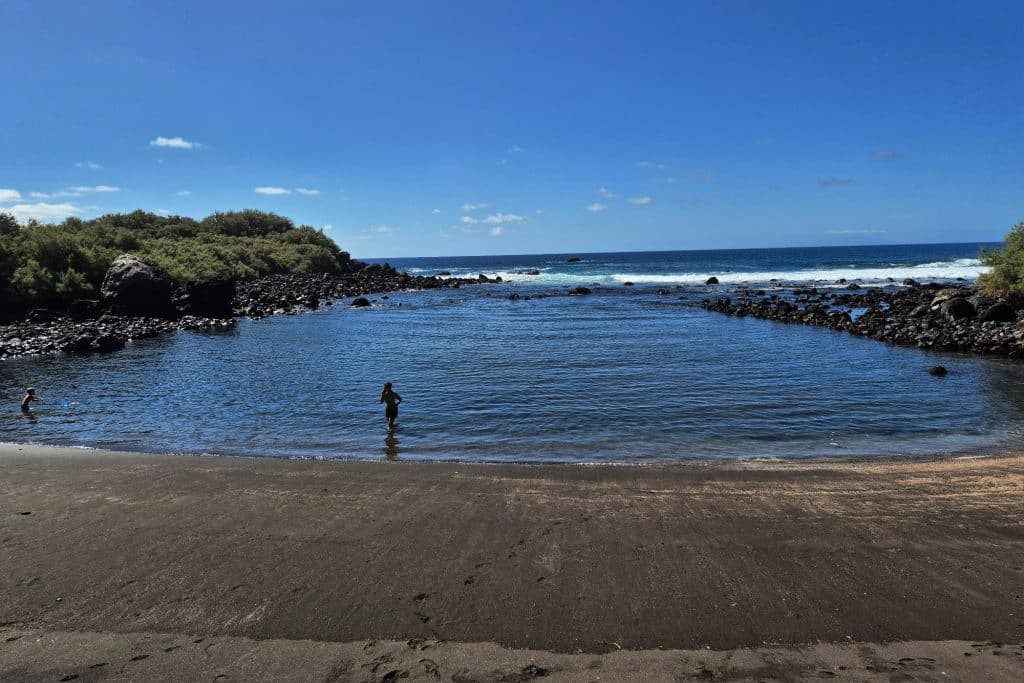
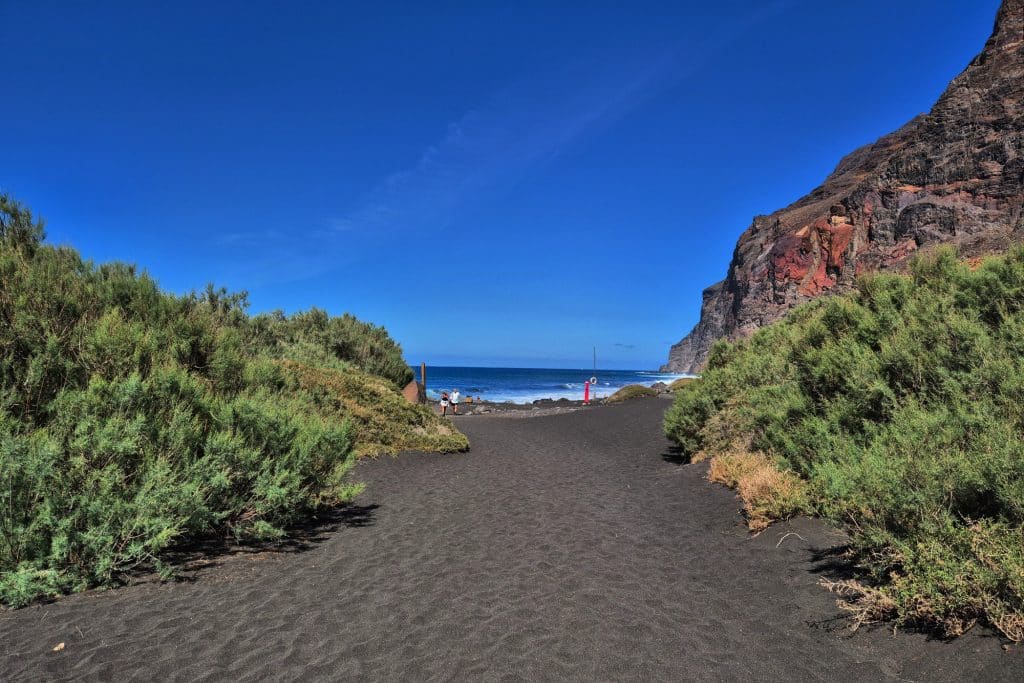
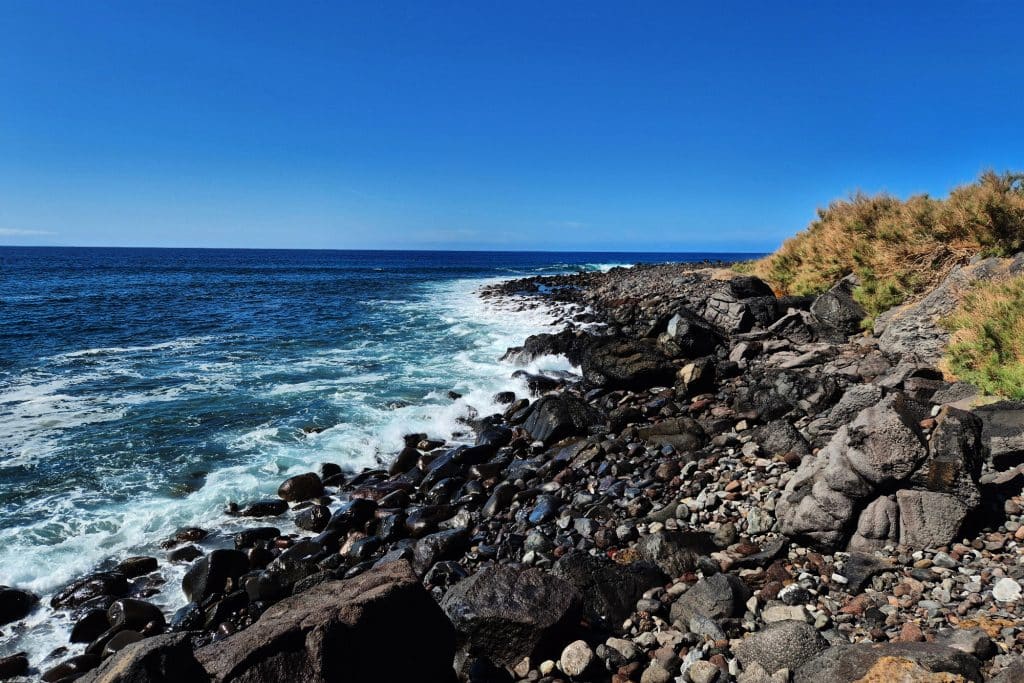
You can get to Valle Gran Rey by bus or ferry. The ferry leaves twice per day from San Sebastián, stops in Playa Santiago as well, and takes about 70 minutes to Valle Gran Rey. From the harbour, it’s a 15-minute walk into the town centre with all the bars and restaurants. There are beaches all along the way, you simply must choose which one you prefer for sunbathing and swimming. There is also Playa del Ingles another 10 minutes outside of town. It is a nudist beach, and the sea can be rough around there. It is a beautiful small beach and worth the walk. On a clear day, you can see the island of La Palma on the horizon.
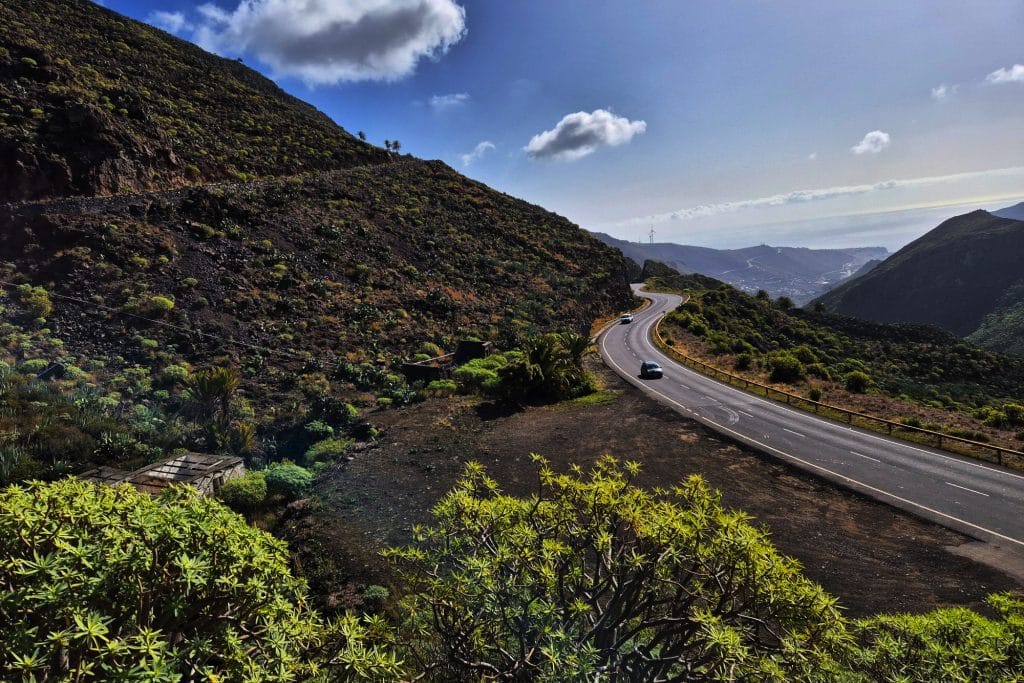
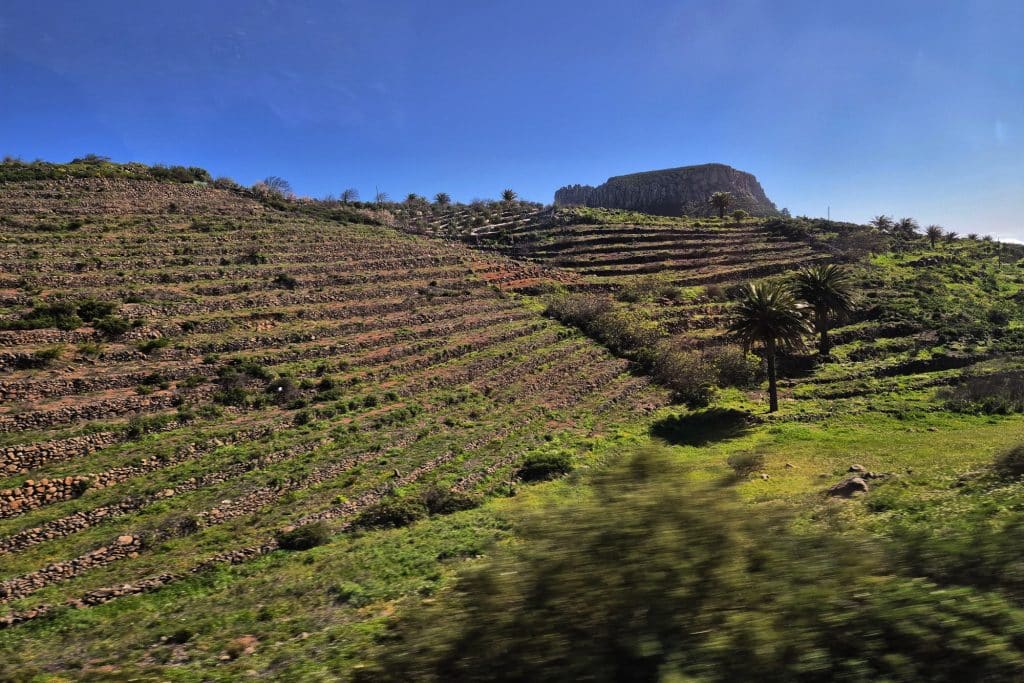
Charlie came by ferry and returned by bus. The ferry ticket cost € 18, the bus ticket € 5. By bus, it took two hours to get back to San Sebastián along a very scenic route. You can enjoy the valley in its entirety and you all pass by the villages of Igualero and Chipude as well as the Garajonay National Park. Unless you booked a guided tour, or have a car to explore on your own, this is the best way to see most of the island.
Garajonay National Park
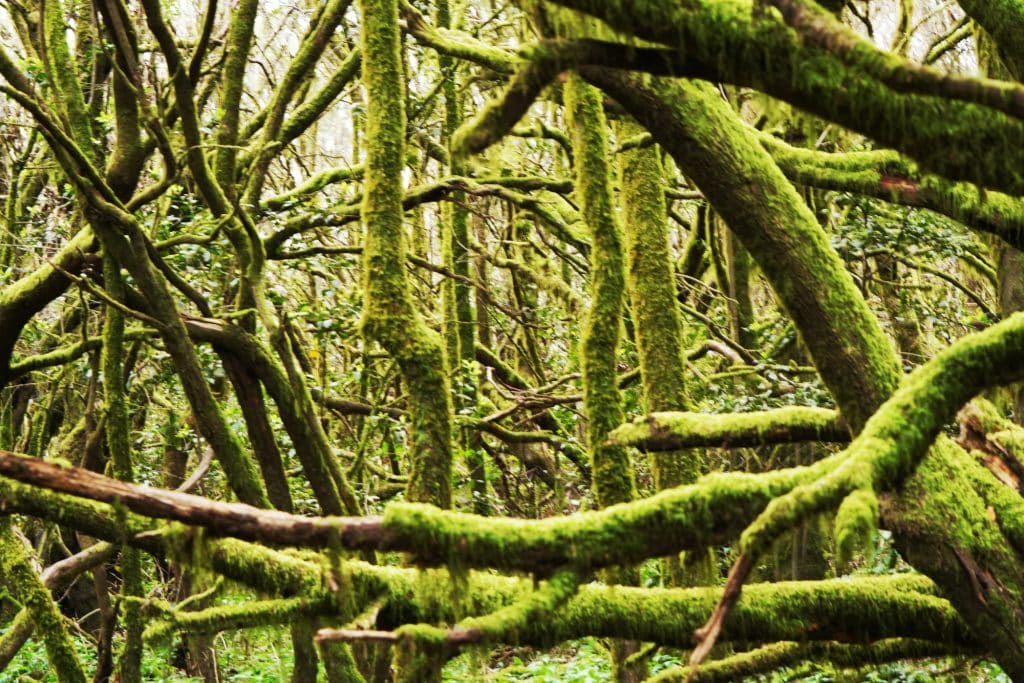
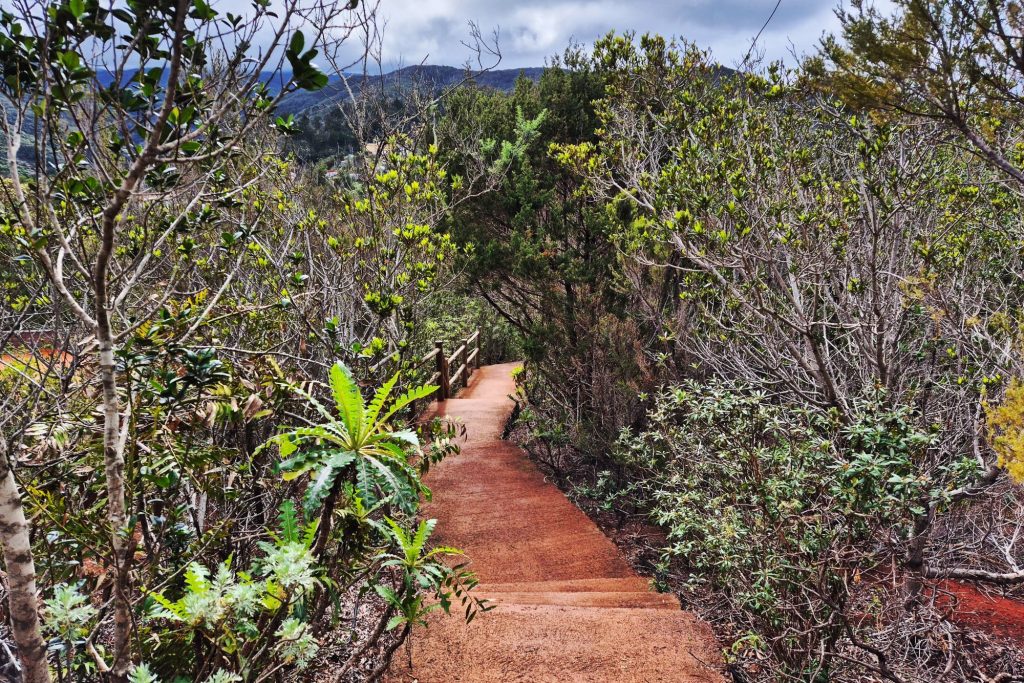
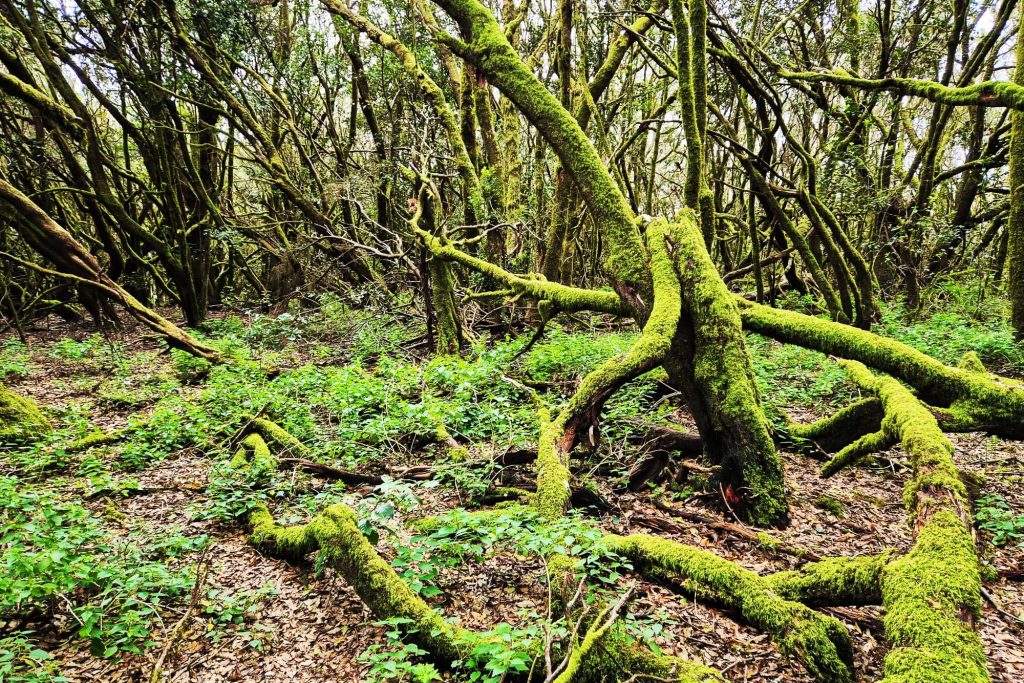
The island of La Gomera has something else to be proud of: the biggest laurisilva, the ancient laurel forest of which Charlie had seen a small part in Gran Canaria. Since 1981, the area in the centre of the island is officially a national park, the Garajonay. Since 1986, it is also a UNESCO World Heritage Site.
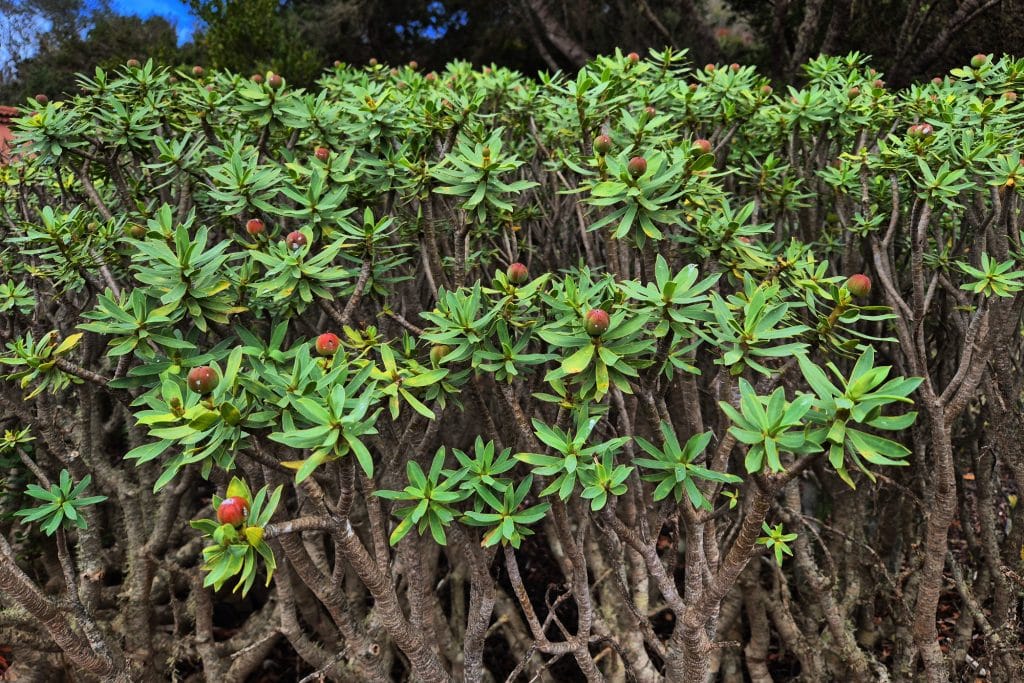
This national park does not only contain the biggest laurisilva, but also the biggest endemic biodiversity in Europe. From the highest point, El Alto de Garajonay, you can get a stunning view over the island and towards the neighbouring islands too, on a clear day. However, you got to be lucky to have a clear view because the Garajonay counts around 300 days of rain per year and it is often cloudy. You should also bring a warm jacket if you go on a trip there.
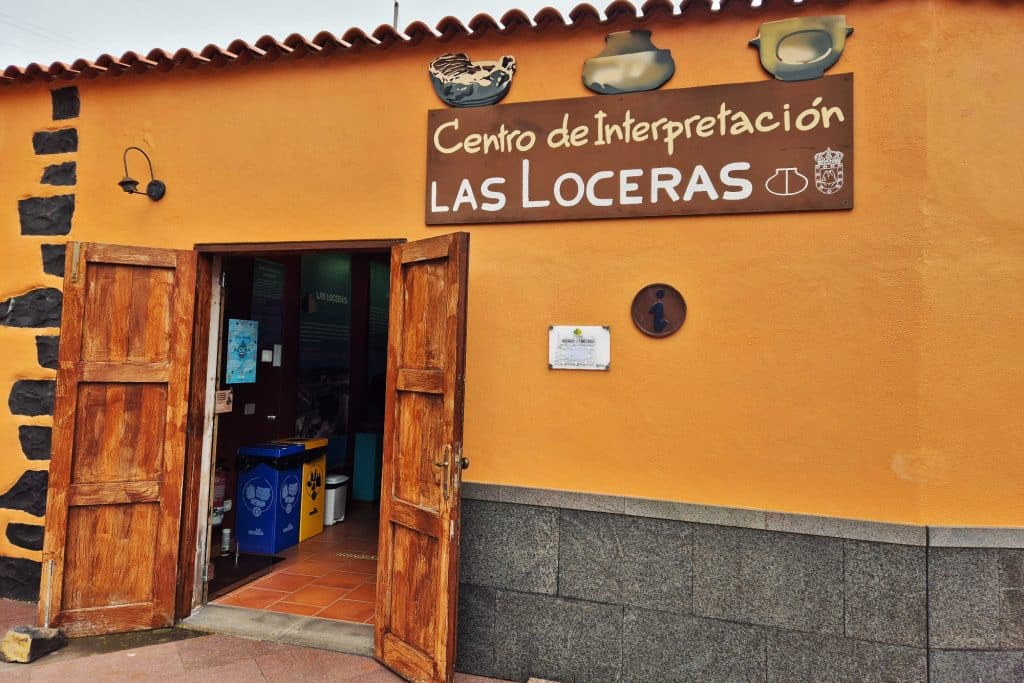
The tour that Charlie did included a stop at the information centre Juego de Bolas where one can learn a lot about the Canarian Islands, their evolution as well the flora. There, the Garajonay was compared to the Monteverde Cloud Forest in Costa Rica and it did remind Charlie of that indeed. (There were no monkeys though in La Gomera!)
How to see the Garajonay National Park
If you want to see the national park in La Gomera, it is best to get a rental car, drive up into the mountains and then hike inside the Garajonay. There are also guided hikes from Valle Gran Rey.
You could do the same by bus as there are bus stops along the road near the entrance to the park. The bus number 1 that Charlie took from Valle Gran Rey to San Sebastián is passing by these stops. You should plan your route and timings well because the bus only goes a few times per day.
Charlie did a guided tour around the island which included a drive along the national park and a lunch stop at one of the restaurants inside the Garajonay, Laguna Grande.
Hermigua
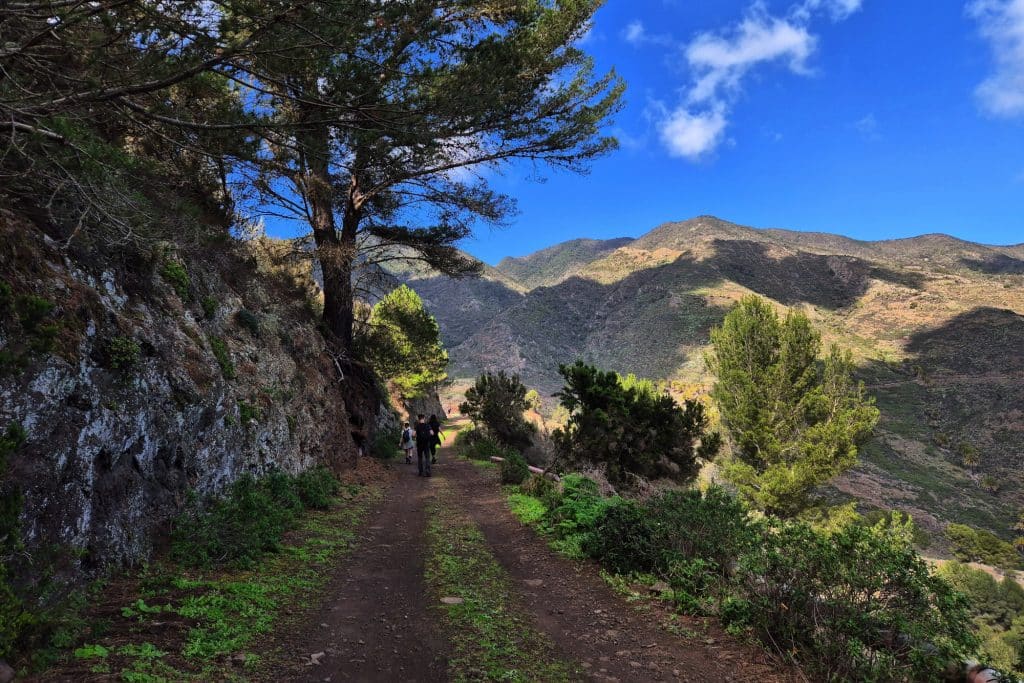
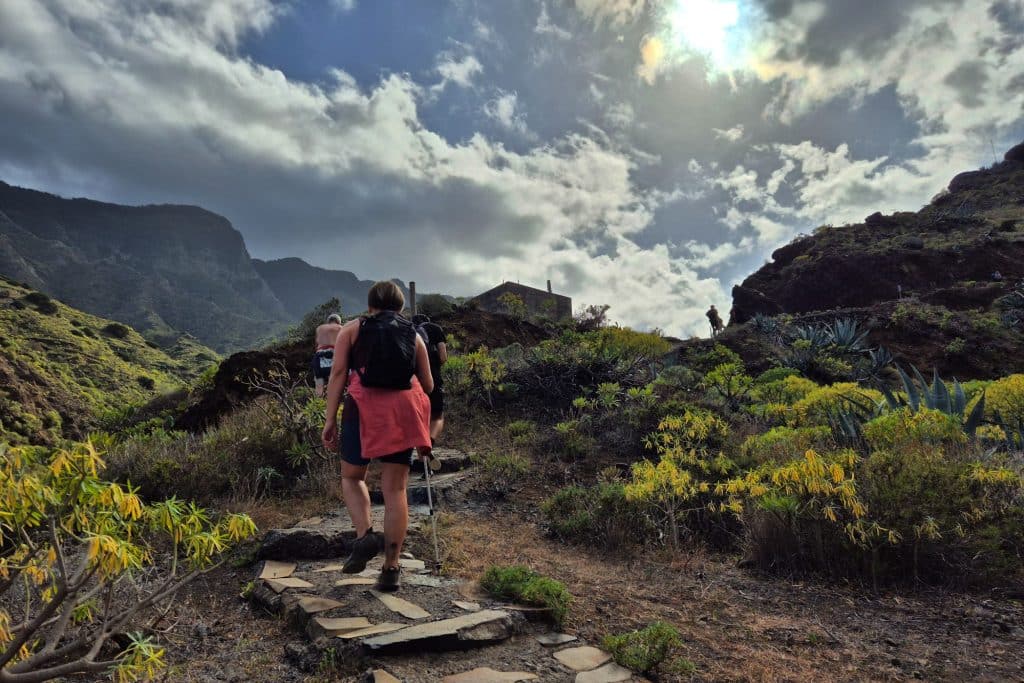
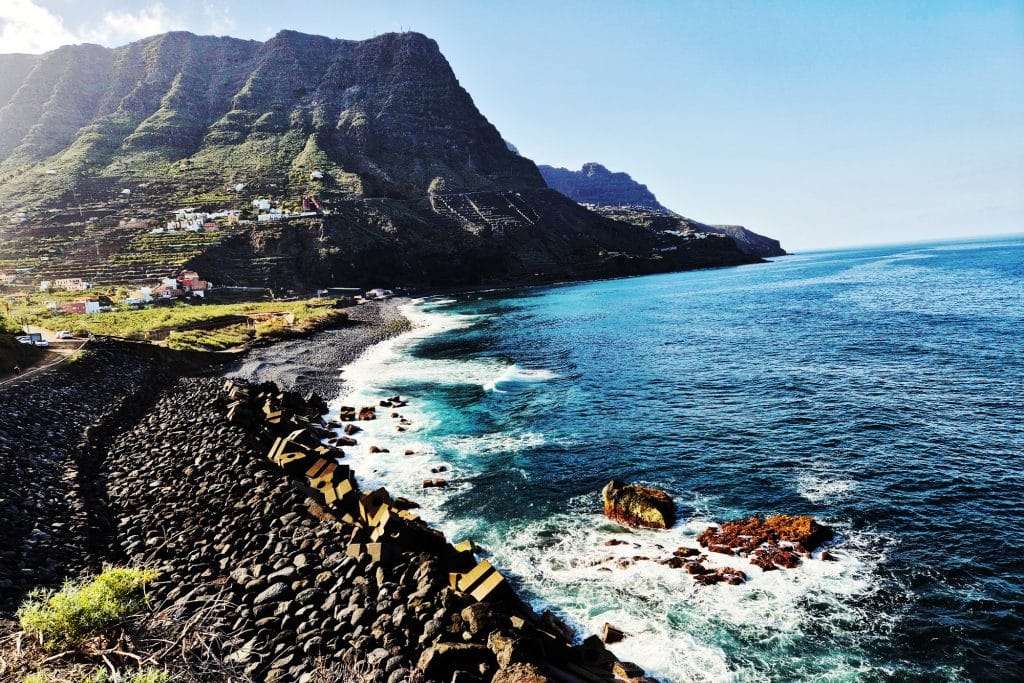
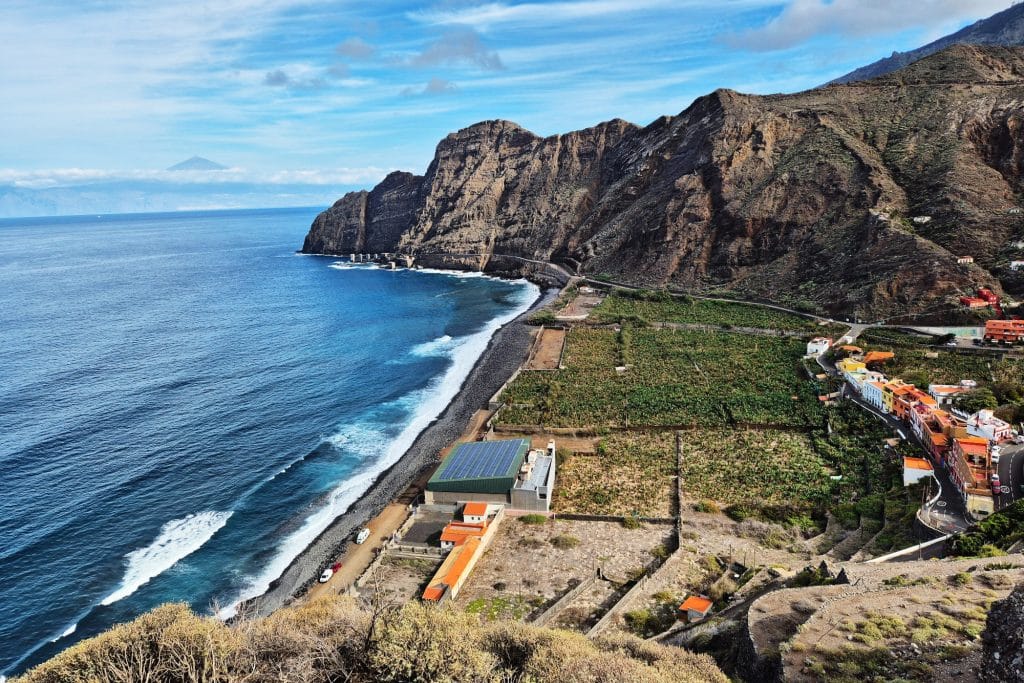
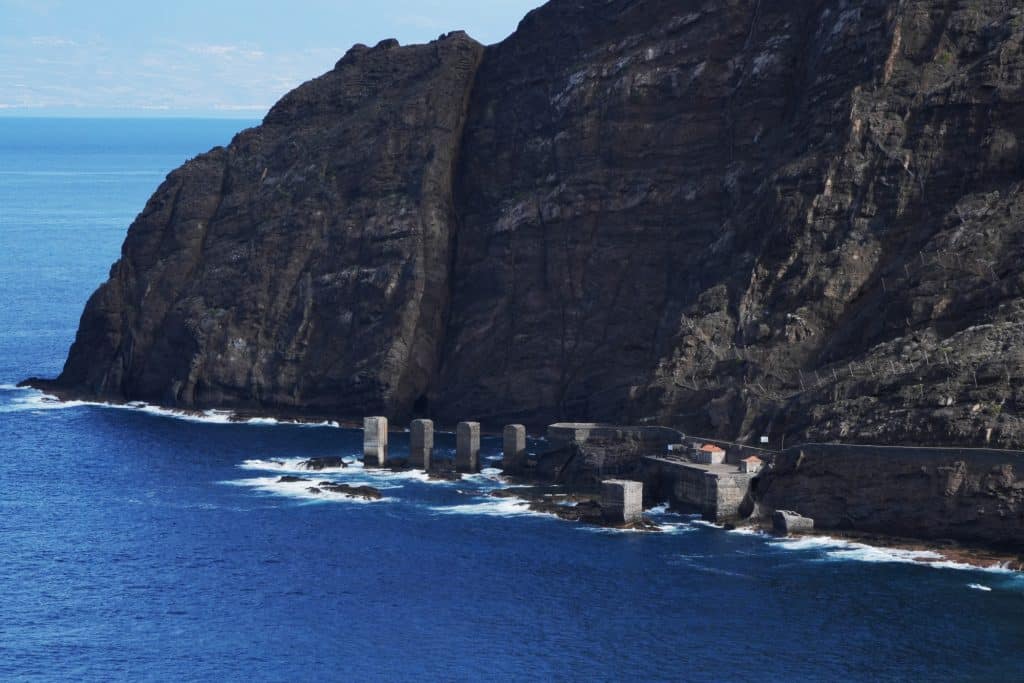
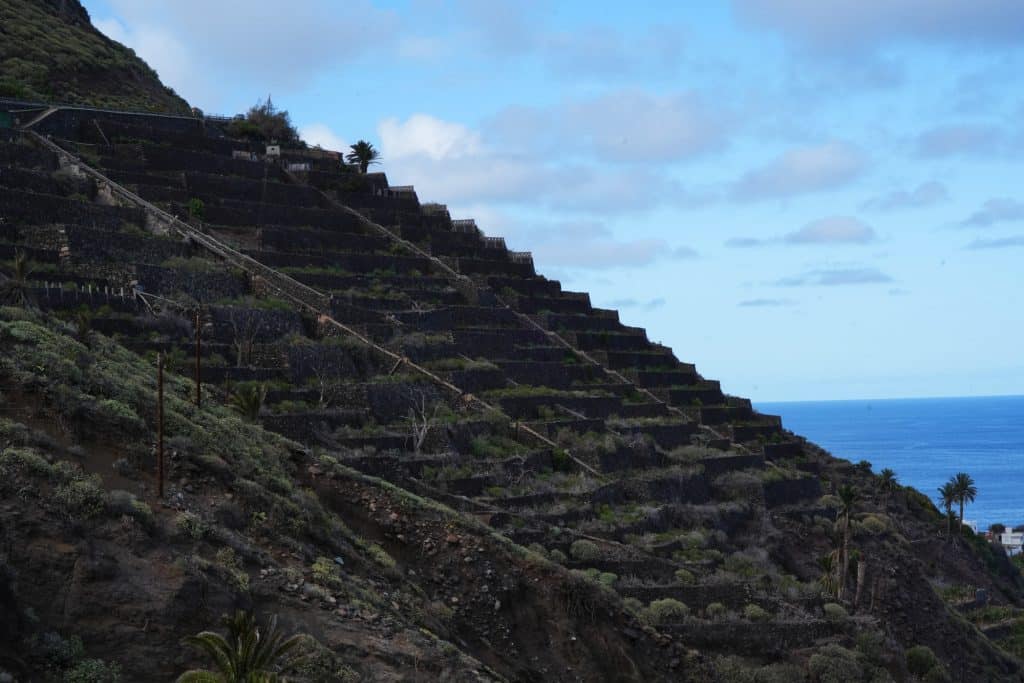
Charlie did exactly one hike during her time on the island and it led her to Hermigua. The group first took the bus to a point about 10 minutes outside of San Sebastián. It saved them a steep climb at the beginning. Worry not, the hike was still steep and long enough, 22 kilometres in total.
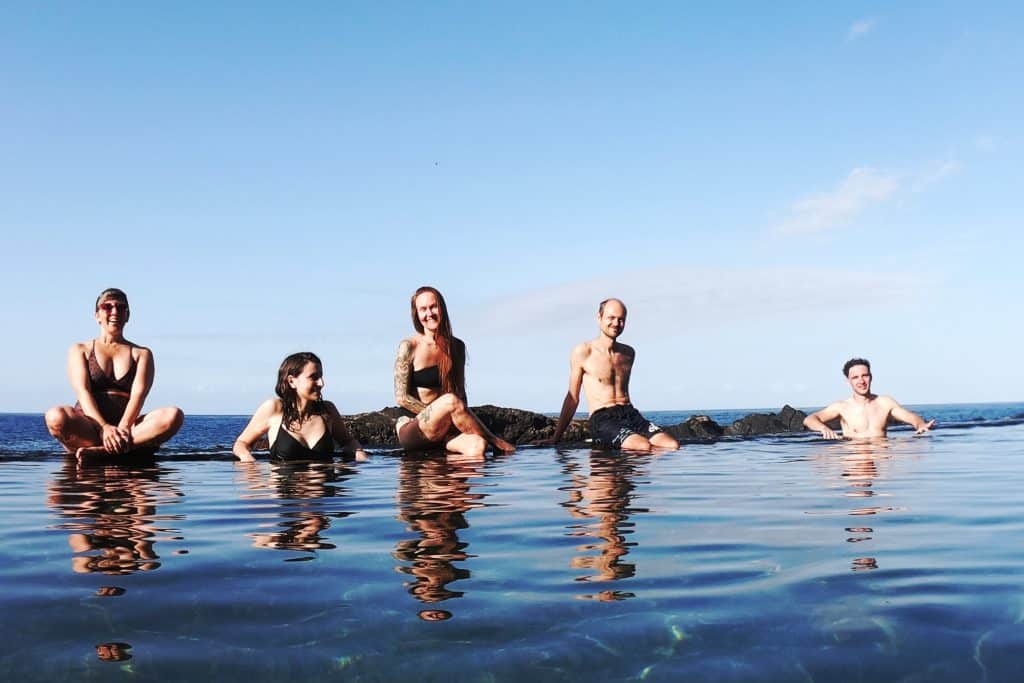
In Hermigua they were rewarded with a cold swim in a natural pool. Plus, the views were stunning. On their way to the bus stop, they treated themselves to a cold drink at a small restaurant near the coast.
How to get to La Gomera and around the island
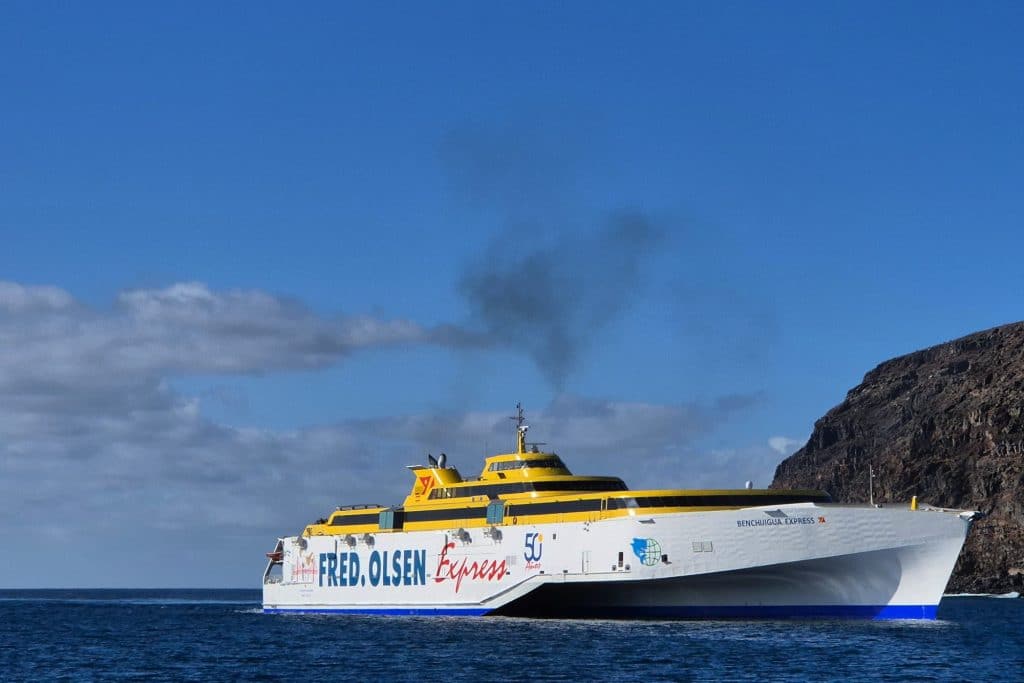
There are two ways to get to La Gomera, by plane or by ferry. There are flights from the bigger islands, no international ones, and it is a small airport that you could get to by bus from San Sebastián. For Charlie, the ferry was the easiest option because that’s only a 15 minute walk to the coliving she stayed in and a short drive from the coliving in Tenerife to Los Cristianos. There are two ferry companies, Armas and Fred Olsen. Both leave multiple times per day and you can purchase a ticket online or at the harbour. The price for non-residents is around € 45 one way.
La Gomera has a good bus system, however, it is not connected to Google Maps. You can find information and a map showing the route for each bus line on guaguagomera.com You will only know the start time of the bus, not when it will be at a particular stop. Being mountainous roads, it is difficult to predict, when the bus will come, but Charlie found them in general reliable. They only run a few times per day and you should plan your route carefully in advance.
For the line 1 which connects San Sebastián to Valle Gran Rey, you should get to the bus station early as there can be a long queue for that bus and you might not be able to get on anymore if you’re at the end of that queue.


