Cologne
A stroll through town
Same as the street art tour in Cologne, the free walking tour started at the Eigelstein gate. It used to be the northern gate to the town in medieval times. Whilst the street art tour lead to districts outside the former city walls, the free walking tour lead into the heart of the old town.
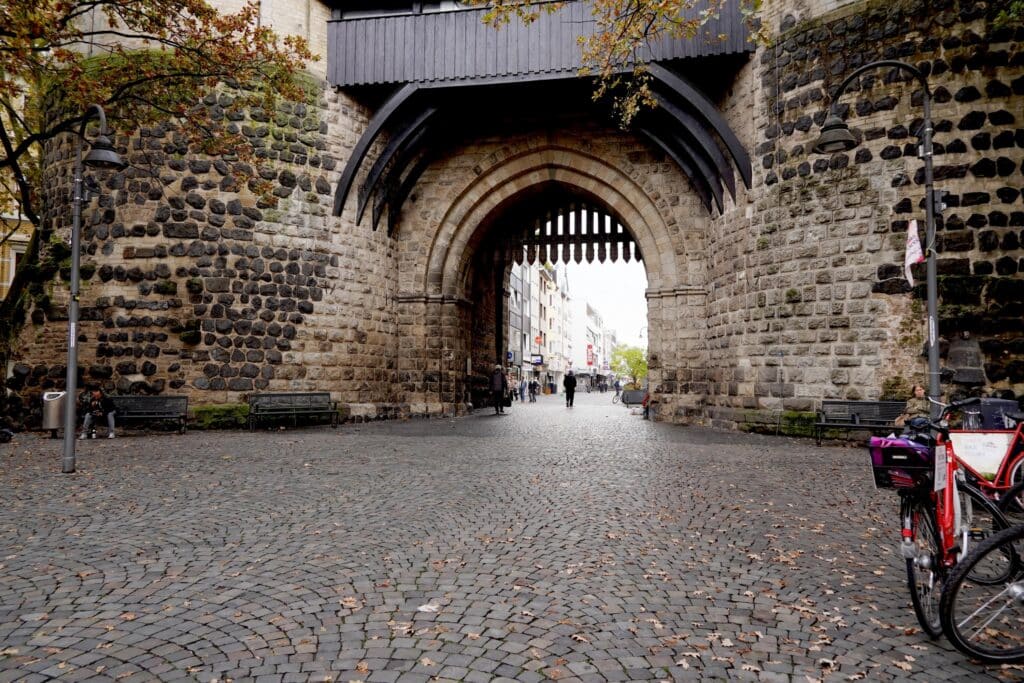
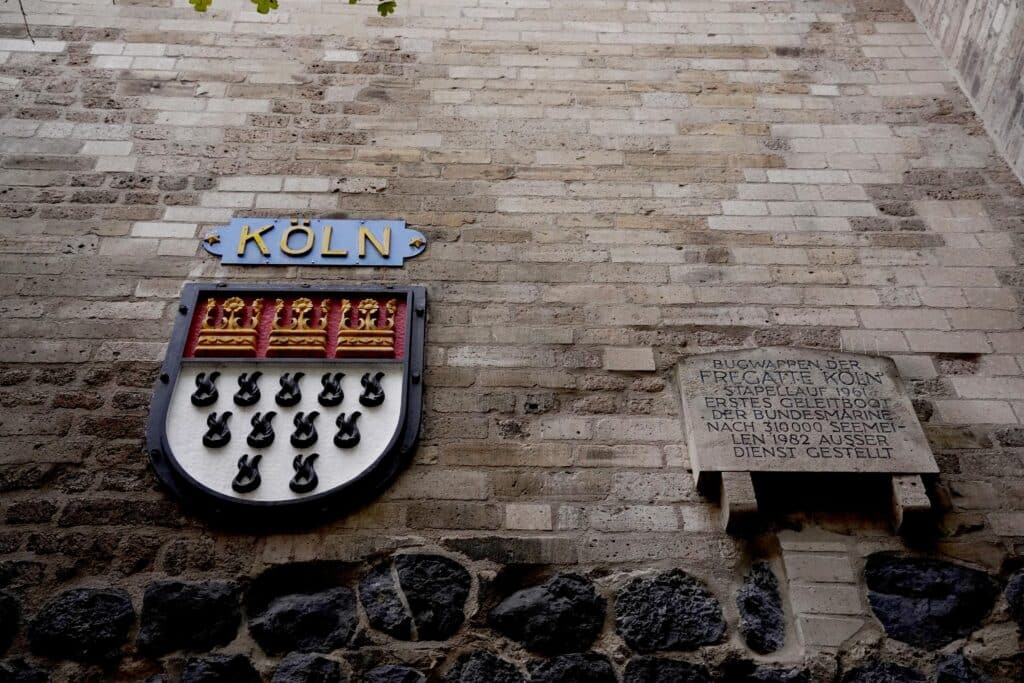
The Eigelstein Gate
At the starting point below the arch of the gate, the guide Alex provided an overview of the history of Cologne, starting before even the Romans set foot in this part of the continent. It was the Roman empress Agrippina that turned the settlement into an official Roman colony. It’s name was Colonia Claudia Ara Agrippinensium, short Colonia. There isn’t much left in the city from the Roman times, but the name stayed.
Cologne throughout the times
In Roman times, Colonia was the capital of the Roman province of Germania. In the middle ages, it was an important trade centre in Europe and became a city of the Hanseatic League. Its economic standing was a good starting point to become an industrial hub in the 19th century.
This made Cologne one of the preferred targets during WWII and it was heavily bombed. When the former mayor of Cologne became the first chancellor of Germany after the war, the city was too destroyed to even have a chance to become capital. The neighbouring town of Bonn was awarded that title.
The city was rebuilt from the ashes with whatever was available at that time. Therefore, Cologne’s modern architecture appears to be eclectic and does not follow any identifiable style. Another consequence was that living in Cologne was cheap in the 1950s and 60s which attracted a vibrant art scene. At some point there were so many artists and art galleries in the city that one of them, Thomas Baumgärtel, established a quality seal in the shape of a banana. This is still in place till today. If you’re looking for an art gallery, simply follow the banana.
Kiosk and beer culture
Nowadays, Cologne is lesser known for its art scene, but more as a city of media companies. Another thing it is known for is the beer, the Kölsch. Alex, the guide of the free walking tour, explained in this context the kiosk culture. Apparently, Cologne has more kiosks per head than any other German city. Charlie can only imagine how a kiosk hopping trip looks in reality.
Cologne Cathedral: Testament of time
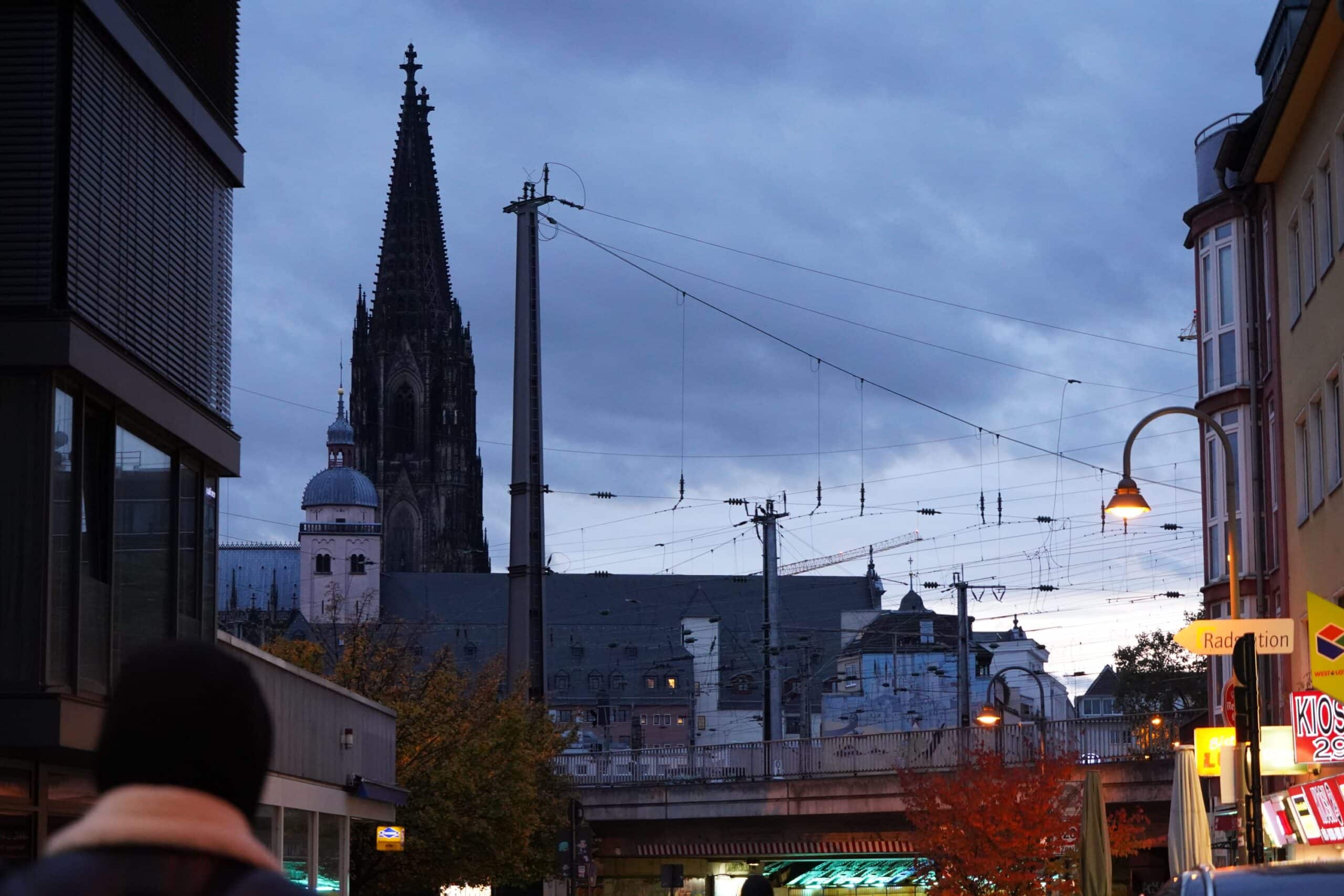
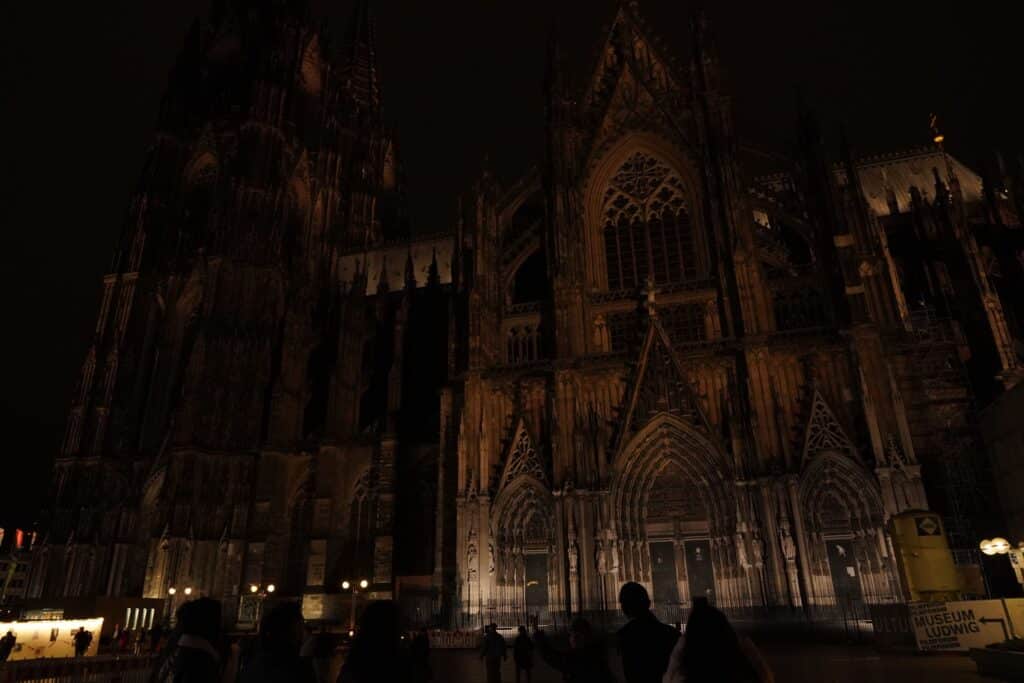
It is the monument that Cologne is recognized for: the Cathedral. It is one of the highest buildings for miles and easily recognized by the two spires and the detail-rich Gothic façade. The truth is that the Cathedral wasn’t finished until the 19th century and the roof is made of steel. Charlie didn’t have enough time to visit the inside though. She’ll have to return to Cologne.
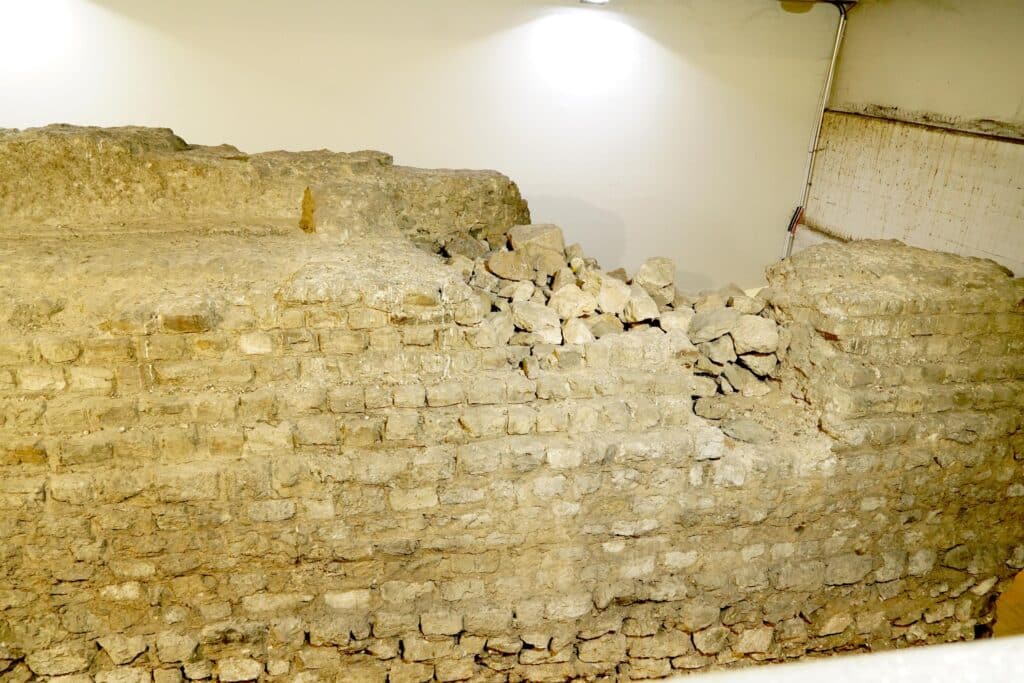
Below the cathedral is a parking lot where Roman ruins have been excavated. There are parts of a Roman wall and an ancient well. It seems that the cathedral was built at the same site as the Romans had built their town.
Cologne’s modern culture: Puppets and Carnival
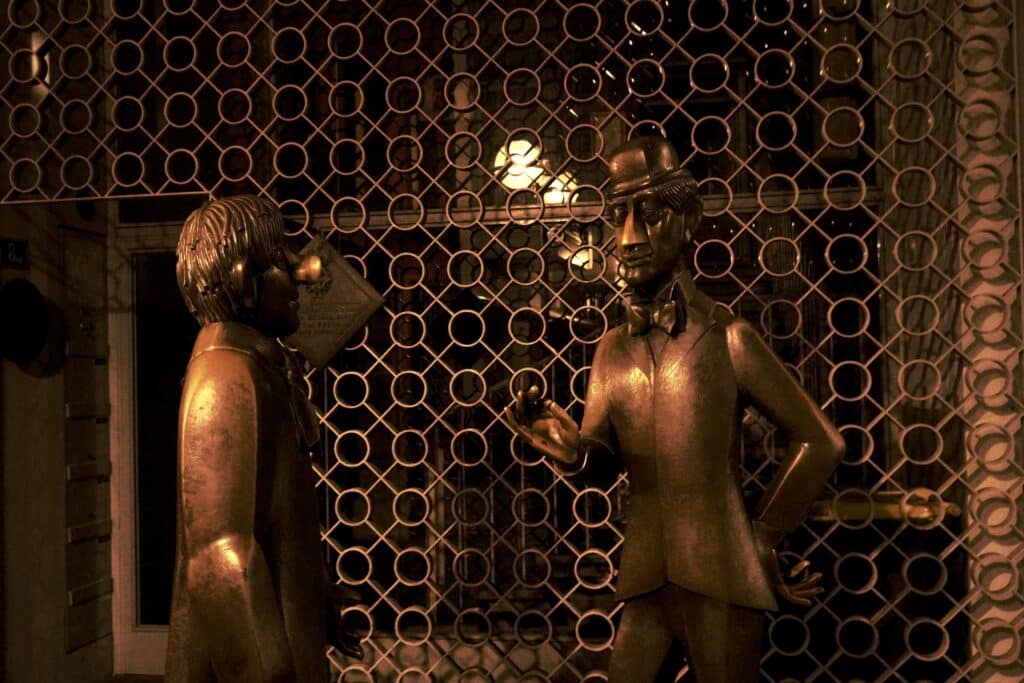
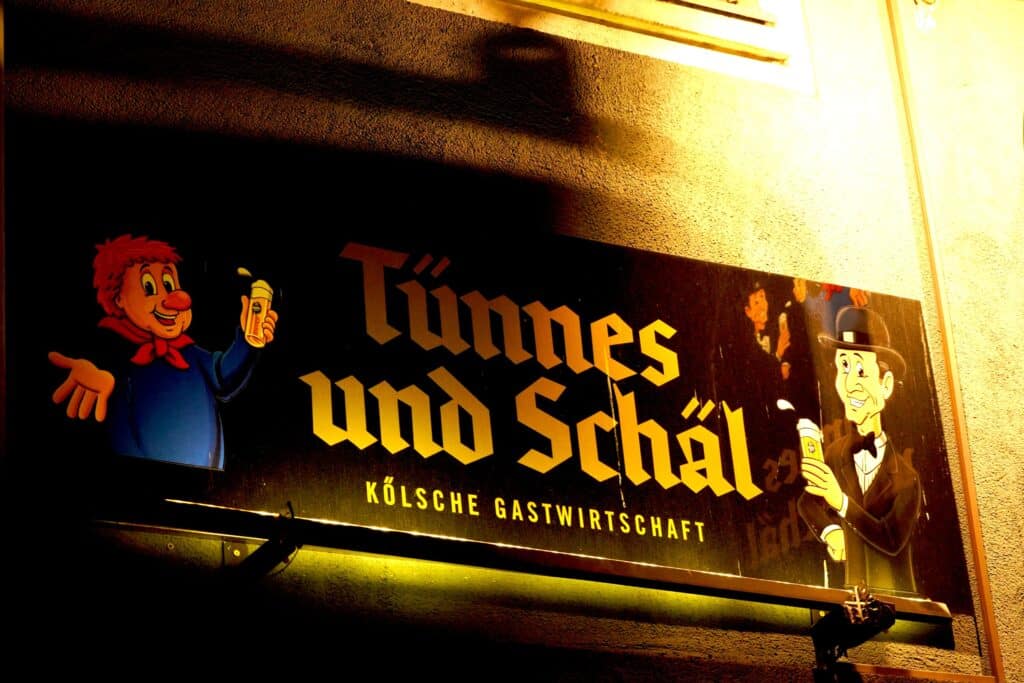
Near the old market in Cologne is a pub and in front of it are two statues: Tünnes and Schäl, two iconic characters for the history of Cologne’s entertainment scene. They started out as puppets and are nowadays as symbol of luck. If you are looking for luck in love, you touch the nose of Tünnes. If you are looking for financial luck, you shake the right hand of Schäl.
Around the corner from there is the Ostermann square that reminds of the famous composer of the Carnival songs, Willi Ostermann. He passed away in 1936, but the tradition of the Carnival and its music lives on. Every February, the city turns into a giant costume party. If you ever considered going to Munich for the Octoberfest, you also should add Cologne for the Carnival.