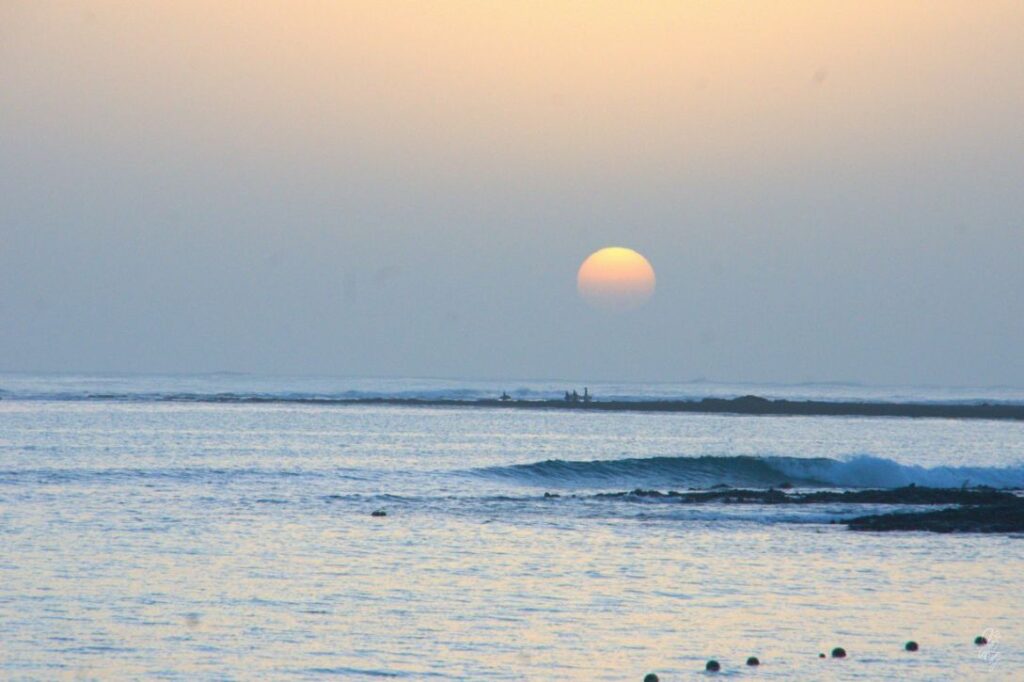
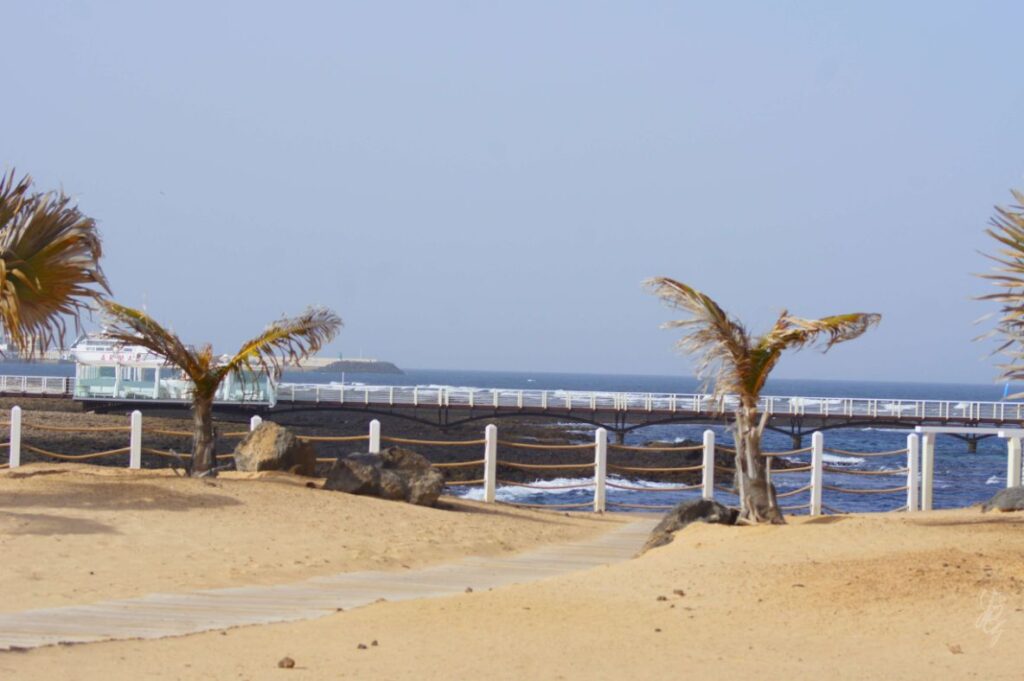
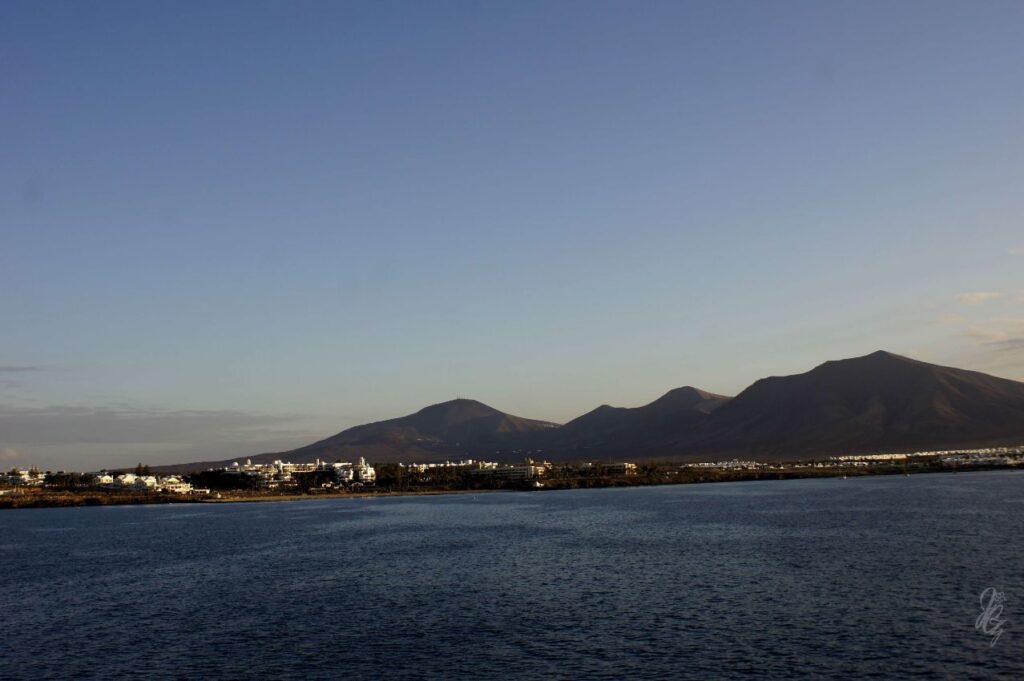
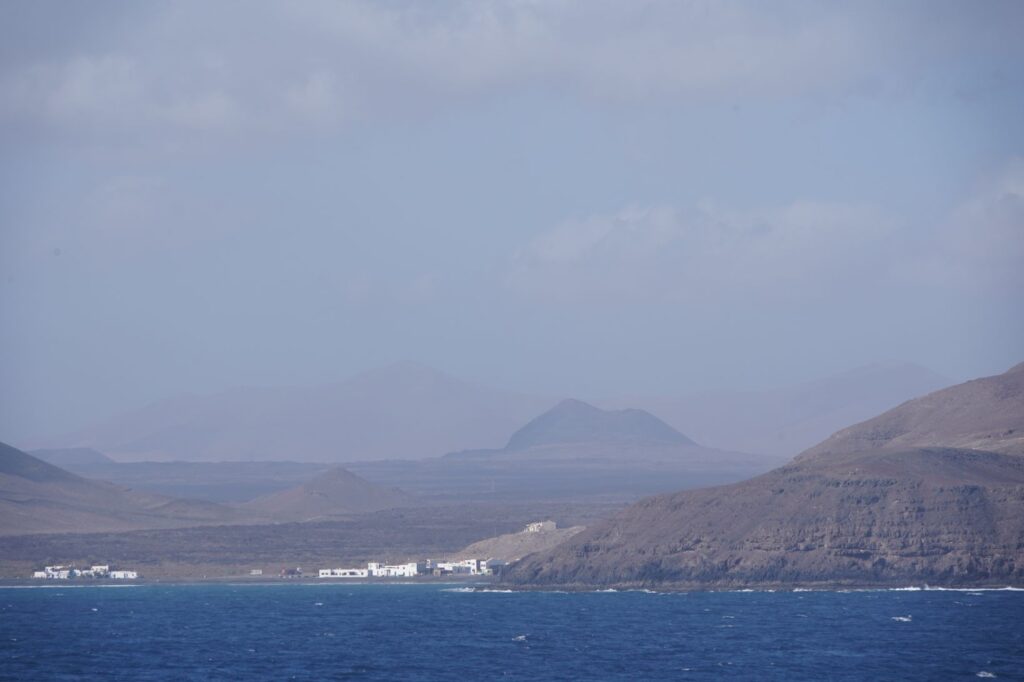
Surfing all year round for all levels
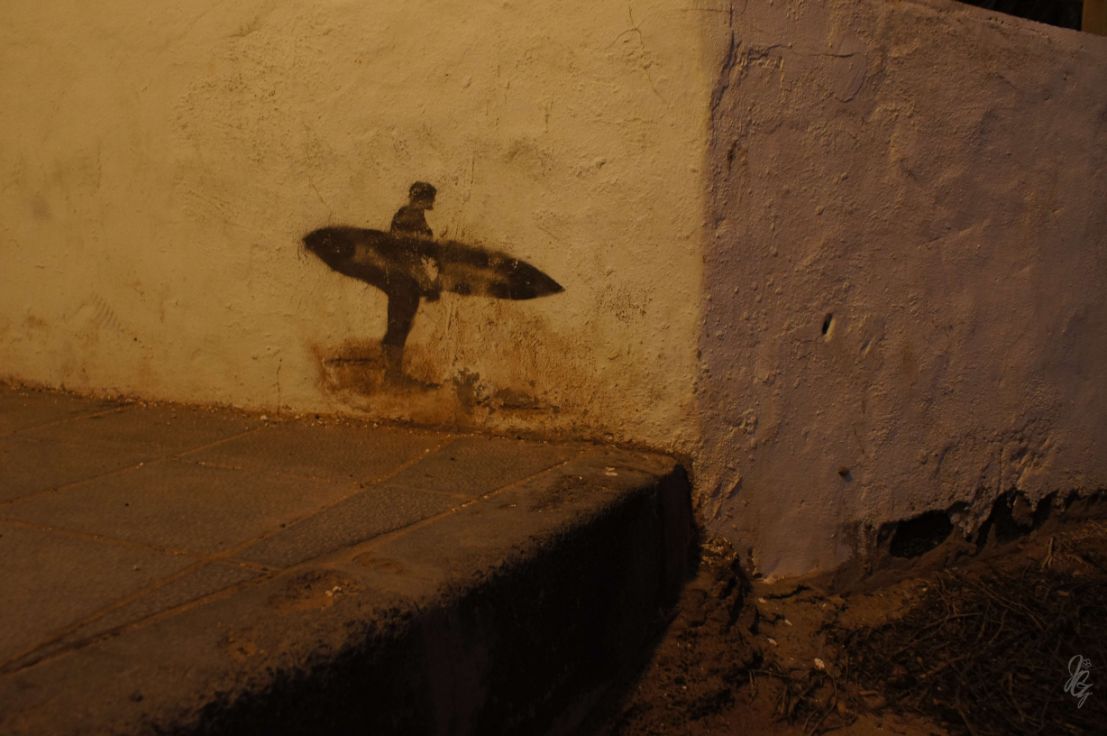
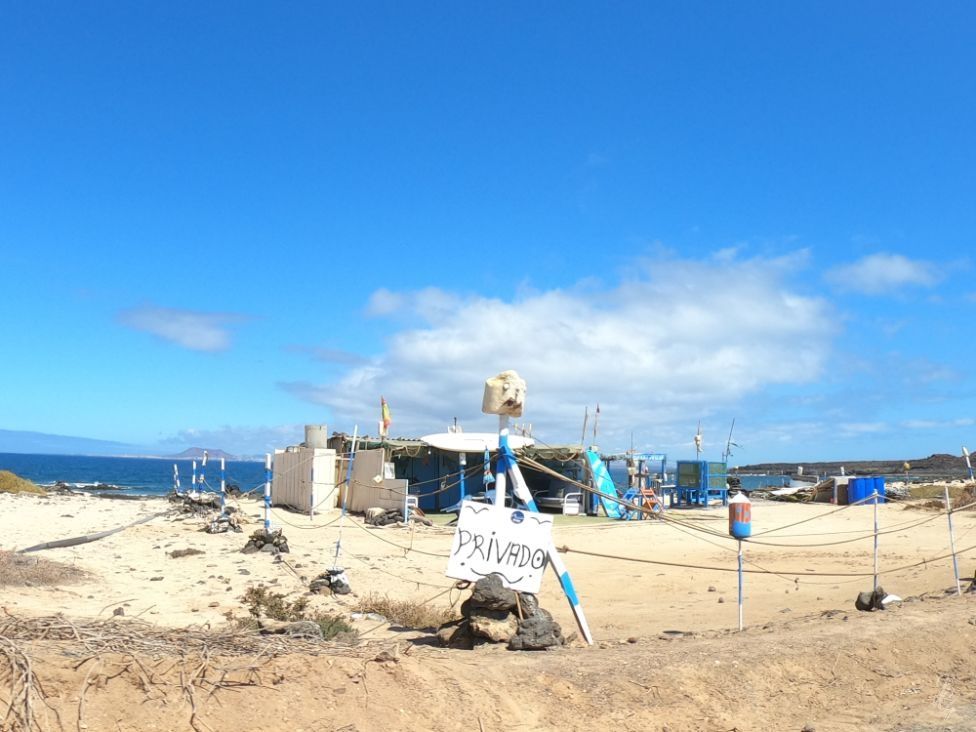
It was the Canary Island of Tenerife where Charlie had her very first surf lesson more than 10 years ago. She had been spending two weeks there to learn Spanish and the language school had a taster session of surfing included in the activities programme. It still took a few years for Charlie to go on a proper surf holiday and it should have been in the Canary Islands again: Fuerteventura, the island in the archipelago that is the most popular for surfing. in winter.
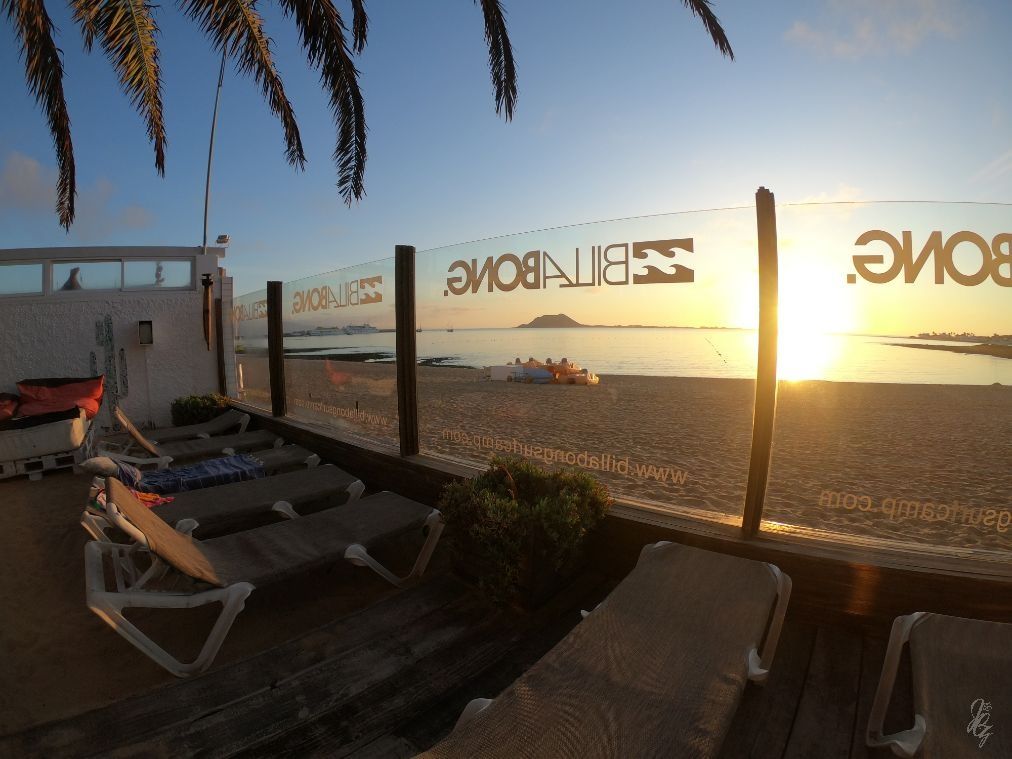
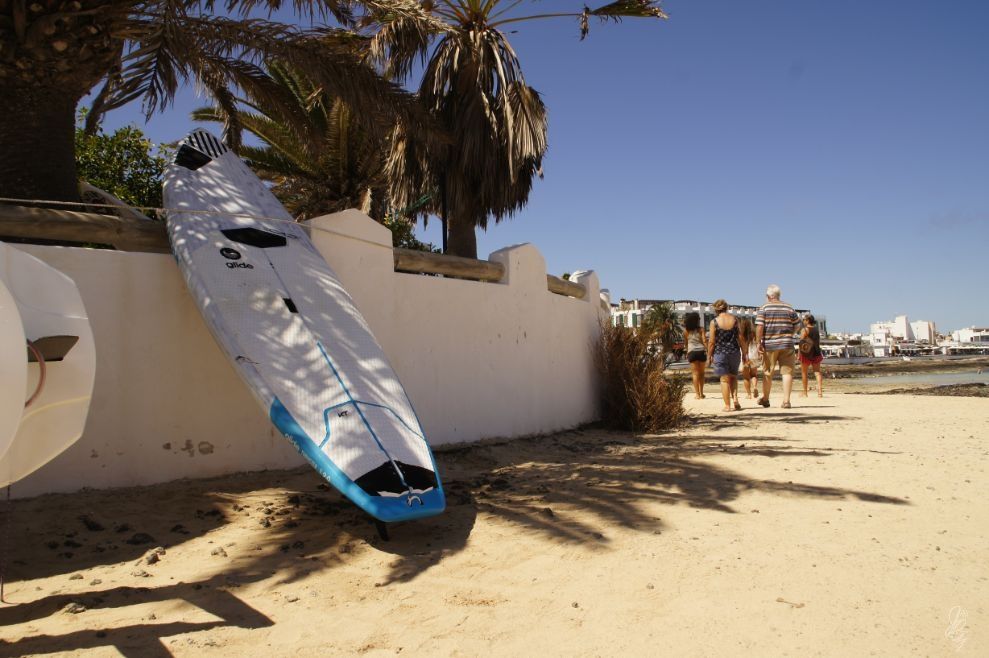
By now, Charlie has tried Lanzarote for surfing as well, but Fuerteventura is still her favourite because it has a wide variety of surf spots which guarantee good conditions on any day. The climate in the Canary Islands is pleasant all year round with mild winters (average temperature: 19°C) and warm, but windy, summers (average temperature: 23°C). The name of the island Fuerteventura means “strong winds” in Spanish and you can expect this to be true. Depending on the day, you can decide where to go for surfing, you are not bound to one specific spot where you have to deal with whatever kind of condition. You have a choice between beach breaks and volcanic reef and the most suitable wind conditions. The Billabong Surfcamp in Fuerteventura where Charlie usually stays, offers surf lessons and the whole group is going to the best spots on the beach. Which spot exactly is decided by the surf instructor on the day.
Before we take a look at the surf spots, here’s some useful information about Fuerteventura:
- Language: Spanish (you get around with English, German or Italian as well)
- Currency: Euro (it belongs to Spain)
- Time Zone: GMT (same as London)
- Electricity: 220V
- Plugs: European, two rounded pins
- Healthcare: European Health Card accepted, you also find many German or English doctors
- Emergency Telephone number: 112
- Getting there: Airport in Puerto del Rosario or by Ferry from Gran Canaria or Lanzarote
Surfspots and Surfbeaches on the Island of Fuerteventura
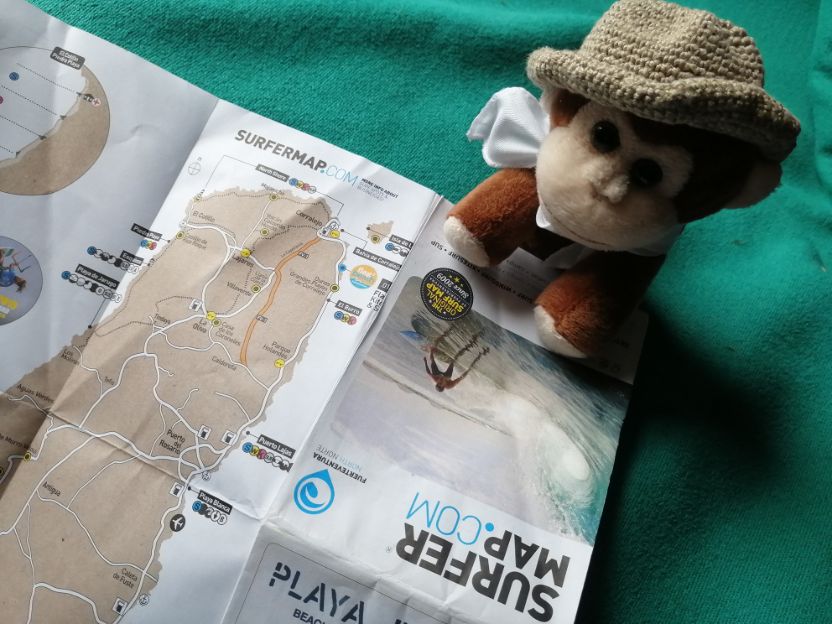
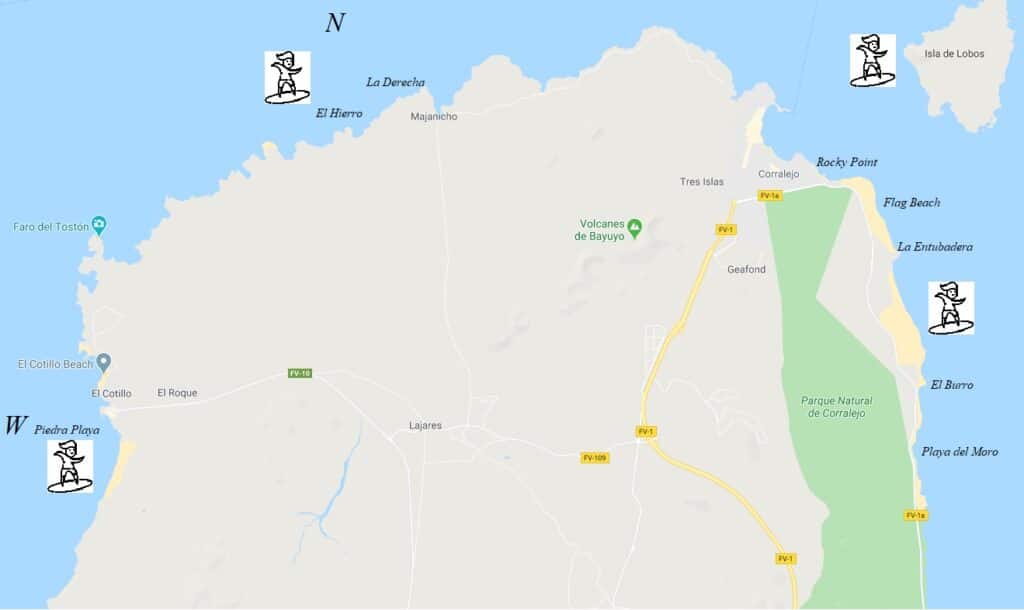
As in any surf destination, the best way to get to know the local spots is to start with a surf map and we can highly recommend surfermap.com which actually started in 2009 in Fuerteventura. It is available online; the print map can be found at many distribution points. In Corralejo where the Billabong Surfcamp is located you can get your copy in almost every shop or café.nter.
The North Shore
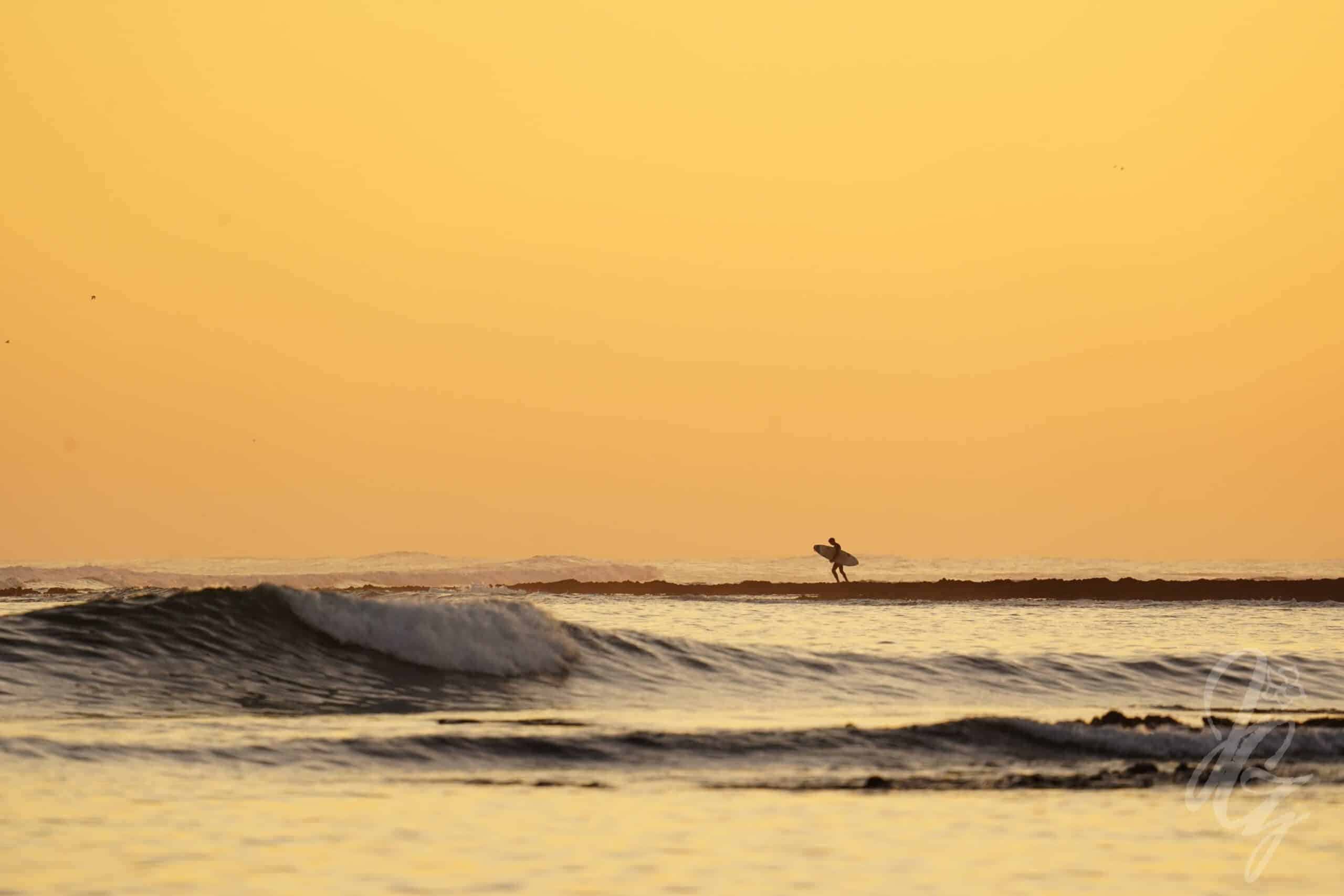
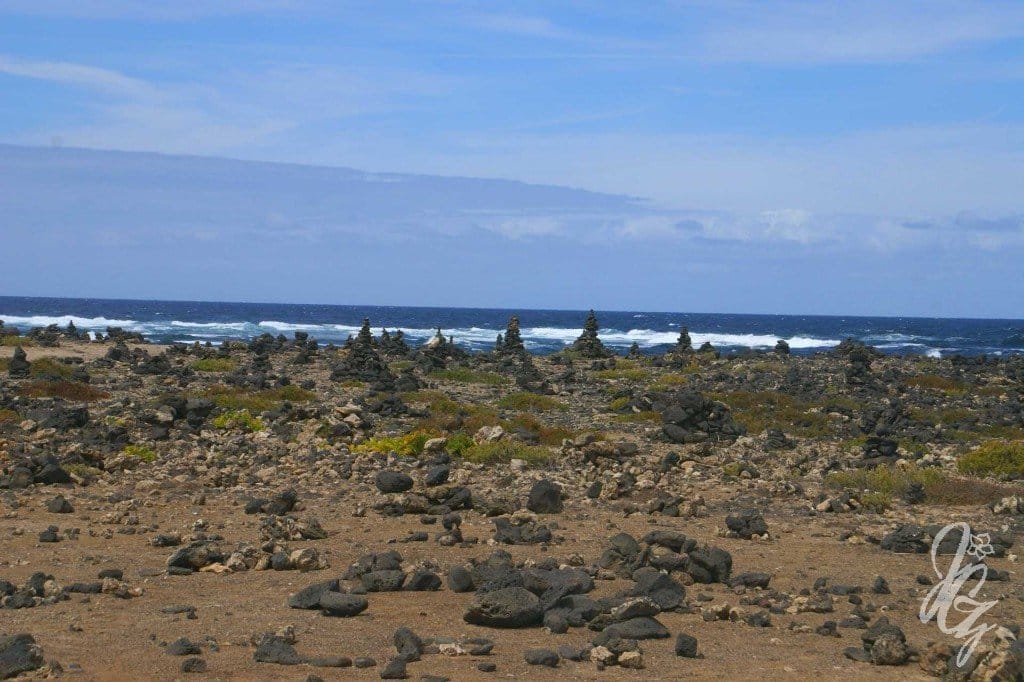
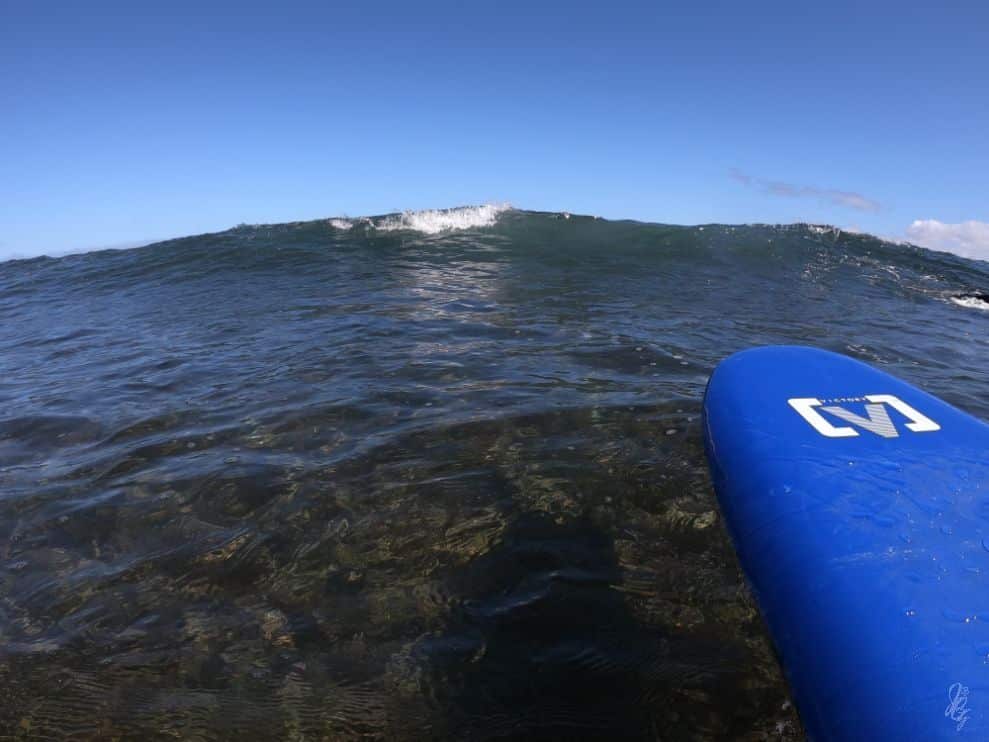
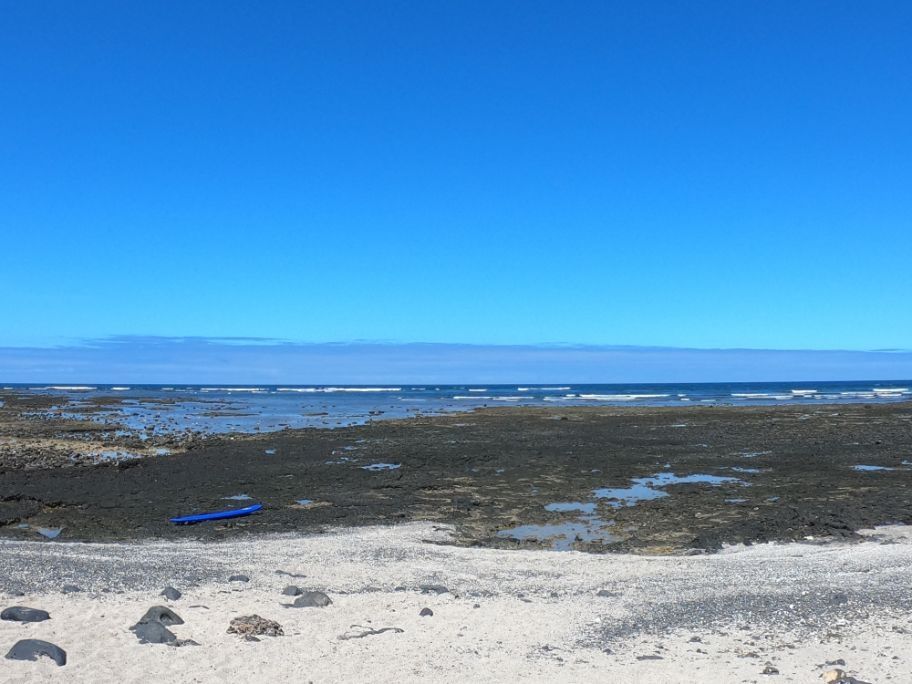
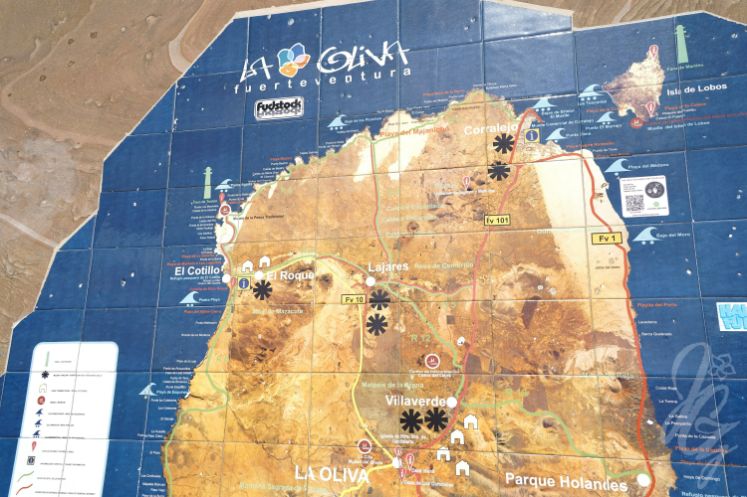
By looking at this map, you’ll notice immediately that most surf spots in Fuerteventura are in the north. They call it the North Shore but it is not to be confused with the iconic surf spot in Hawaii that bears the same name. It could be considered the exact opposite of the Hawaiian spot as the North Shore in Fuerteventura is a reef break. Wetsuit boots are therefore recommended. During low tide, you might need to walk quite a bit over the reef until you reach the water, but it is worth the effort and the waves can be very rewarding. The two spots on the North Shore that the more experienced surfers like to go to are La Derecha and El Hierro. If you are a beginner, it is best to let your surf instructor decide where you go as the North Shore of Fuerteventura holds different conditions every day, as any surfspot.
You can reach the spots along the North Shore from Corralejo via bumpy roads that are more off-road environment than actual roads.
The spots a bit further west on the North Shore can be reached from Majanicho or El Cotillo via the same type of roads.
The West: El Cotillo
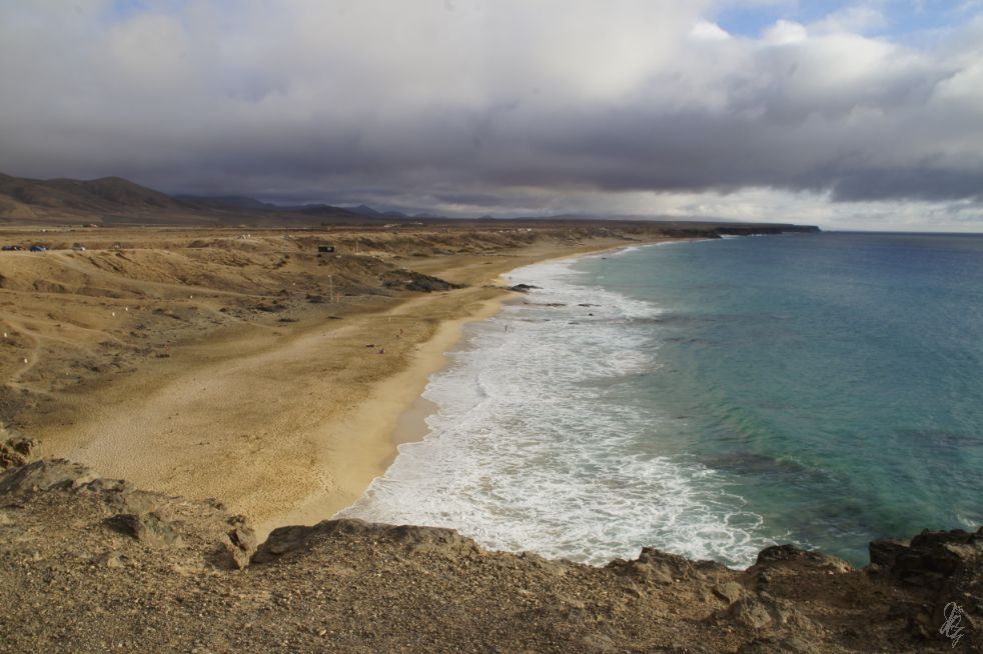
A bit further along the northern coast towards west are beach breaks with stunning sandy beaches close to the town of El Cotillo: Piedra Playa and Esquinzo. There are quite strong currents in this spot that should not be underestimated. Before you get in the water, it is advisable to observe for a bit to understand those conditions. Depending on the tide, you can walk in the water and take the small waves, or you have to paddle and it’s getting a bit bigger.
One thing that should not be missed when you’re surfing in the north: a stop at the bakery in Lajares on the way back to Corralejo.
Surfing along the east coast of Fuerteventura
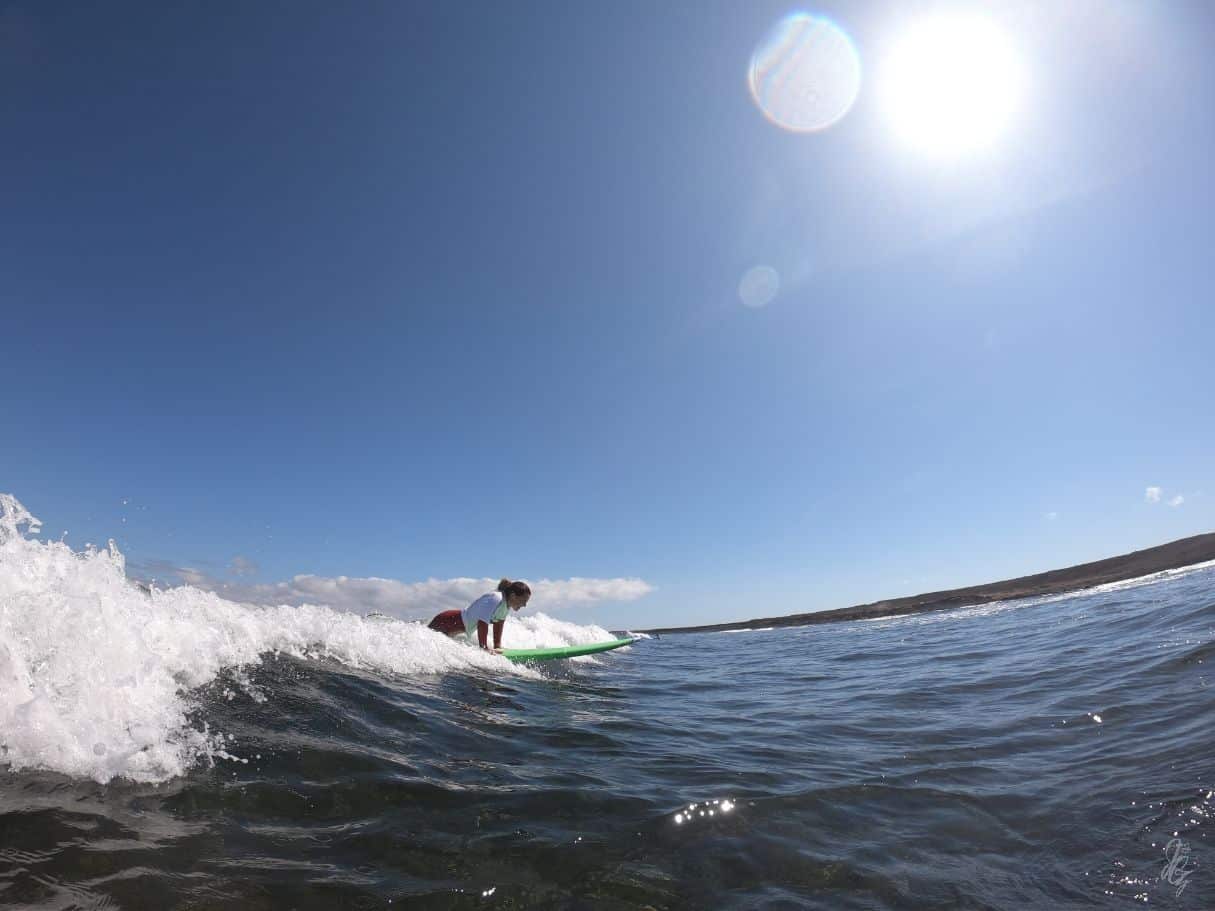
Some days, the best surf spots are to be found on the east coast a bit south of Corralejo close to the dunes: Flag Beach and La Entubadera are close to one of the big hotels that you can see from the road or El Burro and Playa del Moro a bit further south. Those beaches are on most days suited for beginners as it gets quite shallow (i.e. you can walk and don’t have to paddle), and you have the option to stay close to the shore to surf in the white water. Again, conditions change constantly, and this also means that you often have lots of surf schools at these spots.
If you don’t want a beach break, you’ll also find a good spot along the east coast: Rocky Point. That spot is between Corralejo and the dunes and is the right spot for surfers that have already a bit of experience to take the bigger waves and who wouldn’t mind paddling a bit. There is a chance to get smaller waves there, but those days are rare and small at Rocky Point is almost the equivalent of flat.
The surf gem in the North East: La Isla de Lobos
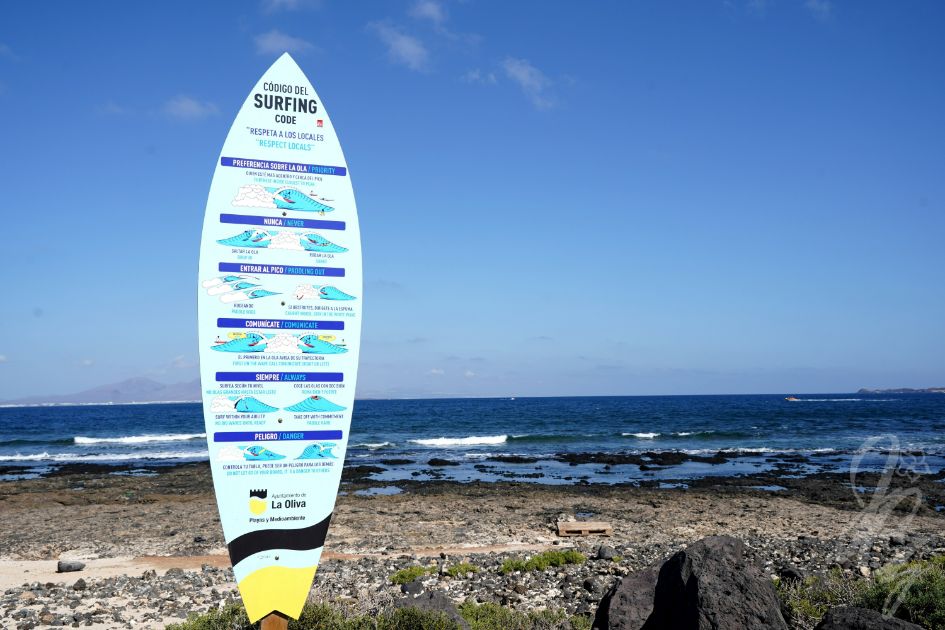
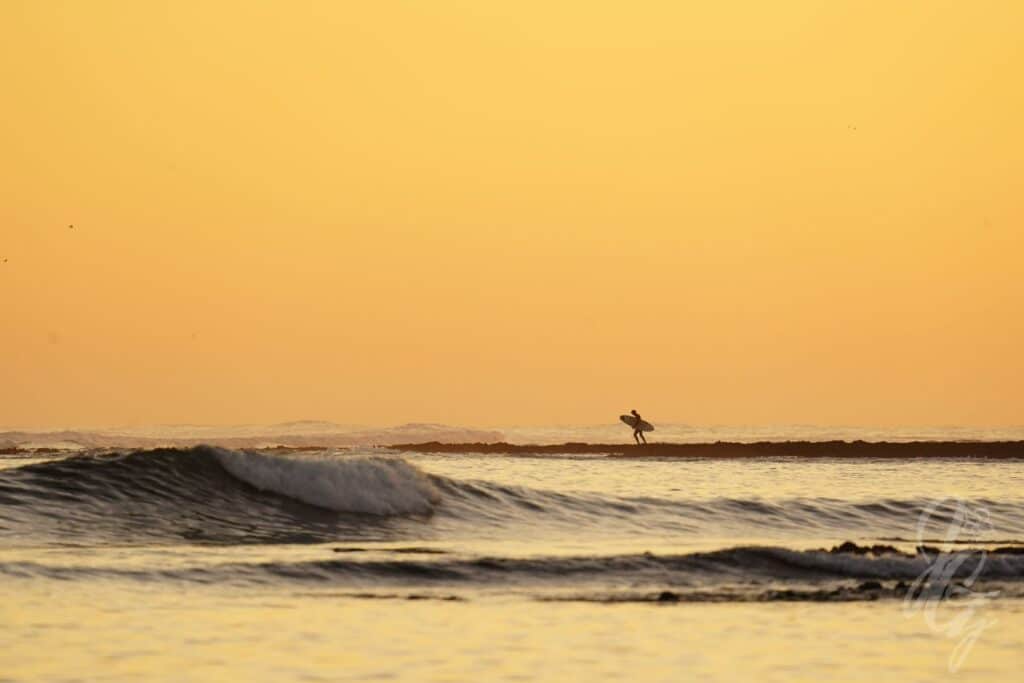
The gem of Fuerteventura and the favourite spot amongst locals and experienced surfers is the right hander at the Isla de Lobos. Keep in mind that this really is a local spot. Therefore, you need to respect the locals, stick to the surf etiquette and only surf there if you are confident in your surfing.
You can catch a boat from the harbour in Corralejo for €10 which will drop you off directly in the waves and will pick you up there again. Once you’ve taken the boat for the first time, you can be added to a WhatsApp group where surfers and the captain of the boat communicate with each other. You can confirm the boat times for the next days in advance or meet up with fellow surfers. That’s a way to get involved with the locals! Don’t be surprised if you’ll soon get invited to BBQs and Salsa parties.
Surfing in the South of Fuerteventura
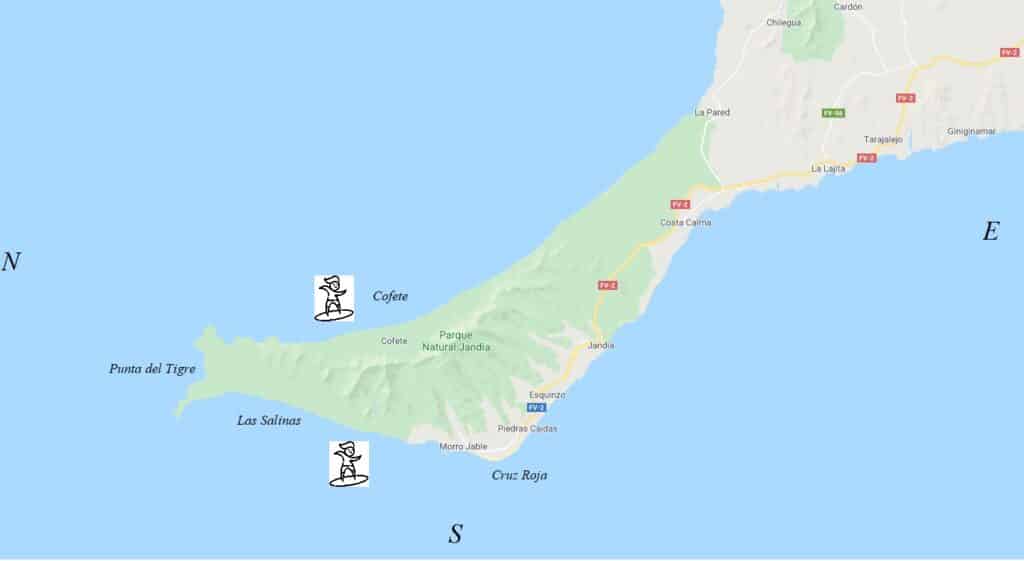
There are some surf spots at the southern end of the island as well, but Charlie has not been there herself and they are less famous, e.g. Cofete or Las Salinas close to Morro Jable. It also is a tourist area where you’ll find many hotels and you can get there easily by bus from the airport too.
When you’re not surfing: Other sports
Apart from being a popular surf destination in Europe all year round, Fuerteventura provides other sports activities. The volcanic landscape invites to some great hikes, the well-developed cycling network will bring you to the best places on the island. You can also rent a bike easily.
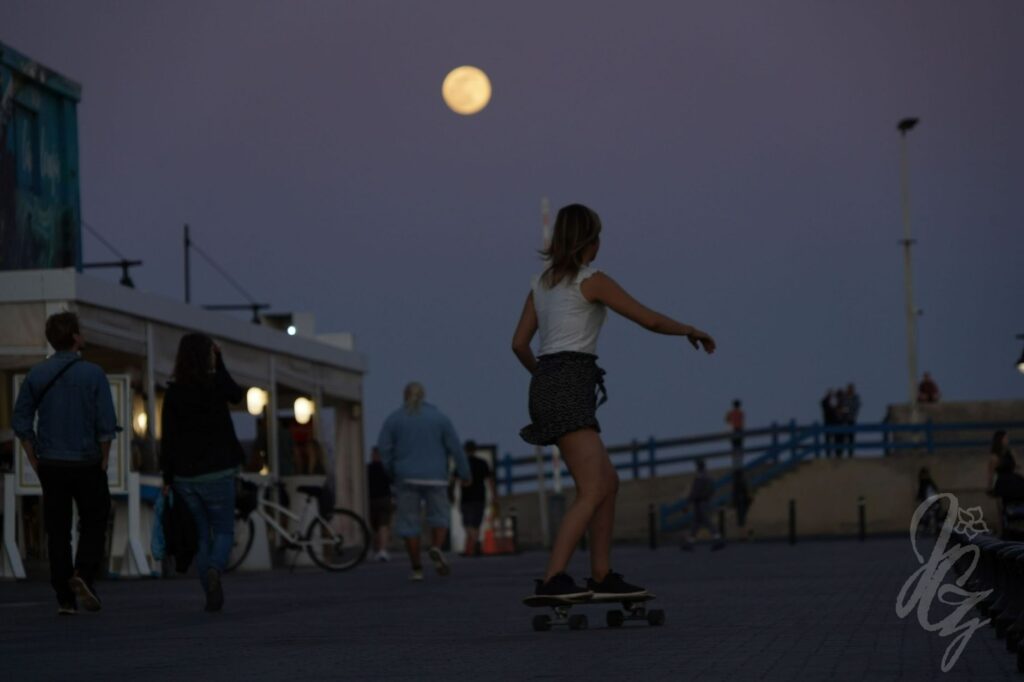
If you get one of those few days in the year where surfing is not possible, you can easily reach one of the many skate parks and practice your turns on a surf skate. Skate parks are for example in Corralejo, Lajares and La Oliva.
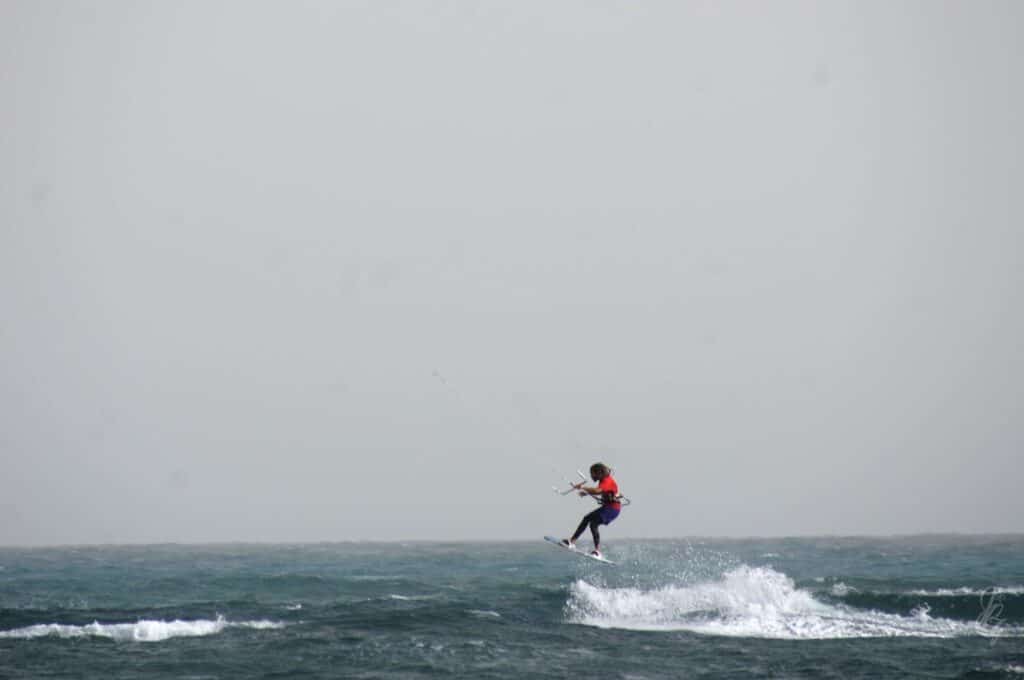
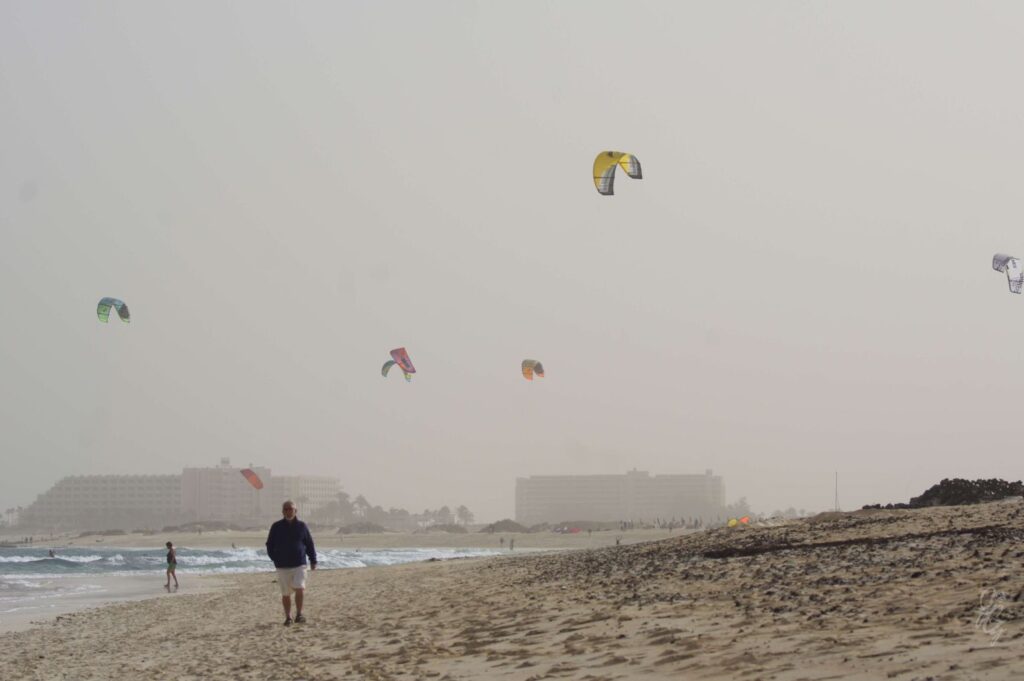
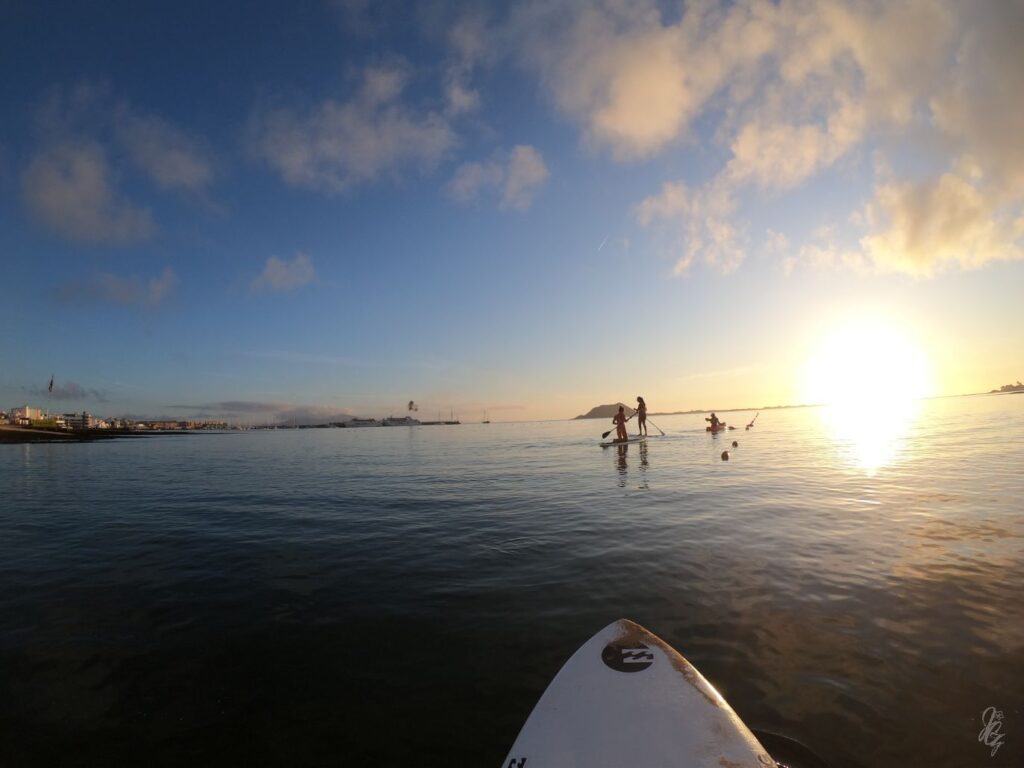
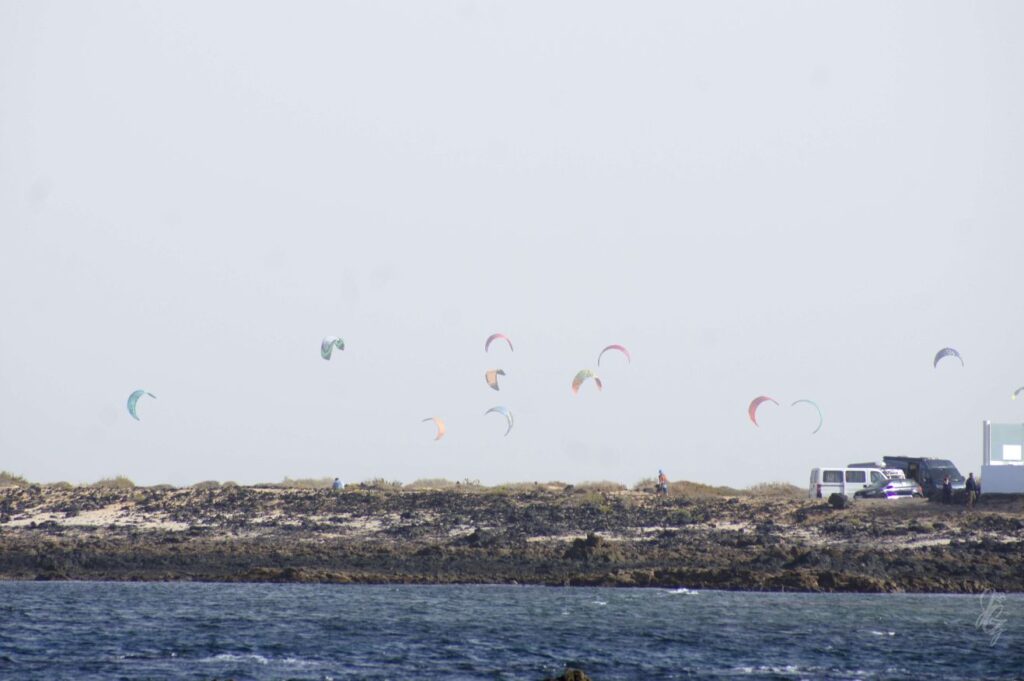
Other water and wind sports that Fuerteventura is famous for are kite and wind surfing which you can already see from far away. The same way that you will always find a spot with good surf conditions, you will also always find a spot where the water is flat and explore the coastline from the water on a paddle board or kayak.
If you are staying on the island a bit longer there are ways to establish a perfect work-life-balance. When you’re not surfing you have a good selection of Yoga classes, even on the beach, and Corralejo has multiple coworking spaces that also offer long-term accommodation, for example CoNomad. Charlie has tried the surf-and-work-life and absolutely loved it.
When you’re not surfing: Exploring the island of Fuerteventura
Fuerteventura is not only a surf destination with many surf beaches for all levels, but also a general tourist destination where you can find luxury hotel resorts with all-inclusive offers as well as self-catered surf camps. It doesn’t have to be an active holiday, if you prefer to just sunbathe on the beach, enjoy a few cocktails, snorkel and boat trips. There are plenty of other things you can spend your day with when in Fuerteventura.
To get around the islands, it is common to rent a car but there is also a good network of public transport. The buses are called “guaguas” and you need to have cash to pay for the ticket with the driver.
A trip to the dunes
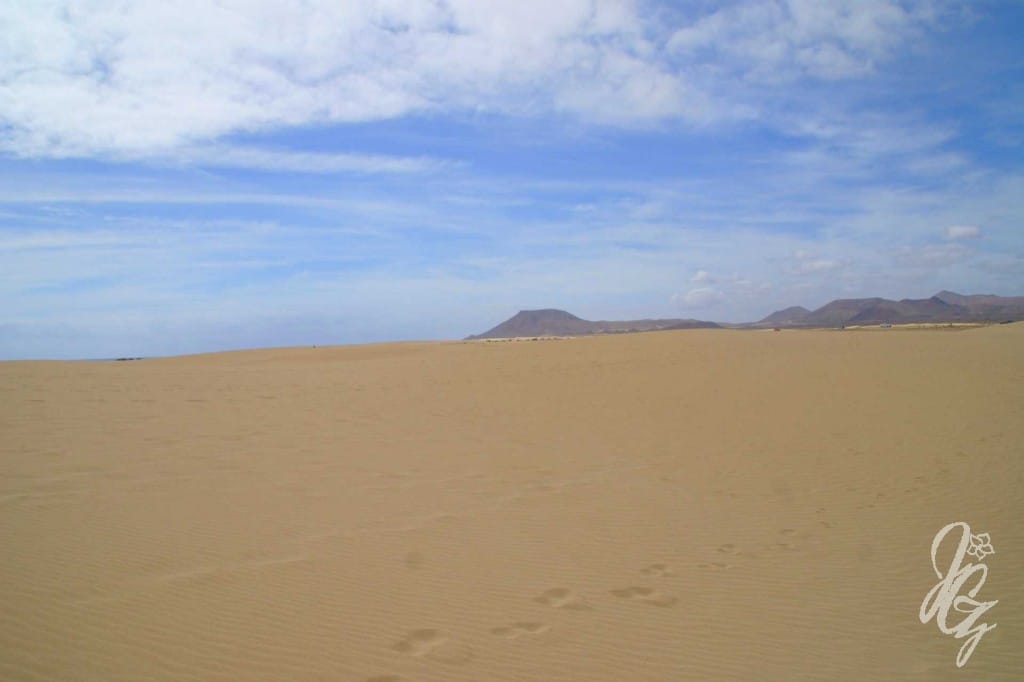
Even if you are not surfing, or if you just need a day of break, there are other things to see and do in Fuerteventura. One famous destination for a trip are the big white sand dunes that you can already see from the airplane. You can take the car and then walk into the dunes or you can do a guided tour where you will drive right through the dunes with buggy cars.
Further inside the island
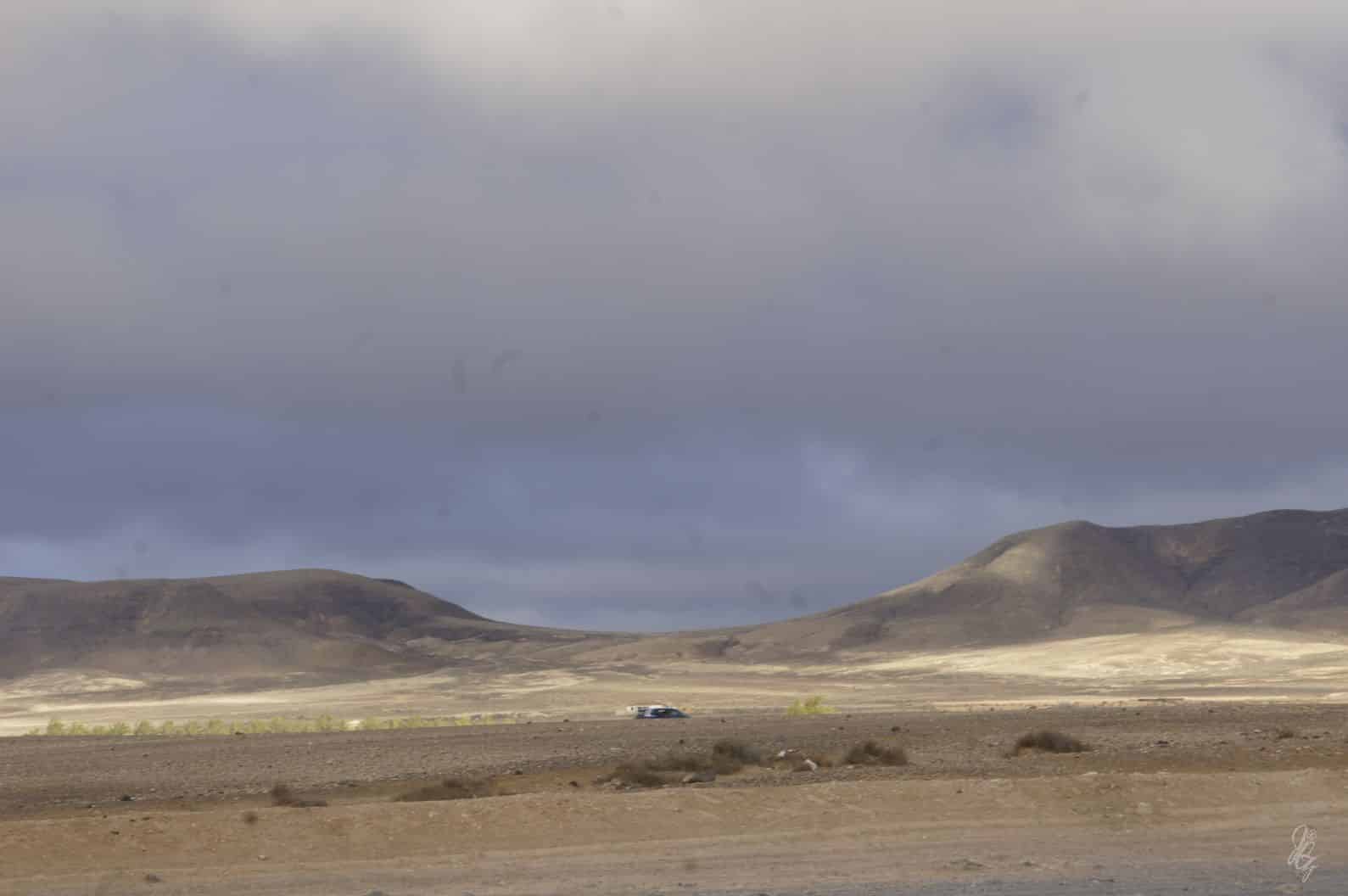
Even more slopes and hills can be found further inside of Fuerteventura. Charlie got to see those mountainous landscapes – which in certain parts remind you of the surface of the moon – during a spontaneous trip to Betancuria. Together with Federico, Jacopo and a French guy whose name Charlie can’t recall, they had rented a car to get down to this little town. Betancuria was once the capital of the Canary Islands and has some stories to tell from the times before the Spanish had discovered the archipelago. Like Latin America, the islands were once home to indigenous populations.
The South of the island
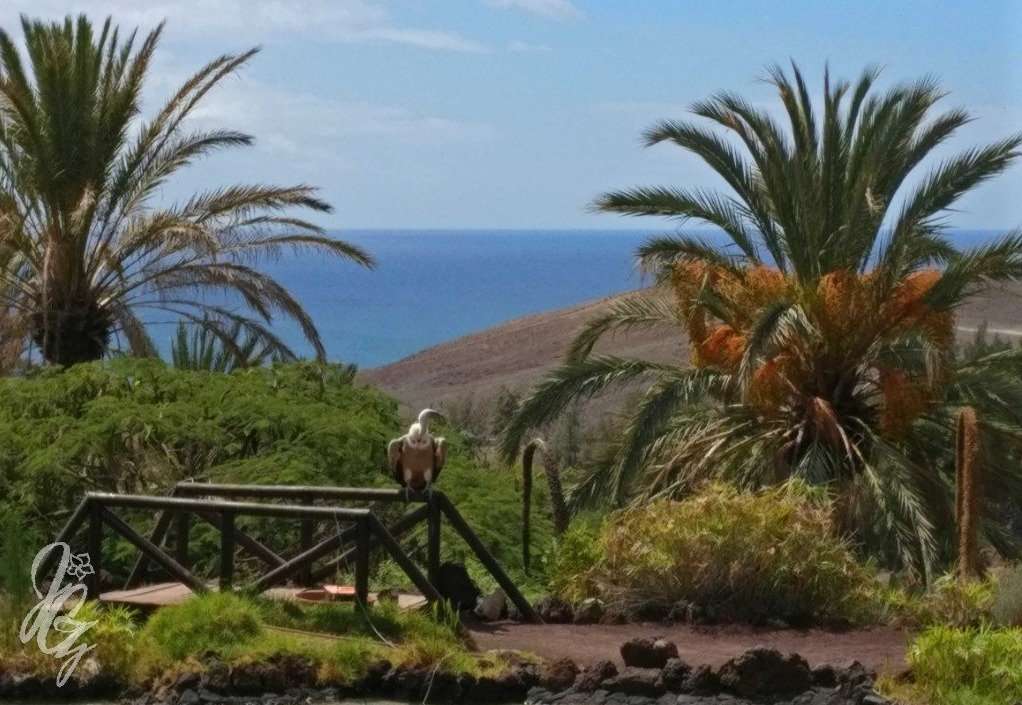
Charlie can’t tell from experience, but she heard that the south of Fuerteventura is a nice area to explore too. It is quite far from Corralejo which is why Charlie hasn’t really been there yet. The only thing she has seen from the south is the Oasis Wildlife Park – a tropical zoo. You can see some animals you wouldn’t easily see anywhere else and the whole thing is like a tiny version of the tropical Rainforest. It is certainly worth a visit and the park has buses that pick tourists up from any part of the island – even from Corralejo up in the far north.
Island hopping
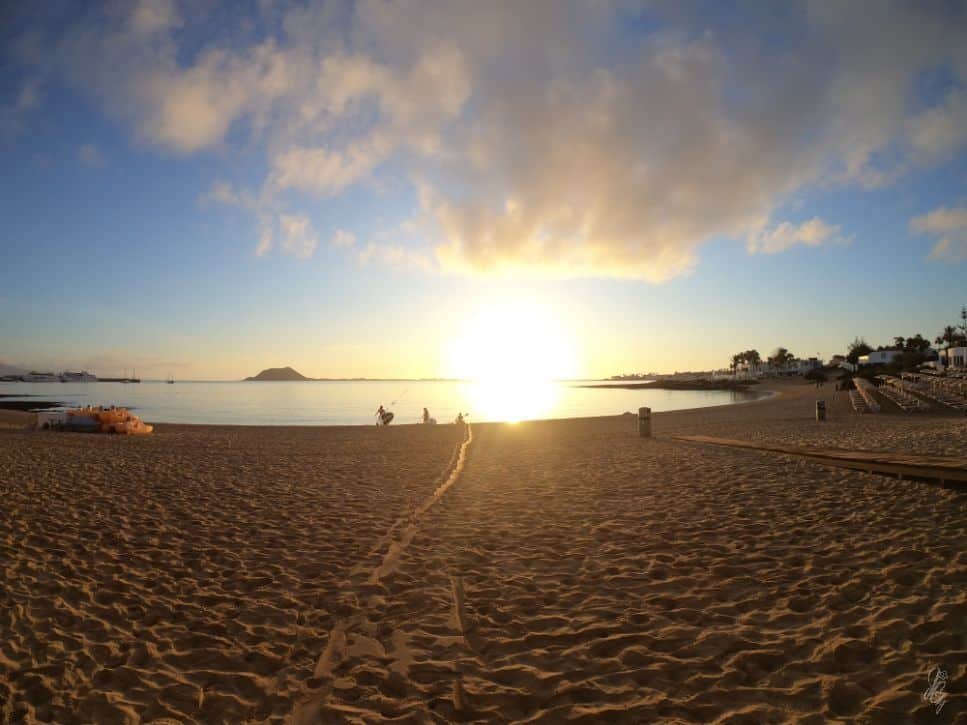
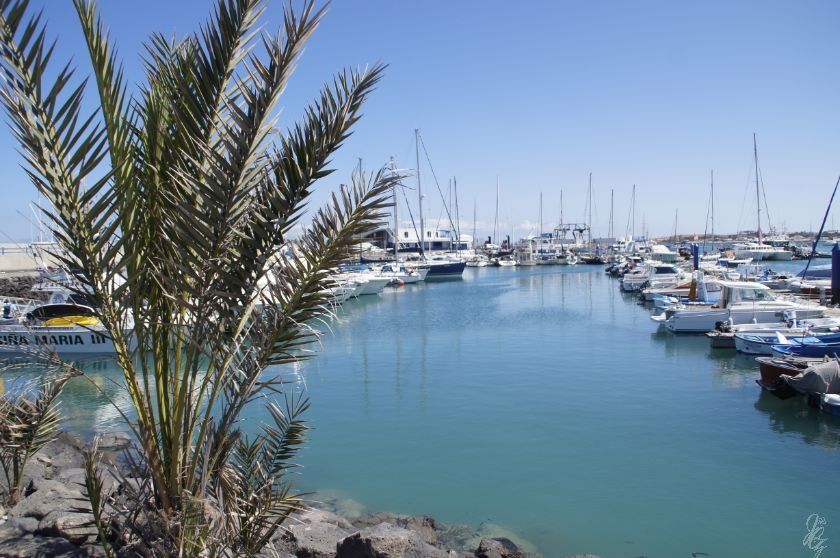
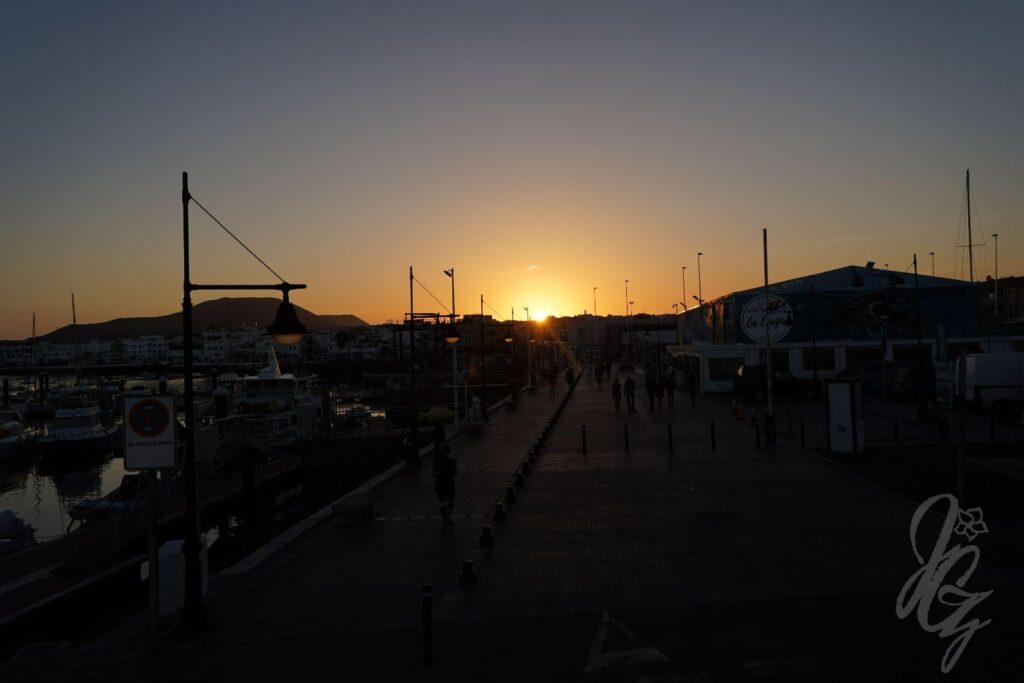
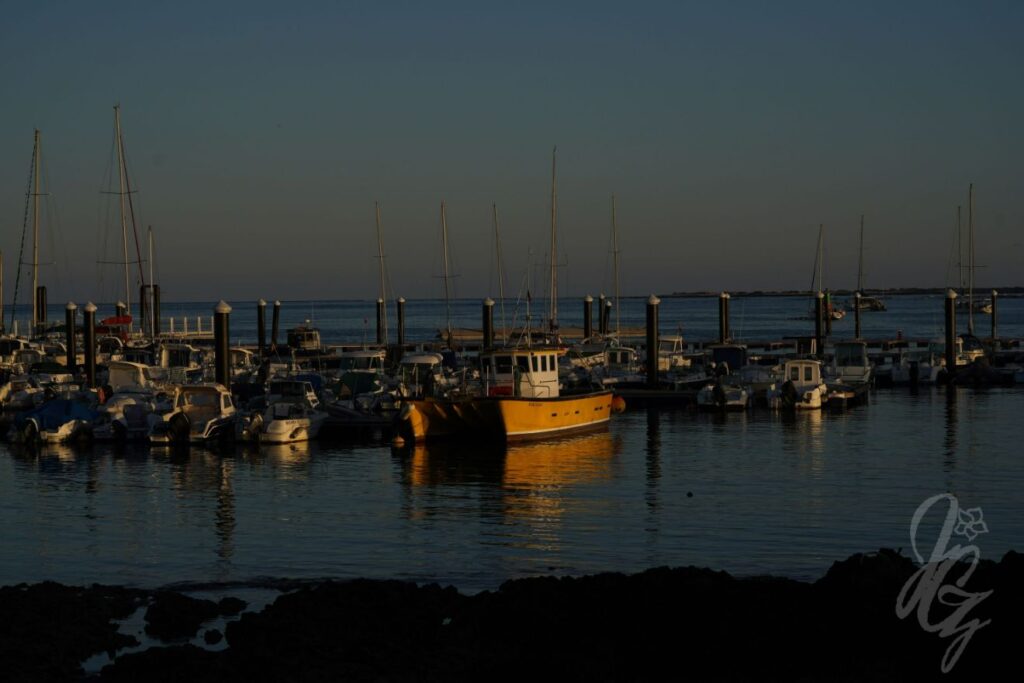
Corralejo isn’t just a touristic town with a nice beach, it also is a harbour from which you can easily catch a ferry to Lanzarote or take a small boat to the Isla de Lobos.
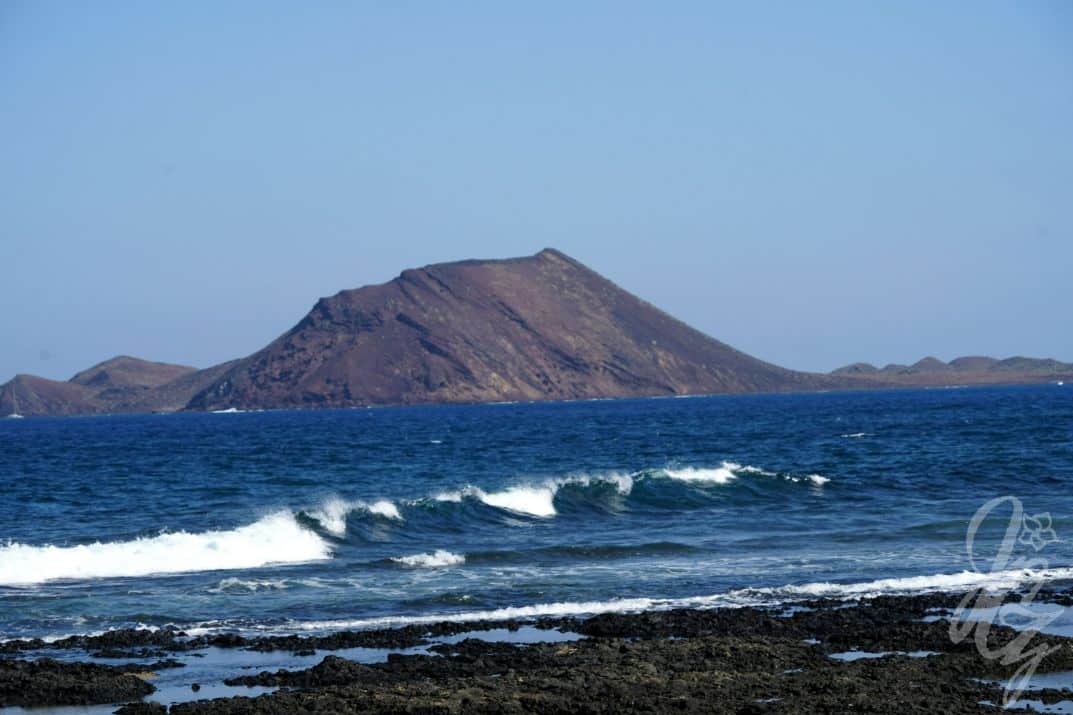
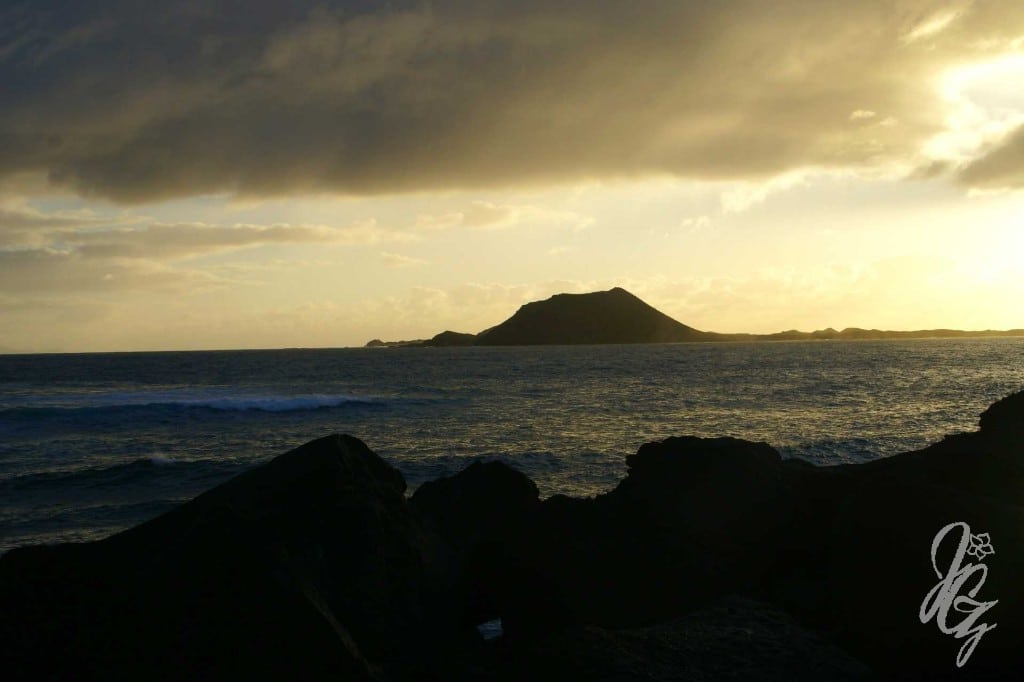
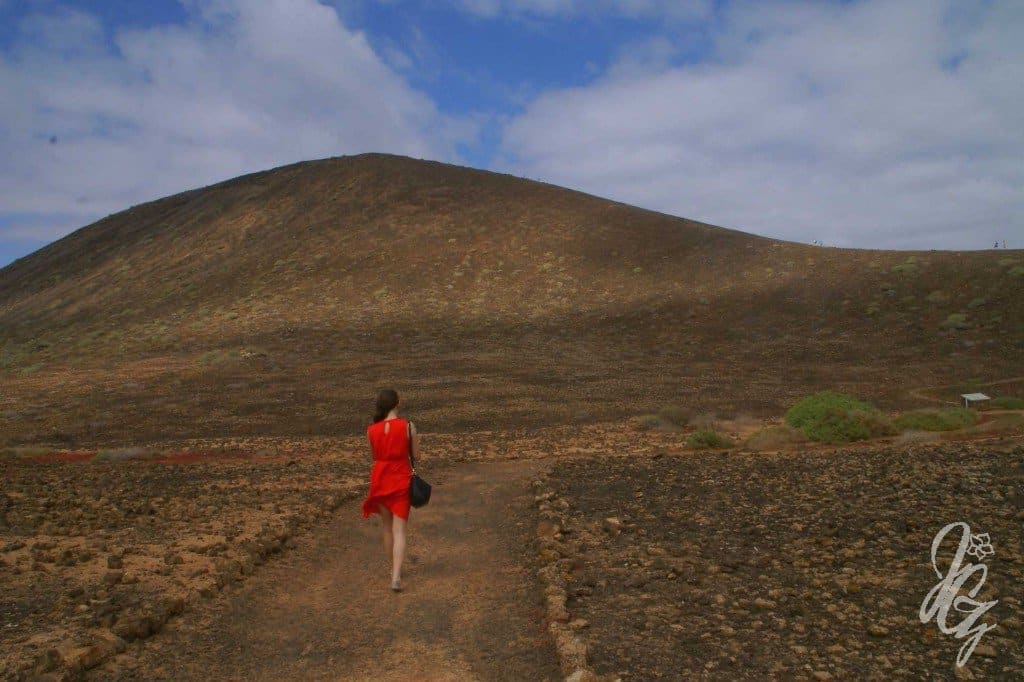
It only takes 15 minutes and this small island is a paradise in itself. There are only a few houses and a restaurant, and it is the perfect destination if you want to go snorkelling. If you’re into exploring landscapes, you can walk around the whole island in about two to three hours and walk up to a small volcano. It has an impressive landscape and it is the right place for those that like to spend a day out in nature far away from the busy area. Charlie had met Carmen on the boat, and they went around the island together. It was good fun for the captain on the way back to Corralejo to drive the small boat fast above the big waves which made a group of girls scream out loud and the boat jump up and down. Charlie enjoyed the ride!
Day trip to Lanzarote
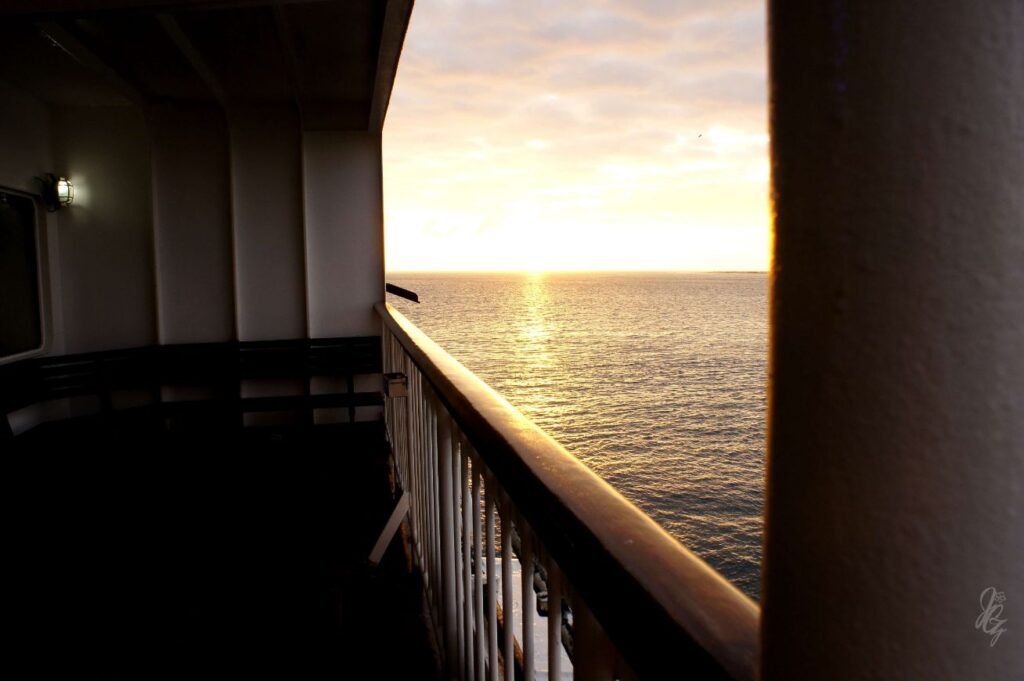
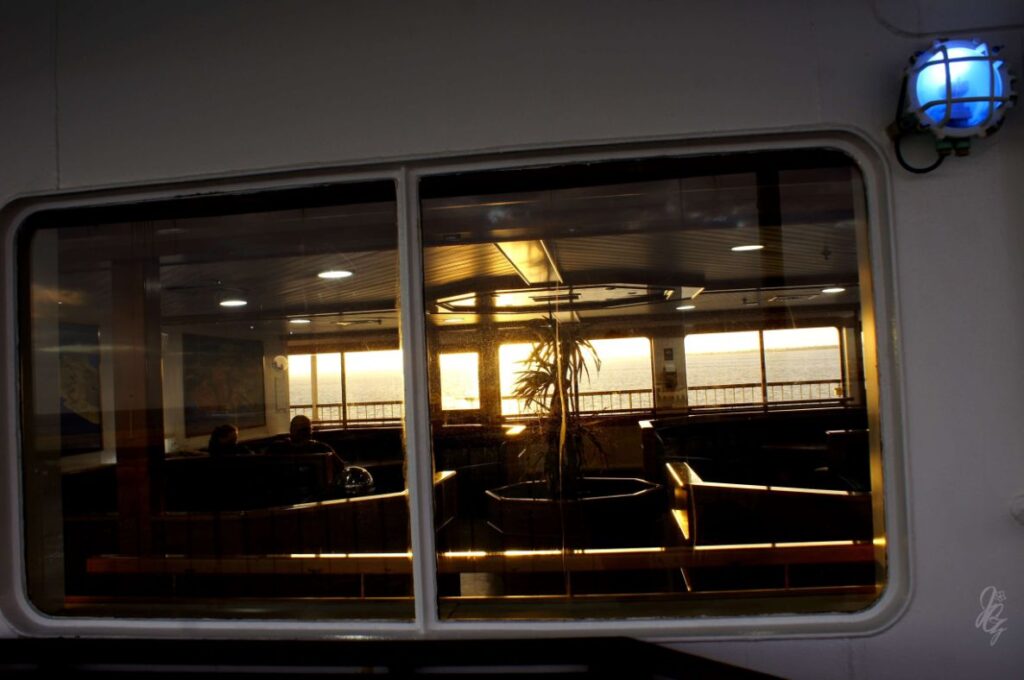
One day, Charlie had taken the ferry to Lanzarote to see that island as well. In the end, she was lucky to actually see the island as she hadn’t booked a tour – something she had better done. She found out when she arrived that it’s not so easy to get around if you don’t have a car. She managed to book a tour last minute in one of the offices in the harbour and had to sprint a bit to catch that bus. This tour included a camel ride at the bottom of a volcano, a wine tasting and a tour through the Timanfaya National Park which presented stunning, volcanic landscapes. You could have lunch in a restaurant that prepares the meat over the crater of a volcano.
For surfing, Lanzarote was rather disappointing as you are at the mercy of nature. There are less surf spots than in Fuerteventura and they are mostly on the same coast. This means if the conditions are bad in one spot, they’re bad in every spot. However, Charlie had spent a whole week in Lanzarote once and there is plenty to explore too.
Charlie did another day trip to Lanzarote from Fuerteventura to visit the market in Teguise which takes place every Sunday and you can catch a direct bus from the ferry.
To sum up, even if you don’t go surfing in Fuerteventura, there’s plenty of other things to do and see. Once you’ve seen it all, it is very easy to get to one of the other Canary Islands.
Frequently Asked Questions
How to get to Fuerteventura?
There are flights by all major airlines from mainland Europe multiple times a day. You can also fly to Gran Canaria or Lanzarote and take the ferry to Fuerteventura.
Where are the best surf spots in Fuerteventura?
The best surf spot for experienced surfers is without a doubt at the Isla de Lobos. There are also multiple reef breaks at the North Shore and beach breaks at the west and east coast. This multitude of surf breaks on different sides of the island lets you find surfable waves on almost any day of the year.
Is Fuerteventura a surf destination for beginners?
Yes, Fuerteventura is suitable for beginners. There are plenty of surf schools and camps and good waves can be found for any level of surfing.
Where to stay in Fuerteventura?
Fuerteventura is a holiday destination for different types of tourism. As such, there is plenty of choice for accommodation anywhere on the island. For surfing, the north is most suited and there is a good choice of surf camps as well as high end hotel resorts in Corralejo and El Cotillo.
How to get around in Fuerteventura?
Most visitors rent a car at the airport but there is a good public transport network as well.
How about healthcare in Fuerteventura?
As a holiday destination and retirement paradise for many Europeans, you can find doctors that speak English or German on almost any corner. The European Healthcard is accepted and you can take out an additional health insurance.
What time of the year is best to visit Fuerteventura?
If you have some surf experience you will like the quality of the waves more between October and March, but you can generally surf all year round. Winters are mild in temperature, summers can get hot, but it is always windy which makes the summer months pleasant. If you like swimming and snorkelling, or surfing without a wetsuit, the summer is better suited due to the higher water temperatures.
Can you drink the water in Fuerteventura?
It is not recommended to drink the water directly from the tab. You can buy water in cannisters and bottles in the supermarket. If you are like Charlie against the use of plastic, we can recommend getting a filter water bottle that makes the tab water safe to drink.