Surf Hostel in Conil de la Frontera
It was that year when the coronavirus pandemic had hit the world and destroyed most travel plans. All of Europe had been in lockdown between March and July. As soon as the number of cases had gone down and it seemed safe to travel, Charlie was on the move again. After her paddle boarding week in Cornwall, a sailing trip to Greece and a visit to her family in Germany, it was time to go surfing. At the end of September, she saw an offer that was too good to refuse: one month accommodation and co-working in a surf hostel in the south of Spain for €349. Who can say no to this? A week later, Charlie was off to the Take Hostel in Conil.
Getting to Take Hostel Conil
A quick look at the map and Charlie noticed that she had multiple airports to fly to: Seville, Jerez and Málaga. She couldn’t find out which one was best connected to Conil de la Frontera, so she emailed the hostel. From Seville, you can either take a train to Cádiz and from there a bus to Conil or you can take a coach directly from Seville to Conil with TgComes. From the airport in Jerez, you can take a train to Cádiz and then a bus. The hostel can also arrange a pickup from Jerez for €35.
Charlie found the best and cheapest flight connection to Seville from where she took the coach. The bus leaves from the bus station opposite the Prado San Sebastián. The Prado is a park in the centre of Seville and you can easily get there by public transport from the airport. You have to buy the ticket for a few Euros inside the airport. Every bus stop is announced. You can’t miss it. Charlie had almost two hours until her coach would leave, and she went for lunch in a bar next to the station. She had bought her ticket online in advance. It was €26.60 for an open return ticket. In Conil, it was a 15-minute walk from the bus station to the hostel and luckily, you walk down the hill.
Take Hostel
At first, Charlie couldn’t see the beach, but it is only 2 minutes away from the hostel. The first thing Charlie did when she arrived was to take a surf skate and explore the area. The road that leads to the beach is quite bumpy and uneven, but there is a skate park and a spacious parking lot between the road and the beach – the perfect spot for a bit of skating and literally around the corner from the hostel.
The rooms
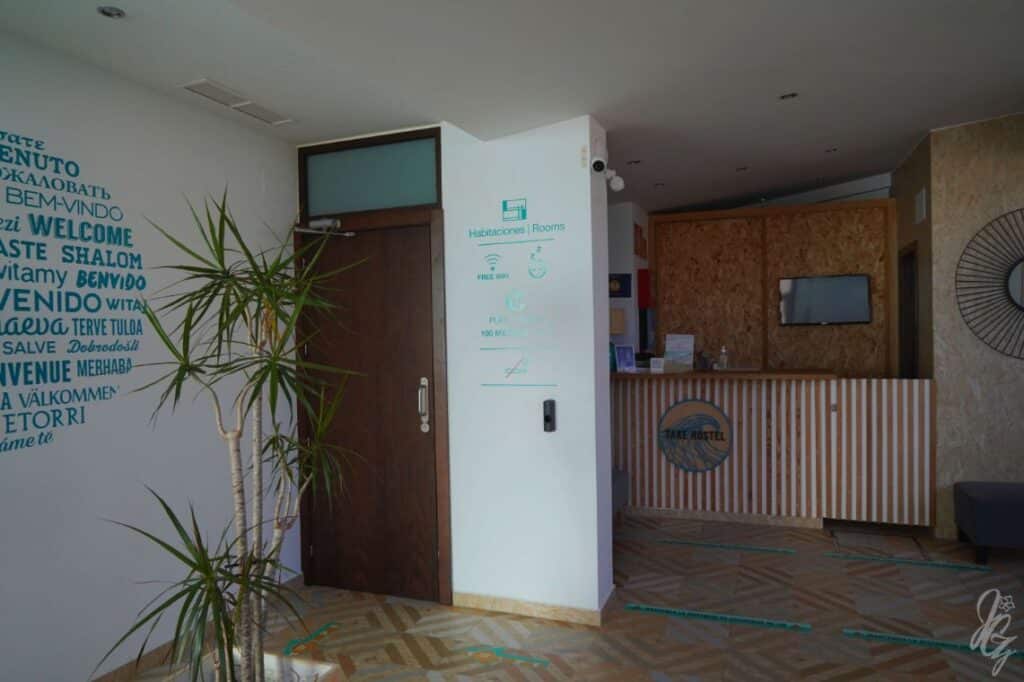
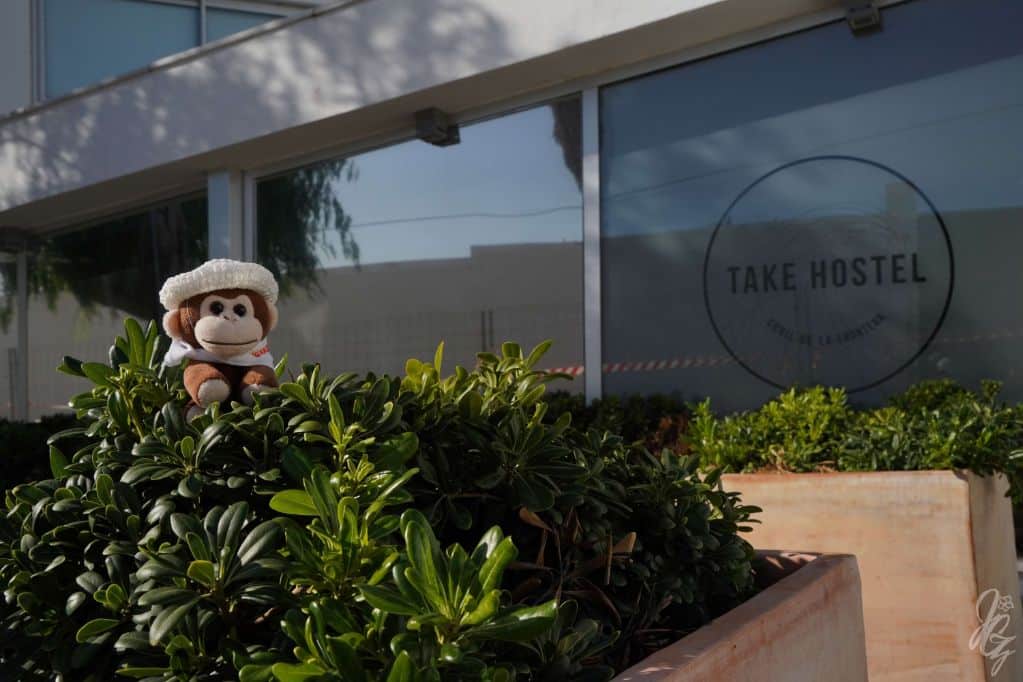
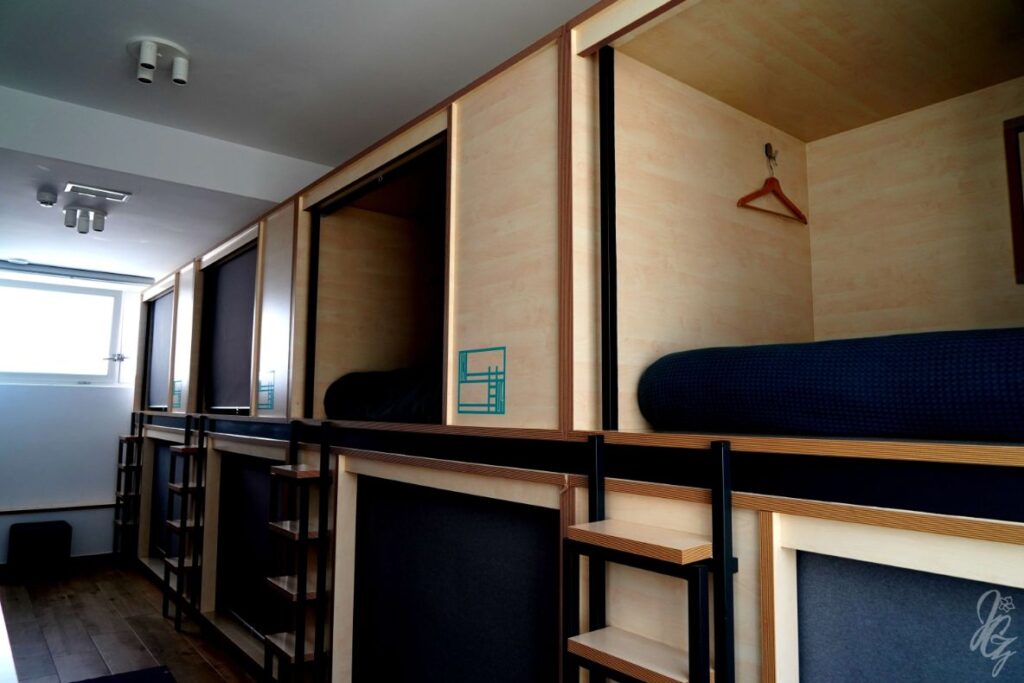
The hostel has only been built in 2020 and everything looks perfectly new. It is quite a high standard for a surf hostel and you can book private or shared accommodation. The offer Charlie had booked was for a bunk bed in a shared room which can be for 4, 6 or 10 people. The bunks are also of high standard with a separate light, shelf and a table, and you can close the blinds to create your own little cabin and have some privacy. Each guest has a locker in the room to safely store valuables. If you don’t have your own towels you can get some. All you have to do is ask. It is a perfect room, but storage space is limited and there are no towel drying facilities.
Prices for accommodation (prices are subject to change):
| Roomtype | Price |
|---|---|
| Room with private bathroom (2-4 people) | from € 75 per night |
| Single bed in 4 bed dorm, shared bathroom | from € 18 per night |
| Single bed in 6 bed dorm, shared bathroom | from € 17 per night |
| Single bed in 8 bed dorm, shared bathroom | from € 16 per night |
| Single bed in 10 bed dorm, shared bathroom | From € 15 per night |
Special offers:
| Special | Price |
|---|---|
| Weekend surf (Friday-Sunday, one surf lesson included) | € 49 per person |
| Accommodation and Co-working 13 nights | € 199 per person |
| Accommodation and Co-working 30 nights | € 349 per person |
Common areas
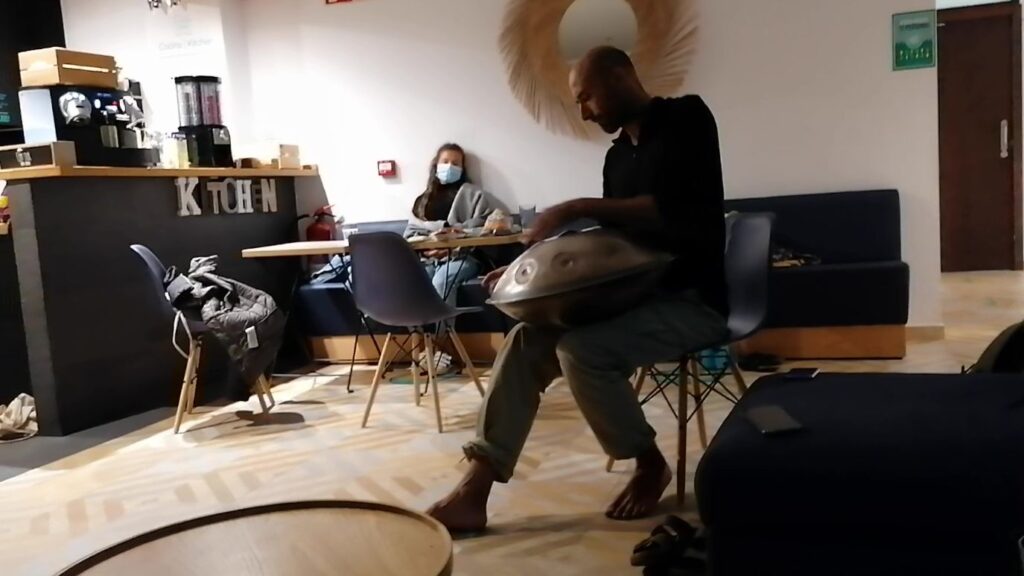
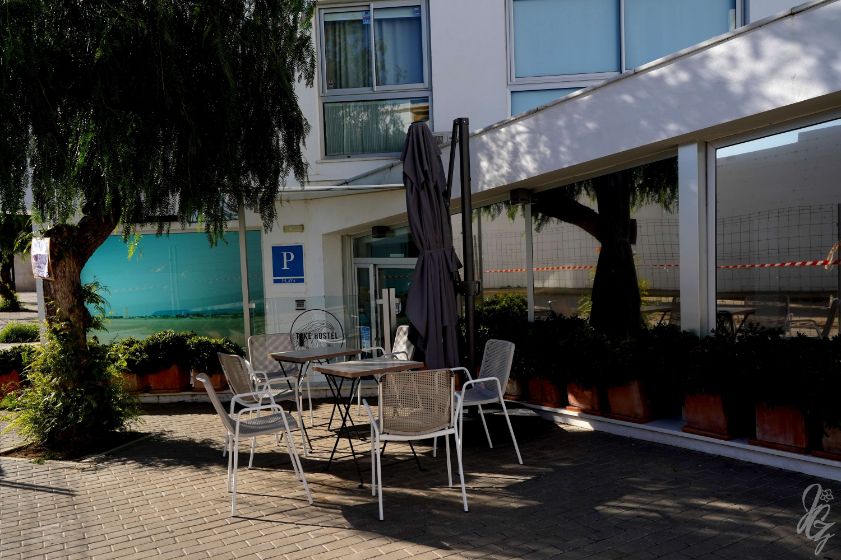
Right by the entrance, next to reception is the common area with a small kitchen where every guest has a box to store their food. The kitchen is fully equipped with a big fridge, a dish washer and a hob. It has everything you need if you want to stay there for a while, it is just a bit small, so you need to time it well when you prepare your food or buddy up with other travellers and cook together. There is a coffee machine, and you can buy Nespresso pads for €1. But you can also prepare your own coffee if you prefer. For the evenings, there is a little bar next to reception where you can get a beer or wine. They also have some local artisan beers.
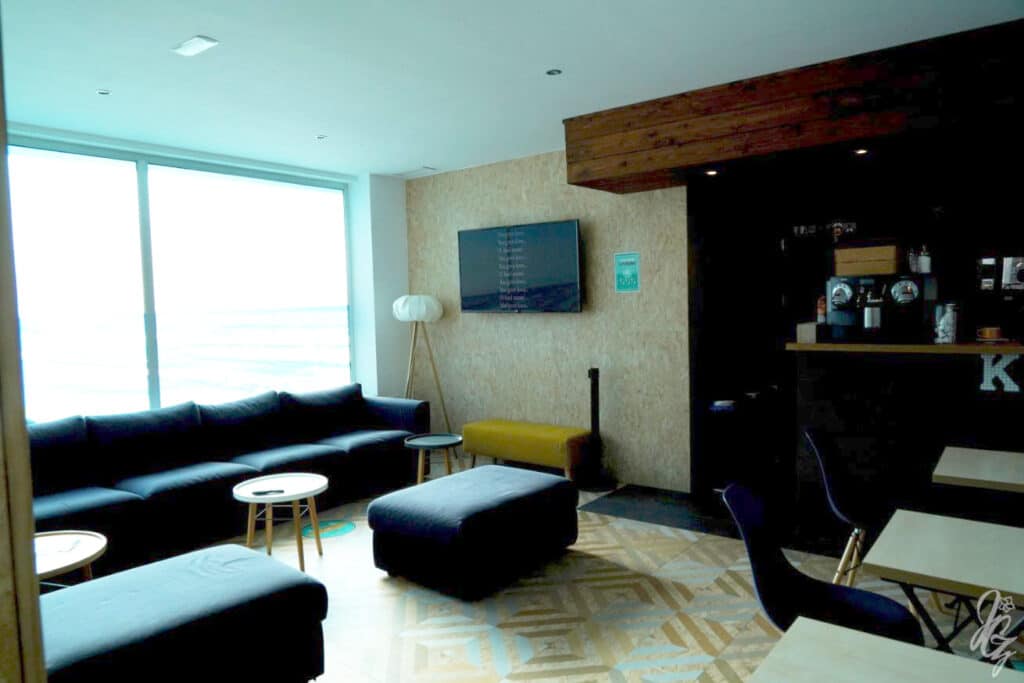
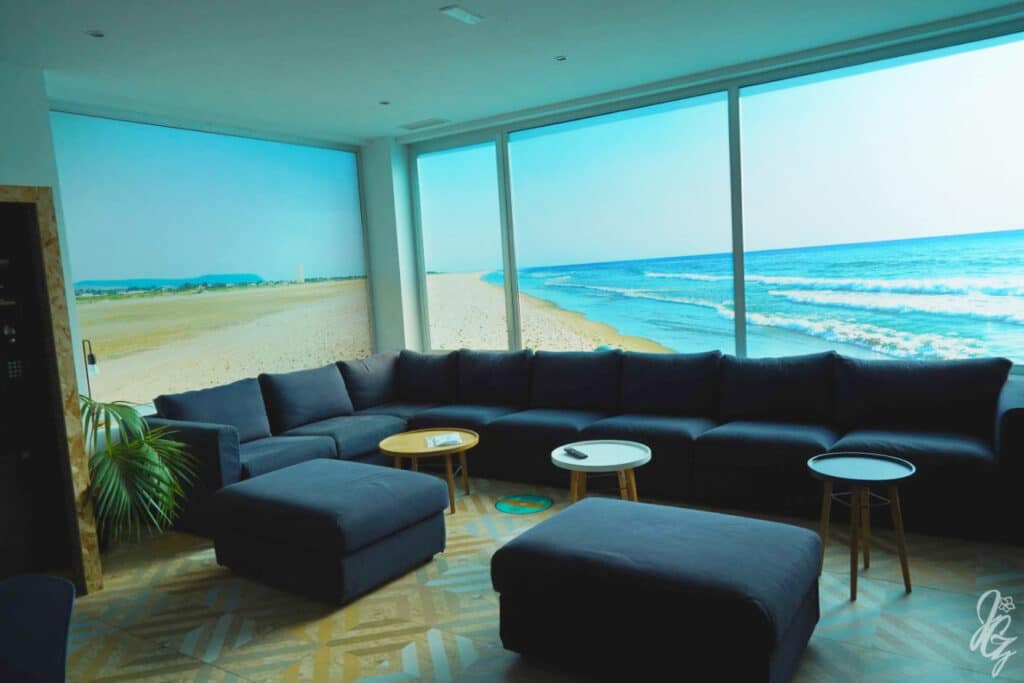
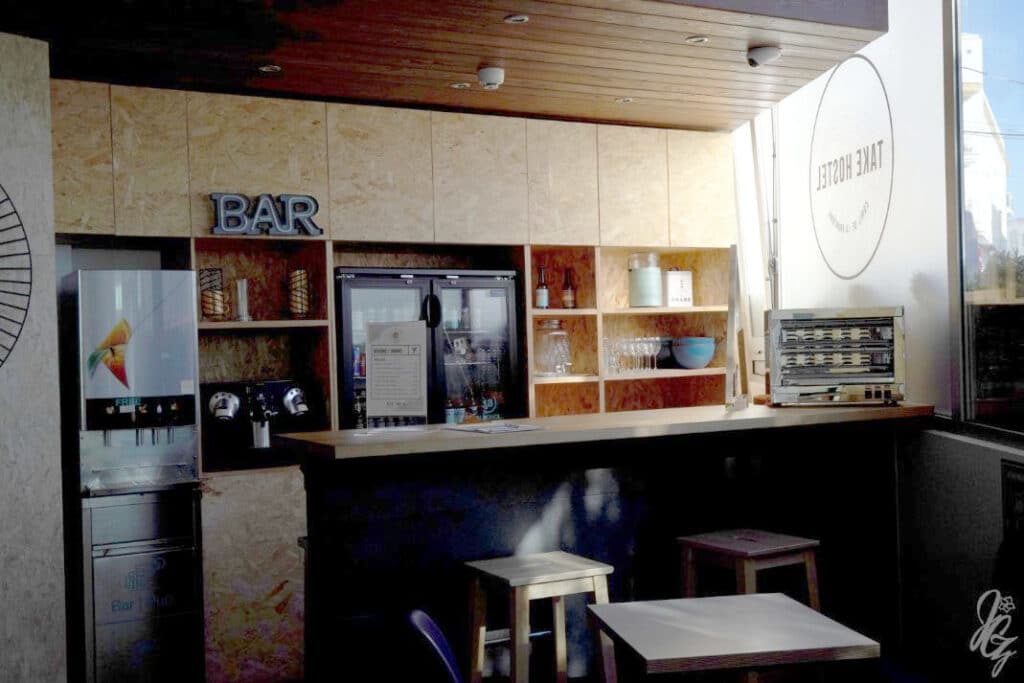
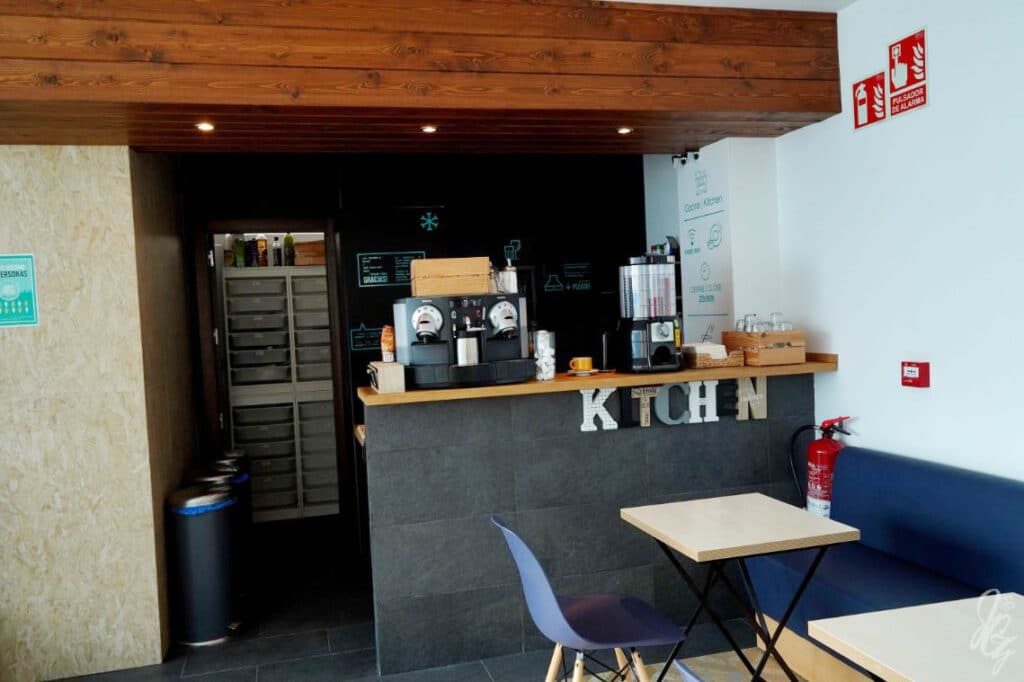
The whole hostel is very modern, the doors open via fingerprint, light and air conditioning are controlled centrally via an app. Charlie likes that approach because it is environmentally friendly, but it also has its limitations. For Charlie who is usually the first up in the mornings, it meant that she could not switch the lights on until there was somebody at reception who had access to the app. There was one afternoon where the door was disconnected from the electricity and it simply wouldn’t open. There was no other alternative than to enter through the window and open the door from the inside. But that is a story for another day…
Coworking
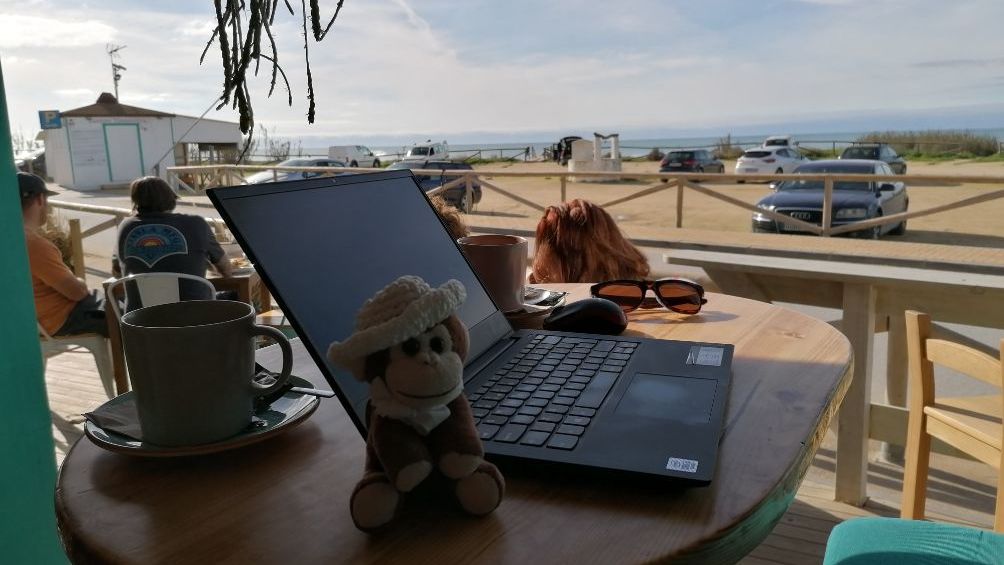
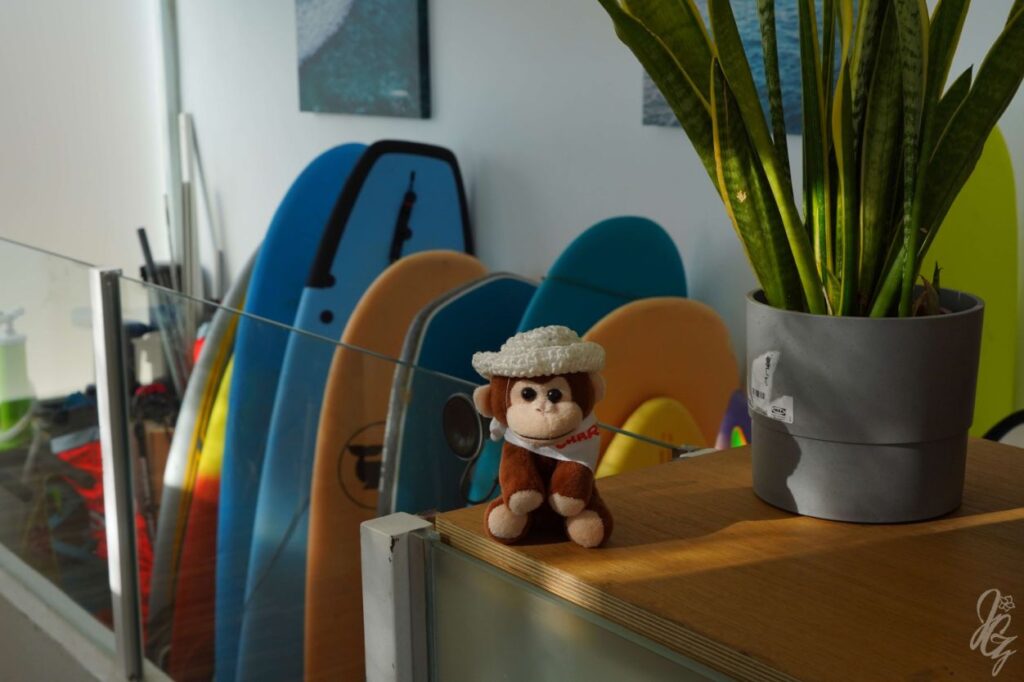
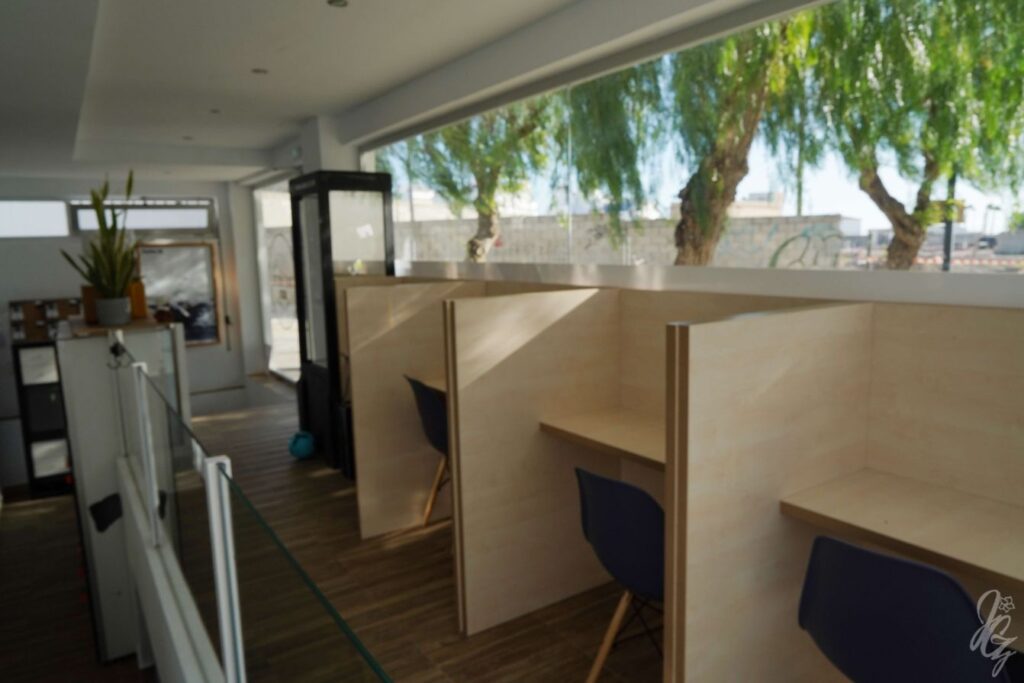
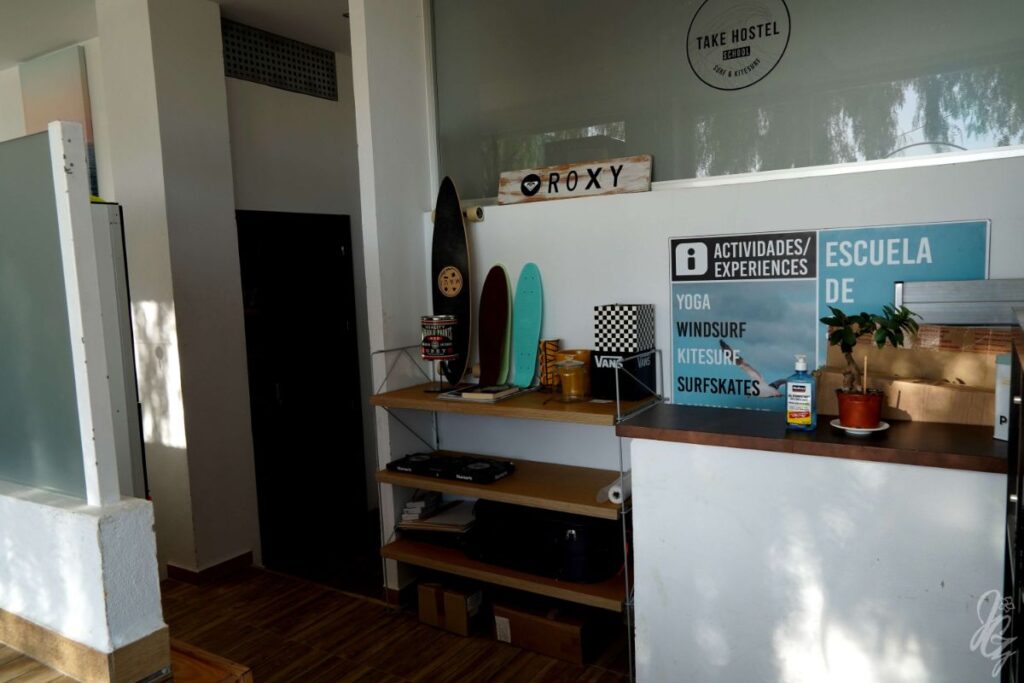
The Coworking space is next door in the same room where the surf boards and skates are stored. There are in total 4 desks right by the window. It is a good setup, and you can work well from there. It also has a special feeling to sit on a desk next to surf boards. The bedroom where the volunteers sleep is next door and occasionally somebody would walk through the room, but it is generally quiet, and you can work well from there. If you need a change of environment, you can also work from the common room or head to a coffee shop in town.
Volunteers
The hostel is mostly run by volunteers. They’re students who spend a few months abroad. They also live in the hostel and are very sociable. When Charlie was there, it was Frankie, Emilie, Vivi and Fede. Frankie is English and a surf instructor. She works at the surf school. Vivi is Rumanian and works together with Emilie from France at reception. Fede is Argentinian and works with Frankie at the surf school. They are usually around at the hostel, help you and answer any question you might have.
Conil de la Frontera
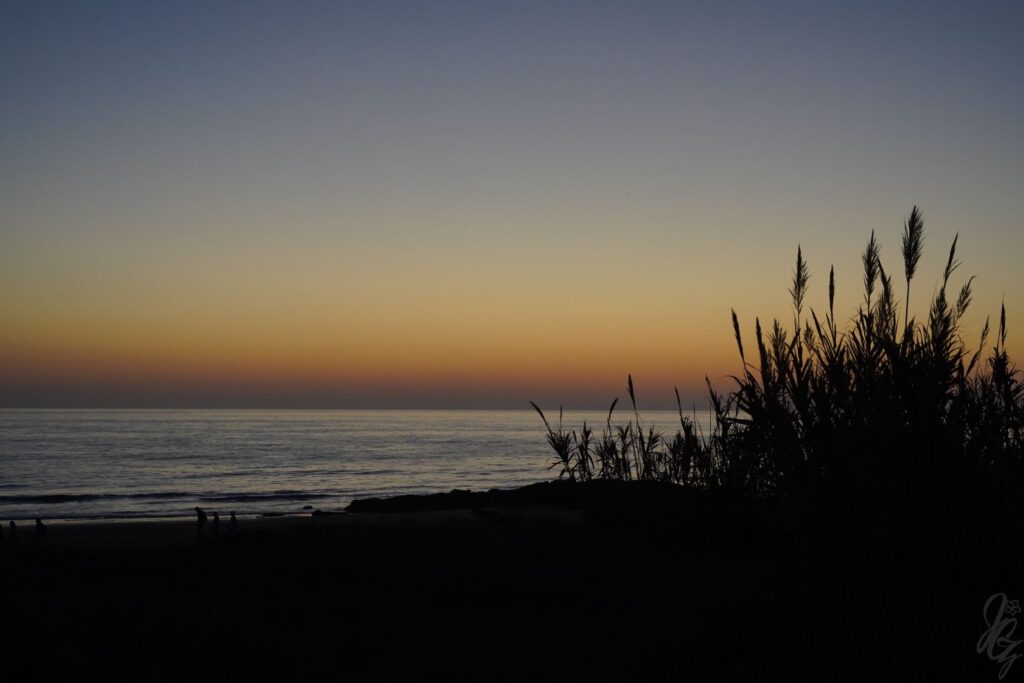
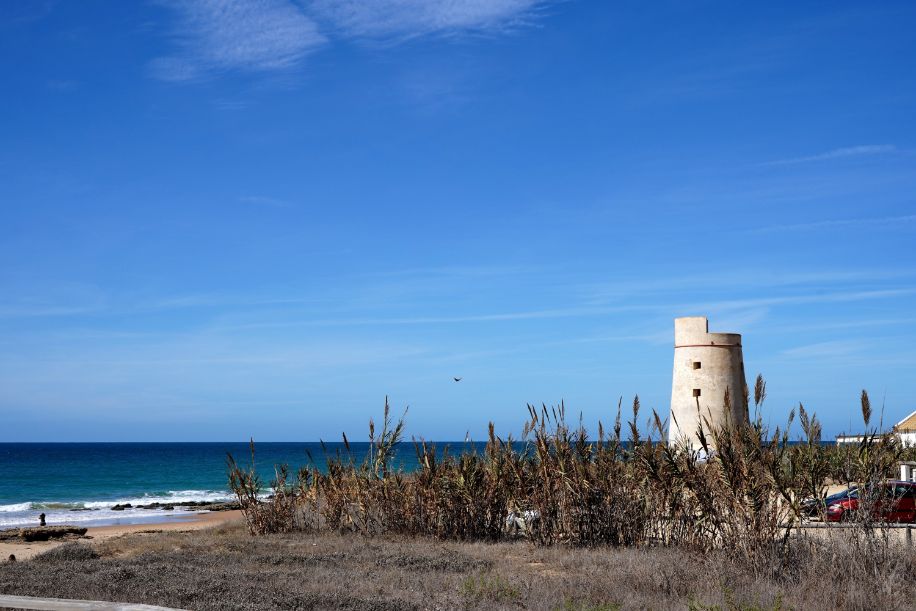
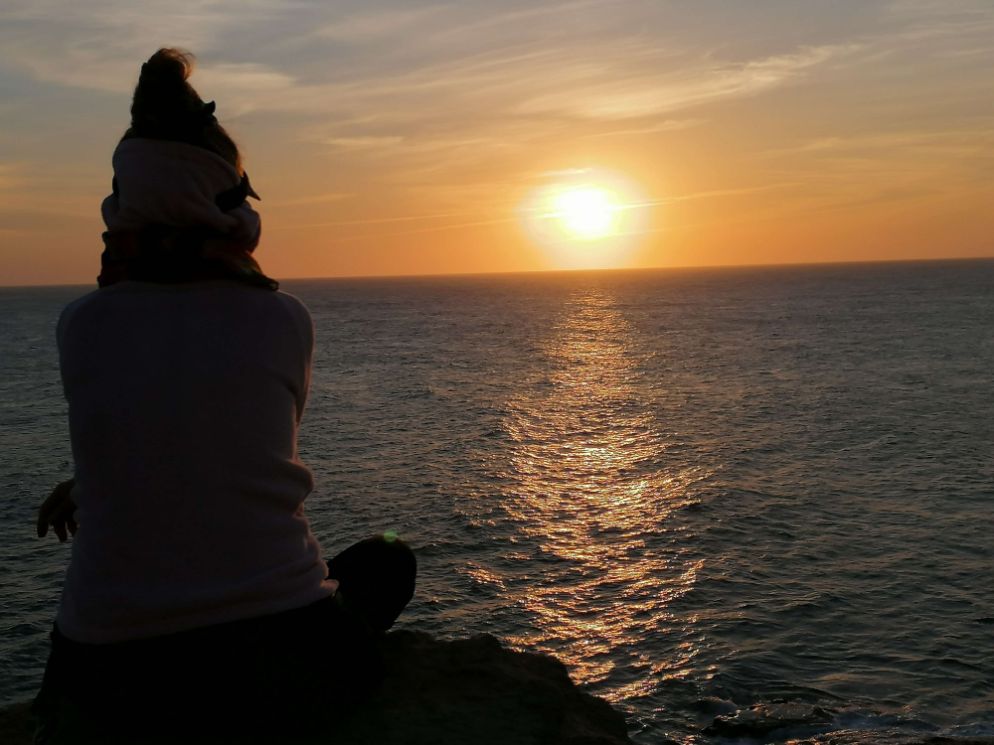
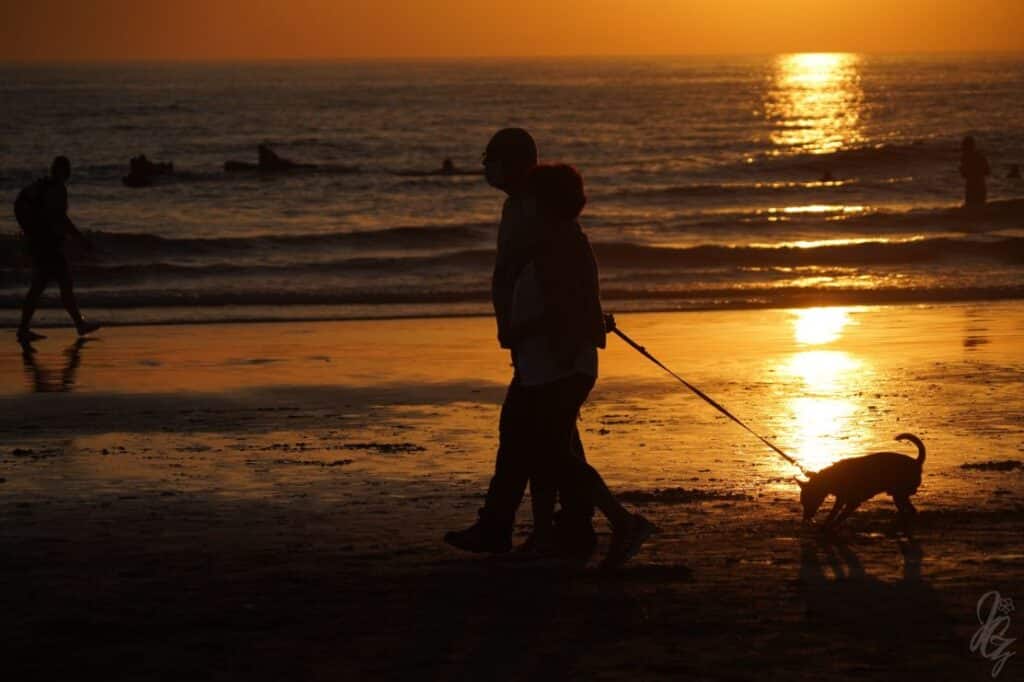
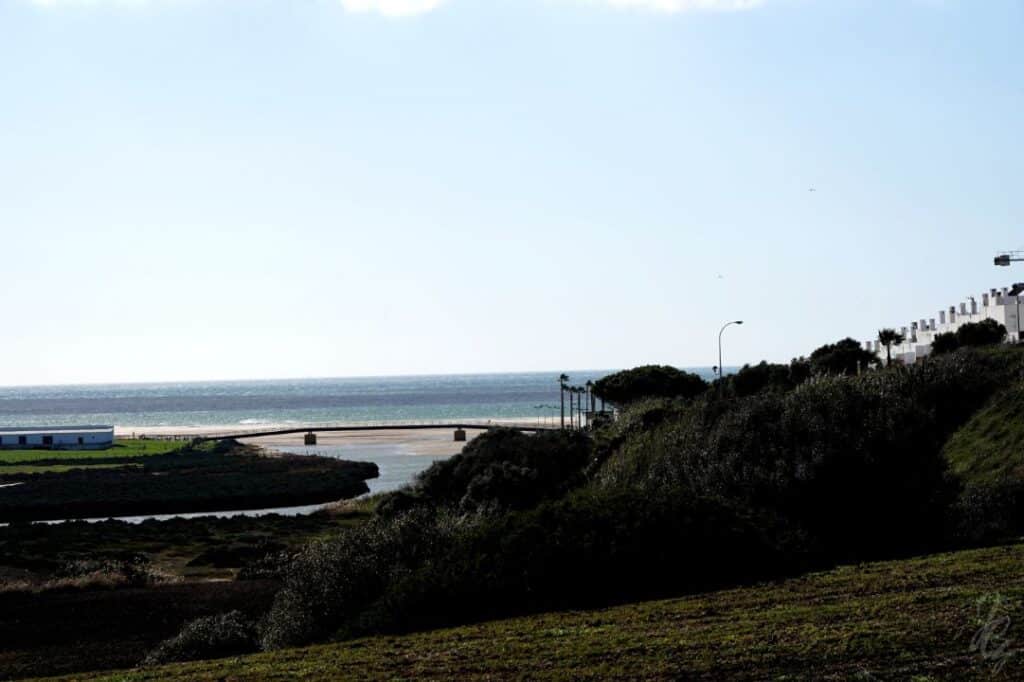
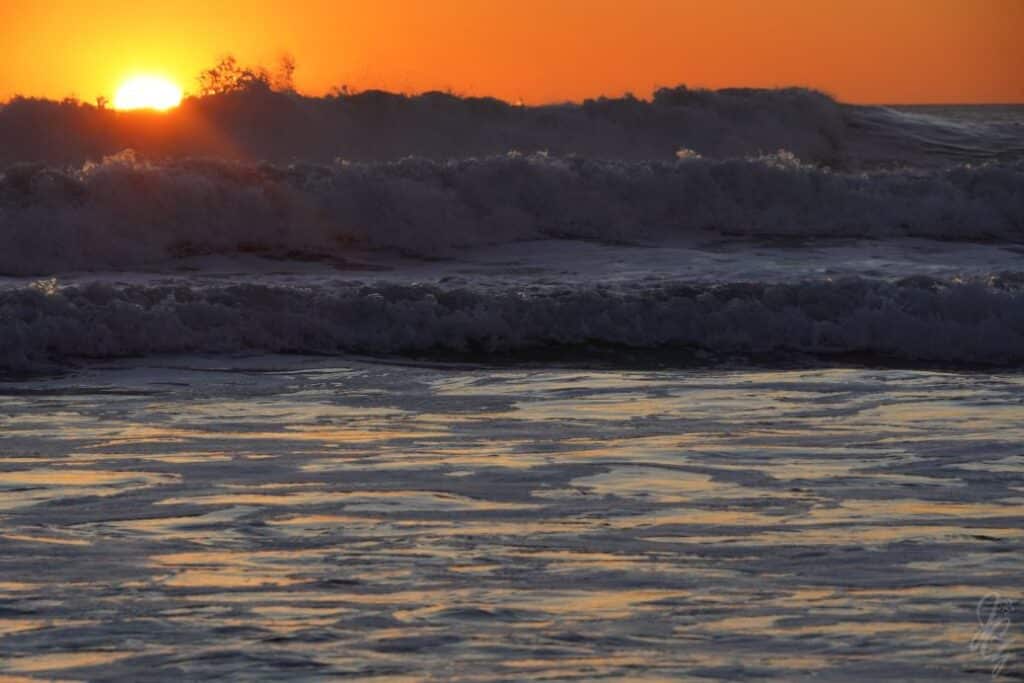
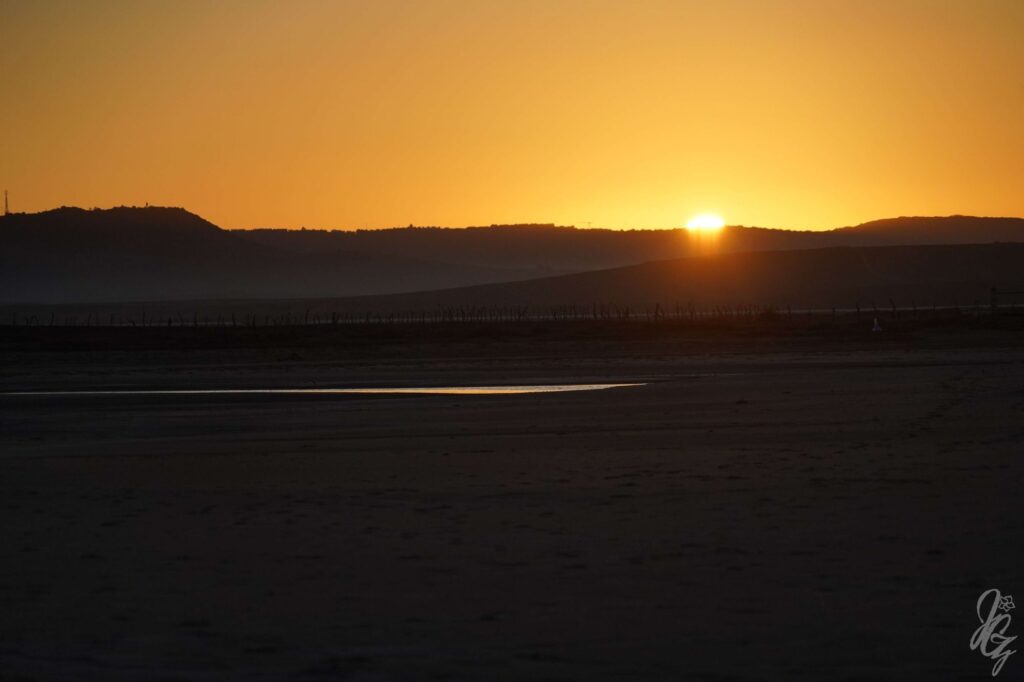
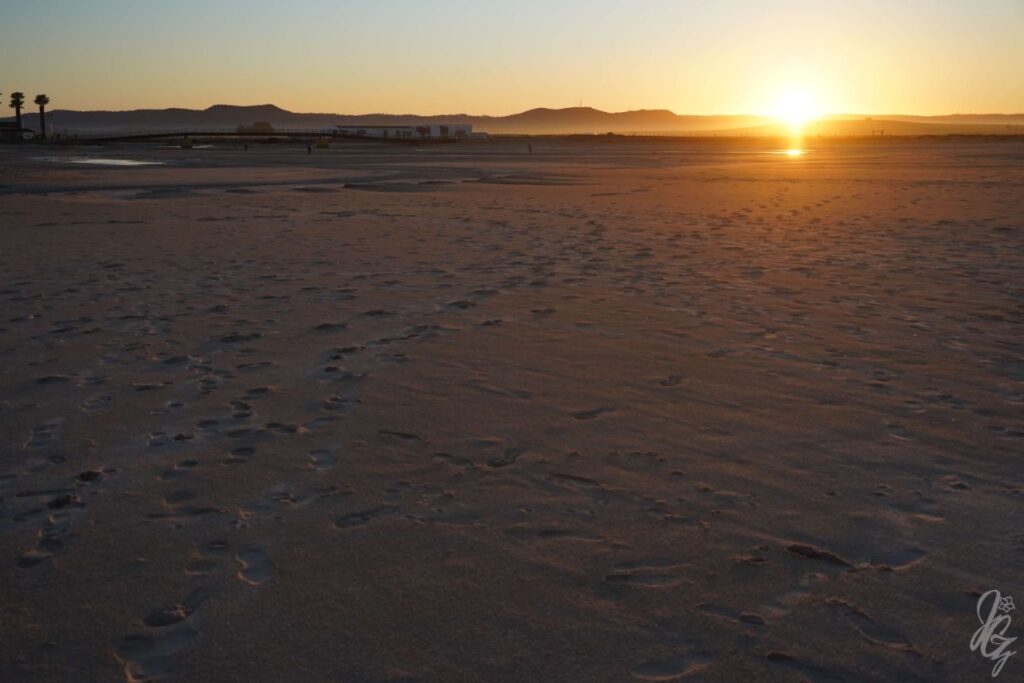
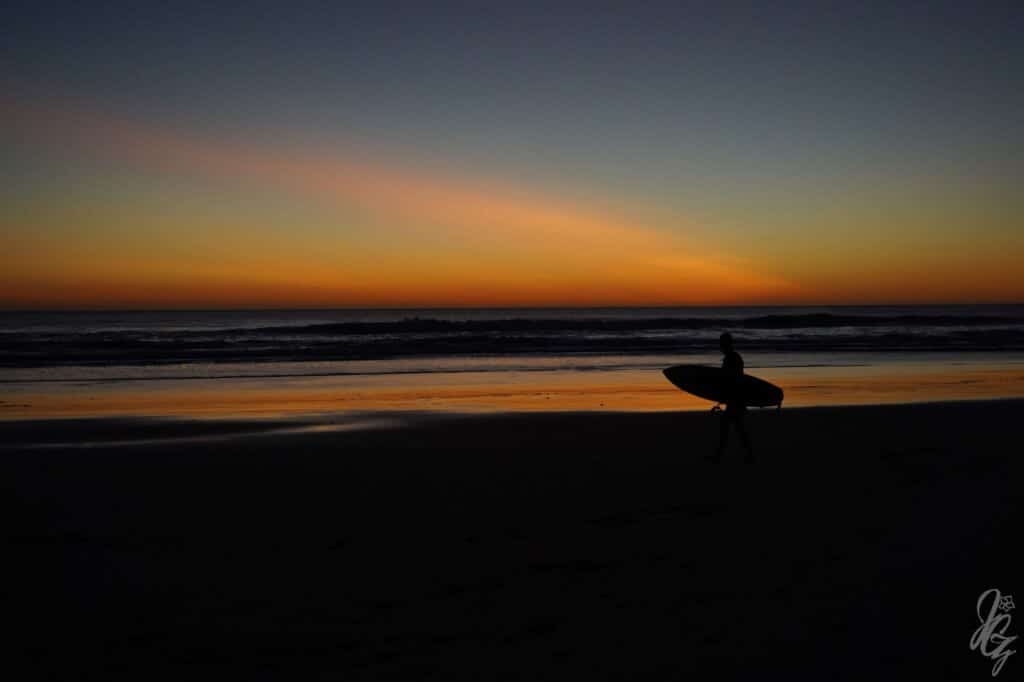
The hostel is 2 minutes away from the beach, you simply walk down the road, cross the street, pass by the skate park and reach the beach. It is very wide, and you can see a big tidal difference that also reveals many seashells. At high tide, the sea flows inland and forms a river. There is a foot bridge to cross over if you want to take a walk along the beach. It is one of the rare places in the world where you have an equally beautiful sunrise and sunset. In the morning, you can see the sun come up over the mountains, in the evenings it sets over the sea.
There is a historic town centre in Conil de la Frontera with bars, restaurants, little shops and a churreria (this is where you get churros). You can easily find a cosy place to have a beer and some Tapas and get everything you need.
The surf
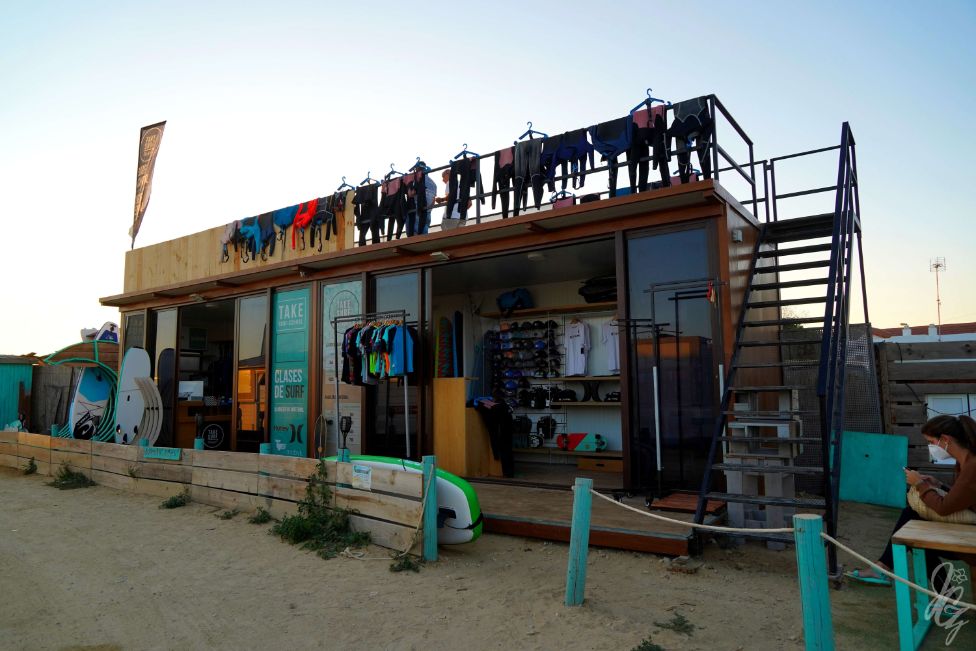
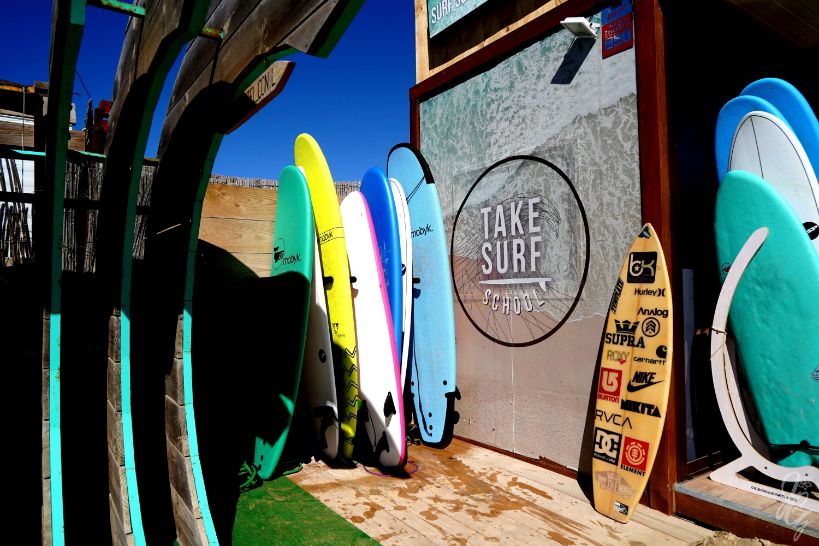
Now, let’s get to the good stuff: the surf. Depending on the conditions, you can surf in Conil, but it is usually better in El Palmar where you also find Take Surf School. If you don’t have a car, you can go with the volunteers who drive there in the morning to open the school or rent a bike at the hostel. It is generally recommend though, if you can, to rent a car. You can of course also book a surf lesson and rent equipment. If you stay a whole month, you can get it for €150 and take any surfboard you like whenever you want (either in El Palmar or at the hostel in Conil). The hire includes a wetsuit and a poncho towel.
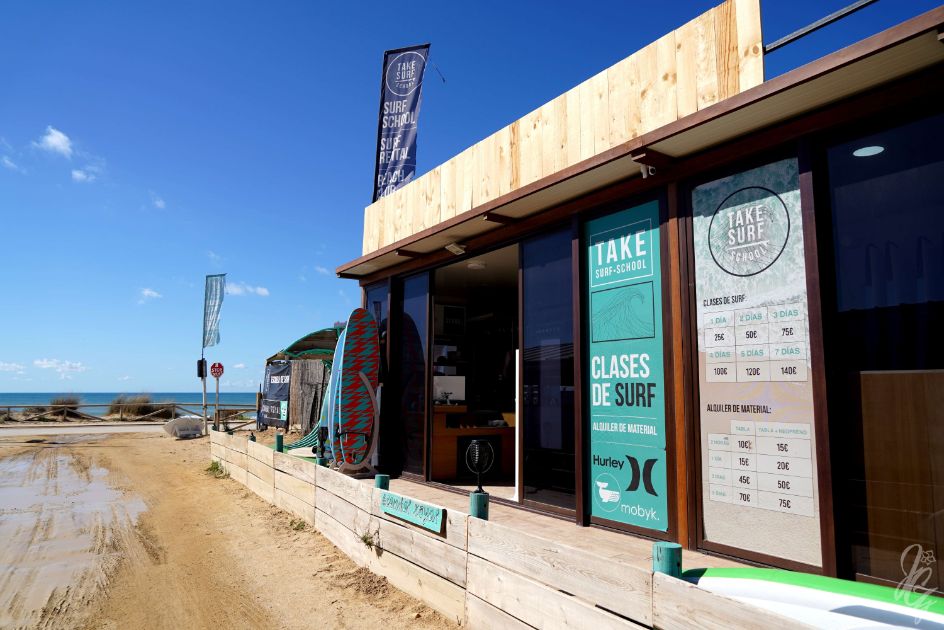
Prices for surf lessons (prices are subject to change):
| 1 Surf lesson | 2 Surf lessons | 5 Surf lessons | 7 Surf lessons |
|---|---|---|---|
| € 25 | € 50 | € 120 | € 140 |
Prices for equipment hire (prices are subject to change):
| Equipment | 1 day | 3 days | 5 days | 7 days |
|---|---|---|---|---|
| Surfboard | € 15 | € 40 | € 70 | € 90 |
| Wetsuit | € 10 | € 25 | € 45 | € 50 |
| Surfboard & Wetsuit | € 25 | € 45 | € 65 | € 95 |
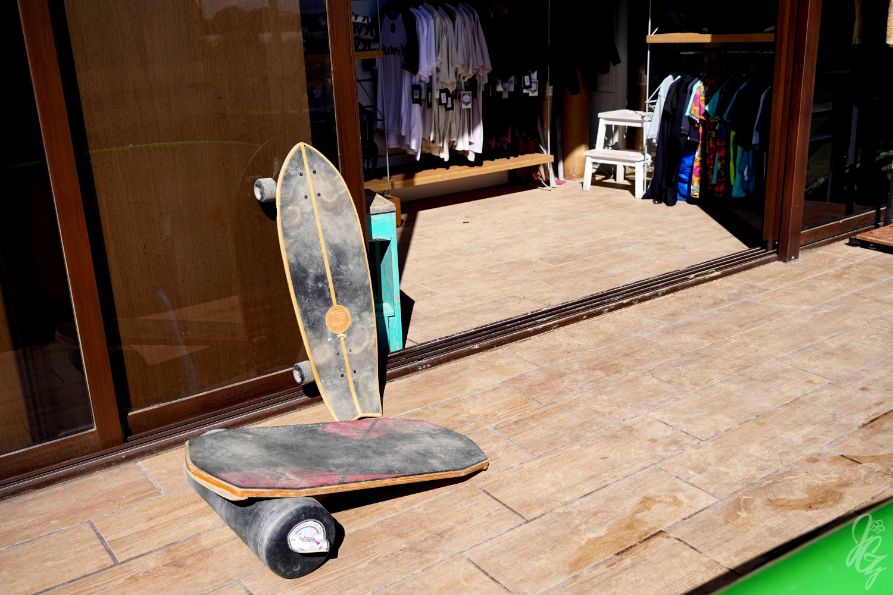
They also have surf skates and balance boards to get some practice when you’re not in the water and paddleboards for flat days. You could also just chill in one of the bean bags or on the sun terrace. Next to the surf school is a bar called Canibal Royal where they serve amazing Poke Bowls, and you can get your well-deserved beer after surfing.
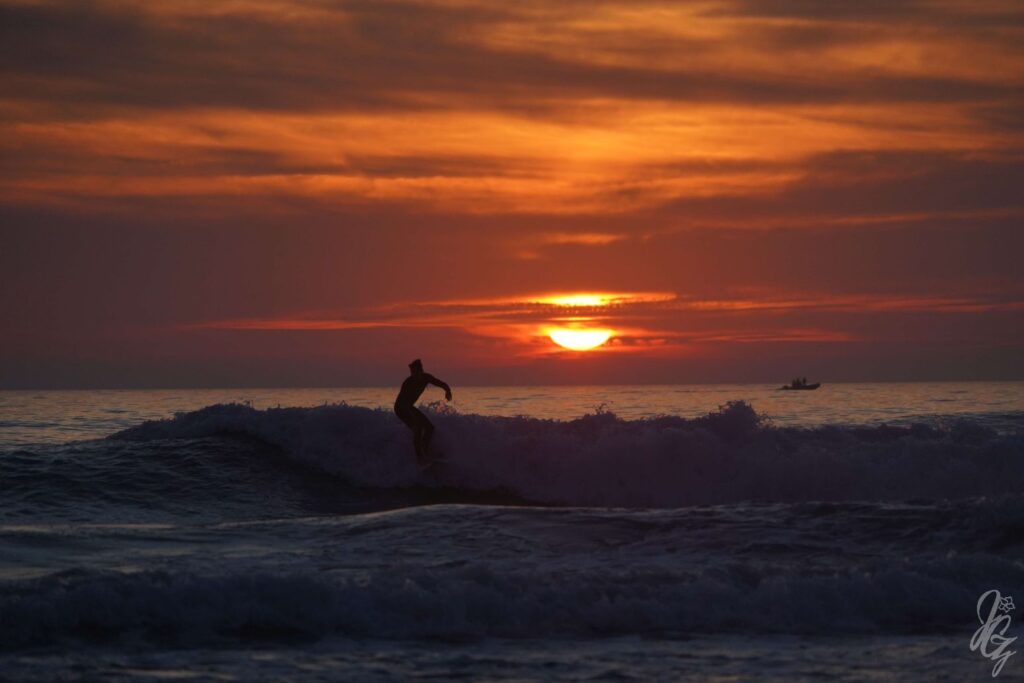
El Palmar is a little surf town which mostly consists of surf houses, shops, camping, bars and cafes. You can easily spend a whole day and night there. Charlie shouldn’t recommend it, but you can even go around the streets with the surf skate. It’s super fun, just watch out for the cars! On the weekends, almost all the bars play live music which you can enjoy after a sunset surf.
Kite Surfing
Apart from wave surfing, Take Hostel in Conil also offers Kite surfing courses and Charlie had together with Fede, Sabina and Marta a taster session booked. It was a windy Sunday afternoon – perfect conditions at the beach in Conil de la Frontera for some kiting.
The first lesson is always on the beach as you need to be able to control the kite before getting in the water. They learned how to set the Kite up, how to get it in the air and how to control it. Part of the course were some safety instructions. The most important thing to remember was to let the kite go if you lose control. It will land in the sand and you can pick it up again to start from scratch.
The lesson was entirely in Spanish which was no problem for Charlie. She also knew that “¡Suelta!” meant “Let go!”. Unfortunately, her reflexes hadn’t been trained in Spanish and she landed face down in the sand and couldn’t stop laughing about the situation.
Take Hostel offers Kite surfing lessons for €70 and you can expect to need 3-5 lessons to learn it sufficiently to go out on your own without getting blown away.
Frequently Asked Questions
How do you get to Conil de la Frontera?
You can fly into Seville or Jerez and take a train to Cádiz from where you take a bus. You can also take the coach from Seville which takes approximately 2 hours and costs around €15.
Where is Take Hostel in Conil?
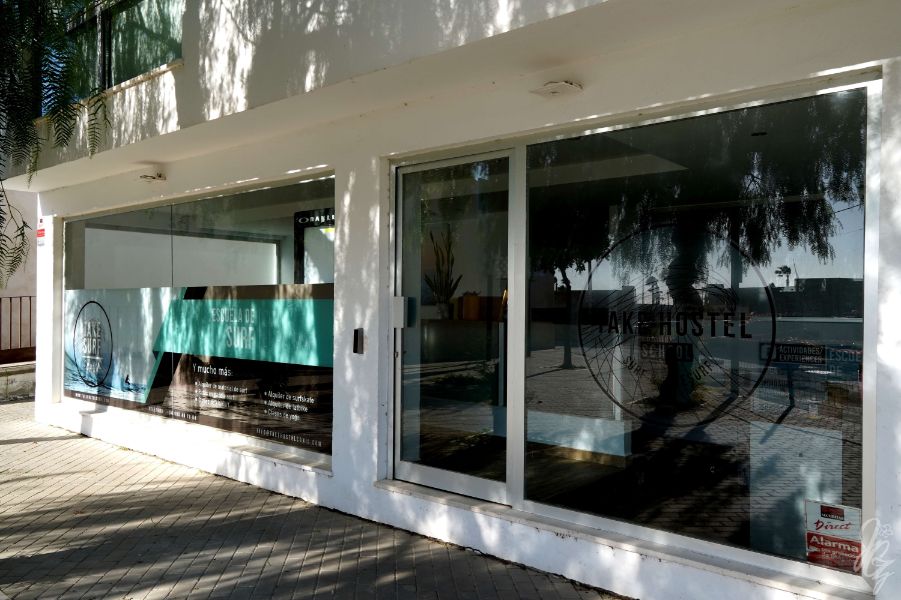
Take Hostel is in Calle Almadraba, only 2 minutes away from the beach. It is a 10 minute walk to the town centre.
What type of accommodation does Take Hostel offer?
You can book a private room or a bunk bed in a shared room for 4, 6 or 10 people. Linen and towels are included. You can stay for one night or up to a whole month.
How do I get from Conil to El Palmar to surf?
Take Hostel offers a transfer to El Palmar every morning and back in the evening. Other times can be arranged, you just have to ask.
When is the best time to surf?
The best time to surf in Andalucía is between October and March. This is when the swell is hitting Europe.
Can I take surf lessons in El Palmar?
Take Surf School offers surf lessons for €25. All equipment is included.
Can I hire a surf board?
Take Surf School also offers equipment rental. You can get a surf board and wetsuit for 2 hours for €10 or for the whole day for €15. They also offer long-term rental for special prices.