Barcelona
Getting to know Barcelona
So much has been written about Barcelona and the city has so much to offer that it would feel wrong to give this post a title like “the best of Barcelona” or “top things to do in Barcelona”. Instead, let’s just get to know this city a little bit.
Charlie spent two weeks at Kalima Coliving in Catalonia, about 40 minutes outside of Barcelona. Of course, she wanted to see the city as well, so she took the train a few times to explore. These are the things she did: a hop-on-hop-off tour, a walking tour in the old town, a stroll around Park Güell, a visit to the Sagrada Familia and she explored the street art of Barcelona.
Barcelona’s Old Town: Historic traces that make it different and yet so much alike
If you have been to other cities in Spain, you will notice that Barcelona is different. Especially, if you visited places like Malaga or Cadiz in the south, you might miss one element in the North: Arabic elements in the architecture. The Moors only spent a short period of time there and it wasn’t long enough to have left visible traces. It was under Charlemagne when their expansion was stopped at the natural border of the Pyrenees. At the same time, counties were created in the North to cause further dispersion of the Arabic influence. The region of Catalonia was born.
A Catalan city
Those that speak a bit of Spanish will notice something else in Barcelona: The language that you see the most in the streets – be it in official street signs or advertisements – isn’t Spanish. It is Catalan. If you go outside the city, you will also hear this language spoken by the locals. It is another aspect that sets Barcelona (and all of Catalonia) apart from the rest of Spain.
Roman traces among Gothic architecture
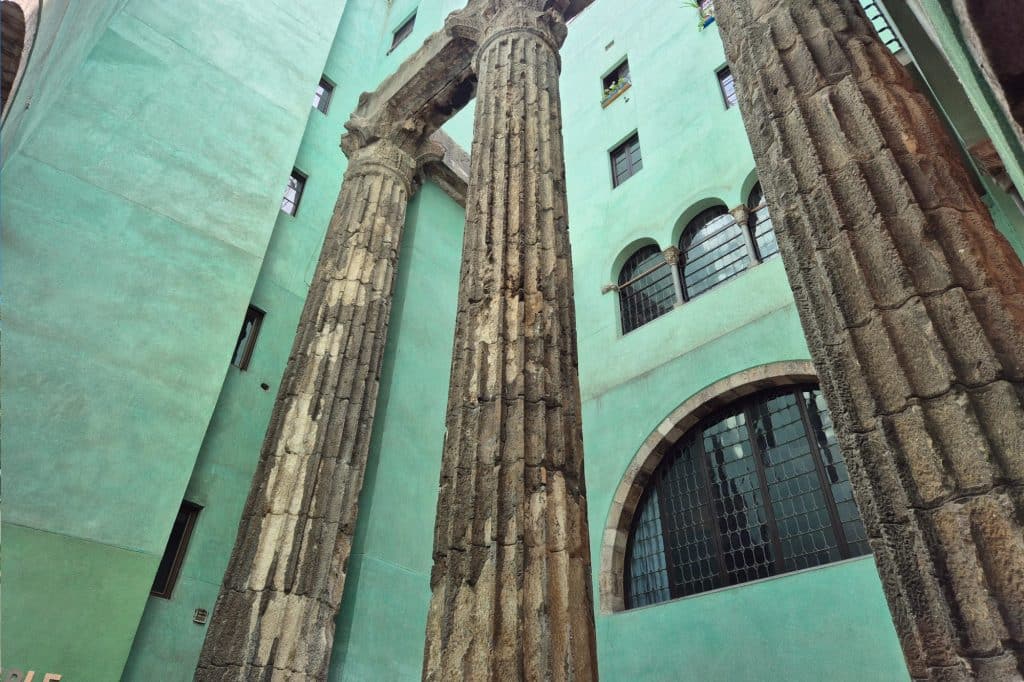
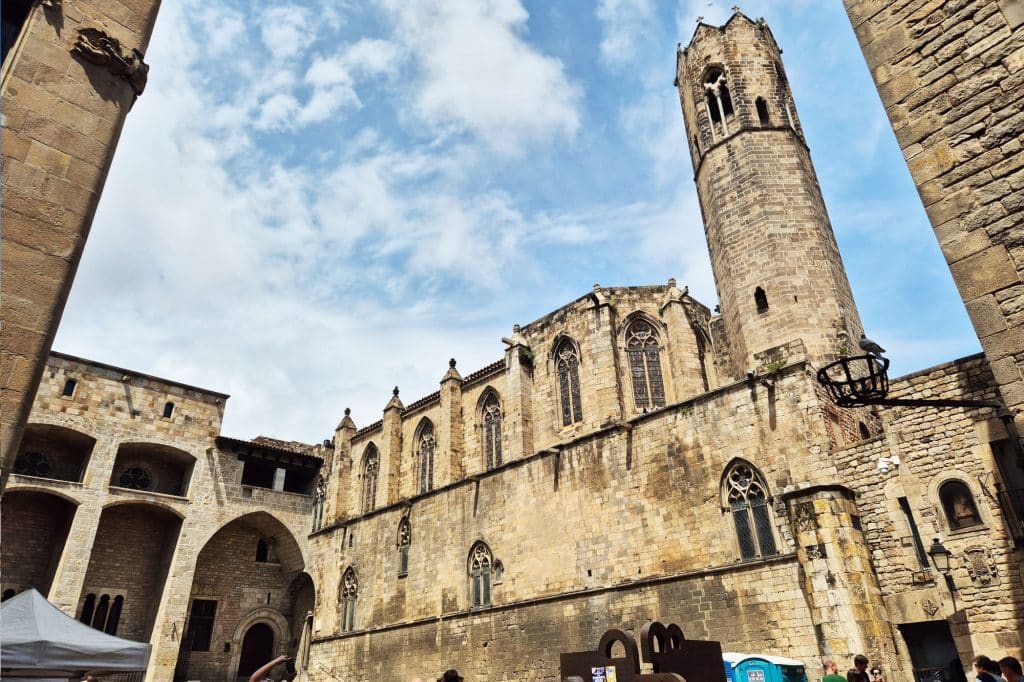
The historic aspect that Barcelona shares with many other cities in the peninsula and elsewhere in Europe is that it was founded by the Romans. On the outside of King’s Square and the Royal Palace are remains of the original Roman wall from around 2000 years ago and not far from the Cathedral is a small courtyard where you can still see some columns of the Roman Forum. The strategic position with direct access to the Mediterranean made Barcino, as the Roman settlement was called, an important trading post. Not much is left from this time and the elements that you can still see today are nothing compared to the city of Rome.
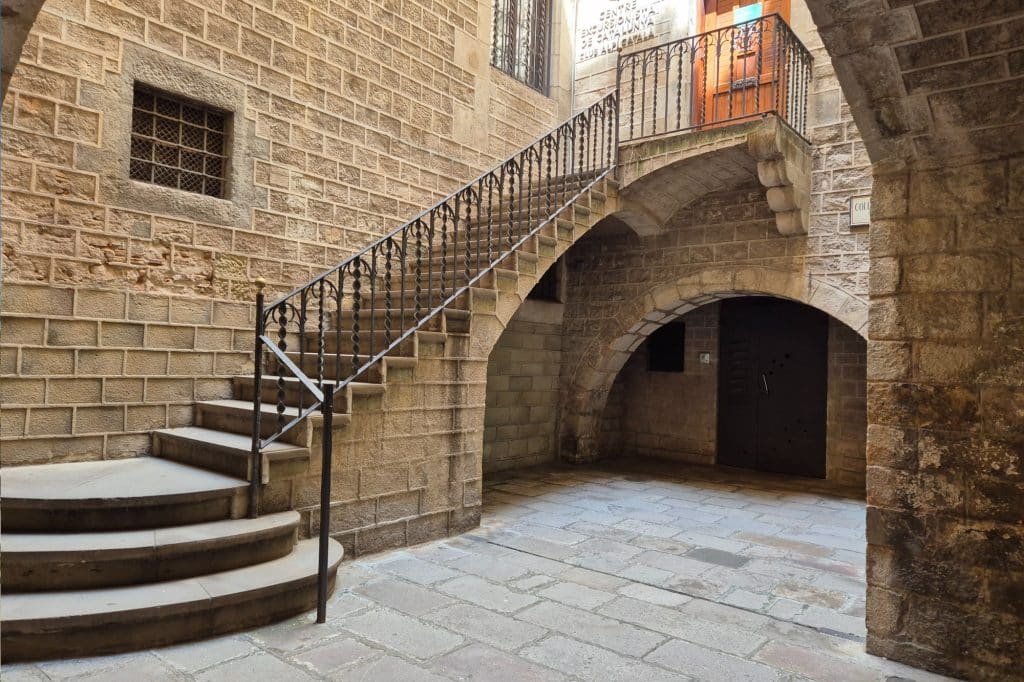
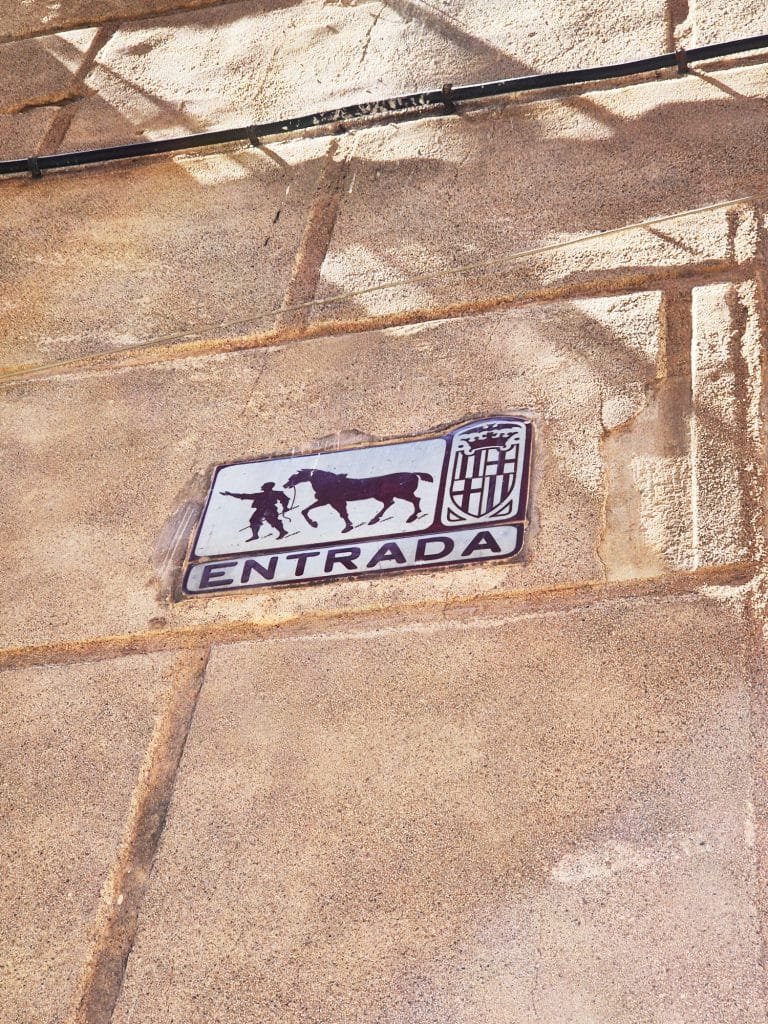
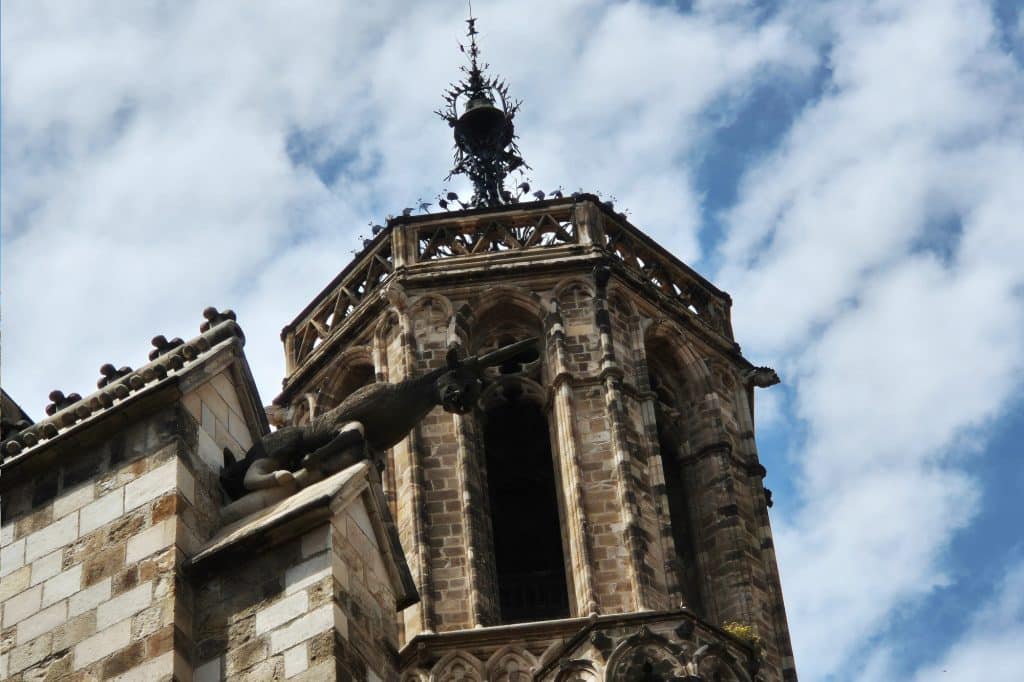
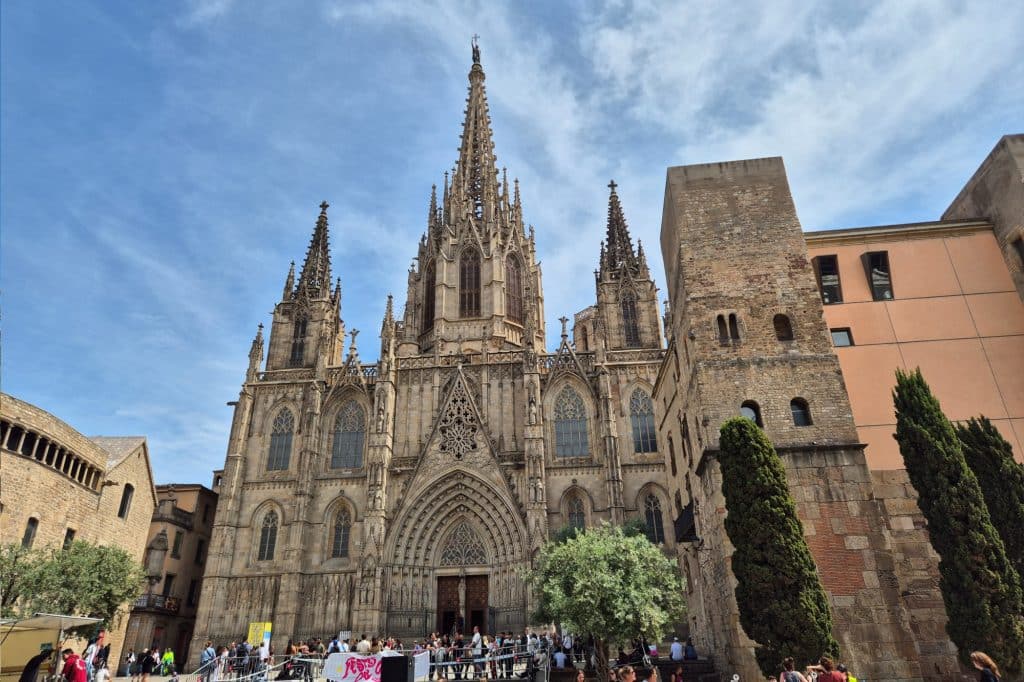
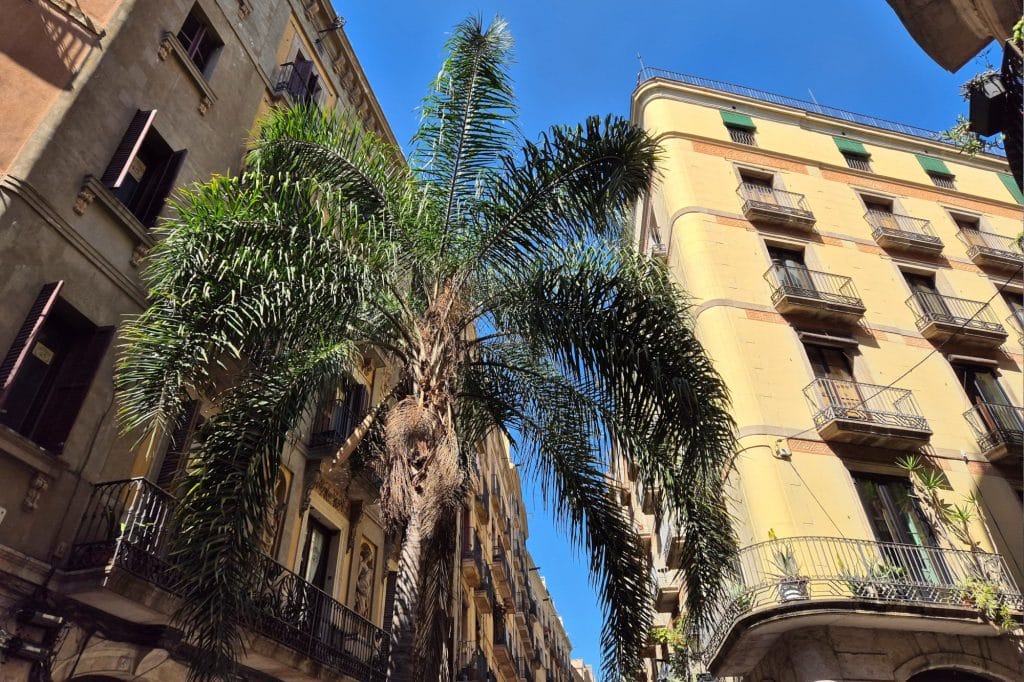
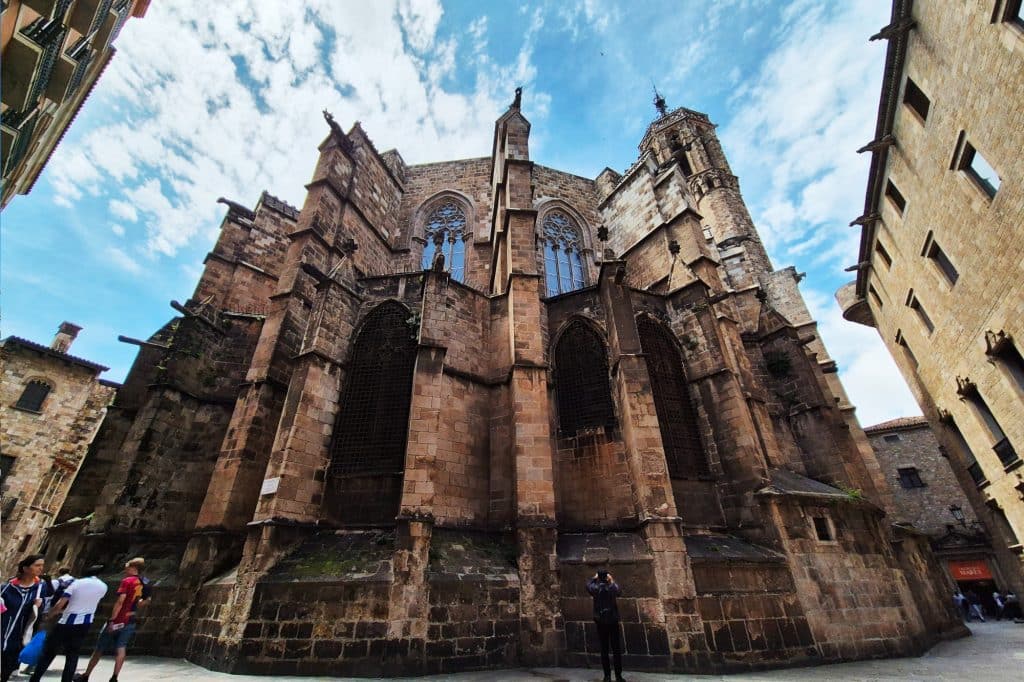
Another European period has had an impact on Barcelona and created one of the most iconic quarters of the city: the Gothic architecture. Take a stroll through the narrow paths that interestingly have historic signs showing which side was the entrance and which was the exit back in the days when horse carriages were navigating this labyrinth. Nowadays, you are allowed to walk in both directions. The signs are purely historical.
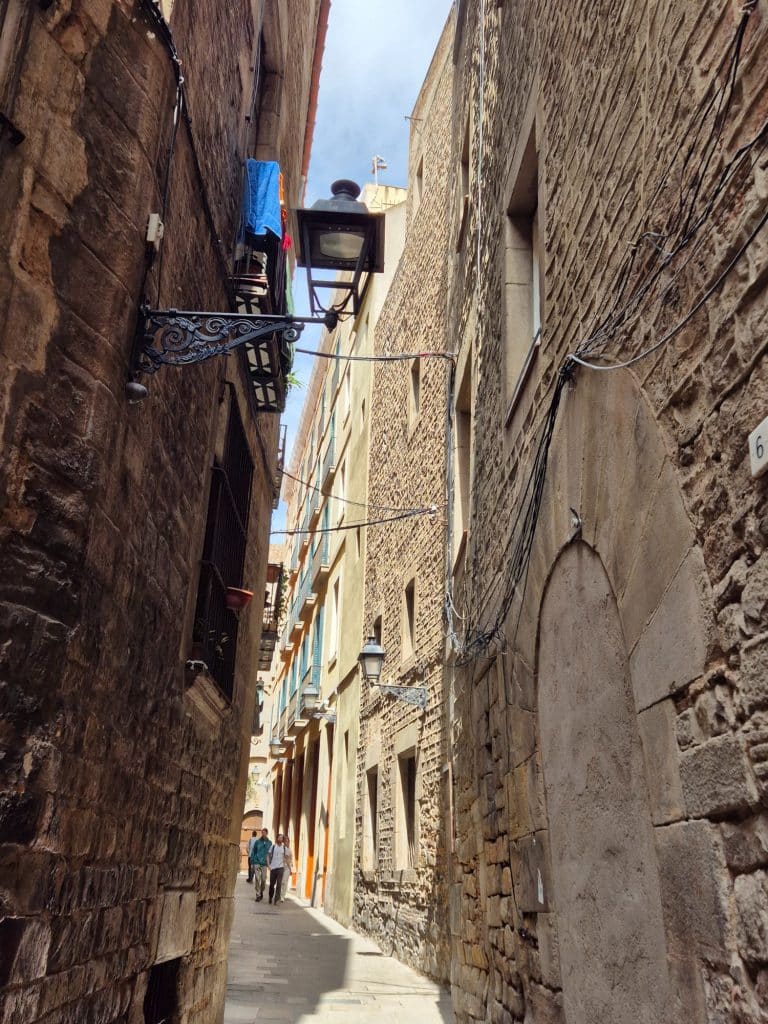
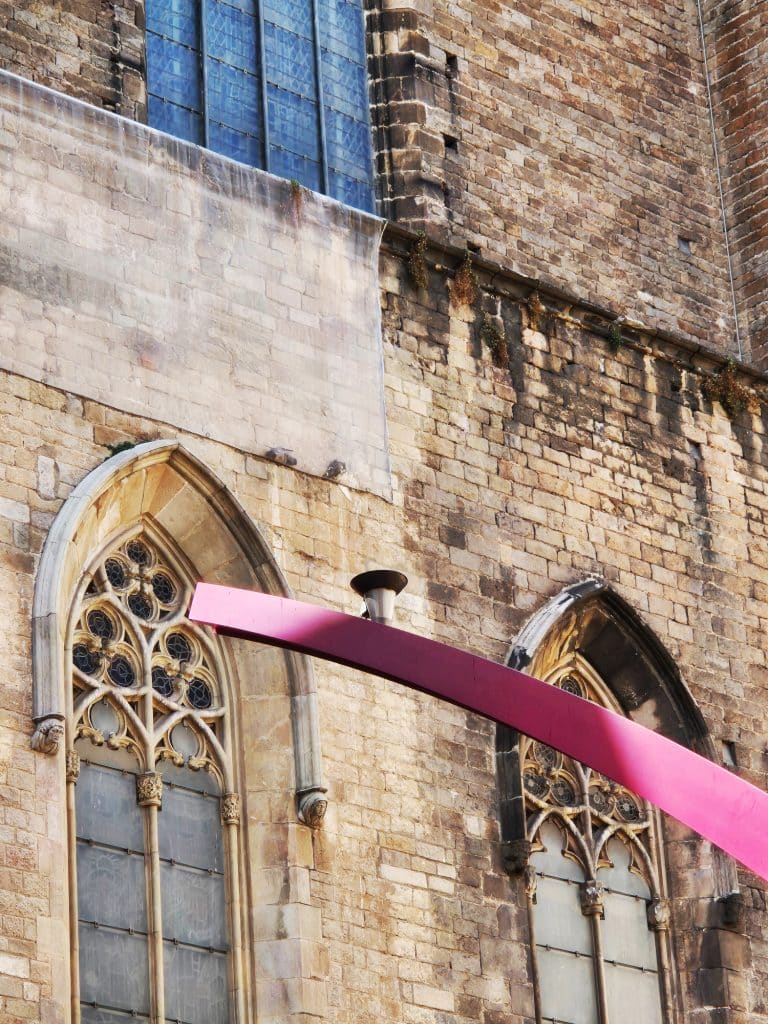
Those with a bit of knowledge of history and architecture might also notice that “gothic” in one corner of this quarter of Barcelona isn’t equal to “gothic” at another corner. The Cathedral for example was built in Gothic times and represents this style. The façade however is much younger and shows the neo-gothic style. If you compare the Cathedral though to another church in the area, the Church St Maria del Mar, you will notice another difference in the style. The church represents the Catalan Gothic style in all its humility. The Cathedral’s façade is a lot less humble and represents the European Gothic style, similar to the Notre Dame in Paris. Take a stroll through the Gothic Quarter and try to spot the differences.
Aboard a tourist bus in Barcelona
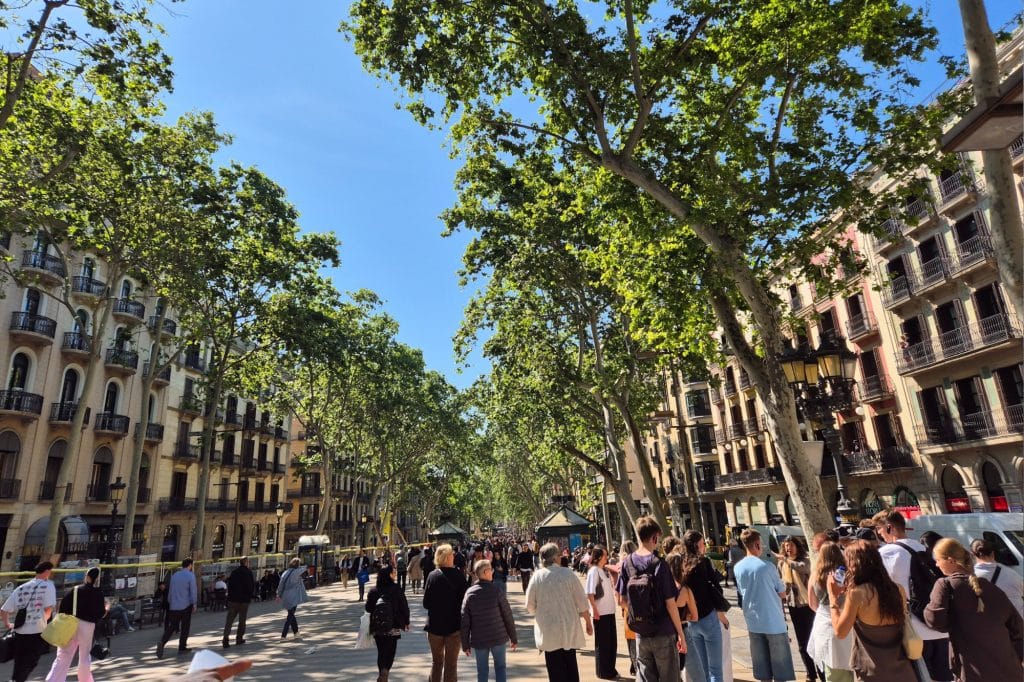
For the old town of Barcelona, a walking tour is the best you can do. You won’t be able to drive through the narrow alleys. If you want to see other parts of the city all the way from the beach La Barceloneta to the Plaça Espanya and Montjuïc, the best option is a hop-on-hop-off bus tour.
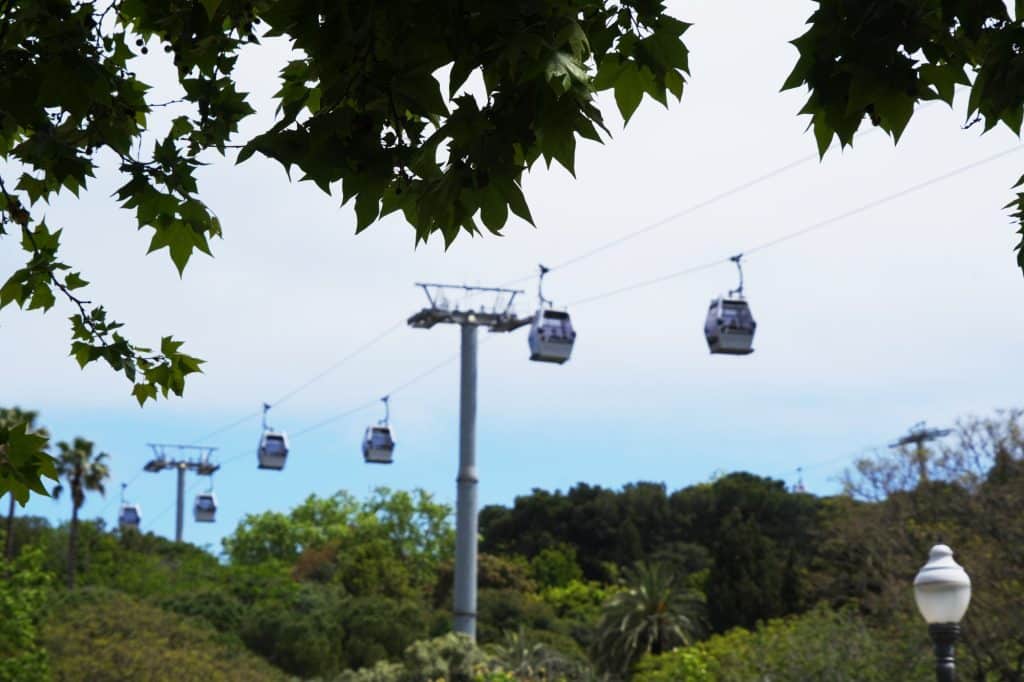
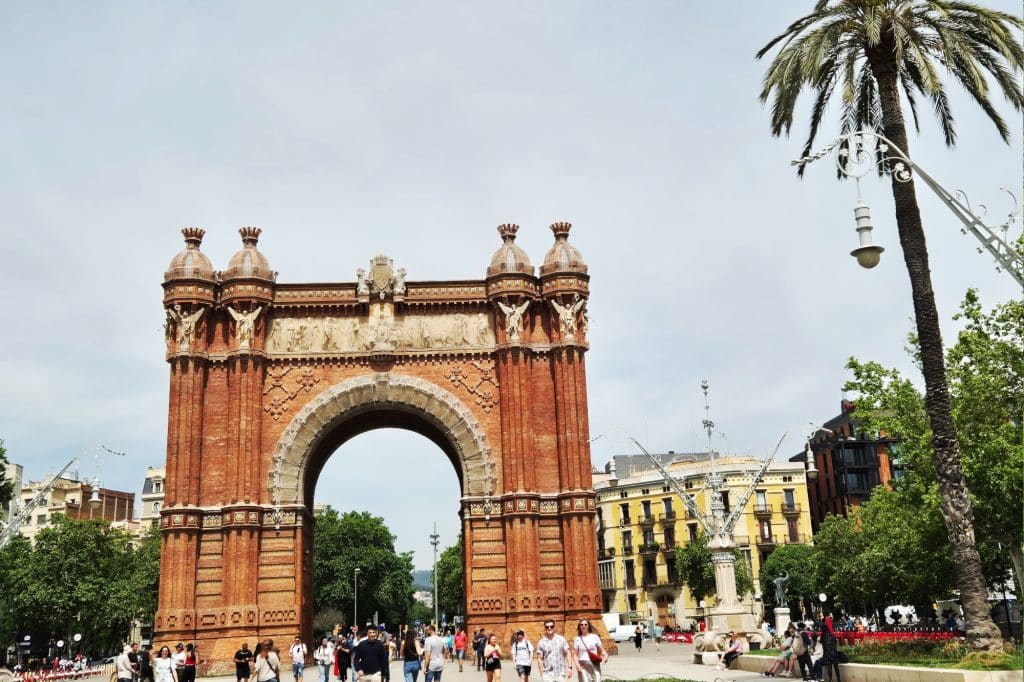
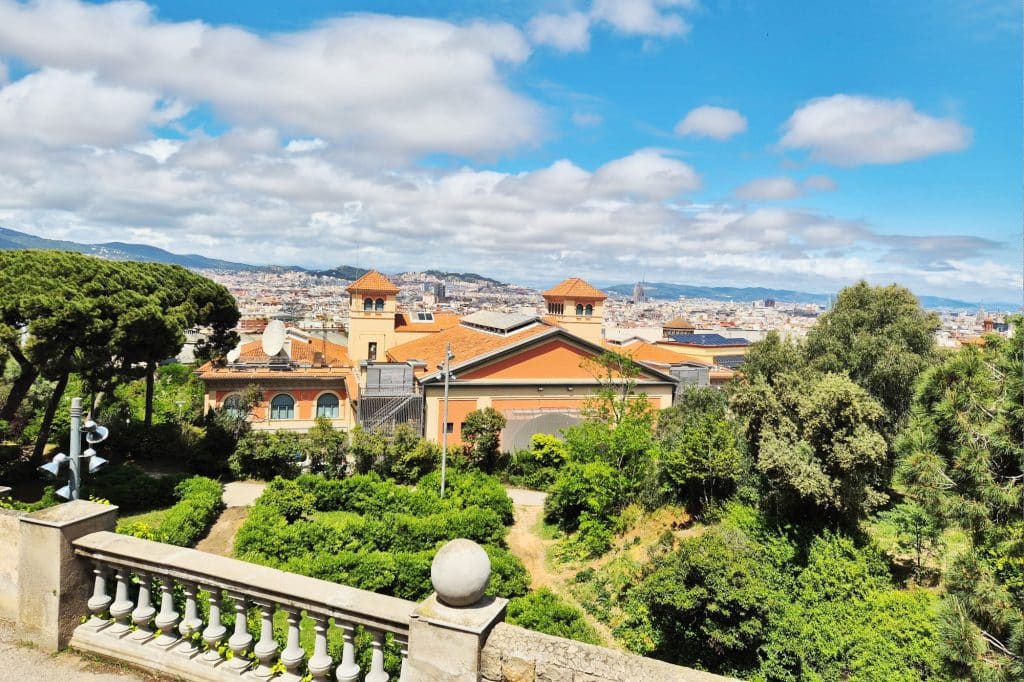
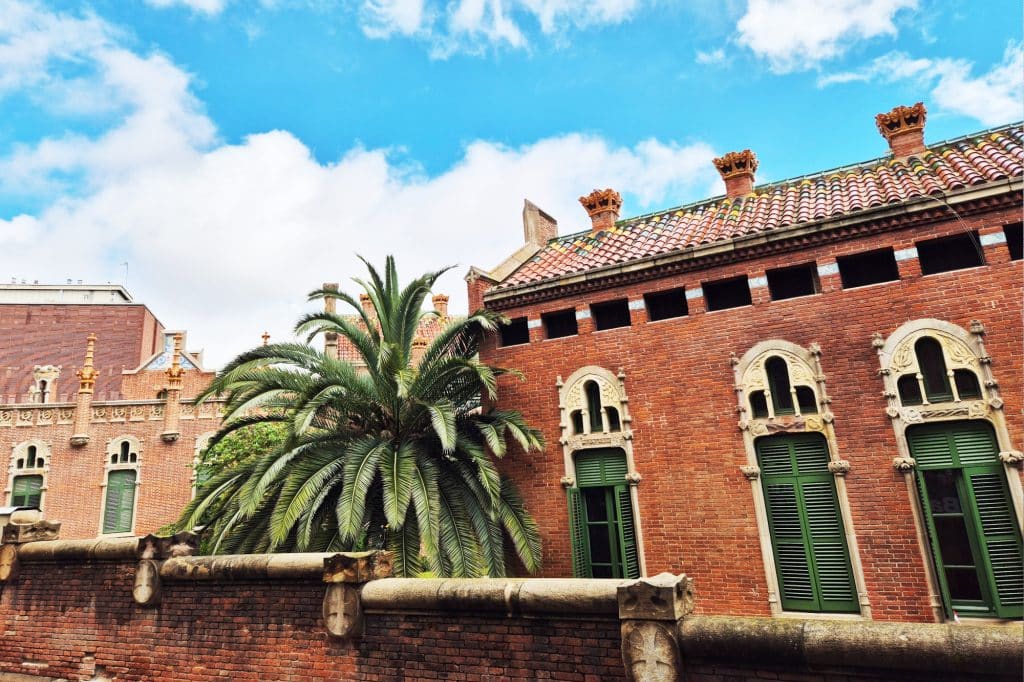

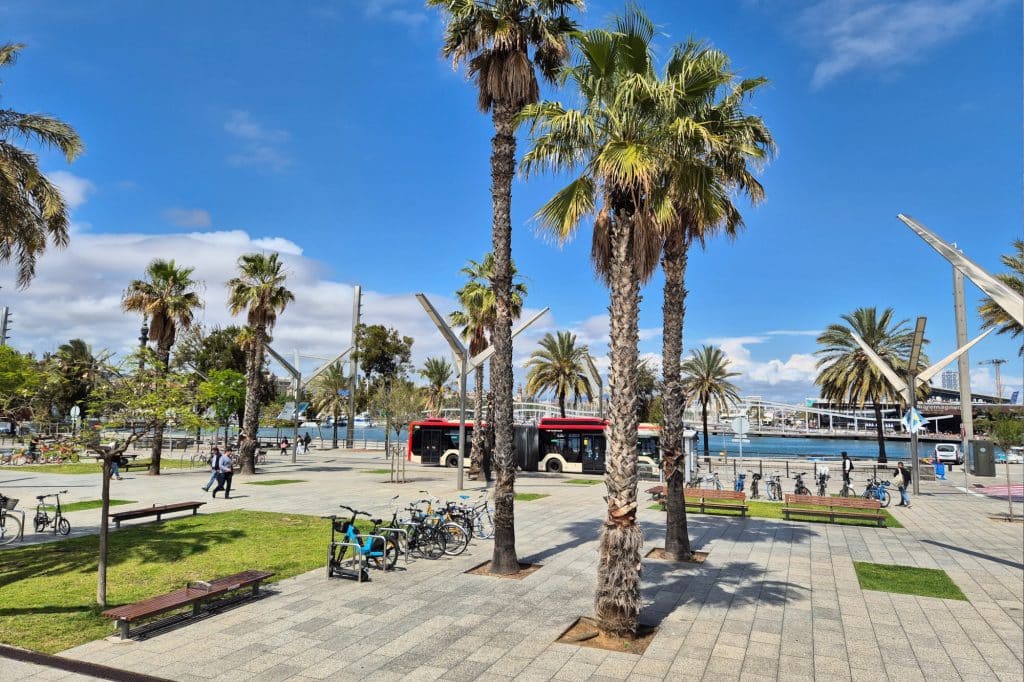
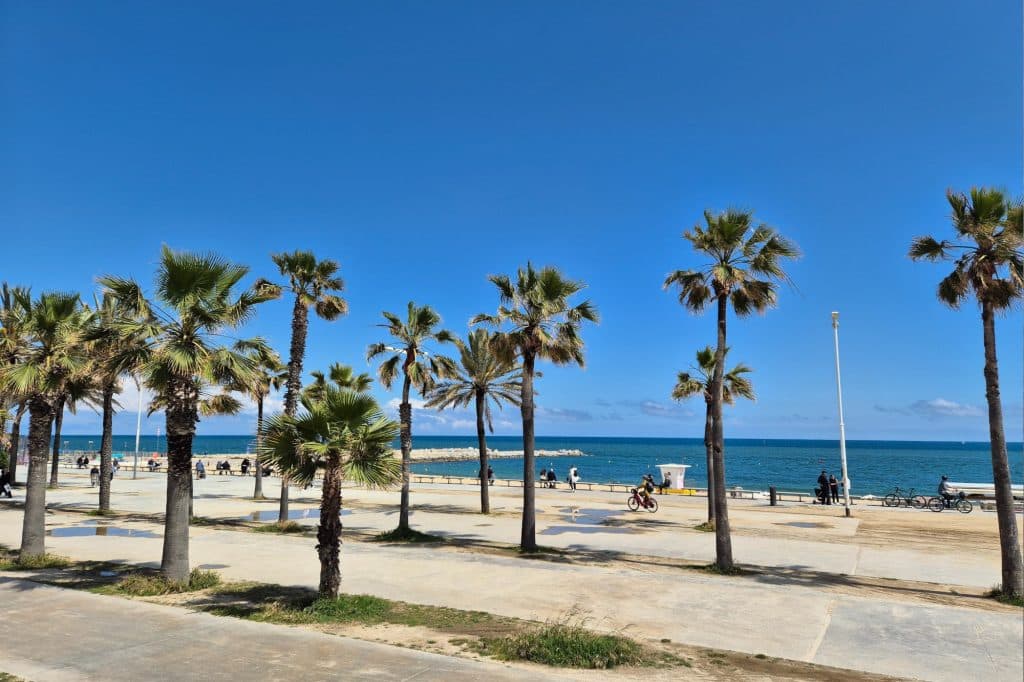
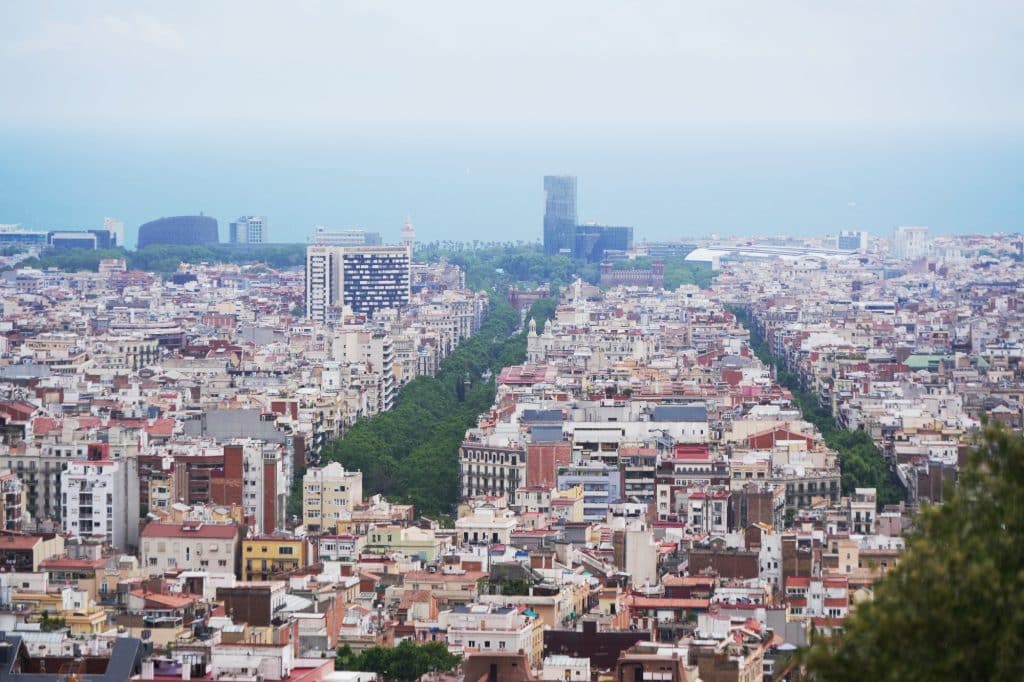
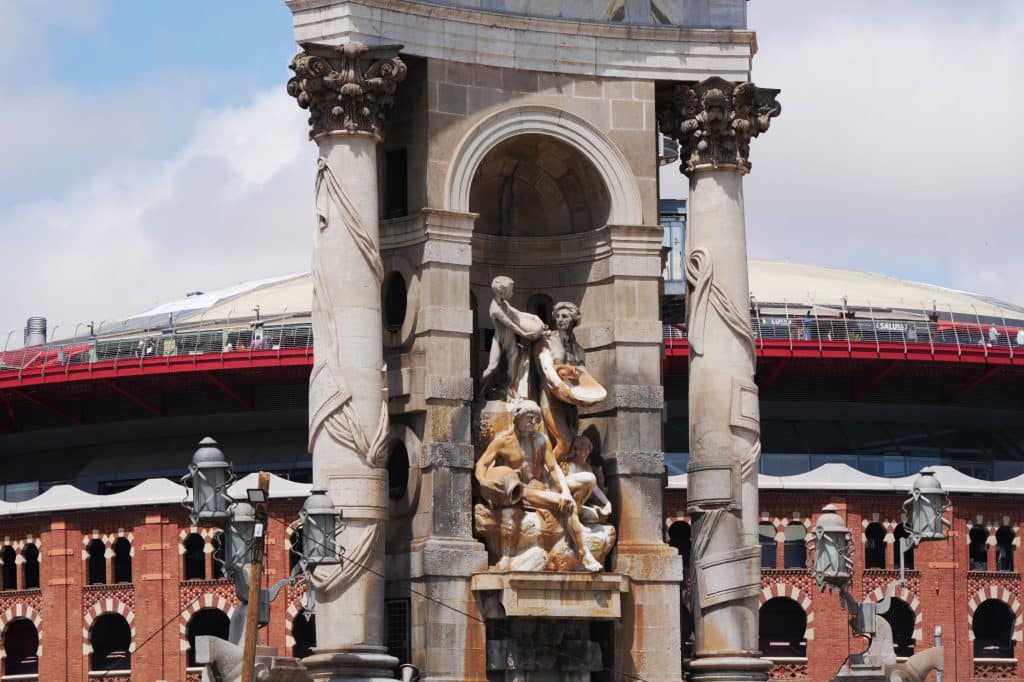
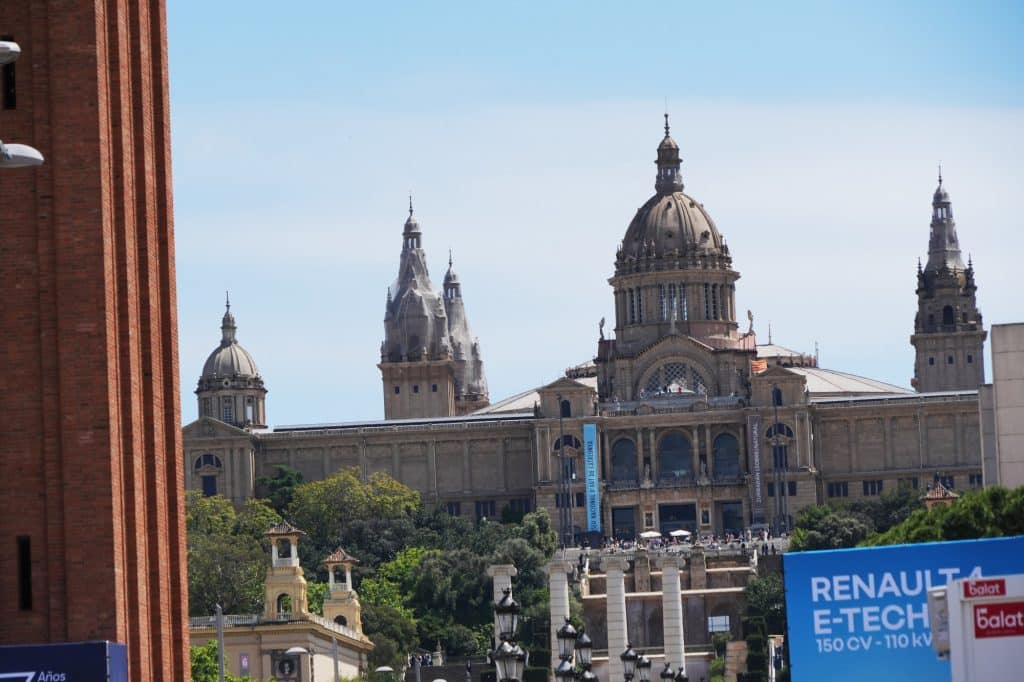
There are two of these tours available in Barcelona and Charlie took the one called “bus turistic”. That was pure coincidence as she booked all her tickets on the website of Barcelona Pass and didn’t actively choose a tour provider.
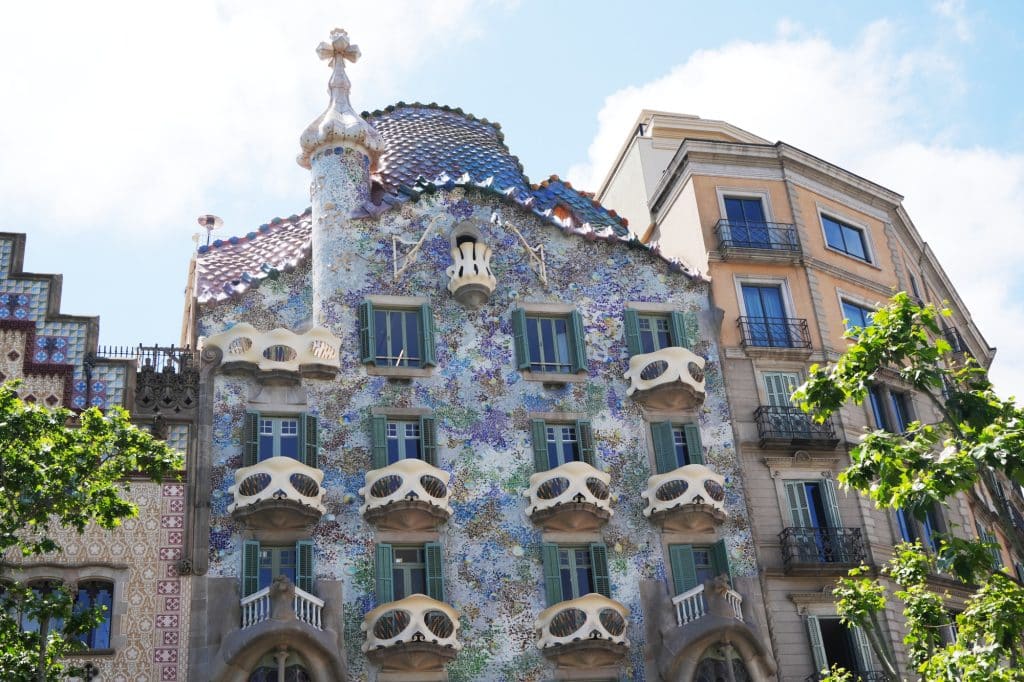
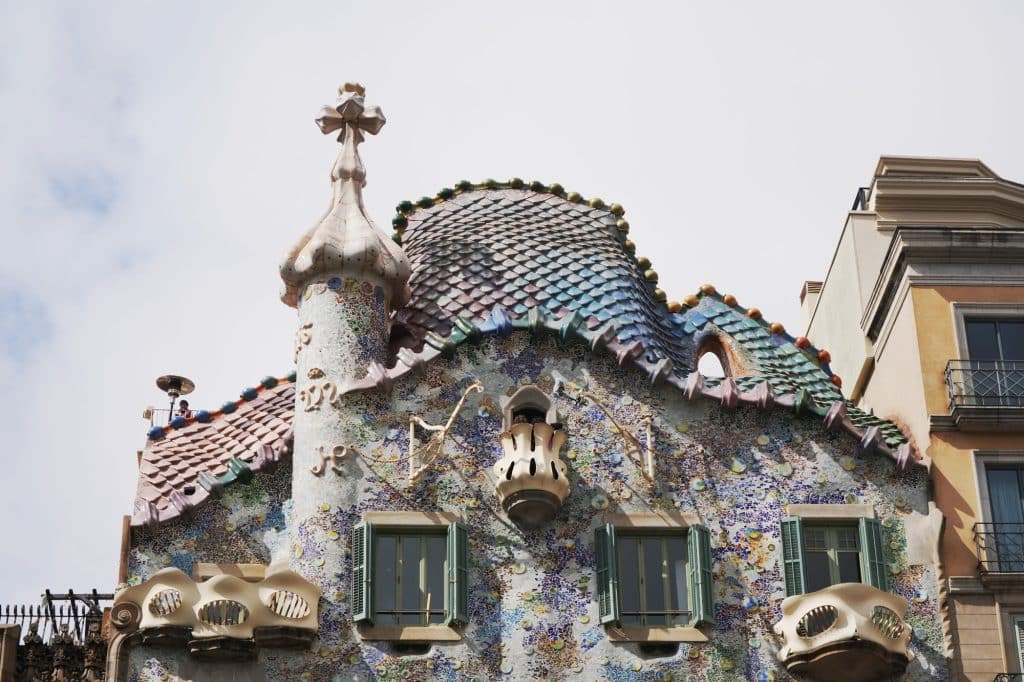
There are two routes, a blue and a red route and both start at Plaça Catalunya. The blue route gets you to the outskirts of the city where you could proceed by tram to the Tibidabo or take the cable car at Montjuïc. The red route explores the inner city and the harbour and beach area. They bring you to the most popular places in the city, including all of the Gaudí houses and museums, as well as the Park Güell and the Sagrada Familia.
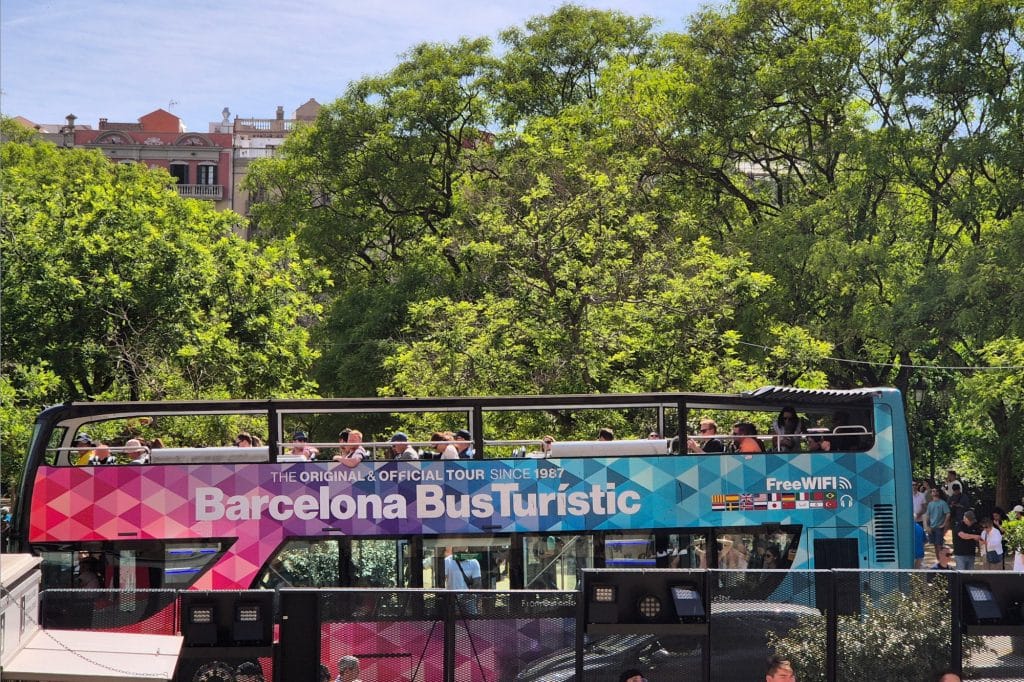
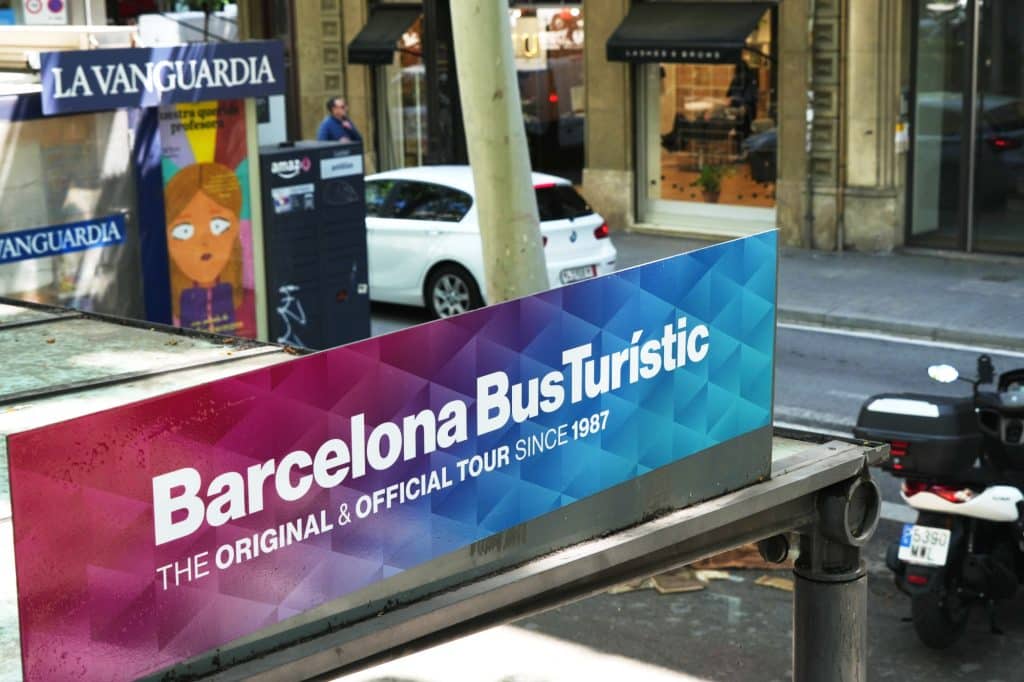
You can get tickets for 24 or 48 hours. If you want to hop off to visit some places from the inside, Charlie recommends a ticket for 48 hours as the blue route took around 2 hours, the red route almost 3. Keep in mind that for most of the places in Barcelona that require an entrance fee, you should book your ticket in advance. Otherwise, you might not be able to get in.
Park Güell
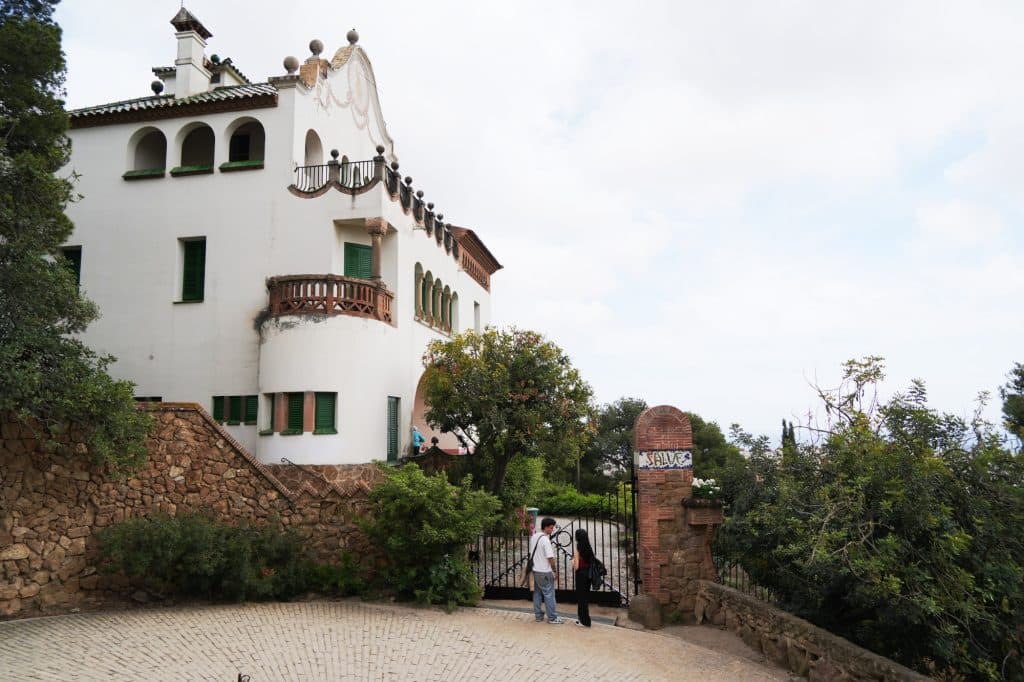
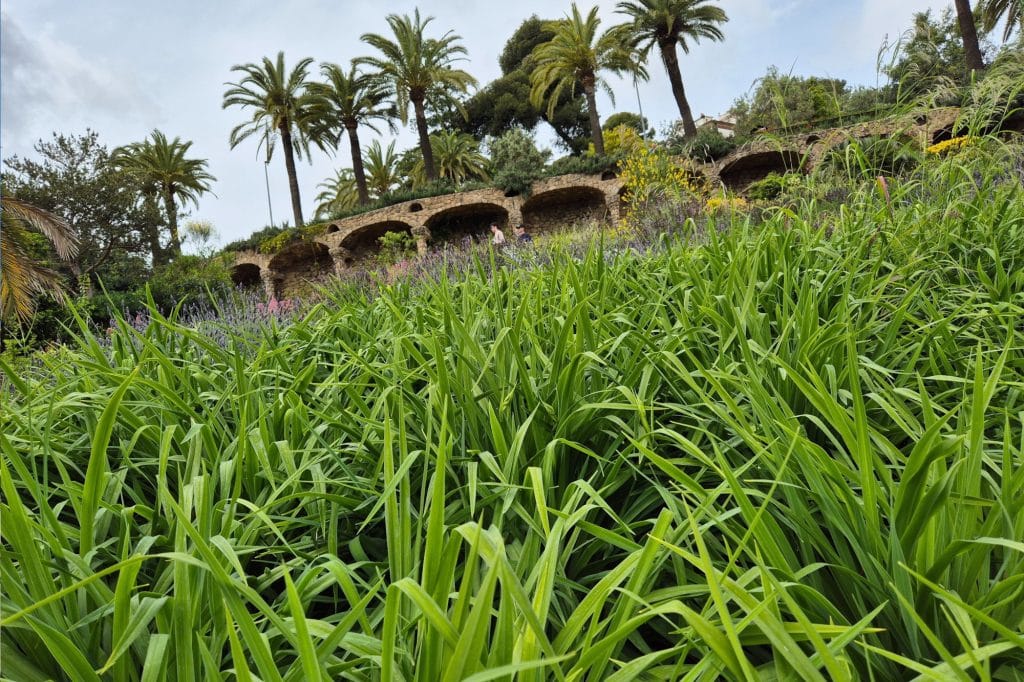
One of those places is the Park Güell. The tickets are for a specific time slot, and you must book this in advance. If you don’t want to squeeze this in with a hop-on-hop-off your, you can easily get to the entrance of the park by public transport and explore in your own time. There are some more architectural pieces by Antoni Gaudí, and you can enjoy a great view over Barcelona from Park Güell.
The entire park is accessible for wheelchair users too and there are public restrooms too. The queue might be long though. Inside the park, there is no café, but you can easily find one if you leave the park through the exit by the museum (Casa del Guarda) and simply walk down the hill.
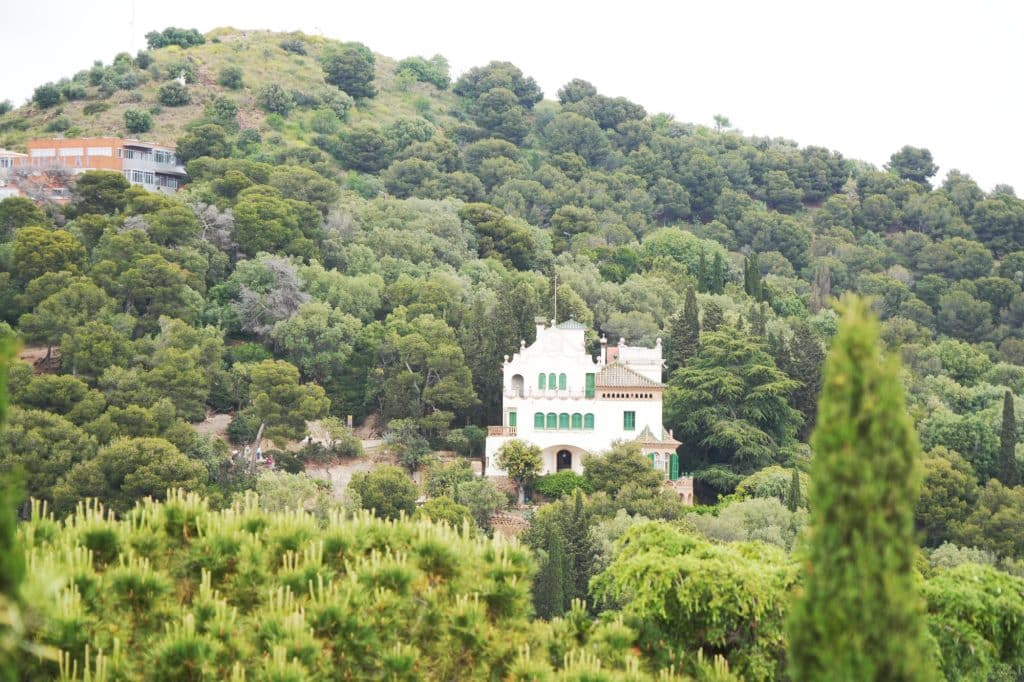
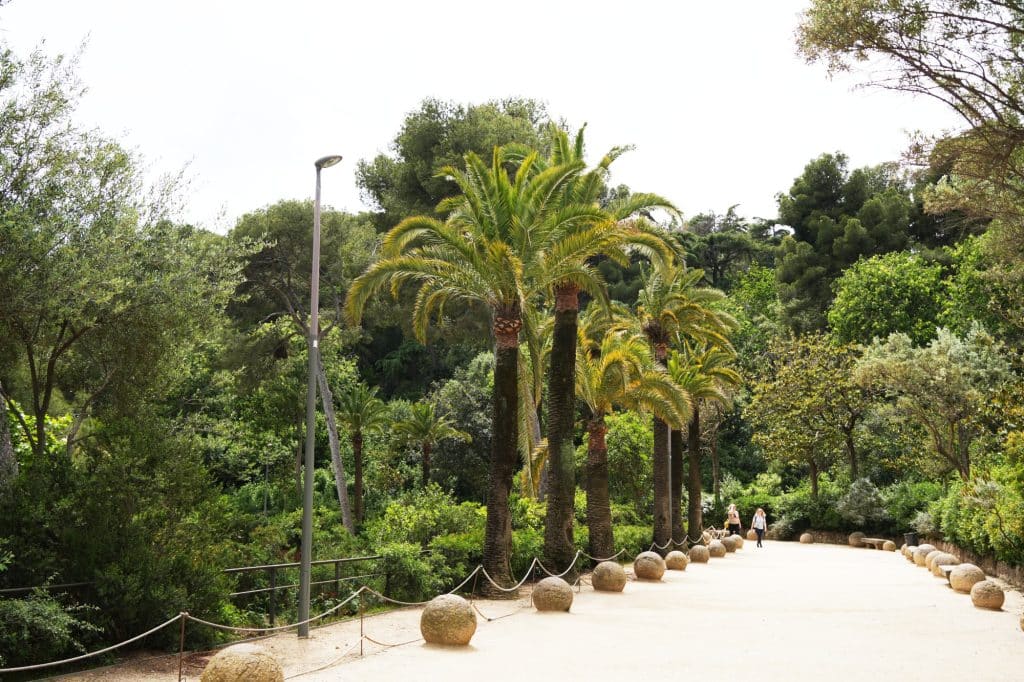
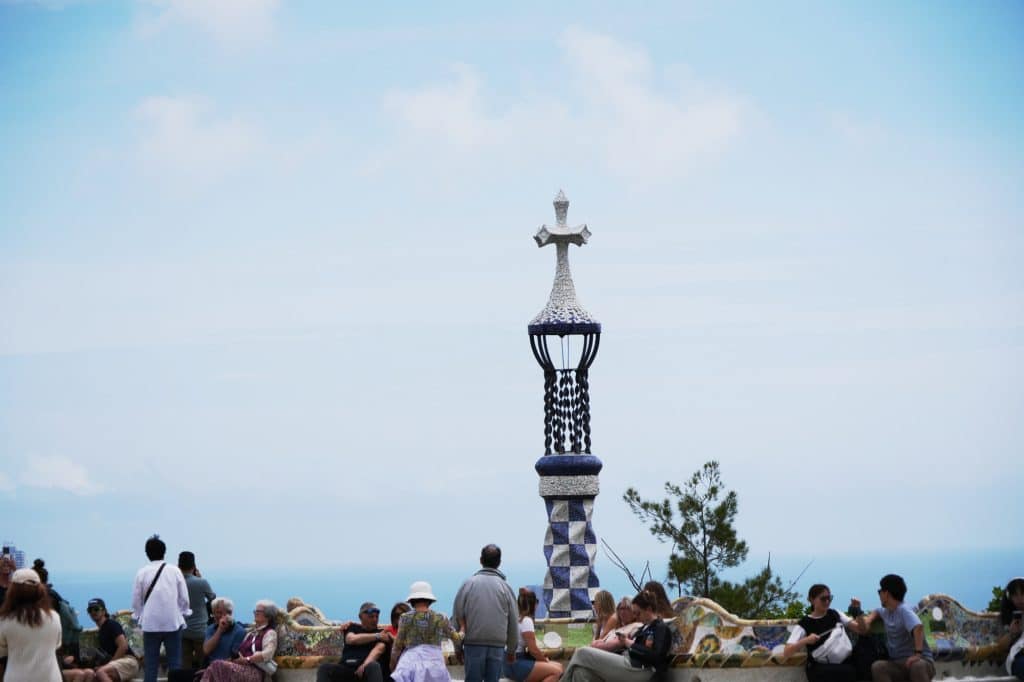
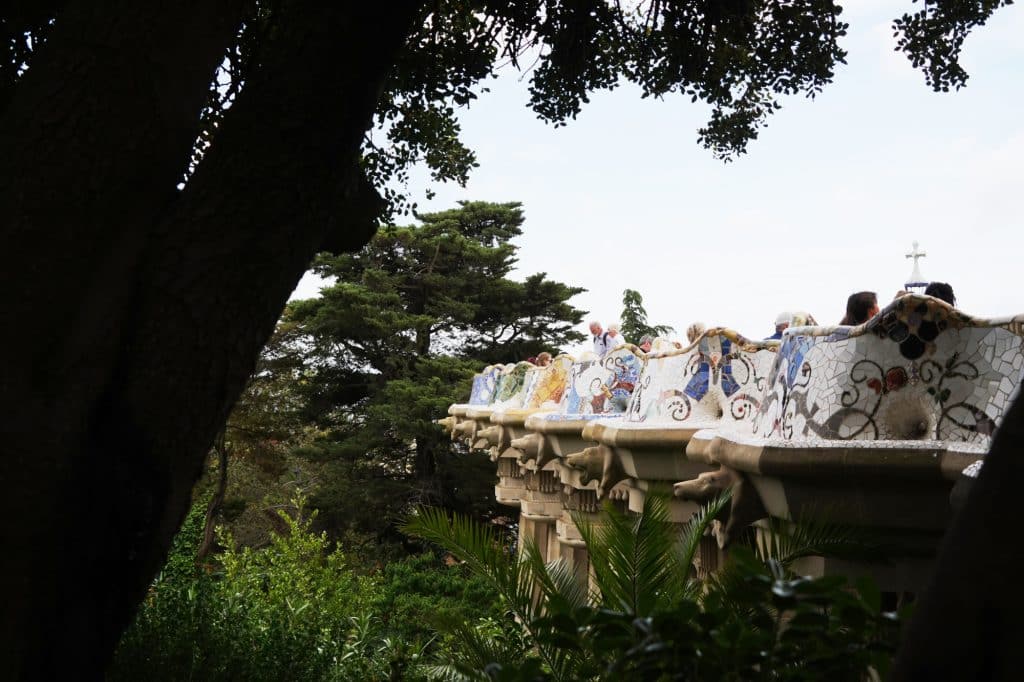
Sagrada Familia
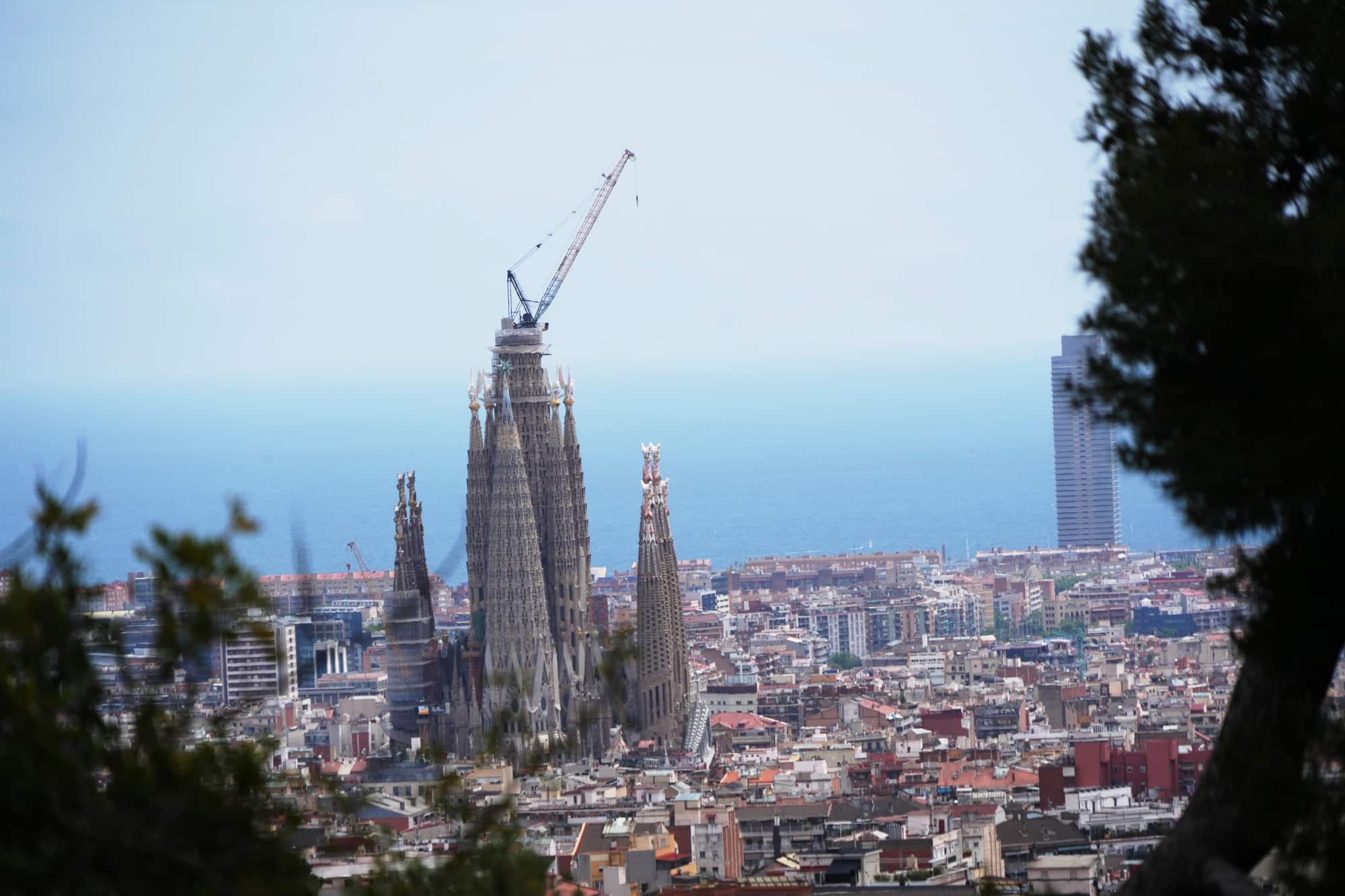
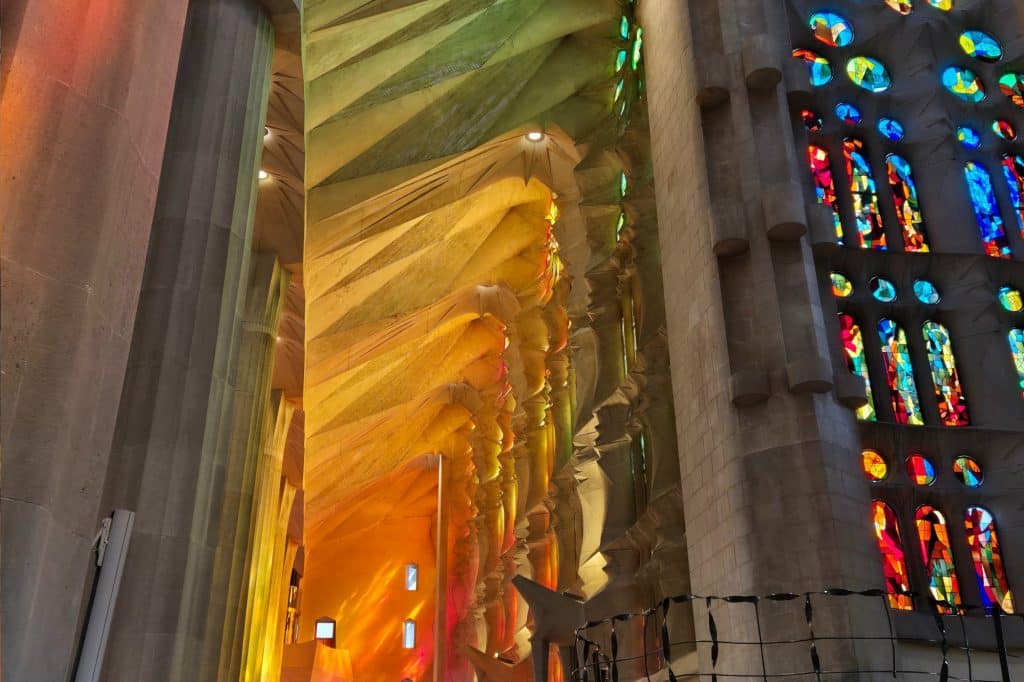
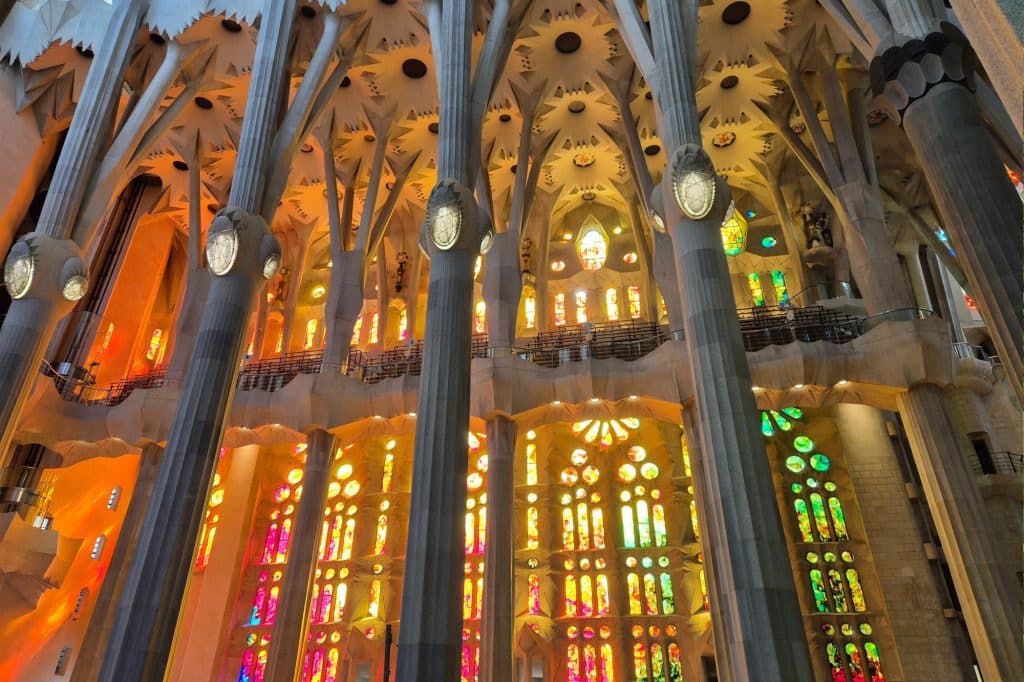
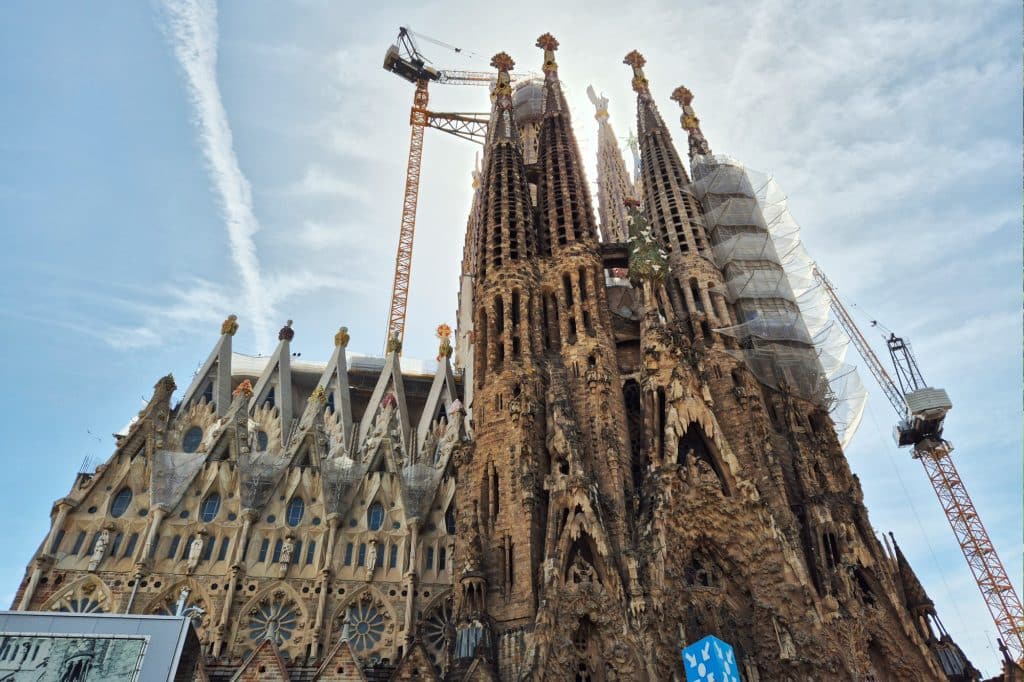
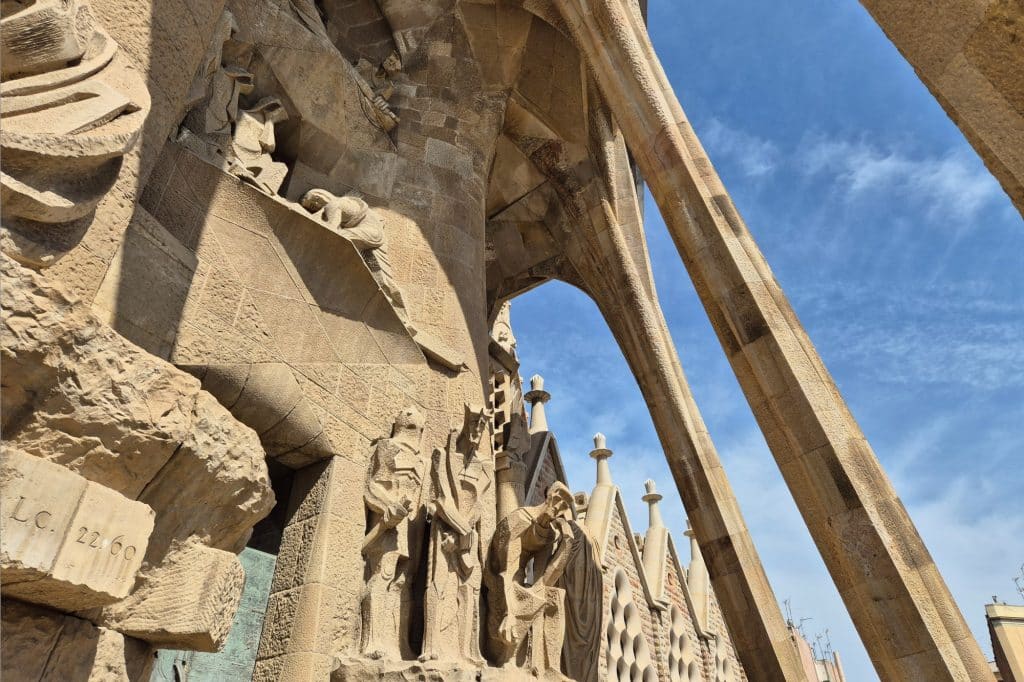
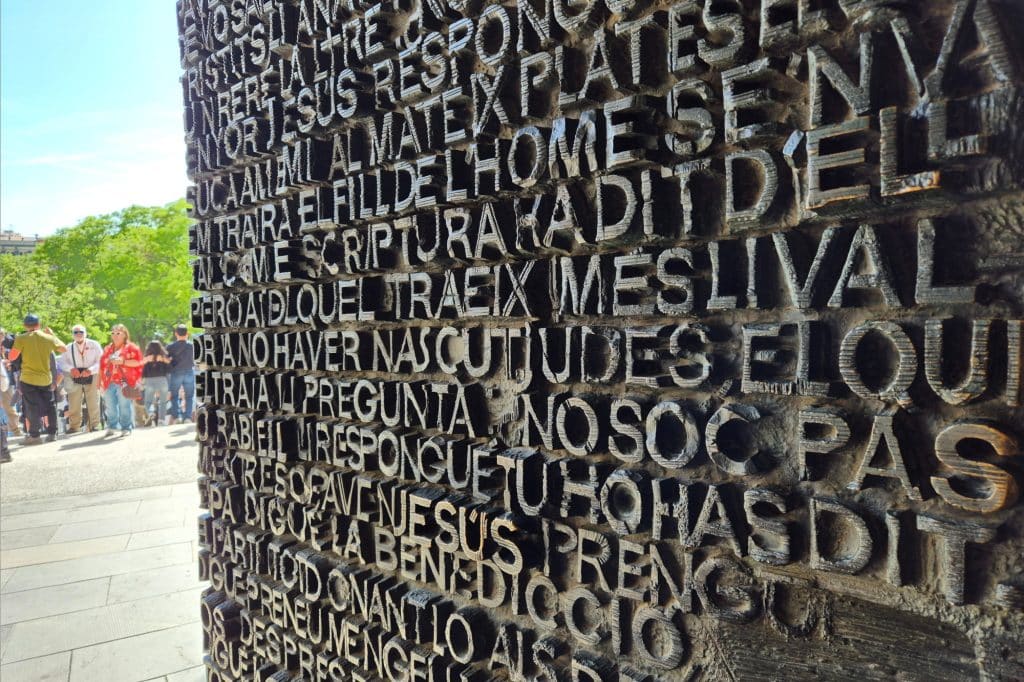
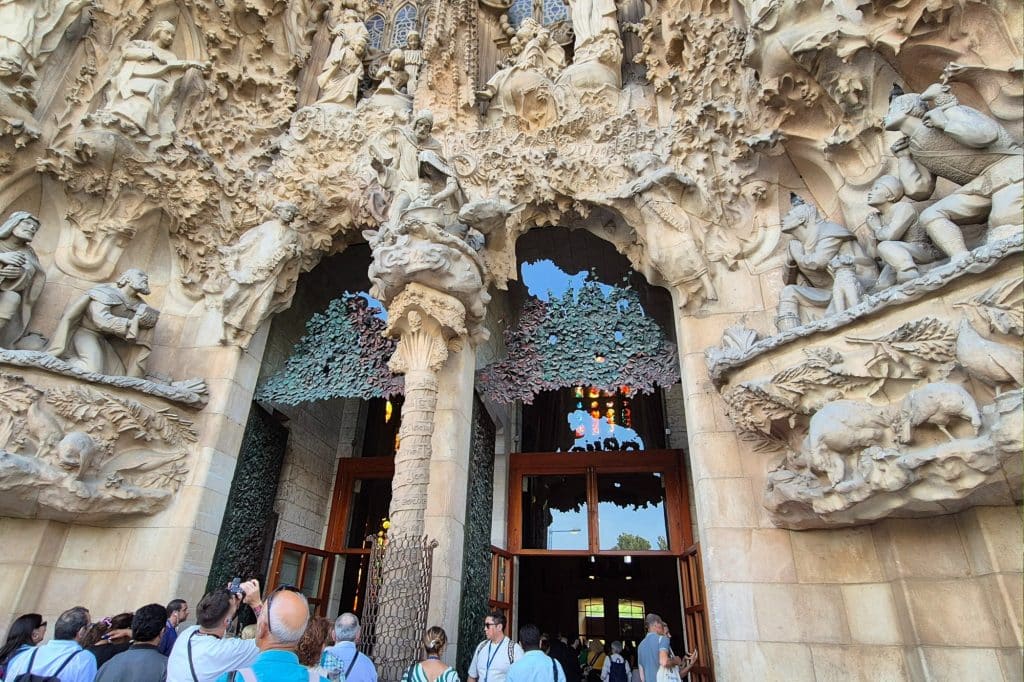
What would a visit to Barcelona be without a look inside the iconic Sagrada Familia church? The masterpiece by Antoni Gaudí has become the symbol of the city. You can at any time walk around the building to admire the architecture from the outside. If you want to go inside, you must book a ticket online as early as possible. Charlie booked it two weeks in advance and there was very limited availability. That is also how she ended up booking everything on the website of Barcelona Pass as that had the biggest availability of time slots.
There are also guided tours that you can book. However, if you download the Sagrada Familia app, you get an audio guide for your visit. The audio tour takes about 45 minutes and guides you through the interior of the church and the museum below the church. If you want to go up to the towers, you need to book a separate ticket for that.
The most impressive part of Charlie’s visit was the sunlight coming through the stained-glass windows. The interior of the Sagrada Familia was covered in a beautiful rainbow of light.
The bus of the hop-on-hop-off-tour stops directly in front of the Sagrada Familia and there is also a Metro station right outside.
How to get to and around in Barcelona
Barcelona is easy to navigate by public transport. The busses and the Metro get you around easily. For tourists, there is a travel card available, called Hola Barcelona. With this card you get unlimited travels for the number of days you purchased. Alternatively, you can get tickets for public transport at any station or at newsstands. Economically, single tickets might be more budget-friendly than the Hola card depending on how many rides you plan to take per day.
The Hola card also includes a ticket for the Aerobus, the official airport shuttle that gets you from the airport to Plaça Catalunya in only 35 minutes. If you don’t get the Hola card, you can buy a ticket for the Aerobus at the station. This bus runs every 5 to 10 minutes. Getting into the city never felt easier for Charlie in any city around the world.
Barcelona is also very well connected by train. The main station is Barcelona Sants, regional trains also stop at Plaça Catalunya and Arc de Triomf which might be better suited if you are in the city centre. You should know that all train stations in Barcelona are underground. If you are looking for the entrance to a station, don’t expect a giant building. Instead look for a staircase or elevator into the ground.
Cafés to work from or to get lunch in Barcelona
As a digital nomad, it is important for Charlie to find Cafés where she can reply to some emails or take a call. Another particularity of Barcelona is the limited availability of public restrooms, and not all cafés have them. If you’re out and about all day, you might want to get lunch at a place with restrooms too.
Charlie’s favourite place was Farggi Café at Plaça Catalunya. It was the easiest to get to on her way to and from the train, offers light lunches and pastries as well as coffee. There are three floors and there was always a table near a power plug available. They also have restrooms, and you get the door code on your receipt.
Another place Charlie went to in the old town when she needed a coffee, Wi-Fi or a restroom is Trigo Coffee outside the Metro station Jaume I. It looks very small from the outside which might be the reason for it to not be overly busy in this touristy area. If you pass by the counter to the left side, you reach the larger room with plenty of tables. There’s Wi-Fi and restrooms too.
Not suitable for working (at least not during lunch hours), however great places to have lunch and a restroom break are Honest Greens and Nonna’s Brunch.
Of course, there are plenty more cafés and restaurants in Barcelona, the above is just a very short list of places that came in very handy during Charlie’s visit.