Feels like home
Where is home for a digital nomad?
It is not uncommon for a digital nomad to not have a home, it is in fact the very definition of a digital nomad. Charlie has been living in this way for a few years and she loves exploring new places, diving into the unknown, and yet, there are certain places she likes to return to and it took her a while to understand why.
When you’re going to new places, there is this constant need “to figure things out”. How to get there? Where’s the nearest supermarket? Where to take Yoga classes? Where to do this or that hobby? And you’re constantly introducing yourself to new people around you. You’re probably even using the very same sentence every single time.
Then there’s a moment when you arrive in a place you’ve been to before. You know which bus to take. You know where to find the keys for your accommodation. You know where the supermarket is. And if you’re really lucky, you see people that you already know. You feel a certain type of relief. There is something you don’t need to figure out. And you don’t need to introduce yourself. It feels like coming home.
Coming home
The first time Charlie had that feeling of coming home was when she went to Las Palmas de Gran Canaria for the second time. She had booked the same room in the coliving and it was the same time of the year, one week after new year’s eve. She walked into the apartment looking forward to finally have access to a washing machine. She saw Julien and Tom as she walked into the kitchen and suddenly felt this flash of memories and emotions. She remembered their names. She remembered that Tom’s birthday was coming up and she smelled a delicious quiche in the oven, the dish Julien was famous for amongst all colivers.
The accessibility of a washing machine felt all of a sudden like a mere add-on and was no longer the highlight of a day of travelling.
What makes it feel like home?
For Charlie, it is two things: people and a place that you don’t have to introduce yourself to and vice versa. It mostly is a feeling, it’s internal, and there are external signs that make you realize.
People
With the people around you, it is more than just the fact that you don’t have to introduce yourself. If you share a coliving with the same people or take a dance course over a few weeks with the same group, they know more than just your name, your home country and your profession. Your housemates – even if just for a week – know what you have for breakfast, the music you listen to and they pick it up when you have a bad day. People you regularly see outside of your temporary home know which hobbies you practice whilst there, they know the bus stop you’re walking towards to get “home” and they notice when you skip a class.

Stories to tell
After probably the second week among the same group of people, you notice that you made some memories together and you have a few stories to tell. That not only comes with the people, but with the places too.
As you walk around, you might trigger some memories. The place becomes part of a story that you might still want to share once you moved on to another place. Sometimes, years later.
Mini routines
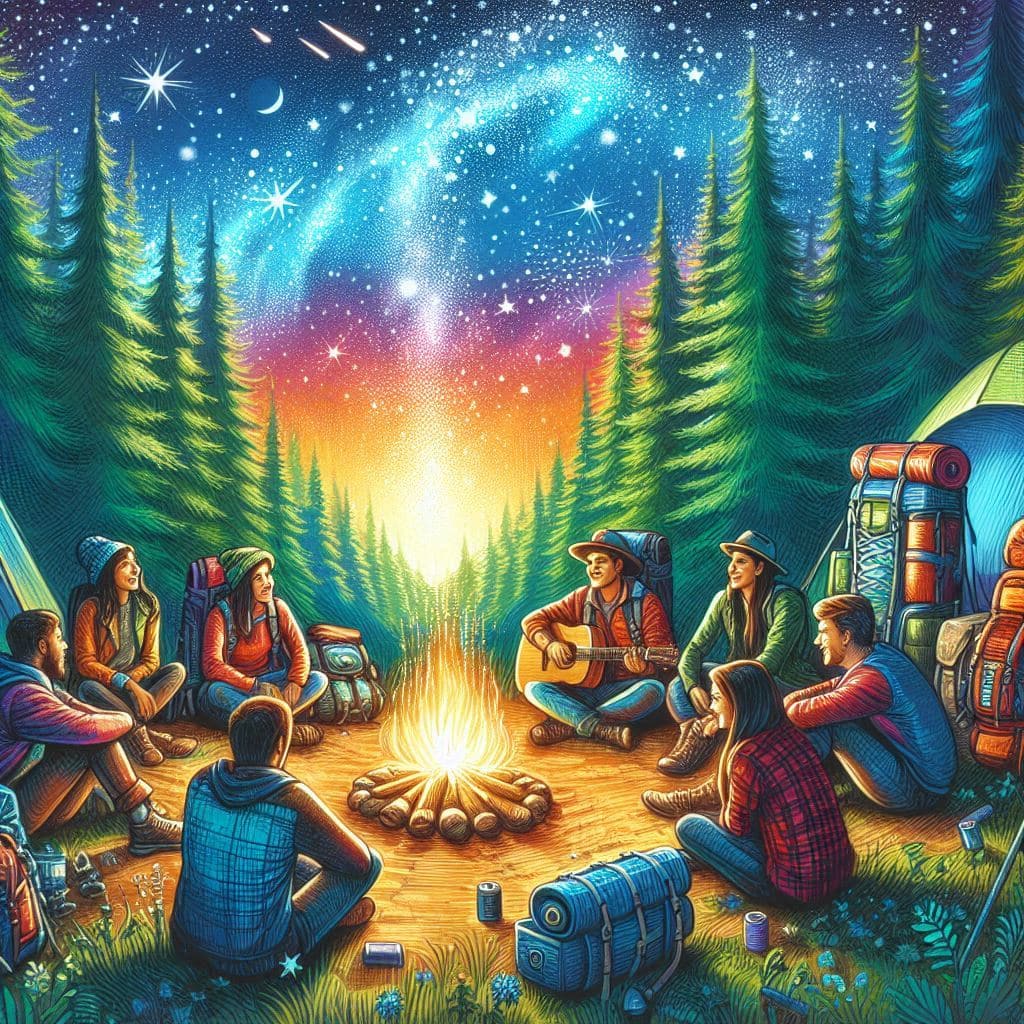
Digital nomads don’t usually have a routine, and yet, if we’re staying somewhere for more than a week, we develop certain habits and have places we like to go to. Charlie likes to call them mini routines. The moment you don’t need to look at the map anymore to get to the supermarket or a yoga class, you have a mini routine. You walked the path often enough to have it memorized. You probably eat the same thing for breakfast every day and you might have your favourite coworking space or coffee shop to work from. The waitress or receptionist probably remembers you. If you pay attention, you probably notice a mini routine.

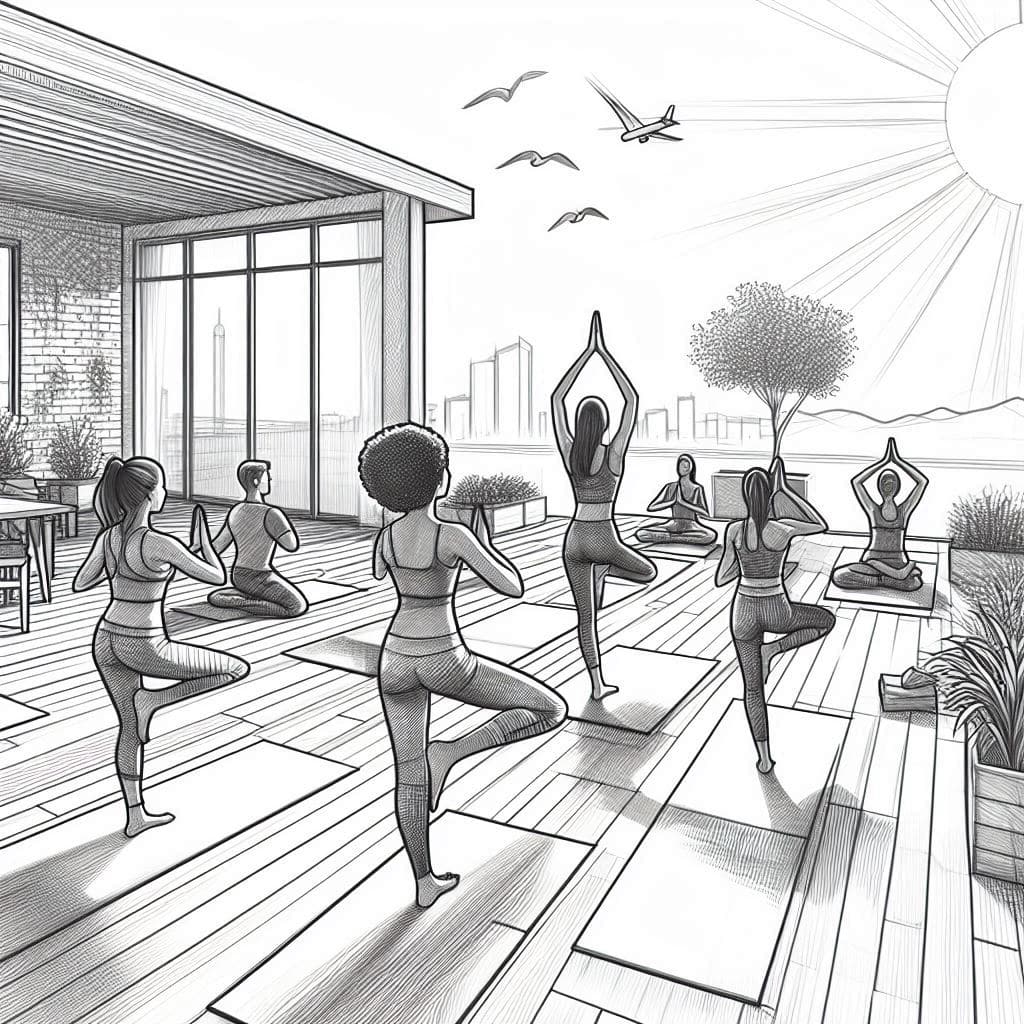
Doing the ordinary
This is something Charlie realized during a stay in Lisbon. She had been before and this time, she would only stay a few days to attend a conference. A few fellow digital nomads whom she had met in other places around the world where there for the same reason. She knew people that she didn’t have to introduce herself to, but there was more.
Charlie stayed in an AirBnb, just by herself and for the first time in a long time, she had her own place. And it was fully equipped. She didn’t need to go to a coin laundry to do her washing. If she had wanted to, she could have even ironed her clothes. She found the way to the flat after drinks with friends in the evening without having to bring up the map. She knew the way.
She was invited to a BBQ at someone’s terrace – someone who lived there permanently and her reaction was: “Oh my god, I have a kitchen, I can bring a salad! I could even make a cake!” What a funny thing to get excited about!
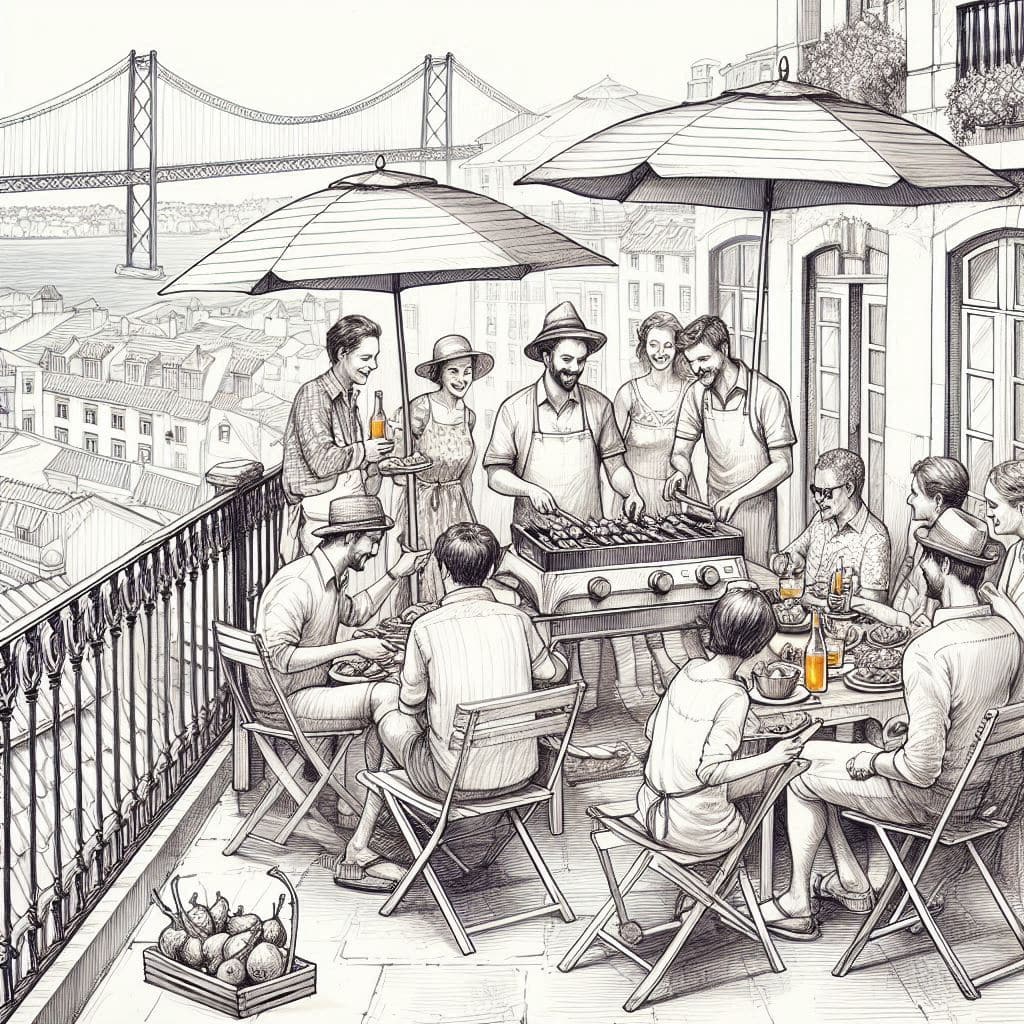
Whilst she was shopping for ingredients in her local supermarket, she found a German beer (yes, you can take the German out of Germany, but…) and as she prepared the salad, she danced and sang through her kitchen.
This might all sound very ordinary – for her, it was extraordinary, almost like a mini excursion into a different life, and it gave her that warm feeling of being home.
Having access to the things you love
Before Charlie became a digital nomad she lived in a few flatshares and she always loved singing. She remembers a moment when she apologized to one of her housemates for the “noise”. Her housemates reply was: “It’s alright. People who sing are happy. I like when you’re happy at home.” The singing and dancing in the kitchen in Lisbon was a strong sign.
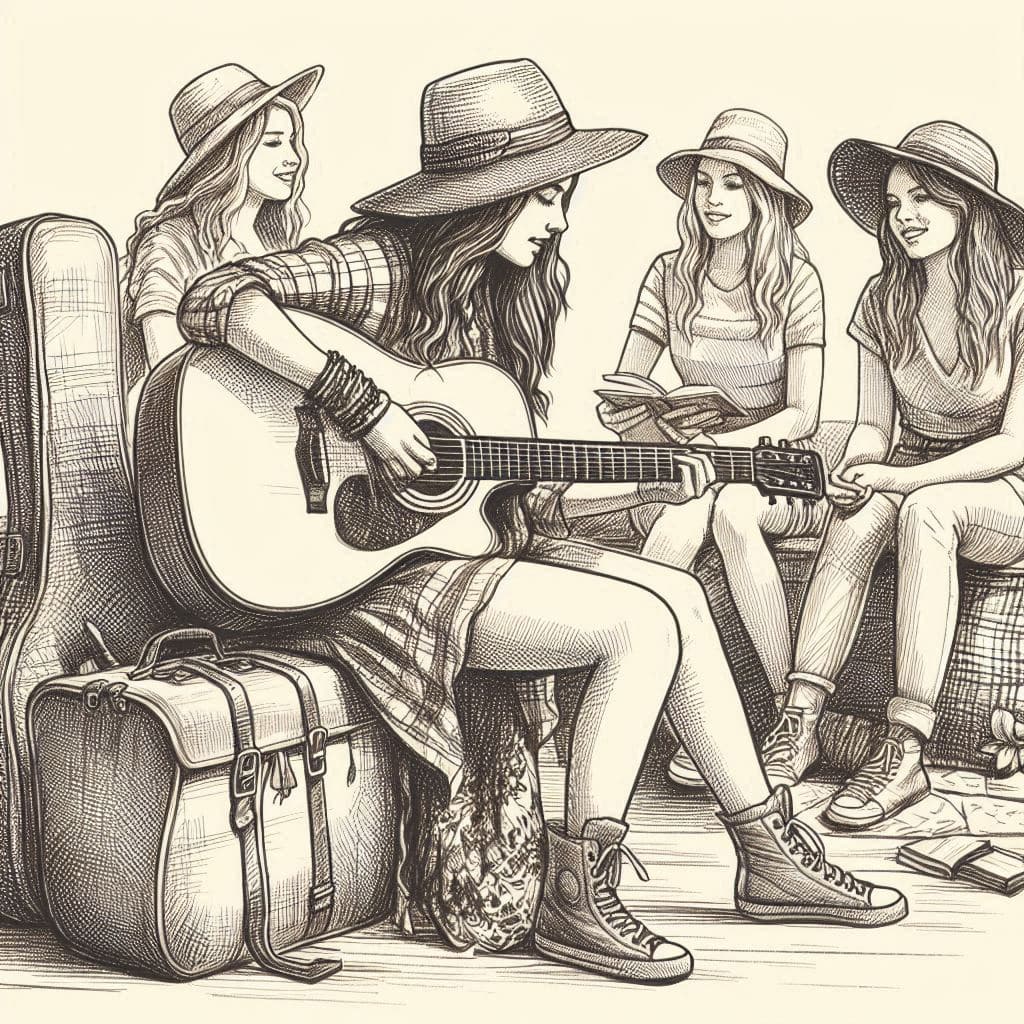
Whenever she is staying in a place for at least a month, she also ensures access to a guitar. It is one of those things she misses the most when travelling. Her housemates usually love it and even ask her to bring the guitar out for a BBQ. Charlie even remembers jam sessions with housemates and fellow digital nomads.
Having access to the things you love and the hobbies you enjoy, is a big part of a “home”.
Where’s home?
Despite the definition of a digital nomad as not having a “home”, the question is raised regularly on Charlie’s travels. Where is home?
The answer is clear for Charlie: London. She doesn’t have a place there, but she is familiar with the location, she has her belongings in a storage unit there and her friends. Whenever she is in London, there is nothing to figure out and she always spends time with friends, people who know her. She has those mini routines, does ordinary things and she has a guitar. It is “home” in all aspects of her definition.
There are some other places that feel a bit like home even though they might not tick all the boxes:
- Gran Canaria: Charlie spent in total three months there. She made friends and she had a lot of those mini-routines, may it be surfing, yoga, volleyball or salsa dancing. When she returned for the second year, the same housemates were waiting for her in the kitchen as the year before.

- Fuerteventura: By now, Charlie knows exactly how to get to the Billabong Surfcamp in Corralejo from the airport. Not even the price for the bus has changed over the years. And if you asked Charlie where she usually goes to a hairdresser, her answer would be: Corralejo. And for some strange reason, Charlie does not only know all the aisles in the supermarkets in town, but she knows where to find some German products that remind her of her childhood.
- Hossegor: The moment Charlie sees Carwyn’s car waiting for her outside the train station in St-Vincent-de-Tyrosse, it feels like coming home. Not only are there many memories of the house, it feels like she belongs there. She has cycled down to the beach so many times during various surf competitions that she doesn’t even need to look at the map anymore.

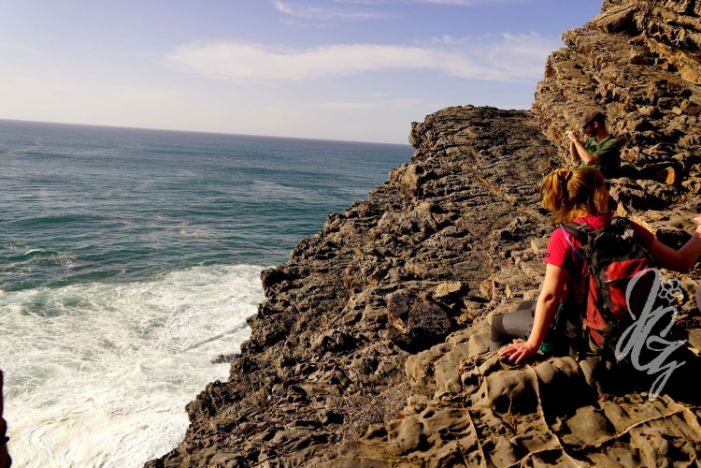
- Madeira: When the airplane passes by the cliffs and touches the ground, Charlie gets this sensation of familiarity and the memories flood into her mind. The last time she went, a friend of her dropped her off at her accommodation in Funchal and without even looking at the map she only had to say: “Just drop me off in front of that coworking space.” Neither of them had to double-check the map.
- Lisbon: This is a bit of an odd one and mostly related to a feeling as Charlie hasn’t spent enough time there to have a mini-routine or to know one supermarket very well. However, the yellow card for the public transport remains handy in the cover that surrounds her mobile phone. The last time she was there, a friend of hers was in town too and she had good connections to some locals. Before Charlie even arrived, she was invited to a BBQ at a magnificent roof terrace in a private house and went to a restaurant for lunch with locals. At some point, she was asked the question: “How long have you lived in Lisbon?” She must have blend in very well! When she left Lisbon, she took an Uber to the airport and shortly after, she received a notification reminding her to book her ride back to her home when she would return to Lisbon.
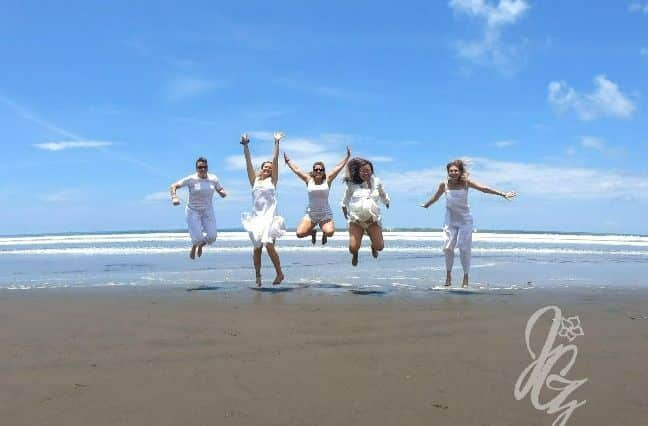
- Uvita: Charlie feels a special connection to this place because the three weeks of her Yoga Teacher Training there were intense. When she returned a year later after Envision festival, she felt some kind of relief when she entered the supermarket because she finally was in a shop where she knew she would get the things she needed and she knew in which aisles they would be. When she went to her favourite coffee shop, Courtney, her Yoga trainer walked in and the conversation reverted back to the familiarity of the past.
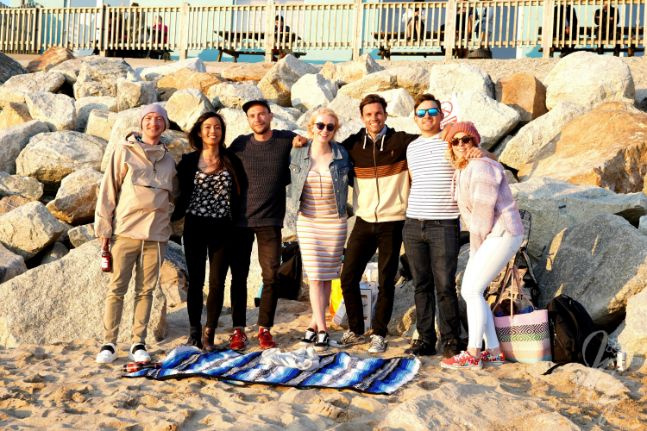
- Newquay: This small town in Cornwall is a place that Charlie returns to whenever she gets the chance to. She knows her regular coffee shops to work from, her favourite Yoga studio and the supermarkets. She stays in a different AirBnB every time, but she doesn’t have to check any map anymore. No matter how big the gap in between her stays is, they always recognize her at the surf shop and the Yoga studio. She doesn’t have to introduce herself anymore.
What really makes a place feel like home?
It mostly is a feeling and what is causing that feeling are the people around you and the familiarity with the place. Charlie isn’t sure how she would feel about some of the places in the above list if she went there and all the people she knew would no longer be there.
After all her travels and longer stays in some places, Charlie can say for sure that every place where you spend more than just a holiday leaves a trace in your heart. And they say for a reason that home is where the heart is.
Where’s home for you and what makes it feel like home?

PS: Where are you from?
Yet another question Charlie hears regularly on her travels: “Where are you from?” For some that might be the equivalent to “Where is home?”. But is it really? Sometimes Charlie only says: “I’ve just come from this or that place.” On other occasions she specifies: “I’m originally from Germany, but I’ve lived in London for a few years.” What she often leaves out are the two years that she lived in Malta; certainly an experience that might have shaped her personality and identity more than anything else.
Somebody who never left the place they grew up in, can’t even imagine how difficult it can be to answer this question. We all grow up somewhere. When we leave this place, we change. Our experiences shape our behaviour and the way we think. The question “Where are you from” is almost like an investigation of your identity. For a digital nomad like Charlie, the question where she’s from requires a complex answer that can hardly be reduced to a mere sentence.
Some of the images on this page have been created with AI.