Puerto Viejo de Talamanca
Exploring the Caribbean side of Costa Rica
Charlie had heard on multiple occasions that the Caribbean side of Costa Rica was totally different than the other parts. She wanted to see for herself. The biggest town on the Eastern coast is Limón, the most popular place for tourists is Puerto Viejo. Charlie went to both.
There is also Tortuguero National Park which you can visit as part of an organized trip from San José or by taxi boat or shuttle from Limón or Puerto Viejo.
The town of Puerto Viejo
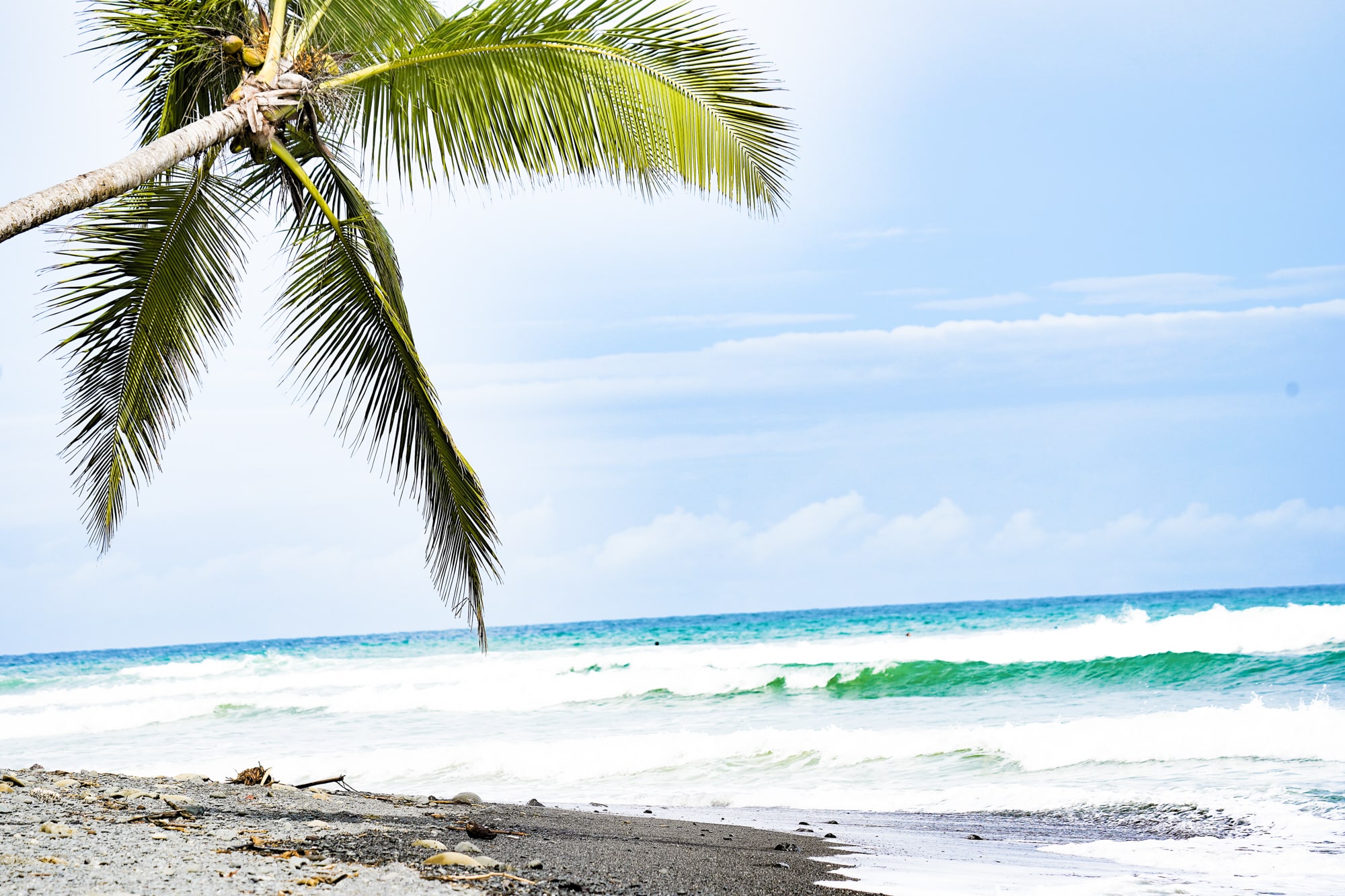
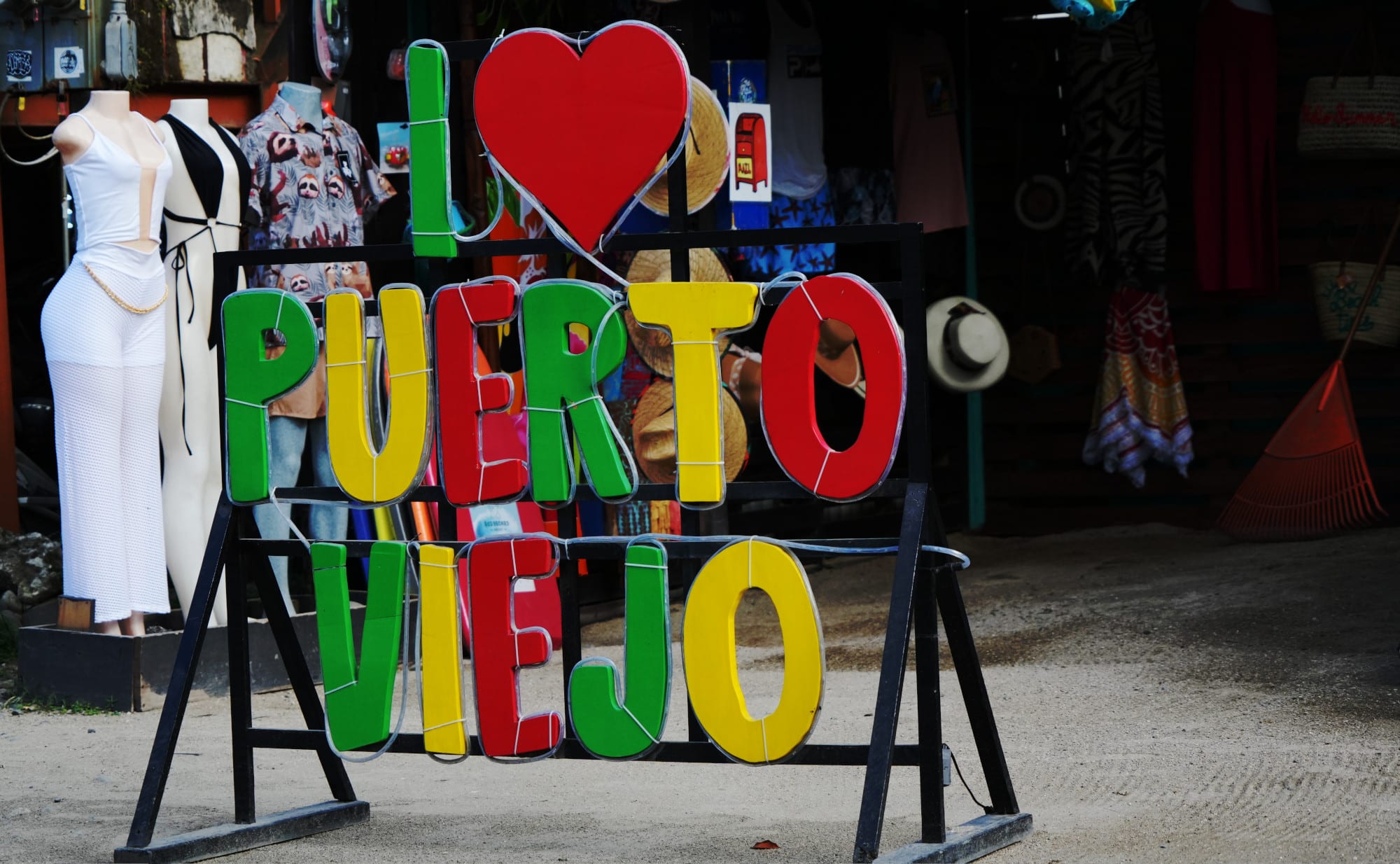
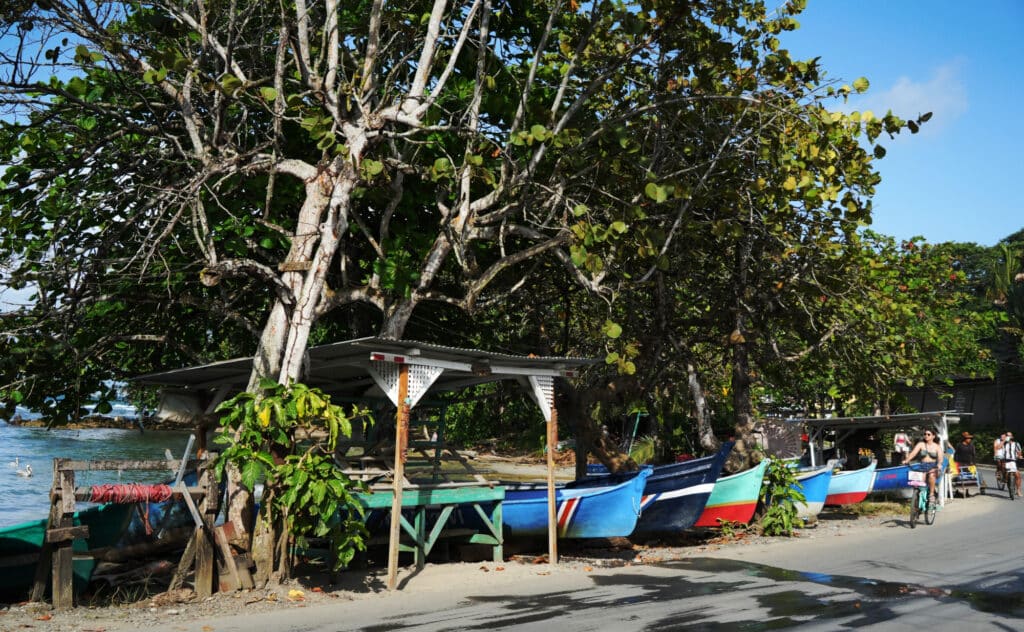
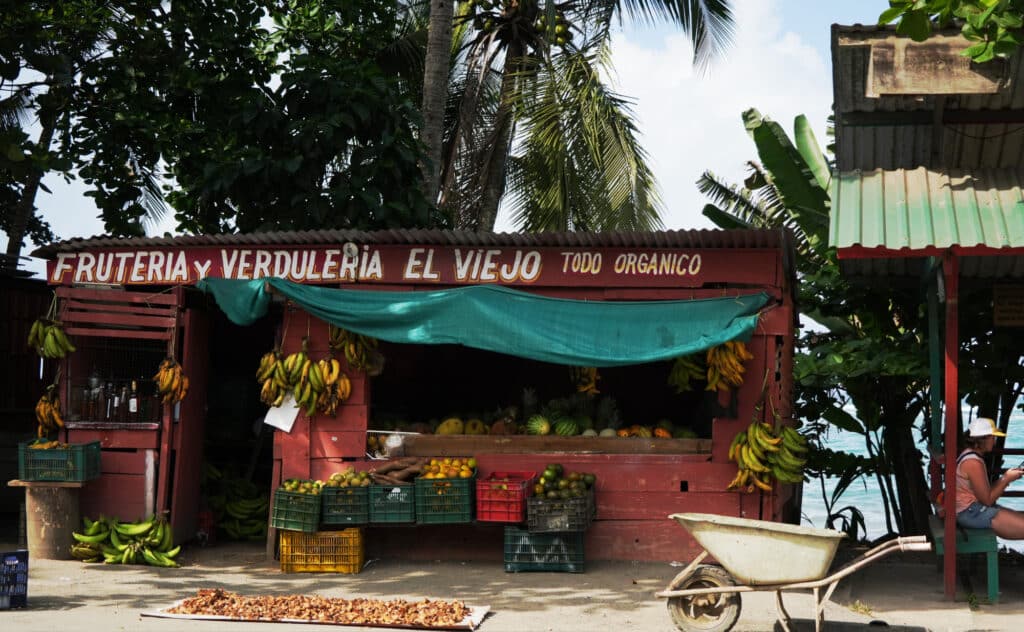
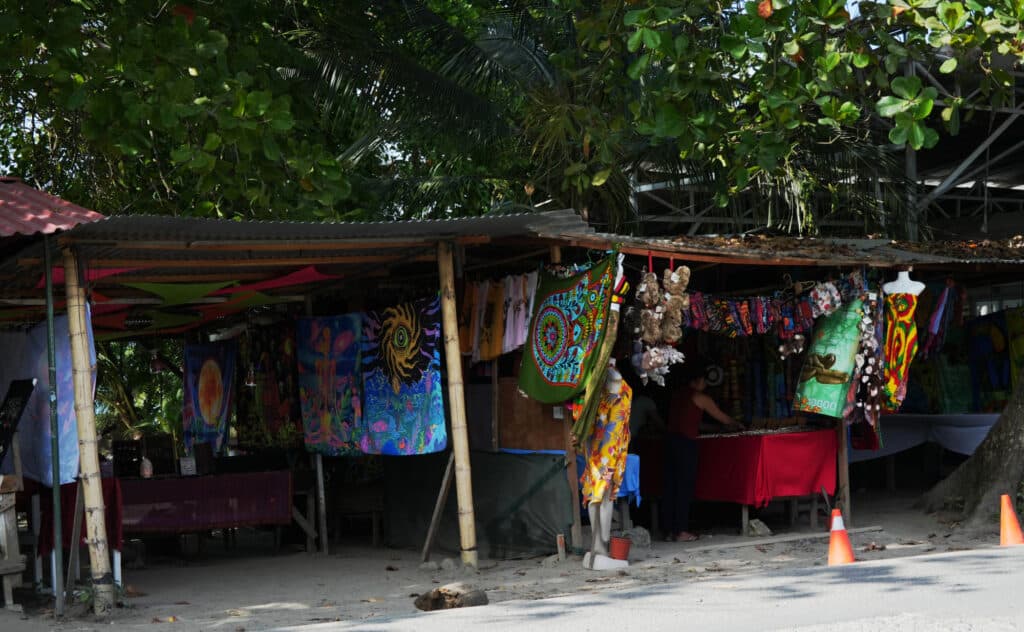
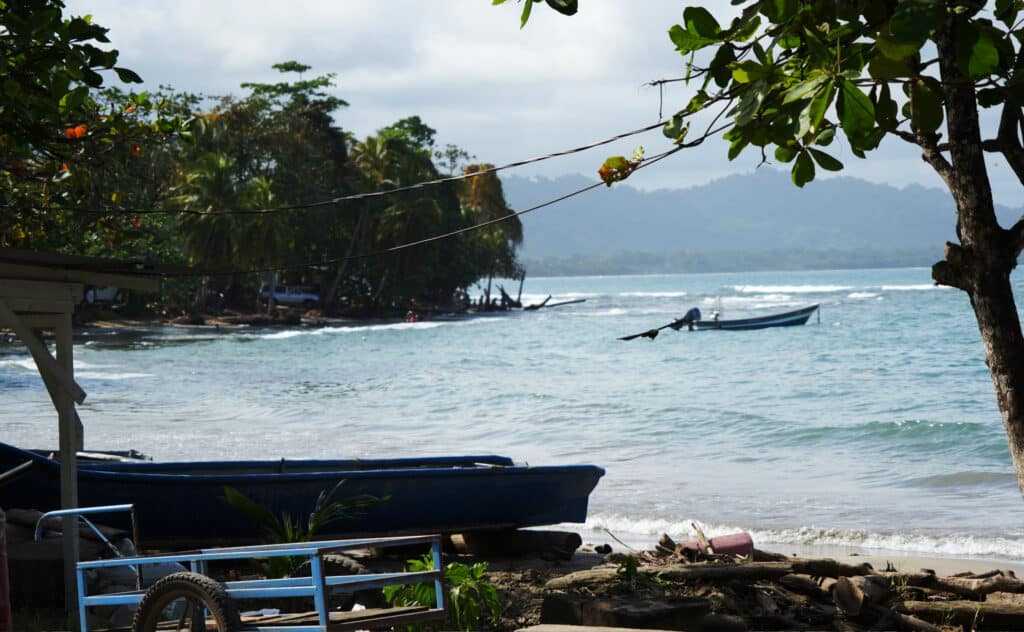
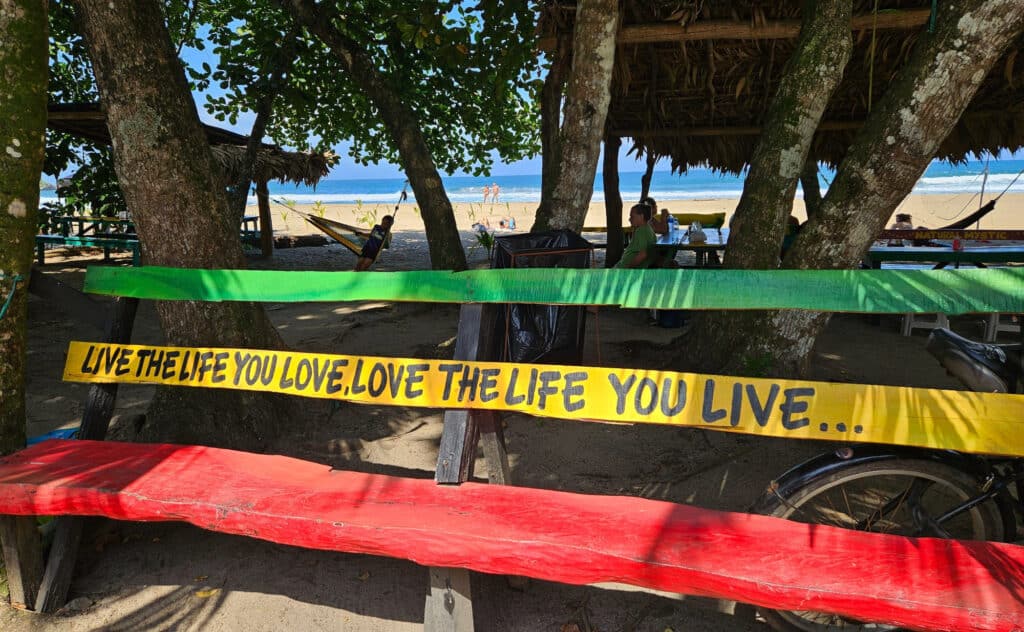
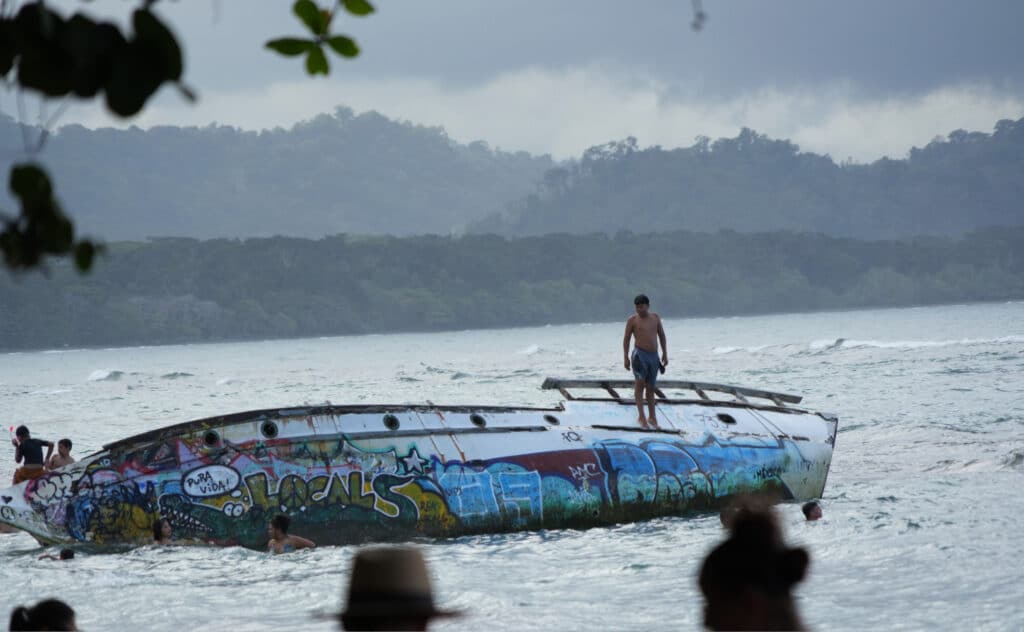
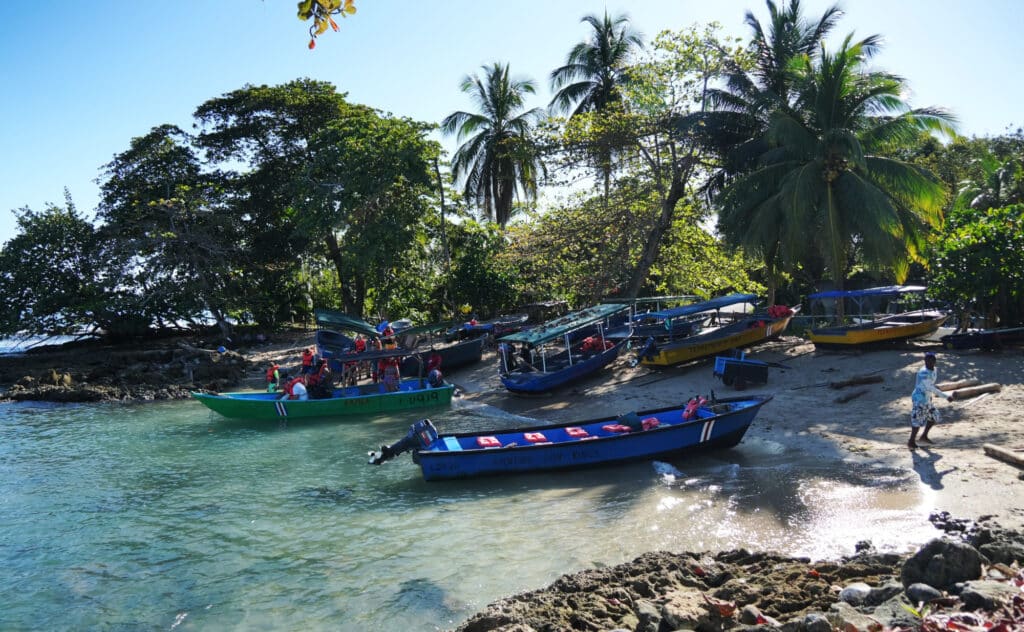
Puerto Viejo is a small town that stretches along a road by the coast. At the entrance to the town are some fishing boats and you can see street vendors. Further into town, you’ll see plenty of shops, restaurants and cafes. Wherever you are in Puerto Viejo, you are never far away from the beach.
The town itself isn’t big, but stretched out over multiple kilometres along the coast. You’ll have no trouble finding a bike rental place which is very common in Puerto Viejo.
Most accommodations in town are privately owned guesthouses, there are some hotels and there is also a Selina with a co-working space. Charlie stayed at a guesthouse called Casa Moabi a bit outside of town in the jungle.
Surfing in Puerto Viejo
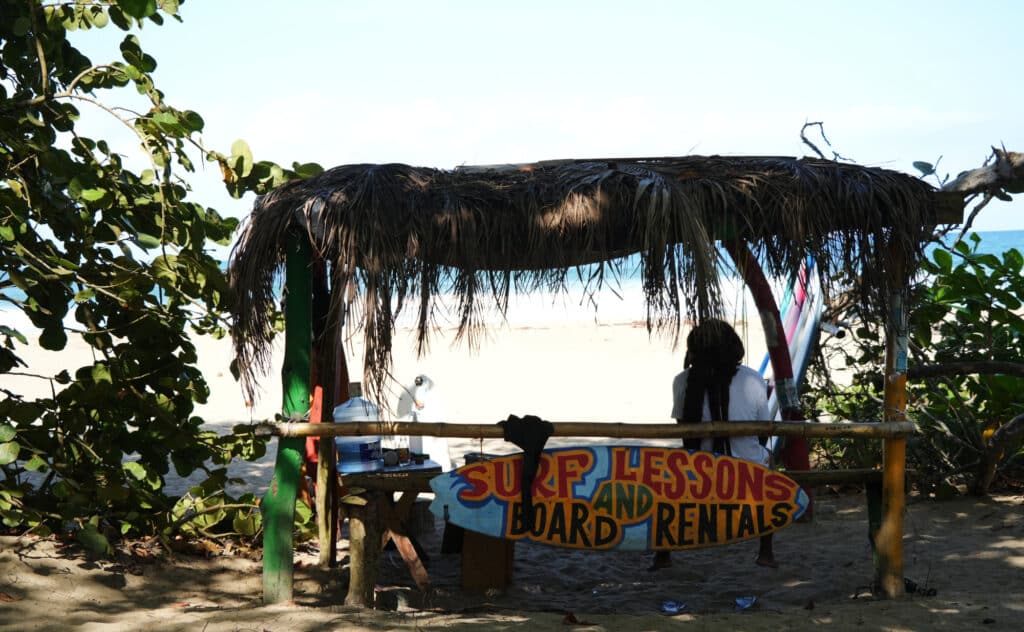
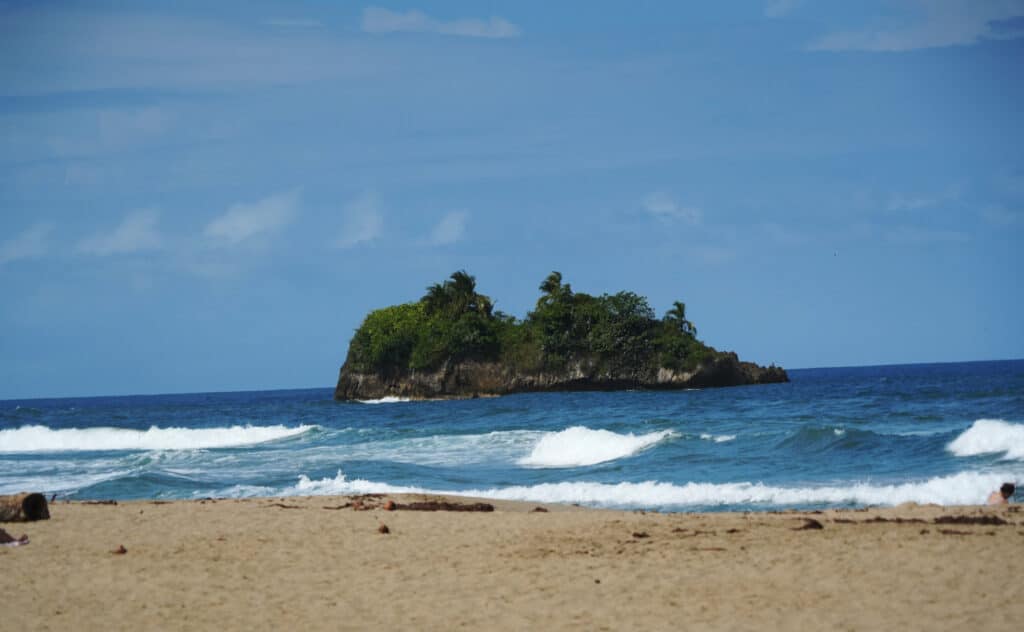
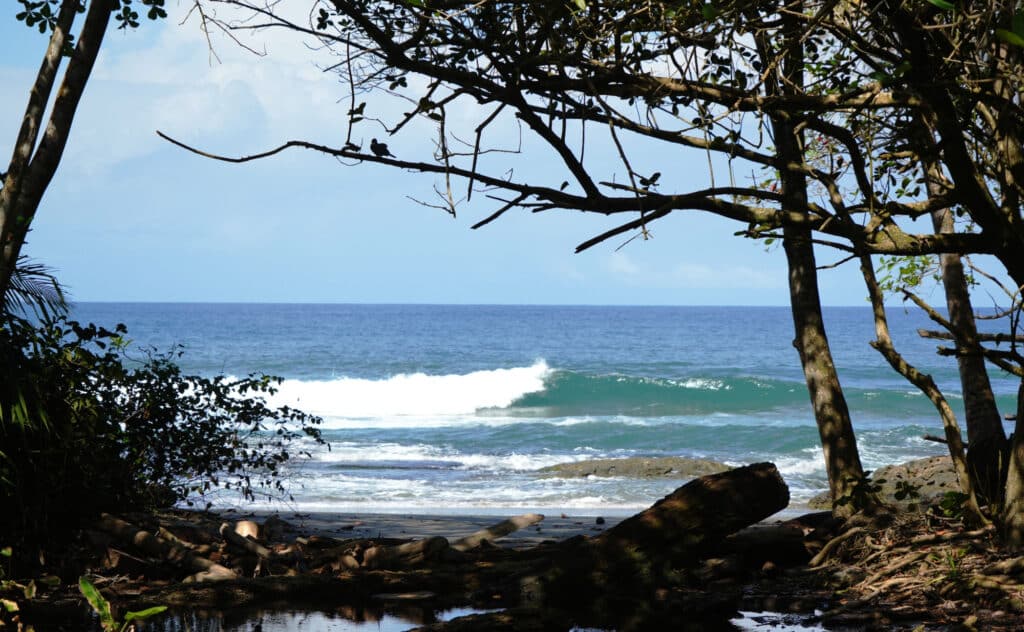
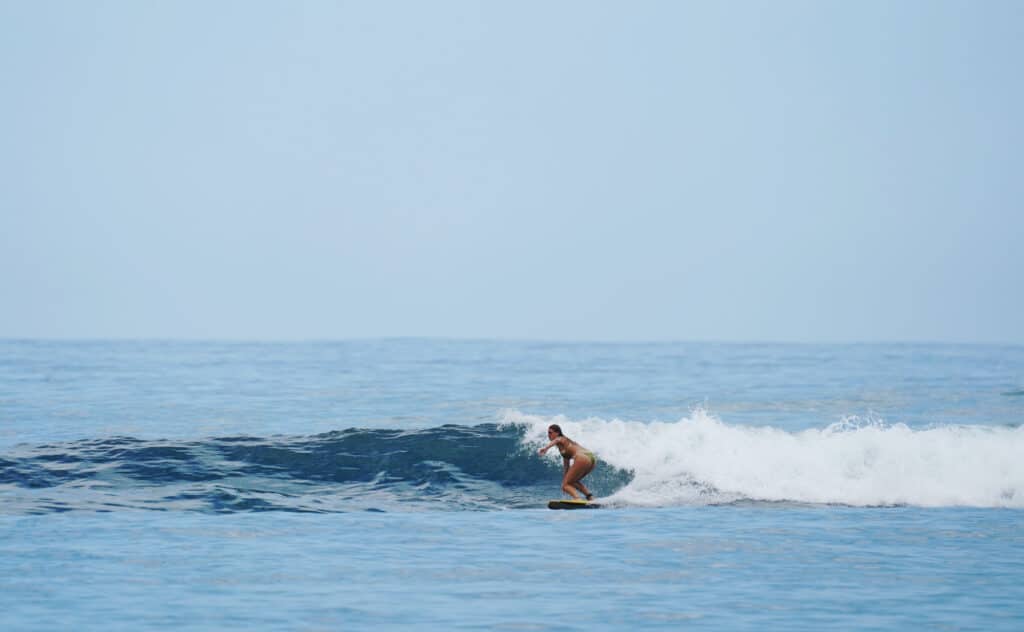
The most popular surf beach is Playa Cocles where you will also see a few surf shops and surf hire. The waves are inconsistent though and usually steep and dumpy. It is more suitable for experienced surfers. Board hire at Cocles is USD 5 per hour or USD 20 per day.
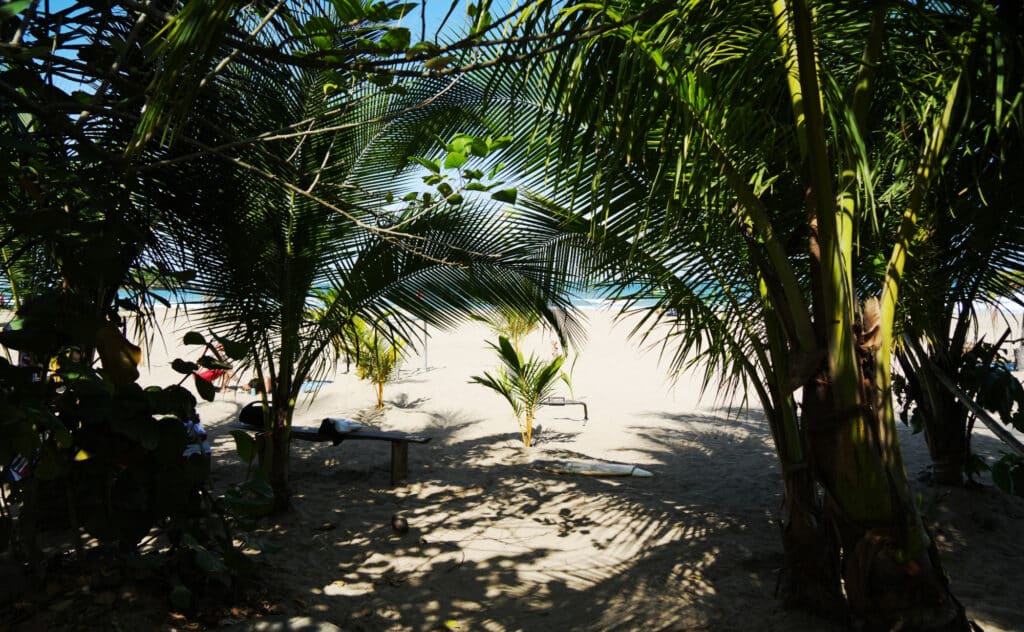
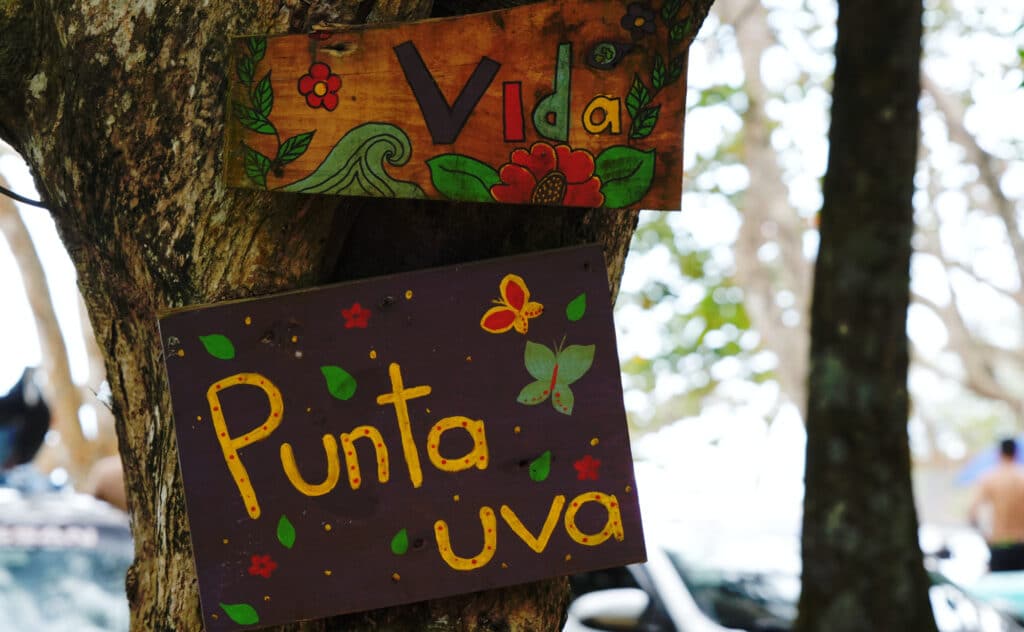
A few kilometres outside of town is another bay, Punta Uva. If the swell is big at Cocles, chances are good for there to be a nice right-hander longboard wave. There is no option though to hire a surf board at Punta Uva, only kayaks. You’d have to get one at Cocles and then drive down. The tuktuk-taxis in Puerto Viejo can also take you with a surfboard.
Cahuita National Park
Charlie was lucky that she got on this tour and it is one she wouldn’t have wanted to miss! Around 10 minutes North of Puerto Viejo is the village of Cahuita and the entrance to Cahuita National Park. That’s the place Charlie wanted to see, however it was difficult for her to get on a guided tour because they all required a minimum of 2 people and she is just one. After a lot of back and forth and exploring options with the tour provider Puertoviejotravel.com, Charlie was able to join a tour last minute, i.e. it was confirmed the evening before it started.
A coral-rich coastline: Snorkelling in Cahuita National Park
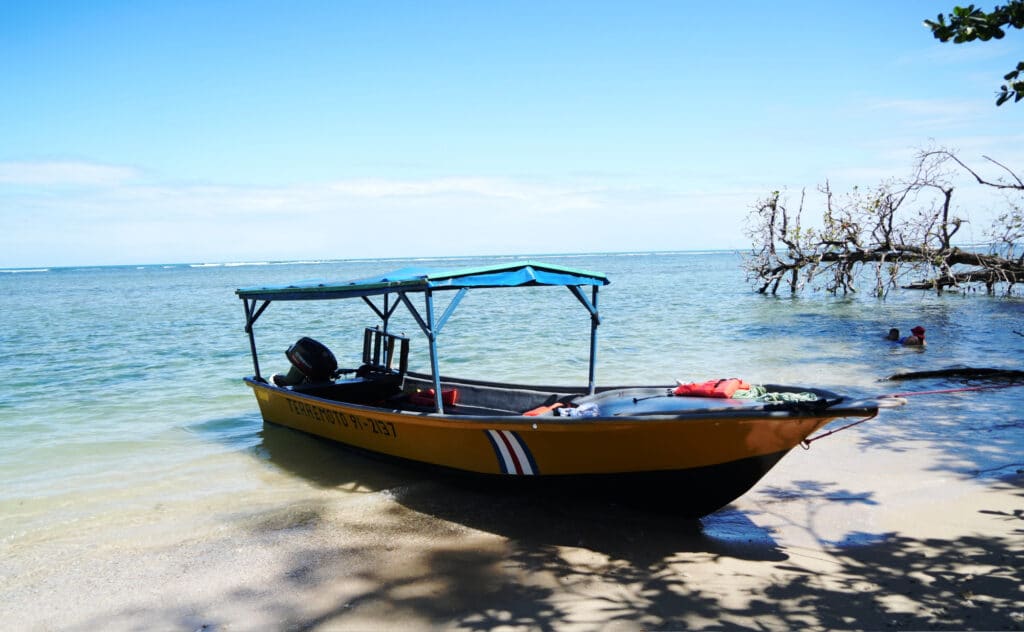
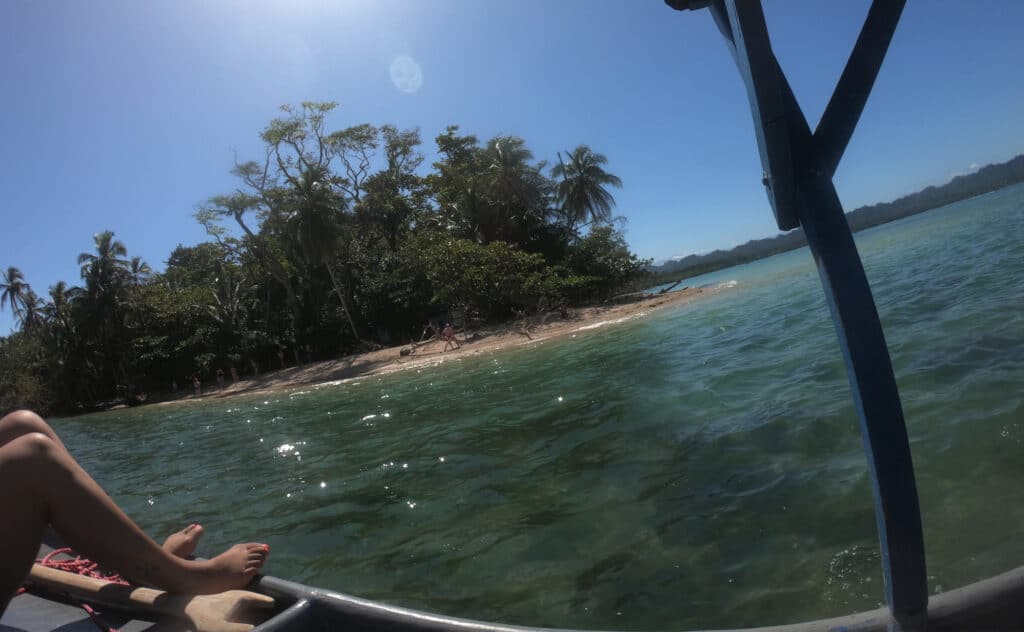
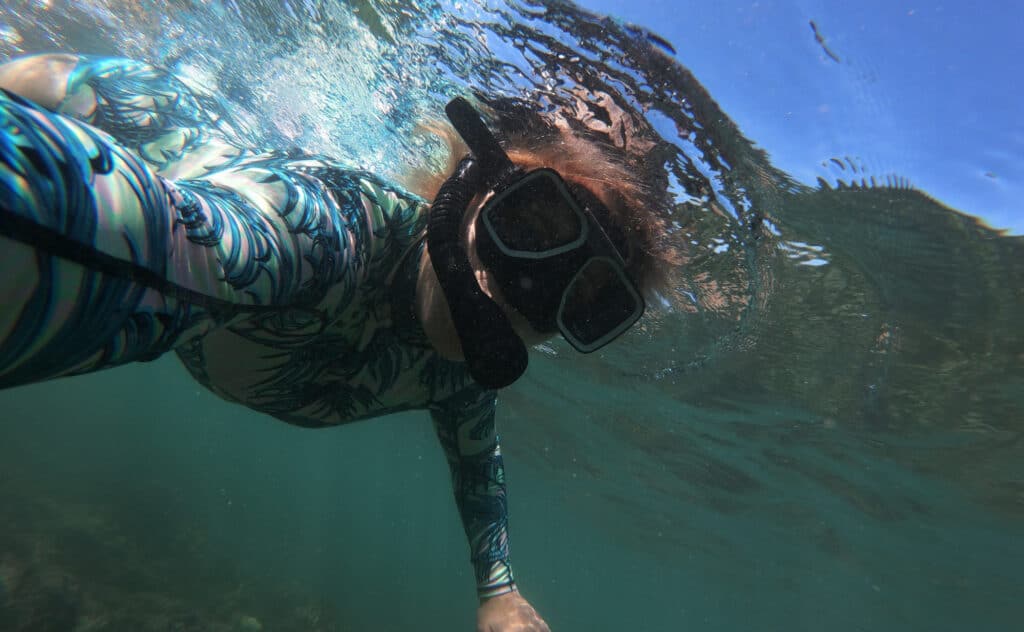
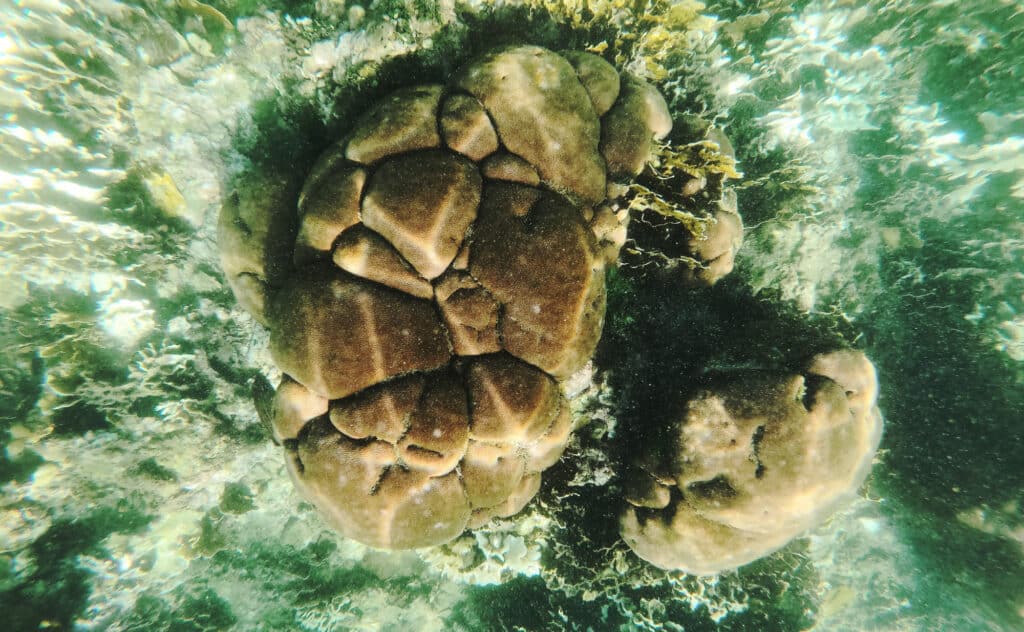
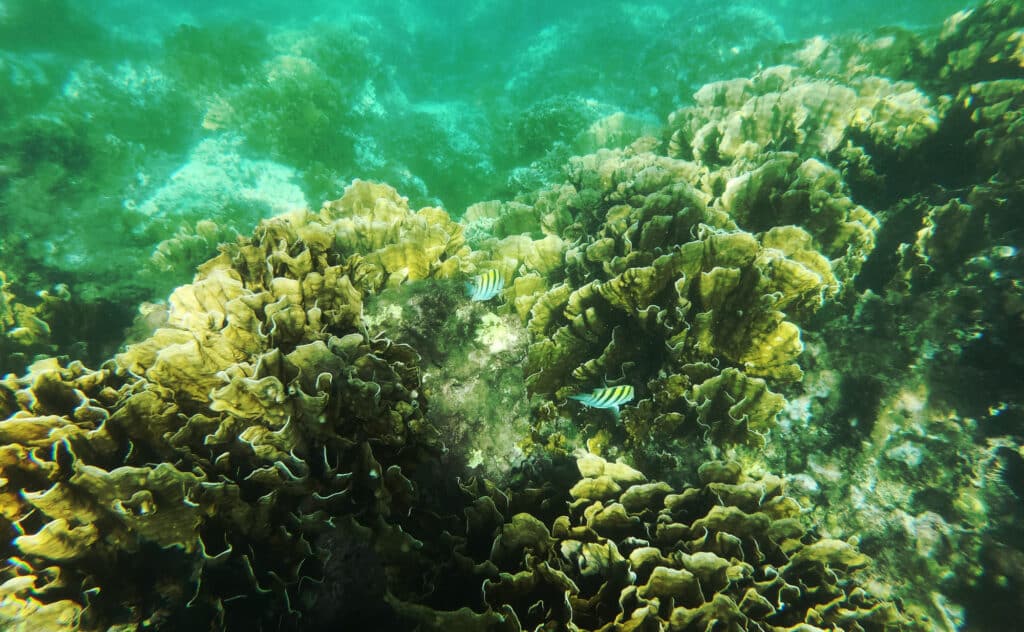
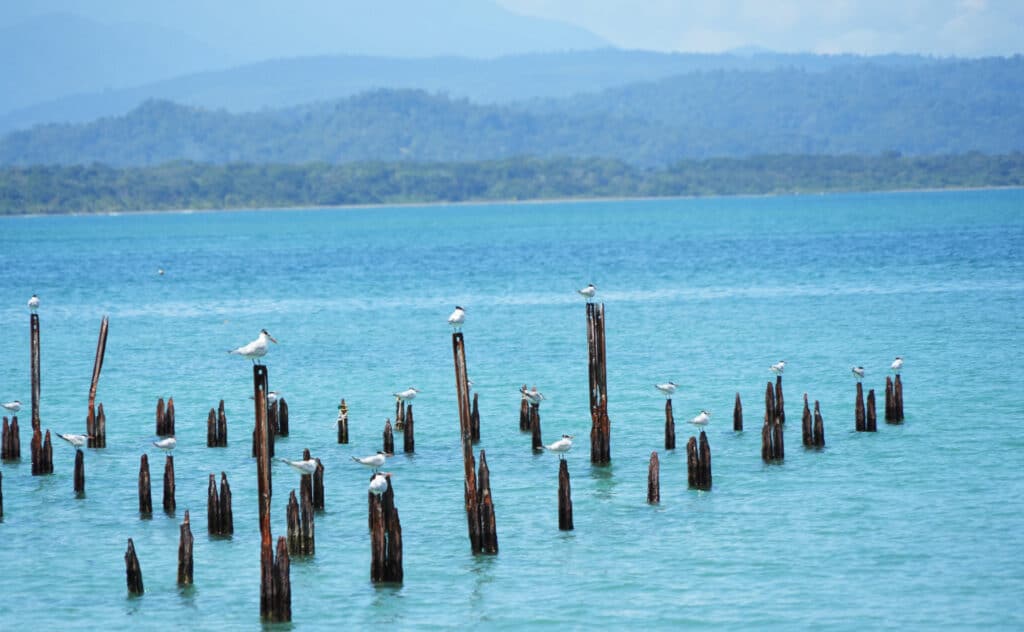
The first bit of the tour was a snorkelling adventure. Once all participants had been picked-up from their hotels, they drove to Cahuita where they hopped on a boat to reach the reef. They jumped into the sea and snorkelled for about 45 minutes before they moved to a different spot and snorkelled for another 30 minutes. Charlie saw corals of different shapes and colourful fish, as well as a sting ray. It was well-camouflaged under the sand, but she recognized it by its tail.
Mini-hike in Cahuita National Park
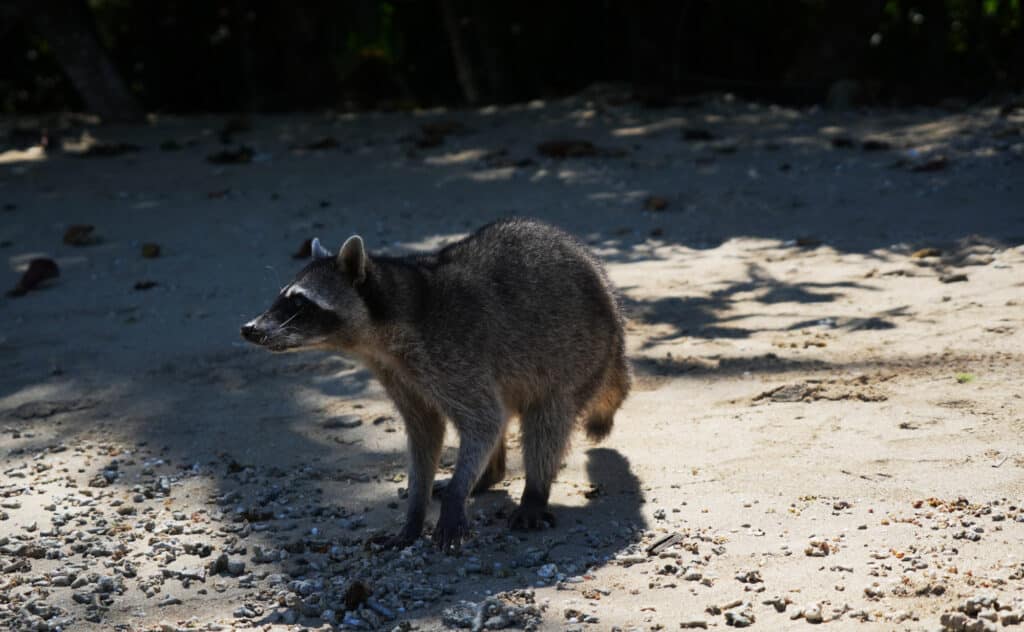
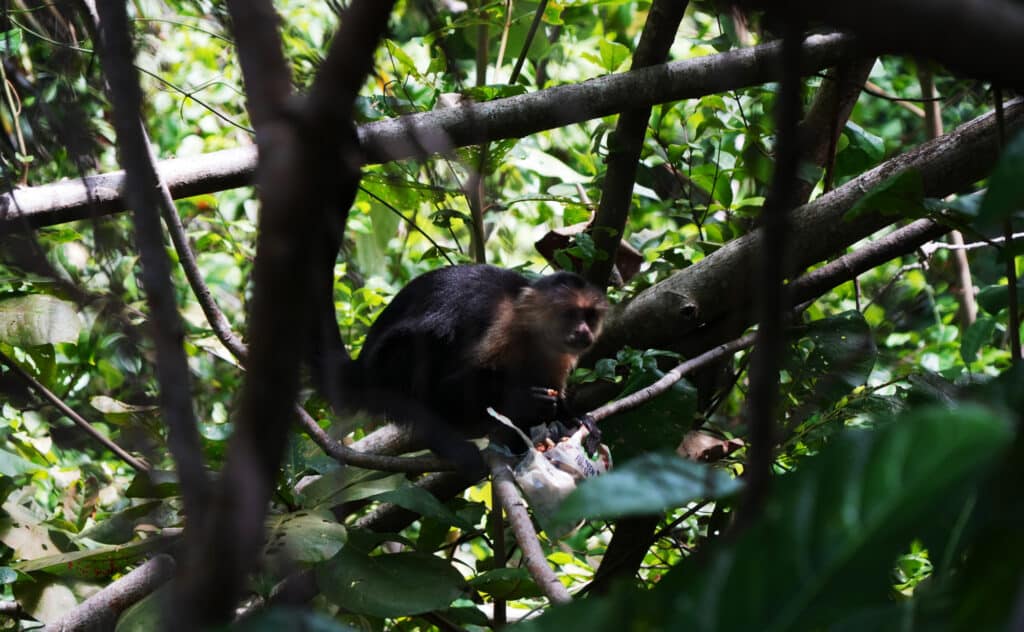
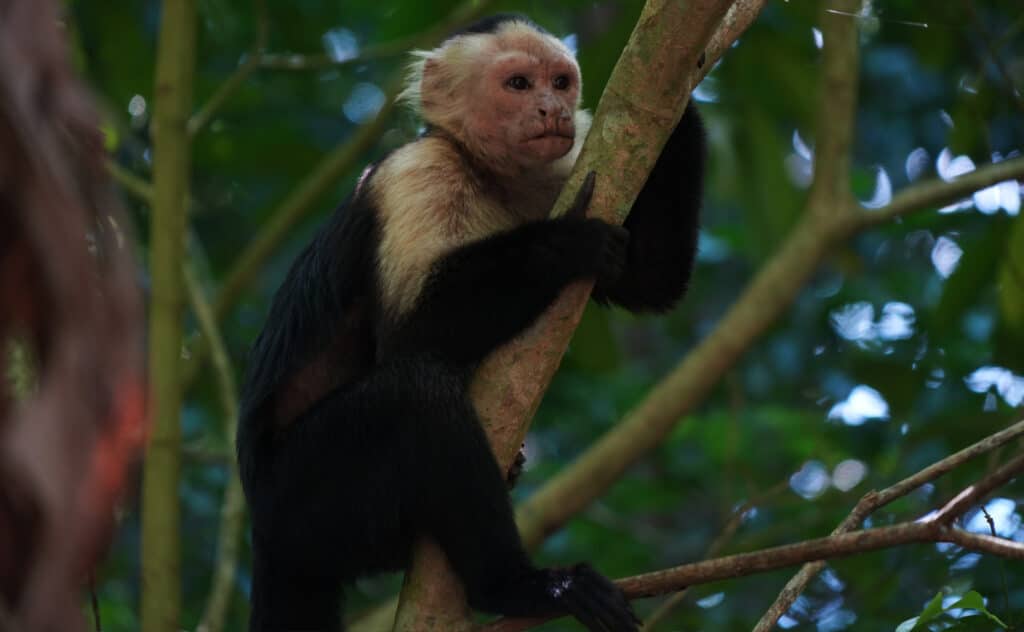
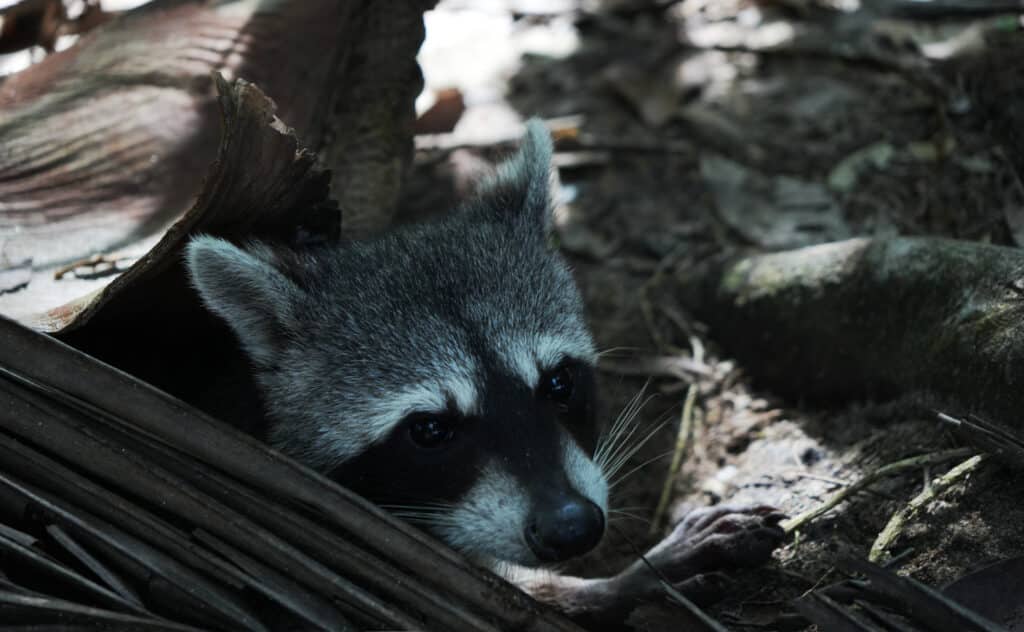
After two snorkelling stops, they boat dropped the group off on the beach where the hiking trail started. They had a snack and saw the racoons and white-faced monkeys try to steal pieces of fruit. Charlie was surprised by this animal behaviour that she had not seen in Costa Rica before. Usually, all the animals were shy and kept their distance to humans. Not in Cahuita.
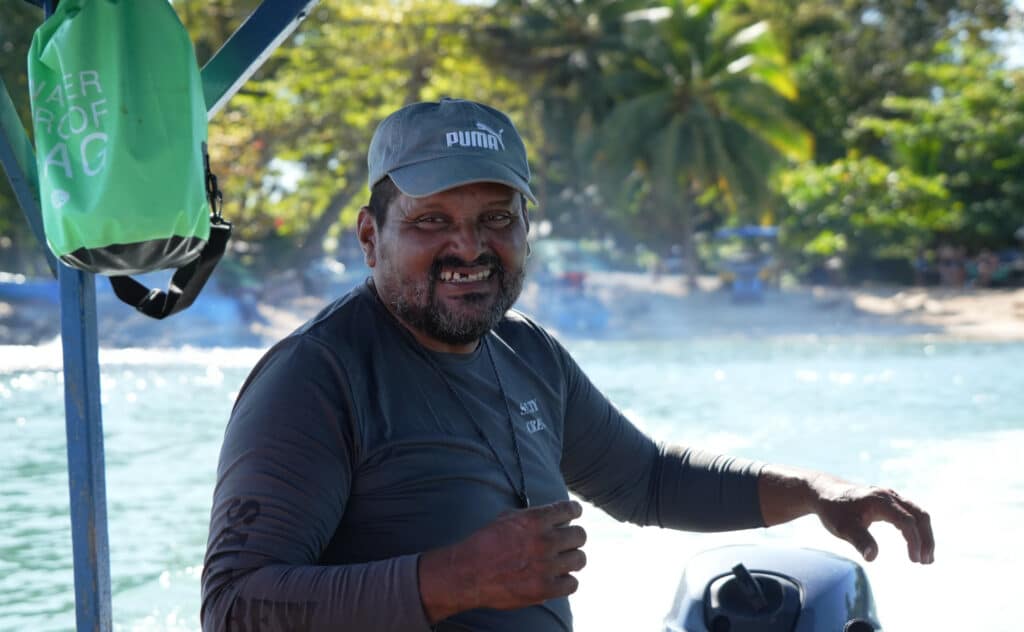
Just as they landed on the beach, a sloth has started to make his way down his tree. This is a rare occasion as they only come down approximately once per week and tourists rarely get to see the descend. Charlie could not stop taking pictures of this impressive show. The guide, Rodolfo, was very patient with the group.
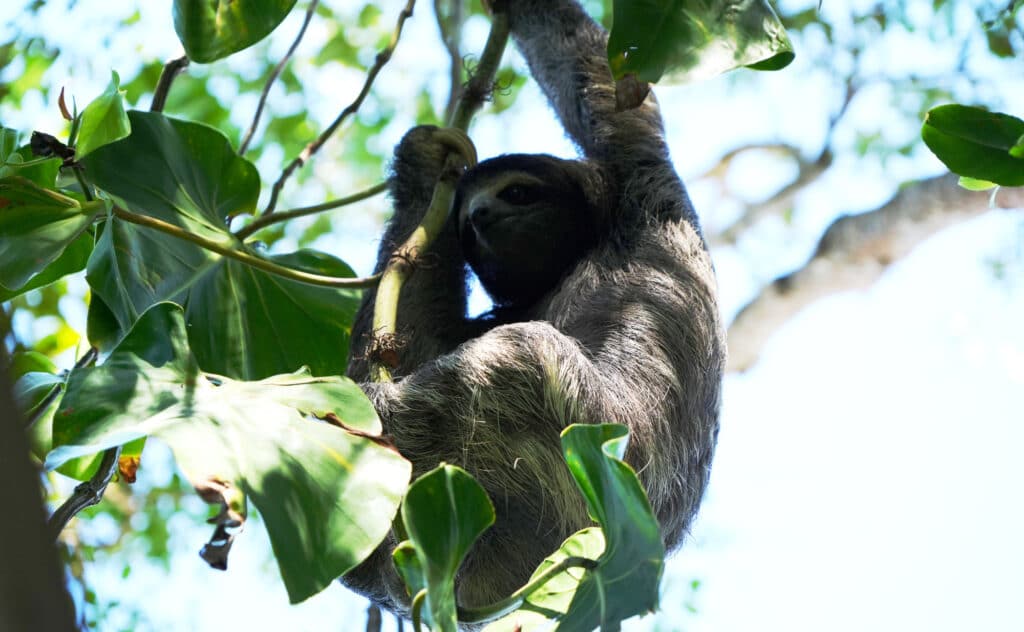
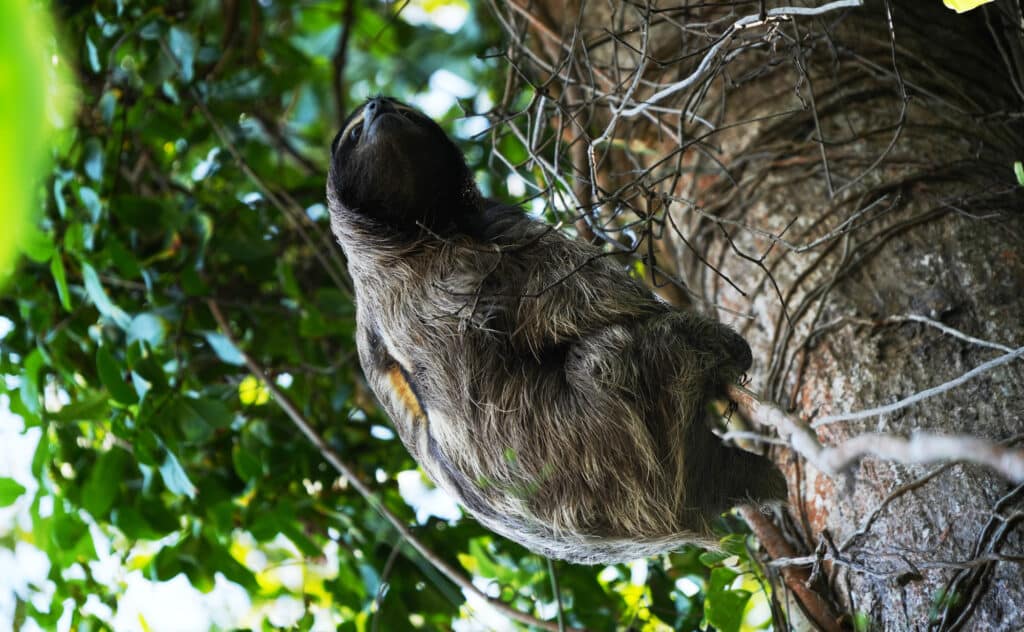
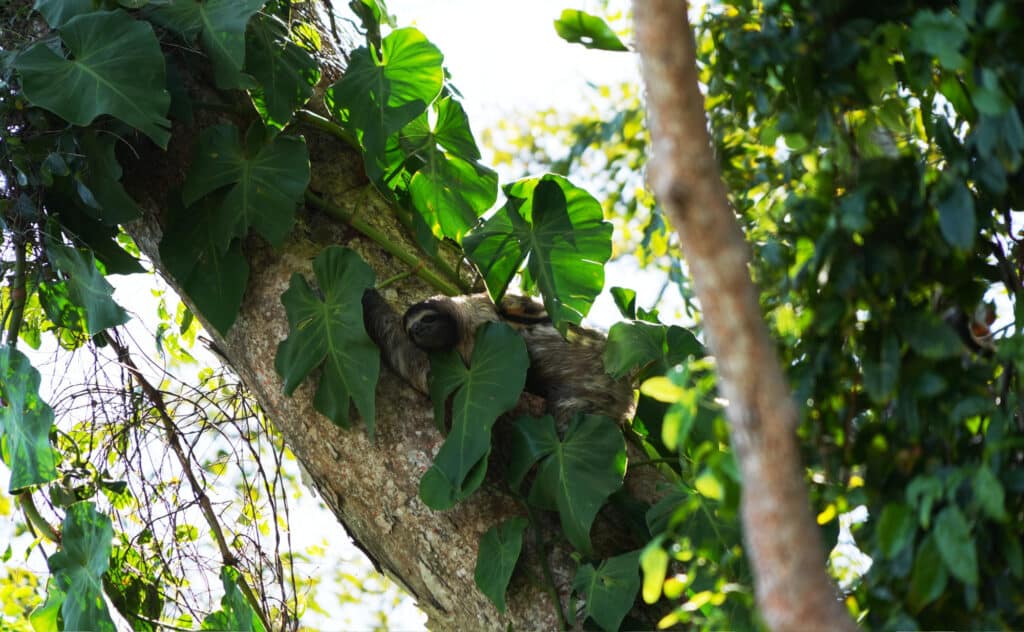
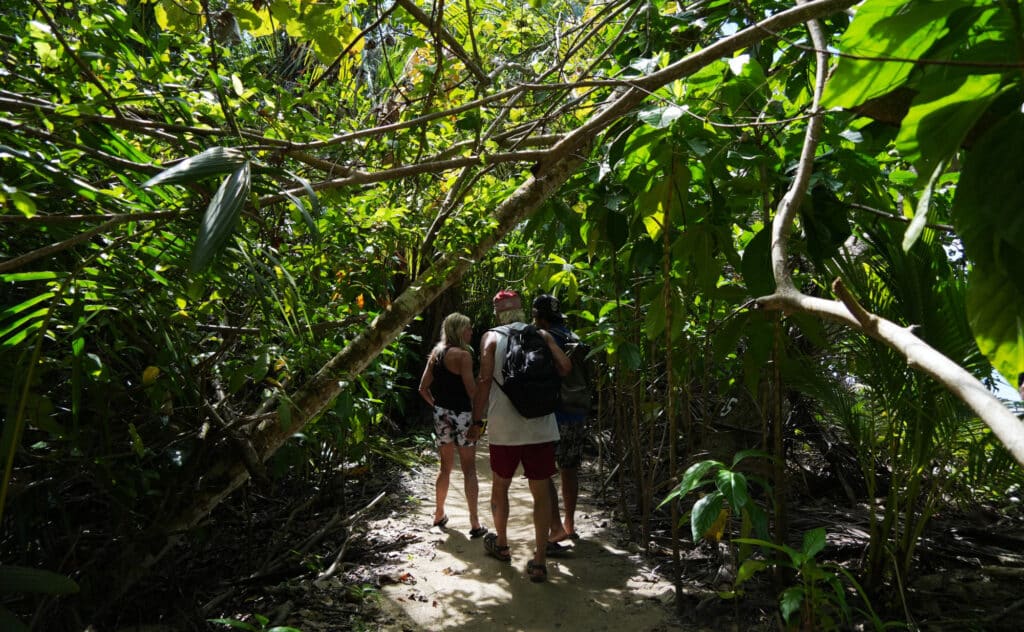
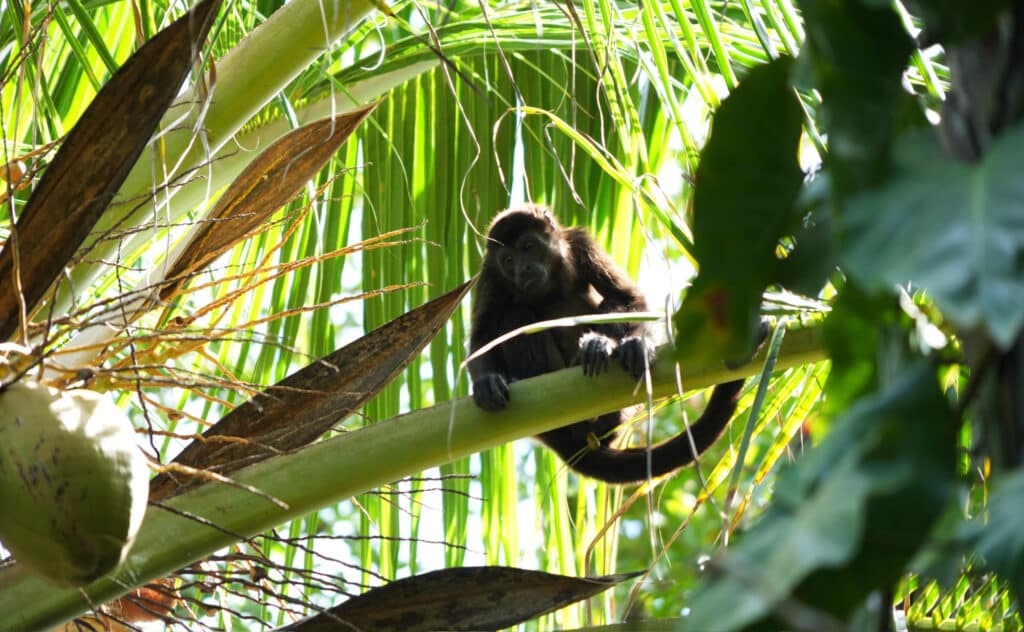
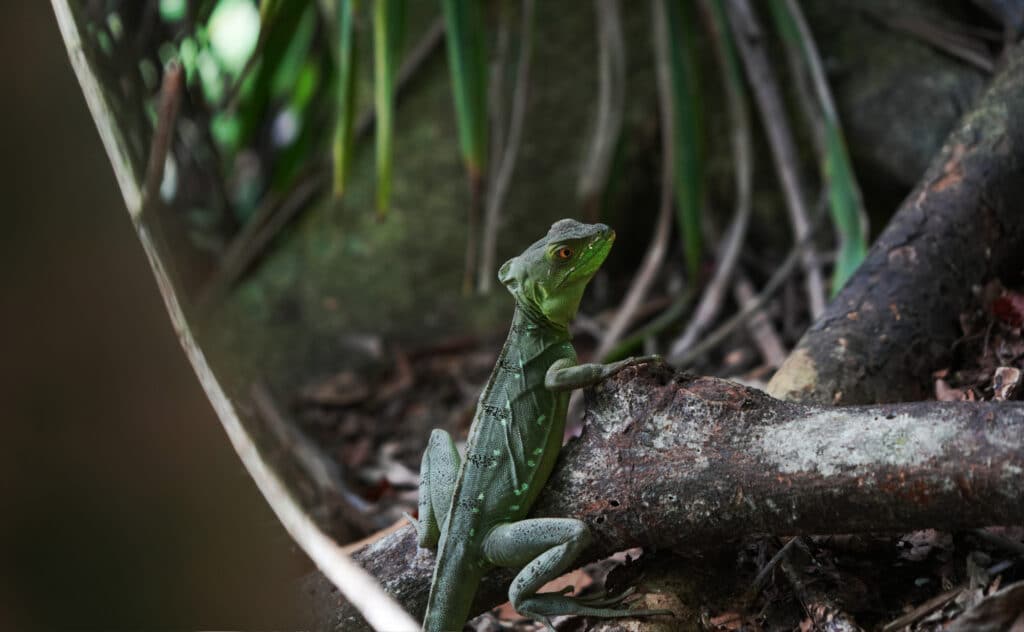
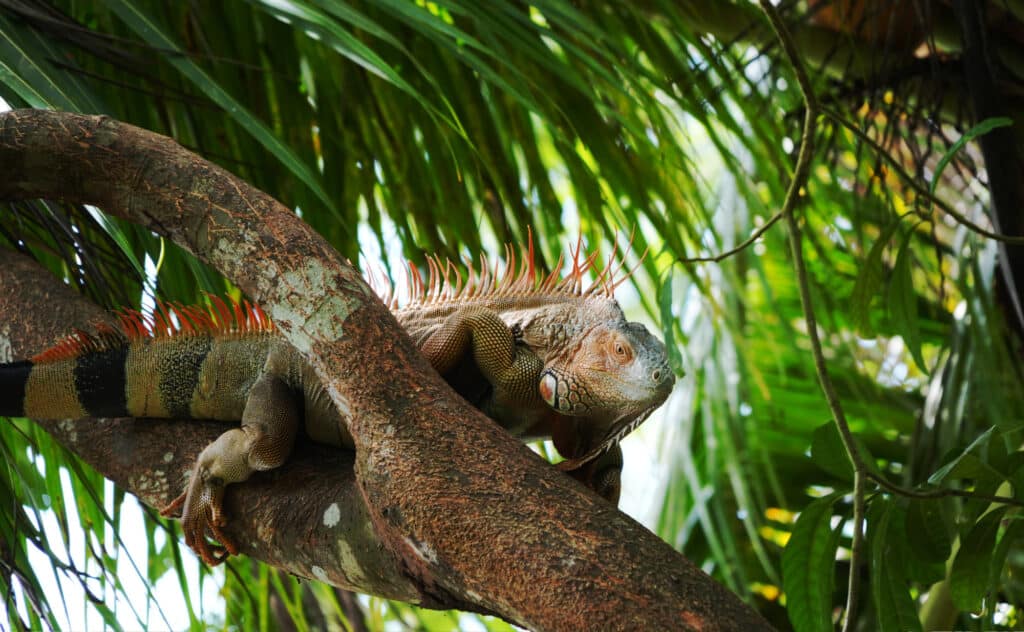
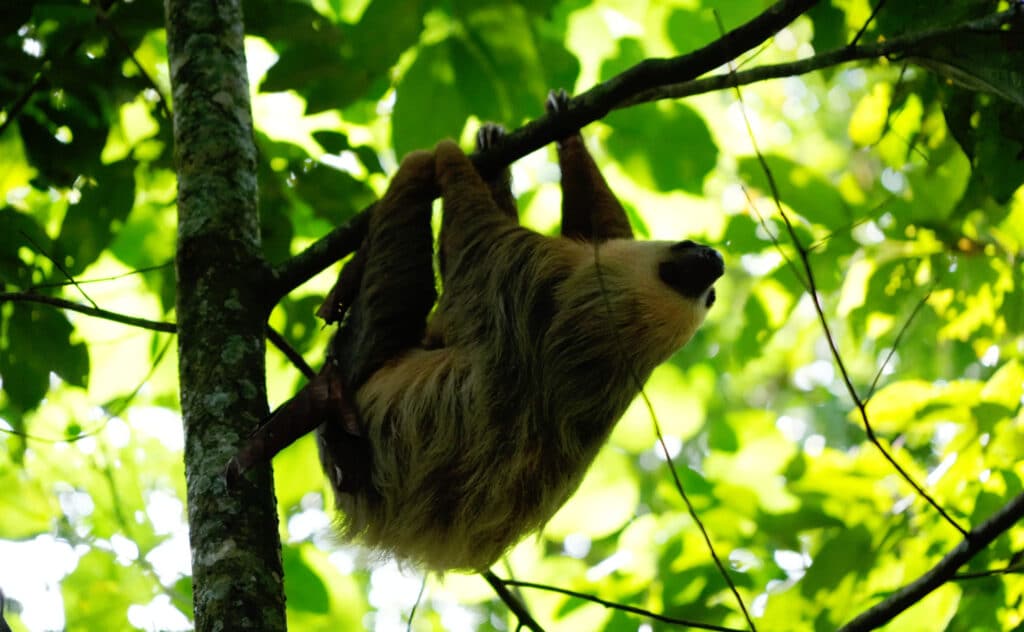
Once the sloth show was over, they started their hike along a clearly marked trail and Rodolfo pointed out several animals and provided detailed information about each of them. They saw more sloths sleeping in the trees, howler monkeys eating their lunch, more racoons and white-faced monkeys and lizards of different sizes, even bats sleeping on a tree branch. One of the group members even spotted a toucan in the trees. It was magical. It seemed as if Charlie now got to see all the animals she couldn’t get a good picture of the year before when she was in Costa Rica and her camera was broken.
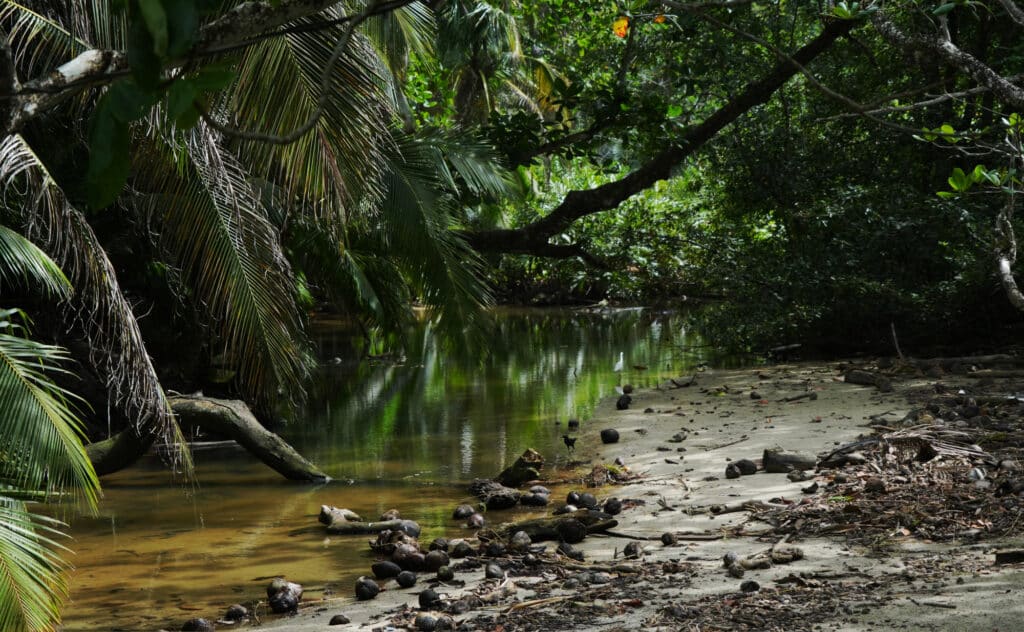
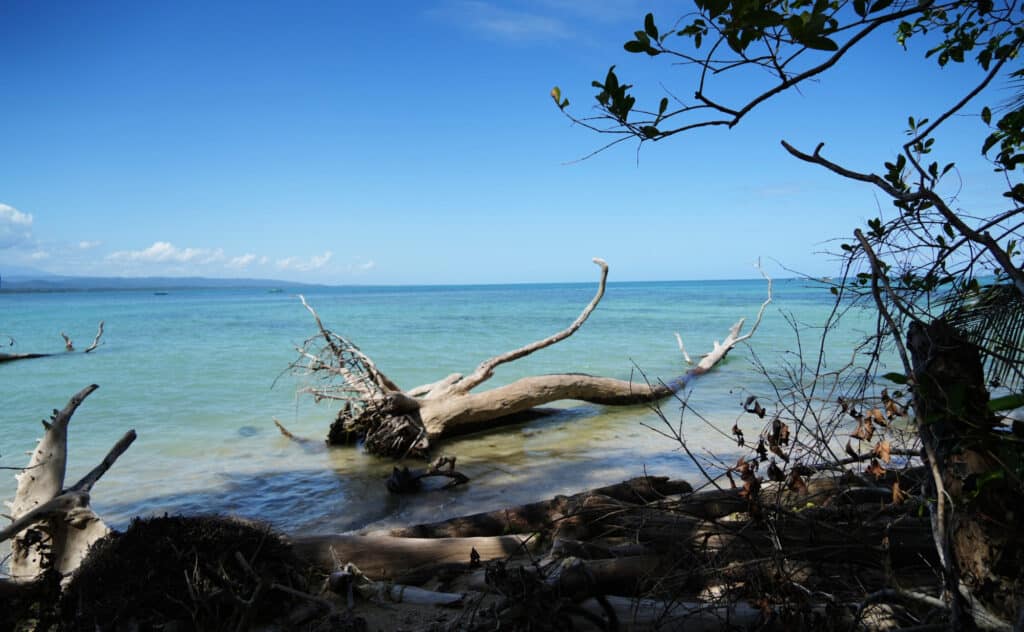
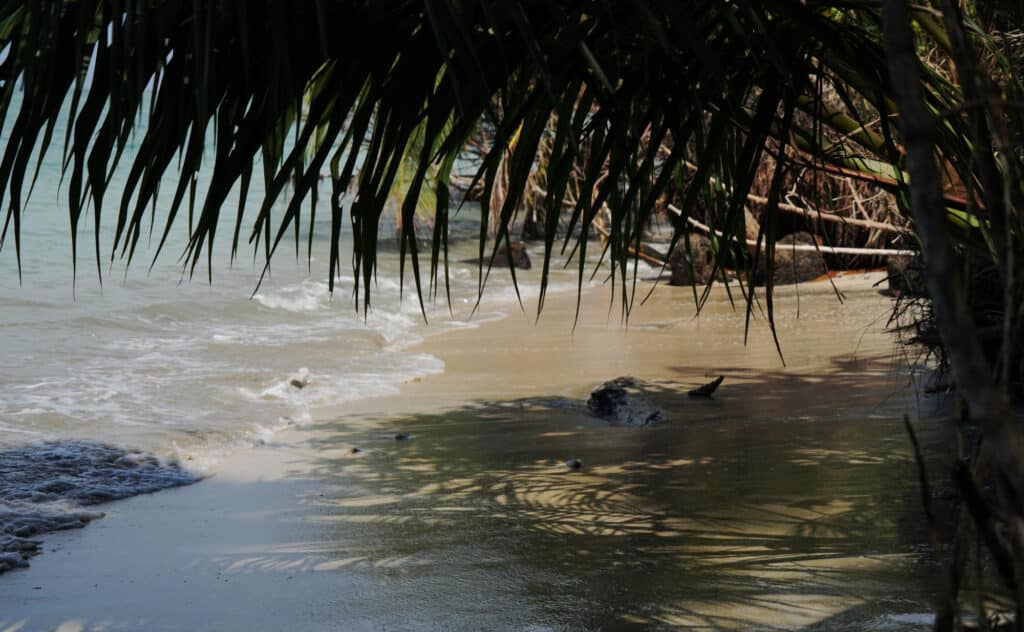
Parts of the trail lead along the beach and provide stunning views, other parts make you feel as if you’re in the deepest jungle. There were other people on the trail or by the beach near the exit, but it didn’t feel crowded. There are aspects that make you realize that this part of Costa Rica has been populated for a long-time and you can see the remains of an old dock, a well and pipes that were used to extract oil. All that happened before it became a national park. All such activities have been ceased and large parts of the park are protected and not open to the public.
Visiting Cahuita National Park
You can get to the village of Cahuita by public transport or you can book a shuttle with puertoviejotravel.com. The shuttle requires a few people though to run. If you hired a car, you can get easily to both entrances, Playa Blanca or Puerto Vargas. At Playa Blanca, you will be asked for a donation, at Puerto Vargas you pay an entrance fee of USD 5.65. The park is open daily between 8 a.m. and 4 p.m., however you must leave the trail by 2 p.m.
Please note that you are not allowed to snorkel without a local guide.
Jaguar Rescue Centre
Half-way between Puerto Viejo and Manzanillo is the Jaguar Rescue Centre that is dedicated to the rescue, rehabilitation and rewilding of all animals that live in this part of Costa Rica. The animals in the centre have been injured, mistreated or confiscated and the employees and volunteers do their best to release them back into the wild.
Apart from animal care, the centre also educates locals of all ages about wildlife and works with the Costa Rican electricity company to insulate transformers and power lines.
The Jaguar Rescue Centre offers public tours in different languages and tickets can be purchased online for USD 25 (USD 16 for children). Tours and donations are the main funding sources for the Jaguar Rescue Centre.
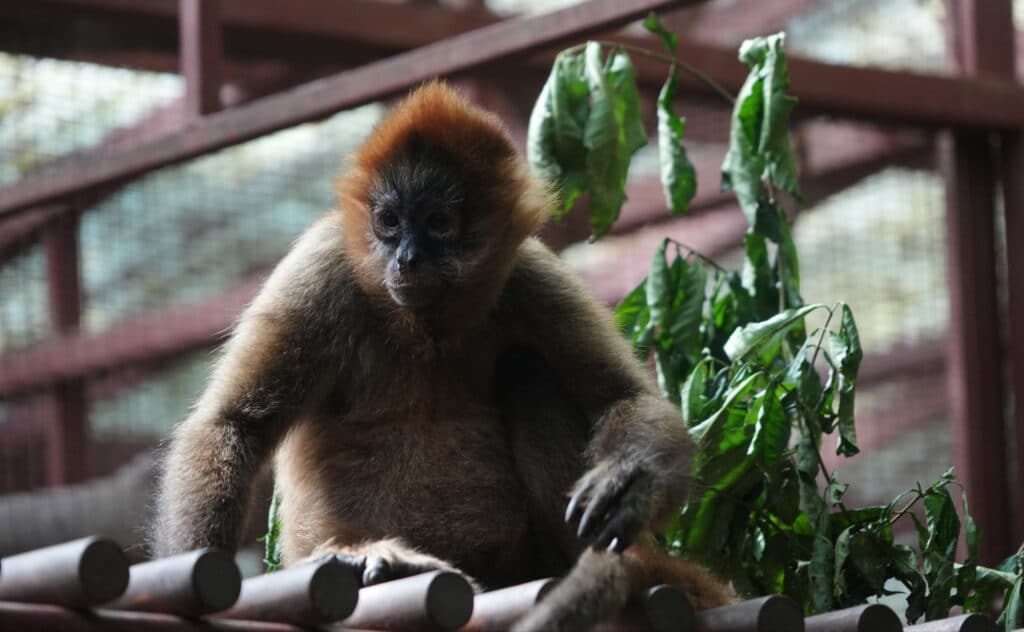
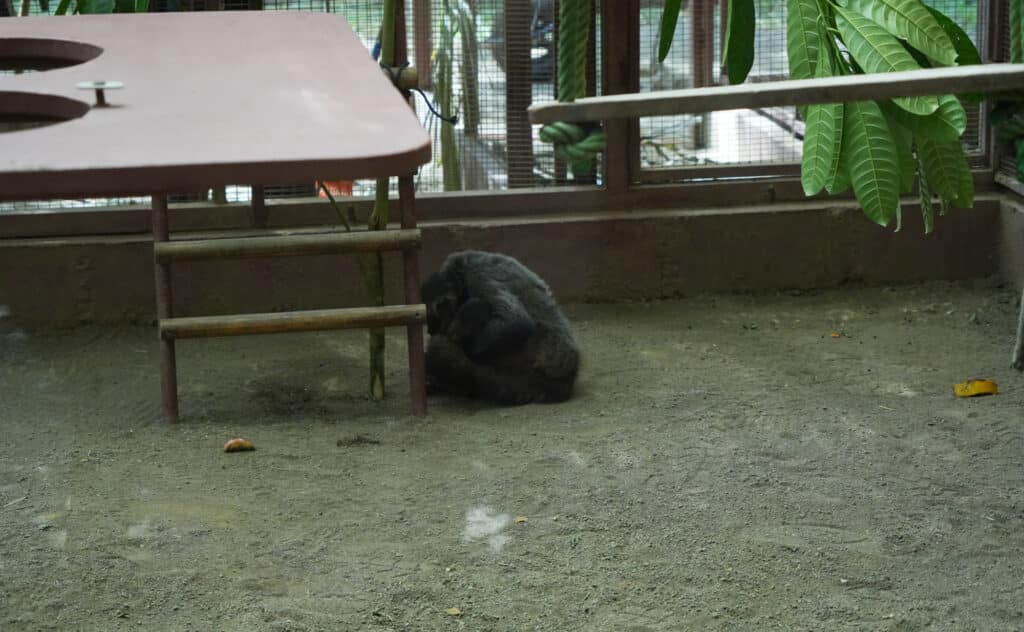
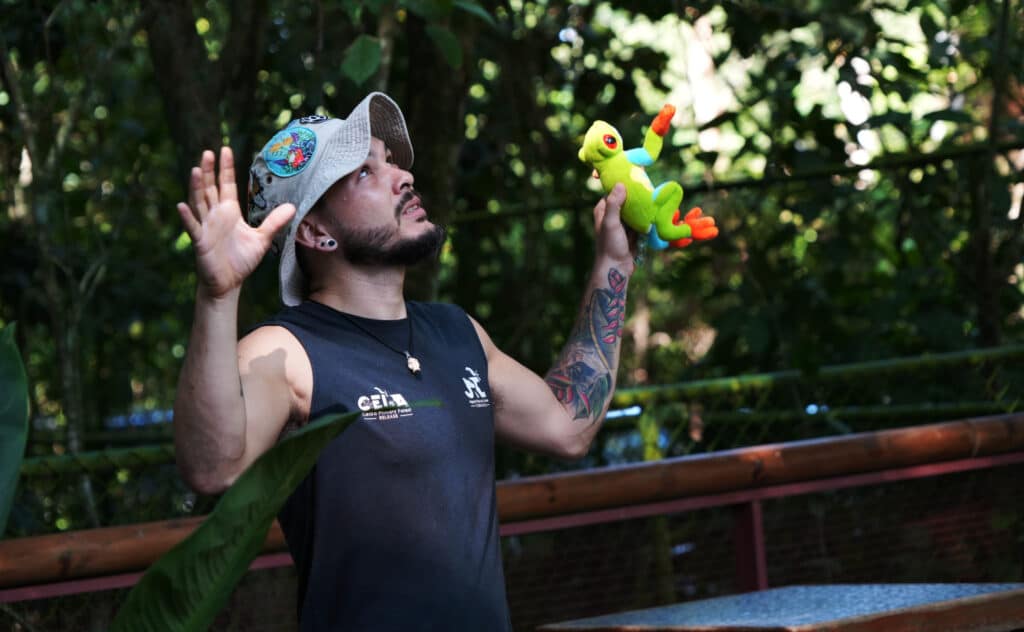
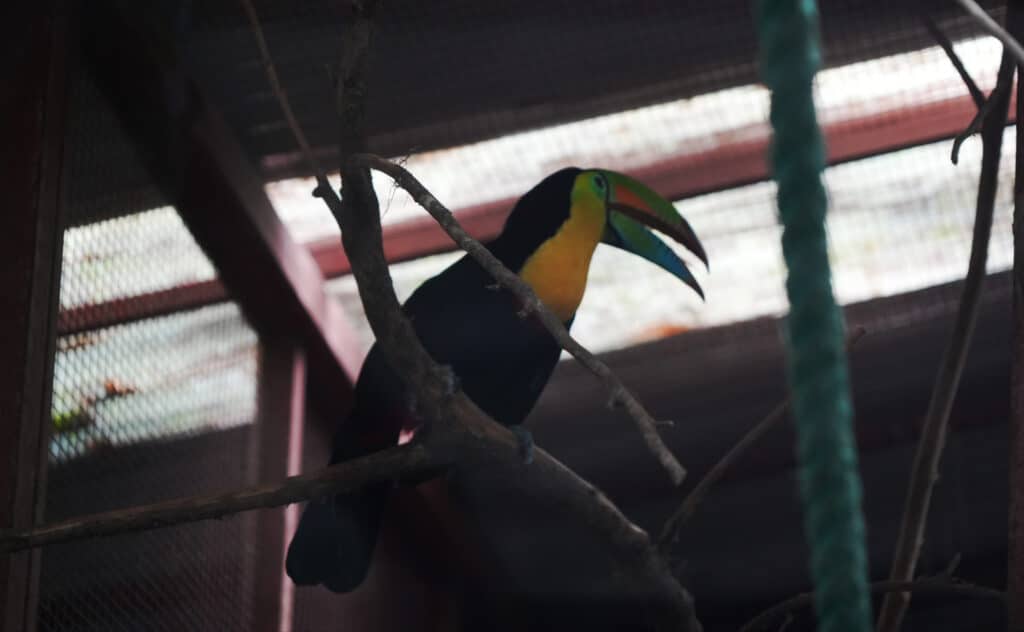
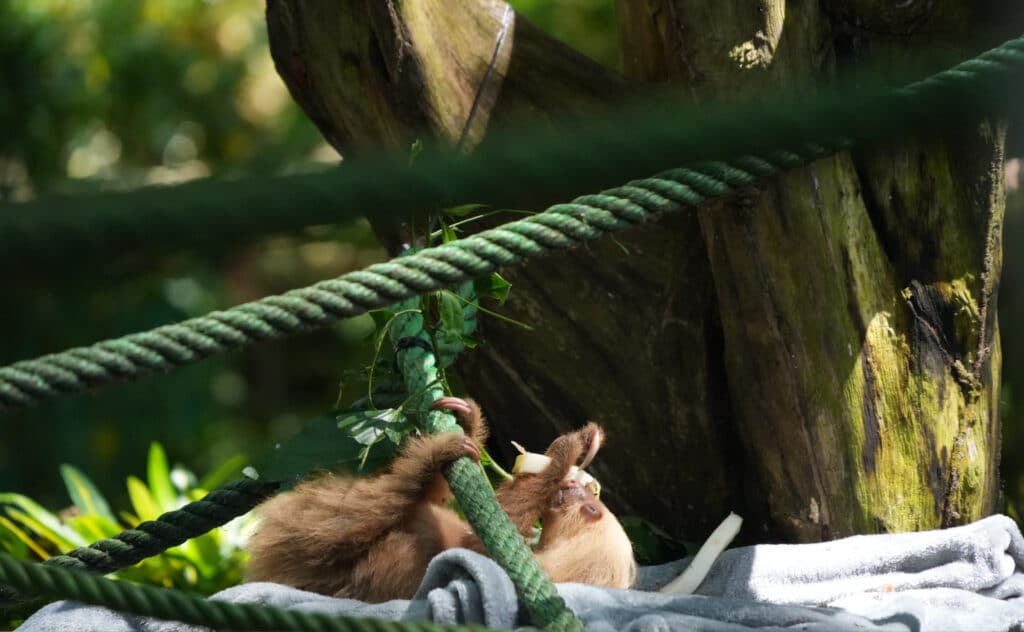
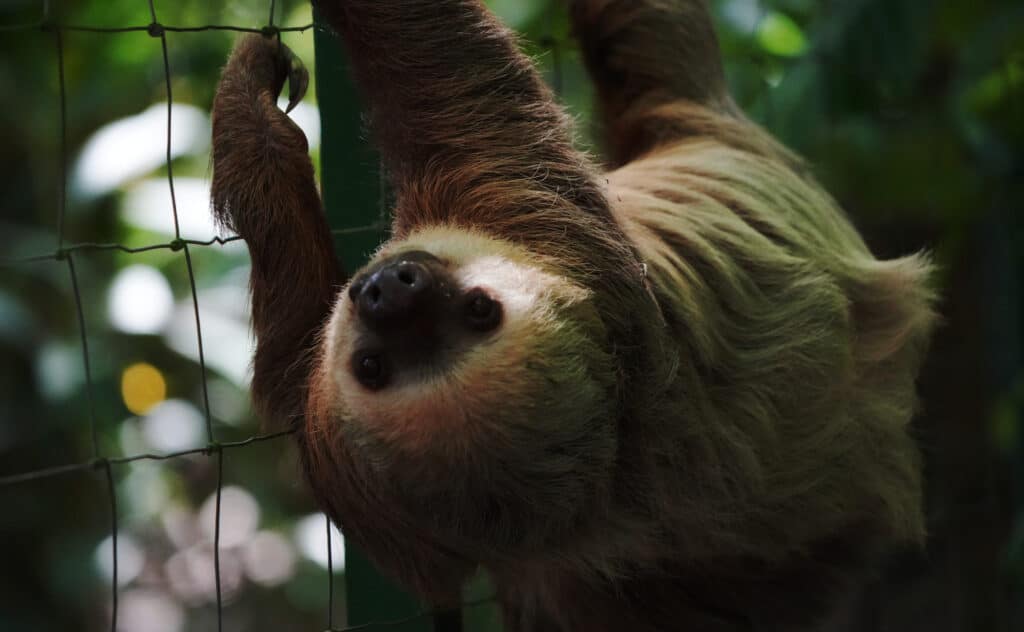
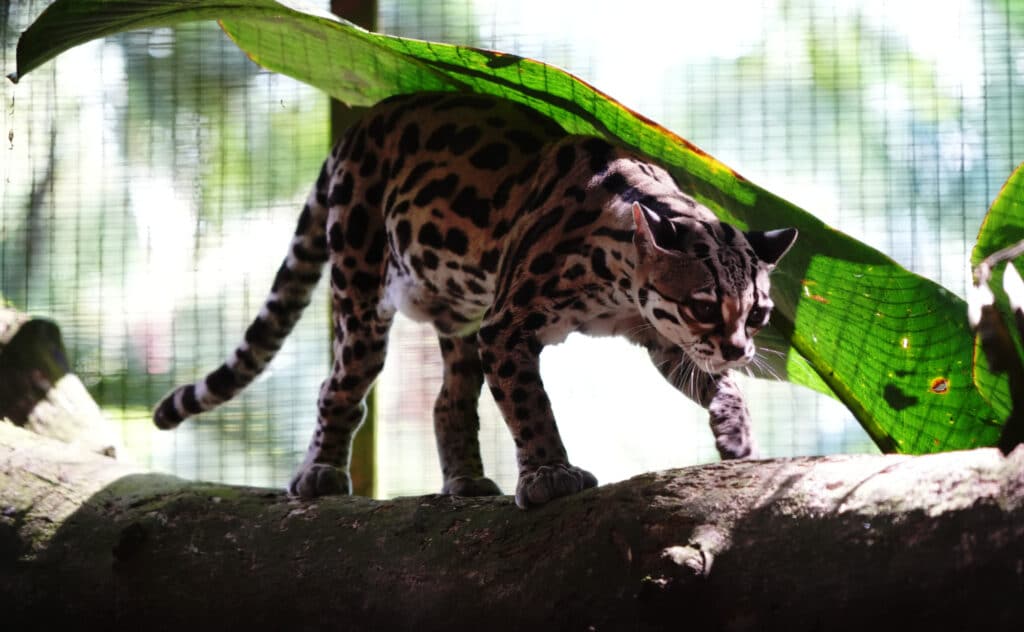
Charlie certainly learned a lot during the tour and was impressed by some of the stories. Apart from car accidents and electric shocks, two reasons were mentioned for quite a few of the animals: living in captivity and illegal trade. Most of the animals with a history of mistreatment won’t be able to live in nature anymore and can’t be released from the centre. Paco, a 30-year-old monkey, sat crouched together in a corner. The guide, Andrei, explained that this is the normal state of this elderly monkey who was held as a pet in a tiny cage. Sana and Nerea, two spider monkeys keep him company. Nerea used to be a tourist attraction for photos. This is nowadays illegal in Costa Rica. During the tour, all visitors were told to not take photos that show a human with an animal.
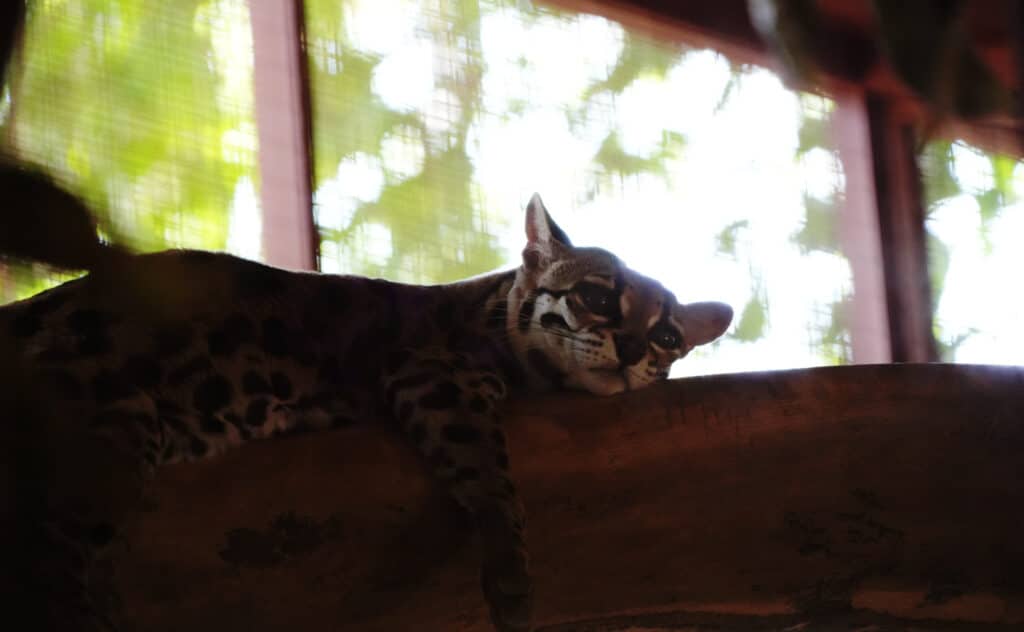
Some other animals in the shelter have illnesses that prevent them from being released. Two sloths, Mufasa and Tarango, suffer from an illness that stops them from growing. One of them looked like a baby sloth, but was indeed already 4 years old. The ocelot Diabolino is physically fine, but carries an illness transmitted via cats, that could easily spread if he would be out in the wild.
Ara Manzanillo
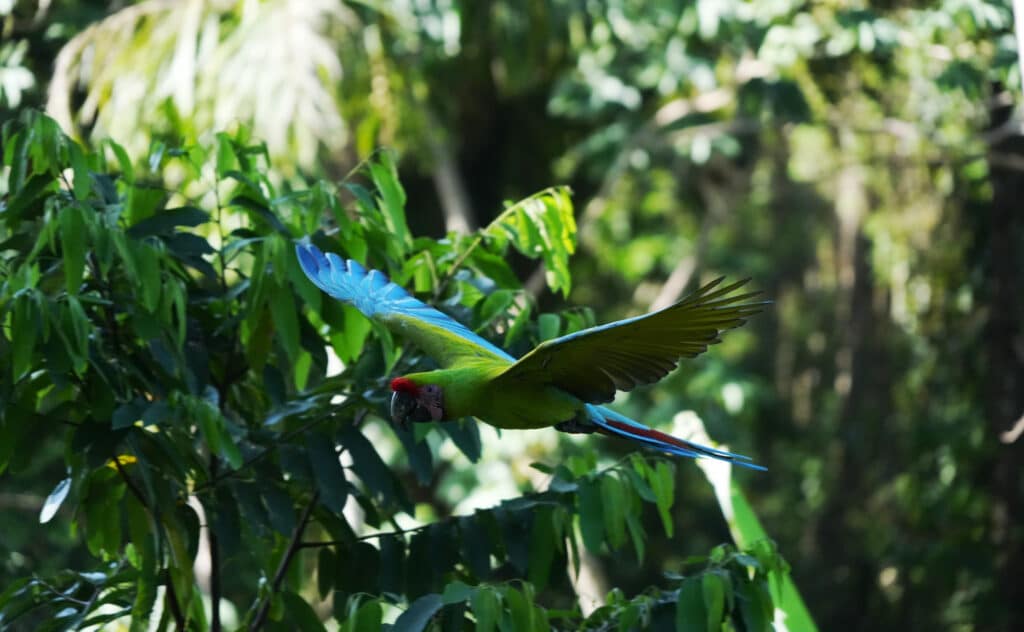
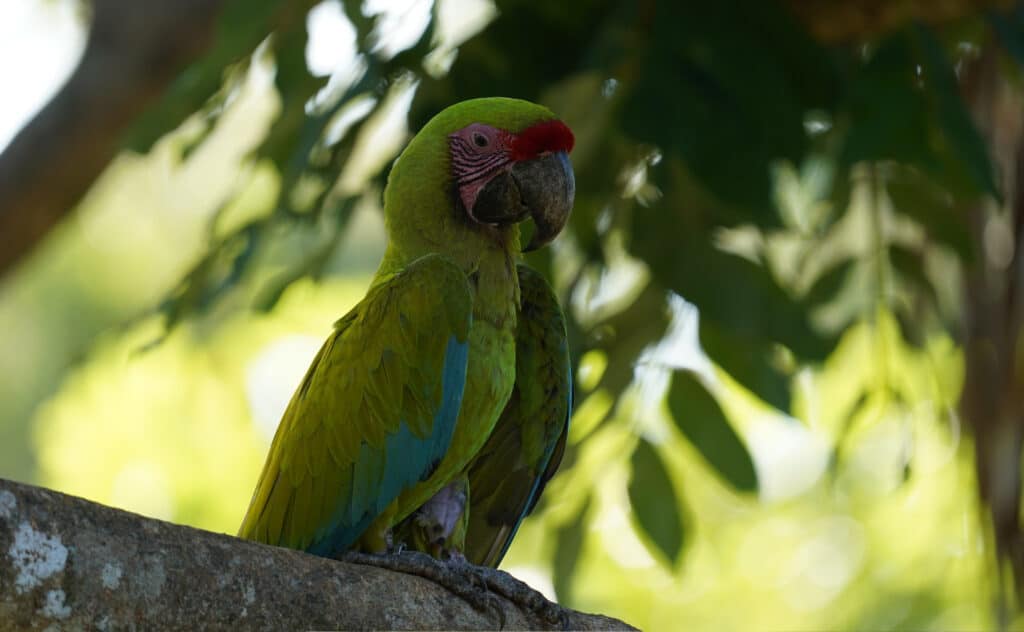
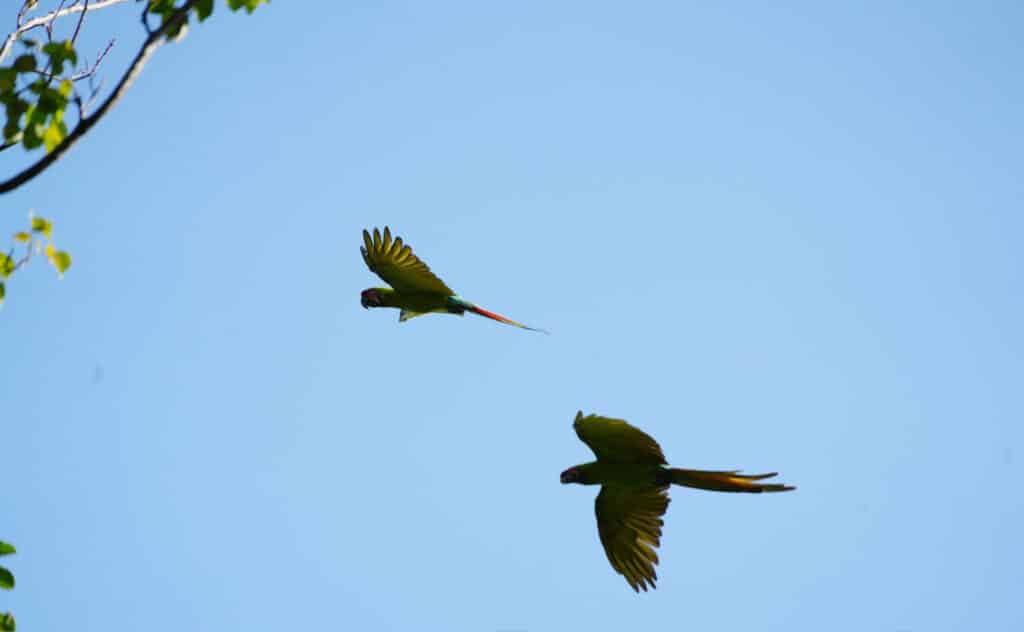
Near the village of Manzanillo is a sanctuary for green macaws which are typical on the Caribbean side of Costa Rica, however threatened by extinction. The sanctuary was built to protect this species. They offer daily tours at 3 p.m. for which pre-booking online is required and the price is USD 20. The entrance to the sanctuary is just a bit off the road, but there is a steep hill and another kilometre to walk up to the view point and official start of the tour.
The guides are very knowledgeable and answer all questions before you get the chance to enjoy the views over the landscape and the macaws from the highest point.
Indigenous culture
Not far from Puerto Viejo and the coastline is an indigenous reserve that stretches all the way into Panama. You can visit the Bribri area during a tour. These tours usually involve chocolate making and a trip to a nearby waterfall.