Places to visit in Barbados
Exploring the island and Bajan culture
Any island in the Caribbean is usually associated with palm trees, white sandy beaches, cocktail sipping and big tourist resorts. You rarely see a list of recommendations of places to visit outside the resort. When Charlie started researching for Barbados, the options seemed limited at first: Snorkeling with turtles, boat trips, Harrison’s Cave. Those were the same few options that appeared. Charlie was not happy with that list. She was sure that there must be more to see in Barbados. She was right. Here’s her list of things to do:
Oistins
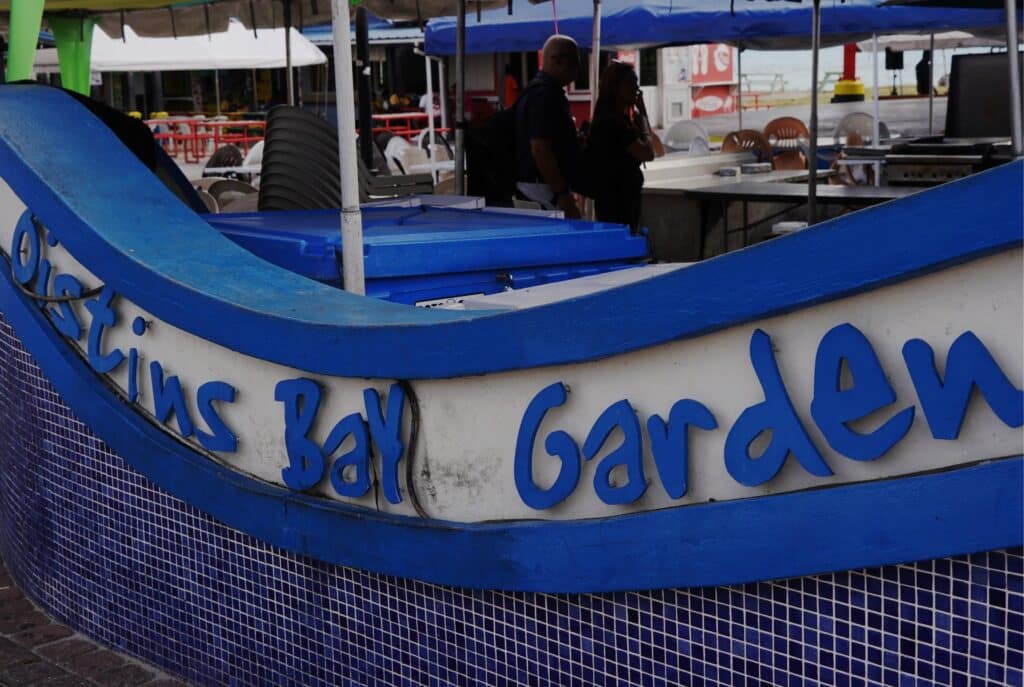
You will most likely pass through Oistins on your way from the airport towards Bridgetown. It was once a small fishing village and is now one of the biggest fish markets on the island and a popular destination on a Friday night because of the food stalls. The so-called Oistins Fish Fry isn’t only happening on Fridays, it merely is the most popular night. You could go to Oistins Bay Garden for lunch or dinner near the waterfront at any day of the week. If you decide to go on a Friday, you should get there early to get a table.
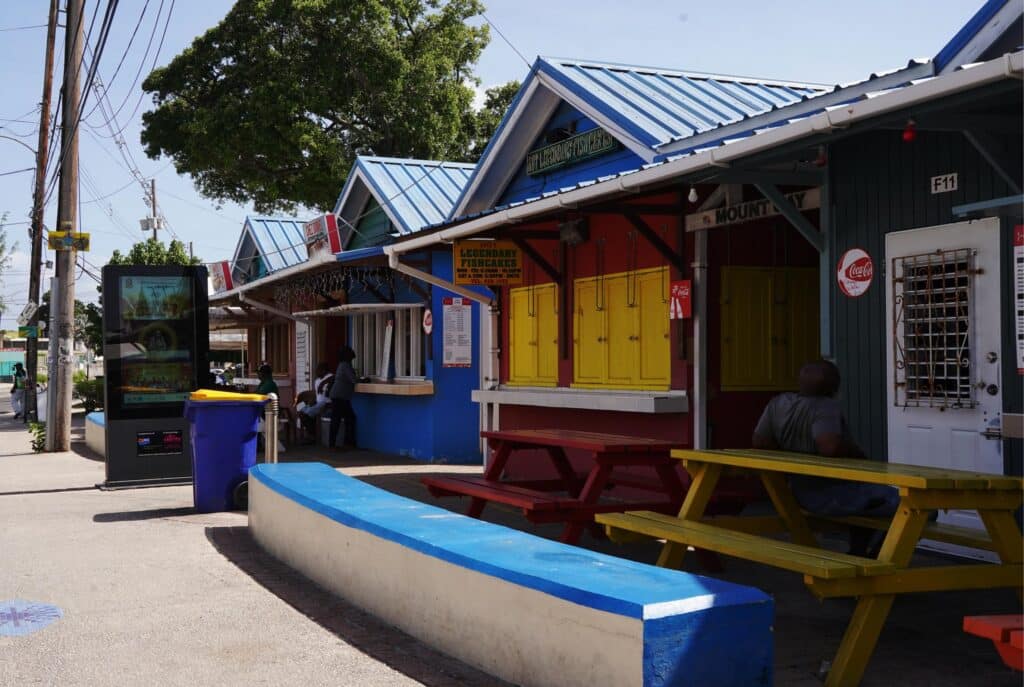
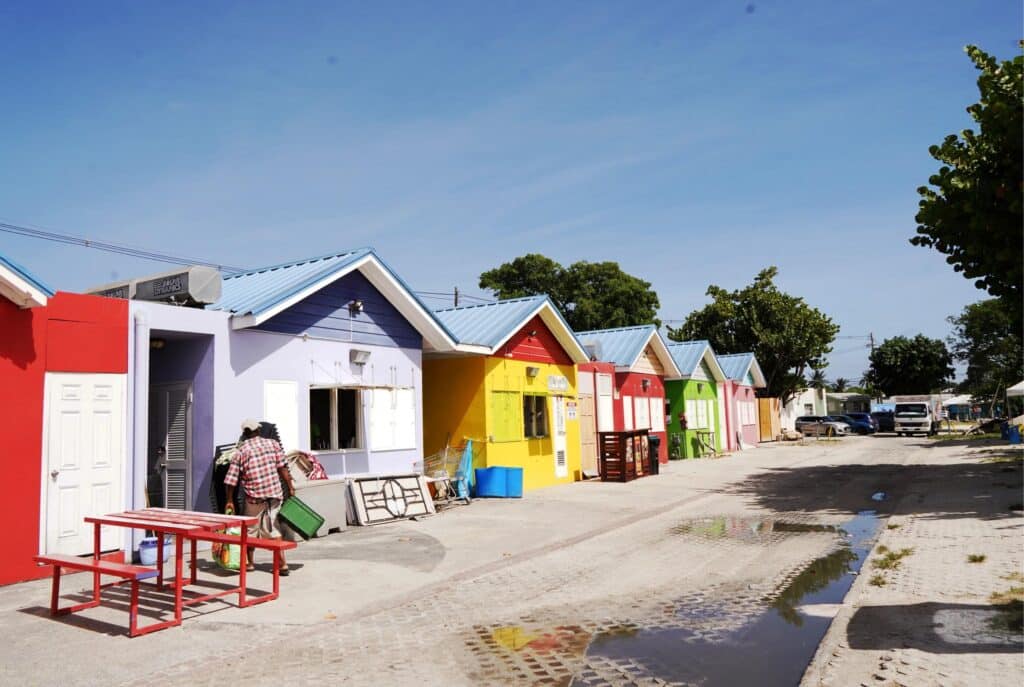
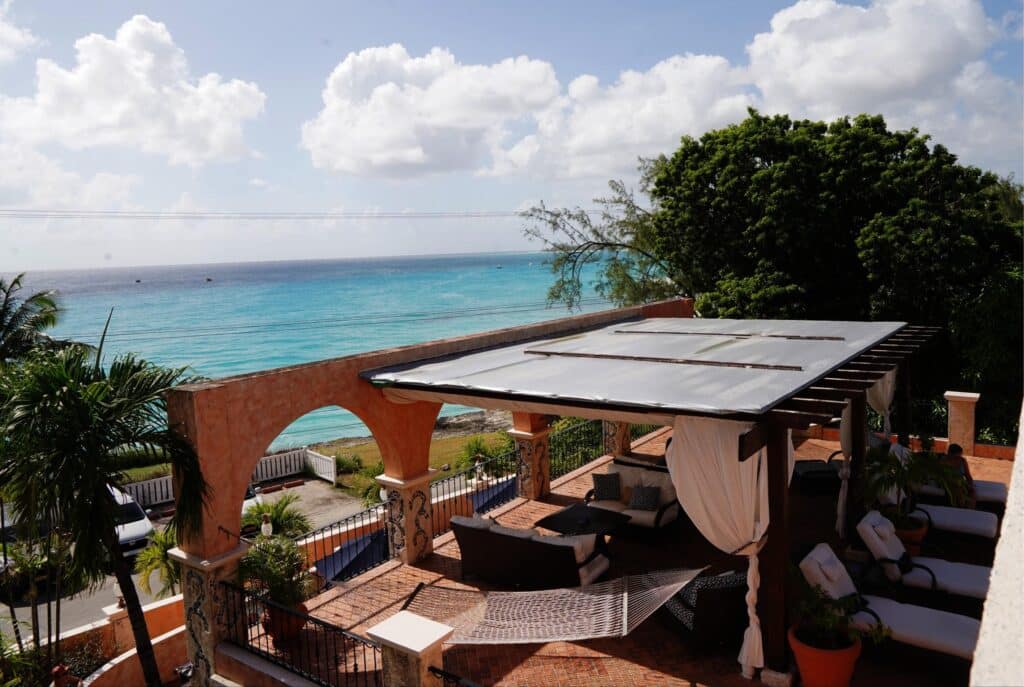
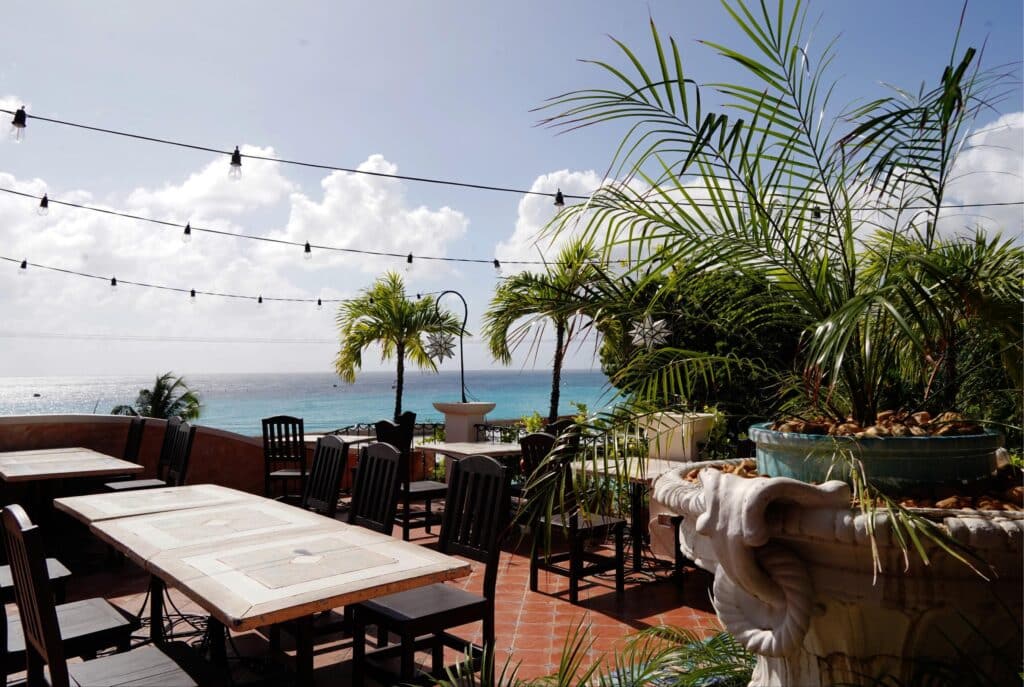
There are plenty of beaches in Oistins and some surf-themed cafes and bars. Charlie walked towards Miami Beach and discovered Café Luna. It seems counter-intuitive, but if you prefer a quieter place than the fish fry, this is the place to go for lunch or dinner. You’ll find a beautiful roof-terrace by the beach in a quiet area.
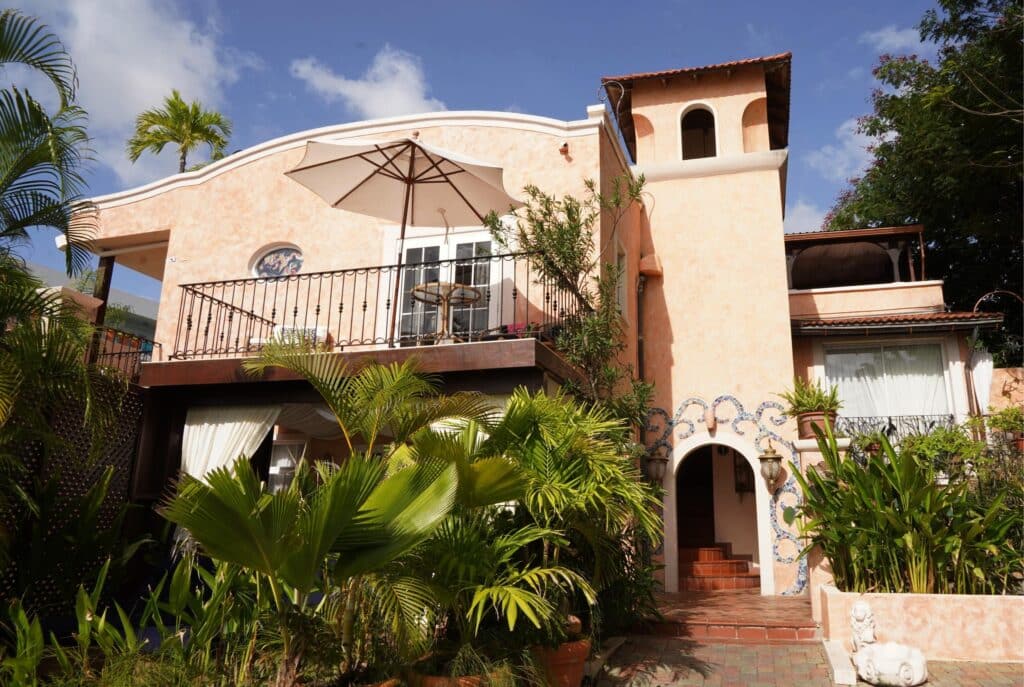
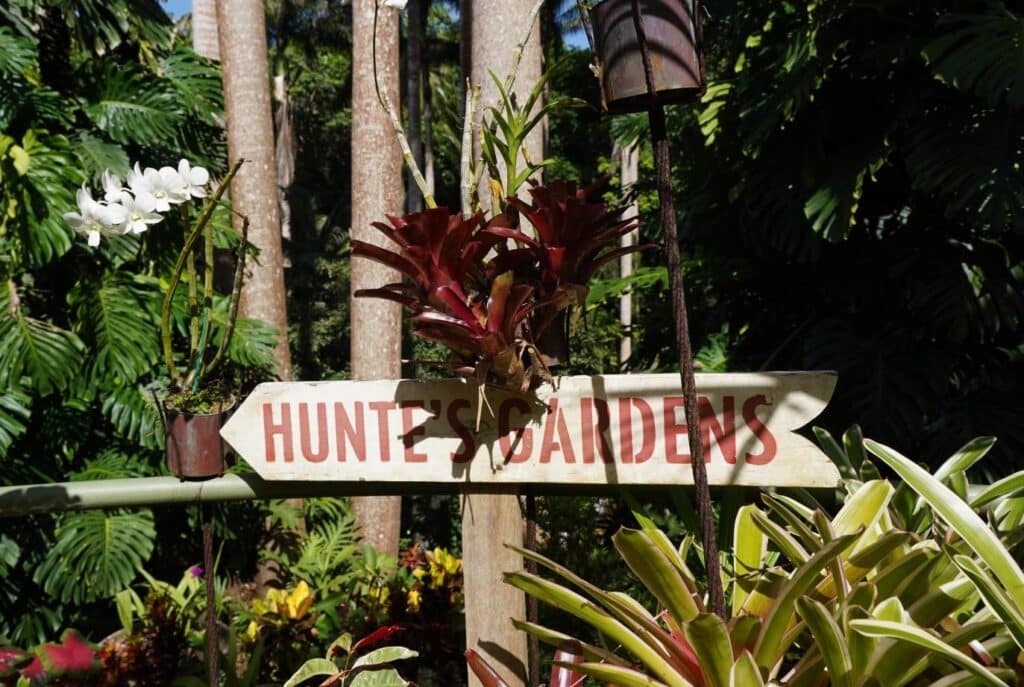
Hunte’s Gardens
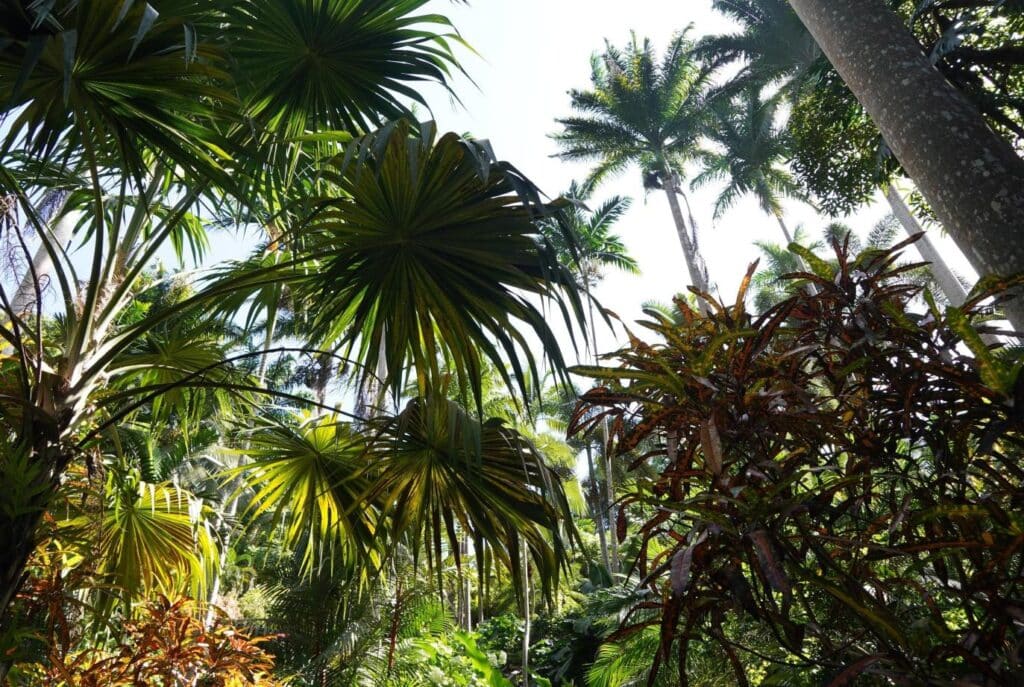
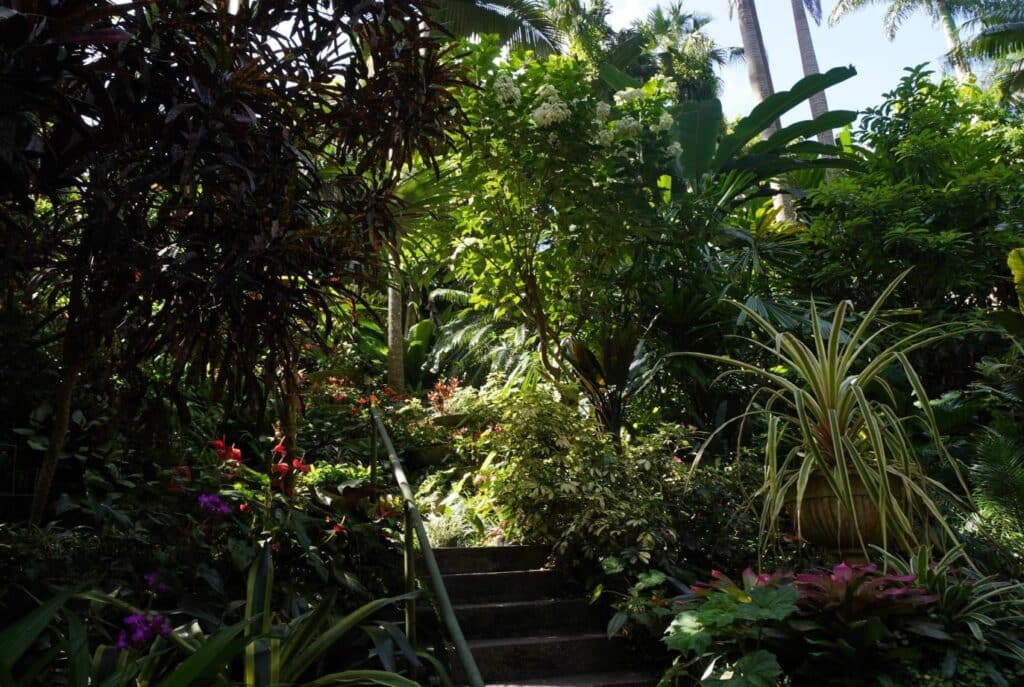
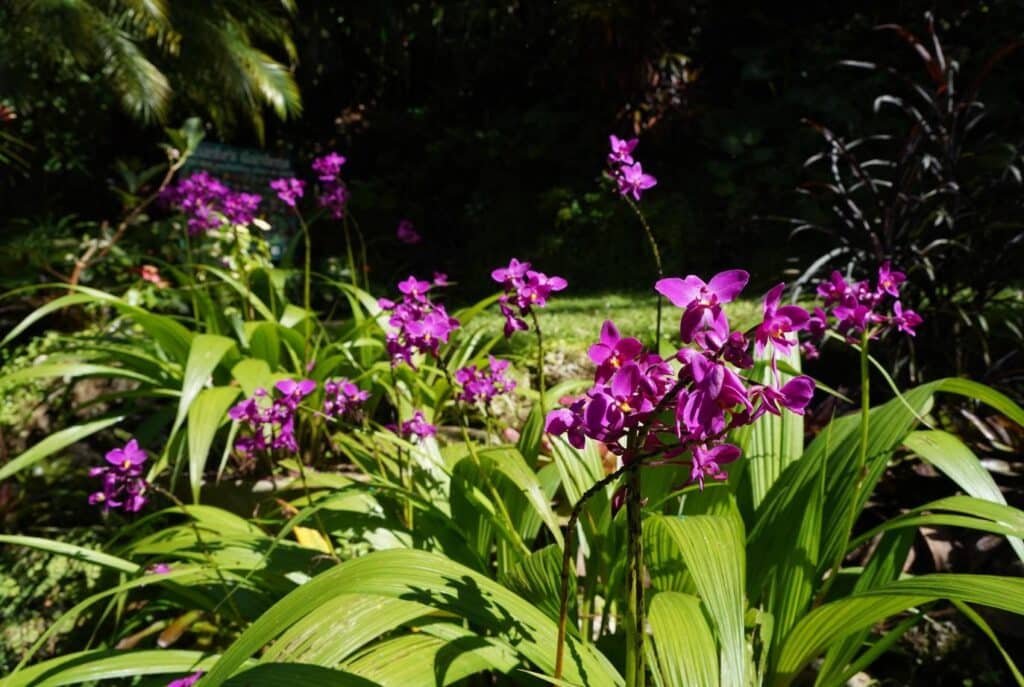
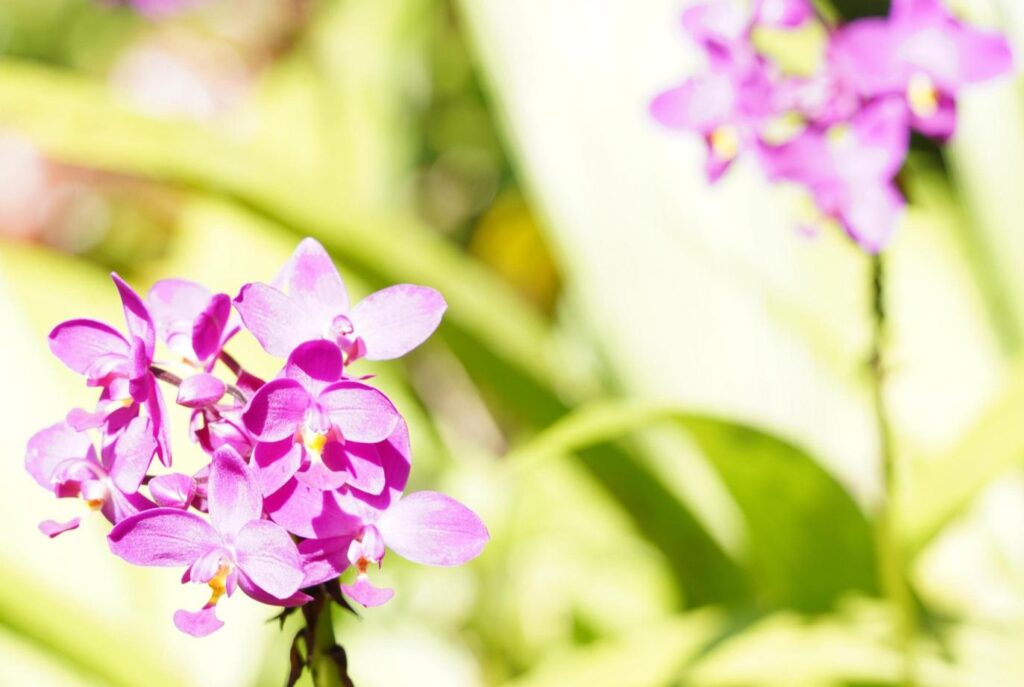
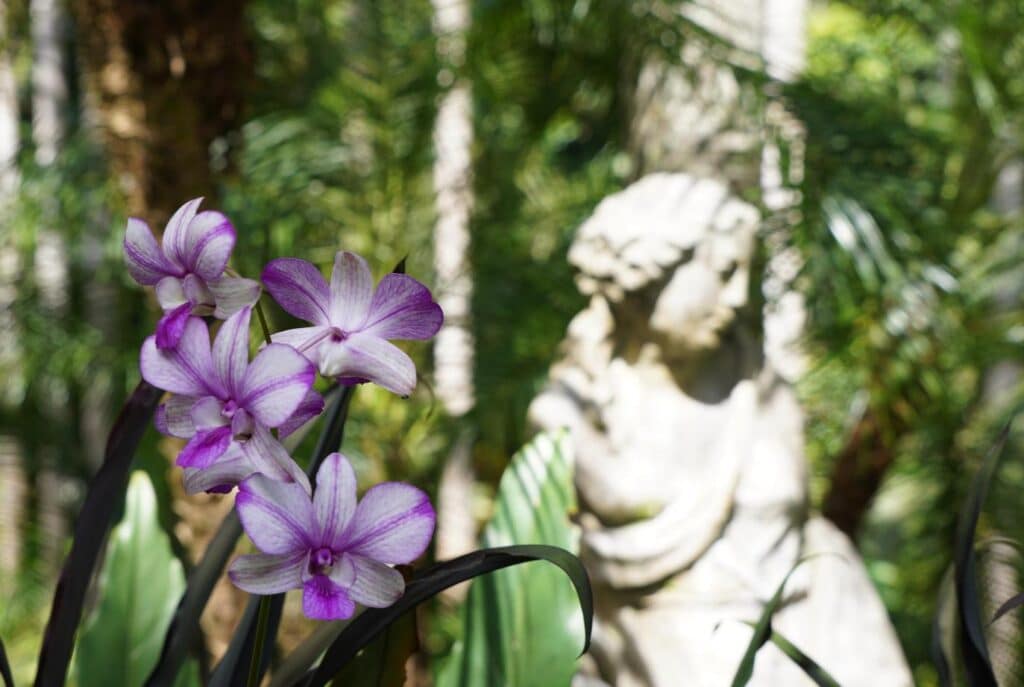
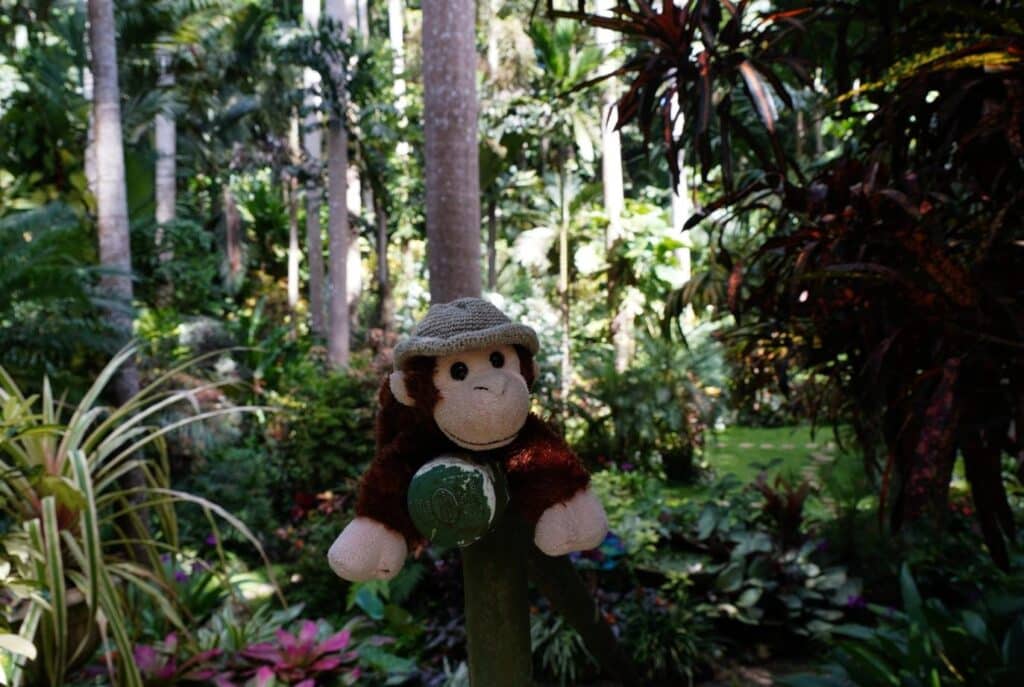
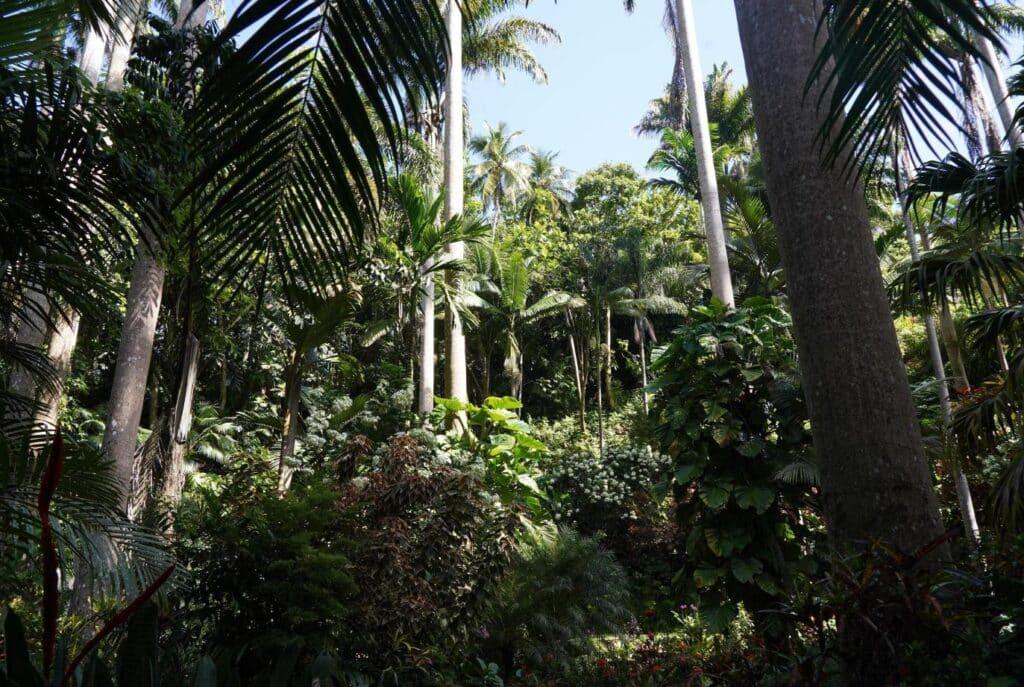
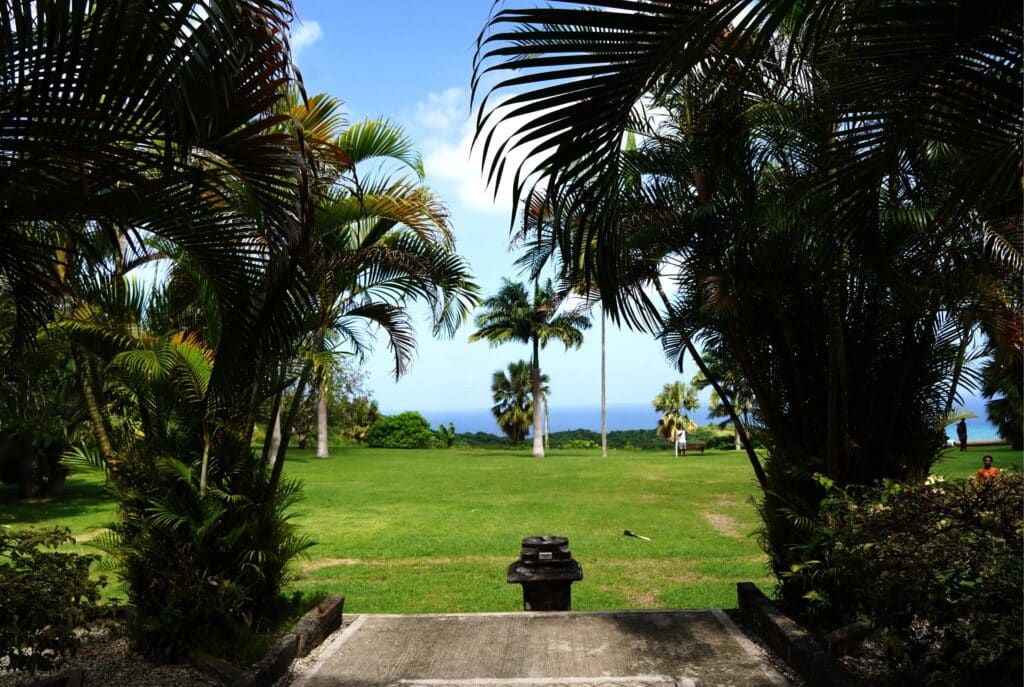
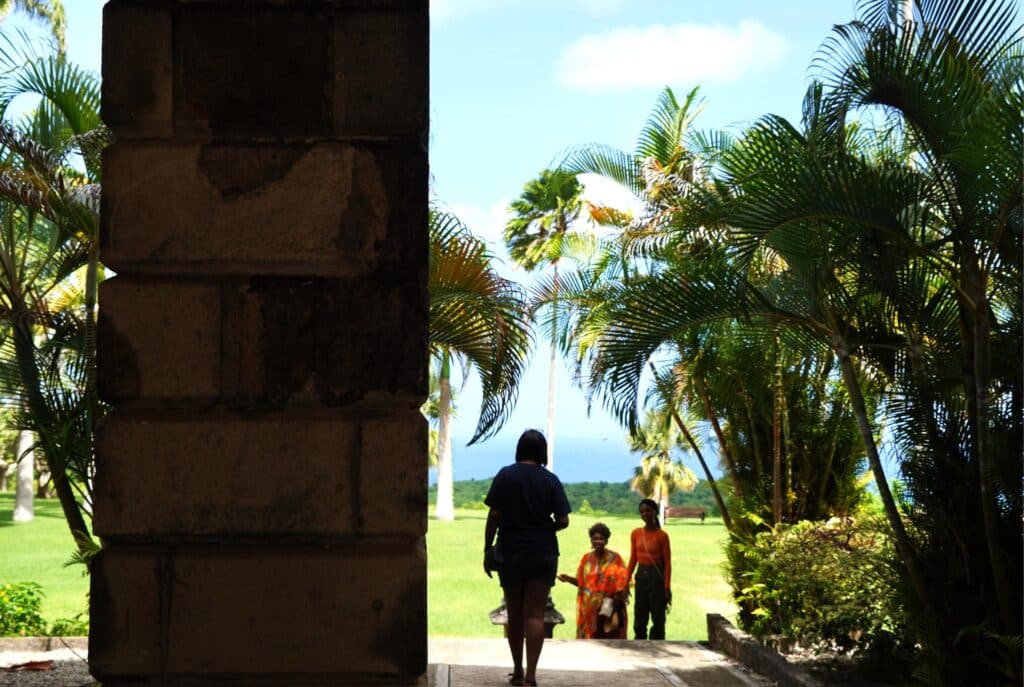
The entrance sign to Hunte’s Gardens reads “the most enchanting place” and that is no exaggeration. As you come down the stairs into the garden, you can hear the birds singing along to classical melodies. Plenty of chairs and benches all through the garden invite you to take a seat and indulge in this place surrounded by exotic plants.
The gardens are built in a sink hole, i.e. a collapsed cave, which only adds on to the impression of being fully surrounded by nature. Charlie even spotted a hummingbird.
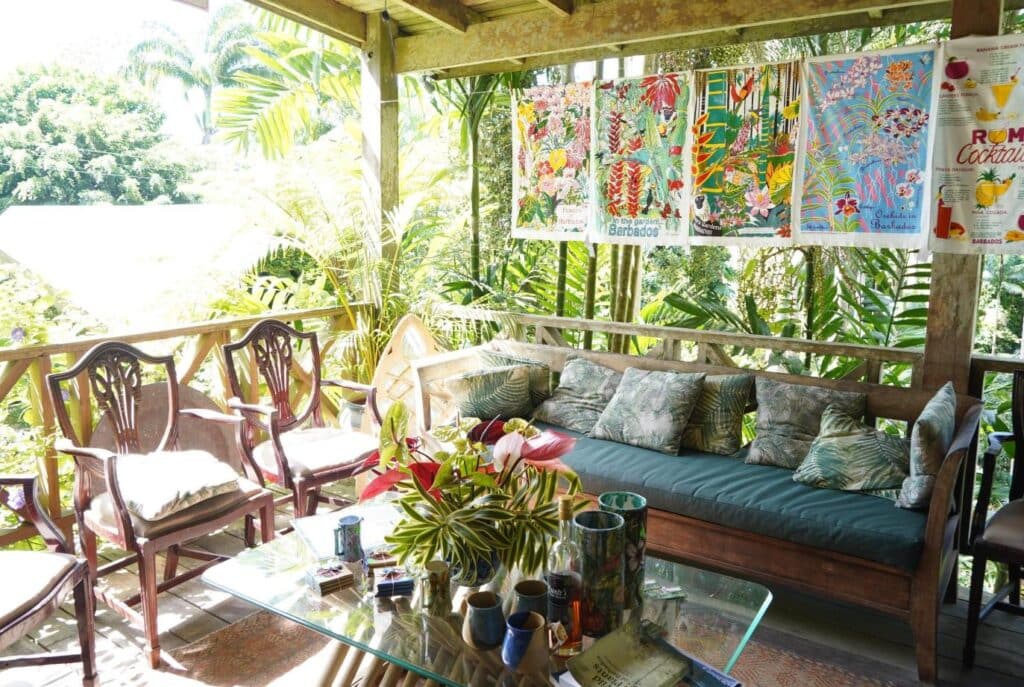
There is a café at Anthony’s house – Anthony Hunte B.C.H. being the owner and founder of the gardens – where Charlie enjoyed a fresh lemonade.
Sailing along the coast of Barbados
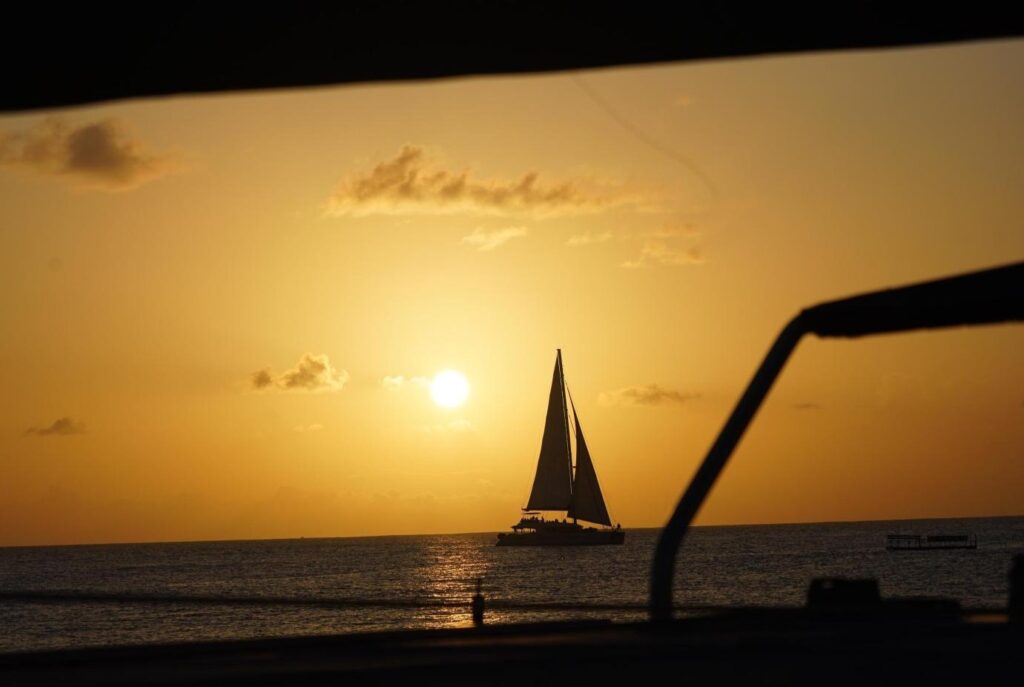
A sailing trip is one of the activities you will find advertised everywhere in Barbados. It is simply a matter of choosing wisely which tour operator to go with. Charlie was recommended a sunset catamaran trip by CoolRunnings. That’s the one she booked and she was not disappointed.
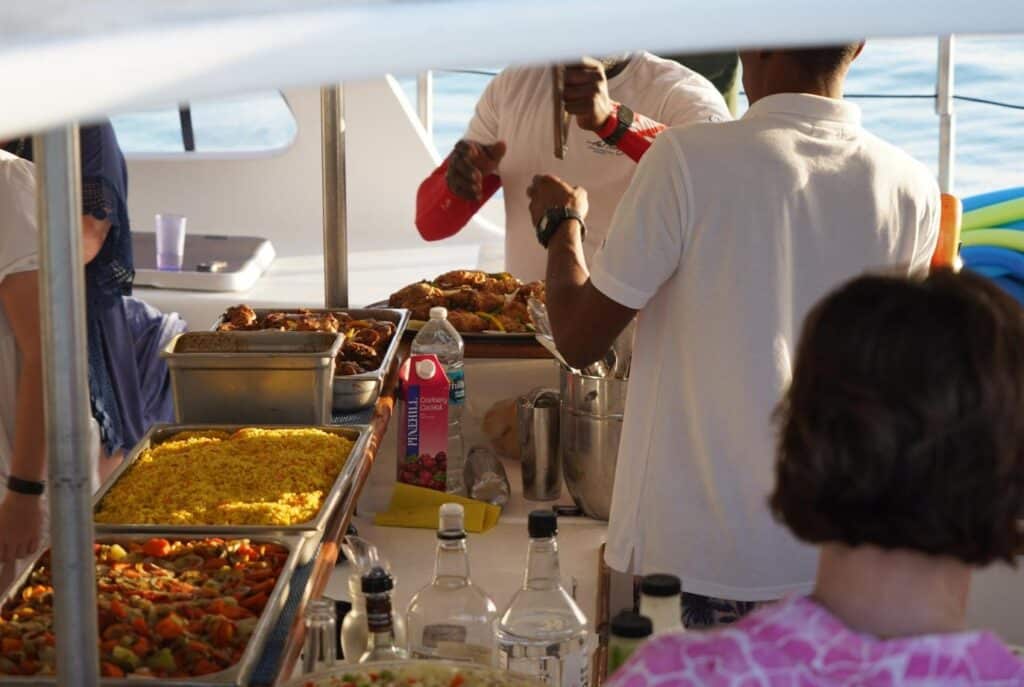
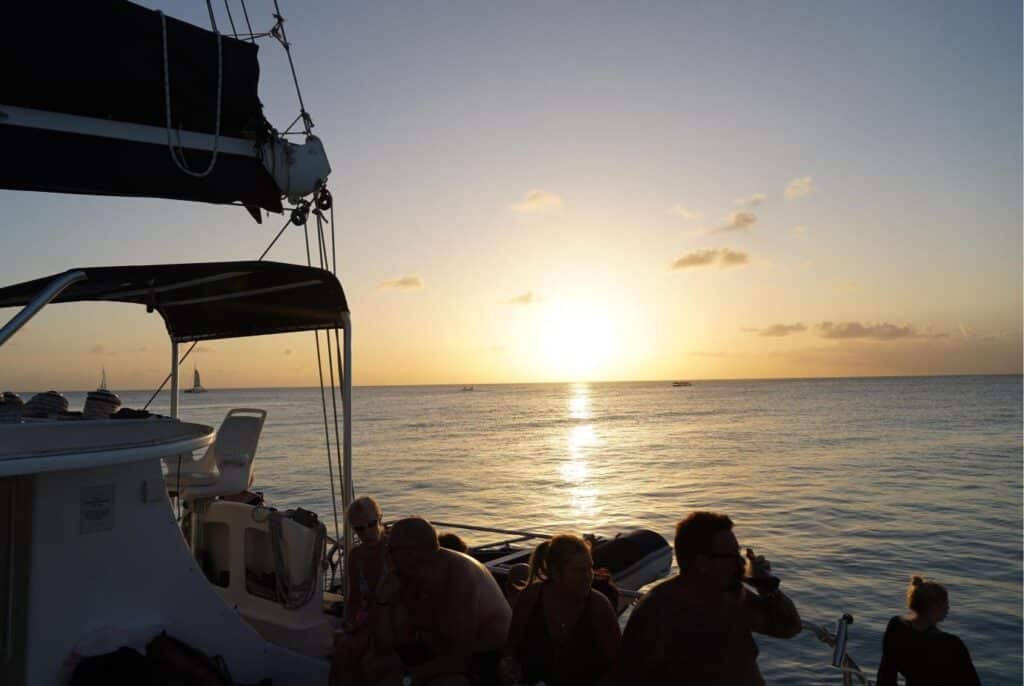
Charlie was picked up from her accommodation in the afternoon to board the catamaran at 3 p.m. near the boardwalk in Bridgetown. There was an open bar and dinner was served in the early evening. They first sailed to Carlisle Bay where all passengers had the option to snorkel and spot turtles and ship wrecks. The snorkeling gear was provided too.
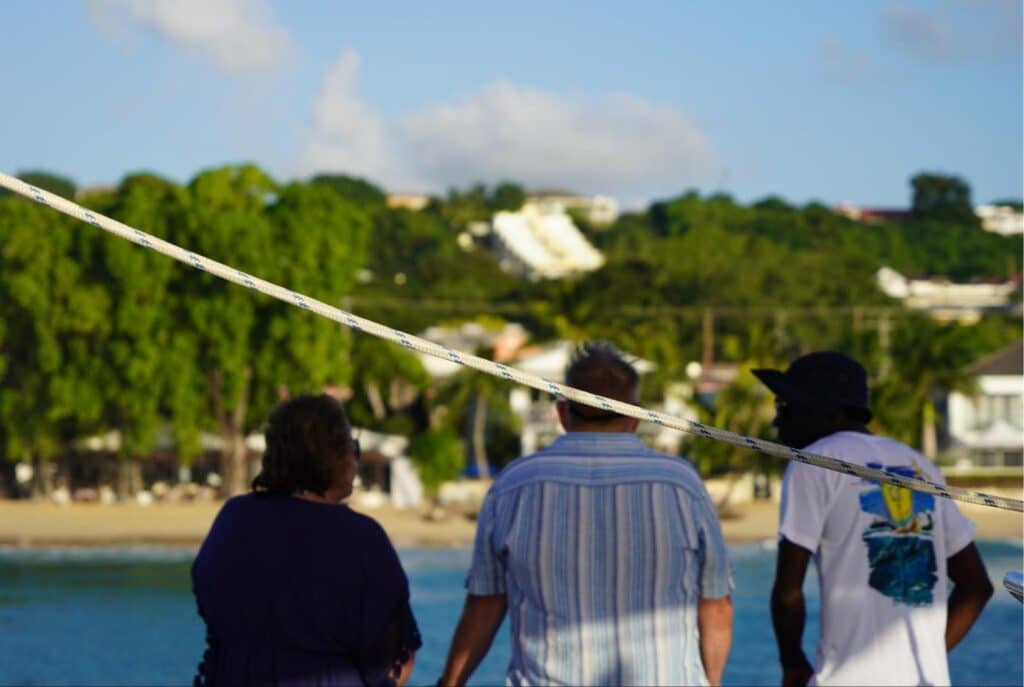
Once they had explored the underwater world, they set sail towards North along the West coast of Barbados. They passed Bridgetown and set anchor in a small bay. Once again, there was an option to snorkel or swim, or to enjoy the sunset from the deck of the catamaran. After dinner, the staff turned the music up and animated all passengers to join in the fun and dance on deck.
Charlie highly recommends this trip!
Moontown to Speightstown
This was Charlie’s favourite trip on the island of Barbados. She was passing through Moontown on a guided tour around the island and she knew she had to return to this little fishing village and explore a bit more.
Moontown is in the North West of Barbados and it is a really tiny place. There are two bars by the waterfront that look like they haven’t been open in at least a decade. However, the locals gather there and as everywhere on the island, they will talk to you if you’re passing by. You can feel that this place has a special vibe even though there isn’t really anything to do.
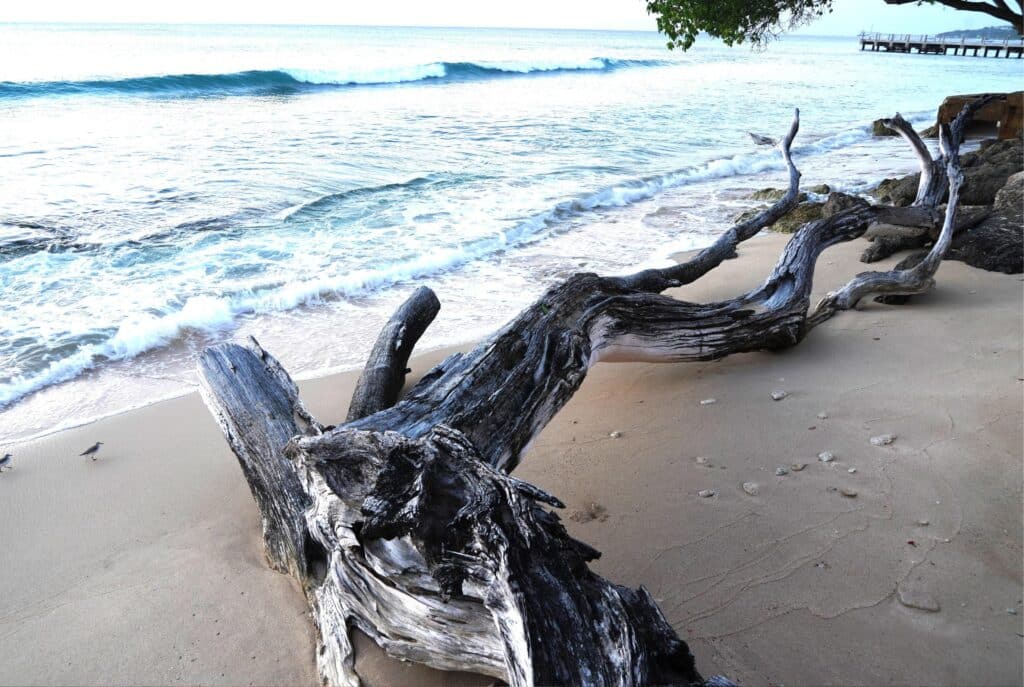
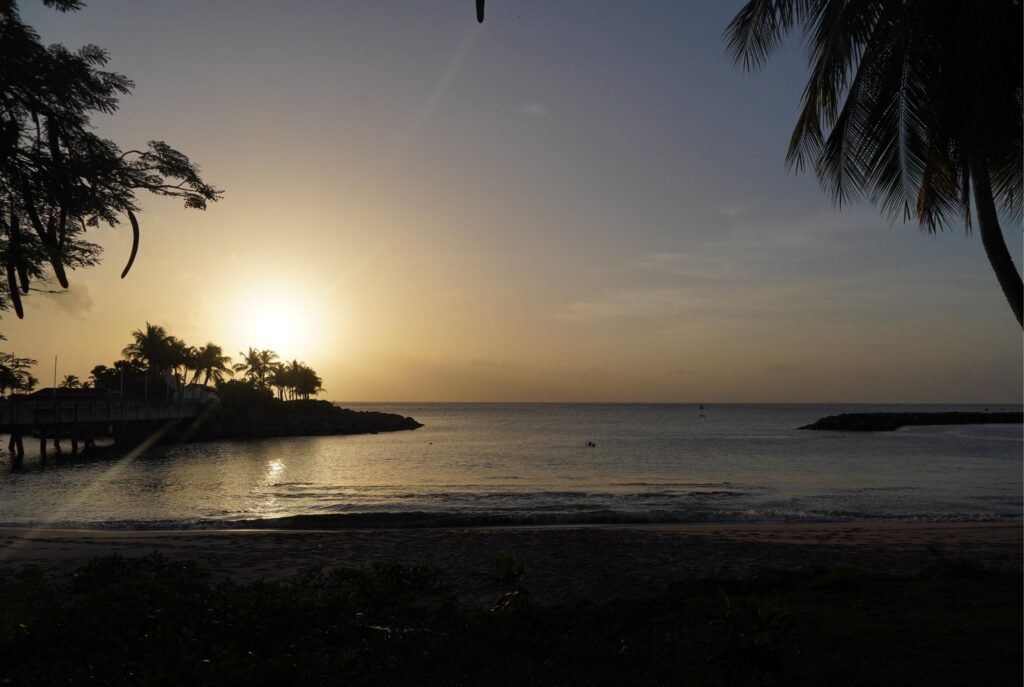
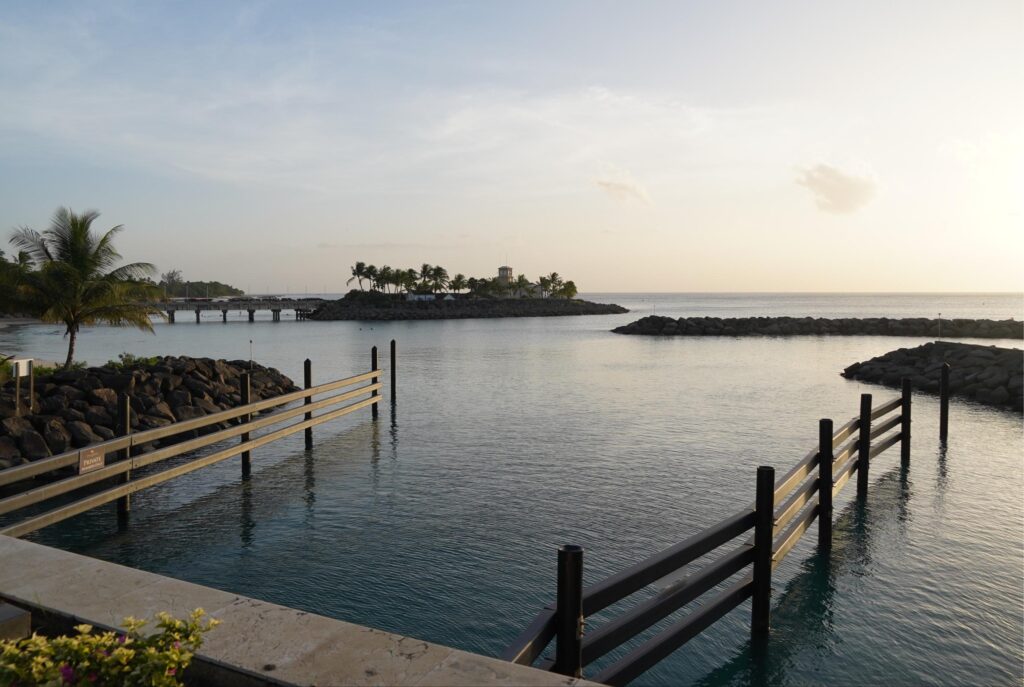
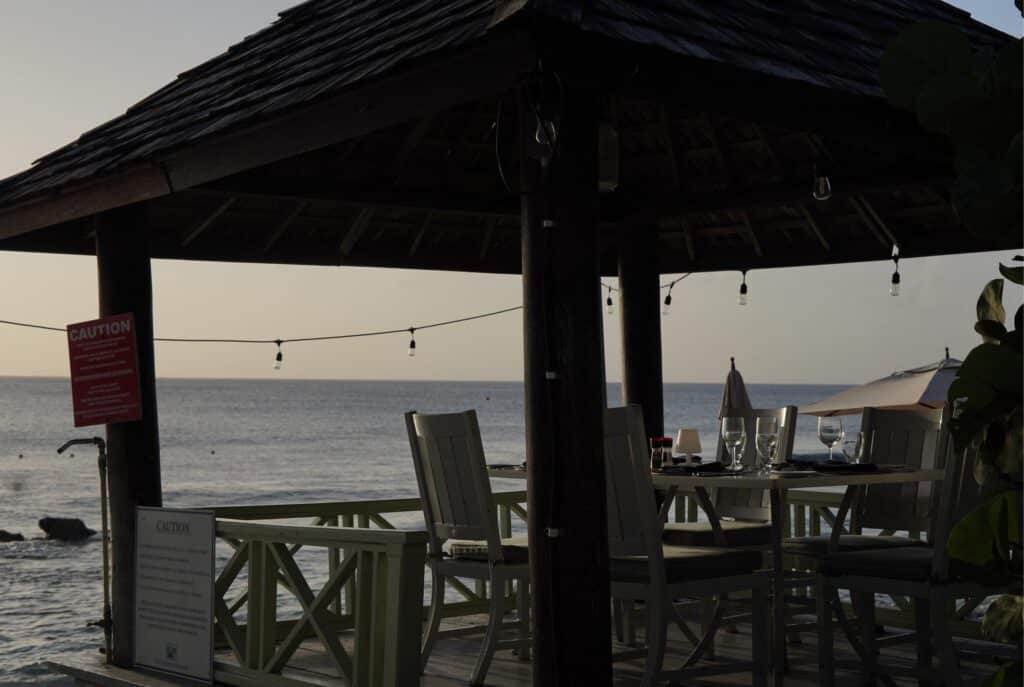
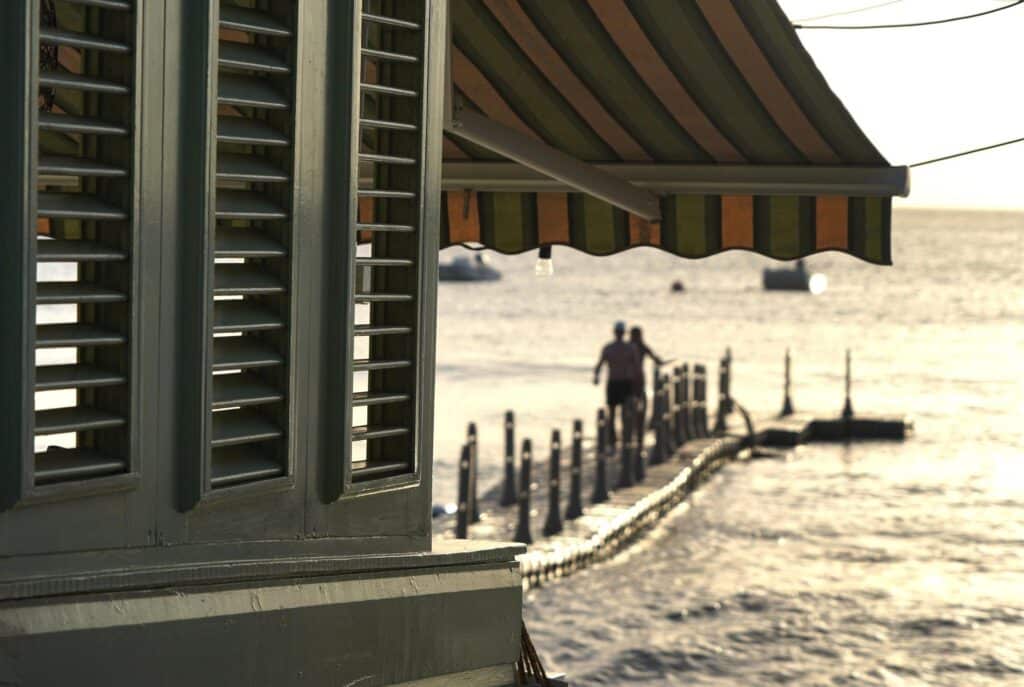
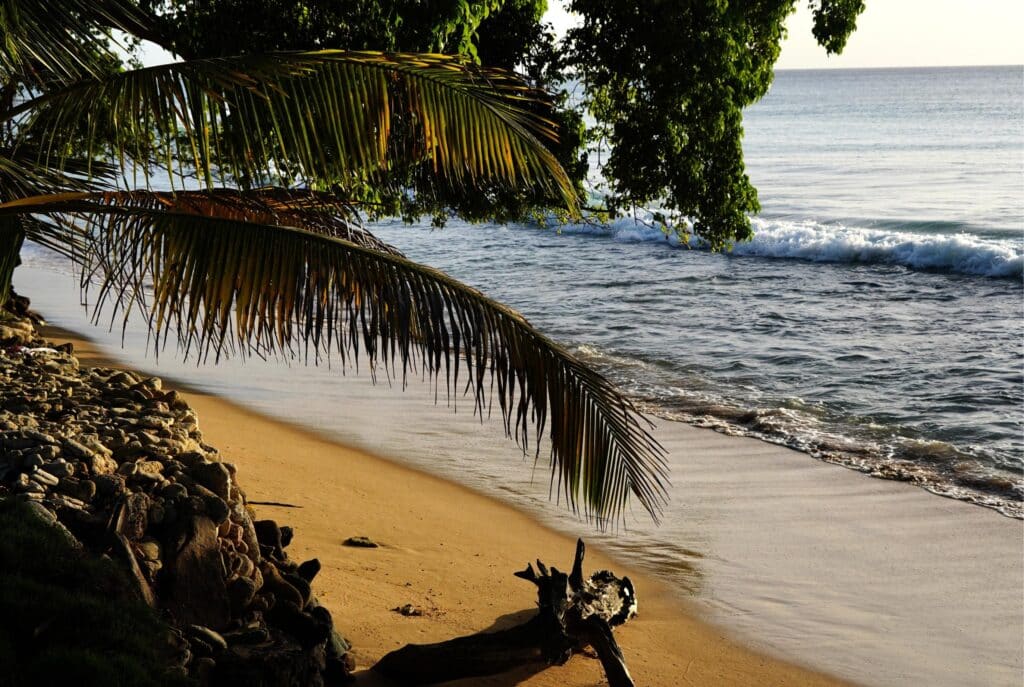
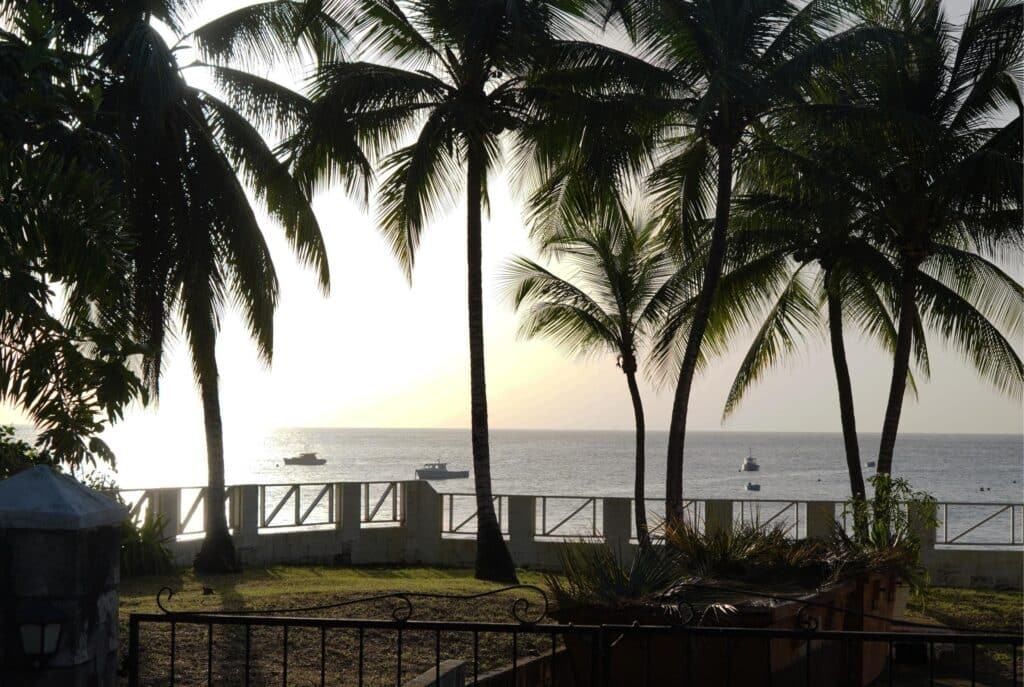
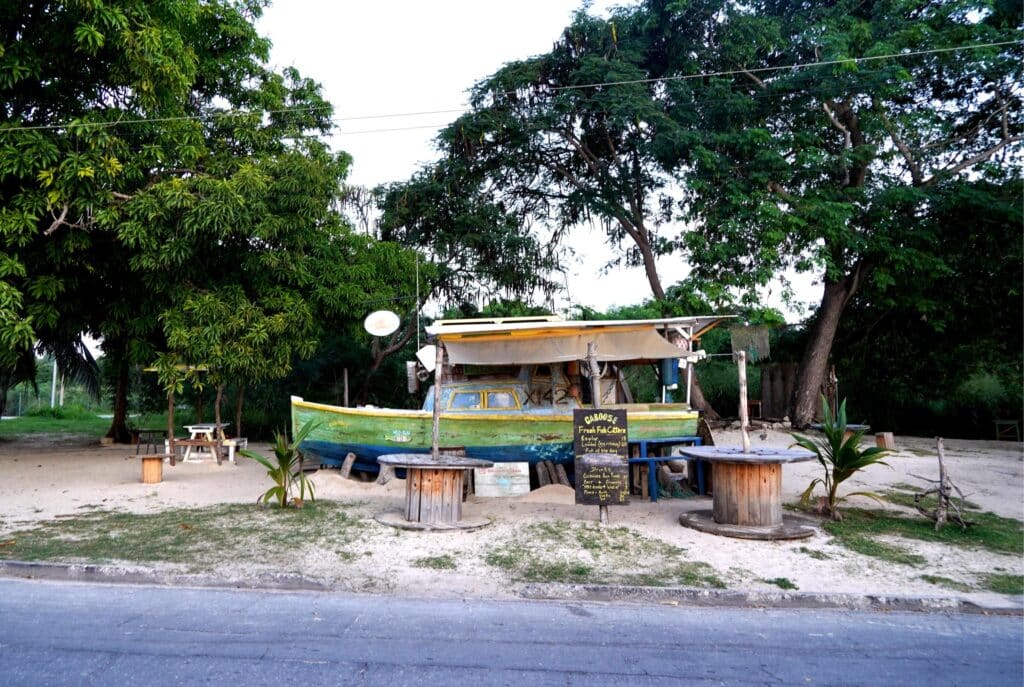
Charlie walked from Moontown to Speightstown which took about 45 minutes. You can walk most of the way directly along the beach and you will pass by some real gems of tiny bars and kiosks, boat houses, idyllic beaches and romantic restaurants and viewpoints. If you do this walk about an hour before sunset, you’re in for a real treat!
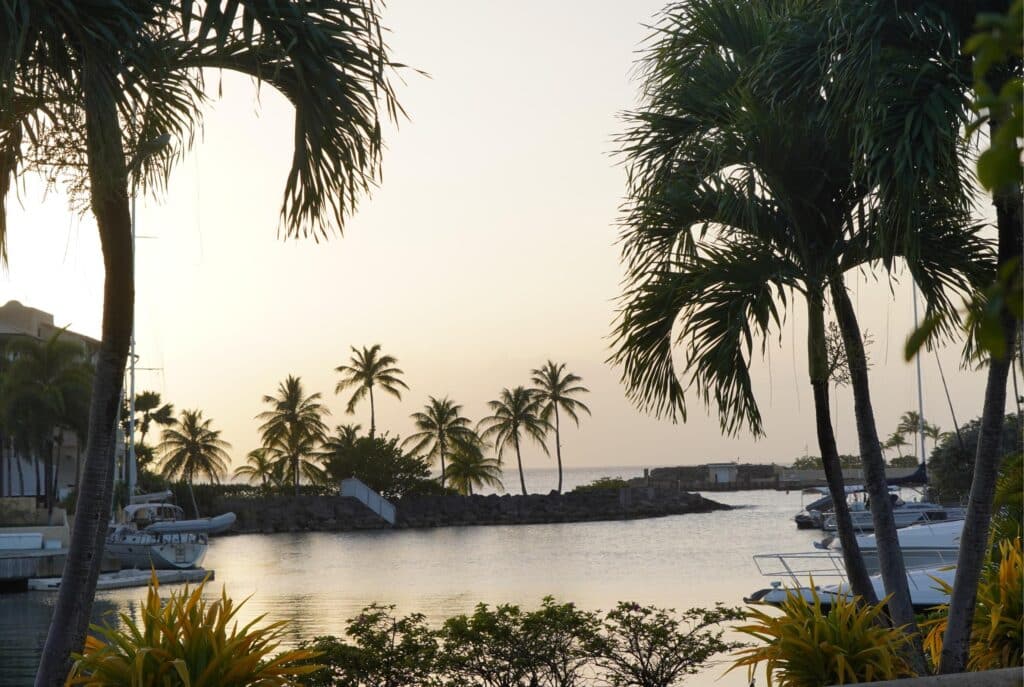
You will pass by some historic forts and yacht marinas that could be taken right out of Pirates of the Caribbean. When Charlie was there, there was barely anybody around which made it feel even more special. It got a bit busier in Speightstown where she found plenty of options for a drink near the beach at sunset. From Speightstown you can easily catch a bus back to Bridgetown or Oistins. It is the second biggest city in Barbados and is well-connected.
Bridgetown
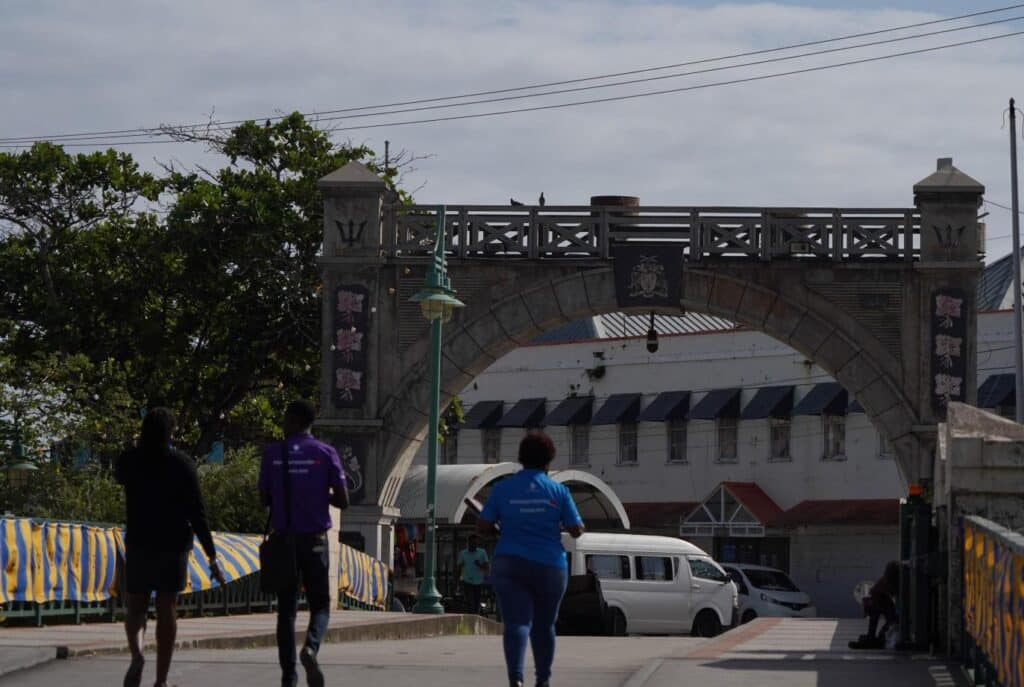
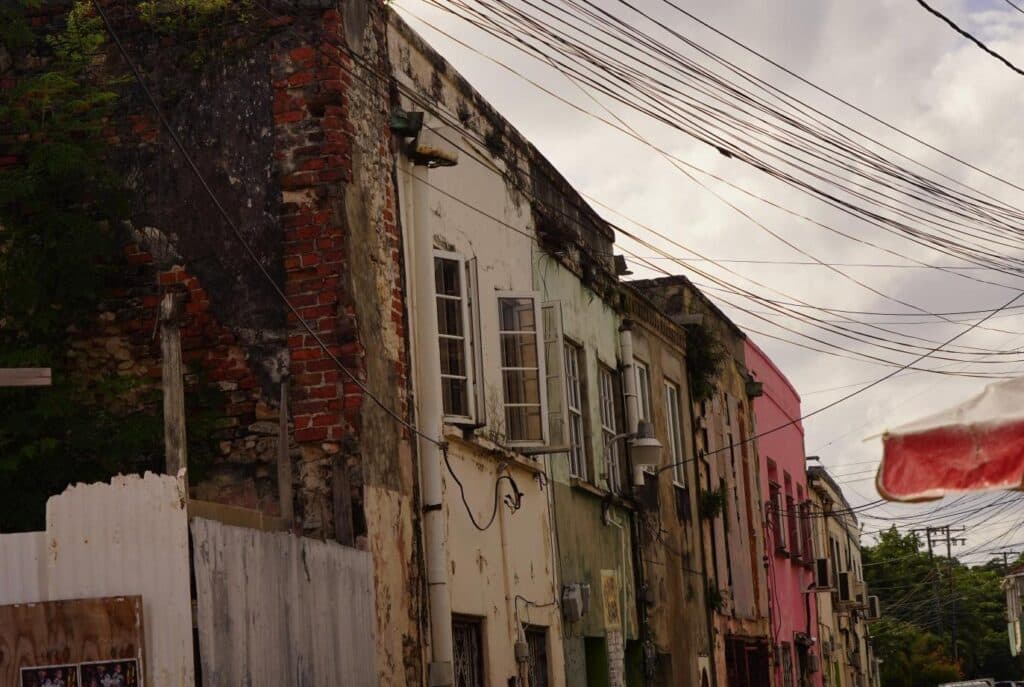
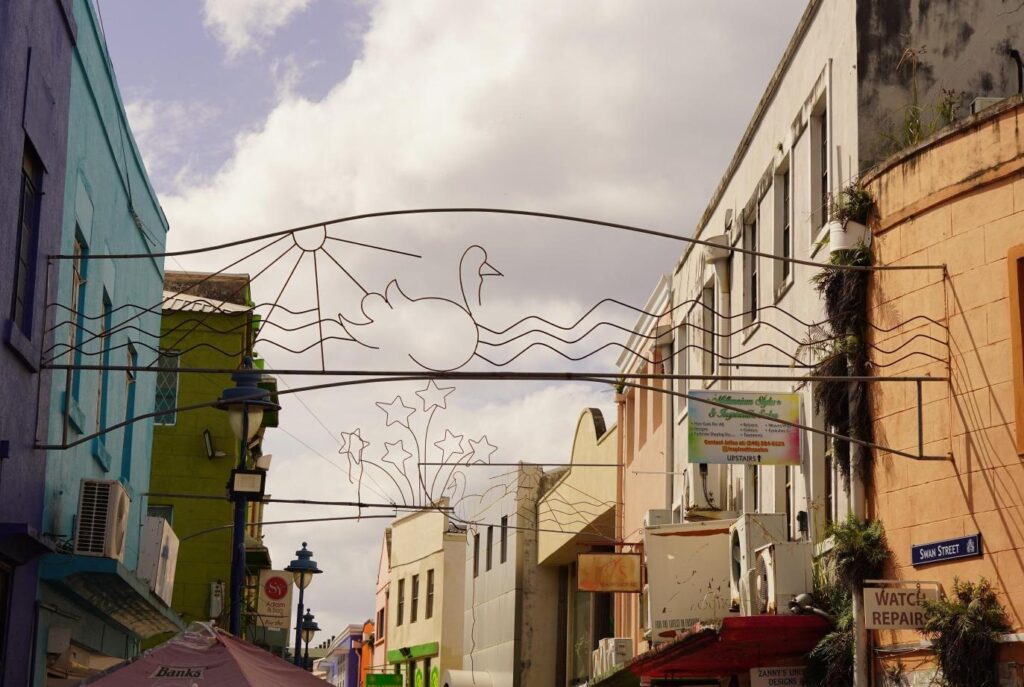
It is the capital and biggest city in Barbados and you will certainly pass through Bridgetown if you are exploring the island by public transport. You can do a walking tour through the city centre to learn more about the history of Barbados in the place where the settlement began.
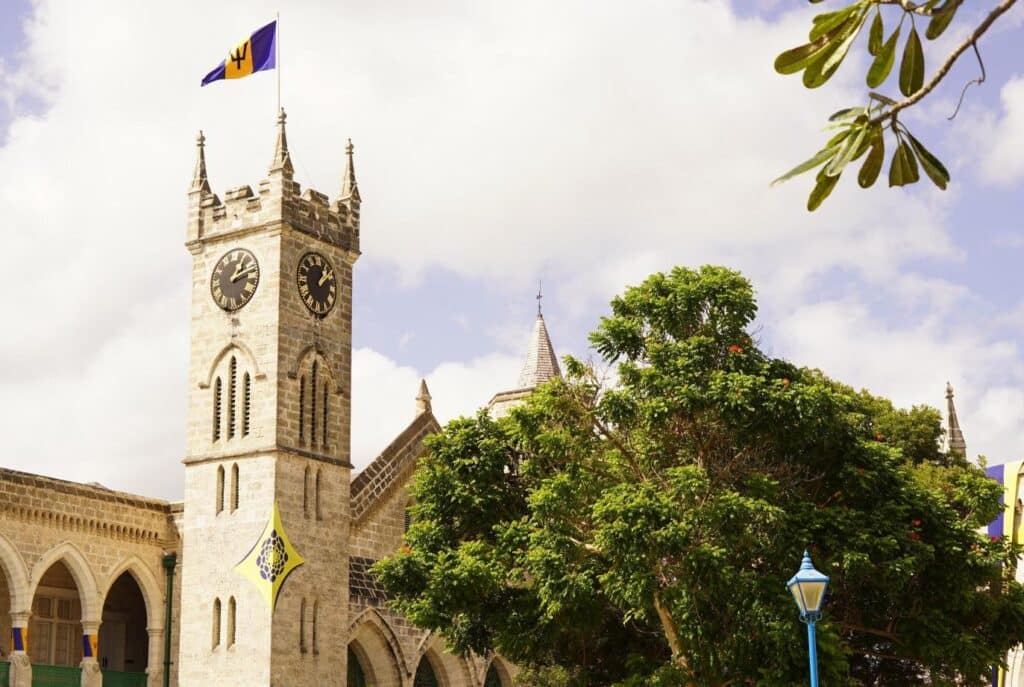
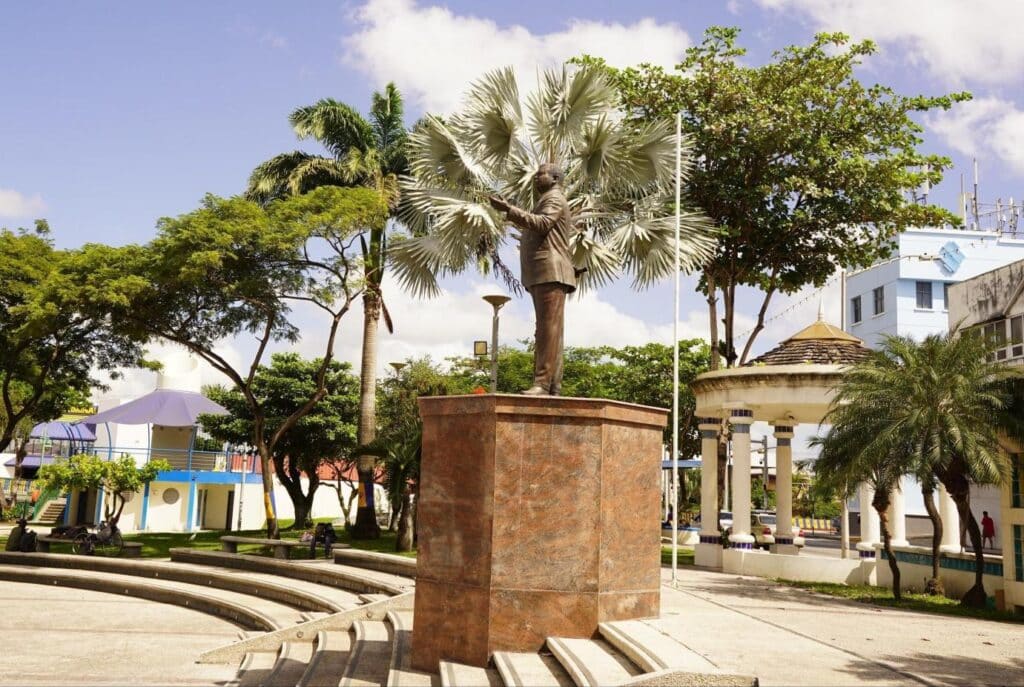
At the statue of the first prime minister, Errol Barrow, Charlie learned how Barbados gained independence from the English crown in 1966. The main government buildings in Bridgetown show typical English architecture and could be mistaken for being in Britain if there weren’t palm trees.
There was once a Jewish settlement where you find nowadays a museum and cemetery. It was the Jews who brought the knowledge to grow sugar cane over from Brazil and changed Barbados forever.
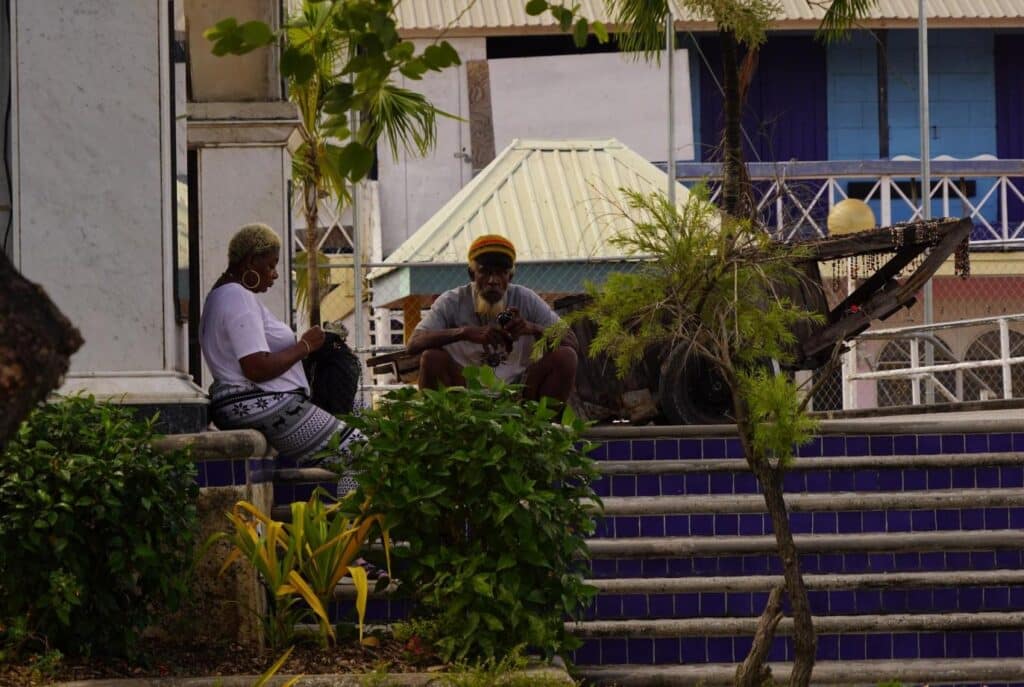
Within a short distance, Bridgetown, shows all aspects of the history of the island, be it in architecture or monuments.
Harbour Lights
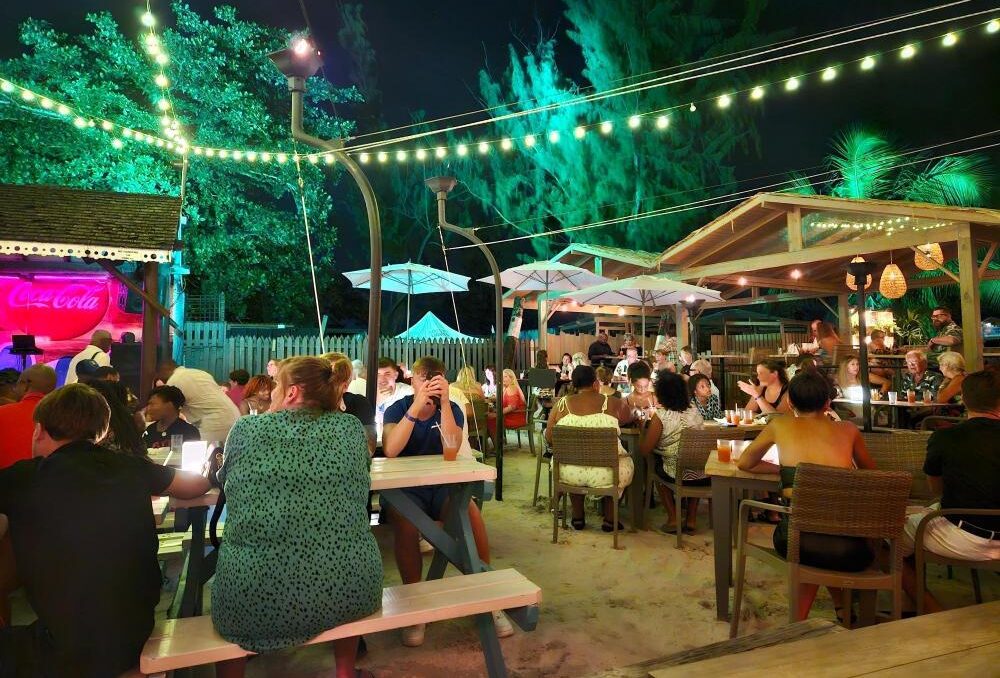
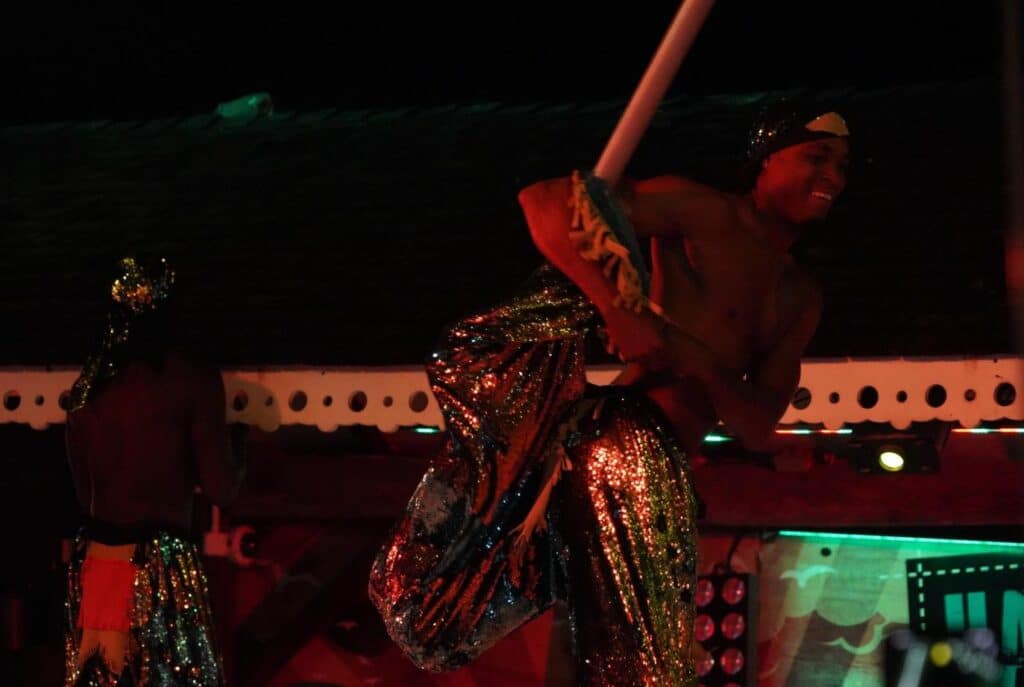
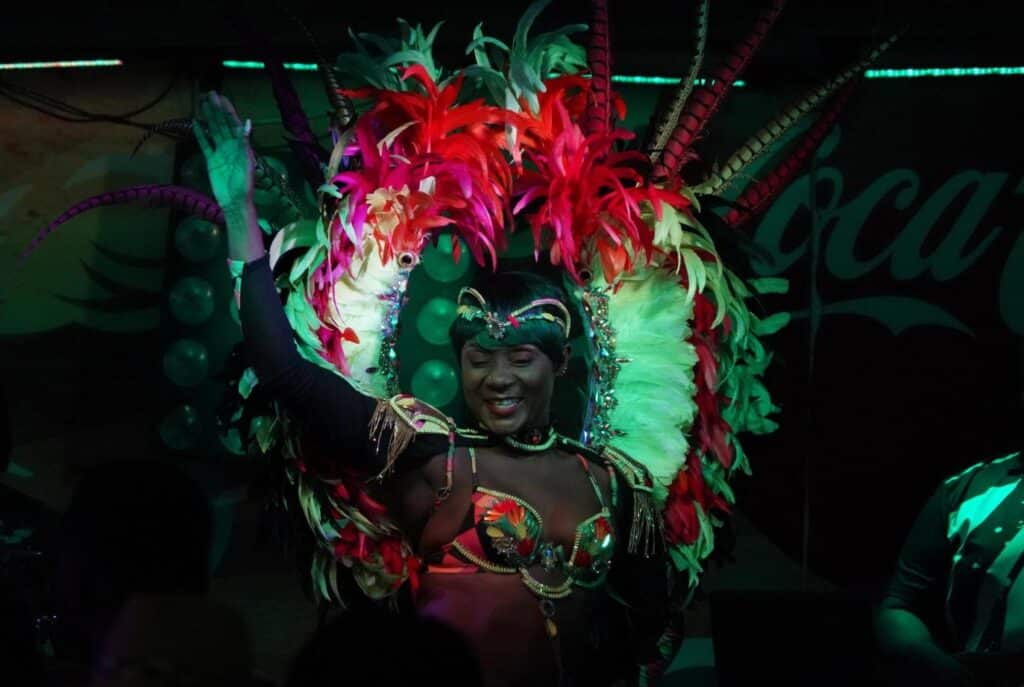
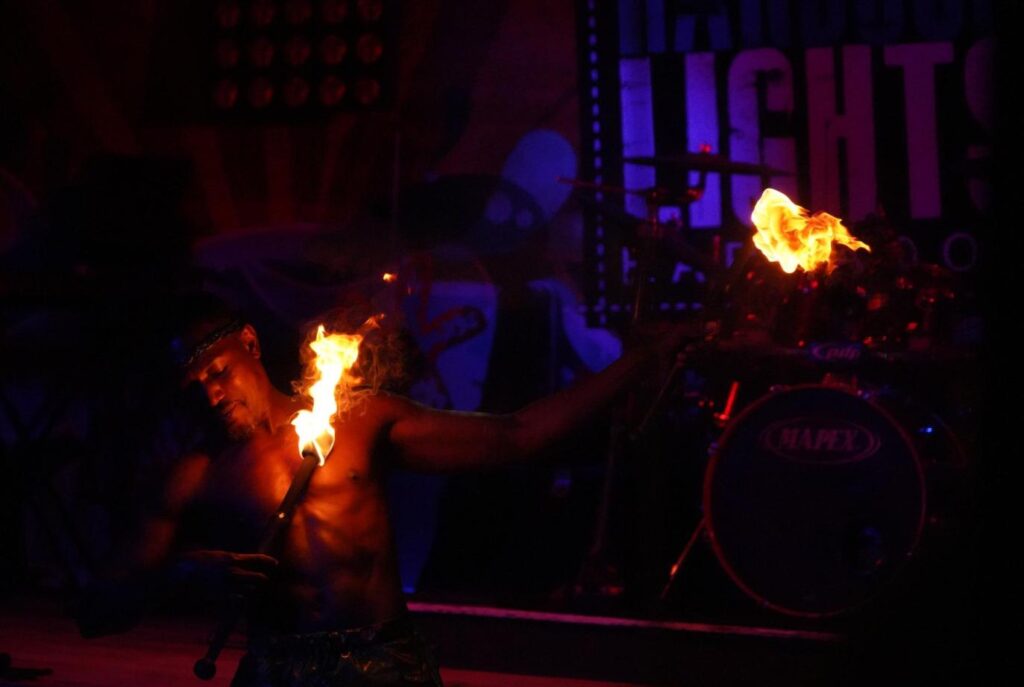
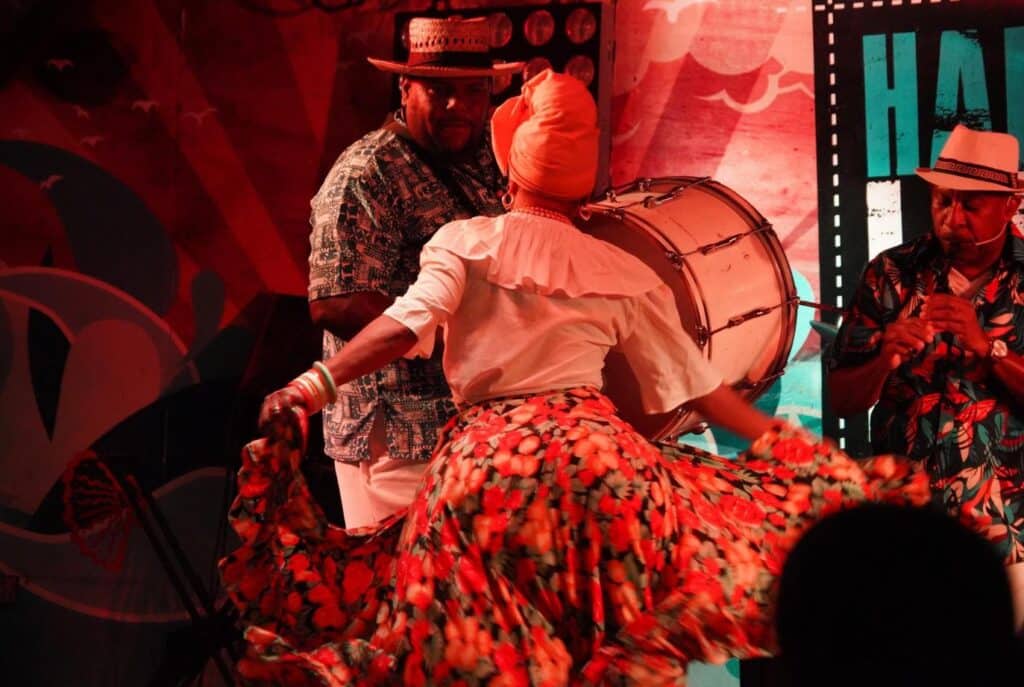
Charlie doesn’t usually recommend places that were installed purely for tourists. However, this one offers a cultural experience that you won’t get unless you happen to be in Barbados during Carnival or similar festivities. Harbour Lights is a dinner event with performance and dance at Carlisle Bay. The food is typically Bajan and the performance guides you through the history of the island and includes plenty of costumes and dances that originate from African culture and are important for the Bajan identity.
Hastings Boardwalk
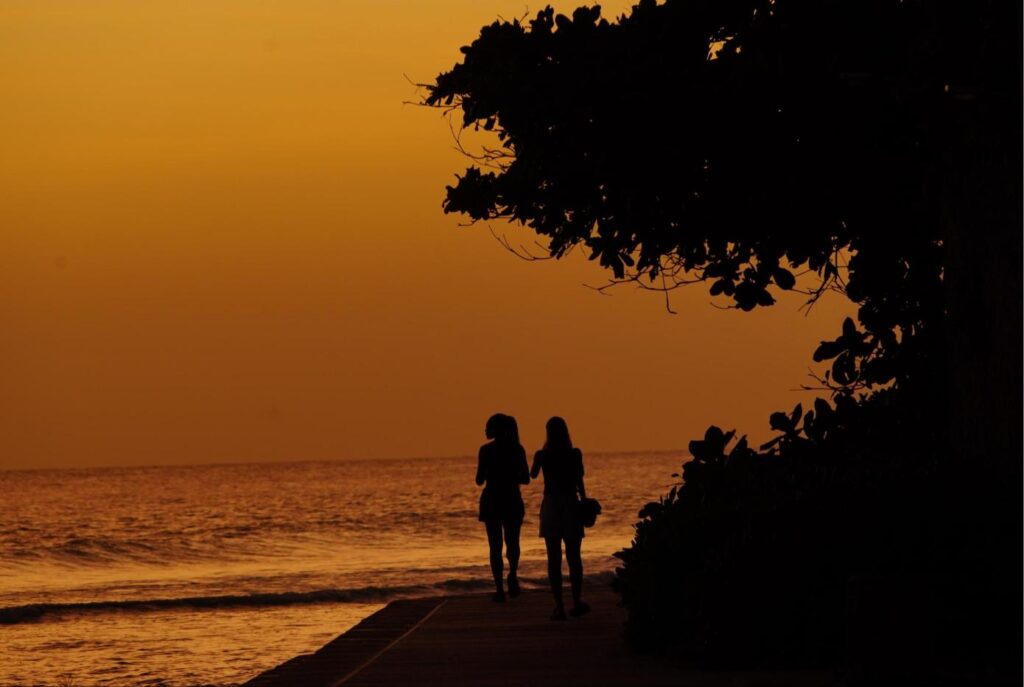
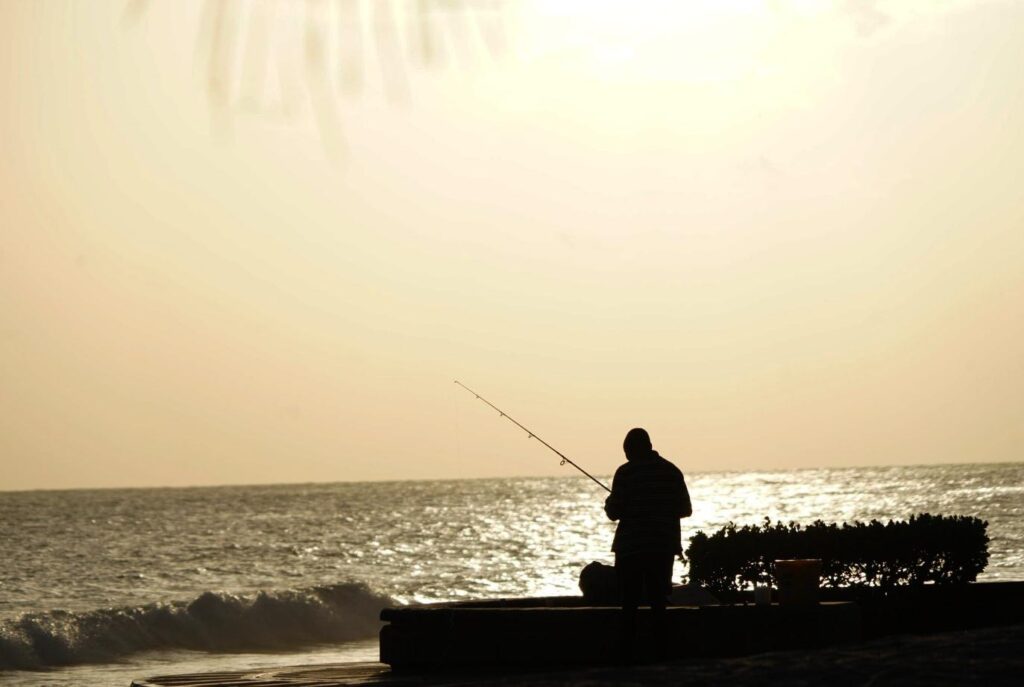
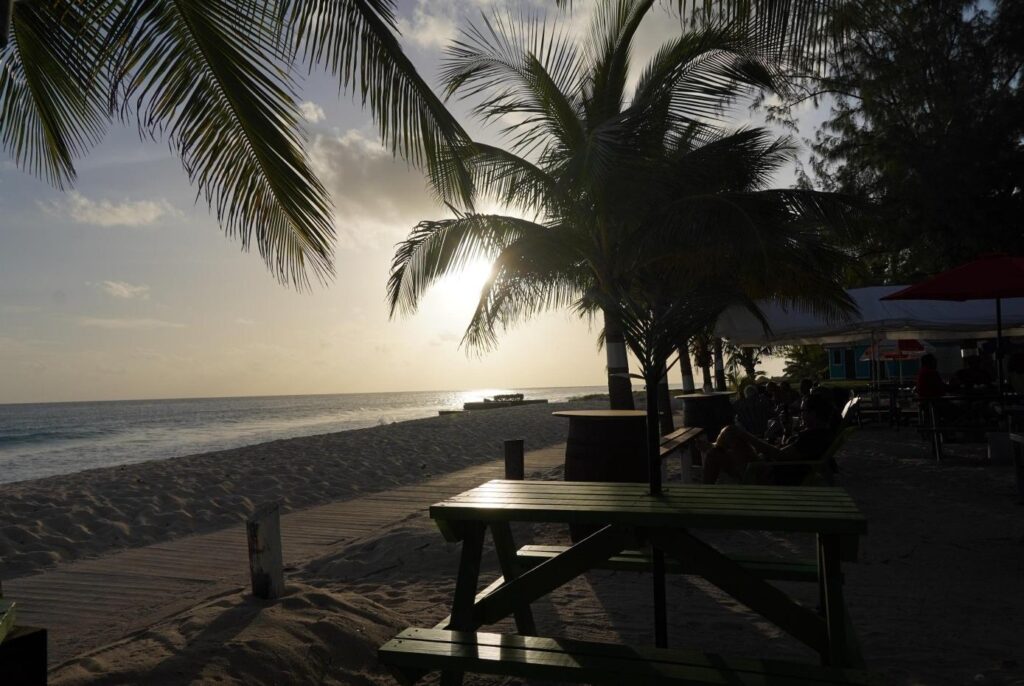
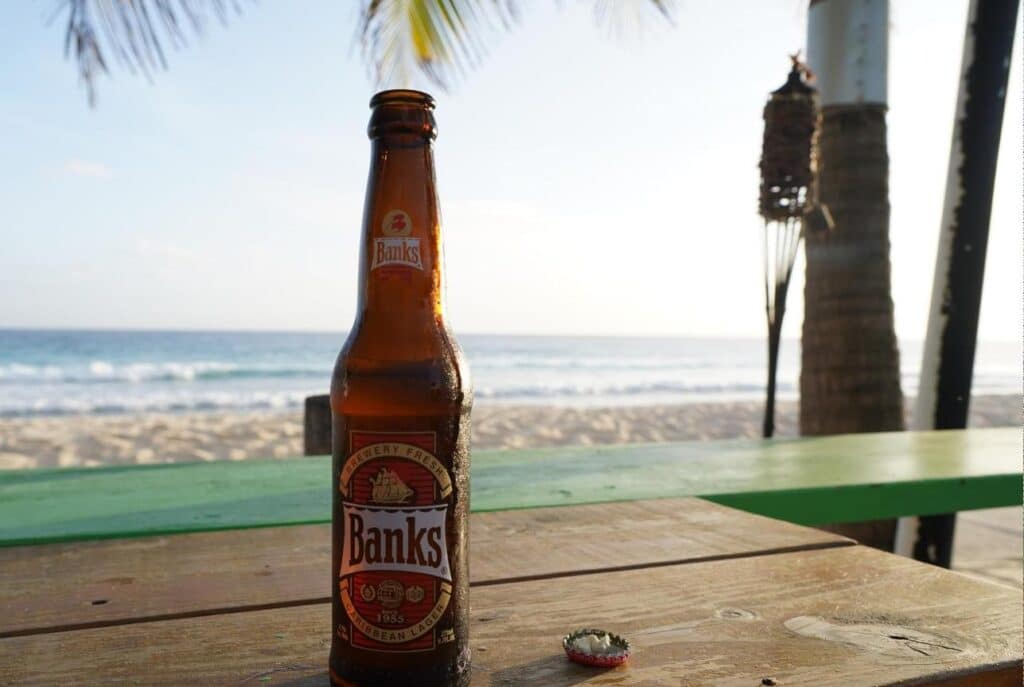
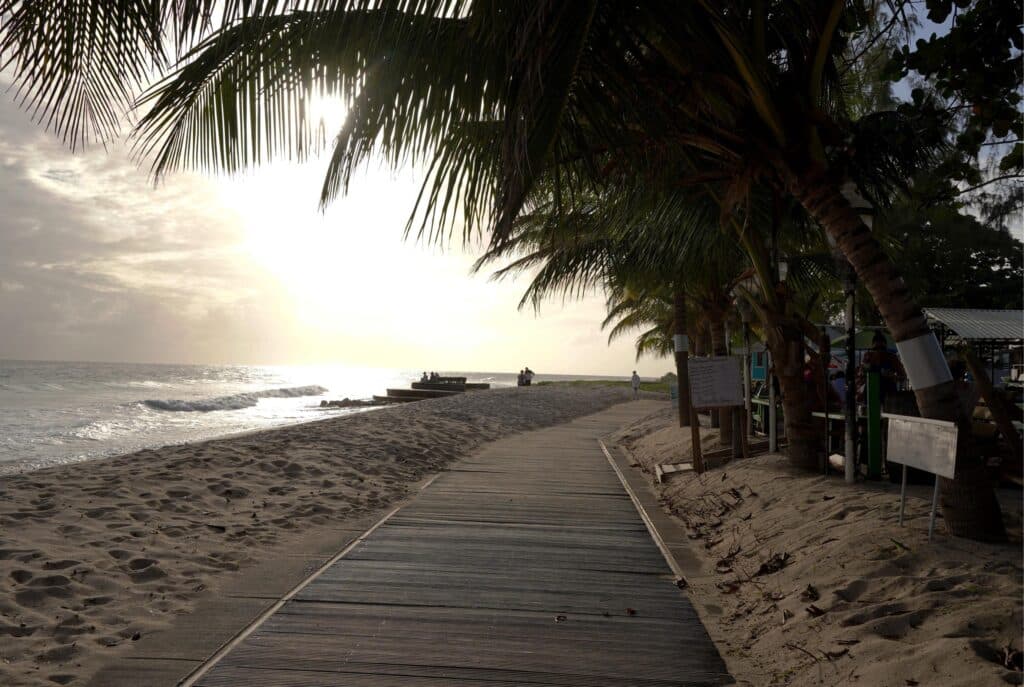
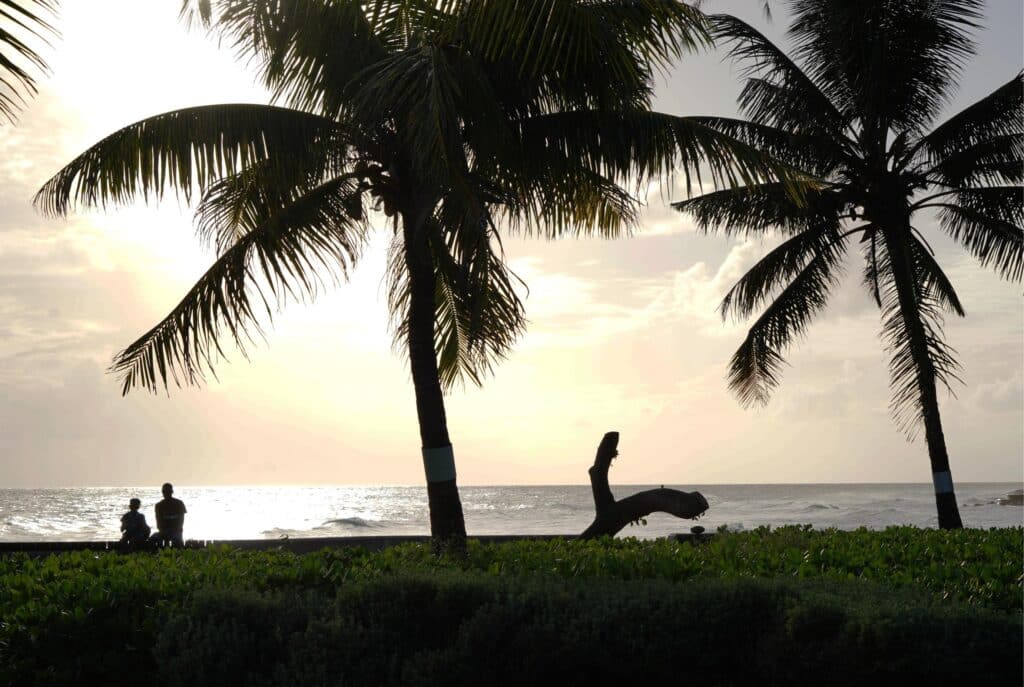
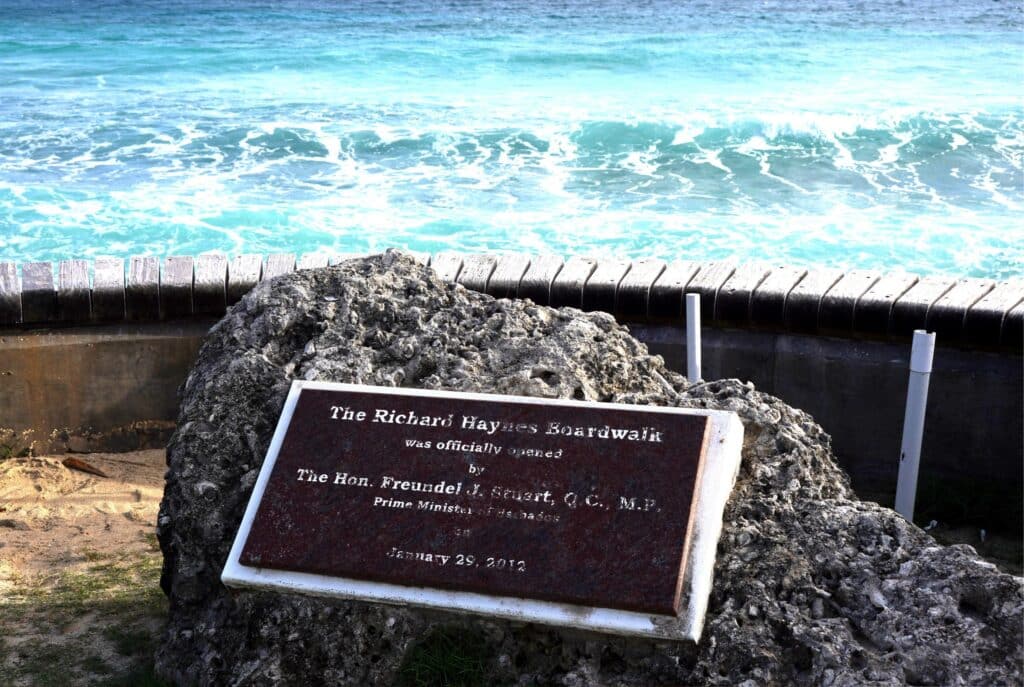
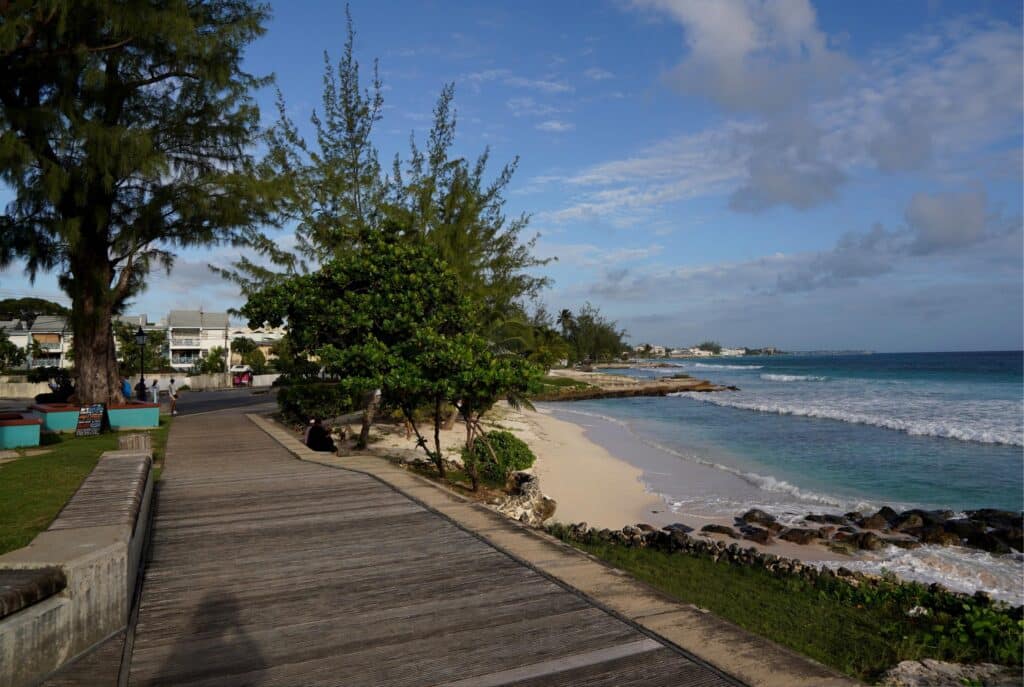
This place was easy to reach for Charlie from her accommodation at Dread or Dead Surf School. She only had to cross the road, take a few steps along the beach, and was already at the starting point of the Richard Haynes Boardwalk. It leads along some bars and cafés from where you can watch a stunning sunset, all the way to Rockley Beach.
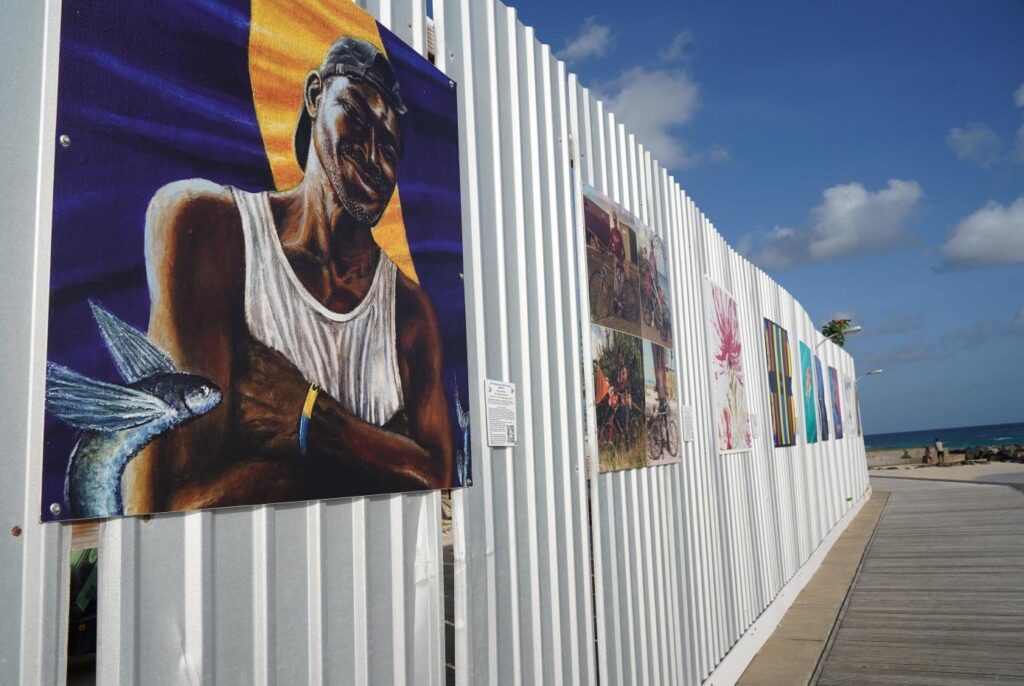
At the beginning of the boardwalk was some construction work in progress when Charlie was there. It was closed off with walls decorated with art pieces that are symbolic of Bajan culture.
It is a lovely walk and you will certainly be tempted to sit down and watch the sunset from one of the bars or the viewpoints.
Bottom Bay
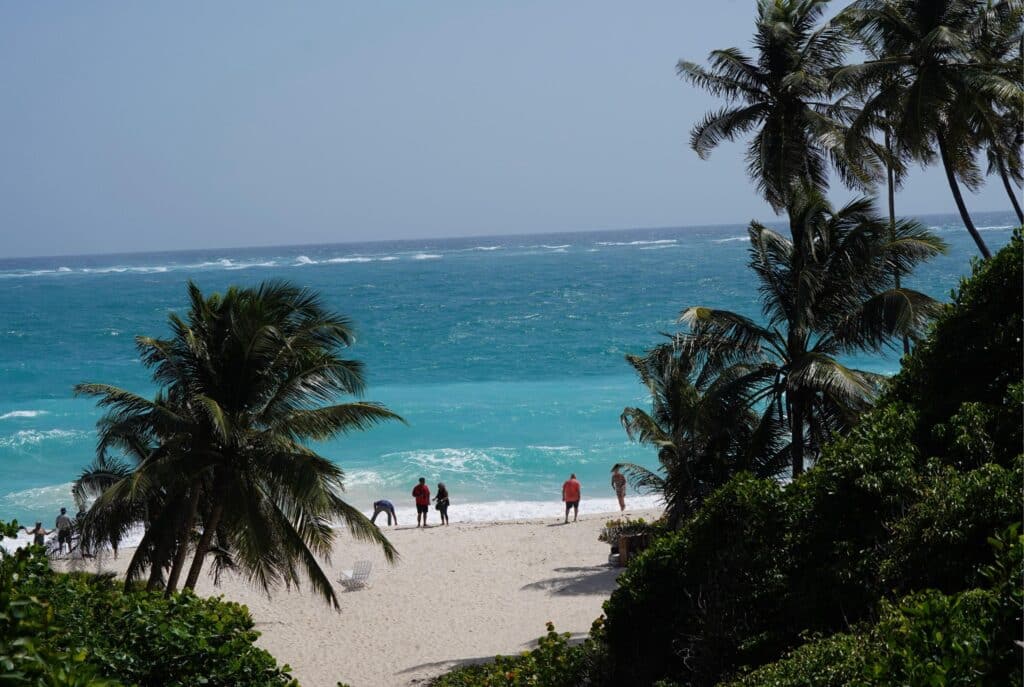
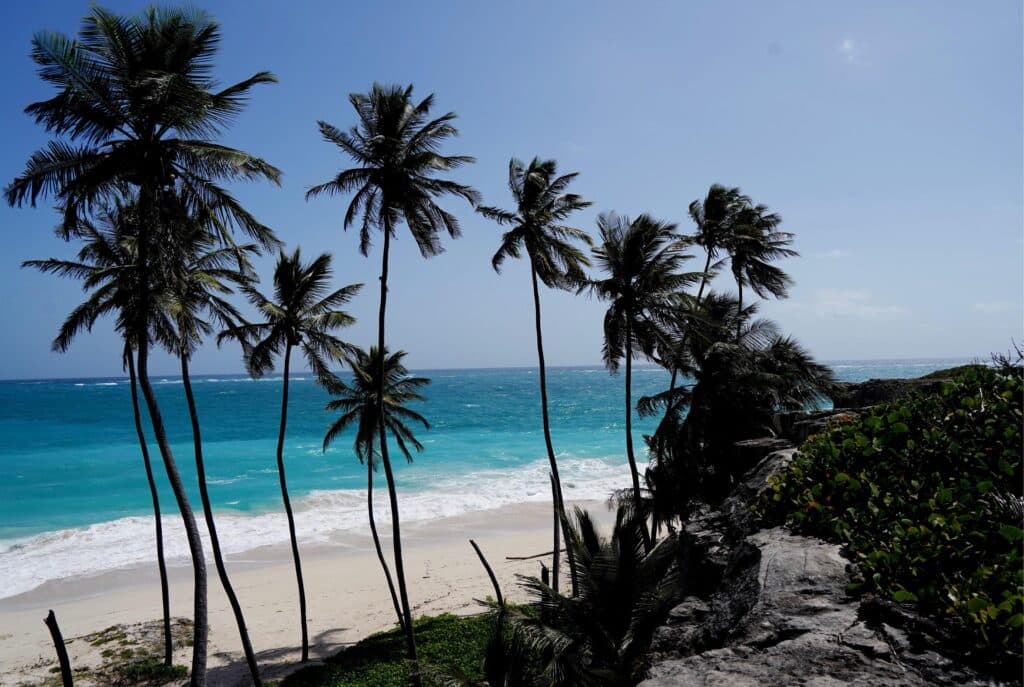
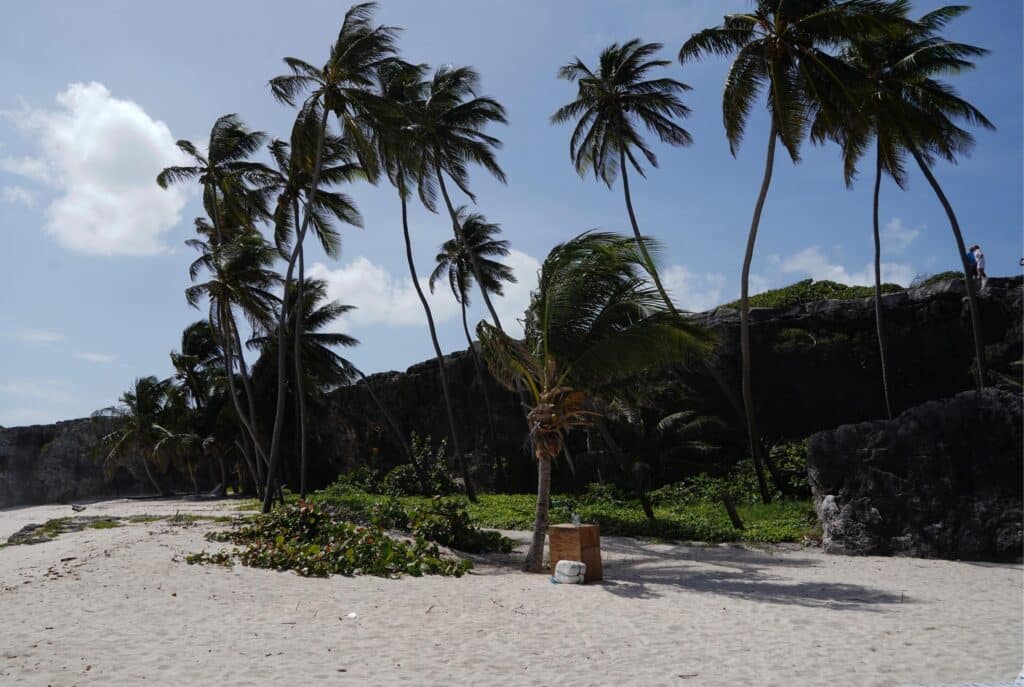
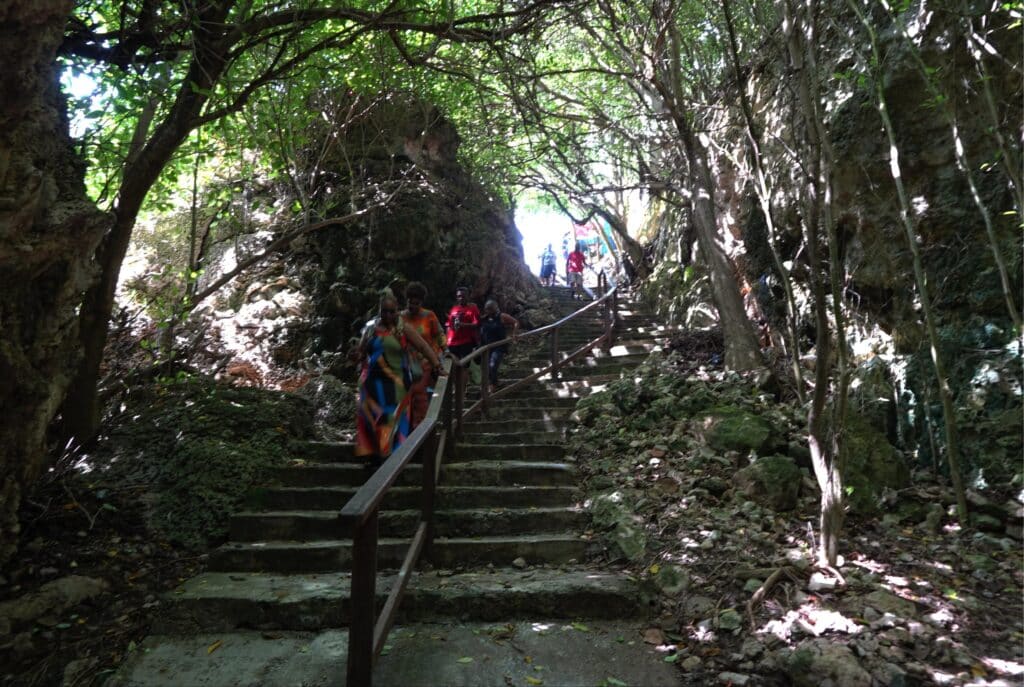
Located in the South East of Barbados is a beach that some could refer to as paradise. The name, Bottom Bay, describes the stairs you need to take to get all the way to the bottom, to the beach.
Bathsheba
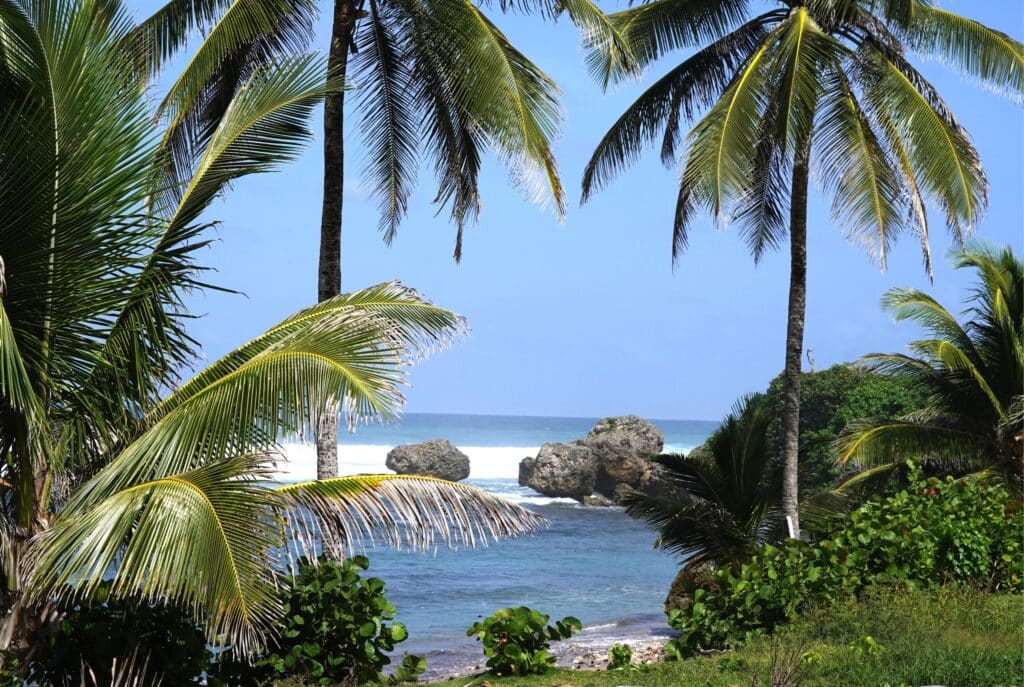
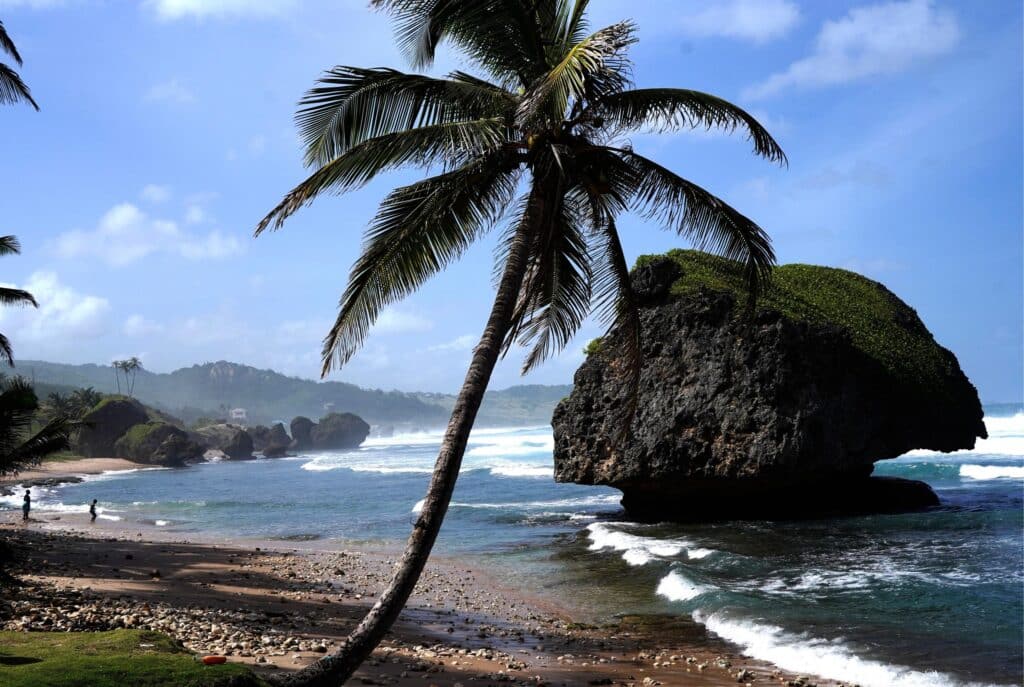
This is the most famous beach in Barbados: Bathsheba. It is known for the best surf conditions and the mushroom-shaped rocks. To get there, you’ll drive through the mountains and can admire some beautiful plantation houses. The East Coast Road guides you all along this part of the island that is still left quite natural with only a few buildings now and then.
Saturday markets
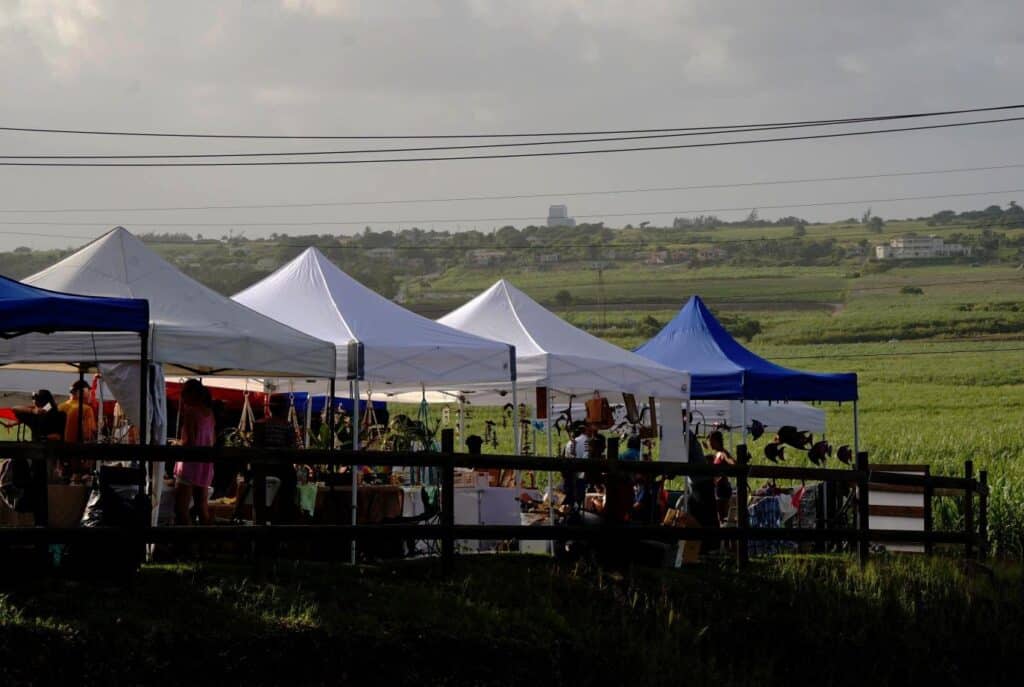
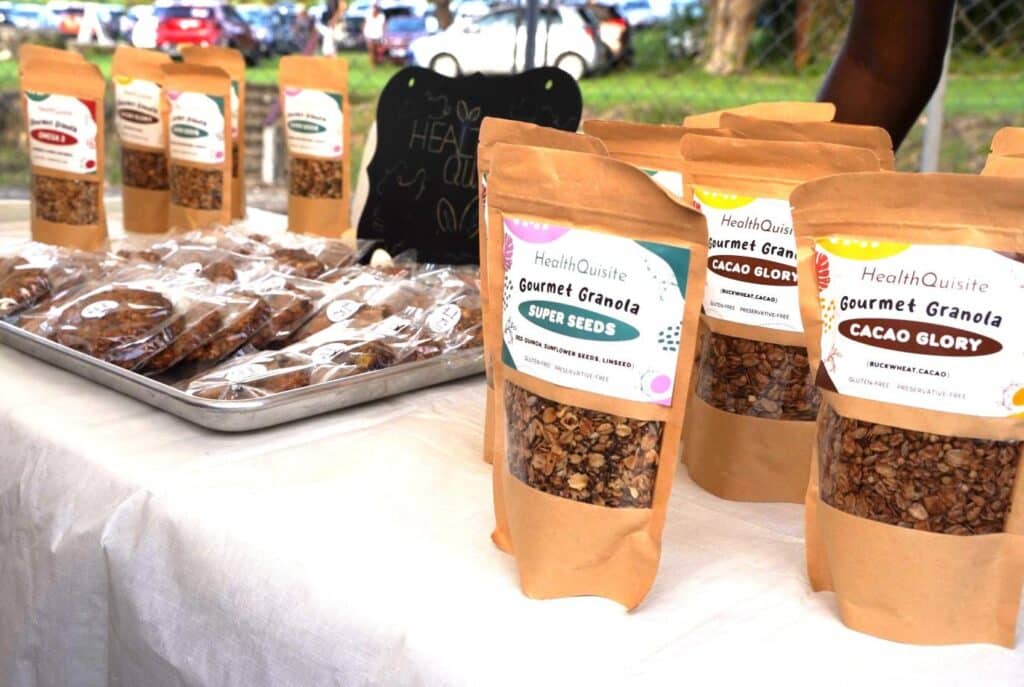
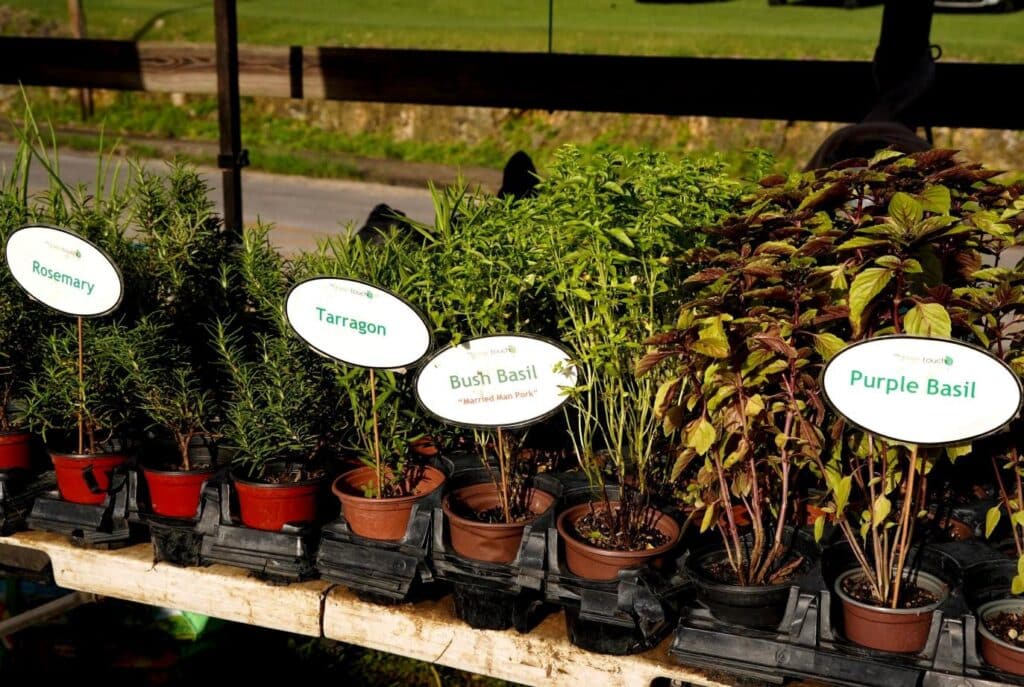
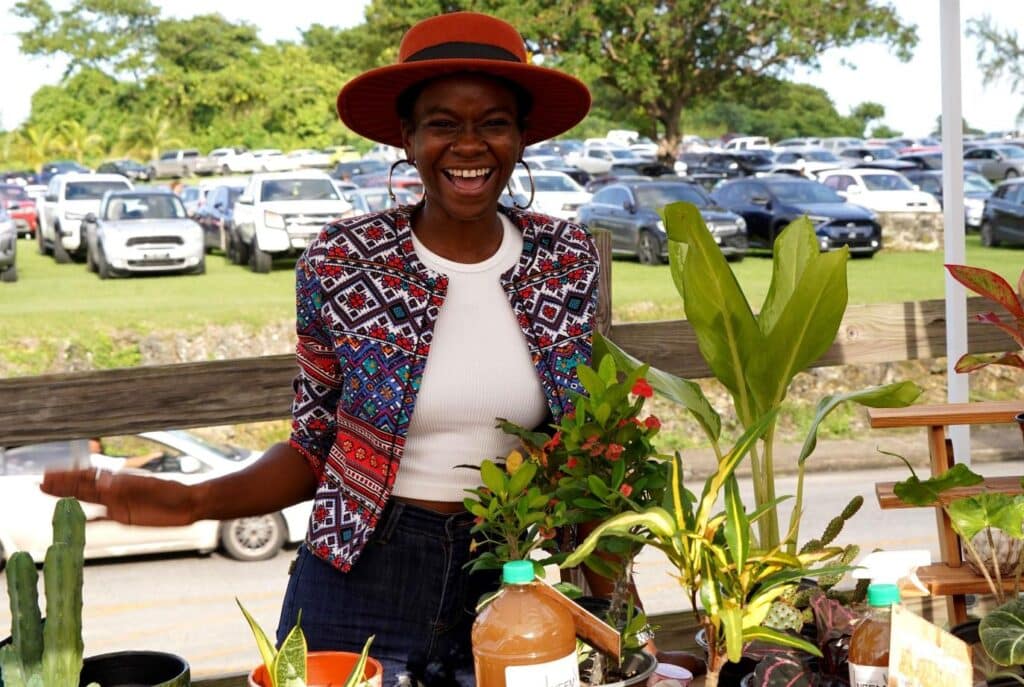
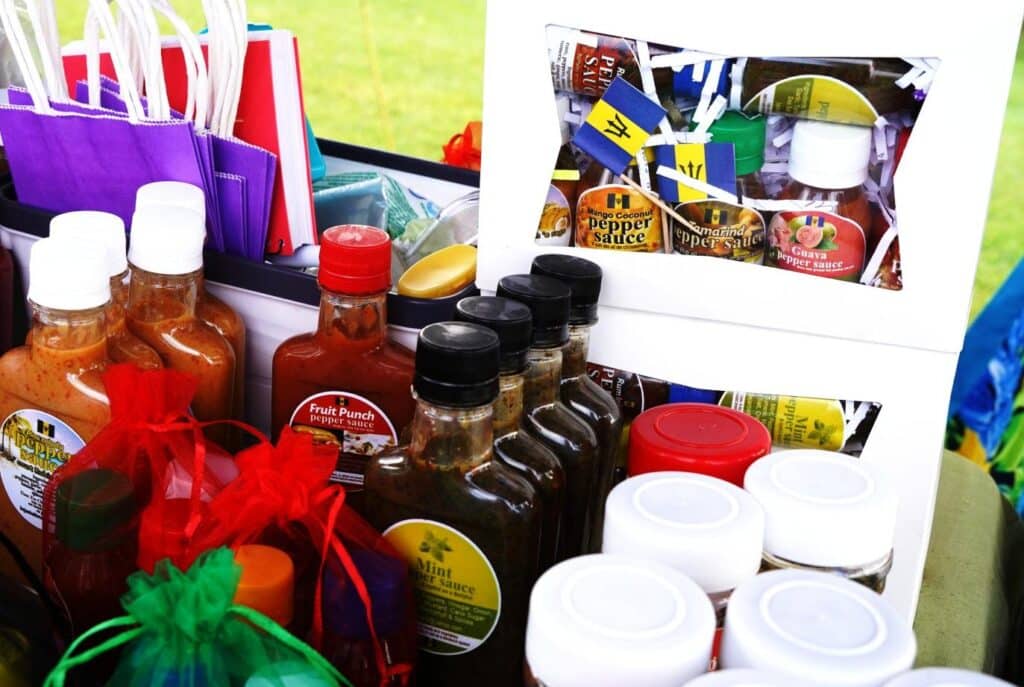
This is a truly local experience: going to the market on a Saturday. There is an arts and crafts market in Brighton every week. You can find anything from artisan bread and cake to jewelry and paintings. Try and get there at 7 a.m. before the crowds arrive. The market is only in the mornings.
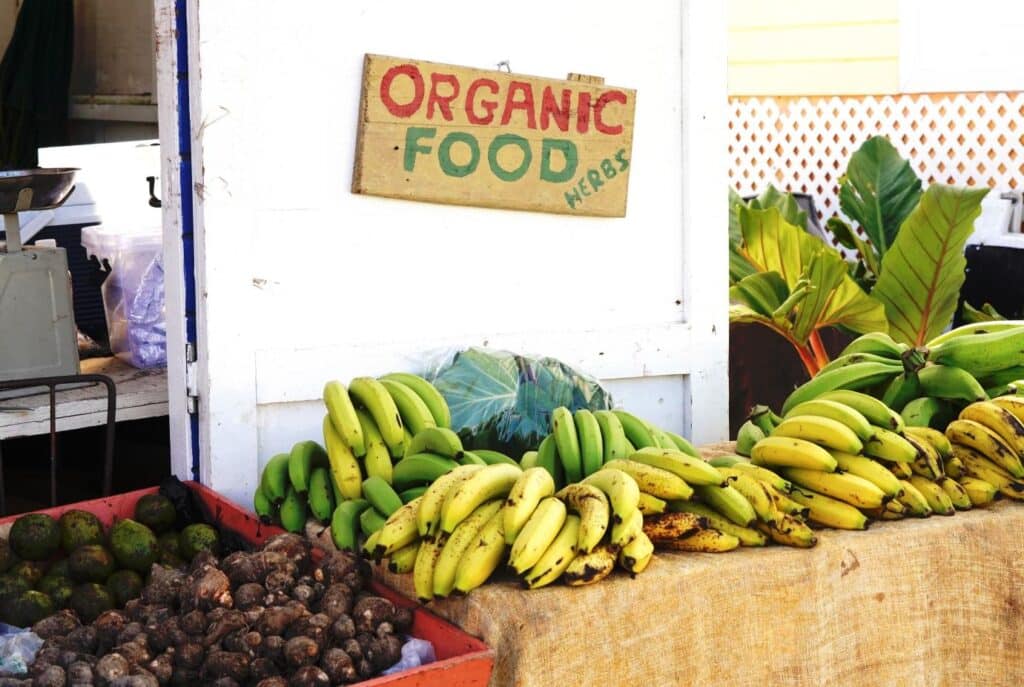
Another market worth visiting is the Barven market in Bridgetown. This is a farmers market where you can get locally grown fruits and vegetables.
Pelican Crafts Village
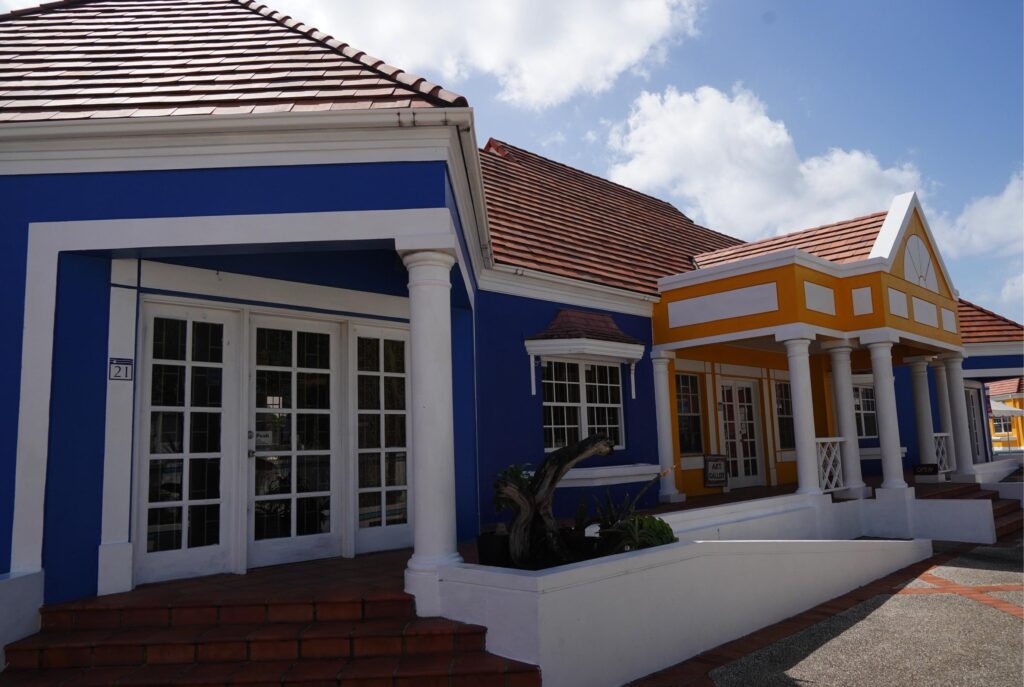
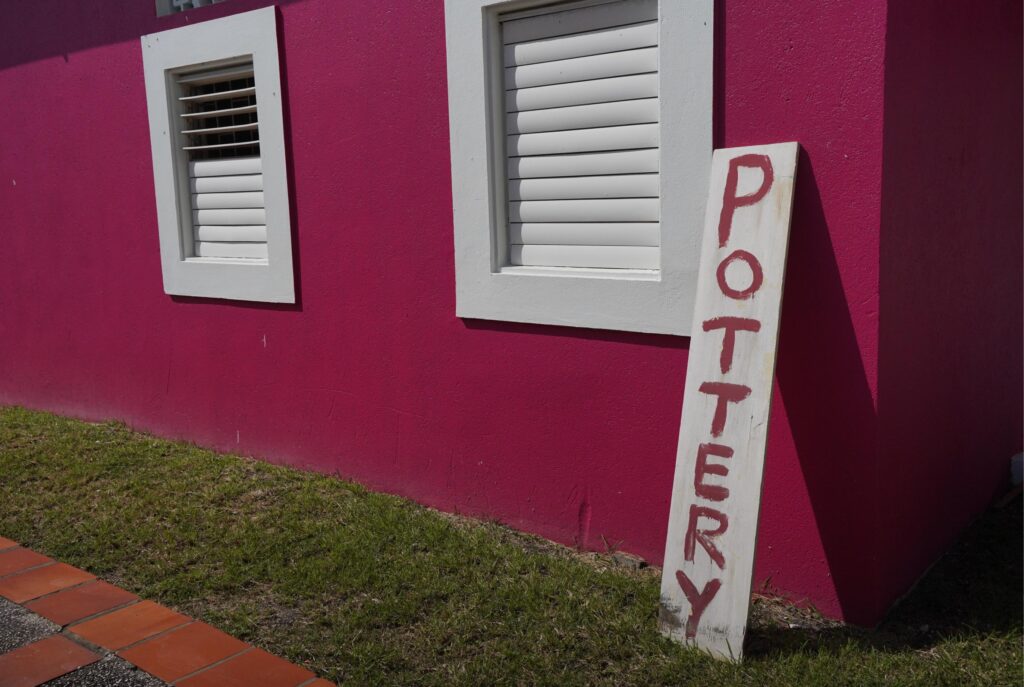
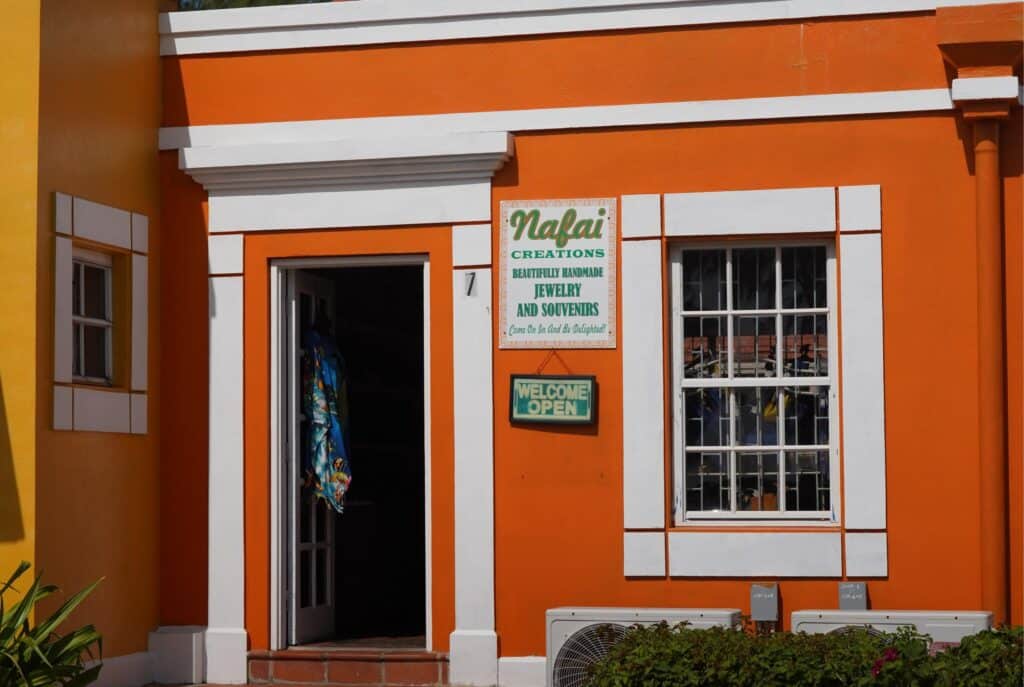
Near the Princess Alice Bus Terminal in Bridgetown is a small, colourful group of houses that host art exhibitions, workshops and small shops to buy local arts and crafts. If you haven’t done your souvenir shopping at Brighton market yet, you should check out the Pelican Crafts Village to find some gems. You could also do a pottery workshop if you like.
Animal Flower Cave
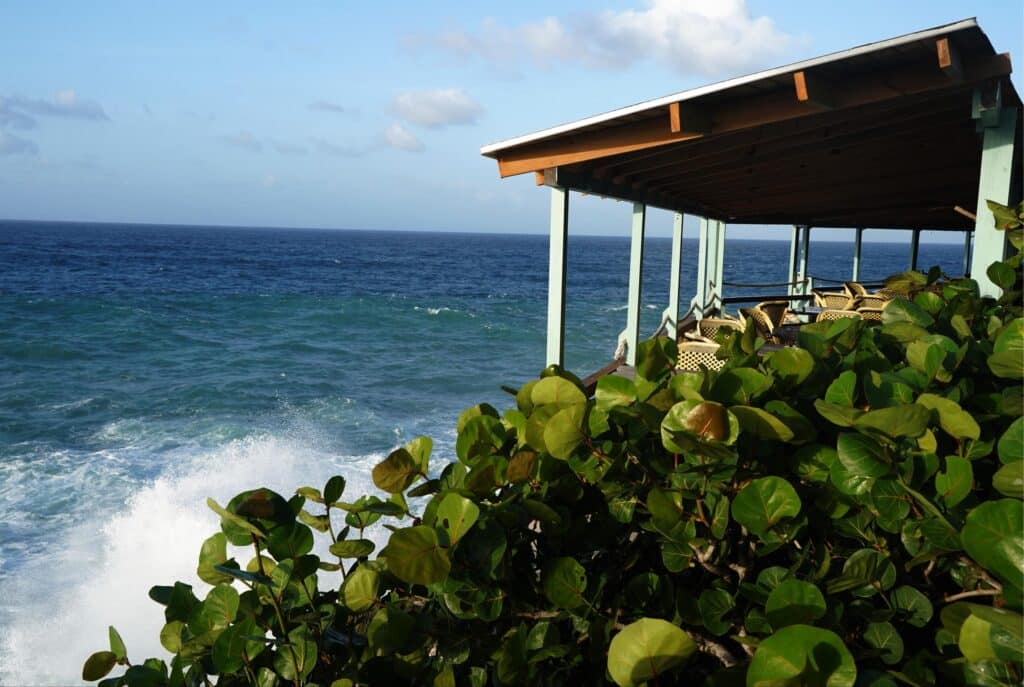
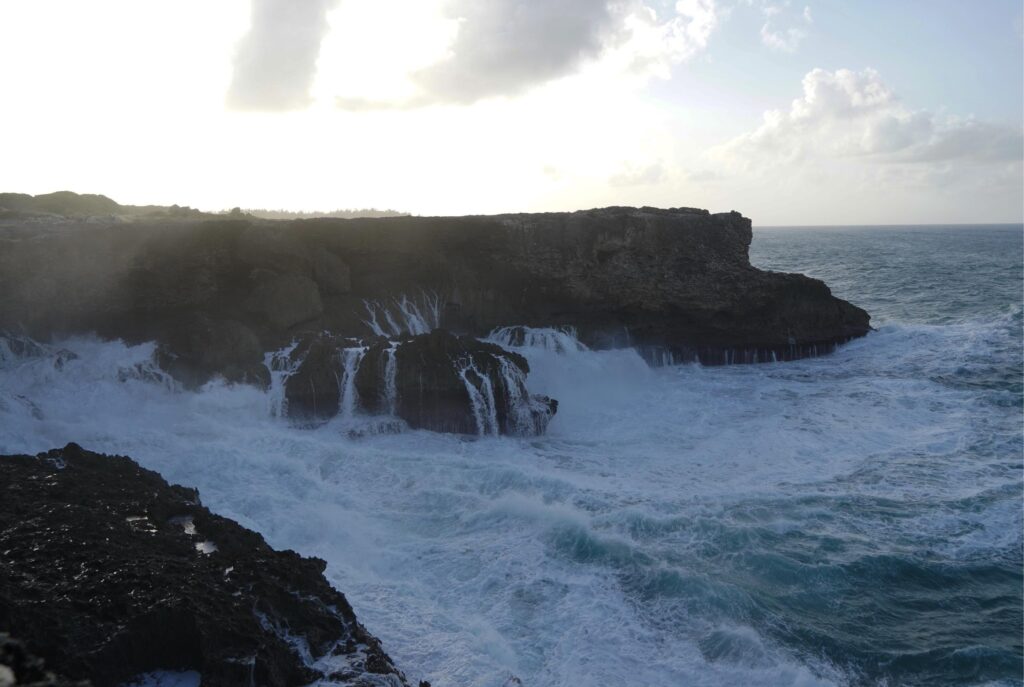
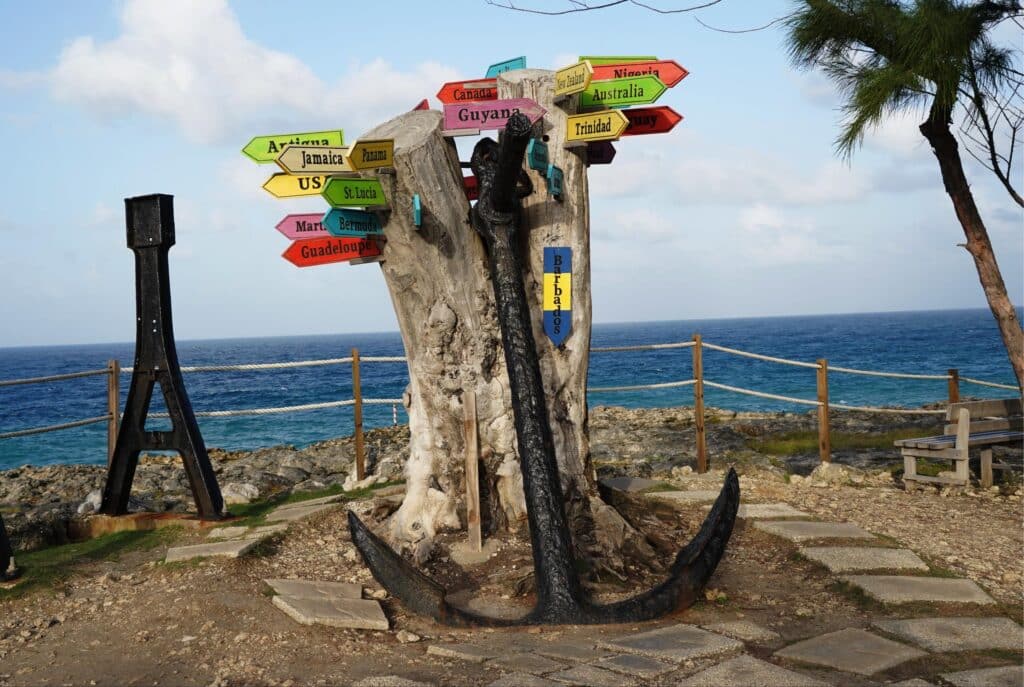
This is a cave at the most Northern point of the island. The surroundings on their own are worth a visit as you can see the spot where the Atlantic Ocean and the Caribbean Sea meet. The water is always very agitated at that spot and exciting to watch. You can take a seat in the restaurant overlooking the rough cliffs.
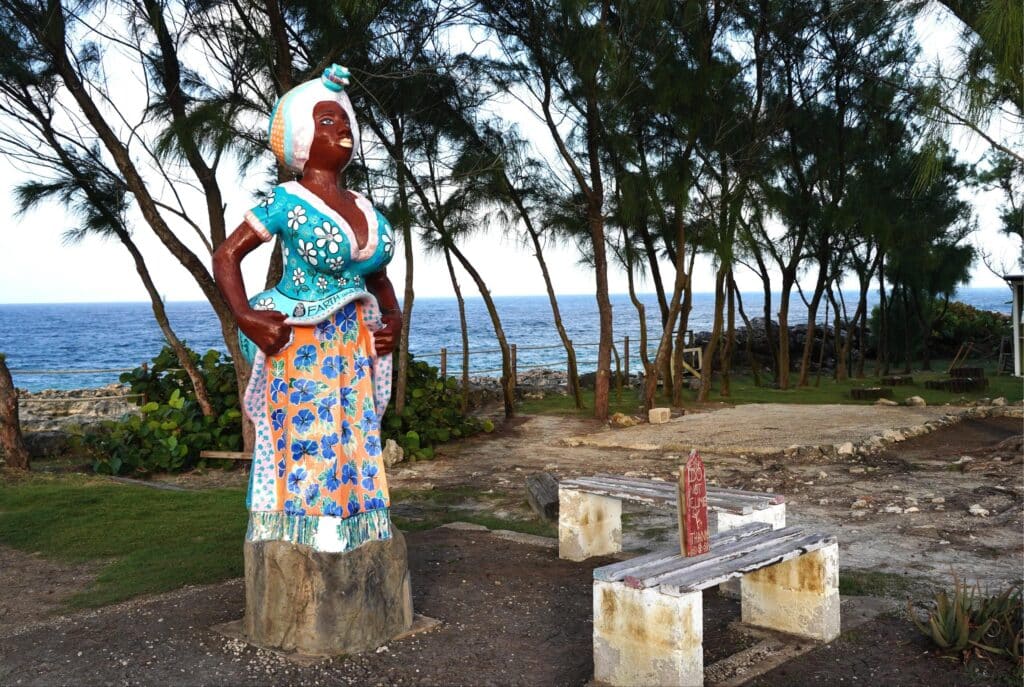
There is a statue of Rachel Pringle that you cannot miss. She is a symbol for Bajans and stands for freedom as one of the first mulatto women to have run a business in Barbados in the 18th century.
Harrison’s Cave
This is another popular cave to visit on the island and it will appear easily in any tourist guide: Harrison’s Cave. Charlie didn’t have the time to visit and can’t tell you about it. She felt though that it should be on this list.
Mount Gay Rum Distillery
Whether this is true or not, Barbados prides itself with having invented the rum. Mount Gay is the biggest rum producer on the island today and you can’t miss the giant adverts everywhere. The distillery is in the North of the island, the visitor centre is in Bridgetown not far from the Barven market. You can get insights into the production of rum in the Caribbean.
Barbados Museum
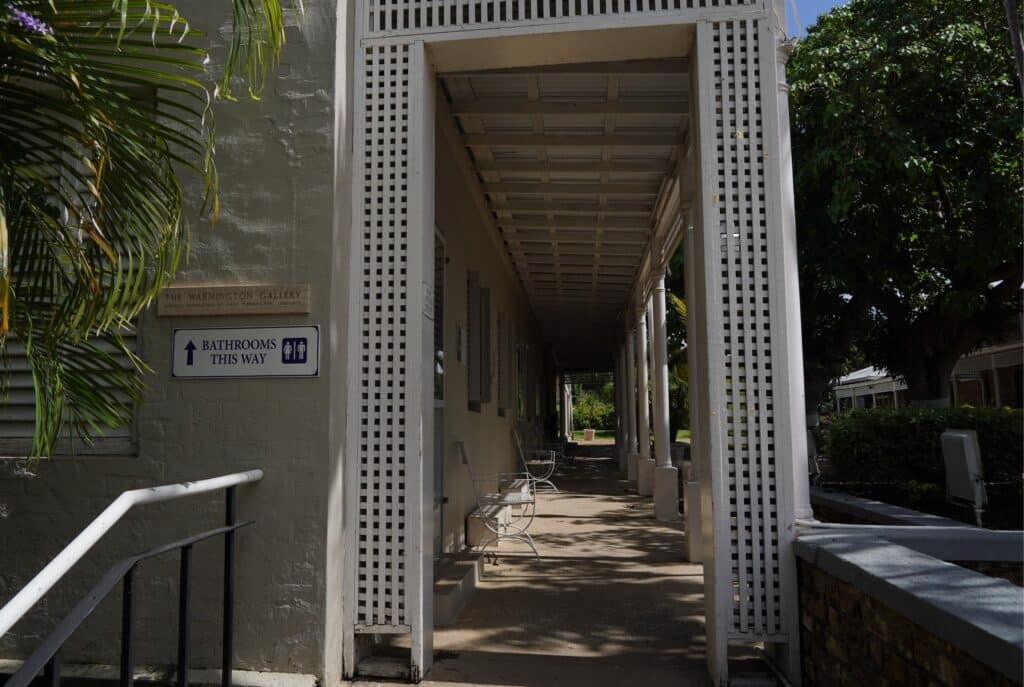
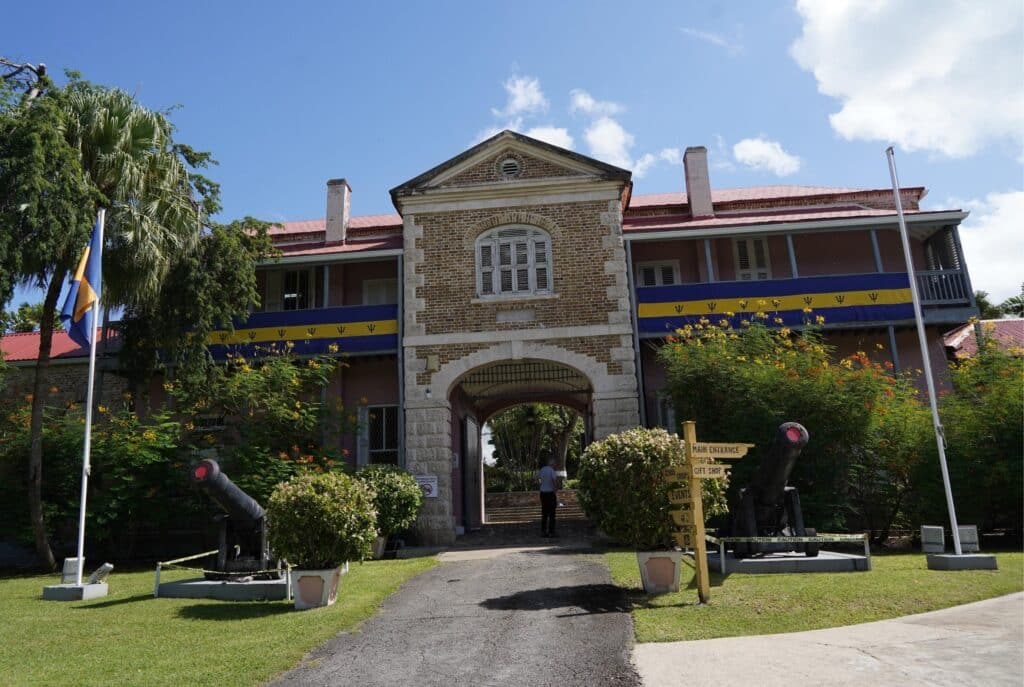
Near the Garrison and the race course in Bridgetown, you’ll find the Barbados Museum. It is a beautiful building that in itself is worth a visit and you can learn everything there is to know about the history, culture, and religion of Barbados. There are also temporary exhibitions that always seem to be worth a visit.
Bajan Heritage
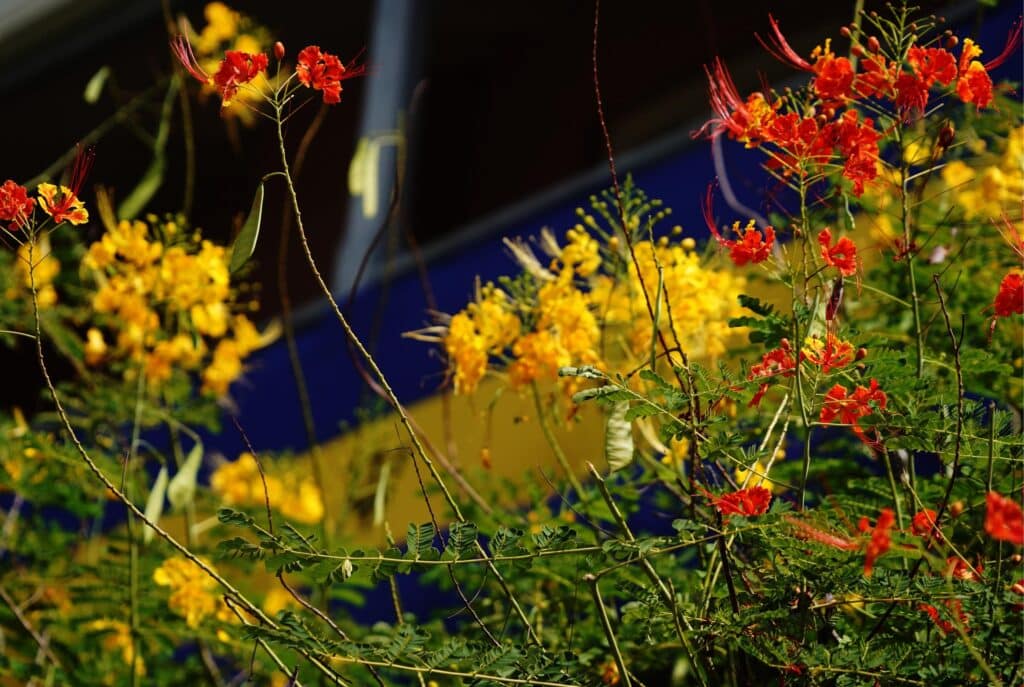
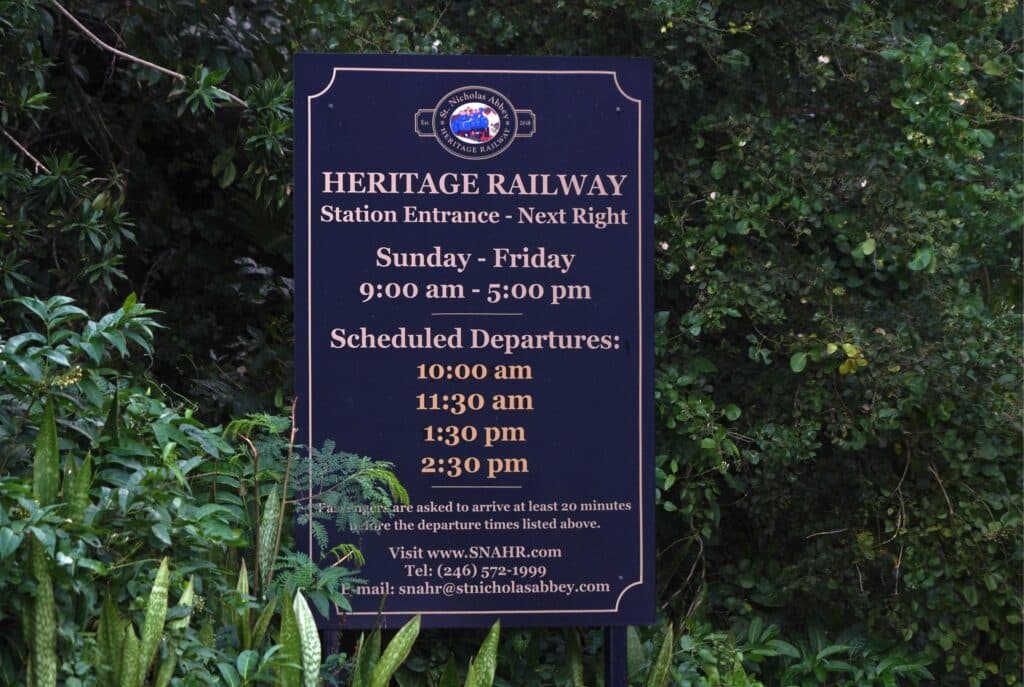
In the heart of the island are two places that are symbolic of the history of sugar cane production in Barbados: St. Nicholas Abbey Heritage Railway and the only windmill that is still intact, the Morgan Lewis Windmill. The heritage railway is the only part of the historic steam railway that is still in use today, even though only as a tourist attraction. St. Nicholas Abbey is a plantation and rum distillery that offers tours and tastings. Not far from there is a historic windmill.
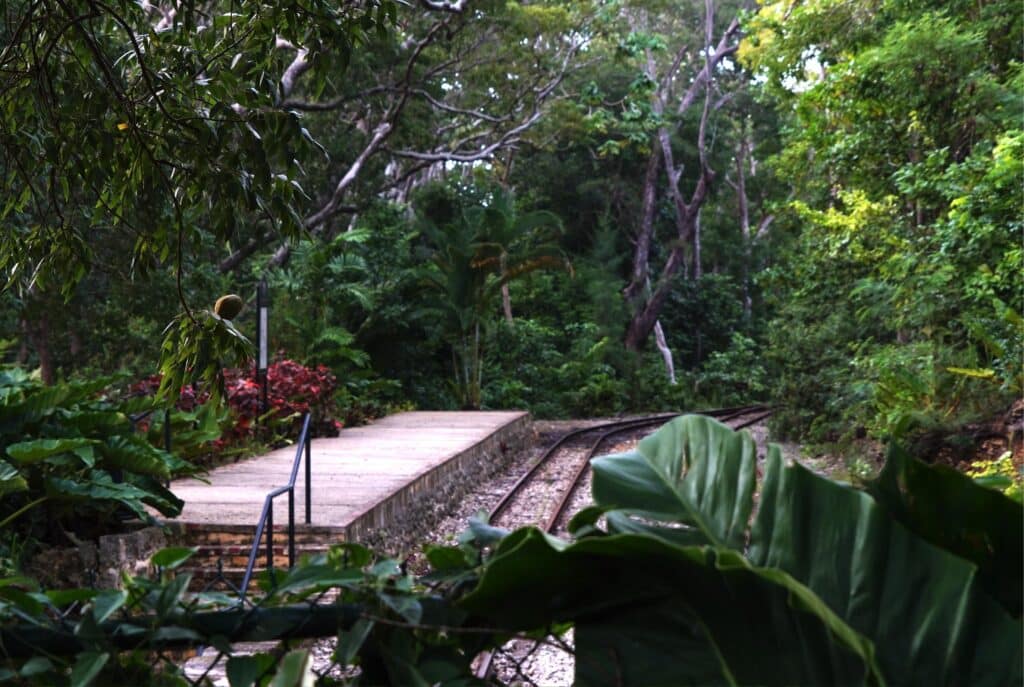
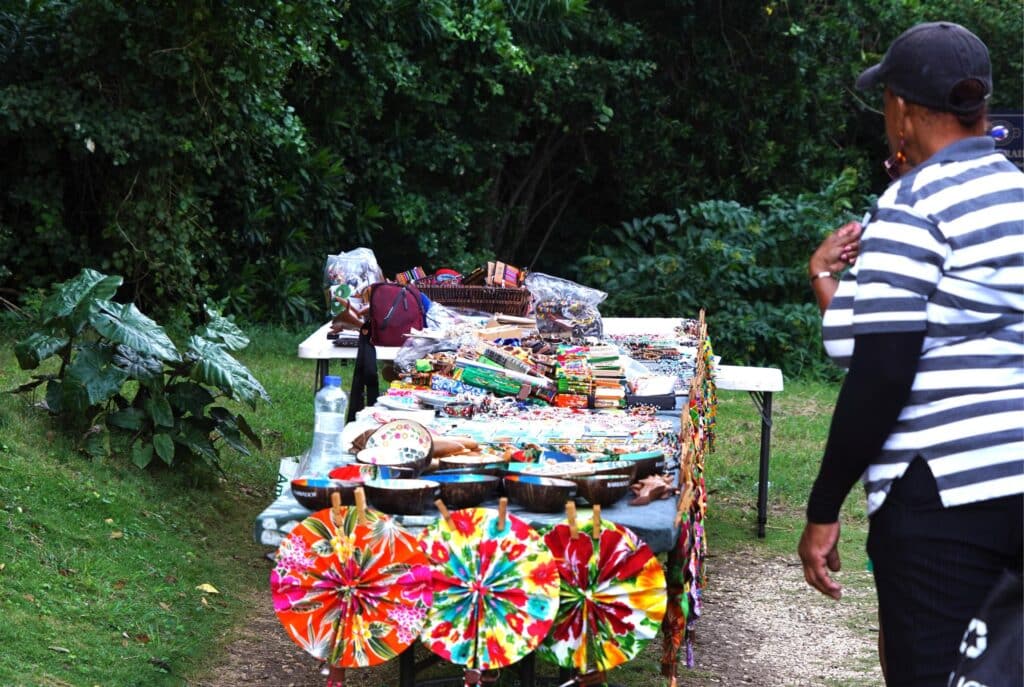
Windmills were originally built on the island for the sugar production. Today, they are part of the cultural heritage and landowners are not allowed to remove any windmill ruins. Some have made creative use of them by embedding them in the structure of a house, others just let them stand as they are. The Morgan Lewis Windmill is the only one that is still in its original state and functional.