Cascais and Sintra
Royal stories from castles and palaces
Have you been to Sintra and Cascais? Charlie heard this question a few times when she talked about her visits to Lisbon and it was time to see those places. Sintra and Cascais are connected by train and you can get there easily. There are also hop-on-hop-off buses and shuttles in the area that bring tourists to the different landmarks. The most popular of them is the Pena Palace. This is where Charlie’s tour started.
Pena Park and Palace
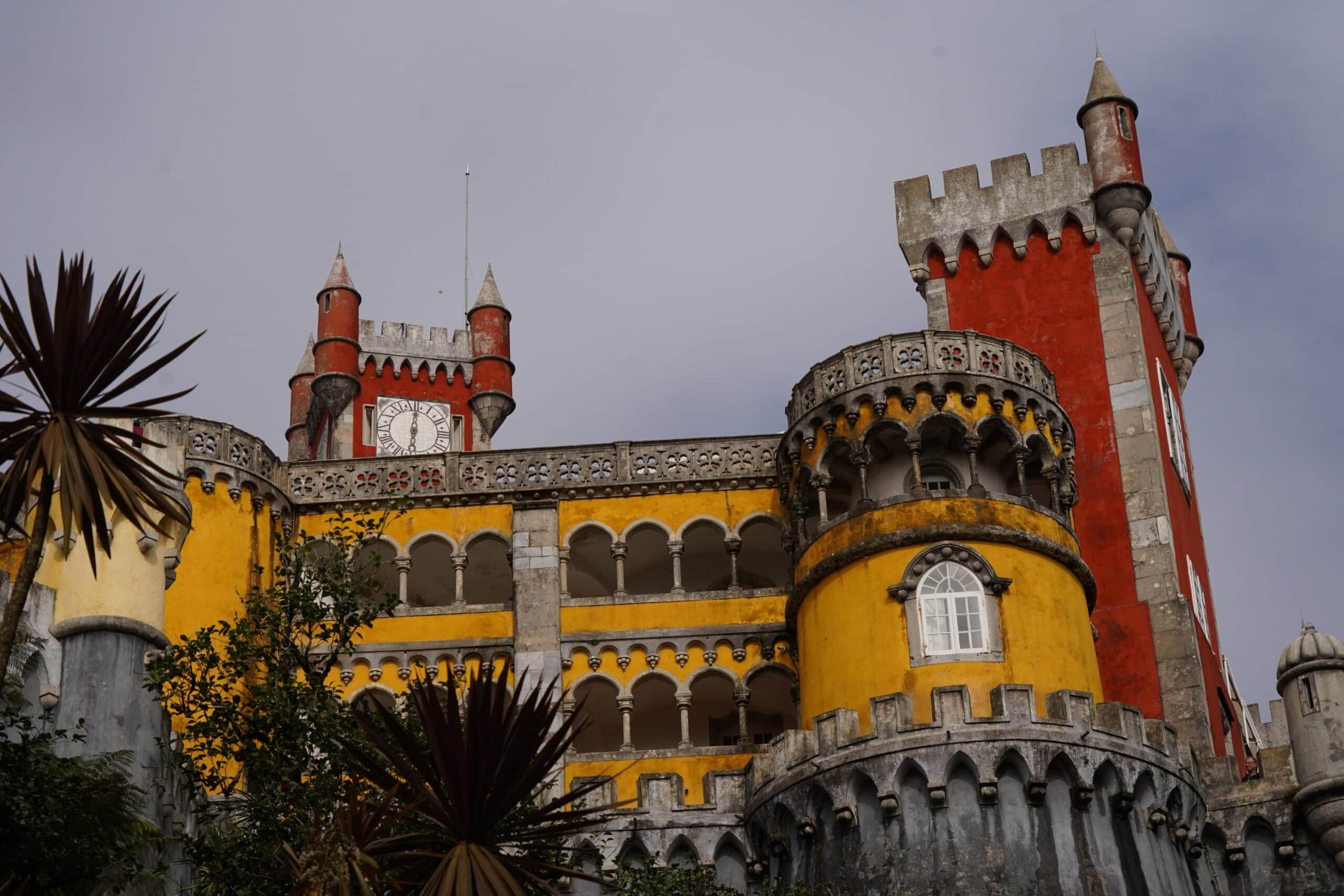
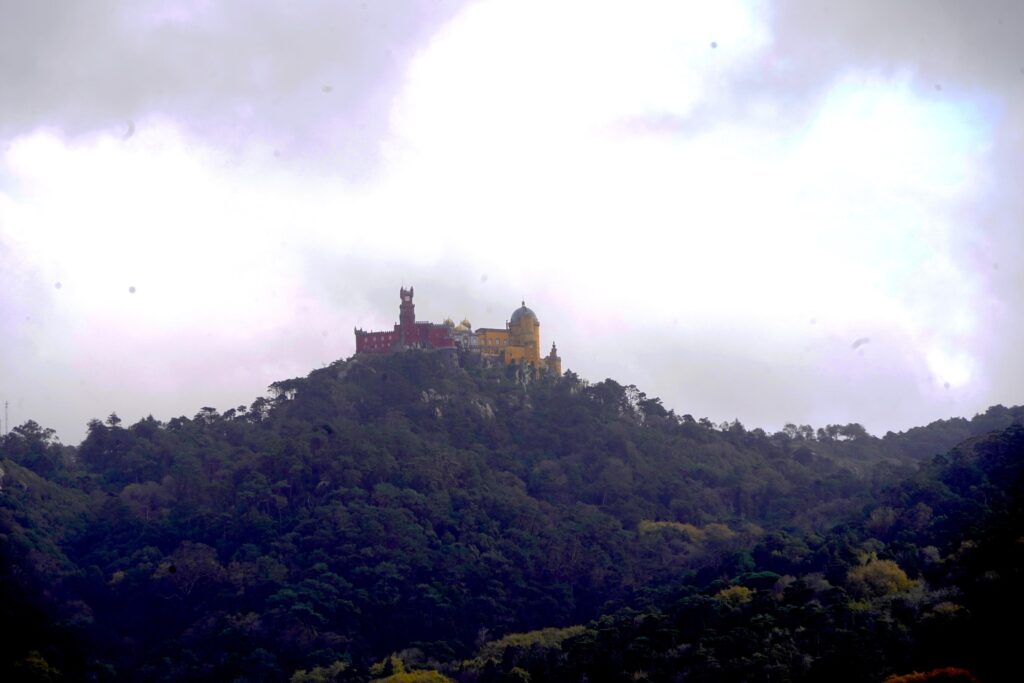
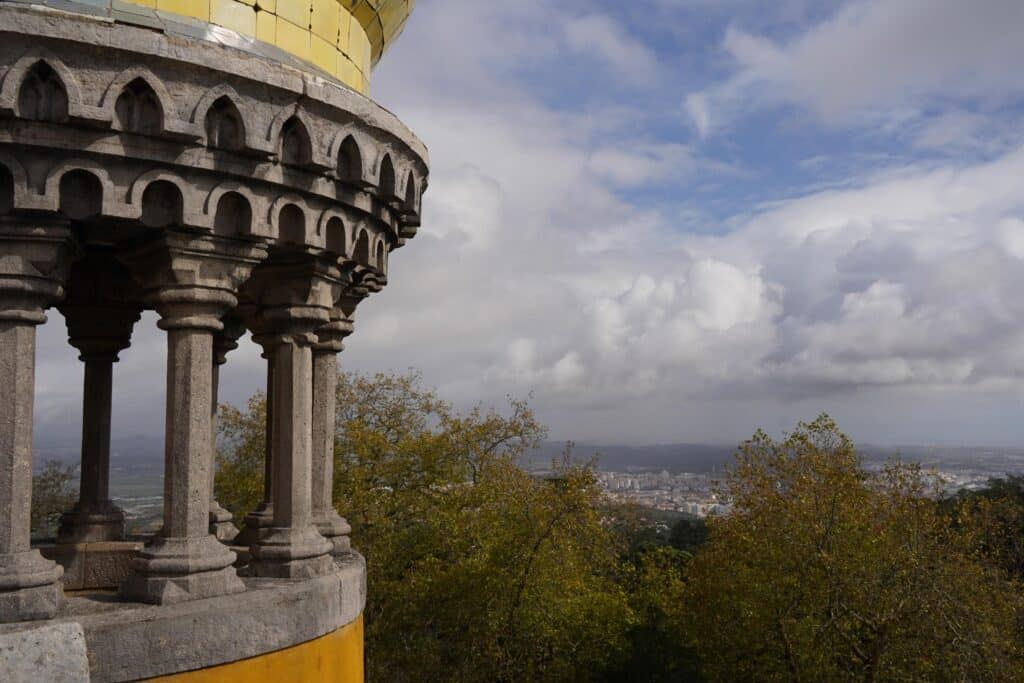
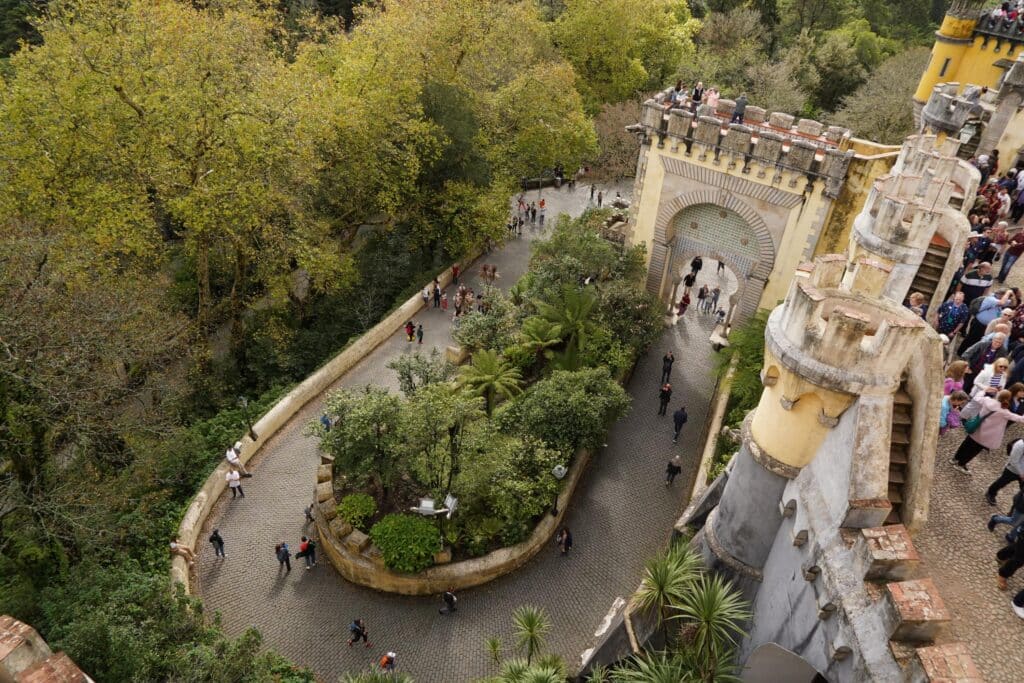
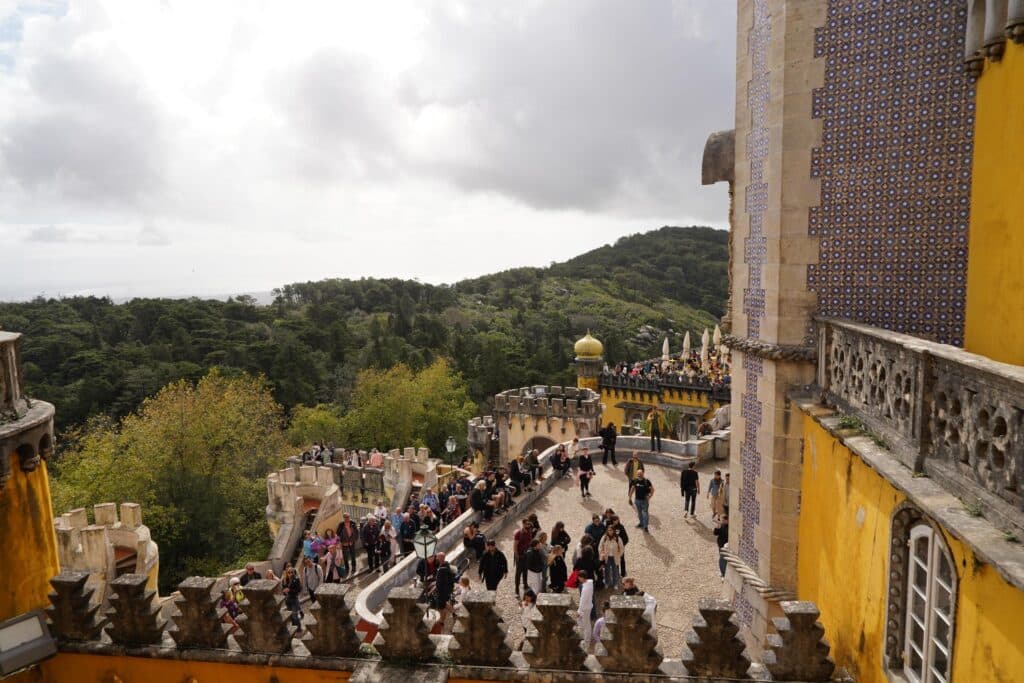
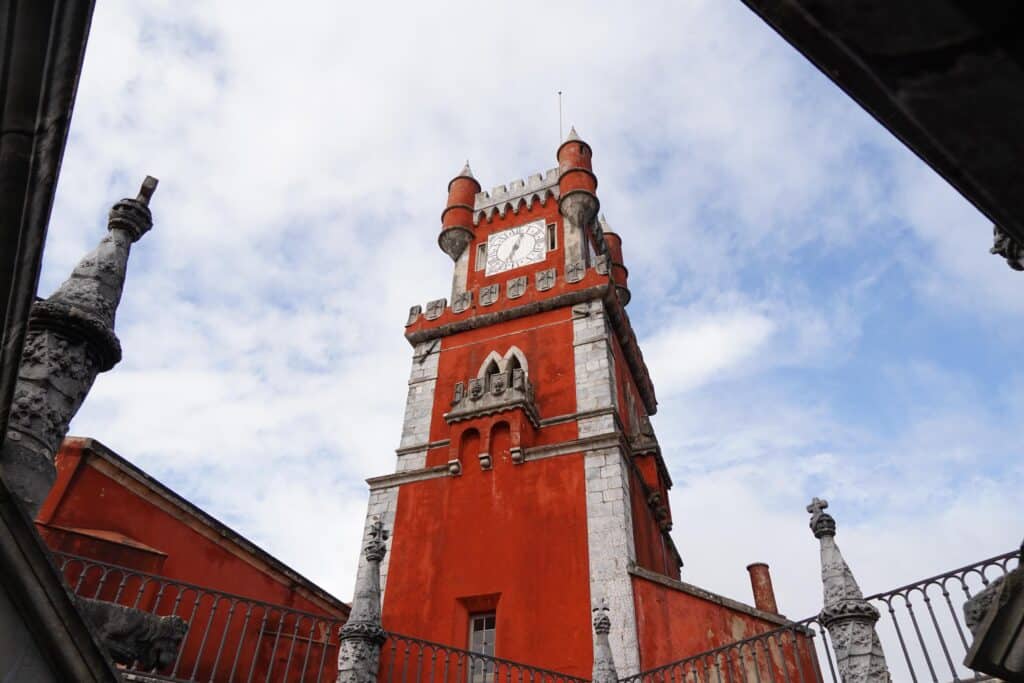
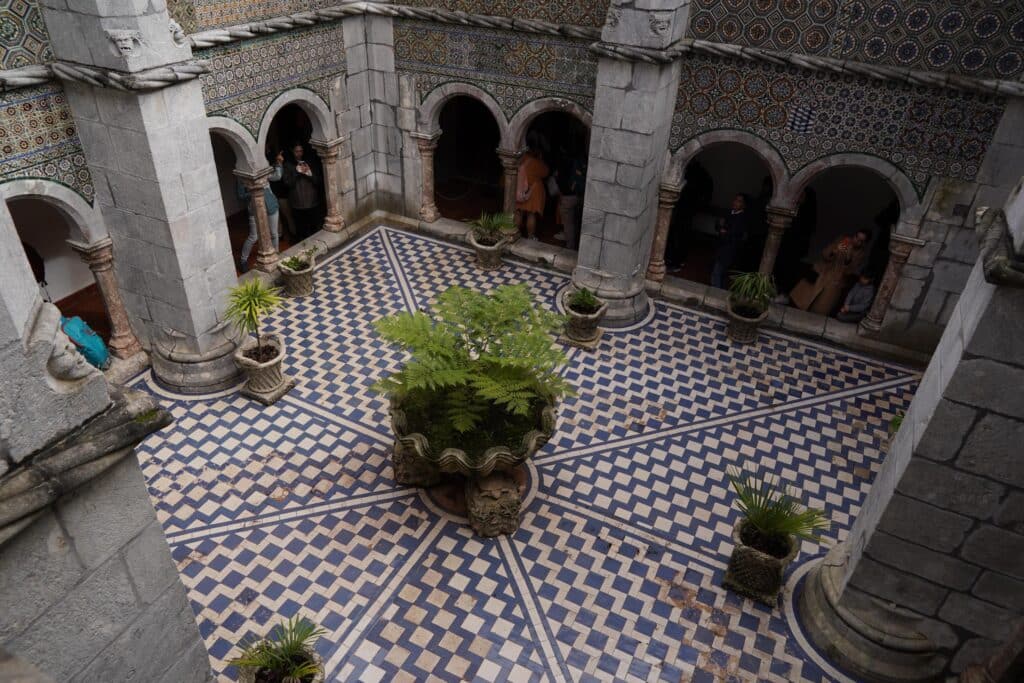
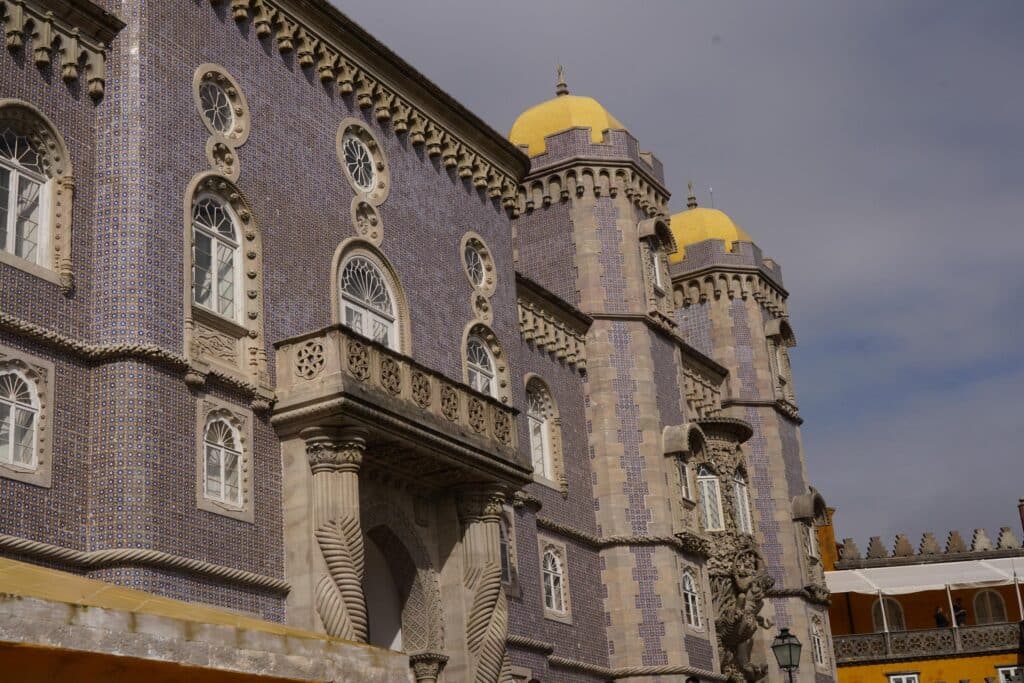
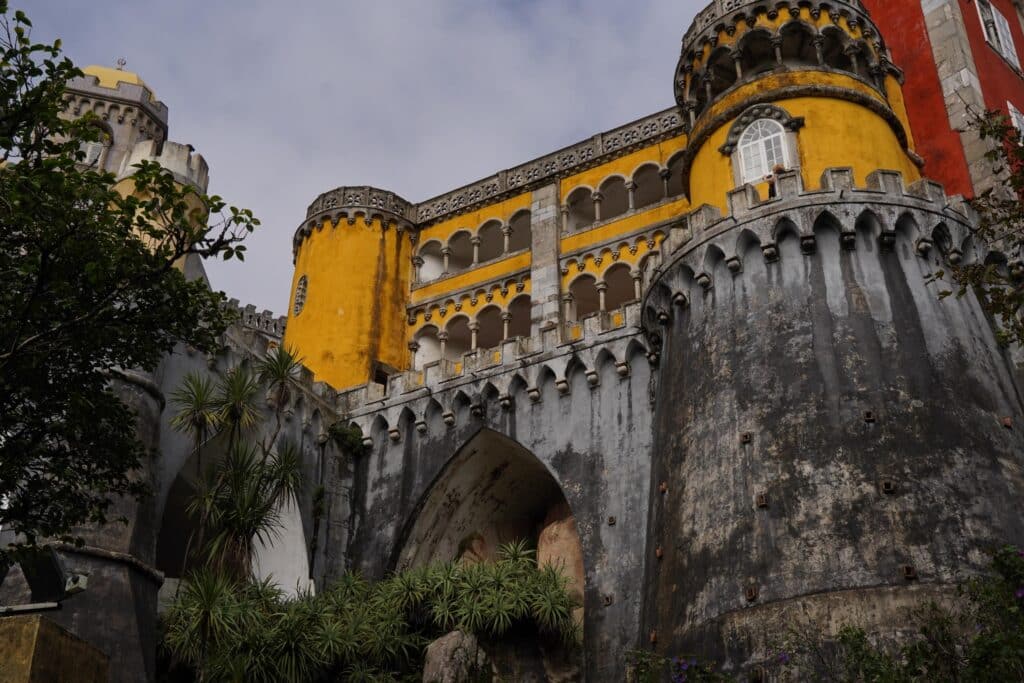
Built on top of one the highest elevations in the area around Lisbon is the Pena Palace, a colourful building that guides the visitors through different architectural periods by mixing Moorish elements, Manoelian decorations and Victorian interior with the Gothic style of German castles along the river Rhine.
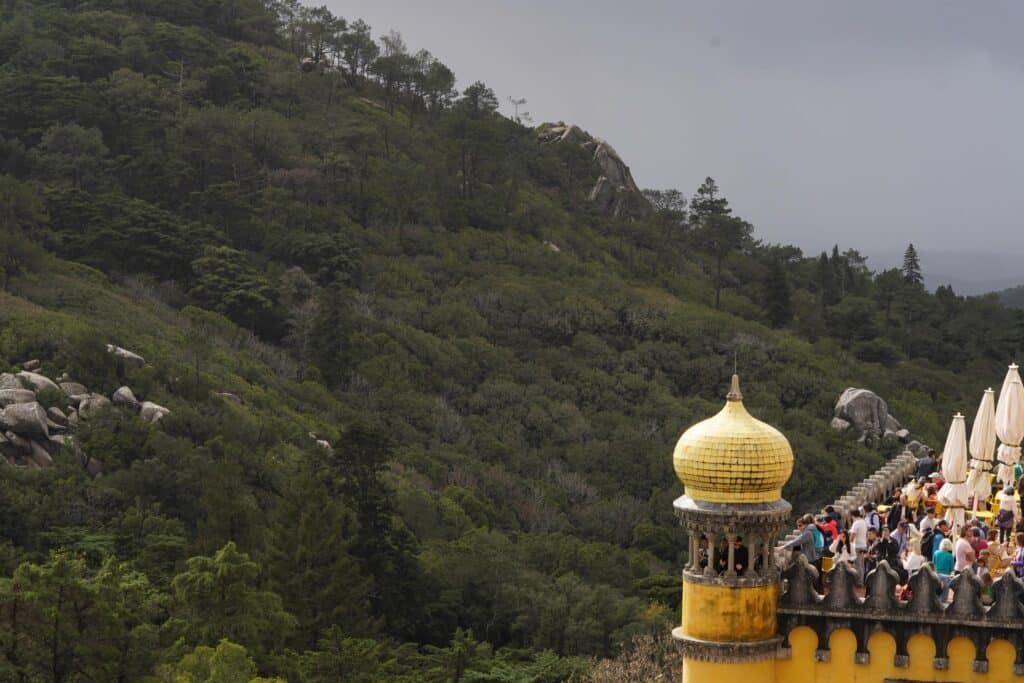
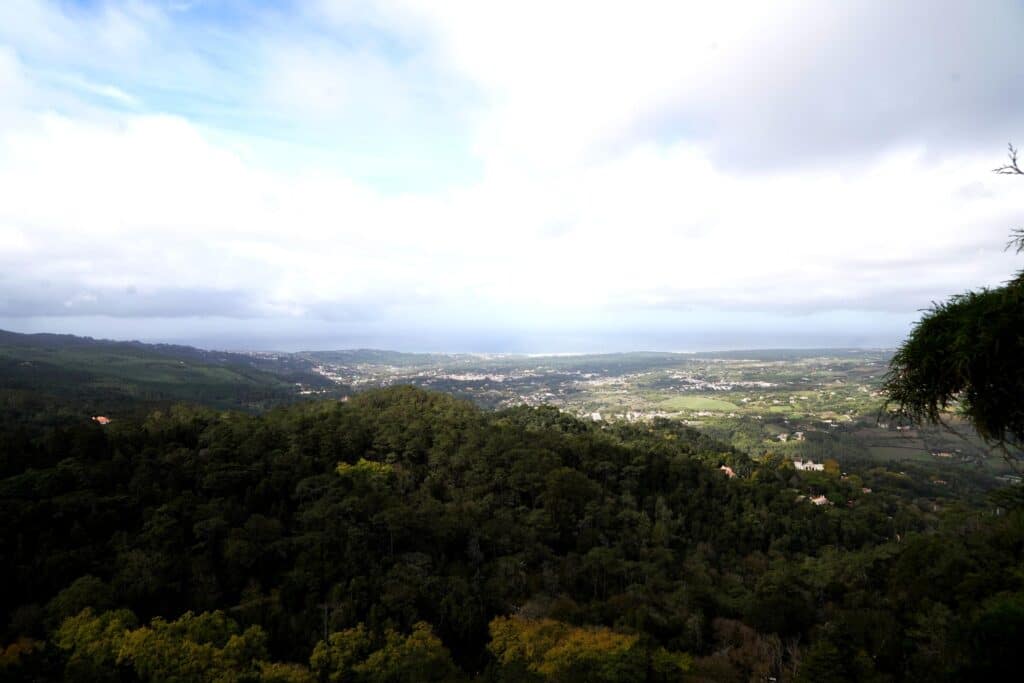
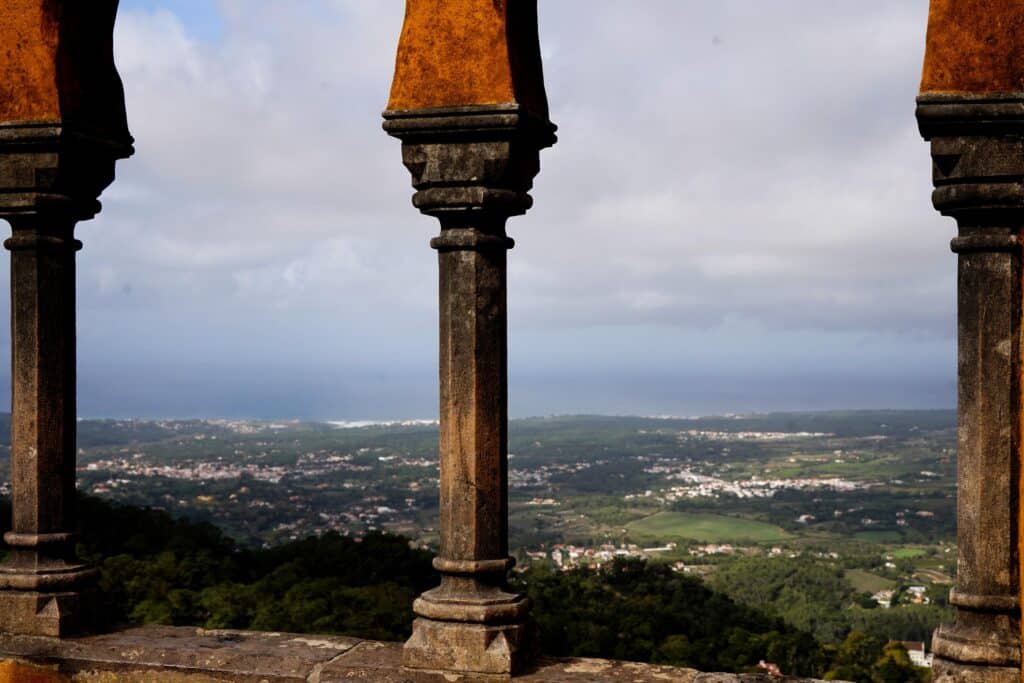
To reach the palace that you can see from afar, you can either take a shuttle bus, hitch a tuktuk ride or walk through the Pena Park. Beware though, the walking route is quite steep in parts. The whole area around the palace is popular for hikers and offers stunning views over the woods and towards the Atlantic Ocean.
The history of Pena Palace
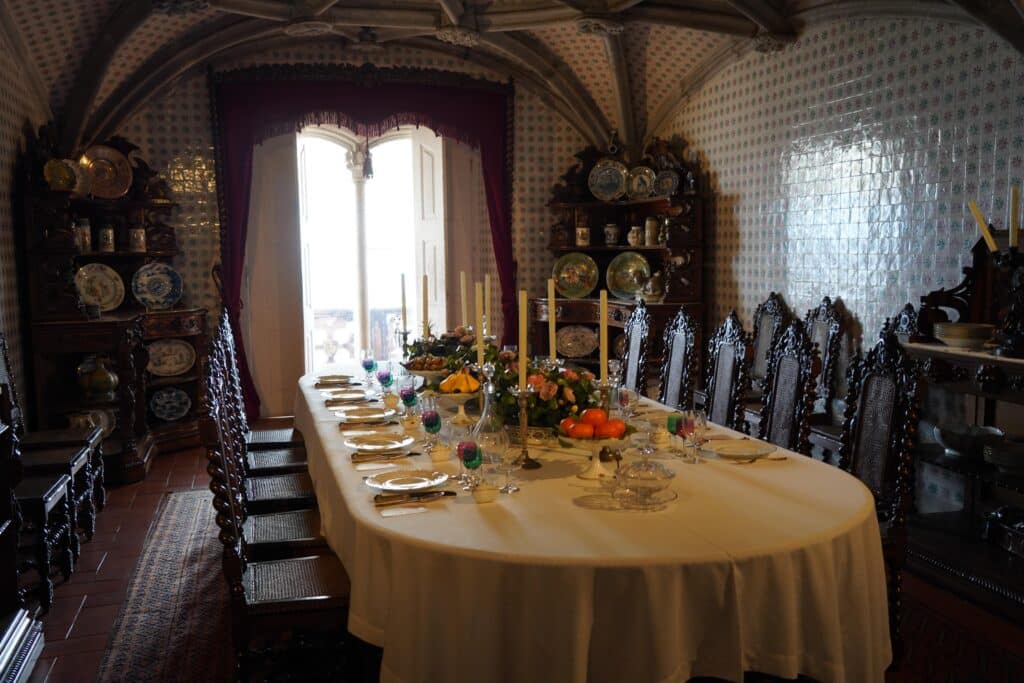
The origins of the buildings go as far back as the 12th century when a chapel stood on this hill. Under King Manuel I, it was expanded to a monastery for the Hieronymite Order. It remained active until all religious order were abolished in Portugal in 1834. It was King Ferdinand II who turned it into a royal residence from 1836 onwards and expanded the building to the size it has until today. He took inspiration from the elements already existing in the Monastery and those that he took from his home in Germany and his travels to Spain. The interior follows the European tradition of the 19th century and is mostly Victorian. As you walk through the palace, you will notice parts that remind of the Alhambra in Granada whilst others could be taken from an English castle.
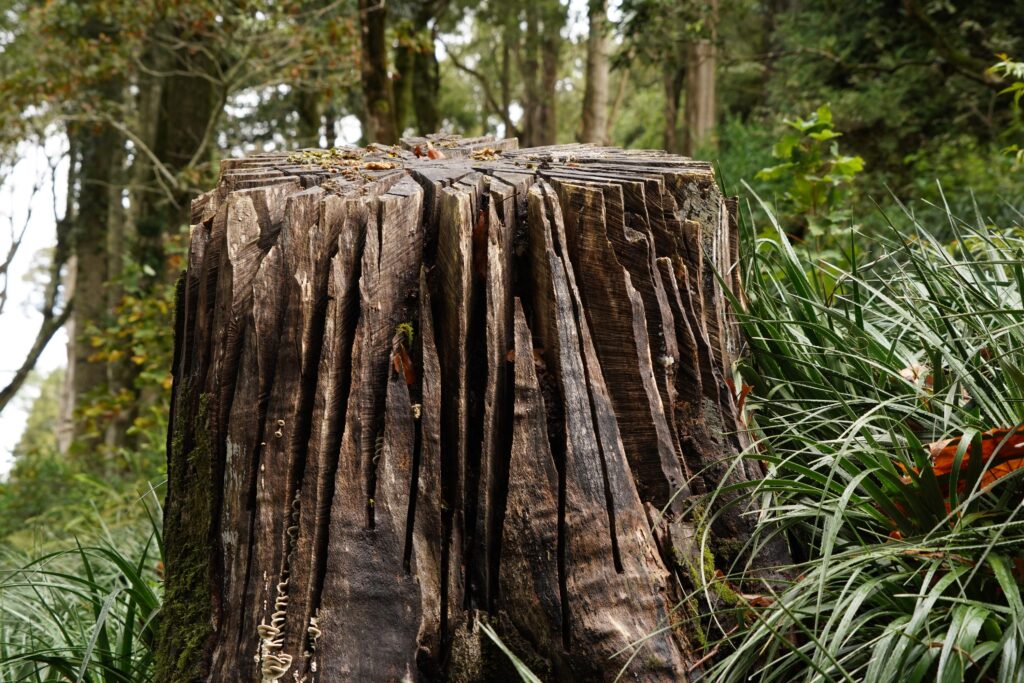
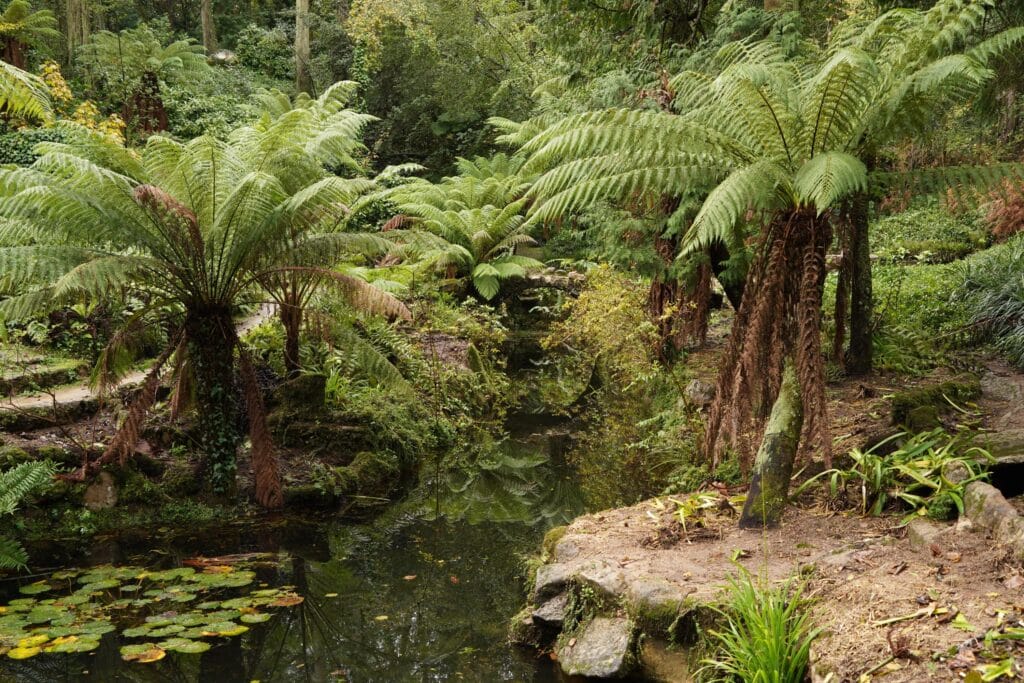
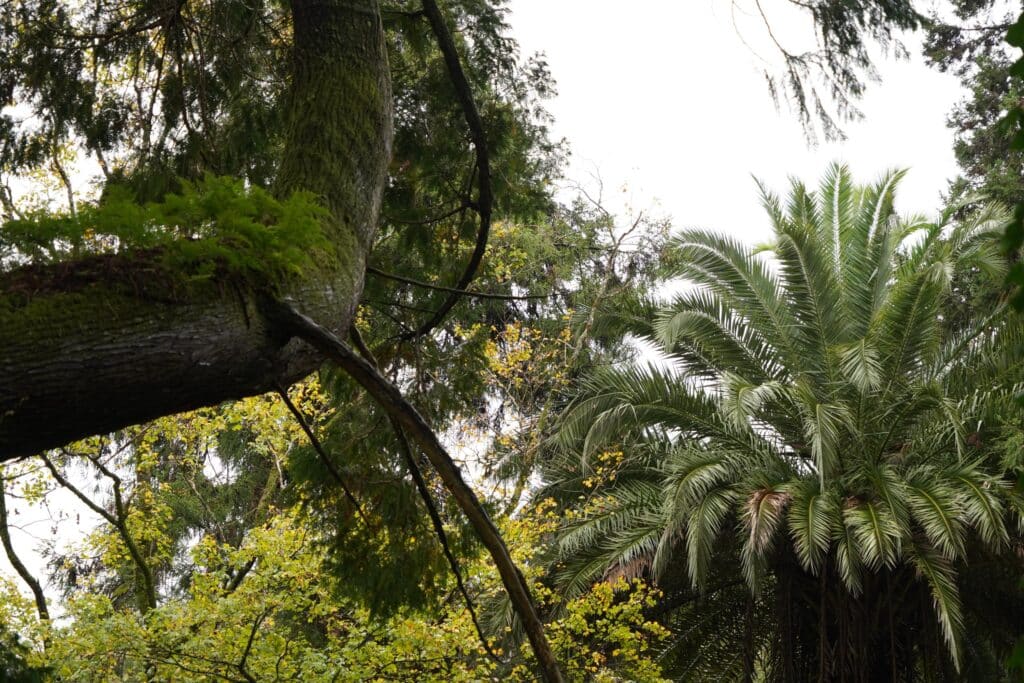
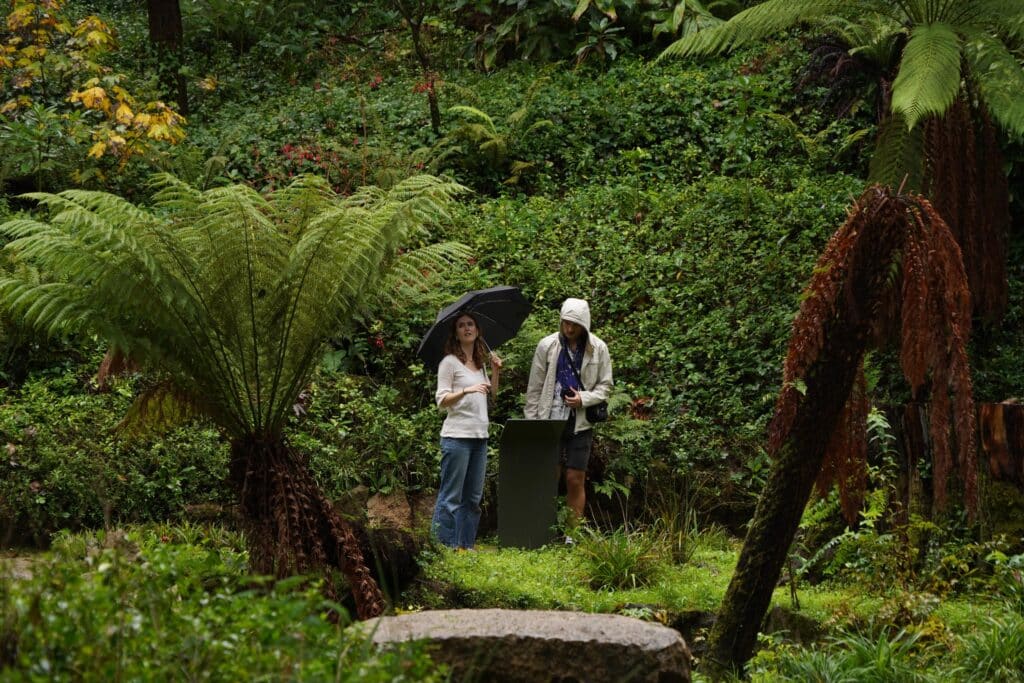
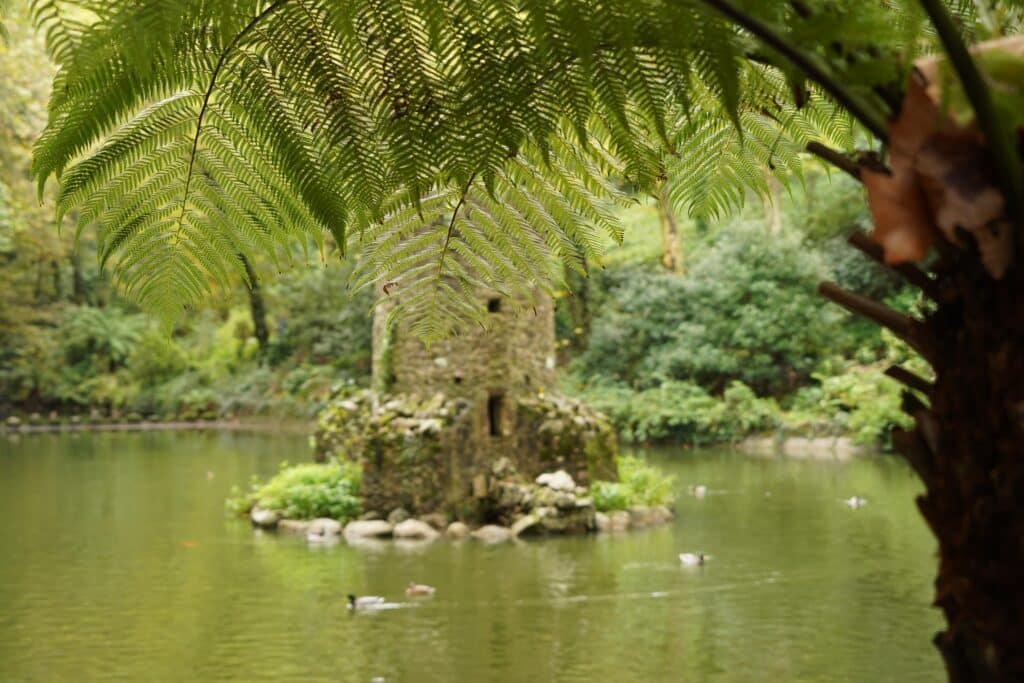
At the same time, he created the Pena Park as a garden to promenade with multiple ponds that are nowadays home to swan and geese. The park has elements of a Botanical Garden with plants from five different continents.
Visiting Pena Palace and Park
Pena Palace is one of the most popular tourist attractions in Portugal and to be fully honest here, you will notice. Charlie was there on a weekday at the end of October, and even during the off-season it felt a little too crowded. Some might call it a tourist trap. It is still worth visiting, but bring a lot of patience.
The palace is open every day from 9.30 a.m. until 6.30 p.m., the park opens 30 minutes earlier and closes 30 minutes later. It is important to buy the ticket online in advance and choose your time slot because the number of visitors at any time is limited.
These are the prices as of January 2024:
| Ticket type | Palace and Park | Park only |
| Adults (18-64 years old) | € 20 | € 10 |
| Youth tickets (6-17 years old) | € 18 | € 9 |
| Seniors (over 65) | € 18 | € 9 |
| Family ticket (2 adults & 2 youths) | € 65 | € 35 |
All around the Palace
The mountains and forests around the Pena Palace offer a vast choice of hiking routes and there are other palace-type buildings and chalets to visit. One of them is the Chalet of the Countess of Edla, dedicated to the second wife of Ferdinand II after Queen Maria II had passed away.
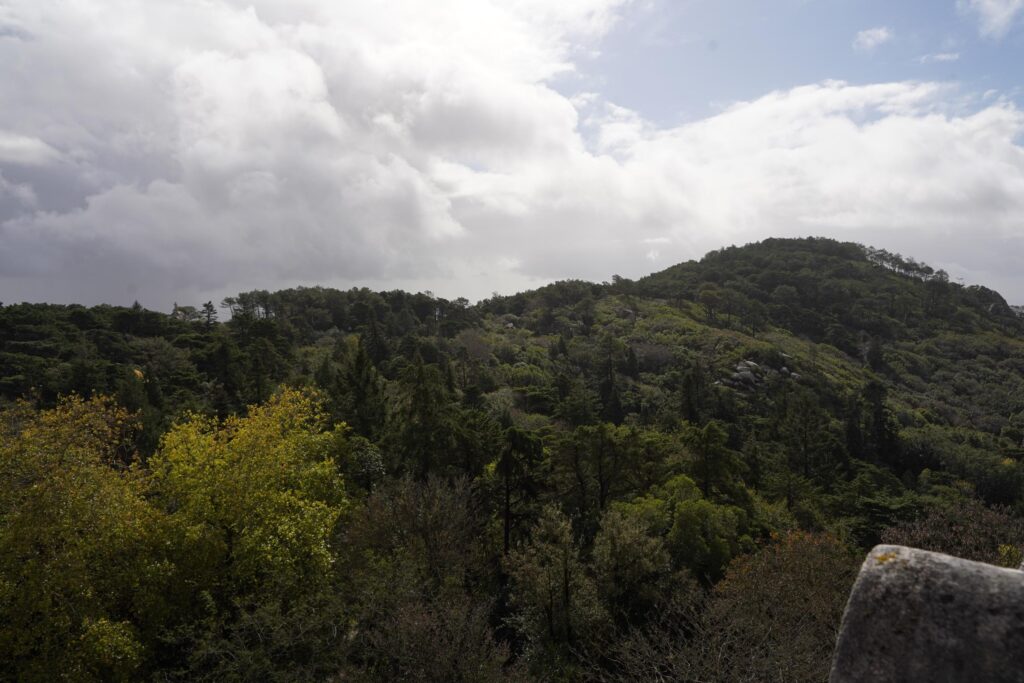
There is another heritage site not too far from the Pena Palace, the Castelo dos Mouros, the Moorish castle. It was built in the 10th century when the Moors inhabited the Iberian Peninsula. This site too is connected by a shuttle bus from Sintra and is open to visitors from 9.30 a.m. to 6 p.m.
These are the prices as of January 2024:
| Ticket type | Moorish Castle |
| Adults (18-64 years old) | € 12 |
| Youth tickets (6-17 years old) | € 10 |
| Seniors (over 65) | € 10 |
| Family ticket (2 adults & 2 youths) | € 33 |
The village of Sintra
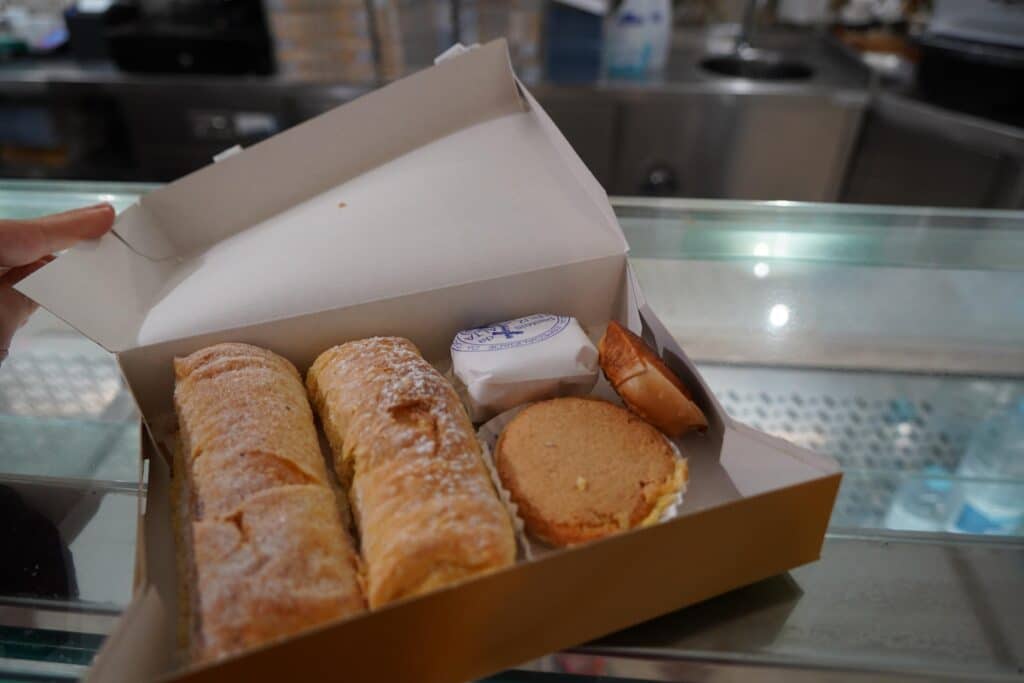
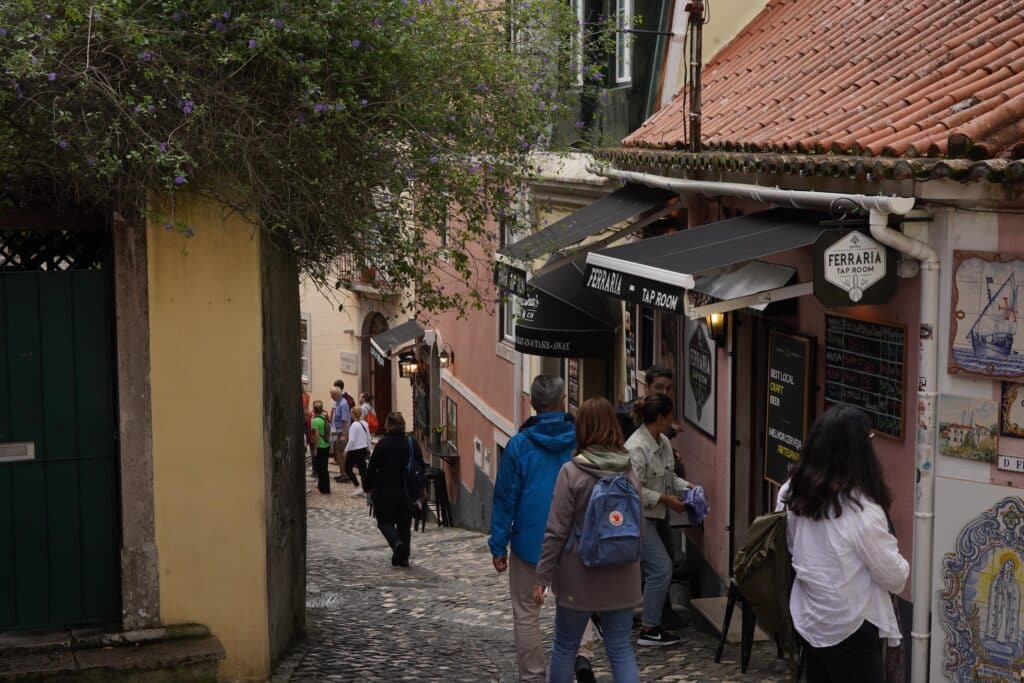
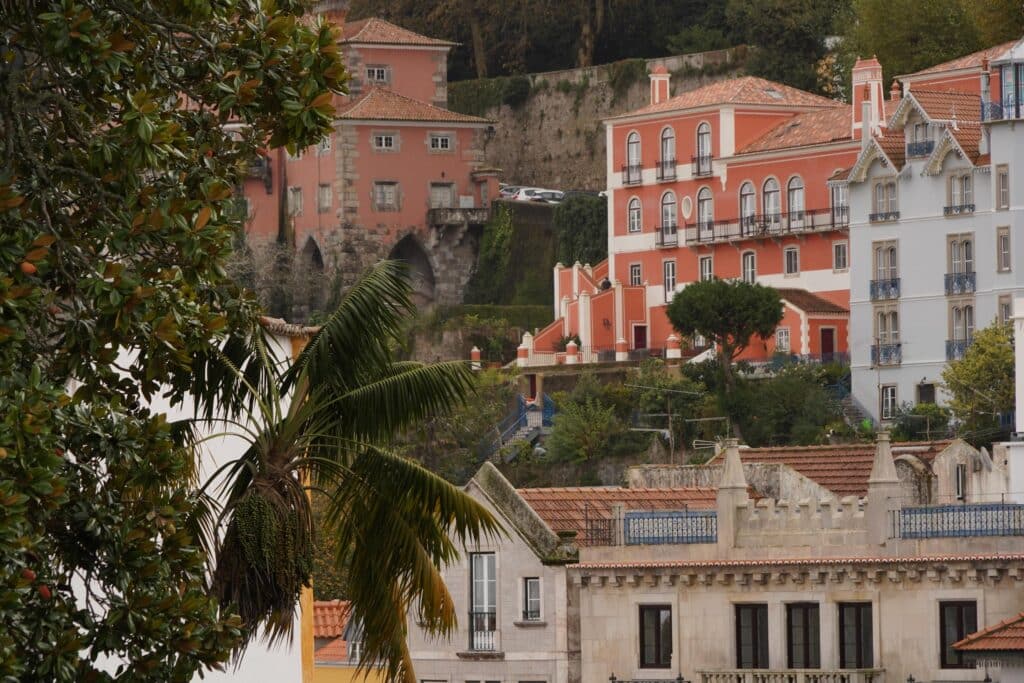
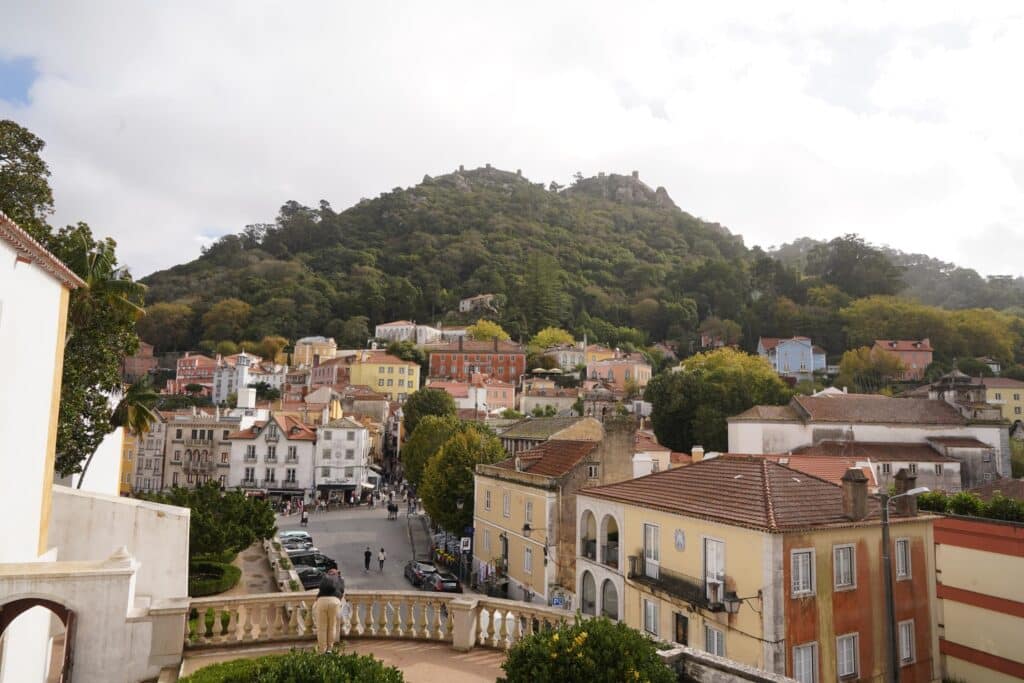
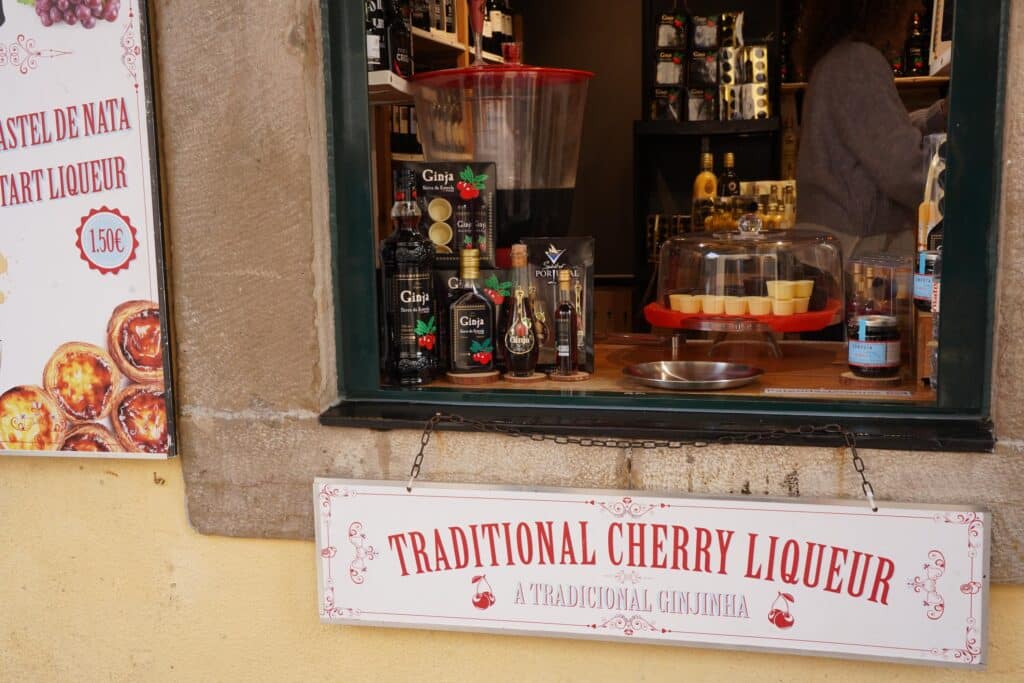
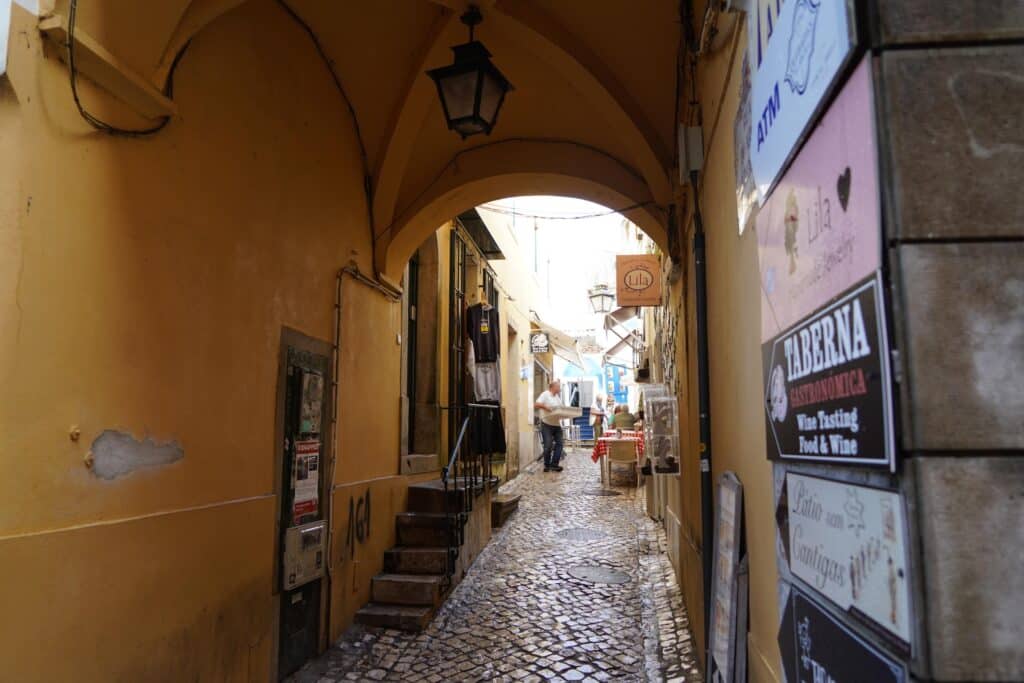
Further below in the mountains is the historic village of Sintra. It is a hotspot for tourists too and a beautiful place to stop for lunch or for Ginjinha, the traditional Portuguese cherry liqueur. You should also make a stop at the bakery Casa Piriquita, one of the oldest in the country, and try some of their sweet delicacies. Against popular belief, there are others than the Pastel de Nata: In this bakery you can try the traditional Travesseiro da Piriquita, Pastel Cruz Alta, Queijadas de Sintra, Pastel de Sintra and Nozes Douradas.
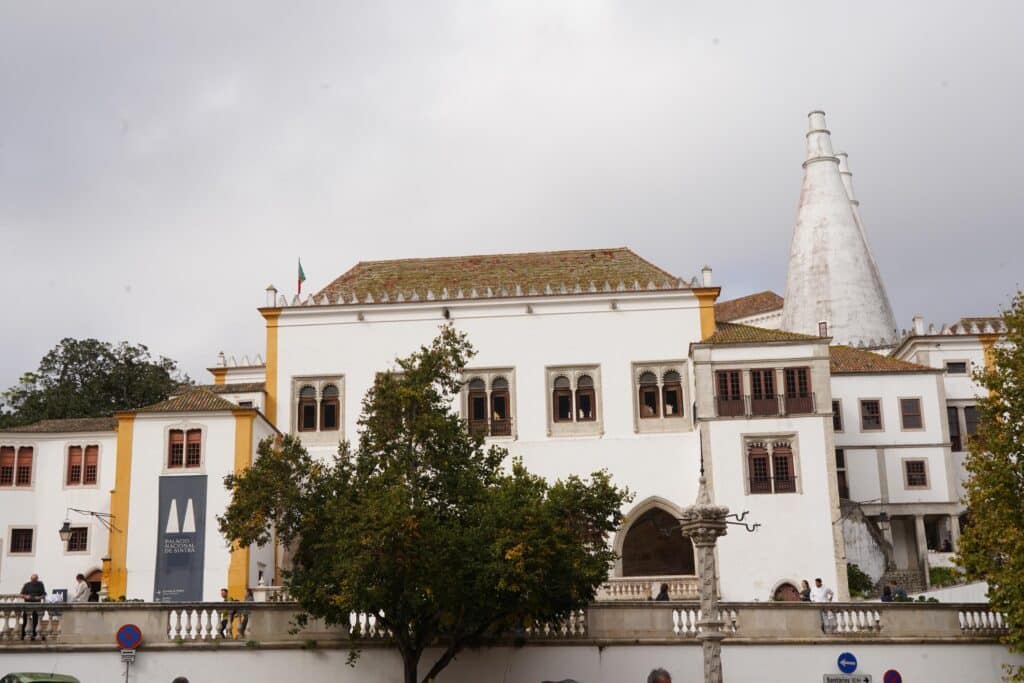
You will not miss the National Palace of Sintra in the centre of the village with its two large chimneys and the white façade. It is the oldest palace in Portugal and will guide you through all of the country’s history. The palace is open from 9.30 a.m. to 6.30 p.m. The garden can be visited for free, entrance tickets to the palace are priced as follows as of January 2024:
| Ticket type | National Palace of Sintra |
| Adults (18-64 years old) | € 13 |
| Youth tickets (6-17 years old) | € 10 |
| Seniors (over 65) | € 10 |
| Family ticket (2 adults & 2 youths) | € 35 |
Coastal viewpoints
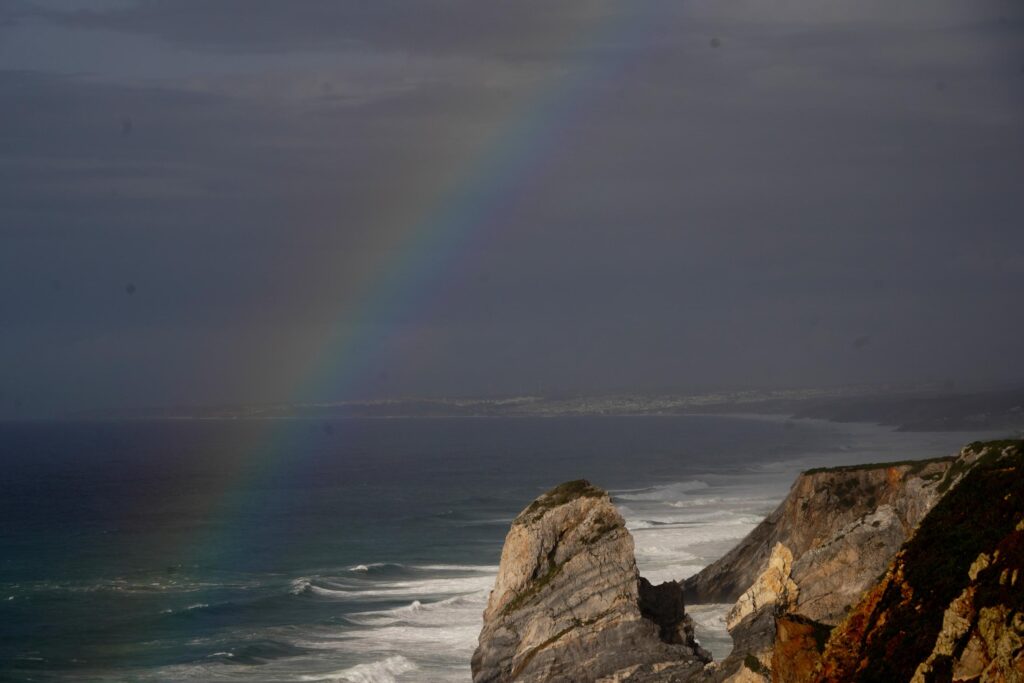
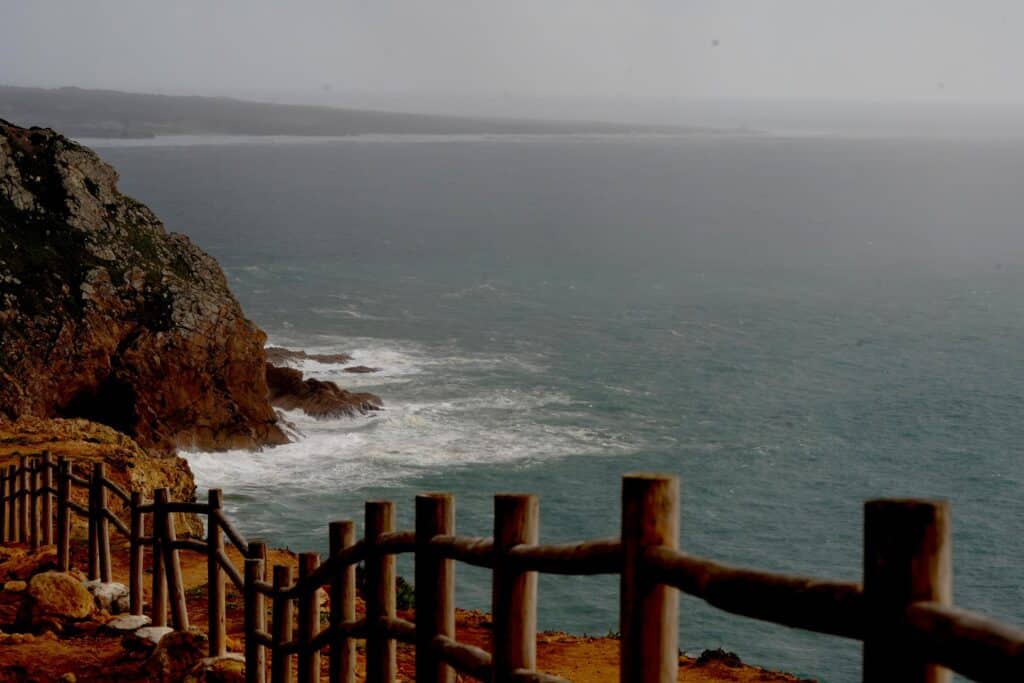
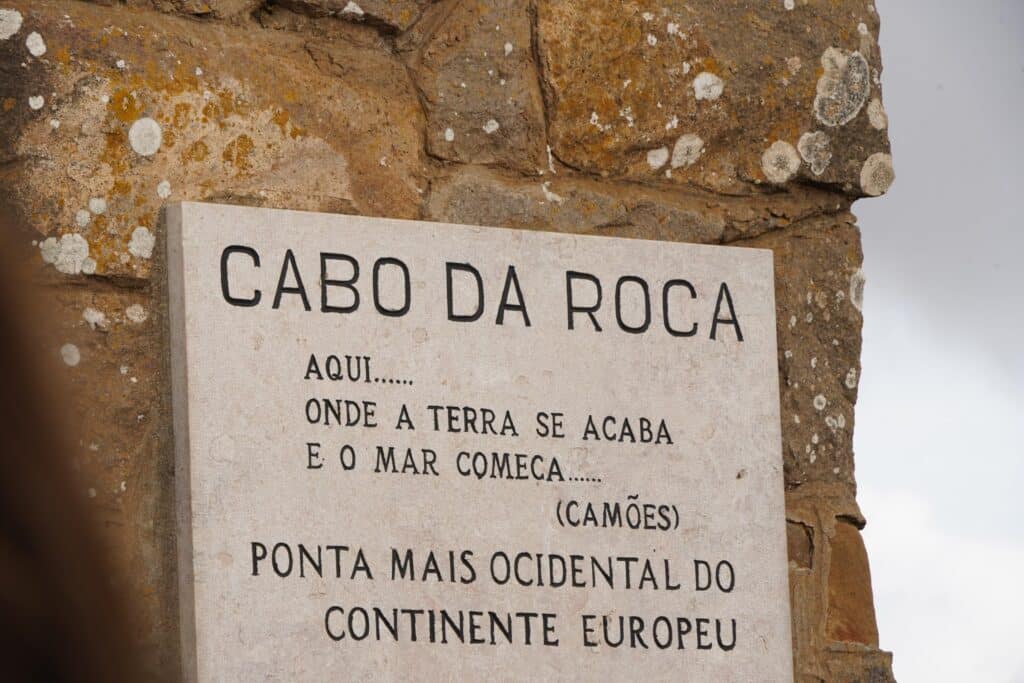
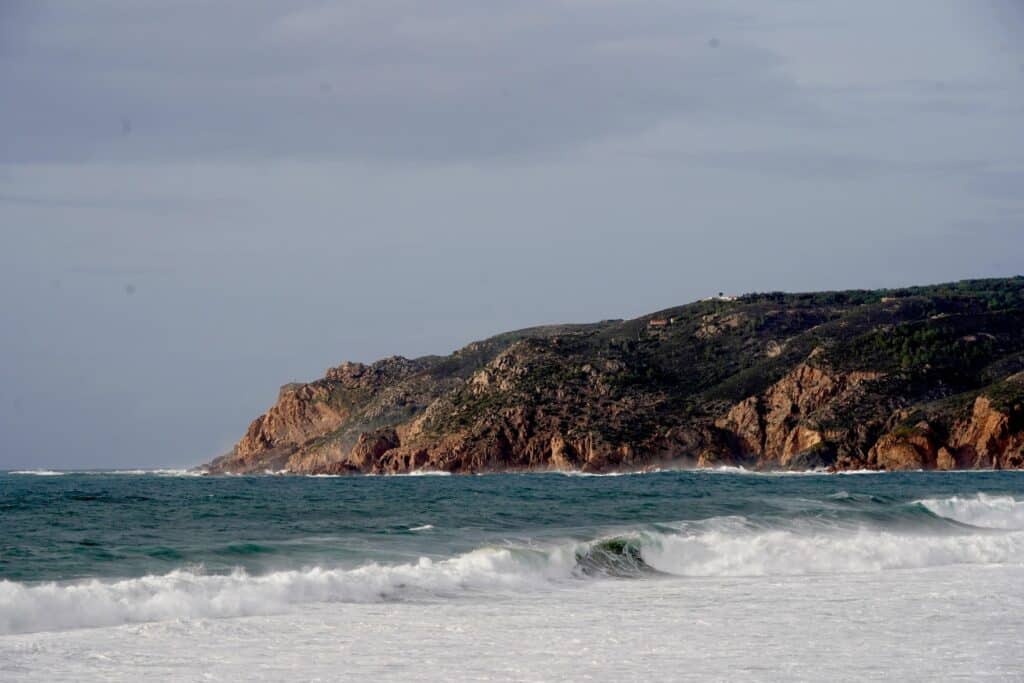
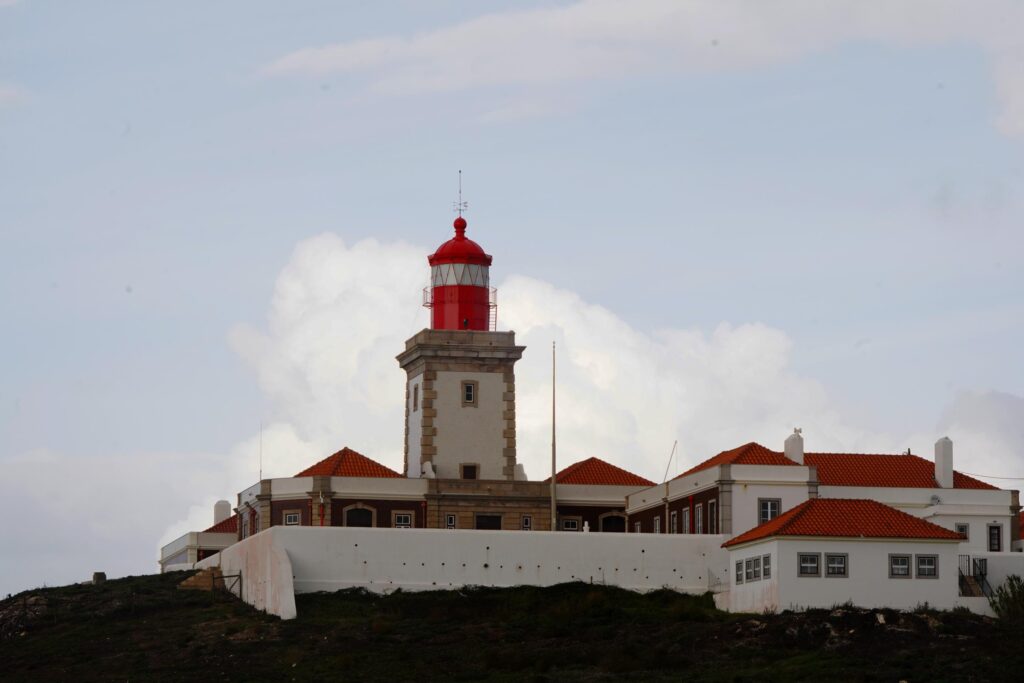
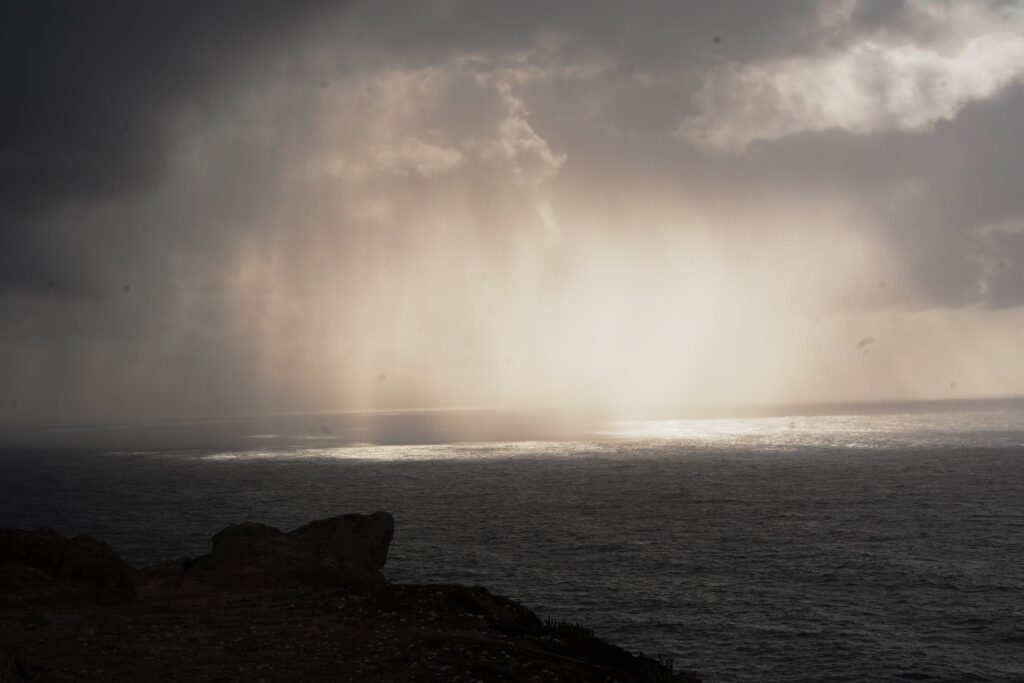
If you went to Sintra by car, you have multiple options to return to Lisbon after your visit. One of those routes will bring you along the coast to the most western point of mainland Europe, Cabo da Roca. There is a lighthouse and the viewpoint offers stunning views over the coastline to either side.
On the way towards Cascais, you pass by the beautiful bay of Praia do Guincho. It is worth a photo stop and there is a historic fortress that is now a hotel and restaurant.
Cascais
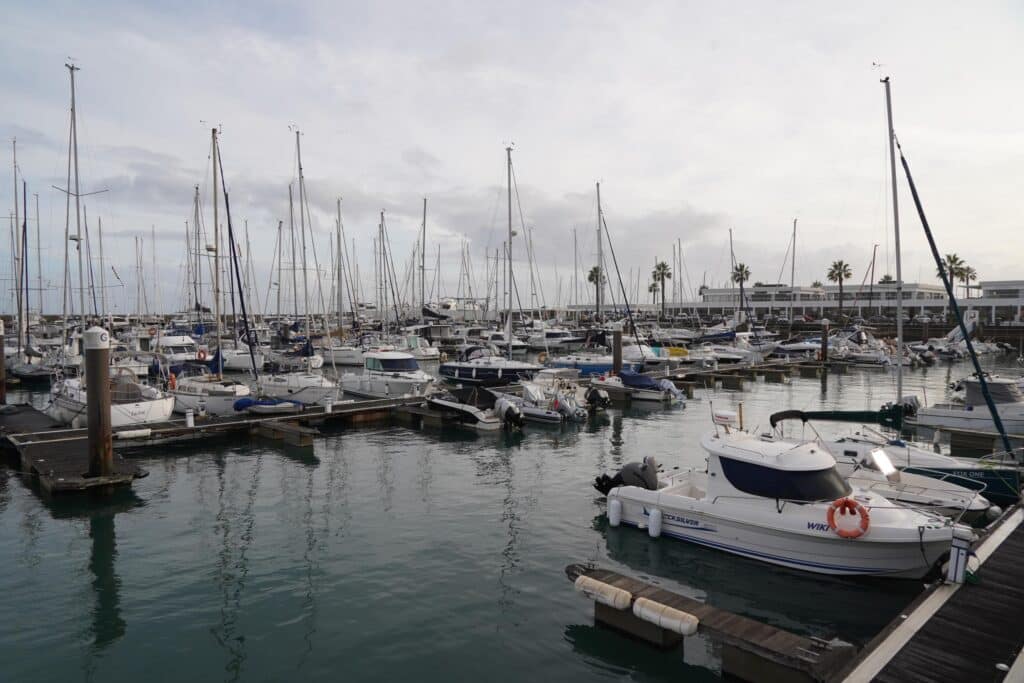
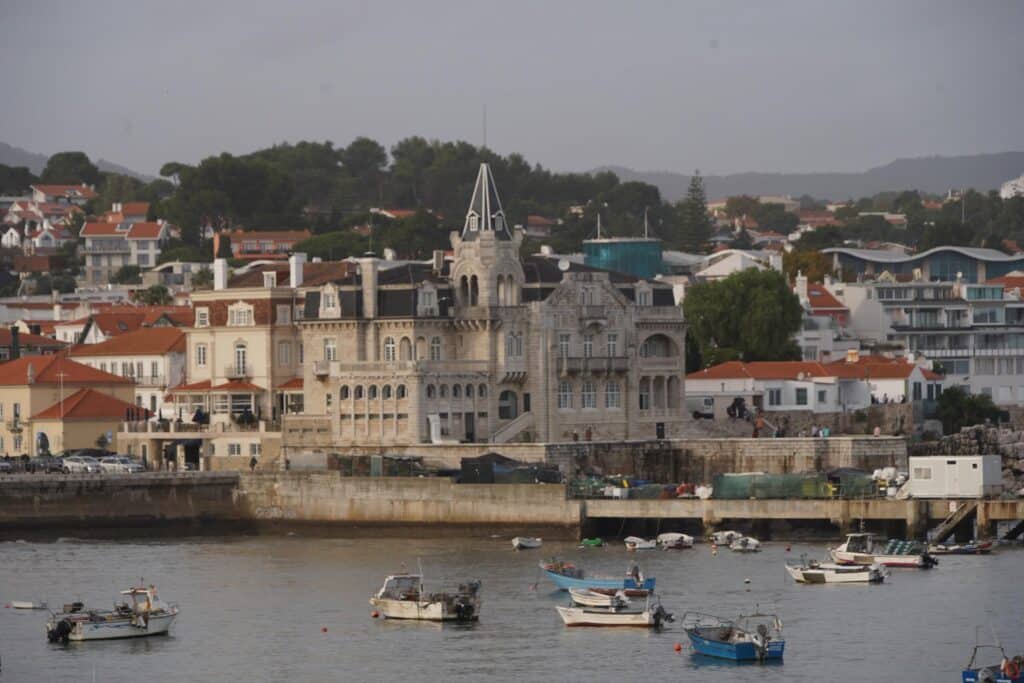
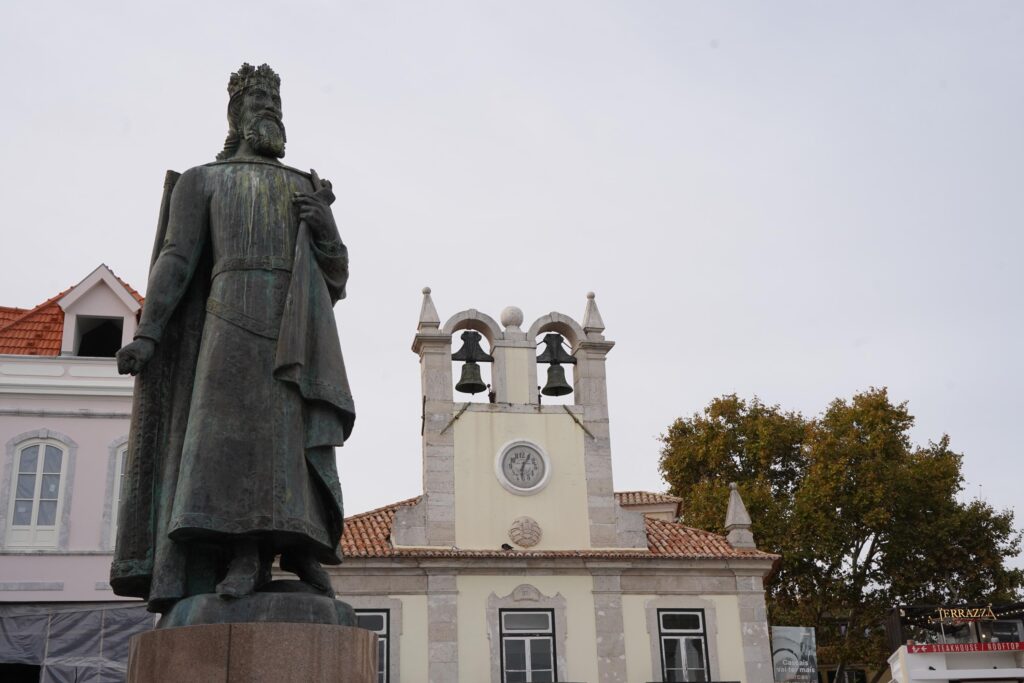
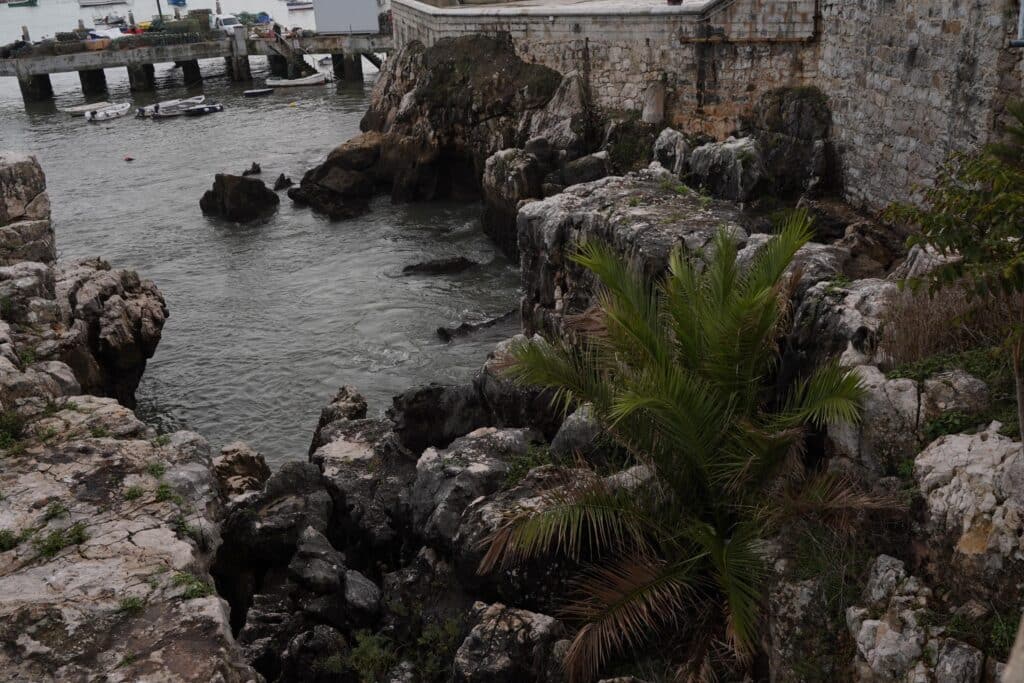
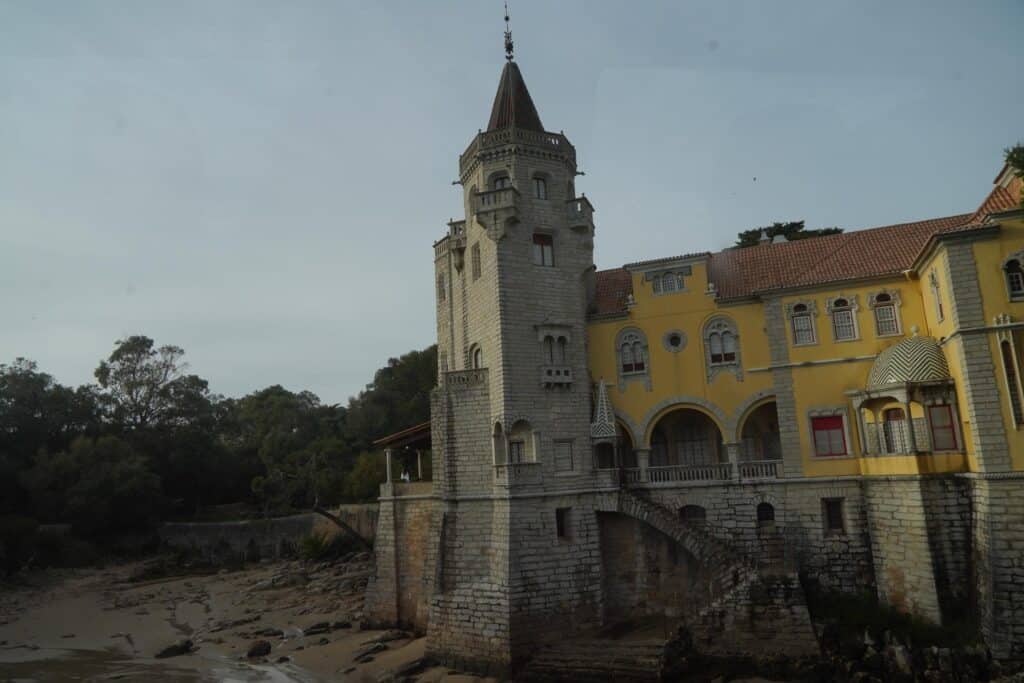
A little further along the coast, you reach the town of Cascais. It also has a rich history and had been fully restored. The luxurious building along the yacht marina remind Charlie of the French Riviera. There is a fortress and citadel that you can visit. Cascais has a direct train line into Lisbon.