Lisbon – a city reborn from the ashes
On her way from the Algarve to the surf competition in Peniche, Charlie made a stop in Lisbon. She had one day to explore the city and booked a free walking tour. It was usually the best way to get to know a city in a short period of time.
Meeting point was the square Praça Luís de Camões in the old town of Lisbon. Charlie had taken a bus from her accommodation to town and had a coffee at the river shore before the start of the tour. The walk to the Camoes square already showed what Lisbon is famous for, steep hills and cable cars. There were plenty of both in that part of town.
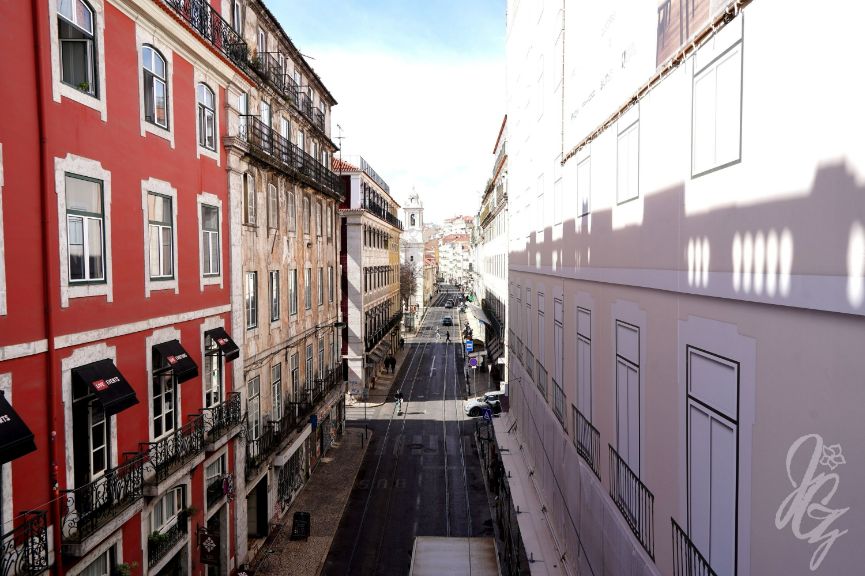
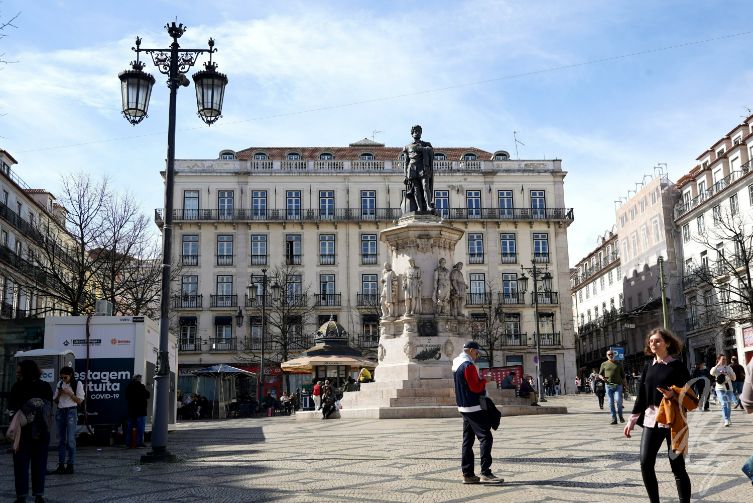
The tour guide for the Lisbon free walking tour that day was Rita. She was originally from Lisbon and had travelled around the world before she decided to show her hometown to tourists.
Travelling through time in Lisbon
Rita shared around 3000 years of history with Charlie and the other tour guests going back to the Phoenicians who founded the city as a trading post, to the Celts, the Romans, the Visigoths the Moors and the fixation of today’s Portuguese borders in the 13th century.
Rita also talked about some important personalities that shaped Portuguese culture and a certain part of the world: the explorer Vasco da Gama, the 16th century writer Luís de Camões and the modern writer Fernando Pessoa.
Changing the shape of the city
There was one important historical event that shaped the tour as much as it shaped the city of Lisbon: a big earthquake in 1755. It had already been mentioned at the tour Charlie did in Huelva and in Faro but none of them provided as detailed information about it as Rita in Lisbon. It’s no surprise as this catastrophe changed the city. It was completely destroyed and had to be rebuilt from scratch. Lisbon was rebuilt as the first earthquake-proof city in the world. The wooden structure that protected the buildings from then on can still be seen in one of the shops on the high street. Rita pointed it out during the tour.
There was only one part of town that had not been affected by the earthquake which is Alfama. It is worth a visit as it still shows the original architecture and is a place where time seems to stand still.
A city built on seven hills
If you’re walking through Lisbon, you will notice plenty of steep streets, stairs and escalators. The probably most popular one is the Santa Justa elevator which also offers a good view over the city, towards the river and the castle. The castle appears to be medieval, but it has been rebuilt in the 1940s and is not original anymore.
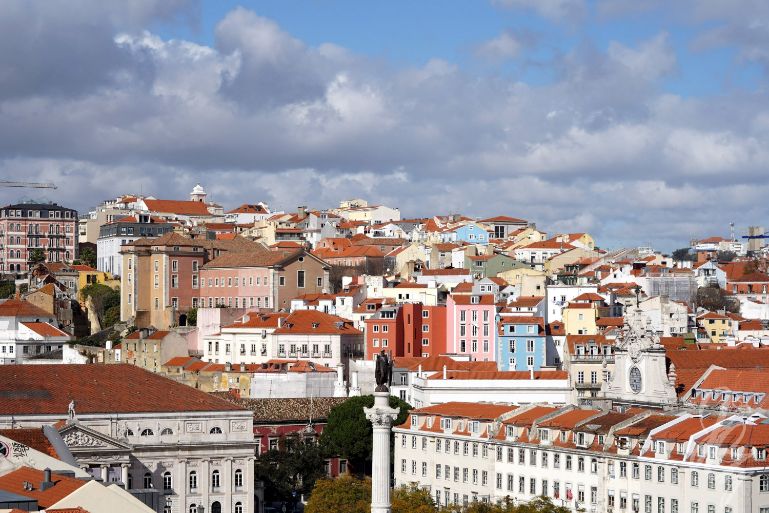
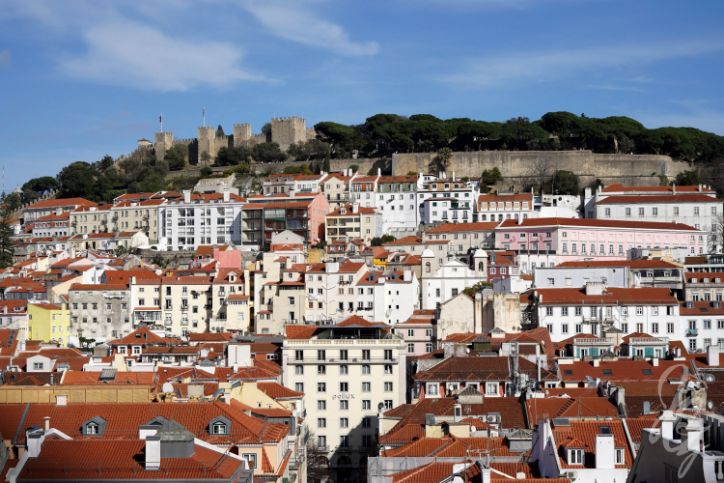
Rita pointed out that the platform in front of the elevator used to be one of the busiest places in town before the pandemic. It was always filled with tourists. When Charlie was visiting, it was relatively quiet, and she enjoyed that positive outcome as a result of travel restrictions.
Portugal in the 20th century
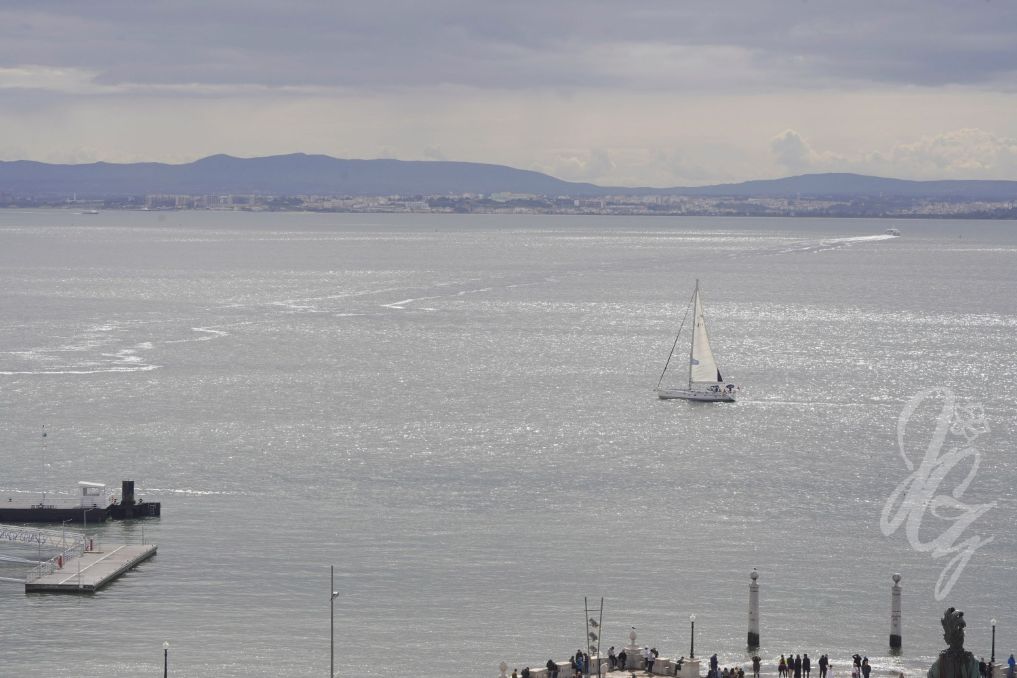
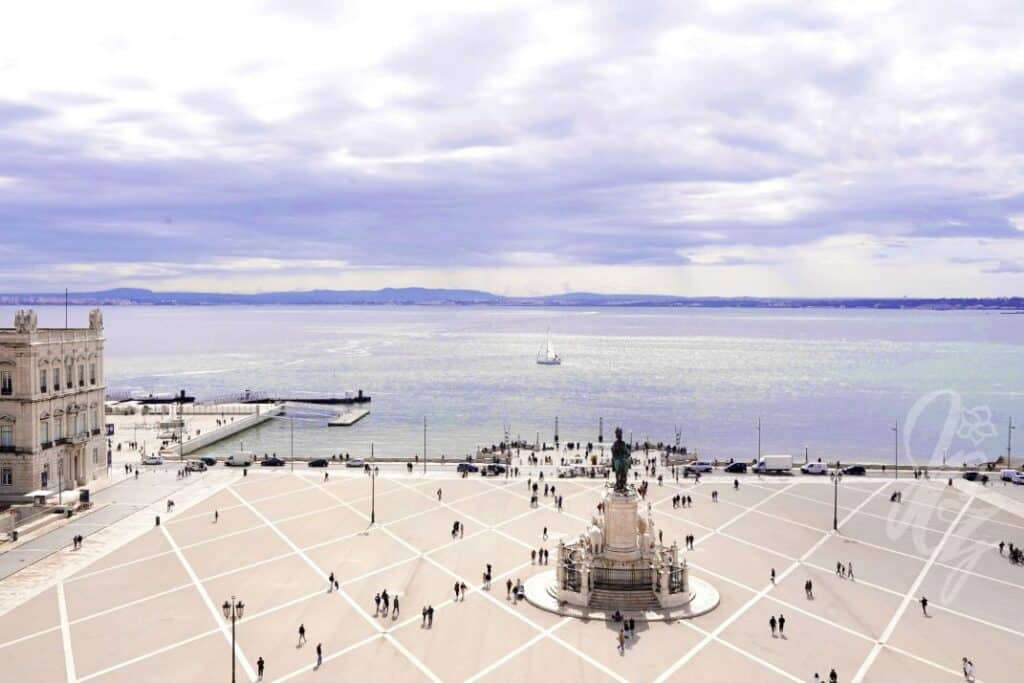
One part of Portugal’s history was particularly important to Rita: the Salazar dictatorship that ended in the Carnation revolution in 1974. She provided some insights how it was for her parents to live under the dictatorship and told the story of the events leading up to the revolution. As they stood at Praça do Comercio, you could tell that she had a background in acting.
Religious traces in Lisbon
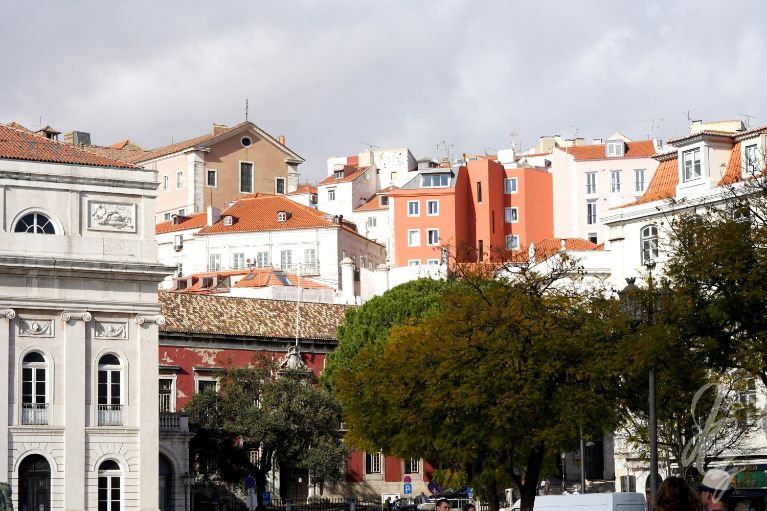
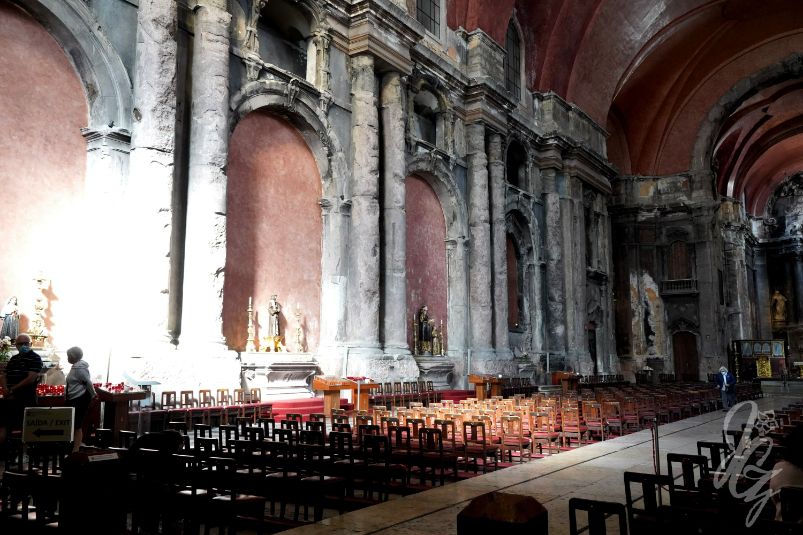
Two more parts of history are not to be missed: religious prosecution and the Spanish inquisition. In front of the Sao Domingo Church, Rita told them about a massacre of the Jews in 1506 and the political events leading up to it. That church is also well worth a visit as the interior has not been modified much throughout time. You can see that the roof and the ceiling have been replaced, but the columns on either side are still original. It is impressive to see how a church would look like these days if it hadn’t been restored.
Pastel de Nata
There was still one mystery to be solved: There was still one mystery to be solved: Where does the traditional Pastel de Nata come from? You can find these little custard tarts everywhere in Portugal and Charlie wanted to know more.
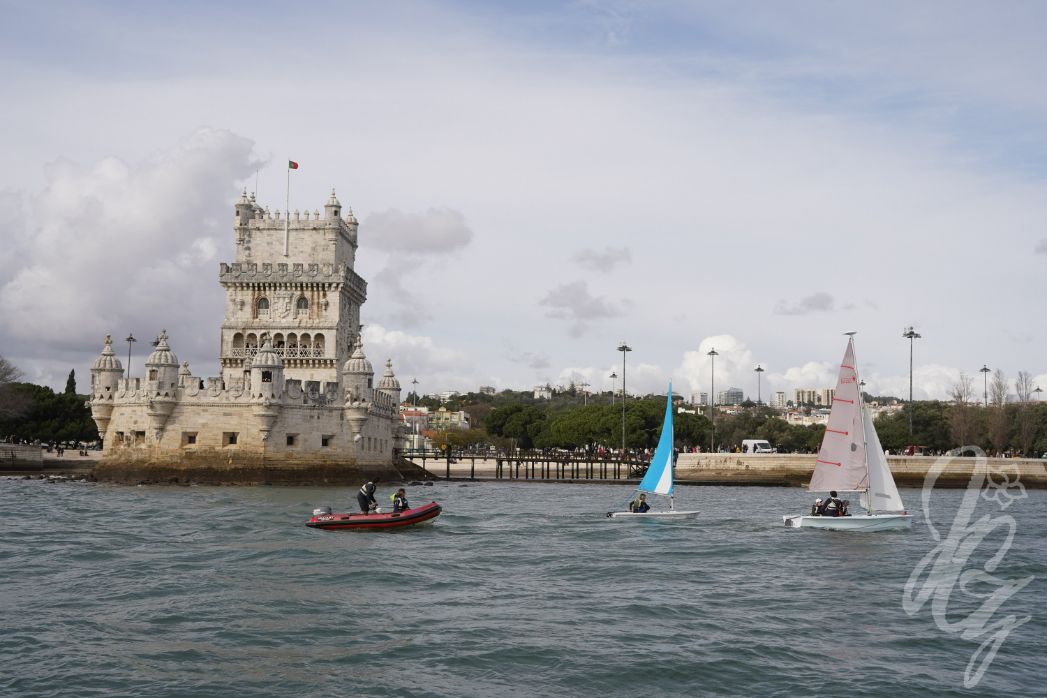
The original, and according to Rita the best, Pastel de Nata comes from Belem. The origin is once again of a religious nature. The orders had been abolished in 1834 and monks were suddenly unemployed. Combine this situation with a nearby sugar refinery and you get a Pastel de Belem.
The best view over Lisbon
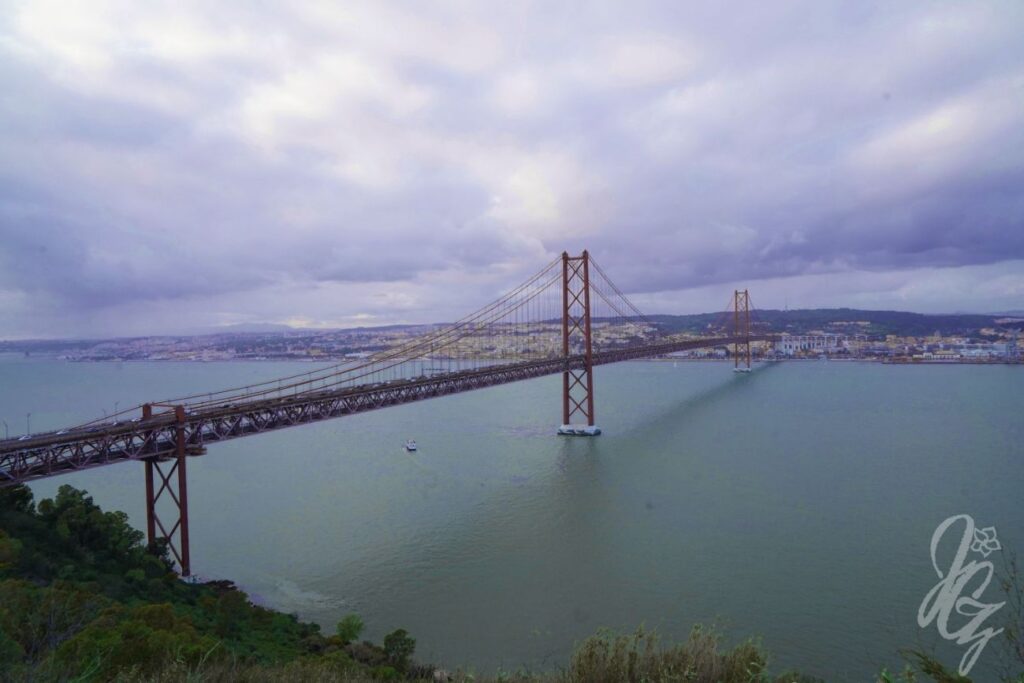
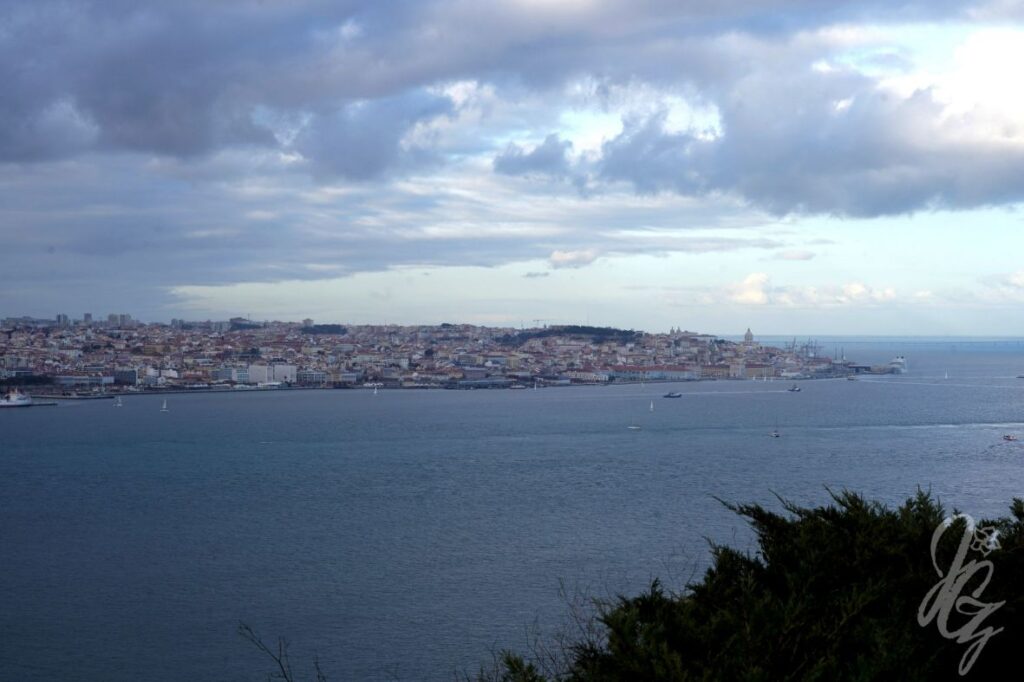
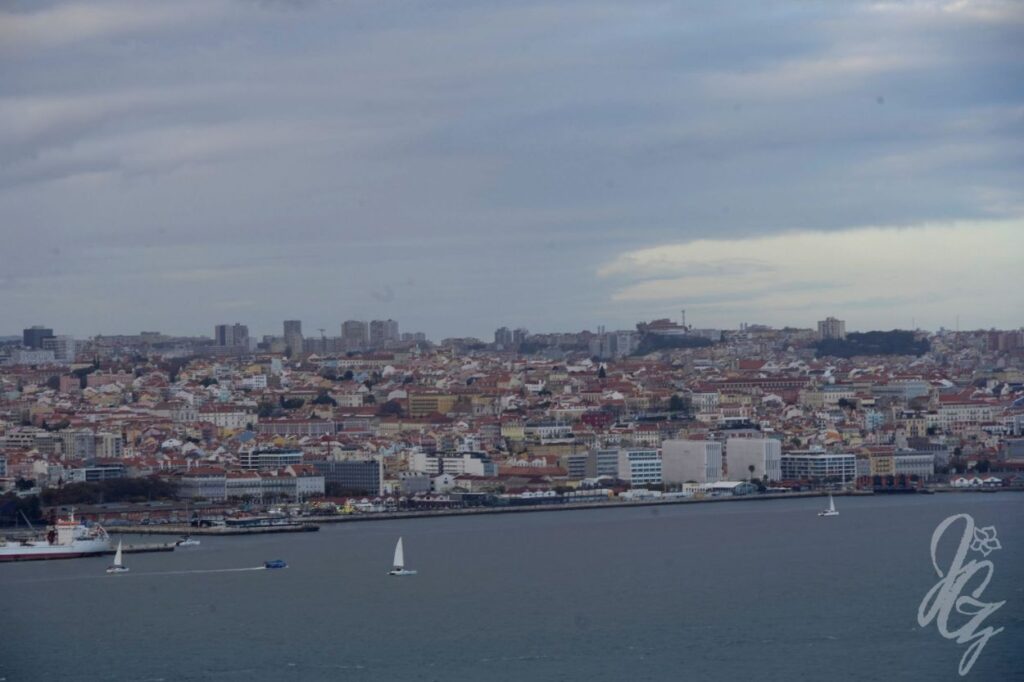
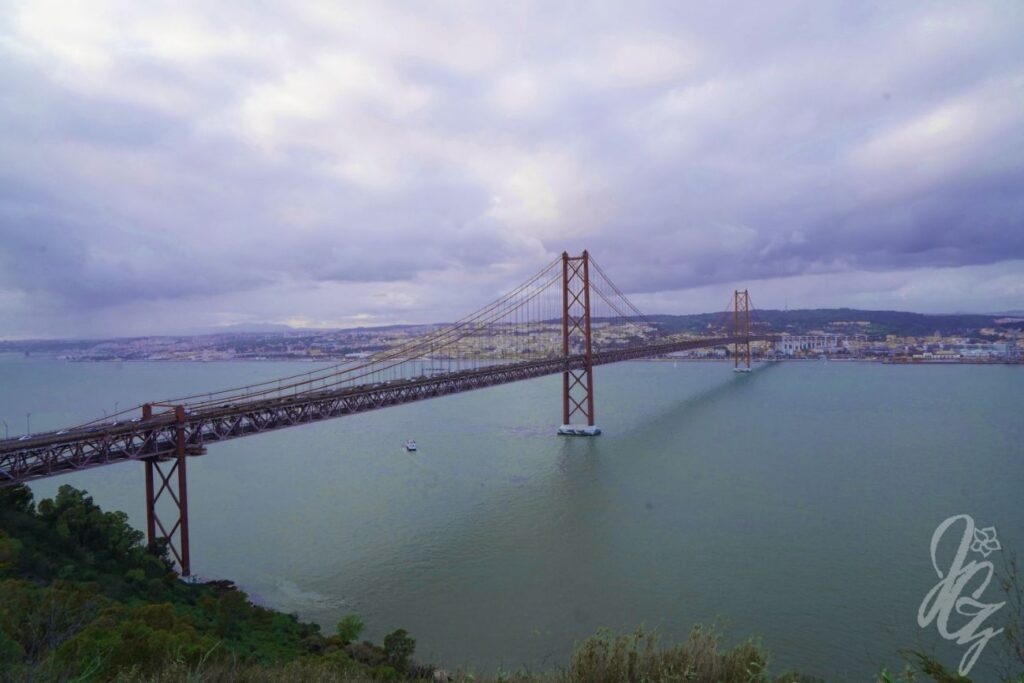
One day in Lisbon and Charlie had seen and heard quite a lot of the city. One place though still had to be ticked off the list: The Christ Statue at the opposite side of the river overlooking the famous bridge, Ponte 25 de Abril, and all of the city. Right after the tour had finished, Charlie walked back down to the river front and the boat terminal. There were regular ferries crossing the river and connecting the different parts of Lisbon. The ferry terminal reminded her of a busy train station. Departure points were clearly signed and there were ticket barriers similar to those on the London Underground. The crossing only took 10 minutes and Charlie went straight from the harbour towards the Christ statue. Unfortunately, they closed at 6 p.m. and wouldn’t let anybody in anymore after 5.30. It was 5.35 when Charlie arrived. That was unfortunate. She had to stay at the foot of the statue where the view was also magnificent!