


Diving deeper into Andalusian culture
If you asked Charlie about her favourite region of Spain or the place where you can see the most beautiful sunsets, Andalucia is the answer. She had already been to Cádiz, Sevilla and Granada and spent a few weeks surfing in El Palmar and Conil de la Frontera. It was time to explore Málaga.
Most people think of Málaga as a beach resort and the first place that comes to mind when talking about Moorish traces in architecture is Granada with the Alhambra. As it turns out, Málaga is a bit of both. There’s a spacious beach, La Malagueta, and you can see a Moorish palace and fortress, Gibralfaro Castle and the Alcazaba. It is the right place to discover the different periods in Spanish history that led to the modern Andalusian culture.
Málaga through the times
Málaga is after Cadiz the second oldest city in Spain and was founded by the Phoenicians around 770 BC. There were rich resources of salt in the area which gave them reason to build a harbour and called the place “Milk”, the word for salt.
The next culture that set foot into the town were the Carthagians, followed by the Romans and a short period of the Visigoths. The culture that left the most visible traces were the Arabs that ruled in Spain for a few centuries before the Reconquista in 1492. The name of the region, Andalucia goes back to Moorish times, Al-Andaluz, and it is what makes the culture and architecture in this part of Spain distinct and unique. These influences reach all along the southern coast and are also visible in the Algarve in Portugal, for example in Faro.
It’s mudeja: Iconic buildings in Málaga
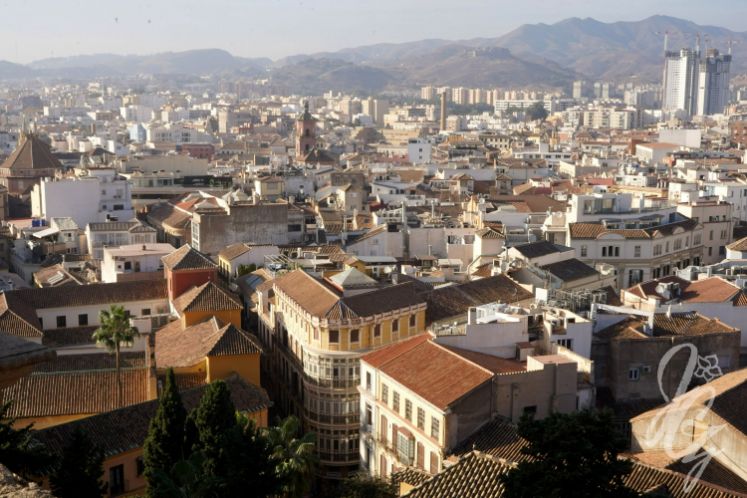
There are two main influences and periods that contributed to the architecture you can see today in Málaga. First of all, the Arabic elements dating back to 800 years of Moorish reign in the Peninsula and the Larius family in the 19th century. They wanted to rebuild all houses in the same style which is why the town centre shows balconies in French style and most houses have rounded corners.
Most people think of Málaga as a beach resort and the first place that comes to mind when talking about Moorish traces in architecture is Granada with the Alhambra. As it turns out, Málaga is a bit of both. There’s a spacious beach, La Malagueta, and you can see a Moorish palace and fortress, Gibralfaro Castle and the Alcazaba. It is the right place to discover the different periods in Spanish history that led to the modern Andalusian culture.
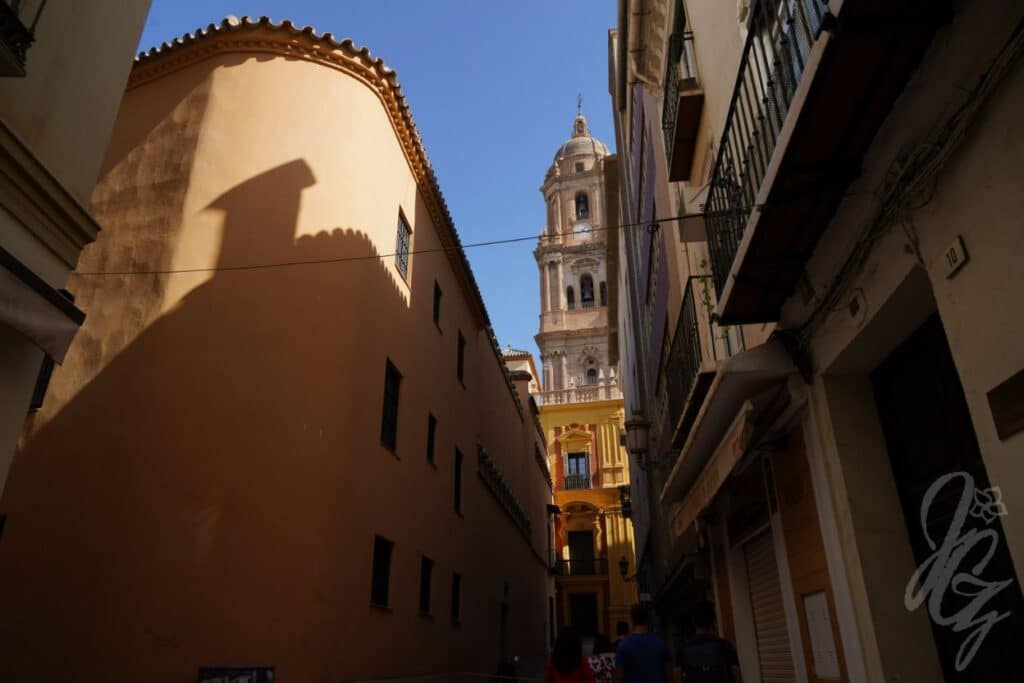
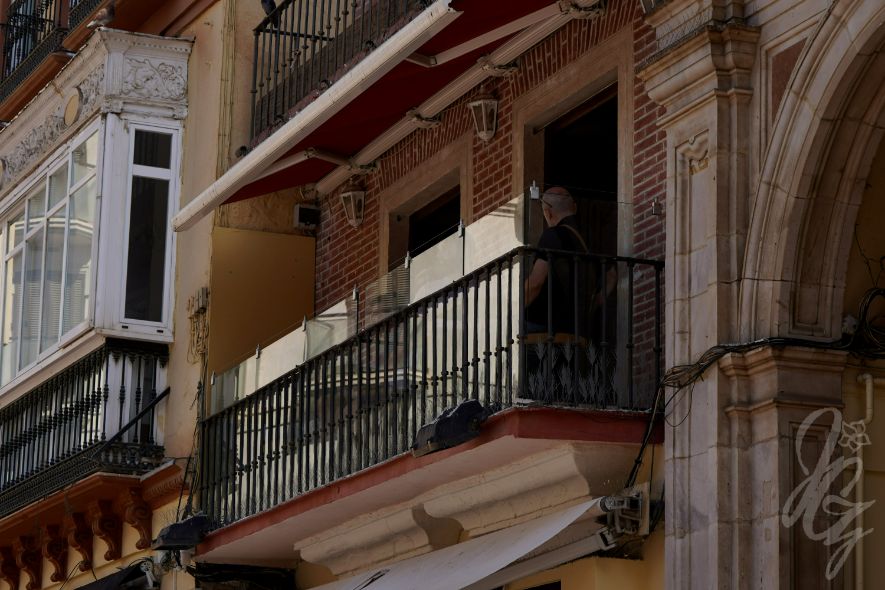
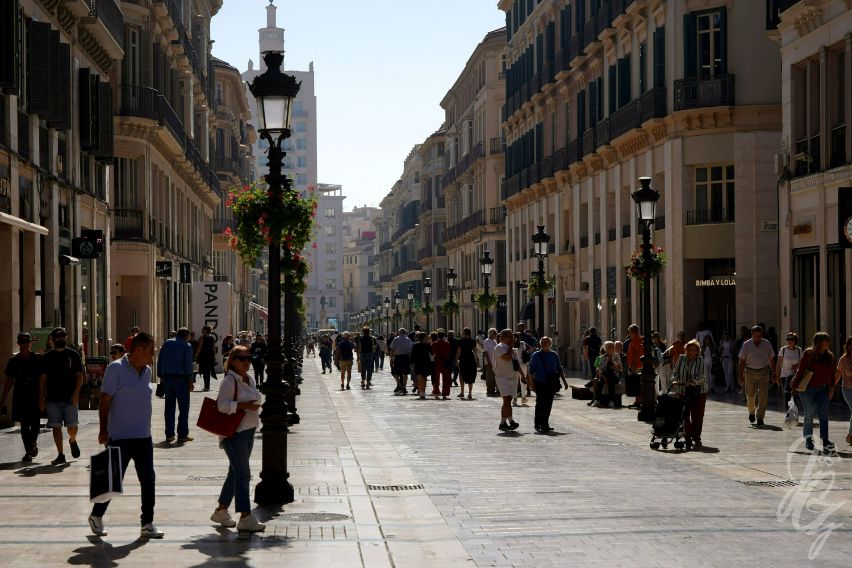
As you stroll through town you can see the Arabic influences in many of the facades and some buildings show elements of both religions that ruled the city over time: Arab and Christian. The Spanish use the word “mudeja” to describe this mix of religious architecture. The best example in Málaga is the cathedral.
The cathedral of Málaga
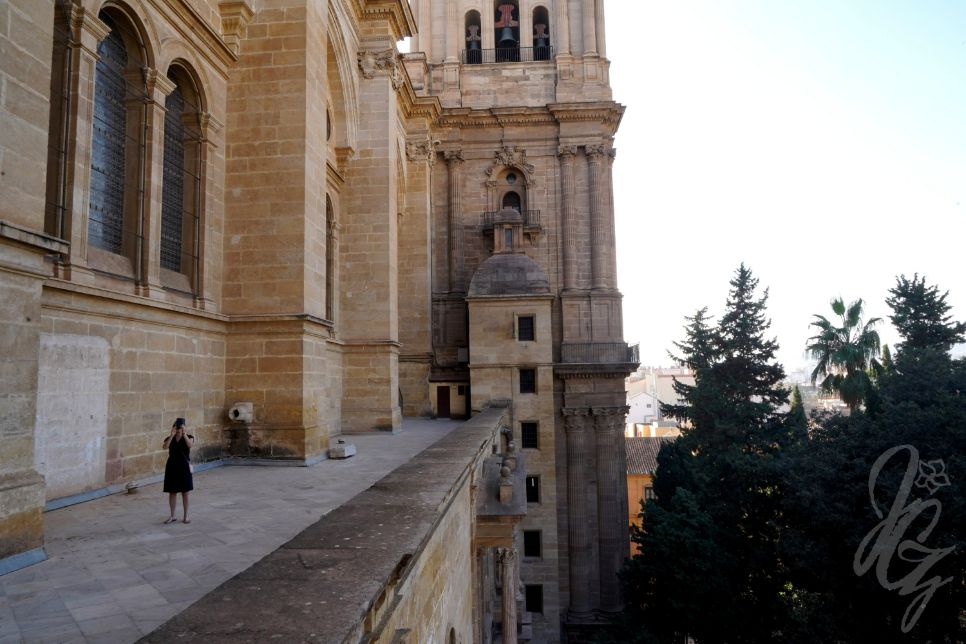
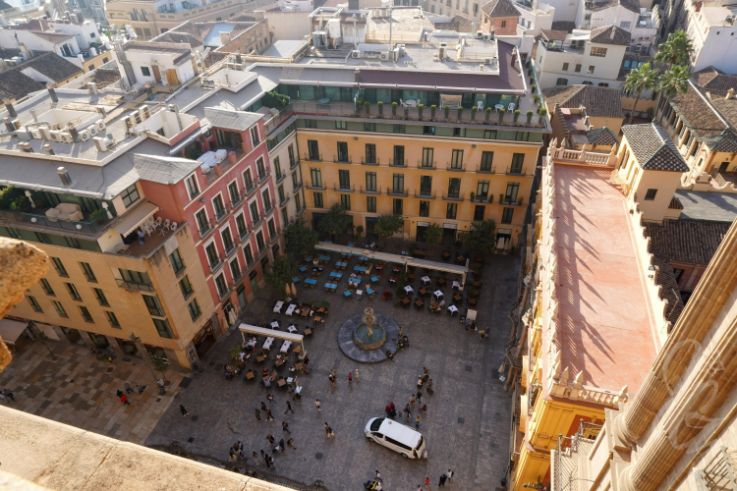
The Incarnation Cathedral, Catedral de la Encarnacion, in Málaga was built from 1528 onwards in the same place where the Mosque had been during the Moorish reign. The main entrance shows a beautifully decorated façade facing the square Plaza del Obispo. This entrance is only open on special occasions, the visitors entrance to the cathedral is to the left side of the building. In between the main entrance and the officially used entrance is one wall that is left from the original Mosque. You can easily see this as you stand in front of it. In this wall is also a door that was purposefully decorated in gothic style with a large number of tiny statues. This appears to be out of place when you look at it but was done on purpose to symbolize the end of the Arab religion and the turn towards Christianity.>.
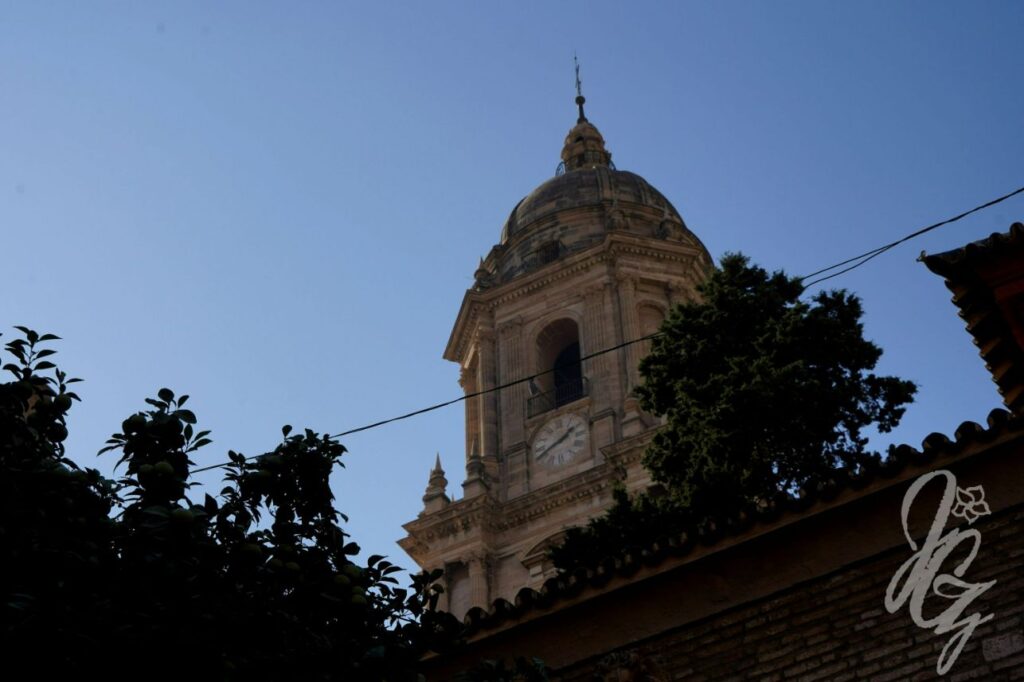
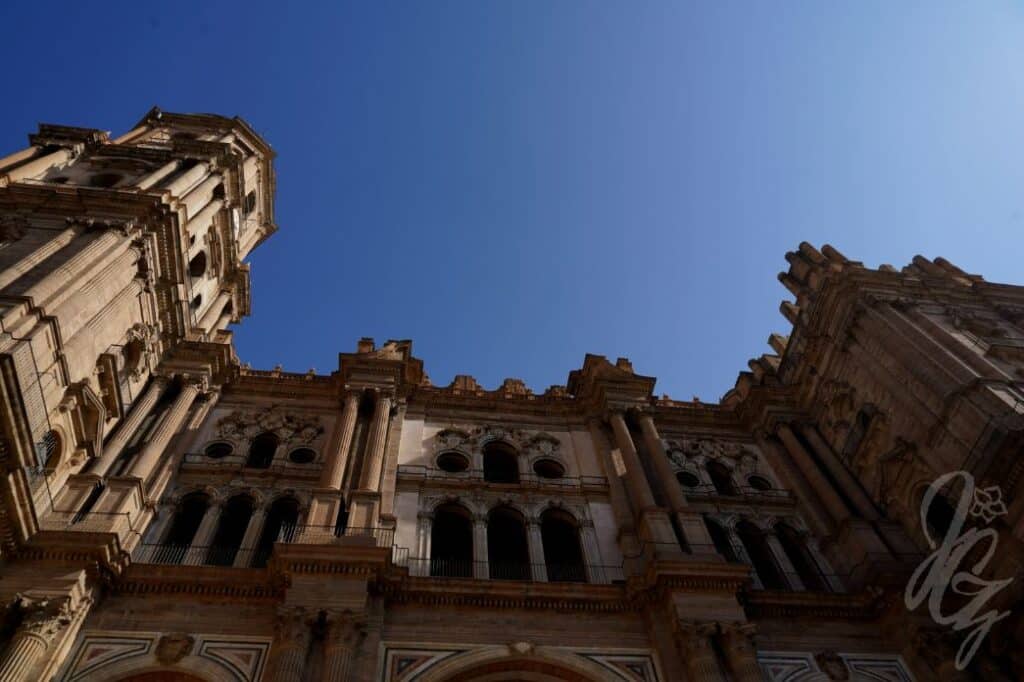
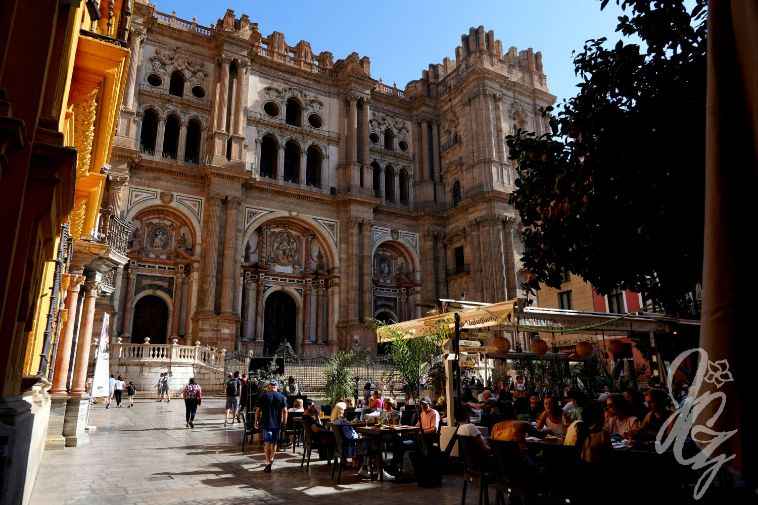
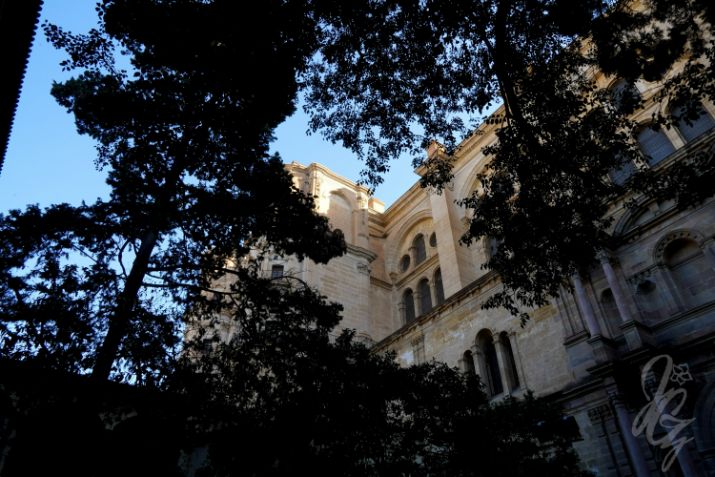
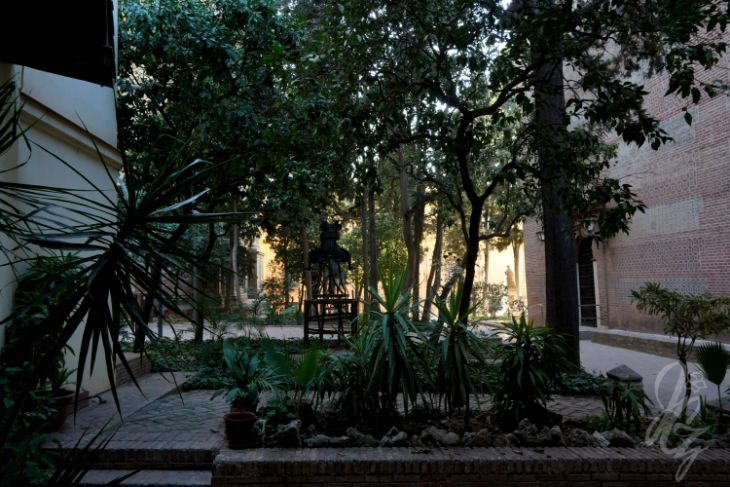
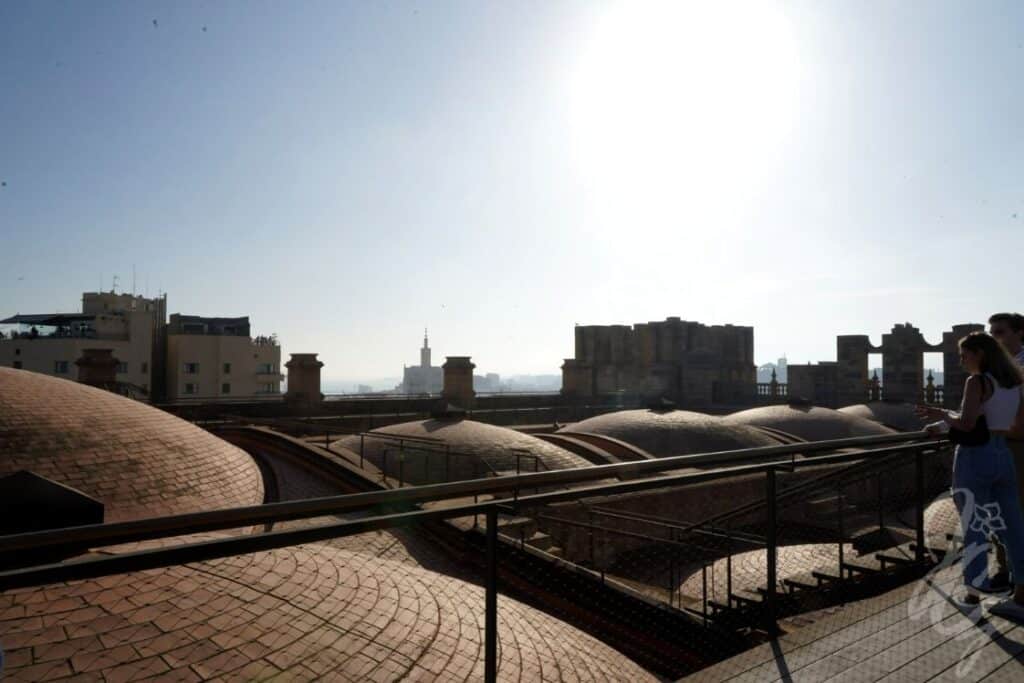
All types of Muslim buildings usually have open spaces and gardens and so did the Mosque in Málaga. The garden was kept when they turned it into a cathedral as it can also stand for the garden of Eden. From the garden, there is an entrance to the staircase that leads up the tower to the roof. It is exactly this roof that makes this cathedral unique.
They started building the cathedral in 1528 and wasted a lot of money and effort on the rich interior. They opened it in 1588 for the public when it was still unfinished. The city needed money to build roads and the port and since the interior was finished, the cathedral was usable as it was. The plan was to continue building the second tower and to finish the roof, but this has not been done until this day. Other than the Sagrada Familia in Barcelona, another unfinished church, Málaga stopped building works on the cathedral more than 200 years ago.
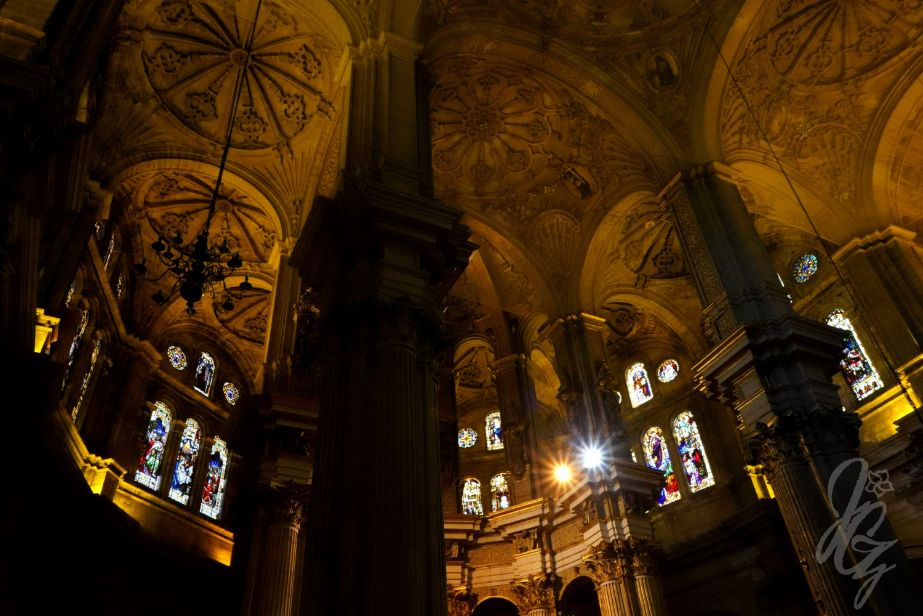
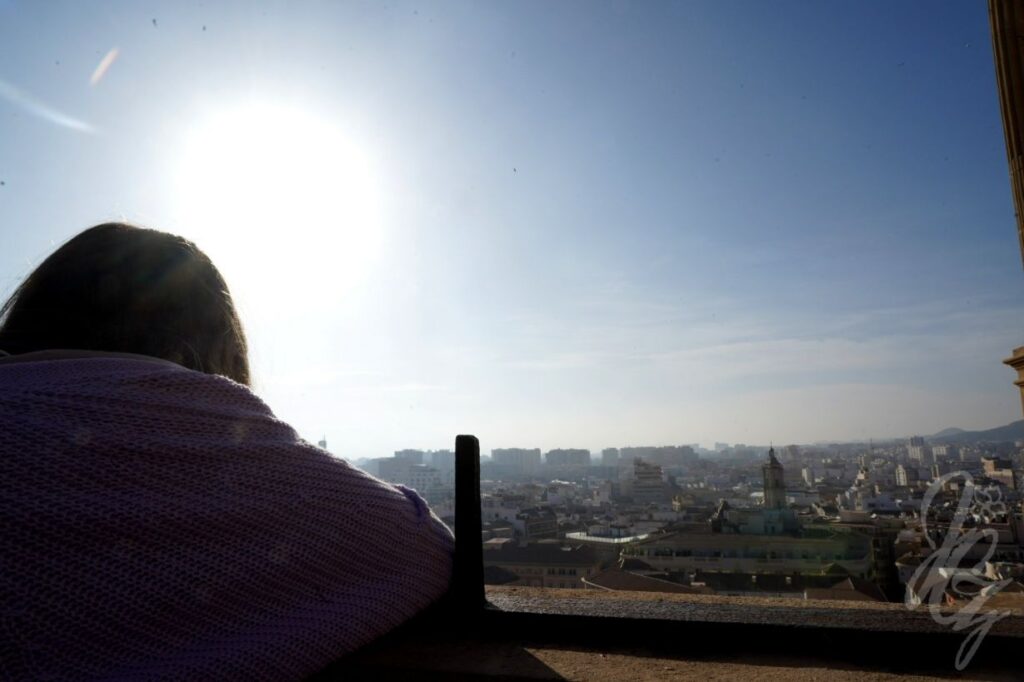
The roof is open for visitors, and you can get a 360-degree view over the city. You can purchase this together with your ticket to see the inside of the cathedral. It is very rich interior with many details, multiple mosaic windows and giant paintings on the walls. Prices are as follows in January 2023:
| Ticket Type | Cathedral and Museum | Rooftop | Cathedral, Museum and Rooftop |
|---|---|---|---|
| Standard | € 8 | € 8 | € 12 |
| Groups (more than 15 people) | € 6 | € 6 | € 9 |
| Students (18-25 years) | € 6 | € 6 | € 9 |
| Teenagers (13-17 years) | € 5 | € 5 | € 8 |
| Children (under the age of 12) | € 3 | € 3 | € 5 |
| Seniors | € 7.50 | € 7.50 | € 11 |
Alcazaba
If you only visit one landmark in Málaga during your visit, it should be the Alcazaba. You can see this Moorish fortress built on a hill from the town centre and you won’t have any trouble finding the entrance. Even though it had been used for different purposes after the Arabs had left the peninsula, it has been reinstated in its original form as a Moorish palace and fortress. It is smaller than the Alhambra in Granada and shows a lot of similarities. The Alcazaba shows in an impressive way why it was so hard for the Christians to reconquer their land. The way the fortress is built made it impossible for troops to enter.
Impossible to conquer
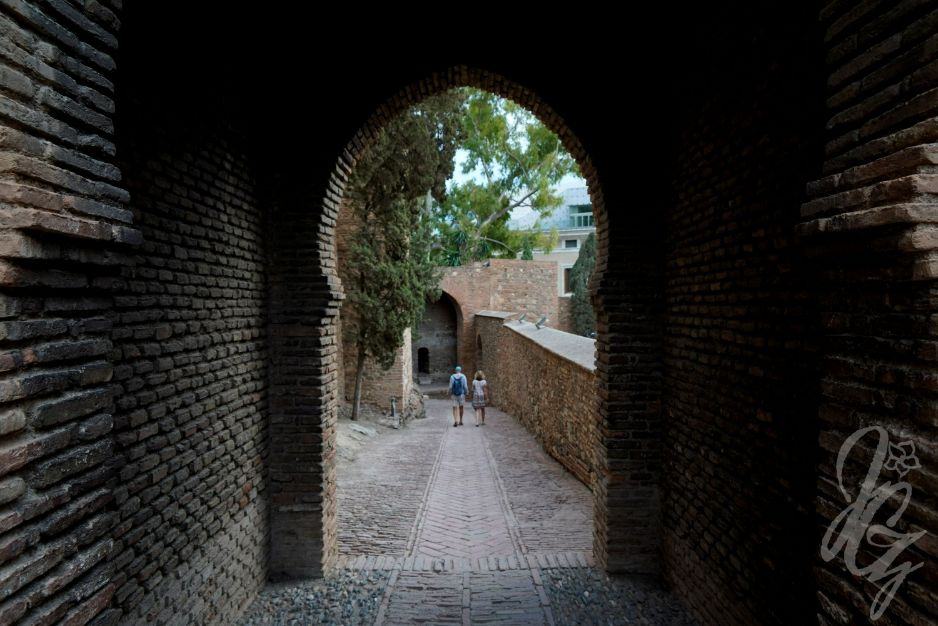
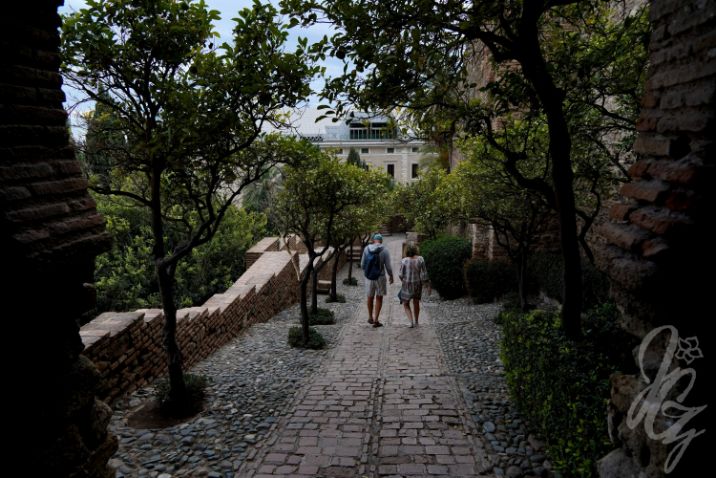
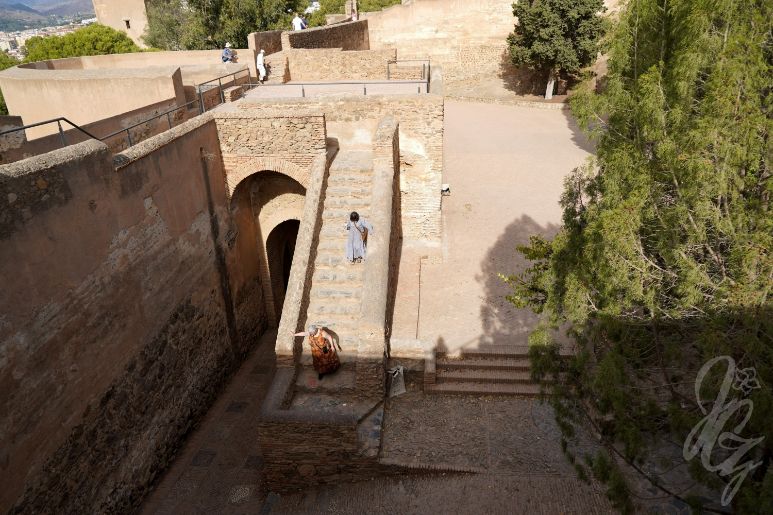
Already the first door is built inside a double arch and the wood was covered in iron to prevent fire from burning arrows that Christians used in their attacks. After this door is a path leading up to the palace in the shape of serpentines and surrounded by walls. It feels like a narrow labyrinth leading up the hill. Soldiers who were trying to enter the Alcazaba had very little room to move and could be seen and attacked from above at all times. The Muslim soldiers in the Alcazaba used to throw burning coals and hot sugar at them to prevent them from entering. They were also aware of the Christian fighting technique and that they were only allowed to fight with the sword in their right hand. As they came around the first corner, they would have lifted their right arms to attack giving opportunity to shoot an arrow into their right armpits. This made them vulnerable, and it was unlikely they made it much beyond the first door to the Alcazaba. The only way to conquer the city was by siege. It took King Ferdinand three months in 1487 and was an important step in the Reconquista.
Inside a Moorish fortress
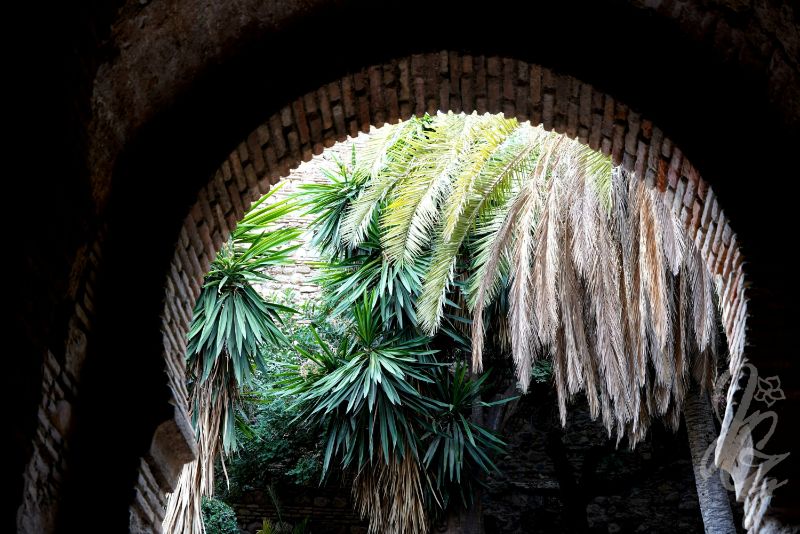
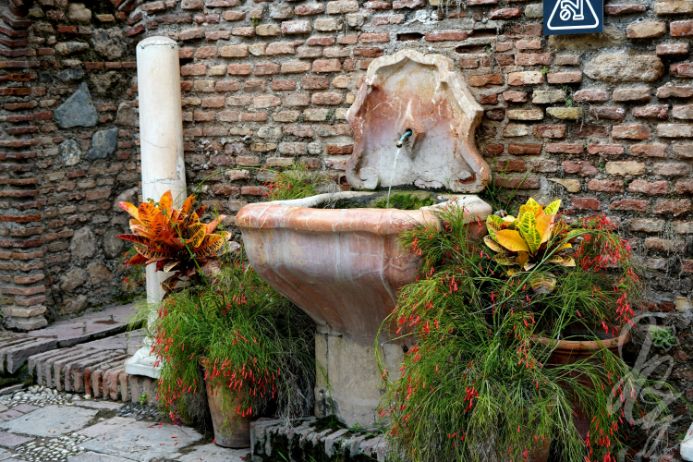
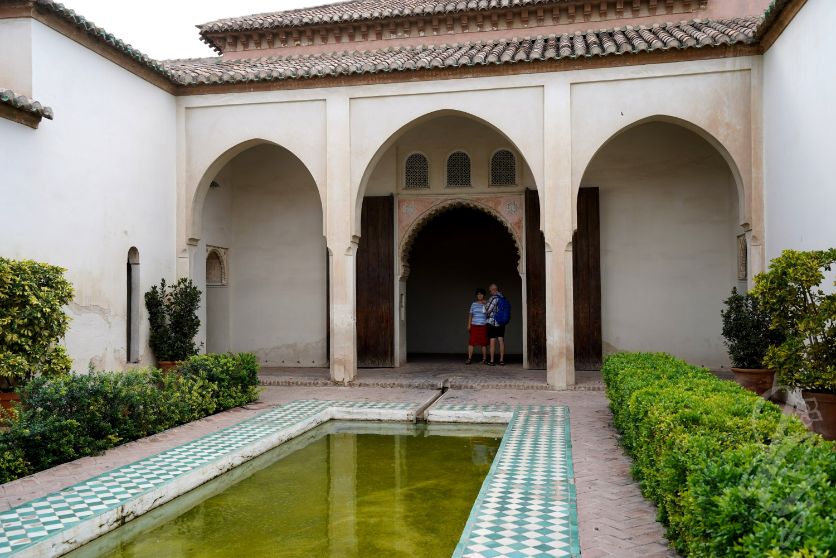
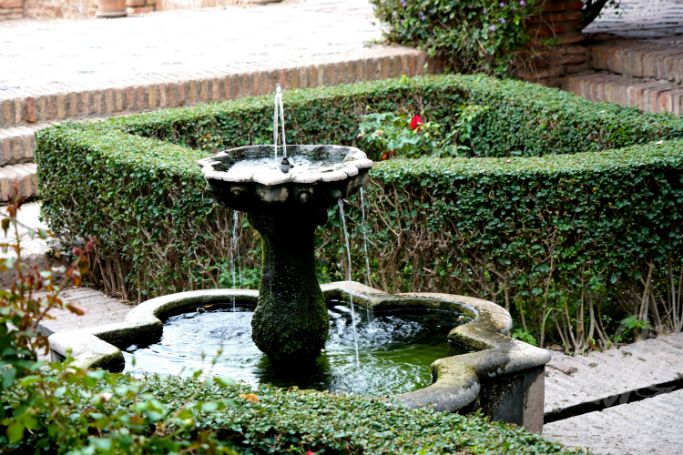
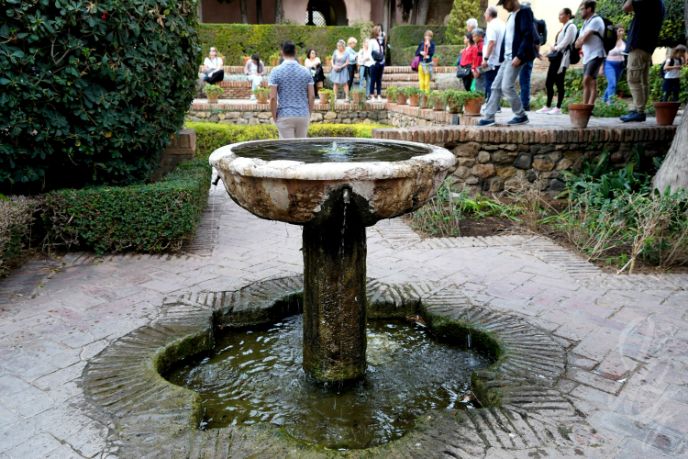
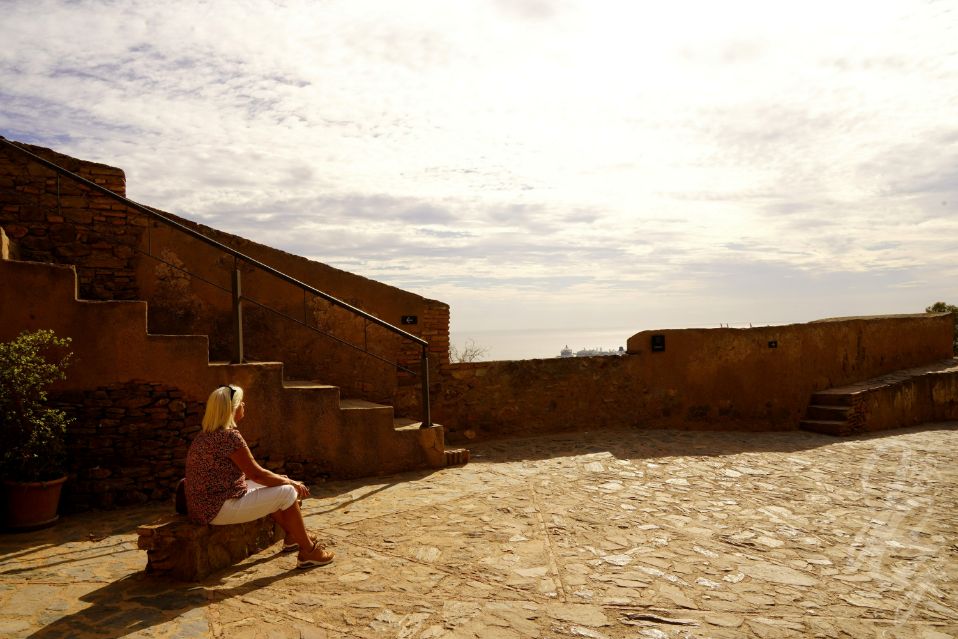
Luckily, visitors can enter the Alcazaba today without having to fight for it. All you have to do is buy a ticket and make your way up through the labyrinth. One part is still being excavated and not open to the public, but the parts that you can see are worth every step along the path. There are lots of open spaces with beautiful gardens, fountains, and running water and you can see different types of arches dating back to different sultans and periods. You will notice that there are no kitchens or bedrooms, just giant halls with beautiful Arabic architecture. This is due to the Muslims who originally settled in Spain being nomads who didn’t have kitchens and slept in tents. The way the Alcazaba is built reflects that lifestyle. There is something that looks like a mini cupboard at the entrance to every room that was used for candles and incense. Every room had a specific smell that was supposed to control who entered. That way, everybody would smell immediately if a man who was not allowed to had been to the harem, and he would be in trouble.
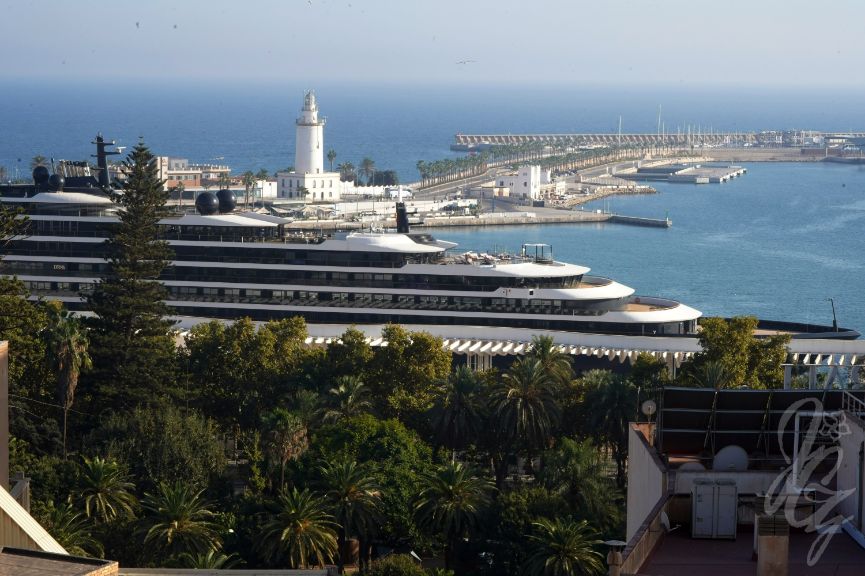
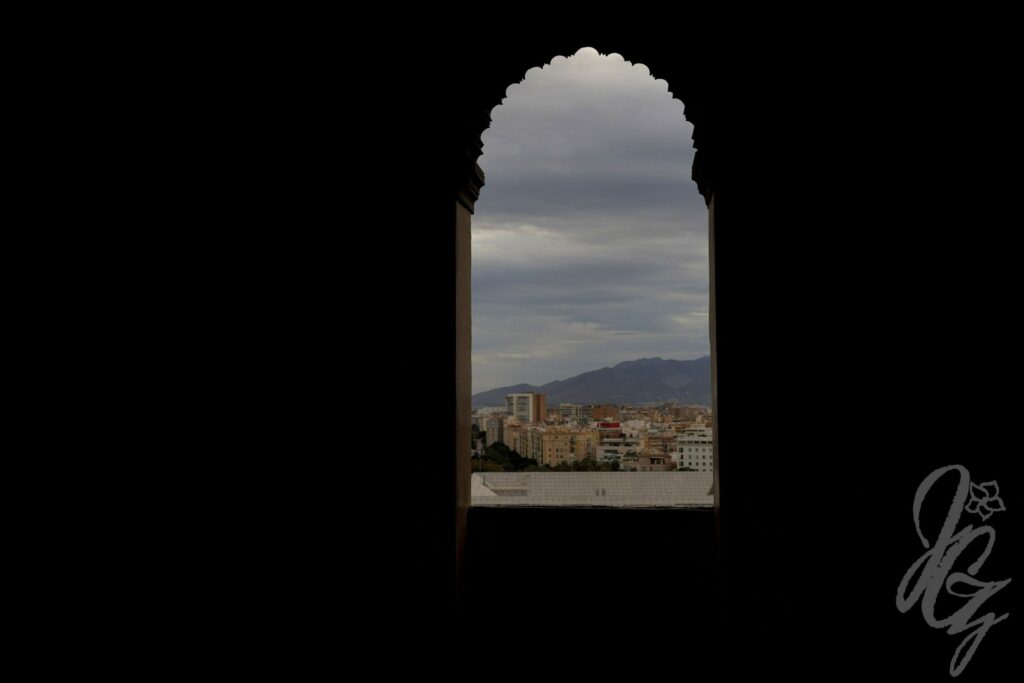
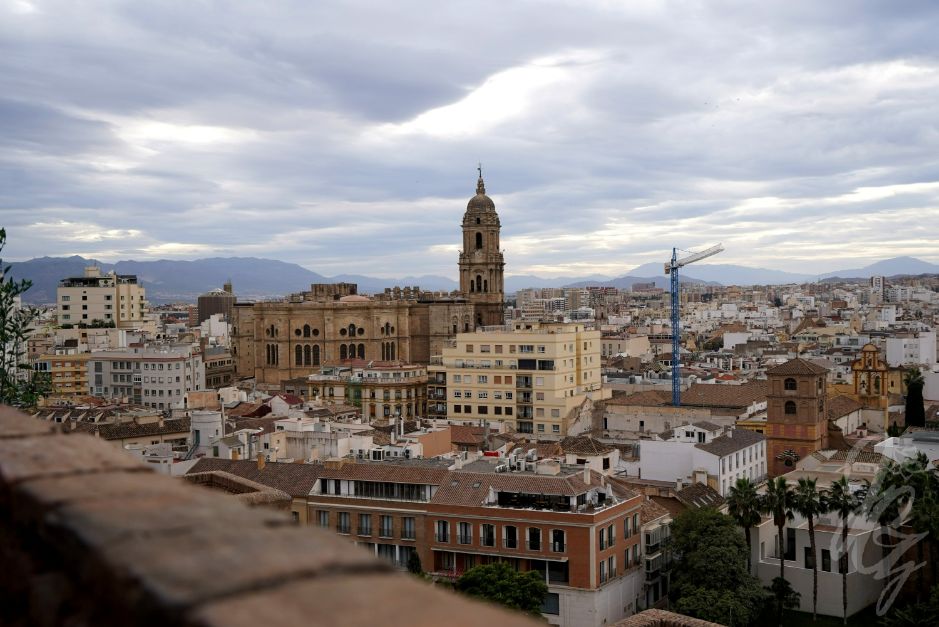
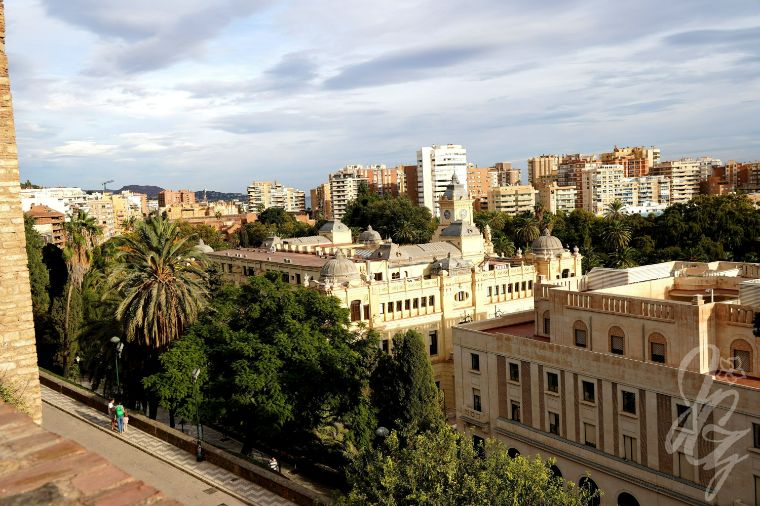
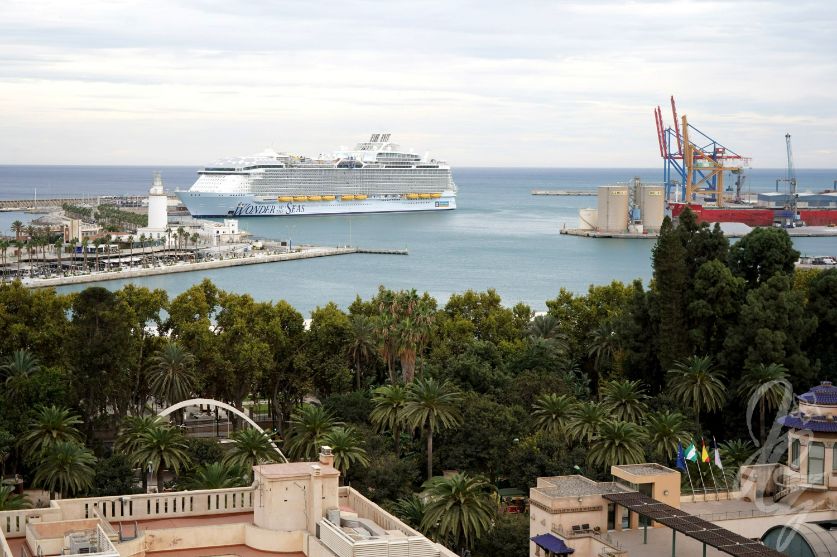
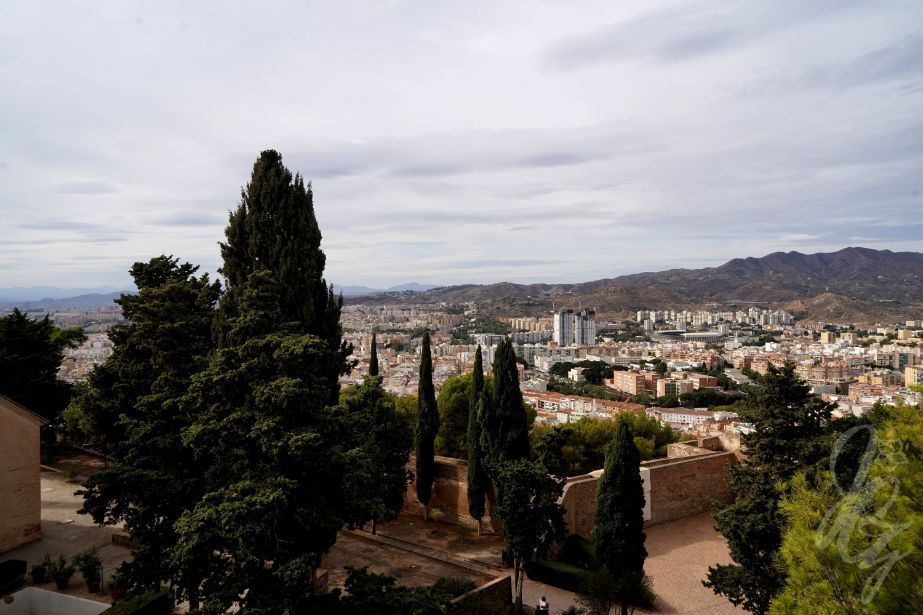
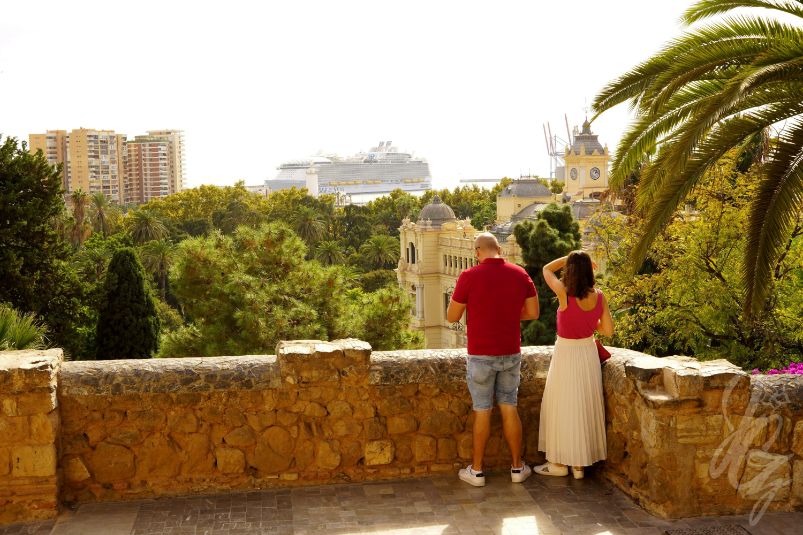
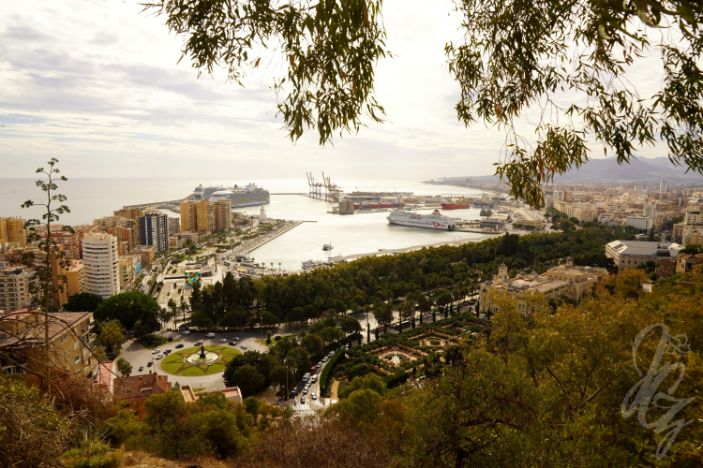
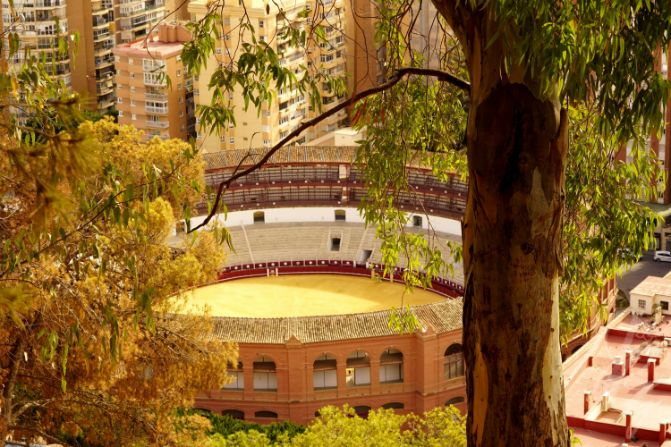
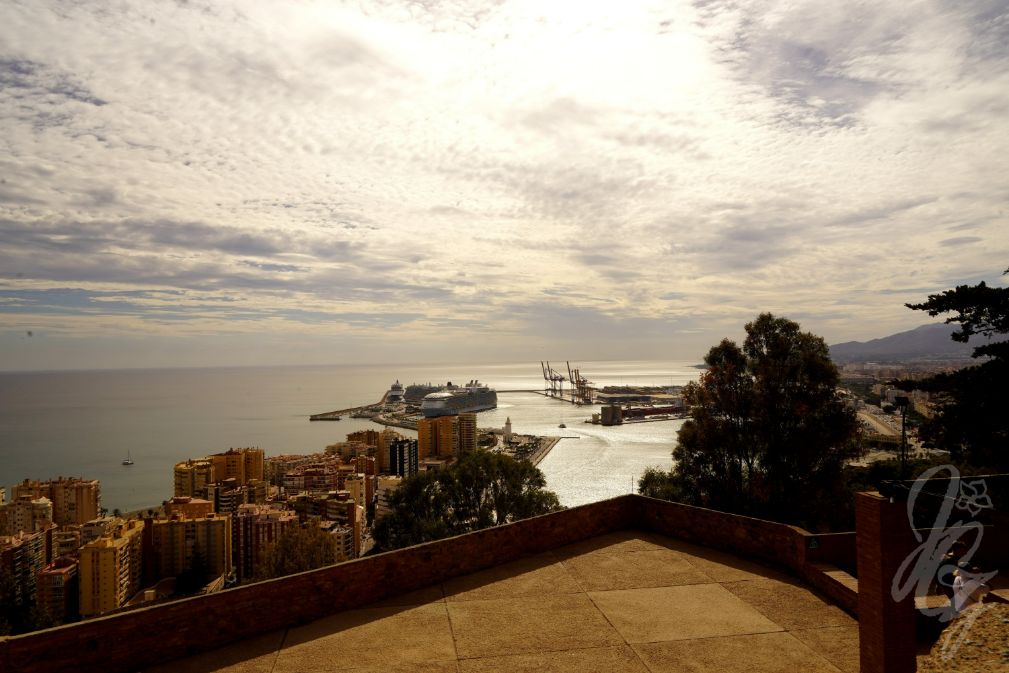
The Alcazaba offers great views over the city towards the mountains on one side and the sea on the other. You also have a view towards the roof terrace of the house of Antonio Banderas who lives in Málaga.
Gibralfaro Castle
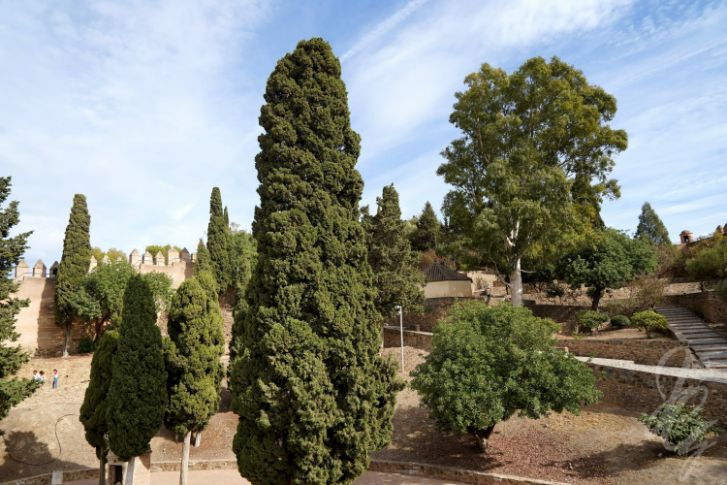
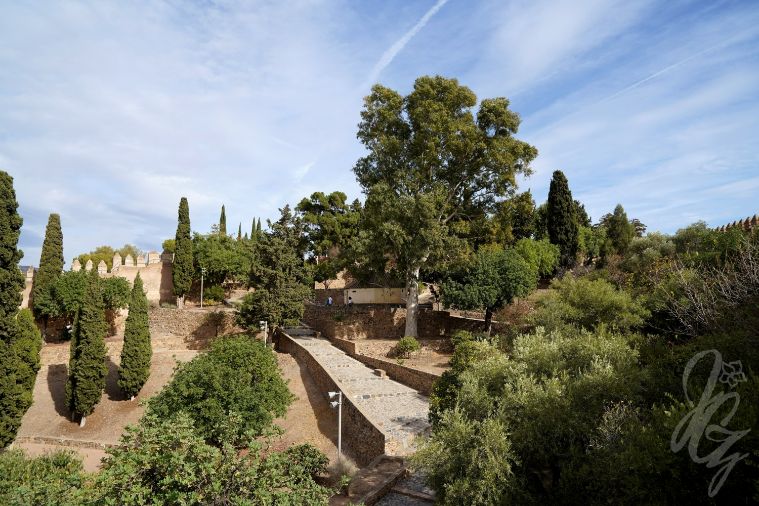
Next to the Alcazaba is a hill that is even higher and for increased protection of the city, the Moors built a second fortress on that hill, the Gibralfaro Castle. They used to be connected by La Coracha. Nowadays, there is a separate entrance for each and the way up to the castle is a lot harder than to the Alcazaba. It is a long hill with some very steep parts and takes about 25 minutes by foot. You have lots of opportunities to rest in between which you might do anyways just to enjoy the views. You can also drive up there or take a bus.
Inside the Gibralfaro Castle, you can walk all along the outside to get an idea of its size and to get the best views over the city and the surroundings. There is bar in the middle and a small museum that tells the history of the place after the Reconquista.
You need to buy a ticket to visit the Alcazaba and Gibralfaro Castle and you can buy them separately or combined. If you booked a guided tour through the Alcazaba, the entrance fee might have already been included. Prices are as follows in January 2023:
| Ticket Type | One monument | Alcazaba + Gibralfaro Castle |
|---|---|---|
| General | € 3.50 | € 5.50 |
| Concession | € 1.50 | € 2.50 |
| Groups | € 2.50 | € 4.00 |
Roman Theatre
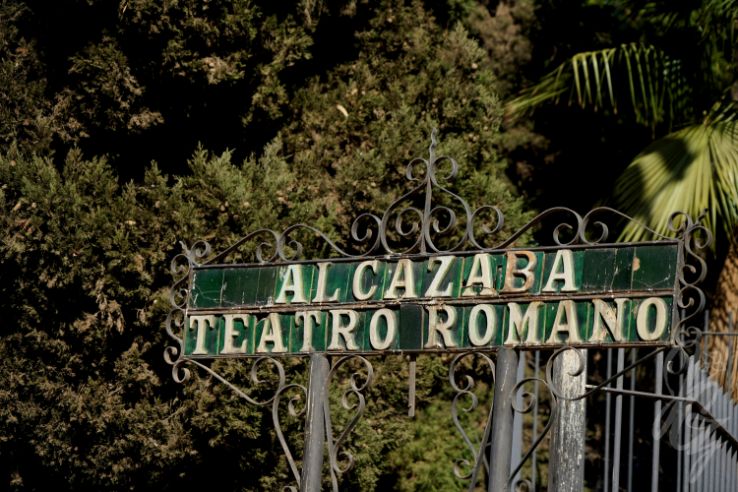
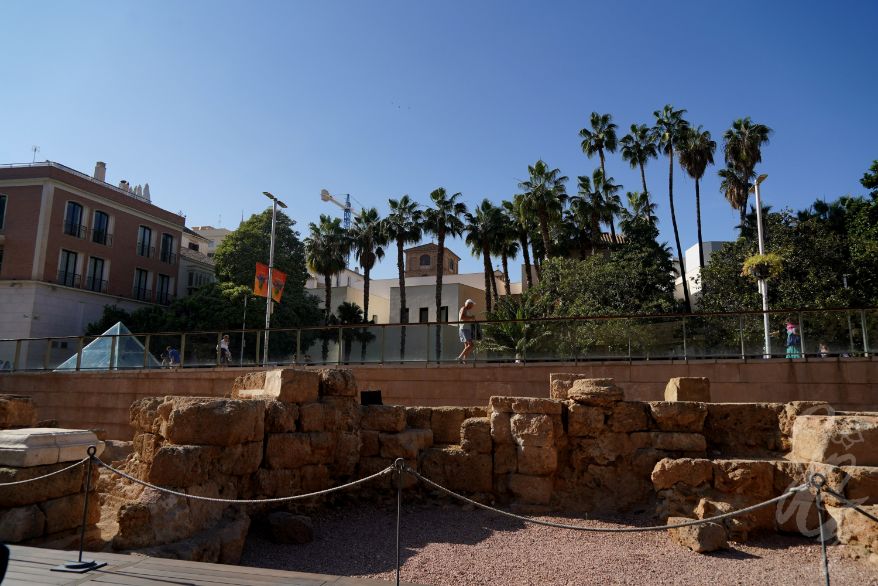
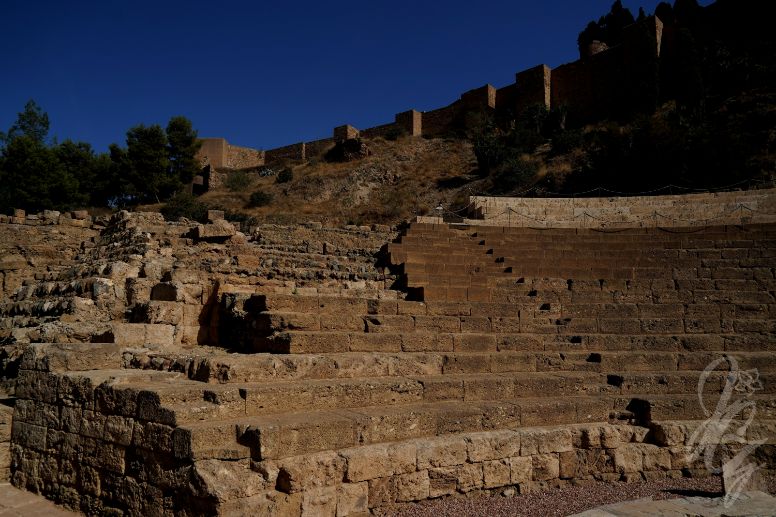
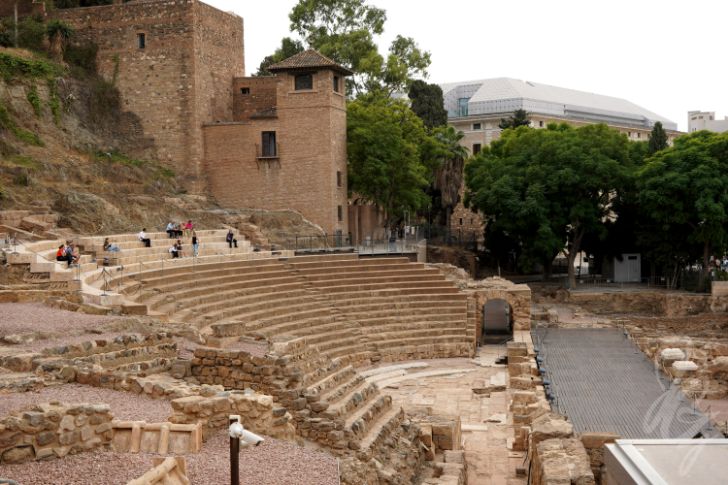
Before the Arabs, there was a long period of Roman reign in the Iberian Peninsula. As it is so often in history, traces of previous cultures are eradicated when a new culture arrives. The Moors did the same. They built the Alcazaba on top of a Roman theatre and used some of the materials. That is why you can see Roman columns inside the Alcazaba.
For many centuries, the city of Málaga didn’t have any Roman archaeological sites until the Roman theatre was discovered in 1951. Today you can see it in the old town and go inside to take a seat as if you were to watch the gladiators enter the stage.
Museums
There are quite a few museums in Málaga, but only one that should really be on the list of things to do in Málaga: The Picasso Museum. The famous Spanish painter was born and raised in Málaga and started his artworks at a young age in his father’s workshop.
Charlie did a free walking tour in Málaga and Javi the guide showed a painting by Picasso when he was only 15 years old. It looked like a photograph and nothing like the style that Picasso later became famous for. It was in Paris, in Montmartre to be exact, where he developed his own style and turned towards Cubism. It was no longer about capturing reality like a photo, but about art. Charlie did not go inside the Picasso Museum, but it was highly recommended. The free walking tour though is something you should definitely do when in Málaga as it was very informative and Javi told the stories of the city, the places, and the people in an entertaining way.
At the bottom of the Alcazaba are three buildings that the locals refer to as the ABC-buildings. A stands for Ayuntamiento (the town hall), B stands for Banco (the bank), and C for Correos (the postal office). The latter is nowadays the home of the University of Málaga. One of these buildings houses today the Museum of Málaga which is an Archaeological Museum and also contains some Fine Art. It is free for Europeans or 1,50€ for any non-European national.
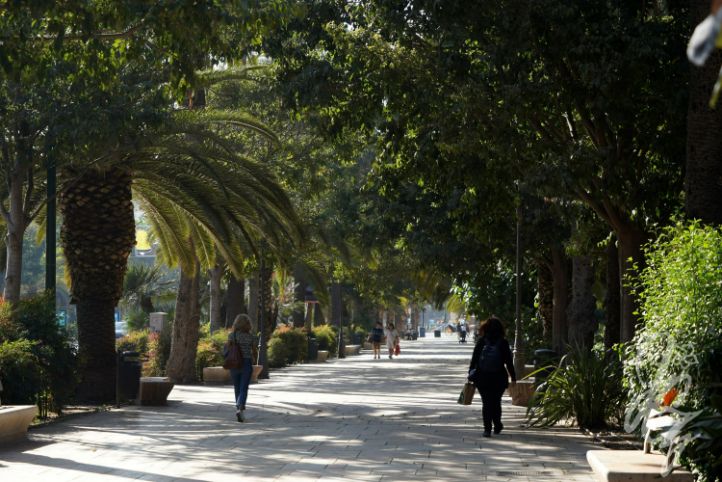
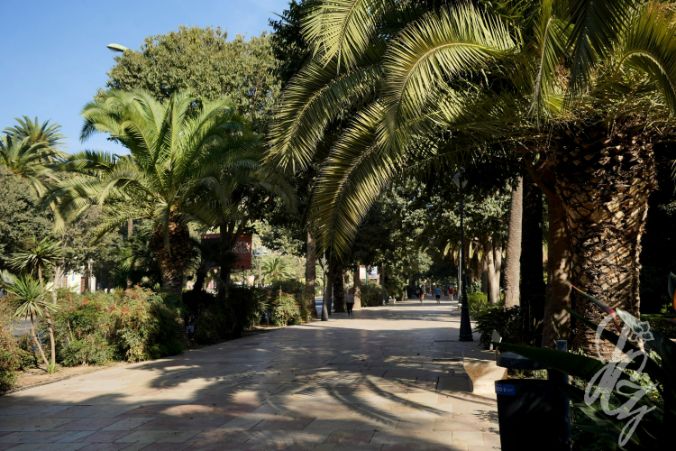
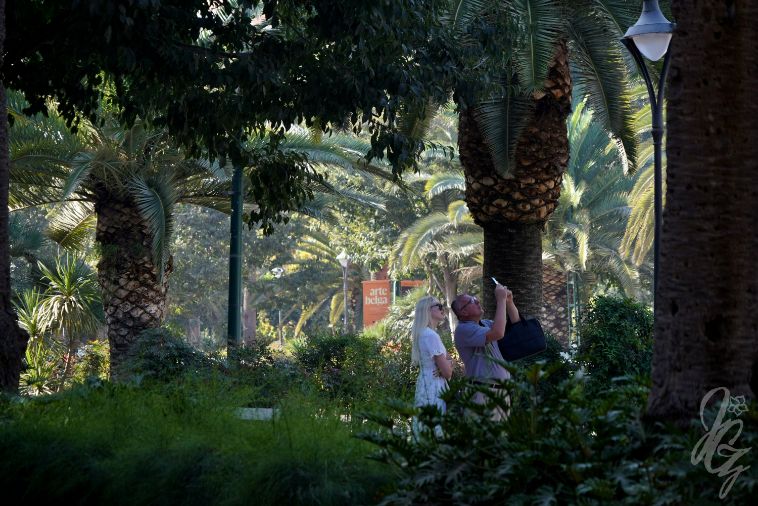
Opposite this building is a beautiful park that gives the impression of a botanical garden where you can hear the birds chirping. You will pass through this park on your way to the harbour and the beach.
Málaga´s beaches
What would a visit to the Costa del Sol be without at least a peak at the beach? The closest beach to the town centre and the most popular one is La Malagueta. It is surrounded by bars and restaurants and can get busy on sunny days. You will notice that the sand is fine but doesn’t have the usual colour. It appears to be grey. This is because it is an artificial beach made by humans. It is still beautiful and definitely worth a stroll along the promenade and some sunbathing.
If you would like to get to a less busy beach with a little more local flair, you can go to Playas del Palo and Pedregalejo. It was recommended to Charlie during the free walking tour and sounded a lot more attractive than the main beach of the Boquerones, the Spanish word for sardines and also the nickname of the inhabitants of Málaga.
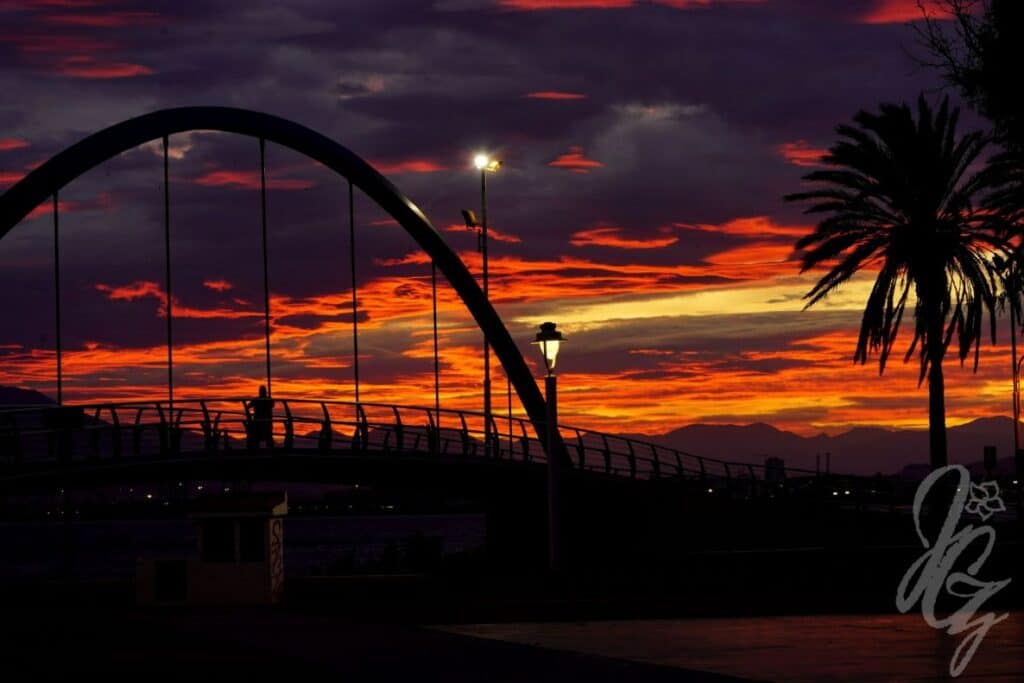
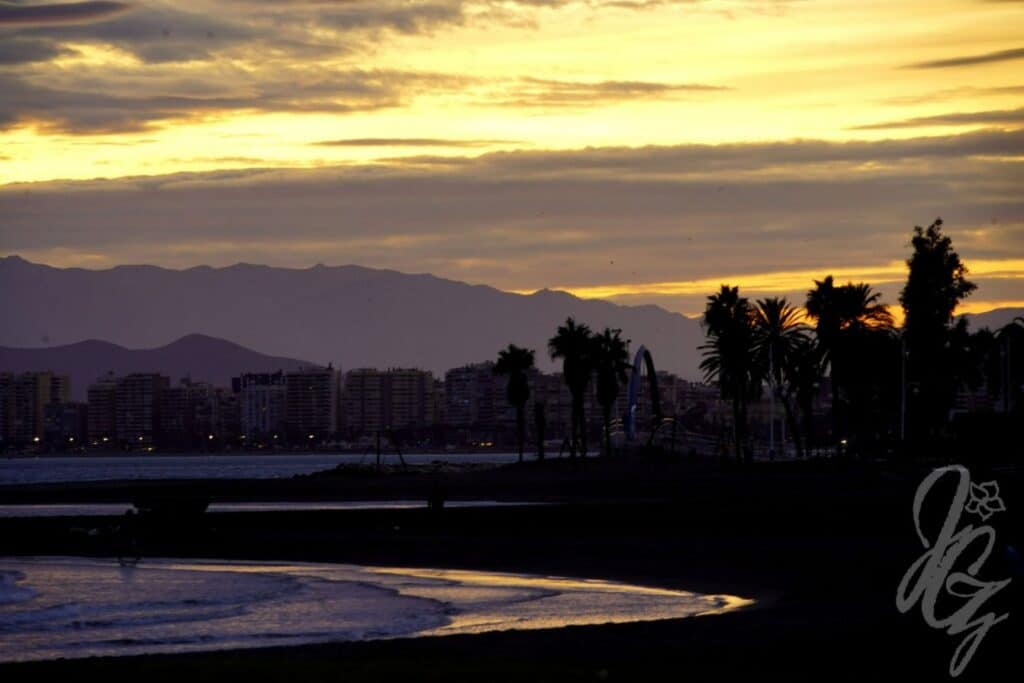
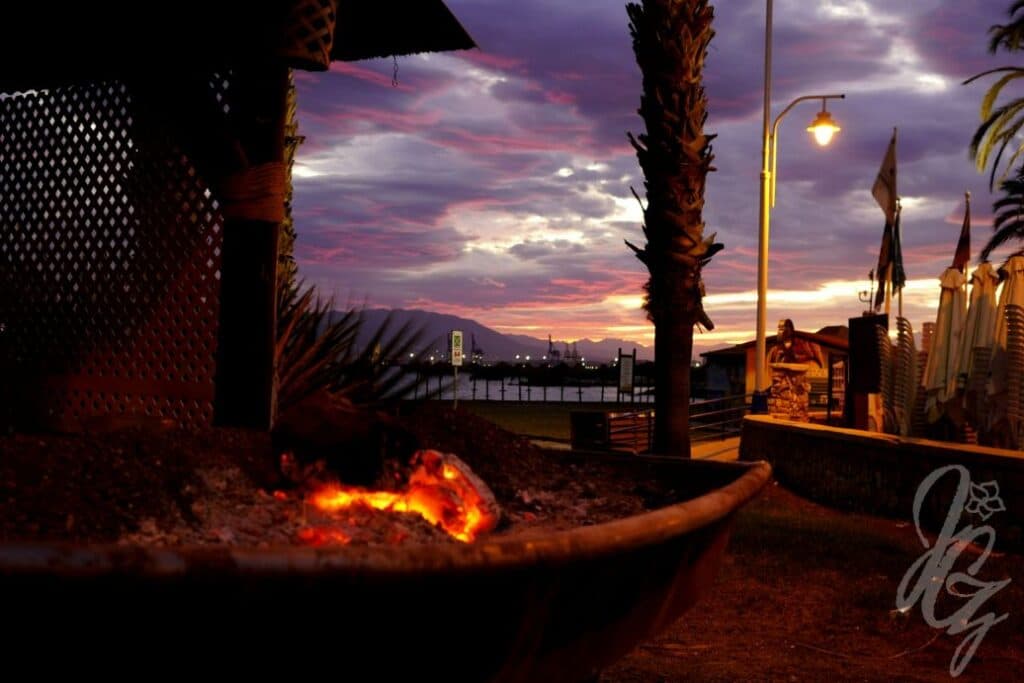
Charlie took a bus from the stop near the park, and it took about 30 minutes to Playas del Palo. This part of town seems to be a lot more residential with small colourful houses. Charlie was there in the evening, just before sunset, and saw the locals sitting in front of their houses chatting. The beach there is also artificial but arranged in smaller bays that give a bit more intimate atmosphere. There are plenty of fishing boats too that add to the look and feel of a small fishing harbour. As you walk from Playas del Palo towards Pedregalejo along a wide promenade, you will notice that the number of bars and restaurants is gradually increasing. When Charlie was there, it did not feel overly touristy, and she was fascinated by the flames of barbecues in fishing boats.
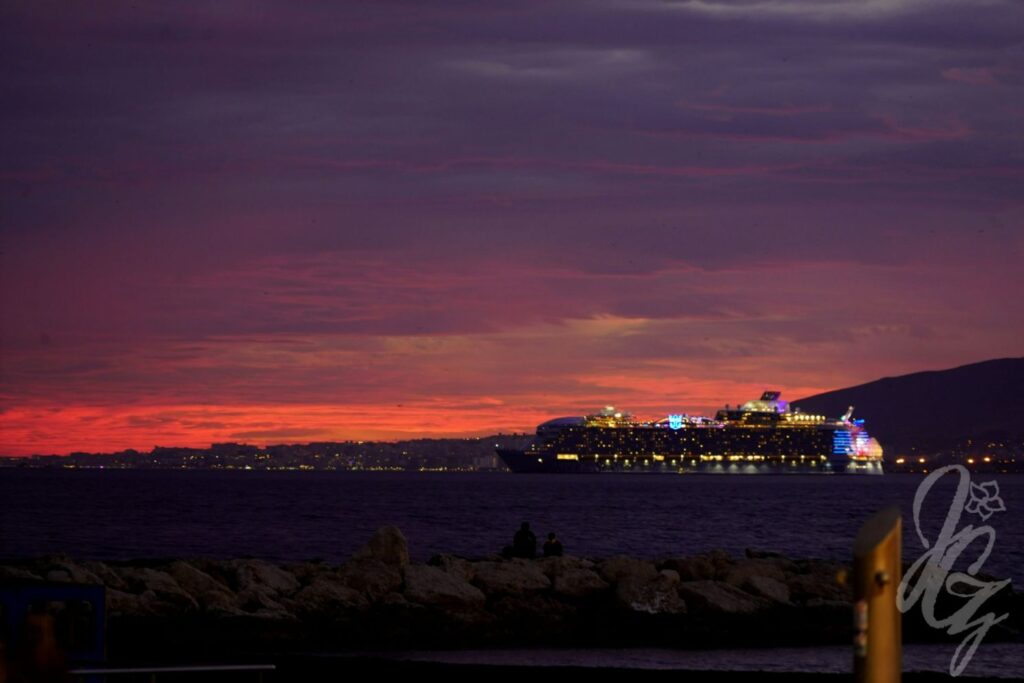
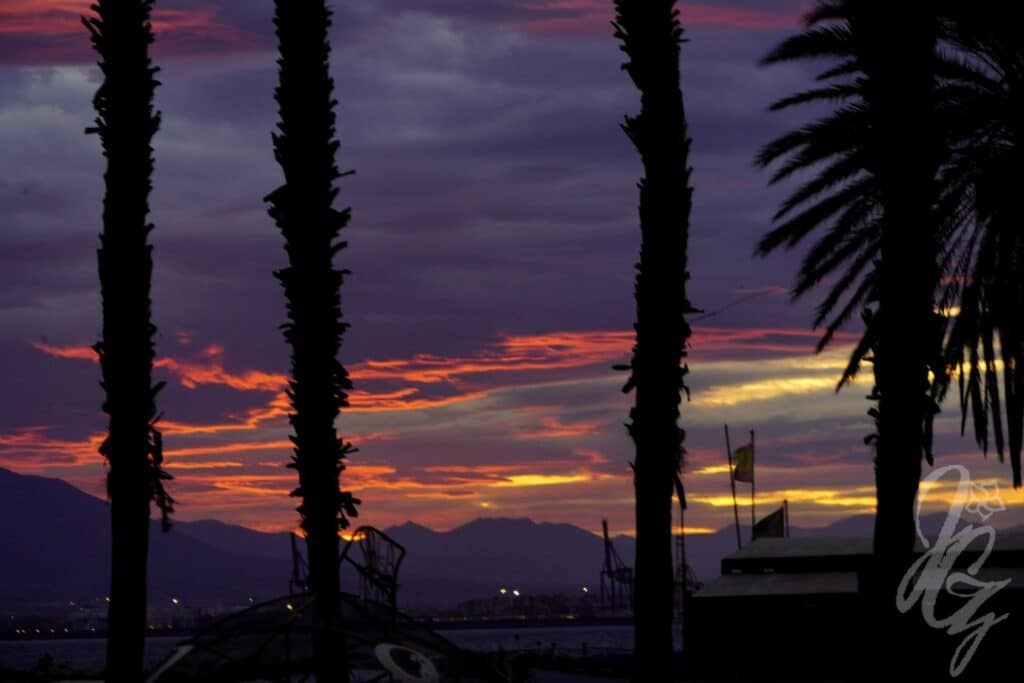
She had decided to walk back to the centre of Málaga to capture the sunset and it took her a bit more than an hour. Of course, there is also an option to take the bus back. Driving can be tricky because there is a lot of traffic and not much parking space.

Eating out in Málaga
The bars and restaurants at Pedregalejo beach seemed very inviting and Charlie might have had a little tapa during her walk. They certainly offer great views towards the sea and the mountains of Gibraltar.
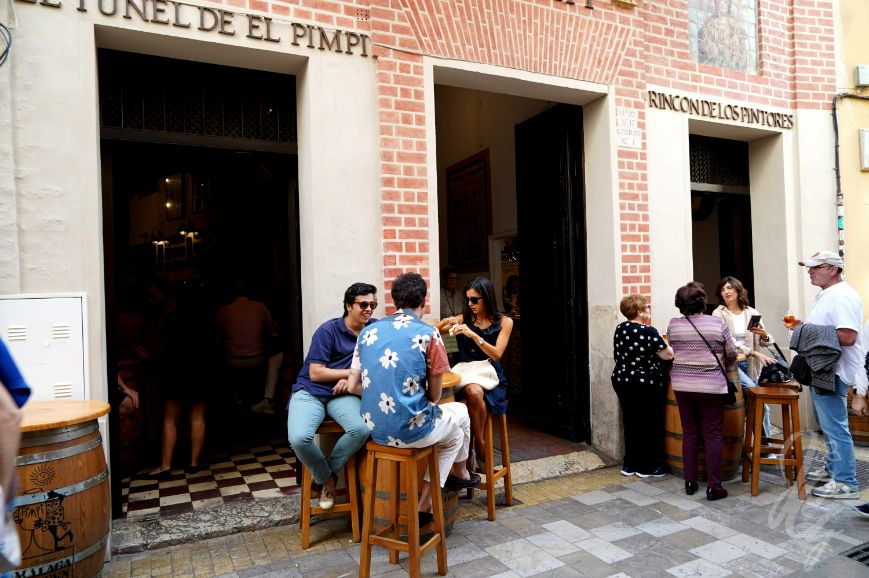
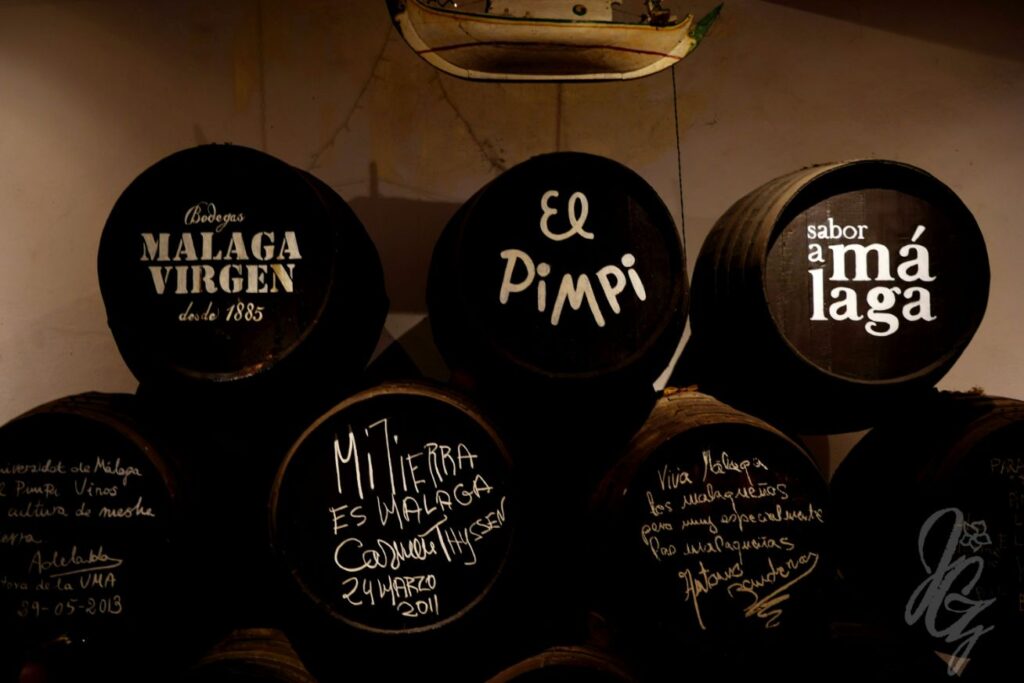
If you are looking to eat in the centre of Málaga, you will find plenty of options in the narrow streets of the old town and around Plaza de la Merced. The most iconic place in town is the wine bar El Pimpi and you should try the local sweet wine, the Moscatello.
There are also plenty of options for food and drinks at the harbour which also invites for a stroll at any time of day.
Shopping in Málaga
Also in the harbour, there are shops and a little market that is open till late. The whole centre and the old town consist of restaurants and shops which are mostly the same brands as you find anywhere in Europe. If you are looking for some lesser-known brands, try Calle Nueva and Calle San Juan. If you are really into shopping, there is also a big shopping centre near the main train station. It’s not something Charlie usually has on her to-do-list when travelling, but Málaga gave the impression to be a little paradise for those that like to fill the last remaining gap in their suitcase.
Destinations in Andalucía
Sorry, no posts matched your criteria.